United States of America: 250 Years
To mark the 250th anniversary of the United States, we spotlight a selection of projects by Magnum photographers over the past 20 years, exploring America today
“As of this writing it is not at all clear that American democracy can hold,” wrote Matthew Frye Jacobson, the Professor of American Studies and History at Yale University, in the 2024 publication Magnum America, edited by Peter van Agtmael and Laura Wexler.
For many, it seems like democracy continues to fray at the seams. Today, 250 years after the Declaration of Independence was signed — and Thomas Paine penned his pamphlet, The American Crisis — the nation faces a new crisis. If questioned on the moral health of America today, many would be quick to cite a sense of constitutional decay, authoritarianism, and deep-rooted racism and inequality, from violent ICE raids to police shootings. Philosopher Cornell West has called this the “gangsterization” of America. Yet, as he notes, stealing land from indigenous people and enslaving Africans were the very preconditions for America. The seams were fraying from the start.
Last week, CNN reported that dozens of federal judges have accused the Trump administration of acting unlawfully and abusing constitutional power. In February 2025, President Trump himself declared on his platform, Truth Social: “LONG LIVE THE KING!”, triggering the No Kings protests across the country. Meanwhile, Trump’s self-chaired, partisan committee for the 250th anniversary, Task Force 250, hails the U.S. as “the greatest republic ever to exist.”

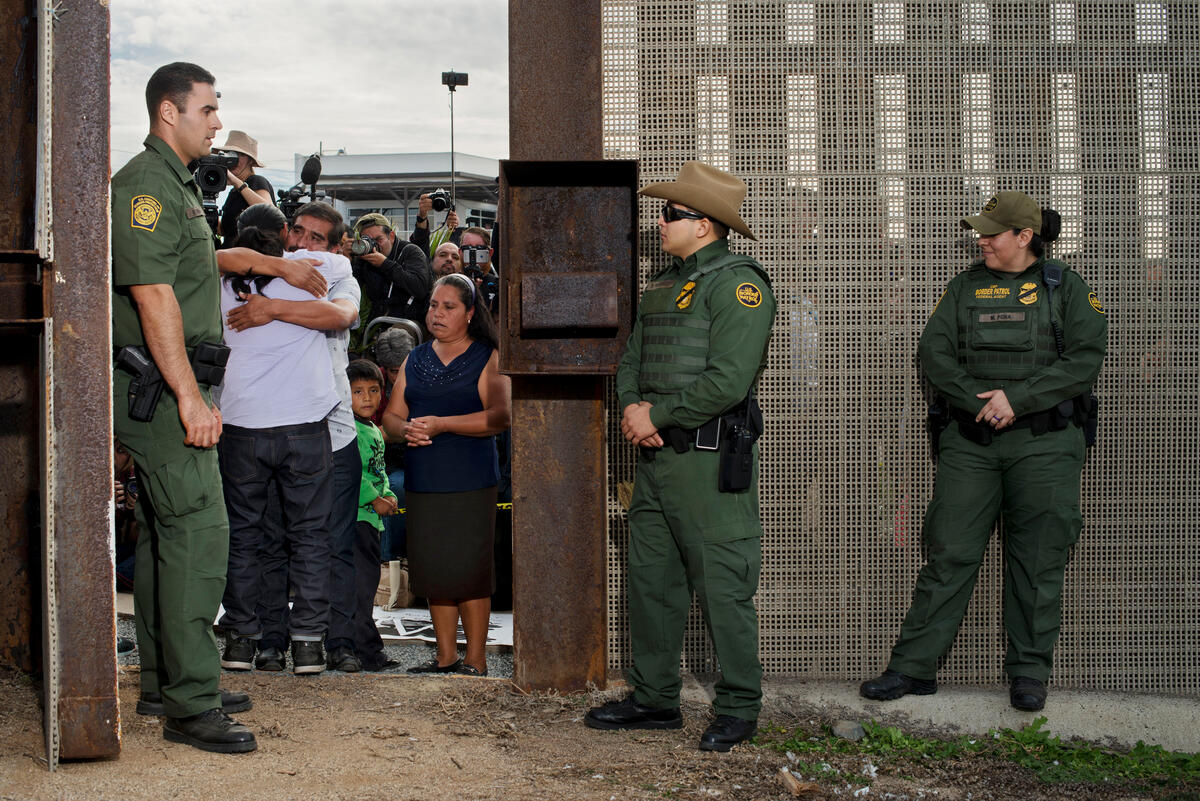

For almost 80 years, Magnum photographers have embedded themselves in America’s many cultures, navigating its contradictions and myths. Yet they have not only recorded political divisions, economic turmoil, and social inequalities. They have also captured the lives of everyday people, those who may be unnoticed or unheard, but partake in history as much as any political crisis. There is, of course, not one American story.
The work of Magnum photographers in America asks more questions than it seeks answers. Where do Americans find community and kindness? What does “life, liberty and the pursuit of happiness” look like? How do these ideals falter? Where have they been and where are they going?
In recognition of the country’s 250th anniversary, we highlight a selection of projects by Magnum photographers made in the past 20 years that carefully reflect on contemporary America, whether through politics and society, the monumental or the everyday.
Peter Van Agtmael: Look at the U.S.A: A Diary of War and Home
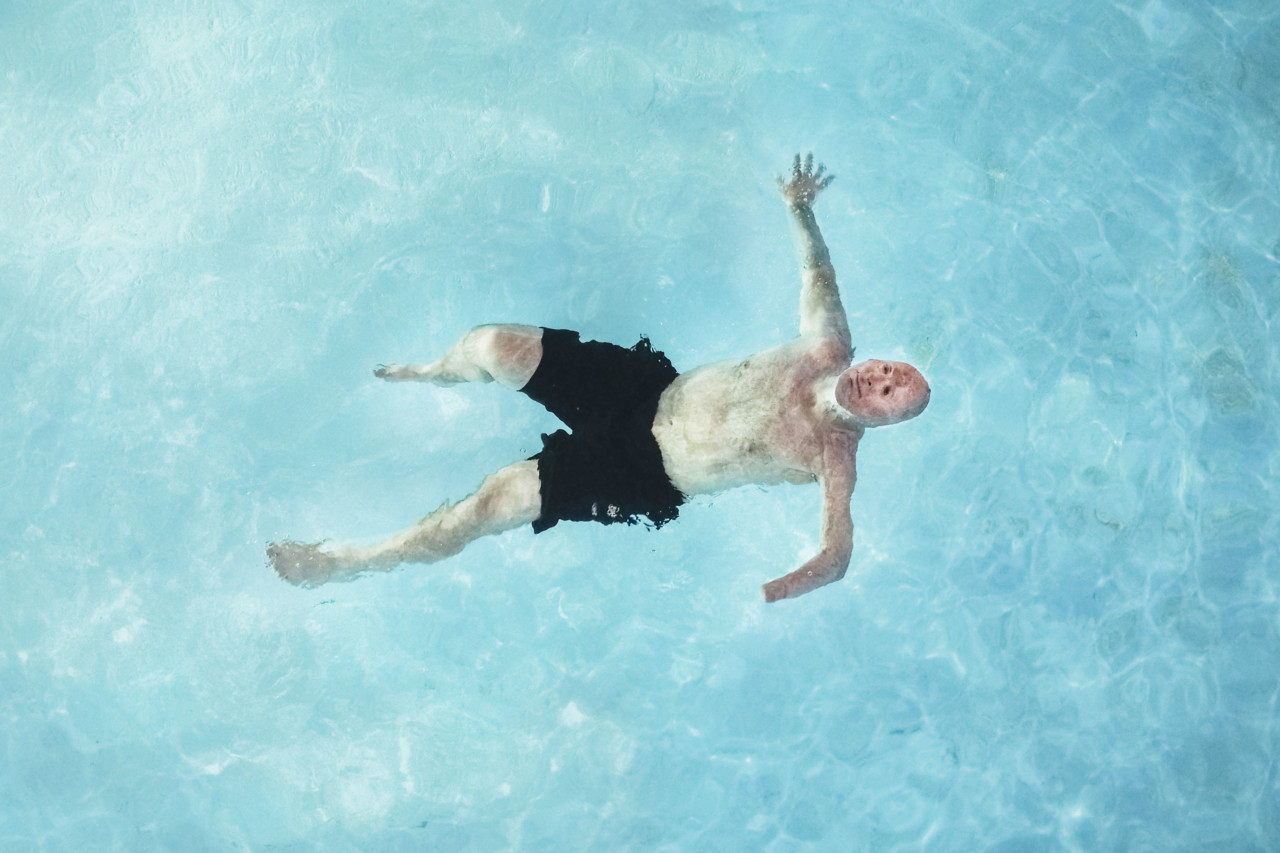
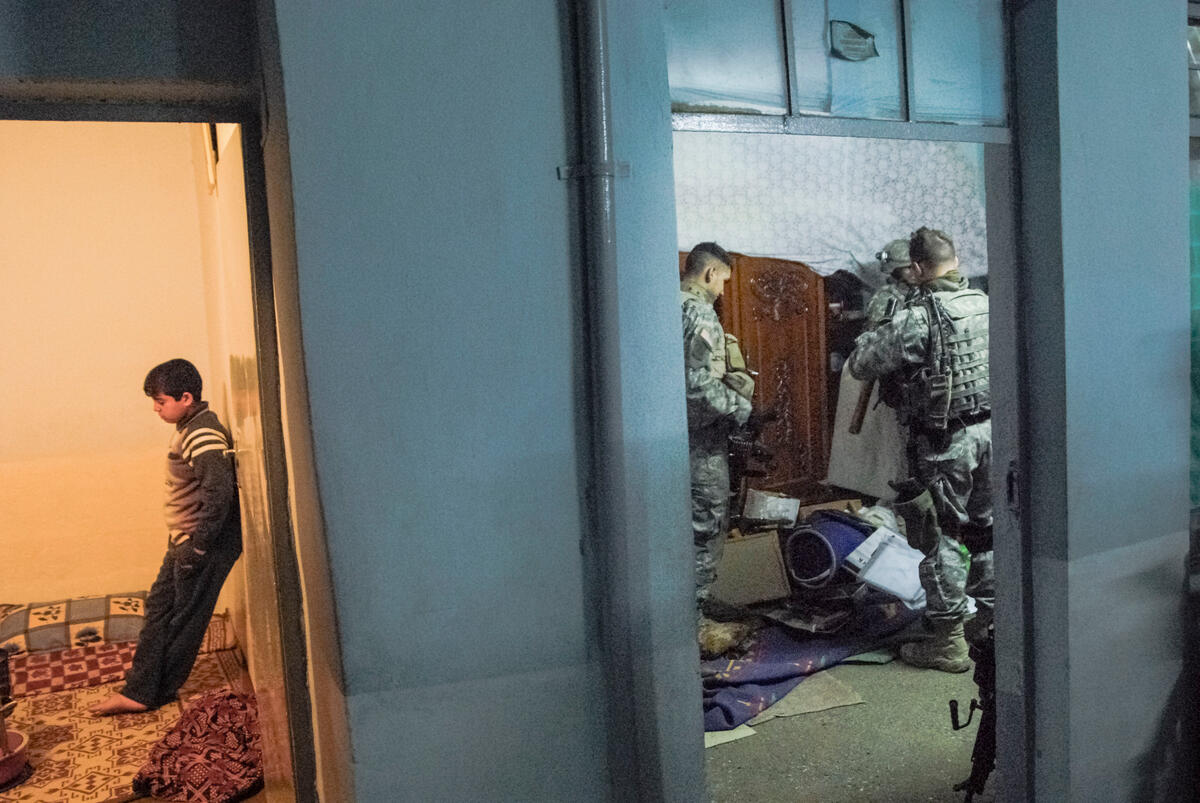
Peter Van Agtmael’s Look at the U.S.A is an account of post-9/11 America through its wars overseas, and the ripple effect they’ve had in the U.S. itself. Beginning in Iraq in 2006, the book documents the Egyptian revolution in 2011, the aftermath of the battle of Mosul in 2017, and American soldiers in Afghanistan in 2022.
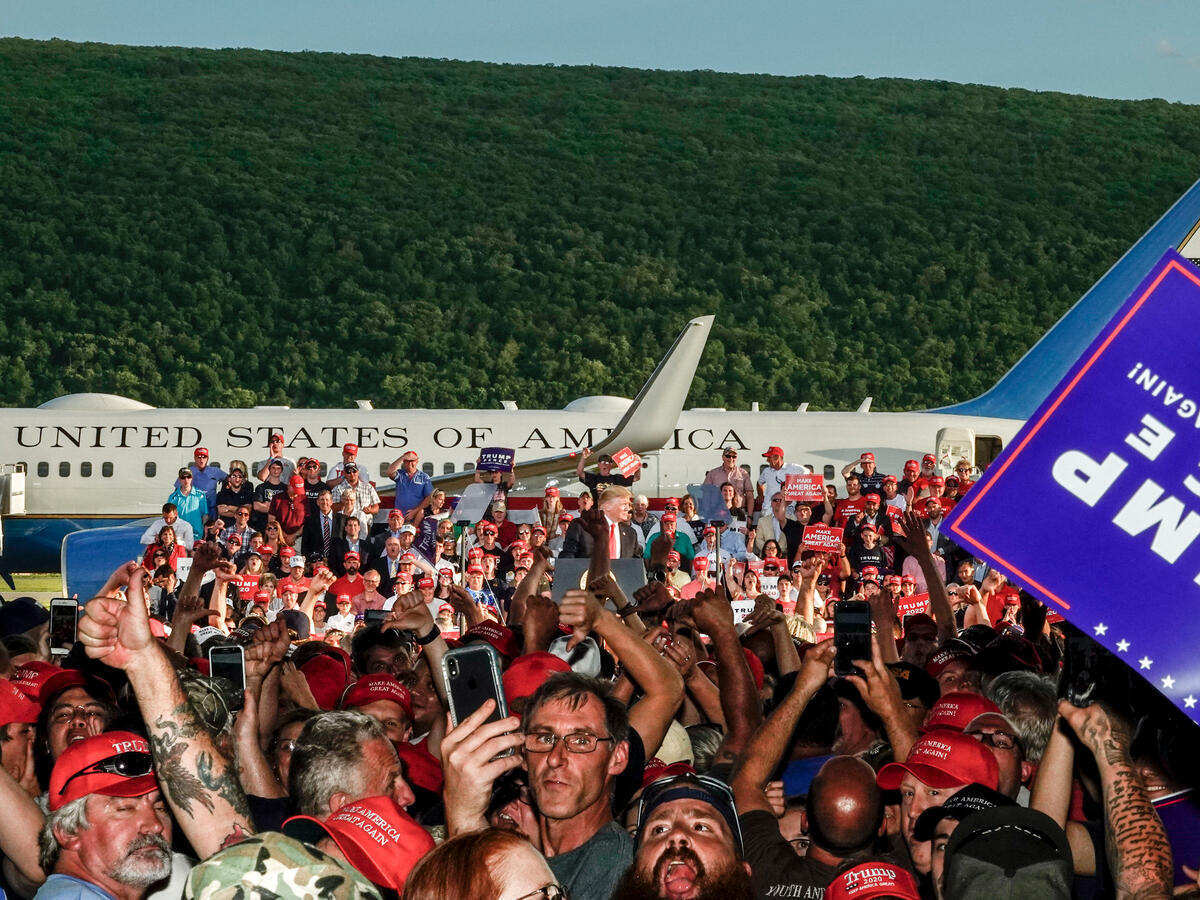
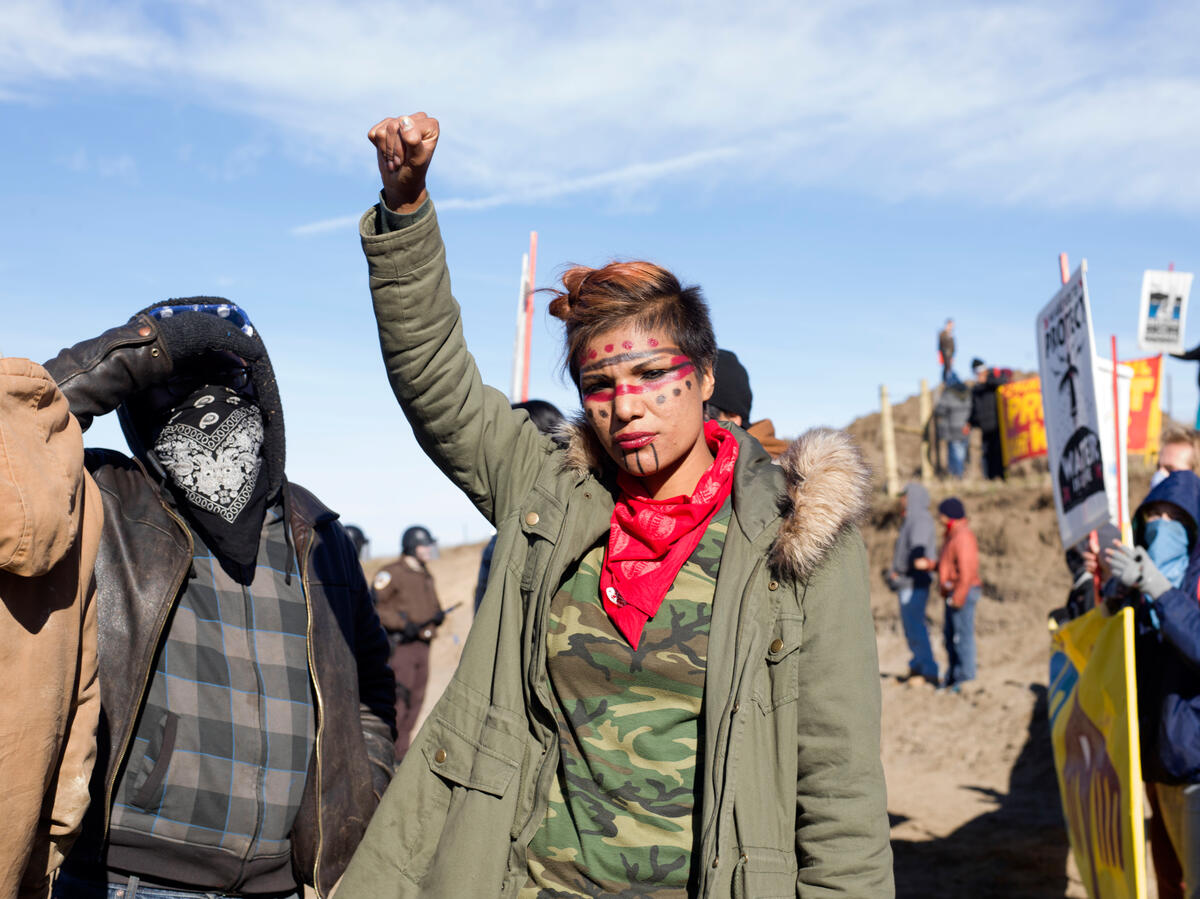
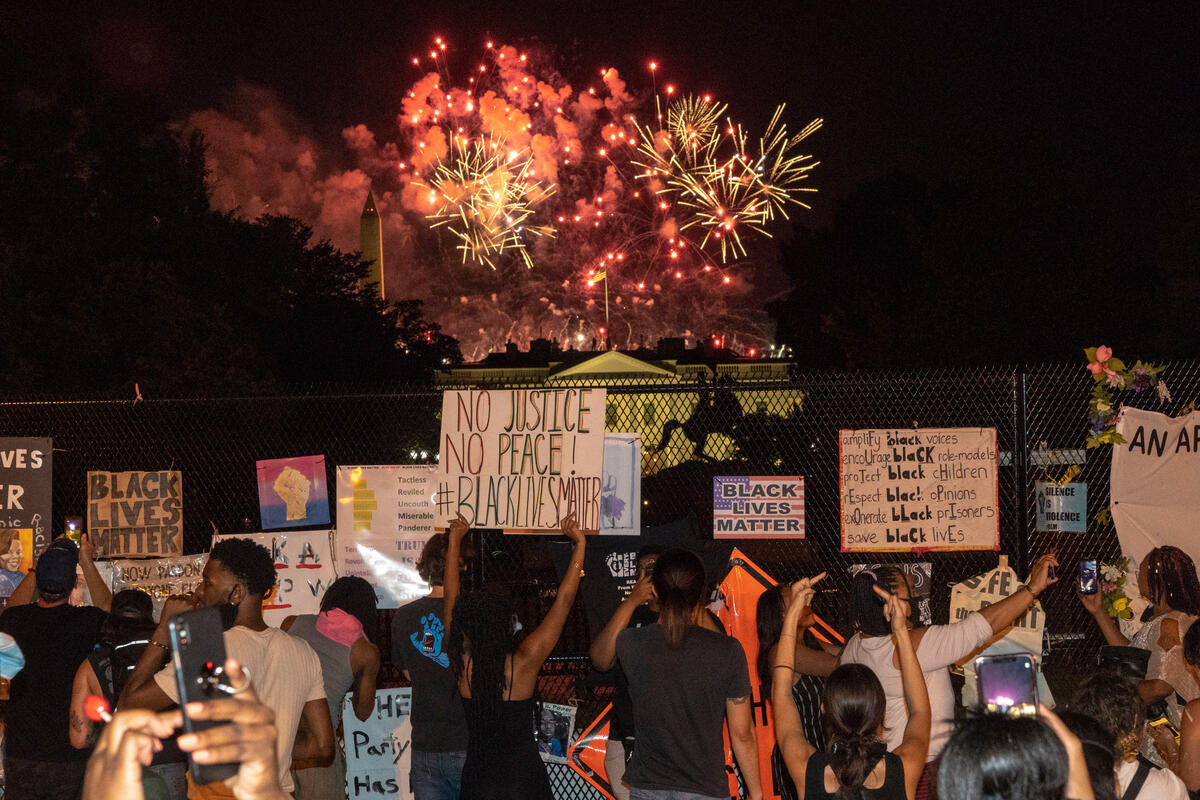
Back in America, Van Agtmael photographed Trump rallies, demonstrations after the murder of George Floyd triggering the resurgence of the Black Lives Matter movement, the Standing Rock protests against the Dakota Access Pipeline, and the storming of the Capitol on January 6, 2021 by Trump supporters. He investigates intergenerational war not as a foreign phenomenon, but a haunting reality whose consequences are all around us.
Alec Soth: Songbook
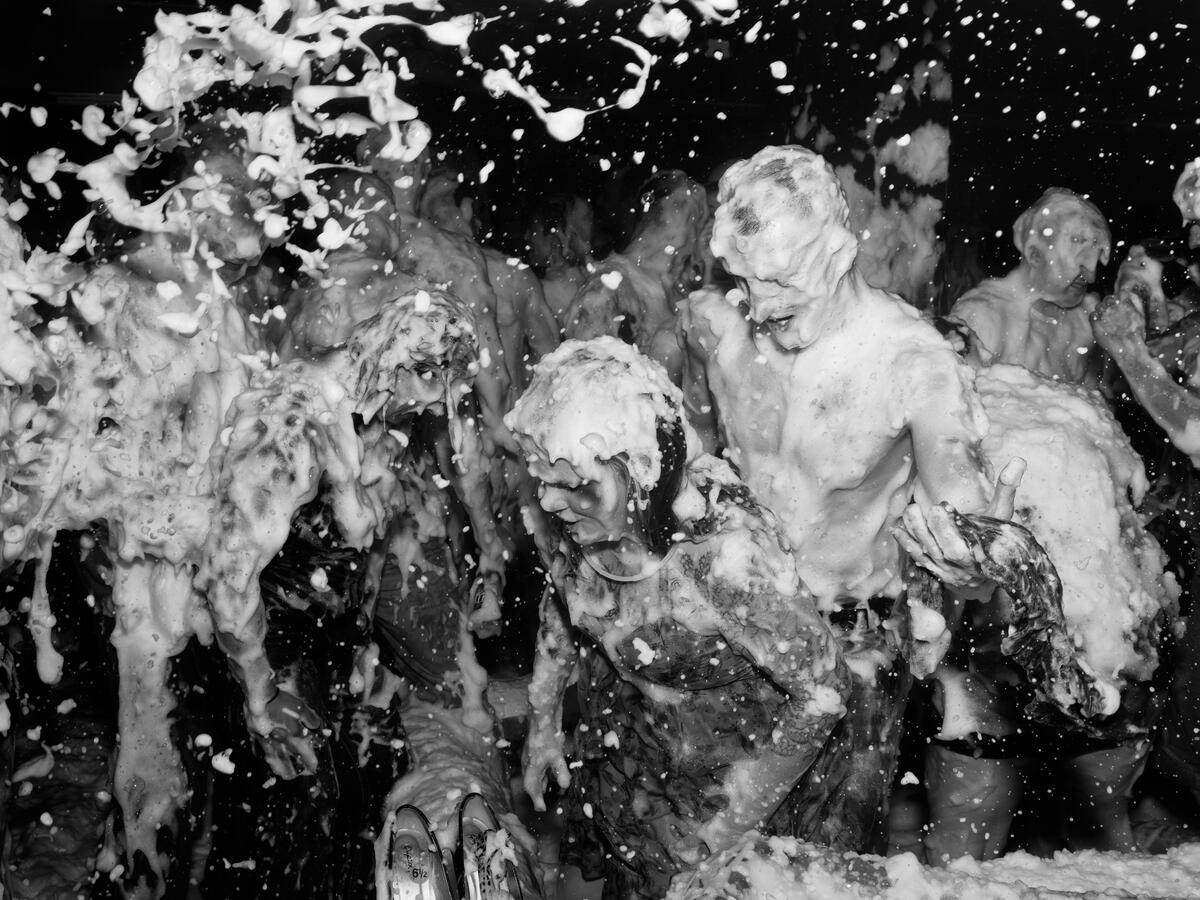
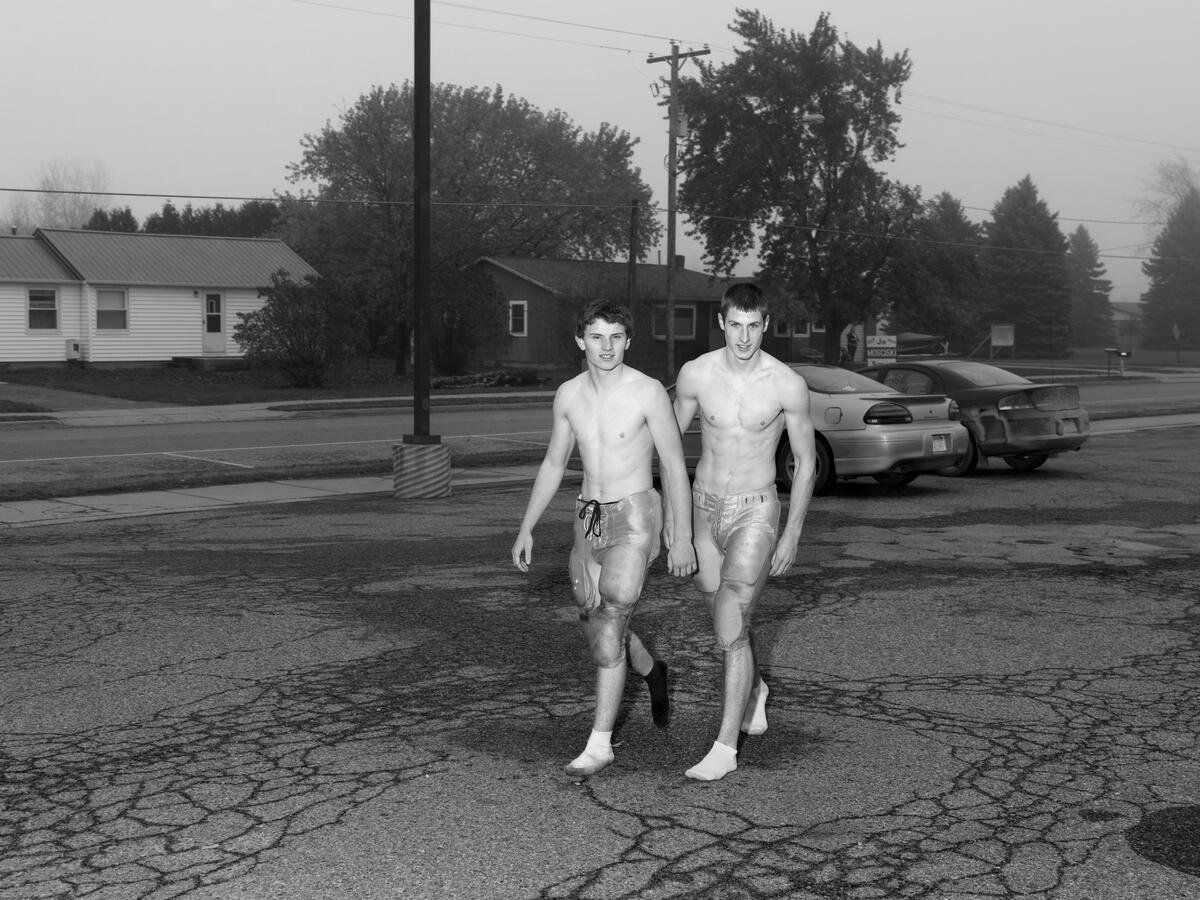
“America is not one thing. It’s many, many things,” Alec Soth said in a 2020 interview with Nowness, in collaboration with Magnum.
From 2012 to 2014, Soth assumed the role of a local news reporter, creating a self-published newspaper, The LBM Dispatch, alongside writer Brad Zellar. The result is a poetic, black-and-white portrait of community, loneliness, and connection in suburban America.
“Community life of course still exists in many different ways,” he says. “I was reinvigorated about how diverse and crazy America is. There’s this stereotype that everything’s become strip malls and Walmarts, and of course that’s true to a large extent. But you just drive off the freeway a couple of miles, and there’s so much richness there, and so many stories,” says Soth.
Bieke Depoorter: I Am About to Call it a Day
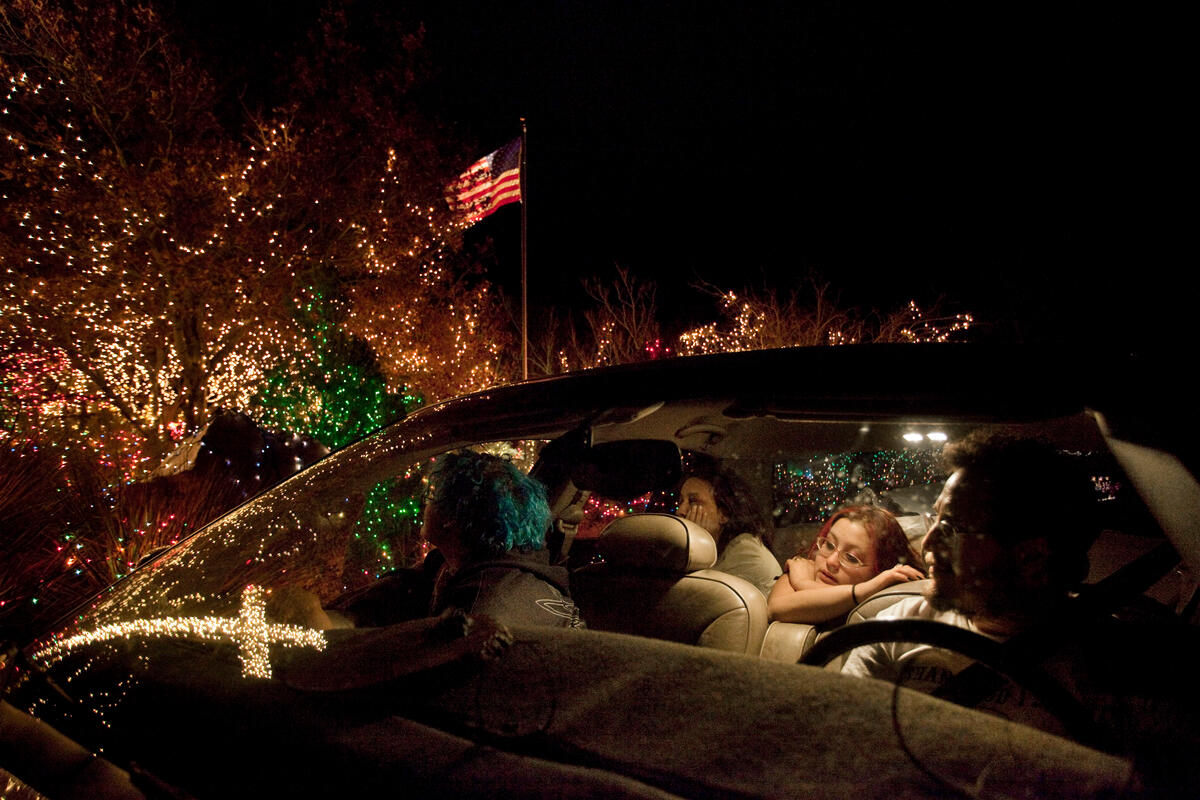
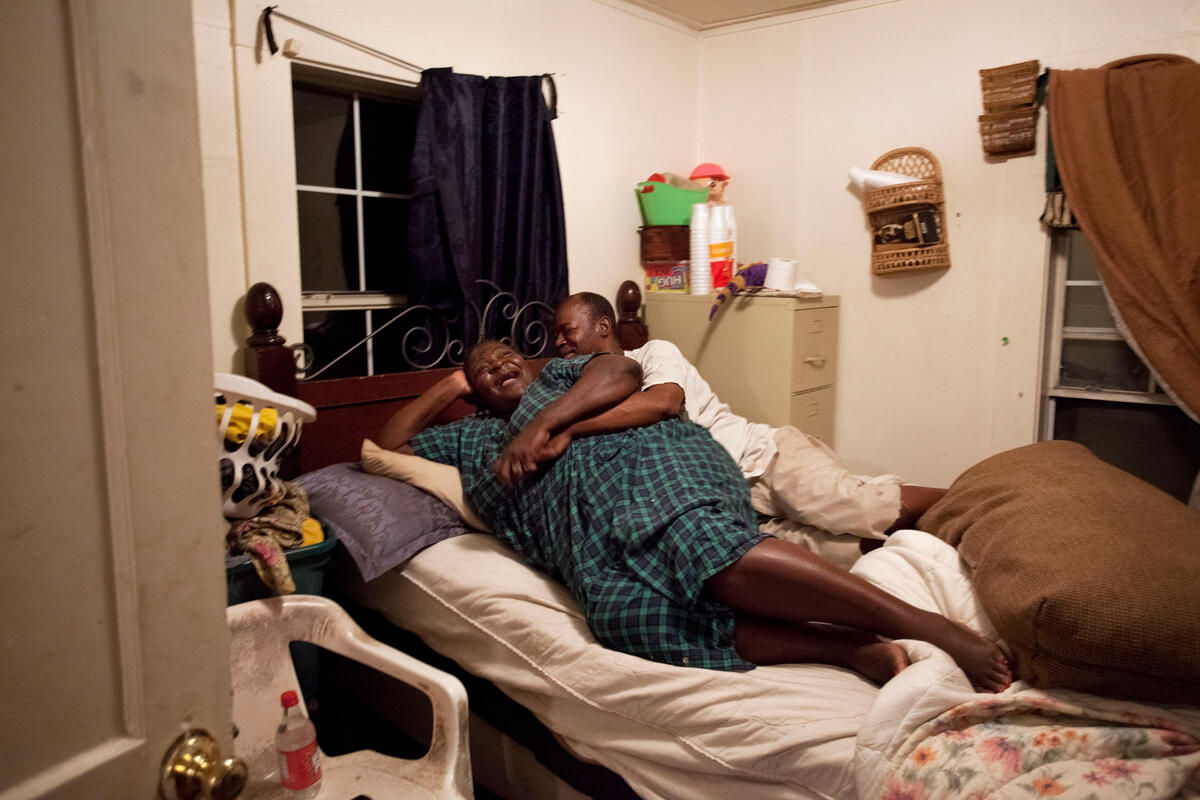
United States, and Egypt, asking strangers if she could spend the night in their homes. I’m About to Call it a Day recounts her experience in the U.S., where Depoorter sleeps on people’s couches, floors, and air mattresses across the country, privy to their intimate domestic lives. “I lived in awe of the generosity, tenderness and love,” she writes.
Rarely staying more than one night, Depoorter captured fleeting vignettes of brief but intense encounters, creating an emotional atlas of American life.
Mark Power: Good Morning, America
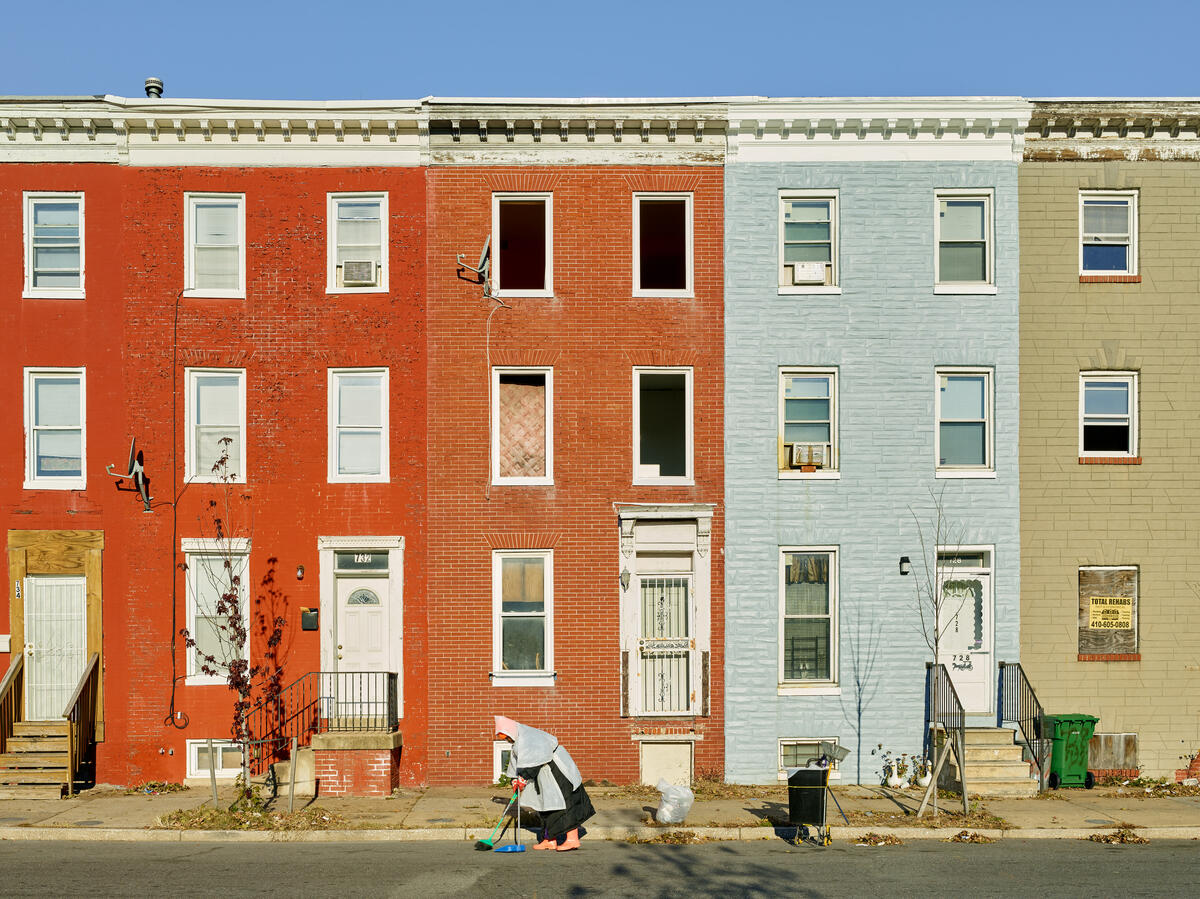
“For as long as I can remember I’ve wanted to explore America,” writes British photographer Mark Power, whose 5-volume collection Good Morning, America assembles photographs taken from 2012 to 2026 across all 50 states.
Power believes he was searching for the America of his imagination, “the one generated during childhood, the one that had probably never existed at all.” Through the eyes of a foreigner, we see his expansive perspective of the country, exploring its complexities and ironies. With the wide breadth of compositions, the collection portrays pockets of post-industrial America, in a society of tense, somber landscapes.

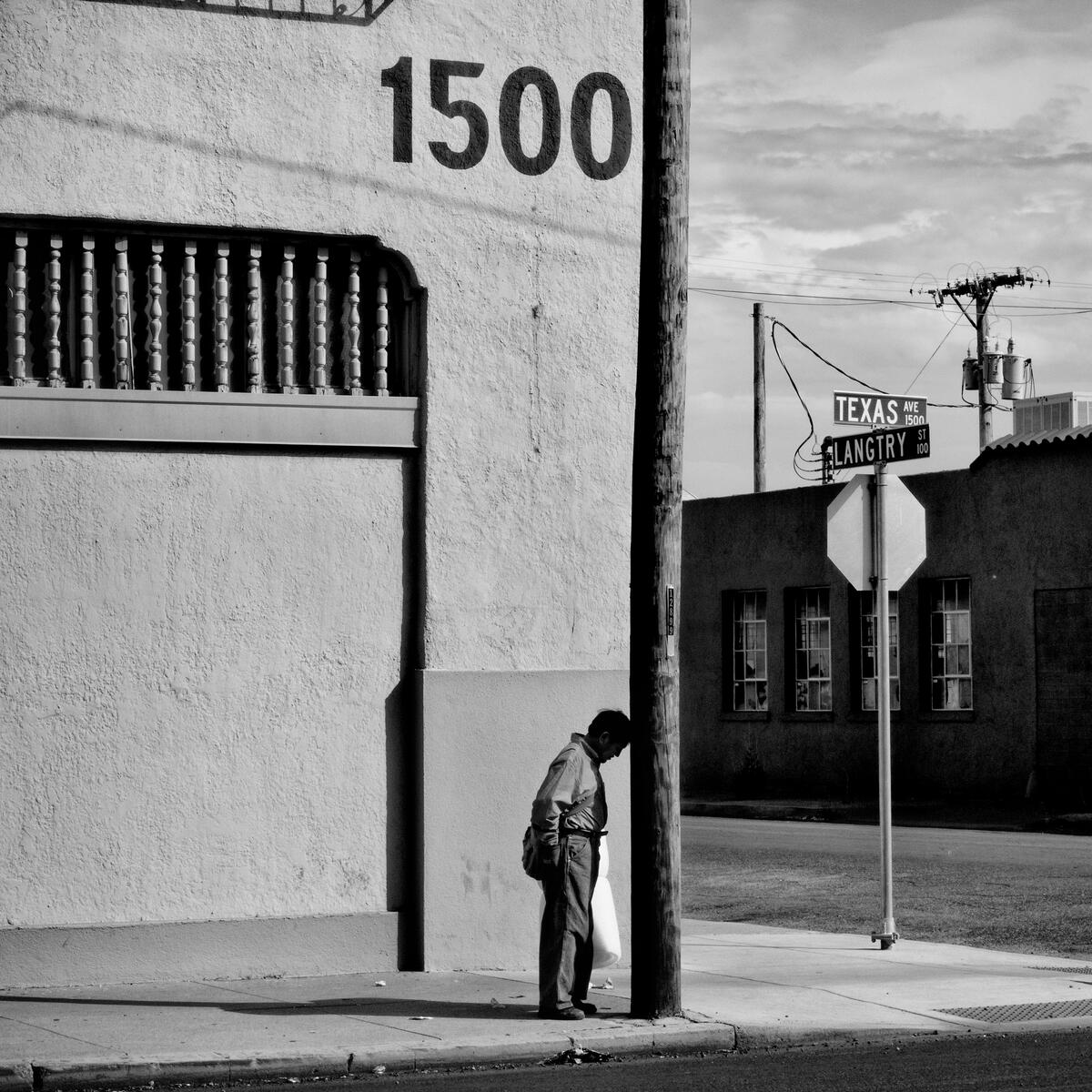
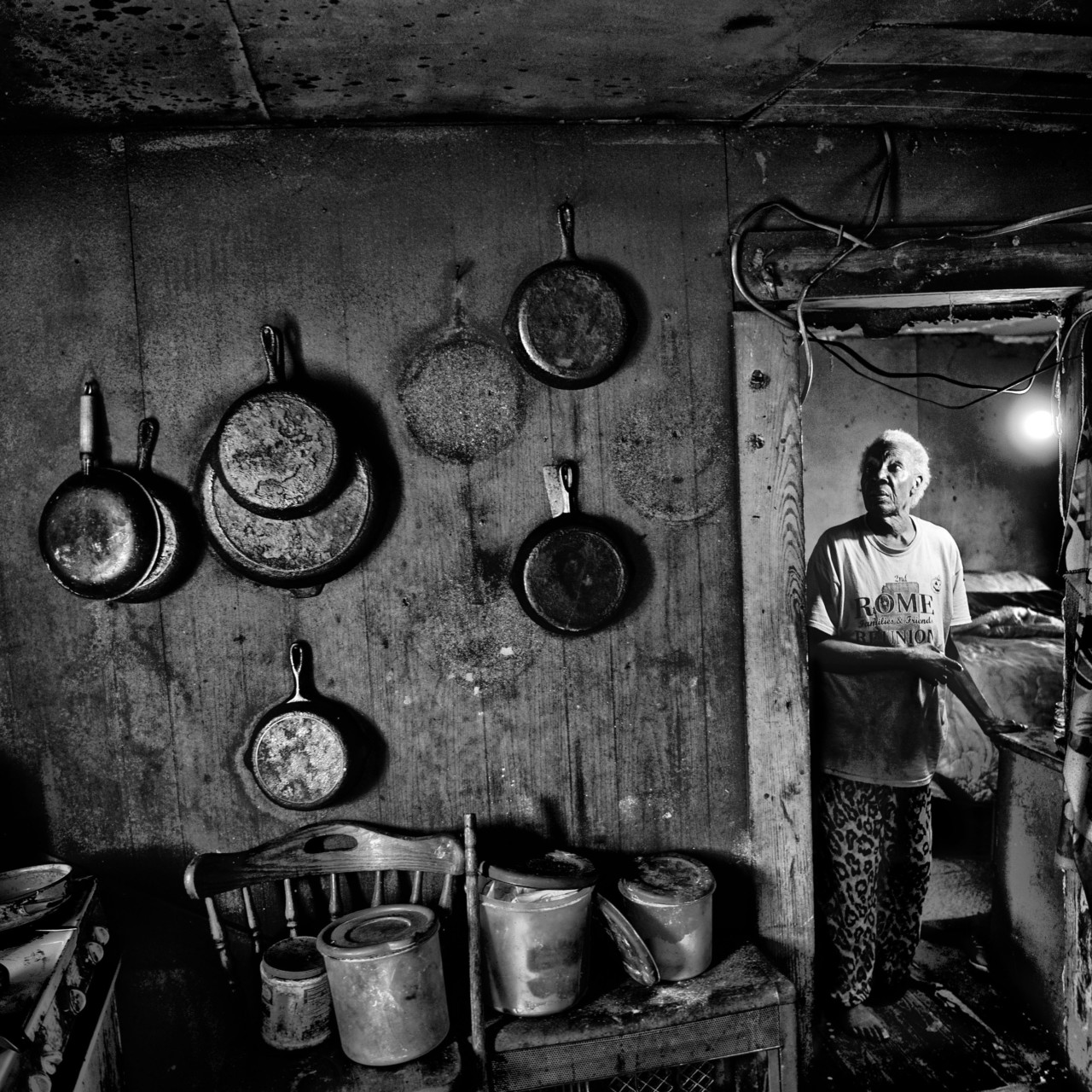
American Geography is a black-and-white compilation of images in 46 states and Puerto Rico, a six-year chronicle of vulnerable communities in the country that houses the most billionaires in the world. Between 2014 and 2020, Matt Black documented people living in some of the poorest and little-known areas of America, visiting towns with over a 20% poverty rate.
Sharing his observations, chance meetings, and daily discoveries alongside his photos, Black shows the realities of inequality and economic disparity, “not a portrait of marginalized America, but a portrait of America itself,” he says.
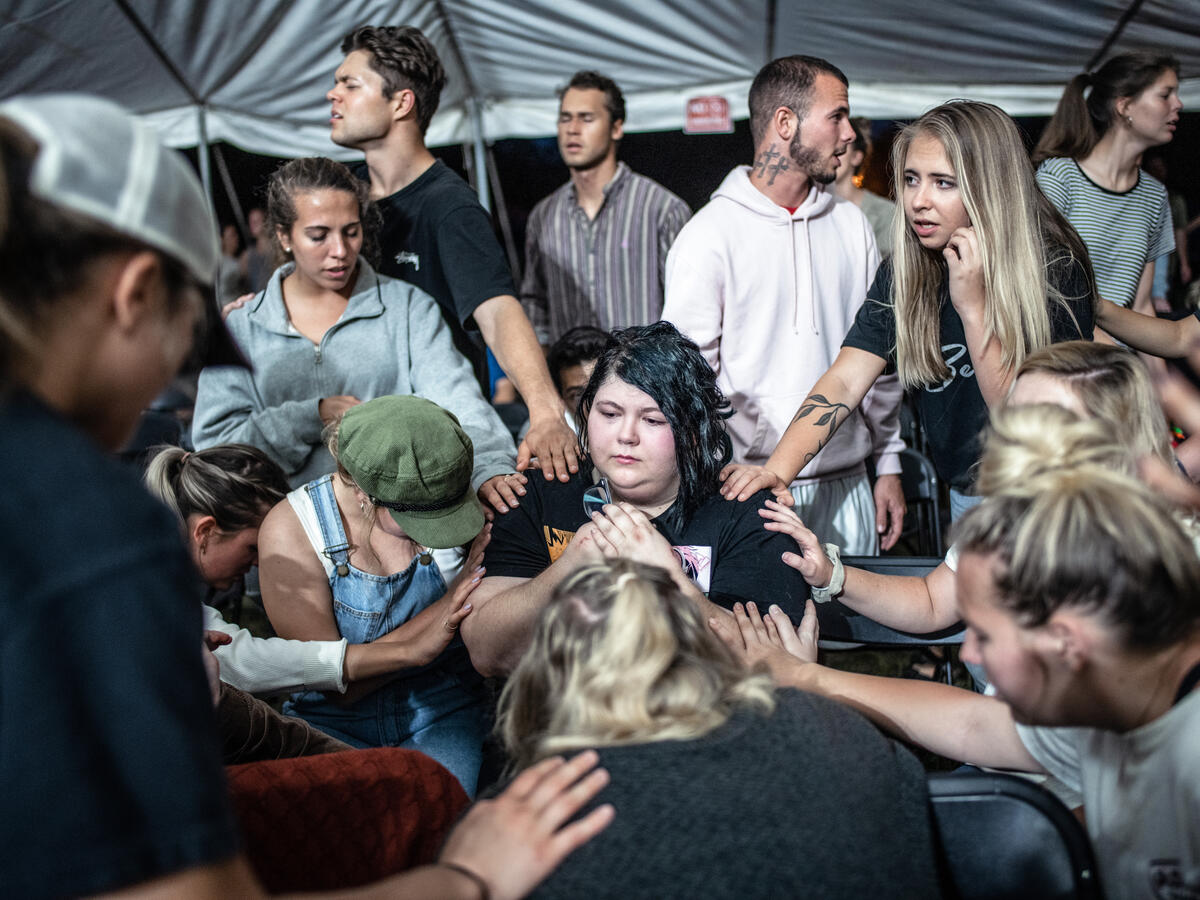
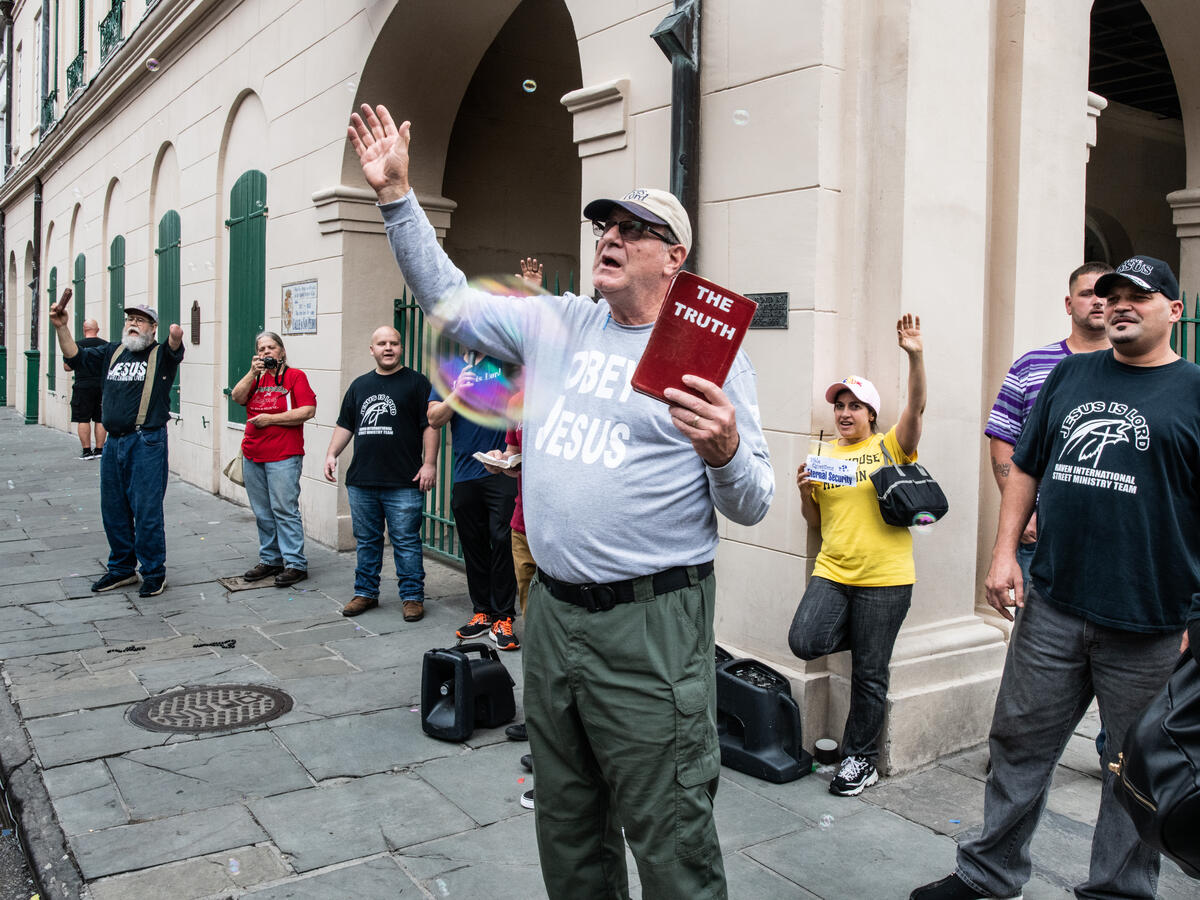
In 1990, Carl De Keyzer relocated to America with his wife and three-year-old child. Traveling in a camping car for a year, he recorded the widespread significance of religious experiences and rituals in American society, and the commodification of the church, published in his book God Inc.
30 years later, in 2019 and 2020, he revisited some of the areas, creating the sequel, God Inc. II. From non-denominational spaces that serve as hubs for millennials to drive-in churches, De Keyzer closely investigates the role of faith in the American psyche.
Carolyn Drake: Knit Club
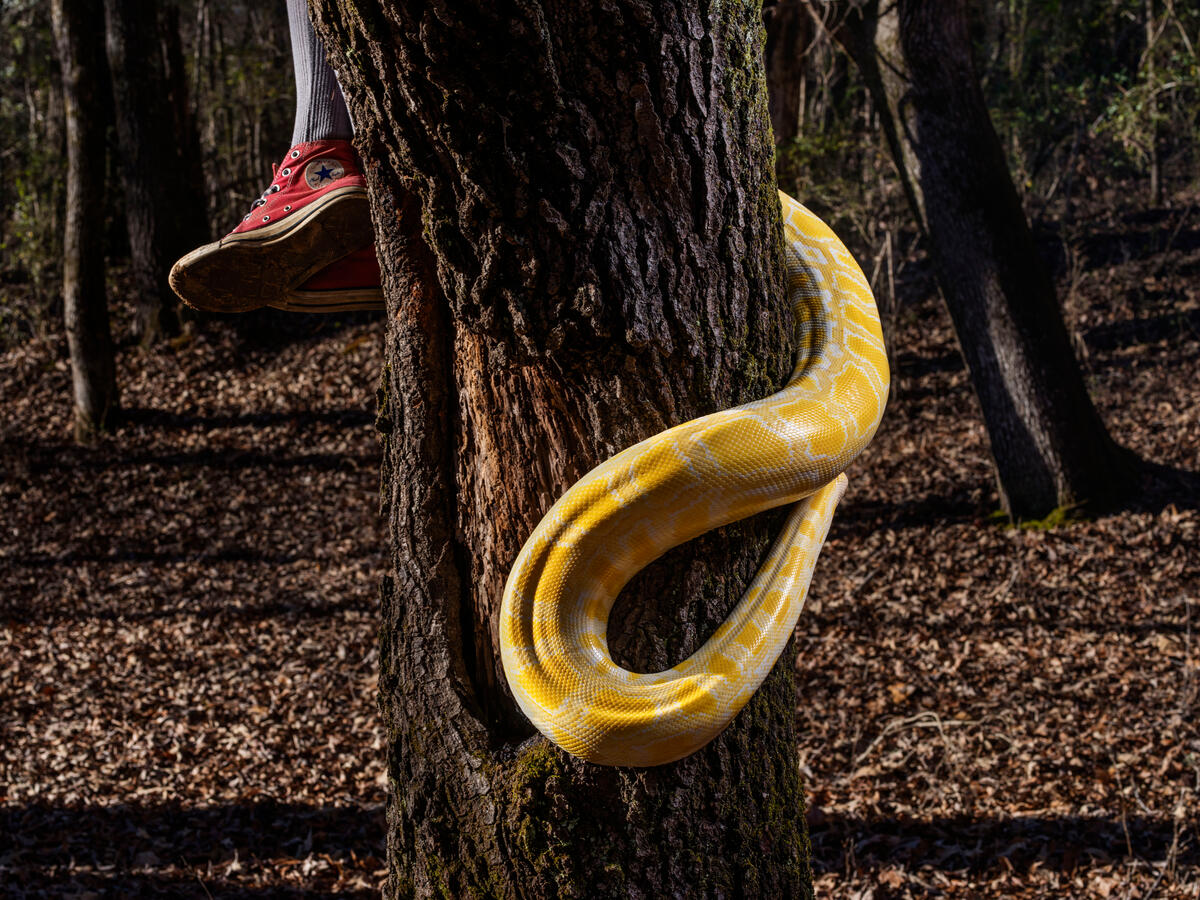
For two years, in Water Valley, Mississippi, not far from where William Faulkner imagined his fictions, Carolyn Drake and her partner lived above an old grocery store. Years after leaving the small railroad town, it became the setting for Drake’s book Knit Club, published in 2020.
Joining a knitting circle in Water Valley, Drake invited the women to collaborate with her, composing enigmatic images that reflected their creativity, their shared secrets, and their independence. “We worked instinctively with what we had, part them, part me, all us, fulfilling a desire and a need that had roots and branches but will never be tied in a bow,” writes Drake. A cryptic narrative of domesticity and agency, Knit Club also offered an outlet for Drake to confront her own questions around womanhood.

Yael Martínez: Where The Horizon Burns
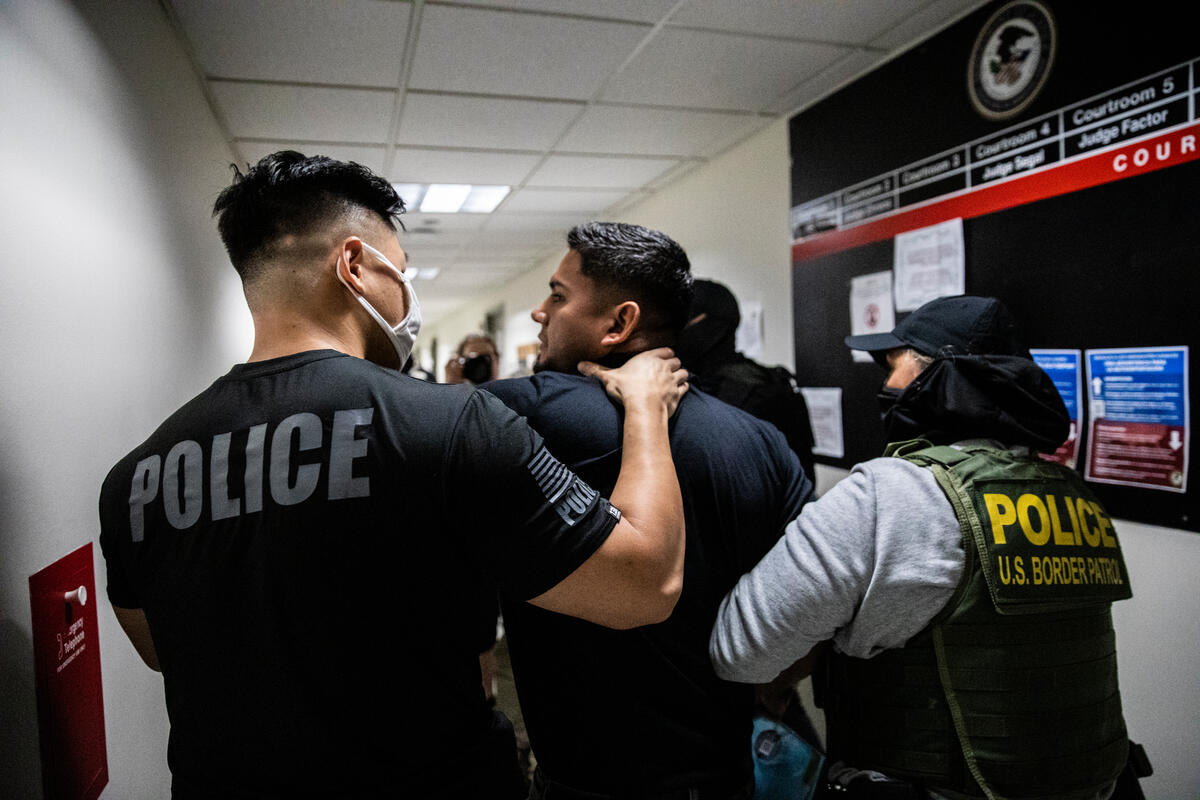
July 1, 2025. © Yael Martinez/Magnum Photos
When Yael Martínez traveled to California from Mexico in 2007 at the age of 21, he had the jarring revelation that “equality does not exist and that ideas of control and power rule our days.” Working with his uncle in El Cajon for over a year, with the hopes of saving enough money to buy a camera, he was determined “to fight for an ideal, for a dream, for the pursuit of freedom.”
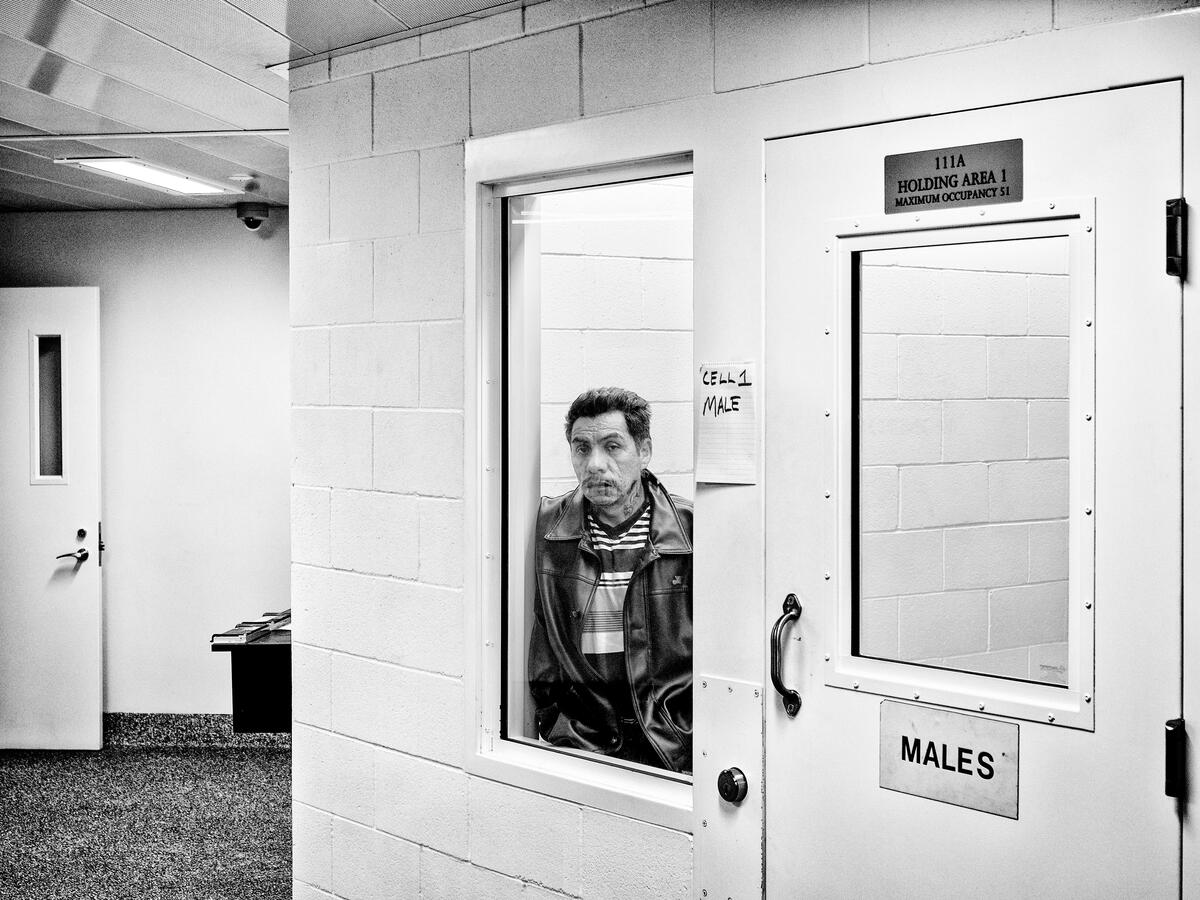
Then, in 2025, with the Trump administration’s crackdown on immigration policies, Martínez returned to California to recount the stories of his relatives, ICE arrests in New York, and the mass pushback against ICE. Where the Horizon Burns, featured in the Los Angeles exhibition Californians Powering America in 2025, is both immensely personal and a visual testimony of the resilience and solidarity of migrant workers faced with violent deportation policies.

In Chicago, Danny Lyon also reported on the ICE raids and the ordinary men and women who formed community defense groups, using whistles to warn neighbors that ICE vans are in the vicinity. He photographed a memorial for 38-year-old Silverio Villegas Gonzalez, shot and killed by ICE in his car near Franklin Park, after dropping off his children at school.
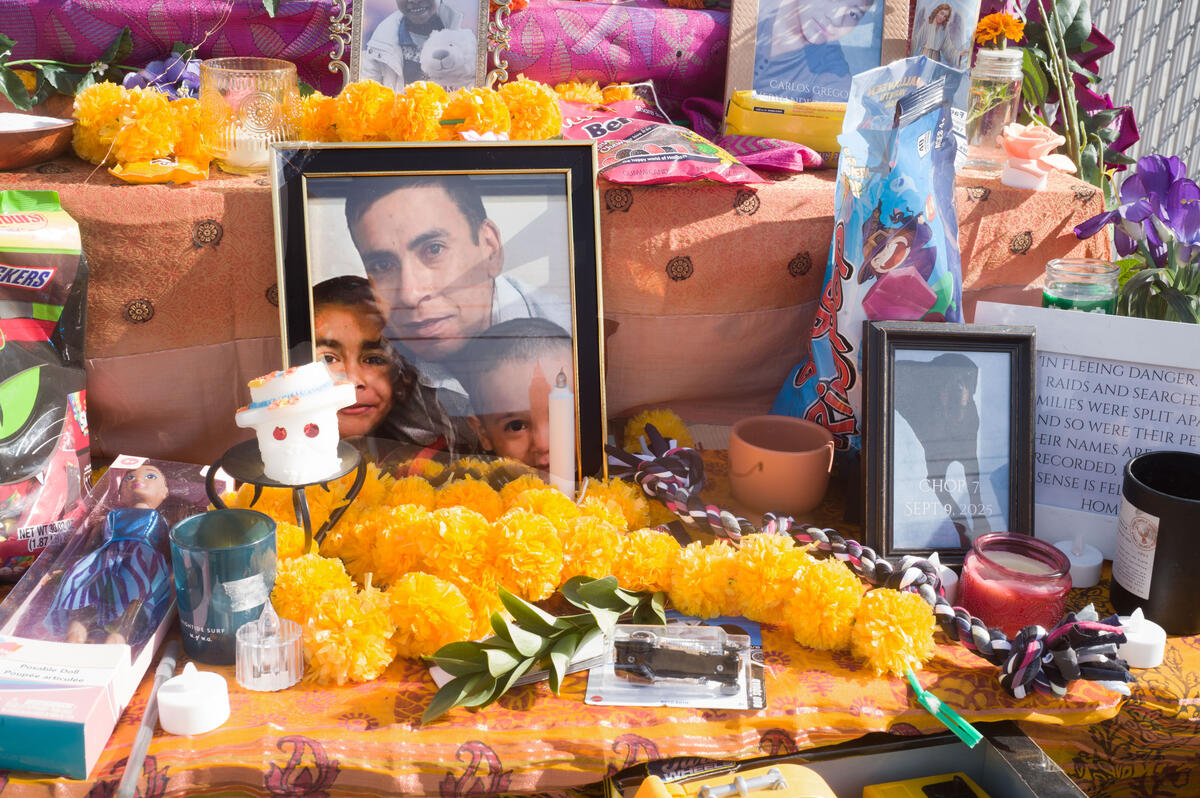
“A dark cloud has descended upon America,” Lyon wrote in November 2025 on his blog, Bleak Beauty. “Armed masked men are in our communities, seizing Brown and Black Americans. […] The thugs are working for the United States Government; our tax dollars pay their salaries. […] There is a war going on right now in the streets of the cities of America. It is an uprising. It is a remarkable show of courage by ordinary men and women and children,” he adds.
Earlier this year, Soth, who witnessed the protests against ICE in his hometown of Minneapolis after Renée Good and Alex Pretti were killed by ICE agents, shared on social media: “Like everyone, I’m really angry, but I’m also proud of the kindness of strangers […] and the kindness of my neighbors.”
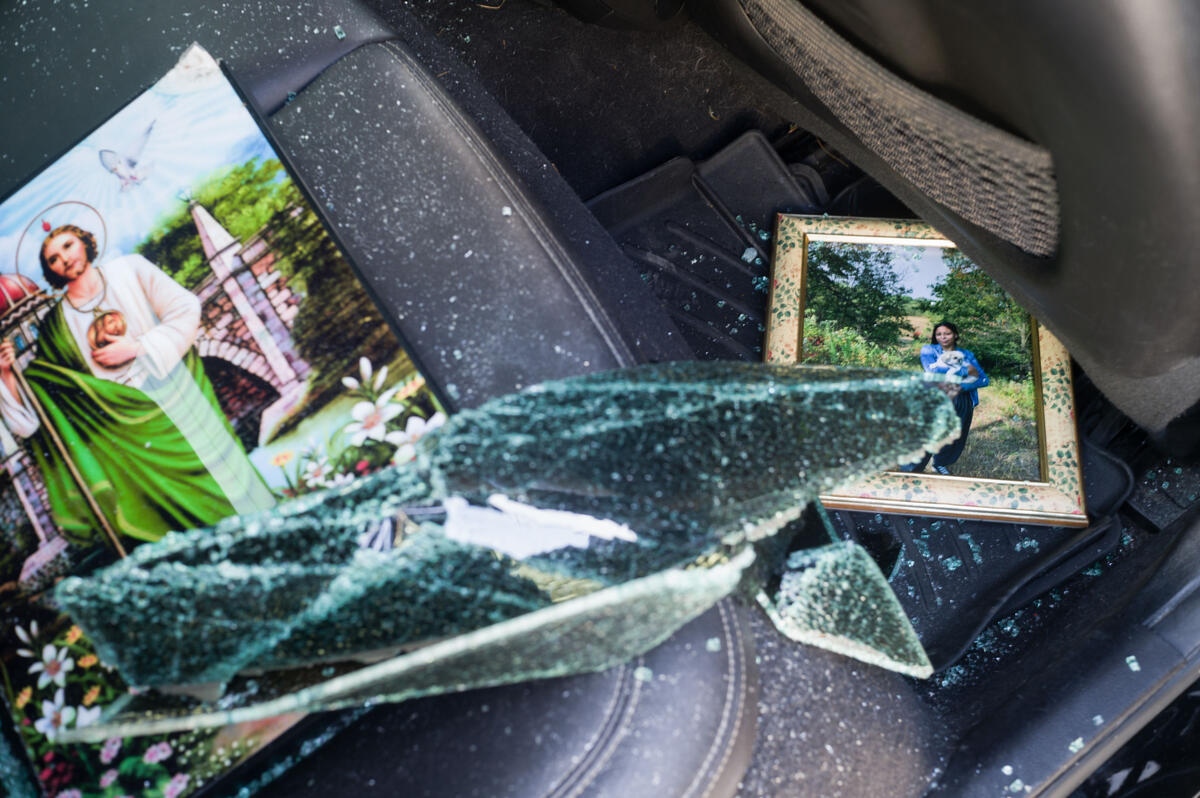
In addition to these individual projects, Magnum has pursued its commitment to collective storytelling, a legacy of the cooperative from its earliest years. Two major group publications focusing on the United States have been released in the last two years: Magnum America (2024) and Magnum Chronicles: US (2025).
Magnum America, edited by Peter Van Agtmael and curator and scholar Laura Wexler, brings together 600 images from the Magnum archive, tracing a chronological journey of the American experience from the 1940s to the present day. Last year’s Magnum Chronicles, an annual publication of new work by Magnum photographers, offers a visual account of American immigration, inequality, environment, health, economy, and foreign policy.
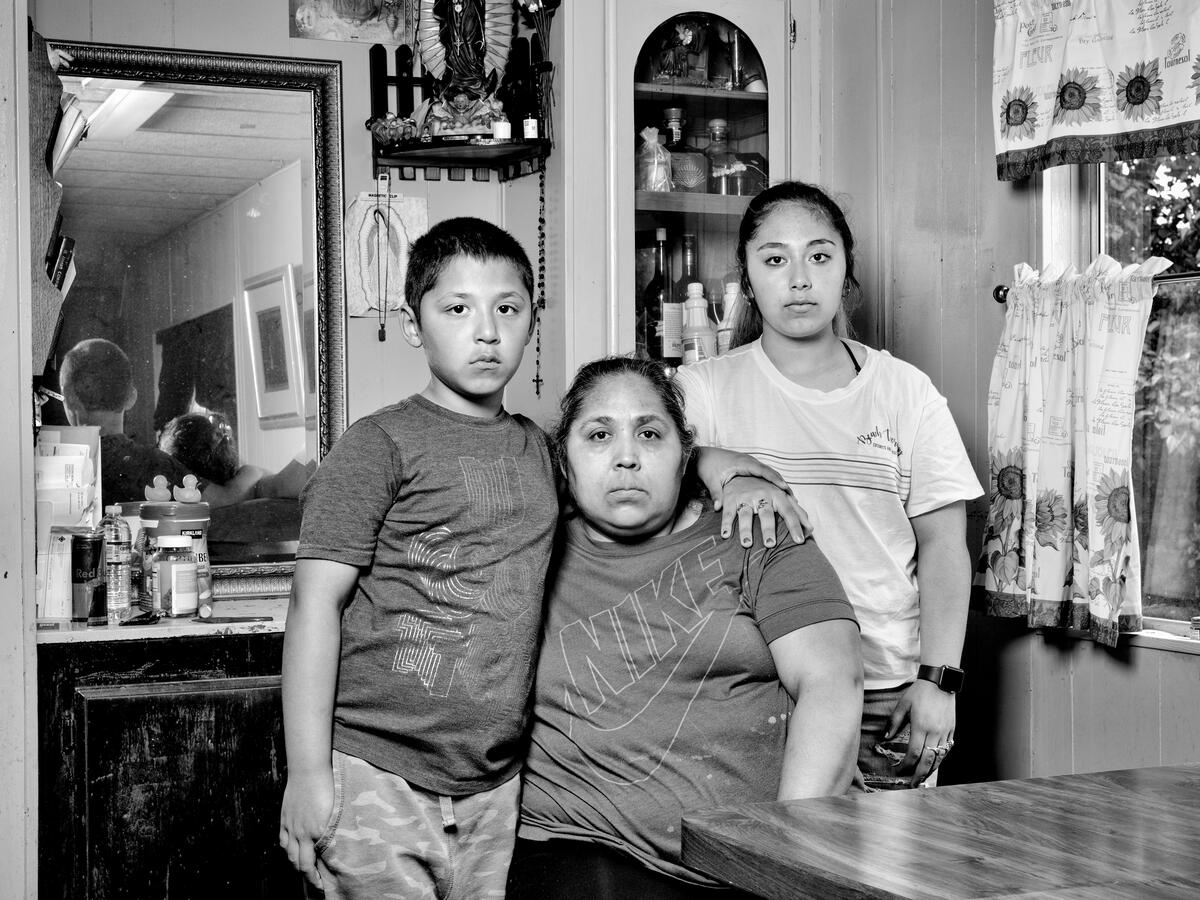
If these projects over the last two decades share a commonality, it is perhaps that they document a geographical and emotional landscape of individuals and communities in time, rather than define a singular national identity.
These collected images of the U.S. say as much about the turmoil in the country today as they do of each photographer’s journey of self-inquiry, their bearing witness as a means of connection, offering testimonies from America’s shifting grounds.
Browse photobooks and prints from Magnum photographers on the Magnum Store