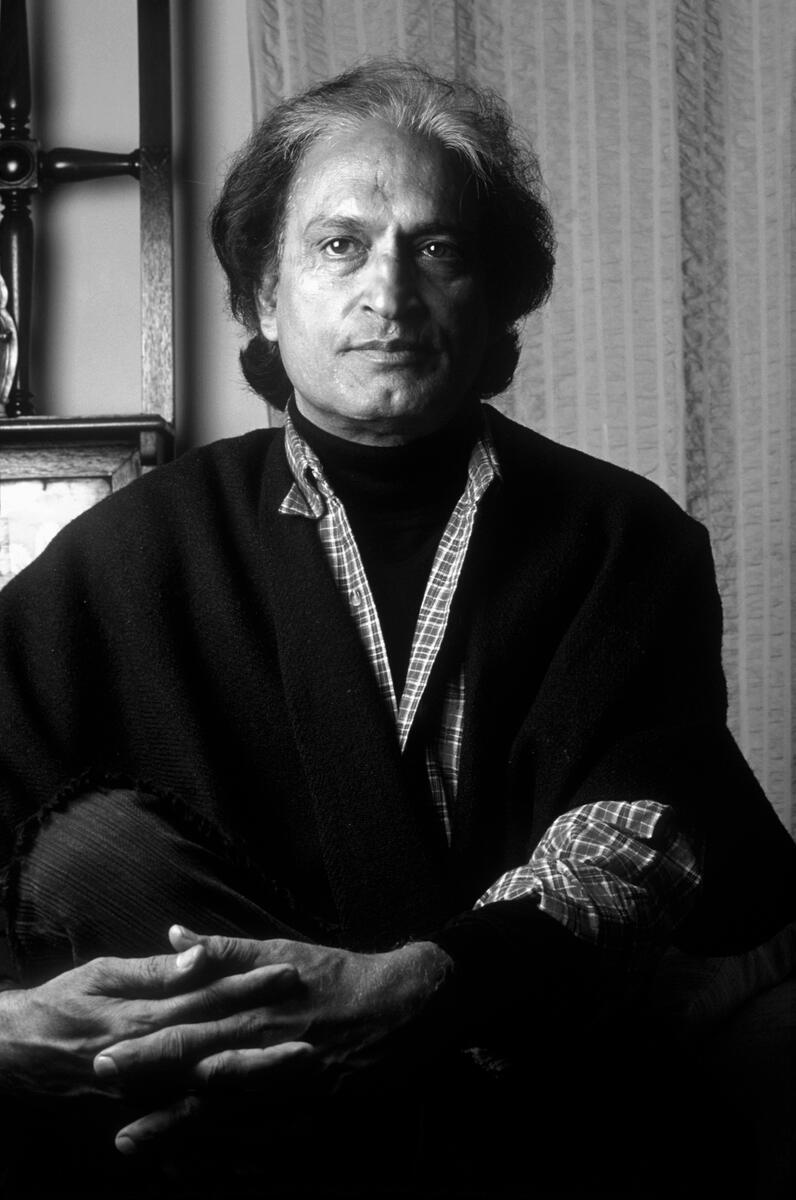
It is with great sadness that we announce the passing of beloved Magnum photographer Raghu Rai, who died on April 26, 2026 in Delhi at the age of 83. For 60 years, Rai was instrumental in chronicling Indian culture, spirituality, political conflicts, and some of the world’s most significant figures, leaving behind a prolific body of work as one of India’s most recognized photographers.
With a profound compassion and humanity, Rai dedicated his life to photographing the world around him and the elusive passage of time. Using photography as an extension of the heart rather than the eye, his aim, as he wrote in his 2015 book Picturing Time, was to capture “life’s longing for itself.”
Born in 1942 in the small village of Jhhang, which is now part of Pakistan, Rai first started working for the government as a civil engineer. In 1965, on a trip to Delhi to visit his older brother, S. Paul, an accomplished photographer, an unexpected discovery unfolded. “One day one of his friends turned up and he was planning to go to his village to take photographs. Since I was doing nothing, I said, ‘Why don’t you give me a small camera and I’ll go along and take some pictures,’” he recalled in an interview on NDTV.
One of the first photographs Rai took that day was of a baby donkey, which his brother sent to the Times in London. The image was published, changing the trajectory of Rai’s life and career.
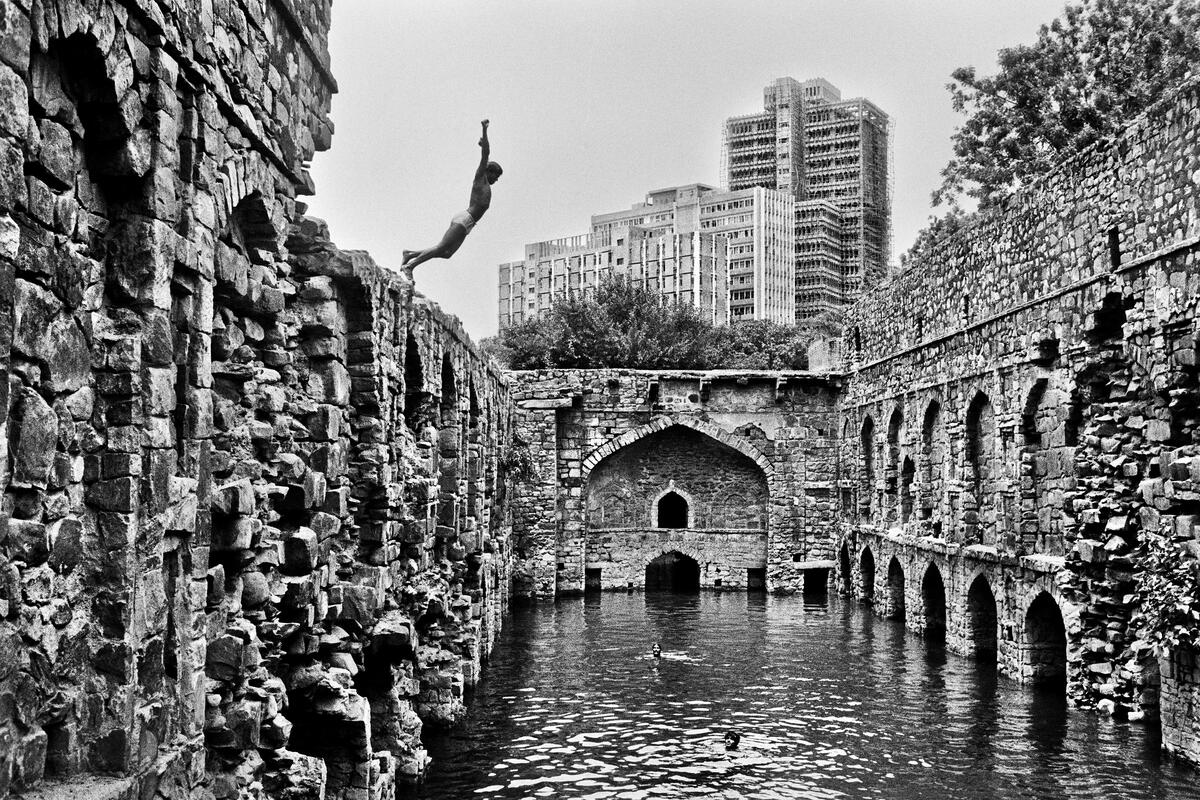
"Each time I viewed the world through the lens, I felt all my energies, my concentration, were focused on what I was seeing."
- Raghu Rai
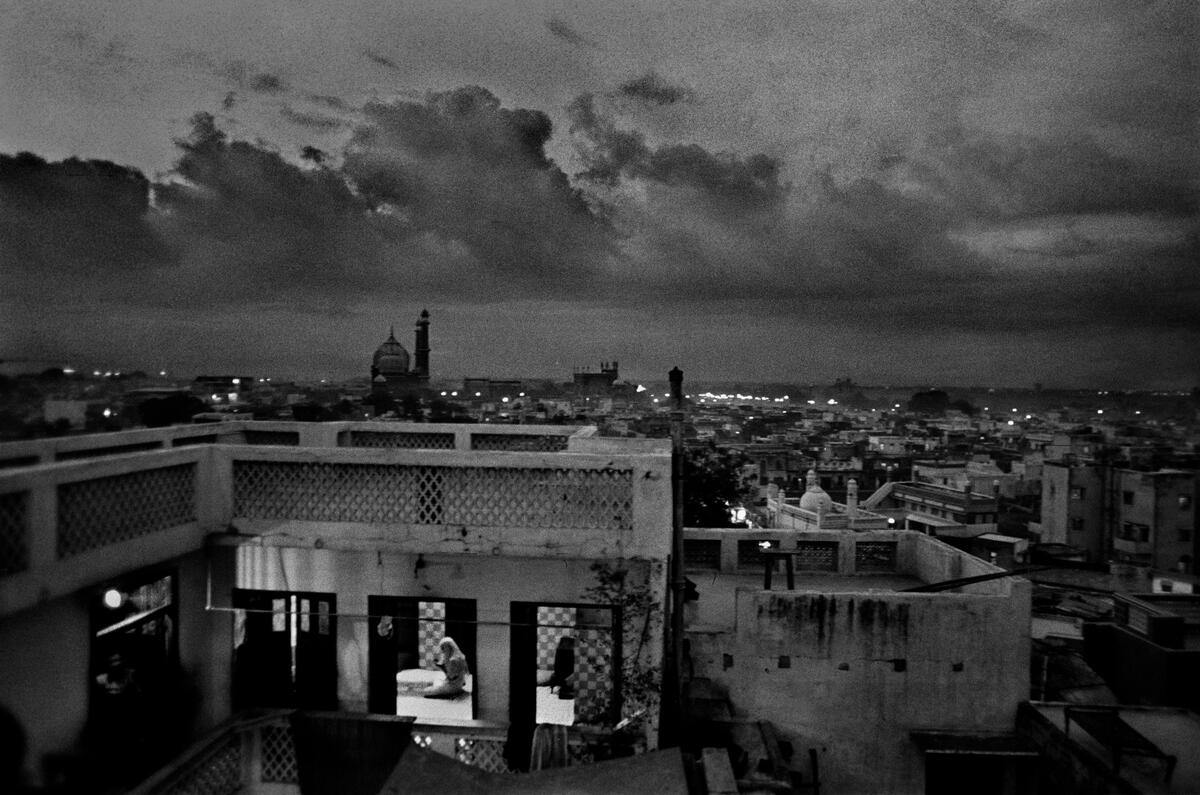
“Above all,” he recalled in his book Delhi about first discovering photography, “what fascinated me about the camera, was that each time I viewed the world through the lens, I felt all my energies, my concentration, were focused on what I was seeing. Through this instrument, I found I could take a closer look at the world around me.” One of his earliest images won the Nikon International Contest, allowing him to acquire professional wide angle and telephoto lenses for the first time.
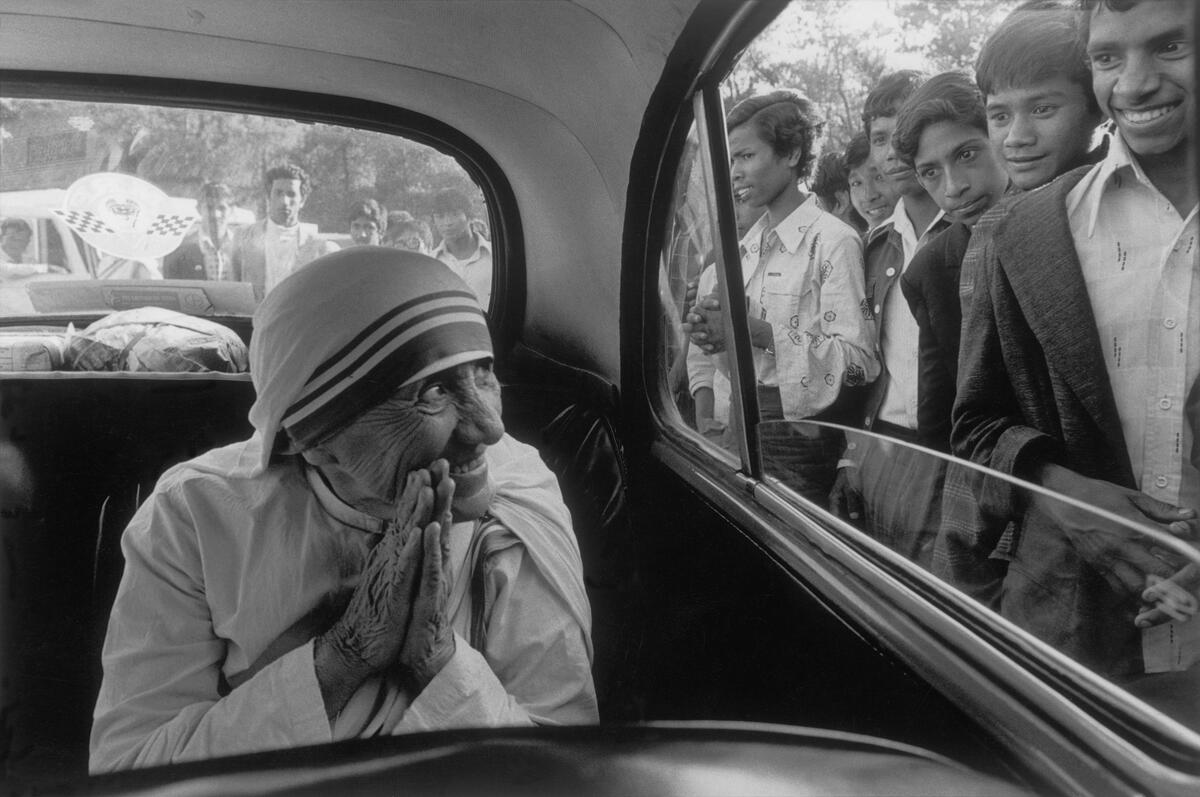
The same year, he moved to Delhi and took a job at the Hindustan Times, before joining The Statesman newspaper in 1966, where he worked for a decade as chief photographer. During this period, in 1970, he captured his first image of Mother Teresa in Calcutta, where she ran her order, Missionaries of Charity. Mother Teresa had given Rai permission to photograph her in prayer on Easter Sunday, as long as he sat in one place so as not to disturb the peace.
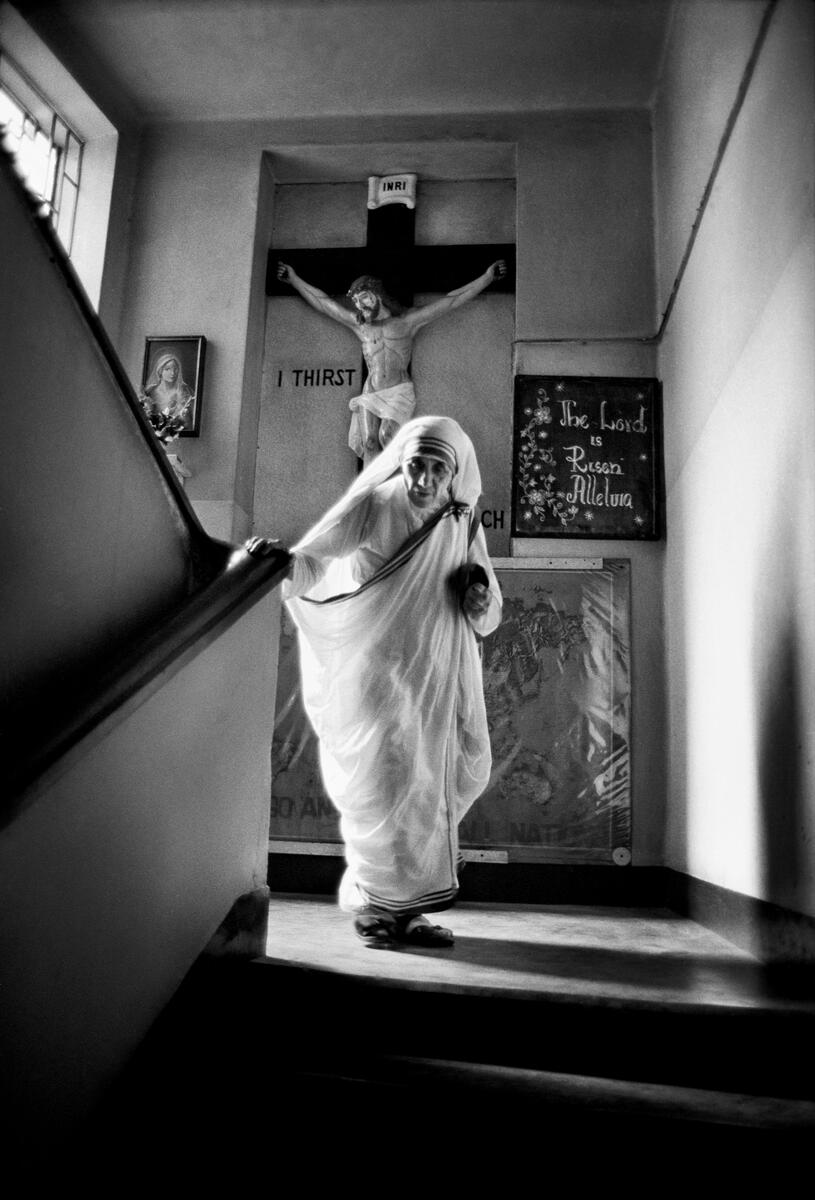
Rai recalls this moment in the Magnum collection Contact Sheets: “Mother took me into the chapel and made me sit next to her, and went into prayer and then meditation. I needed a frontal position to capture that moment of connectivity. Despite my commitment, I was restless, so I walked around and took all the desired photographs, then the prayers were over and I came down the steps and waited for Mother…here she arrives. […] I folded my hands, ‘Mother, forgive me for not being able to keep my promise.’ She held both my hands, looked into my eyes and said, ‘God has given you this assignment. You must do it well.’”
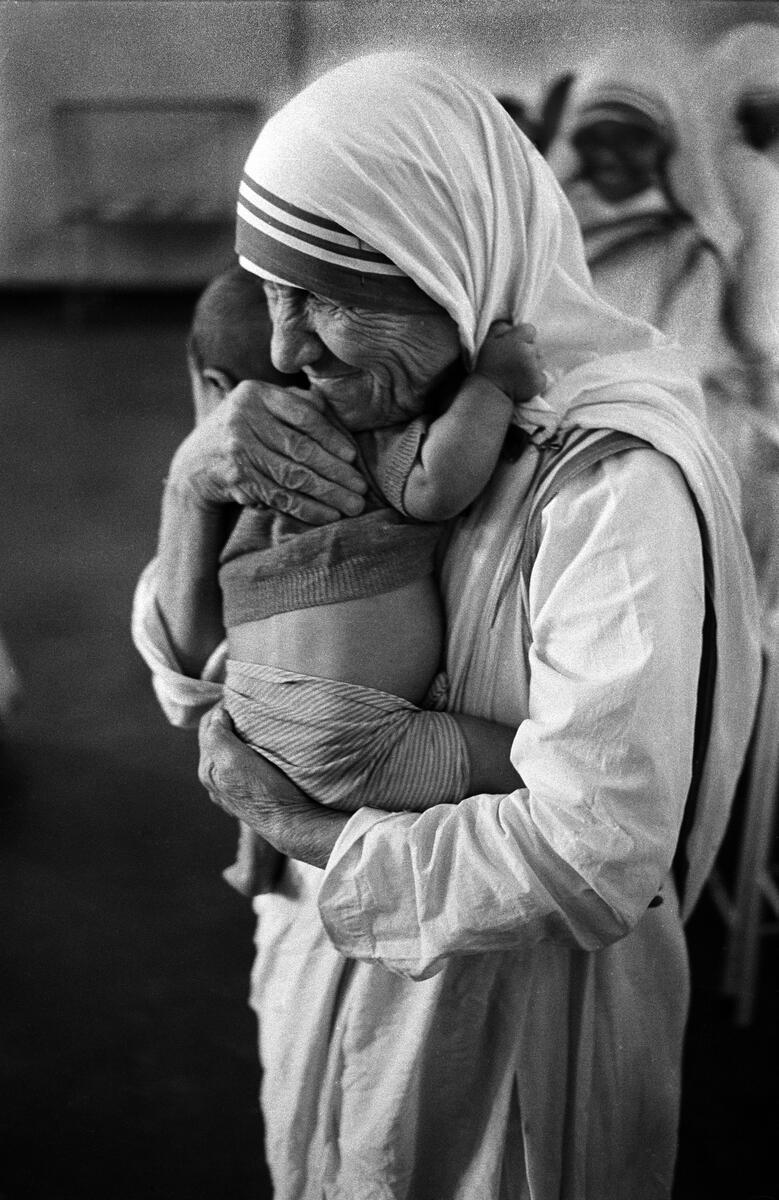
He would extensively photograph Mother Teresa’s work later in 1979, alongside the sisters of her order as they cared for infants, the elderly, and those living in extreme poverty. His images were collected in the books Mother Teresa: Faith and Compassion and A Life Dedicated.
In 1971, Rai witnessed and extensively documented the Bangladesh Liberation War, an armed conflict between Bengali nationalists in East Pakistan, now Bangladesh, where protestors demanded Bengali independence, and the Pakistani government in West Pakistan, who launched a military crackdown on Bangladeshi nationalists and committed widespread violence against civilians. India’s involvement in backing the civilian insurgents against West Pakistani troops led to the India-Pakistan War.
The conflicts resulted in the deaths of between 300,000 and 3,000,000 people and the displacement of tens of millions of people from what is now Bangladesh. Rai’s sensitive photojournalism captures the throes of the war, from the extreme distress of Bangladeshi refugees to the final cessation of the nine-month conflict, establishing the country of Bangladesh.
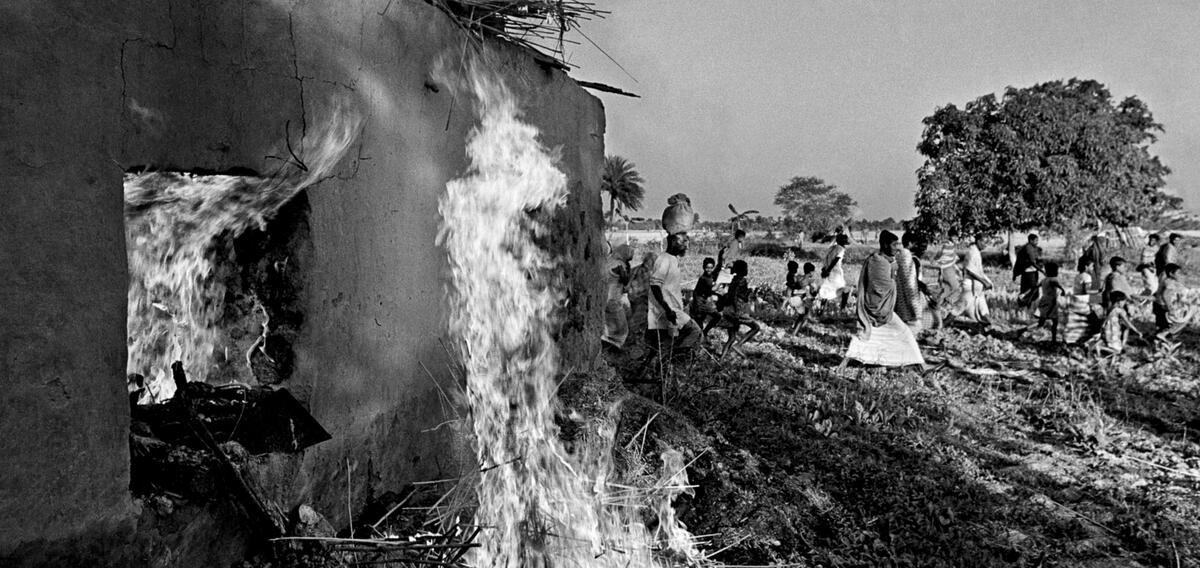
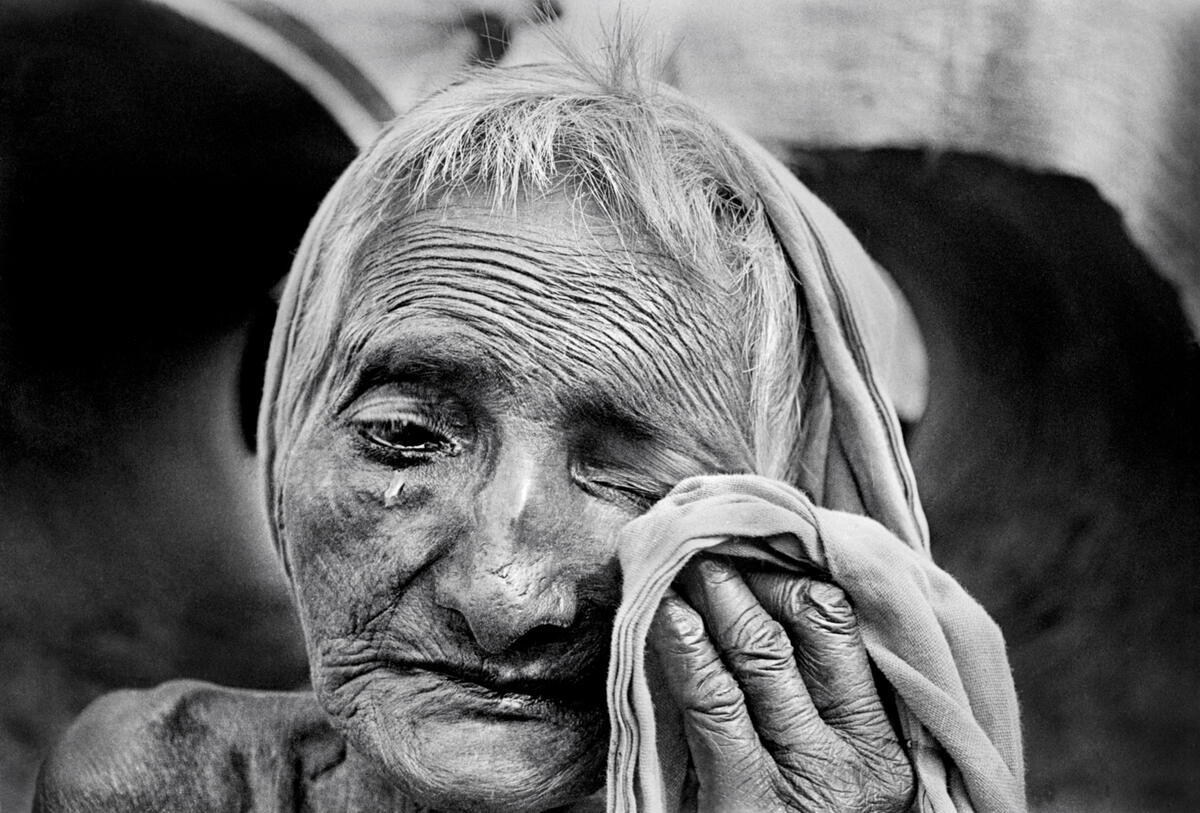
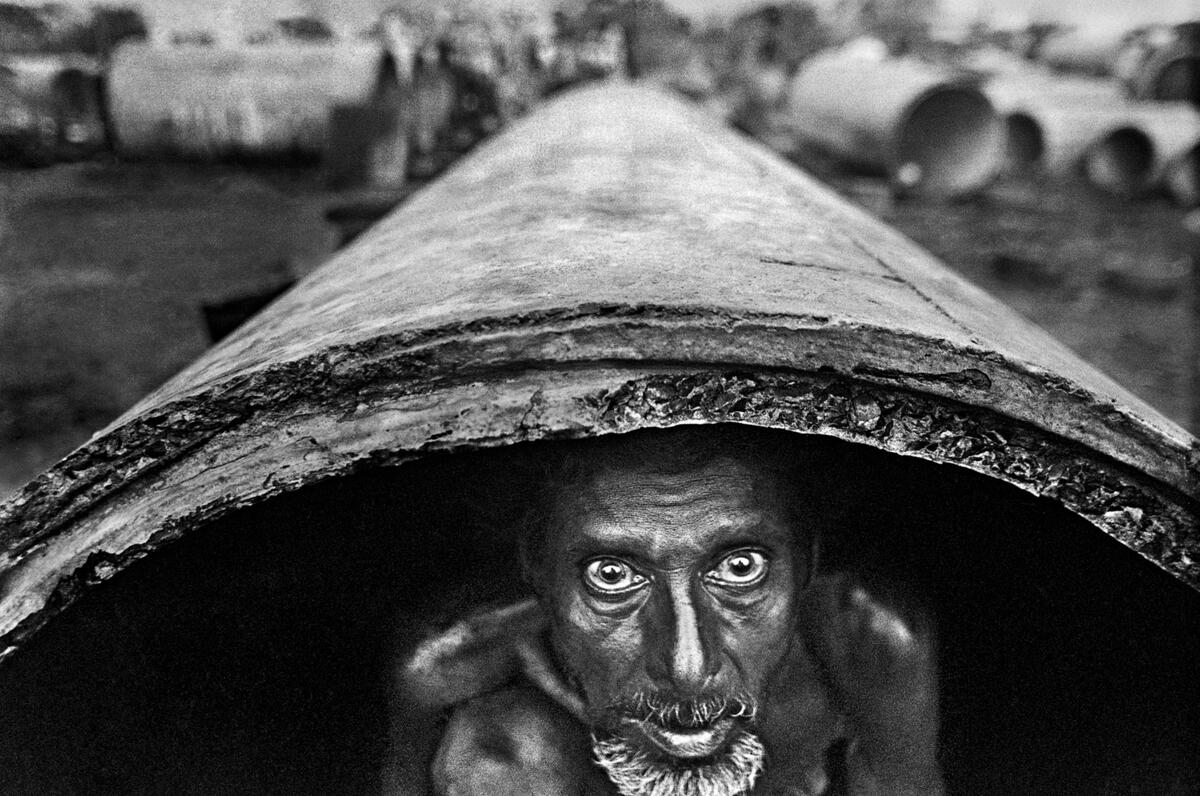
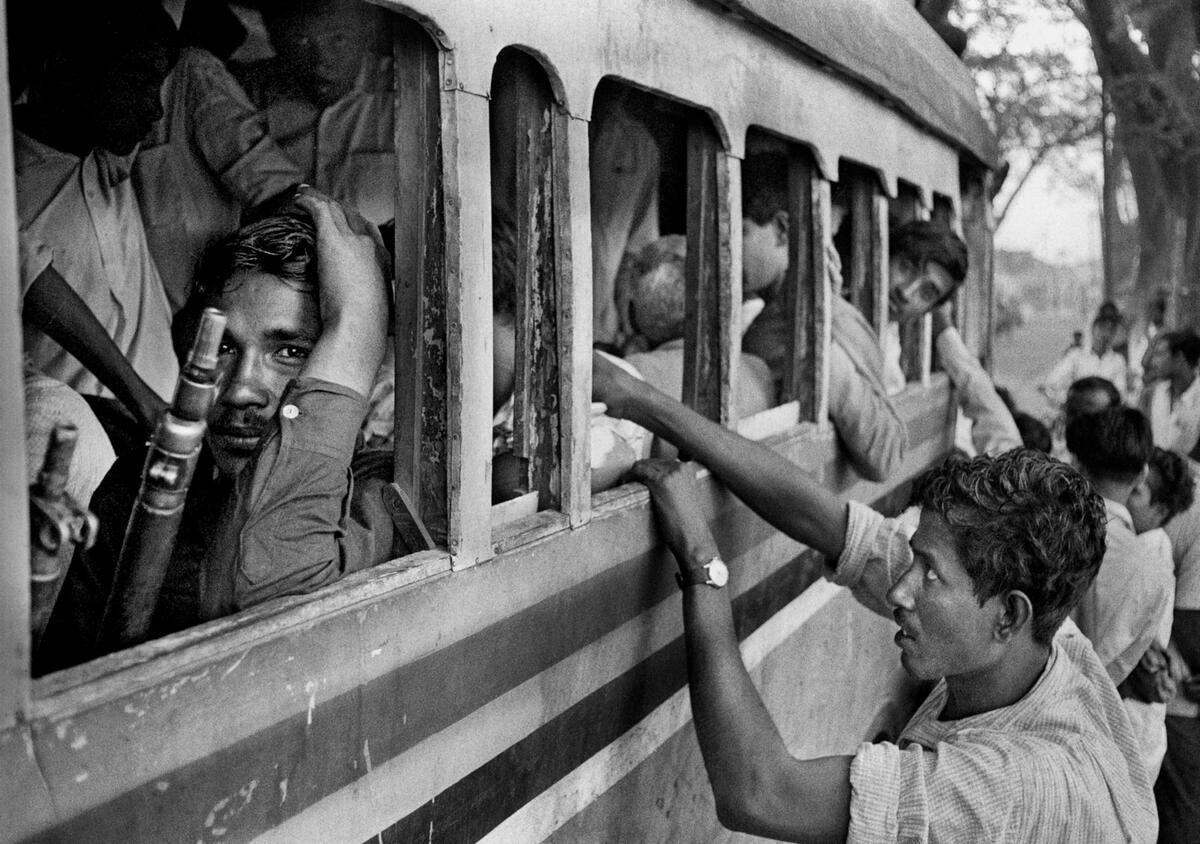
At his first major exhibition in 1972 at Gallery Delpire in Paris, featuring images from the Bangladesh Liberation War, Rai met Henri Cartier-Bresson, who was impressed with his work. “When I got back home,” he said at India Art Fair in 2021, “I got a letter from Magnum saying that Cartier-Bresson, a founding member, had nominated me to join the group. I was only five years into the field! I was so scared that I did not reply.” Five years later, in 1977, he rediscovered the letter and accepted the invitation, becoming the first Indian photographer associated with the collective, and remained involved in the agency until his death.
Rai left The Statesman in 1976 to work as picture editor for Sunday, a weekly news magazine published in Calcutta.
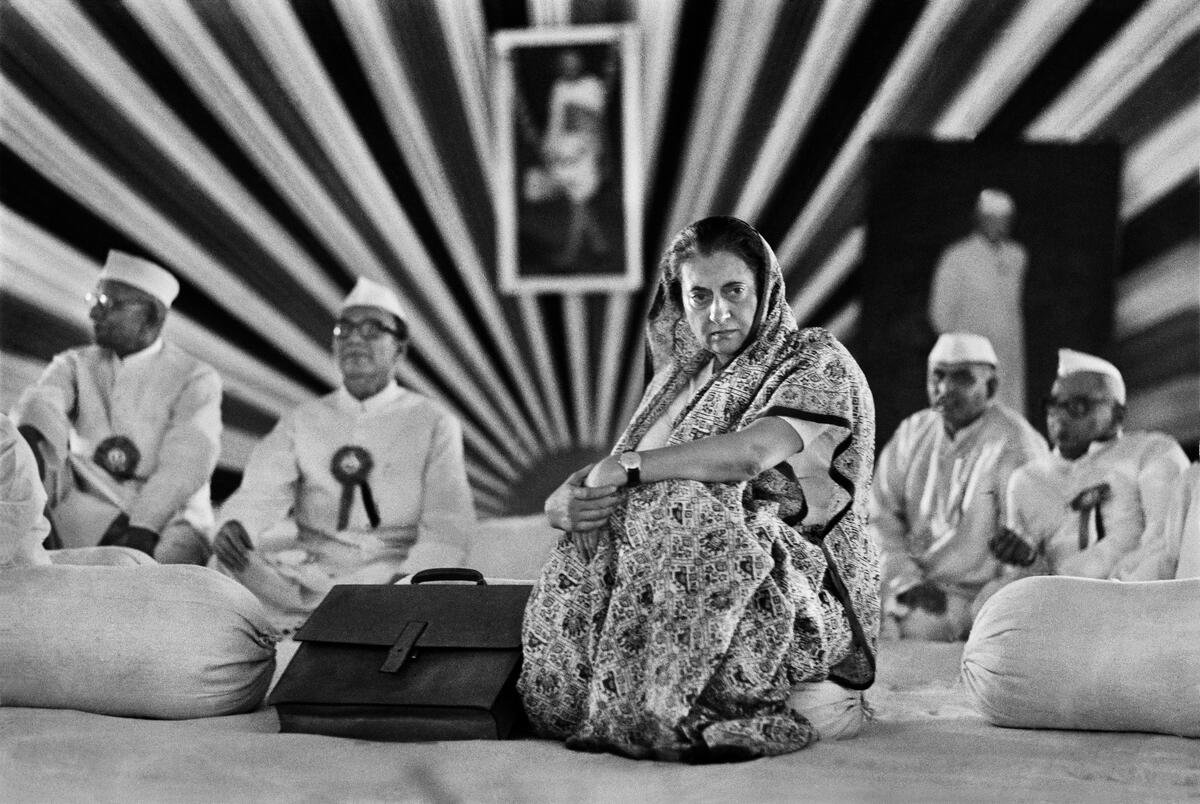
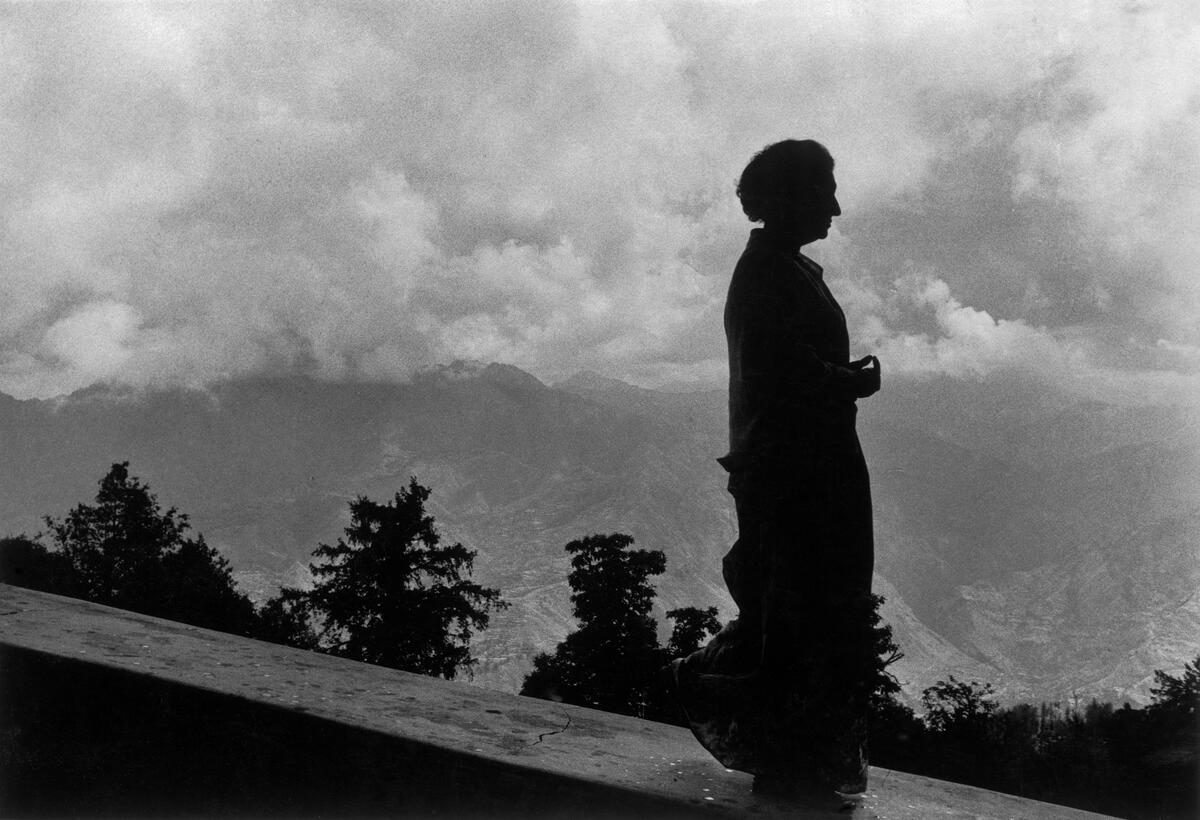
With close access to India’s first and only female Prime Minister, Indira Gandhi, Rai captured the upheavals of her first term from 1966 until 1977, including the Emergency period, followed by her surprising return to office in 1980, her assasination in 1984, and the day of her cremation. Rai’s portraits trace a timeline of her political rises and falls, alongside intimate moments in her private life, which help understand the complexity and controversy of her life story.

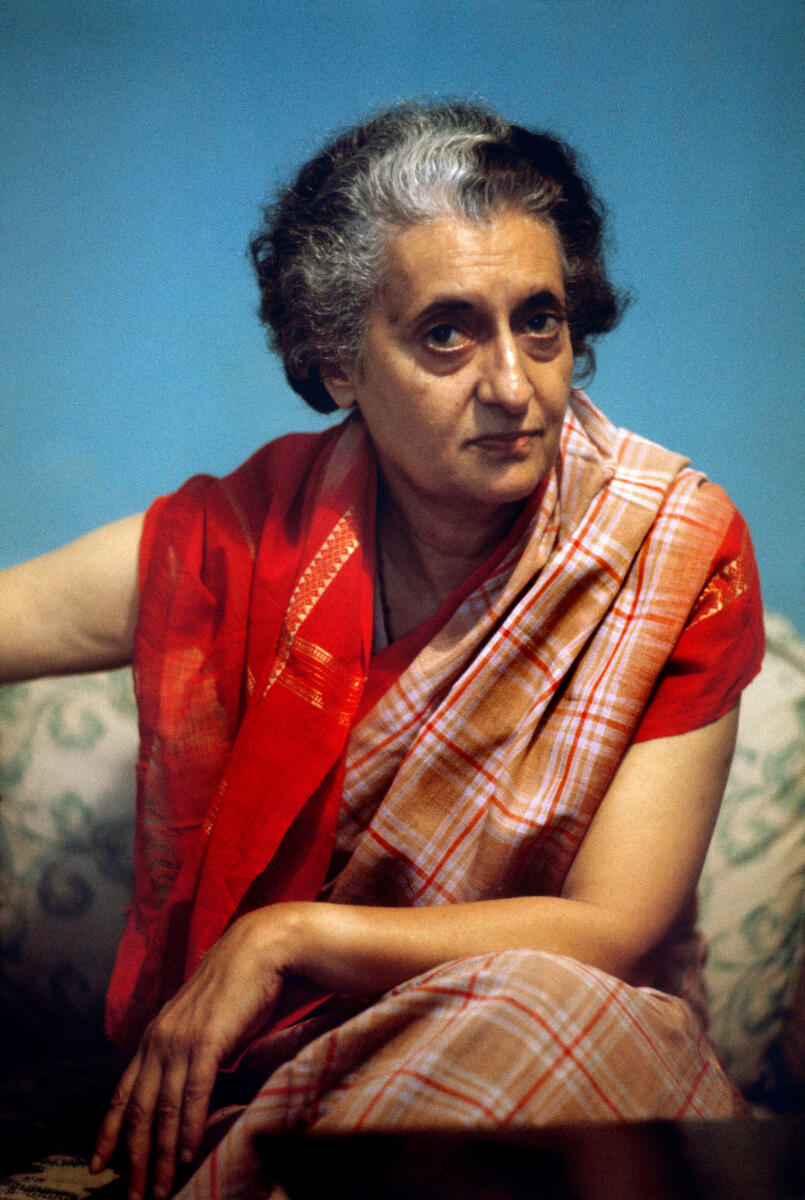
Rai wrote: “Political analysts, politicians, and commentators have their own understanding of this complex and chaotic time, but being an instinctive person, I look at it from a more human angle.” He added, “When I started doing this, I realized that if someone in the future didn’t know who she was, and what a strong personality she was, what a tough leader she proved to be, perhaps they would realize that by looking at these photographs. I began to ask myself, does this picture stand the test of time by itself, for itself? These pictures of her capture some of her essence.”
Also in the late 1970s, Rai began photographing the Dalai Lama, who he would continue to portray until 2015. His 1991 book Tibet in Exile opens with a foreword by the Dalai Lama, recording the life of the Buddhist leader alongside his community living in exile in India.
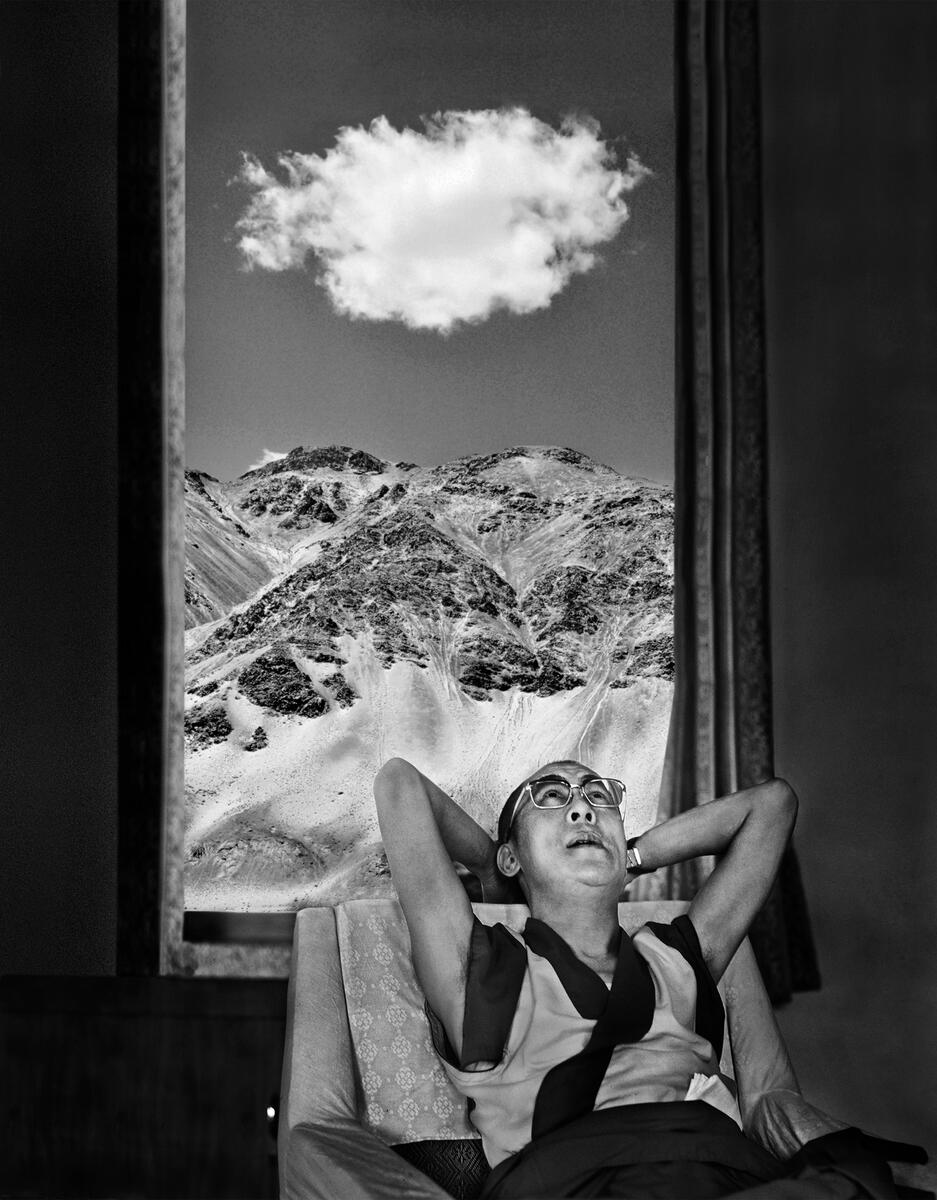
Rai continued his career in 1980 as a picture editor and photographer for India Today, India’s leading news magazine, which he found to be a “very productive and meaningful” role. From 1982 to 1991, he cultivated special issues and designs, contributing trailblazing picture essays on social, political and cultural themes, many of which became the talking point of the magazine.
On December 3, 1984, the worst industrial catastrophe in history to date took place: a gas leak from Union Carbide’s pesticide plant in Bhopal, India, intoxicating half a million people and killing up to 10,000 people within the first few days, while thousands died from complications in the aftermath. Rai was one of the first on the scene to document the disaster. “I was in bed at home in Delhi when my editor at India Today magazine called me in the middle of the night. His call was swiftly followed by one from Magnum’s Paris office,” Rai recalled in an essay for Amnesty International.
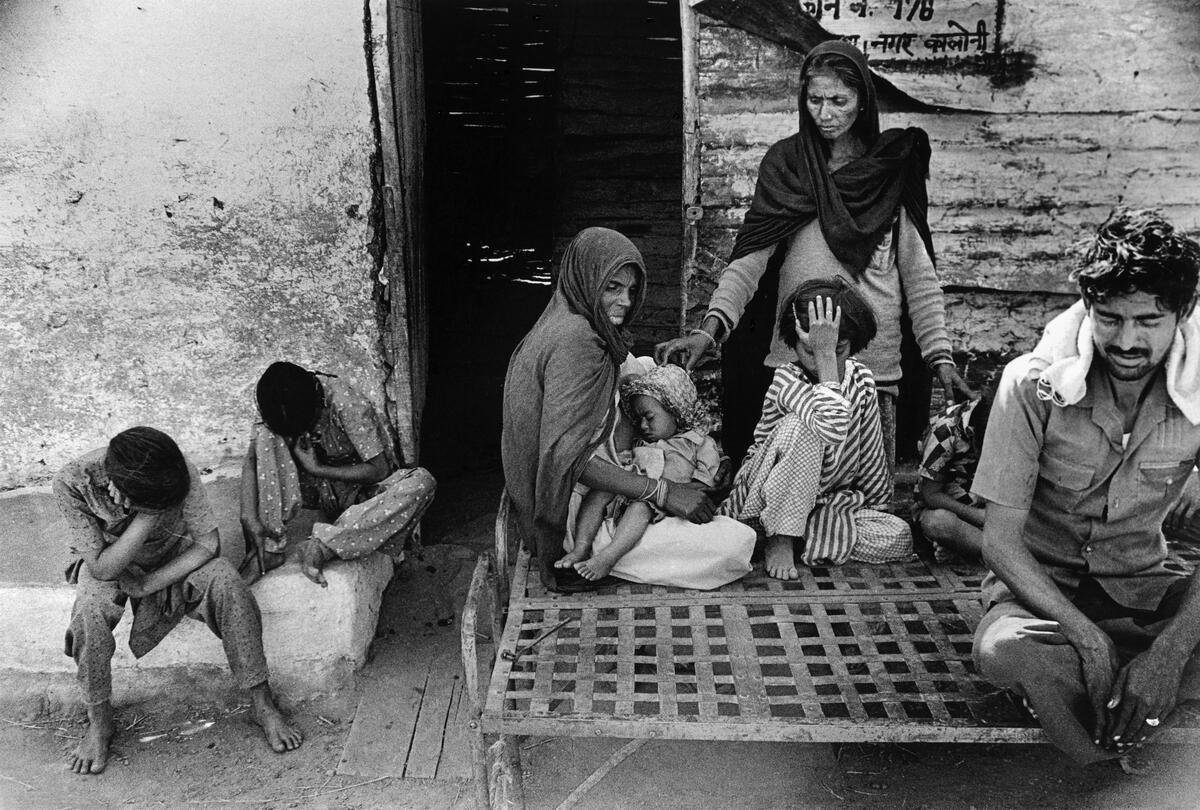
“When we got to Hamidia hospital the chaos was overwhelming. I had never seen anything like it, it was as if a war had just ended or in the aftermath of an earthquake. […] There was a strange kind of silence — the silence of death,” he wrote. “No matter how many shots I took, I couldn’t capture the scale of it.”
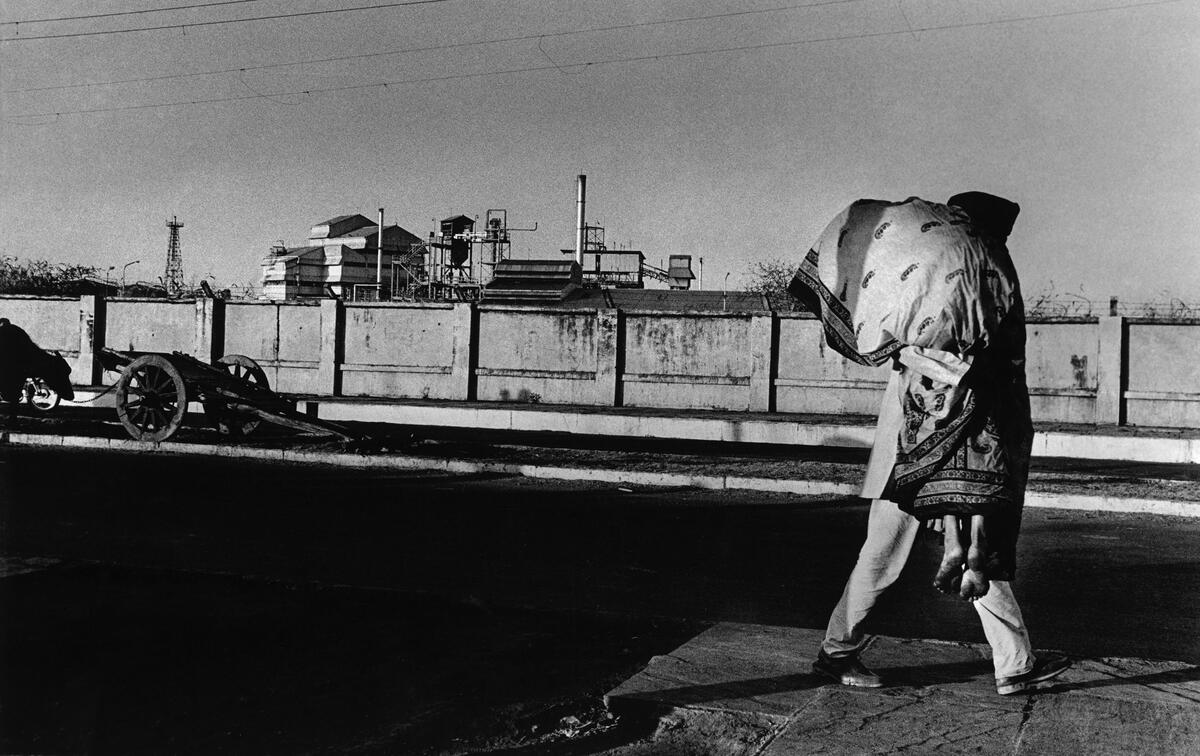
"No matter how many shots I took, I couldn’t capture the scale of it."
- Raghu Rai
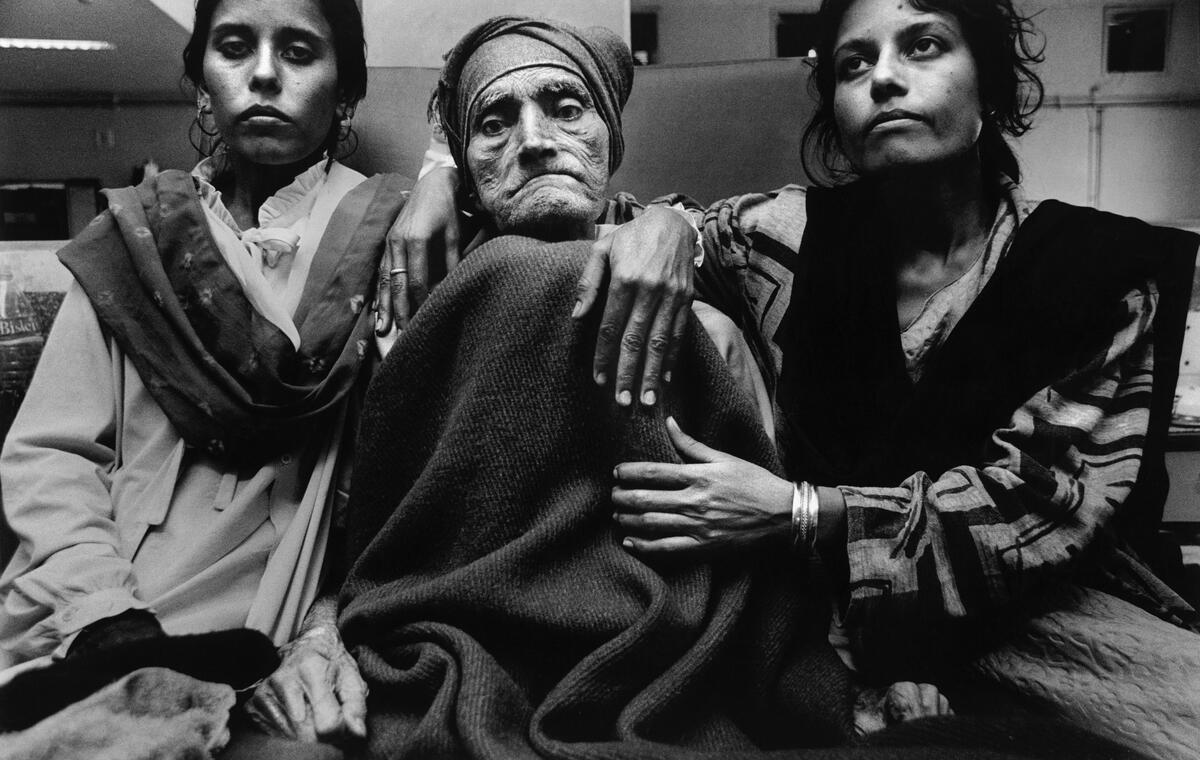
His images of Bhopal resulted in a book and three exhibitions that have toured Europe, America, India and southeast Asia since 2004, the 20th anniversary of the disaster. Rai’s hope was that the exhibition can support the many survivors through creating greater awareness, both about the tragedy and its victims.
Three decades later, in 2014, on assignment for Amnesty International, Rai returned to the site, photographing communities still living with the environmental and health consequences of the incident.
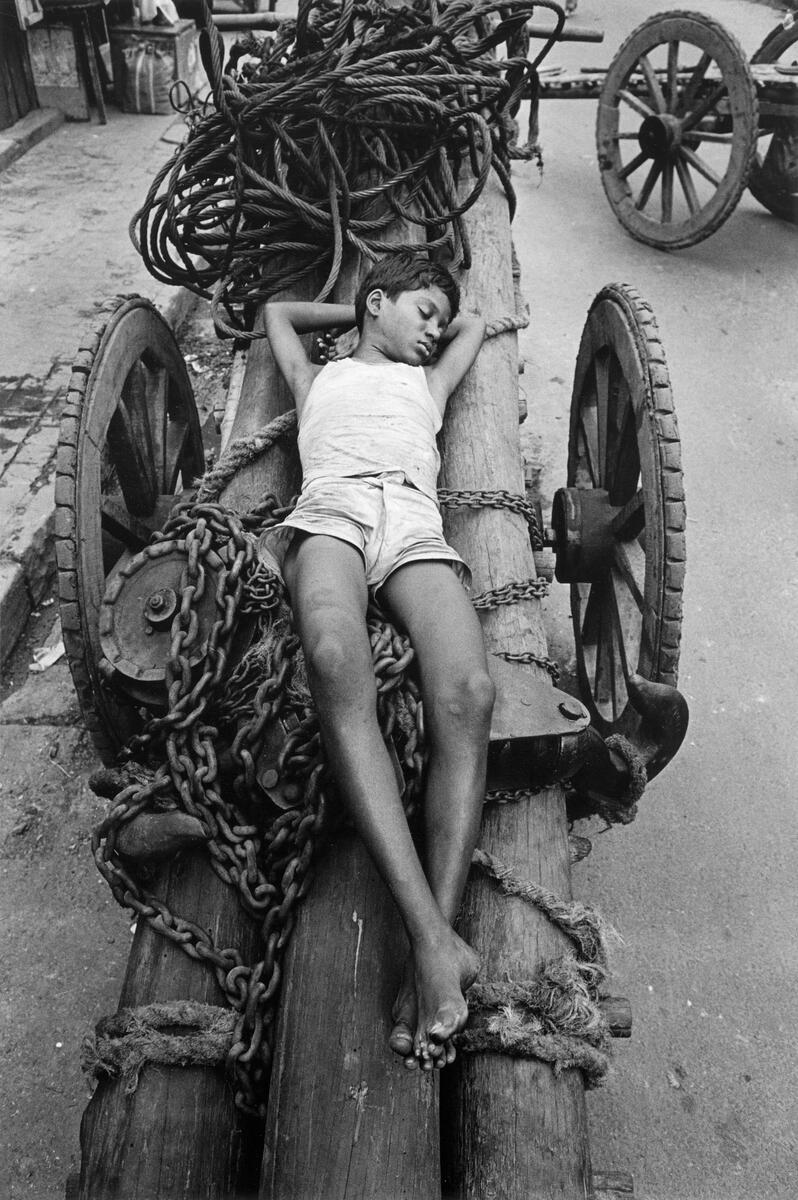
"Still images are here to stay as an experience that is so powerful and a moment so potent that it is tangible."
- Raghu Rai
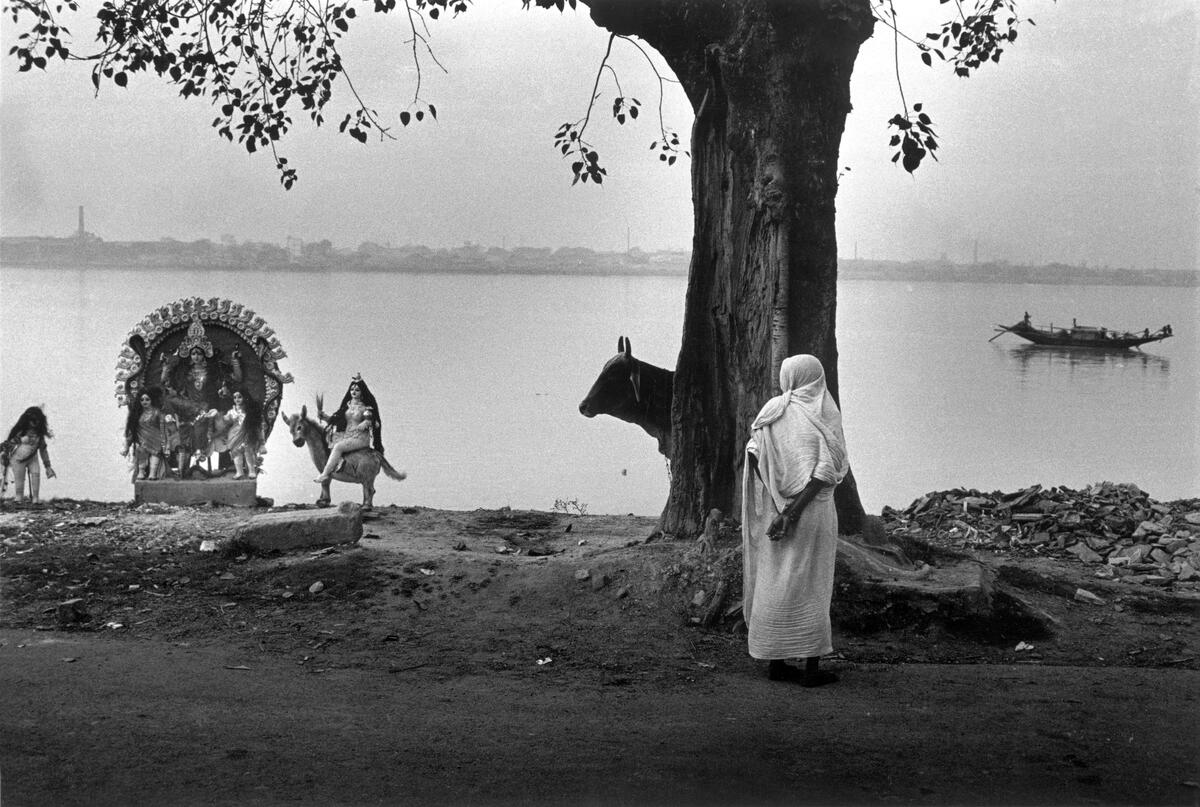
In the late 1980s, Rai published Calcutta, a black-and-white portrait of the capital of West Bengal, evoking its multiplicity, rhythms and rituals, from the banks of the Hooghly River to streets pulsing with buses and vendors.
His three photobooks on Delhi, the photographer’s home and passion for 40 years, document the city’s rapid evolution that encapsulates, as he writes, “a photo-history that cannot be written.”
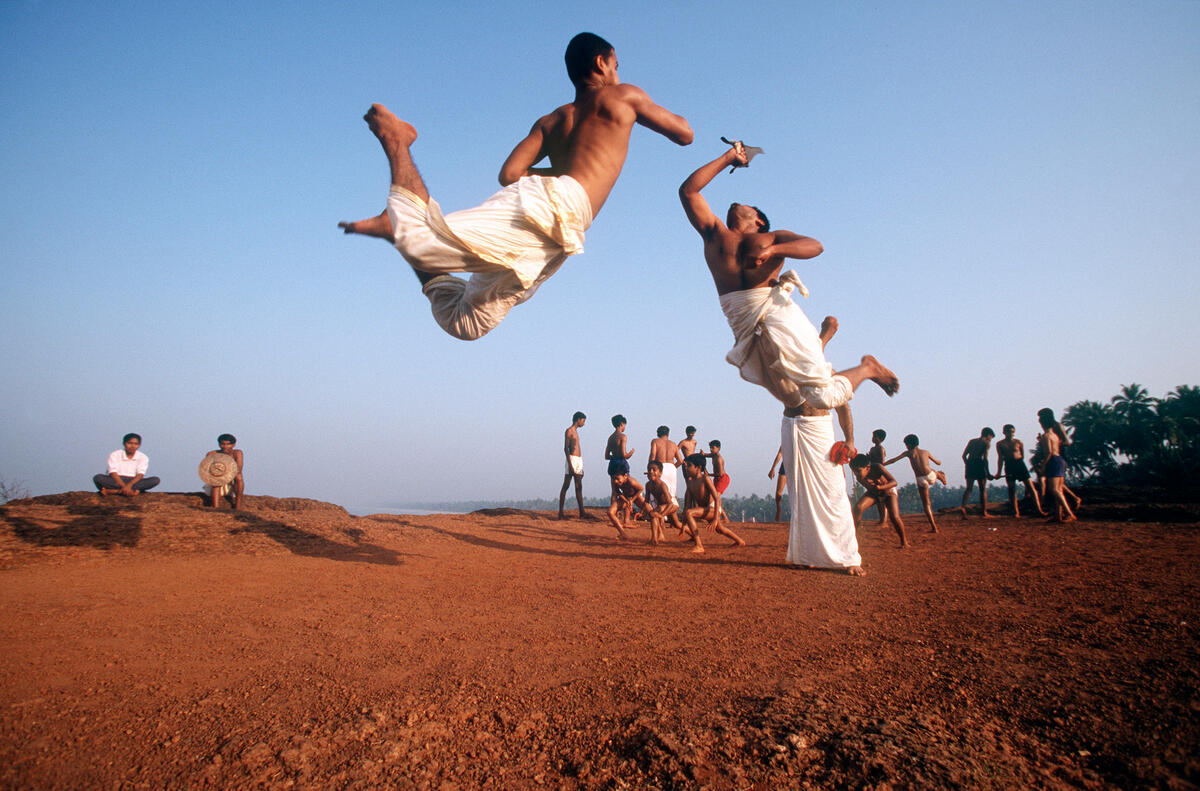
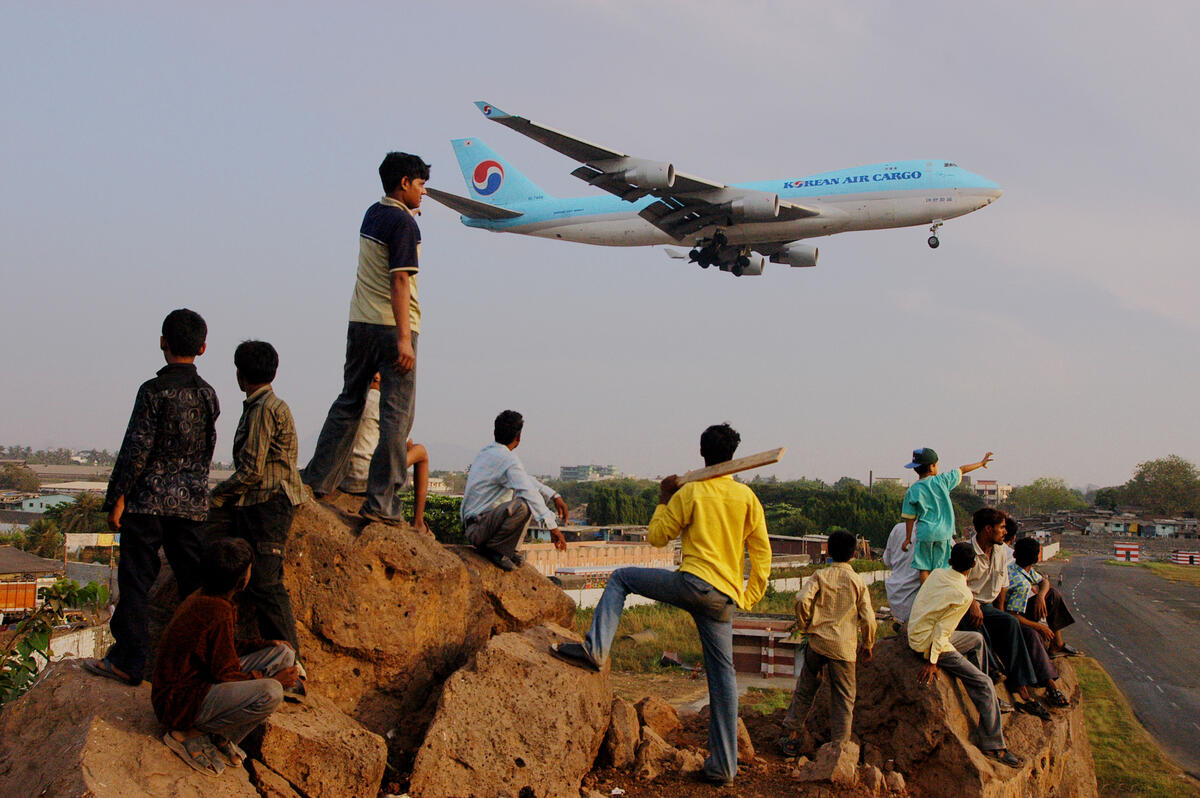
While much of Rai’s most recognizable photography is in black and white, he produced a voluminous and wide-ranging body of work in color, seeking to capture the multitude of human interaction.
In his book Raghu Rai’s India – Reflections in Color, he writes, “Many of the precious treasures of our civilization — human relationships, values and simple interactions of daily life — are going through major changes. This is precisely what I am talking about, to bring man closer — face to face with human reality, quite unlike television screens where images come and disappear as a flickering experience — but still images are here to stay as an experience that is so powerful and a moment so potent that it is tangible.”
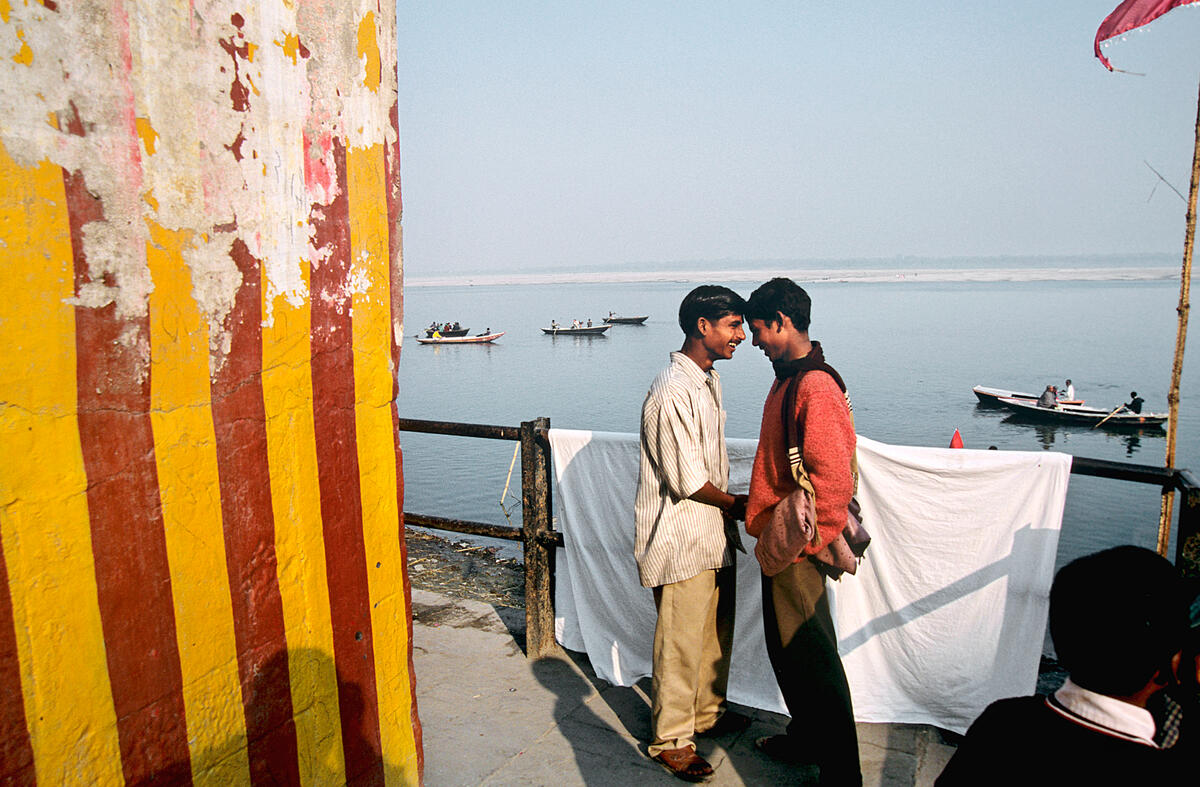
"If your heart gets touched by a movement or a specific thing happening, it will touch other people’s hearts."
- Raghu Rai
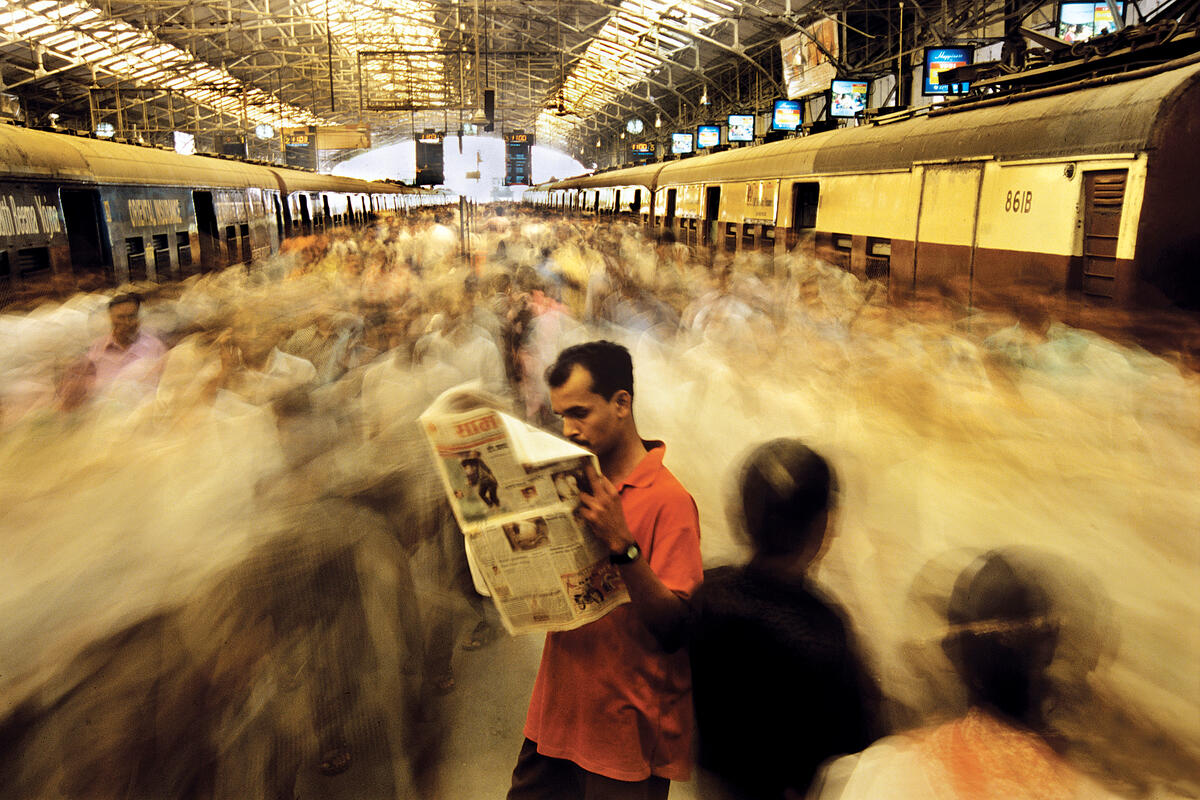
Unlike many of his photojournalist colleagues, Rai spent the majority of his career capturing one place, his native country, where “the variety of subjects […] were endless,” he wrote.
“Over the centuries,” he adds in Reflections in Color, “so much has melded into India that it’s not really one country; it’s not one culture. It is crowded with crosscurrents of many religions, beliefs, cultures and practices that may appear incongruous. But India keeps alive the inner spirit of her own civilization with all its contradictions.”
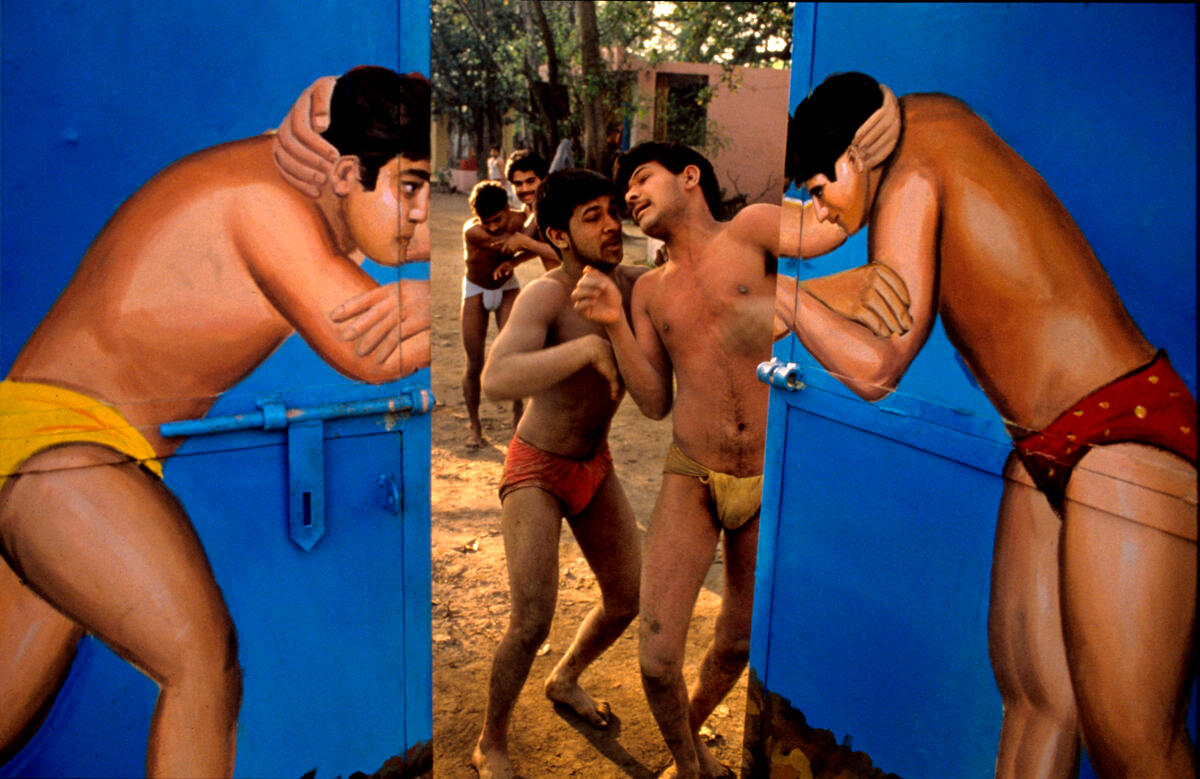
Across his prolific career, he published more than 18 books, including India (1988), My Land and its People (1997), The Sikhs (2001), Mumbai/Bombay: Where Dreams Don’t Die (2010), Exposure: A Portrait of Corporate Crime (2002), Raghu Rai’s India Reflections in Black & White (2007), Taj Mahal (2011), and Picturing Time: The Greatest Photographs of Raghu Rai (2015).
“[Whether photographing the] common man, or Mother Teresa, or Indira Ghandi, or any political personality, I have to remain me, myself, as a sensitive, responsible human being,” he said in an interview with India Art Fair.
“You see, over the years, you develop a kind of discipline, that your steps are no less and no more, just enough to reach the situation at a distance which has its sanctity. And then no matter who comes in front of your camera, you can capture the aura, the inner spirit of the person.”
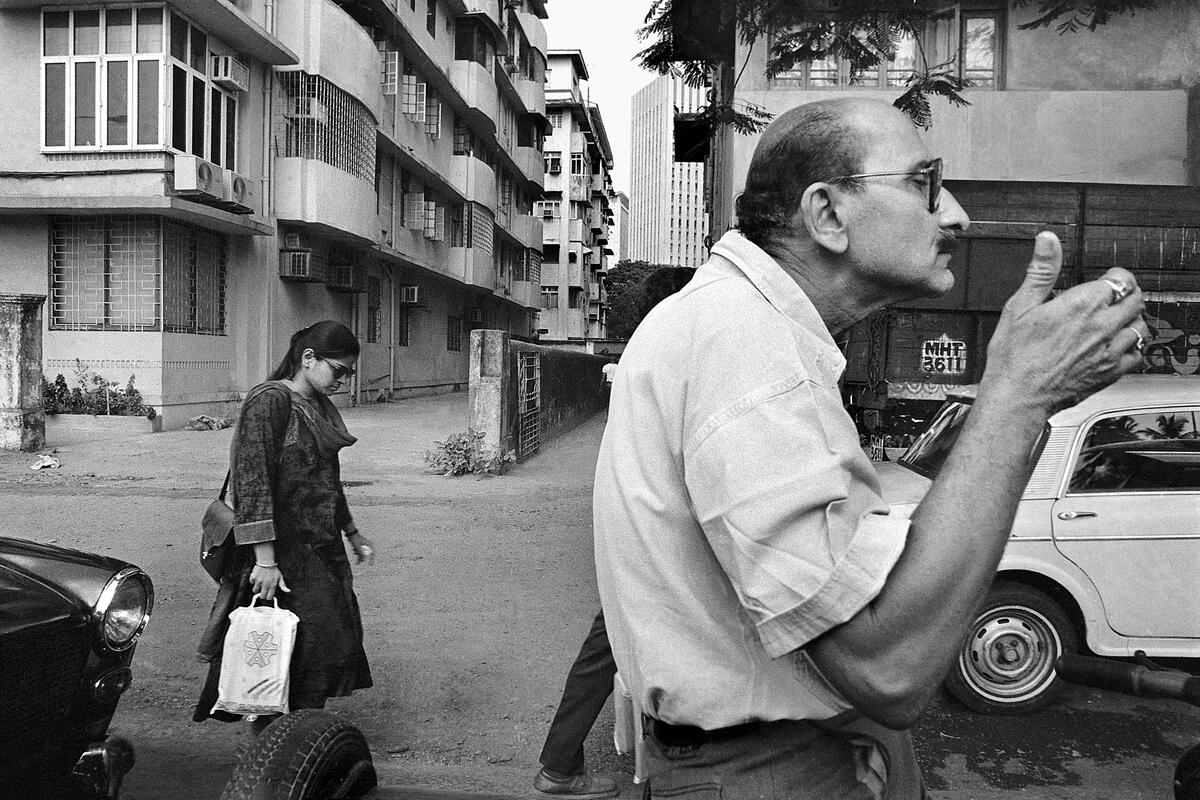
Rai won numerous awards and international recognition for his decades of visual reportage. For his coverage of the Bangladesh Liberation War, Rai was awarded the Padmashree in 1971, one of India’s highest civilian awards ever given to a photographer. His 1992 National Geographic cover story, “Human Management of Wildlife in India” won him widespread critical acclaim. In 2009, the French Ministry of Culture awarded Mr. Rai the Order of Arts and Letters, which recognizes eminent artists and writers. In 2017, he won a lifetime achievement award from the Indian government.
Rai exhibited his works in London, Paris, New York, Hamburg, Prague, Tokyo, Zurich and Sydney. His photo essays have appeared in many of the world’s leading magazines and newspapers including TIME, LIFE, Geo, The New York Times, The Sunday Times, Newsweek, The Independent and The New Yorker. He served three times on the World Press Photo jury and twice on the jury of UNESCO’s International Photo Contest.
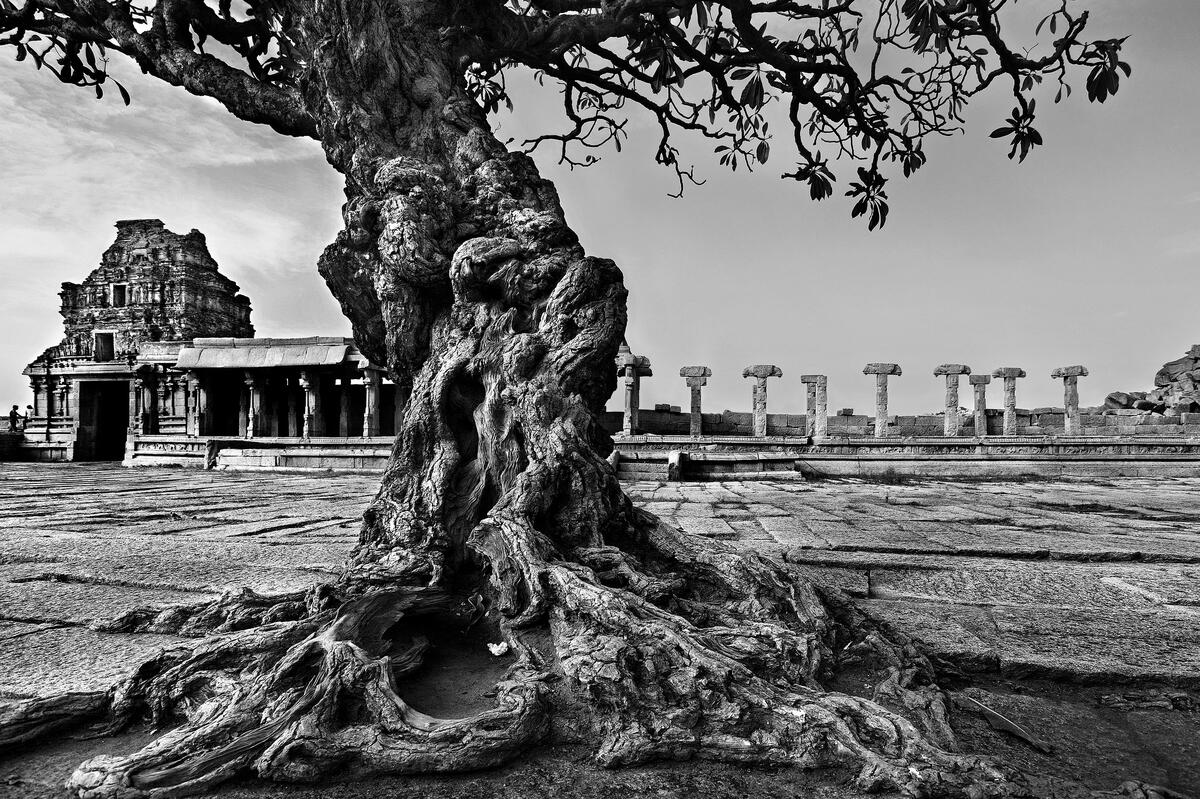
Attending his funeral on April 26, New Delhi-based Magnum photographer Sohrab Hura wrote: “Raghu Rai passed this morning. At his cremation today he was surrounded by not only his family but hundreds of photographers and others whose lives have been touched by him in some way or the other. Even my uncle who had no prior interest in photography had heard of the news and had forwarded me the time and venue of the cremation ceremony, in case I had missed it.
“The thing is that post independence, many generations of people here had come to see a young nation grow into what they identified as India, through Raghu Rai’s eye and so one did not need to be a photographer to be able to relate to him. He was bigger than photography in that regard. During the cremation ceremony, everyone present was struggling to come to terms with the end of an era. A part of our lives feels broken because as photographers we all saw ourselves in relation to him and yet he will always linger on in our lives because we can’t think of our history without thinking of his photographs. I’m very lucky that I got to know him from the time I started to learn photography.”
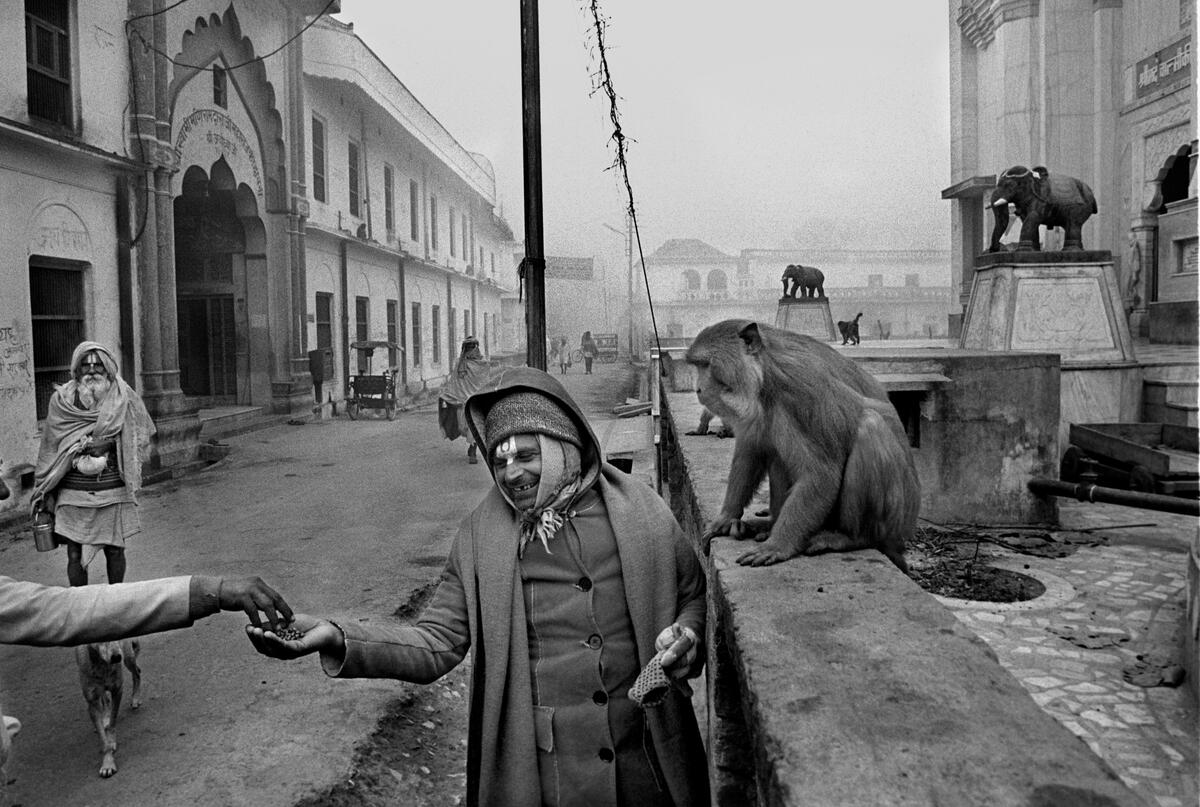
Last year, in a masterclass video for National Geographic India, Rai shared his advice to budding photographers: “Your response should come from your heart, because your heart is you. That is being original. And if your heart gets touched by a movement or a specific thing happening, it will touch other people’s hearts.”