Behind the Image: Werner Bischof and the Devin Tricolor
In a series exploring the stories behind Magnum Editions prints, Werner Bischof’s son, Marco Bischof, shares the significance of discovering his father’s unseen color negatives

In 2020, Marco Bischof, the son of Magnum photographer Werner Bischof, was looking through the 60,000 negatives in his late father’s archive when he came across sets of three black-and-white glass plate negatives of the same image.
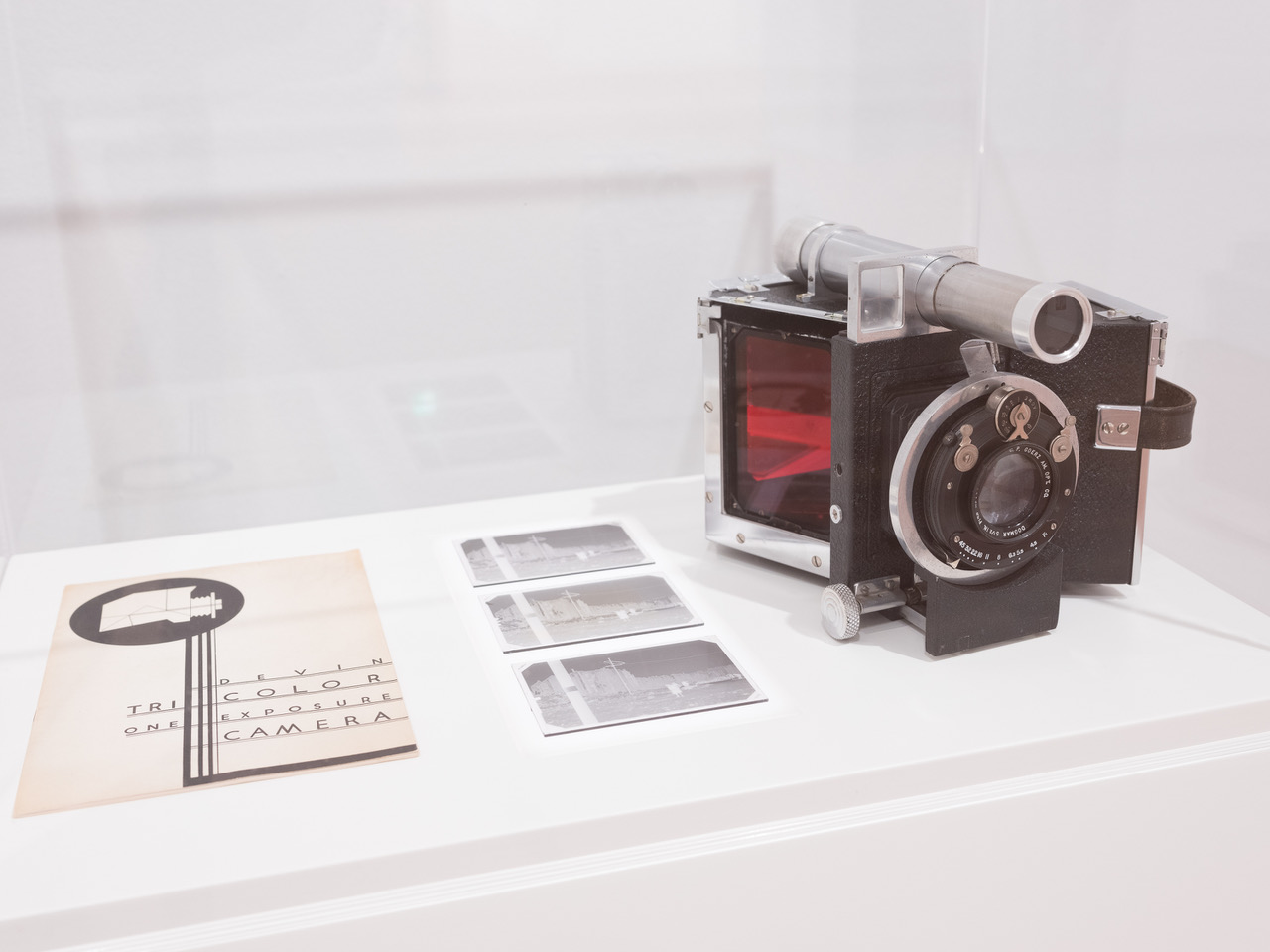
“Why did he take three pictures of the same thing?” he asked himself. At first, thinking they would be difficult to print, he set the plates aside. When he discovered that each of these glass negatives were relics from his father’s Devin Tricolor camera — one of the first one-shot cameras to use the trichromy process — he decided to try and bring them to life.
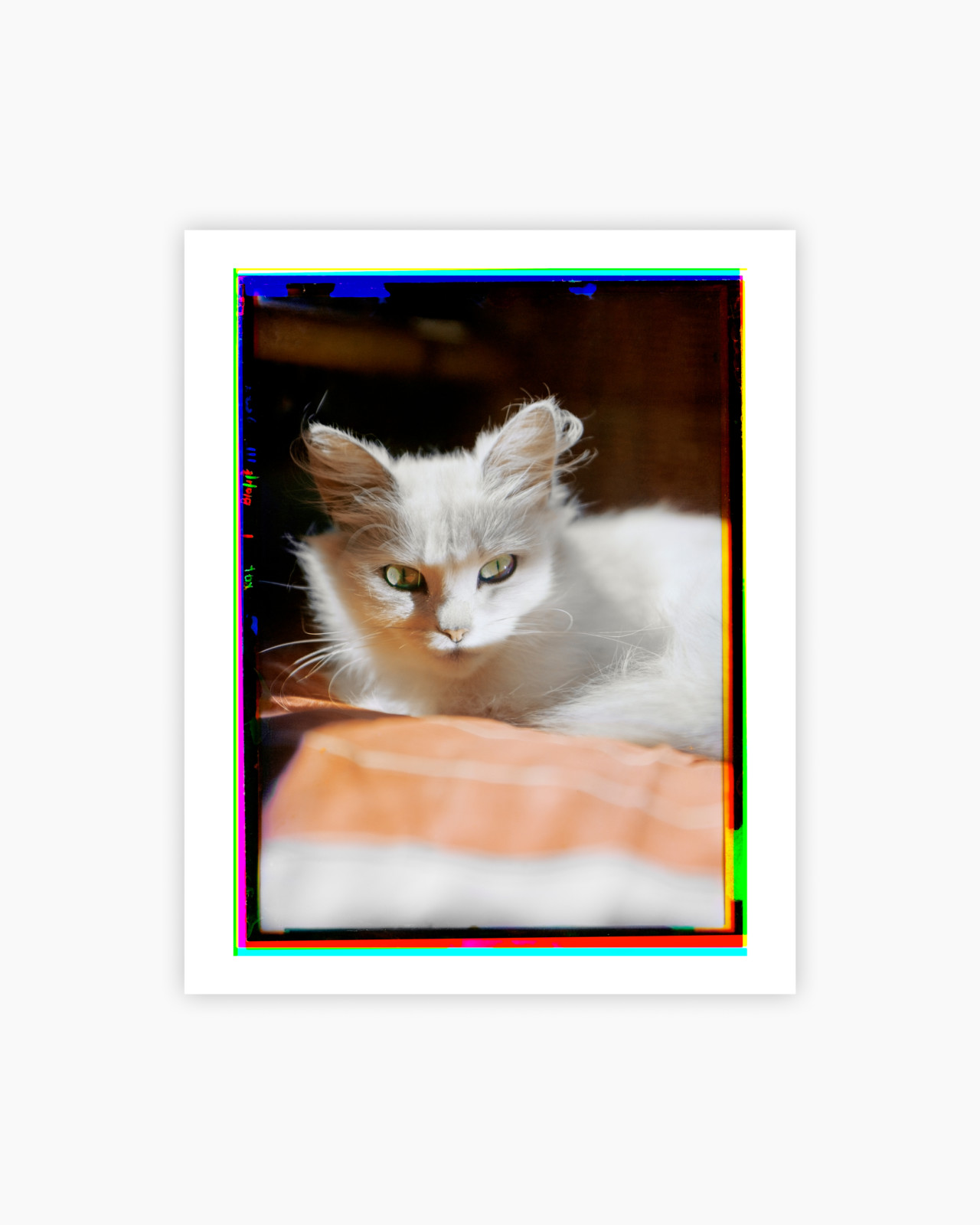
The featured image above by Bischof is now available as part of the Magnum Editions collection, a series of 8×10″ archival pigment prints in limited editions of 100 each. Shop this limited-edition print and explore more Magnum Editions prints here.

A robust camera released in the late 1930s, the 6.5×9 cm Devin Tricolor exposed three simultaneous black-and-white glass negatives through separate color filters — red, green, and blue — in different chambers, through two semi-transparent mirrors. When developed and printed on top of each other, the negatives produced intensely vivid, high-definition images, a cutting-edge effect used in fashion and commercial photography at the time. In his early undertakings with the medium, the Swiss photographer dreamed of having a Devin Tricolor in his hands.
Bischof originally wanted to be a painter and moved to Paris in 1939. When the war broke out, he returned to Switzerland, where he built a close relationship with Conzett & Huber, the Swiss printers of Du magazine and pioneers in early color printing, who purchased the expensive camera for Bischof to use for their publication.
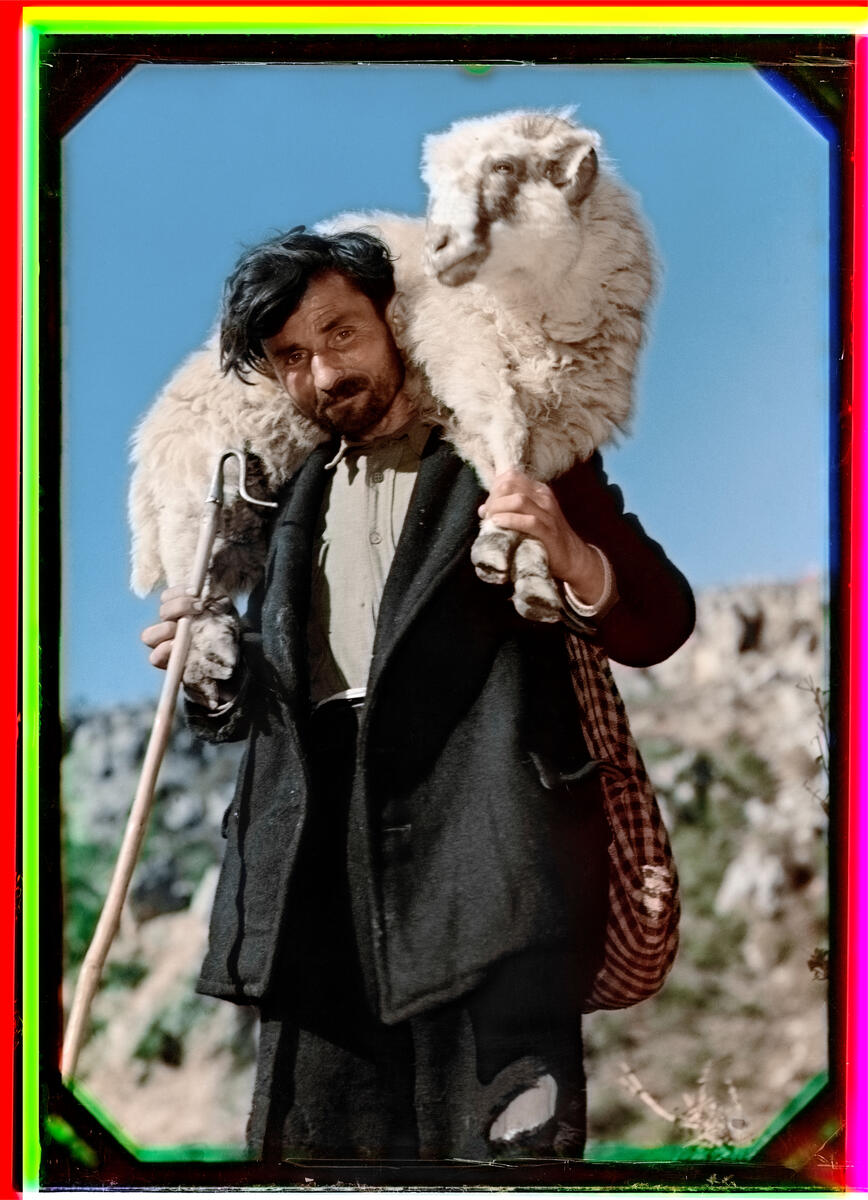
Experimenting with the camera in his studio in between his military service, he developed a portfolio of commercial photography, as well as personal images, including posed shots and still lifes. Despite being advertised as a hand-held camera, its exposure time and bulky body was better adapted to capturing static shots rather than movement and street photography.
In the featured image above taken in 1942, a pure-white kitten stares with its crystalline eyes into the lens, its wispy hairs and whiskers caught in the warm sunlight as it curls up on a bed. Meanwhile, as the Second World War erupted across the continents, Bischof’s native Switzerland remained neutral, bracing for a potential invasion.
“For me, it was amazing that he made these fragile, sensitive images while the war raged around Switzerland,” says Marco Bischof an interview with Colin Pantall about Bischof’s book Unseen Colour, published in 2023 by Edizioni Casagrandea Lugano and featuring his rediscovered color work.
Bischof would not have chosen to take this image haphazardly: “Each time you had to load or unload the camera, you had to use a changing bag and change three negatives. […] You had to think about what you wanted to photograph,” his son says. Inclined towards seizing the everyday experience, Bischof chose to capture the kitten’s gentle presence and quietude, as the tensions of the war unfolded beyond the frame.

When the war ended, Bischof took the Devin Tricolor to Germany to document the ruins in major cities — a lone man wandering past the bombed-out buildings of Cologne, and the dystopian wreckage of Berlin. His portrait of a young Dutch boy from Roermond in the Netherlands, whose face is scarred with shrapnel wounds from a trap left behind by fleeing Germans, was the cover image for Du in May 1946.
In color, the marks of war are all the more startling, from the blue sky framed in the bombed arches to the hue of the boy’s glass eye.


While the process to develop these images in Bischof’s era was more intricate, the three negatives can now be scanned and combined into one image. “I started to work with a scanning specialist who put them into the right channels and made the color corrections,” Marco Bischof explains.
“We had to interpret these colors because none of us had been with Werner at the time. But we had the copies of Du magazine […]. We went through around 20 different interpretations before we were happy.”
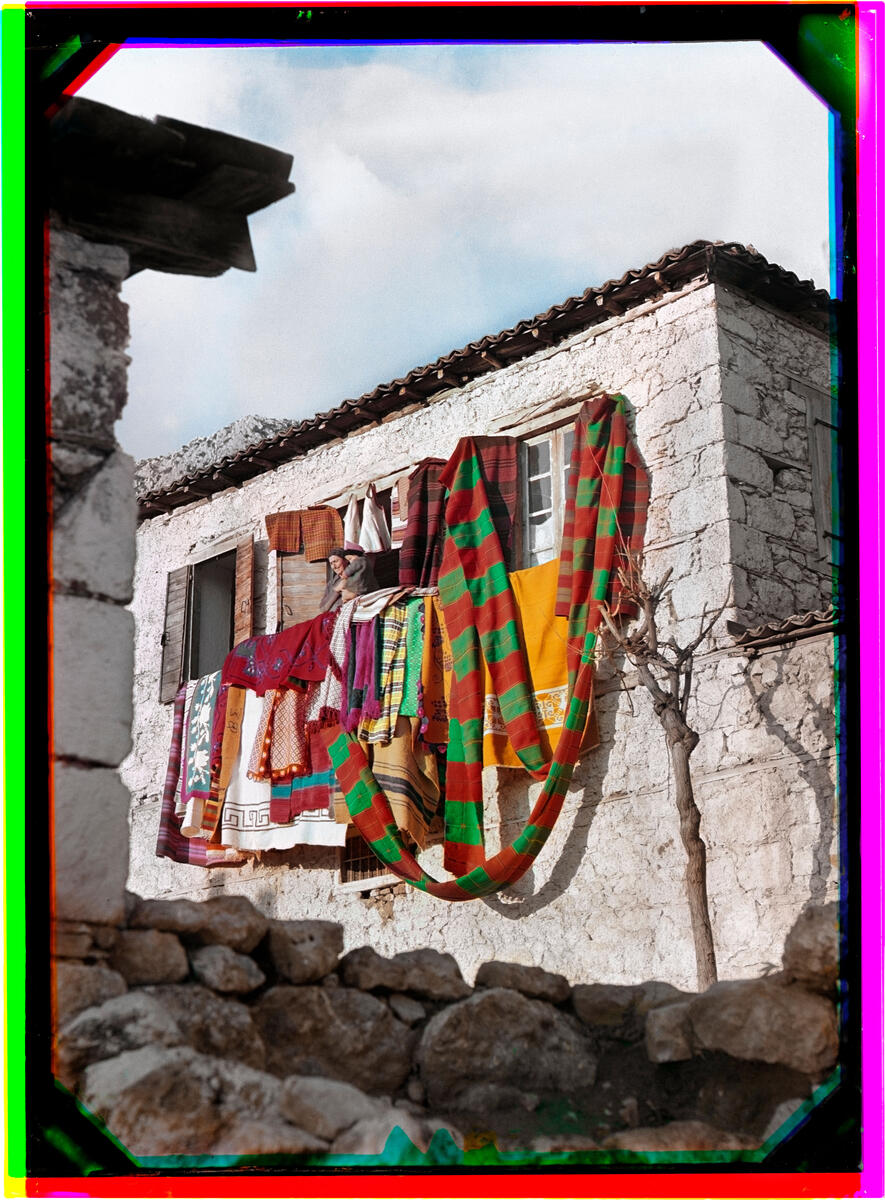
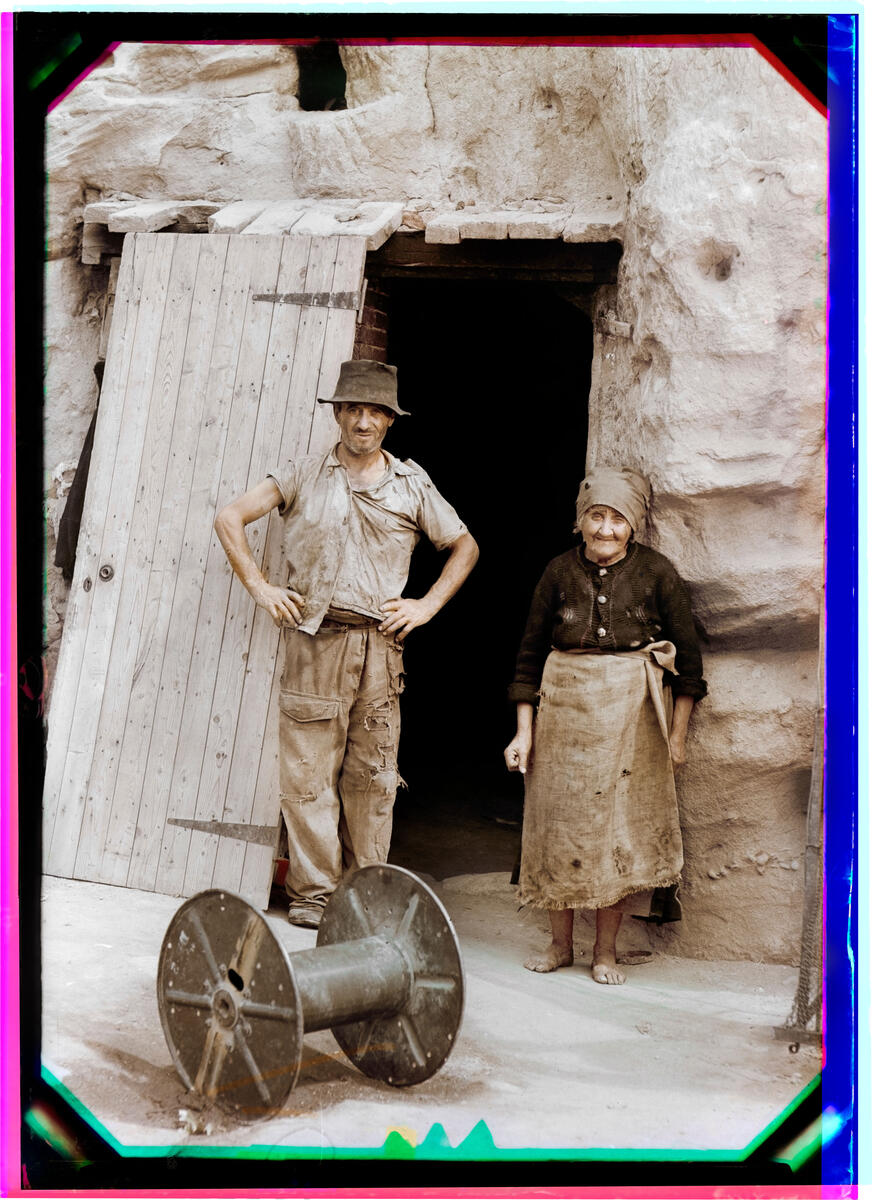
This digitization process is deliberately left visible on the edges of the negatives in their reconstruction, giving the image a vibrant, reinvented signature.
“I felt – when we did the scanning and printing – that it gives a special feeling for the picture, in the same way a Polaroid does. It gives them a photographic identity – that they come from a Devin camera,” he adds.
Bischof went on to be recognized for his perceptive and emotive black-and-white photographs, taken in his desire “to explore the true face of the world.” His choice of cameras soon evolved: in the late 1940s and early 1950s, he opted for a Rolleiflex 6×6, and a Leica for his visit to North America and South America in 1953-54. His photographs in Peru would be his final work: on May 16, 1954 he died in a car accident in the Peruvian Andes. His son Marco was only four years old.

Yet in these unearthed color images, the subjects and emotions resonate with immediacy and materiality — they occupy the past while their lucid colors feel arrestingly alive in the present.
“It was very exciting for me to find these pictures because, after so many years, we found something to do with my father’s legacy that was completely new,” Bischof’s son says. “The Devin color photographs seal the legacy of Werner Bischof. It gives a new dimension to the idea of him being a classic black-and-white photographer of the 20th century.”