Generation Z: Antoine d’Agata in Georgia and the U.S.
For the second edition of Magnum Chronicles, the cooperative’s photographers are working with youth around the world to paint a global portrait of Generation Z
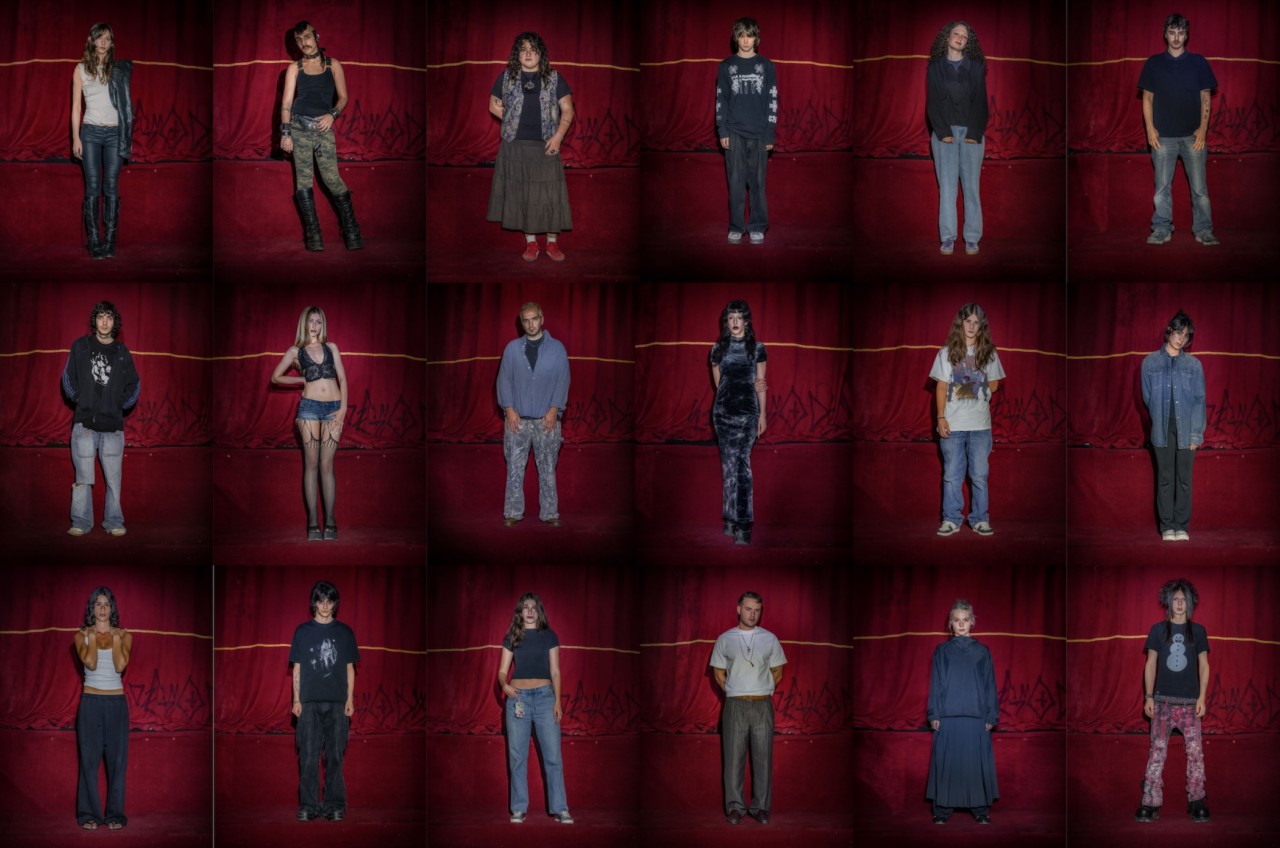
This year, Magnum photographers are collaborating with young people around the world to capture the zeitgeist of Generation Z for the second edition of Magnum Chronicles, an annual publication by the cooperative that explores and interrogates contemporary global issues through independent documentary photography. Pre-order and support the publication here.
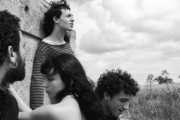
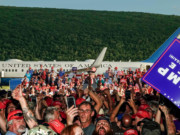
Here, we speak to Antoine d’Agata about his chapters in the upcoming publication. D’Agata worked in Tbilisi, Georgia, and Los Angeles, USA, focusing his attention on the younger generations participating in political demonstrations in support of Palestine.
Who did you photograph and how did you approach the collaboration?
I photographed dozens of young people in Tbilisi and Los Angeles. Two cities, two contexts. In Georgia, I explored sentiments against Russian imperial expansion and the authoritarian drift of a government that has chosen submission. In the U.S., I explored sentiments against the eliminatory violence exercised by the far right and its unconditional support for Israeli colonial rule. Different geographies and different forms of brutality…but the same refusal.
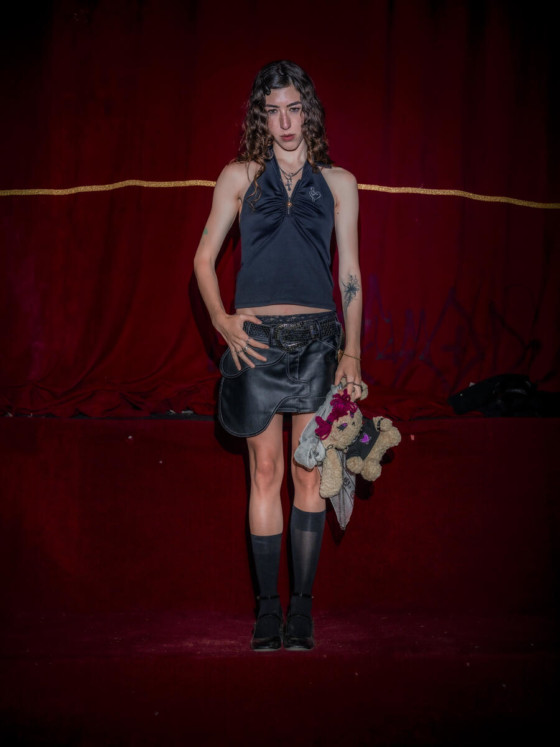
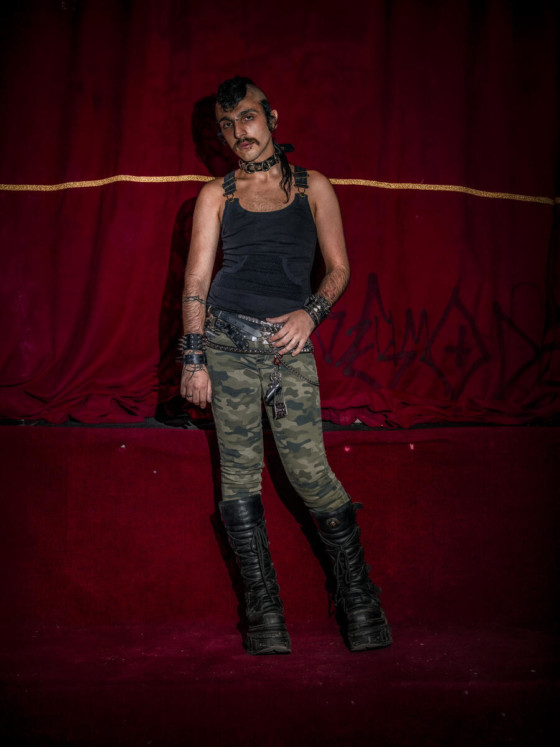
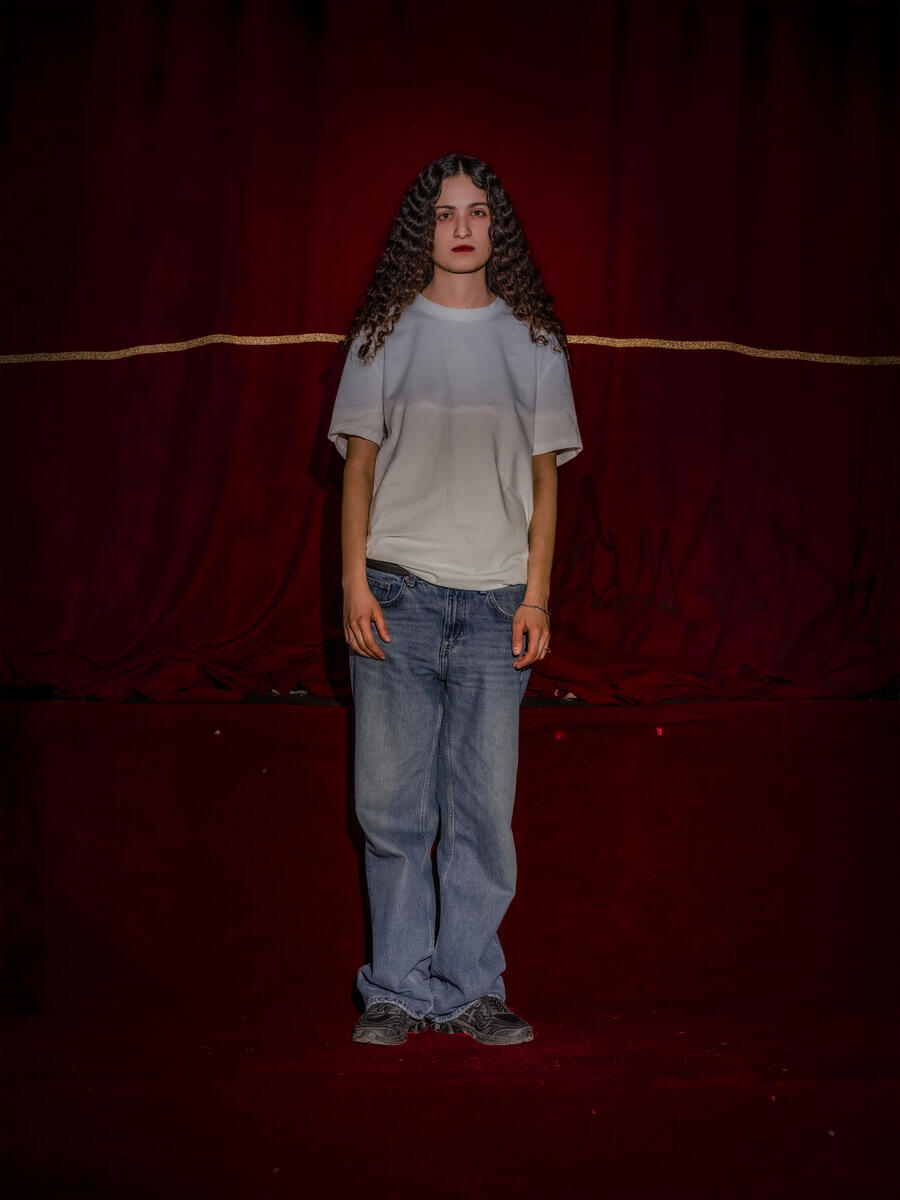
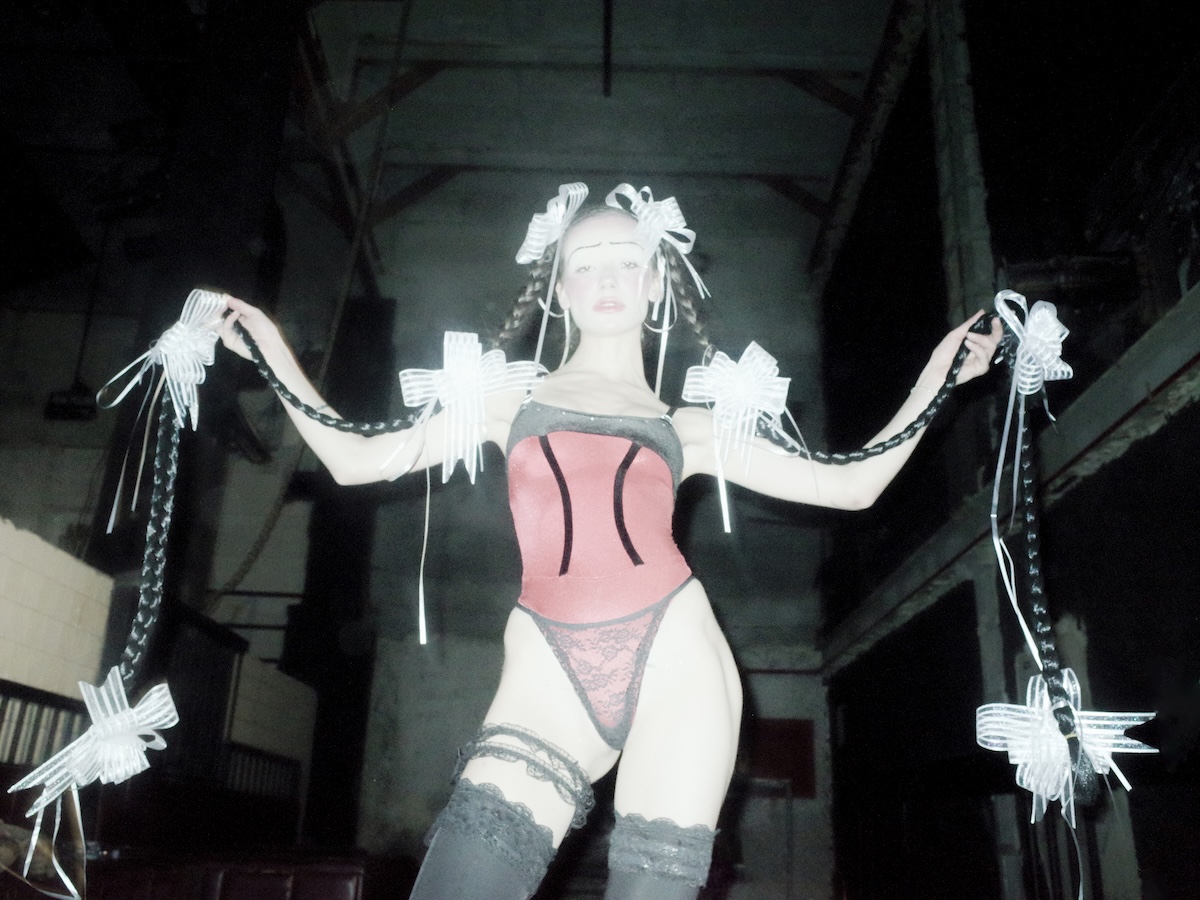
I could not communicate with most of those I photographed; the conditions made that impossible. In Los Angeles, I had to navigate time pressure, picket lines on campuses, protests, and short meetings in discreet spaces. In Tbilisi, I photographed inside a club — Tbili Orgia — where nightlife re-emerged not as an escape from politics, but as one of its displaced forms. Parties and electronic music scenes became temporary architectures of survival: spaces where bodies can still gather, dissolve, lose themselves, reconstitute forms of intimacy, and suspend, however briefly, the violence of historical reality.
"Dancing became less an act of celebration than a form of nervous release, and music a mechanism of dissociation."
- Antoine d'Agata
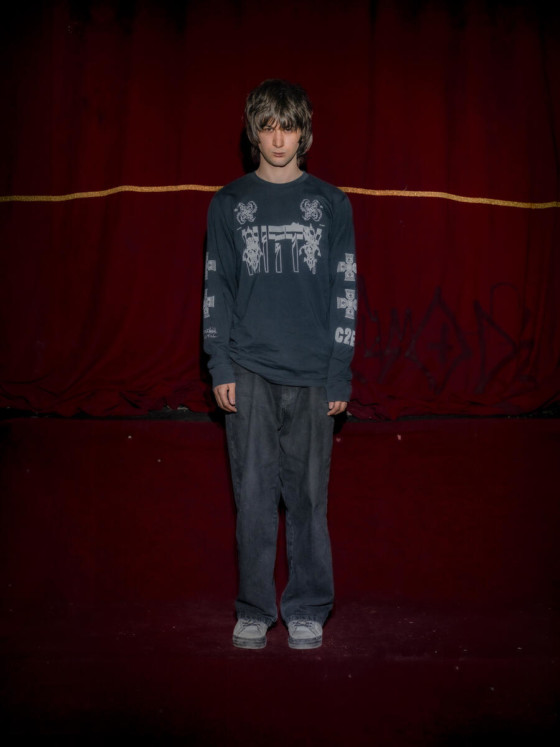

In contemporary Tbilisi, a growing part of the younger generation exists within a blocked political condition marked by both hyper-consciousness and exhaustion, produced by prolonged states of alertness without resolution. The demonstrations that have occupied the city in recent years are not only examples of political mobilization in the traditional sense; they also functioned as collective emotional structures: occupation of urban space, visibility, and a shared vulnerability. What emerged in the streets of the city was not so much a classical militant movement as a fragile attempt to resist disintegration itself: geopolitical anxiety, economic precarity, institutional collapse, authoritarian pressure, and the slow erosion of any viable future. Mobilization and political lucidity gradually gave way to diffuse depression, numbness, and emotional burnout. Dancing became less an act of celebration than a form of nervous release, and music a mechanism of dissociation.
"The repression directed toward student movements, demonstrations, encampments, and dissenting voices has profoundly transformed the psychological atmosphere of political engagement."
- Antoine d'Agata
Across the U.S., large segments of Generation Z have entered into a confrontation not only with the violence of war abroad, but with the growing normalization of authoritarian structures at home. The repression directed toward student movements, demonstrations, encampments, and dissenting voices has profoundly transformed the psychological atmosphere of political engagement. What emerges is not classical fascism in its historical form, but a more diffuse contemporary configuration: a technologically-mediated authoritarianism combining surveillance, criminalization of dissent, media manipulation, economic precarity, and the permanent management of fear.
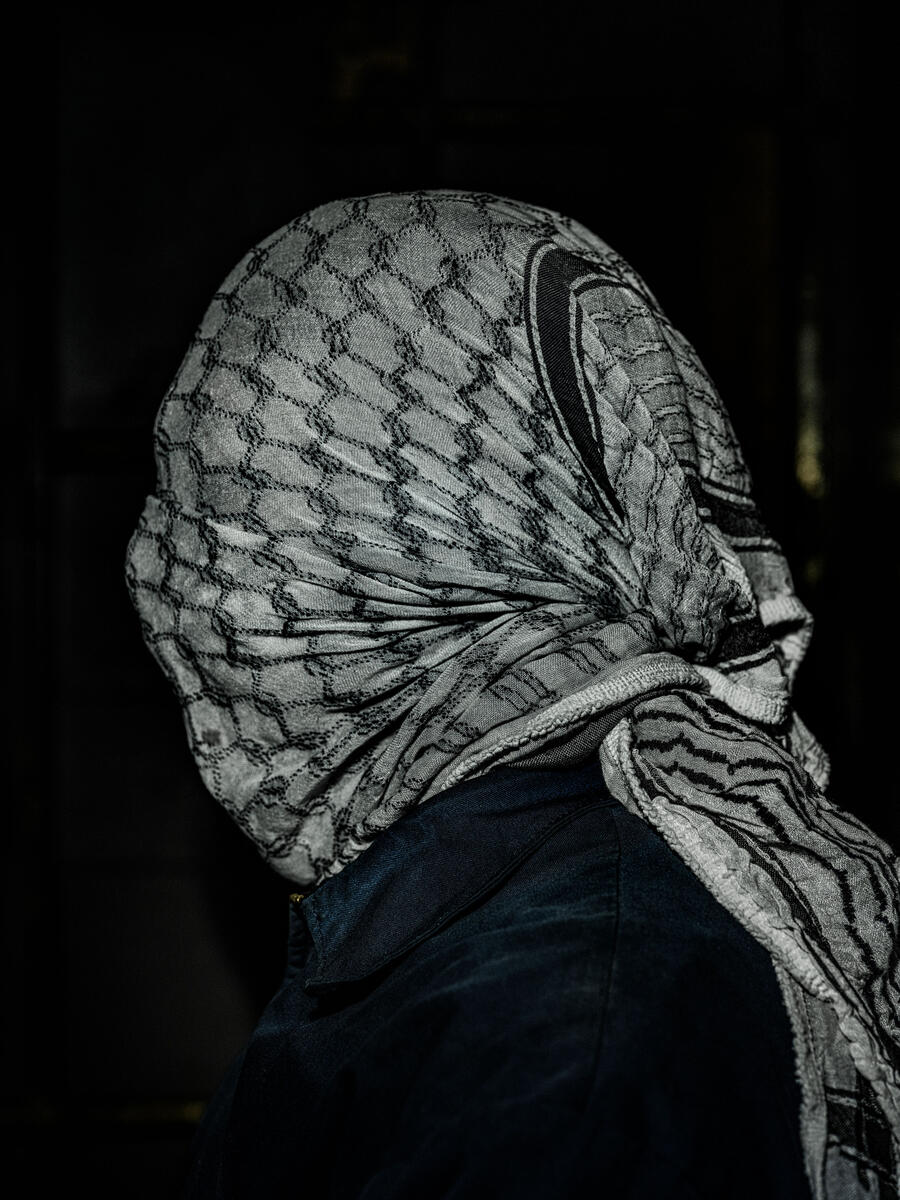
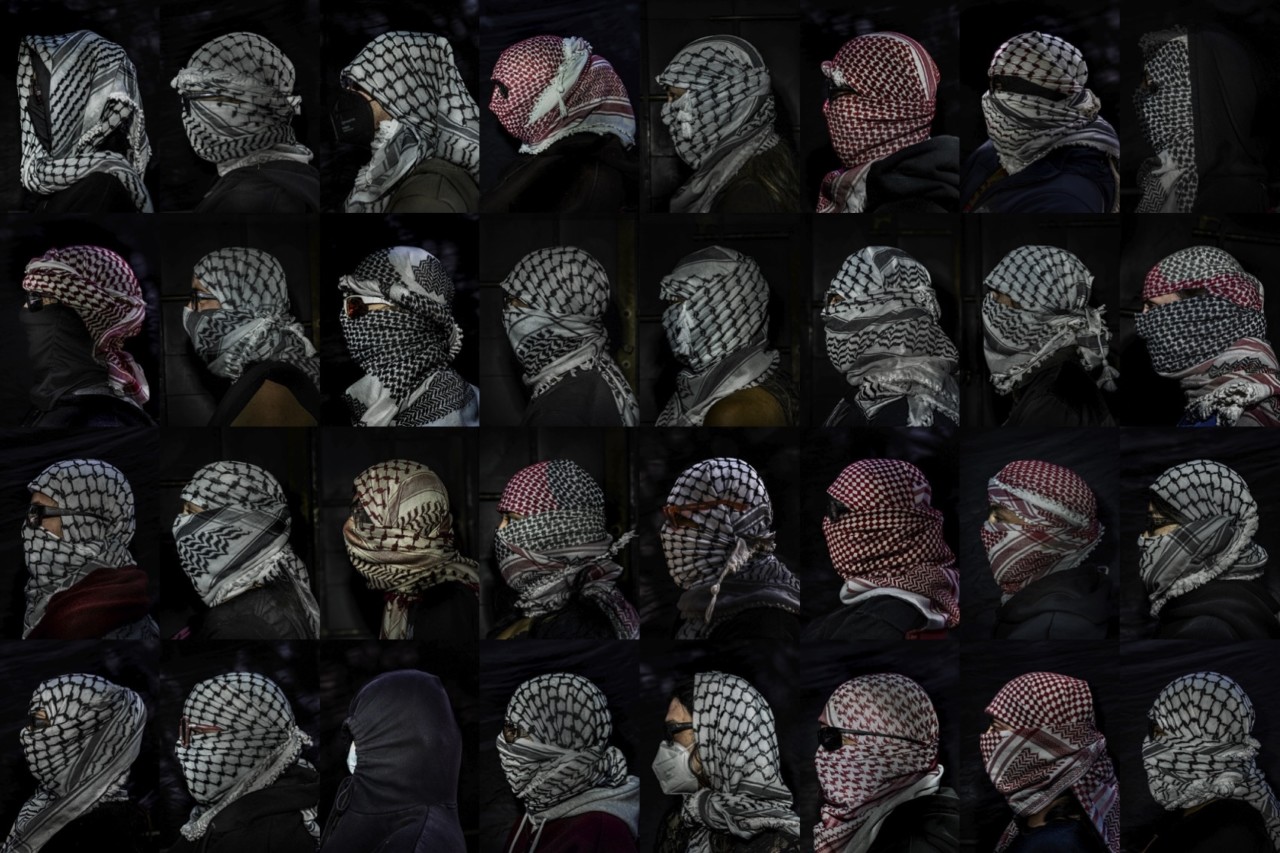
Under the intensification of state repression during the U.S. administration, many young activists experienced the possibility of political speech itself becoming legally dangerous: arrests, institutional sanctions, surveillance, deportation threats, blacklists, and accusations capable of destroying future professional or academic life. Consequently, anonymity has acquired a new political function. Masks, encrypted communication, pseudonyms, and the refusal of identifiable visibility no longer belong only to clandestine militancy. They emerge as defensive strategies within societies where exposure itself has become punitive.
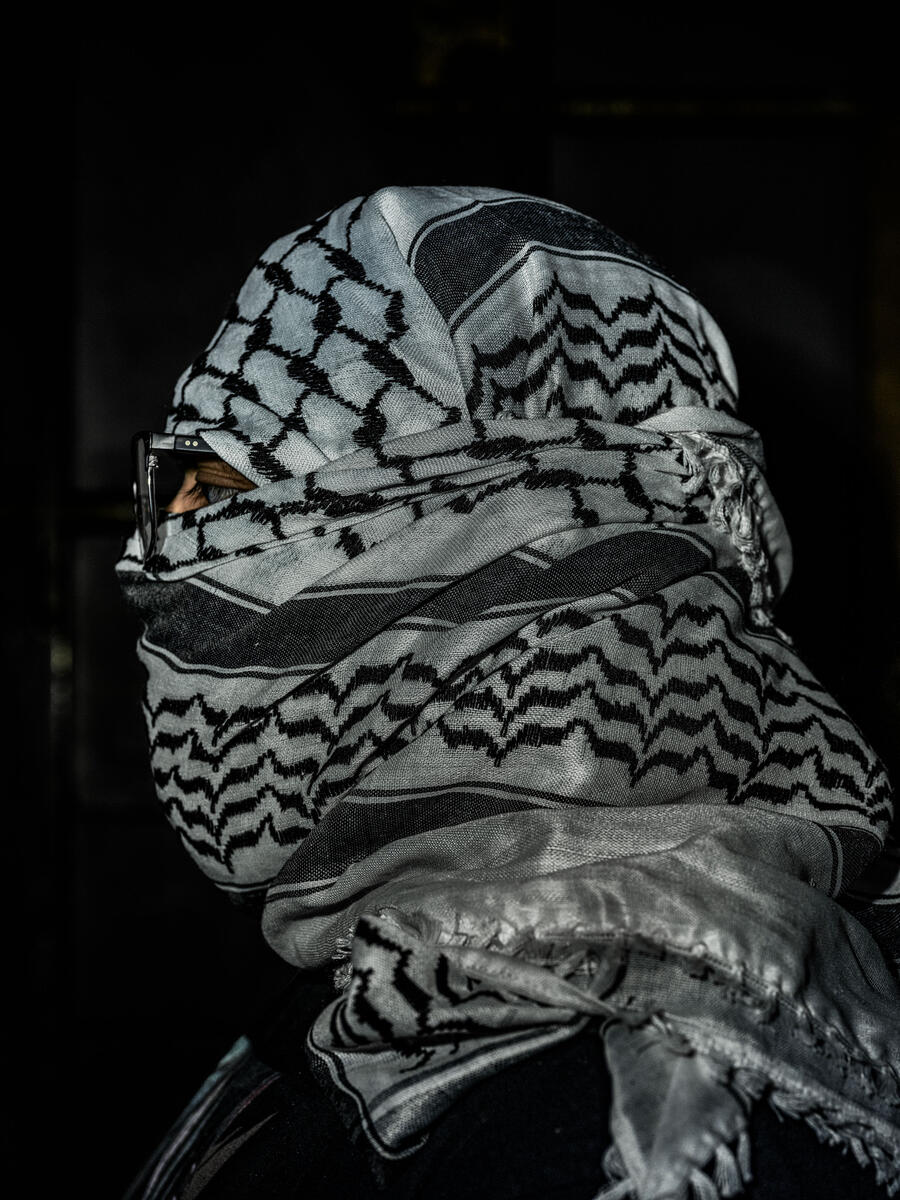
The pace of the work and the pressure involved in making the pictures impeded the encounters. But the collaboration was born from a shared necessity, for them and for me: to produce images faithful to the urgency of revolt. Not a testimony, but a weapon through which they could say what they refuse, what they demand, and what they will not surrender. That experience rested on trust and on something darker: the despair of defending a just but desperate cause against our apathy, our impotence, our willingness to accept in silence the extermination of those who are being erased…
The demand for anonymity, imposed by the repression exercised against protestors by the police, university administrations, and government agencies, was not an obstacle to the photographic process. It was a condition. It produced a clear distance, a suspension of pretense. No politeness to perform, no trust to build or simulate. Behind the covered faces, each body resists erasure: a way of standing, of speaking out, of struggling.
"My approach is neither documentary nor journalistic. It is moral."
- Antoine d'Agata
What was your creative approach going into the series?
I instinctively felt I needed to produce pure photographs, beyond portraiture, beyond a neutral gaze: an aesthetic proposition that would not reassure the viewers, nor allow them to look away…A physical presence as threatening and as dignified as it can be… my approach is neither documentary nor journalistic. It is moral.
Did your approach change during the process?
Yes. At the beginning, I had no specific idea of what the series should mean or look like. Preconceived ideas come apart, always, once in contact with the people I photograph. What mattered was not the frame, but what resists inside it: a presence, a tension, something that refuses to be reduced to words. But the gap was vertiginous: making pictures while civilians in Gaza are dying by the thousands…I keep trying to generate forms that resist being read too easily…and I sometimes reach the point where I begin questioning what I thought I knew.
"The young people I worked with did not display the naive optimism readily attributed to younger generations, but a hard lucidity, without illusions, about what is being done, in their name, to the most vulnerable."
- Antoine d'Agata
What did you learn from the people you photographed?
Their capacity to hope, to refuse the logics and strategies of annihilation, to revolt when the majority surrenders irreversibly to hatred. The young people I worked with did not display not the naive optimism readily attributed to younger generations, but a hard lucidity, without illusions, about what is being done, in their name, to the most vulnerable. They have strong moral convictions, and they remind us that it is possible not to compromise, not to be complicit, not to stay silent. They carry a political rigor that we have lost or have chosen to forget. And what struck me the most is that they are not afraid to name the enemy…and do not consider negotiating with it.
Why is it important to document and amplify these voices?
Because victims are being deliberately obliterated, and witnesses systematically silenced. Apartheid and genocide are not accidents. They are policies, deliberate strategies. And making visible what is meant to be made invisible is a political act. Not a humanitarian one. We’ve accepted too long the inevitability of fascism and genocidal cruelty.
What were your hopes and fears for this generation?
I will not speak of hope as a promise to be kept. Political repression is intensifying. It is unacceptable. But what I have witnessed is a generation that refuses to be neutralized, that does not confuse resistance with polite resignation…that guarantees nothing…but demands to be taken seriously, and to be defended.
Note: Neither of these bodies of work would have existed without the help of M. in Tbilisi and R. in Los Angeles.
— A. A.
GenZ Spotlight:
Masu: A Letter to My Future Self

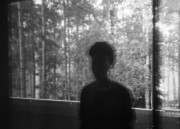
For Magnum Chronicles: GenZ, each photographer has collaborated with individuals to build a portrait of their lives, hopes, and fears through their own words and images. Antoine d’Agata worked in particular with Masu Mtsariashvili, a 26-year-old multimedia artist based in Tbilisi, Georgia, whose work explores youth and life in a post-Soviet country. Mtsariashvili, under the creative exericse given to all participants to write a letter to their future self, responded with a series of images. The full chapter will be revealed later this year in Magnum Chronicles.
To read the full selection of stories and support the publication of Magnum Chronicles this year, click here.