Stories Behind Revolutions
The Goalhanger podcast The Rest is History turned to the Magnum archive to explore the stories behind revolutions around the world, captured by Magnum photographers
In the latest episode of the podcast The Rest is History, co-host Dominic Sandbrook and special guest, British photographer Chris Floyd, sat at a table with a spread of photographs in front of them, exclusively from the Magnum archive. The show, which revisits historical events that have shaped our modern world, has launched a miniseries investigating the role photography plays in shaping our perception of history.
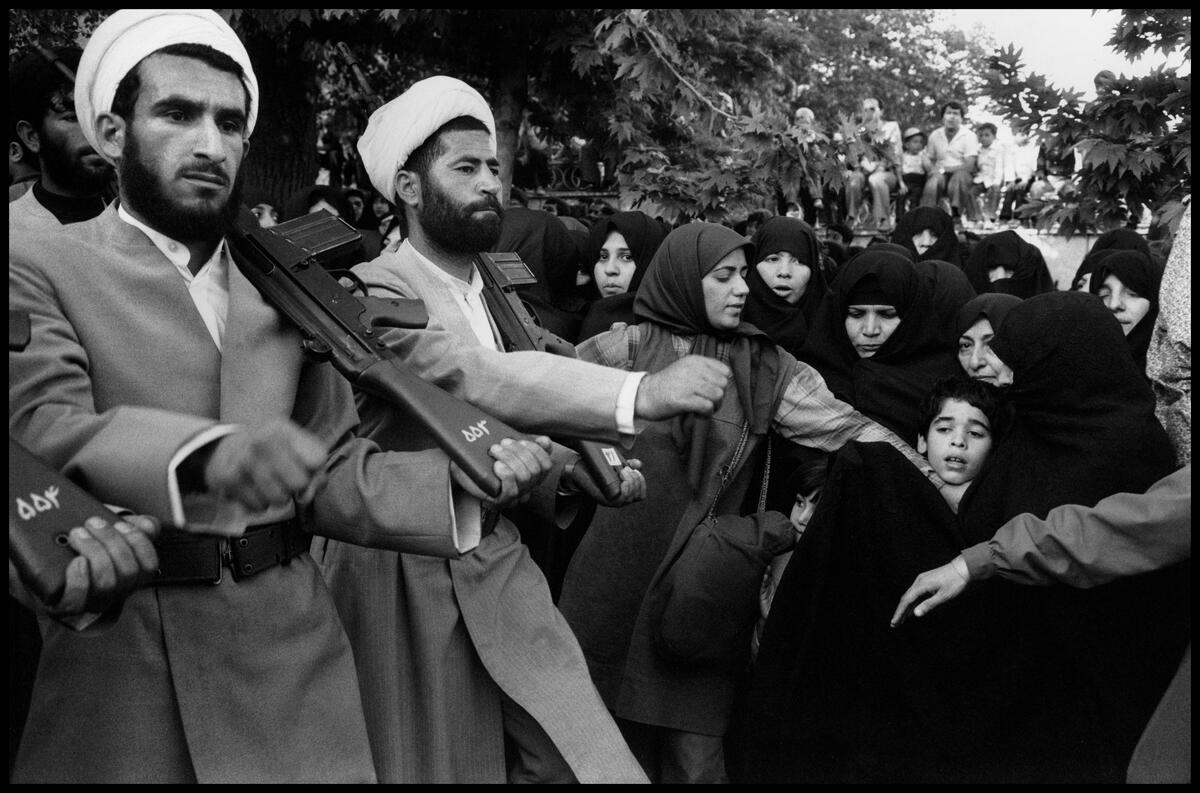
The first episode of the miniseries focuses on revolutions around the world, captured by Magnum photographers. Using images from the archive as their guide, they delve into historic uprisings in Iran documented by Abbas, the former Czechoslovakia by Josef Koudelka, Libya by Moises Saman, and Romania by Leonard Freed.
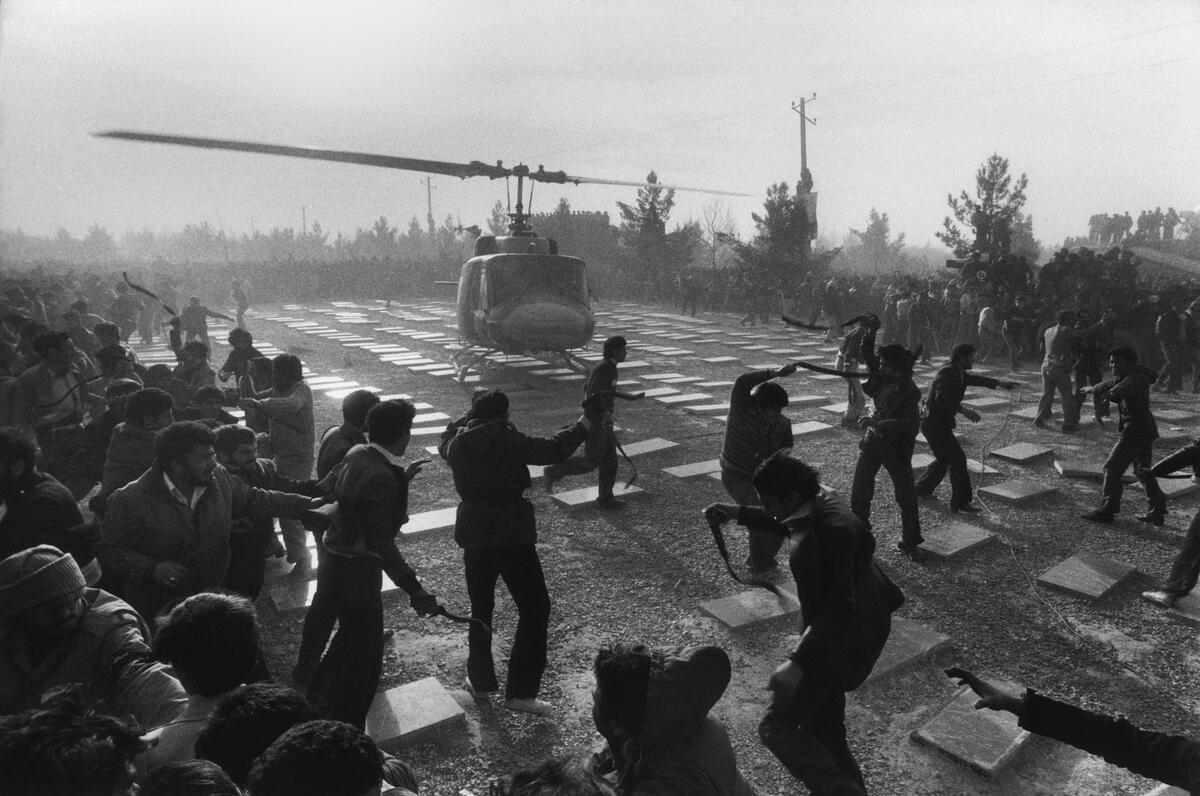
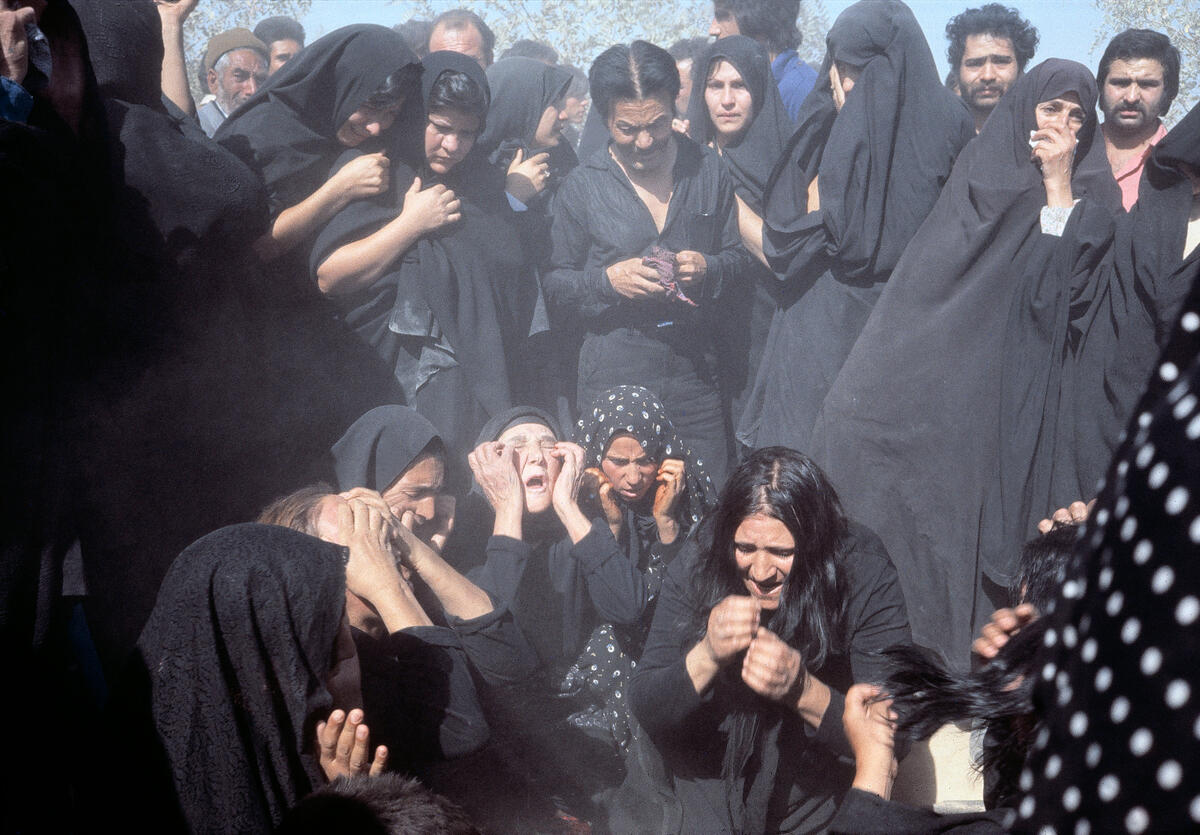
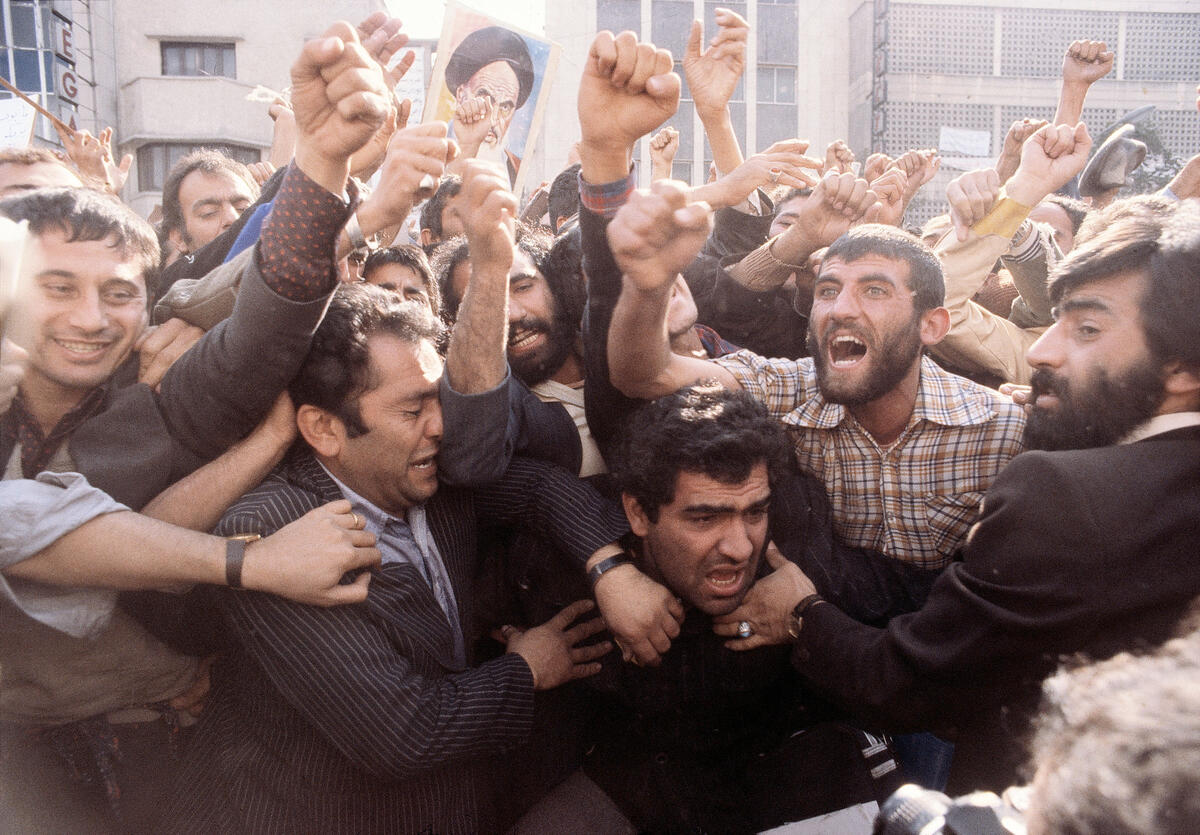
“Iran, 1979,” says Floyd. “The person you really want to look at is Abbas.”
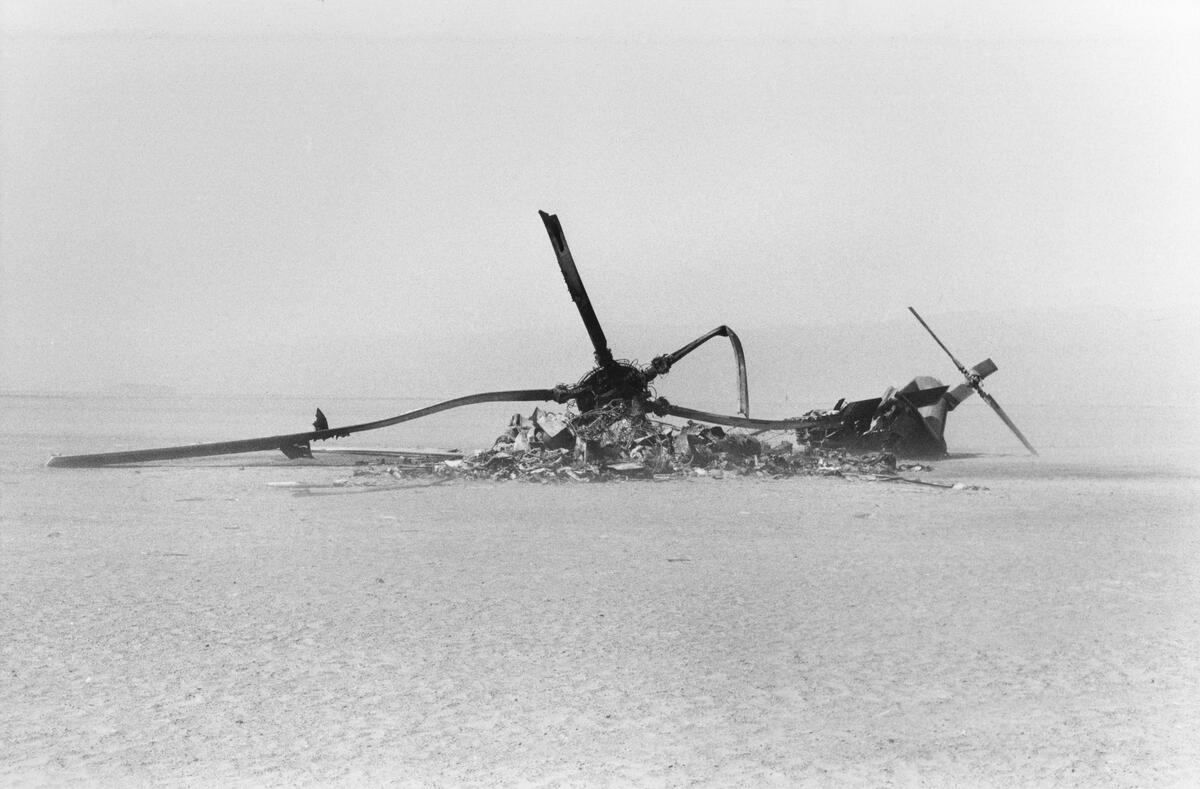
Born in Iran in 1944, Abbas spent much of his life in Paris, yet returned to Iran to document the turmoil of the Iranian revolution in 1979-80, spurred by Ayatollah Ruhullah Khomeini. From the masses on the streets demonstrating against the Shah to the wreckage of Operation Eagle Claw — a failed attempt by the Carter administration to rescue 52 American hostages held in the U.S. Embassy in Tehran — Abbas put himself on the front lines of the conflict.
“I knew, even when it happened, that only once in my lifetime I would be not only concerned but I was also involved, at least in the early stages,” Abbas told the BBC in 2017.
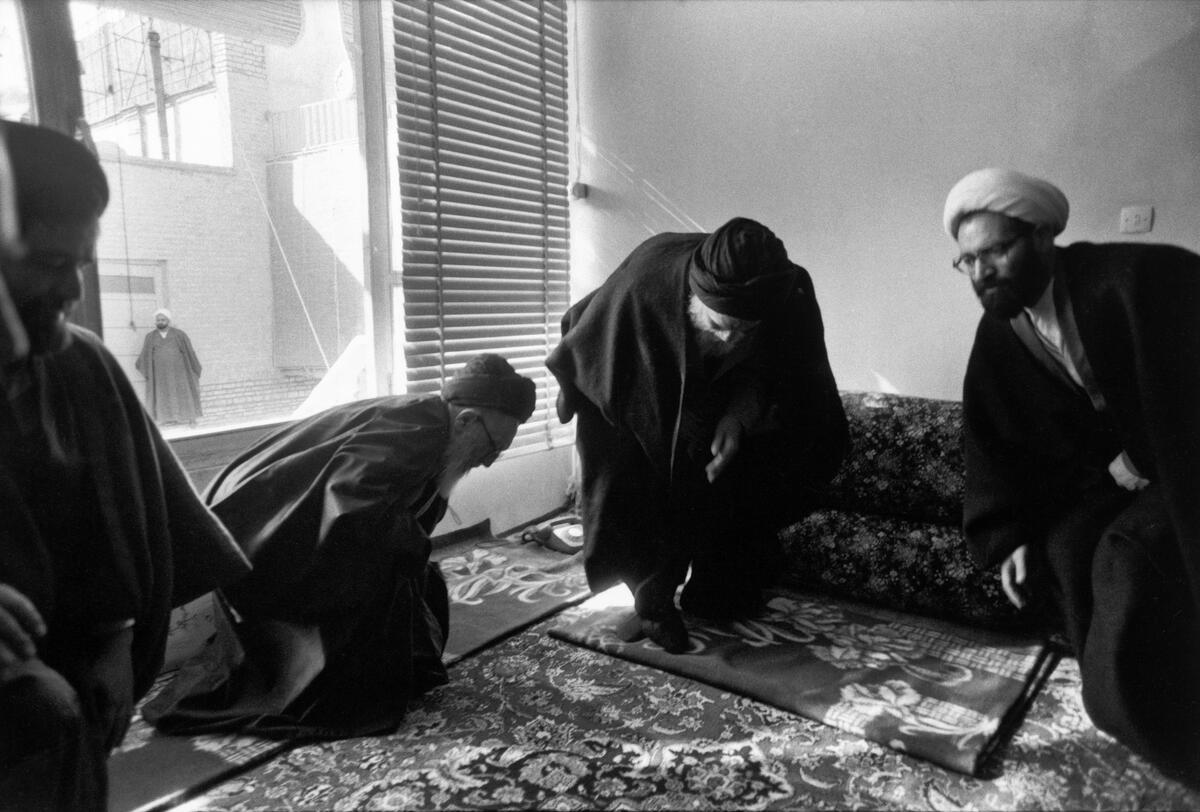
"I knew, even when it happened, that only once in my lifetime I would be not only concerned but I was also involved."
- Abbas
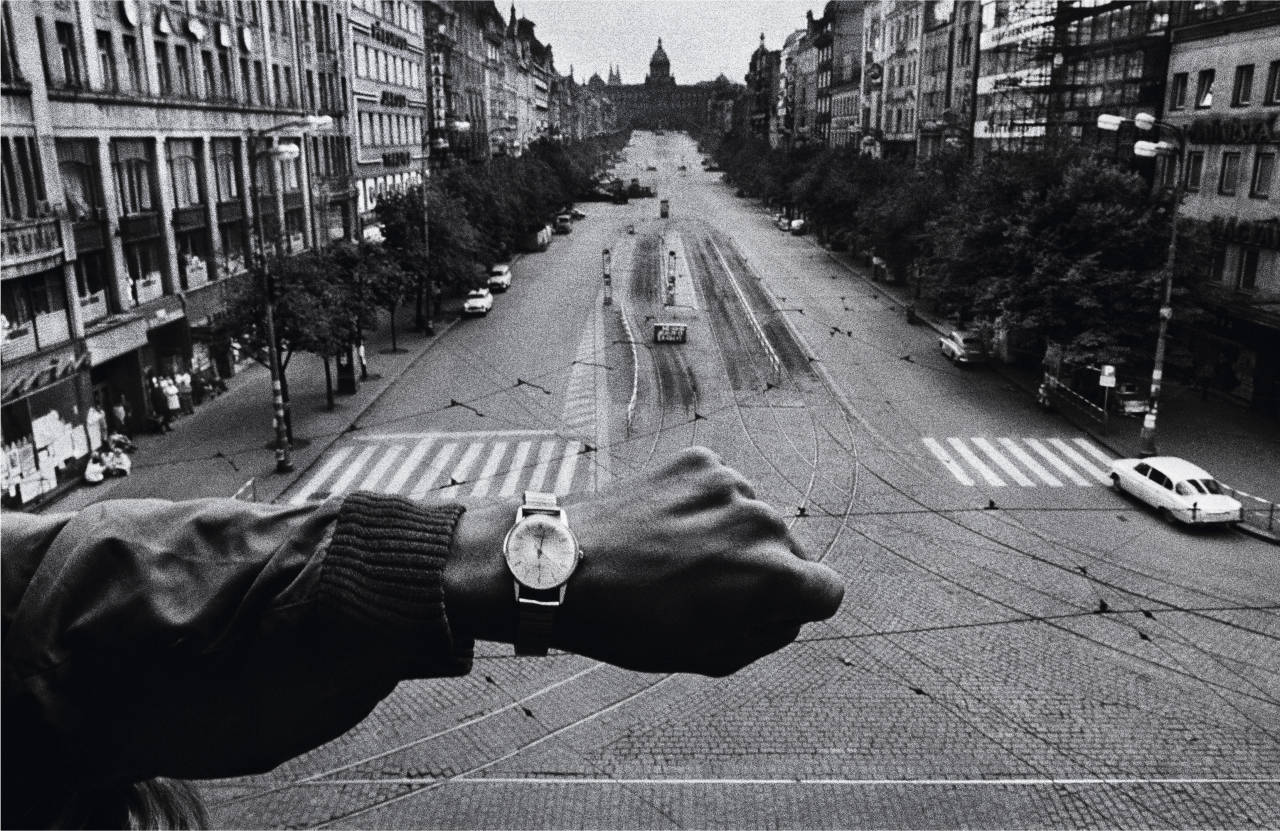
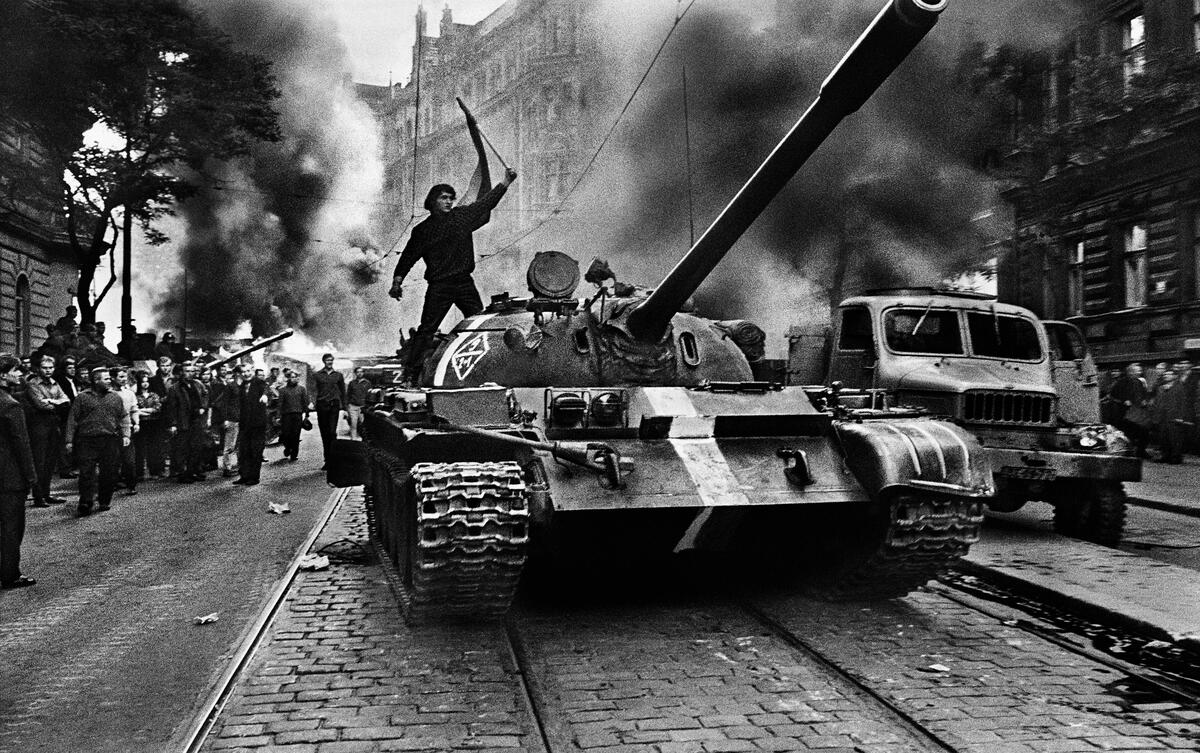
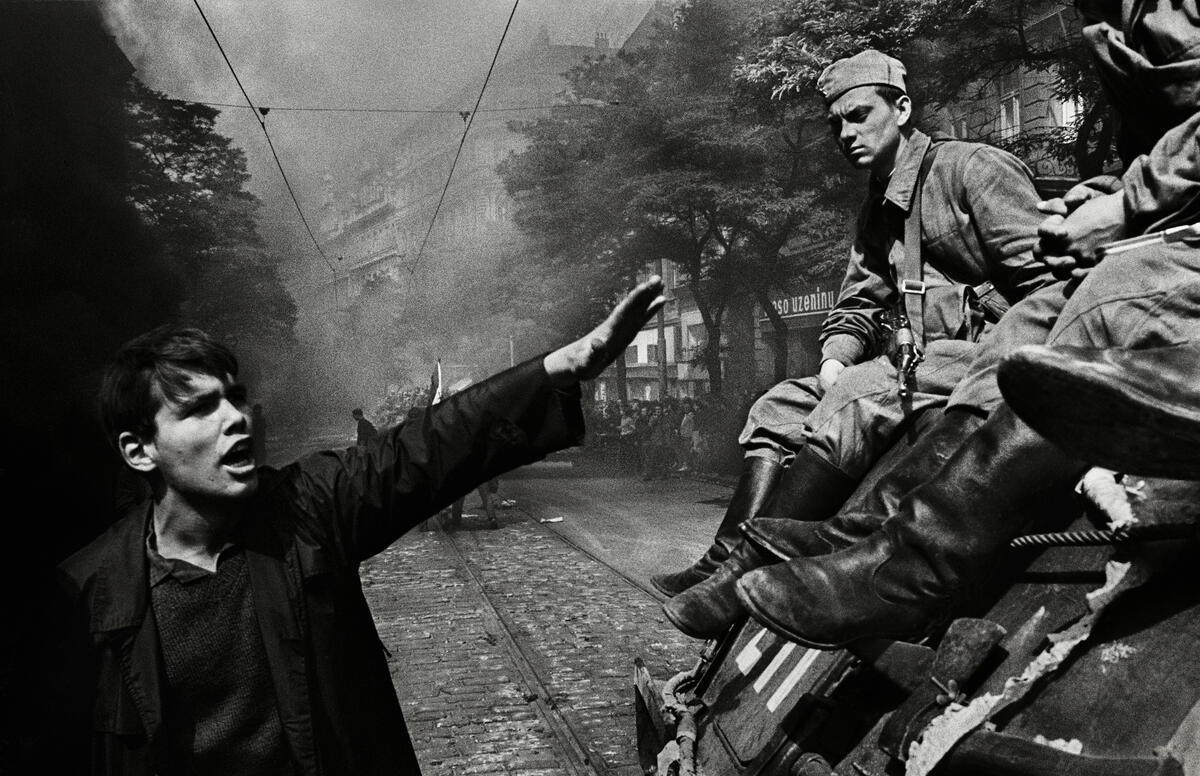
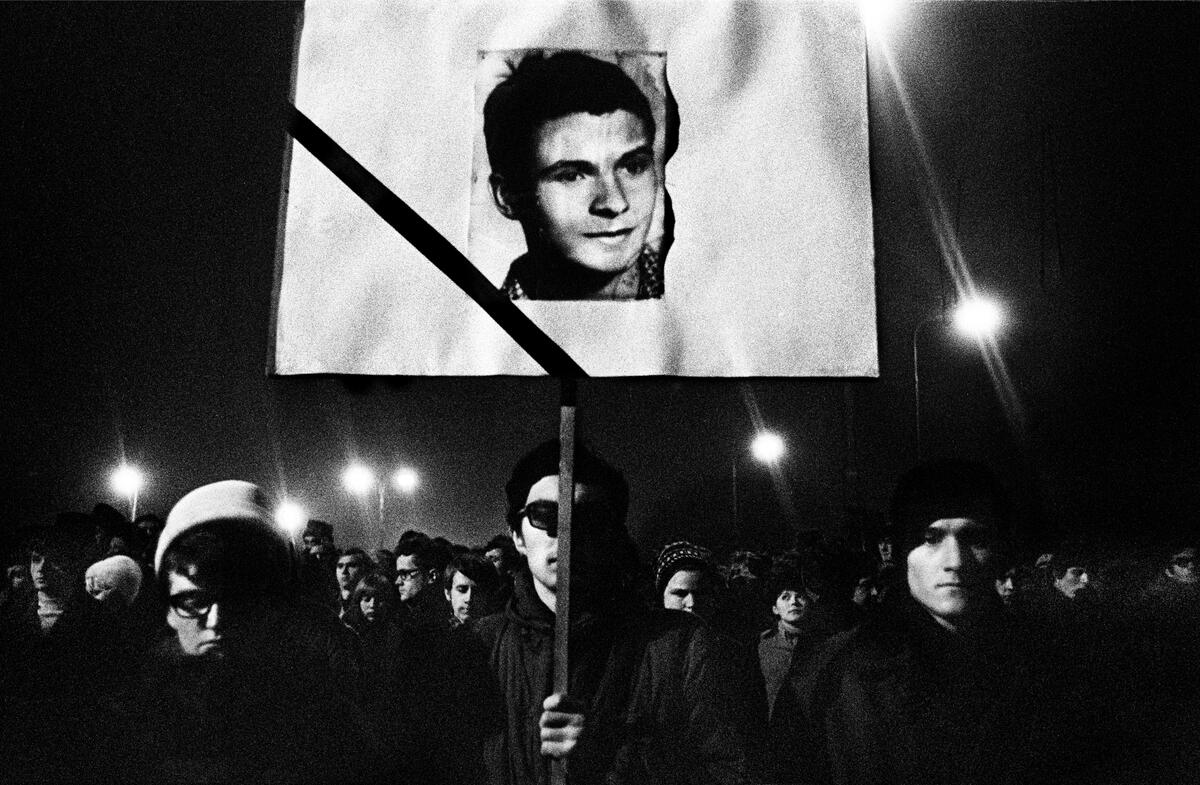
In 1968, as Soviet tanks rolled through Prague against Dubček’s democratic socialist program, a 30-year-old Josef Koudelka photographed the uprising against the communist take over, later known as Prague Spring, as it unfolded. His now-eminent photograph of a watch in front of Wenceslas Square asks the viewer to acknowledge the very moment of the Soviet invasion, while suggesting the desire to seize time itself — to resist the imminent dismantling of civil rights.
Koudelka’s images were smuggled out of Czechoslovakia and published in the UK’s Sunday Times with the credit “P.P.” — Prague photographer — to protect his anonymity.
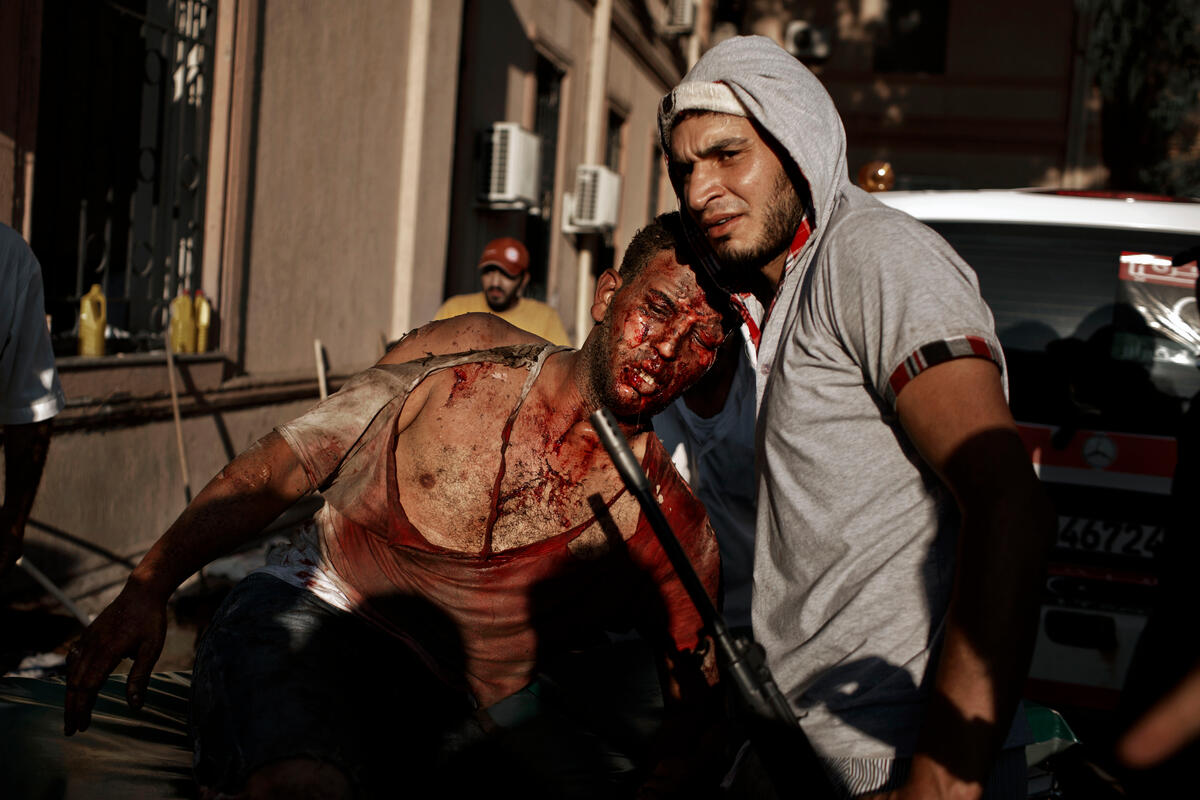
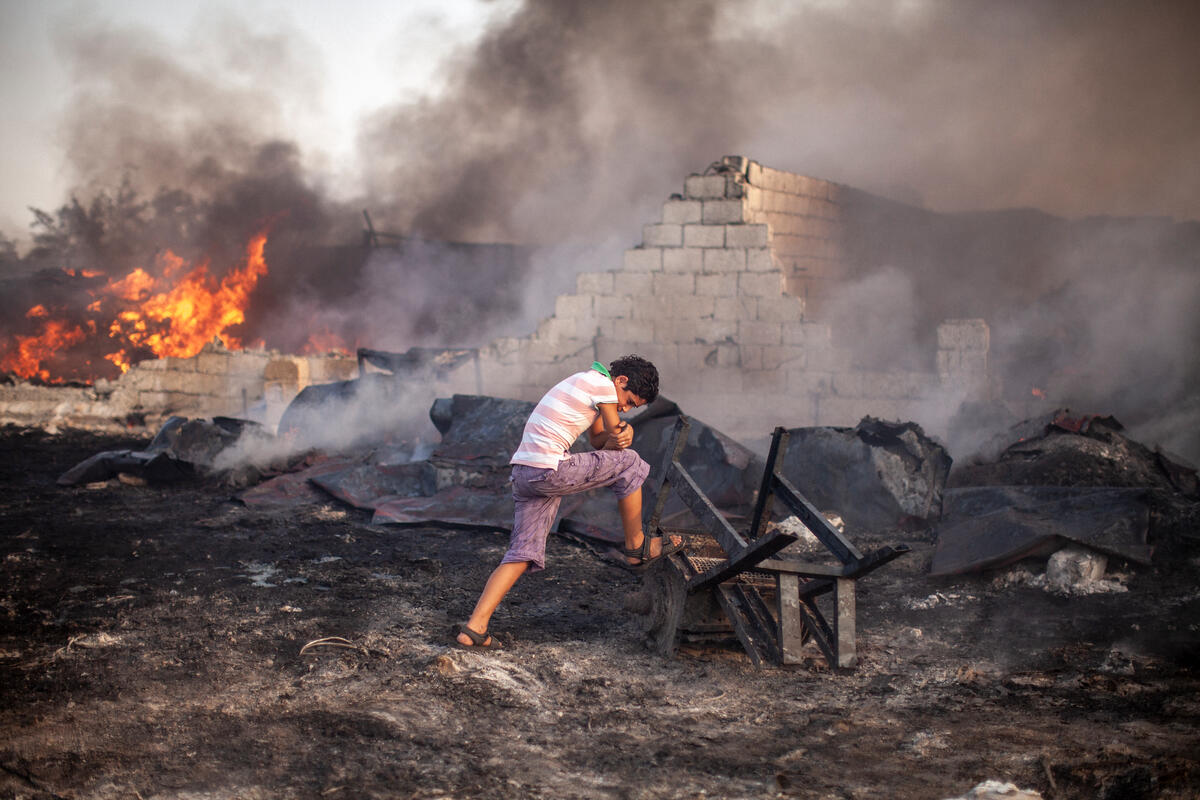
After his experience documenting the Kosovo War in 1999, Moises Saman was driven to turn towards conflict photography. “I was transformed by the experience of seeing people’s lives stolen from them, their bodies treated as if they had no families, no histories, and a place in the world. As I stood there with my camera, I felt the importance of documentation, for the sake of accountability, to prevent that such loss could go unmarked, and then be disputed…buried – literally and symbolically,” he told American Suburb X.
In 2011, he recorded the Libyan Civil War, sparked by protests against the four-decade rule of Muammar al-Qaddafi.
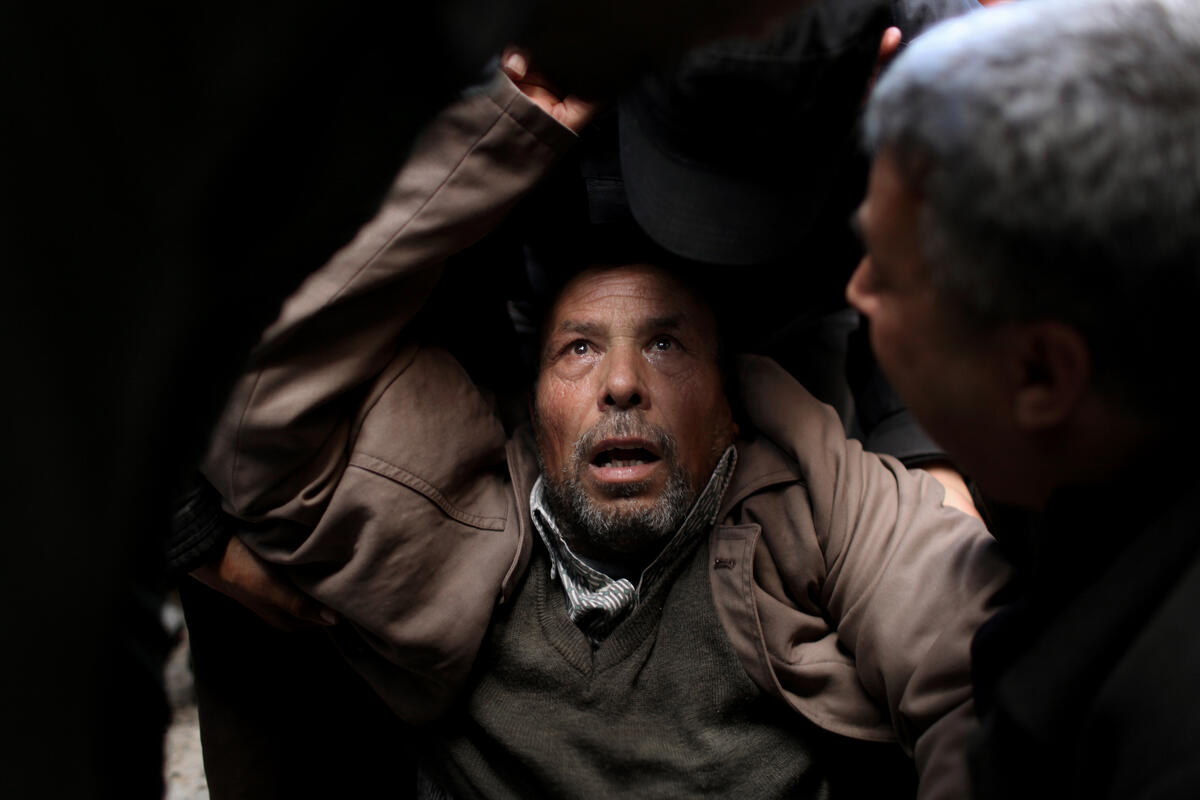
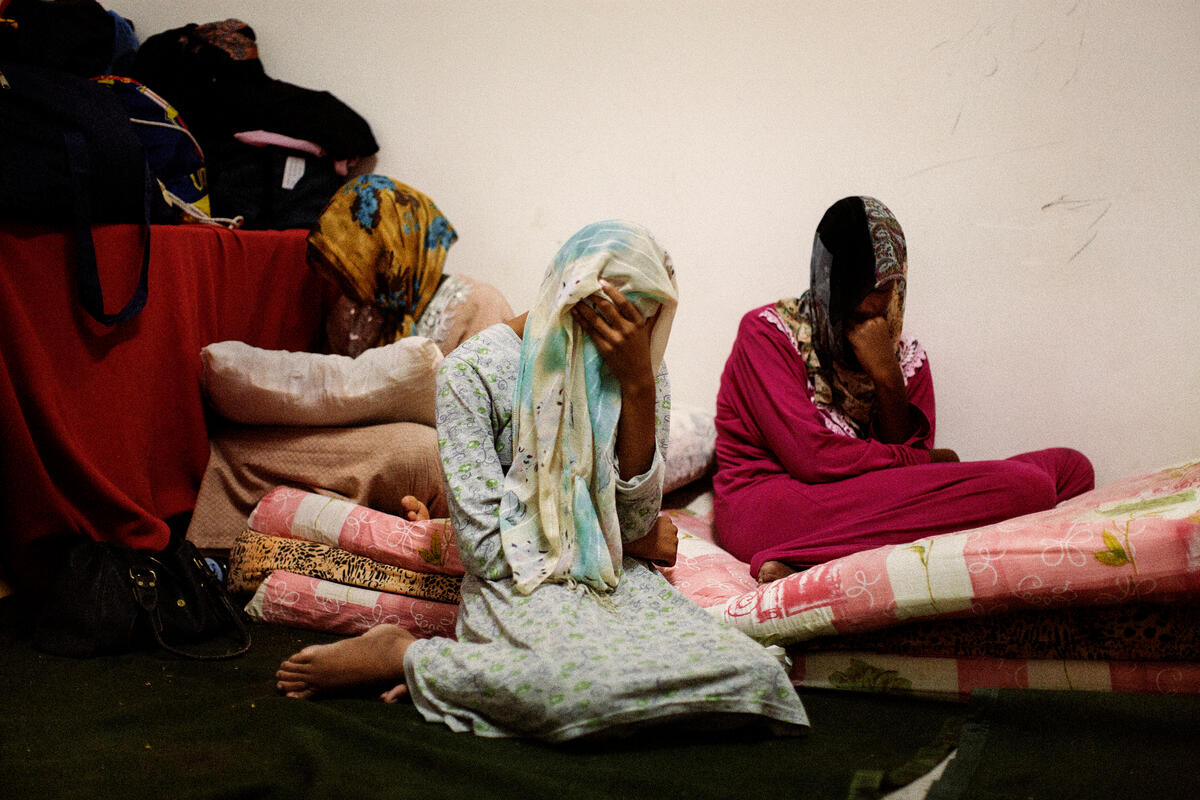
"As I stood there with my camera, I felt the importance of documentation, for the sake of accountability, to prevent that such loss could go unmarked."
- Moises Saman
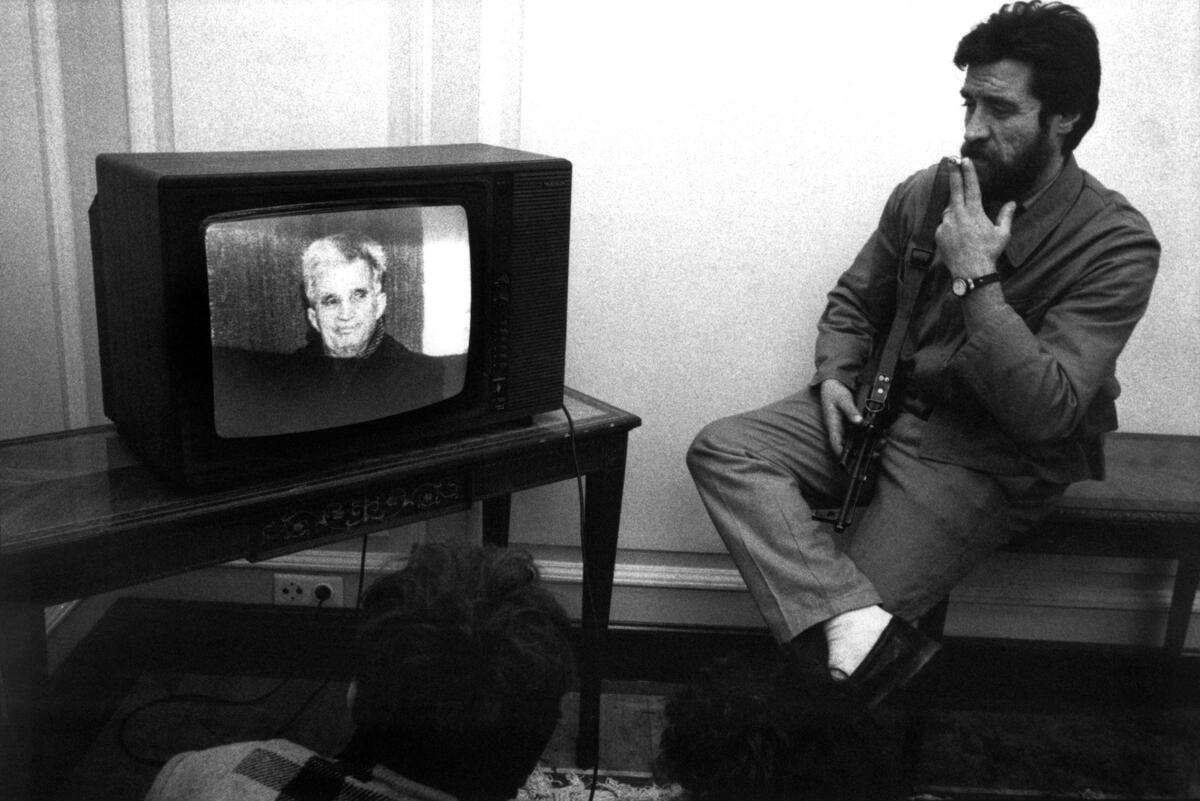
Finally, the hosts revisit the Romanian Revolution in December 1989, as seen through Leonard Freed’s lens. After a period of civil unrest, the execution of Romanian Communist Party (PCR) General Secretary Nicolae Ceaușescu and his wife marked the end of 42 years of communist rule in the country.
Freed photographed not only the large-scale tension, but the more intimate “lives of people who are the victims of forces that are beyond their control,” says Floyd.
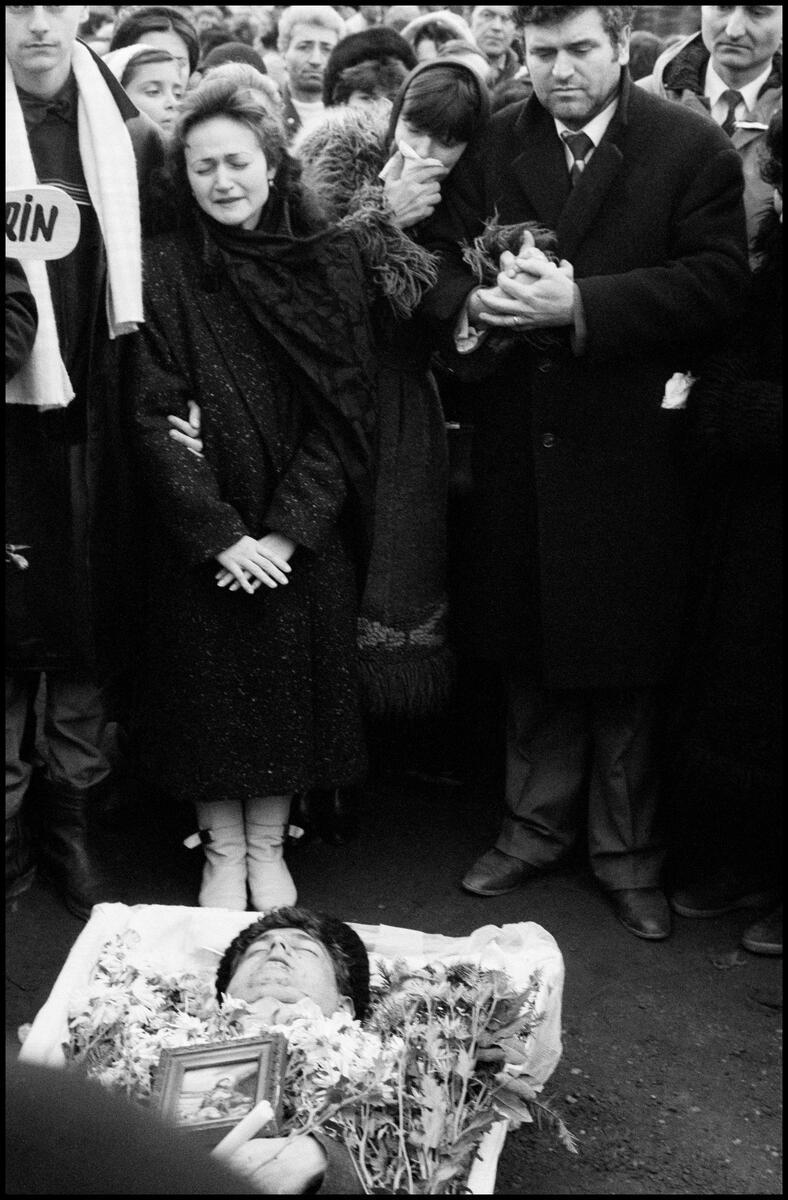
"It captures the lives of people who are the victims of forces that are beyond their control.
"
- Chris Floyd
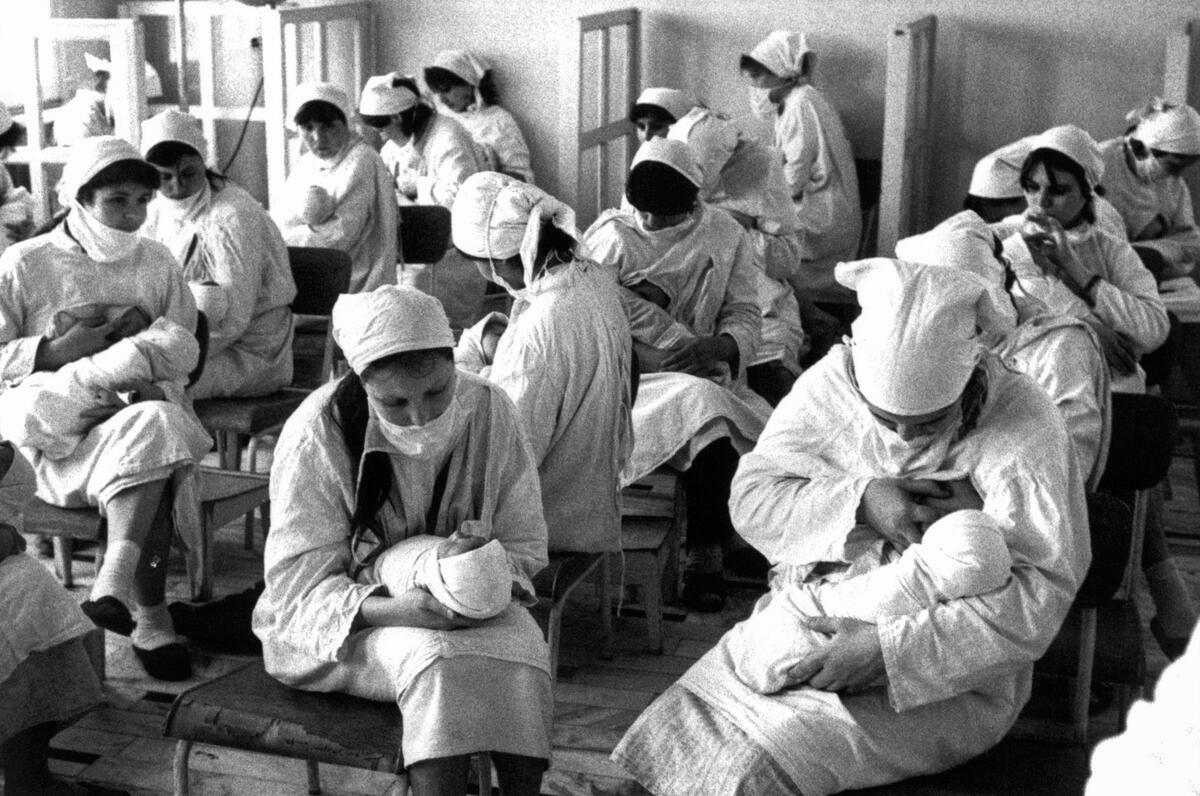
In contrast to the violence he witnessed, Freed photographed “a moment of hope amid the horror,” notes Floyd — babies being nursed at a women’s hospital in Bucharest on New Year’s Day.
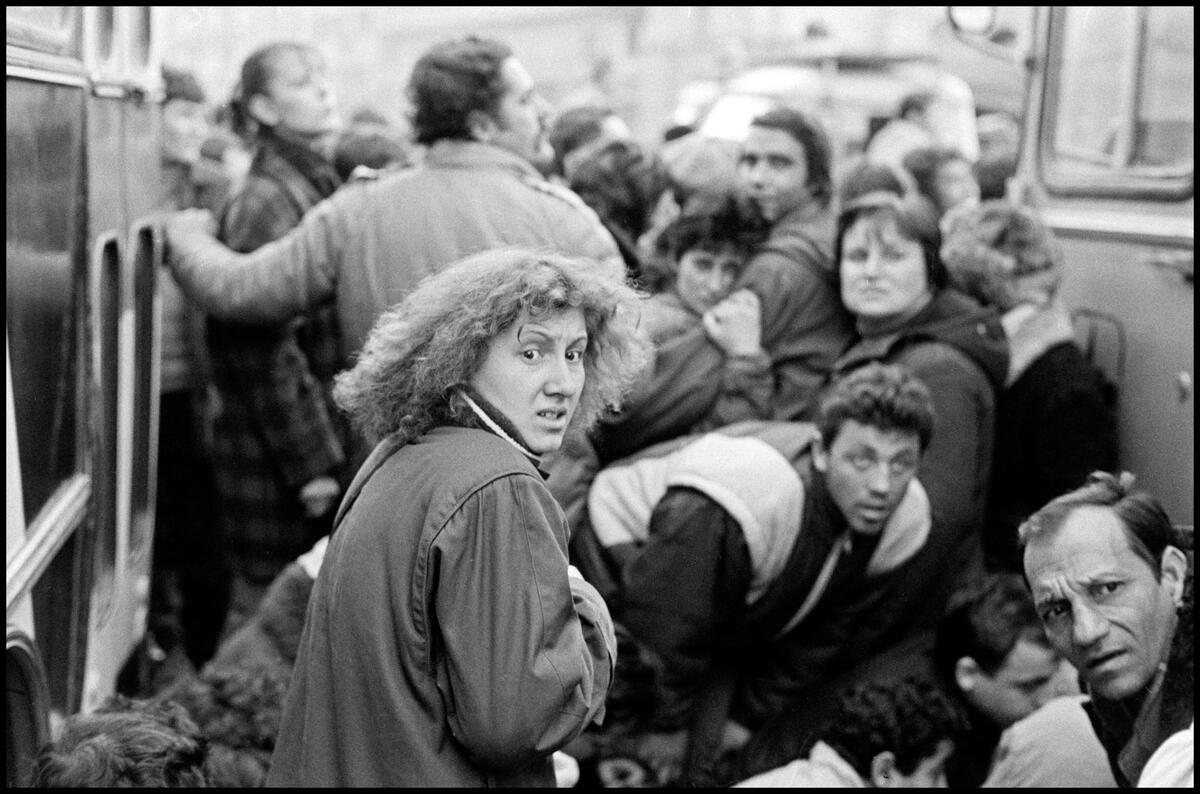
Rather than being driven by the needs of the press, the photographers highlighted by The Rest is History were “more focused on documenting things because they felt that they needed to be documented,” noted Floyd, distilling the emotional intensity and nuanced details of life-changing events for future generations.
Listen to the full story behind these Magnum images discussed on this episode of The Rest is History here.
Discover a collection of posters and prints celebrating Protest and Revolution on the Magnum Store.