Memleket, Emin Özmen’s 15-Year Portrait of Turkey
The upcoming photobook sees the photographer return to depictions of his homeland, this time to present the poetry of the everyday
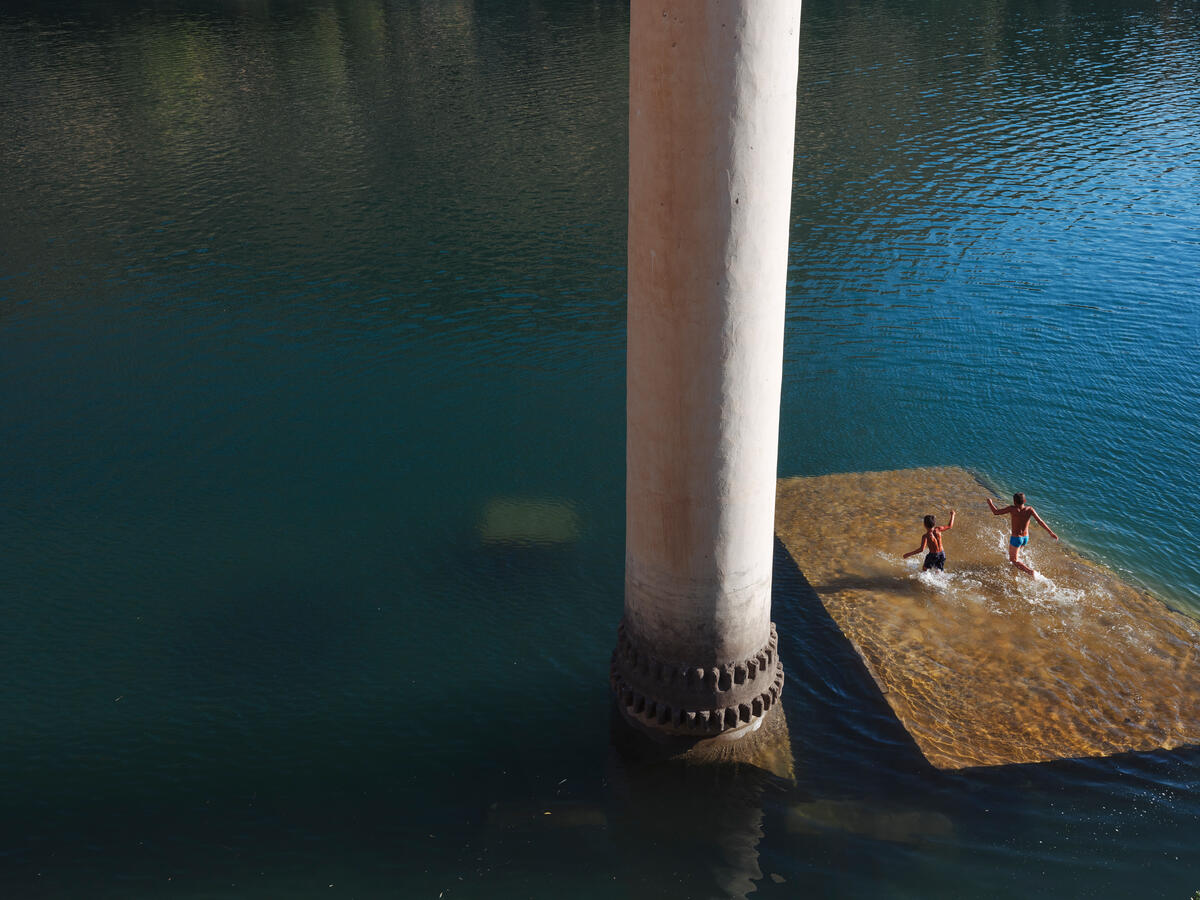
Three years ago, Emin Özmen published his debut photobook, Olay. The book drew upon a decades-worth of material from the photographer’s archive to create a deeply historical documentation of ten tumultuous years in Turkey. Through its pages, we see tragedy, unrest, and a stream of incidents — from earthquakes and droughts to bombings, student demonstrations, and a growing refugee crisis. “We forget everything very quickly in Turkey,” he told Magnum in an interview in early 2024. “So the main aim of the book is to contribute to our collective memory.”
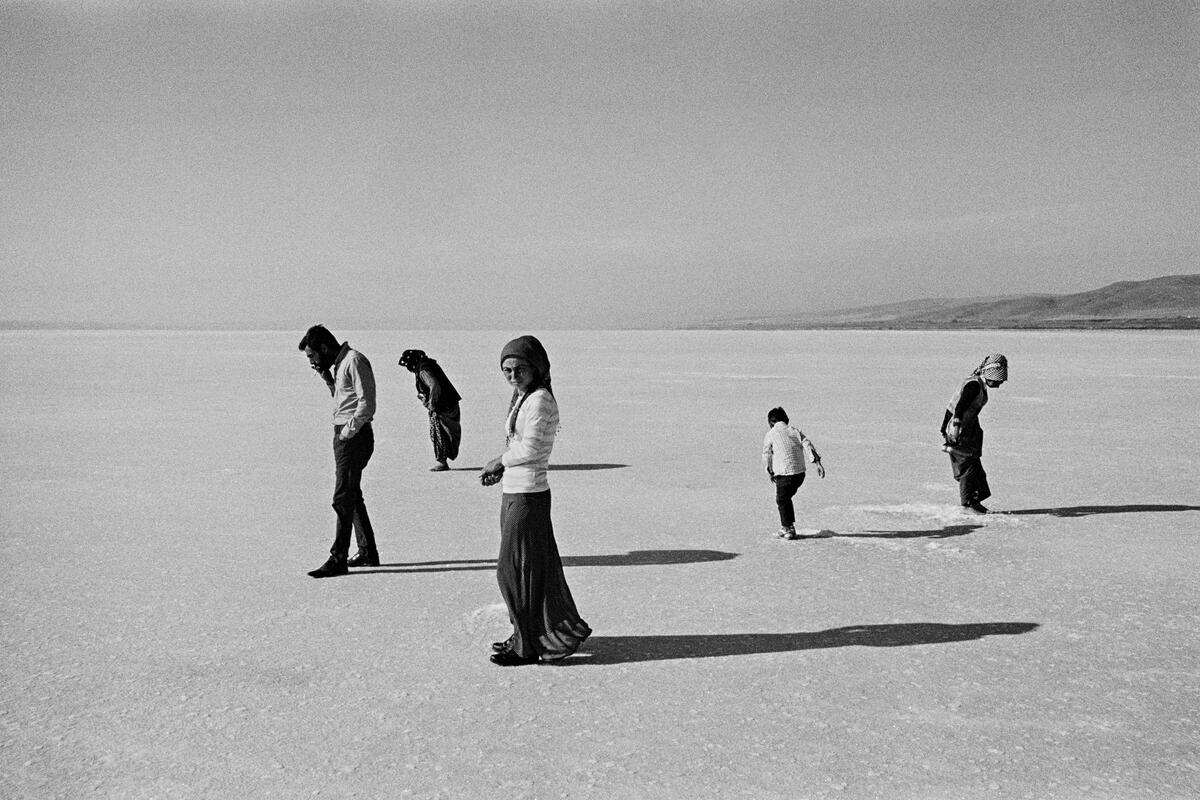
Now, in 2026, he announces his second photobook, titled Memleket, which translates roughly to “homeland.” Drawing on fifteen years of travels across Turkey, Özmen now shines a light on the poetry of the everyday — moments of togetherness, joy, and community, but also softer moments of solitude and landscapes, steeped in tradition.
Deciding to self-publish the book, Özmen has recently launched a Kickstarter campaign to help bring it to life this fall. Below, he discusses the vision behind the book and how photography can be used as a way to document the spirit of place and people through a deeply personal lens.
Walk us through the title, Memleket, which roughly translates to the word “homeland.” What does the word represent to you in this context?
Emin Özmen: Memleket is a Turkish word that can be translated as “homeland,” but for me it has a more personal feeling. It can refer to the country, but also to the place you come from, the land you grew up in, the people and the culture that shaped you.
For me, it is the place I feel deeply connected to. Its history, people, landscapes, smells, tastes, and all the small things that I know I could never find in quite the same way anywhere else.So “homeland” is a possible translation, but Memleket is the word that feels right to me. We can have many places that feel like home, but I have only one Memleket.


"These photographs were often moments of breathing — a way of returning to everyday life in the midst of the chaos."
- Emin Özmen
Memleket moves away from a deeply historical documentation of ten years in Turkey to a more personal reflection on your homeland. What inspired this shift?
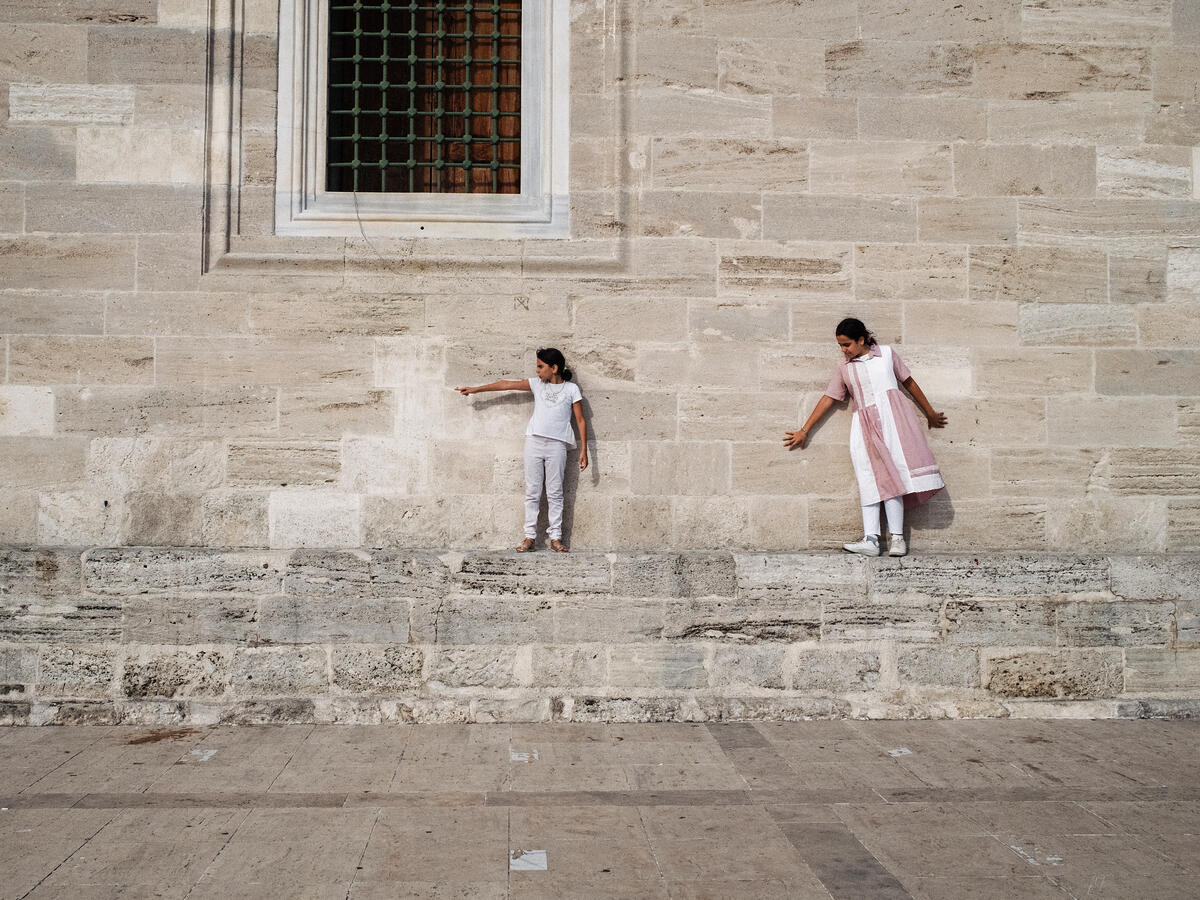
Emin Özmen: I see Memleket as another face of Turkey, or perhaps the same place seen from another perspective. These photographs were made during the same period in which Olay took place. They show another side of the country during those years — one that existed alongside the protests, tragedies and upheavals, but was not necessarily at the center of them.
The moments when I made these photographs were often moments of breathing — a way of returning to everyday life in the midst of the chaos. They were also more intimate moments, quieter encounters and small fragments of daily life that helped me hold on during that period. In Olay, I was physically close to the events, whereas in Memleket, I am not at the center of what is happening physically, but I am probably there emotionally. The two bodies of work are therefore connected; they are different ways of looking at the same country and the same period.
It is not meant to explain Turkey, or to show everything it is. It is simply a collection of places, people and moments that I wanted to hold on to — things that stayed with me and, in many ways, made me who I am.
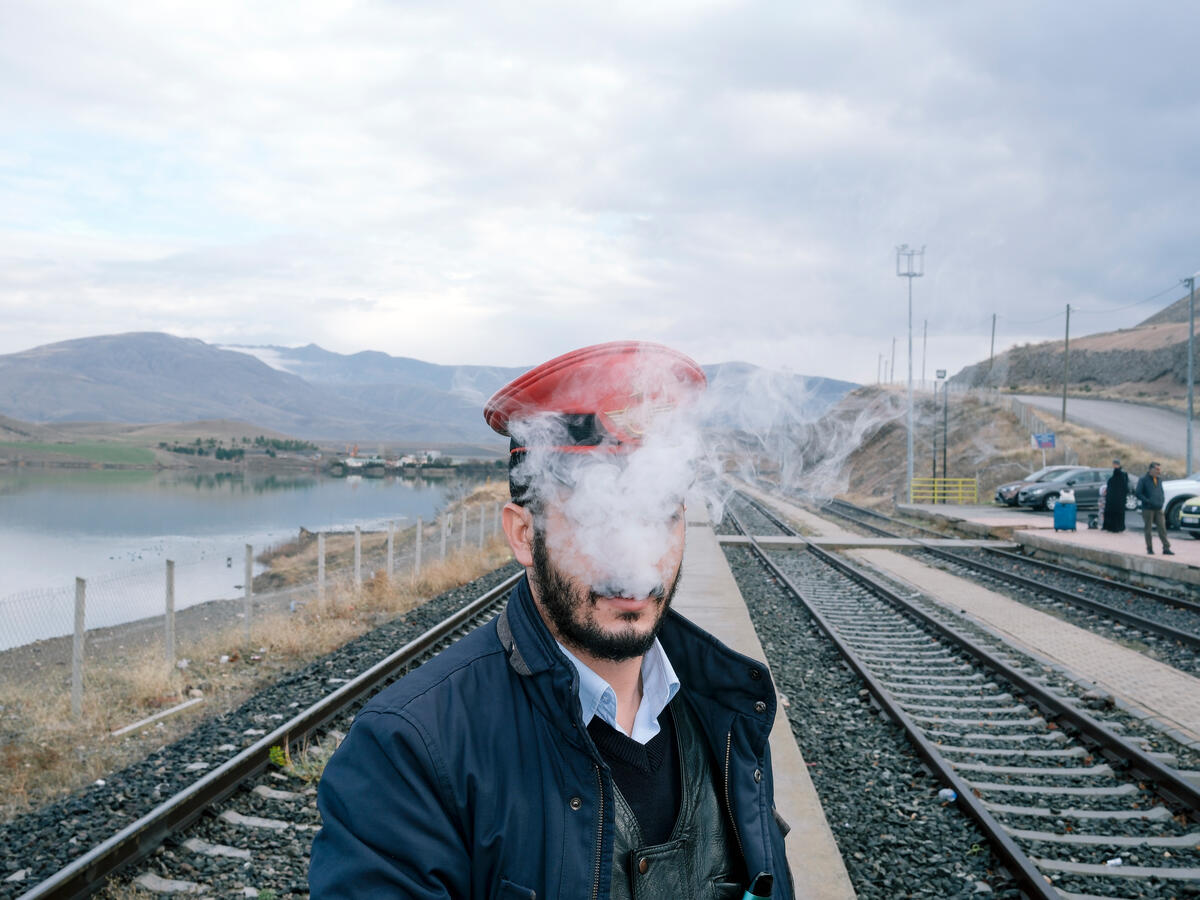
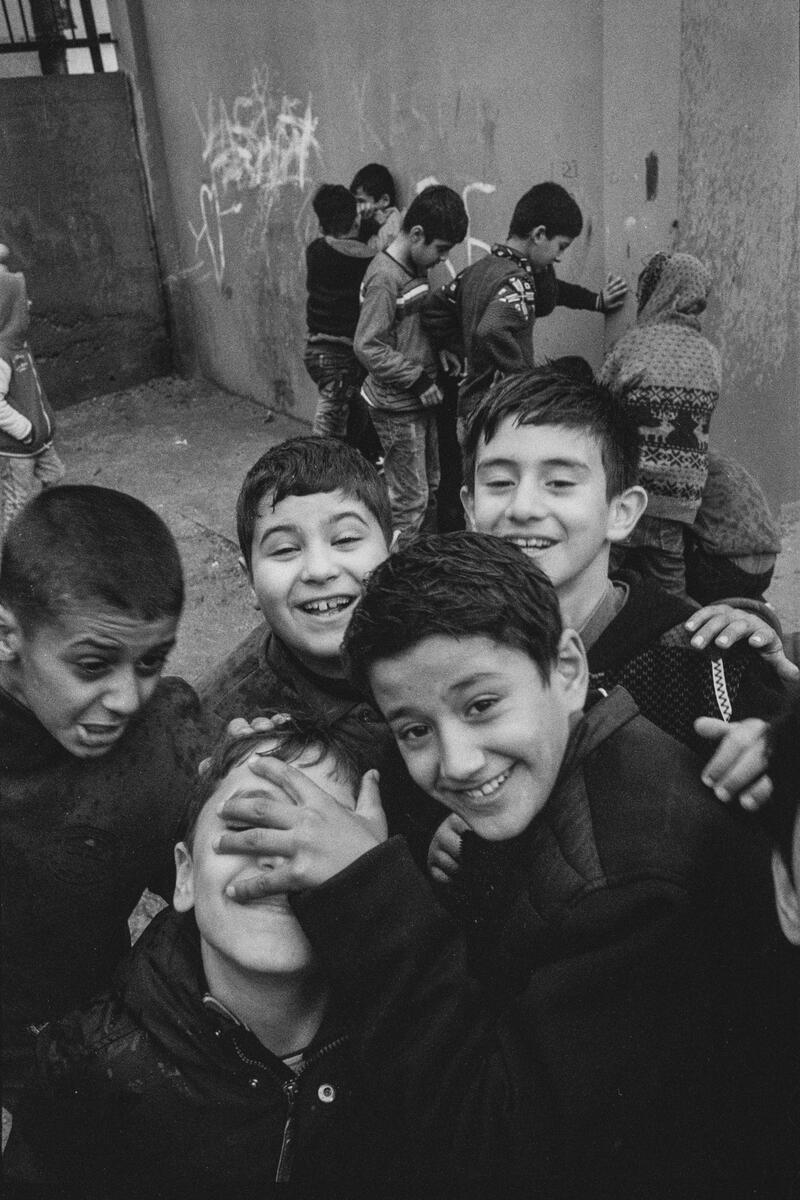
"I was interested in the contradictions that exist within a place and within ourselves: what wounds us and what heals us, what brings us together and what separates us, what makes us cry and what makes us laugh."
- Emin Özmen
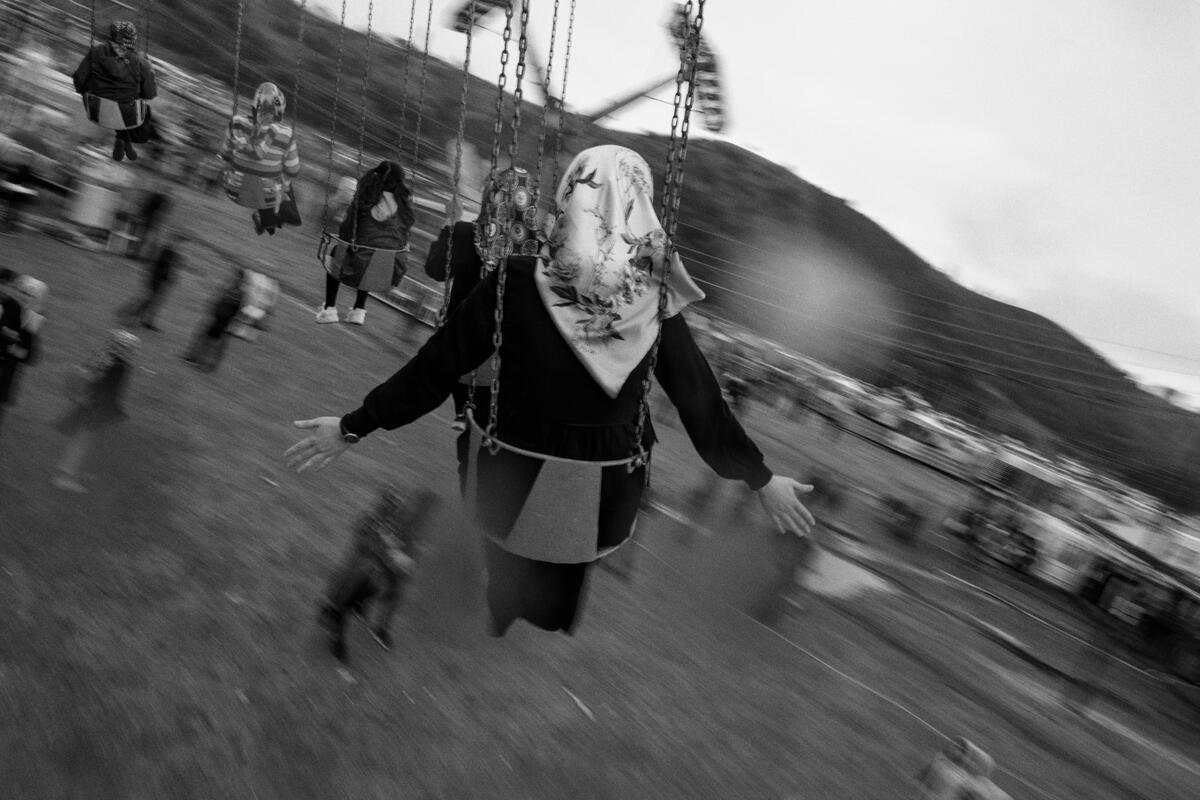
While violence and tragedy permeate your debut photobook, Olay, the photographs here are softer, more open. We see fragments of daily life, moments of solitude and togetherness, and often depictions of celebration and play. How did you make the edit? What were you looking for?
Emin Özmen: I think Memleket grew out of a need to look for something different during and after years of photographing difficult and heartbreaking events in Turkey and elsewhere. It became a way of reconnecting with something more personal and familiar: with people, places, memories, and with myself. Each journey became almost a form of therapy, a way of finding my way back.
I was interested in the contradictions that exist within a place and within ourselves: what wounds us and what heals us, what brings us together and what separates us, what makes us cry and what makes us laugh. I wanted the photographs to carry these different emotions without trying to resolve them. They are also about the relationship we have with the land we come from, and how deeply it becomes part of our identity, with all its complexities and contradictions.
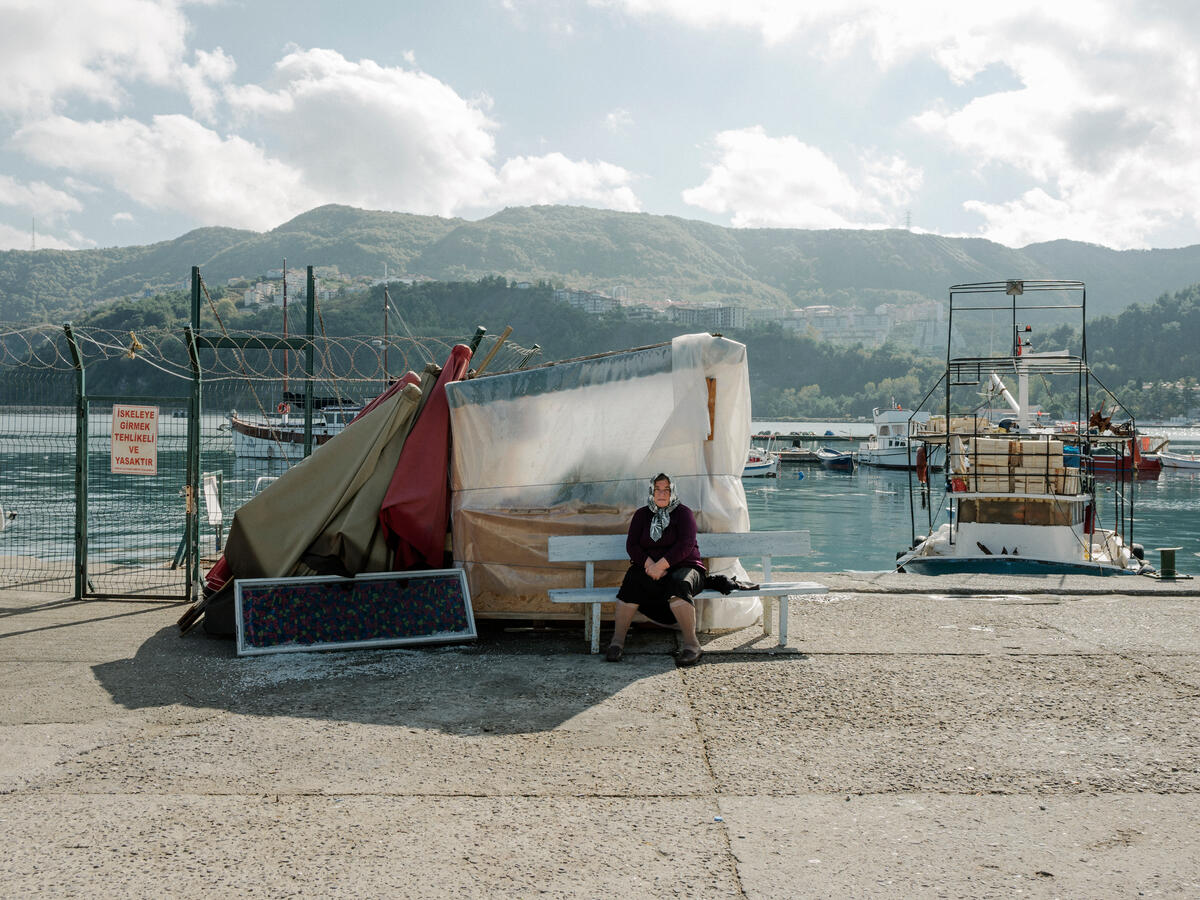
The idea and title of Memleket became quite clear to me around 2016 or 2017. So, even while I was making the photographs, I already had a sense that certain images belonged together, and that they would eventually form a larger body of work. When I later returned to the archive, the process was less about simply selecting my favourite photographs and more about understanding the relationships between them, what one image could bring to another, where the rhythm needed to change, and how the different moods and emotions could coexist within the book.
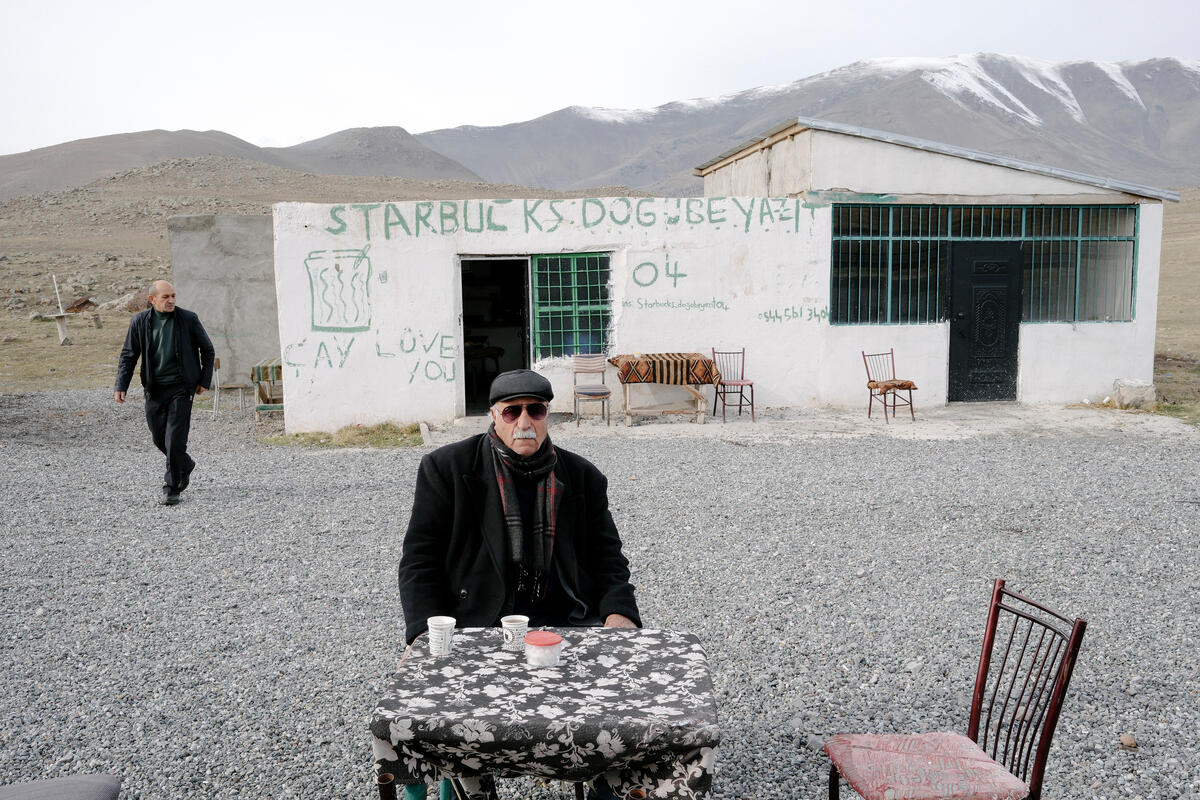
Is there a dialogue between the two books, Olay and Memleket?
Emin Özmen: I think there is a dialogue between the two books. They feel like they are part of the same family, maybe like two very close brothers.
Olay could be the older one. He has been through a lot, carries some scars, and had to grow up quickly. Memleket feels more like the younger one: more playful, curious, sometimes funny, and always looking for the beauty around him.
They see the world in different ways, but they come from the same place. And maybe, like brothers, they also help us understand each other better.
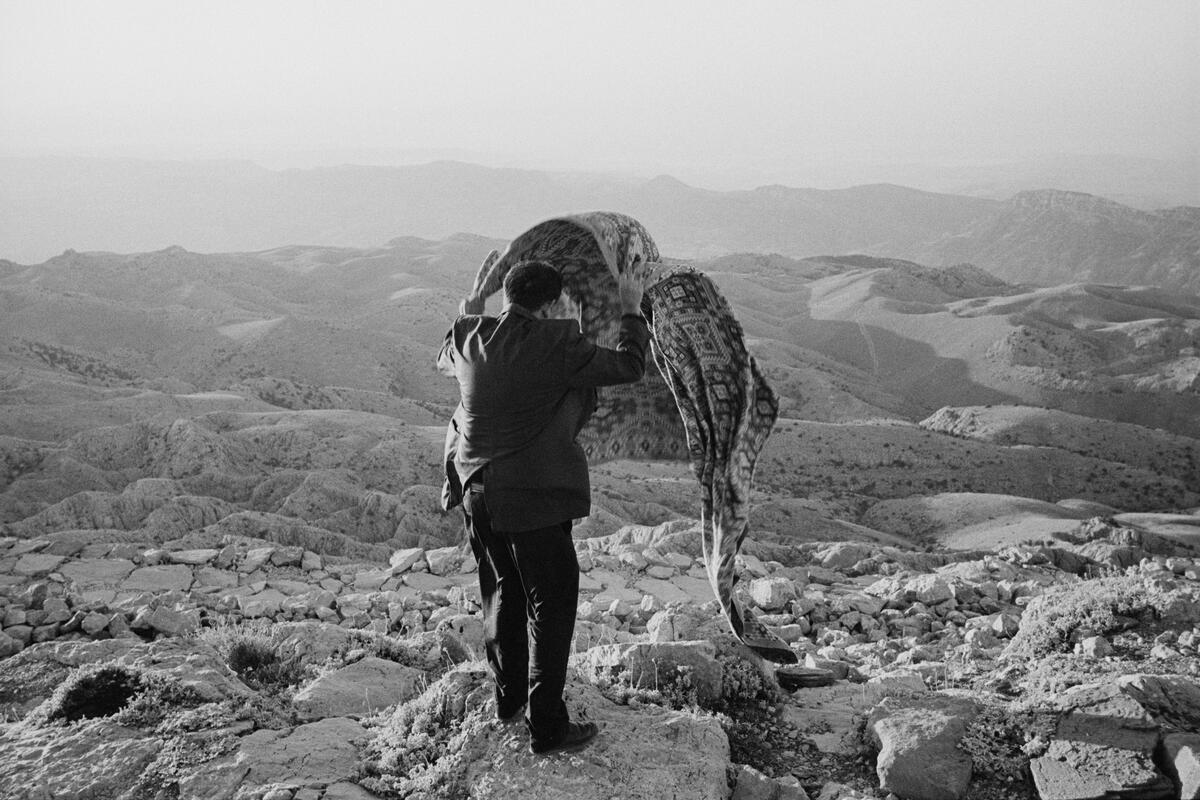
Was it a conscious decision to move away from the bigger cities like Istanbul or Ankara with this edit? If so, why?
Emin Özmen: Yes, definitely. It was a way of moving away from the big cities and going back to landscapes and places that were more familiar to me: places that shaped me.
I was driven by a deep curiosity about the land I grew up in, its culture, its history, and the people who live there. When I was a teenager, I started travelling through Anatolia and photographing what I was seeing, including some of the last traces of traditions and ways of life that were slowly disappearing.
Over time, these journeys became more and more important to me. I was not looking for a specific place or story, but simply trying to understand the country I came from. This slowly opened the path that eventually became Memleket.
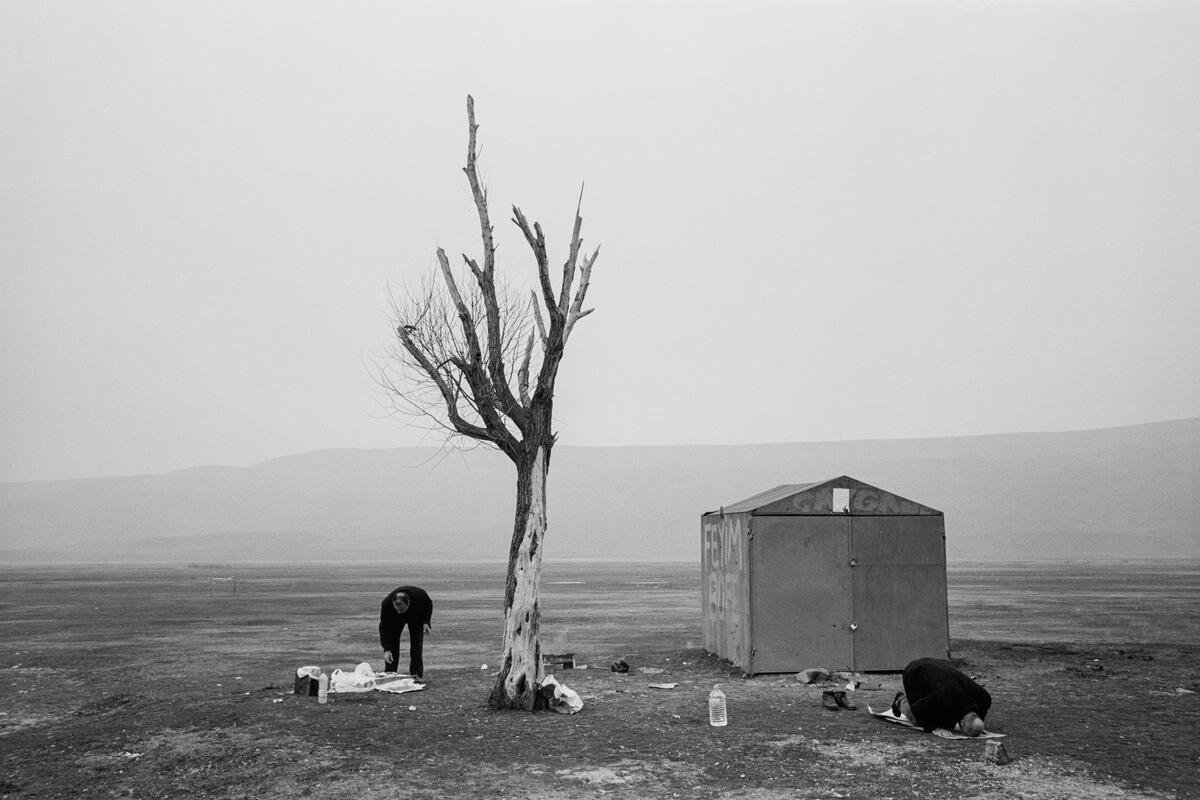
"Over the years, I could feel that things were changing [...] I wanted to keep a trace of some of these things before they disappeared, or became something else. "
- Emin Özmen
How does the Turkey of today compare to the Turkey of your childhood? Was there a certain nostalgia in the making of these images?
Emin Özmen: Of course, every page of the book is filled with some kind of nostalgia for me. I started photographing Memleket in the early 2000s, but it became a more conscious and passionate project around the 2010s. At that time, things were starting to change in Turkey, and also in the wider world.
Over the years, I could feel that things were changing — places, people, and the way we lived. I wanted to keep a trace of some of these things before they disappeared or became something else. So yes, there is nostalgia in the book, but also a desire to remember and hold on to a certain time.
And I’m deeply sad to say that, today, Turkey feels like a very different country and society to me.
How does the Turkey of today compare to the Turkey of your childhood? Was there a certain nostalgia in the making of these images?
Emin Özmen: Of course, every page of the book is filled with some kind of nostalgia for me. I started photographing Memleket in the early 2000s, but it became a more conscious and passionate project around the 2010s. At that time, things were starting to change in Turkey, and also in the wider world.
Over the years, I could feel that things were changing — places, people, and the way we lived. I wanted to keep a trace of some of these things before they disappeared or became something else. So yes, there is nostalgia in the book, but also a desire to remember and hold on to a certain time.
And I’m deeply sad to say that, today, Turkey feels like a very different country and society to me.
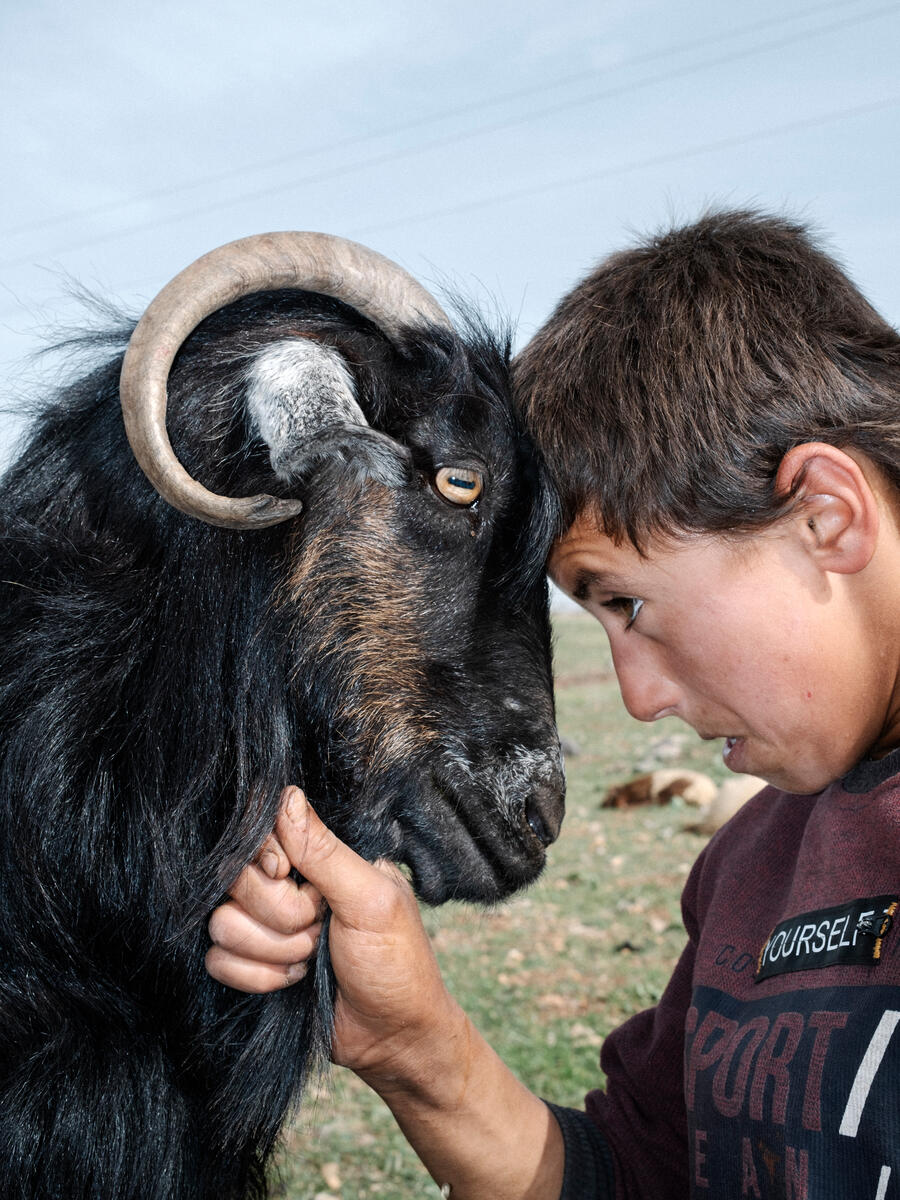
Could you select one or two images from the book and tell us a bit more about the story behind the image?
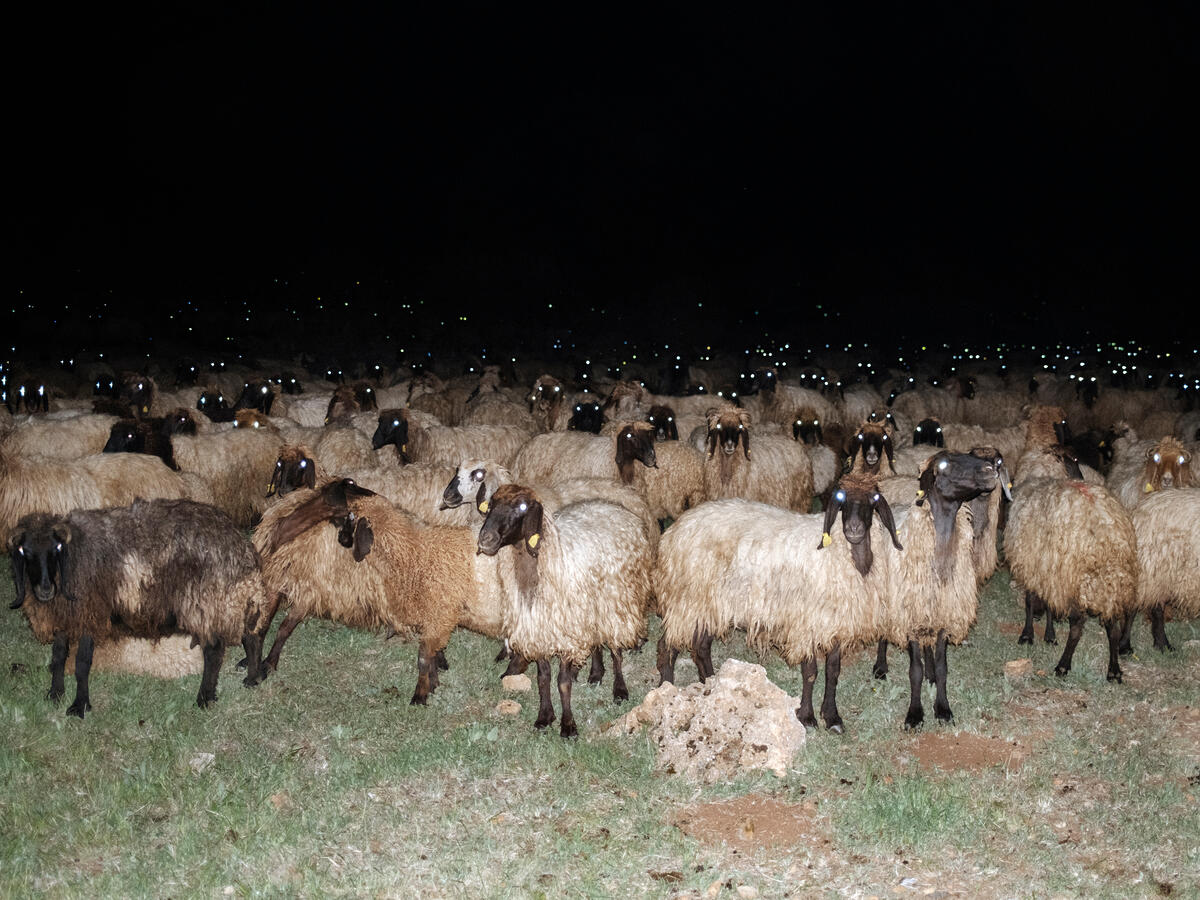
Emin Özmen: This picture was the first to come to mind — Cetin and his goat. Years ago, I met Maşallah, who is part of a Nomad family living in the southeast of Turkey, and I wanted to join their transhumance in 2020. Cetin was the youngest member of the family, and he had an exceptional love and connection with their animals. Here he is facing his goat during milking. This was maybe one of the most exciting moments that I saw during that trip. Facing nine thousand sheep in the middle of the night was remarkable, too — that was from the same journey.
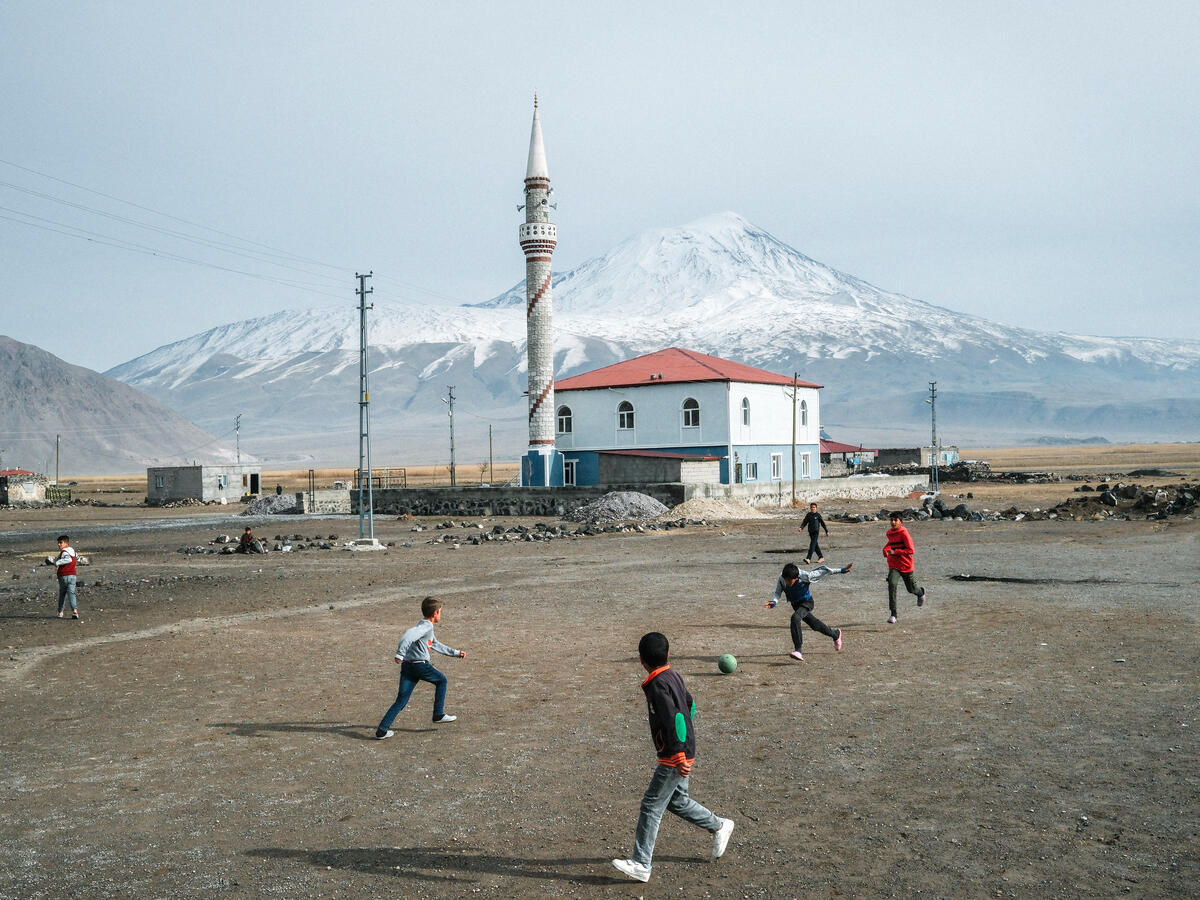
Another is this one, of children playing on the sunken mosque… I can’t describe the joy and positive energy I find in this image. It takes me back to my childhood, to the amazing times I’ve left behind, with friends and brothers. So it has, and always will have, a special place for me.
Pre-order your copy of “Memleket” here.