Magnum Book Club: What’s Ours
Myriam Boulos's debut monograph, published in 2023, is both a personal perspective of the 2019 revolution in Lebanon and an intimate record of freedom and tenderness
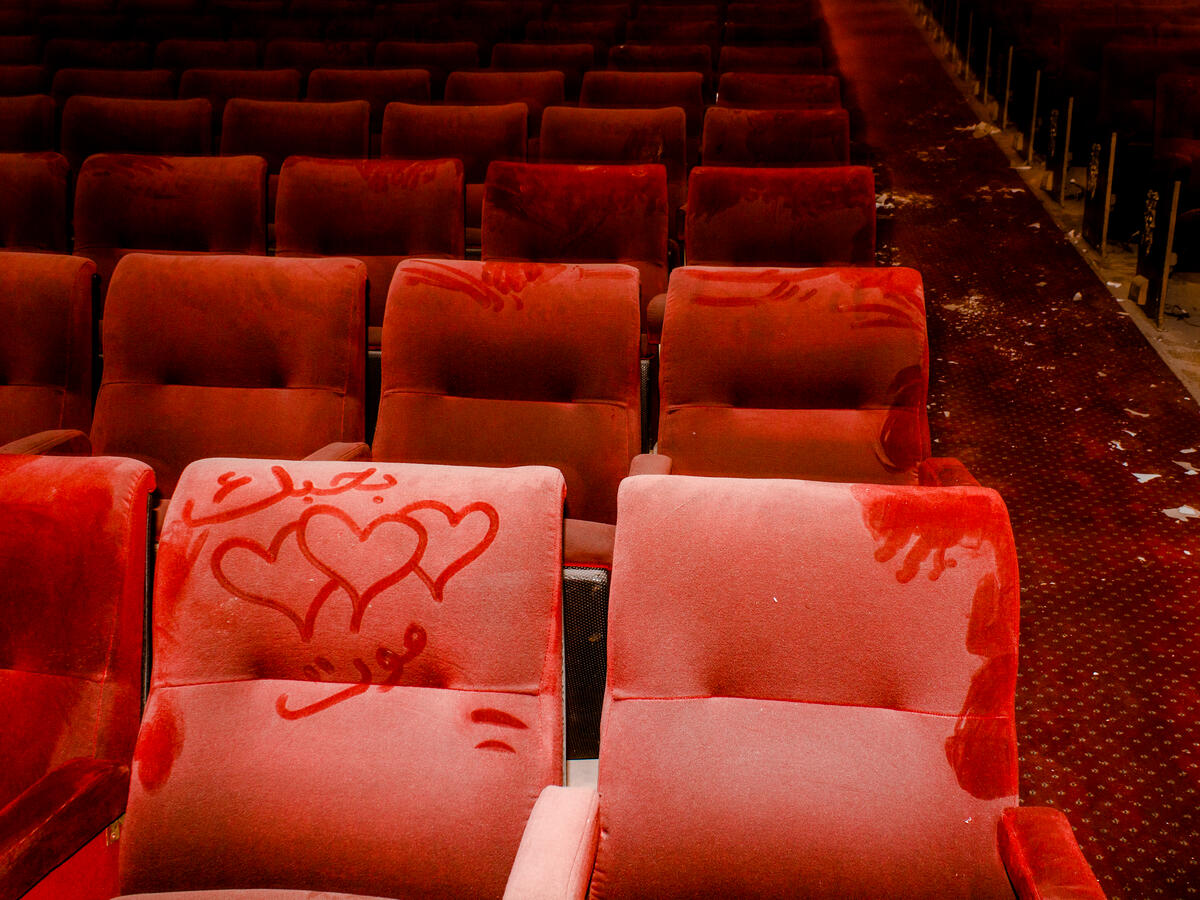
“I love you to death” reads the graffiti on a seat in the abandoned Versailles Theater in Beirut. The image, taken in 2013, opens the book What’s Ours by Myriam Boulos, published by Aperture in 2023.

Her debut monograph takes us into the heart of Lebanon across a period of turmoil from 2013-2023, centered around the 2019 revolution. On October 17th that year, what began as a protest against the government announcing a new wave of taxes soon extended to denounce austerity, corruption, and unemployment, and plunged the country deeper into an economic crisis.
For Boulos, a native of Beirut, the revolution felt like a collective awakening had swept over the country. “It all felt as if we were coming out of an abusive relationship to finally say: No, this is not normal,” she writes.
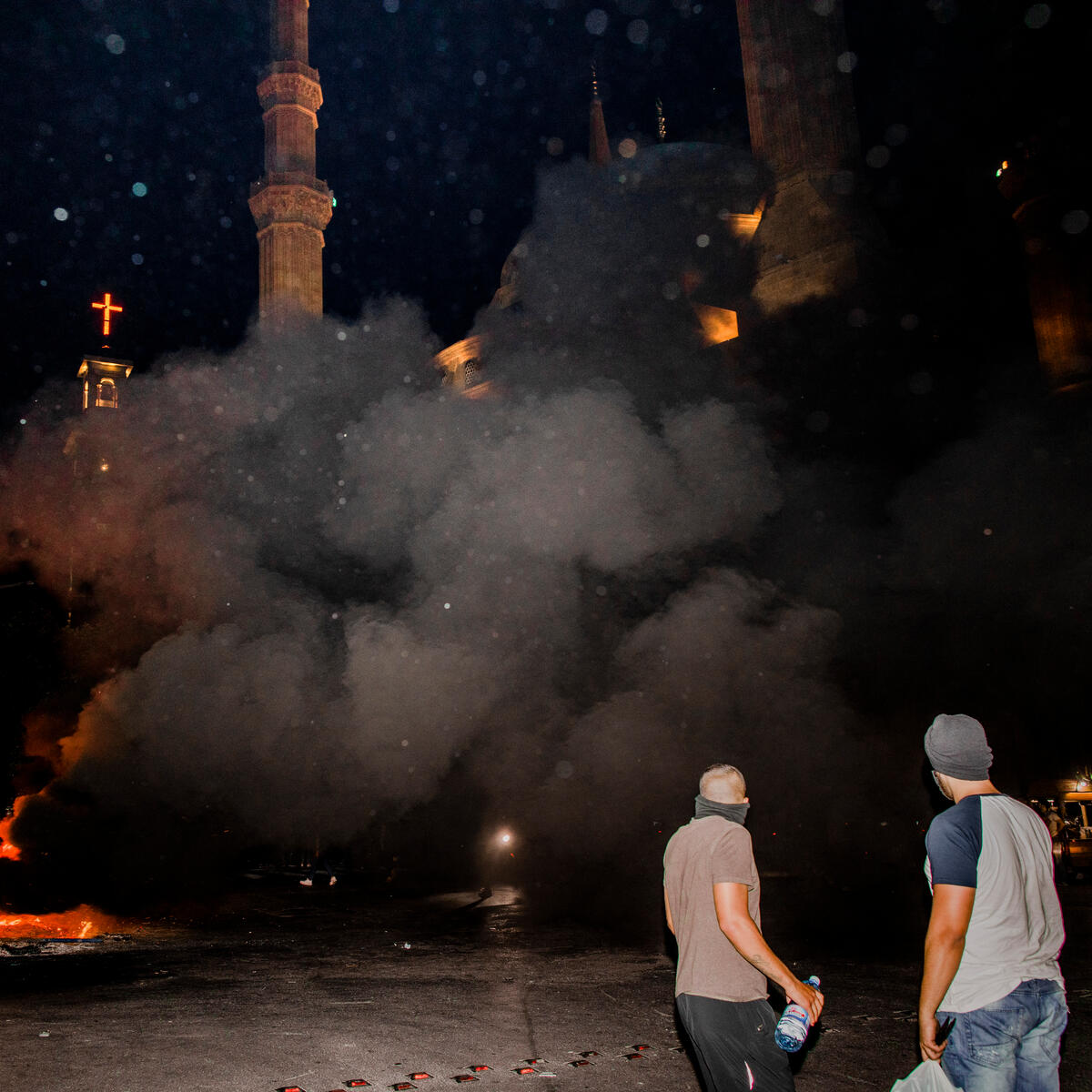
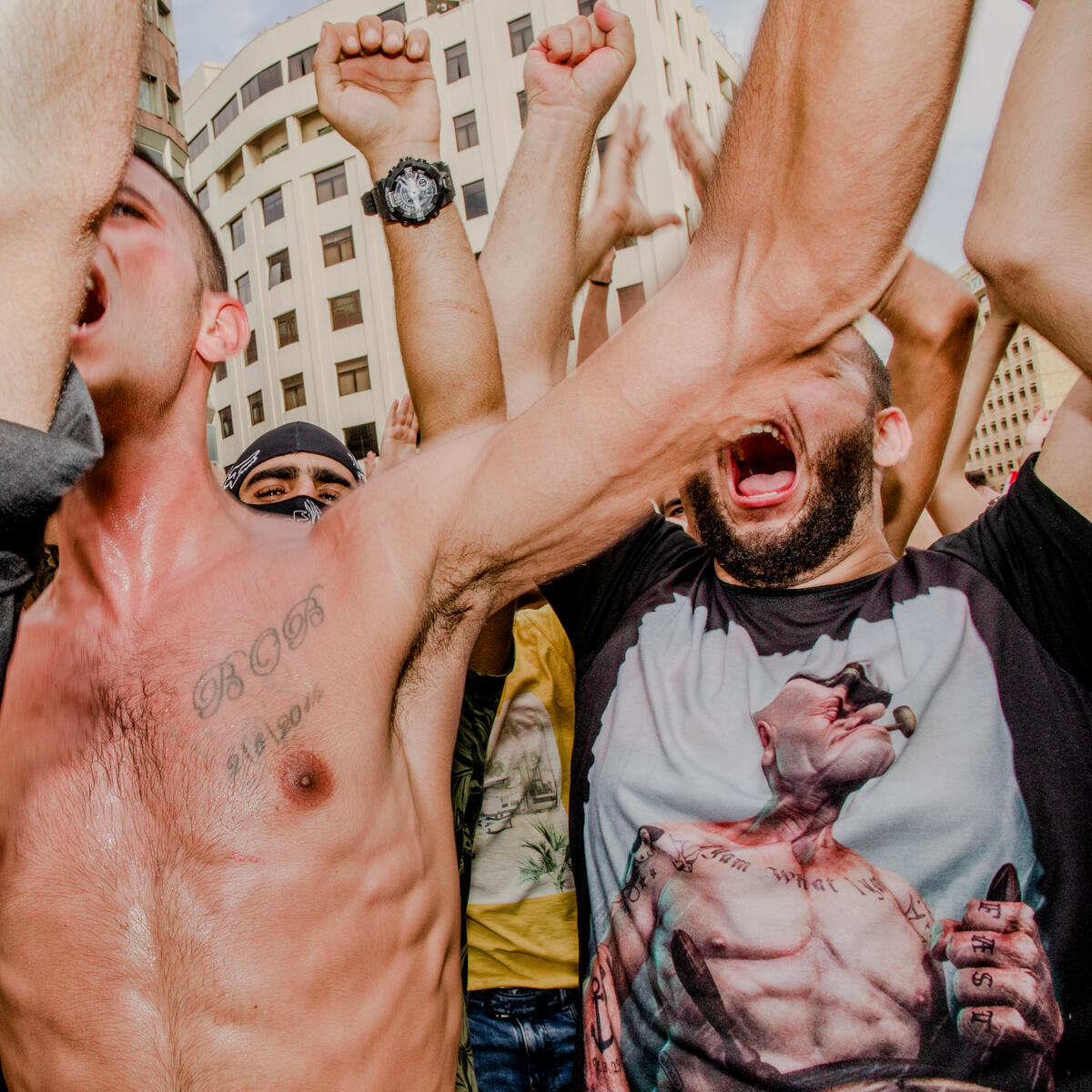
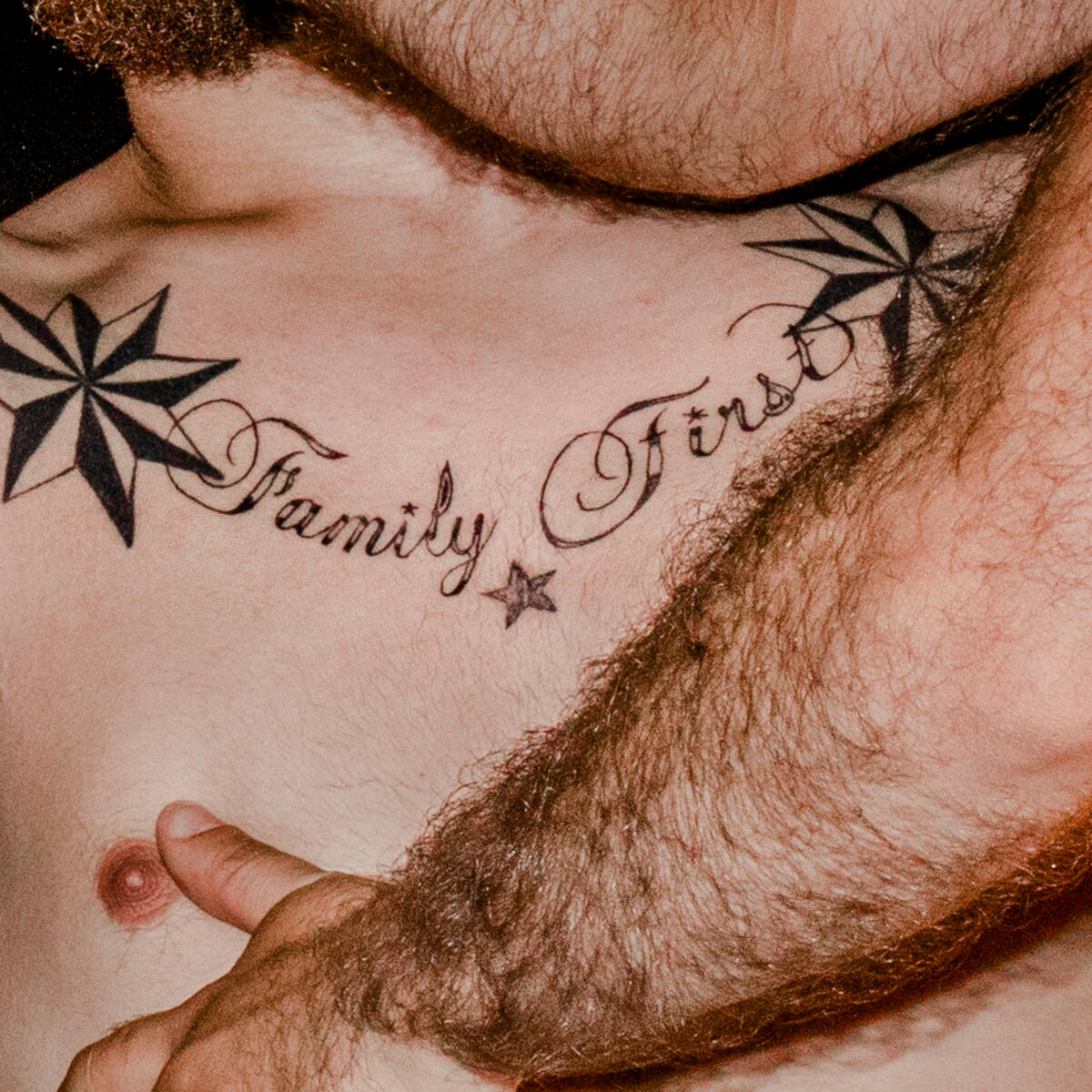
What’s Ours is a collection of images from the demonstrations, alongside moments of tenderness, freedom, intimacy, and vulnerability. Interspersed throughout the book are fragments of conversations and personal journal entries in both Arabic and English, merging the photographer’s inner experience with a broader socio-political reality.


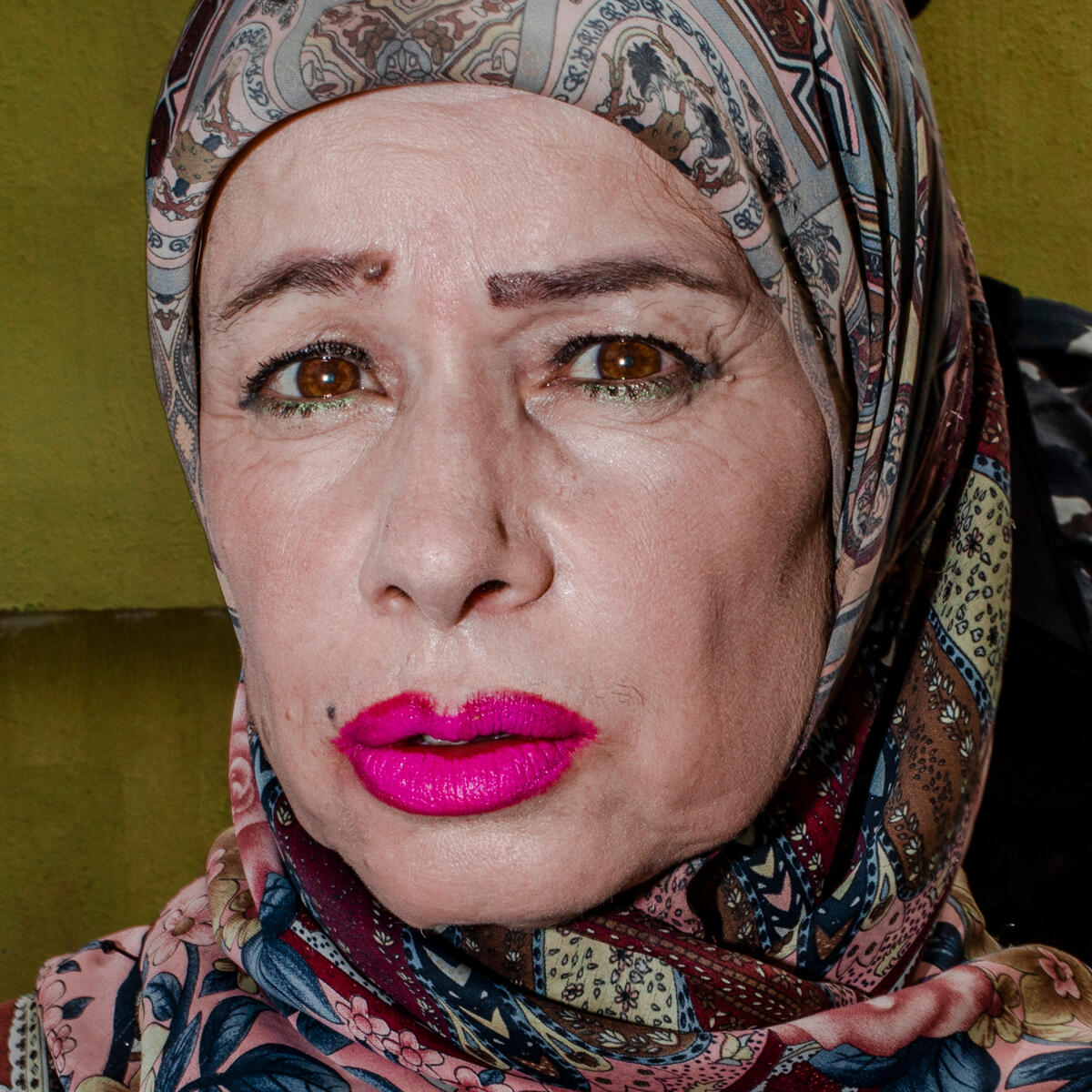
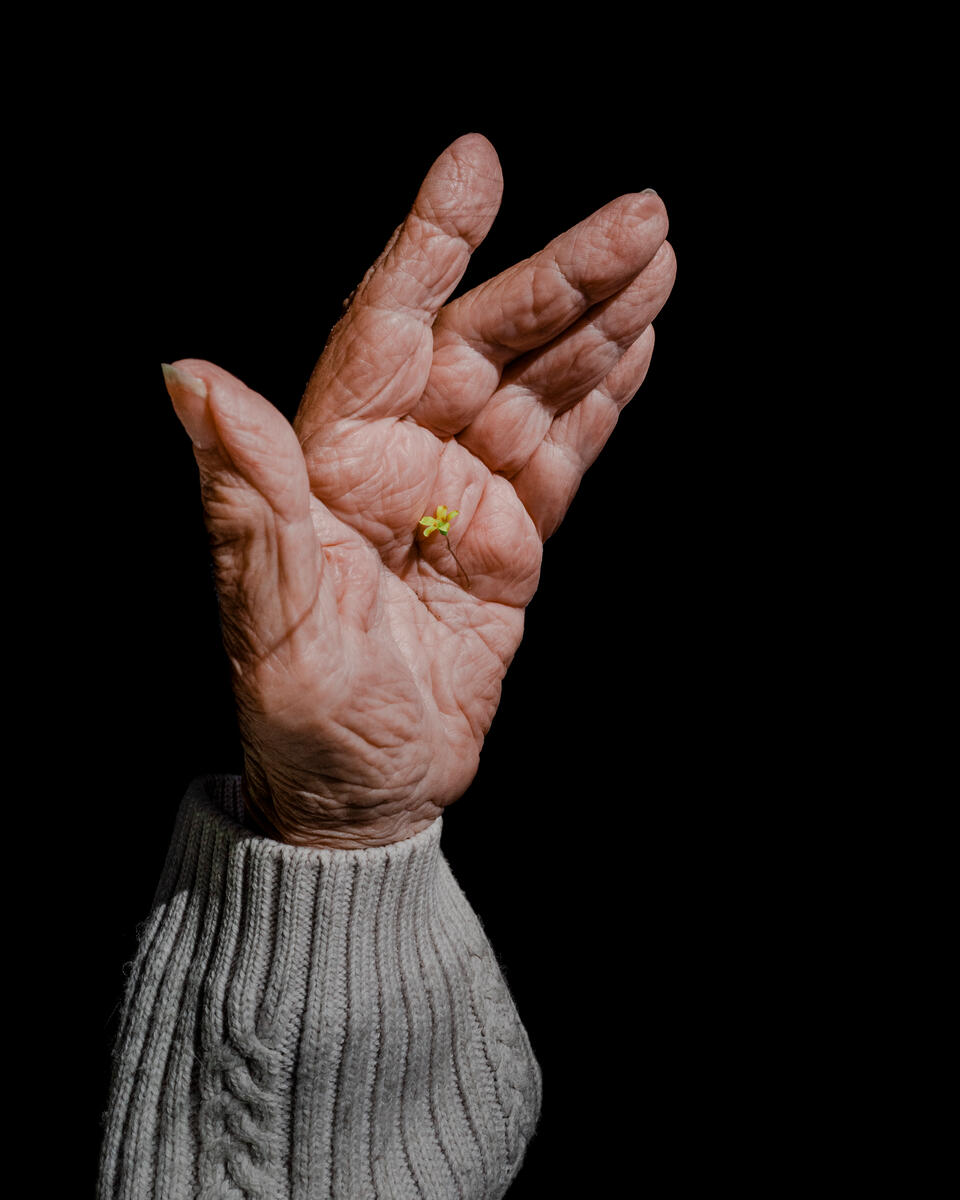
Her depiction of Lebanon refuses to settle into a single story: women take to the streets, showing the struggles they face while challenging social codes and defying Western misconceptions on their own terms. Plumes of tear gas fill the air and riot police patrol the night, but elsewhere, the photographer’s grandmother holds a tiny yellow flower in her palm. Her photographs show us that an upheaval can be both wounding and tender, delicate and arresting.
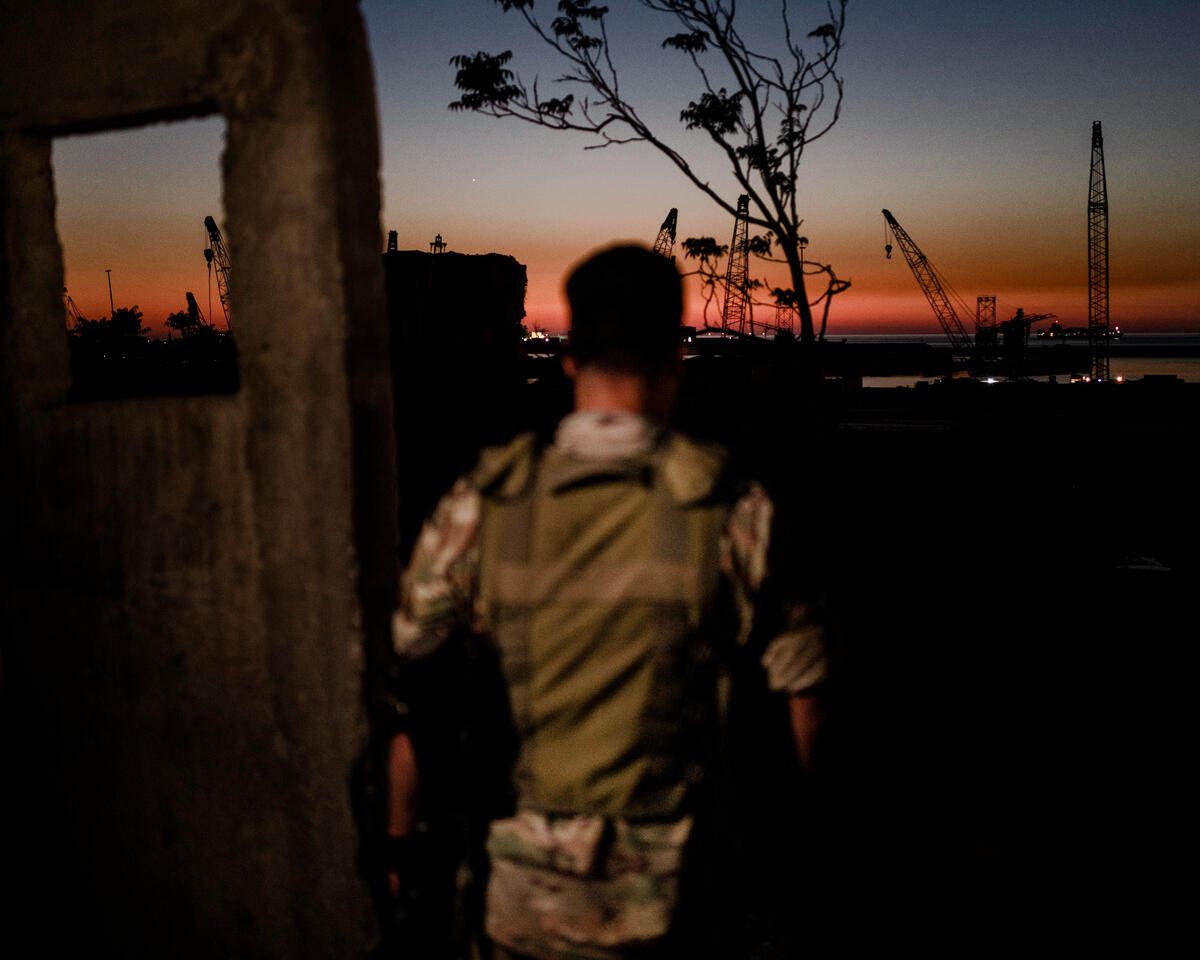
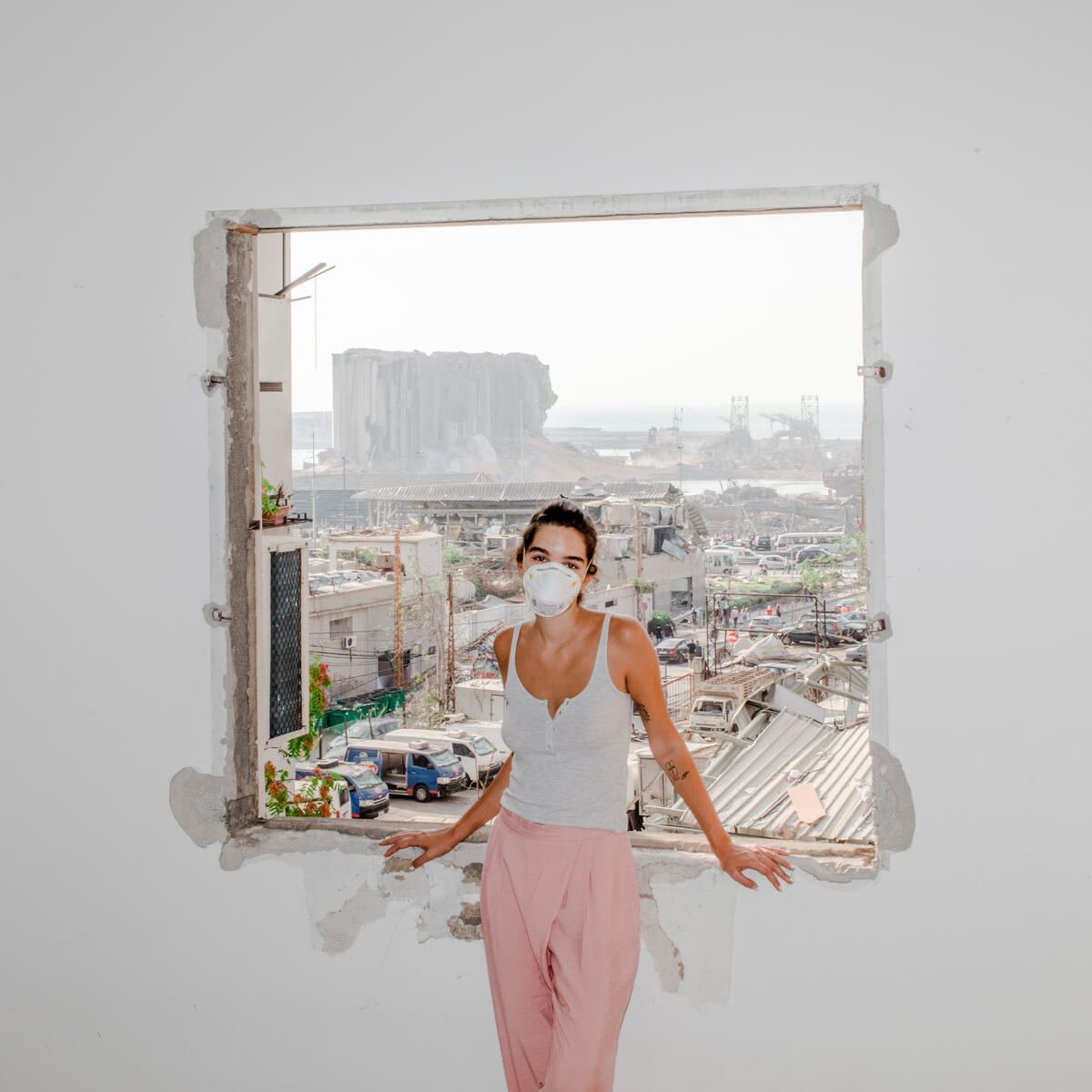
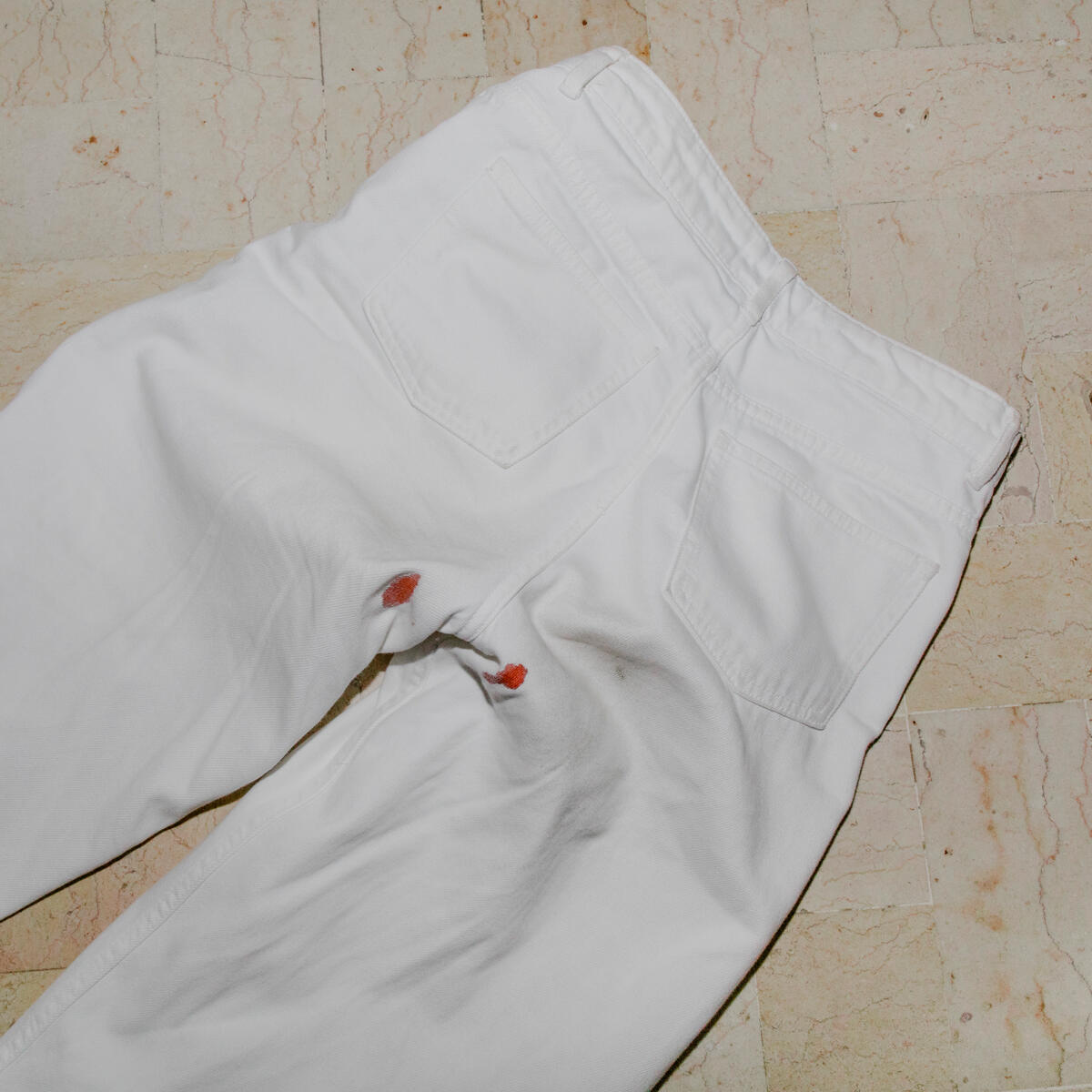
Almost a year after the revolution began, in August 2020, one of the most powerful non-nuclear explosions ever recorded rattled the port of Beirut. Boulos encapsulates the devastating event in fragments and textures — a masked woman posing in a blown-out apartment window with a view of the port, and a cactus with red flowers on shattered glass.
“Since the explosion, I feel like a glass of water that overflows constantly,” Boulos writes.

The image on the bright pink cover of the book is a close shot of two women kissing—used in the campaign for Harry Styles’ 2026 world tour, Together, Together—challenging taboos around sexuality and emphasizing queer representation.
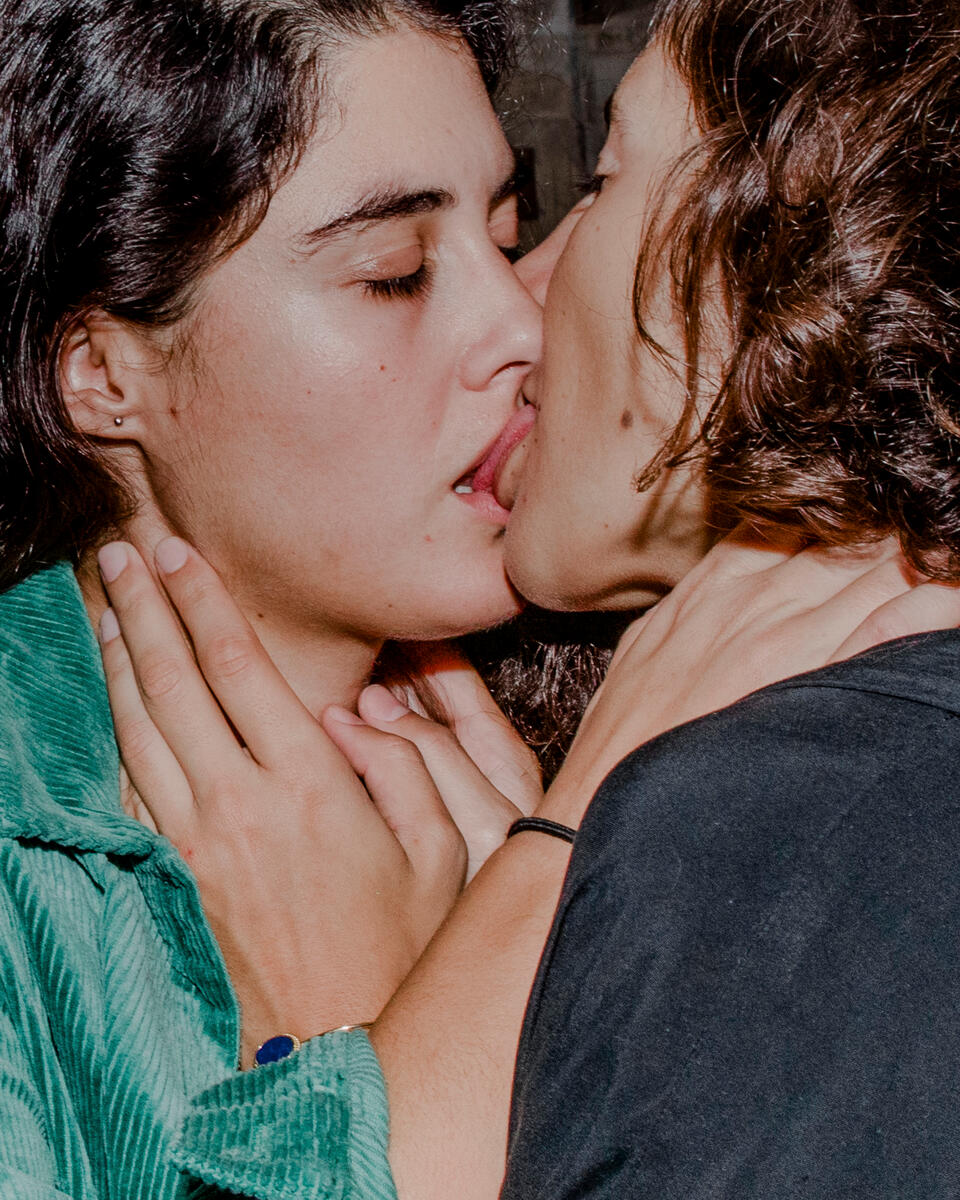
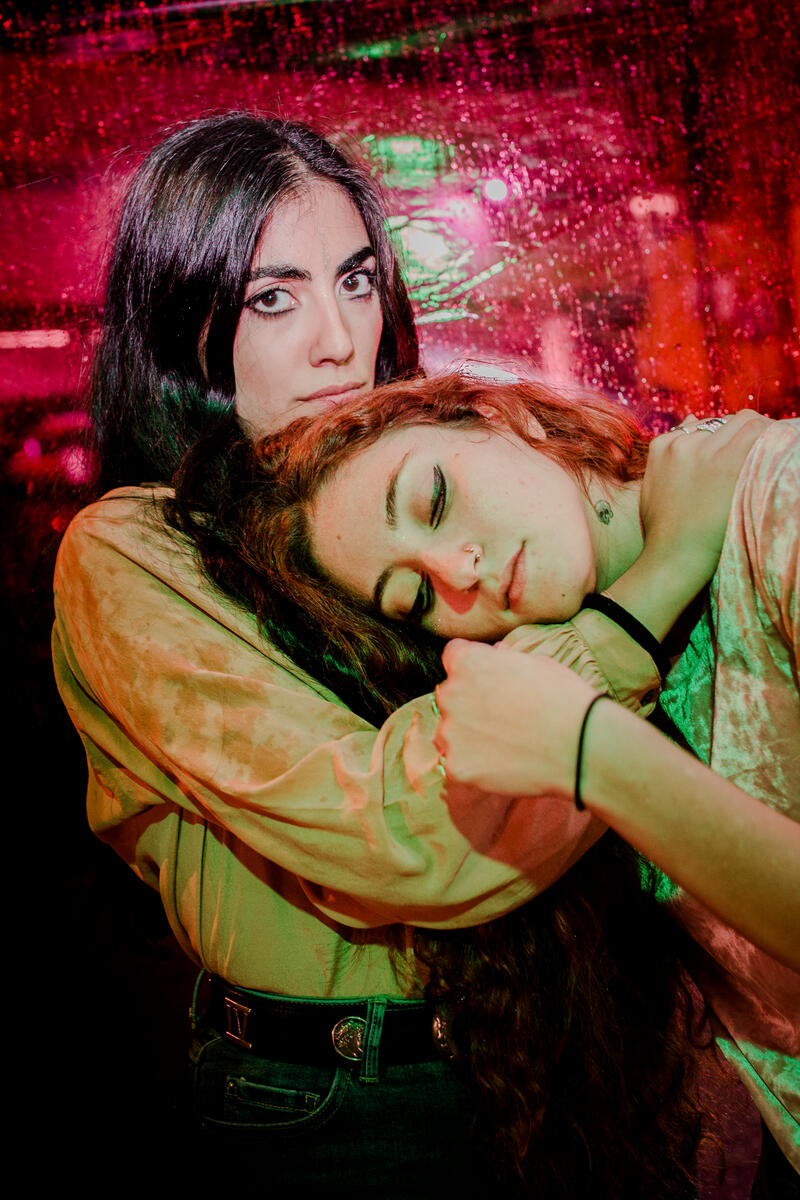
It evokes the reclamation at the center of What’s Ours. “My friends and I used to take pictures naked in the streets of Beirut,” she writes in the book. “It was a way of reclaiming our streets and our bodies. Everything that is supposed to be ours.”
And yet, Boulos consciously questions words such as “us” and “ours”, portraying a more layered, complex human reality. Allowing space for multiple truths, she offers an open-ended question on desire and intimacy, rather than a statement of closure or hope.


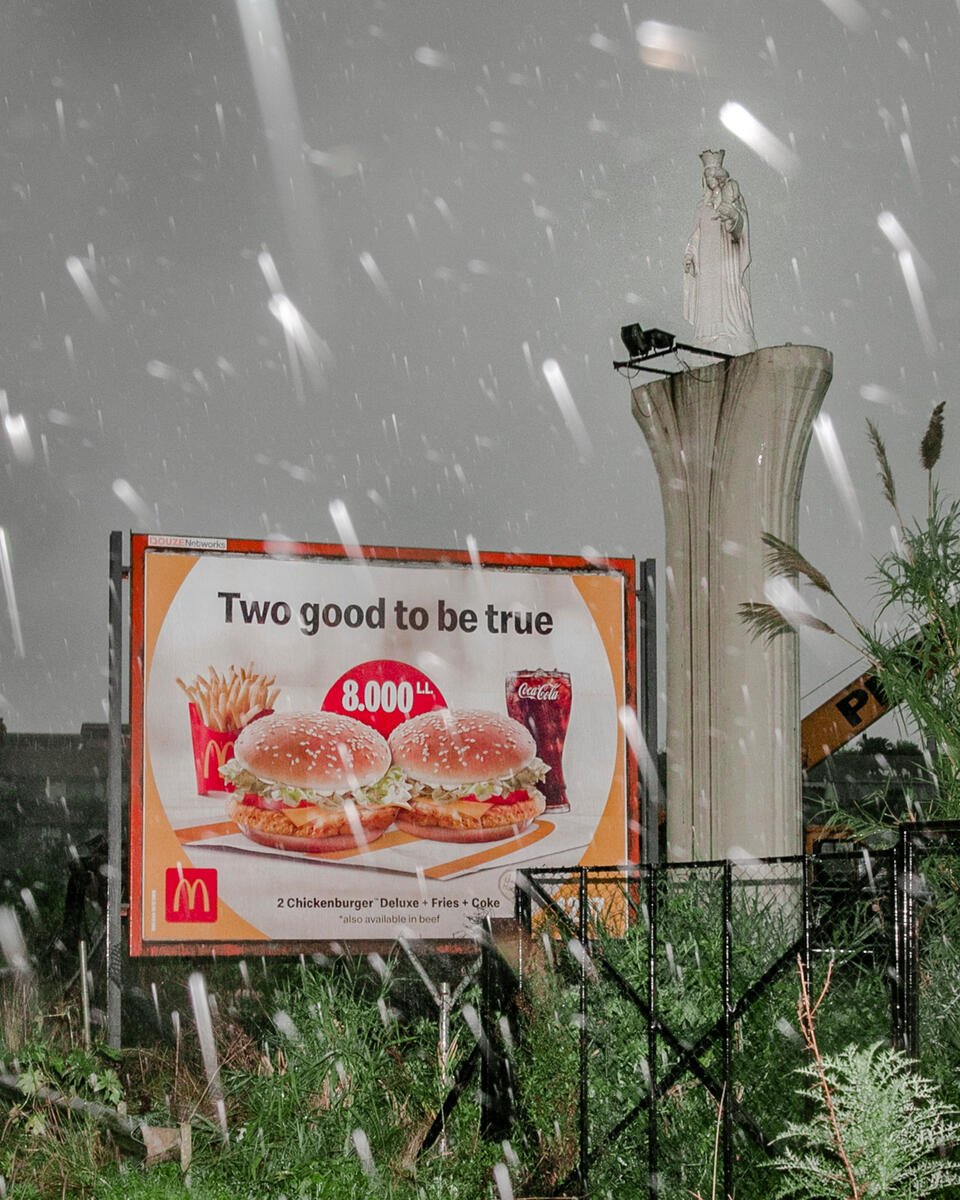
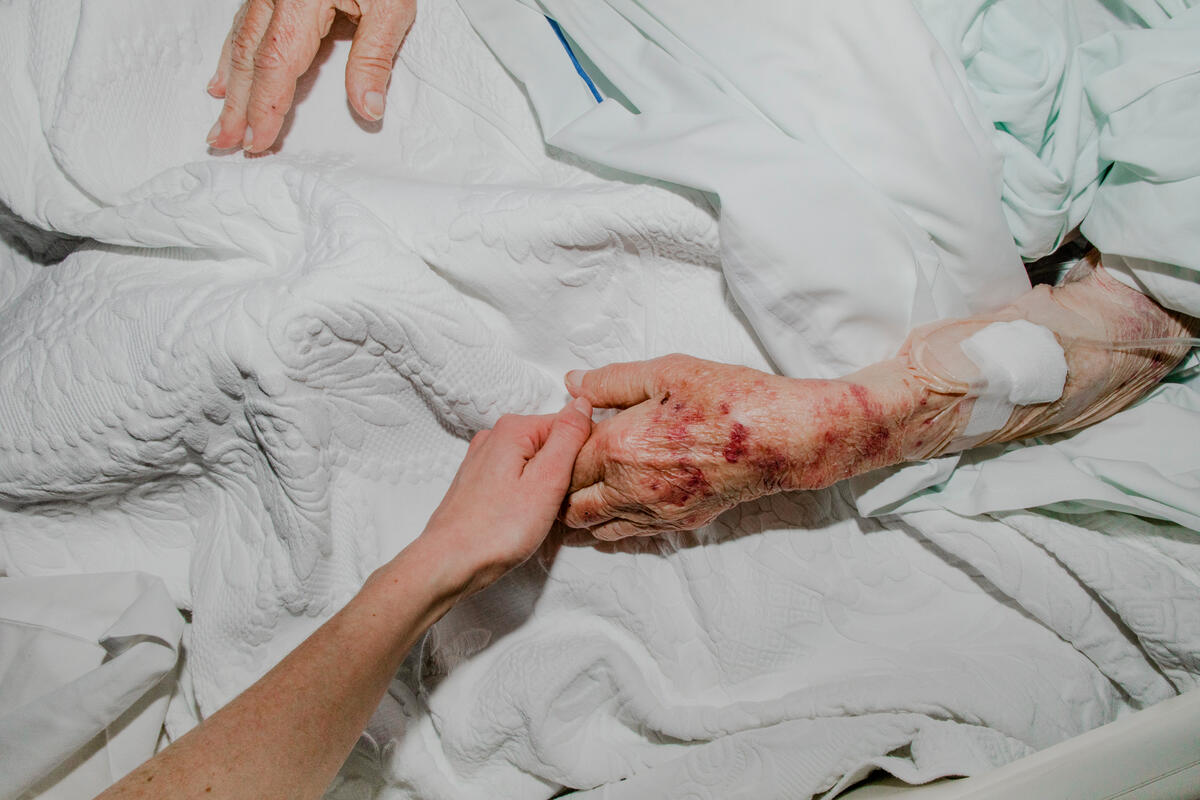
The book closes with an essay by feminist writer and journalist Mona Eltahawy, which first appeared in Aperture’s 2022 portfolio. She writes of Boulos’ “fluency in turning her country inside out with her gaze,” observing what’s at stake from the political to the personal. Boulos tells her, “A revolution was happening in my country, a revolution was happening in me. It made me question everything.”
What’s Ours is available on the Magnum Store, shop here.