Remembering Martin Parr (1952–2025)
Reflecting on the life and legacy of the legendary photographer and Magnum Photos Member, who passed away in his home in Bristol on December 6, 2025, aged 73
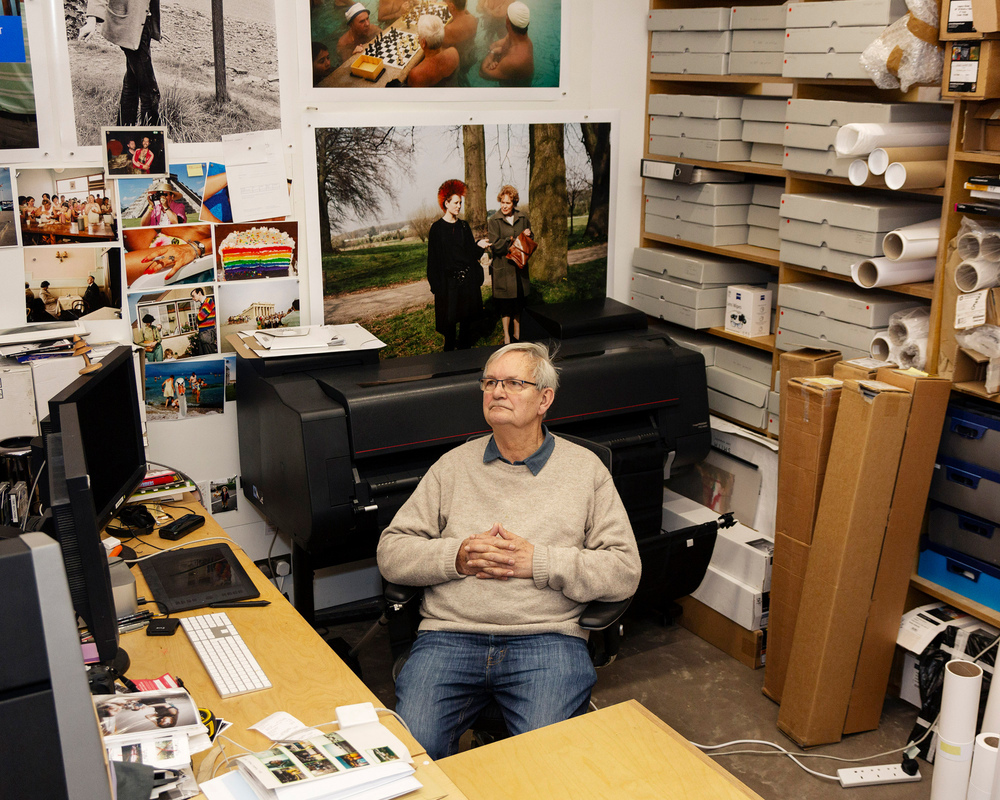
On December 6, 2025, beloved photographer and Magnum Photos Member Martin Parr sadly passed away in his home in Bristol. An essential member of the Magnum community, a leading figure in the world of photography, and an admired artist at large, Parr will be missed by many. Here, we pay tribute to Parr’s legacy and indelible spirit.
Early Years, 1952-1979
Martin Parr was born in the small town of Epsom in Surrey, England in 1952. On his childhood visits to see his grandparents in West Yorkshire, Parr’s early interest in photography was encouraged by his grandfather, George Parr, an amateur photographer. It was his grandfather’s introduction to shooting and printing that first sparked Parr’s inclination towards the medium. When he was 11 years old, he took his first photograph: a picture of his father standing on a frozen stream. “By the age of 13 or 14, I wanted to be a photographer, nothing else was going to happen,” Parr said.
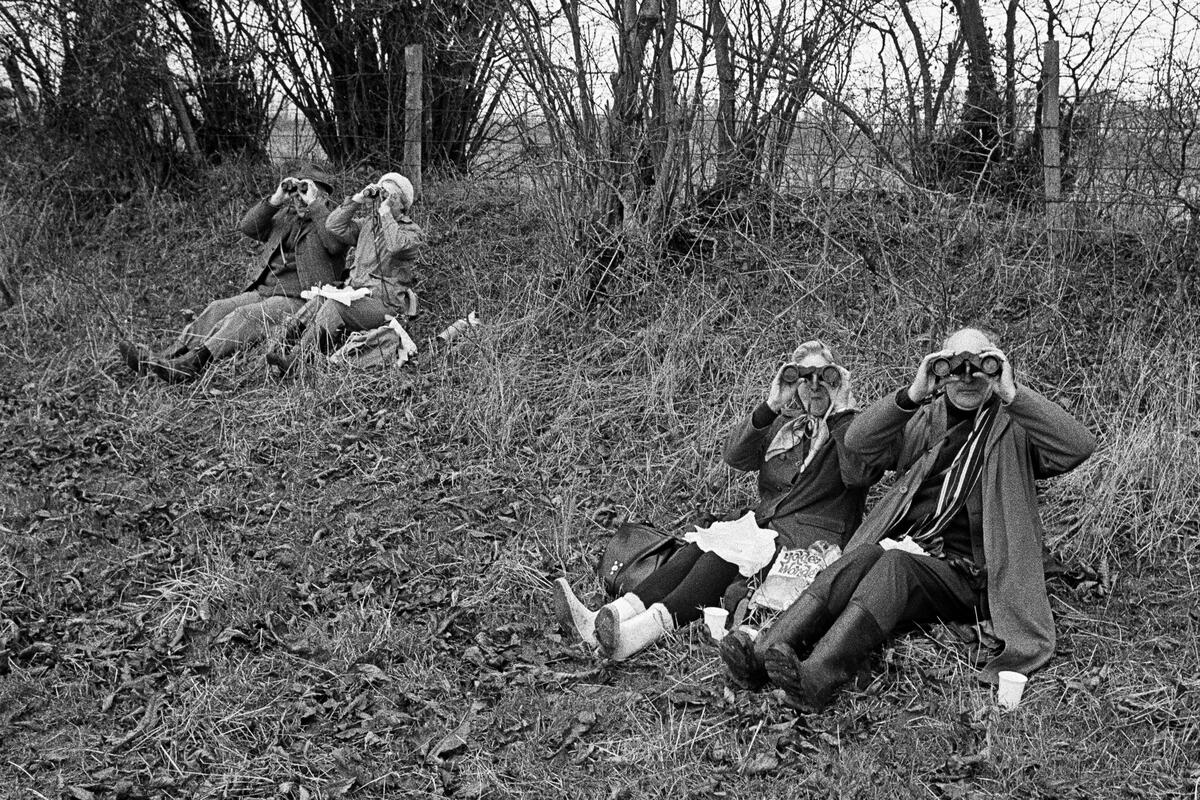
His parents were avid bird watchers; family holidays involved catching migratory birds in nets to collect data. Parr intimates that these early years fed his own desire to collect society’s eccentricities.
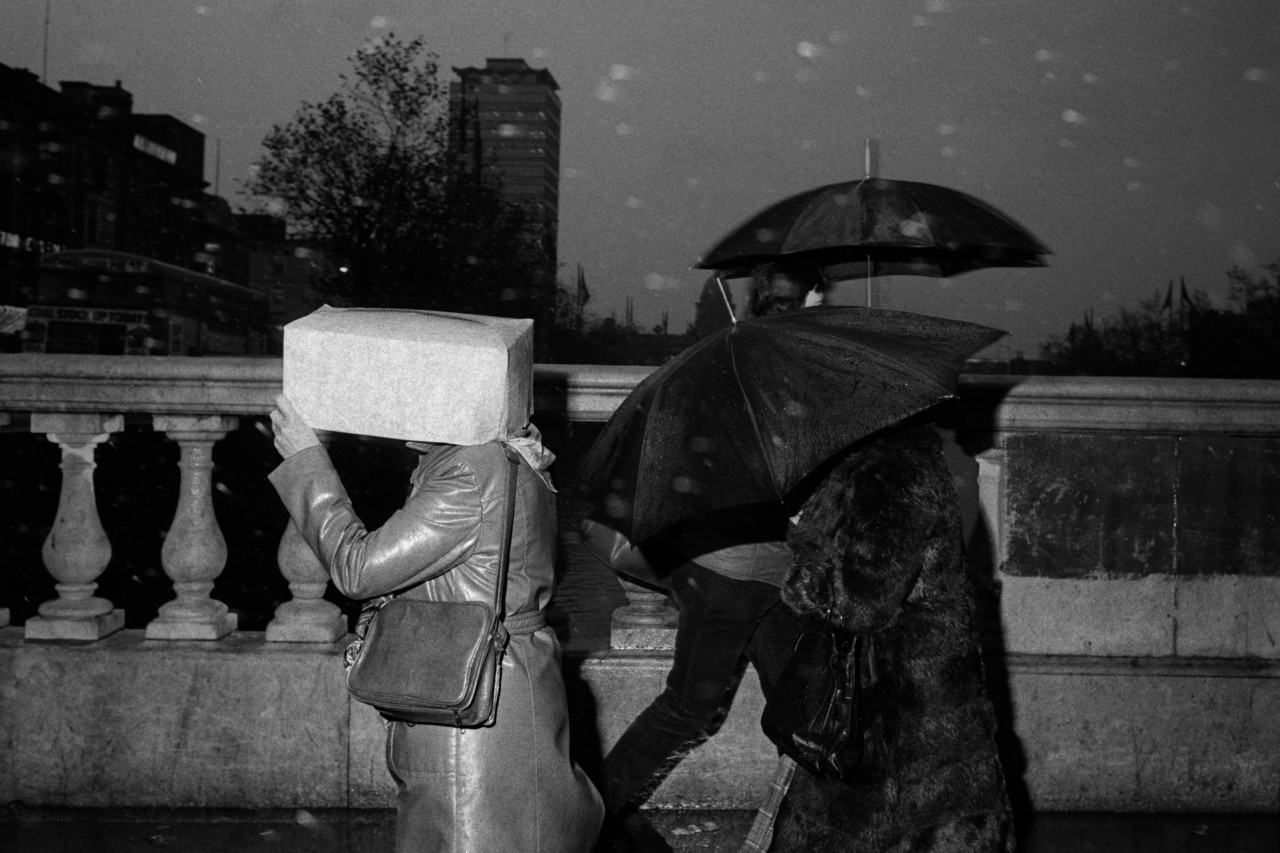
In 1970, Parr went from his childhood home in prosperous Surrey in the south of England to a mostly working class, multicultural Manchester in the north. There, he studied photography at Manchester Polytechnic (now Manchester Metropolitan University) until 1973.
“I remember so well arriving in Manchester in 1970, having traveled from the safety of suburban Surrey. It was exciting and felt very real. Having been a regular visitor to the Bradford area to stay with my grandparents, I had tasted the North and always liked the friendliness and sense of community that was so difficult to find in Surrey,” he told the Manchester Art Gallery. The north of England became a muse and fascination for Parr, who would continue to chronicle the ordinary oddities and cultural nuances he discovered there throughout his career.
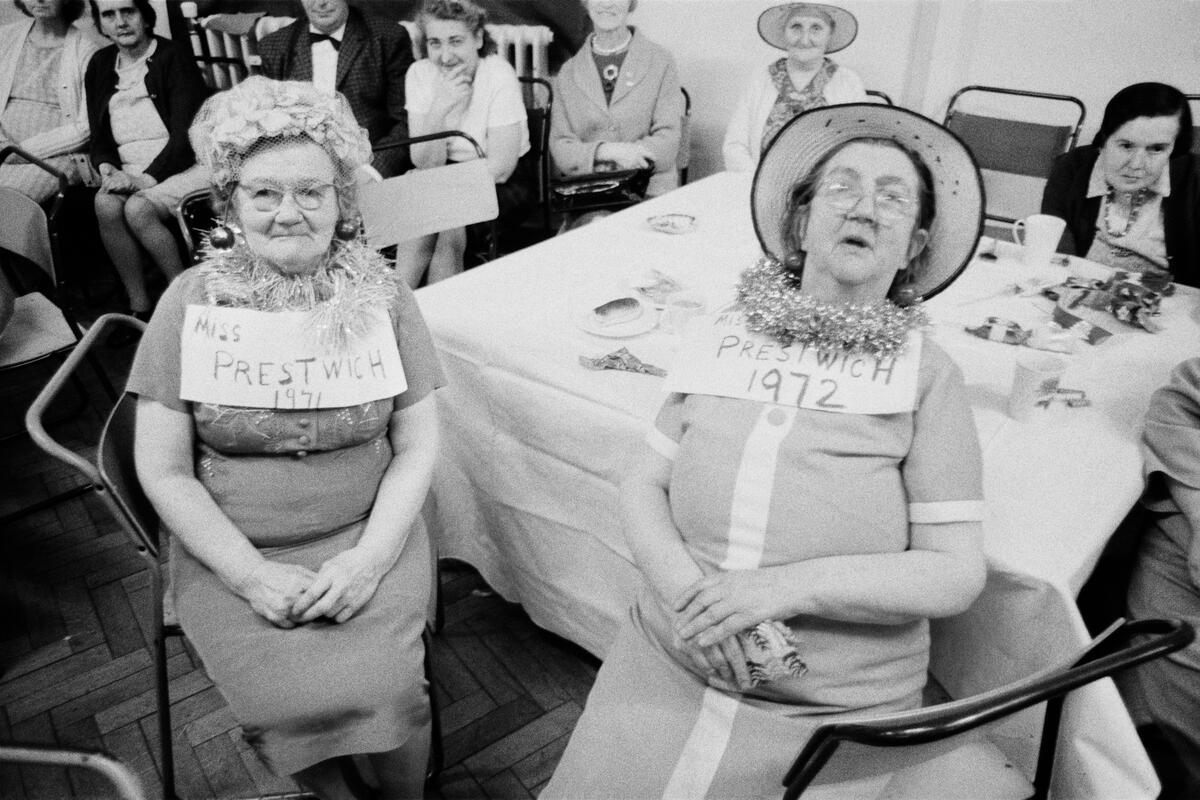
His first fully-formed documentary project achieved in 1972 was a black-and-white account of Prestwich Mental Hospital in the northwest of England, where he spent three months photographing the daily lives of patients and the ambience in the ward.
Partnering with his peer Daniel Meadows, he produced two other bodies of work during this time: June Street in 1972, and Butlin’s by the Sea in 1971. Photographing the residents of June Street, a row of terraced houses in Salford, Greater Manchester, the pair concocted their own photographic rendering of northern life with an air of the popular ITV soap opera “Coronation Street.”
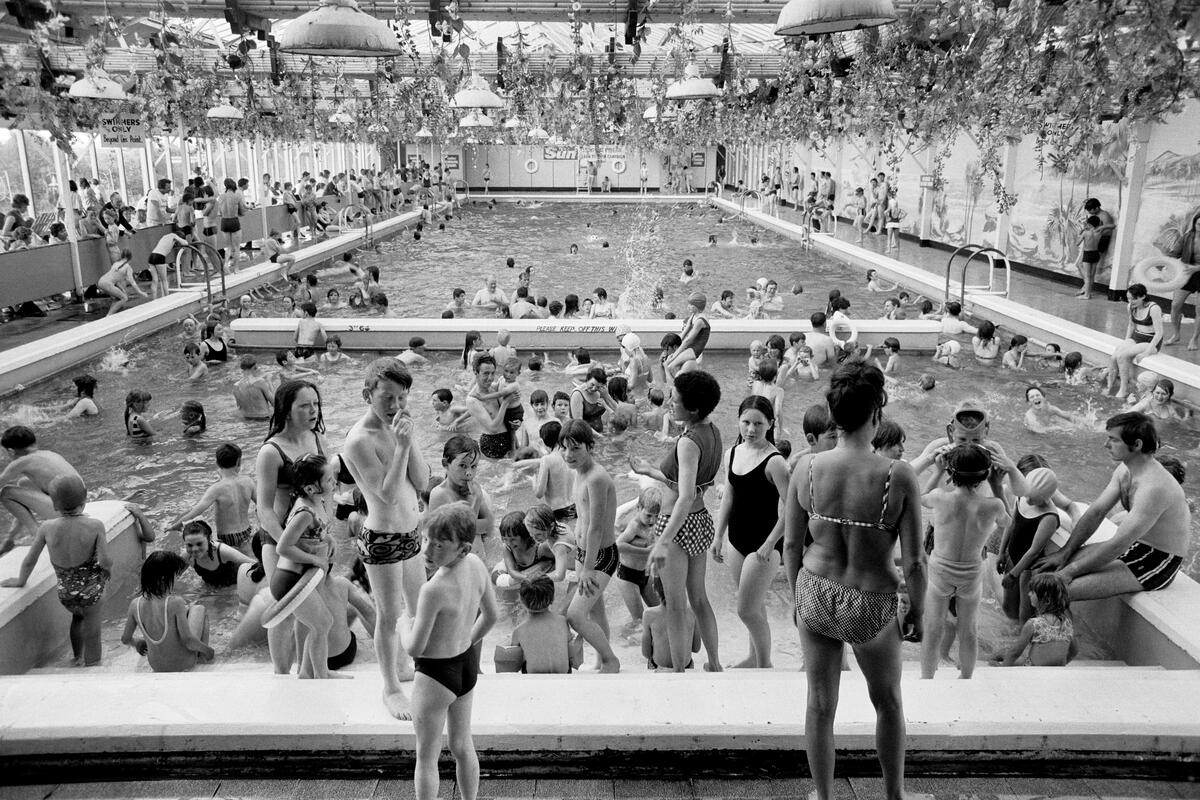
Parr’s photographs of Butlin’s — a British chain of family-focused seaside resorts — made in East Yorkshire in the early 1970s, peer into the elaborate entertainment provided for working-class guests, from donkey races to junior ballroom dancing championships. His series marks his penchant for contrasts, irony and idiosyncratic forms of leisure.
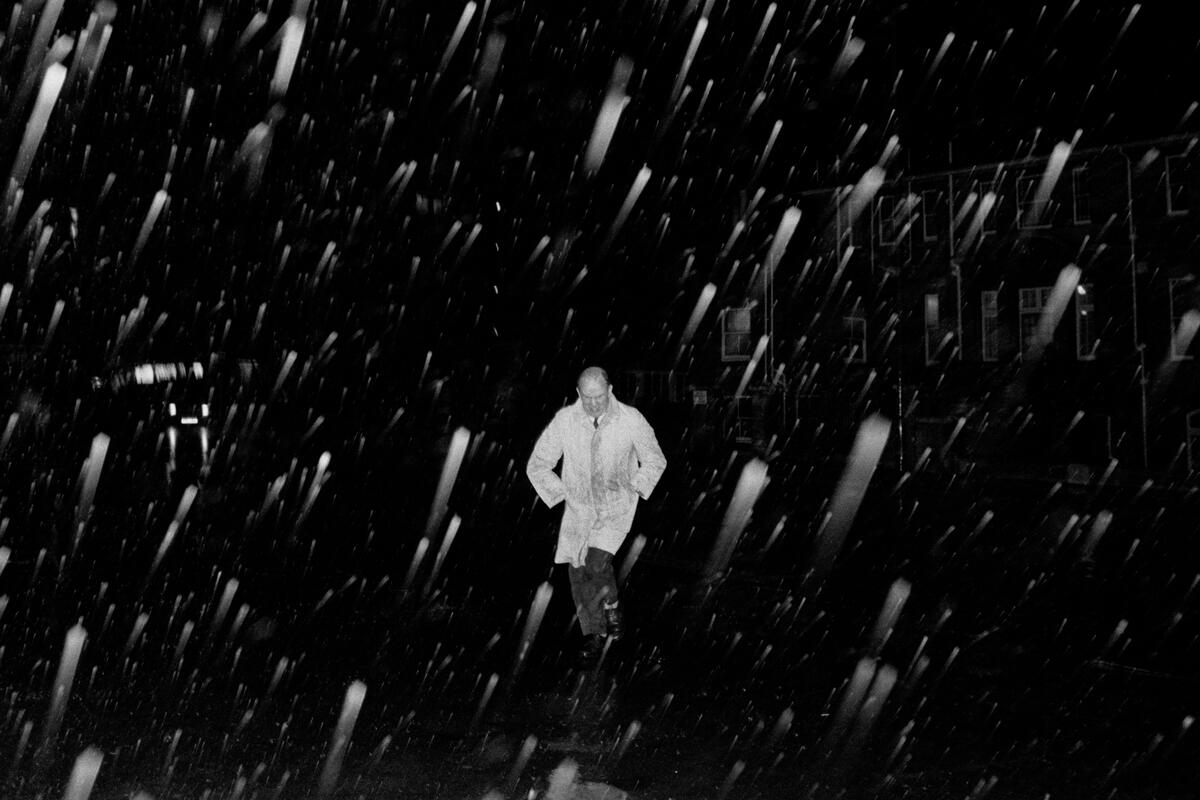
“For Parr, photography in the 1970s was primarily an exploration of hidden worlds and obscure practices, all under the mantle of ‘the ordinary,’” wrote Val Wiliams, author of Martin Parr, published by Phaidon in 2002.
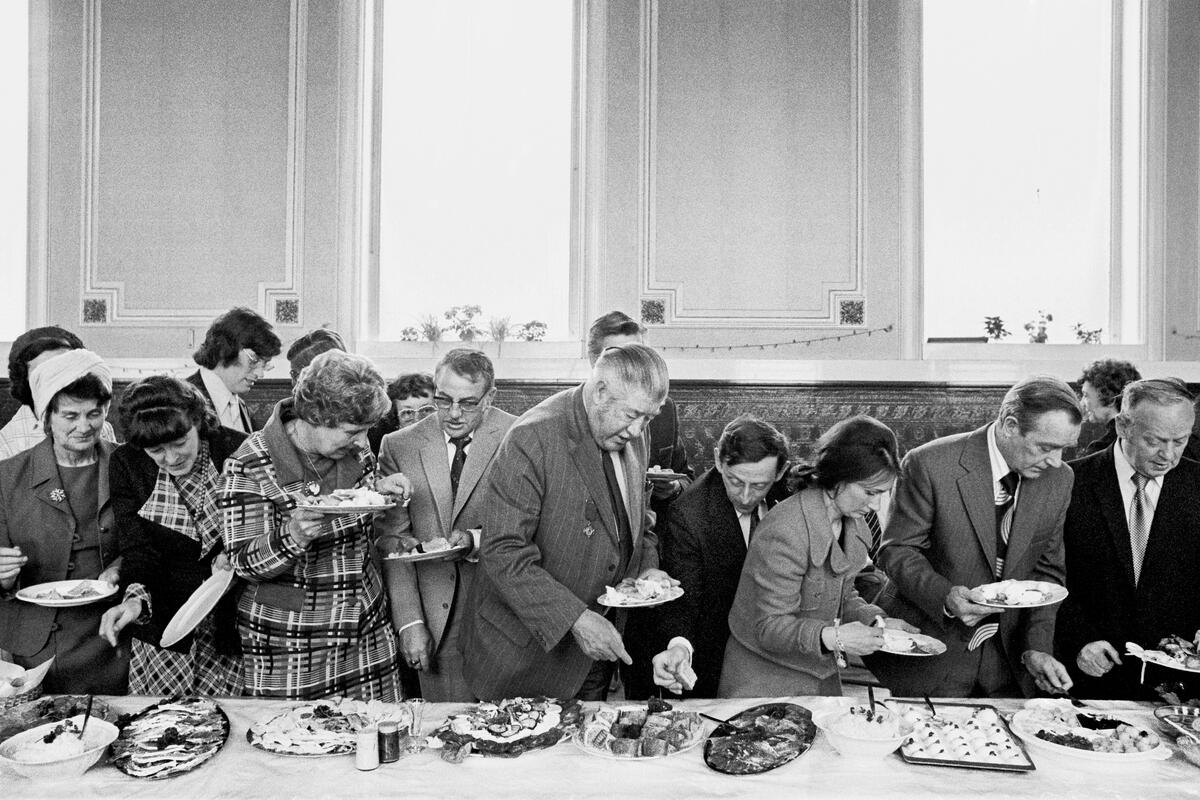
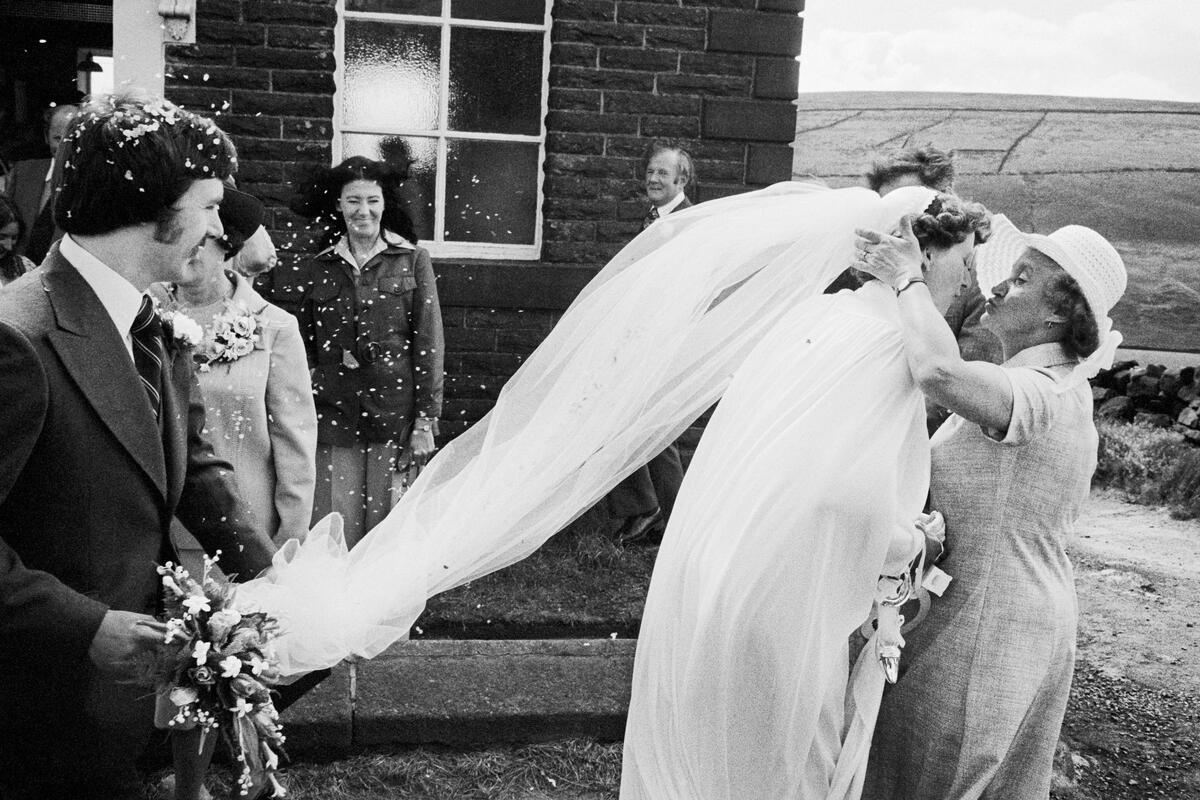
In 1975, Parr settled in the West Yorkshire mill town of Hebden Bridge, where he discovered communities of farmers and chapel-goers, documenting their rituals with a quiet, compassionate approach, often at a polite distance.
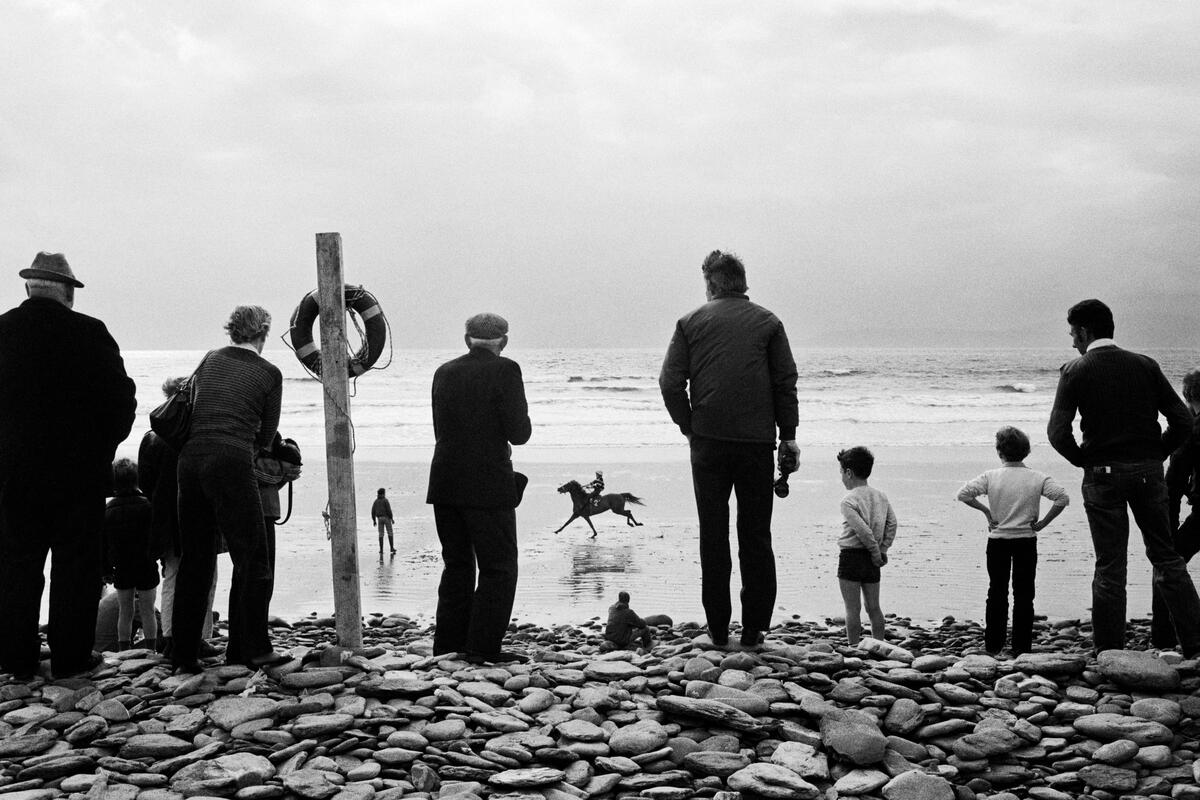
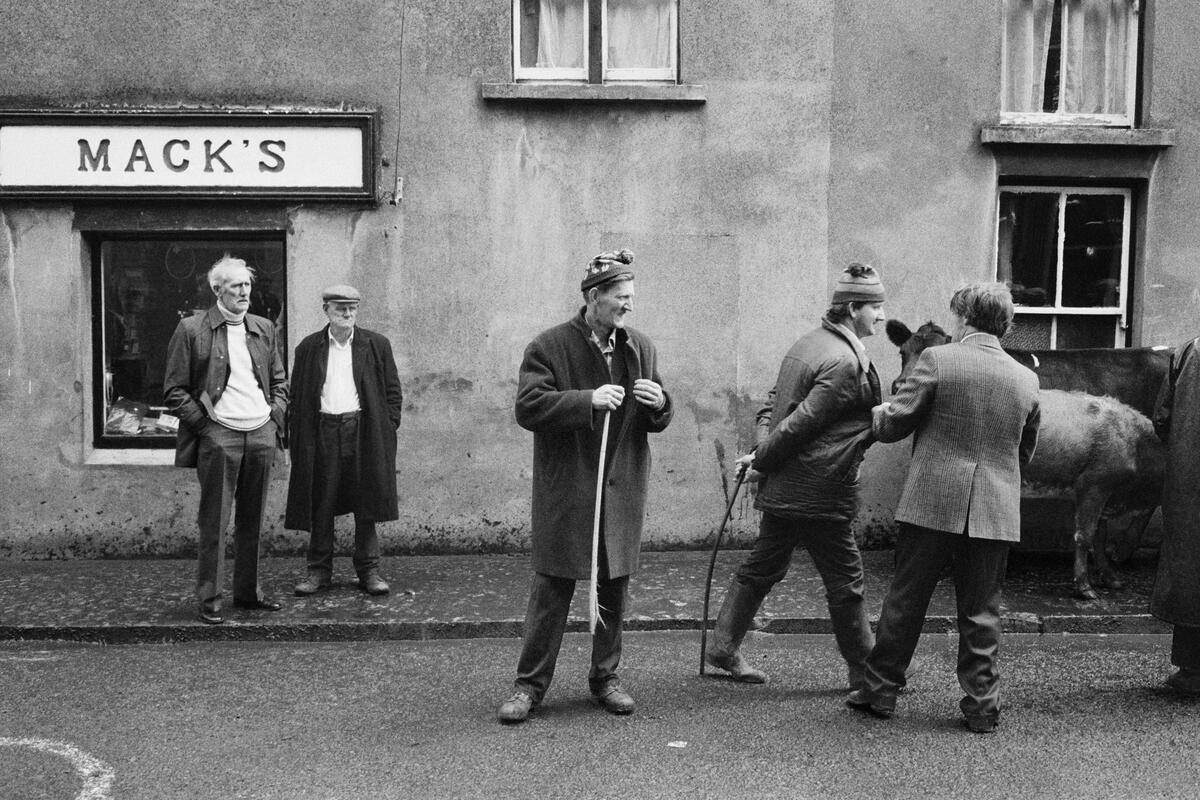
Ireland, 1980–1982
After several solo exhibitions — including at the Arnolfini Gallery in Bristol in 1974, the Photographer’s Gallery in London in 1977, and the Fotomania Gallery in Barcelona in 1978 — Parr moved to the west of Ireland in 1980.
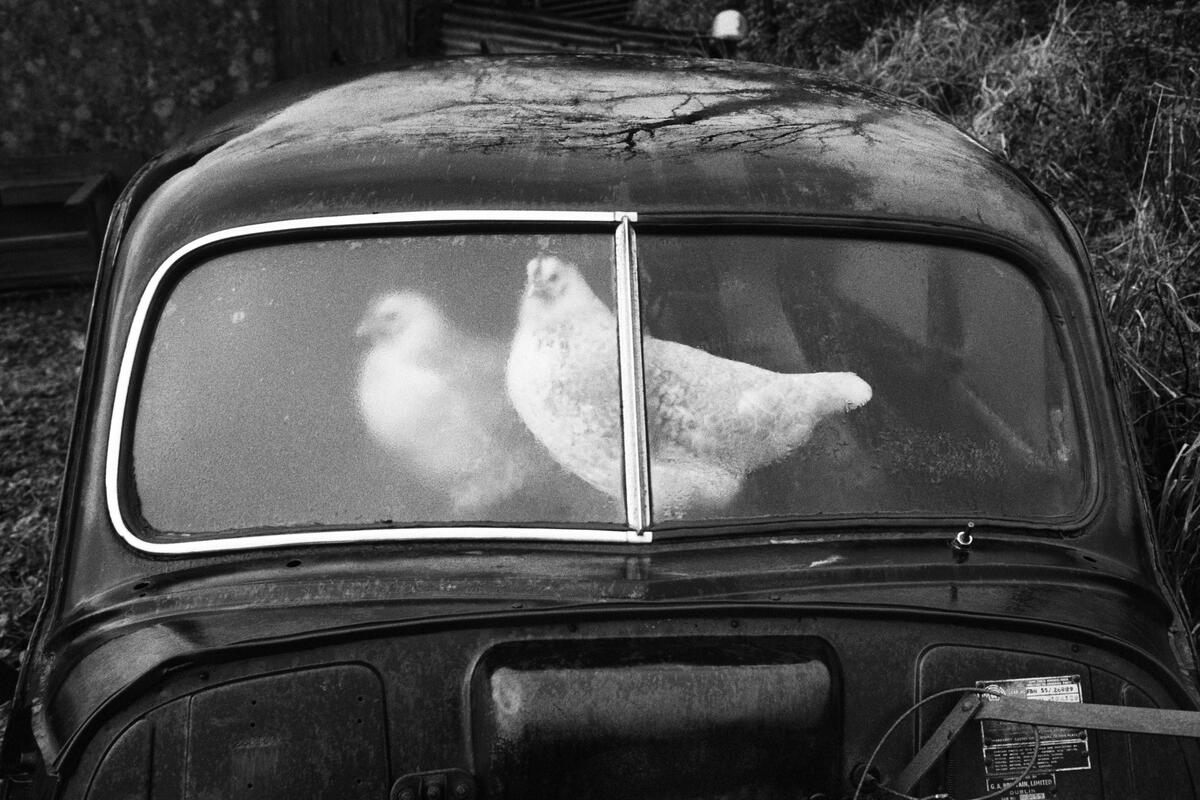
In Ireland, he photographed rural life, including the abandoned Morris Minors across the Irish countryside after the economy car had been discontinued, and “the first hint of Ireland’s new wealth in the shape of the bungalows that were springing up everywhere, replacing more traditional dwellings,” notes Fintan O’Toole in the introduction to From the Pope to a Flat White, Ireland 1979-2019, published in 2020. Capturing the subtle tension of old lifestyles facing the new, Parr began to embrace the art of social commentary, elevating the eccentric mannerisms of daily life.
From Black and White to Color, 1982-1990
In 1982, Parr returned to England with the latest 6x7cm Makina Plaubel with a 55mm lens in hand. During this period, American color photographers had begun to inspire in him a fresh artistic impulse.
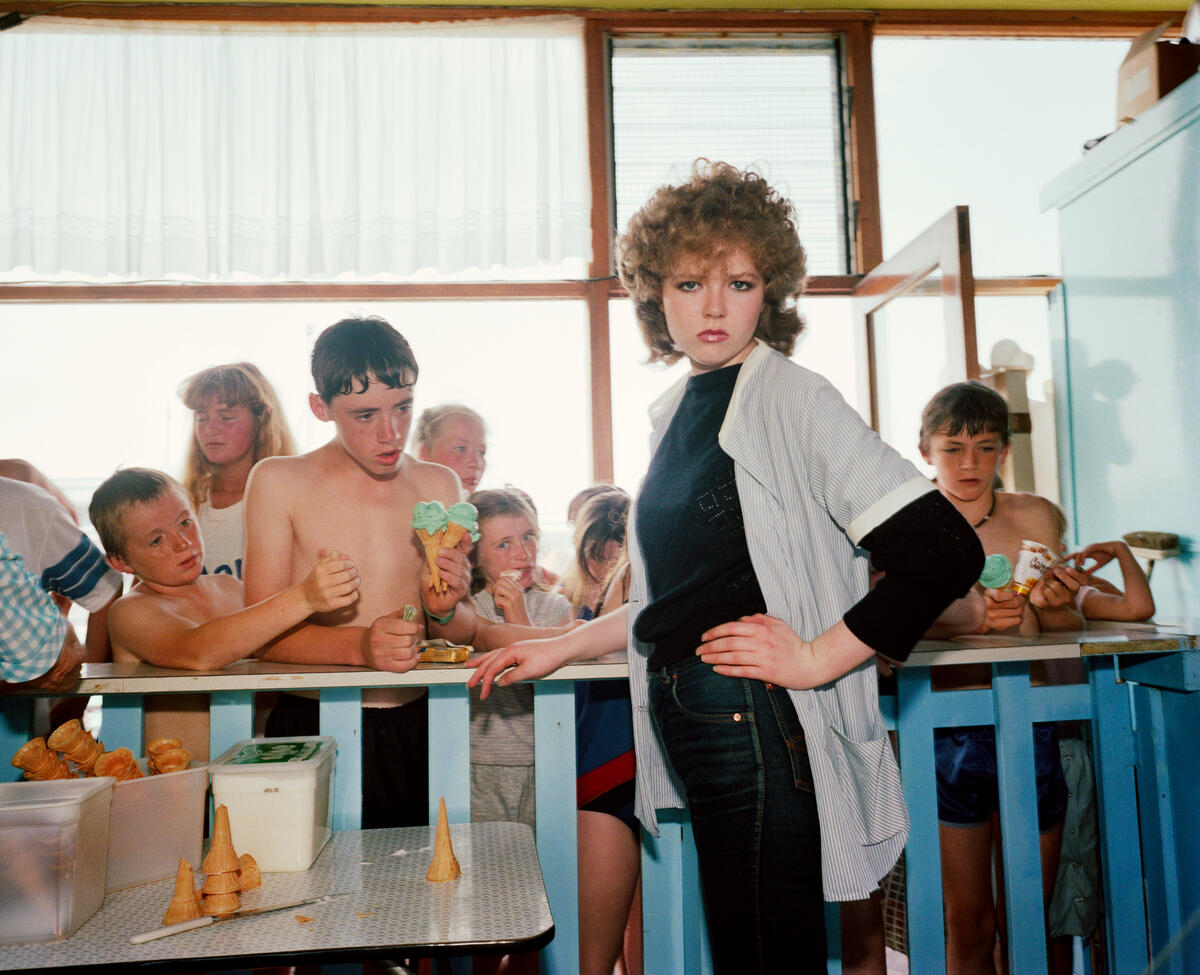
“I did do some color within the Home Sweet Home project in the early 70s, but it wasn’t until 1982 when I moved back from Ireland that I took to color in a serious way. This was sparked off by seeing the color work emerge from the US from photographers such as Joel Meyerowitz, William Eggleston and Stephen Shore. I had also encountered the post cards of John Hinde when I worked at Butlin’s in the early 70s and the bright saturated color of these had a big impact on me,” Parr wrote on his personal website. “They gave me confidence to know that color can be serious too,” he added.
Parr’s decisive shift to color and central focus on Britain helped inform the visual vocabulary and collective imagination of British cultural life, transforming the mundane into moments of cultural consequence.
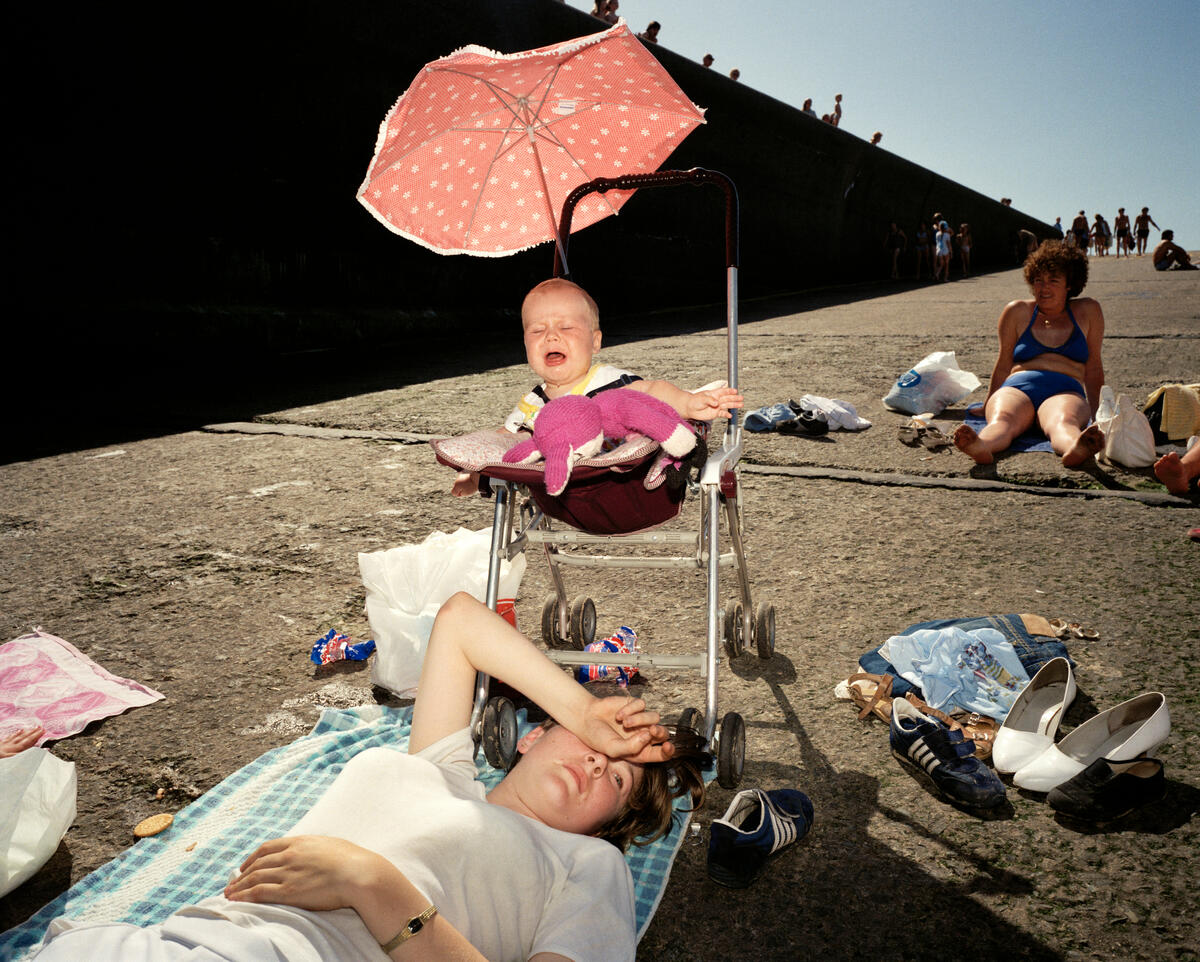
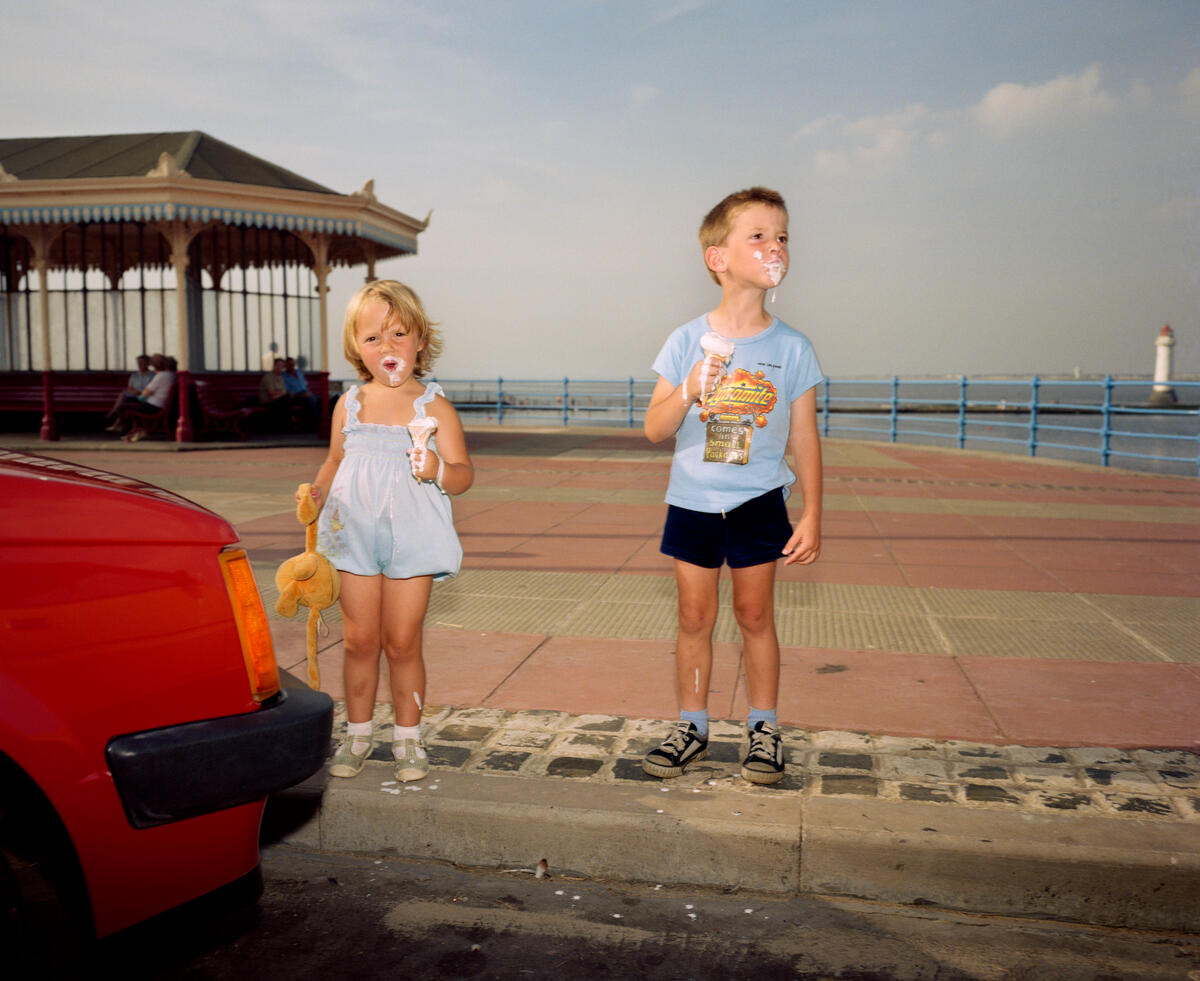
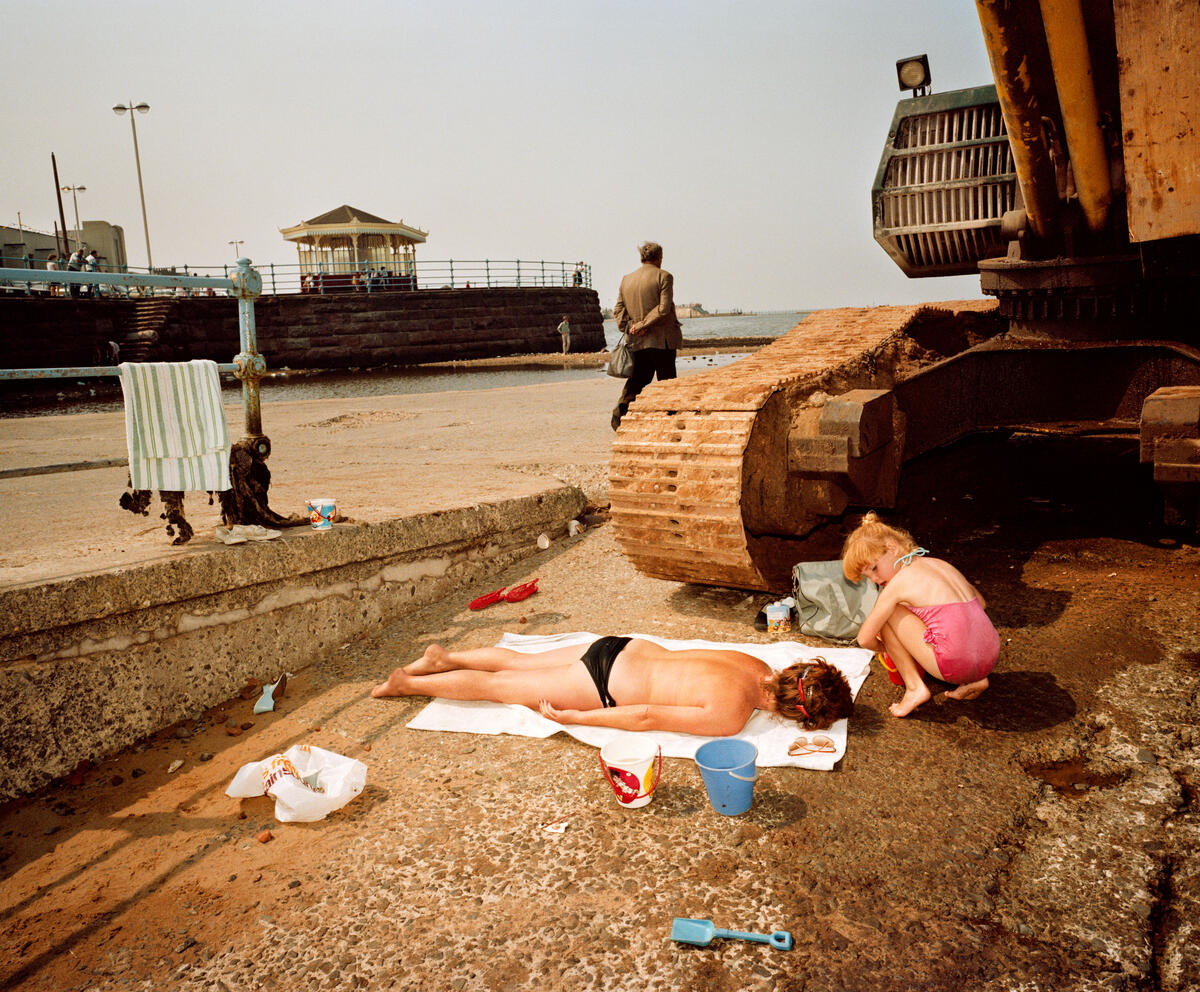
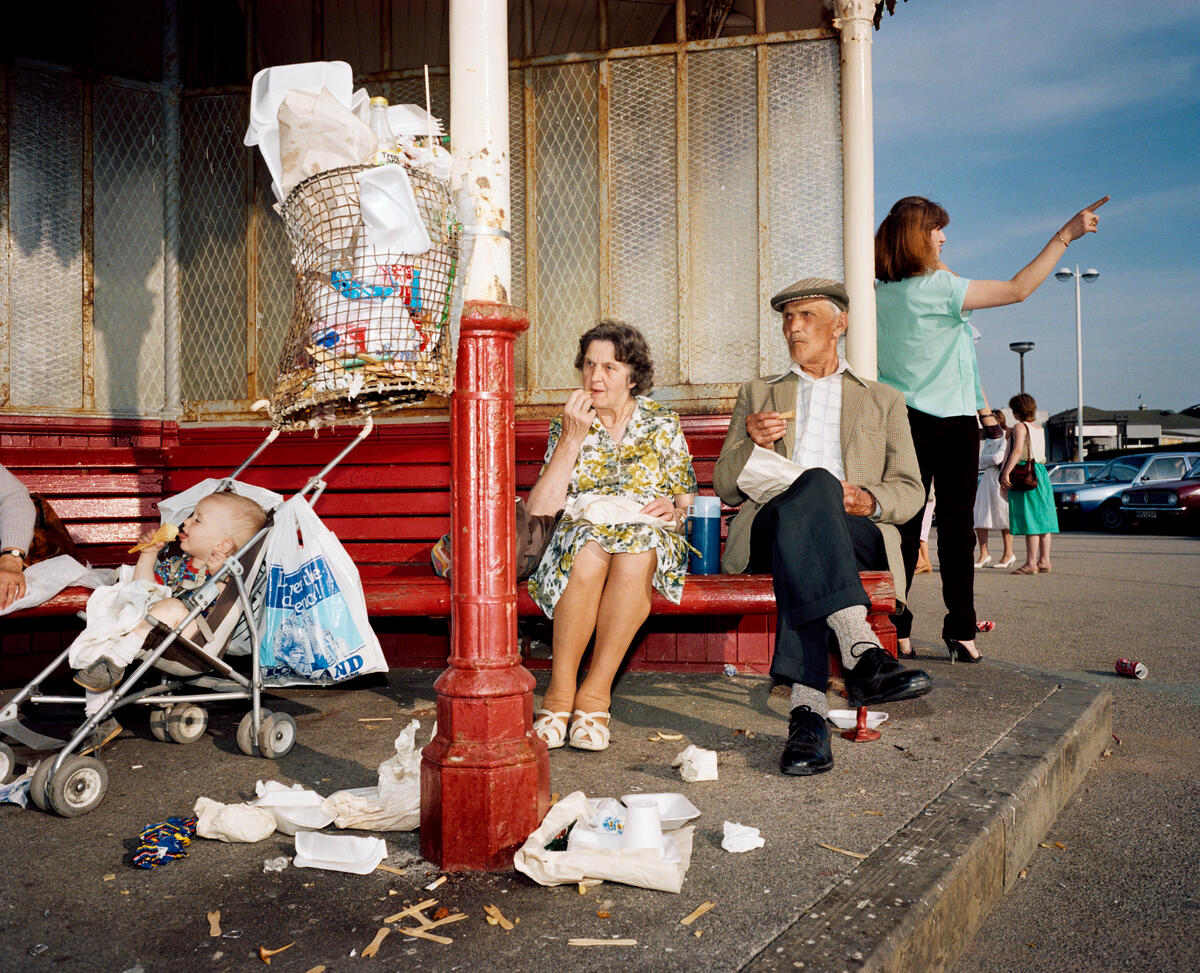
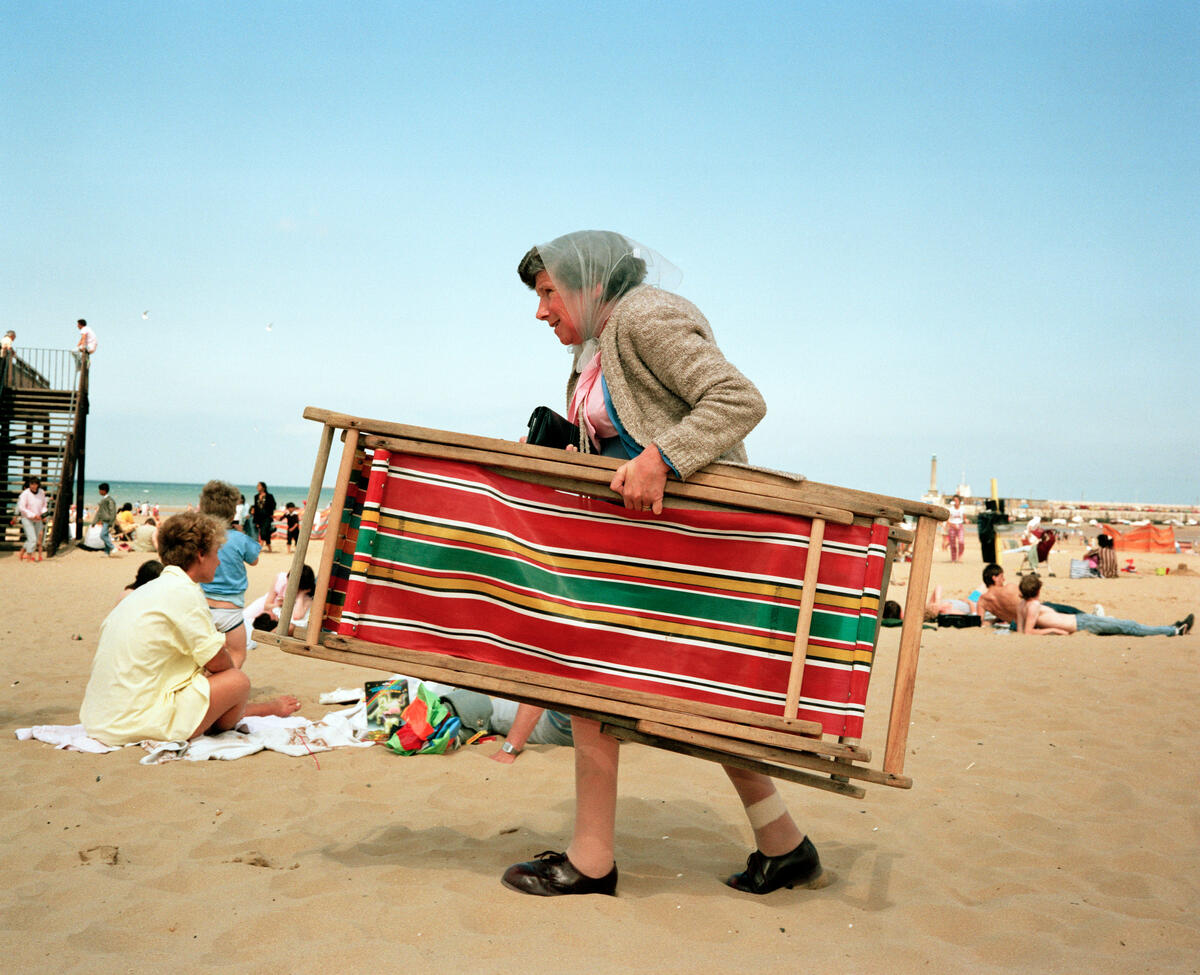
Parr went on to produce his international breakthrough and most eminent project, The Last Resort (1983-1985), characterized by flash and saturated color, which fueled his more direct form of social critique. New Brighton on the bay of Liverpool, then a rundown seaside resort, provided the ideal beach setting where vacationers relinquished all formalities.
The beach setting itself became a field of experimentation: “Whenever I’ve adopted a new technique, I usually apply it first to the beach to experiment with what’s possible,” says Parr. It also set the stage for Parr’s singular vision at a turning point for the working class under Margaret Thatcher’s privatized neoliberalism, a recurring theme in his work during this period.
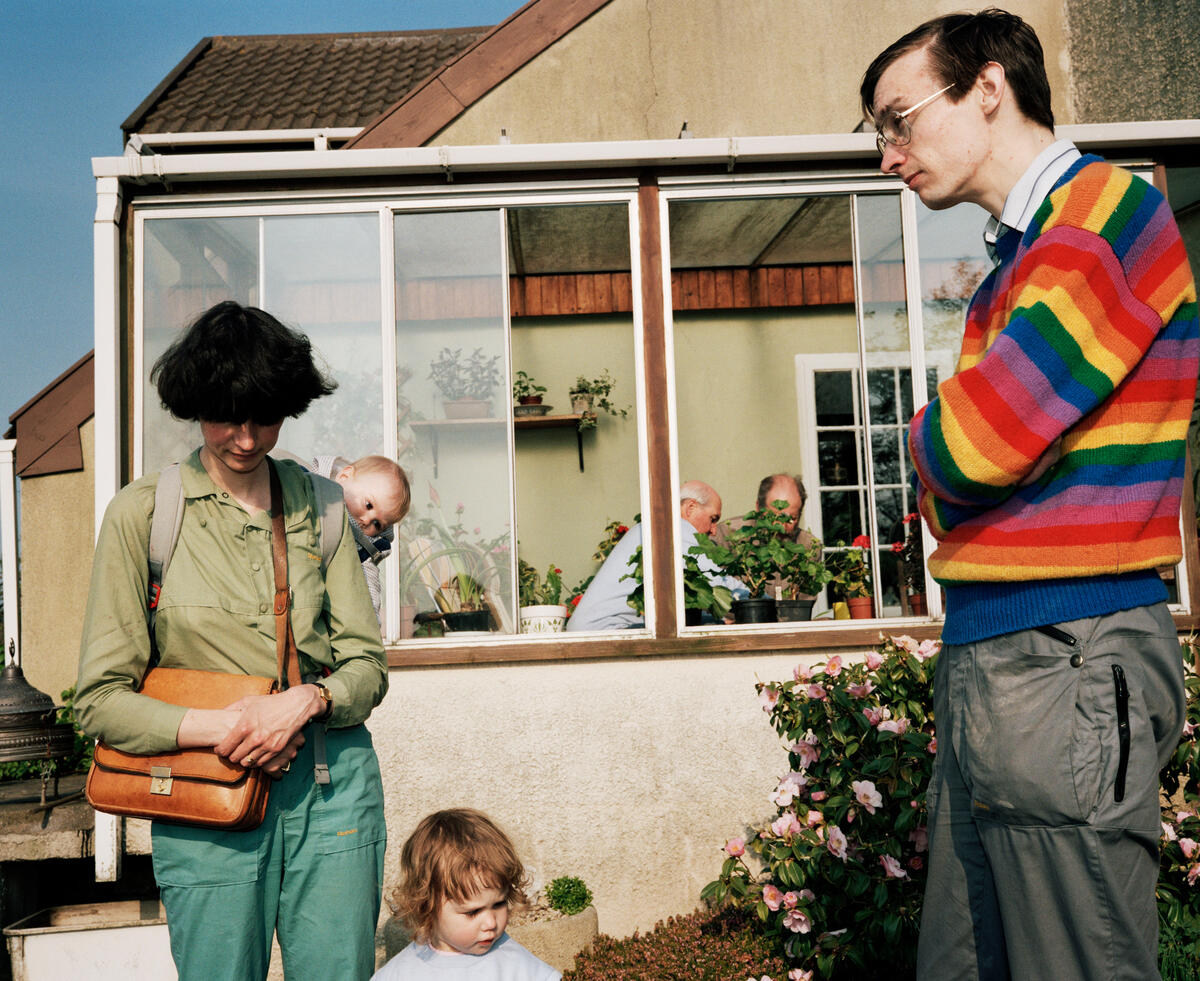
He followed this project with The Cost of Living (1987-1989), a portrait of Britain’s growing middle class, or “the comfortable classes,” according to Parr, and One Day Trip (1988), documenting the British shopping-fueled day trips to France’s hypermarkets in response to Thatcher-driven inflation. Parr’s distinct voice interlaced a sharp sense of humor with a genuine exegesis of reality, stripped to a candid, even hyperreal state. In 1988, he became an associate member at Magnum.
Member of Magnum Photos, 1994
After much debate and division within the agency, in 1994, Parr became a full member of Magnum Photos. While his work throughout the 1980s and early 90s was widely acclaimed for its untapped perspective of kitsch British consumer culture, some critics saw it as a mocking, exploitative representation of the working classes. Magnum co-founder Henri Cartier-Bresson championed the humanist approach, a keystone of the agency, and claimed that he and Parr belonged to “two different solar systems”. Parr simply responded, “I acknowledge there is a large gap between your celebration of life and my implied criticism of it…What I would query with you is, ‘Why shoot the messenger?’”
By a slender margin — just one vote — he was admitted into the cooperative, and became a significant artistic voice in the agency. He later served as president from 2013 to 2017.
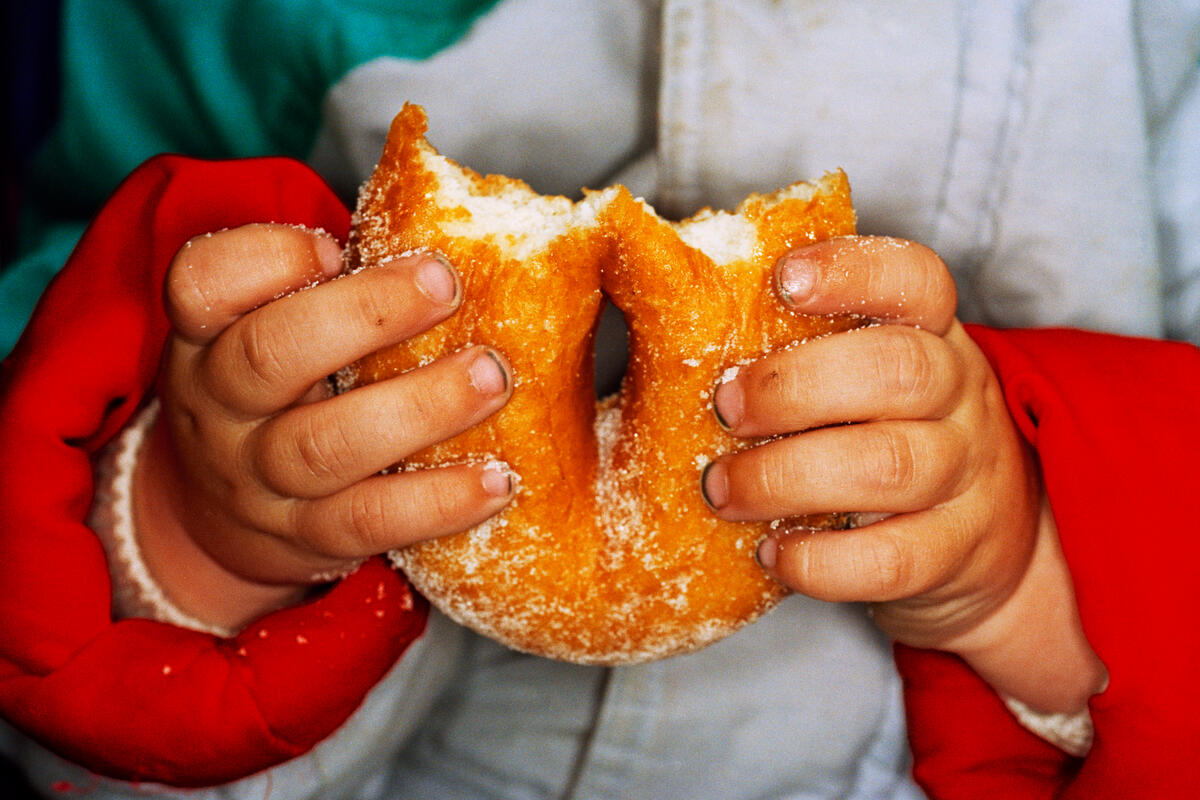
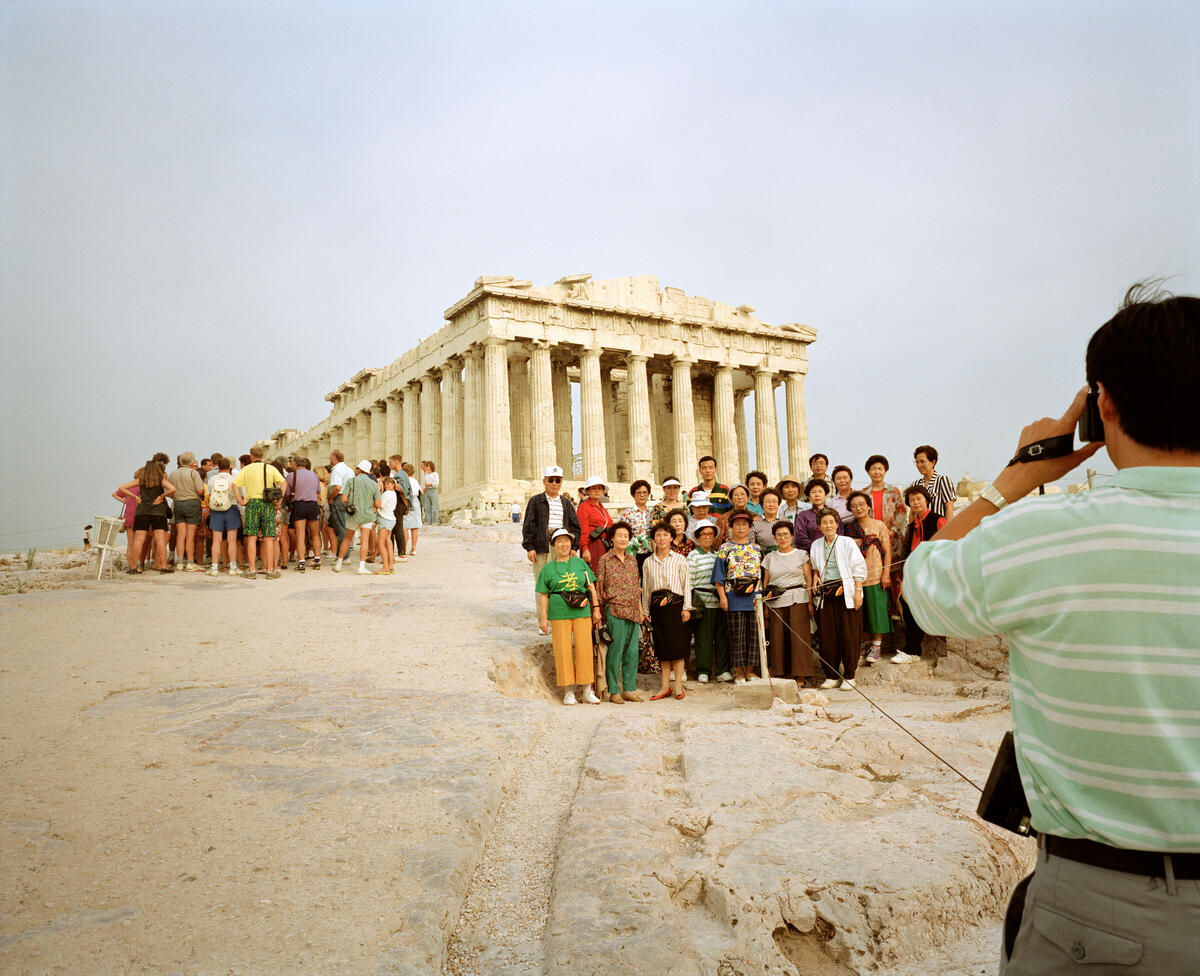
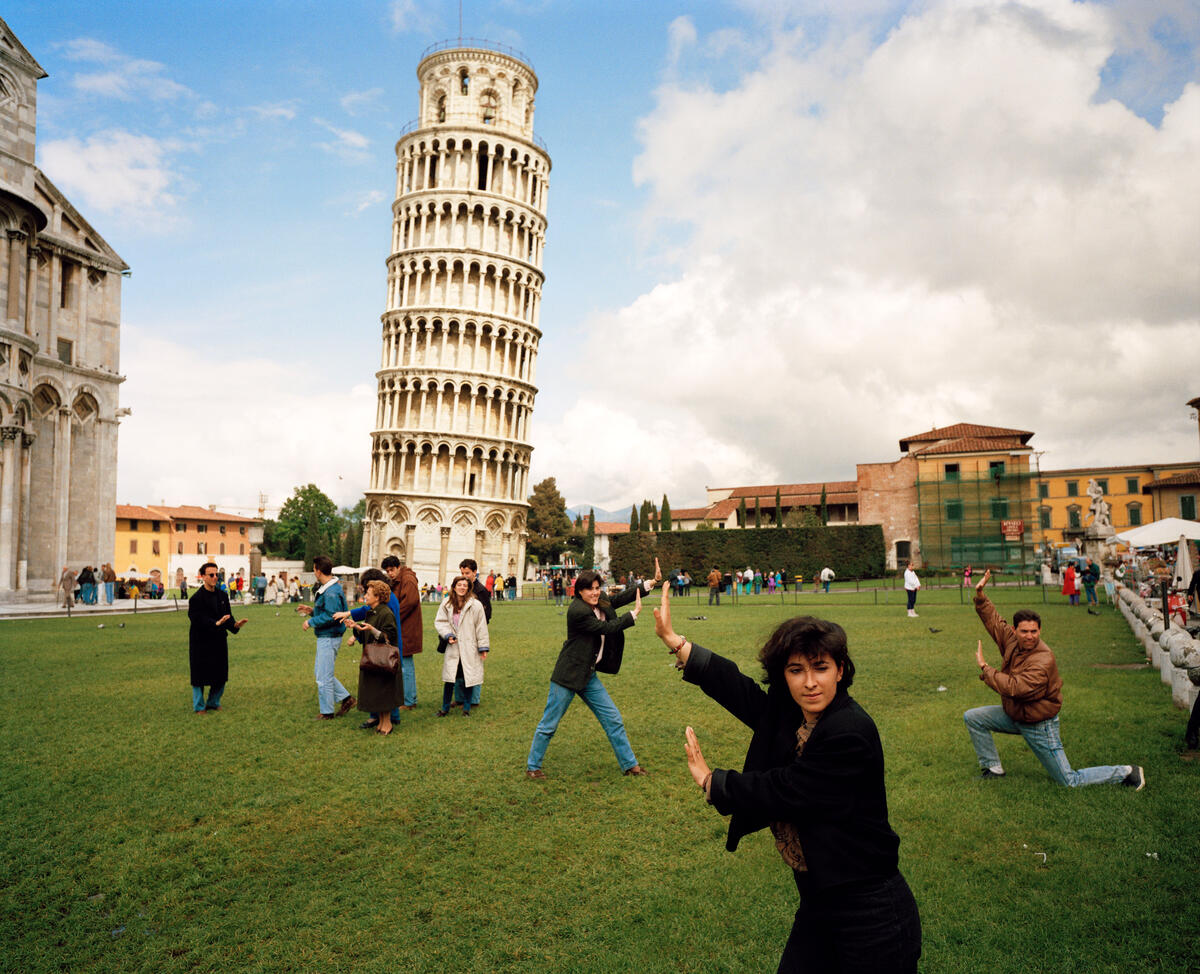
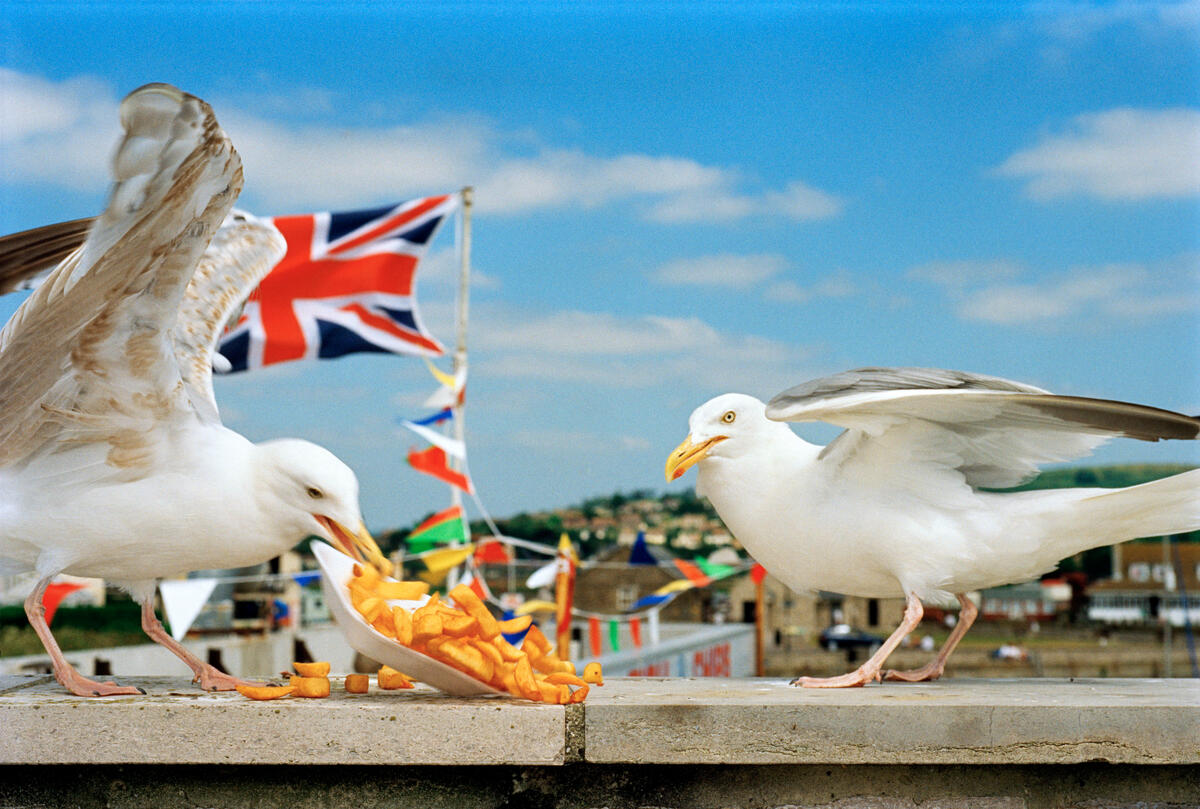
Throughout the 1990s, Parr published internationally celebrated photobooks such as Home and Abroad (1993), a journey through leisure from shopping malls to theme parks; Small World (1995–1999), a satire on the tourism industry; Japonais Endormis (1998), portraits of sleeping Tokyo commuters; and Common Sense (1995–1999), a vivid, global documentation of consumer culture, from fast food to British beachgoers in Benidorm, using a macro lens and ring flash.
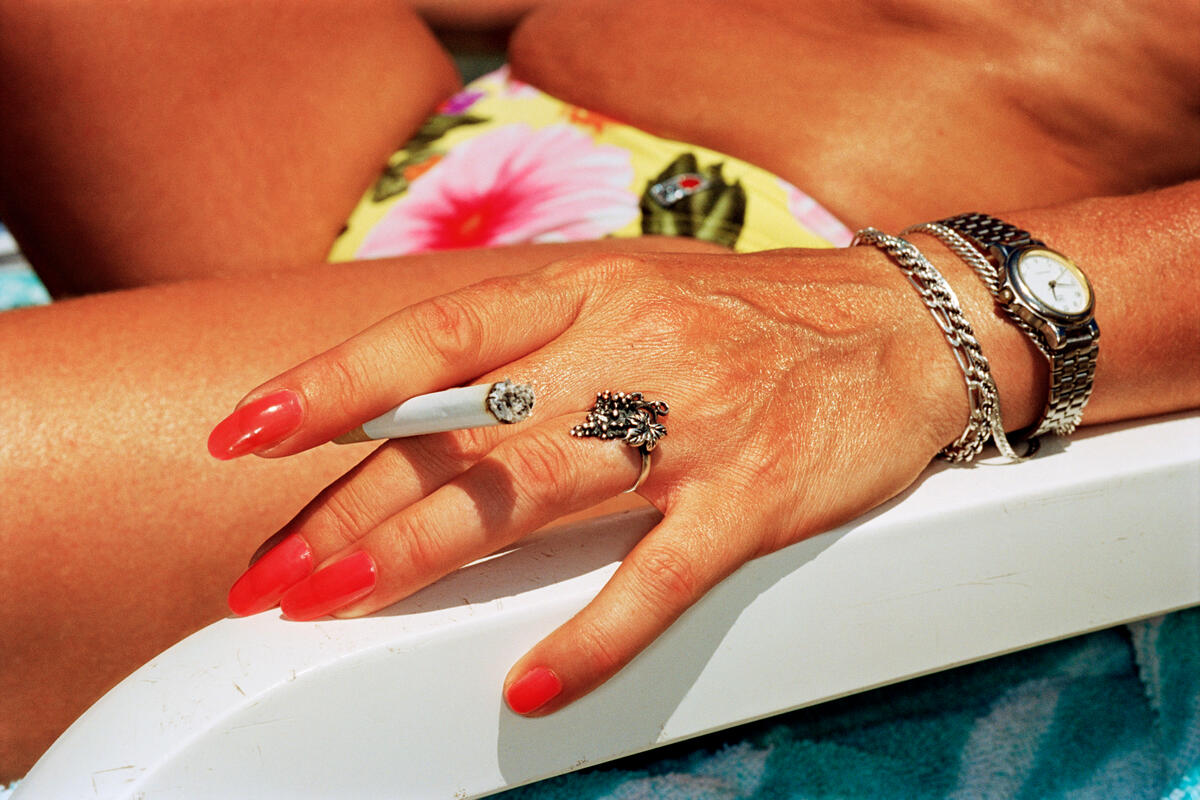
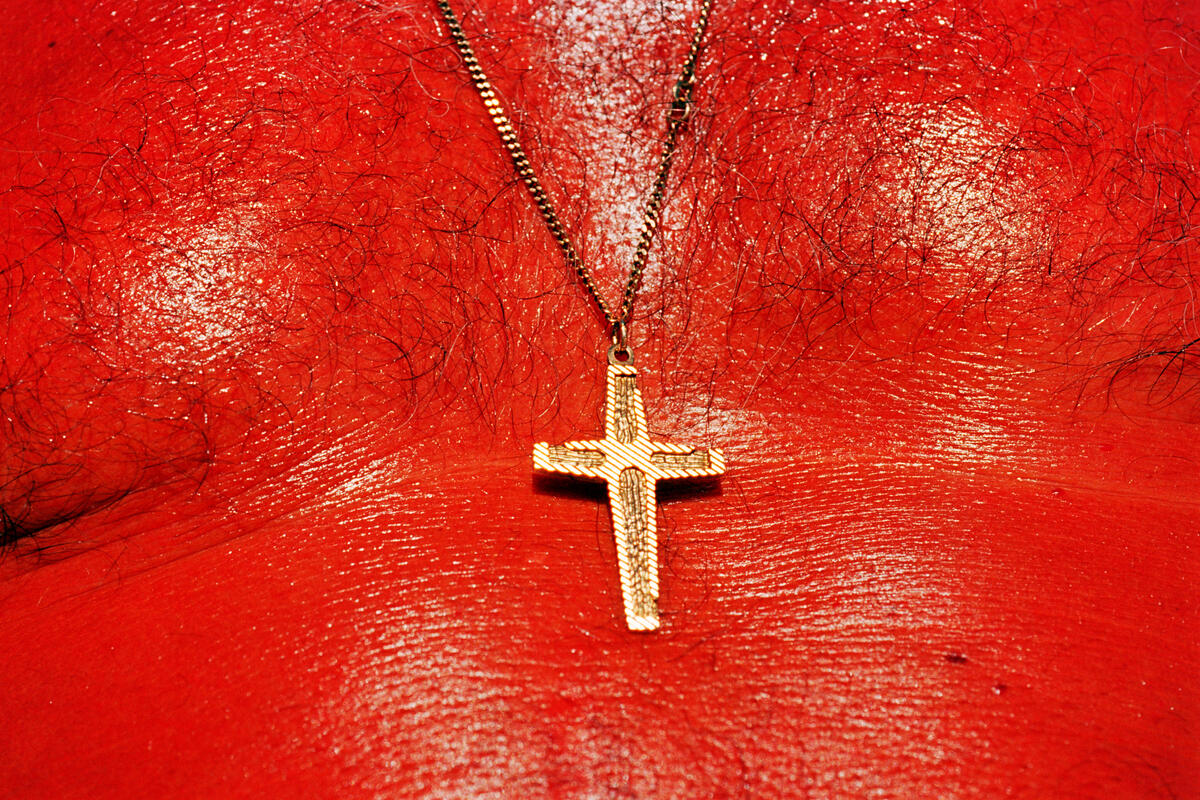
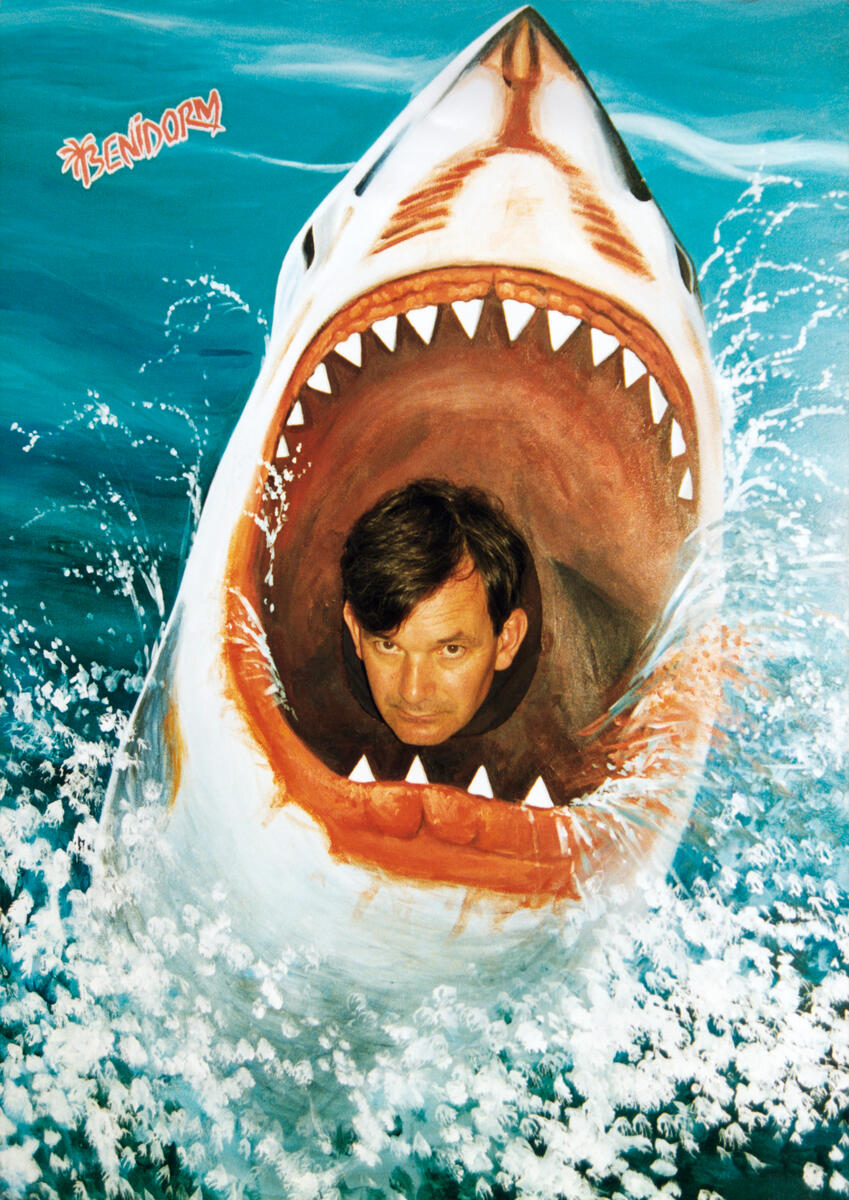
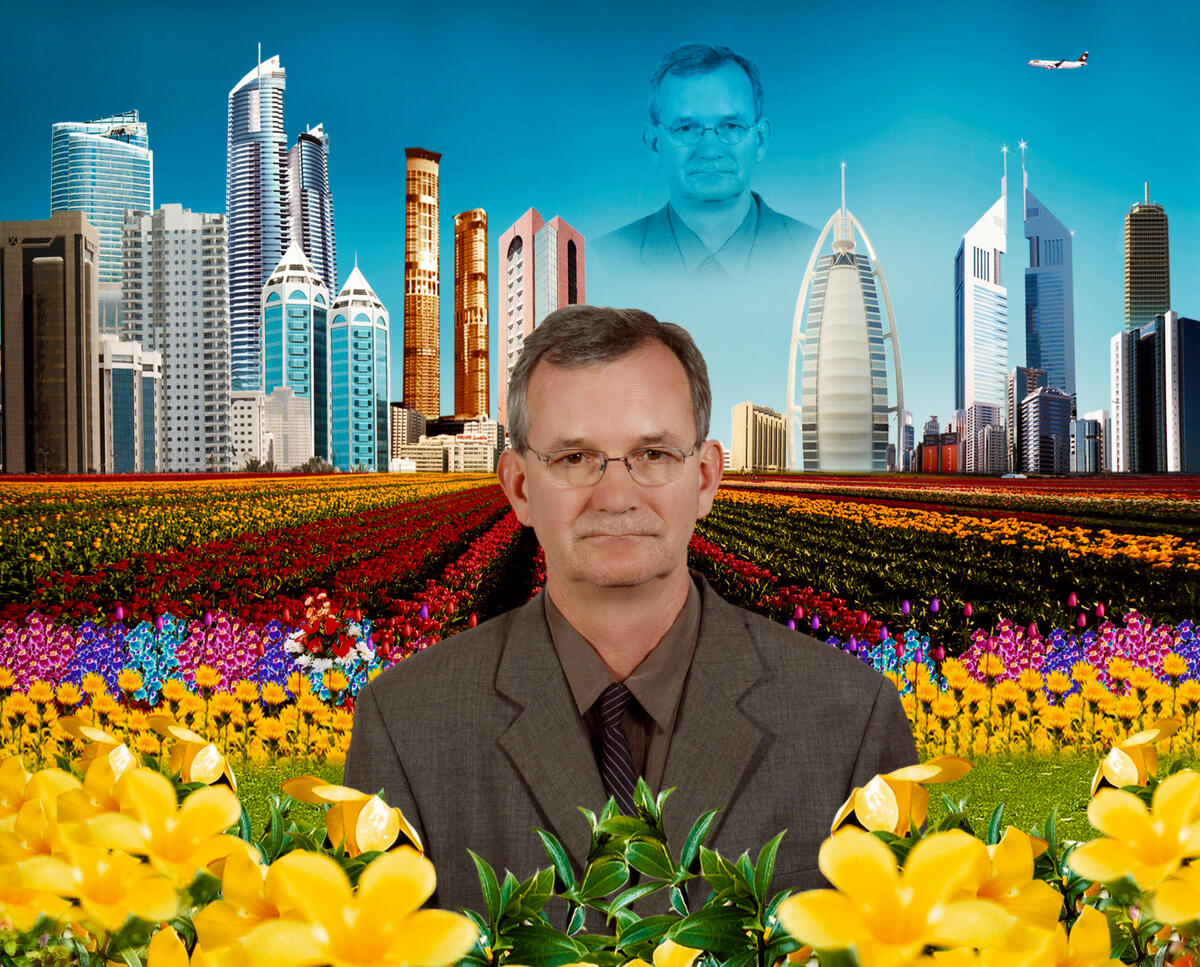
According to his personal website, “Parr holds the Guinness World Record for having the largest simultaneous photography exhibition. An exhibition showing Common Sense could be viewed at 41 galleries around the world on April 1, 1999.” In 2000, Dewi Lewis published Autoportrait, a collection of 57 portraits of Parr taken by studio photographers, street photographers and in photo booths across the world, illustrating not only the photographer’s dead-pan sense of humor, but also questioning the seriousness and reliability of portraiture itself.
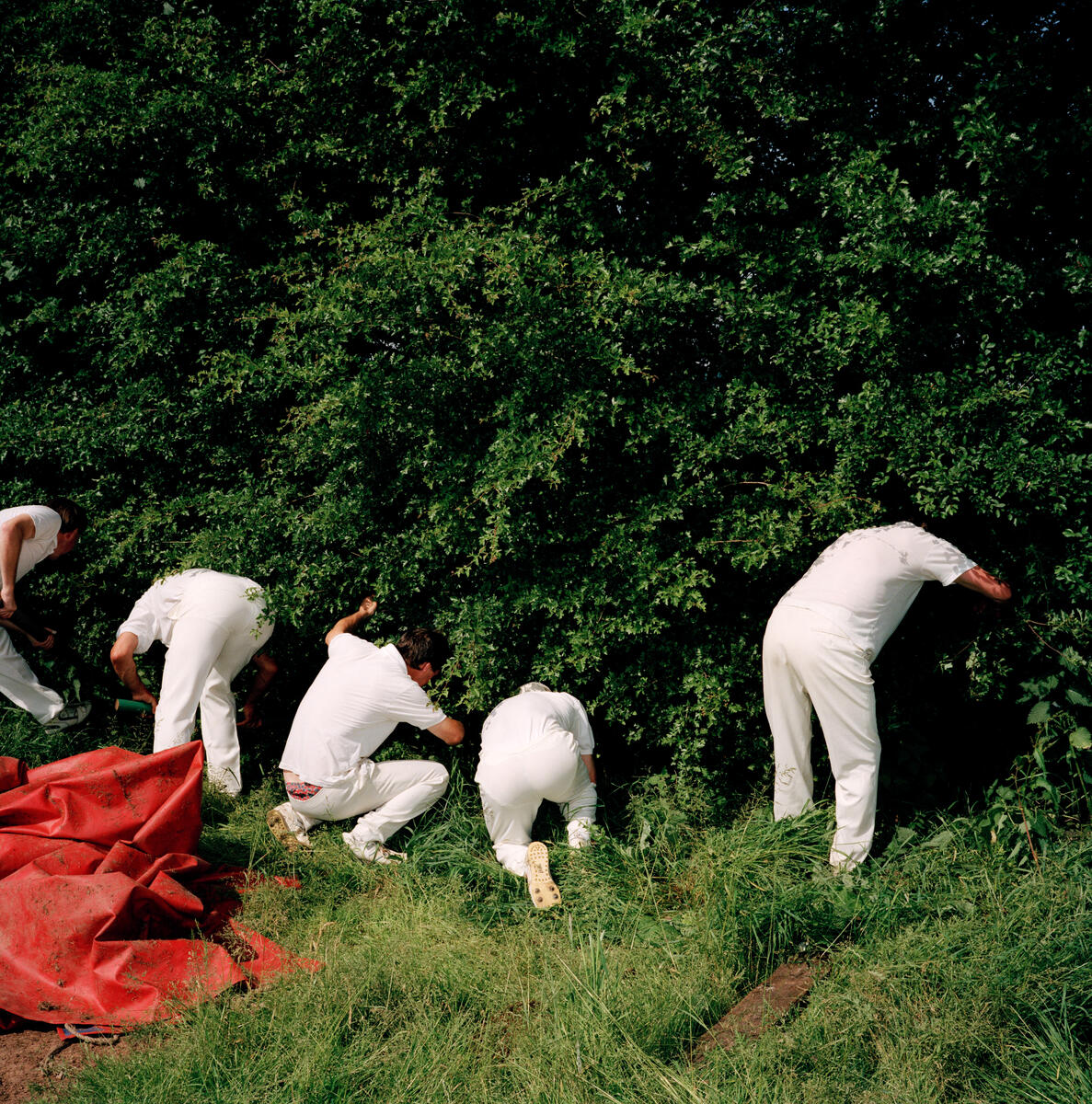
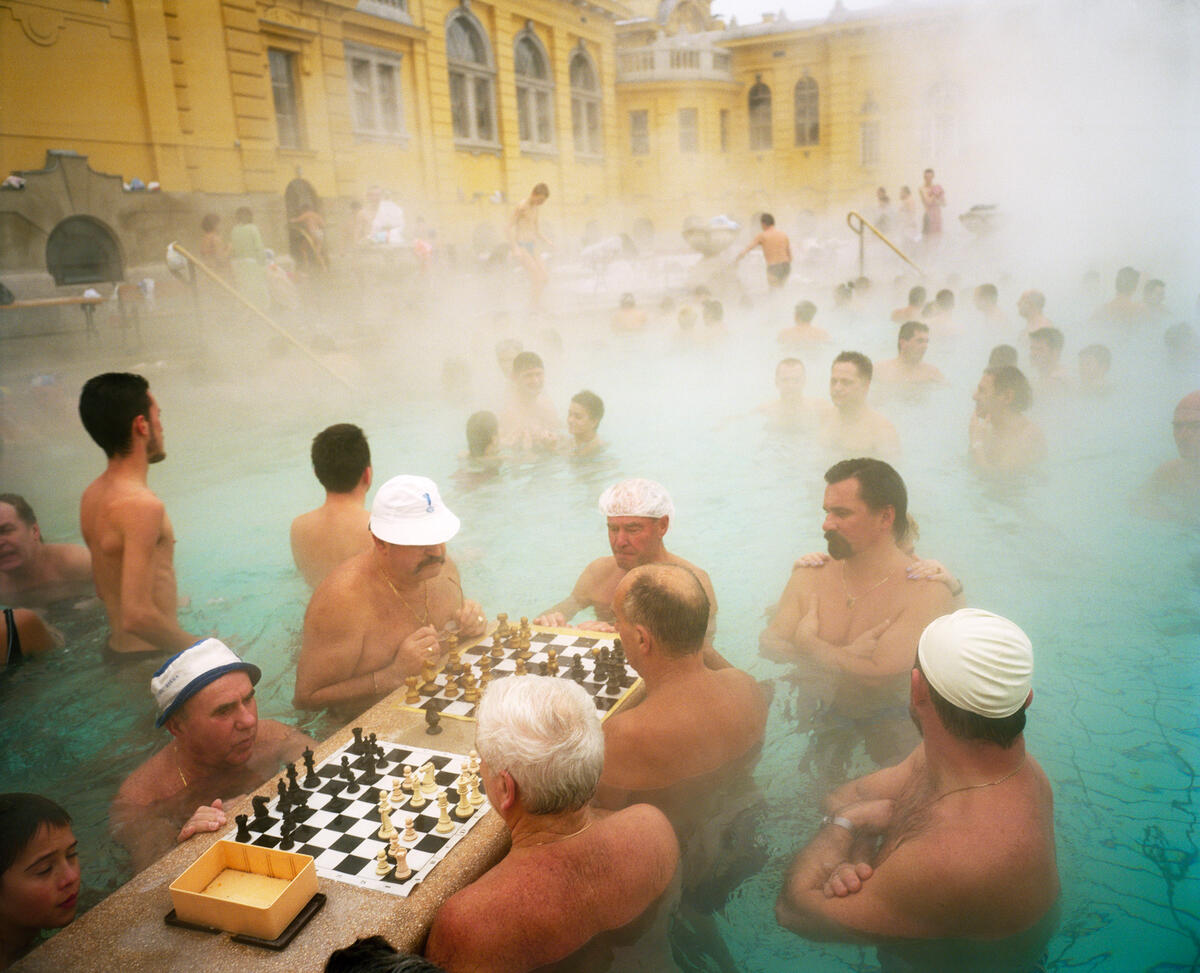
Imbued with playfulness and satire, Parr’s work was also a lucid, dedicated pursuit of the “yin and yang” of society as he explained, culminating in an encyclopedia of cultural symbols that mark the tides of time. “I make serious photographs disguised as entertainment,” Parr told The Guardian.
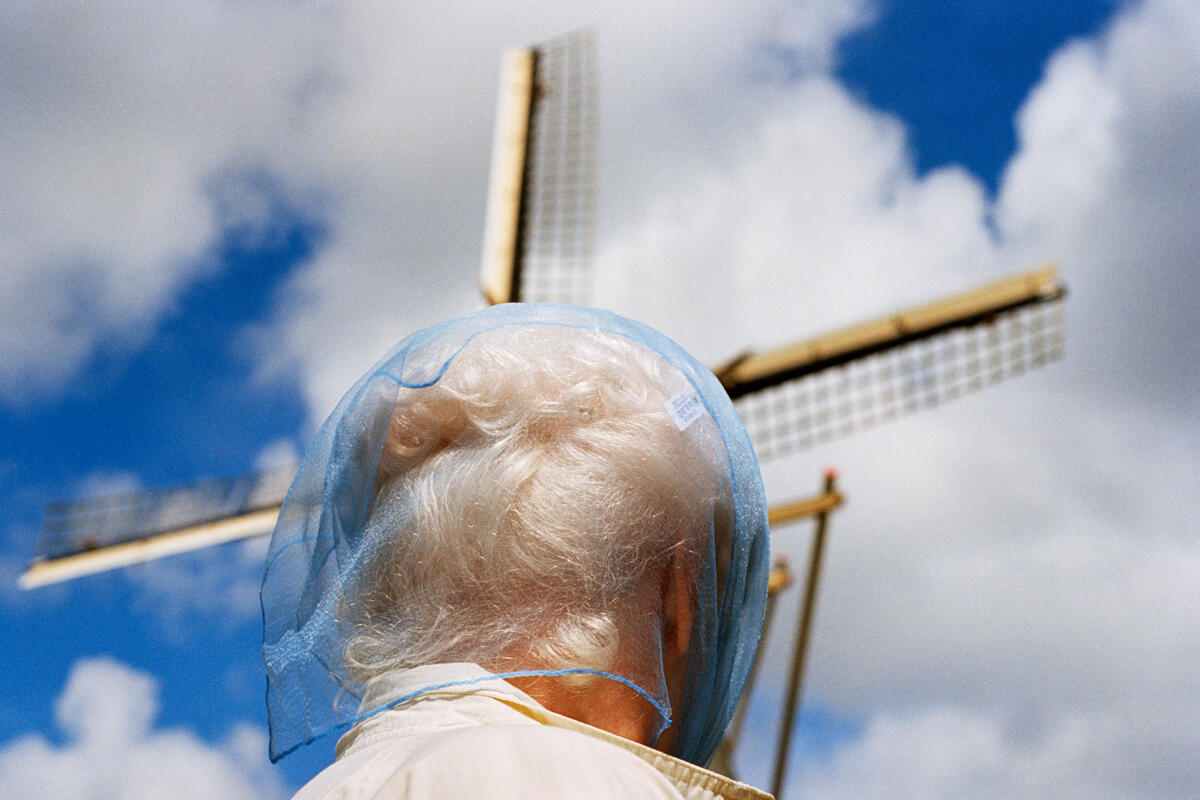
A prolific artist, Parr published over 100 photobooks in his lifetime, and edited another 30, including a three-volume series The Photobook: A History (2004–2014), an in-depth study co-authored by Gerry Badger into the phenomenon of the photobook itself.
“You have to have that belief early in the morning before you go out, that this could be the day when something happens,” Parr said in the 2024 documentary I Am Martin Parr about Parr’s life and photographic career. Released by Dogwoof Films and directed by Lee Shulman, collaborator with Parr in the 2021 book and project Déjà View, the film features commentary from Parr’s close entourage, artistic peers, and curators.
Artist Grayson Perry said that Parr had a “needle-sharp eye for the material culture of our times” and has “changed the way we look.”
Major Awards, Exhibitions, and Achievements
In 2002, The Barbican Centre in London hosted a major retrospective of Parr’s work, curated by Val Williams, followed by a European tour. ParrWorld, a two-year-long international touring exhibition which opened at Haus de Kunst in Munich in 2008, displayed Parr’s own collection of objects, postcards, and photography prints, as well as his project Luxury.
Parr was also a dedicated educator and mentor, supporting and encouraging younger generations of photographers. From 2004–2012, he was Professor of Photography at The University of Wales Newport campus, teaching a course established by David Hurn. He was also a visiting Professor at the University of Ulster in Northern Ireland from 2008–2013, before being appointed a 0.2 FTE Professor of Photography.
A Guest Artistic Director for Rencontres D’Arles in 2004, Parr also guest curated the New York Photo Festival for the New Typologies exhibition in 2008 and the Brighton Photo Biennial in 2010.
His awards include the Erich Salomon Prize (2006), the Baume et Mercier award in recognition of his contributions to contemporary photography (2008), the Lucie Award, Achievement in Documentary Photography (2014), Sony World Photography Award for Outstanding Contribution to Photography (2017), a CBE in the Queen’s birthday honors (2021), and an Honorary Doctorate from the University of Wales in 2023. In 2024, Martin Parr received a Lifetime Achievement Award from La Gacilly-Baden Photo Festival and was recognized as an inductee from The International Photography Hall of Fame.
He admitted that photography was his obsession, one among many: “Of course I’m obsessed, and that’s one of the things that drives you on.”
Martin Parr Foundation, 2017
In 2017, Parr established the Martin Parr Foundation, which strives to support “emerging, established and overlooked photographers who have made and continue to make work focused on Britain and Ireland.” With a collection of significant photographic works, the Foundation is a space “to reflect the diversity of British and Irish culture.” Since opening its doors, the Foundation has exhibited 34 bodies of work and regularly hosts events with photographers.
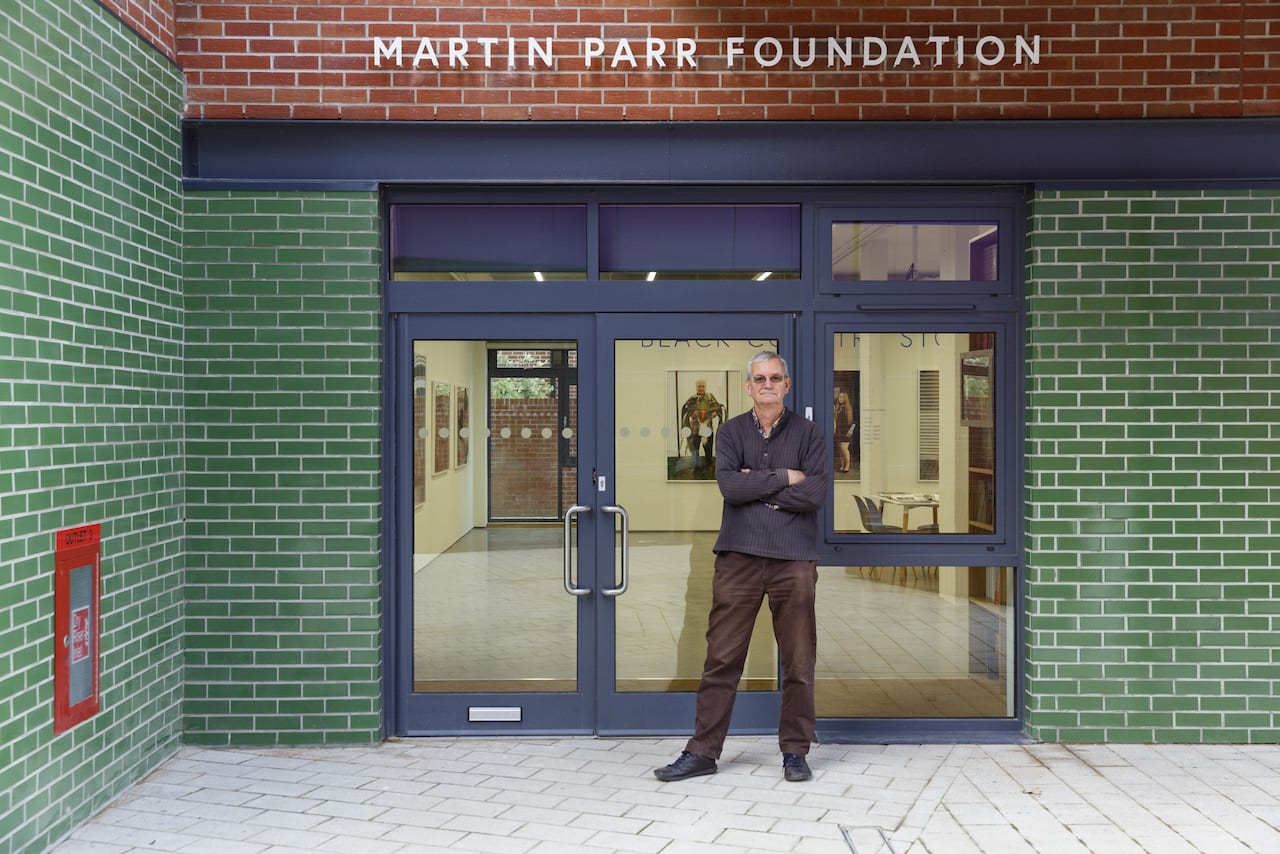
In Parr’s final years, the Foundation was at the heart of his work, symbolizing an endeavor to create an accessible, inspiring platform for photography to flourish and for underrepresented artists to be seen by a wider public.
The Foundation also hosts Books on Photography (BOP) — an annual photobook festival — regularly commissions and exhibits new bodies of work, and awards bursaries to underrepresented photographers.
“Martin Parr is rightfully in that company of photographers that can be labeled great – they influence. But perhaps as important is his generosity with his time in the encouragement of others. He is unrelenting in the promotion of photography among the young. So many must have become photographers because of his example and knowledge,” writes David Hurn on the Foundation’s website.
Tributes to Parr
Following Parr’s death, a wave of tributes from colleagues and friends honored the photographer’s life and career.
In a statement to Magnum photographers, staff and estates on Sunday, December 6, Lorenzo Meloni, Magnum co-president, wrote: “Martin played a significant role within Magnum and in our wider community. He supported younger photographers, he pushed conversations forward, and he stepped up when leadership was needed. His humor, his clarity, and his vision shaped many discussions across the agency and within the wider photographic world.
“He also brought a rare honesty to his engagement with Magnum. His candor was matched by his commitment: he questioned when needed, and he contributed when it mattered. That combination of commitment and sharp insight made his contribution meaningful and he will be missed.
“His influence, both here and in photography more broadly, will continue to resonate. His absence will be deeply felt across photographers, estates, and staff.”
More memories of Parr’s life and career will be shared in the days to come.