Gathered Leaves
Alec Soth’s traveling exhibition and annotated compilation surveys over two decades of work across five major projects
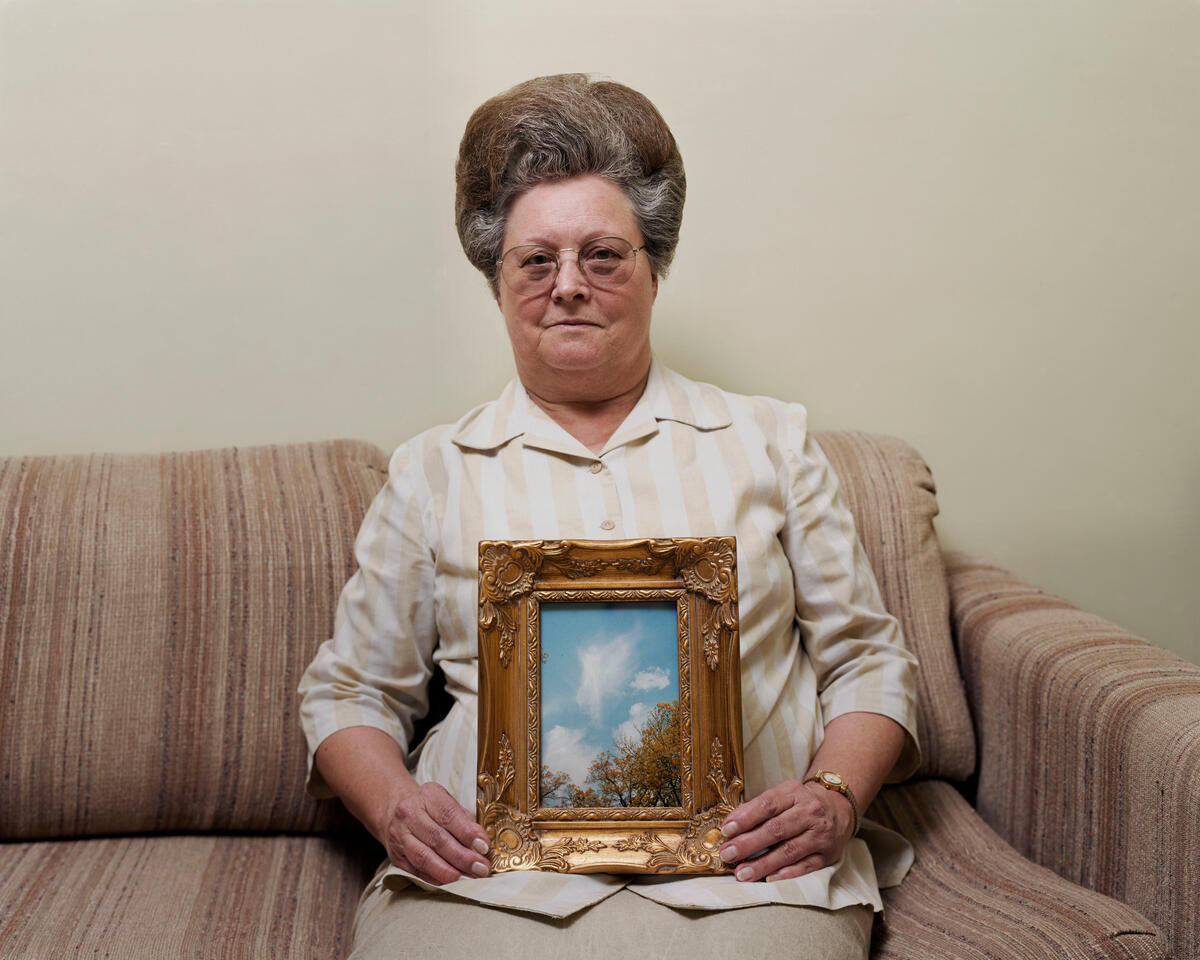
“The title of this compilation of five books is derived from poet Walt Whitman’s Leaves of Grass,” Alec Soth writes in the introduction to his Gathered Leaves Annotated, a collection of Soth’s major works — Sleeping by the Mississippi (2004), Niagara (2006), Broken Manual (2010), Songbook (2012-2014) and A Pound of Pictures (2019) — published by MACK in 2022. “Whitman’s title, incidentally, was a self-deprecating pun,” he continues. “‘Leaves’ is another word for pages and ‘grass’ is a publisher’s term for a book of little value. I think of this compilation as something similar: a pile of raked leaves, or some pins on a map.”
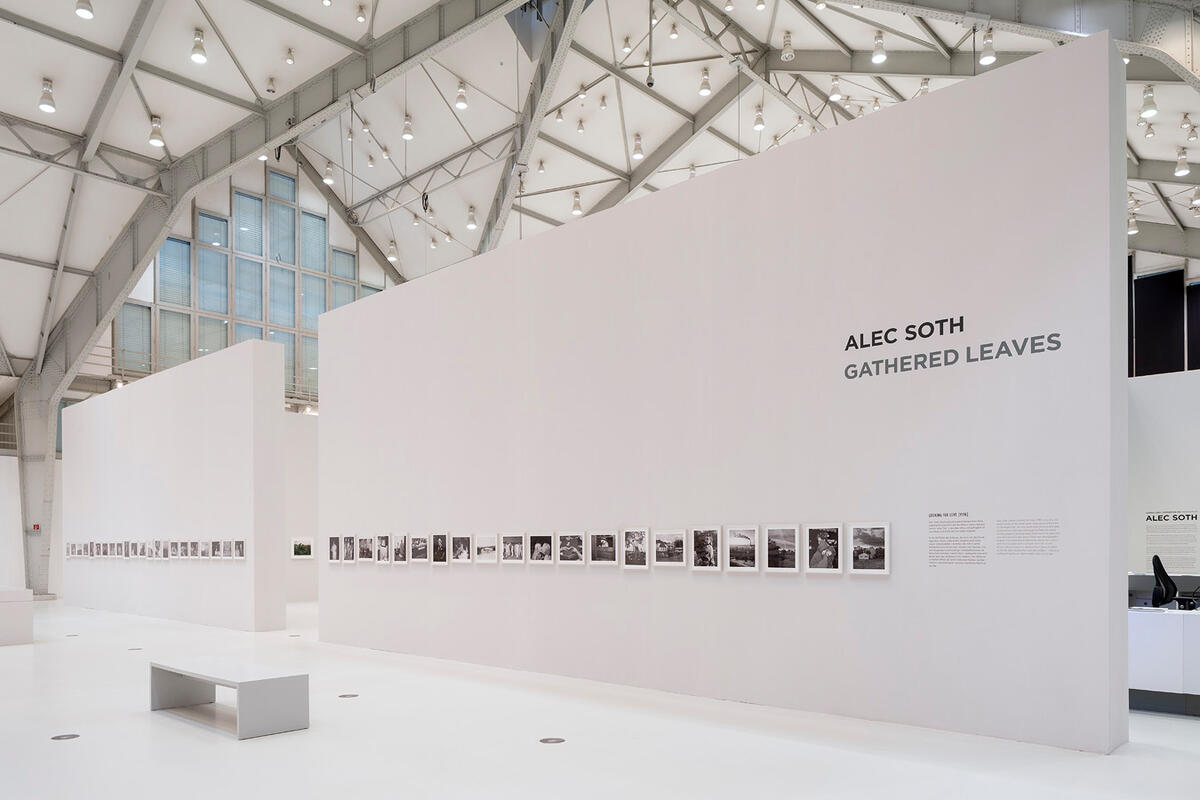
The concept of uniting Soth’s major projects began in 2015, when his traveling solo exhibition Gathered Leaves opened at the Media Space at the Science Museum in London, accompanied by a boxset of the first four of those works, enclosed separately.
A renewed, more intimate counterpart to the exhibition, the 720-page book Gathered Leaves Annotated combines all five works in a single publication, embellished with an extensive, detailed array of notes, ideas, behind-the-scenes images, and memorabilia from Soth’s experiences.
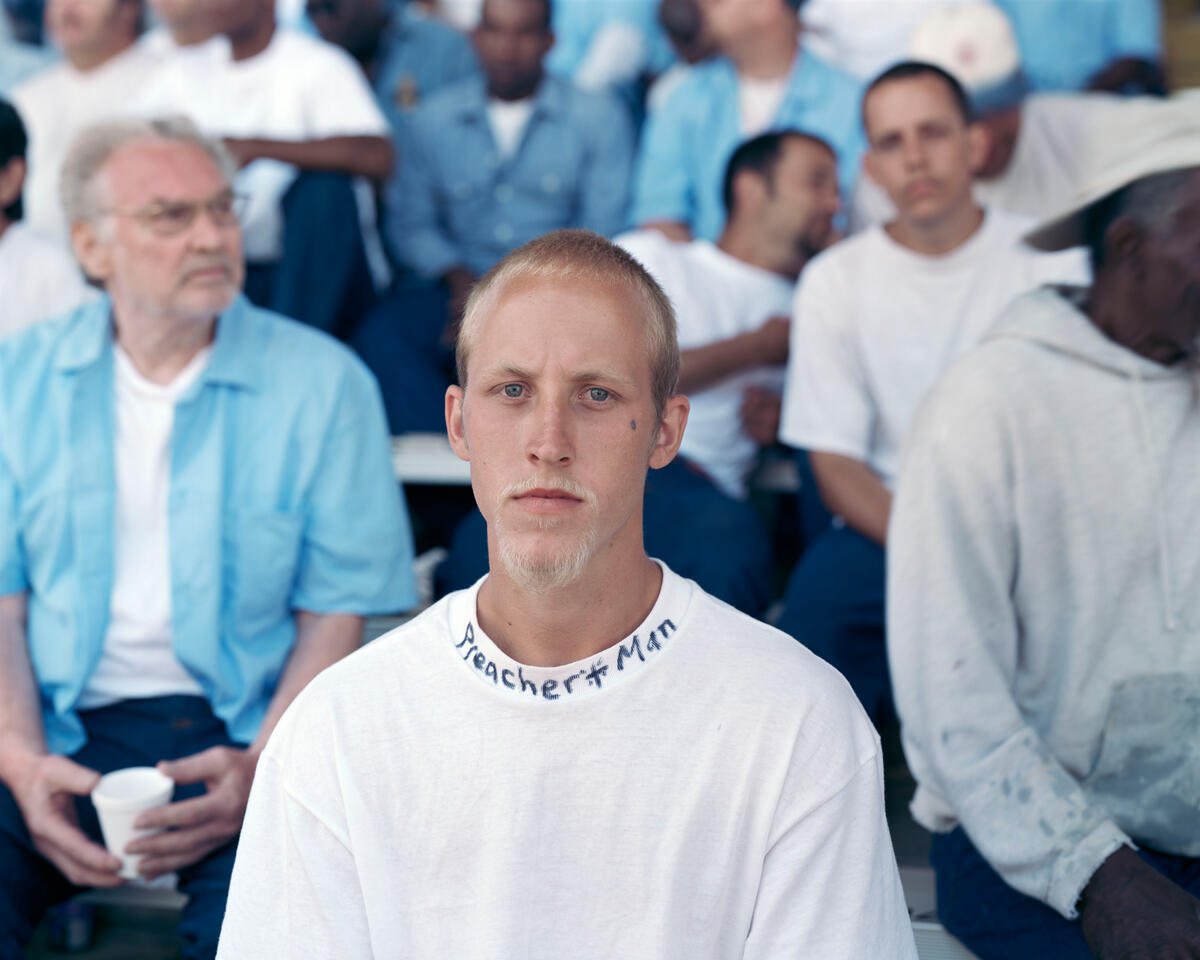
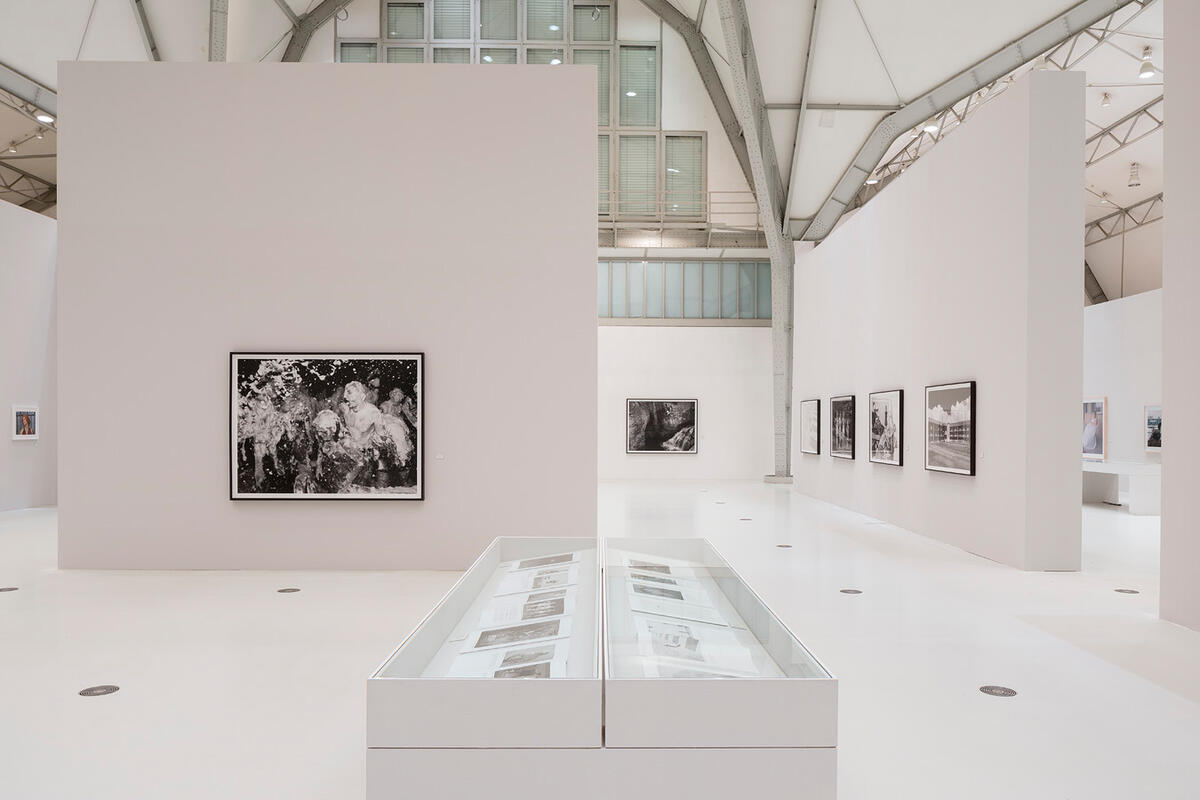
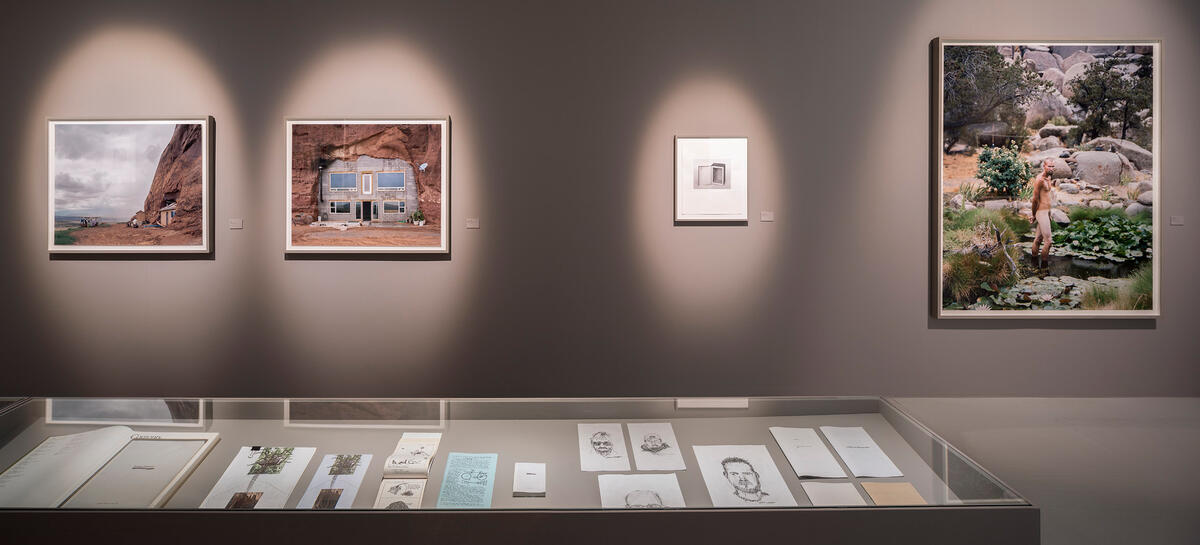
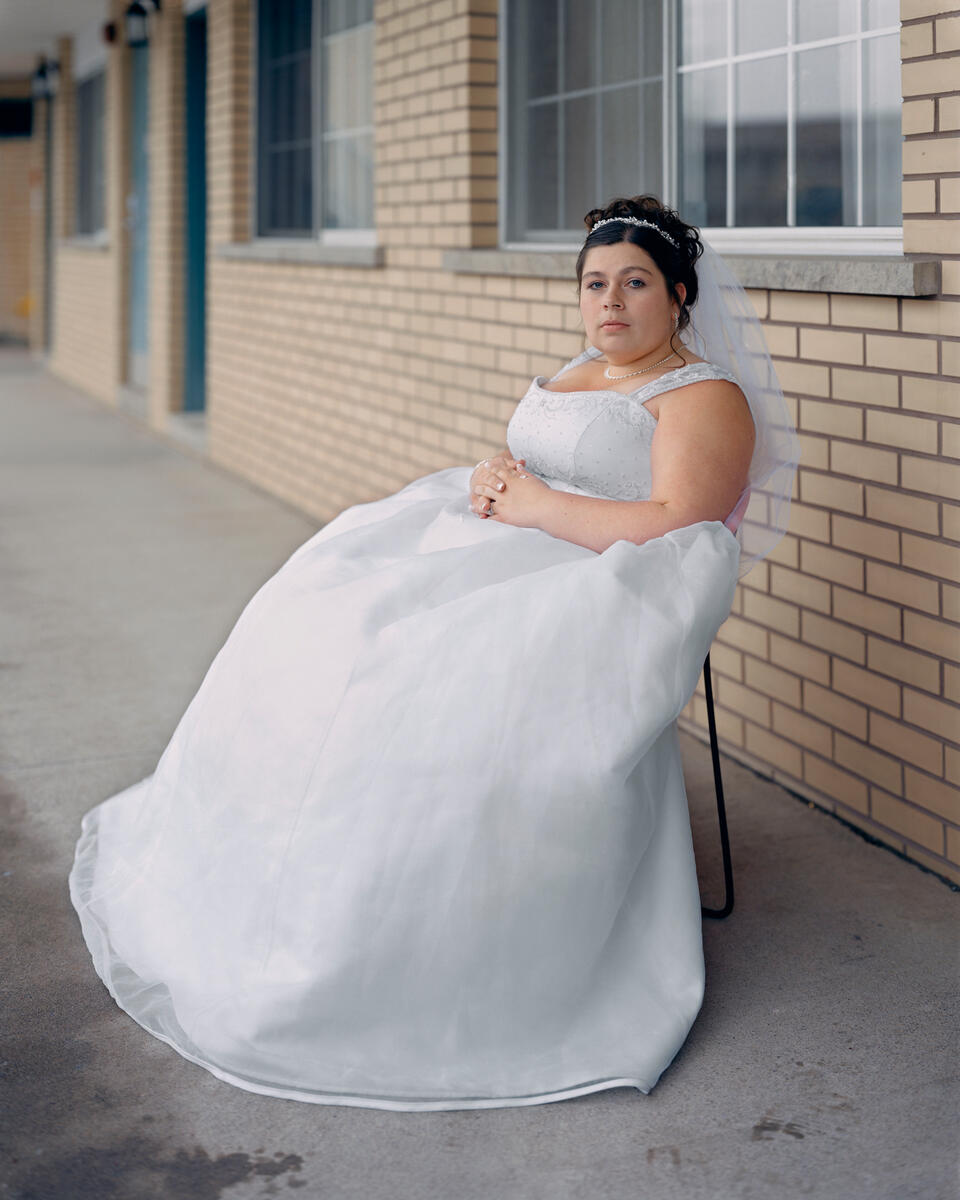
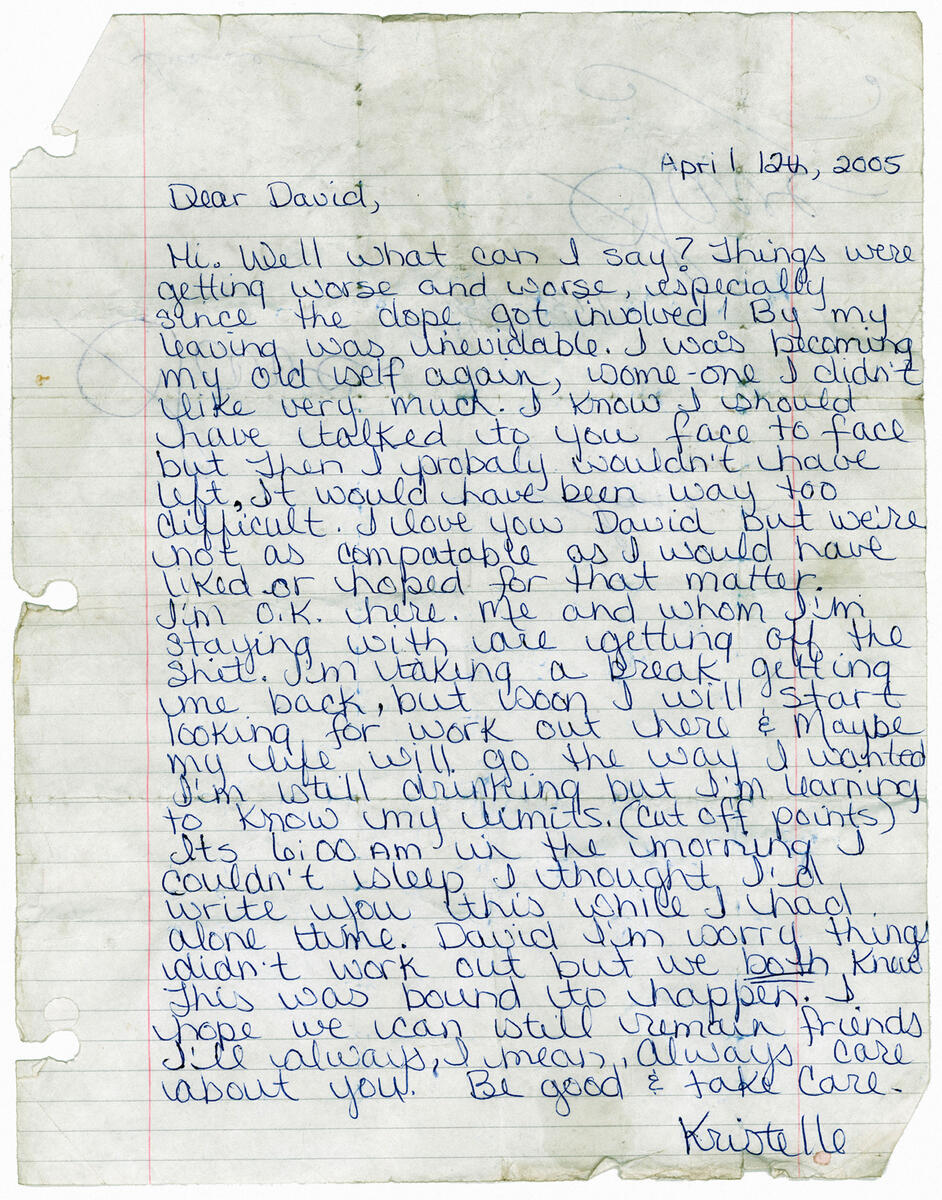
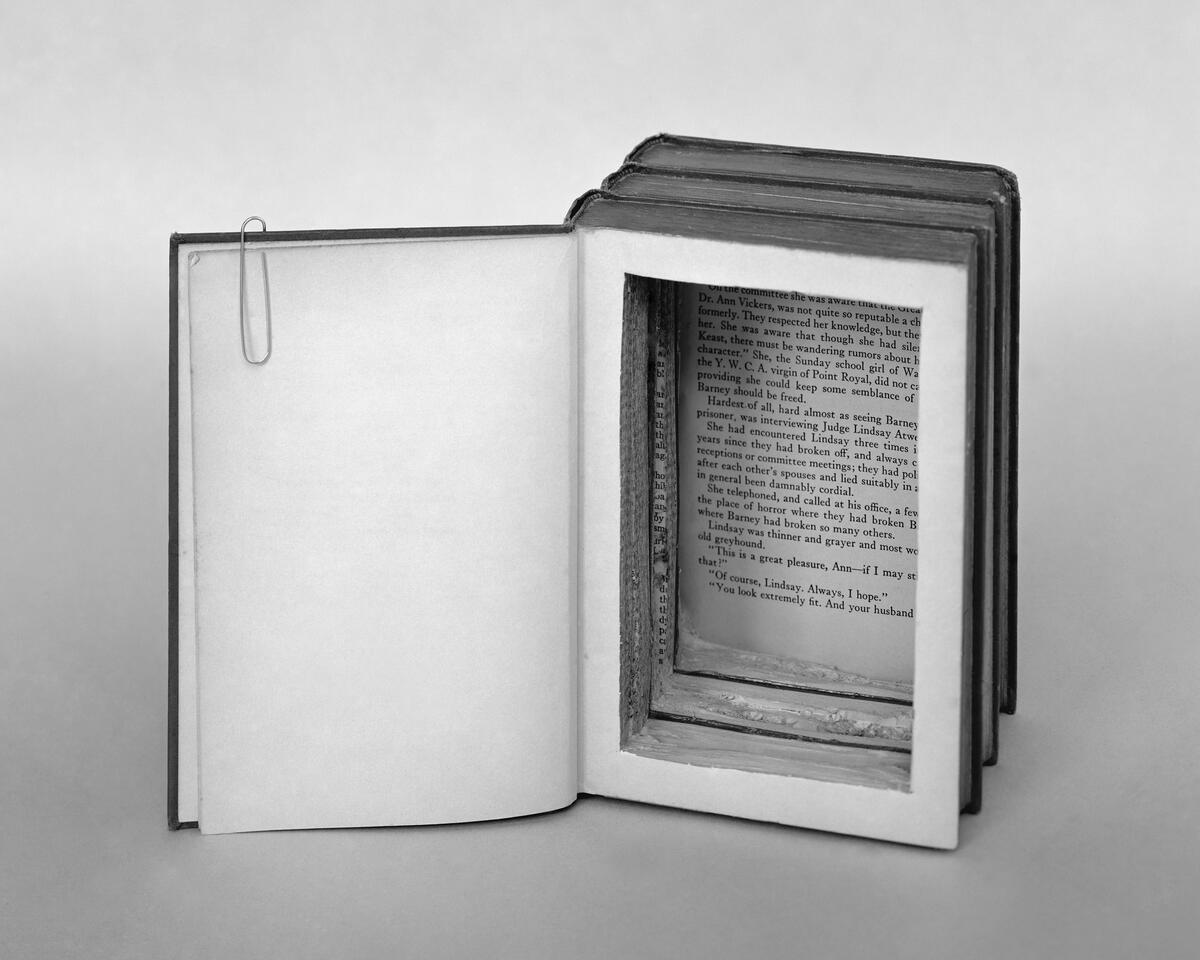
Currently on view at Champs Libres in Rennes, France after traveling across Europe, the exhibition features 79 color prints and 56 objects and documents, including books Soth read in the making of his project Broken Manual, and strangers’ love letters from his book Niagara.
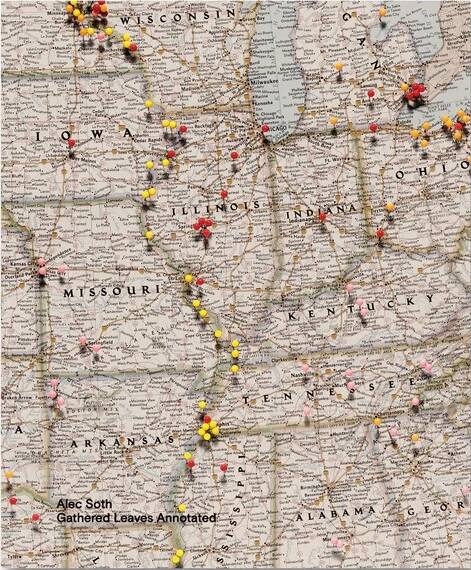
On the cover of the compilation Gathered Leaves Annotated is a map of the United States with color-coded pins marking the locations he visited for each project — an aerial view of the photographer’s odysseys exploring America. Yet the reality inside the book reveals much more; Soth’s mosaic of fragments, ideas and memories uncover his living, breathing inner world.

“When I look at this map, I think about two decades of crisscrossing the country. Behind every pin I’m reminded of a story and another dozen pictures that didn’t make the cut. This annotated compilation is an attempt to hint at that experiential richness. What I want to share is not a two-dimensional map, but the spirit of the open road that Whitman described as ‘loos’d of limits and imaginary lines,’” Soth writes.

Whitman, America’s quintessential poet who makes a reappearance in Gathered Leaves Annotated, serves as an apt starting point; Soth has often detailed how poetry has inspired his photography. “What makes poetry work is the absence of information, is the limitations of the medium and the gaps,” he says in his Magnum online course, “Photographic Storytelling.”
In a letter to Anne Wilkes Tucker, whose essay is published in Sleeping by the Mississippi, Soth wrote, “Like poetry, photography is rarely successful with narrative. What is essential is the voice (or ‘eye’) and the way this voice pieces together fragments to make something tenuously whole and beautiful.”
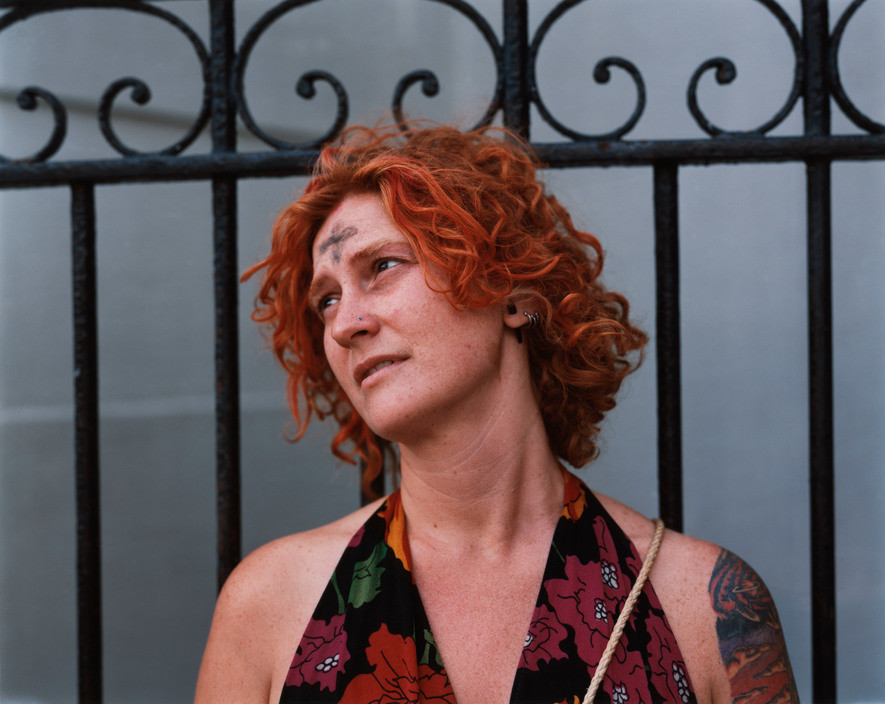
"Like poetry, photography is rarely successful with narrative. What is essential is the voice (or ‘eye’) and the way this voice pieces together fragments to make something tenuously whole and beautiful."
- Alec Soth
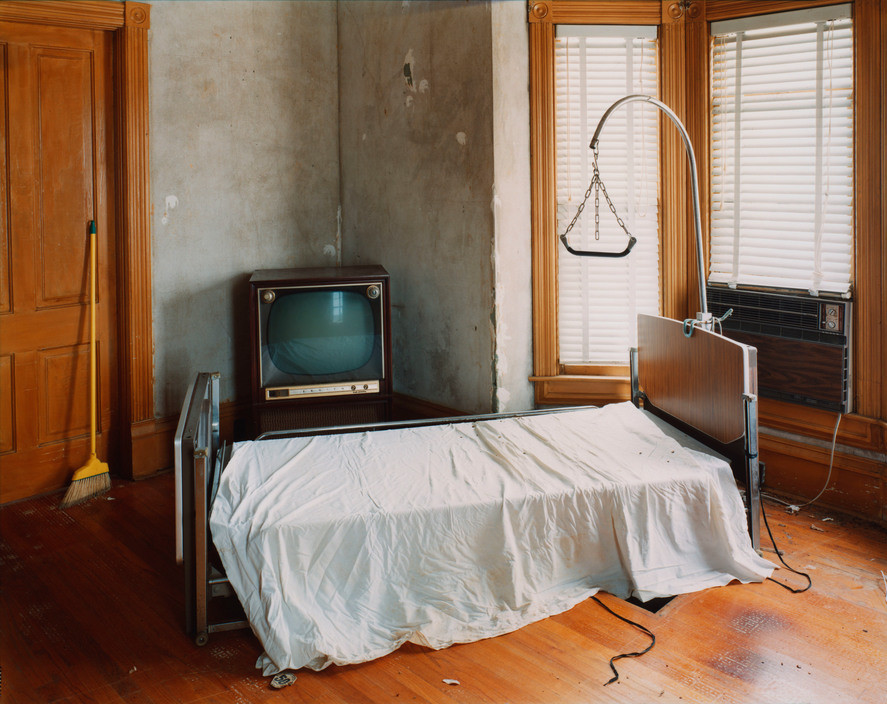
The result is that the viewer and reader are transported through Soth’s string of poetic metaphors, evoking longing, belief, ritual, and connection. The five projects in Gathered Leaves embrace this possibility of multiple meanings, paradoxes and dualisms, which makes his work unbridled, undefined and mercurial. Heartbreak and humor sit side by side.

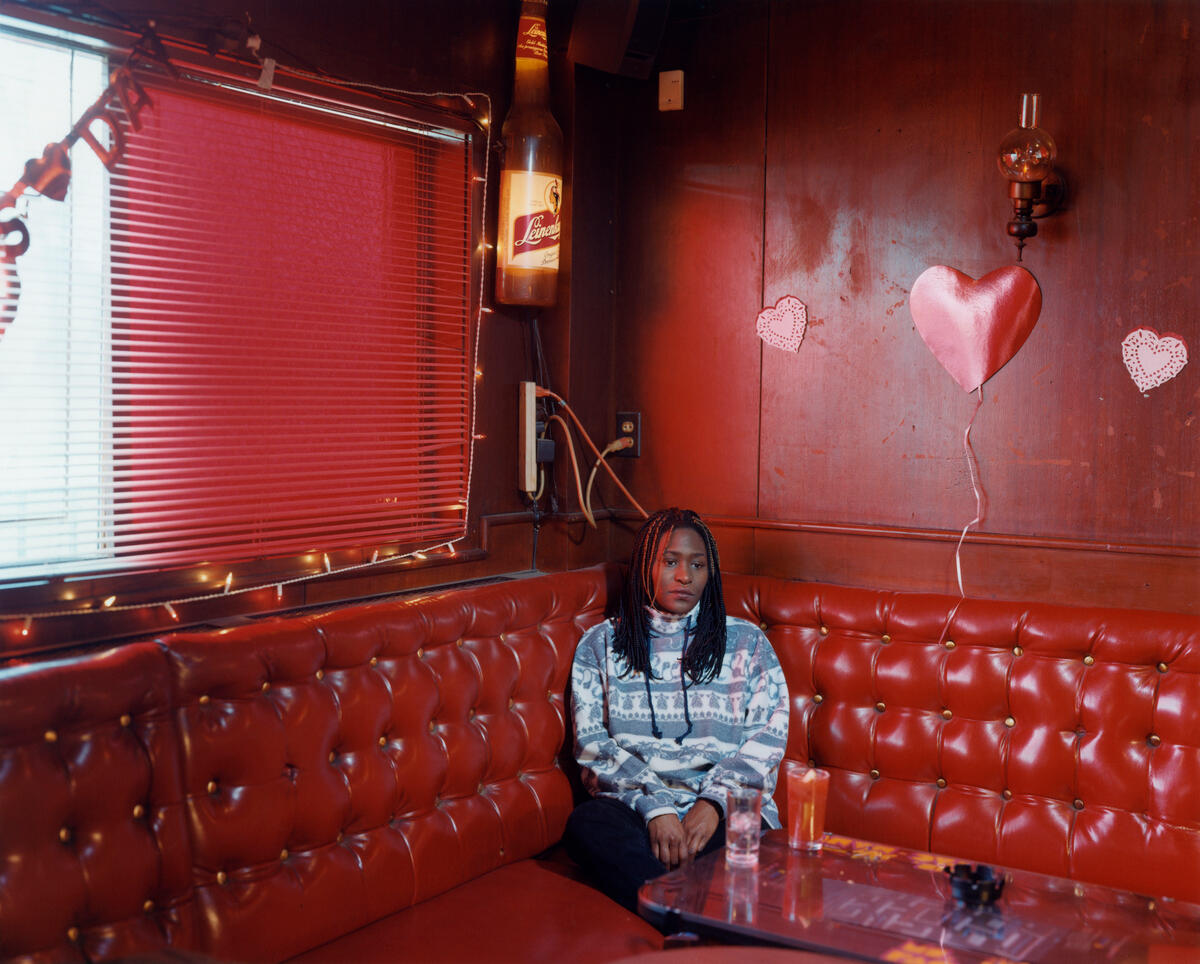
The book’s wide-ranging annotations — from a Charles Lindbergh quote, hotel receipts, and unseen outtakes, to asking his subjects to write down their dreams as he set up his 8×10 camera — reflect the visual patchwork of his photographic work featured in the exhibition, but also the felt experiences behind his images, whether alone or with strangers. Like Whitman, Soth’s encounters with strangers are alive with intensity and curiosity. “Passing stranger! you do not know how longingly I look upon you,” Whitman writes in “To a Stranger.”
We learn, for instance, of the incidents that marked the projects, such as Niagara, an investigation of the pushes and pulls of love set in and around Niagara Falls. A series of love letters are pictured, written to Soth’s subject David by an ex-girlfriend, who had killed herself two months prior. David had asked Soth to drive him to her grave, where he shot up and poured the rest of his syringe on her plot. Soth writes, “He cried all the way back to his new motel. ‘She was the only girl I ever loved.’”
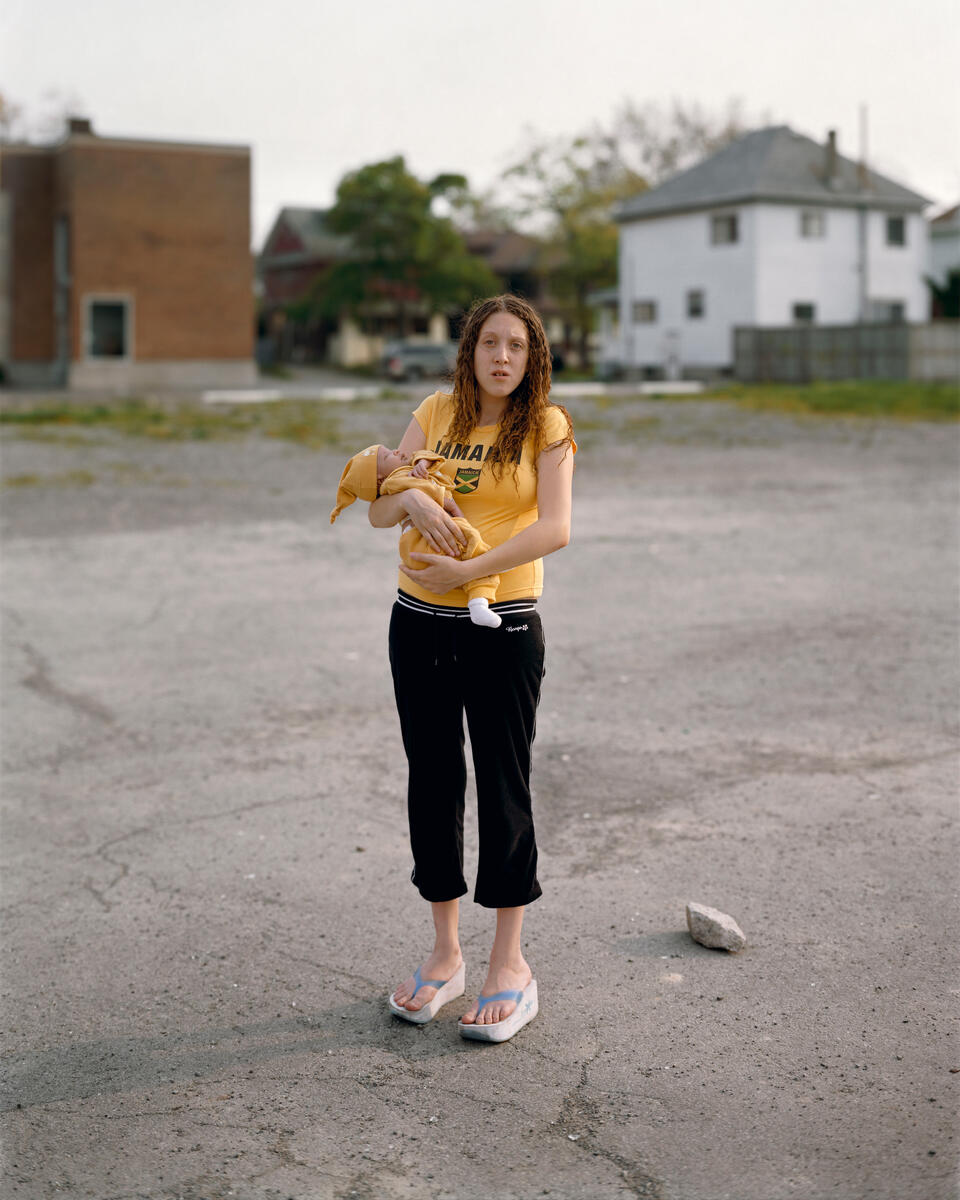
The exhibition is also conceived to illustrate the creative evolution and diversity of the photographer’s work over two decades, a non-linear trajectory of artistic impulses which led to disparate outcomes. The images in Sleeping by the Mississippi and Niagara were linked by natural landscapes as a geographical thread, taken with large format cameras to create spatial and temporal depth, and involved “a slow process to gain people’s trust,” says Soth.
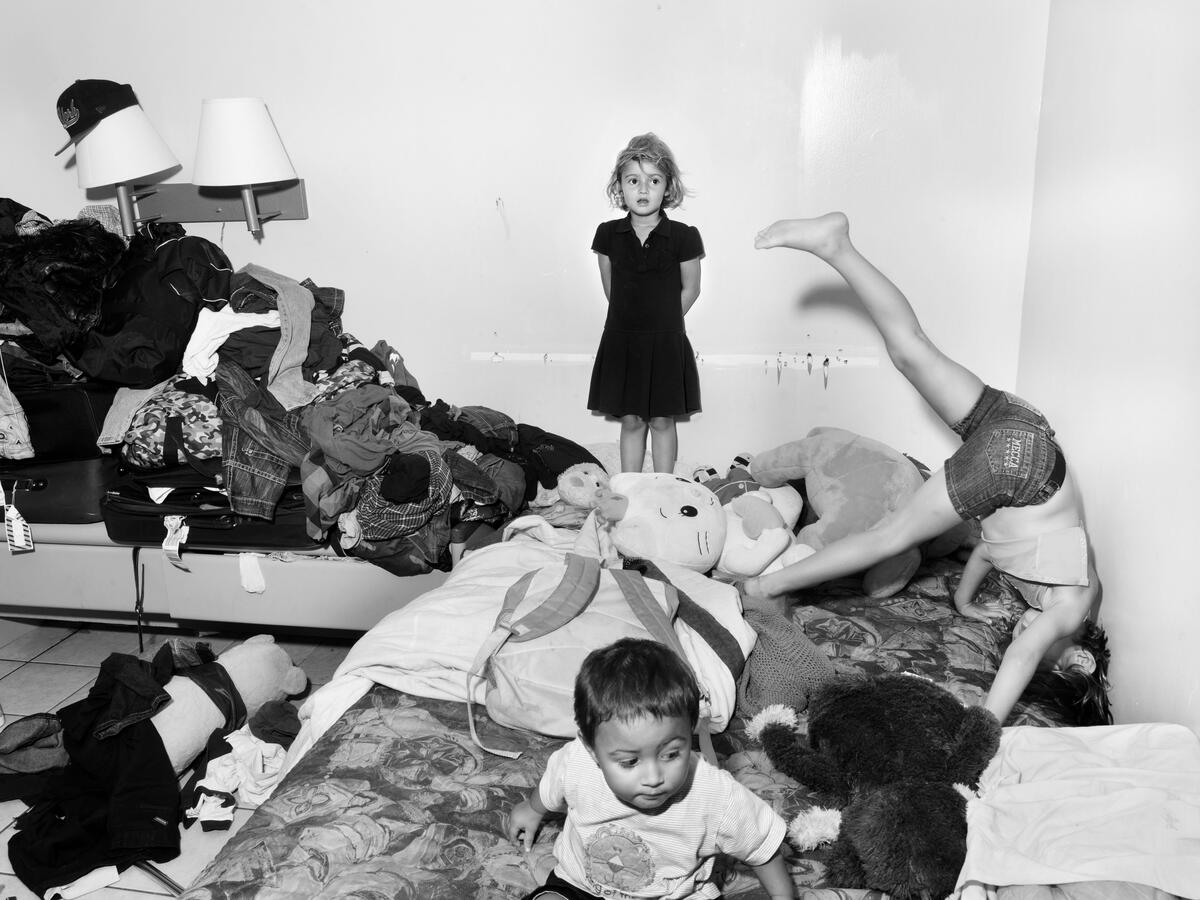
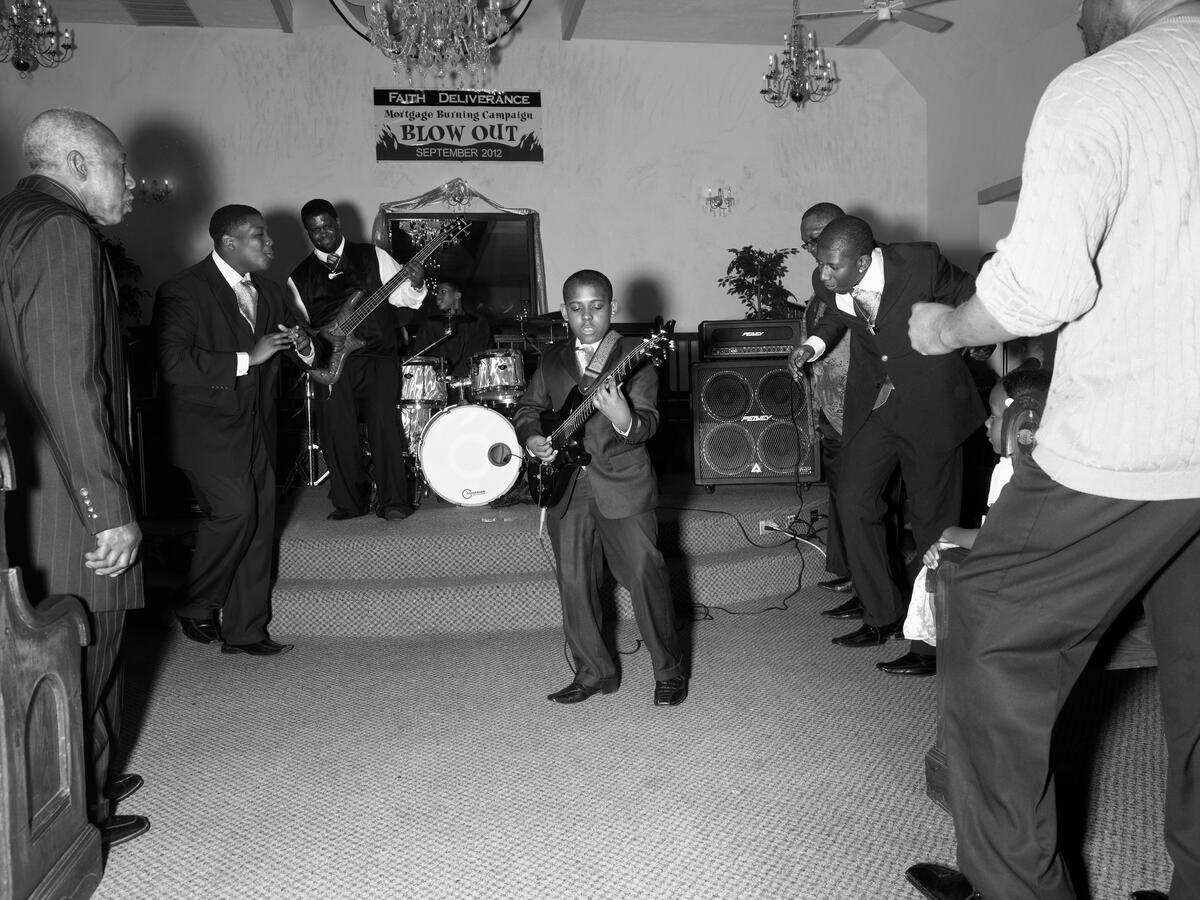
Songbook, on the other hand, began as a series of newsprint publications — the LBM Dispatches — created with the writer Brad Zellar. “It was my birthday, and I had this idea, it just popped into my head — I’d like to do a newspaper assignment with Brad,” Soth said. An almost yearbook-like black-and-white collection of local events and moments in suburban America, Songbook was made with a zoom lens and heavy flash, immediately seizing the subject and situation in the style of a documentary reporter.
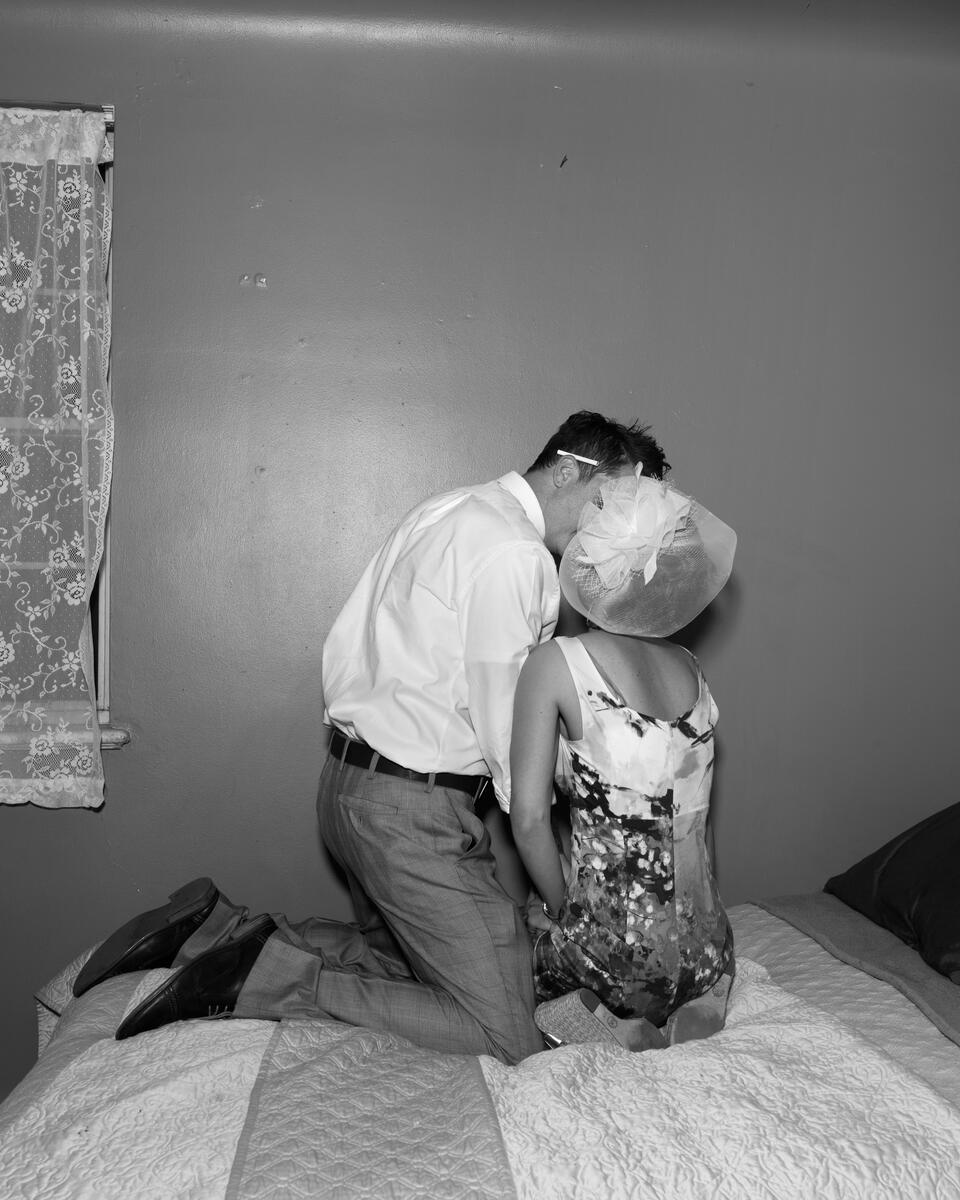
Each project itself went through its own metamorphosis, and Soth followed wherever the projects led him, often allowing spontaneity and chance encounters to take over.
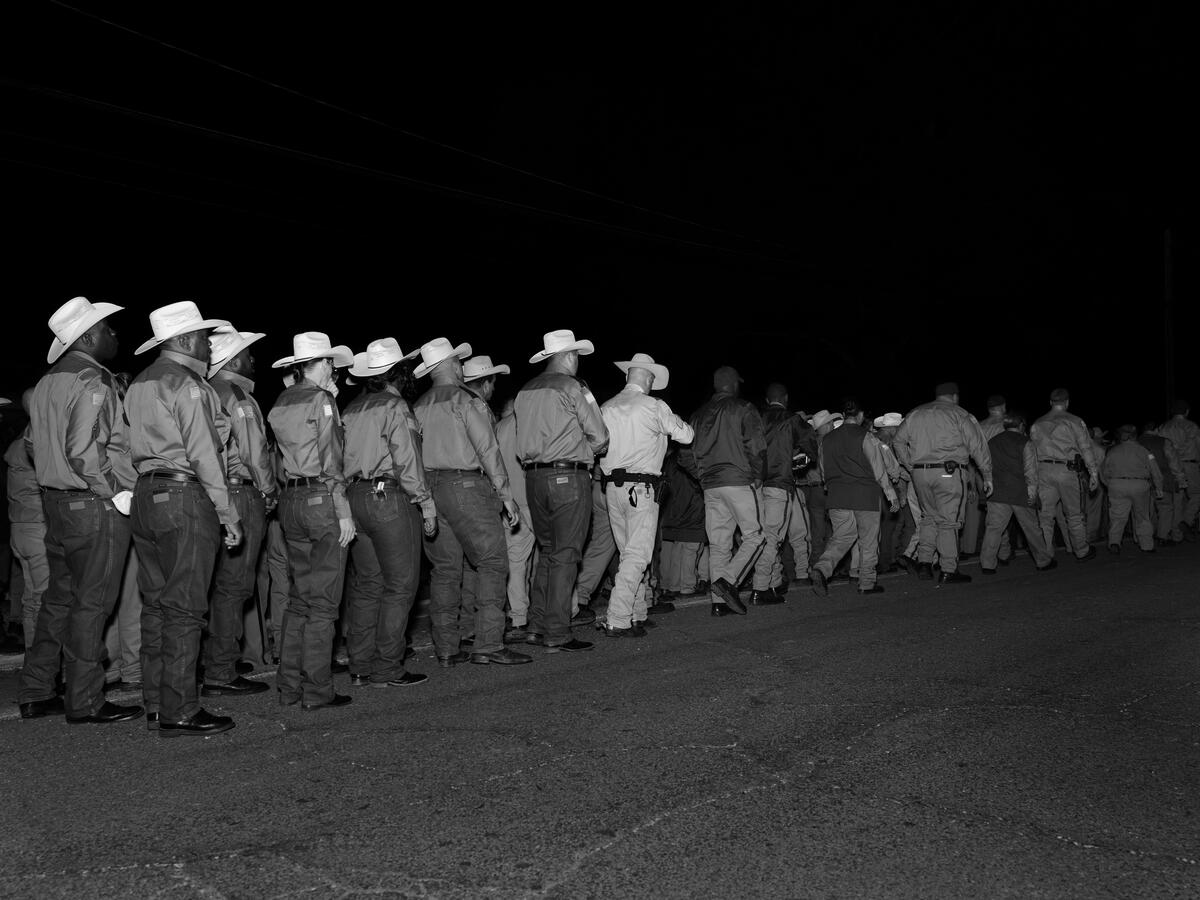
“Broken Manual began as a commission to work in Georgia, but eventually included pictures from as far away as California and Alaska,” he writes in his introduction to Gathered Leaves Annotated. “Songbook began as a series of regionally based newspapers but was eventually published with little reference to location. My most recent book, A Pound of Pictures, originally followed the path of Abraham Lincoln’s cross-country funeral procession, but once again abandoned geography for something looser and more lyrical.”
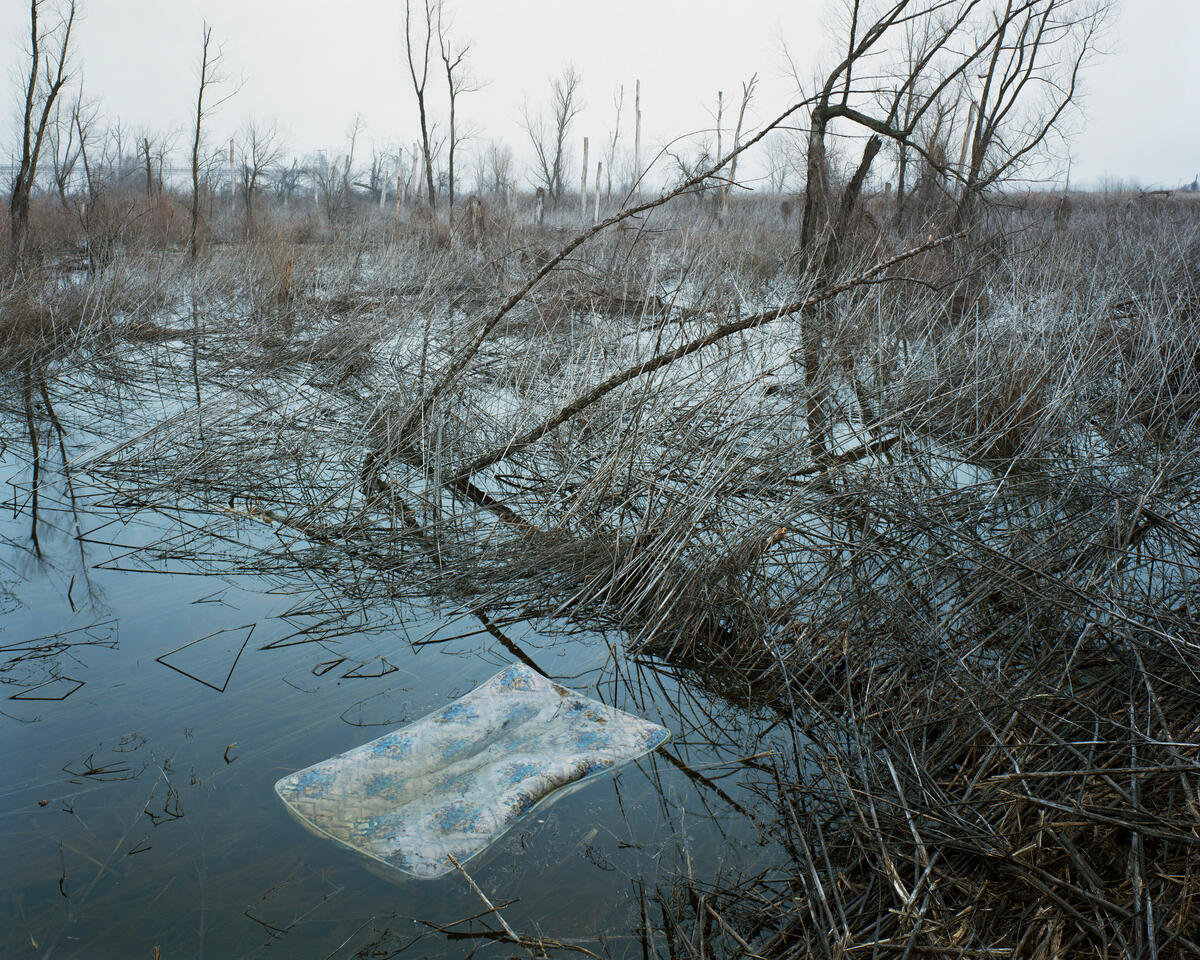
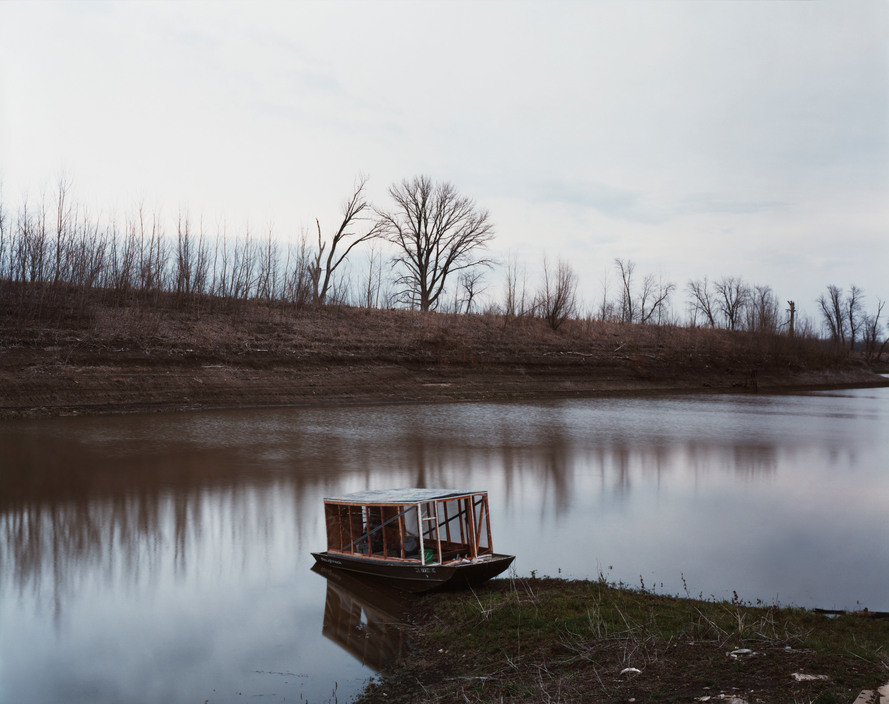
One of the feelings that pulsates throughout Gathered Leaves is the fleeting quality of the lives we create, the impression of the ephemeral. In Sleeping by the Mississippi, places that Soth revisited have changed. Lenny, whose portrait is featured, wrote that he wanted to live until he was 100 years old, but died in 2011 at the age of 54. A child’s mattress is sodden in the water, the ghostly memory of singer Jeff Buckley remains on the banks of the river where he drowned. There is the prospect that, because of polluted runoff near the Gulf of Mexico, the river itself is disappearing.

Broken Manual, which Soth calls “his midlife crisis project,” exploring the reclusive lives of runaways, monks and hermits based on the photographer’s own desire to escape, is another example. “I started traveling and thinking about myself illustrating a book on how to disappear,” he says.
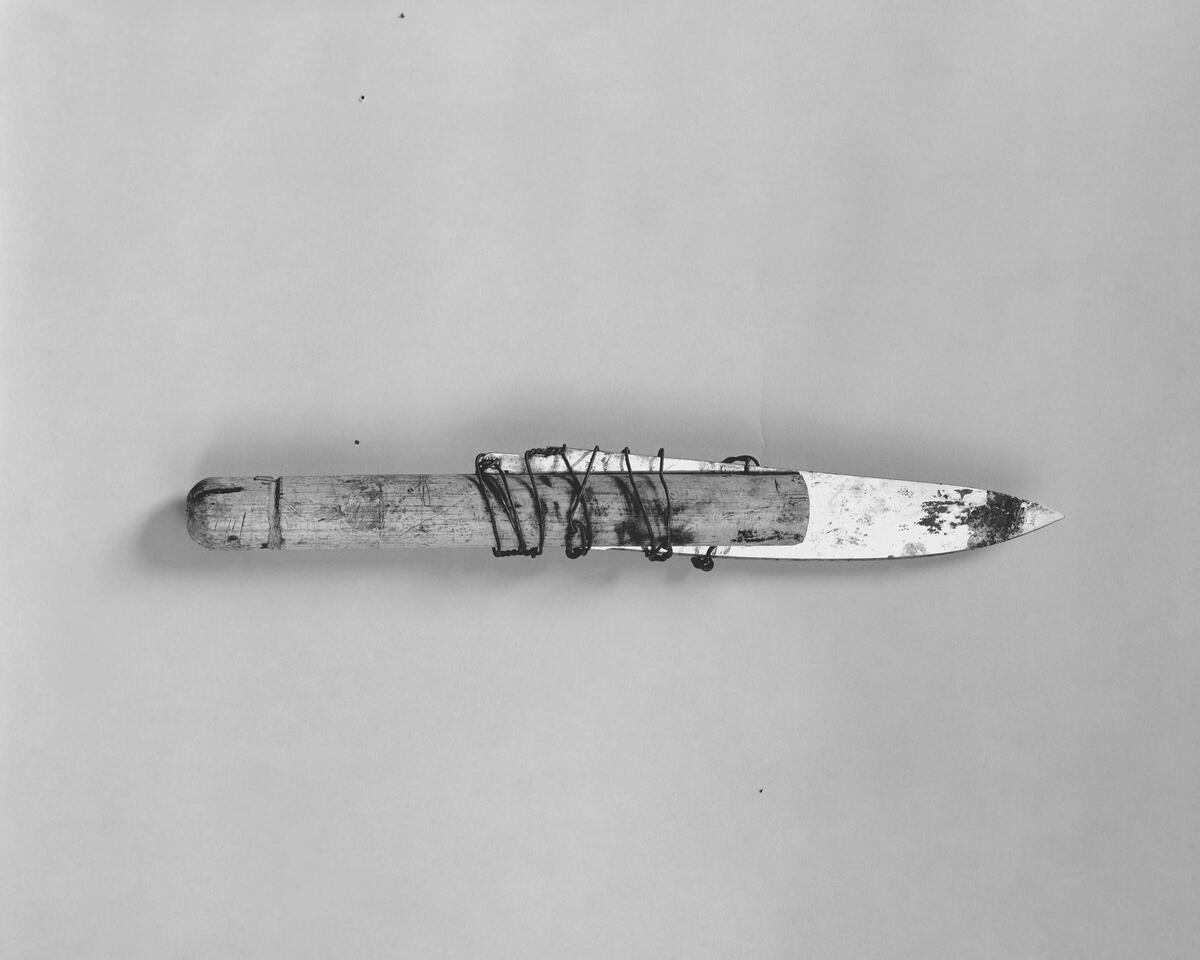
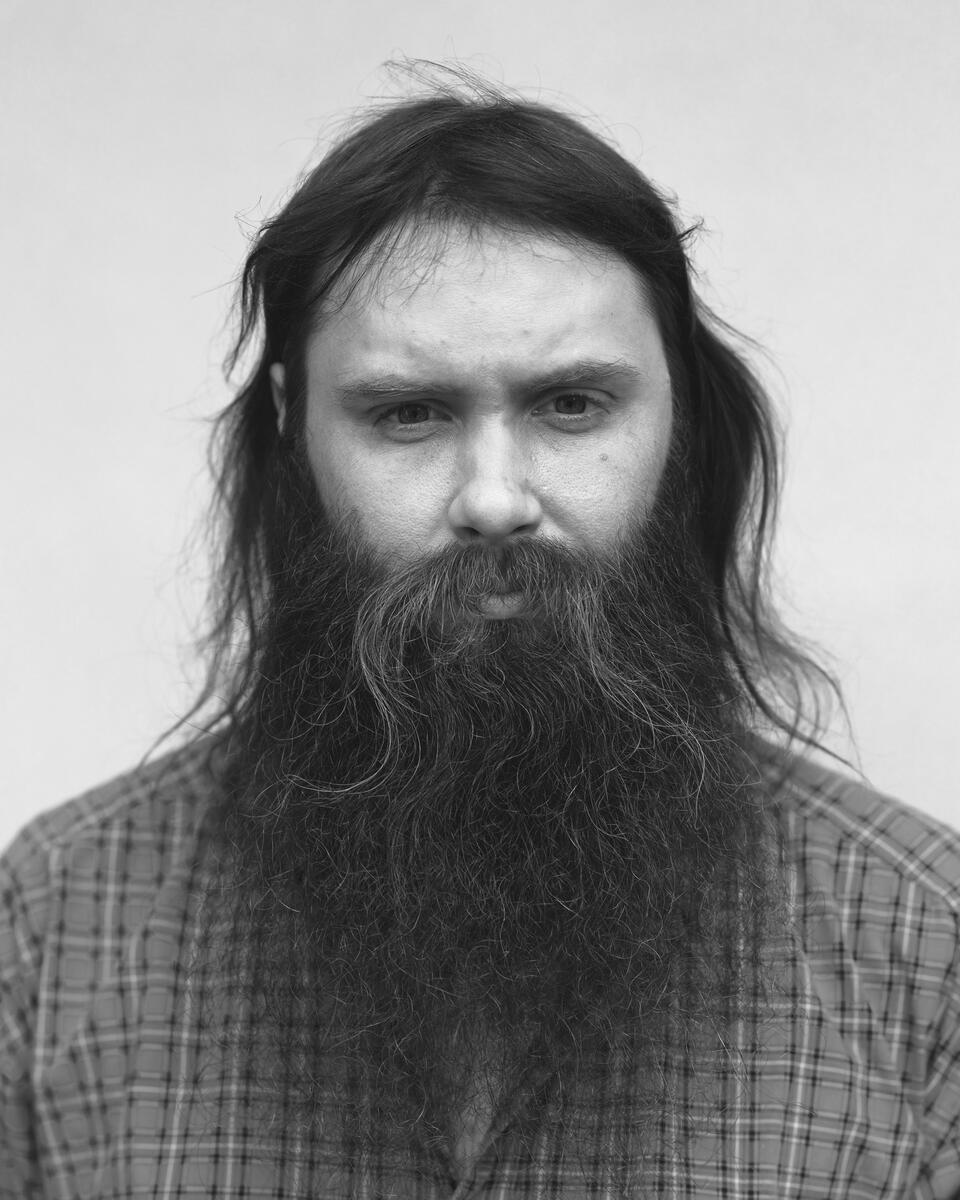
Accompanying the photos is a coded faux-manual written under the darkly comic pseudonym Lester B. Morrison, a seasoned recluse, whose name “came out of the idea of “less is more,” “less be more,” wrote Soth. Whitman incidentally not only worked in local newspapers, as was the impetus for Songbook, but also wrote a self-help health guide under a pen name.
“It is a manual but it’s broken, it doesn’t work,” says Soth in his Magnum photography course. “You can’t figure out how to run away from society from this book. And I wanted it to feel broken, like shattered photographs.”
"There is no true escaping social life. We need each other."
- Alec Soth
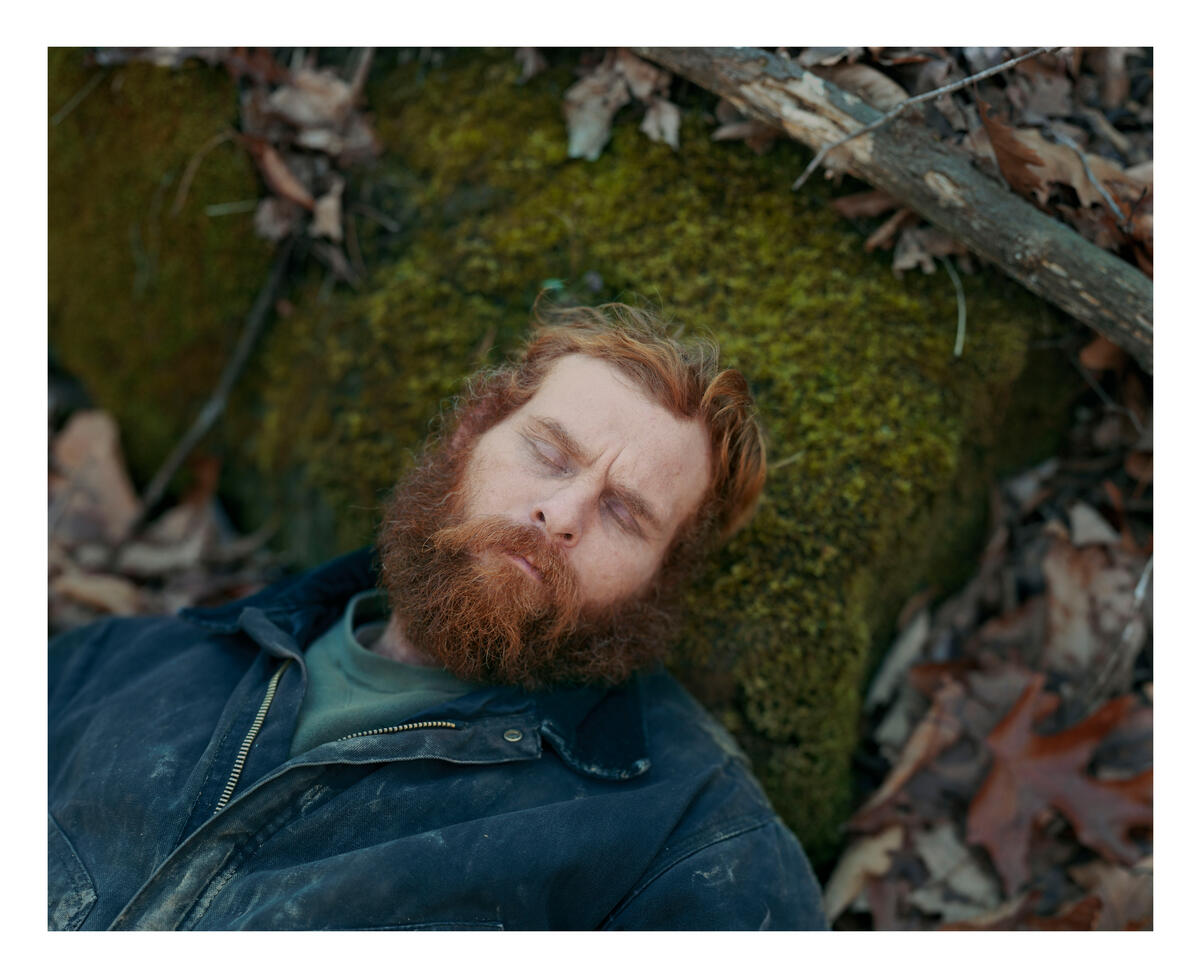
“There is no true escaping social life,” he adds. “We need each other.” Yet there is a tongue-in-cheek quality, he notes, in indulging in his own desire to disappear; he intentionally took photos of only men as a reflection of his own “mini midlife crisis.”
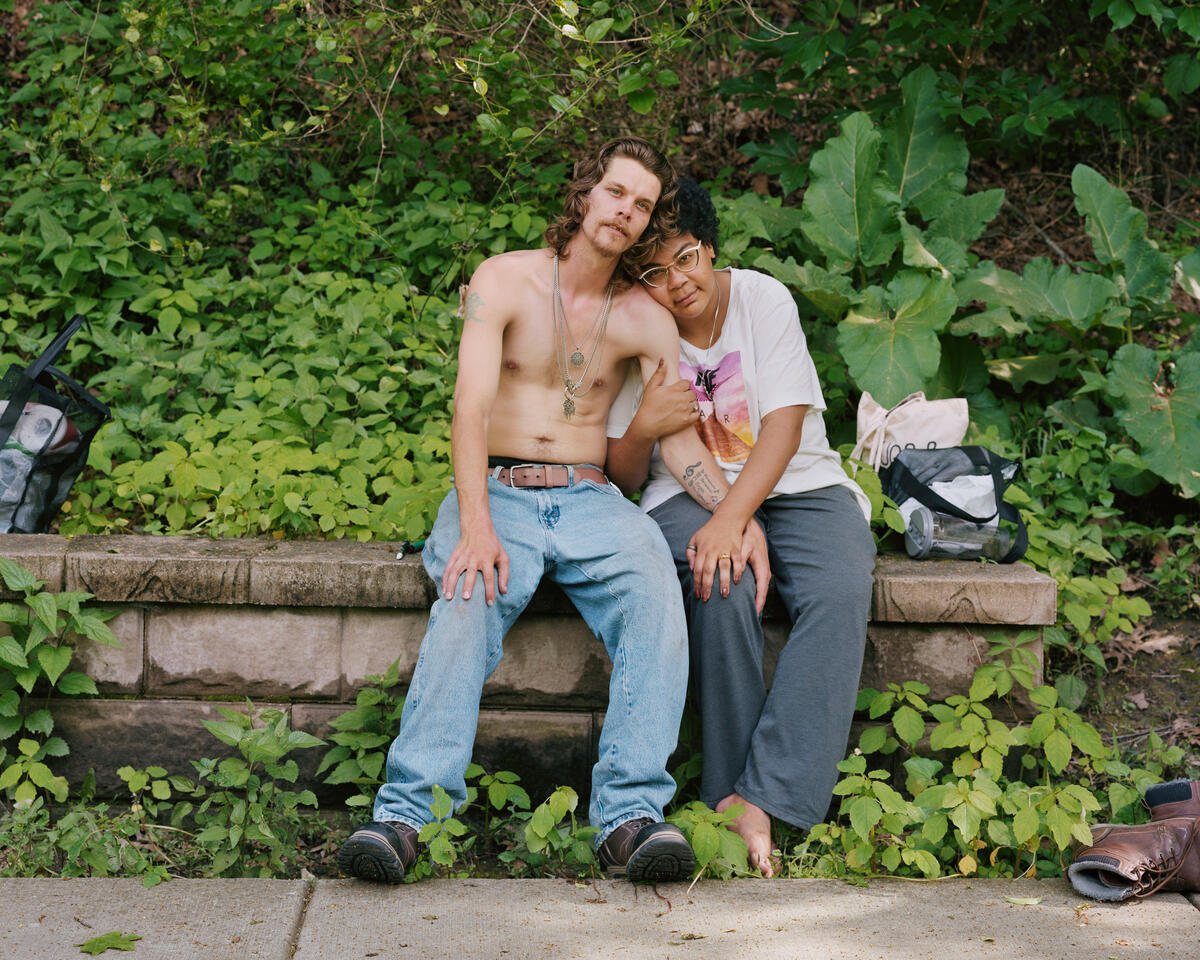
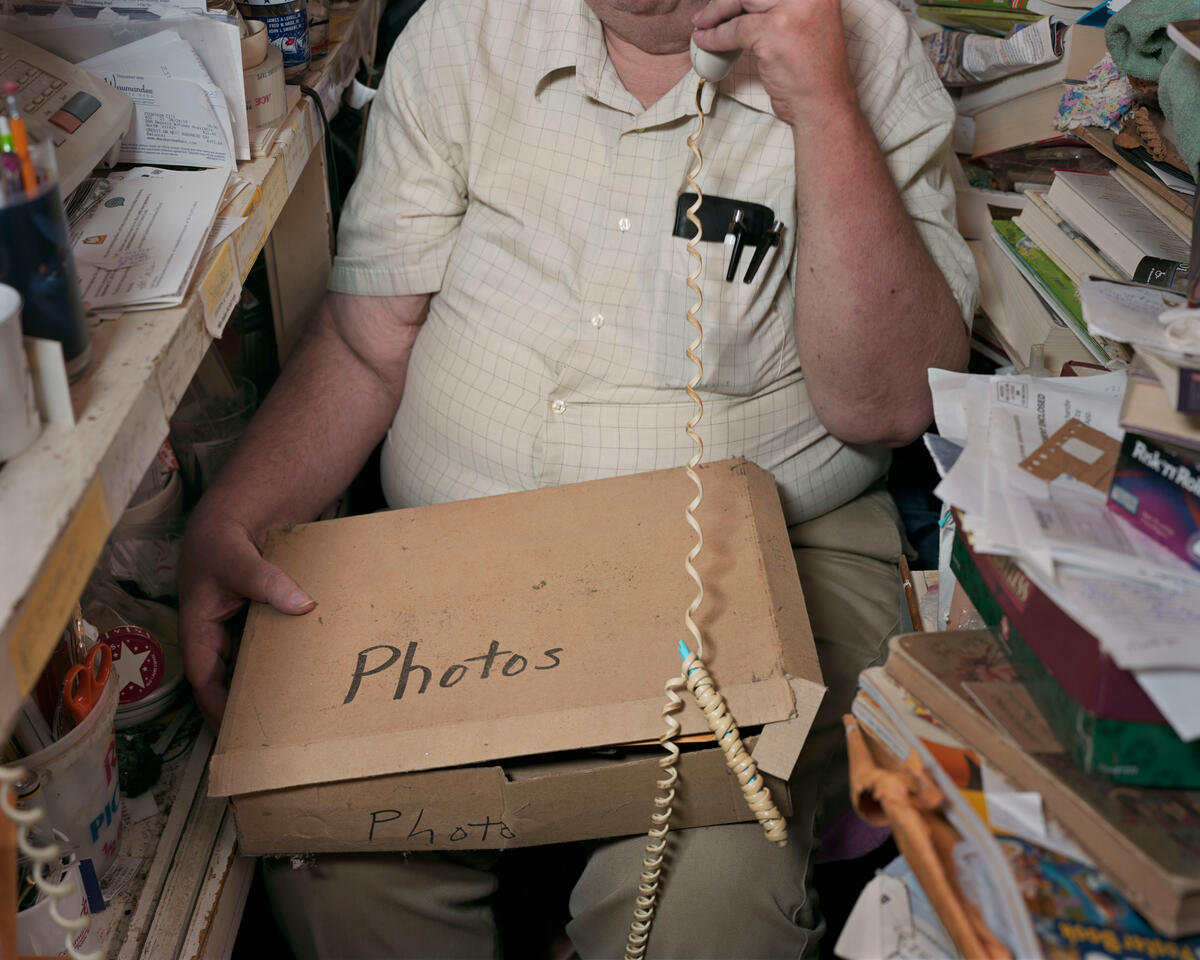
When working on A Pound of Pictures the final project featured in the exhibition and compilation, Soth taped inspirations, often literary, to his steering wheel as he drove around looking for his subjects, igniting a stream-of-consciousness sequence. “My process is like web surfing in the real world,” he writes. “The goal is to be carried by a wave of curiosity and free association.”
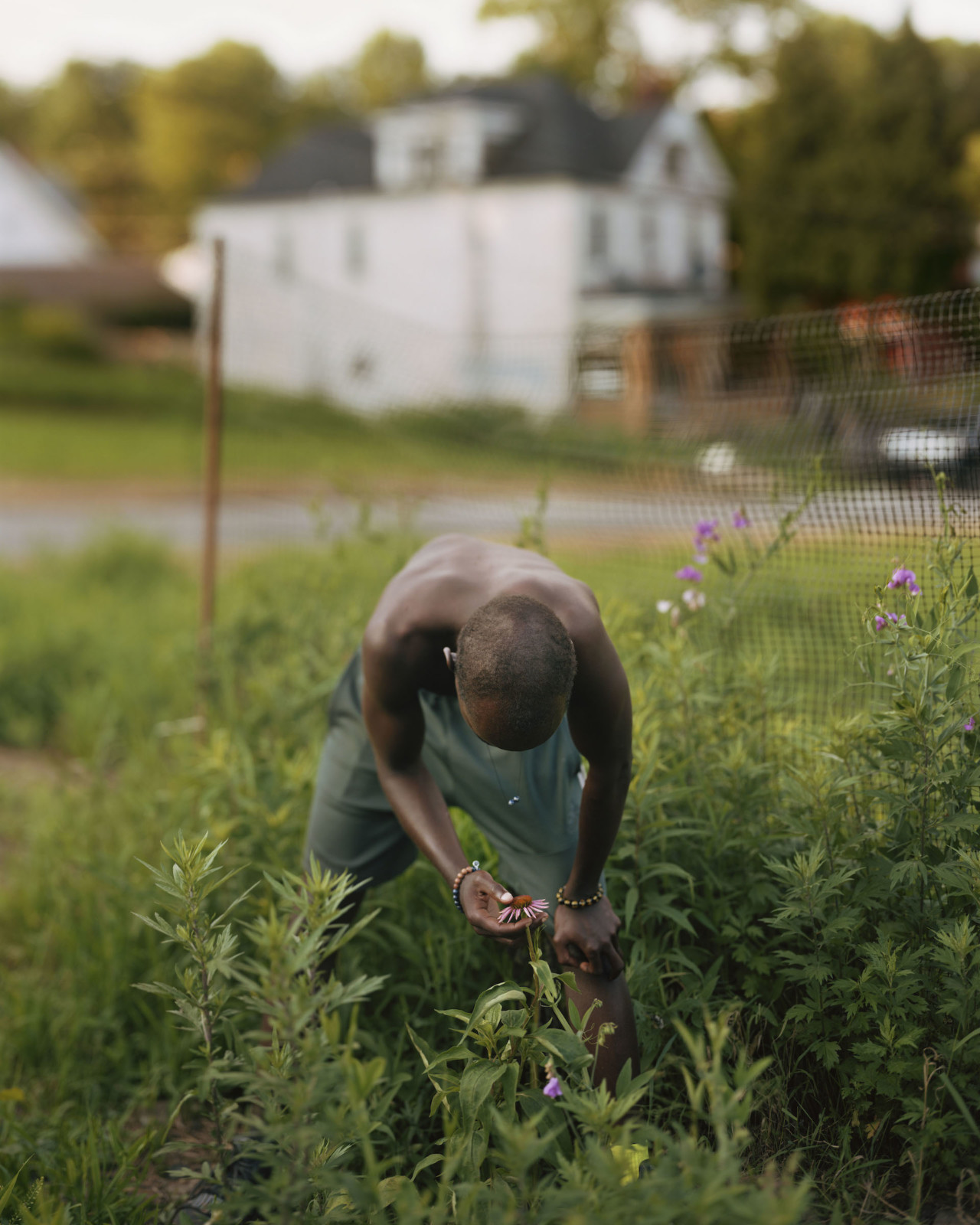
“In my first road trip after the pandemic, I had a nervous breakdown,” Soth reveals in the book. “I felt like I’d forgotten to take pictures. To calm myself, I’d reread the advice Allen Ginsberg gave to students in the photography workshop he gave with Robert Frank.” One piece of advice, which was among the aphorisms taped to his steering wheel, was “Observe what’s vivid.” Gathered Leaves as a whole is a luminous observation of the vivid threads between, as suggested in a quote included by Eugène Ionesco, the human condition and the social condition, our need for each other and our mortality.
“These accumulated connections,” as he writes in A Pound of Pictures, “hopefully create constellations of possible meaning.”