Marc Riboud in Japan
In the late 1950s, Marc Riboud documented the new face of Japan as tradition met modernity
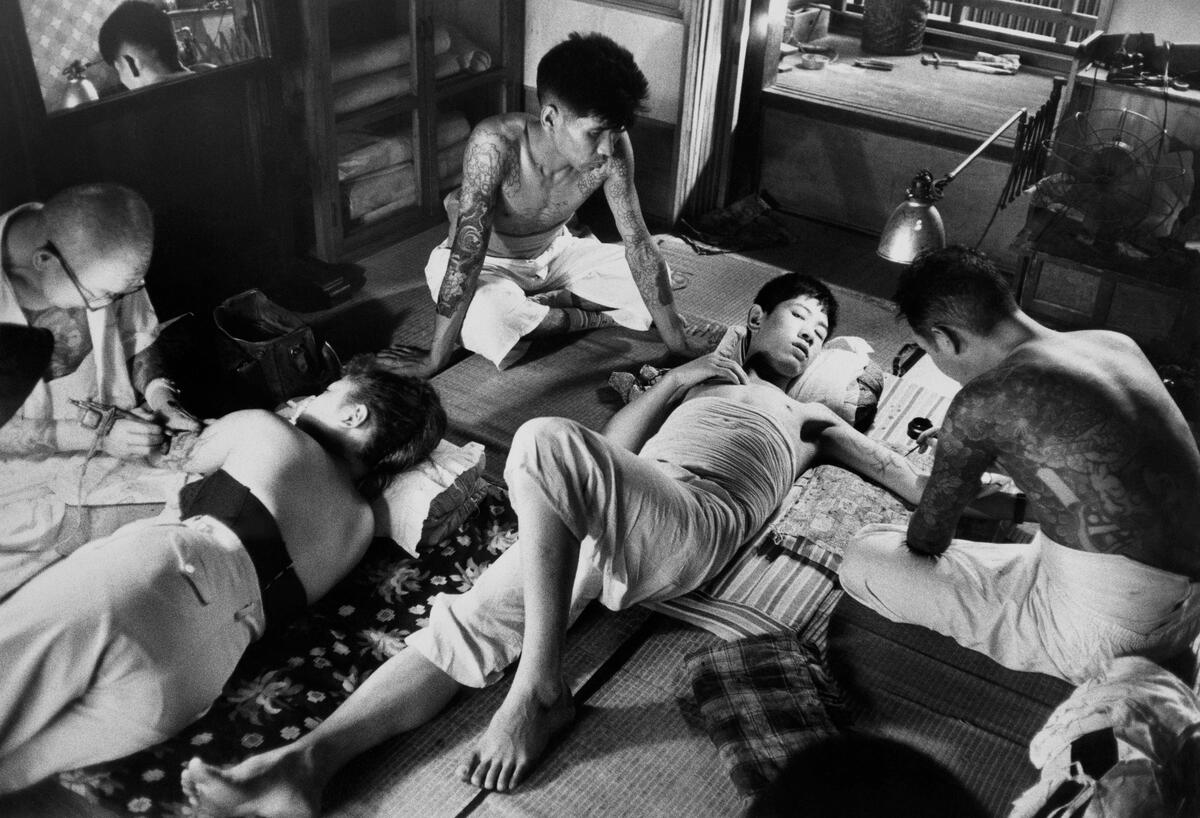
When he was 14 years old, a timid boy growing up near Lyon, Marc Riboud was given a Vest Pocket Kodak camera by his father, along with the words, “Marc, if you don’t know how to speak, you might know how to look,” as recounted in Virginie Linhart’s film “Photographer of the 20th Century.” Riboud spent the rest of his life deeply observing, and his pursuit of what he called the pleasures of seeing would eventually lead him to Japan, where he witnessed the country in full flux.
In 1955, the year he became a full member of Magnum, Marc Riboud set off on a trip by Land Rover — the very same vehicle used by George Rodger in Africa — beginning in Istanbul and stopping for long periods in India and China. Three years later, he reached the end of his journey in Japan. He was one of the first European photographers to document the country after World War II, following in the footsteps of Werner Bischof in 1951.
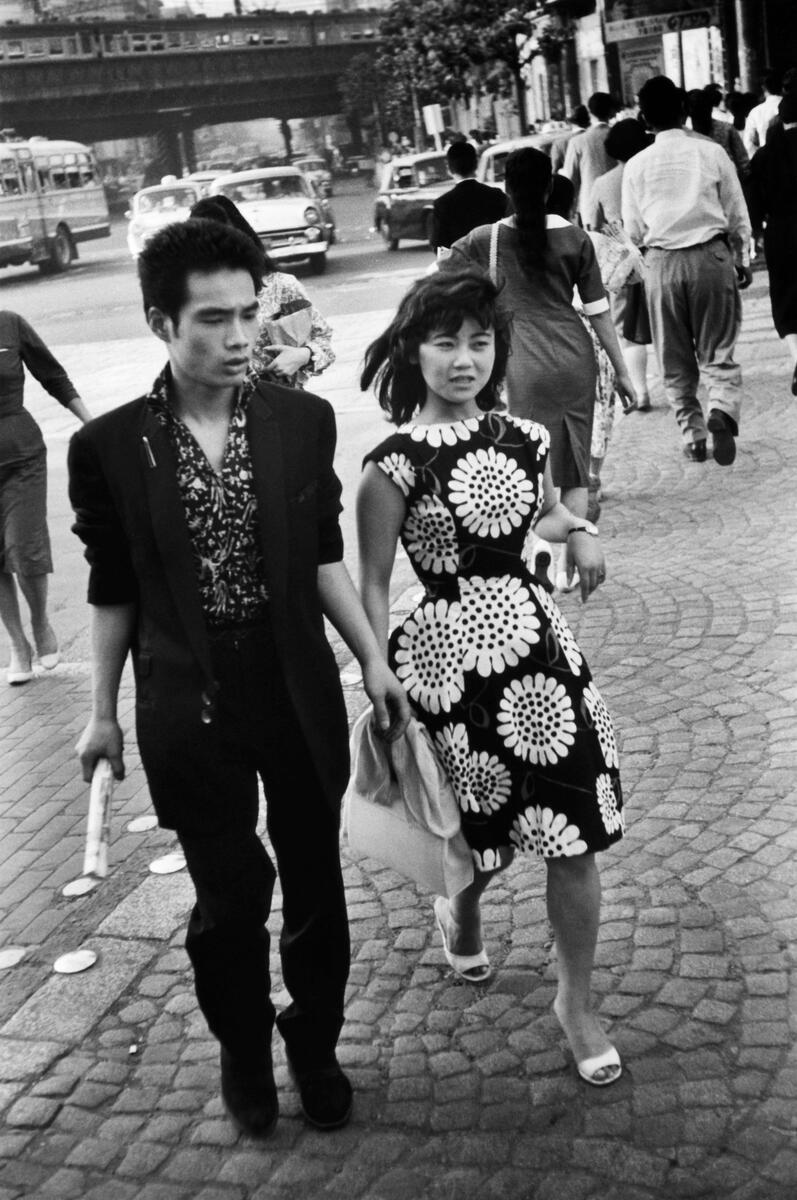
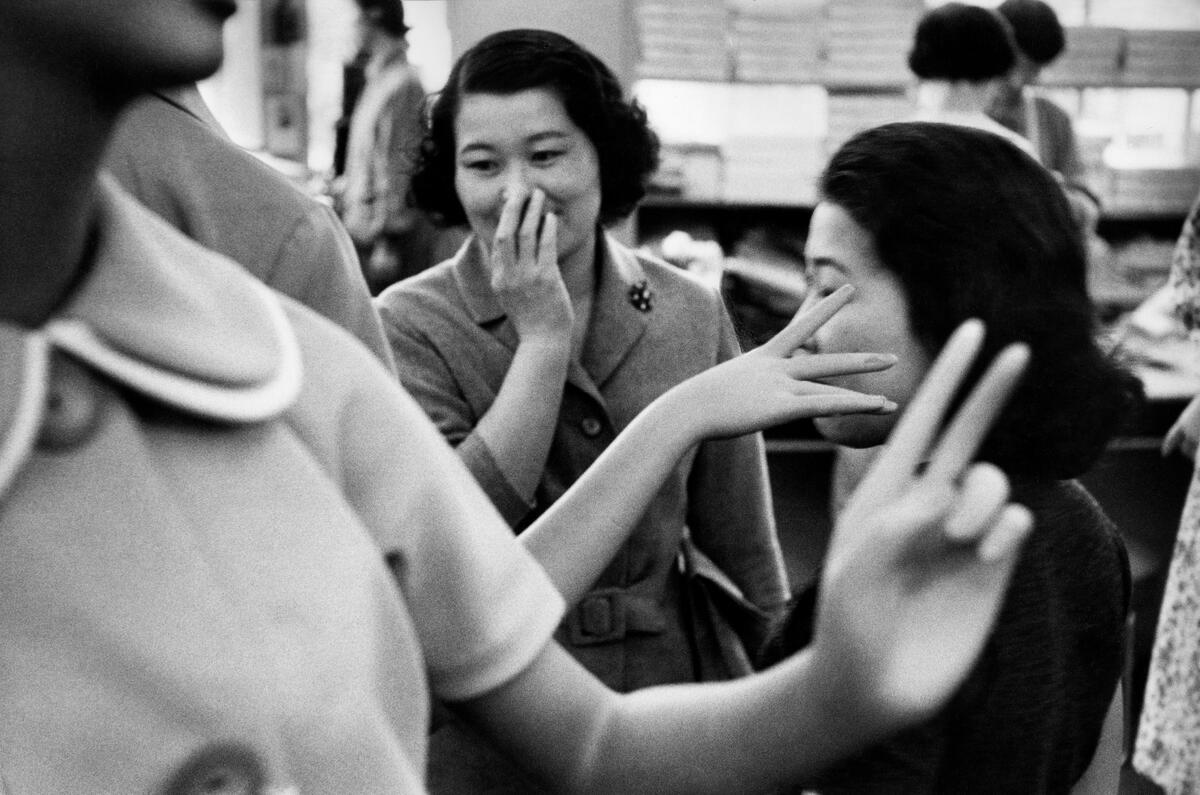
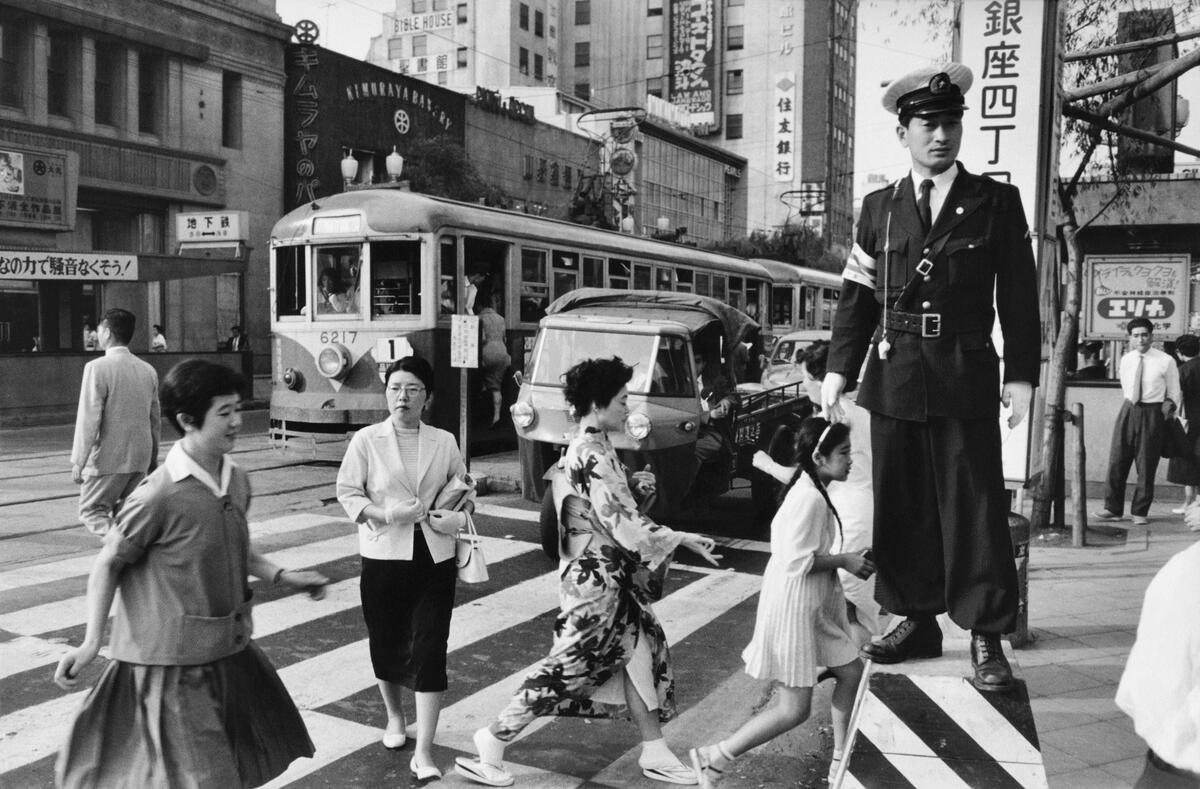
While he is most widely known for his photographs of China, Riboud’s vision of Japan captures the country during a crucial period — a time of rapid cultural modernization and increased consumerism. As Claude Estèbe of the Guimet Museum in Paris pointed out in a 2021 interview, the scenes Riboud witnessed were a counterpoint to the sober styles, factories, and farmers he documented the year prior in 1957 in communist China, a country that France had not yet recognized under Mao Zedong’s rule.
Riboud’s first photobook, Women of Japan, emerged from his experience, edited by Robert Delpire with a text by Christine Arnothy. He was, as he told Henri Cartier-Bresson, documenting a new Japan in the making, its dynamism and postwar self-reinvention.
"I think this distance reflects his profound being; his timidity, his respect for people, and principally, his desire for composition."
- Catherine Riboud Chaine
“Imagine the situation of the world after the war,” Riboud recalled in a 1988 interview for France Culture. “These two poles, the Communist world and the Western world.” To venture off into unknown territory during a time of shifting political stances and borders, “you had to be solid, serious, to have your eyes wide open,” he added.
“I remember that in the first years with Robert Capa and Henri Cartier-Bresson, we spoke very little about photography, and actually very little on the theory around the honesty of reportage, but rather what we saw in other countries, what happened, the revolutions […] — life.”
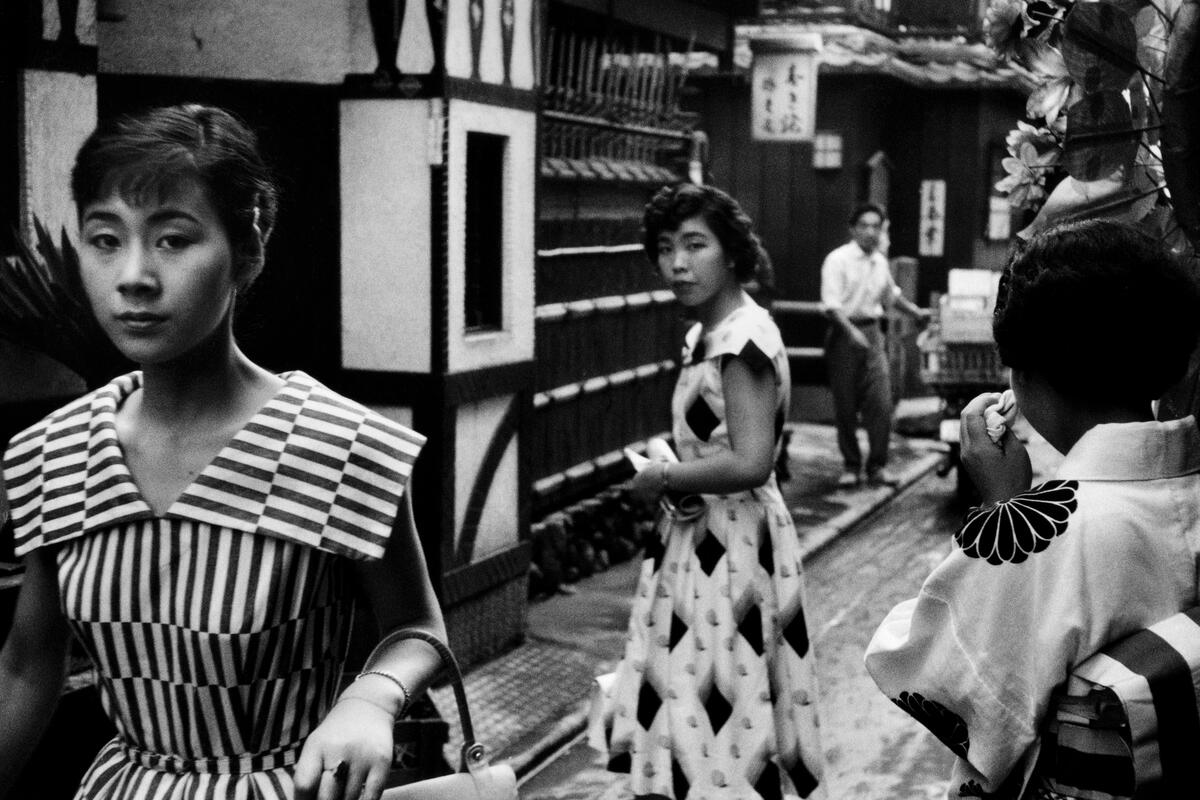
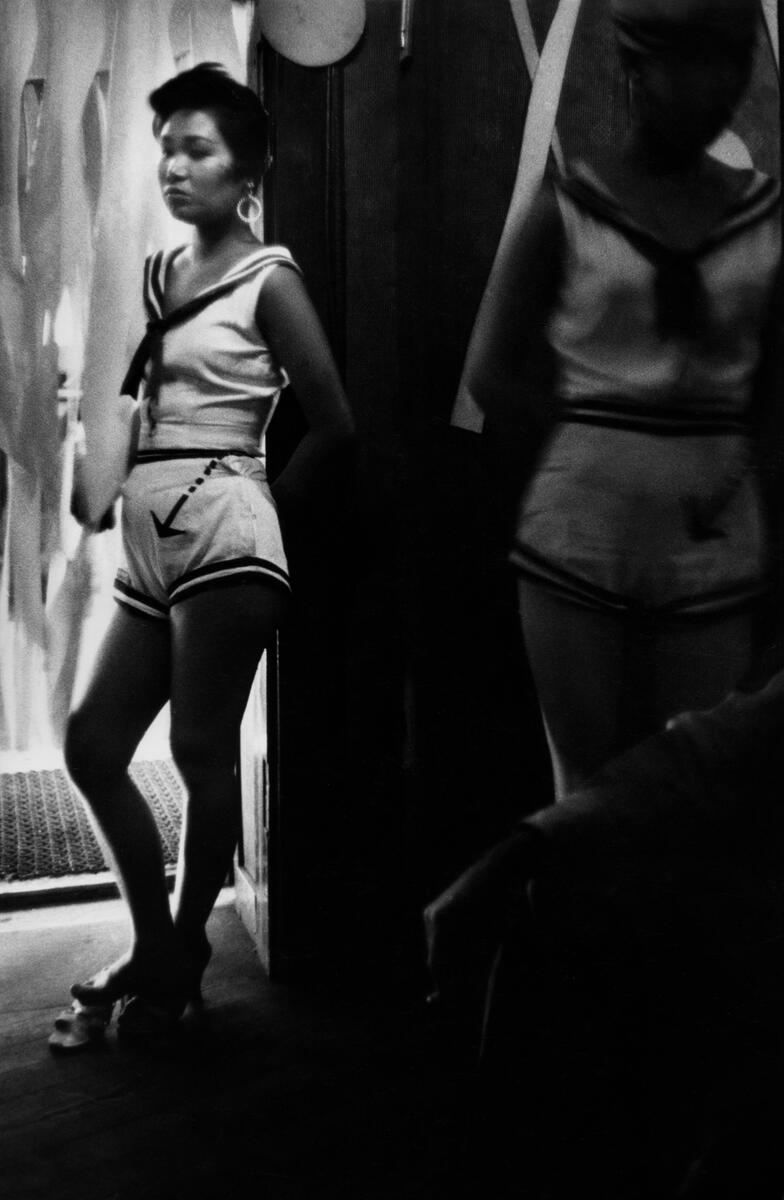
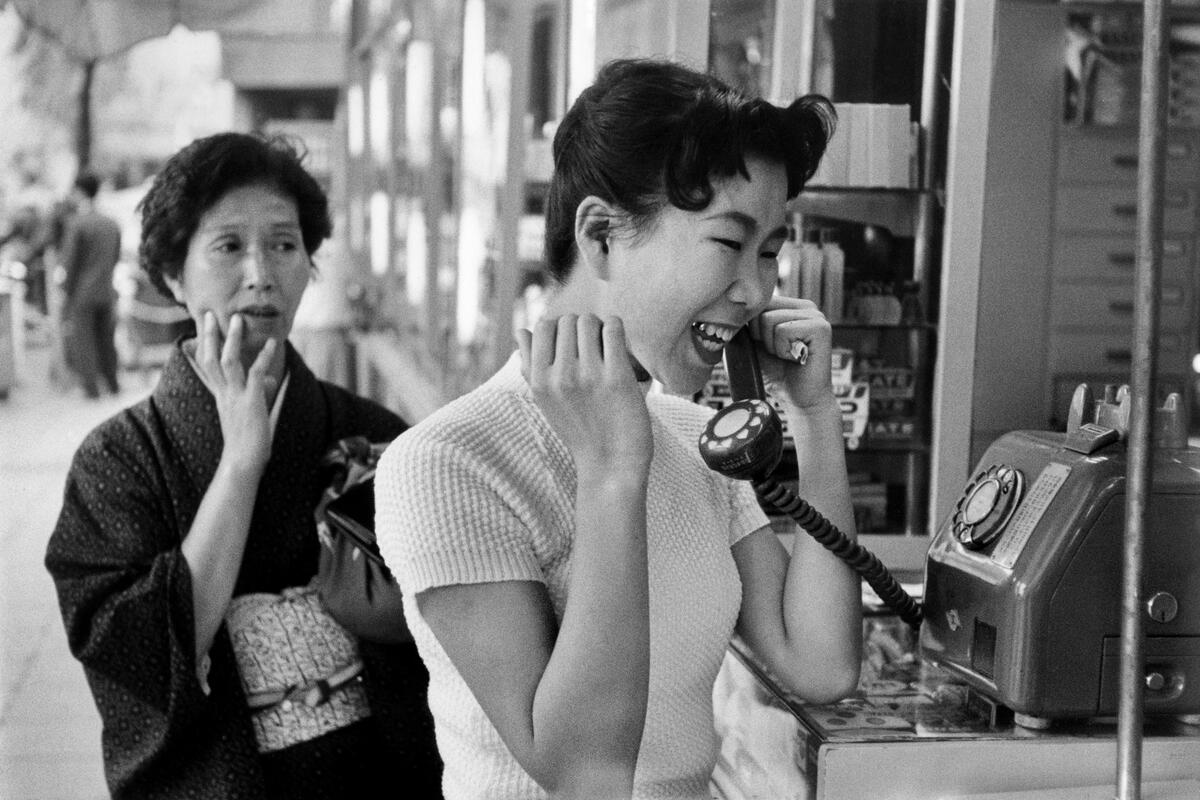
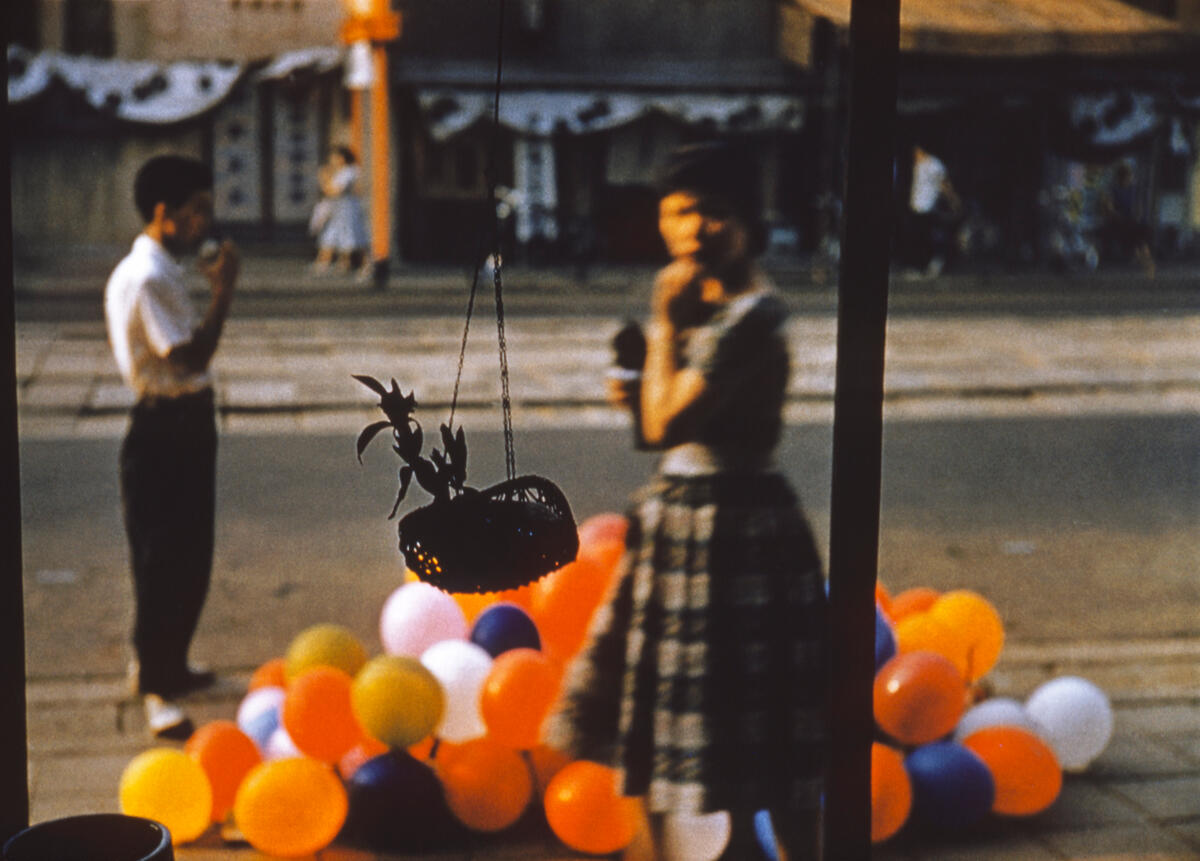
He was naturally drawn to capturing the streets of Tokyo, where traditional cultural codes clashed with Western styles, film, and attitudes, especially for women.
"We spoke very little about photography, but rather what we saw in the countries, what happened, the revolutions [...] — life."
- Marc Riboud
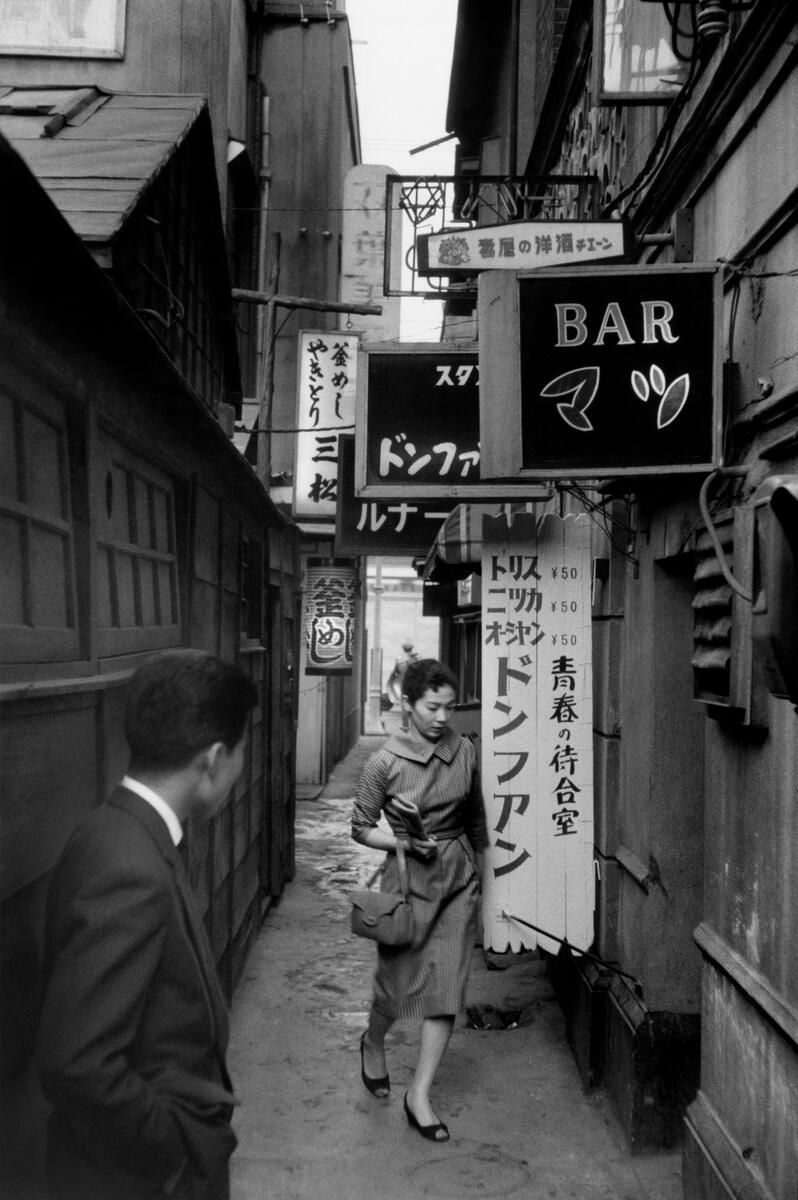
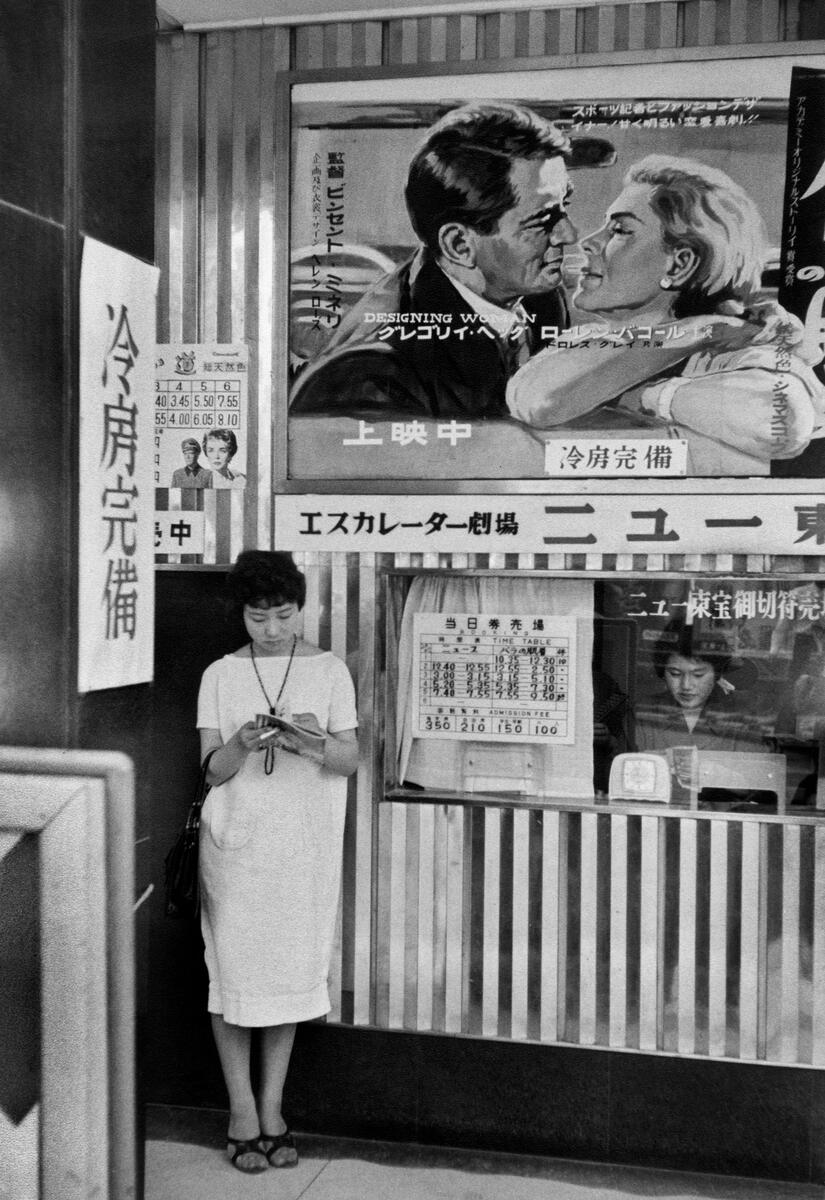
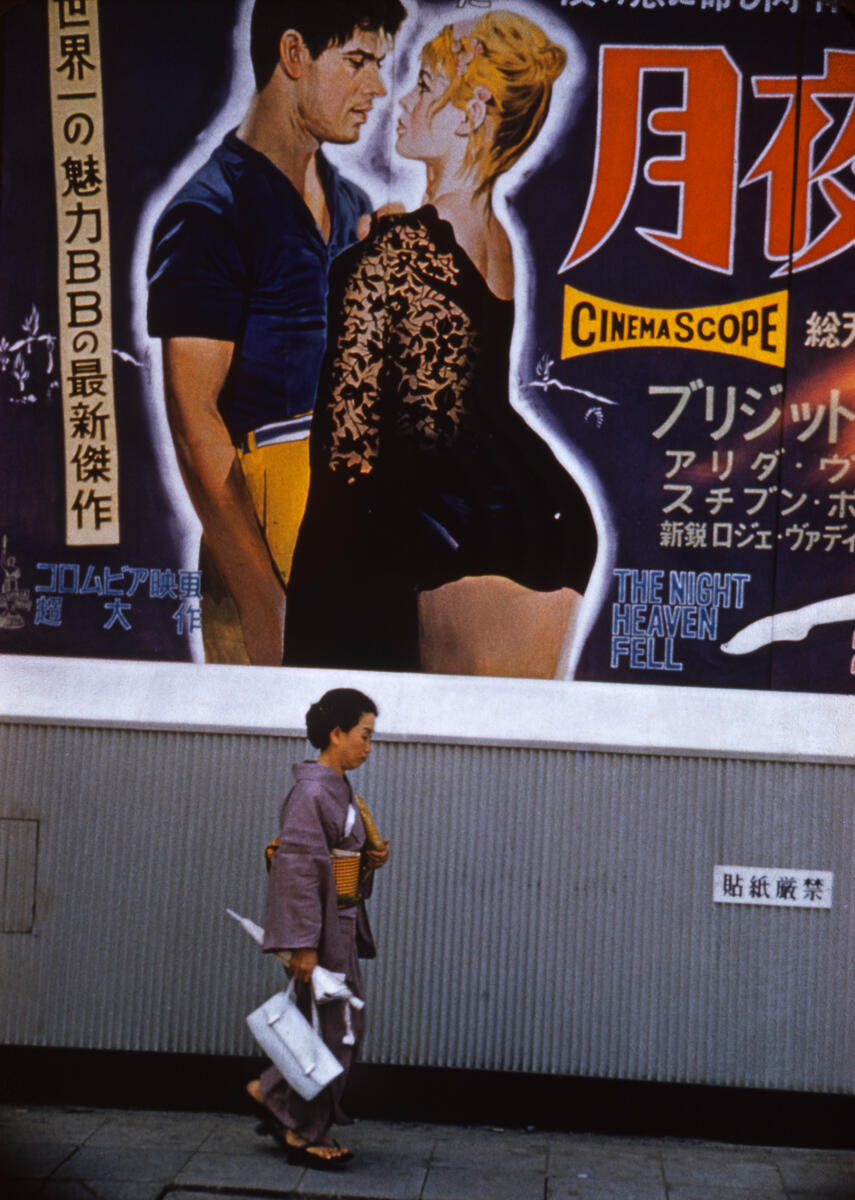
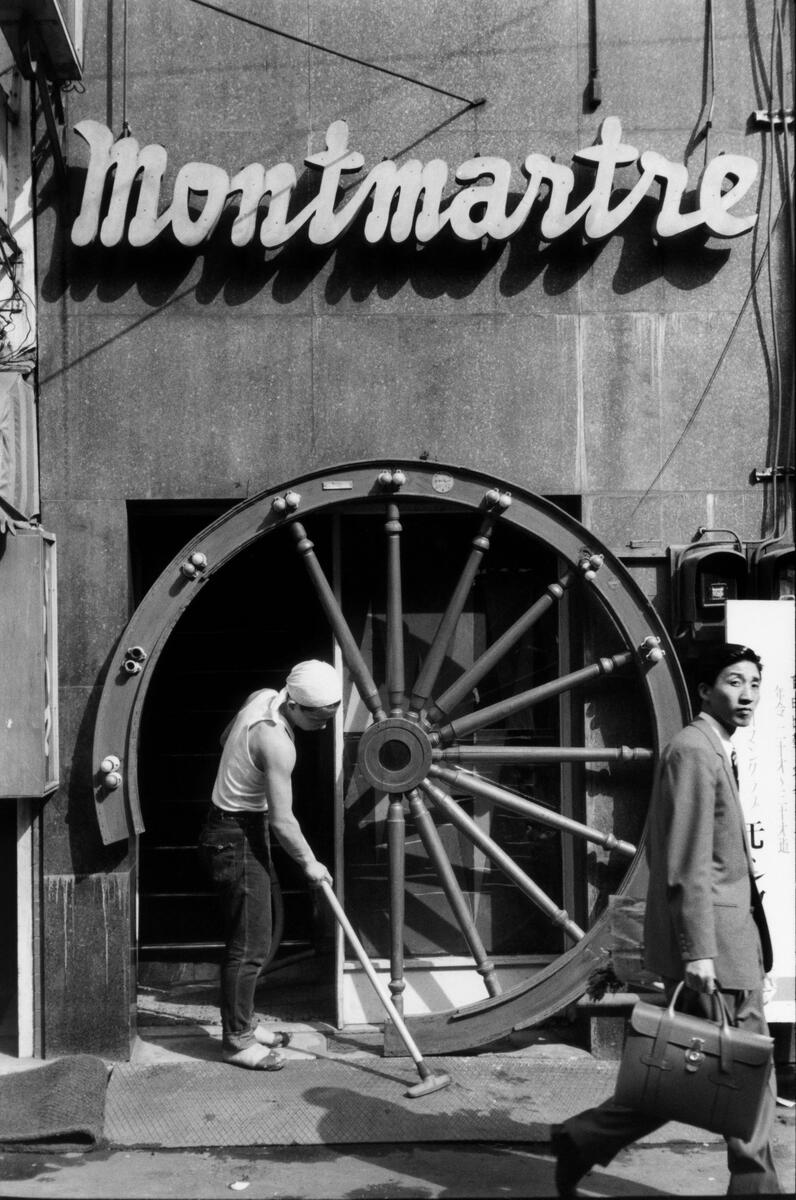
With a sensibility for juxtaposition and a heightened attention to detail, Riboud captured women strolling through the capital — often under posters for films featuring Brigitte Bardot and Lauren Bacall — some wearing traditional kimonos, others dressed in the latest Western trends.
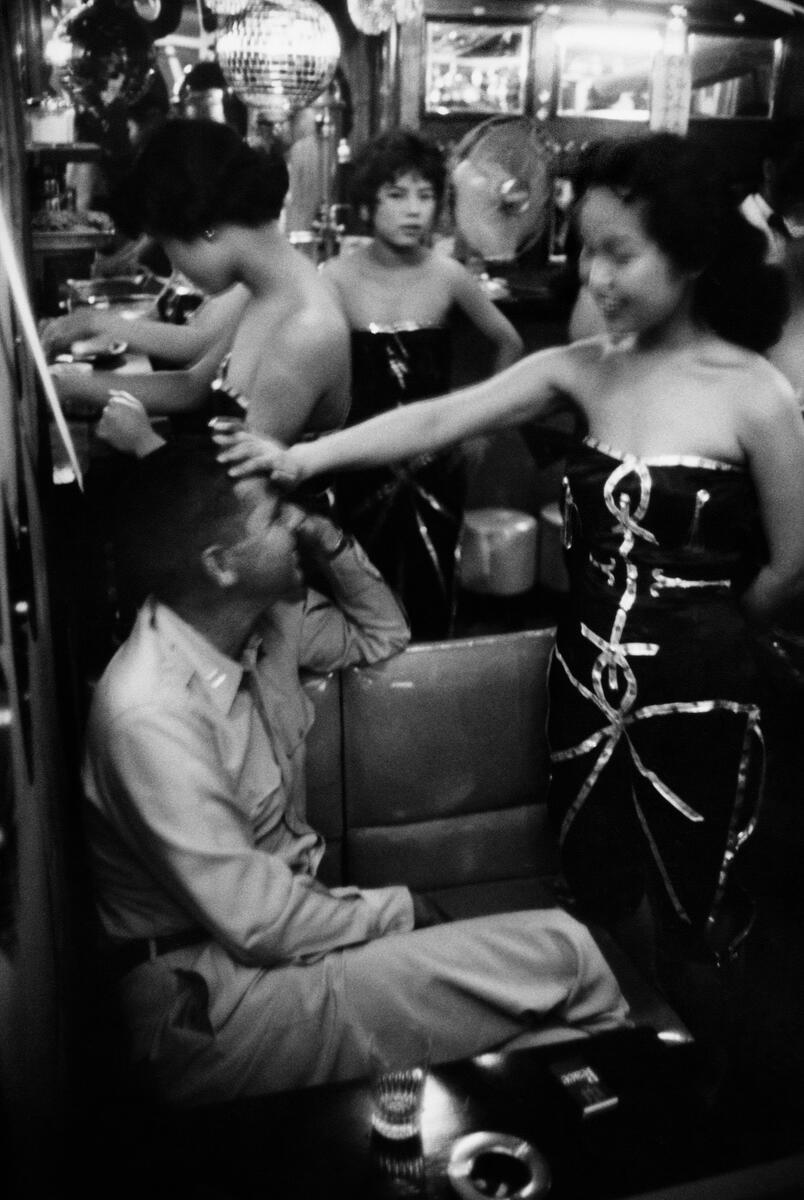
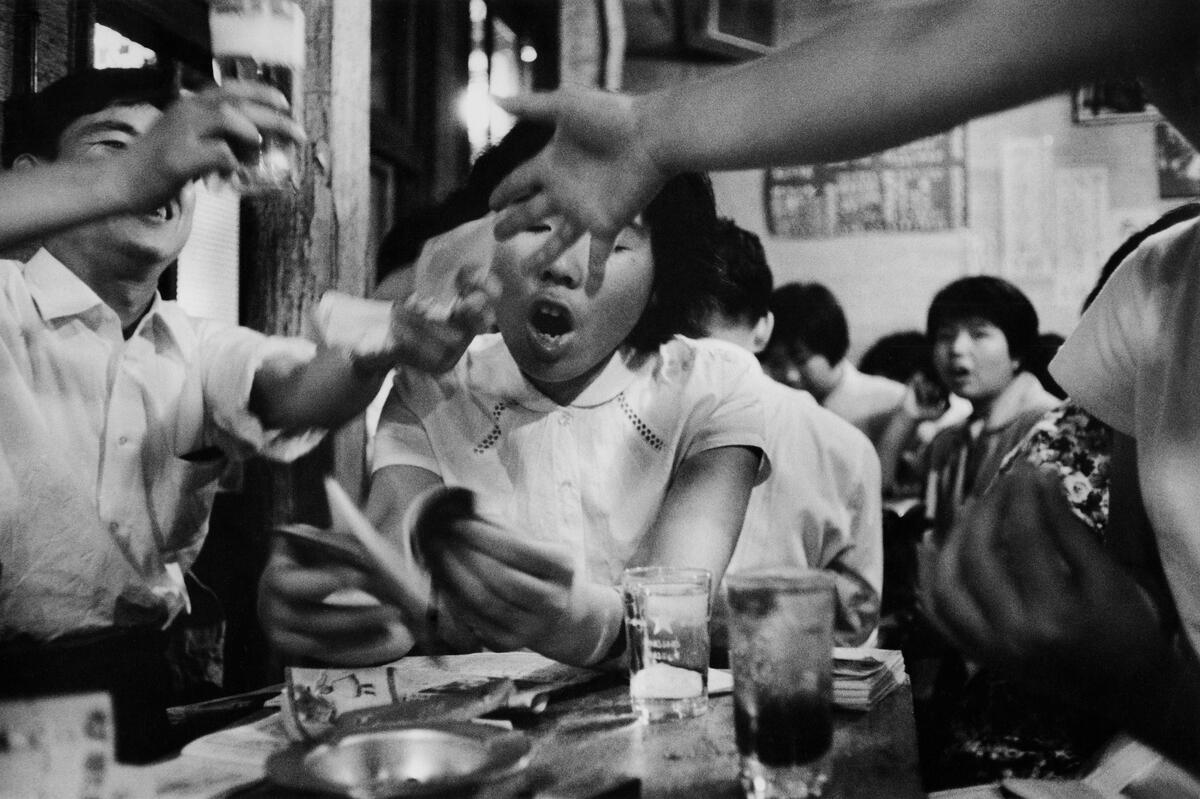
He stepped into the popular Albion cabaret, where waitresses in mini-shorts enthusiastically greeted customers, with the sound of popular American tunes in the air, and a woman veering into a bar in Tokyo’s Yurakucho business district. Each image — always captured with a certain distance and modesty — characterizes a different facet of his pensive regard for life in a city as it veered towards a new era.
“What touches me every time I look at Marc’s photos,” said Catherine Riboud Chaine, journalist and Riboud’s widow, at the Musée Guimet in 2021, “is the distance he liked to put between himself and the subject, and I think this distance reflects his profound being; his timidity, his respect for people, and principally, his desire for composition.”
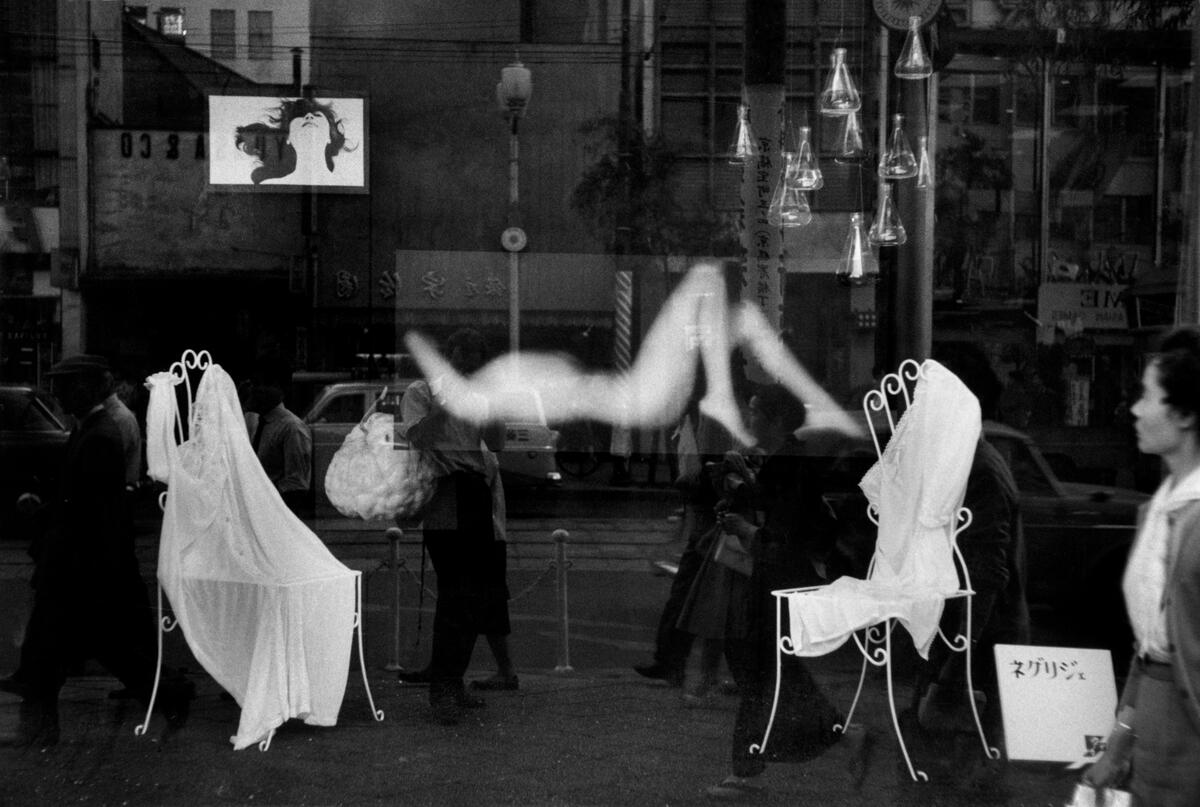
His enigmatic image on three planes, centering a painting of a nude reflected in a window and the photographer himself blending into the street scene, evokes the almost kaleidoscopic meeting of elements — the busy street, the shops, a collision of new ways of seeing.
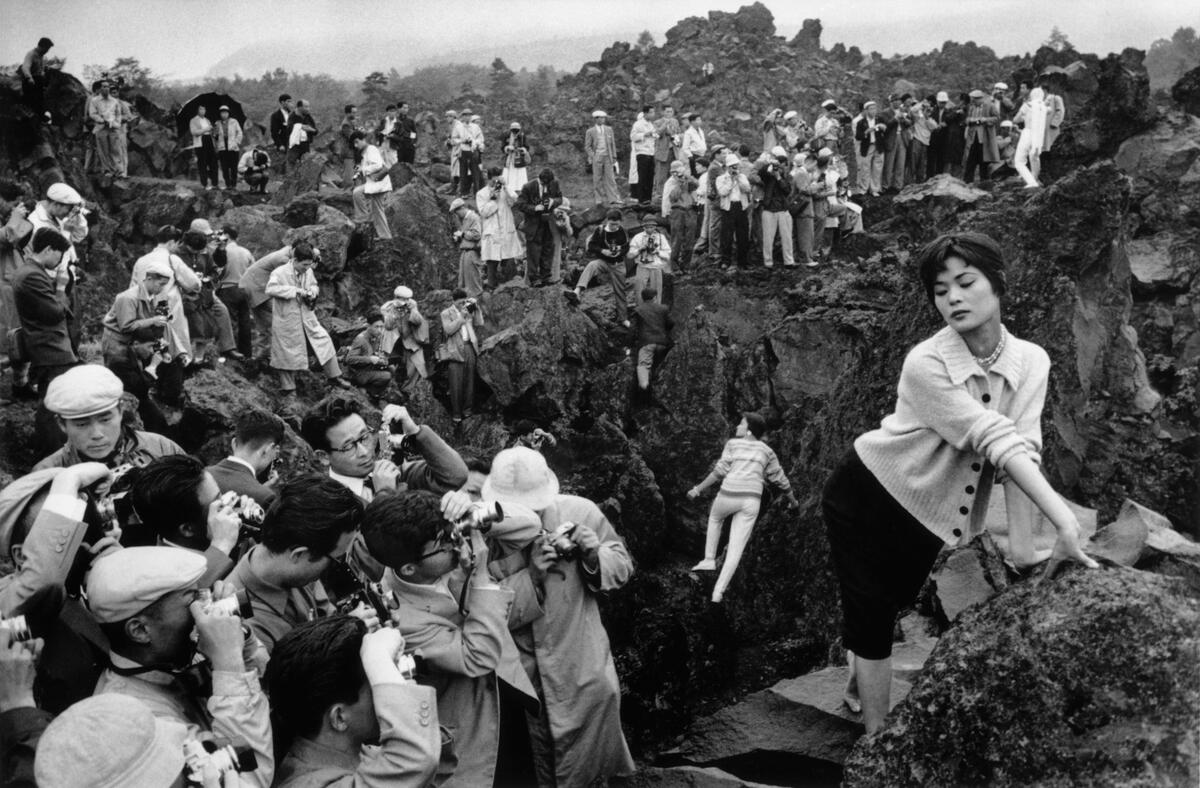
While in Tokyo, Riboud was invited to Karuizawa, where 2,000 amateur photographers came to the annual photography convention organized by the association of Japanese photographers and sponsored by Fujifilm. This self-referential image of photographers crowded around models on a craggy landscape is his most famous photograph taken during this period. Riboud guides our eyes to the photographers themselves, lightly parodying not only the their frenzy but also the male gaze.
"They give us the overwhelming feeling, at once tonic and painful, of being in the world, of being alive, of belonging to an unending whole."
- Pierre Soulages
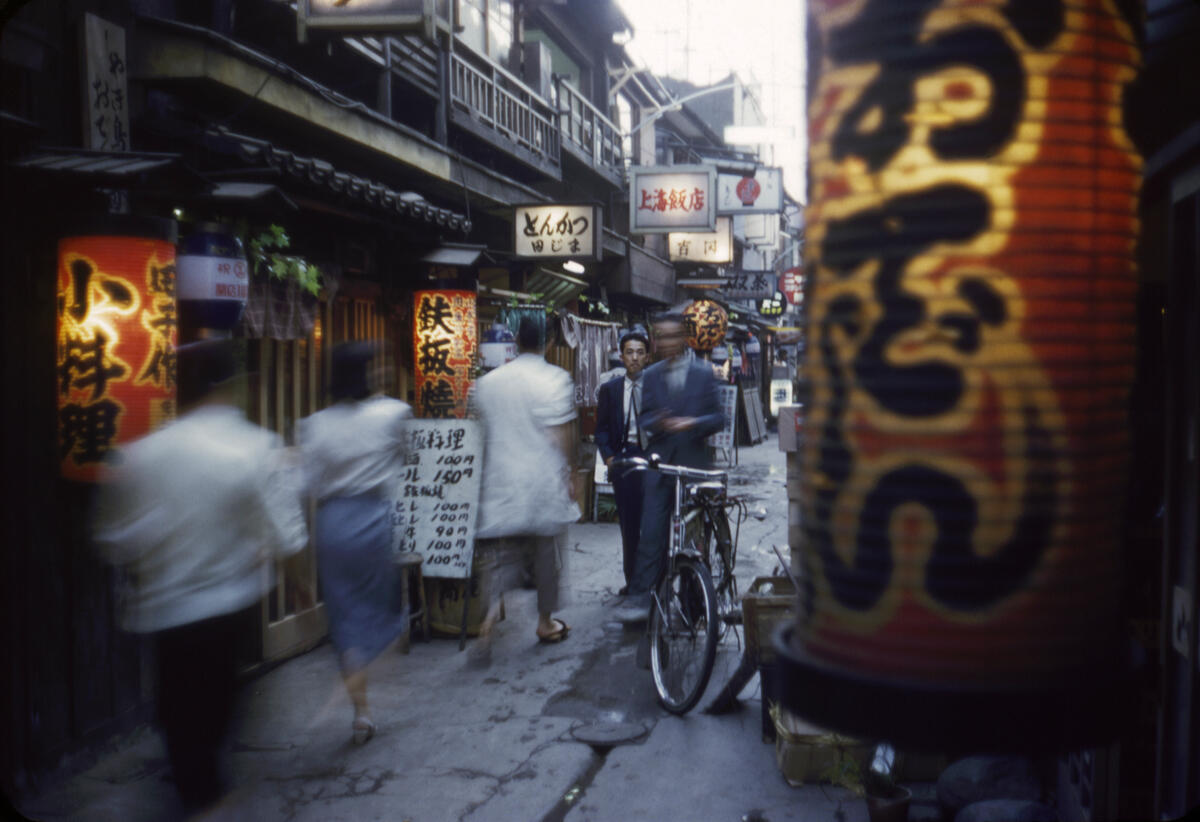
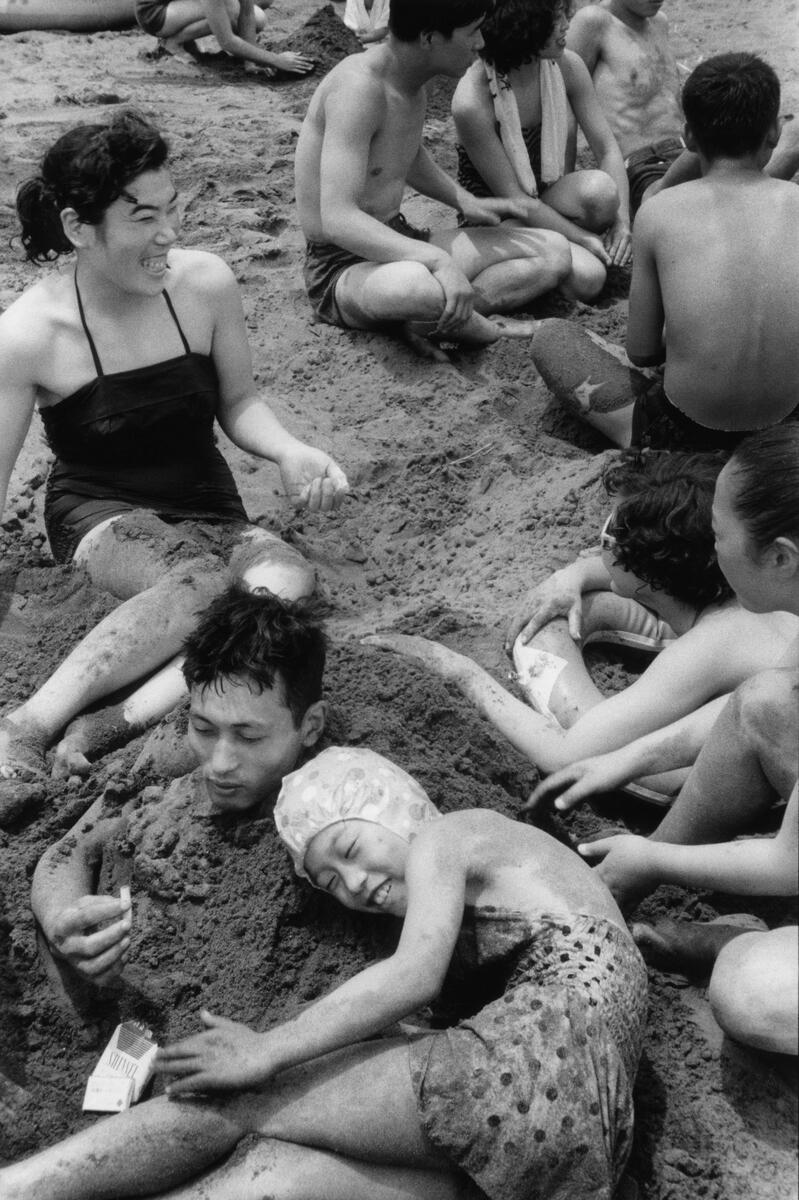
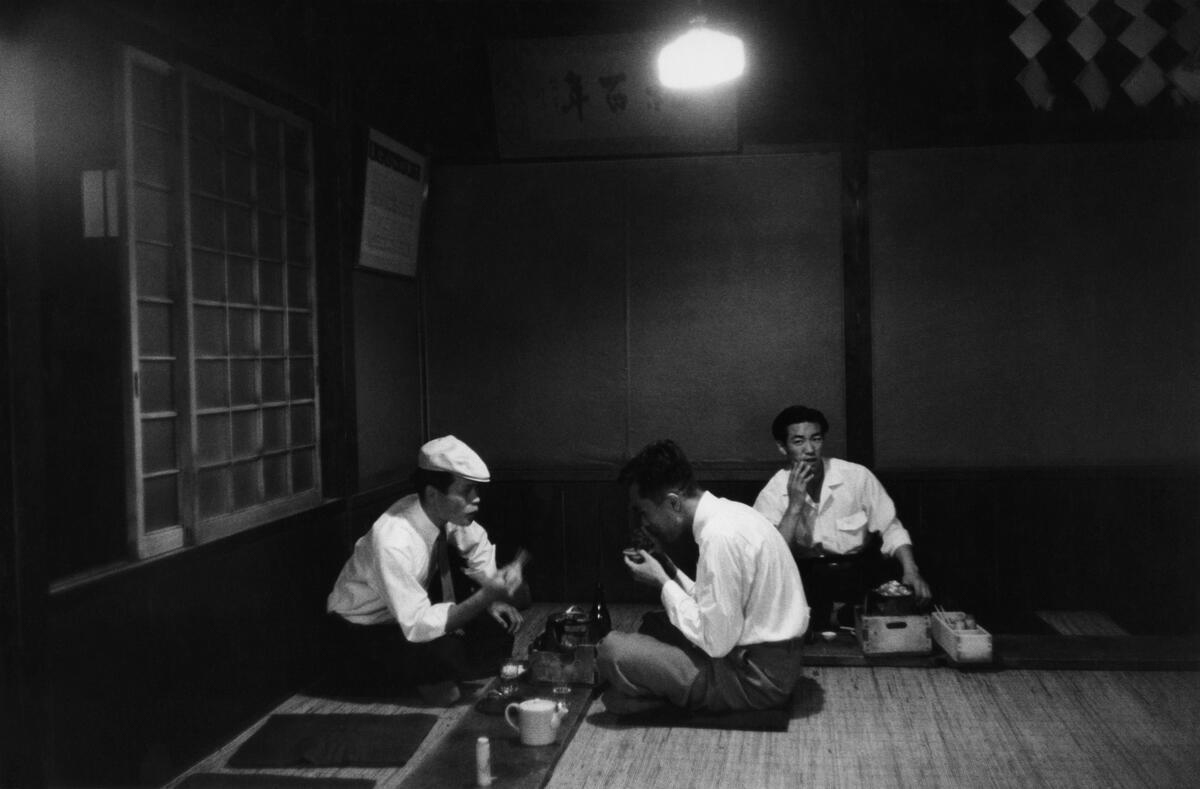
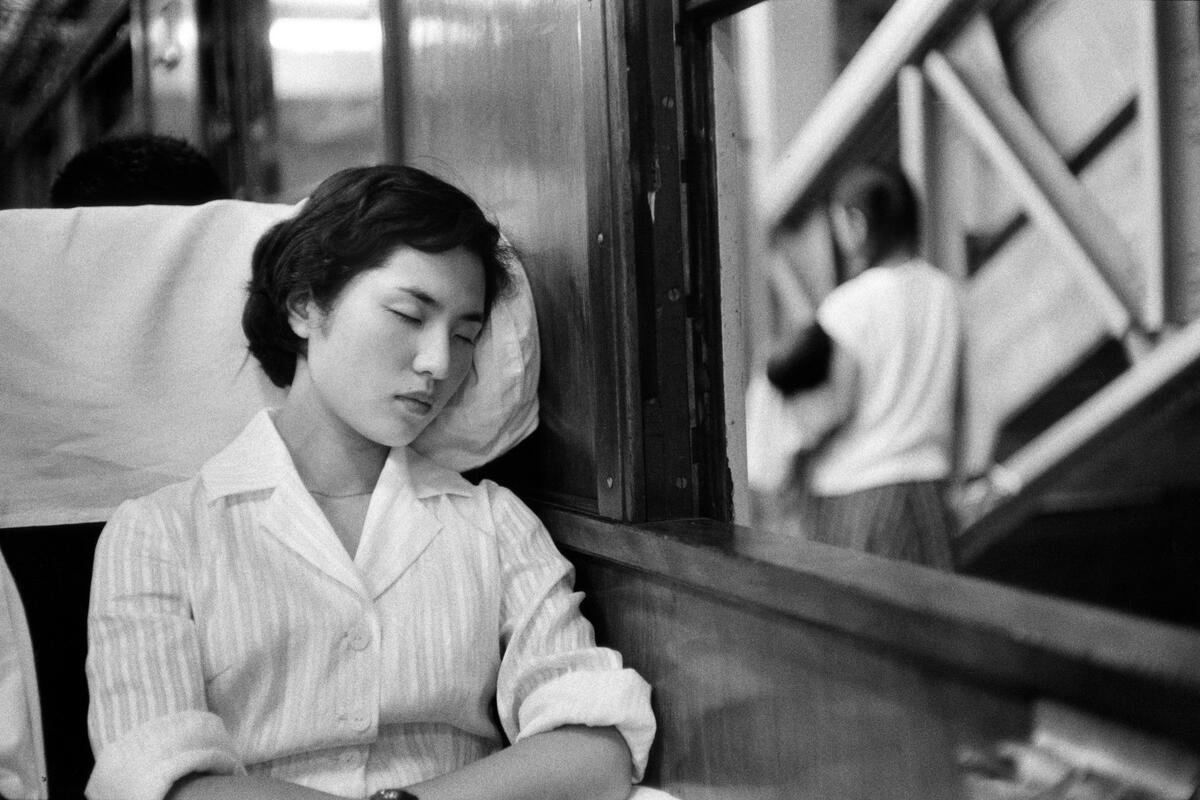
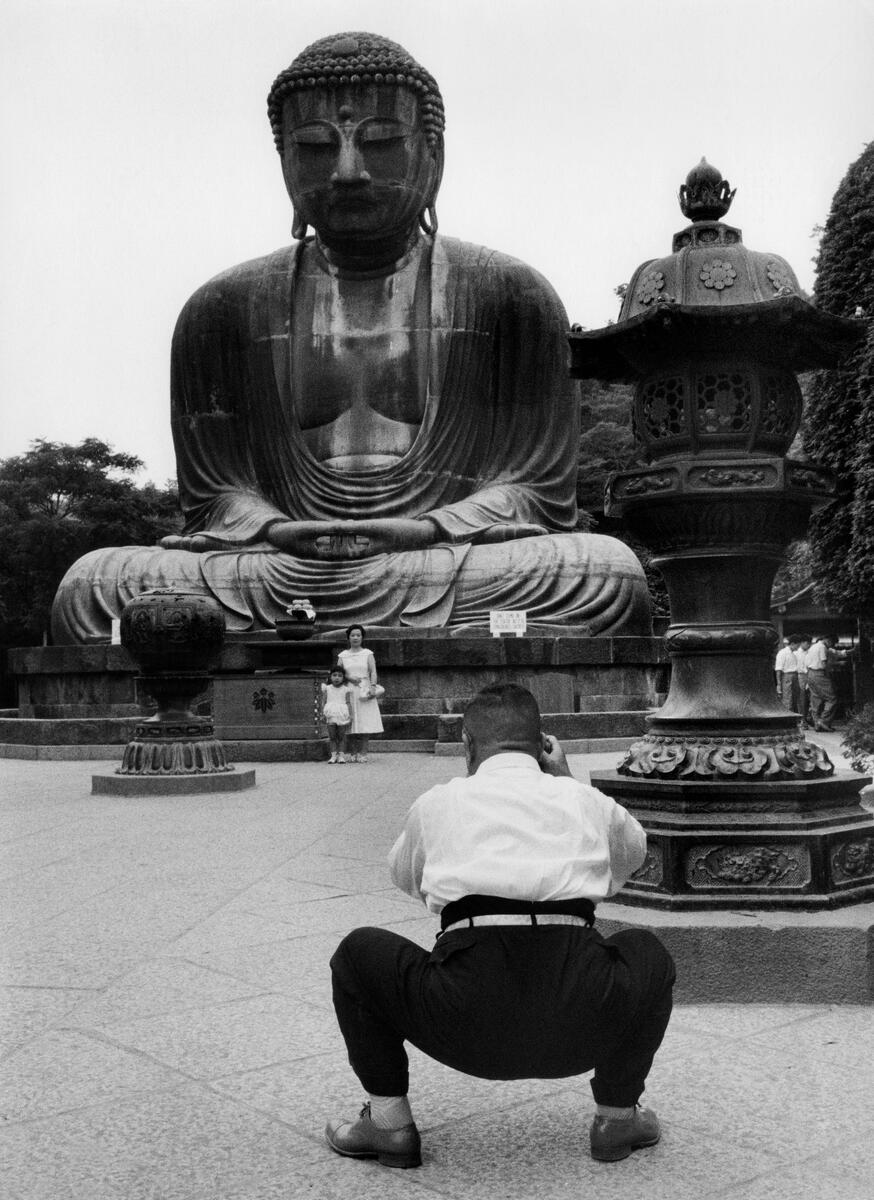
Riboud’s intuitive and reflective documentation of life in Japan exemplifies his interest in quiet, informal gestures which symbolize more universal human trajectories, ideas, and ways of being.
His images, as French painter Pierre Soulages wrote on the occasion of Riboud’s 2009 exhibition at Musée de la Vie Romantique, “give us the overwhelming feeling, at once tonic and painful, of being in the world, of being alive, of belonging to an unending whole.”
Discover Riboud’s collection at the Magnum Store here.