Rediscovering Magnum’s First Group Exhibition
The story behind the agency’s first recorded exhibition in Innsbruck, Austria, featuring eight of Magnum’s earliest members
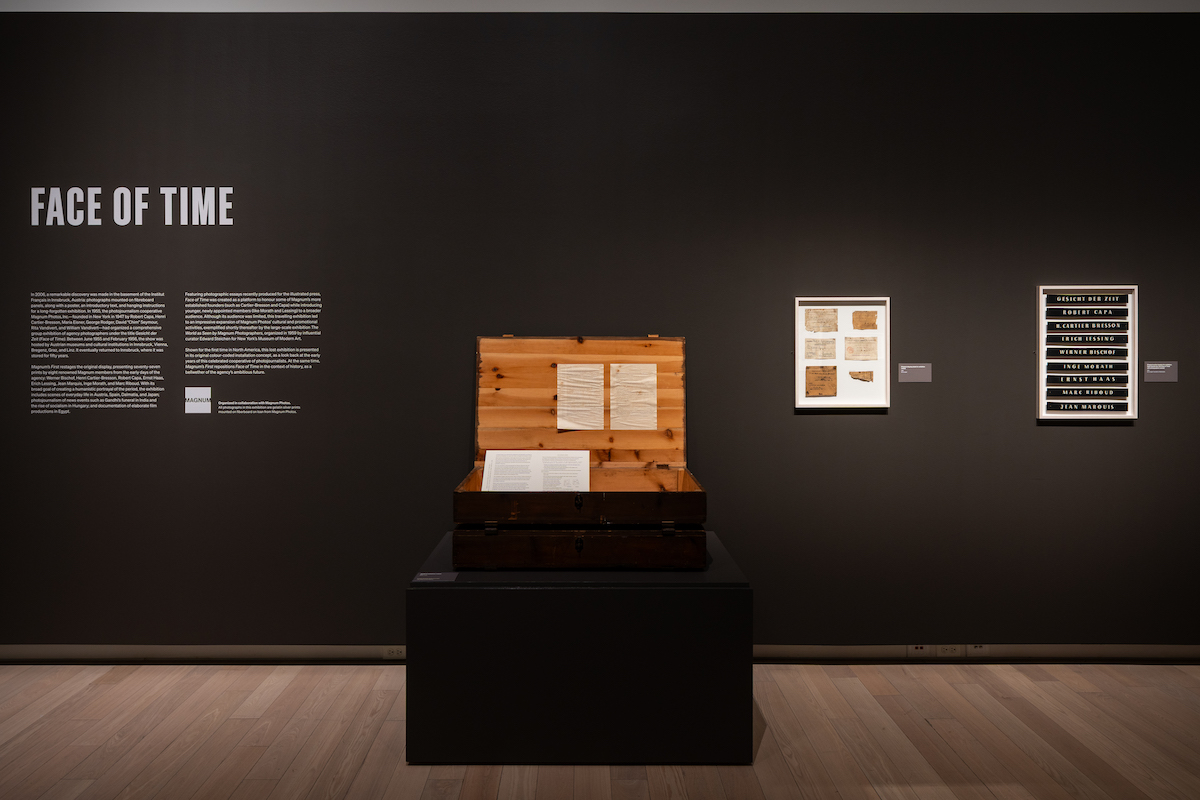
In 1955, Magnum Photos organized its first group exhibition, Gesicht der Zeit, or Face of Time, at the Institut Français in Innsbruck, Austria. An investigation of the human condition in the post-war years, the exhibition featured eight photographers who were integral in establishing the agency, including Robert Capa, Henri Cartier-Bresson, Inge Morath, and Ernst Haas. Over 50 years after it toured Austria, the original exhibition and installation notes were rediscovered in the basement of Innsbruck’s Institut Français in 2006 and restored. Now, for the first time, the exhibition comes to North America.
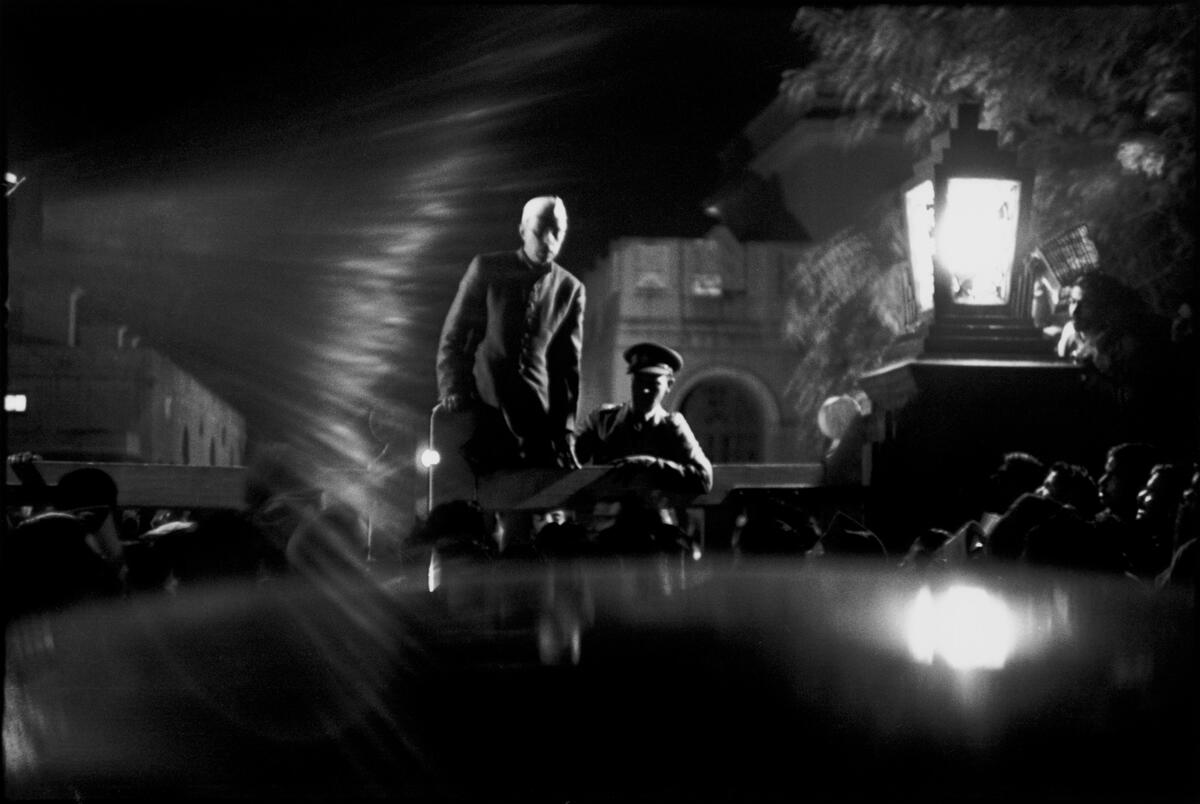
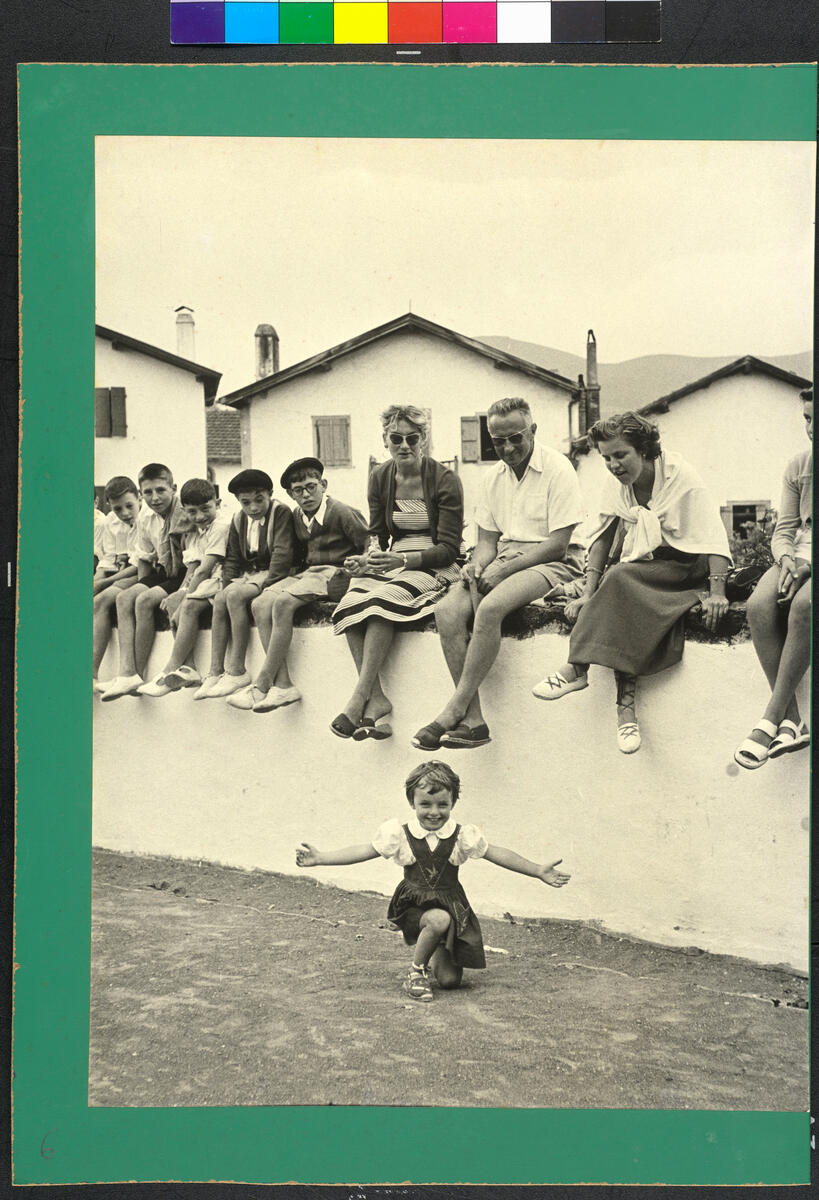
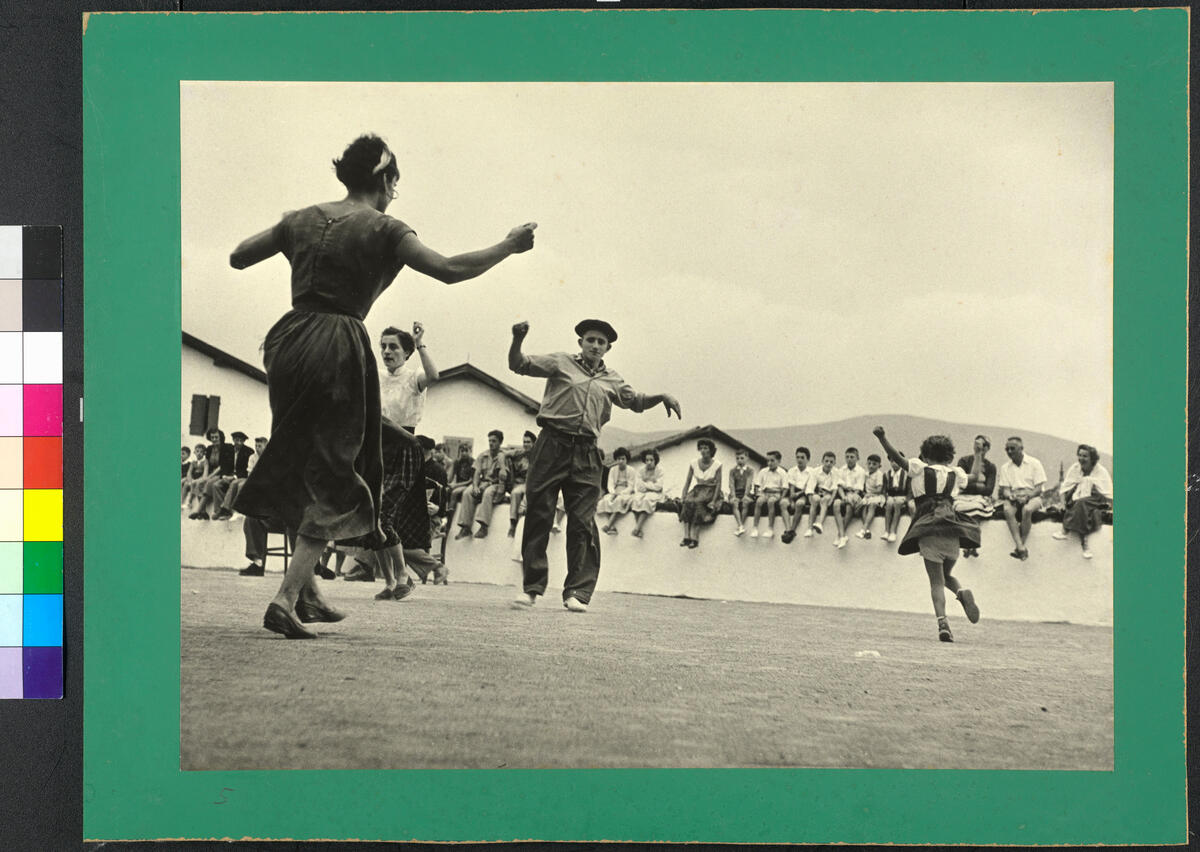
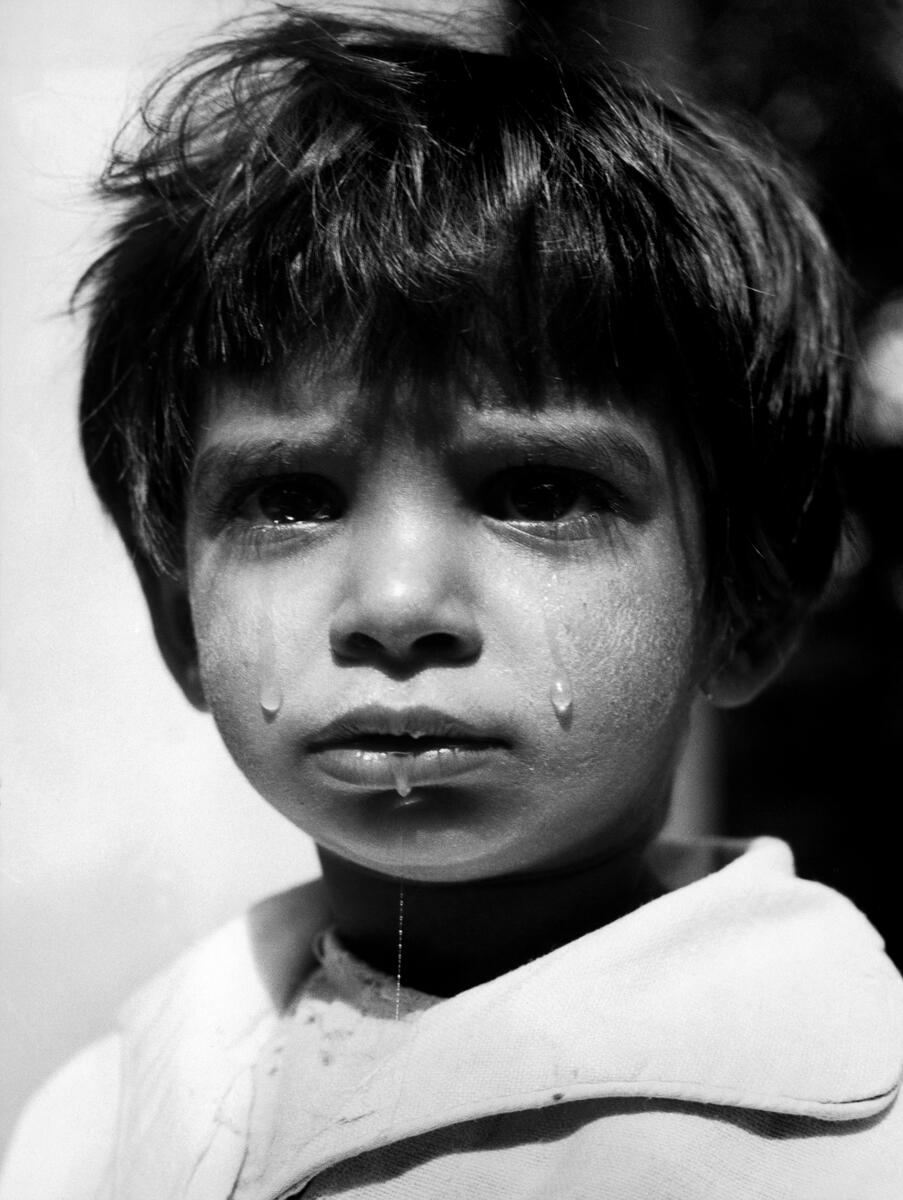
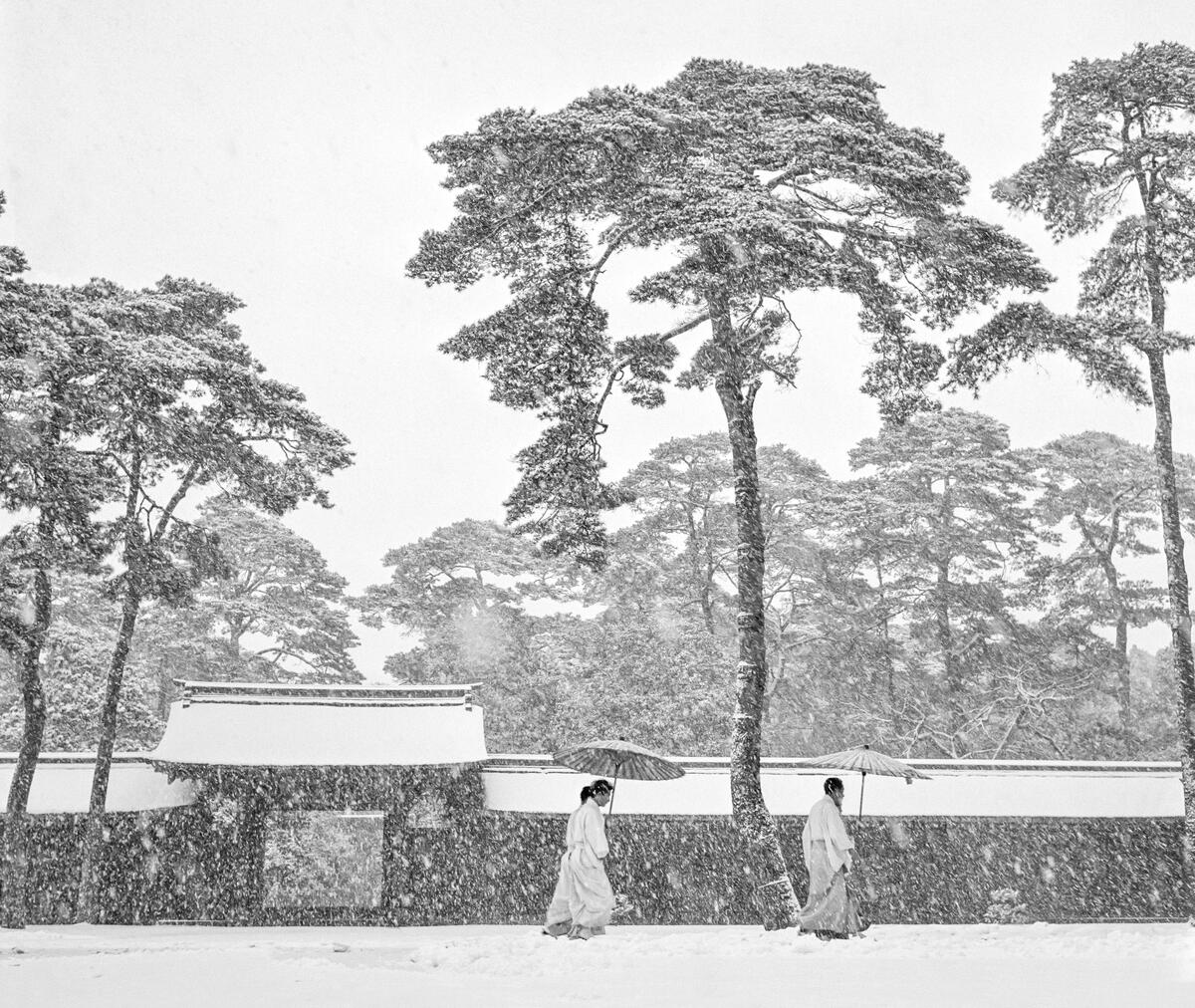
Currently on display at the Image Centre in Toronto, Canada until December 13, and reopening January 14–April 4, 2026, Magnum’s First features eighty-three original prints, presented in the exhibition’s original layout. Encompassing a broad spectrum of photographic approaches and postwar geographies — from street scenes in Japan to Gandhi’s funeral in India — the exhibition reflects the founding principles and humanist philosophy concretized in the agency’s early years. Also on display is David Seymour’s six-month-long photo essay, The Children of Europe, commissioned by UNESCO in 1948, which documents the “abandoned children in Europe who had their first experience of life in an atmosphere of death and destruction, and who passed their first years in underground shelters, bombed streets, ghettoes set on fire, refugee trains and concentration camps,” as he writes in his introduction to his homonymous book. The show also brings clarity to the history itself of documentary photography exhibitions, including how they were displayed and conceived in the mid-20th century.
Here, an interview with Isabella Howard, Senior Cultural Manager at Magnum Photos, reveals details about the agency’s 70-year-old exhibition.
Is this considered Magnum’s very first exhibition? Why was this location selected and these particular photographers featured?
Yes, it is the earliest record of a standalone Magnum group exhibition that was not associated with a festival. The first known group venture was in May 1955, when Magnum participated in the Biennale Photo Cinéma Optique at the Grand Palais in Paris. Following its positive reception, Magnum decided to work in collaboration with the Paris University Institute to produce a traveling exhibition.
The timing of the exhibition is interesting, as it follows Edward Steichen’s landmark exhibition Family of Man, which opened at MoMA in January 1955, with 14% of the images by Magnum photographers. Touring 37 countries and amassing an audience of over 9 million viewers, the exhibition championed the humanist style of photojournalism, inspired in part by Robert Capa and John Morris’s months-long photo serial titled “People are People the World Over” for Ladies Home Journal in 1948. Its popularity in New York would have likely caught the attention of Magnum, who saw exhibitions as a means of promoting the photographers’ work and elevating photojournalism and documentary photography to that of other artistic mediums more commonly found on the walls of museums.
We do not have a definitive answer as to why Austria was chosen, or the Institut Français in Innsbruck. However, as three of the eight photographers were Austrian (Inge Morath, Ernst Haas and Erich Lessing) and Henri Cartier-Bresson had close ties with Viennese sculptor Fritz Wotruba, who was the former director of the Würthle Art Gallery — the exhibition’s second venue — it was a fitting location.
"Exhibitions like the Family of Man illustrate that there was a growing interest in photojournalism and documentary photography, not just as a means of reporting, but as an art form."
- Isabella Howard
Were the agency’s photographers exhibiting their own work at the time?
Cartier-Bresson was already well-established in the art world; his exhibition Henri Cartier-Bresson: Photographies, 1930-1955 opened in October 1955 at the Pavillon de Marsan. MoMA had previously mounted a retrospective of Cartier-Bresson’s work in 1947, and in the confusion of the post-war period, they had initially conceived it as a posthumous exhibition. Werner Bischof had a solo exhibition in 1953. While others, such as Ernst Haas, did not have solo exhibitions until the 1960s.
What was the climate like for photography exhibitions on a global scale in the 1950s?
Exhibitions like the Family of Man illustrate that there was a growing interest in photojournalism and documentary photography, not just as a means of reporting, but as an art form. However, this was still a developing area and these images were not always well received by art audiences. Photo historian Christoph Schaden, hired by Magnum to research the exhibition, found conflicting reviews of Face of Time, as the exhibition was originally titled. Die Presse called it “an avowed victory,” while Wiener Zeitung summarized it as “a shipment of Parisian printed matter, blown up to serve as an exhibition.”
Despite the mixed reviews, this exhibition marks the beginning of a robust traveling exhibition program, which included a 1956 appearance at photokina in Cologne, followed by The World as Seen by Magnum Photographers at the MoMA in 1959.
Today, Magnum’s Cultural Department manages over 50 touring exhibitions of historic and contemporary work.
Explore exhibitions here.
Can you tell us about the content of the exhibition itself? Were these eight projects linked by a specific theme?
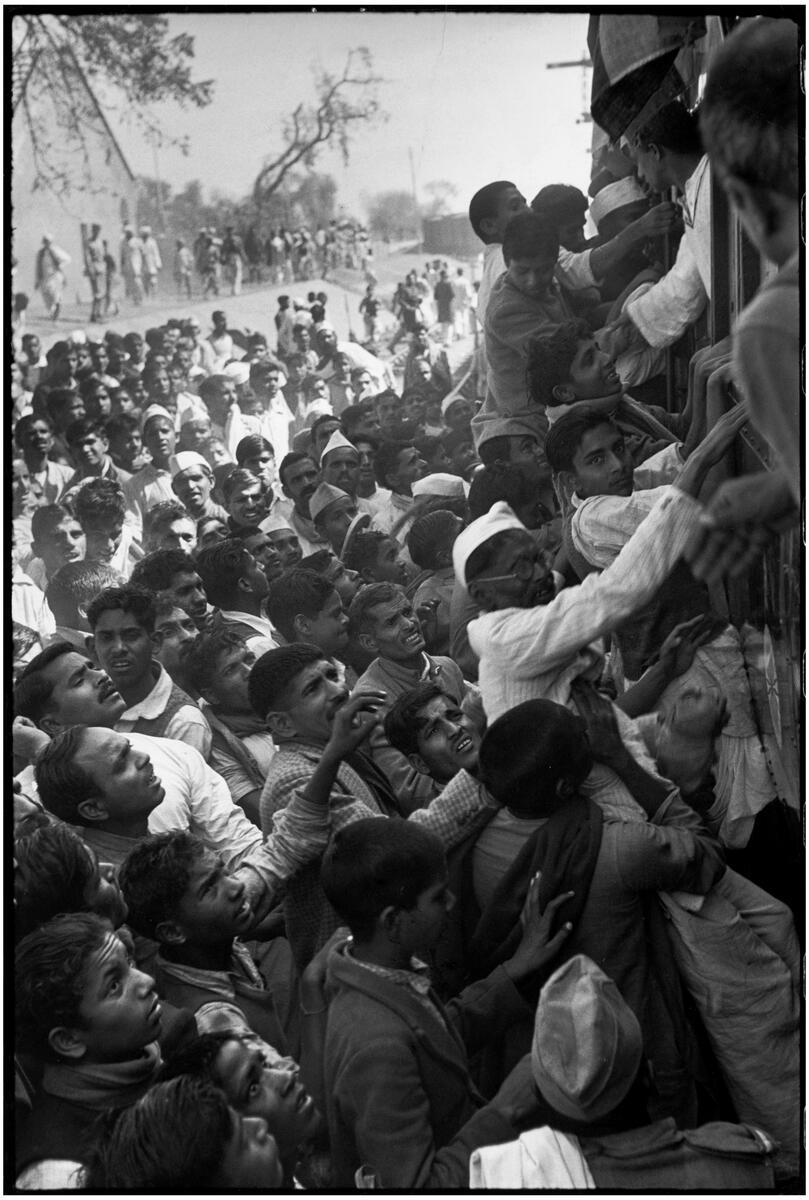
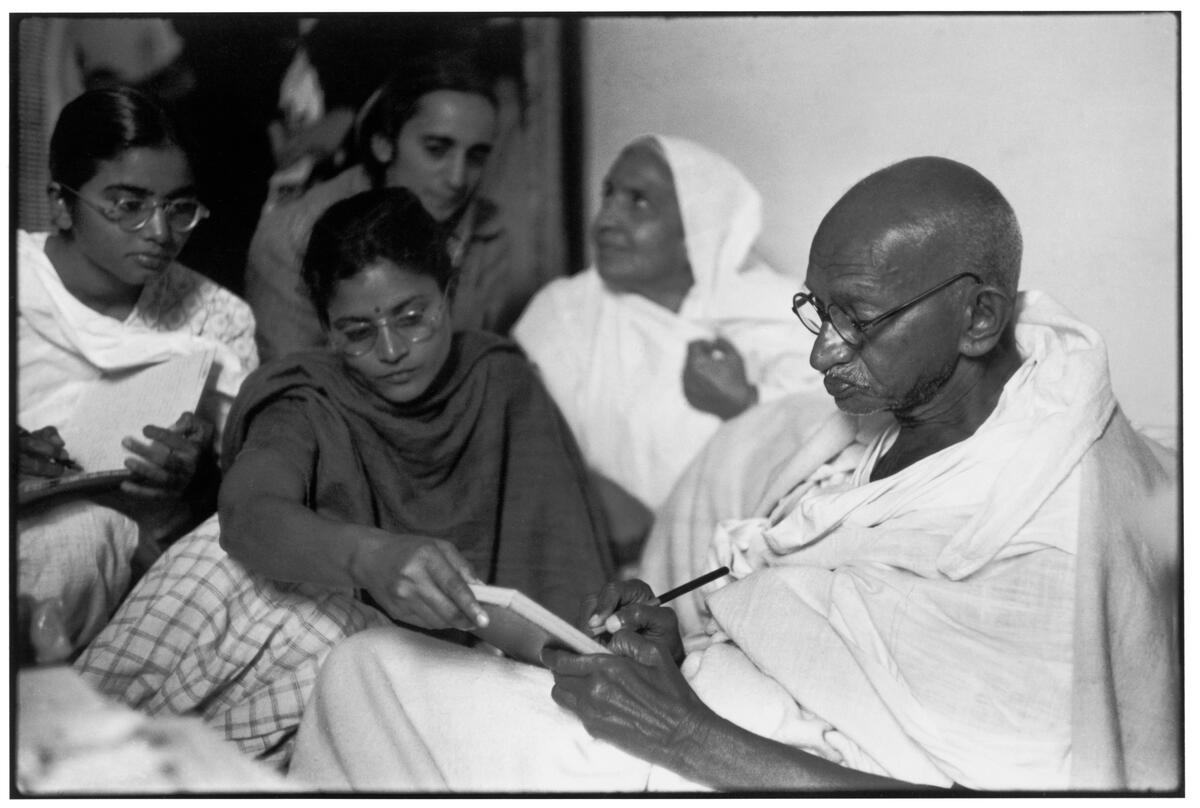
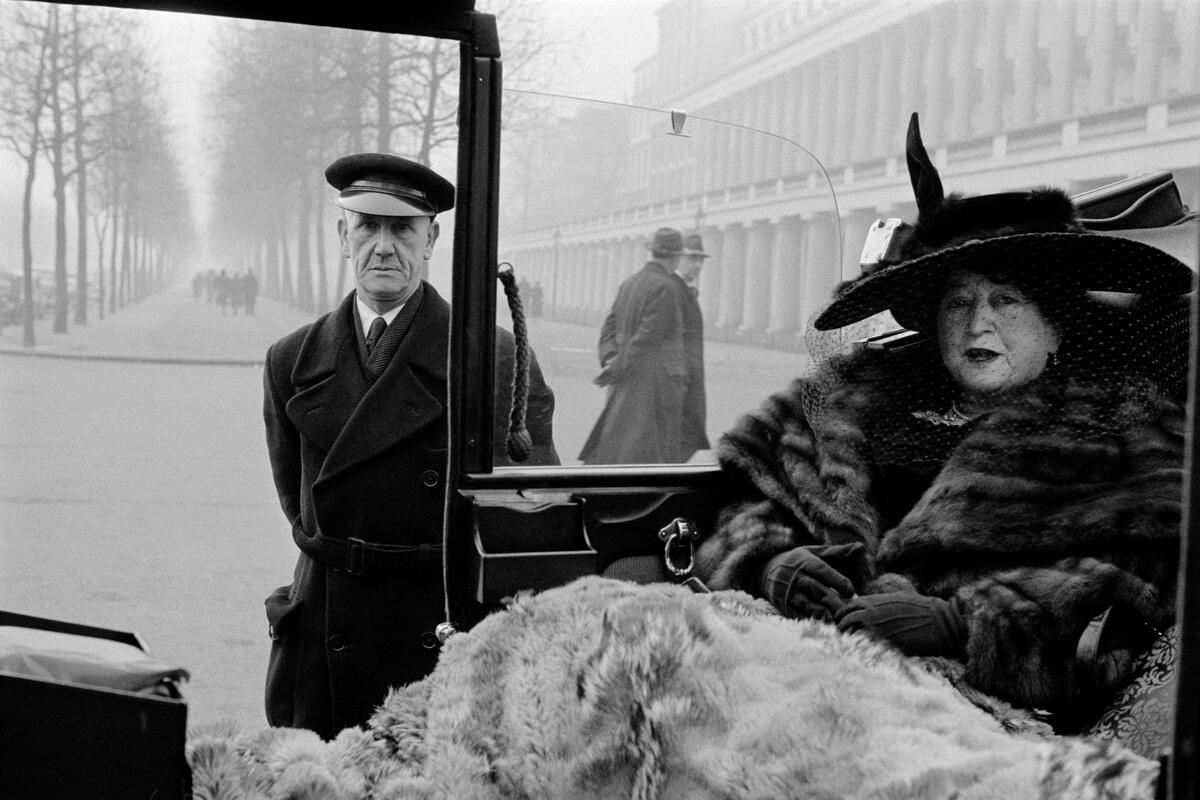
The exhibition is in fact notable in its lack of thematic structure. The subjects vary from Ernst Haas’s behind-the-scenes images of The Land of the Pharaohs film set, to Inge Morath’s portraits of the upper-class London neighborhood of Mayfair, to Henri Cartier-Bresson’s images of Gandhi the day before his death in 1948 and the events immediately following his assassination.
While the projects are different in content and style, they are united by the fact that they are taken by Magnum members. In this way, the exhibition can be best summarized by the cooperative’s co-founder, David “Chim” Seymour, who said the following:
“The Magnum group cannot be considered a homogeneous school of photography. It includes all varieties of individual talents, different technical approaches, and creative interests. There is, however, some unity, difficult to define, but still existing. There is great affinity among Magnum photographers in terms of their photographic integrity and respect for reality, their approach to human interests and search for emotional impact, their preoccupation with composition and layout, and their awareness of narrative community.”
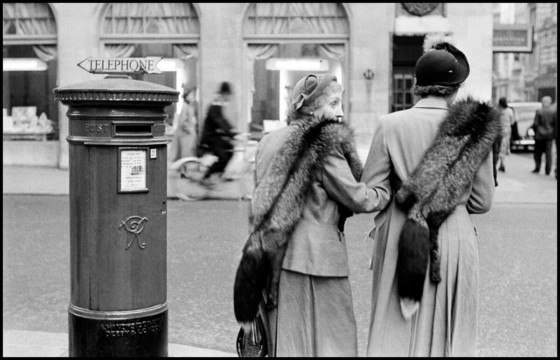
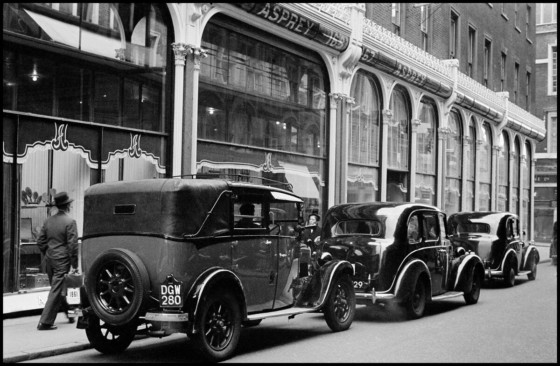
"The Magnum group cannot be considered a homogeneous school of photography. It includes all varieties of individual talents, different technical approaches, and creative interests. There is, however, some unity, difficult to define, but still existing."
- David "Chim" Seymour
How were the prints made and what condition were they in when rediscovered in 2006? What did the restoration work entail?
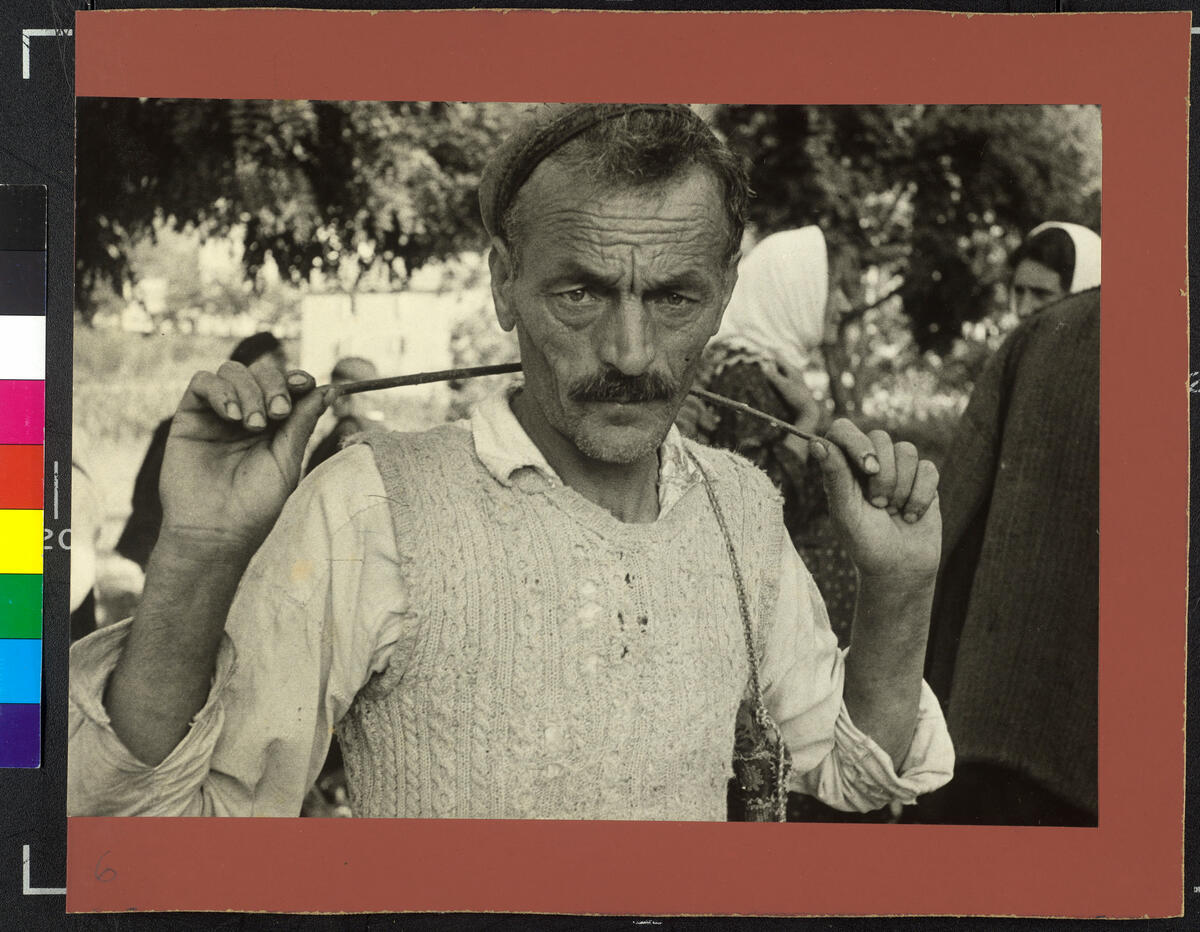
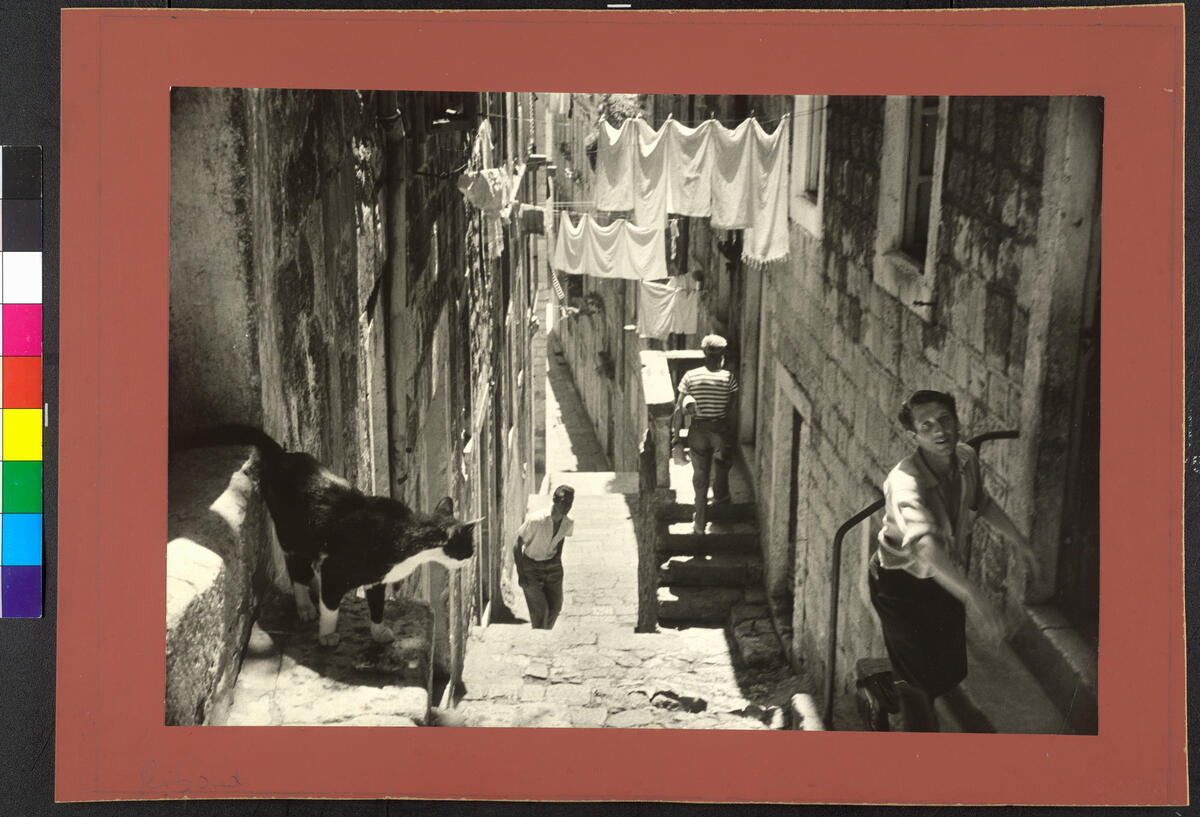
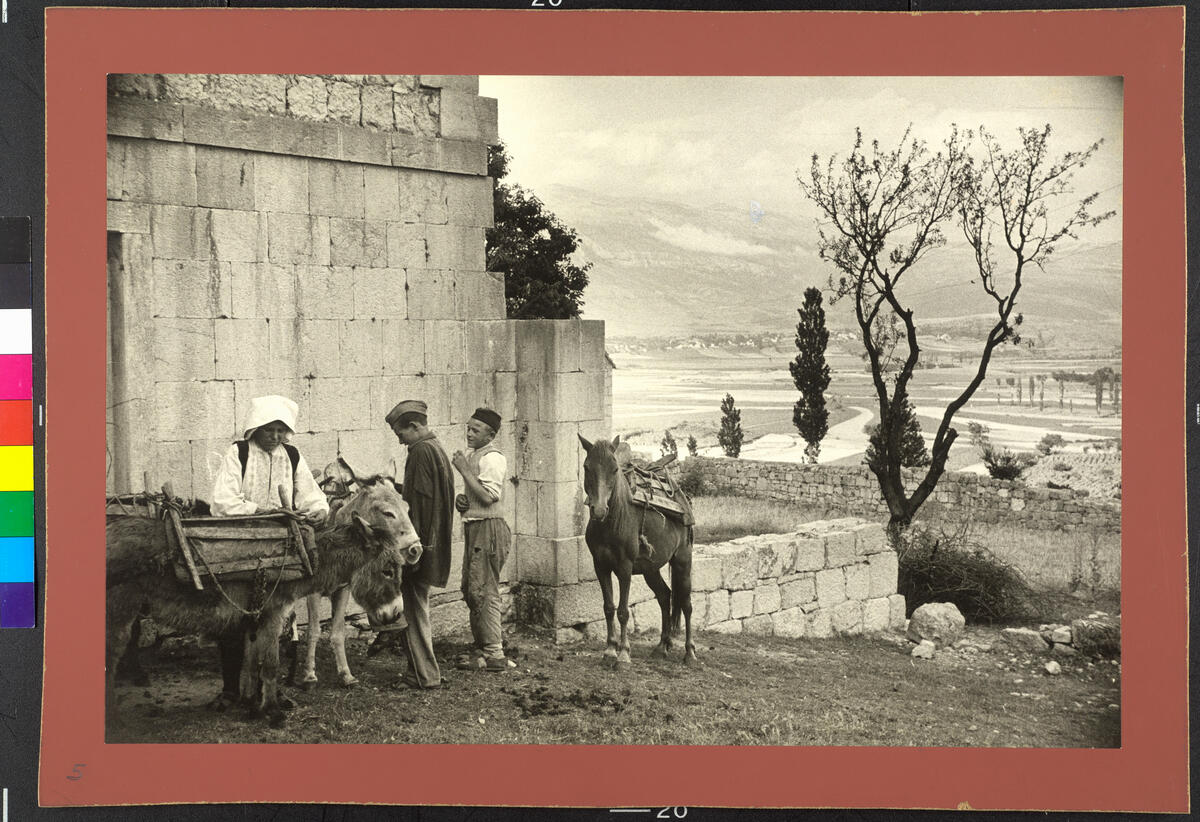
The prints are all gelatin silver and mounted on painted fiberboard, which was color-coded by the photographer. We do not have details of when or where the prints were produced, but it is possible this was organized by Magnum’s Paris office. When the crates were originally returned to Andréa Holzherr, Magnum’s Global Cultural Director, they were dusty, had traces of mildew and appeared to be in quite bad shape. However, a conservator confirmed that despite appearances, they only required cleaning and were in fact in good condition for their age, despite the circumstances of their storage for 50 years.
How does the installation of the modern Magnum’s First exhibition differ from the original Face of Time exhibition?
In the modern re-hangings, viewers will notice the works are numbered and the fiberboard mounts are of various shapes and sizes. We believe this is because the exhibition in its original form may have consisted of larger fiberboard sections for each photographer which had to be cut down in order for the exhibition to travel. The original labels and mounting instructions were found in the crates and there are specific instructions such as “the panels in a series must be hung one over the other, with edges flush, otherwise the impression of reportage, of a continuing report will not be strong enough, and this is very important for this exhibition.”
What does this exhibition suggest about Magnum’s past and present? How have exhibitions and their approaches changed since the 1950s?
The exhibition facilitates our understanding of the agency’s past in a number of ways. It shows that, from the outset, Magnum’s aspirations have always reached beyond that of a standard press agency. From its inception in 1947, Magnum’s cooperative structure — its insistence on photographers retaining their copyright (an uncommon practice at the time) and being perceived as authors — and its stalwart support of its photographers’ freedom to pursue their individual creative interests, all demonstrate Magnum’s grand designs to operate across the global cultural landscape.
Exhibitions featuring documentary photography have changed significantly over time to make way for a broader range of subject matter, artistic and conceptual approaches, as well as more experimental ways of exhibiting, often using a range of different media. Face of Time / Magnum’s First provides some insight into the foundational role of Magnum in this evolution.
Why are exhibitions such an important medium for photographers today?
An exhibition is often a means for a photographer to fully realize his or her work, allowing the viewer to physically experience their work and artistic intentions, beyond the limitations of a book or website. Some things have to be seen and experienced to be understood.
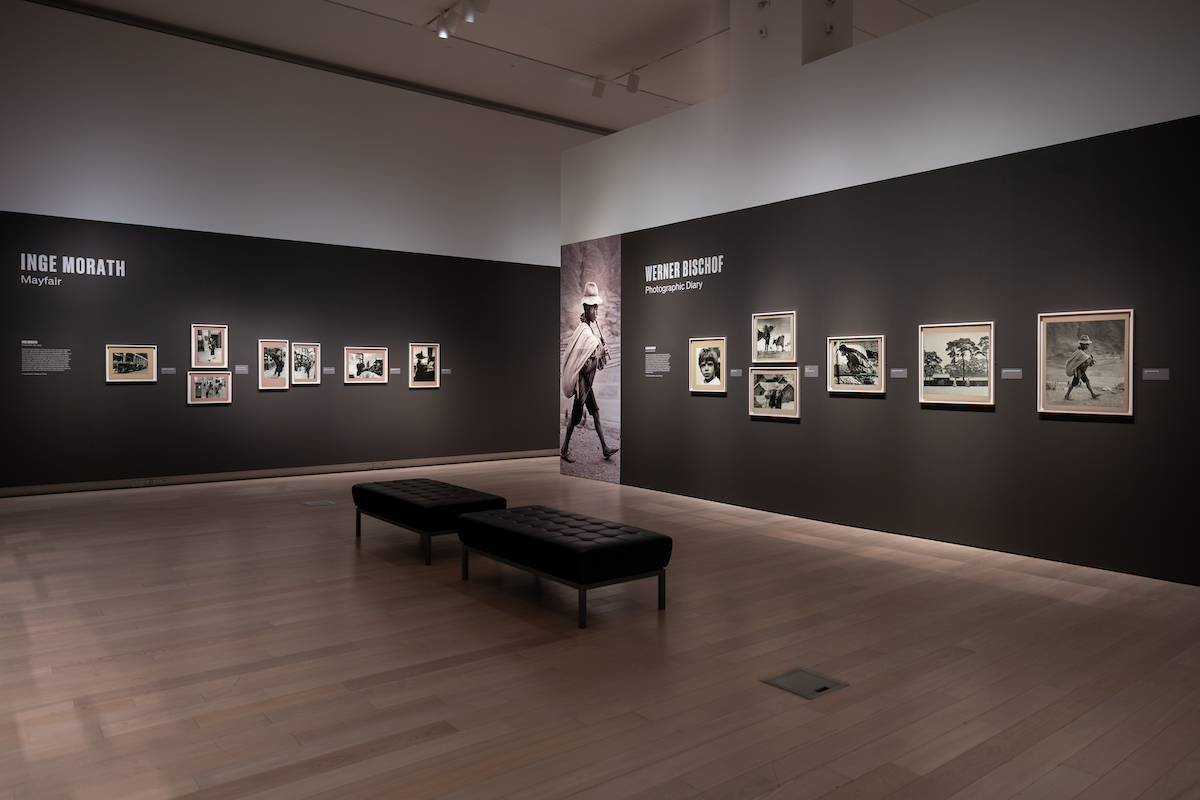
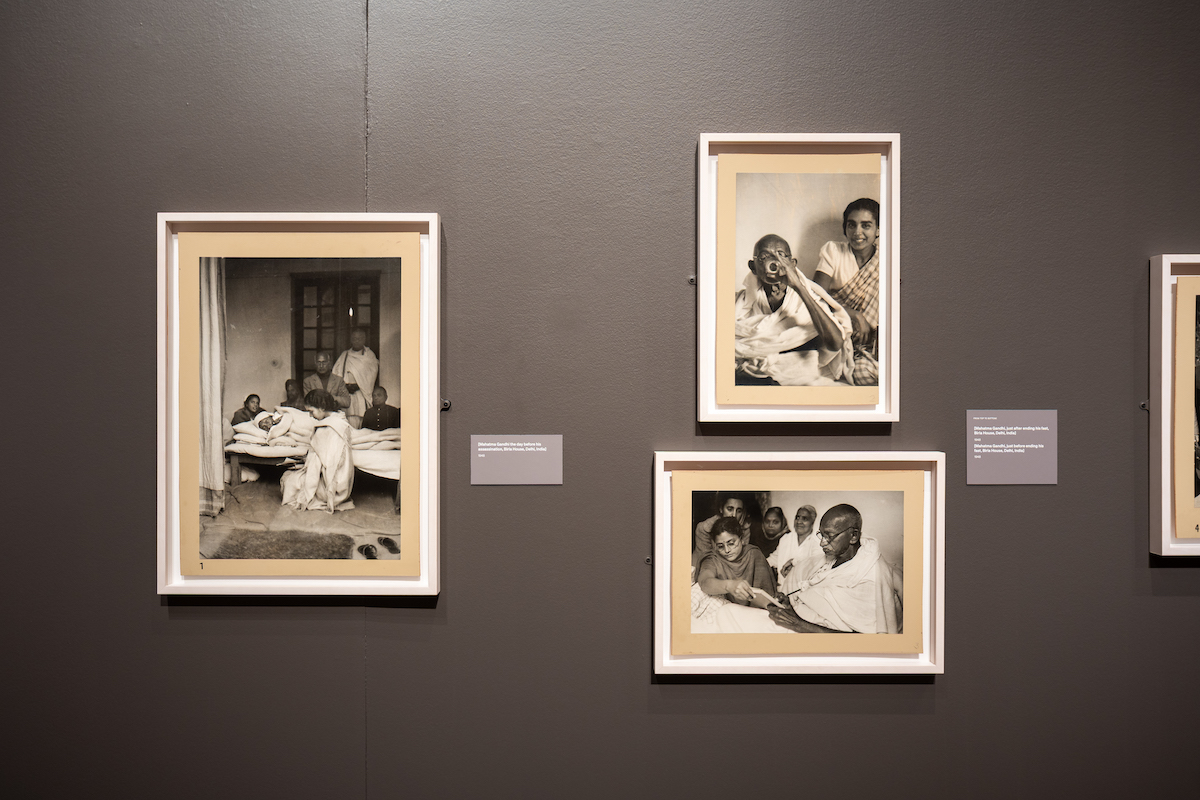
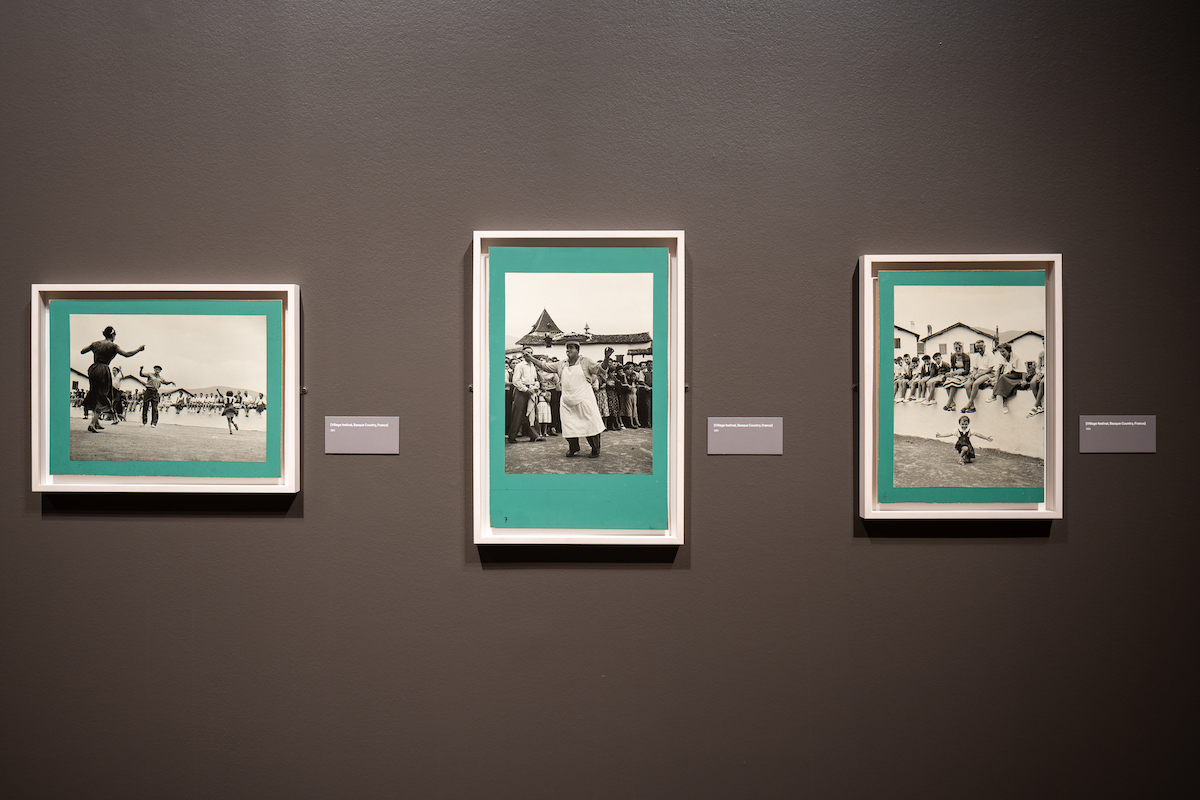
After its initial run in five different towns in Austria between 1955–56, the exhibition was lost. Since its rediscovery and restoration in 2006, it has traveled to nine countries and is currently on view at The Image Centre in Toronto.
To inquire about the traveling exhibition, contact Magnum’s Cultural Department at cultural@magnumphotos.com
Magnum’s First
The Image Centre
33 Gould St, Toronto, Canada
September 10–December 13, 2025 [closing for winter break]
January 14–April 4, 2026
Plan your visit here.