

A Lasting Moment: Marc Riboud in England
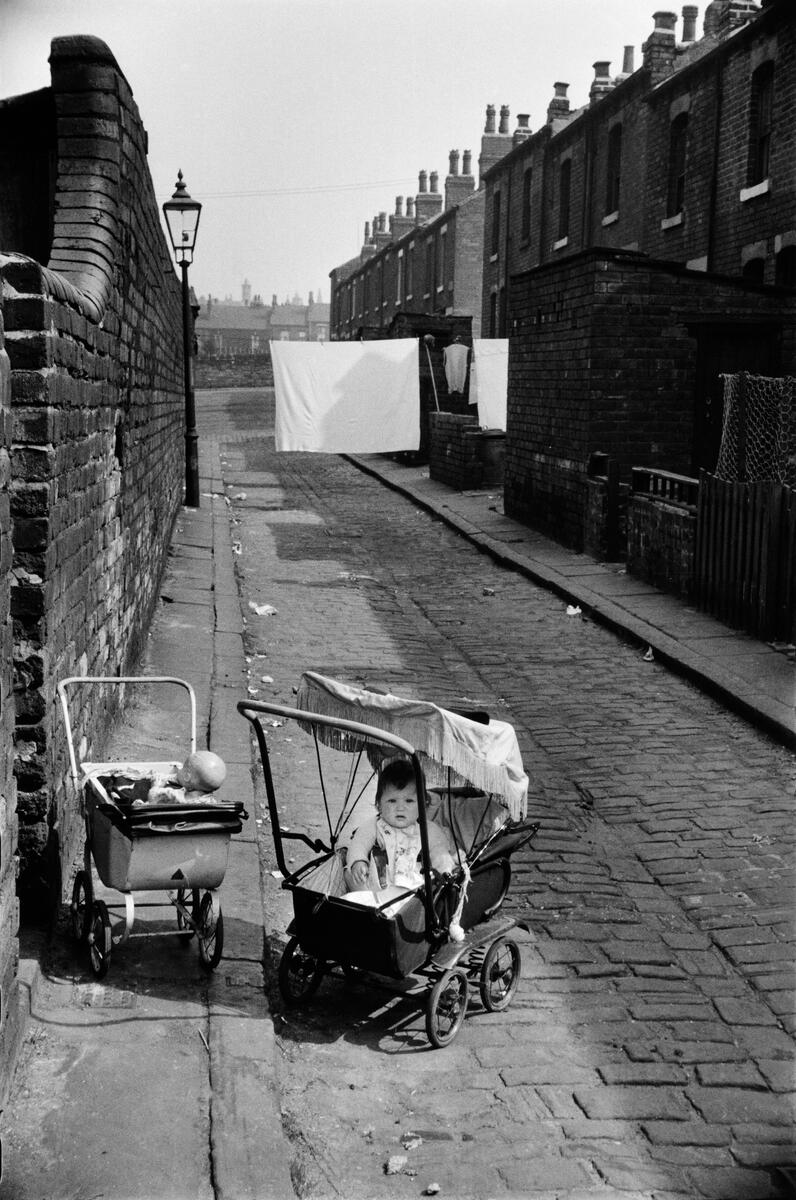
Marc Riboud's rediscovered series in Leeds portrays the industrial cityscape and the lives of the working class in 1954
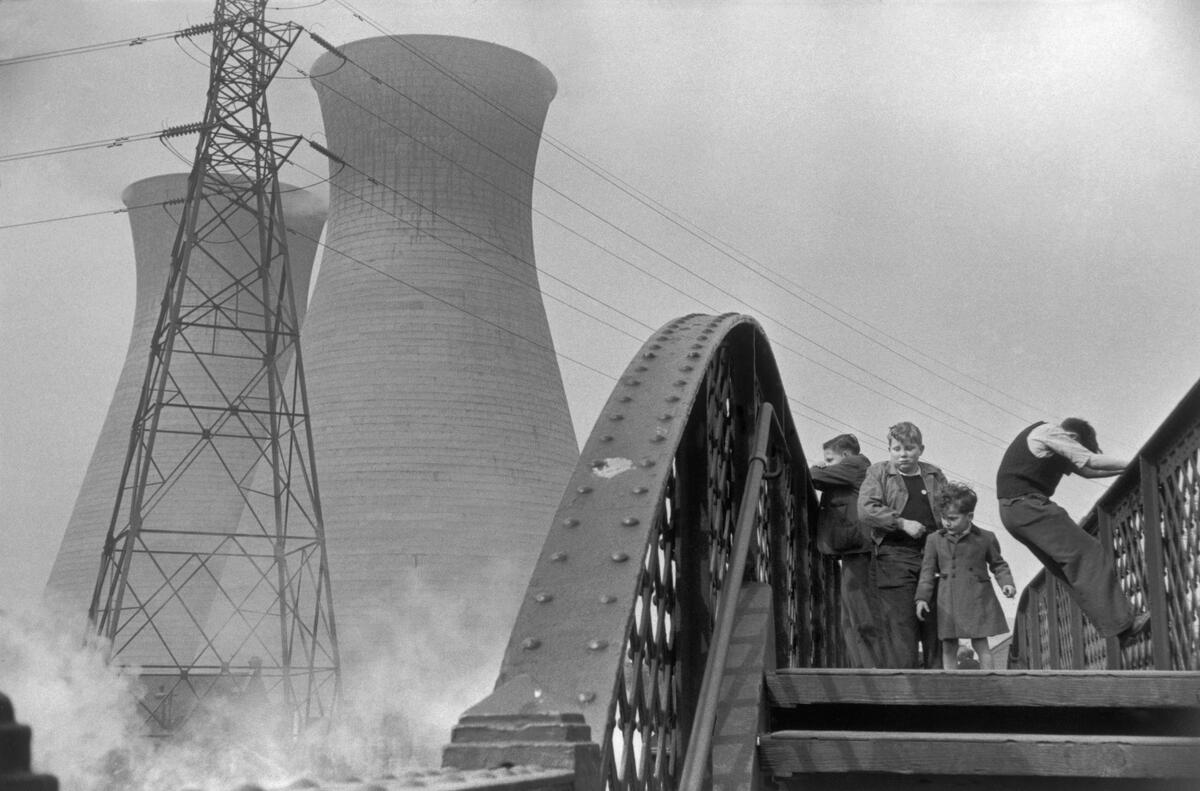
The image above is featured in the 2026 Paris Photo selection. Discover the curation and Paris Photo events here.
“In all history, no victorious people ever had so hard a time,” wrote the New York Times of Britain in 1954, when rationing finally came to an end after 14 years. That year, a young Marc Riboud found himself in England on his first editorial assignment, which was subsequently forgotten and thought to have been lost, until it was rediscovered exactly half a century later.
“You’re a good photographer, but if you want to join Magnum, you’ll have to see [Robert] Capa,” Henri Cartier-Bresson told Riboud in 1952 after reviewing his images of the Tignes dam — a project which ended in the evacuation and deliberate submerging of Tignes. Cartier-Bresson’s response gave Riboud hope to potentially join the cooperative, which was in its fifth year.

“So I met Capa,” Riboud recalled, “who took me under his wing, without any lectures, but with a hearty pat on the back and an immediate order: ‘Go live in London. You’re too shy, you’ll see girls and you’ll learn English.’ So I spent a year in London, and I didn’t see the girls and I didn’t learn English, but I did take thousands of photos.”
Capa visited Riboud in London, providing him with some money and setting him up with contacts. Then, in 1954, Len Spooner, the editor of the British photojournalism magazine Picture Post, spoke to Capa about publishing his series on English cities. The project was already finished, except for Leeds. ‘That’s perfect,’ Capa answered. ‘Leeds is the most depressing city in England, and Marc is from Lyon, the most depressing city in France.’” Spooner gave in, and Riboud got his first assignment.
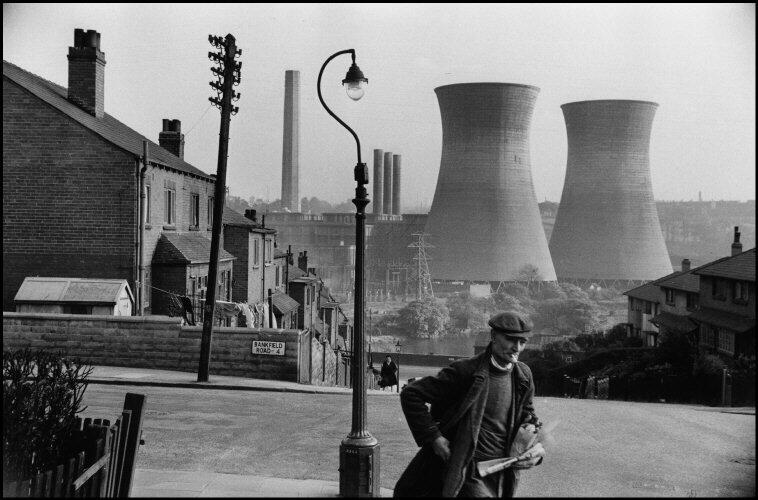


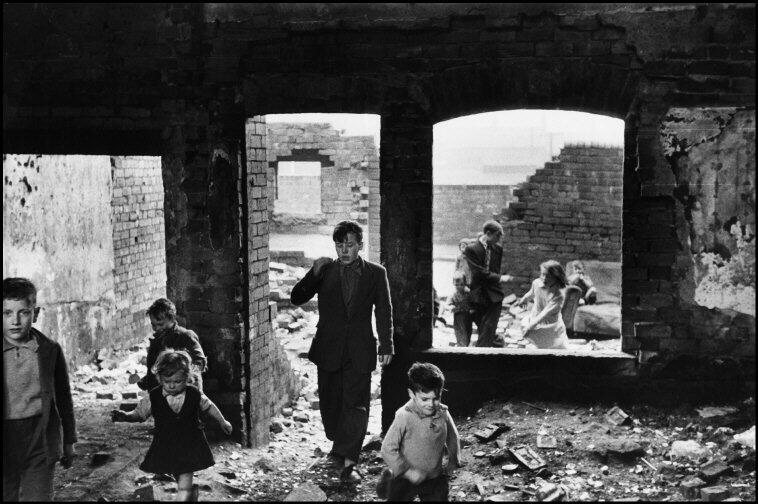
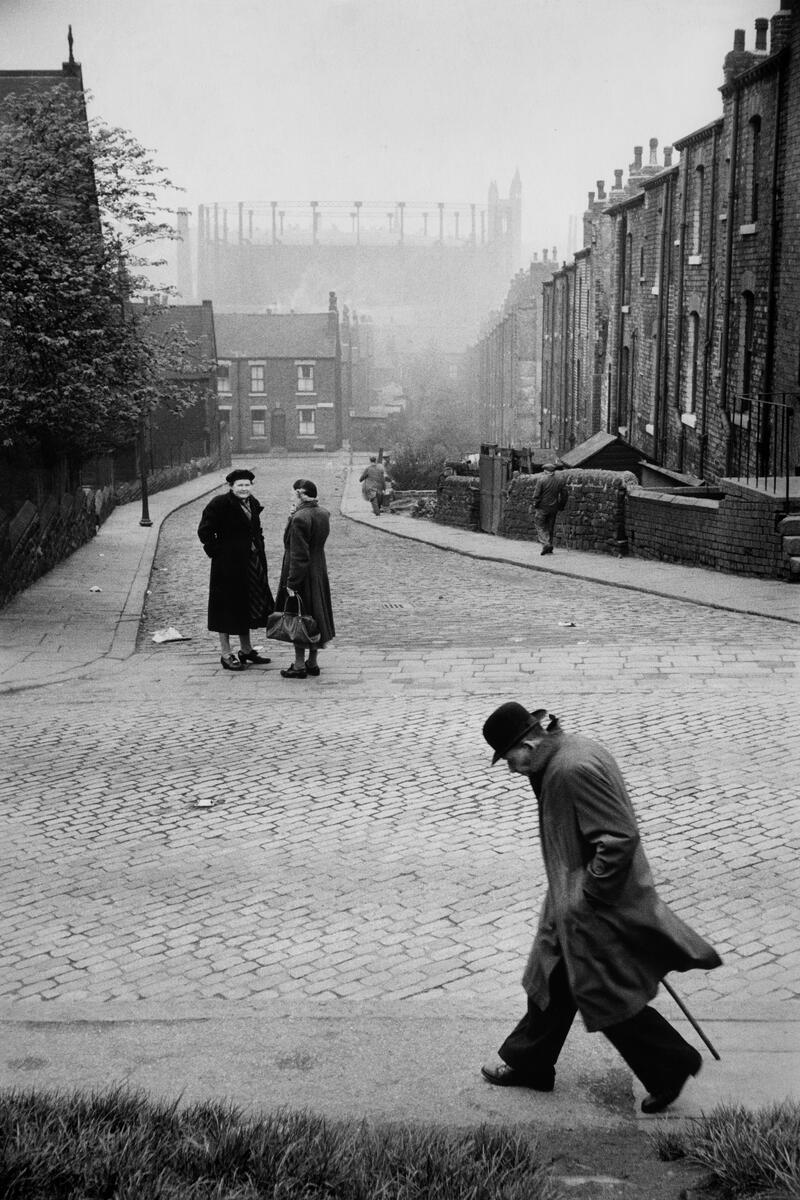
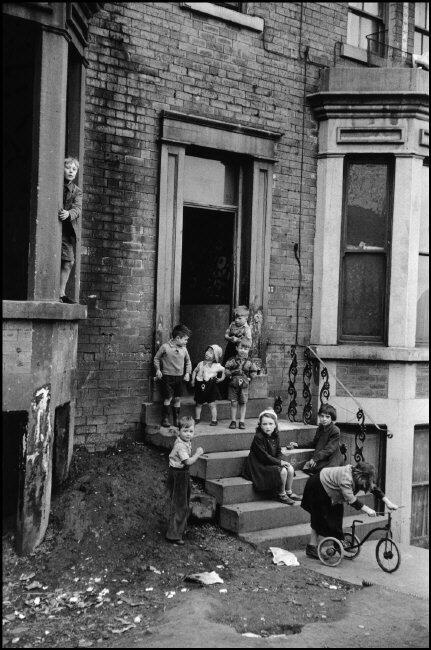
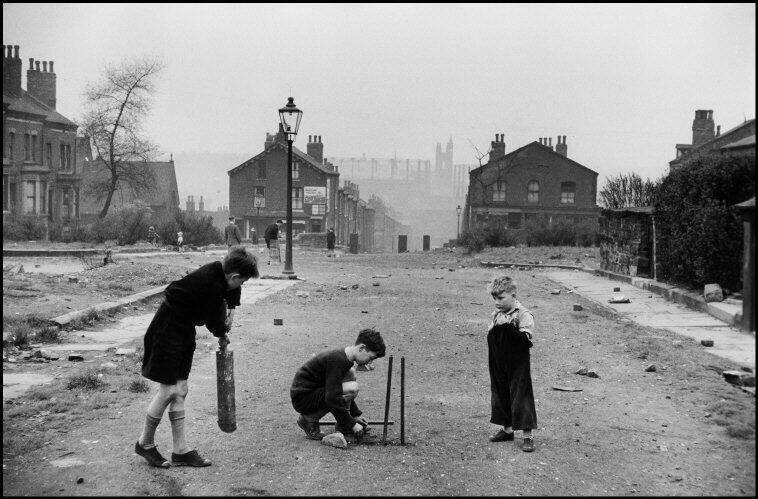
Riboud was 31 years old in 1954 when set foot in Leeds, a city that was slowly seeing the light of postwar recovery. While some of his images show a lively city center, what drew Riboud in were the colossal smoke stacks, children playing street cricket outside dilapidated houses, hundreds of factory workers hunched over their sewing machines, and a horizon of smog.
Having relied on heavy industry for decades, the city’s textile manufacturers were slowly in decline, yet it was still reliant on its industrial economy. Meanwhile, Cold War tensions were mounting as nuclear developments escalated.
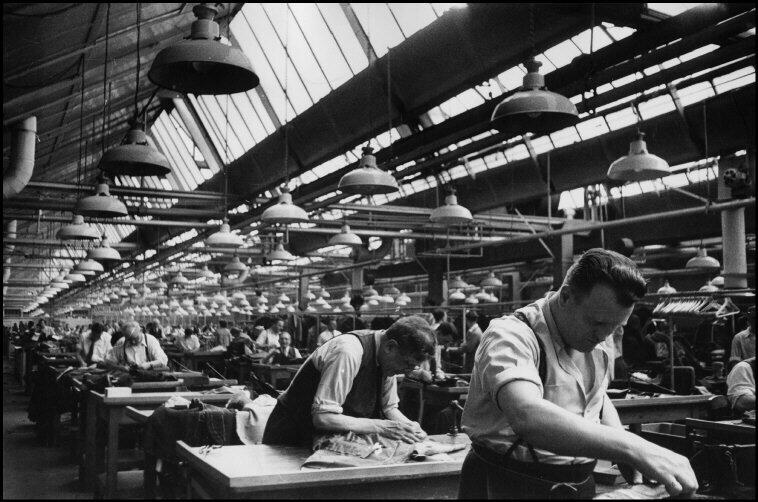
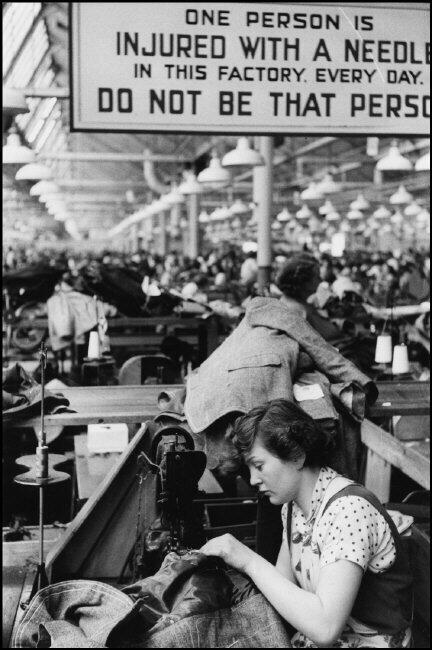
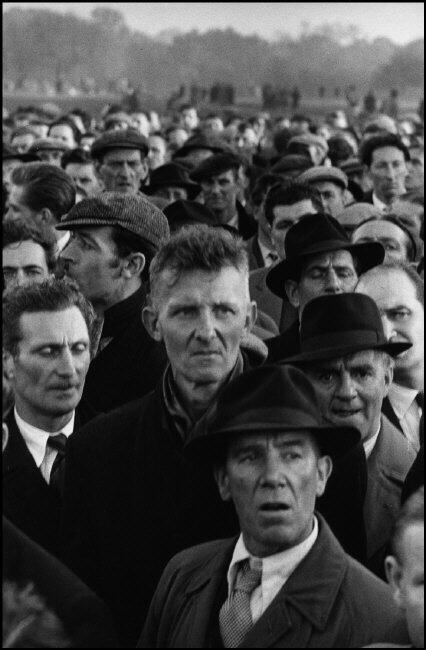
Riboud’s photographs of the city during this transition are corporeal — bodies of workers are dwarfed by the enormous structures of production, dock workers huddle together in a strike, residents trudge across polluted skylines and crumbling buildings. Their arresting harshness and strain frame the economic struggles and uncertain future of Leeds’ working class.
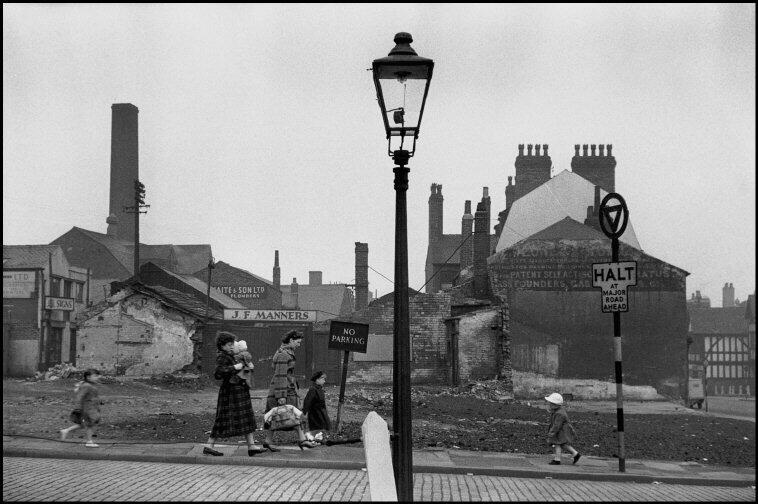
His series is not only historically meaningful for the city itself, it can also seen as the first stepping stone in a timeline documenting sociopolitical change in northern England and Scotland since the cooperative’s foundation.
Following Riboud’s series was Chris Killip’s intimate perspective of industrial decline in the northeast in the 1970s and 80s; Philip Jones Griffiths’ series in Middleborough in the 1970s; Raymond Depardon’s portrait of Glasgow in 1980; Peter Marlow’s social documentary of inner city Liverpool in Liverpool: Looking Out to Sea in the 1980s; Martin Parr’s The Last Resort observing 1980s New Brighton; and Chris Steele-Perkins’ celebration of country life in County Durham in Northern Exposures in the early 2000s. These photographers trace half a century of life in the north, their diverse perspectives forming a visual cartography of its people and evolution.
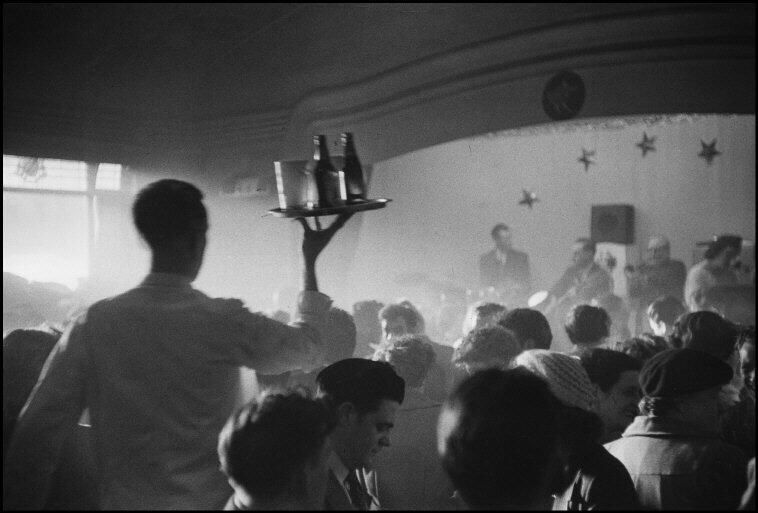


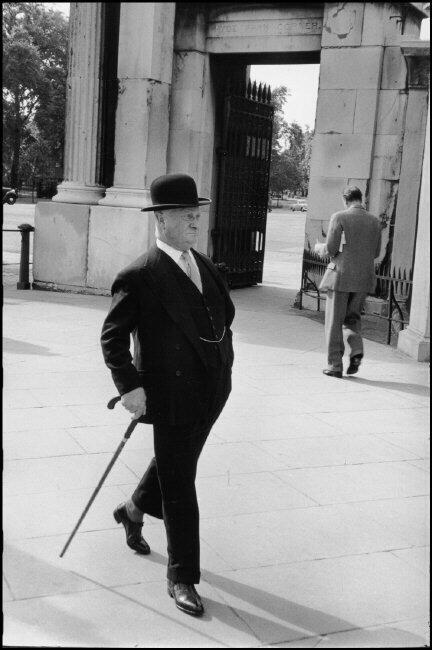
On the same trip, Riboud captured the upper classes at London horse races or in their most dapper street attire, and holiday goers at Southend-on-Sea in Essex. These images capture a liberated sense of leisure that feels starkly absent in his Leeds assignment.
“When I returned from Leeds a month later,” recalled Riboud, “I went to Spooner’s office to give him my films. The first thing he said was ‘Capa is dead.’ I had only been at Magnum for two years, but like all the other photographers, I felt like an orphan.”
Capa, who was covering the First Indochina War, had been killed by a land mine in Thái Bình. He was just 40 years old.
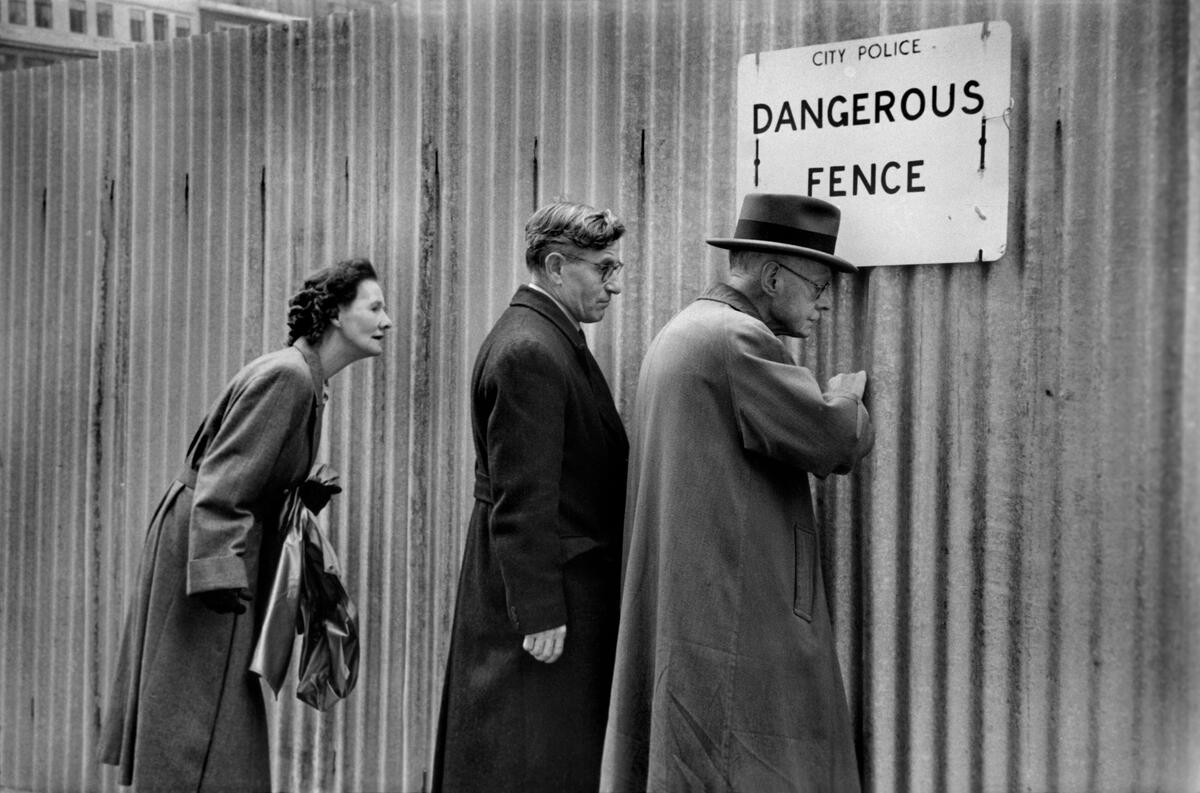
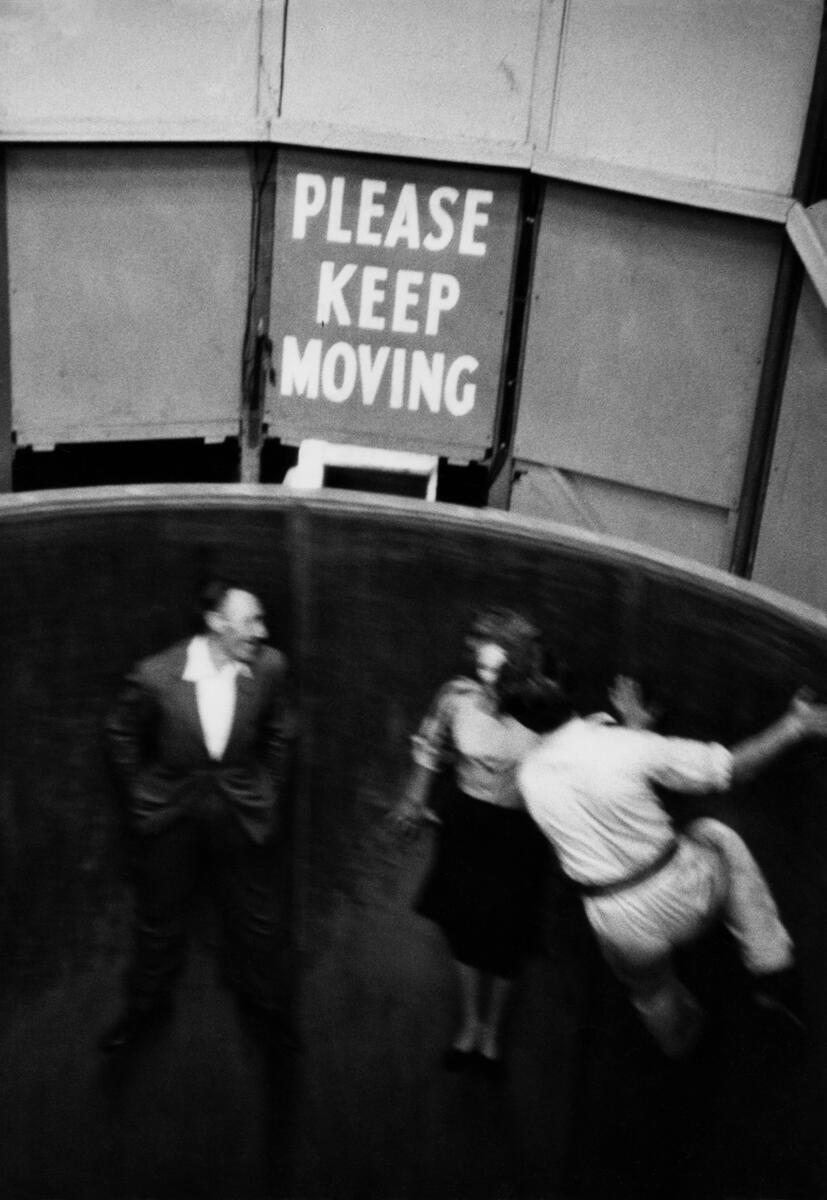
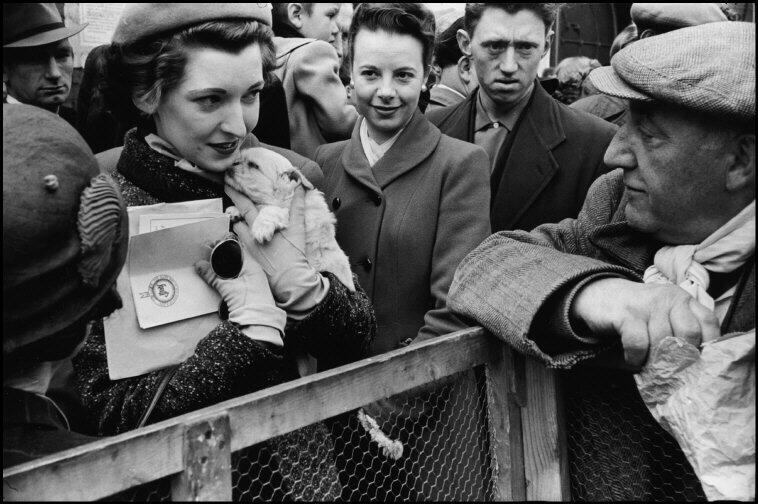


Only a few images from Riboud’s assignment were published in Picture Post, and the rest were deemed forgotten and lost for 50 years. Then, in 2004, history lecturer Janet Douglas saw some of Riboud’s images in a newspaper. She inquired about them, and discovered hundreds of photographs from the same series that had been left undeveloped at a London photo agency. They had just been unearthed, half a century later, as staff was clearing the office.
Riboud, who was 81 at the time, told the BBC Inside Out program: “It was like a memory pulling me back, to see a photograph and another photograph, brought out another and another memory.”
“It’s an example of what we dream of for all our photographs. To see one not only coming back to life, but to incredible life at the same time, it’s a surprise.”
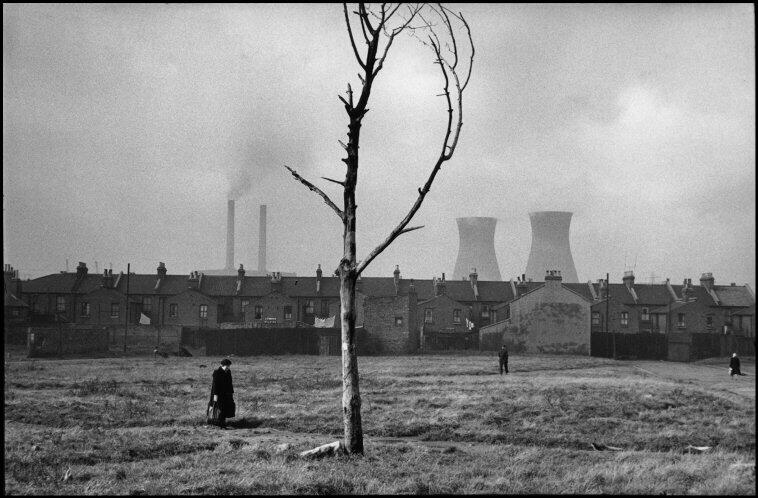
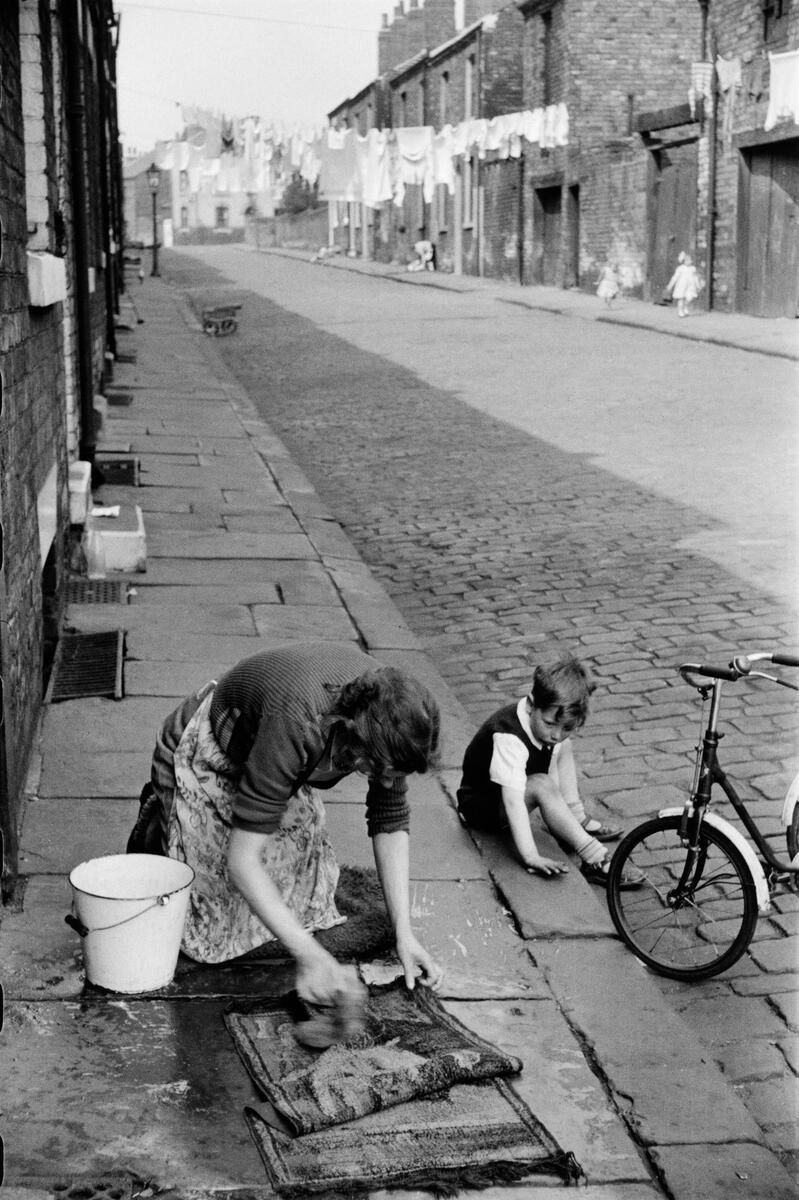
In 2009, the Leeds City Museum organized the exhibition A Lasting Moment: Leeds 1954, and simultaneously launched a search along with Inside Out to retrace the people in Riboud’s images. They were in luck — an old electoral roll in the library listed the names of people who were living in Victoria Place, where Riboud took some of his images. Two of the boys pictured playing cricket and on the house stoop were found, now retired.
One of the men didn’t remember the picture being taken: “It knocked me for six. I’d have noticed if I’d seen someone with a camera, you never saw anyone with a camera those days, he must have just walked past and clicked.”
A Lasting Moment: Leeds 1954, which was extended due to its success, was a meaningful discovery of the city’s history, while reviving Riboud’s first assignment that helped launch his career.
The first image in this story is featured in the 2026 Paris Photo selection. Discover the curation and Paris Photo events here.


