Harry Gruyaert’s New York
The latest publication from Harry Gruyaert brings together 50 years of images of New York City, a place that redefined the photographer’s relationship to color
When he was 15, Cédric Klapisch, who went on to direct films such as L’auberge espagnol and Paris, pinned a photograph of Harry Gruyaert’s on his wall. Decades later — a photographer inspired by films and a filmmaker inspired by photography — Gruyaert and Klapisch have much to discuss.
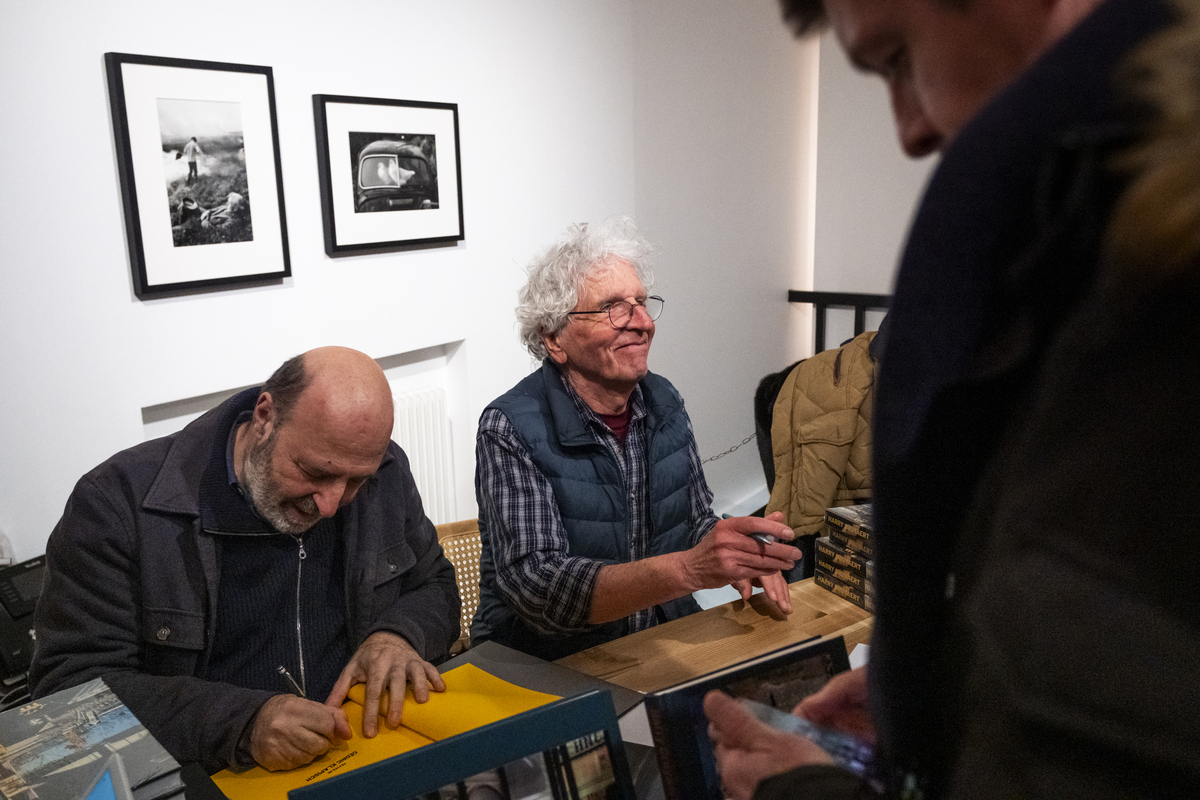
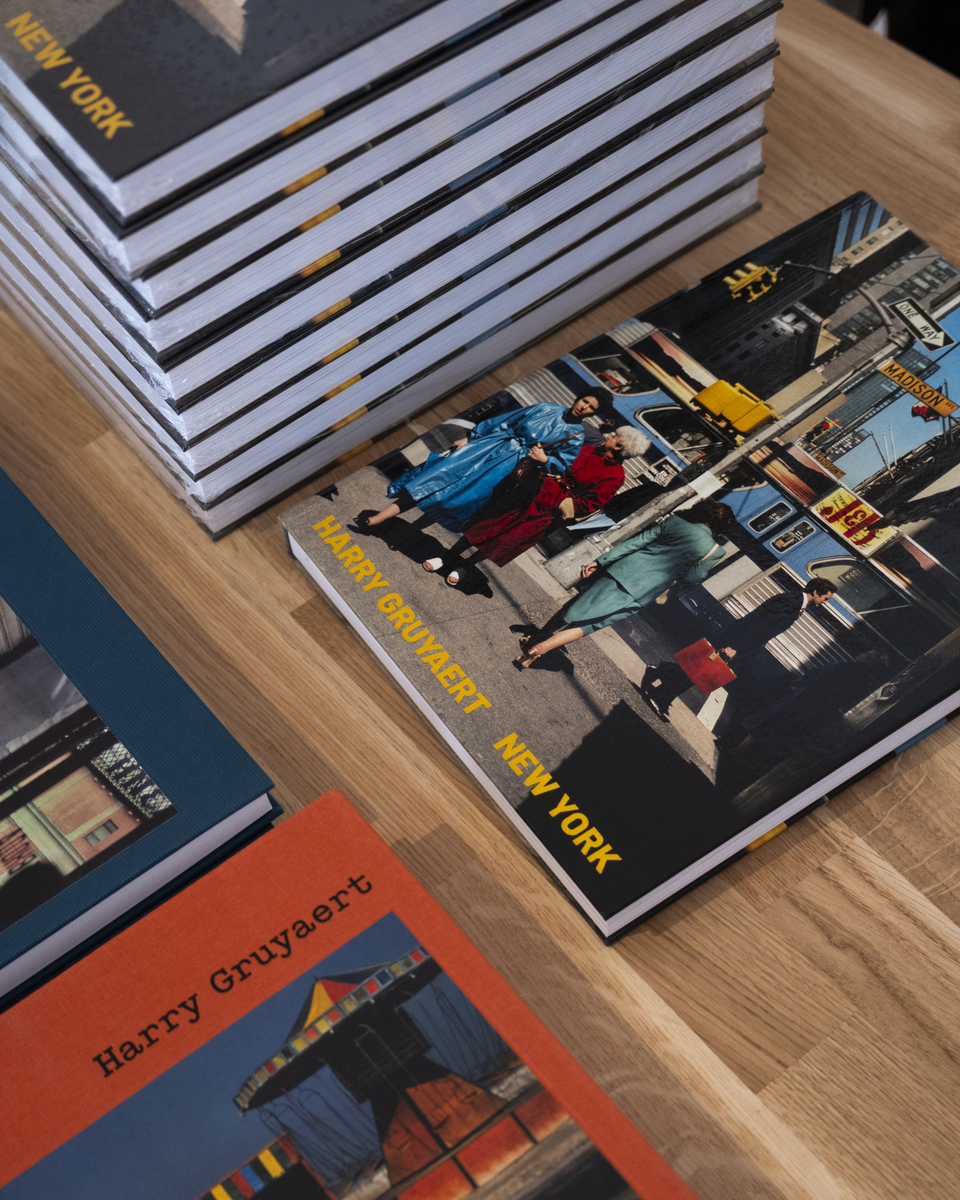
Friends since 2010, the two spoke to a full audience in the courtyard of the newly inaugurated Magnum Gallery and Bookshop in the 11th arrondissement in Paris for the launch of Gruyaert’s latest photobook, New York, an homage to the city that dynamized his shift to color. Published in March 2026 by Atelier EXB — with the English edition co-edited by Thames & Hudson — the book features an introduction by Klapisch, who accompanies the photographs with imaginative texts, offering cinematic scenarios alongside Gruyaert’s compositions.
Gruyaert’s relationship with New York City began in 1968, when French filmmaker François Reichenbach invited him to join him there to photograph on the set of his film. Gruyaert stayed on for two or three months in choreographer Trisha Brown’s apartment at 80 Worcester Street, an address that would later be described as giving rise to the birth of SoHo.
Two years before Gruyaert’s arrival, the lofts of the building — which housed an old paper company — were transformed into SoHo’s first artists’ co-op. Soon after, Jonas Mekus, a filmmaker and critic, converted the lower floor into a cinema for experimental films and an archival space for Film Culture magazine.
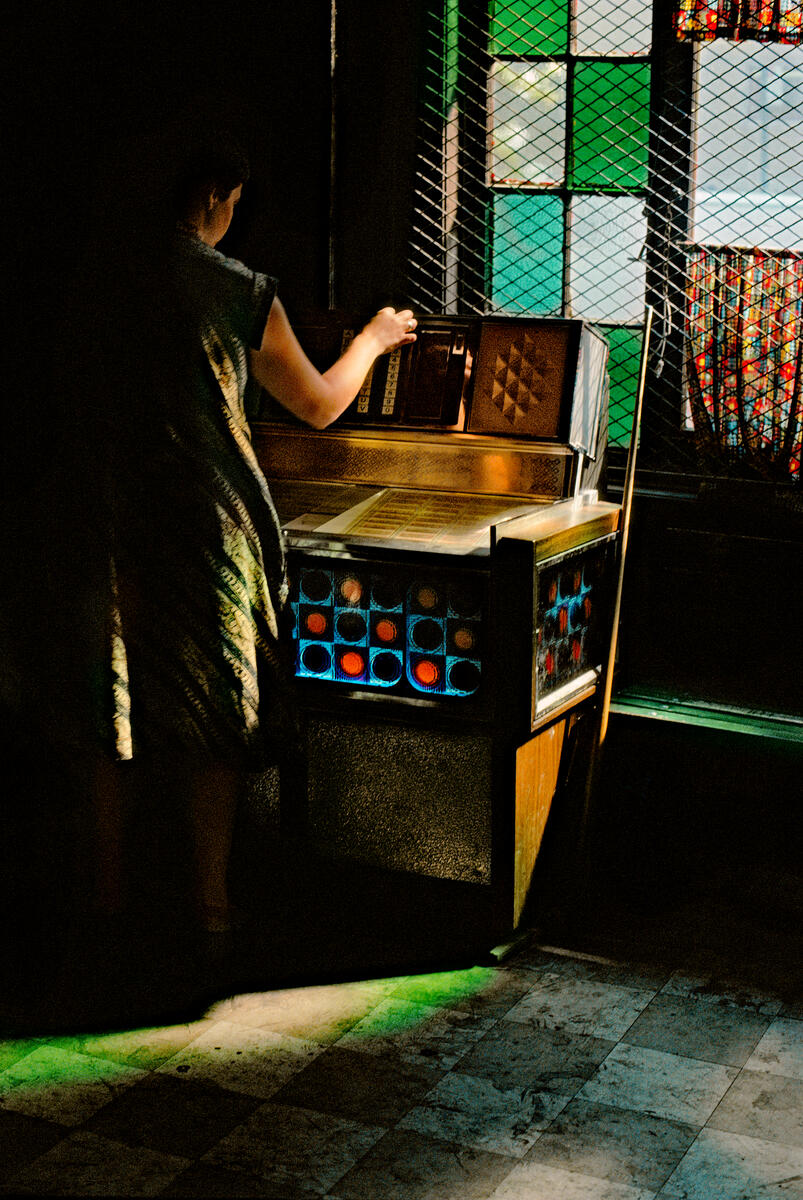
"My school is the cinema. I learned more from the cinema than from anything else."
- Harry Gruyaert
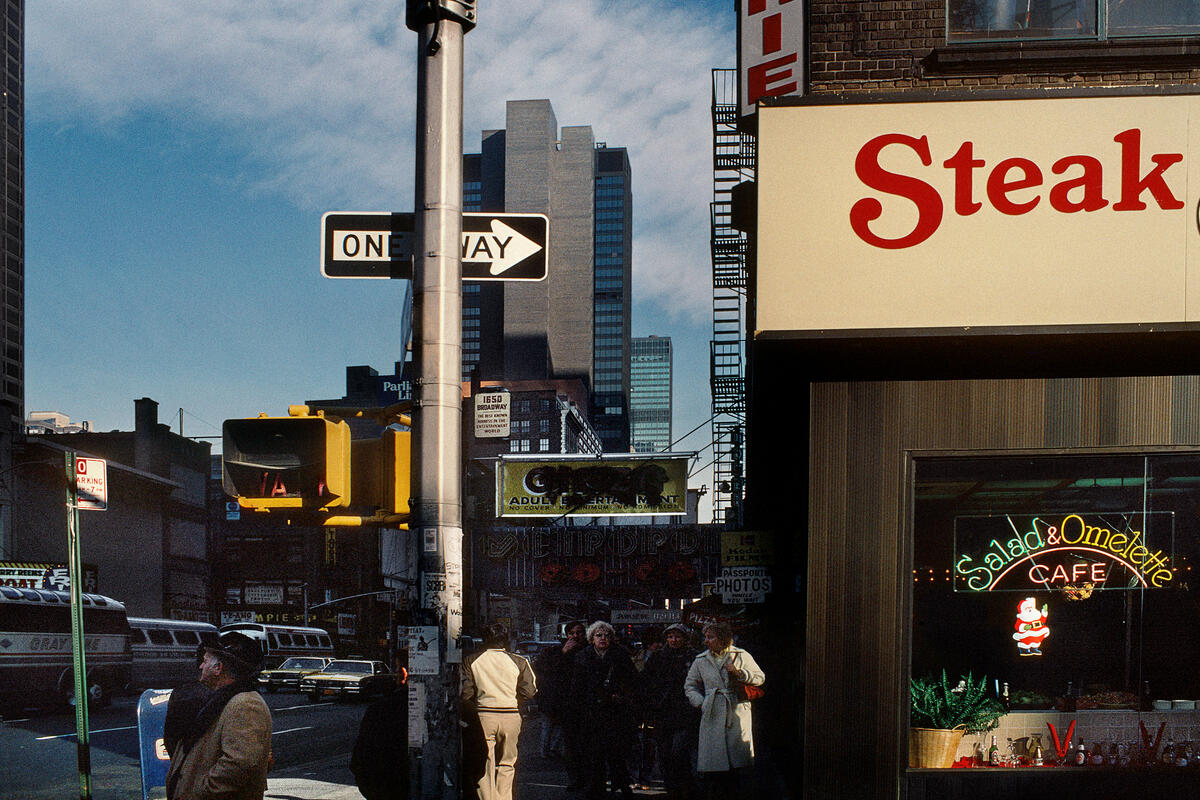
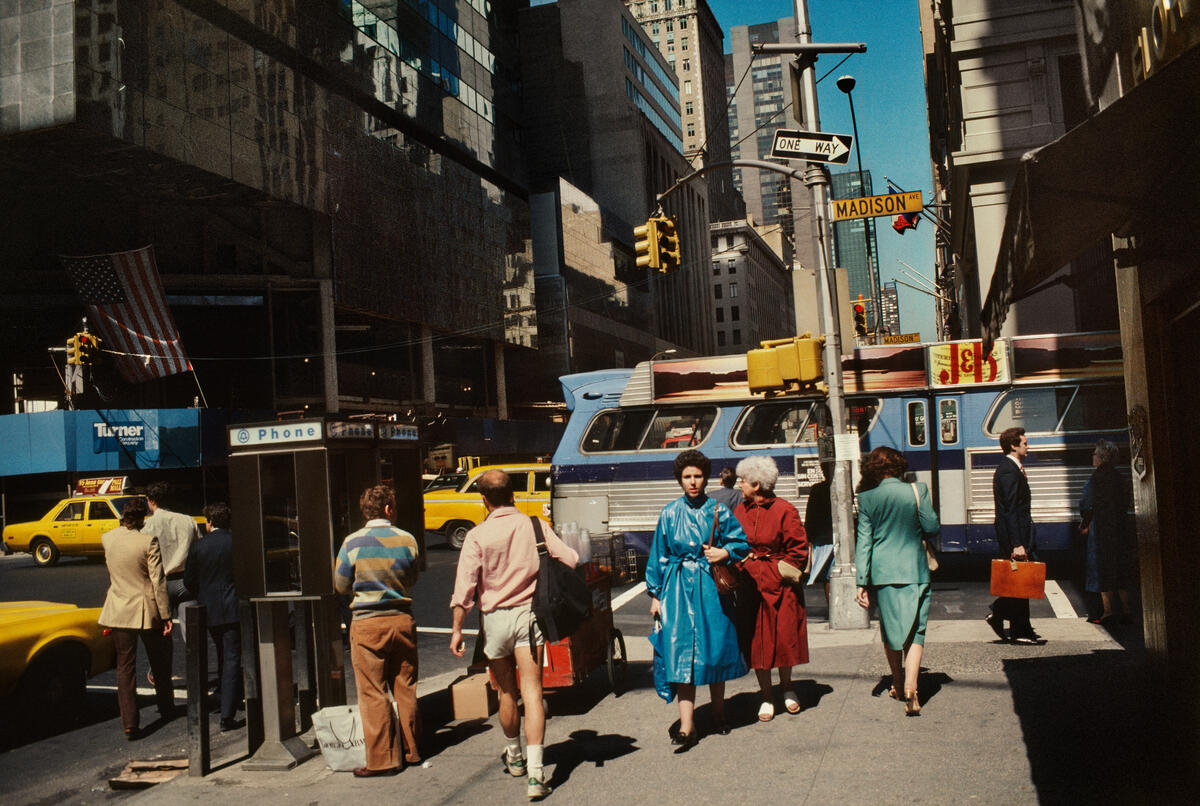
For Gruyaert, this first experience in New York was invigorating. It was a baptism into the budding avant-garde scene, triggering his desire to capture a distinct sense of place, or as Klapisch writes in his introduction, “a bubbling, frenetic fusion of people, traffic signs, street furniture, advertisements, cars. […] This magnificent and colorful jumble.”
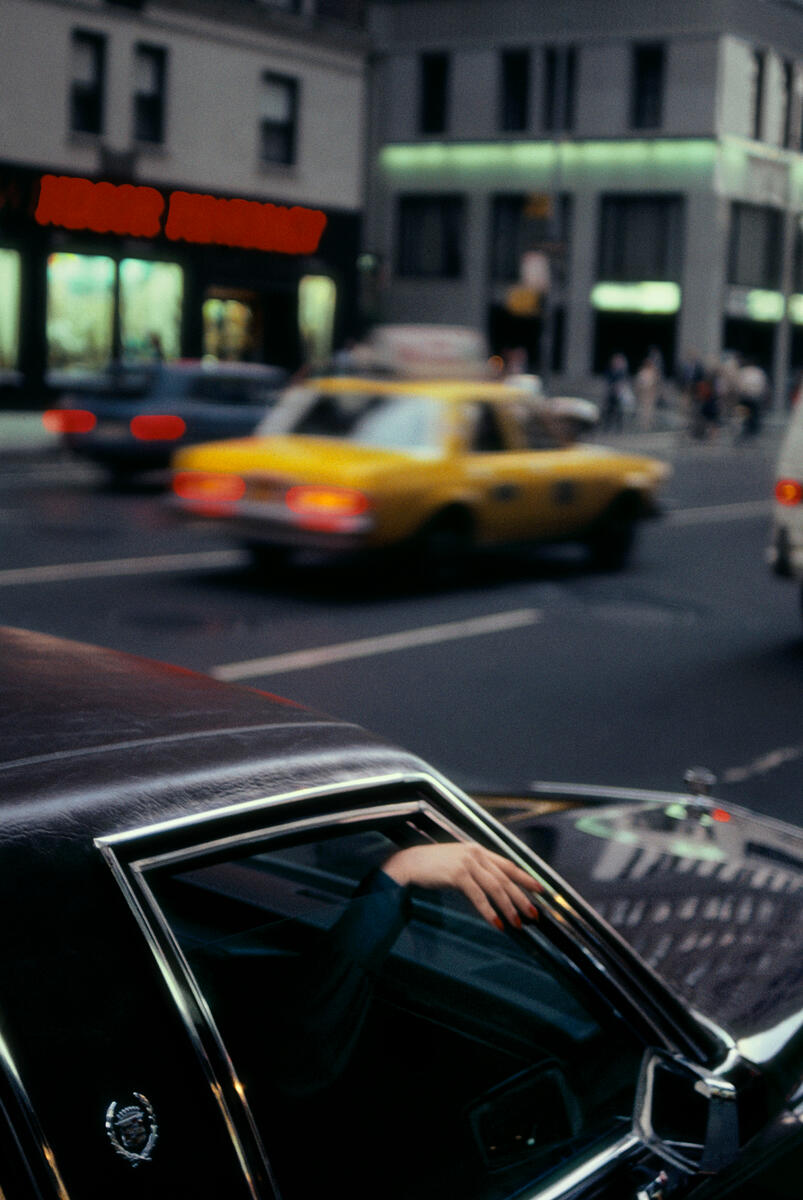
New York opens with an epigraph from the late American author Paul Auster: “New York is an inexhaustible space, a labyrinth of infinite steps.” Perhaps most significantly, the book illustrates Gruyaert’s ability to direct his lens towards cinematic details within this “inexhaustible space” — a hand with red nail polish emerging from a car window, a woman in a raincoat on a sunny day, surrounded by notes of blue.
“My school is the cinema,” said Gruyaert at the launch. “I learned more from the cinema than from anything else. I’m a bit of a frustrated filmmaker,” he adds, smiling.
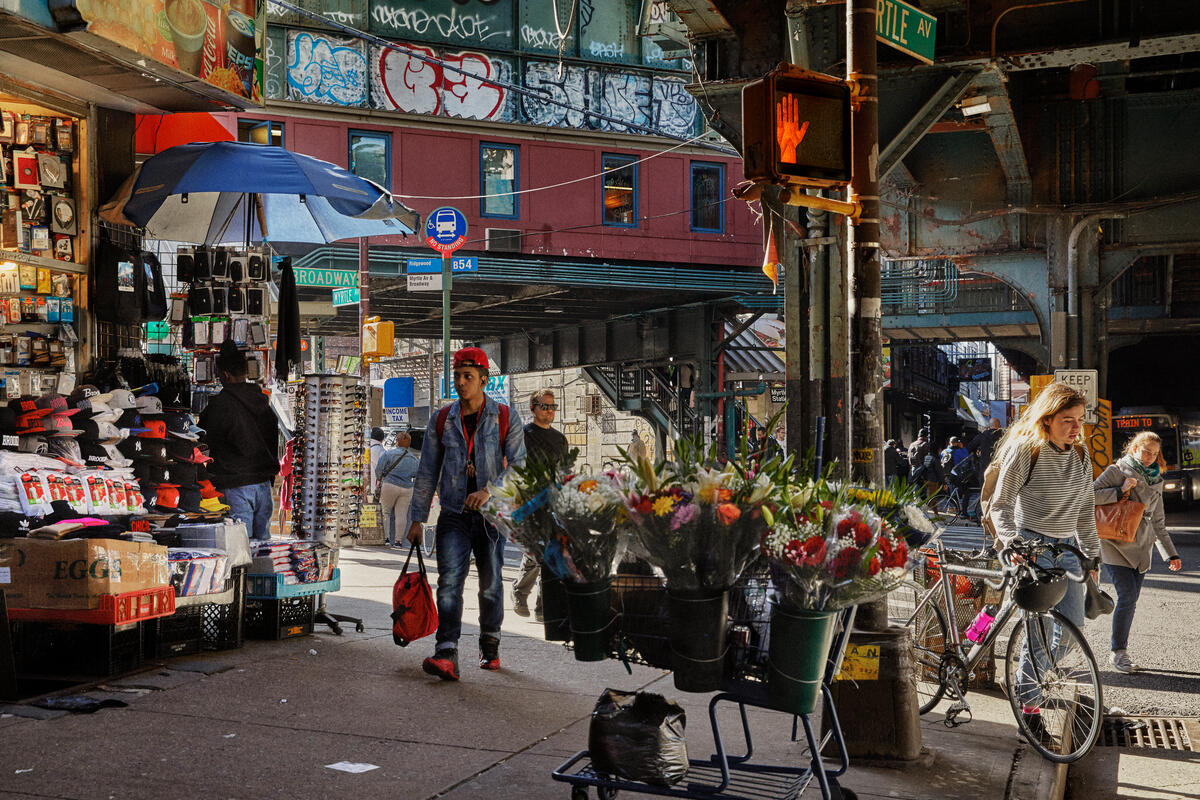
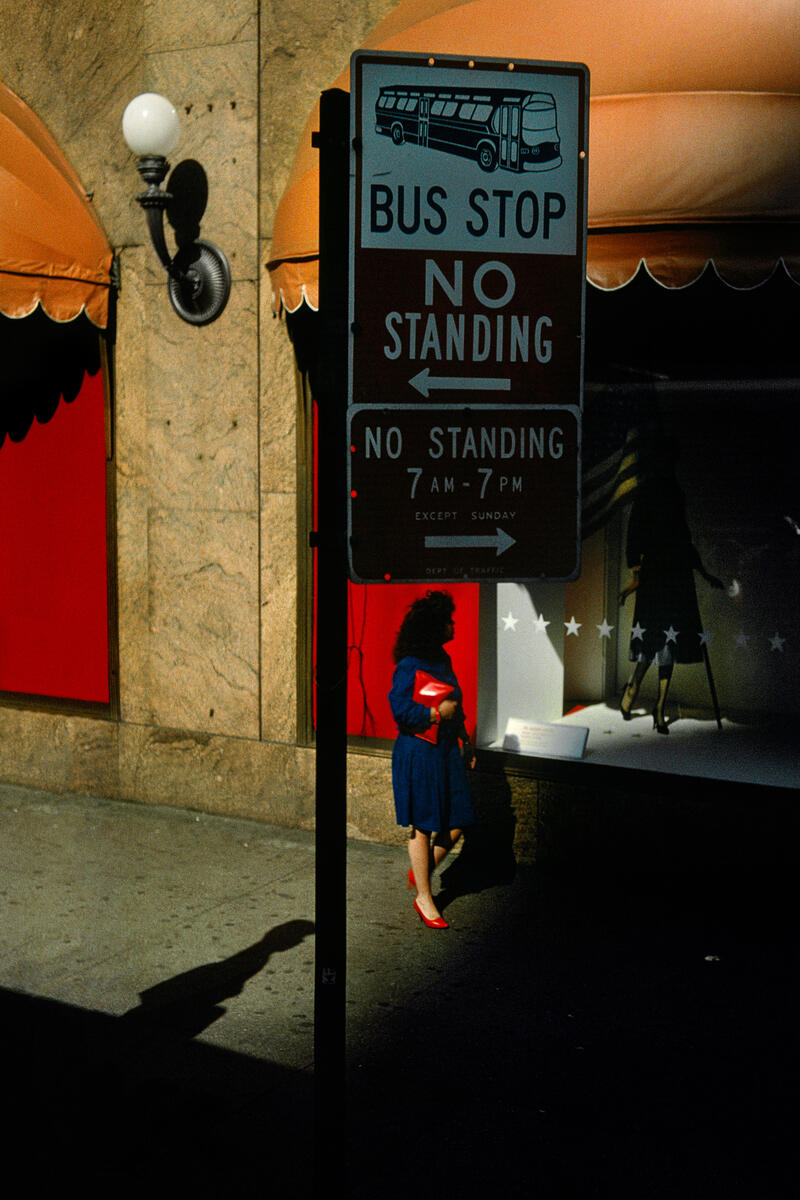
Even more, New York’s 1960s pop art scene and its rendering of the kitsch and the absurd changed Gruyaert’s relationship with photography, which until then was dominated by black and white.
“During my first visit to New York, I discovered Pop Art, which made me look at a certain banality with interest […] and a certain sense of humor. In Belgium, everything seemed to be gray. I shot in black and white because I didn’t see any color. So little by little, I started to photograph in black and white and color at the same time, and color became more interesting. It was the beauty of a certain banality, a certain vulgarity. I think it came from my discovering Pop Art, the way Americans use daily life,” he told Paris Photo. Gruyaert consequently shifted to color, pioneering a movement towards a new aesthetic in Europe.
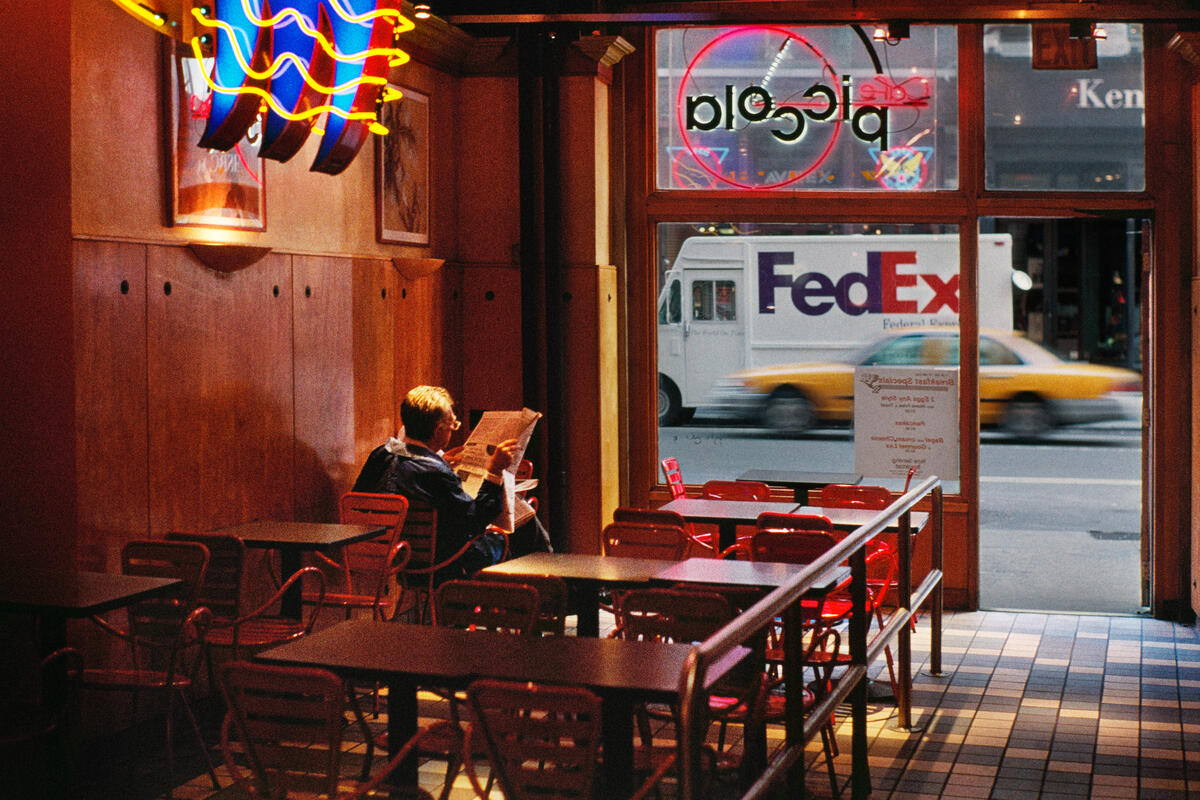
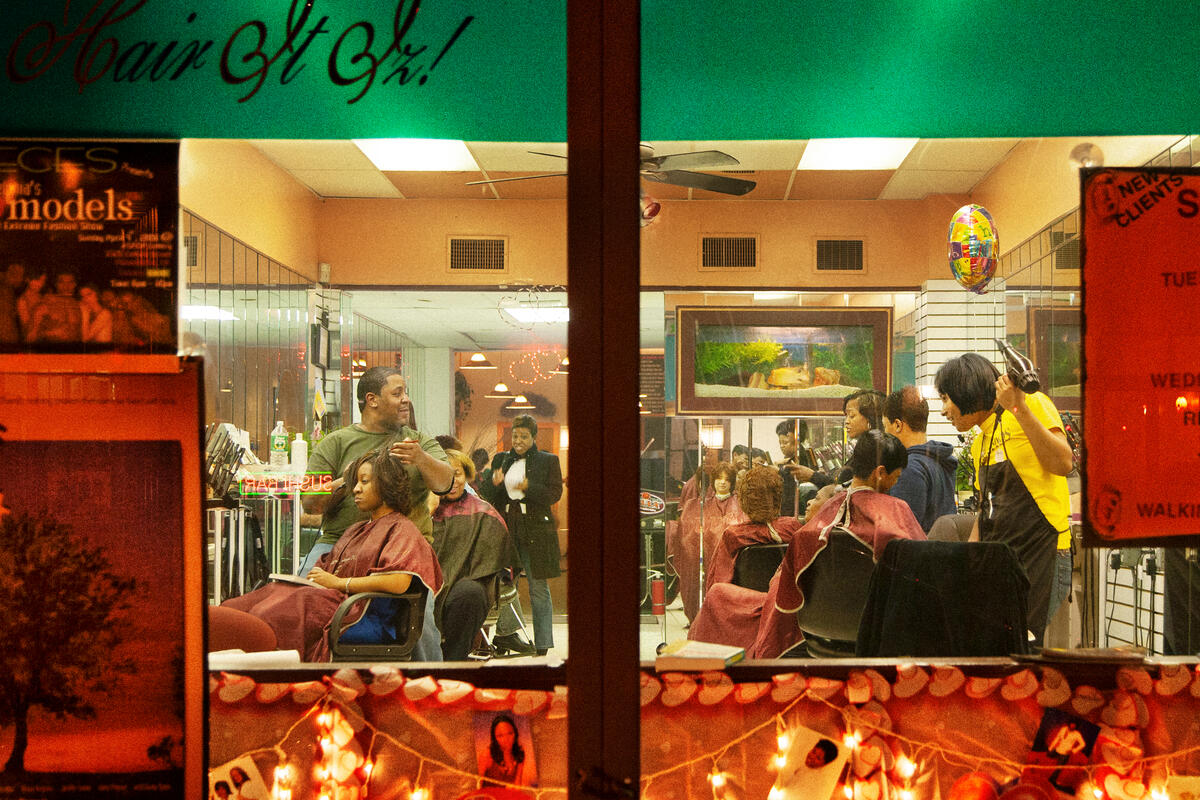
Since then, Gruyaert has continued to return to New York City regularly, particularly on visits to Magnum’s New York office since becoming a member in 1982. Yet on each visit, he has discovered a new “magnetism” to the city’s interior and exterior rhythms — the overlaid colors of billboards, construction sites, food trucks, diners, and barber shops. Forming a collection of these experiences from 1969 to 2017, New York is a distillation of reflective moments within the cacophony of the metropolis.
“It’s a discovery, it’s exciting, I don’t know what I’m going to do before I do it,” Gruyaert said at the launch.
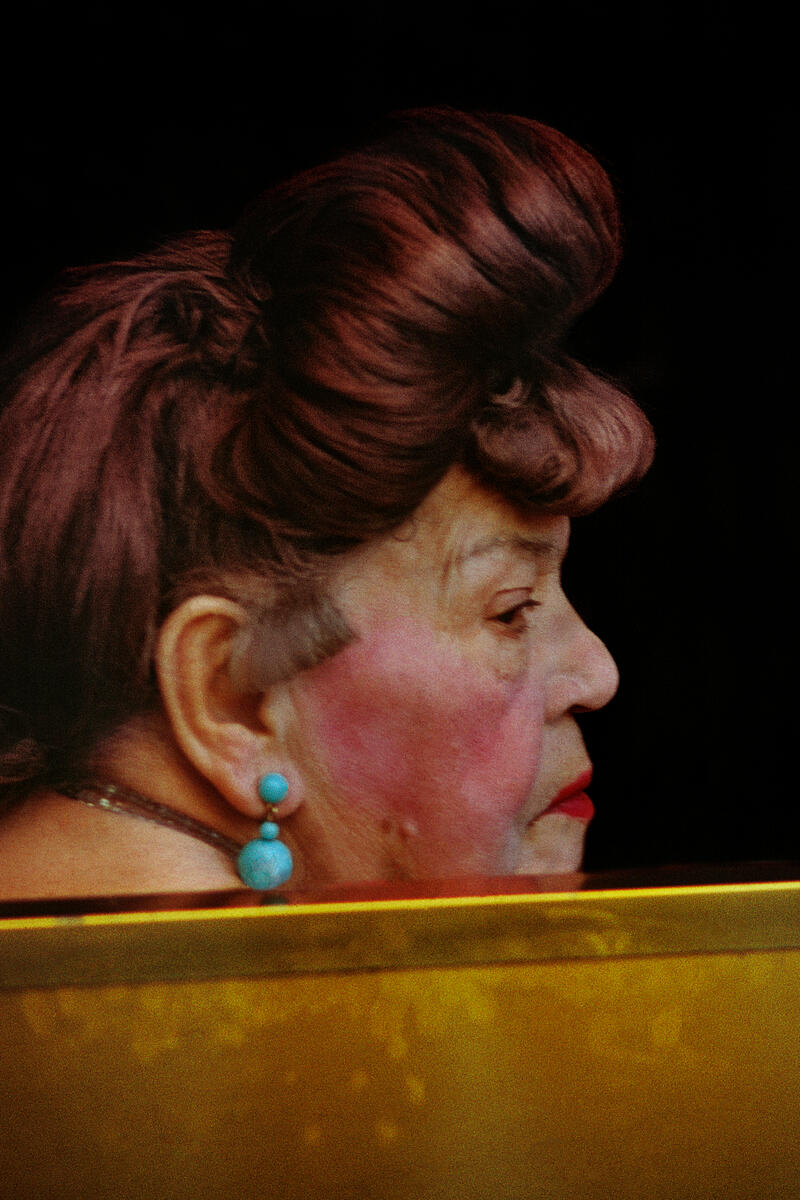
To accompany Gruyaert’s nuanced framing of the city’s diversity in New York and his color-driven compositions, Klapisch offers a series of short, fictional vignettes — imagined stories inspired by the people in the photographs.
“I never think about the people in my photos, or hardly ever,” Gruyaert said at the launch. “It’s more a combination of things; the colors, the rhythms. Cedric took the people in my photos and created scenarios, bringing them to life. It’s very different from how I think, and very compelling.”
In his introduction, Klapisch writes, “When I look at his photos, I immediately perceive life. I often find myself imagining who the individuals before my eyes are; they become for me like the characters in a potential film.”
"It’s a discovery, it’s exciting, I don’t know what I’m going to do before I do it."
- Harry Gruyaert
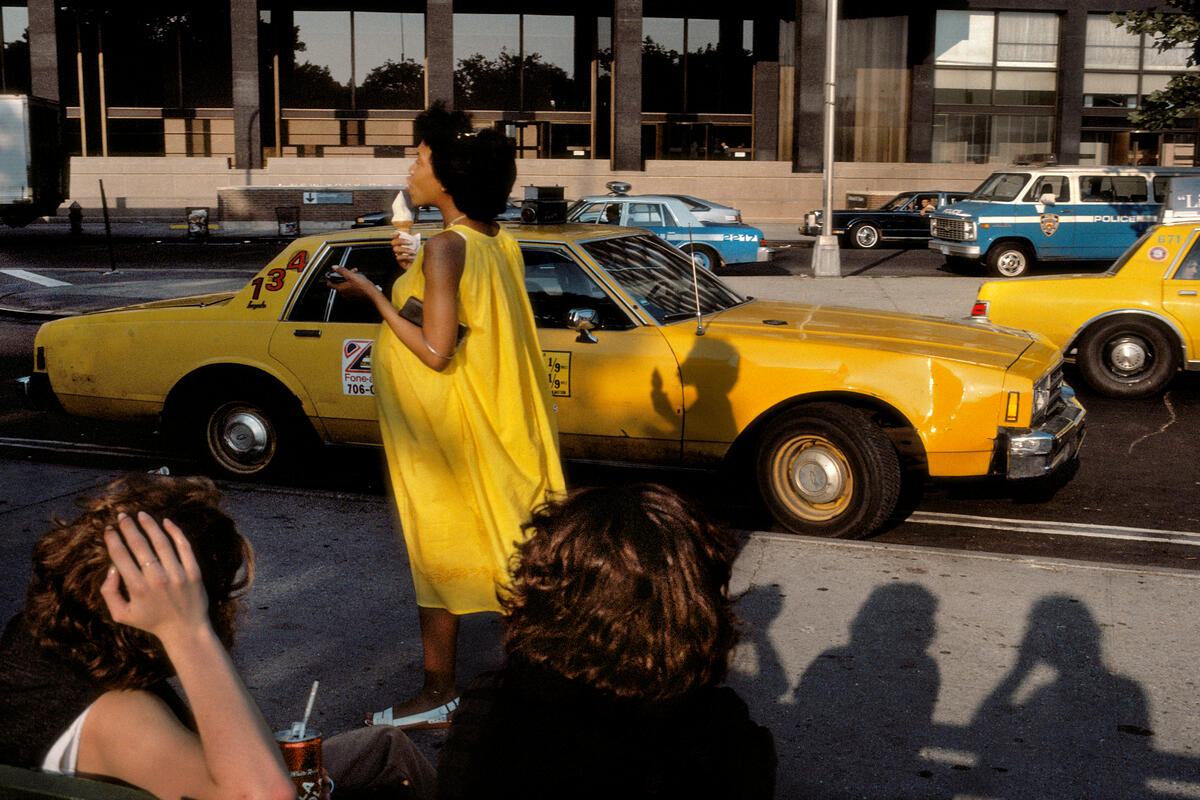
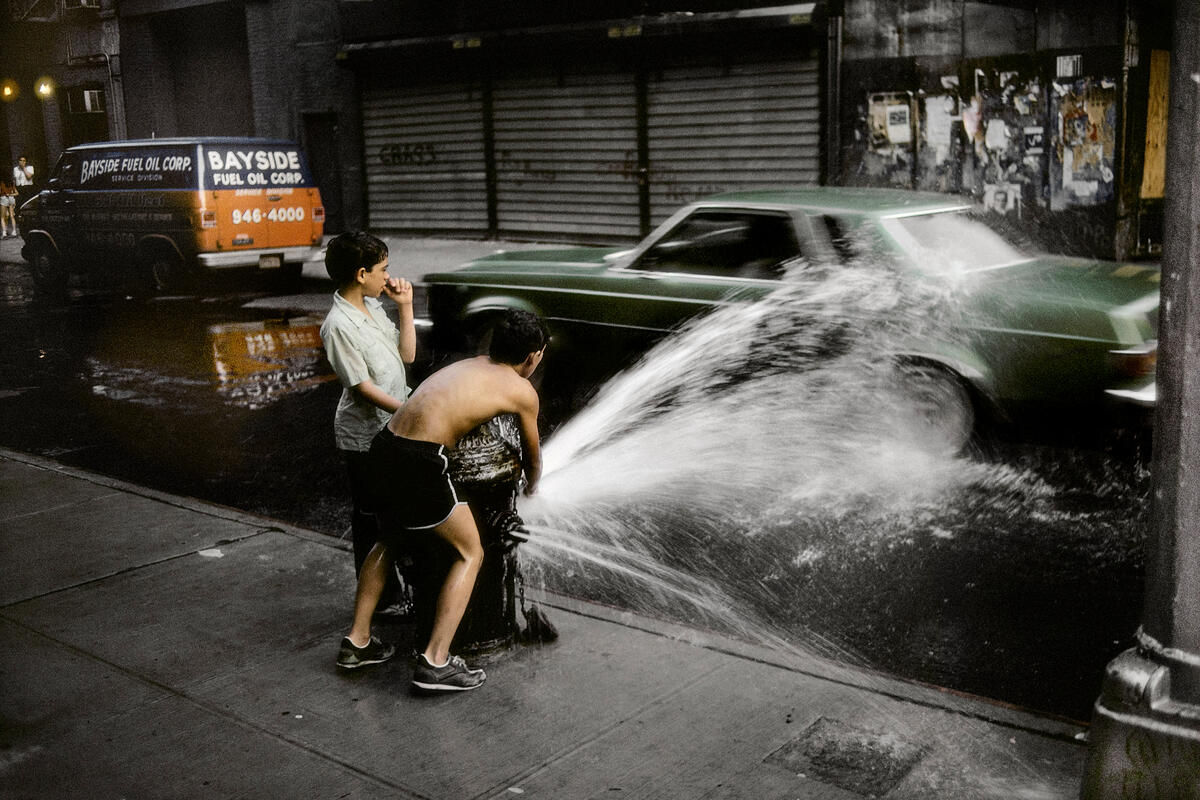
Although one might expect a temporal sequence in New York that traces the evolution of the city across 50 years, the images are not chronological. Instead, the book ruptures time, foregrounding Gruyaert’s desire to seize the ordinary, to capture moments of contemplation while wandering the streets of New York.
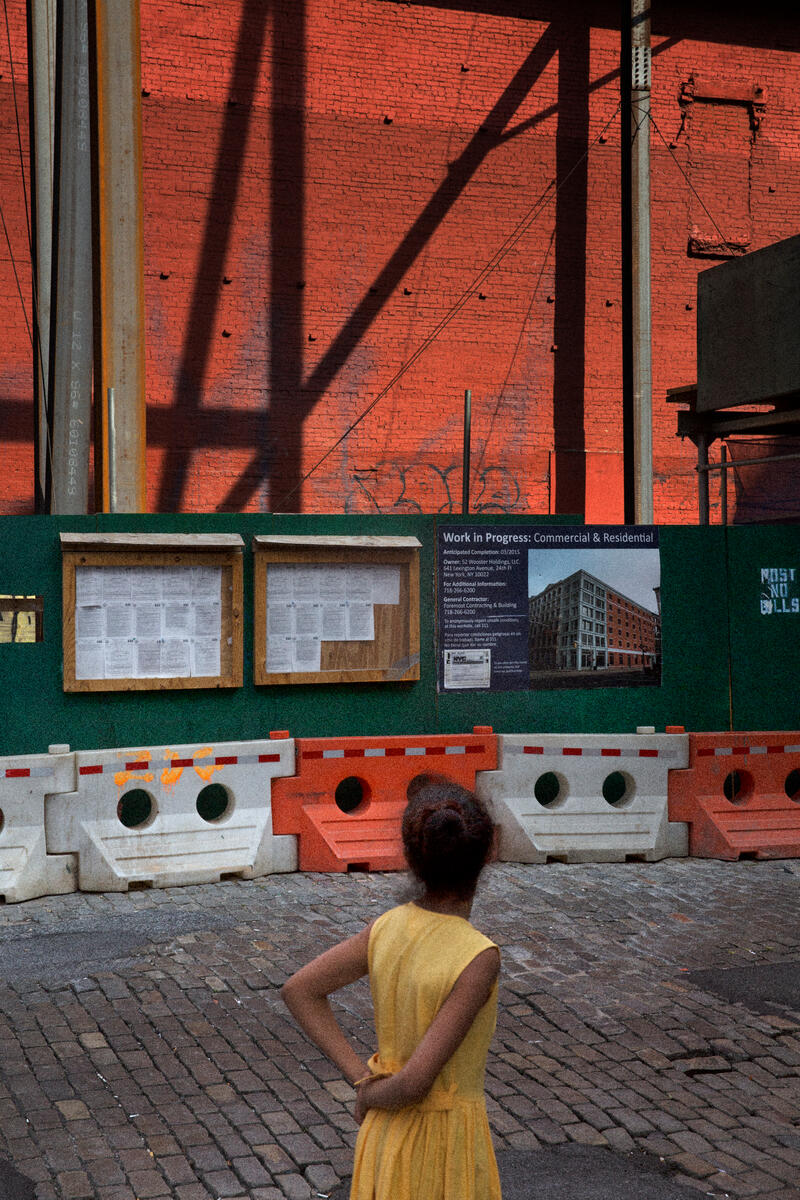
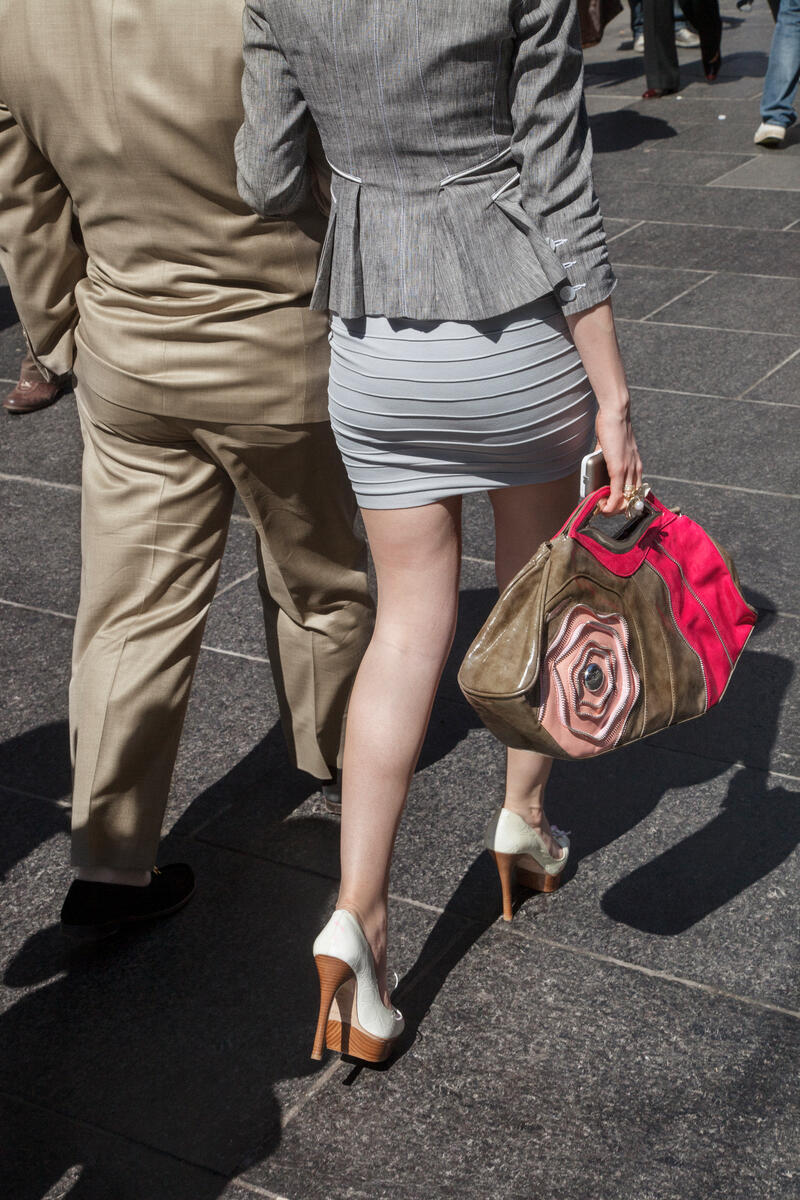
“When you’re in New York and you look down a random street, most of the time you think there’s nothing to see, or at least not much of interest,” writes Klapisch. “Yet this is precisely what Harry Gruyaert sets out to photograph. He methodically grasped what Georges Perec called the ‘infra-ordinary,’ which he contrasted with the extraordinary. The writer was more interested in ‘the train that doesn’t derail,’ not the one that interests Hollywood cinema, but rather the one we all take every day,” writes Klapisch.
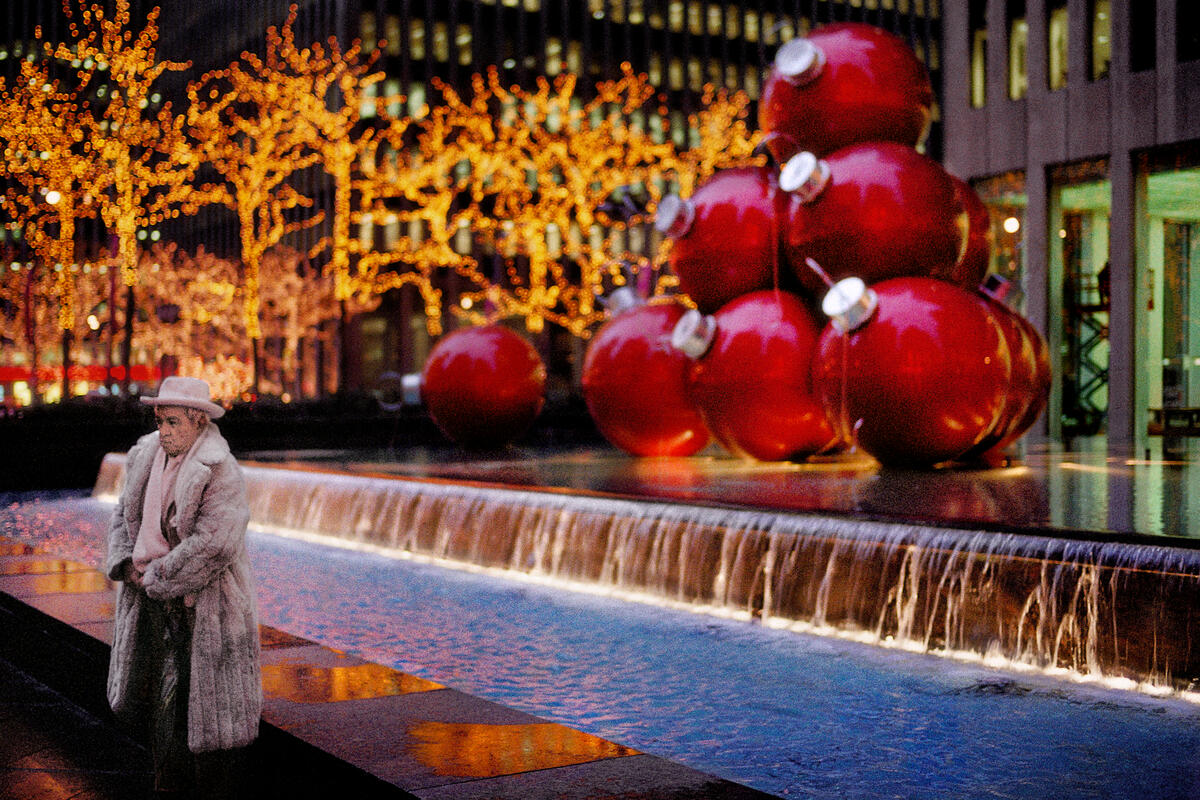
“For me, the essence of photography — and perhaps also a definition of art — is its ability to make the mundane beautiful,” he continues. “Harry Gruyaert methodically defines, step by step and city after city, a veritable, colorful cartography of simple humanity.”

New York is available to purchase at the Magnum Store.
Explore an online exhibition of New York here.