Behind the Image: Abbas in Northern Ireland
In a series exploring the stories behind Magnum Editions prints, we take a look at a signature photograph from Abbas’s documentation of the Troubles in the early 1970s
“In the ‘70s I was covering all kinds of wars, civil strife and revolutions so it was natural for me to go to Northern Ireland — there was something important going on so I went there,” Abbas, the Iranian-born photographer said. It was 1972 — the most violent year of the tumultuous, sectarian conflict in Northern Ireland. That year, 479 people were killed, the highest number of deaths in any single year of the Troubles, which lasted from the late 1960s until the Good Friday Agreement in 1998.
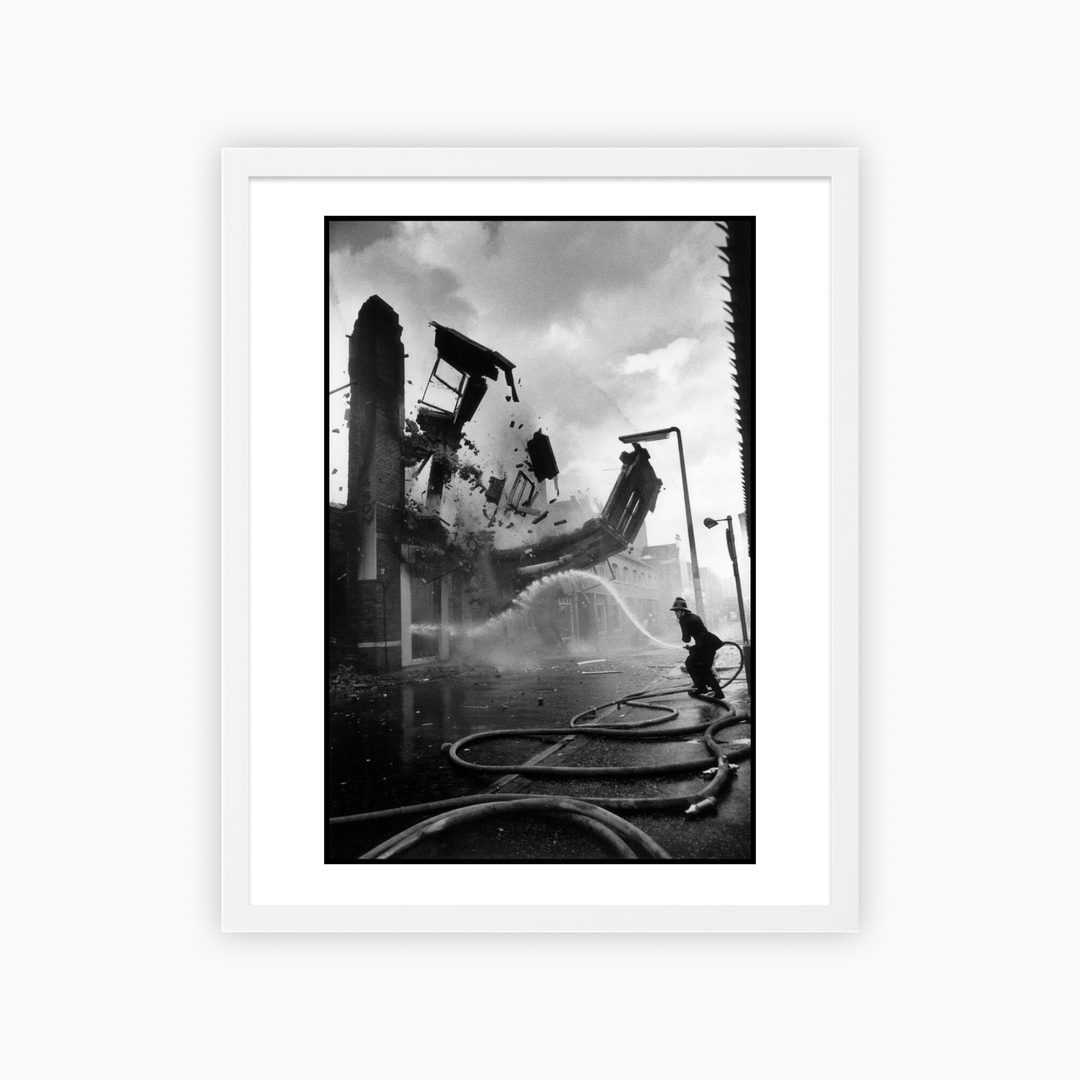
This featured image by Abbas is now available as part of the Magnum Editions collection, a series of 8×10″ archival pigment prints in limited editions of 100 each. Shop this limited-edition 8×10 print and explore more Magnum Editions prints here.
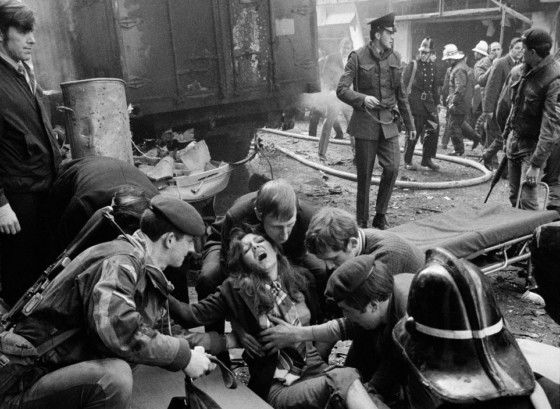

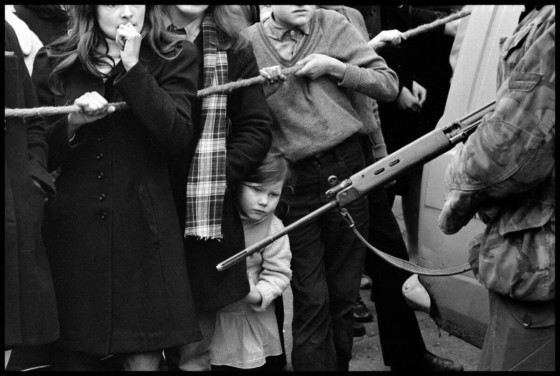
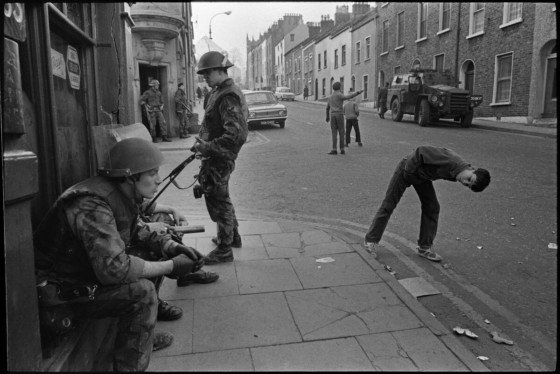
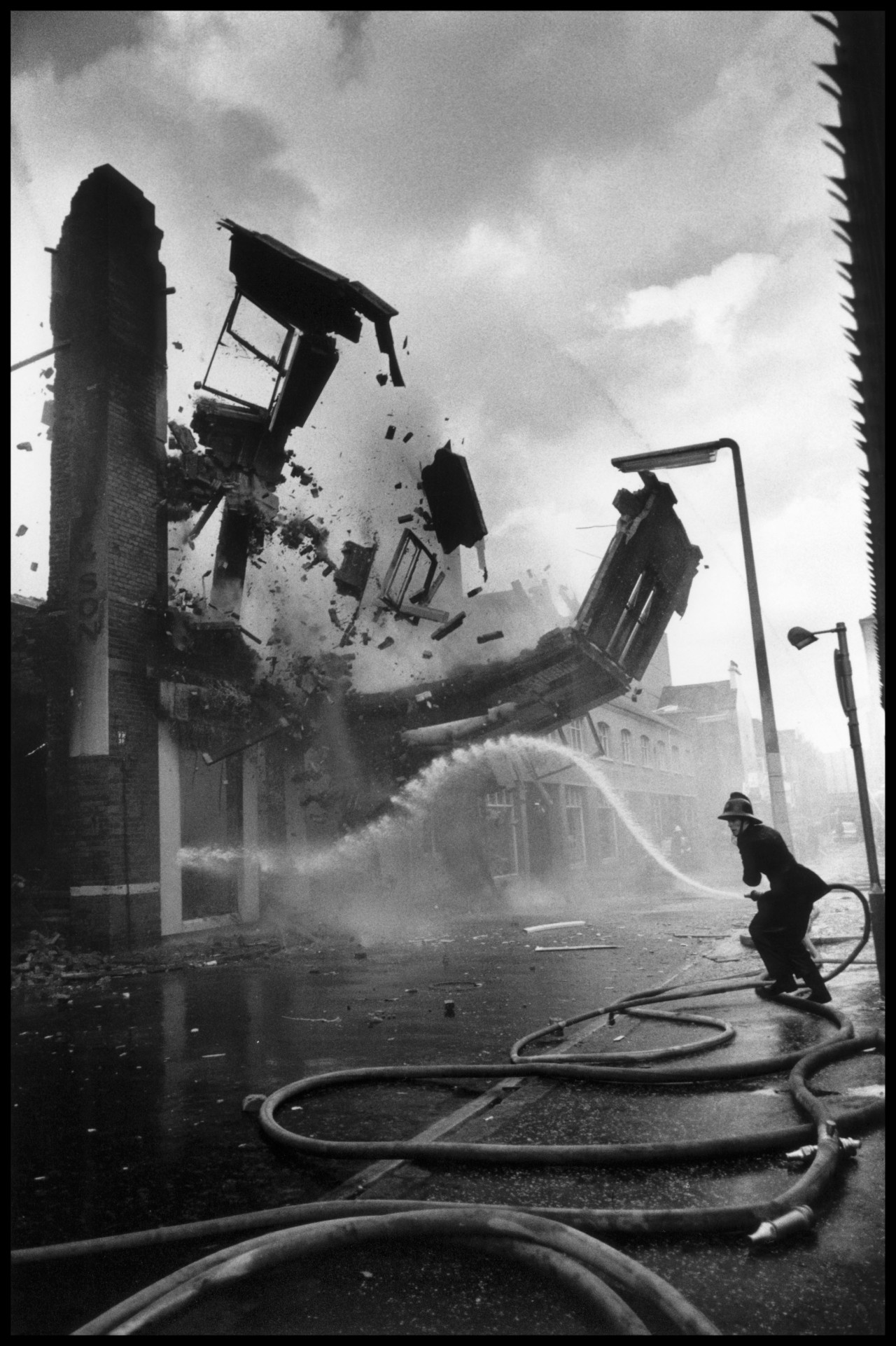
Abbas encapsulated the magnitude of the Troubles through his awareness of unsettling details: a child’s encounter with a British soldier’s loaded weapon, an IRA bomb victim’s ripped jeans and bloodied cheek, and here, a fireman hastily pivoting to dodge a charred building as it collapses, while the photographer himself is motionless, releasing the shutter at the precise moment.
“[…] When you’re photographing you don’t allow yourself to be moved,” he said, “you just function very fast because events develop very fast. Even if I’m faced with people suffering, I never put my camera down because I’m a photographer; my function is as a photographer.”
Abbas chose this photo as part of the Magnum Gold series, considered by the photographer to be among his best work, one that he was “really fond of.” Symbolic of the wider discord during the 30-year conflict, it reveals “what goes on in a civil war: the destruction, the wounded, the suffering,” he said.
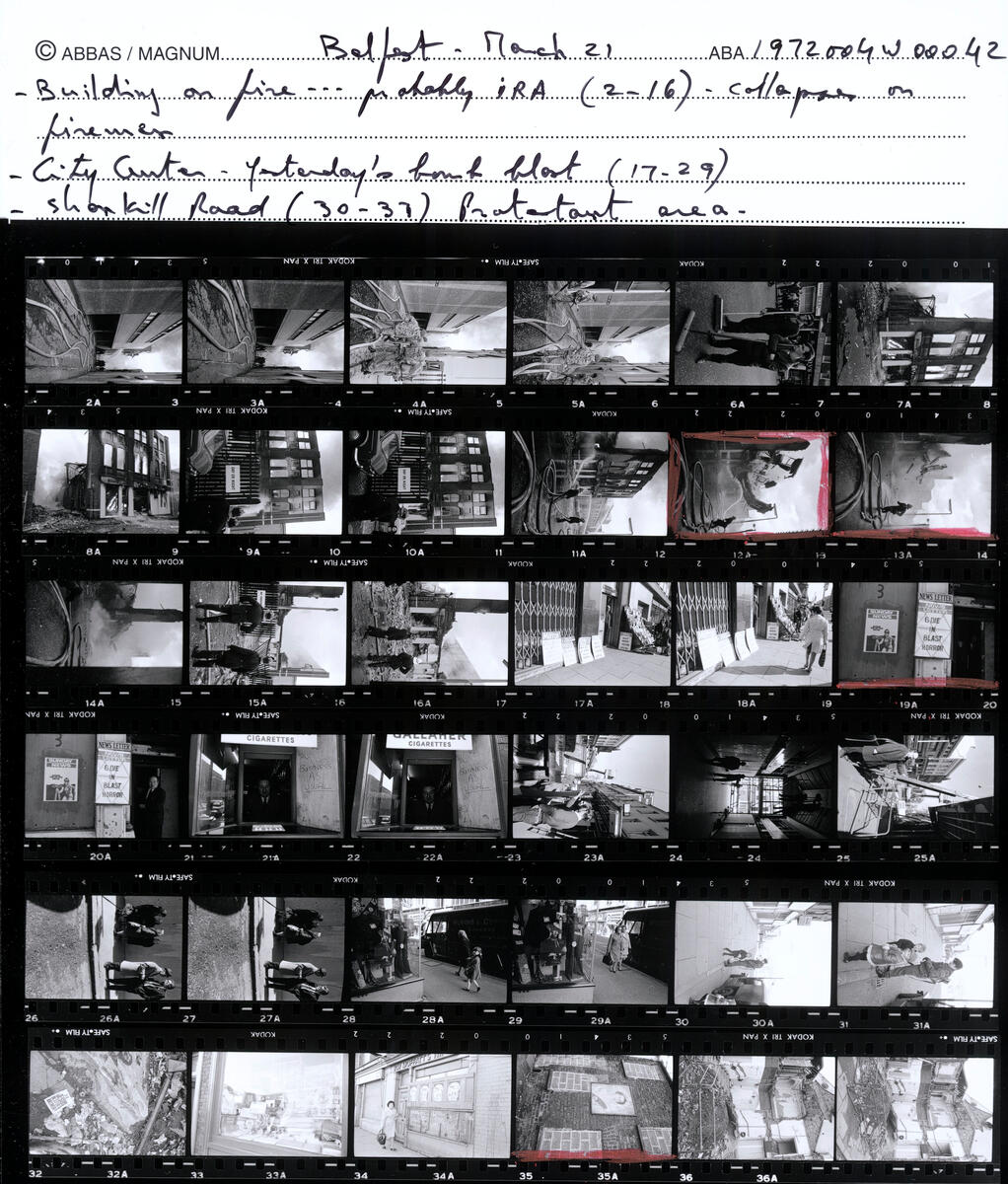
Taken just two months after Bloody Sunday, the image frames a silent chaos, distilled in midair — shards of window panes, bricks and burnt debris are frozen in place. Abbas delivers the opposite of suspense: suspense is always relieved, while the viewer of the image is perpetually subject to the collapse as it unfolds. It is a ticking watch that suddenly stops — in war, time seems postponed in the fear of danger and destruction.
As Abbas said in recollection of taking the image, “I remember a line written on the façade of a Protestant church in Belfast: “Time is Short.” The reverend who wrote it was probably thinking of the afterlife and the divine commandment to prepare for it. But he is right, time is running out.”
Abbas’s image is available to purchase from the Magnum Store as a limited-edition 8×10 print.
Explore Abbas’s collection at the Magnum Store here.