Square Print Sale: Photographer Stories
10 stories recounting personal and historical journeys from "Odyssey," the Magnum Square Print Sale in partnership with The Photographers' Gallery, London
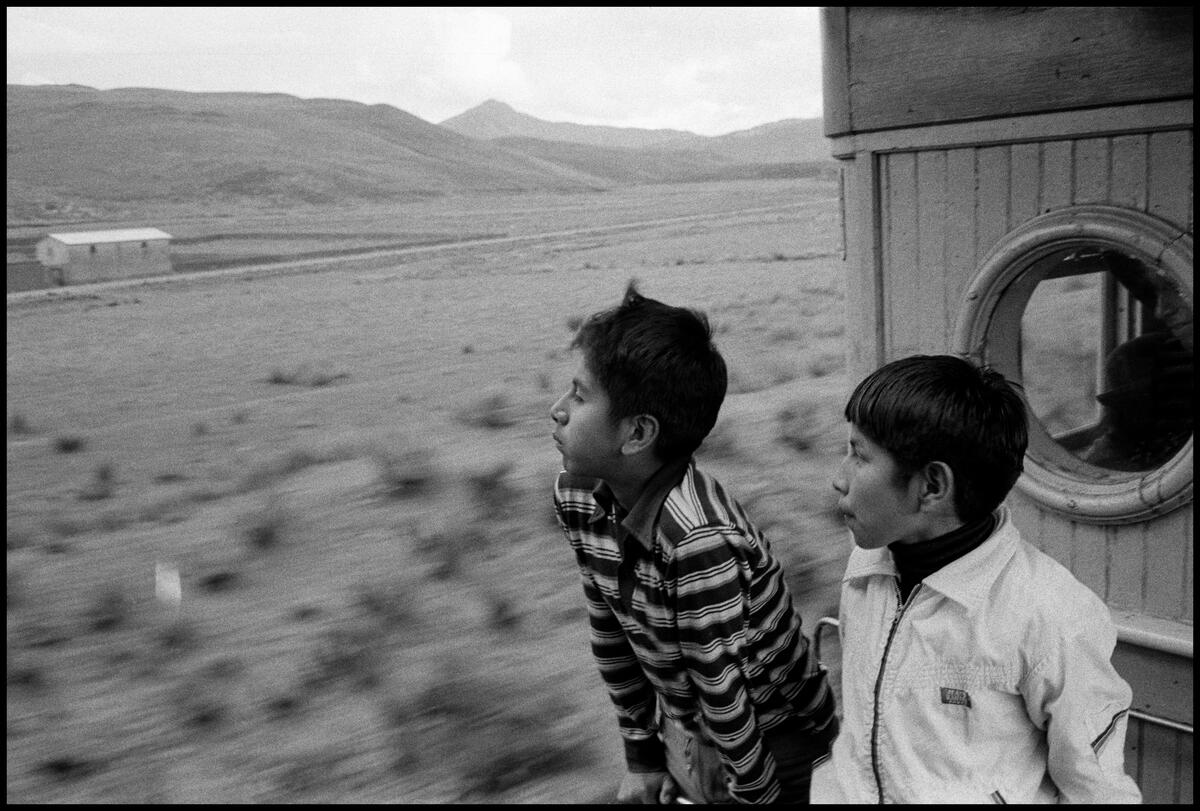
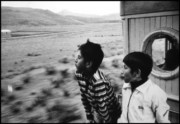
Jim Goldberg, Peru
“I made this photograph on a train trip from Lima to Huancayo, Peru, in 1980. It was at the beginning of a somewhat short adventure through South America.
“I had just finished graduate school and was in the middle of what would become my first book, Rich and Poor. It was a time that I fully embraced my lifelong journey to become a photographer.”
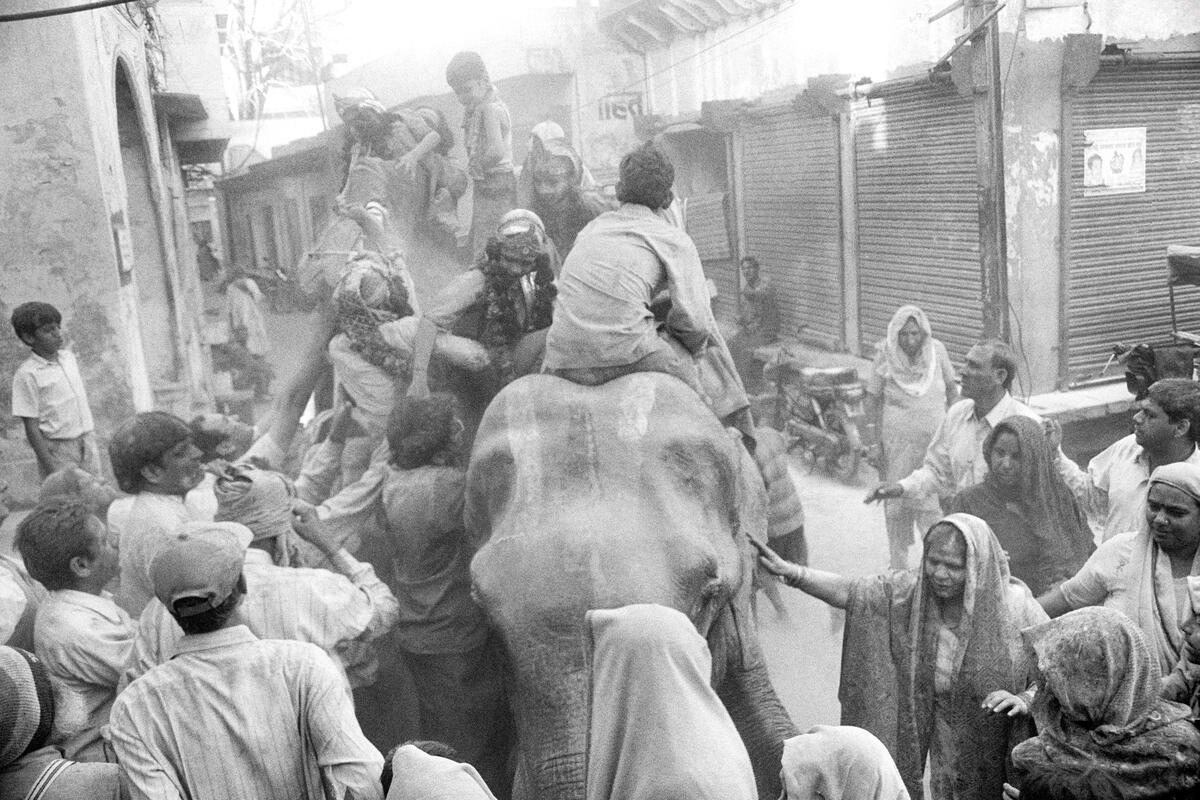
Sohrab Hura, India
“I had arrived in Vrindavan only a day before and had been walking around in what seemed to be an empty part of the city during the time of Holi, when all of a sudden an elephant, children atop it dressed as mythological characters, and throngs of people from every direction, came together and then disappeared almost as quickly.”
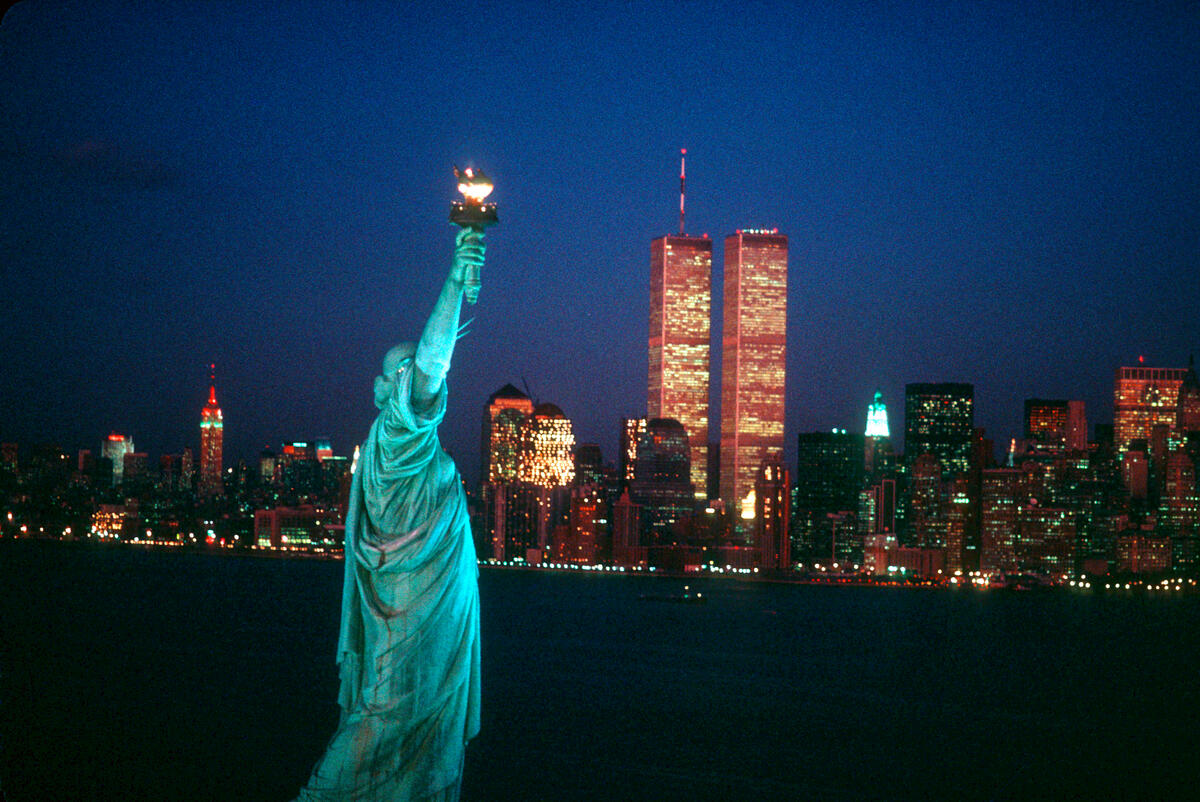
Burt Glinn, New York
“When Burt asked me out on a date in 1979, he had an assignment to photograph Manhattan at night from a helicopter. ‘Would you like to come along?’ he asked. I said, ‘Yes, I would. We can have dinner after.’
“He dressed in a Turnbull & Asser shirt, lovely silver cufflinks, and all his lenses. I had my little camera with two rolls of film and a little scarf tied around my neck. We were in the air for a long time photographing, swooping down past the World Trade Center and Statue of Liberty. The sun was setting and the city lights were coming on. I ran out of film just as the pictures were getting really interesting. We landed in Midtown. I said, ‘That was exciting. What do you do for a second date?’”
— Elena Prohaska Glinn
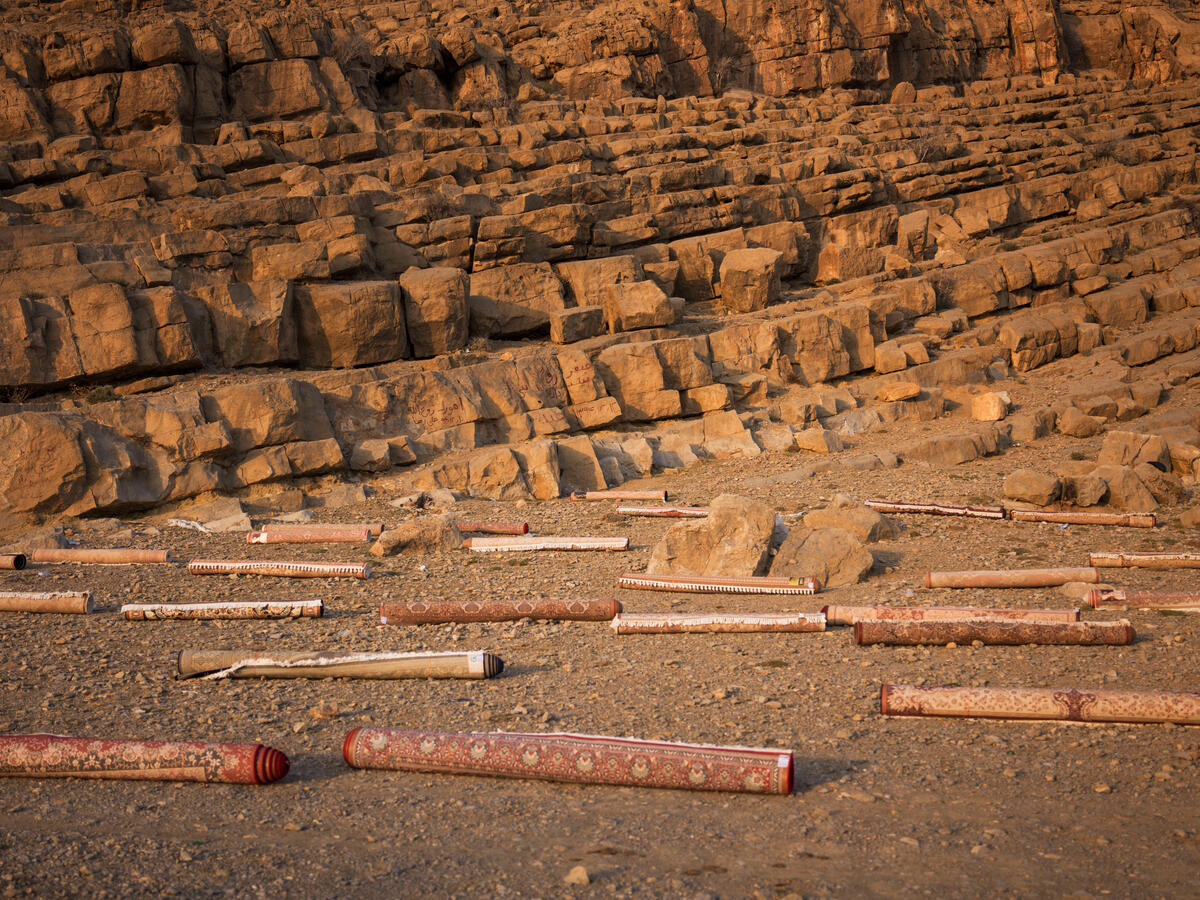
Newsha Tavakolian, Iran
“A series of carpets laid out to dry after having been washed by professional carpet cleaners, near the royal graves of Naqsh-e Rostam that are carved out in the mountains. They are washing the tapestries for the coming Iranian New Year, which coincides with the spring equinox, usually on March 21st.”
Newsha Tavakolian: Shiraz, Iran, 2017
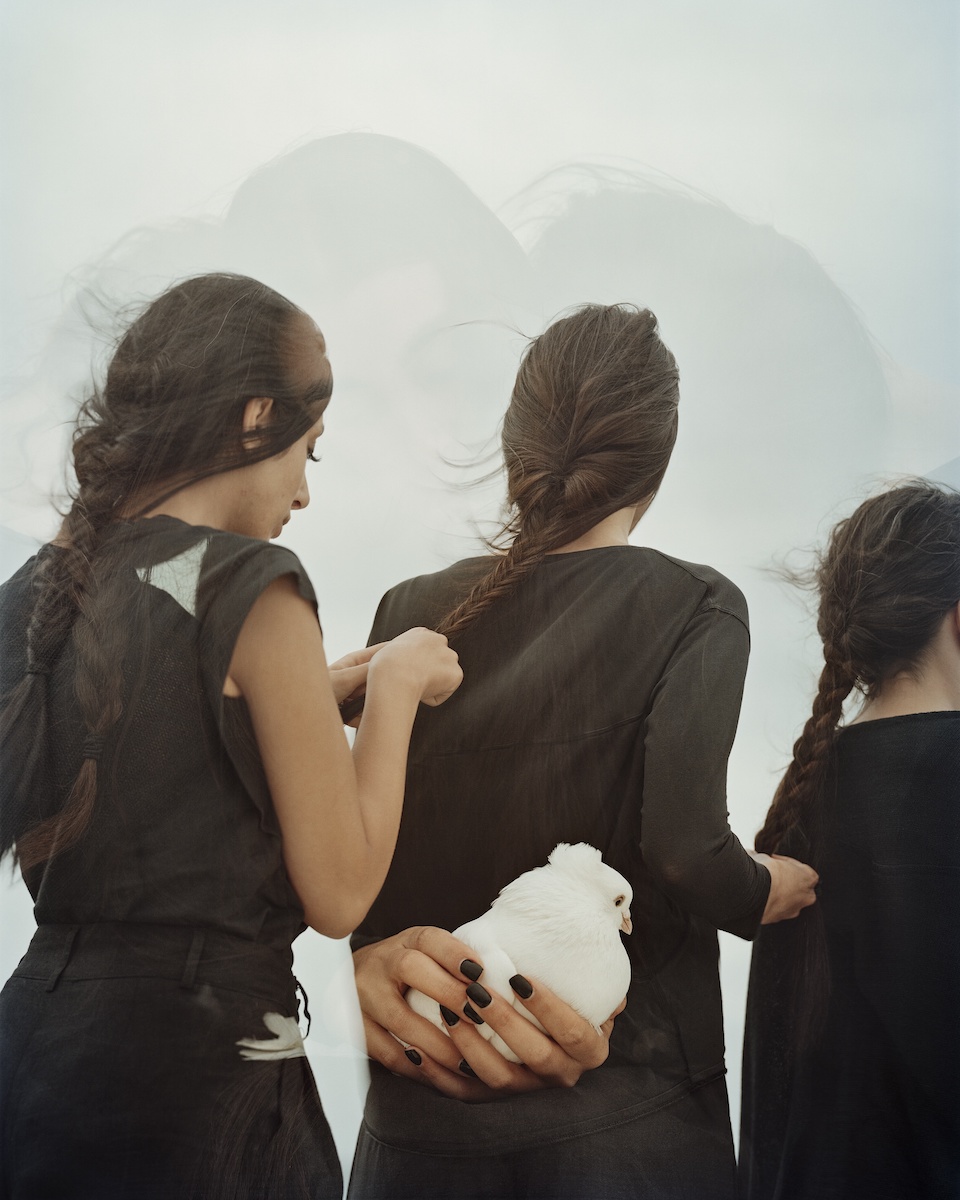
Hoda Afshar, Iran
“This body of work was made in response to the feminist uprising that began in Iran in September 2022, following the death of 22-year-old Jina Amini, who had been arrested by Iran’s morality police for not wearing the hijab properly. Afshar’s monumental photographs are a tribute and a testament to collective action and collective grief.
“The women in the photographs are, like Afshar, Iranian Australians who have watched the protests unfold from afar. Dressed in black, they cluster together and braid each other’s hair. This is a direct allusion to the images on social media of women in Iran defiantly discarding the veil, and to a practice common among Kurdish female fighters who plait each other’s hair before heading into battle against the Islamic State. With their faces mostly hidden from view and their backs turned, Afshar’s subjects are surrogates for their brave sisters in Iran. The doves anchor the analogy; when protesters are killed in Iran, family and friends release birds into the sky.
The twines of a plait are referred to as pichesh-e-moo in Farsi, meaning the turn or fold of the hair. A revolution is a turning point, but it is never without loss.”
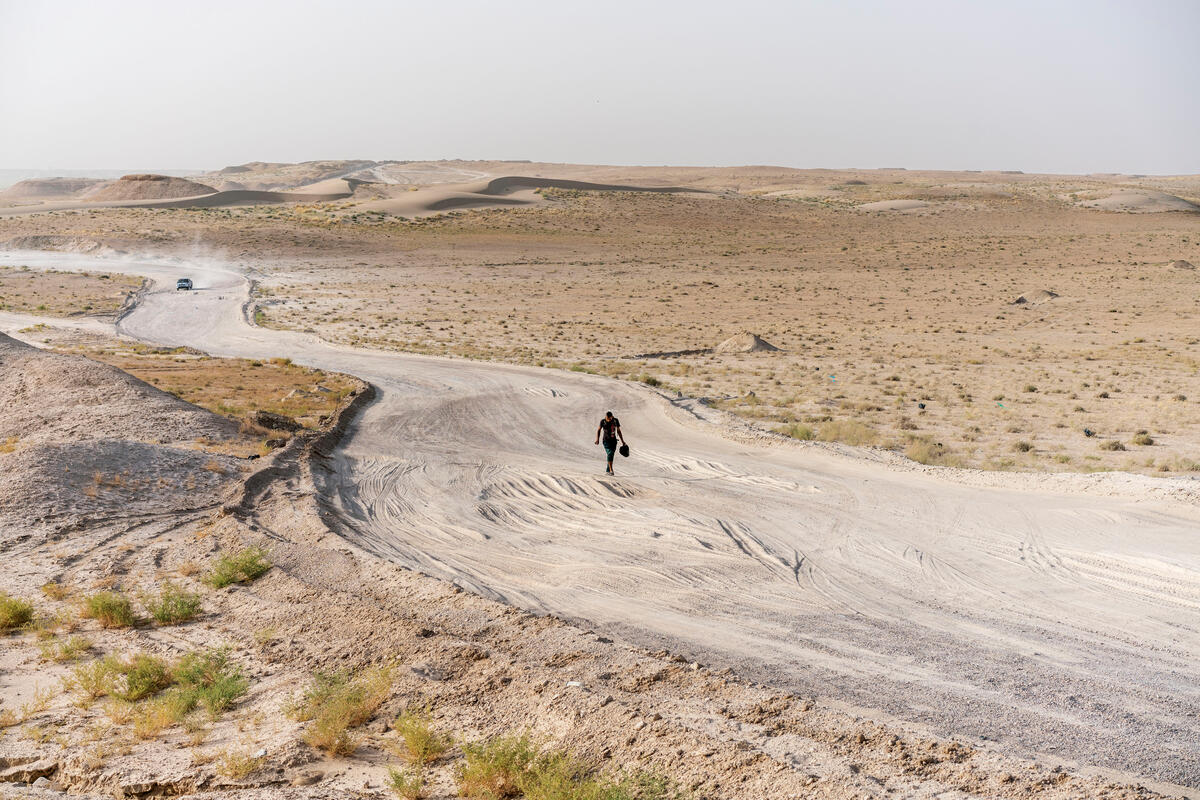
Moises Saman, Iraq
“Here, in the badlands of Iraq’s Anbar Province, the odyssey is reduced to its purest form: a solitary figure, a winding path, and the vast, unbroken horizon ahead.”
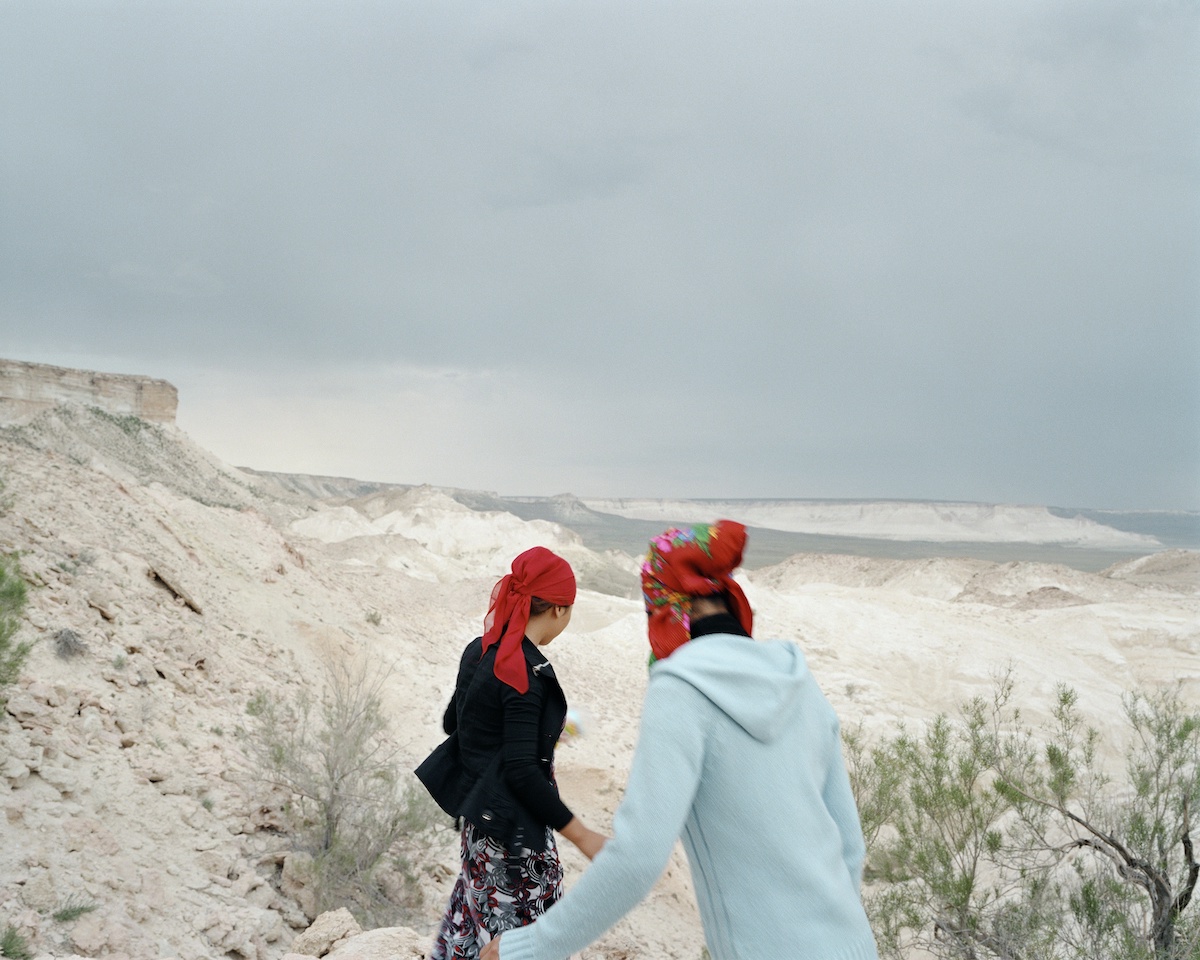
Chloe Dewe Mathews, Kazakhstan
“In 2010, I hitchhiked from western China, back to my home in Britain. At the beginning of that spring, I crossed Kazakhstan and arrived on the shores of the Caspian Sea. I had very little knowledge of the region, but its landscapes and people became the focus of my work for the next five years.
“As I explored the various reaches of the Caspian, I sought out stories that raised questions about the human relationship with natural resources in a rich but contested territory. Away from the wranglings of geopolitics, I found that materials like oil, rock, uranium, and water were integral to the mystical, economic, artistic, religious, and therapeutic aspects of daily life. Each one had symbolic potential.
“I joined a pilgrimage to Beket-Ata, a subterranean mosque, hewn into a limestone cliff of the Mangistau region in the 18th century. The sisters shown in this photograph had traveled six hours from Aktau to accompany their family, to pray for the recovery of an ailing uncle. Attracted by their fluttering red headscarves, I followed them on the final steps of their journey into this sacred space, deep within the rock.”
Chloe Dewe Mathews: Kazakhstan, 2010.
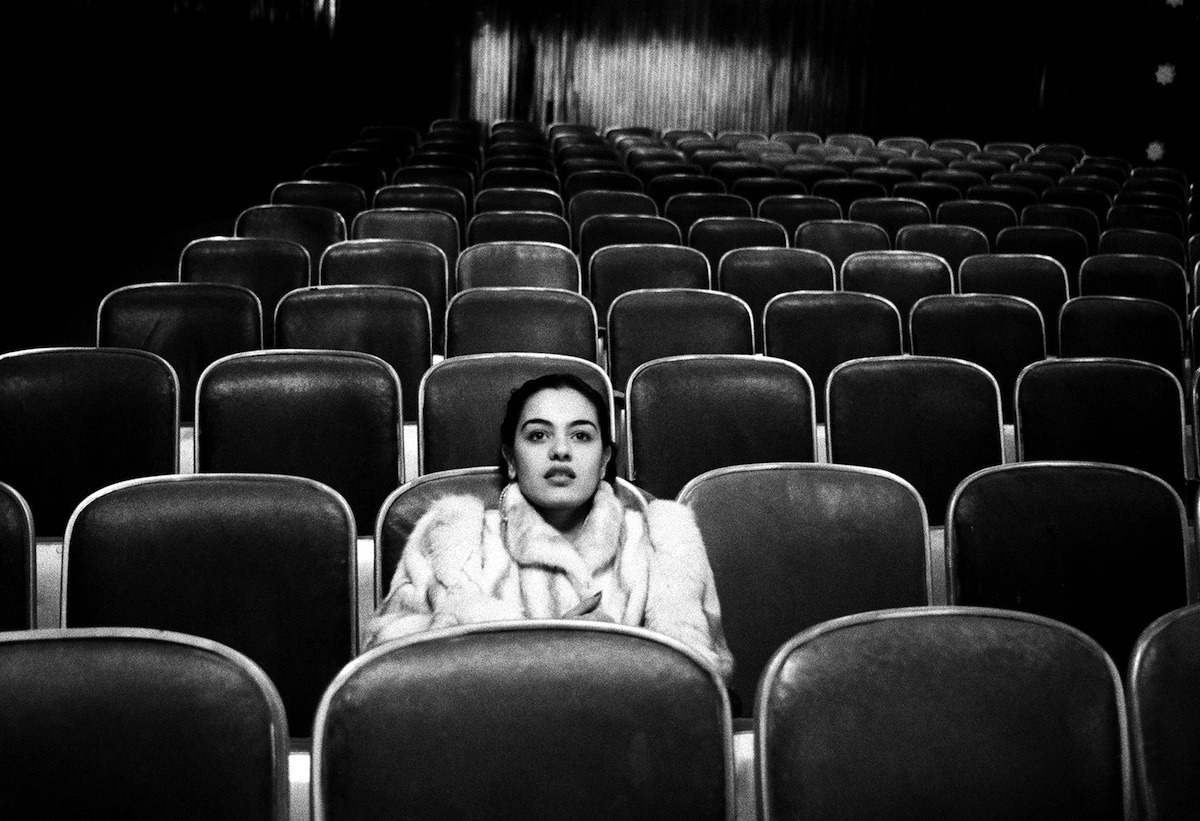
Fouad Elkoury, Egypt
“In 1987, Sherihan was one of the most iconic actresses in Egypt. I was determined to take her portrait. I no longer remember how I learned that she would be at the Ramses Theatre in downtown Cairo. I arrived around 8pm and approached her, but she made it clear that this wasn’t the right time, and that I should wait until rehearsals were over.
“I positioned myself in a corner and must have dozed off, because when I opened my eyes, the theater was closing and the actors, including Sherihan, were rushing towards the exit. I ran after her and begged her to let me take her picture. Since almost all the lights were off, I sat her down in one of the theater seats and placed my camera on the stage itself to compensate for the lack of light; had it been hand held, the image would have been blurred. When I felt the frame was right, I took just two shots of her. To this day, I’m convinced she doesn’t remember me; she never tried to find out who I was.”
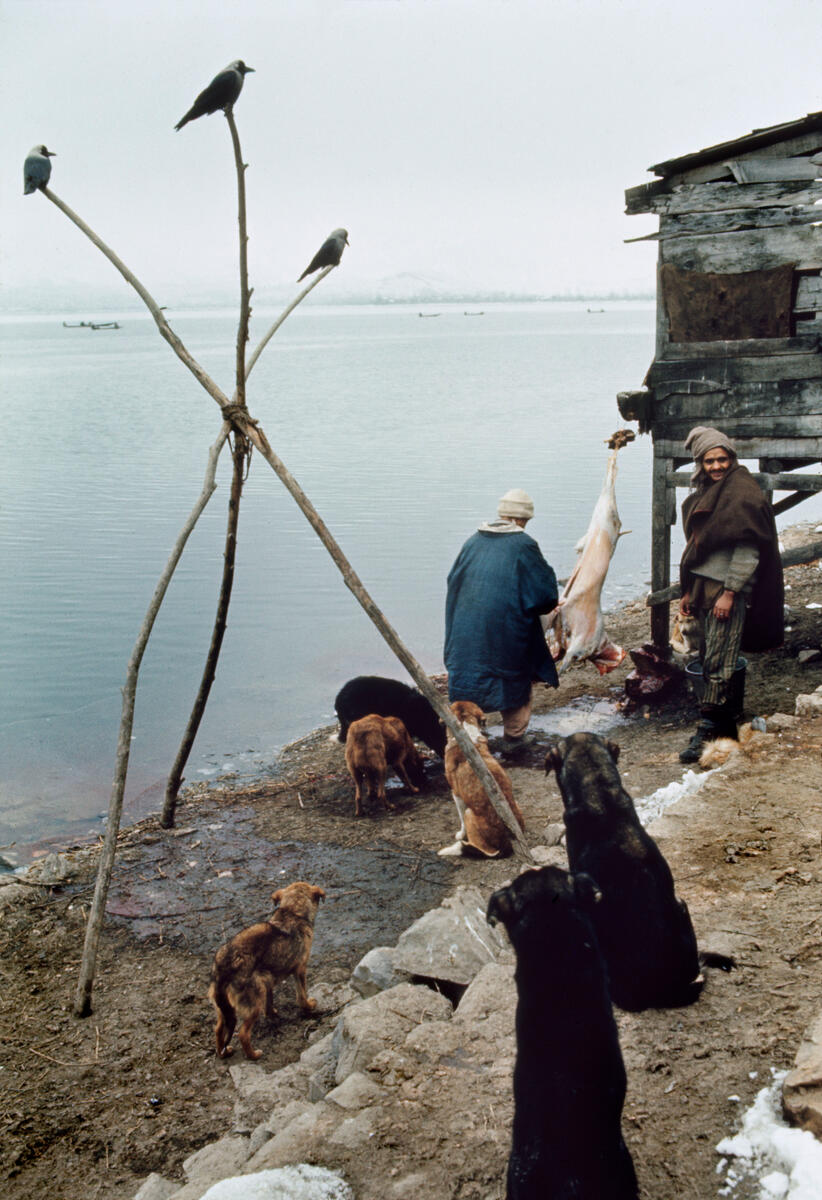
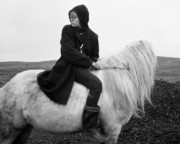
Marilyn Silverstone, Kashmir
“By a remote shoreline, people and animals engage in the rituals of daily life. This image reflects an ongoing journey shaped by land, ancestry, and necessity — an odyssey of quiet resilience and continuity.”
— Estate of Marilyn Silverstone
Marilyn Silverstone: Kashmir, 1968.
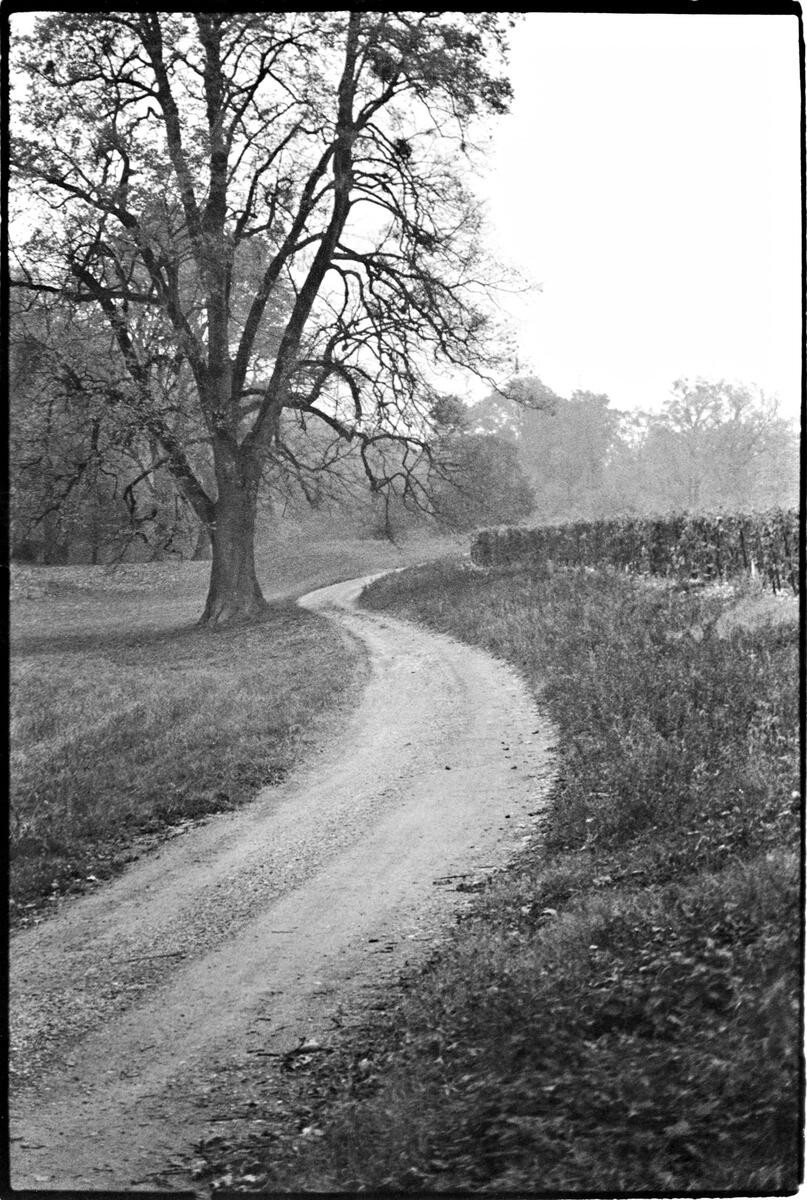
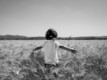
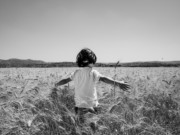
Elliott Landy, Switzerland
“In 1972, I set off with my wife, year-old daughter and 70-pound dog to find a better place in the world to live than the United States. I had moved to New York City to earn some money for the journey, but after six months we had very little. What I thought was an opportunity for my interactive music films came up, and we left for France with only $500 and promises from people who owed me money. Neither materialized and I found myself at the beginning of a six-year odyssey, sometimes hitchhiking, sometimes staying with kind people we met by chance, and sometimes traveling and living in a variety of vehicles — from a tiny Dutch car to an old 40-passenger bus converted for living.
“We traveled and lived in ten different countries, earning money wherever we were, some from photos I took sharing the beauty of my wife and children, and some from making and teaching candlemaking as art — but always a struggle to have enough necessities and the fuel to take us to the next place on our journey. This photo was taken when we stopped along a road in Switzerland, on our way to Spain from Germany.”
Elliott Landy: Switzerland, 1973.