

Magnum Book Club: North by Chris Killip
North, the latest publication of Chris Killip's work, edited by Mark Holborn, is a new reading of the photographer's close encounters with communities in northern England in the 1970s-80s
“There remains a deep divide on this island between North and South,” writes editor and designer Mark Holborn, in his introduction to North, a body of work by Chris Killip, published this year by Thames and Hudson.
In a new reading of Killip’s photographs between 1973 and 1986, the book journeys across the backdrop of deindustrialization that rattled the north of England, the Thatcher era, and the 1984 miner’s strike. “I made them with a sense of urgency, as I thought it wasn’t going to last,” Killip told The Guardian on his images during this period. “I didn’t set out to be the photographer of the English de-Industrial Revolution. It happened all around me during the time I was photographing.”
"I didn’t set out to be the photographer of the English de-Industrial Revolution. It happened all around me during the time I was photographing."
- Chris Killip
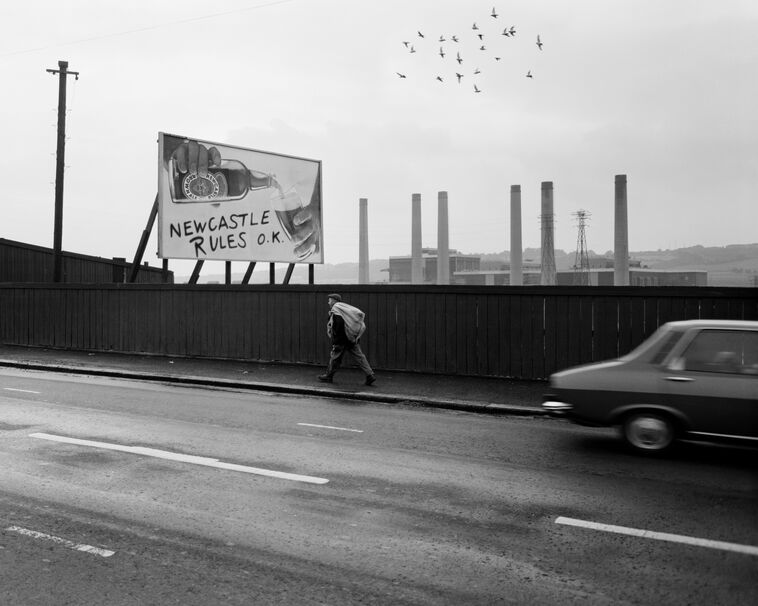
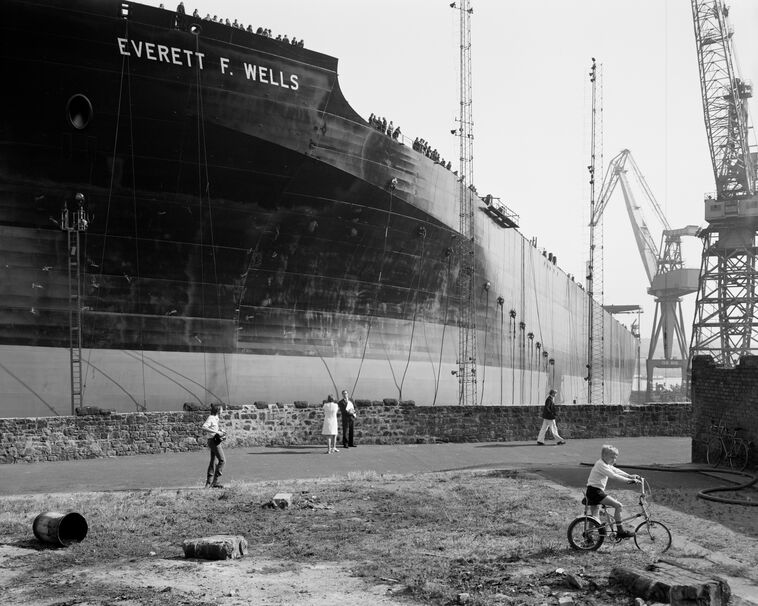
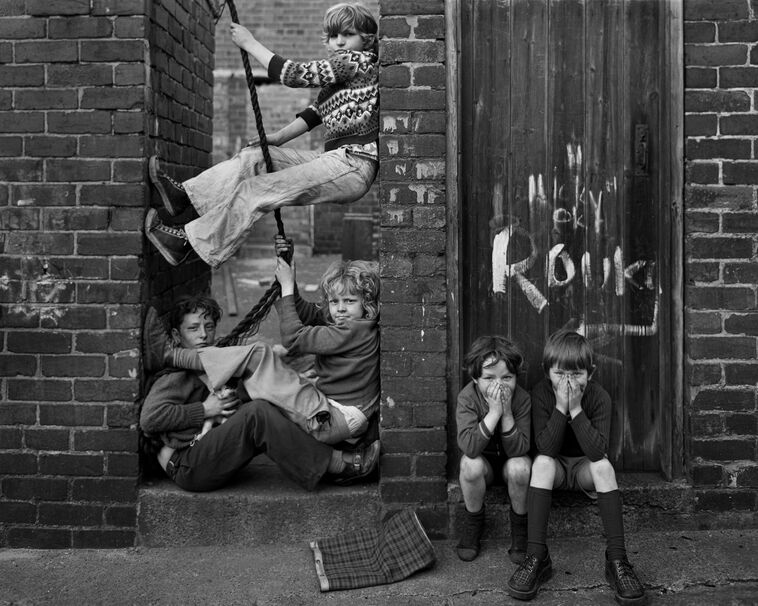
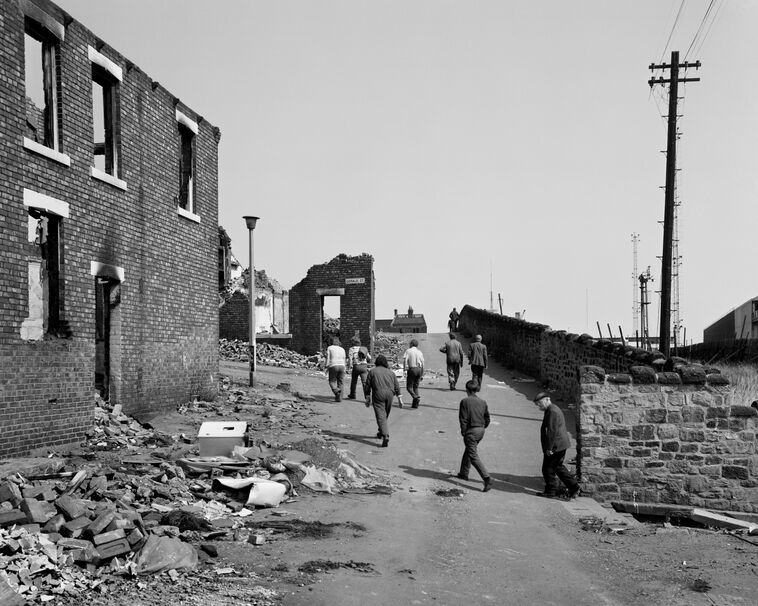
Given full access to his archives by Killip’s son Matthew, Holborn selected over a decade of images spanning Killip’s extensive projects and locations. In this unbroken sequence, a raw sense of struggle punctuates the pages. Shipyard workers labor at the docks in Tyneside in images from his project The Last Ships (1976-1976), which records the decline of shipbuilding on the Tyne, and children play among half-demolished houses and smokestacks and run-down shops punctuate the town of Huddersfield from his project Northeast (1975-1985).
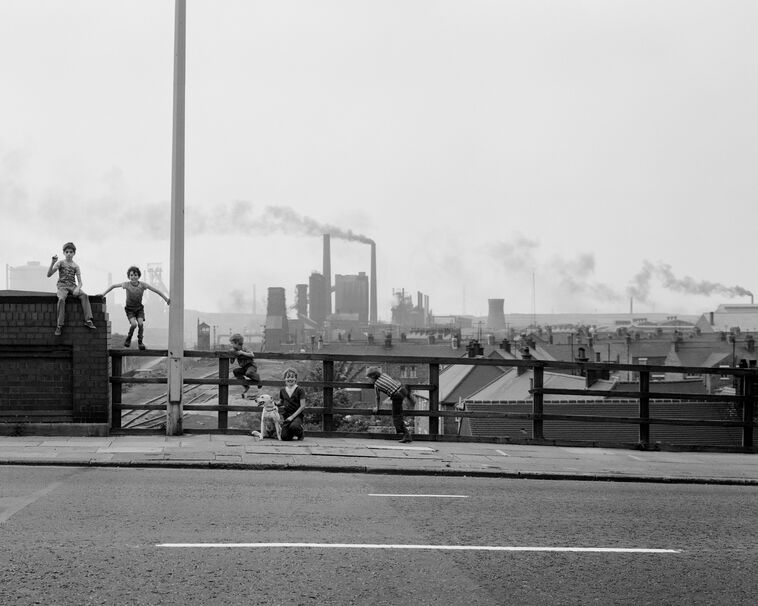
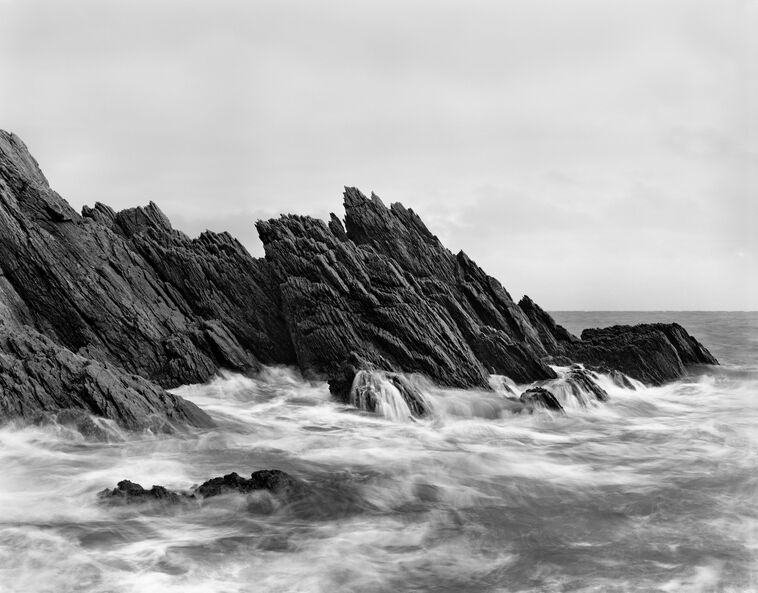
Holborn also selection images from Killip’s time in Cumbria, during the making of Askam-in-Furness, where slag heaps mark the rugged coast. The sequence continues with weary fisherman taking out their boats on the northeast coast of England in a selection of unpublished images from the project Skinningrove.
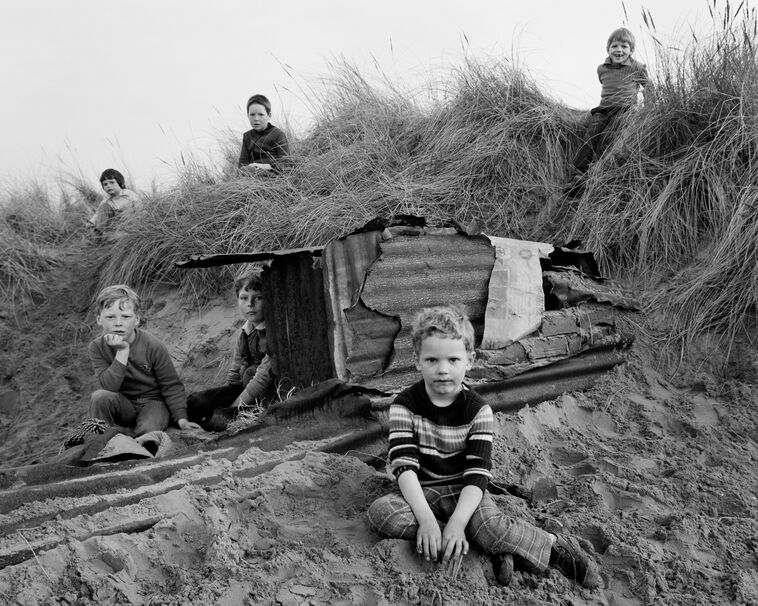
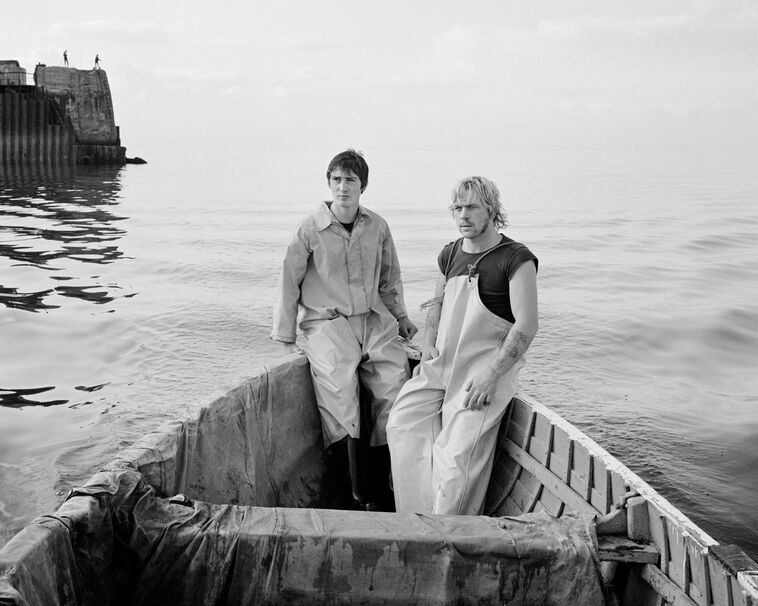
"Skinningrove fishermen believed that the sea in front of them was their private territory, theirs alone."
- Chris Killip
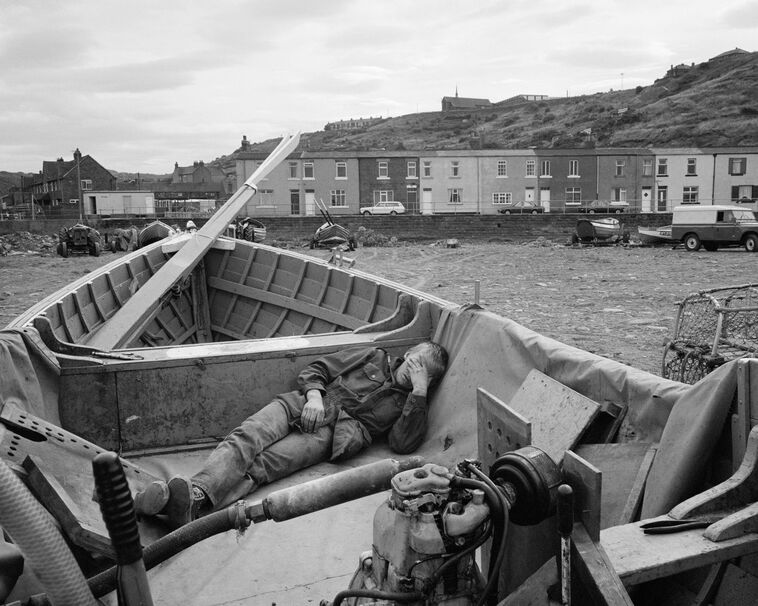
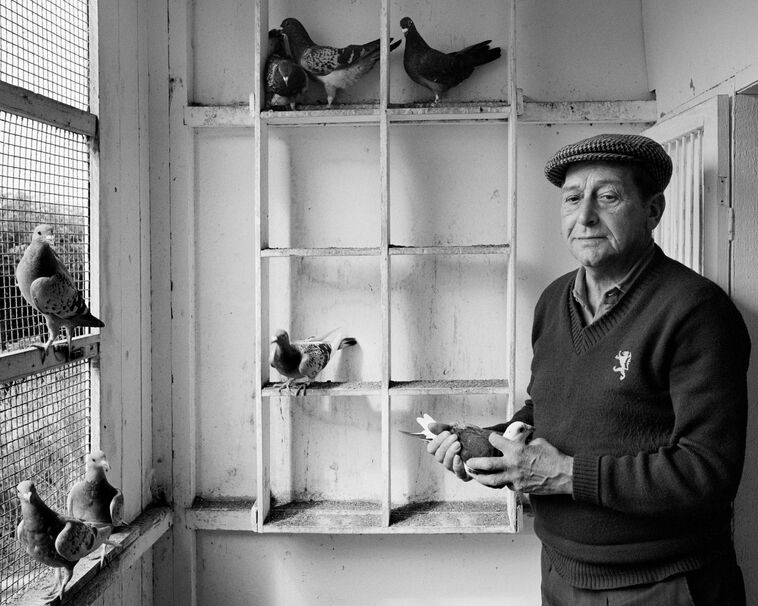
A collection of photographs made between 1982 and 1984, Skinningrove is an example of Killip’s dedication to honoring the nuances of everyday lives and the reverence he had for the people he photographed. With both a coarseness and fragility, his images are a testimony to the community’s cycles of labor and their singular way of life.
“Like a lot of tight-knit fishing communities, it could be hostile to strangers, especially one with a camera,” Killip recalled. “Skinningrove fishermen believed that the sea in front of them was their private territory, theirs alone.”
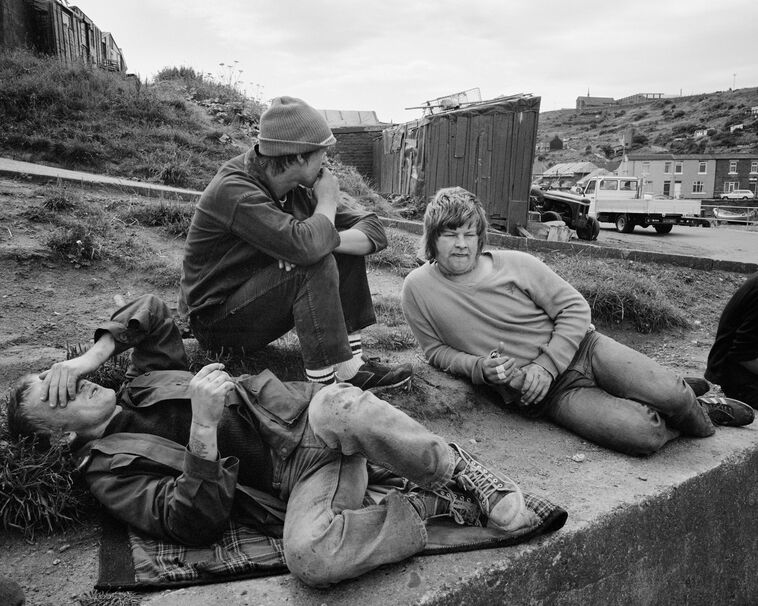
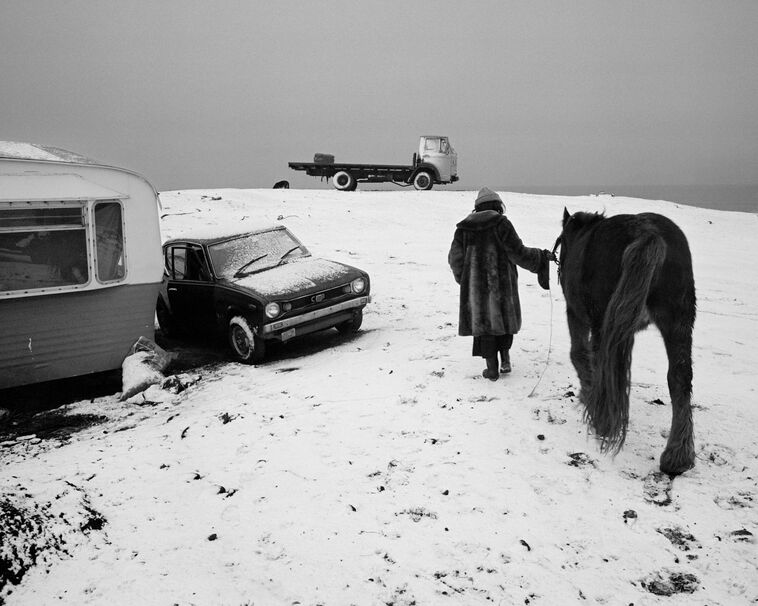
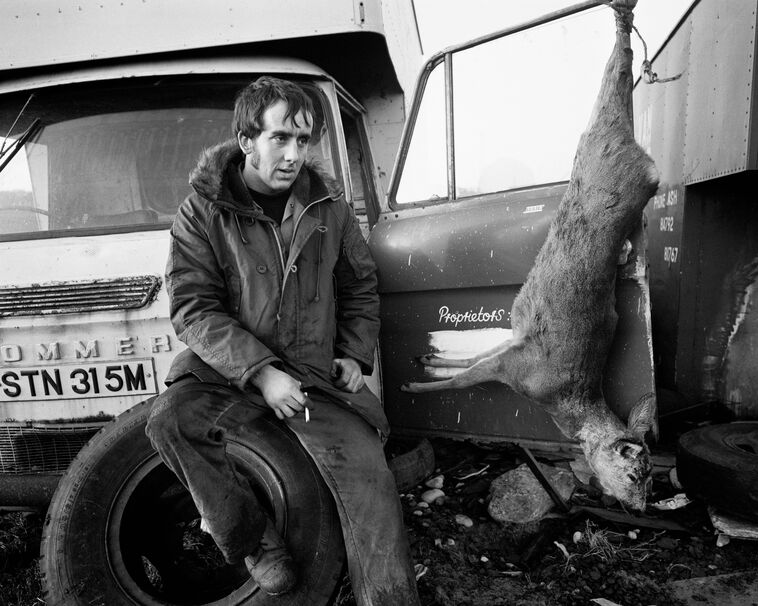
Between 1976 and 1984, Killip spent periods embedding himself in the working-class community in Lynemouth, Northumberland, living for months in a caravan while photographing with the residents. Recording their lives in close proximity, he witnessed families picking coal washed ashore from nearby coastal mines, their exertion reminiscent of another time, implanted in contemporary reality.
“When I first saw the beach at Lynemouth, in January 1976, I recognized the coalmine and power station above it but nothing else,” said Killip. “The beach beneath me was full of activity with horses and carts backed into the sea. Men were standing in the sea next to the carts, using small wire nets attached to poles to fish out the coal from the water beneath them. The place confounded time; here the Middle Ages and the twentieth century intertwined.”
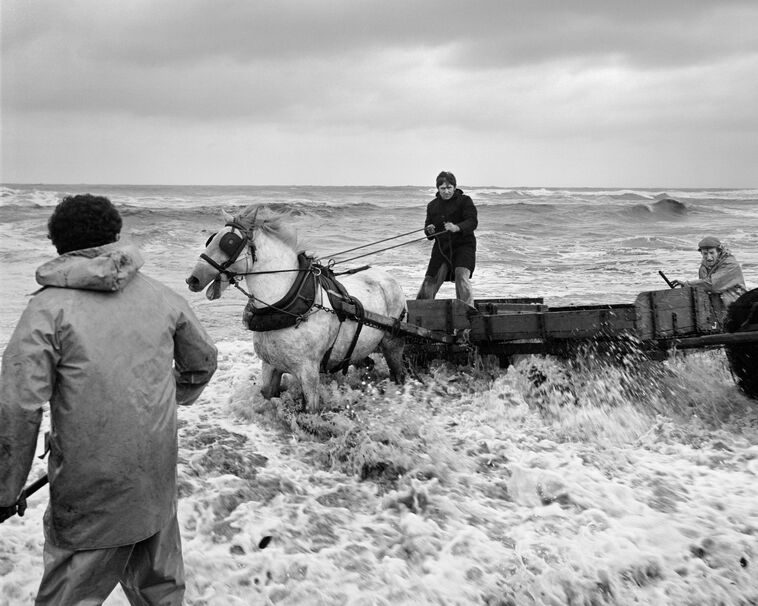
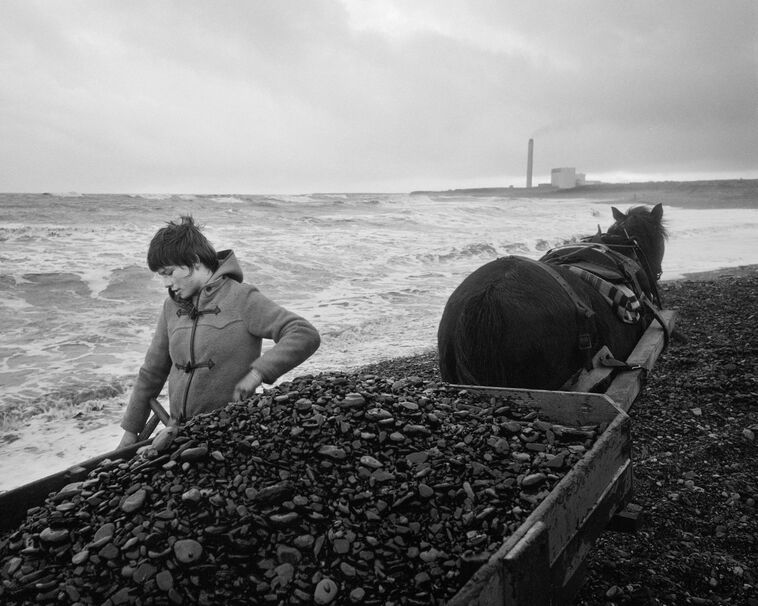
"The place confounded time; here the Middle Ages and the twentieth century intertwined."
- Chris Killip
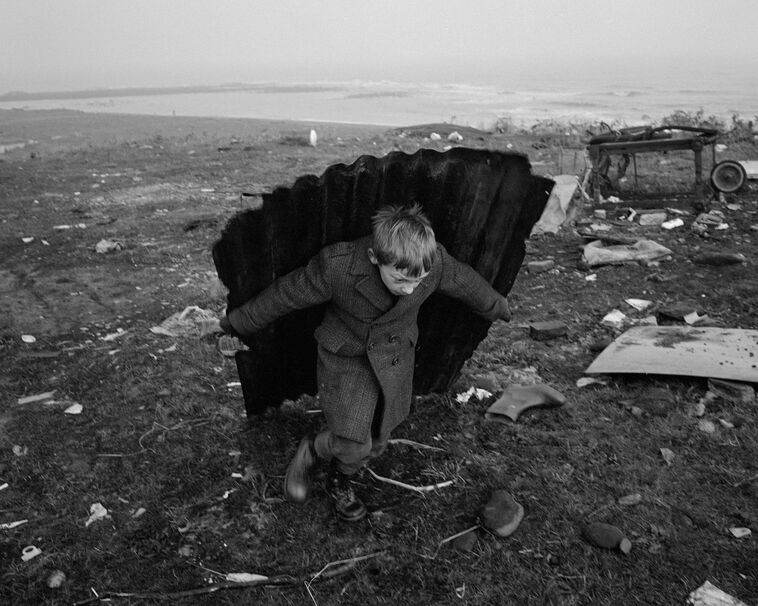
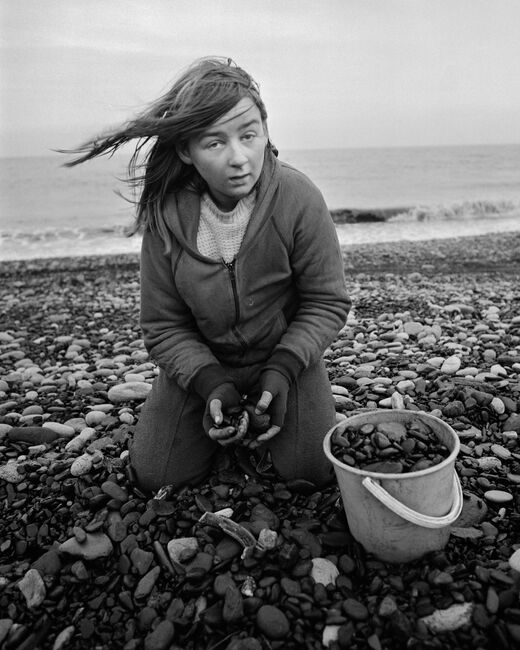
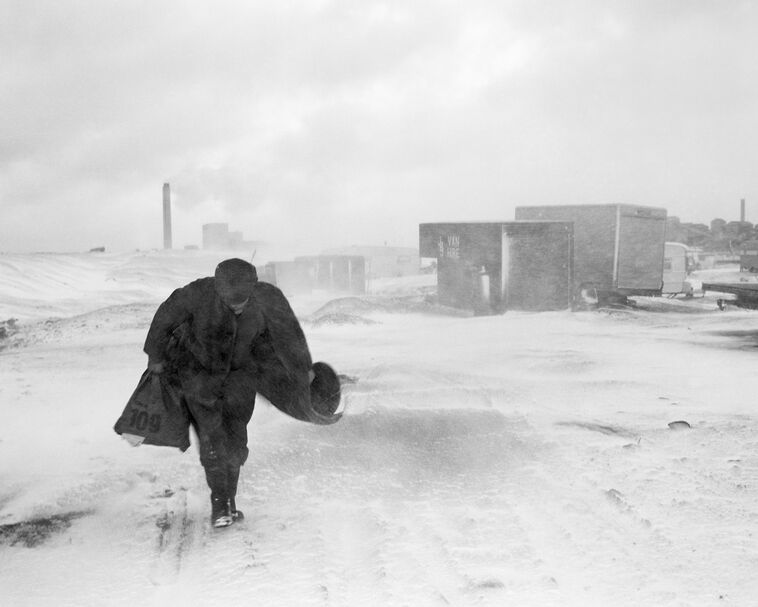
Holborn writes, however, that the struggles Killip witnessed were not solely in opposition to Conservative power. His photographs go beyond political divisions, addressing a broader human upheaval, and history’s unfurling since the Industrial Revolution.
Arranged not chronologically but visually and geographically, the images offer a renewed perspective of the density of his work, marked by the human proximity to industry.
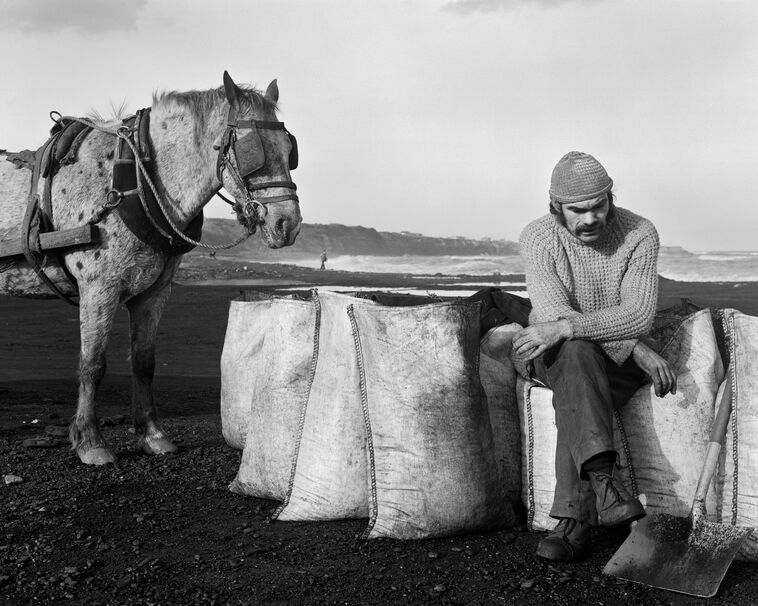

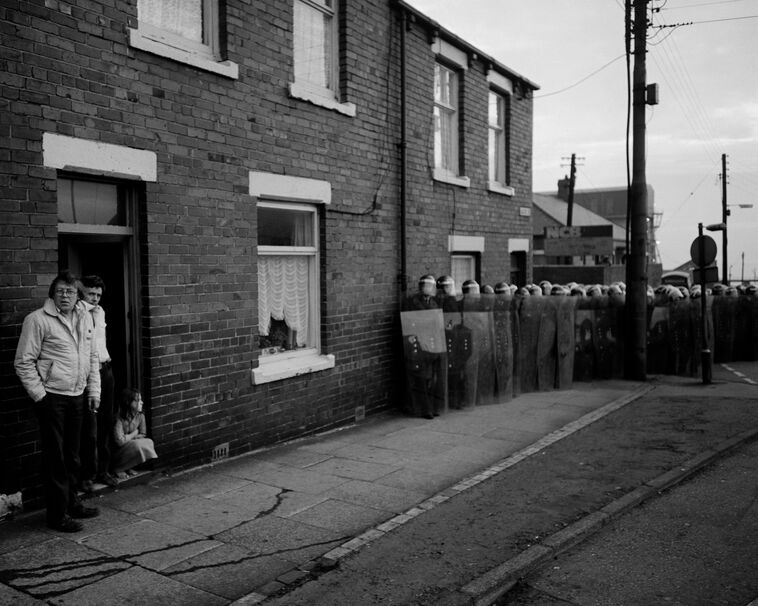
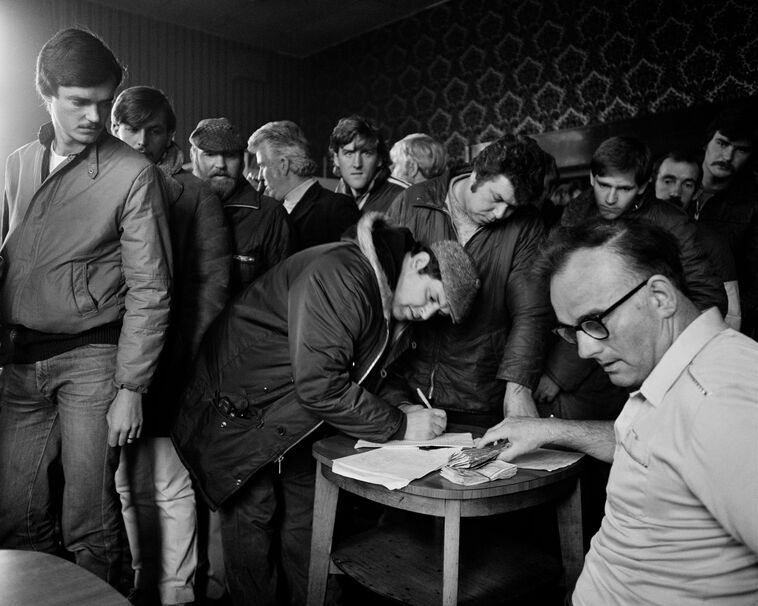
Forty years ago, Killip called Holborn to work on sequencing what would become Killip’s 1988 photobook, In Flagrante. While a few images from the book resurface in North, Holborn wanted to rediscover the archive and depart from his seminal publication, laying a new path of mainly unpublished work.
The book begins and closes with images from the Isle of Man, Killip’s homeland, a pilgrimage to Crough Patrick in County Mayo, Ireland and another in County Galway.
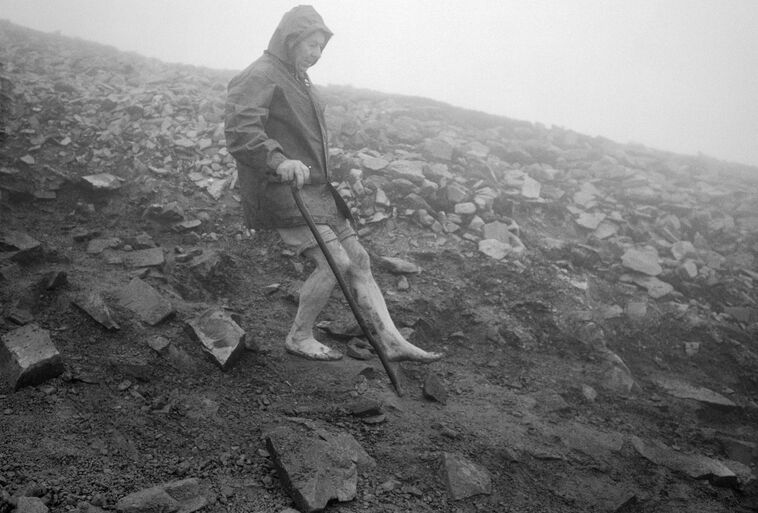
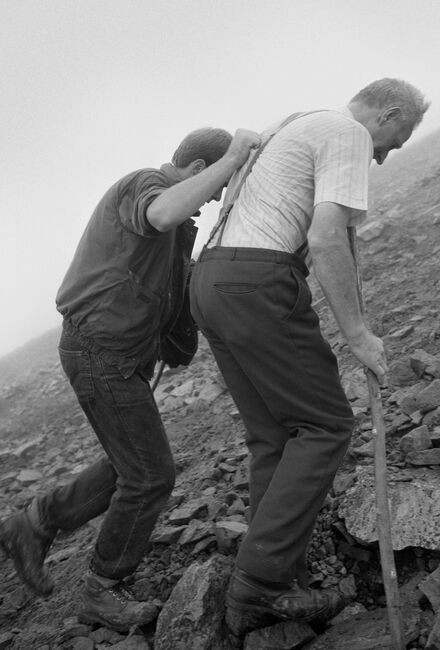
“Bathed in clouds,” Holborn writes, “Killip’s images of the slopes are the antithesis of the grounded and vividly descriptive works that form the main body of this book. In contrast to his customary impeccable constructions, his photographs here have a roughness, reflecting the physical ordeal of the journey. Their intensity lies in their symbolism of a wider human struggle, which the body of the book addresses full on.”
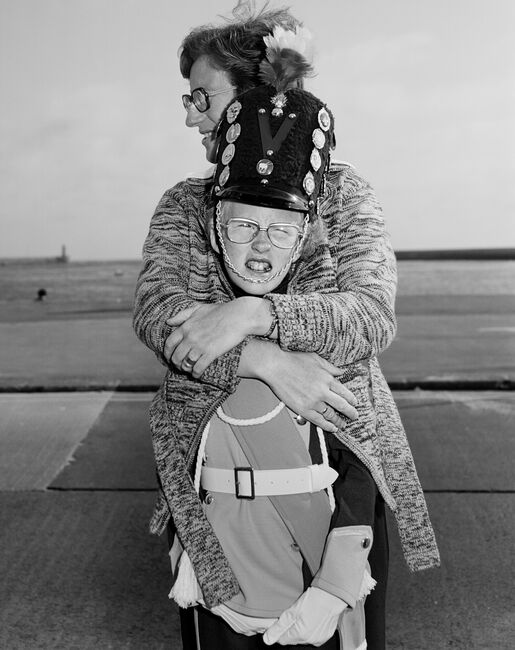

If In Flagrante held a sense of “rage” as Holborn writes, North matches its audacity with a bottled tension contained under the surface. Throughout these years, Killip invested his time being side by side with those he photographed, whether in rain or snow. The images hinge on the fragility of life against the harshness of the industrial landscape, where the heaviness of labor merges with the hills, the sea and a shifting England.
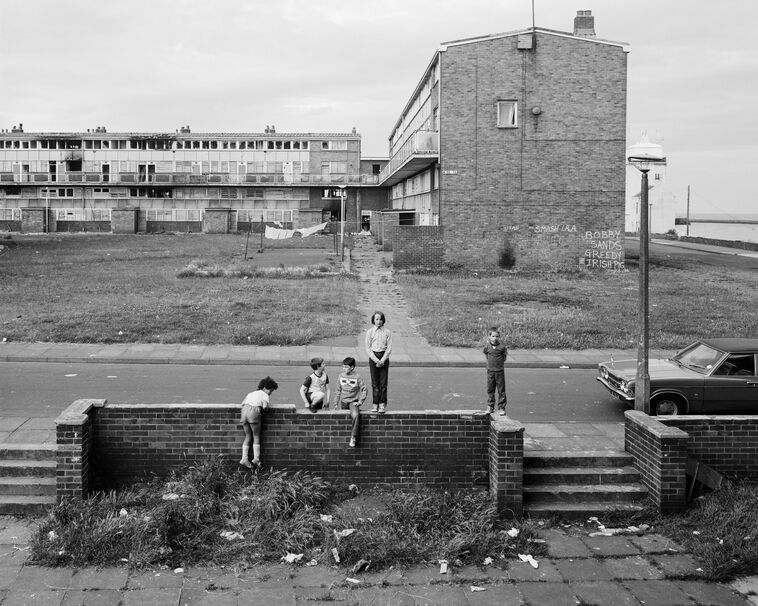
"Gather yourself because you are indeed looking beyond the invisible borderline to what Killip himself once suggested was another country."
- Mark Holborn
Holborn suggests that Killip’s images still evoke the invisible division between the North and South of England. He writes, “Stare at the pictures and you might recognize a place that touches you with the most intimate memory of an earlier era, or else, gather yourself because you are indeed looking beyond the invisible borderline to what Killip himself once suggested was another country.”


