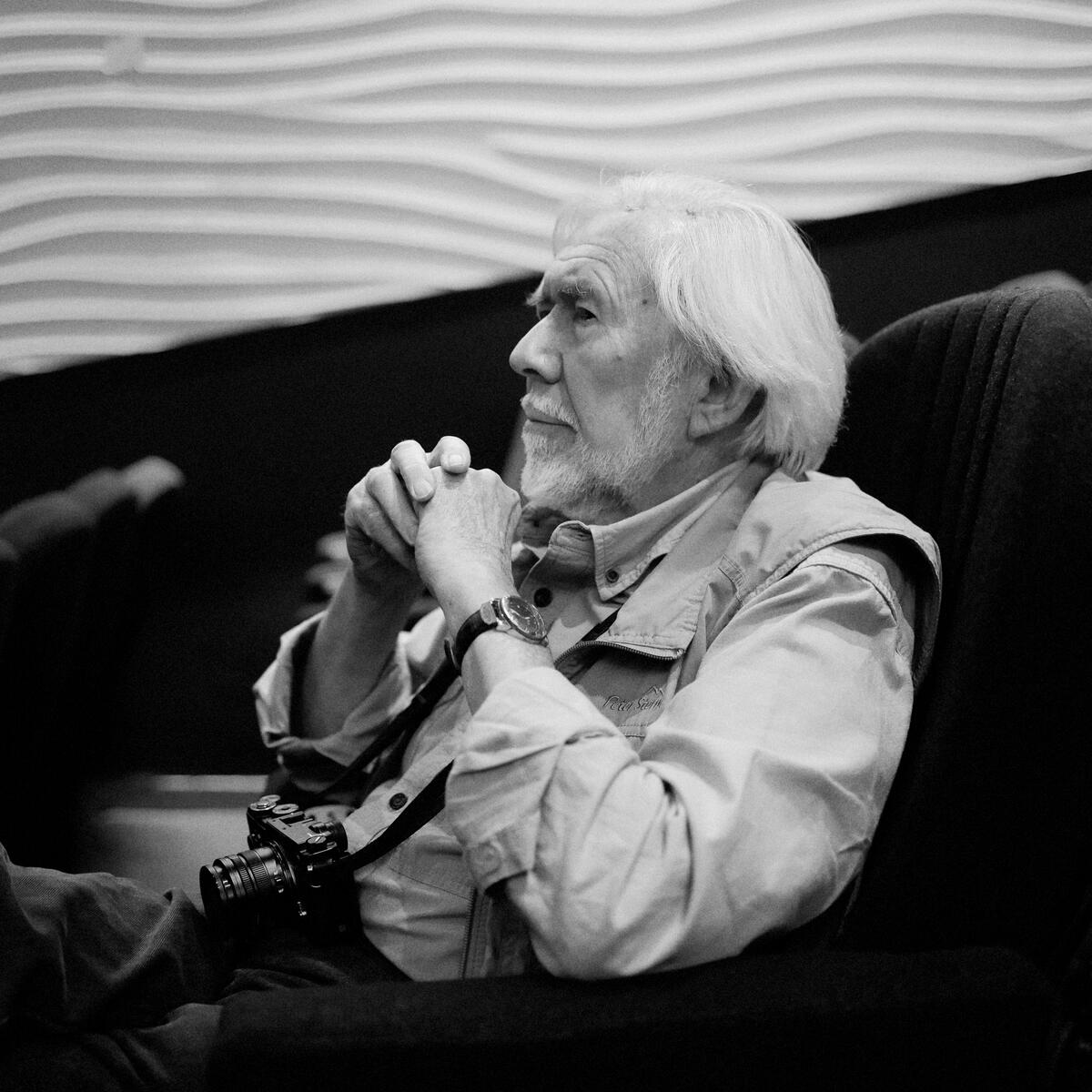
Ian Berry, a beloved member of Magnum, sadly passed away on September 13, 2026 at the age of 92. Berry’s photographic career, spanning 65 years, has not only had a profound impact on the agency itself, but has made a vital contribution to modern photojournalism at large.
Born in Lancashire, England in 1934, Berry grew up in Preston. After attending boarding school, he pursued his desire to travel the world. He managed to secure a year-long position in South Africa with the photographer Roger Madden, who had been an assistant to the American landscape photographer and environmentalist, Ansel Adams. Berry worked as an enthusiastic assistant to Madden, who taught him the technical aspects of photography using a 4×5 camera.
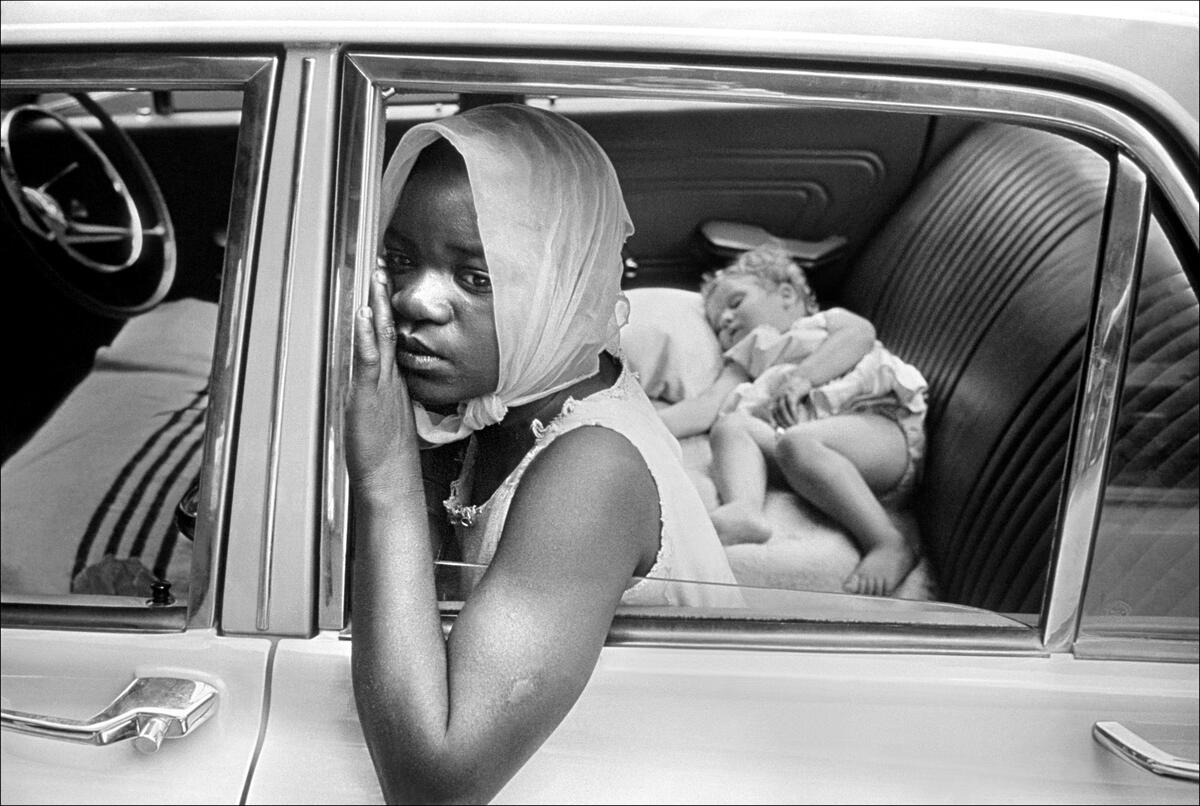
After a brief period back in the UK, he returned to South Africa, taking a position with the Sunday Times Group in Johannesburg. Hearing that Tom Hopkinson, the previous editor of the British photojournalism magazine Picture Post, was launching the new publication called Drum, Berry contacted him and was offered a job. His time with the magazine broadened his scope of documentary print photography, while deepening his understanding of South African politics during apartheid.
Berry was the only photographer to document the Sharpeville massacre on March 21, 1960, when police officers opened fire on a crowd of anti-apartheid protestors in the former Union of South Africa. When Berry and other journalists arrived at the protest, they were all told to leave or be arrested, but the car Berry was in stayed.
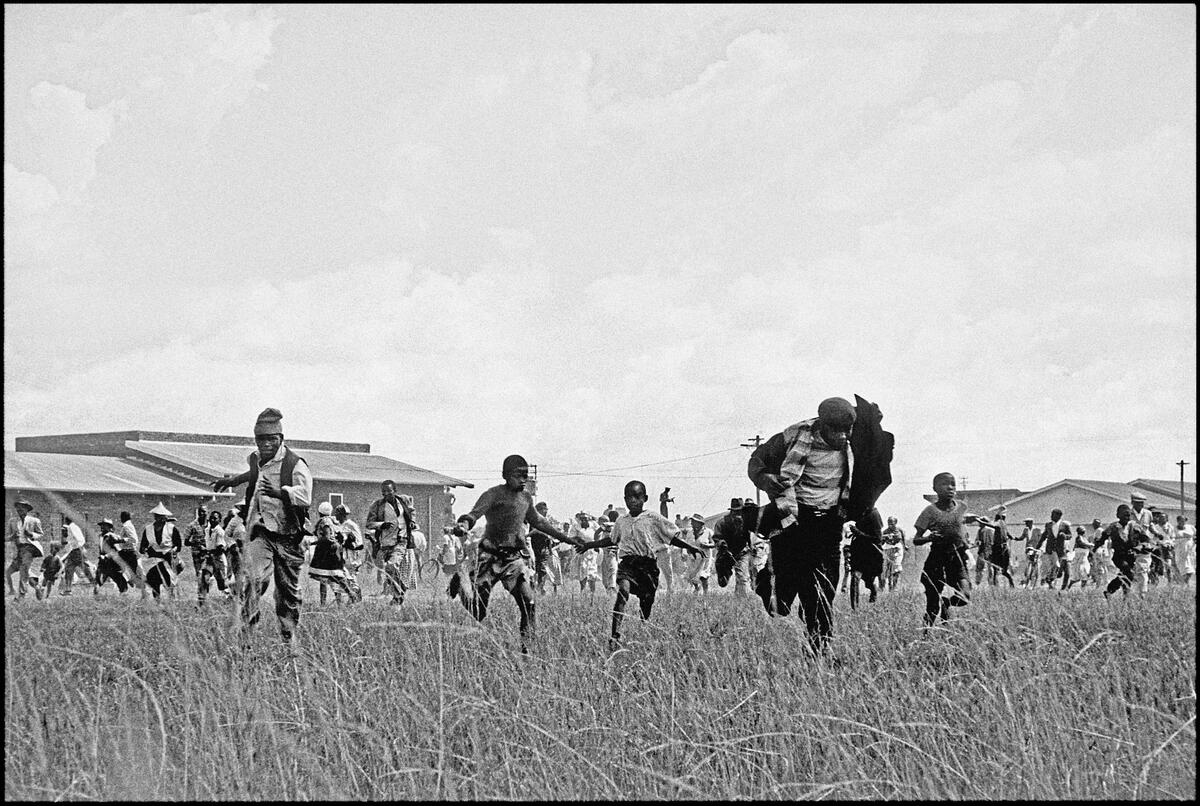
“I chatted to some of the police; I got up to the fence and they all looked pretty quiet to me,” Berry told Vice. “The crowd didn’t seem too aggressive, either. I thought nothing was going to happen, so I walked back to the car and as soon as I got there, the police opened fire. Bodies started to fall around all over the place. […] I just had a couple of Leicas in those days with a wide-angle and a normal lens. And I simply shot people running towards me. When I realized people were being killed around me, I sort of got thrown in the grass. When the firing stopped, I got up, and it was just me and one more person standing.”
He was the only white, non-police witness, and his photographs of the incident were used in the trial to prove the victims’ innocence. Berry also documented the crisis in Congo after its independence in June 1960, including the succession in Katanga.
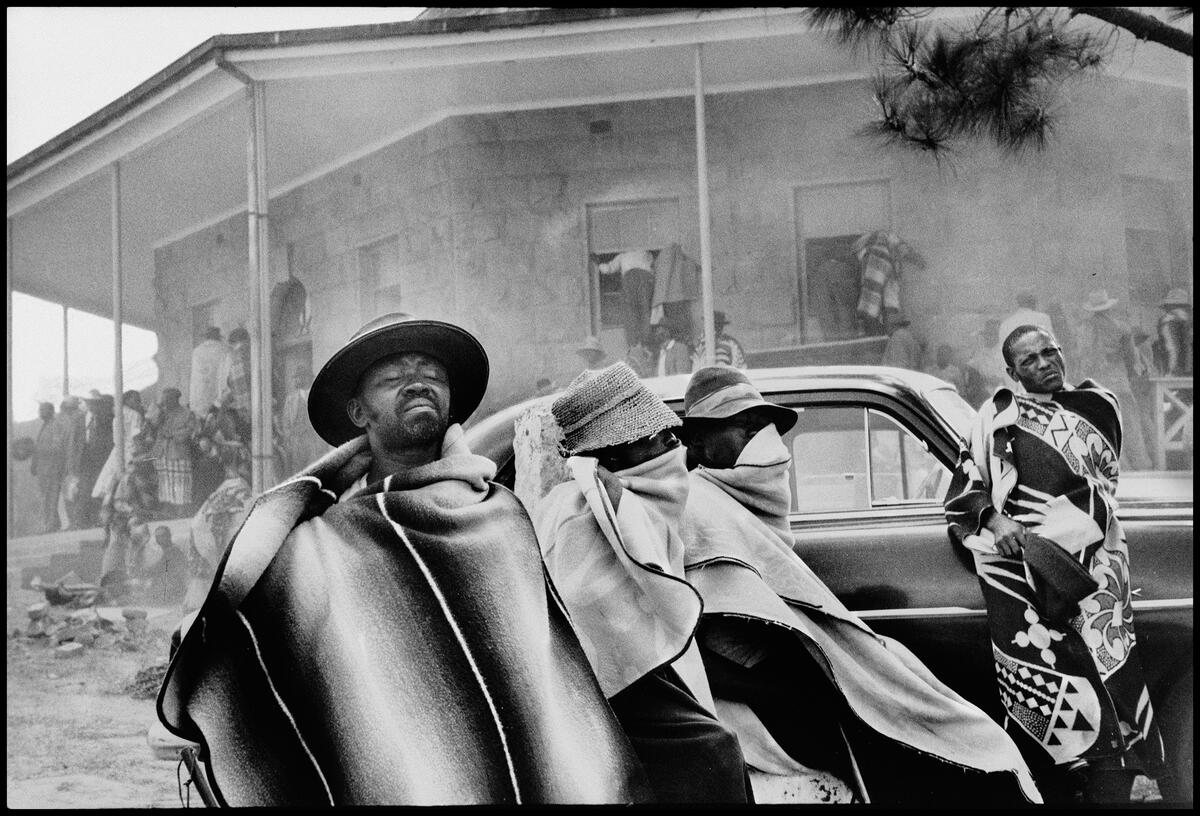
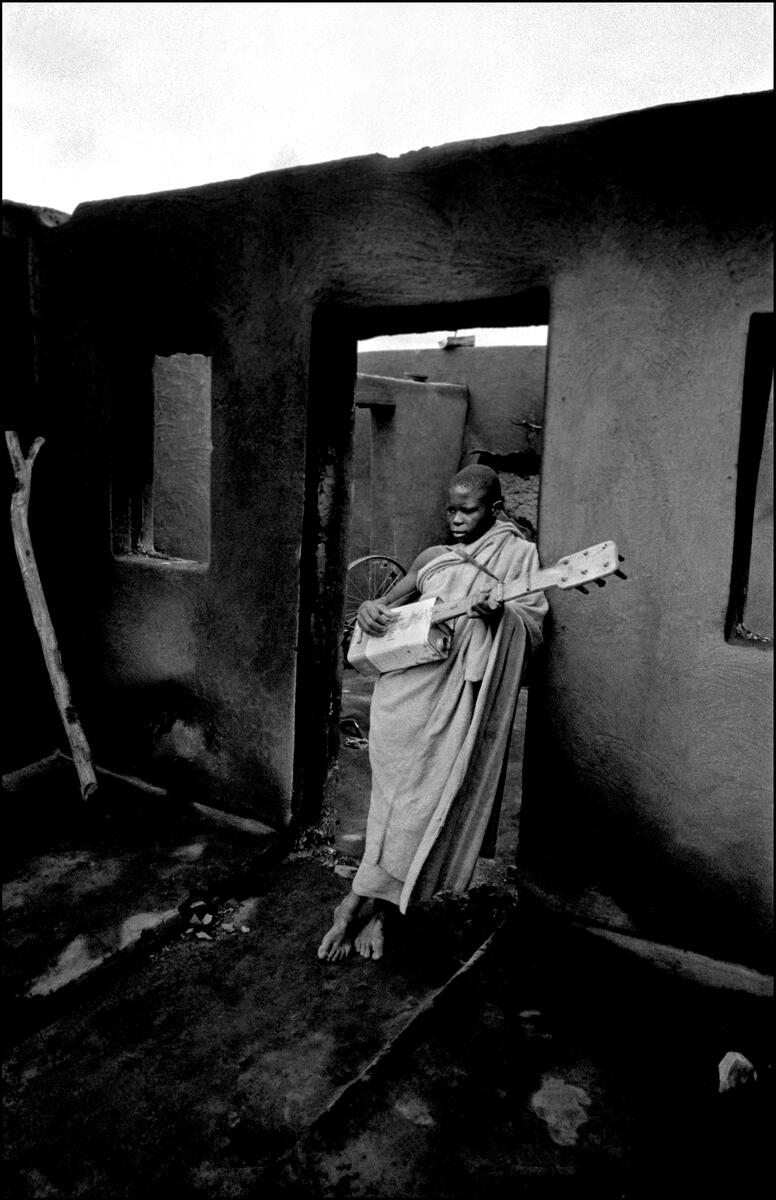
After seeing Berry’s images from the Sharpeville massacre, Hopkinson put Berry in touch with Magnum. In 1962, when 28-year-old Berry was based in Paris, he met with Henri Cartier-Bresson, who looked at his prints and seemingly disapproved. Berry recalled, “I went upstairs to the office, and they said, ‘What have you done to him, he hates you!’ They told me what the problem was: he didn’t want to look at prints, he wanted to look at contact sheets. He wanted to see how you thought.” After another meeting, Berry was invited to join Magnum, becoming a full member in 1967.
“He was a great mentor,” Berry says of Cartier-Bresson, who told the young photographer that if he “shot one good photograph a year, it’s a lot”— a piece of advice that encouraged Berry throughout his career.
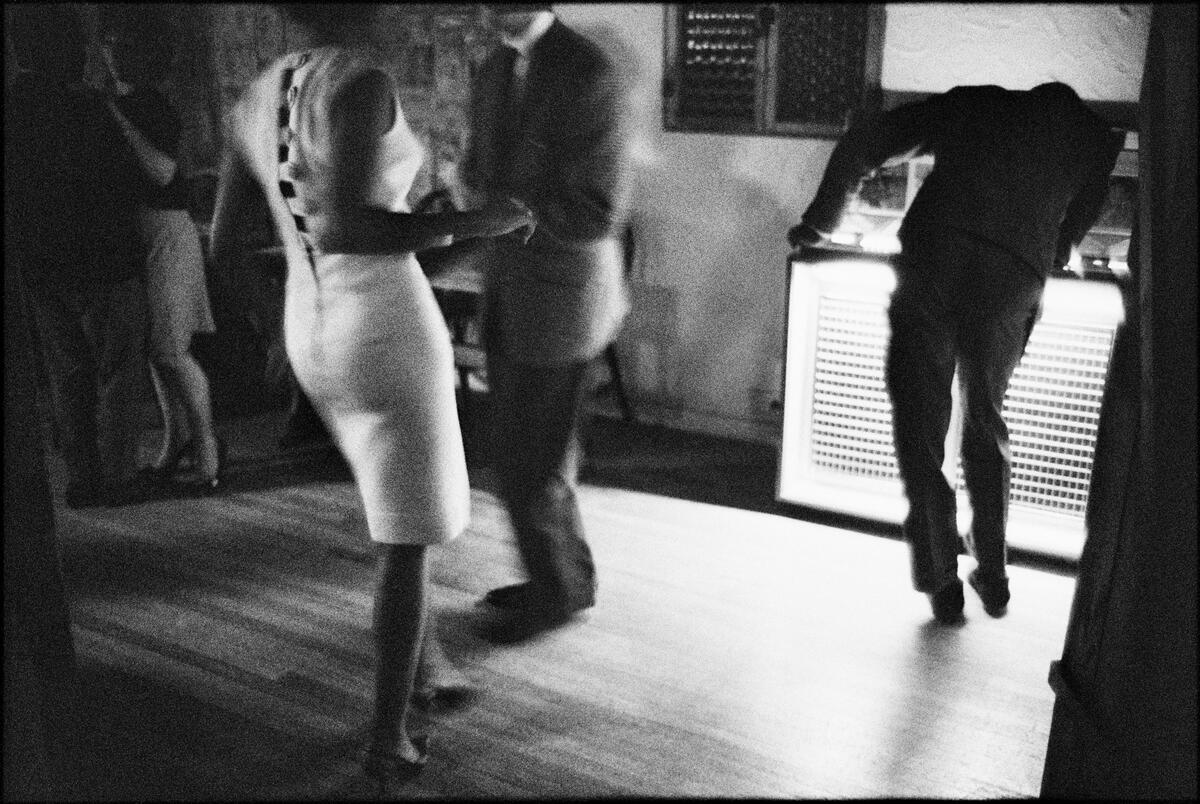
In 1964, Berry left Paris for London to become the first contract photographer for The Observer magazine. Four years later, in August 1968, he was the only known foreign photographer to document the Soviet invasion of Prague. After his bureau chief asked him if he wanted to go to Czechoslovakia as Soviet tanks rattled towards the capital, Berry immediately got on a flight to Munich, rented a car and drove towards the border.
There, he met a crowd of journalists, who had already been turned away. Yet Berry was determined to find a way in: “I had read on the plane that there was going to be an architect’s conference happening in Prague,” he said. “I came to the border, and just as I got there, the Russians took over. I think the Russian officer wanted to show the Czechs that he was in charge, and I told him that I was going to this architects’ conference, even though I had camera bags in the back seat of the car […] so he waved me in—and I was the only one to get in.”
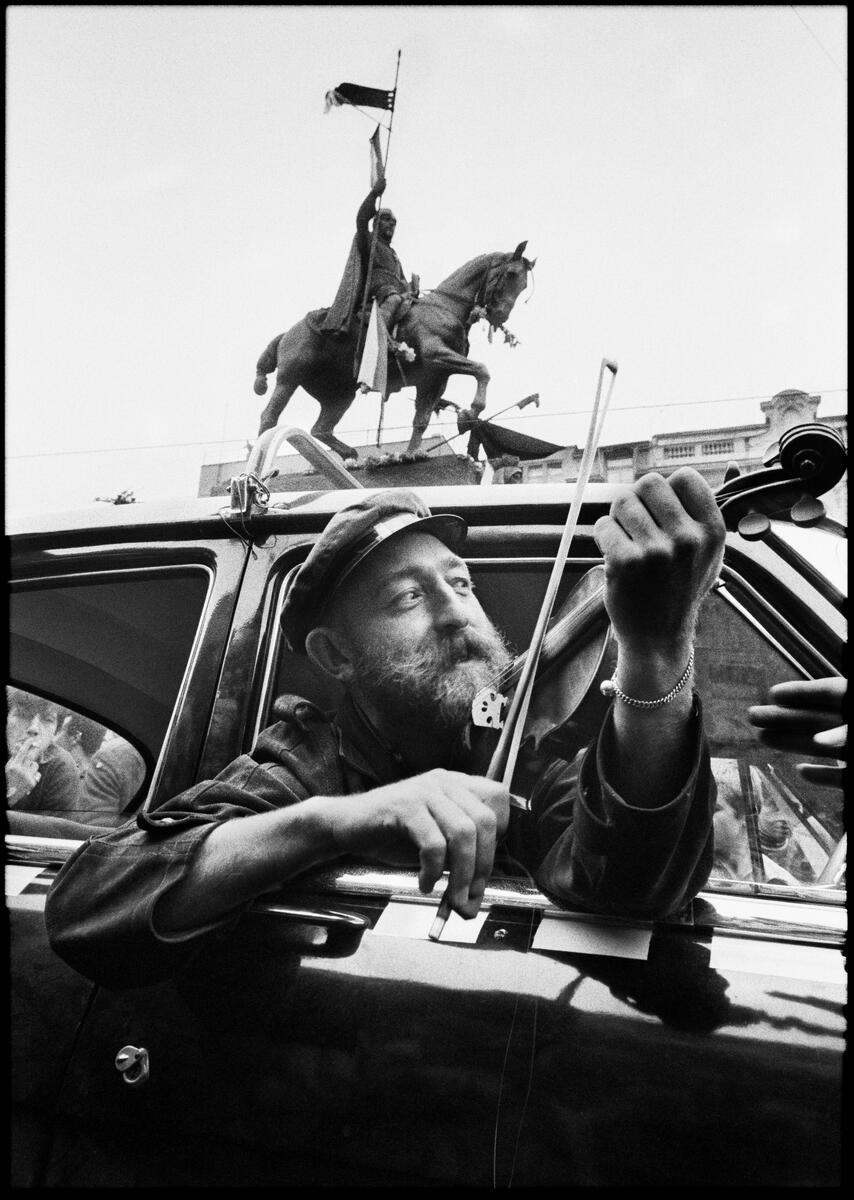
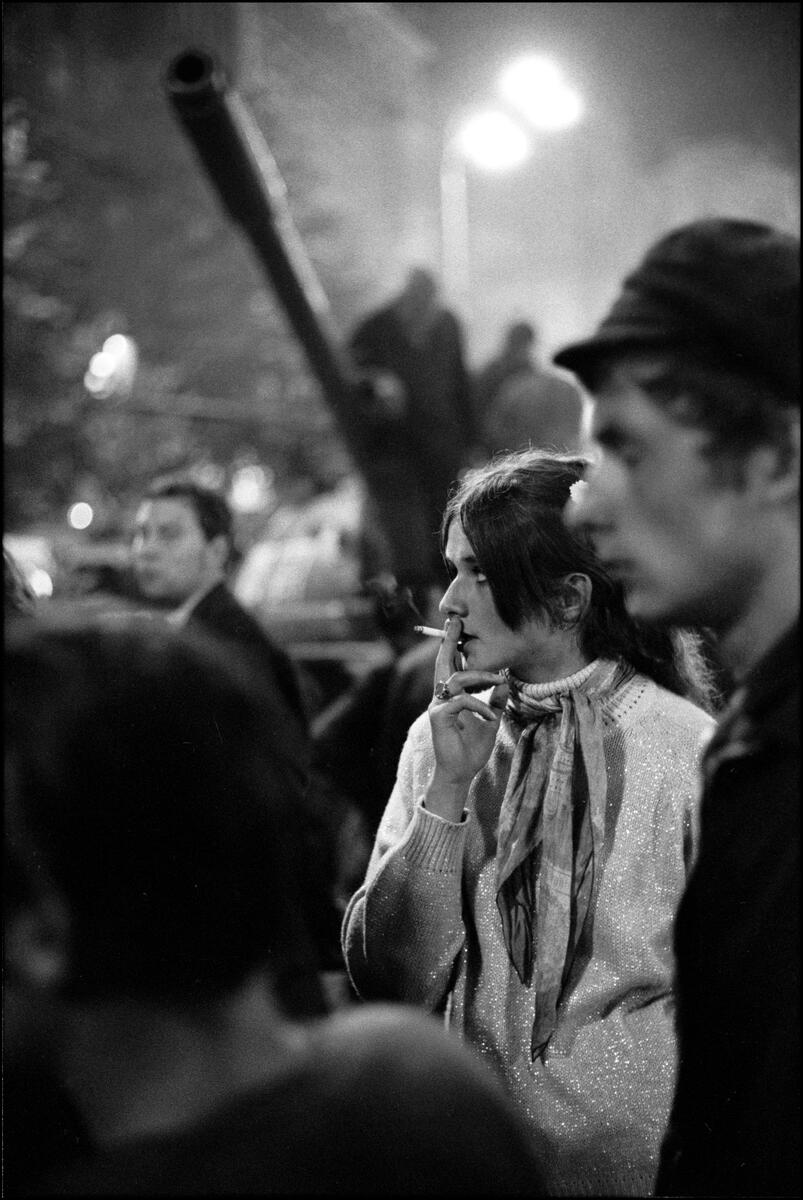
After four days of photographing the events unfolding on the streets, he smuggled his film out of the country in the hubcaps and door panels of his Volkswagen Beetle, and sent them to Paris Match. His images showed the world some of the first recorded moments of the invasion.
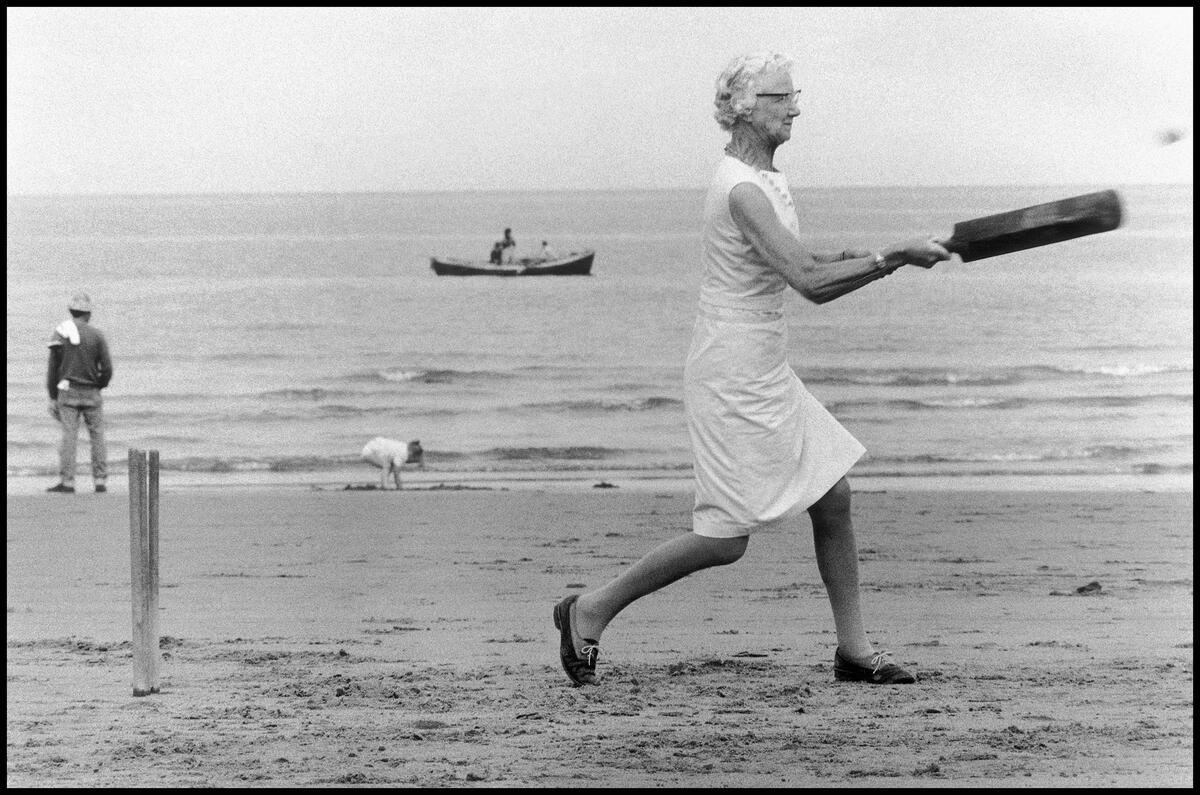
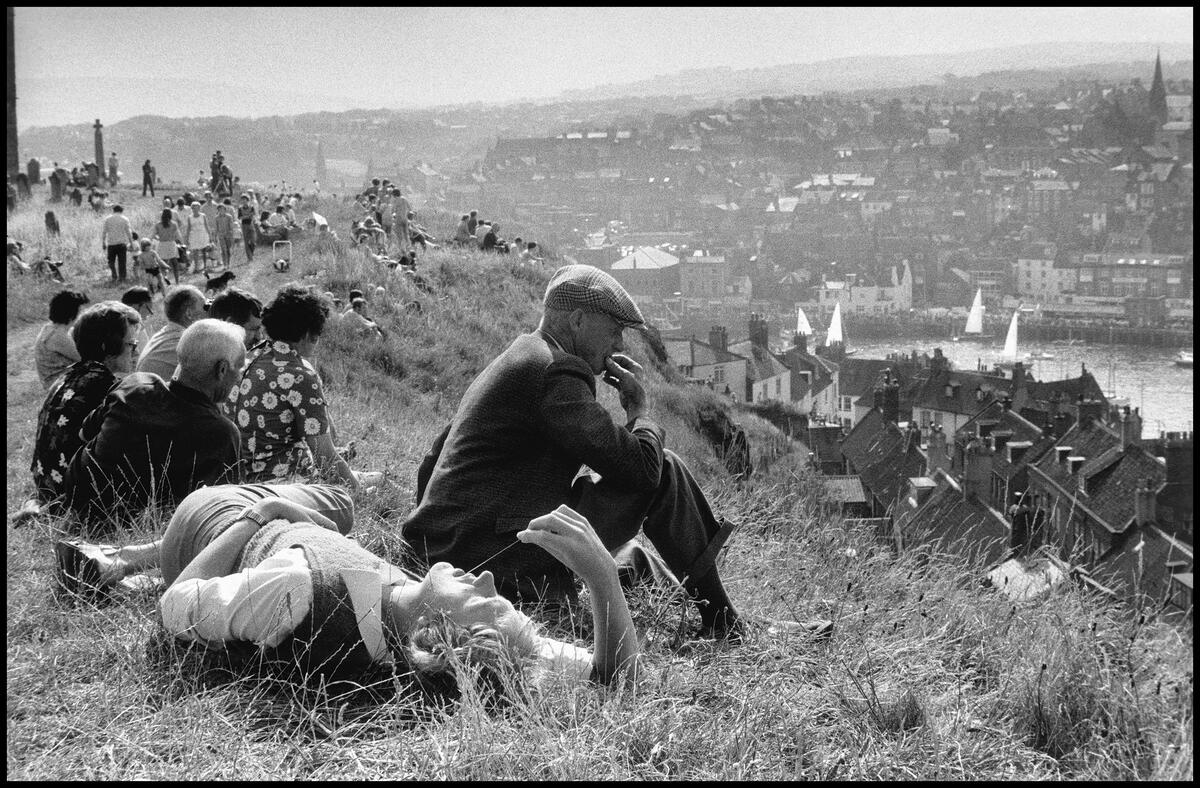
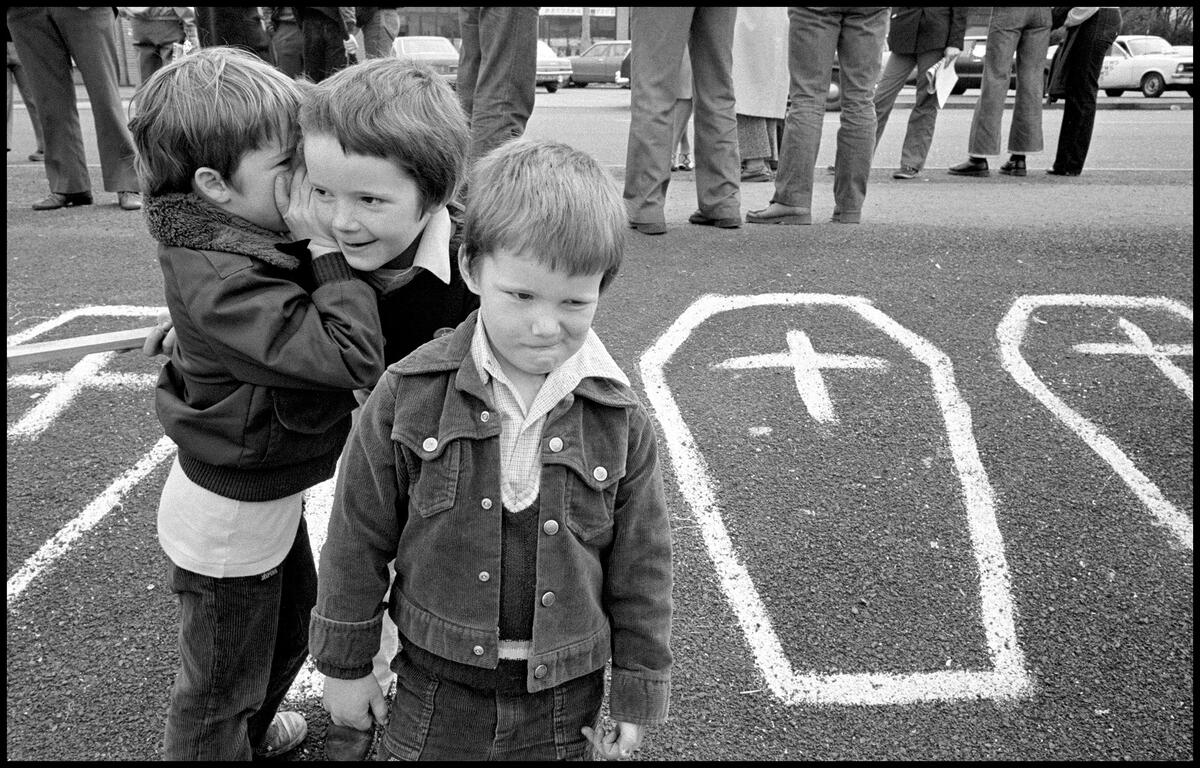
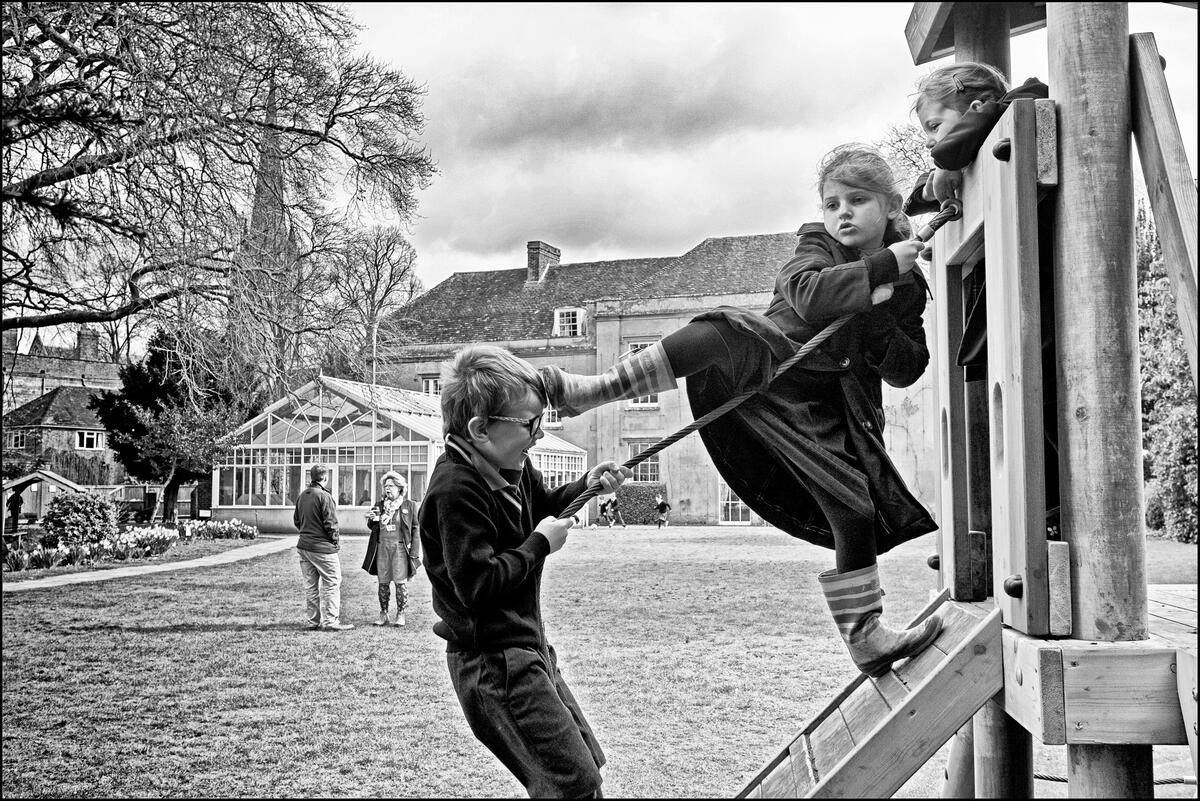
Having traveled and lived abroad for over a decade, Berry felt compelled to document the English — to rediscover the people and culture of his home country. Upon receiving a commission from the Whitechapel Gallery in 1972, he captured not only the spirit of London’s East End, but the Englishness of the era across the country — youth at the Serpentine Gallery, men with top hats and Rolls-Royces at the Ascot races, farmers with their prize-winning sheep, a woman playing cricket on the beach and a Sunday afternoon in Whitby.
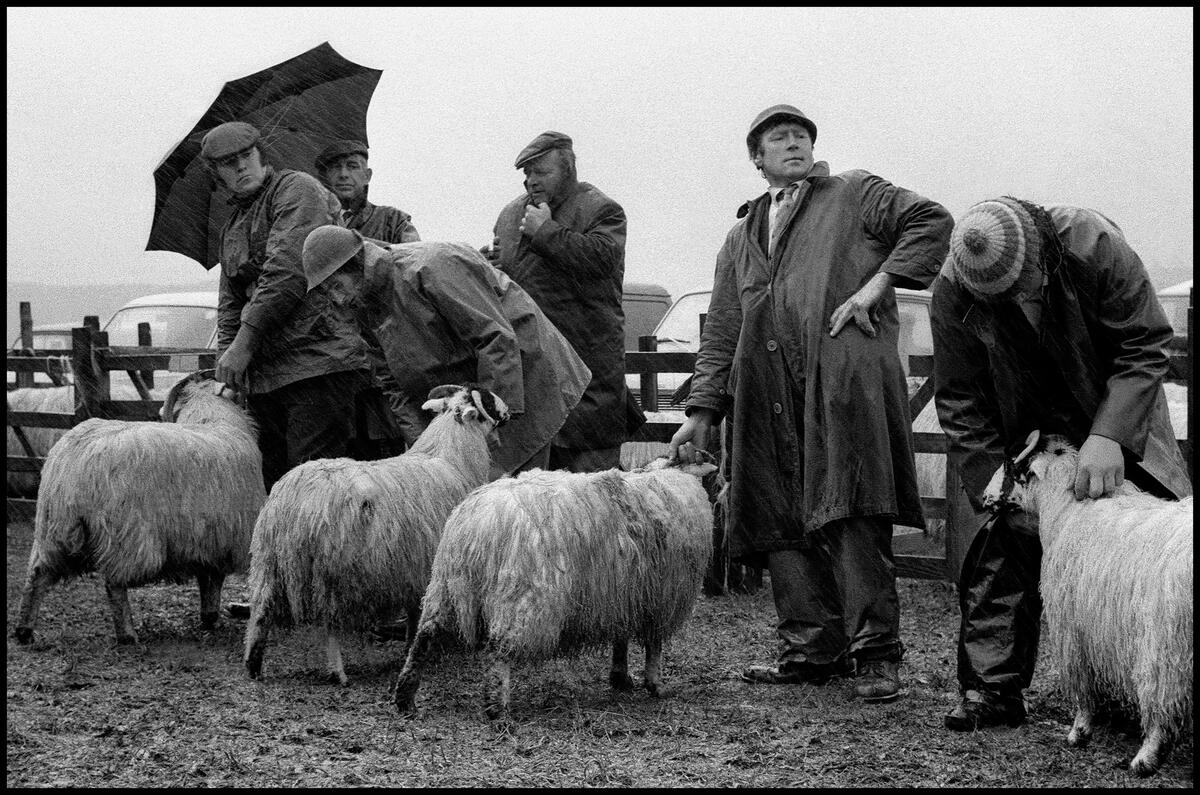
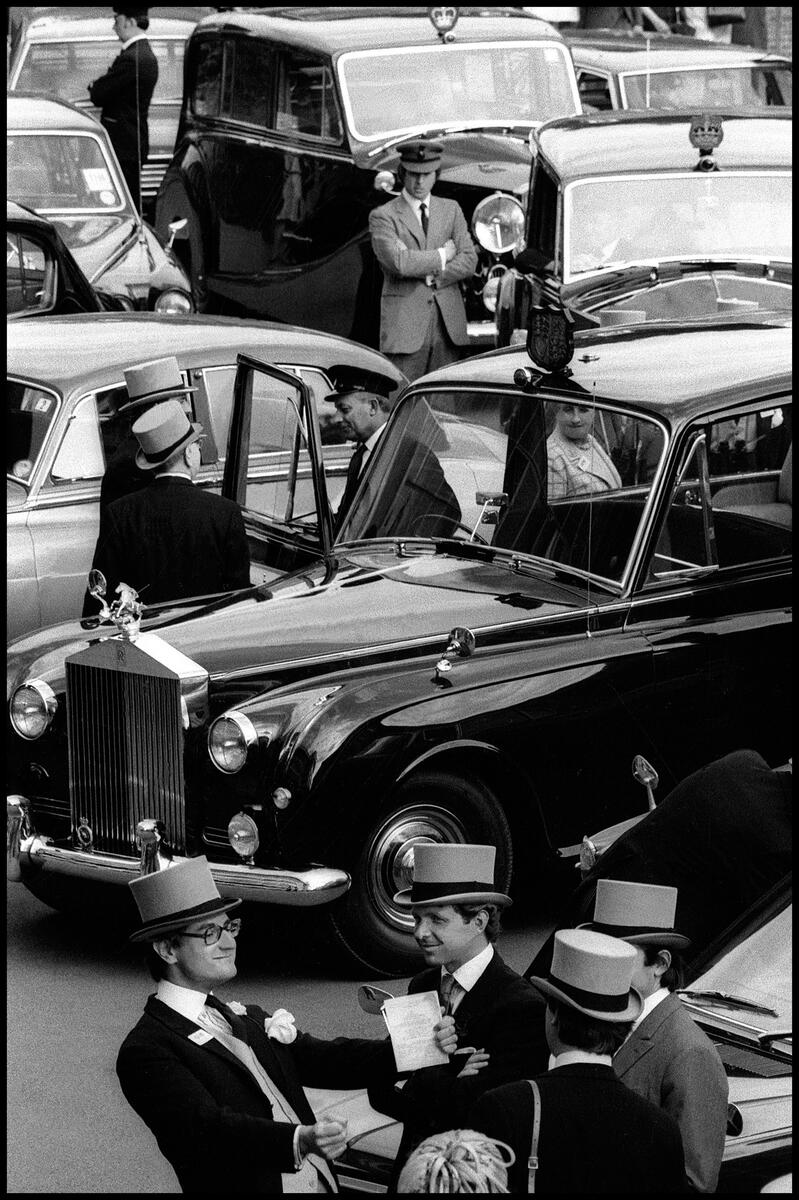
His photographs were assembled in his seminal 1978 publication, The English. Although the book’s concept was influenced by Robert Frank’s The Americans, published two decades prior, Berry noted: “I thought he had been a little bit unkind to the Americans…I didn’t want to be that unkind to the Brits.”
"Photography is a thousandth of a second of excitement and hours of boredom. But it’s worth it. I wouldn’t do anything else."
- Ian Berry
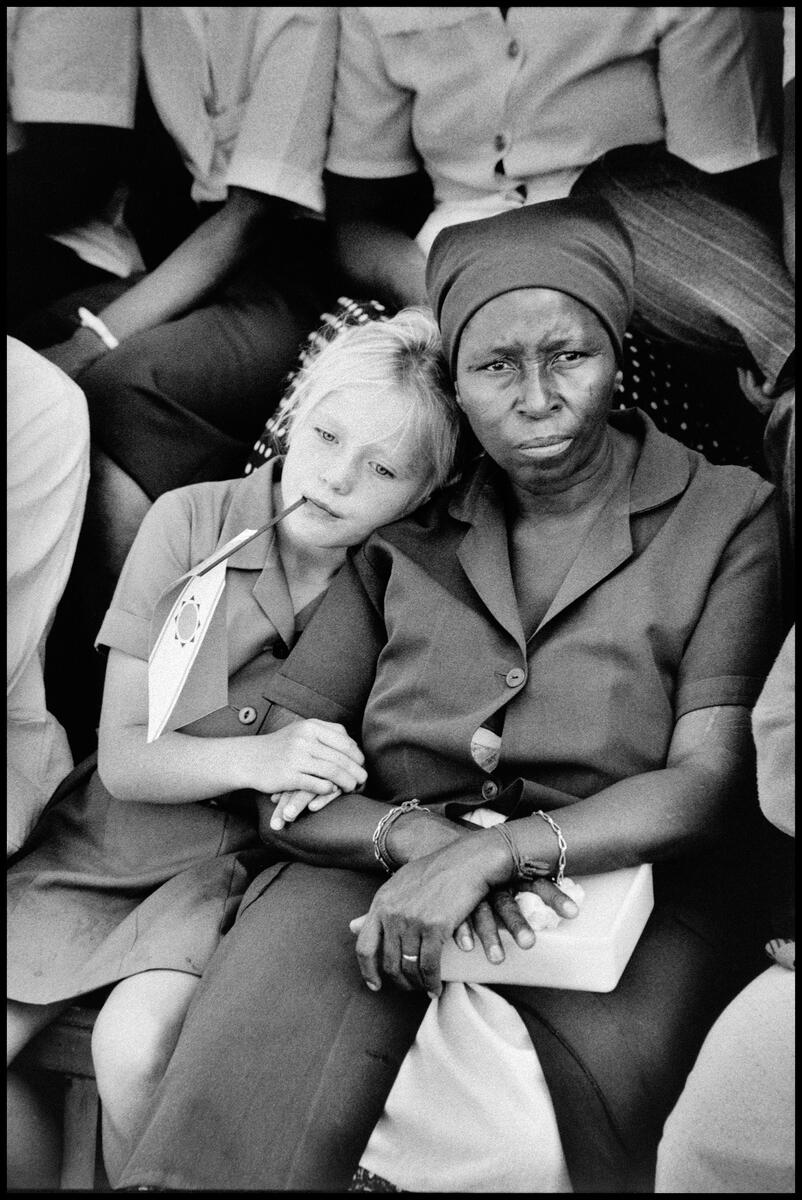
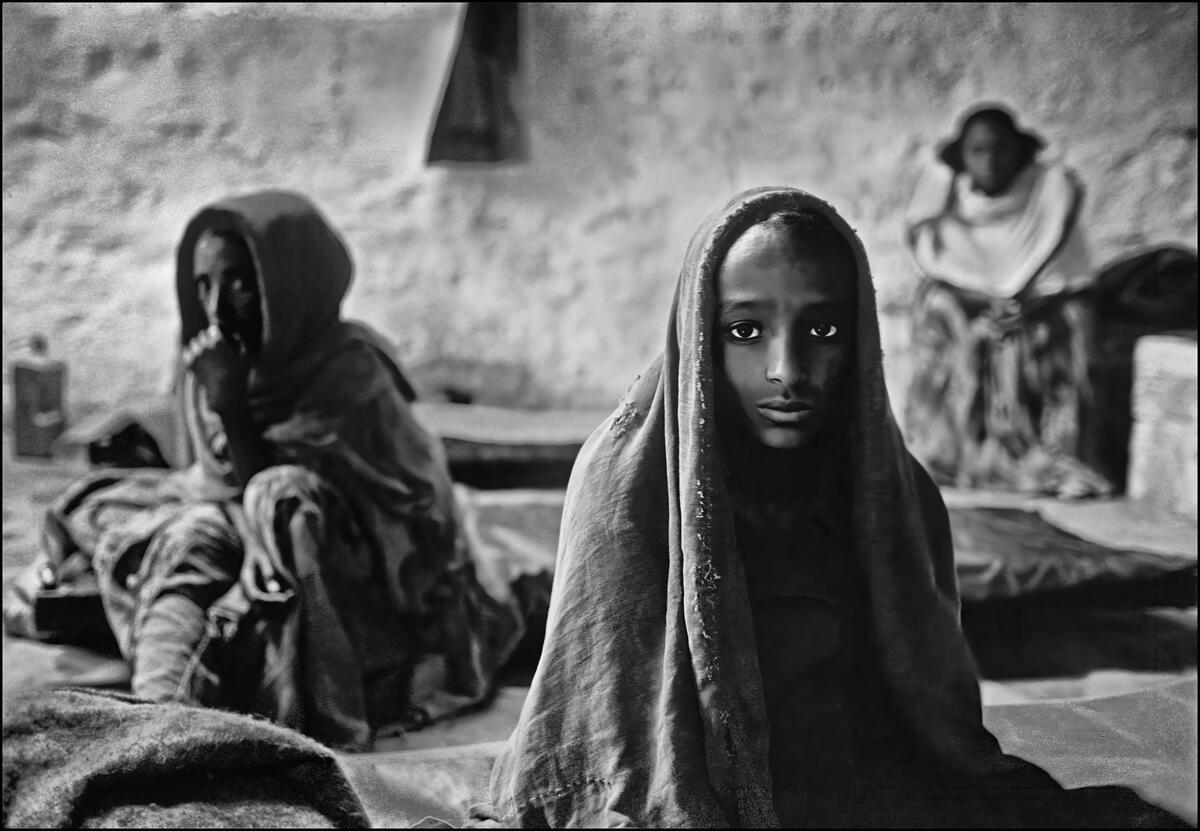
Berry’s career in photojournalism led him to cover some of the world’s most significant upheavals and socio-economic crises, including life in Northern Ireland during the Troubles in the early 1980s, famine in Ethiopia, the Aberfan coal mining disaster in Wales in 1966, as well as conflicts such as the Six-Day War in Israel. Berry has also reported on the political and social transformations in China and the former USSR, and documented refugee camps in Central America for UNHCR. His major body of work produced in South Africa is represented in two of his books — Black and Whites: L’Afrique du Sud (1988) with a foreword by the then French president François Mitterrand, and Living Apart (1996) with a foreword by Archbishop Desmond Tutu.
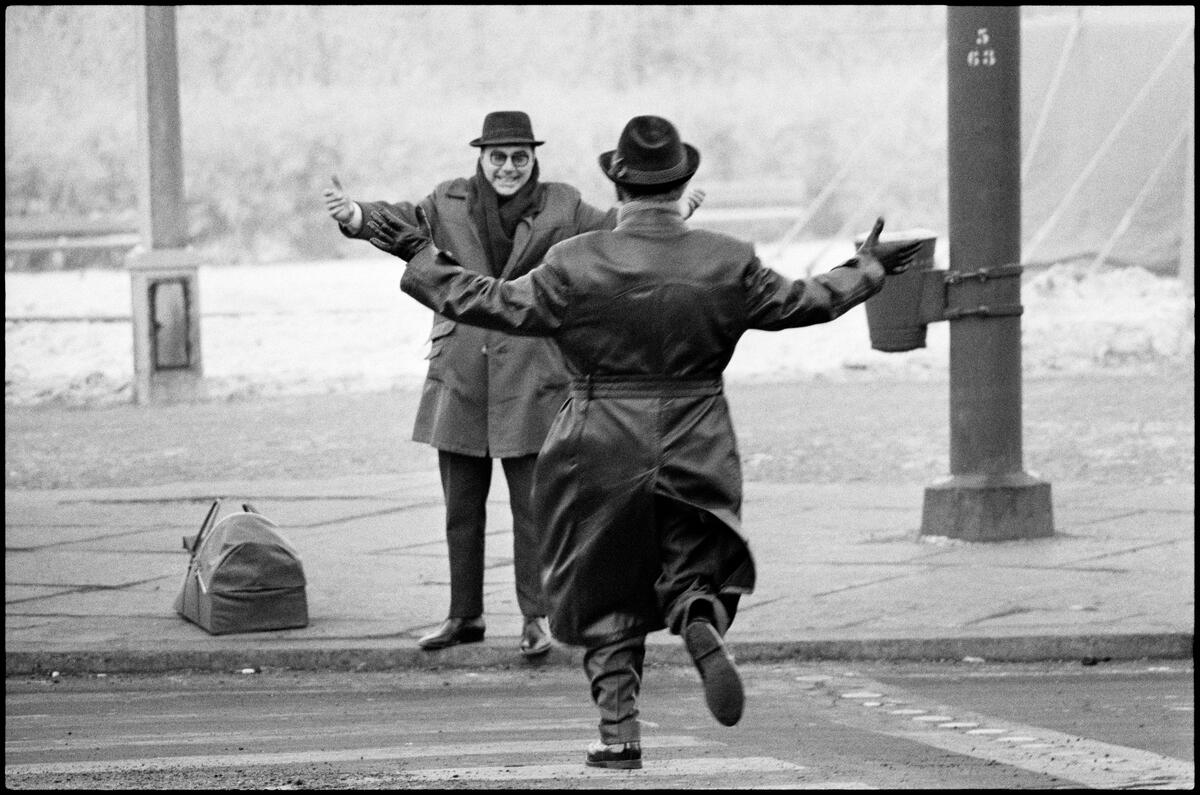
"What interested me [...] was how different people are in different parts of the world, and yet equally amazing is how the same they are."
- Ian Berry
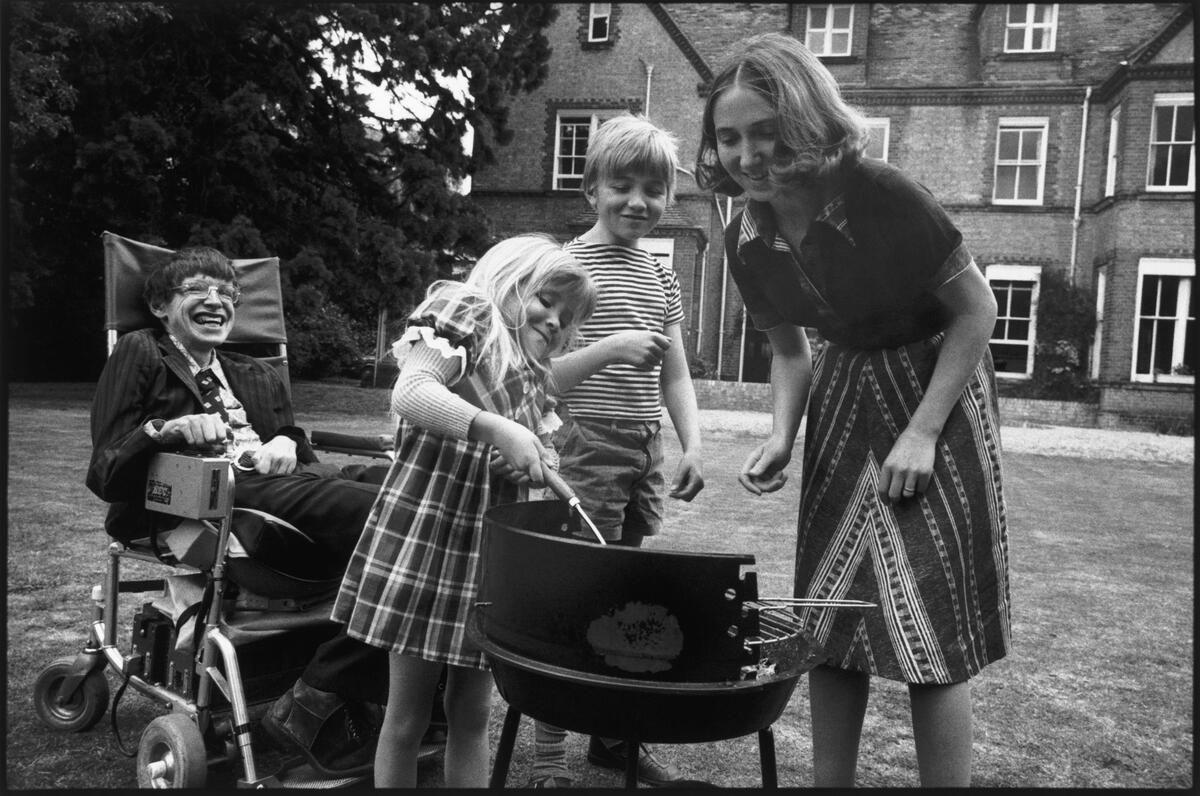
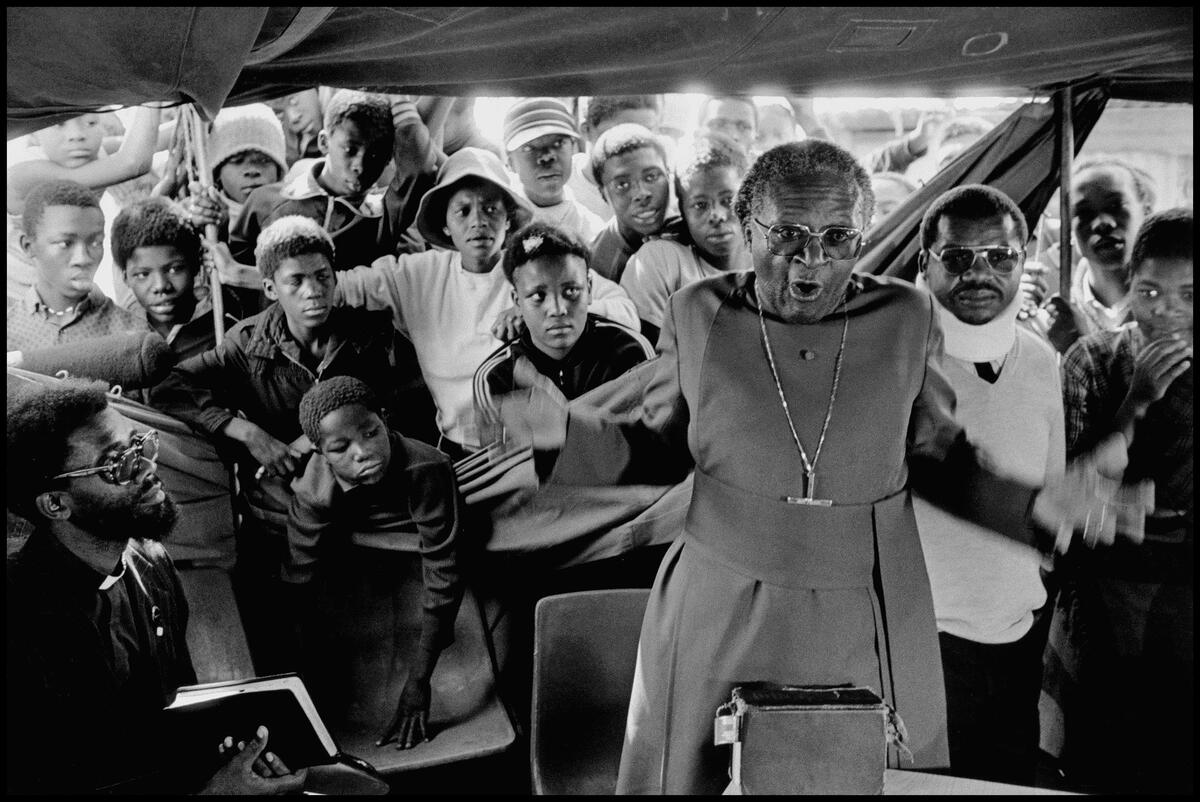
Some of the 20th century’s leading cultural figures and intellectuals were also captured by Berry’s lens, including Nelson Mendela, Stephen Hawking, Archbishop Desmond Tutu, Jane Birkin and Serge Gainsbourg.
In more recent years, he photographed the route of the Silk Road through Turkey, Iran, and Central Asia to northern China for Condé Nast Traveler, the Three Gorges Dam project in China for The Telegraph Magazine, and Greenland for a book on climate. Other editorial assignments included work for National Geographic, Fortune, Geo, Esquire, Paris Match, and Life.
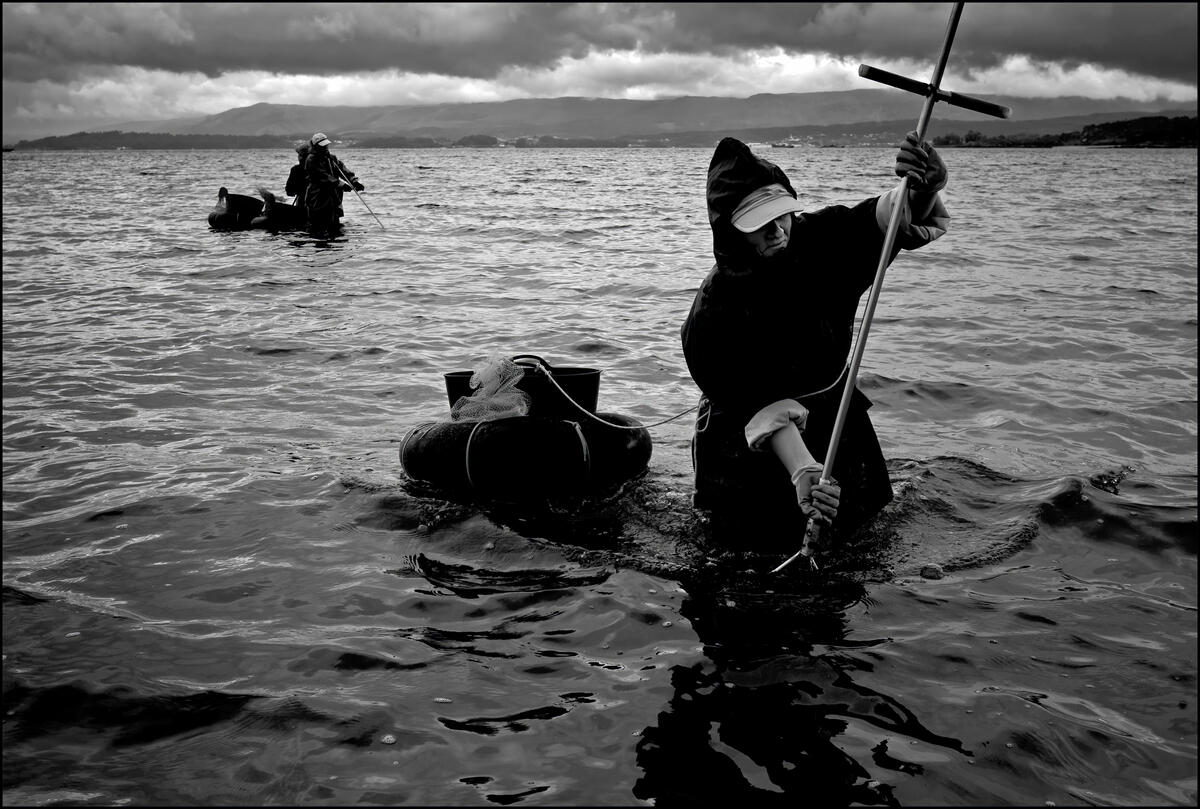
He was invited by the Spanish fishing industry to produce a book in Vigo during the British-Spanish fishing conflict in the early 2000s. His book Sold Into Slavery documents children as young as 4 or 5 being sold by their parents to local fishermen on Lake Volta in Ghana. Other books include Women in Wine, The Sporting Horse, and Famous Piazzas. In 2016, his photographs of China were honored in the exhibition “Two Magnum Masters: Barbey and Berry,” held at the Shanghai Center of Photography.
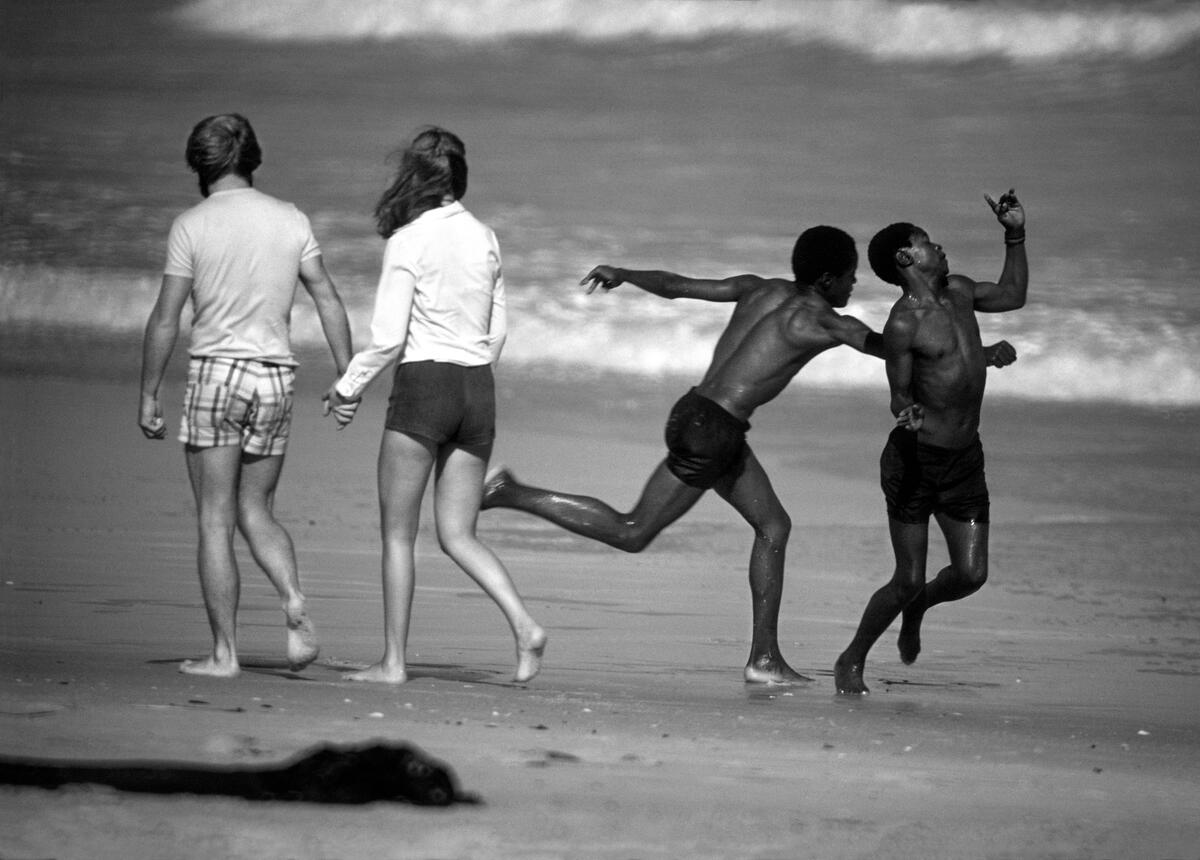
Berry’s decades of work represent his lifelong curiosity in people, documenting cultures and lifestyles with a quiet sensibility. “What interested me to start with in photography was the people that you could meet around the world, amazingly how different people are in different parts of the world, and yet equally amazing is how the same they are,” he told Wex Photo. “Being a photographer gives you an amazing amount of freedom, and if you don’t abuse it, I think it gives you a good life,” he added.
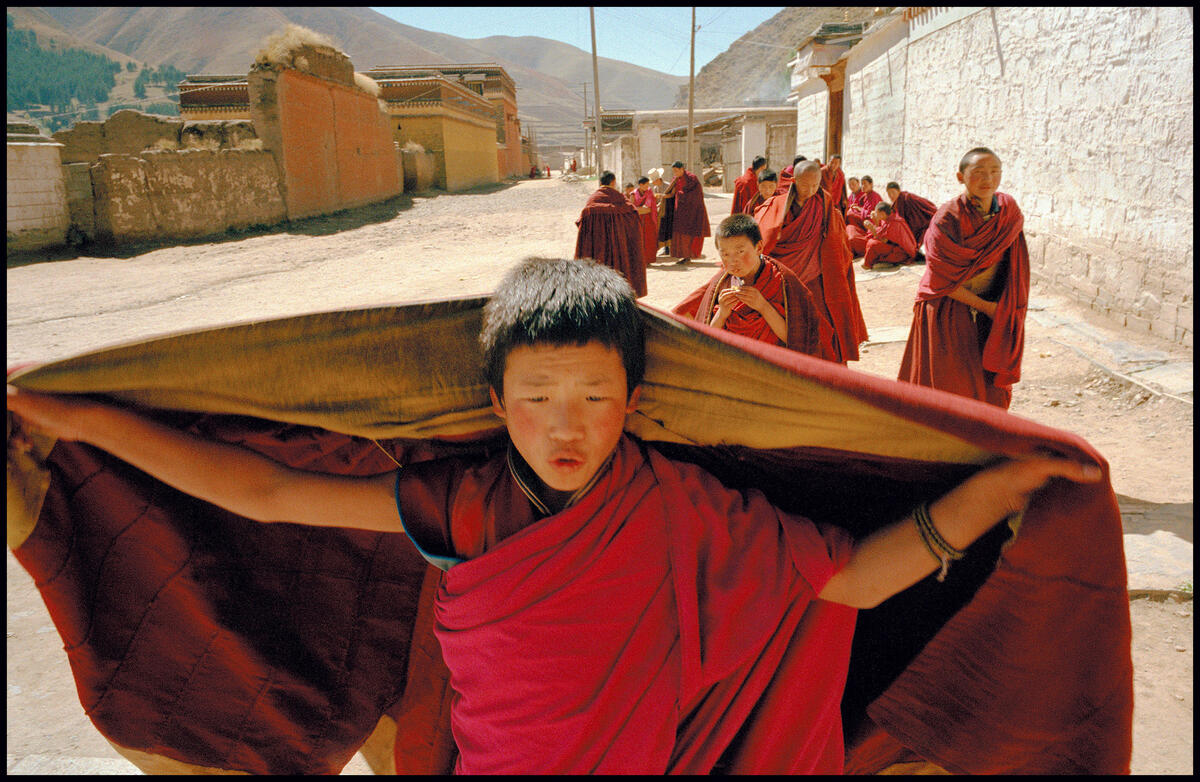
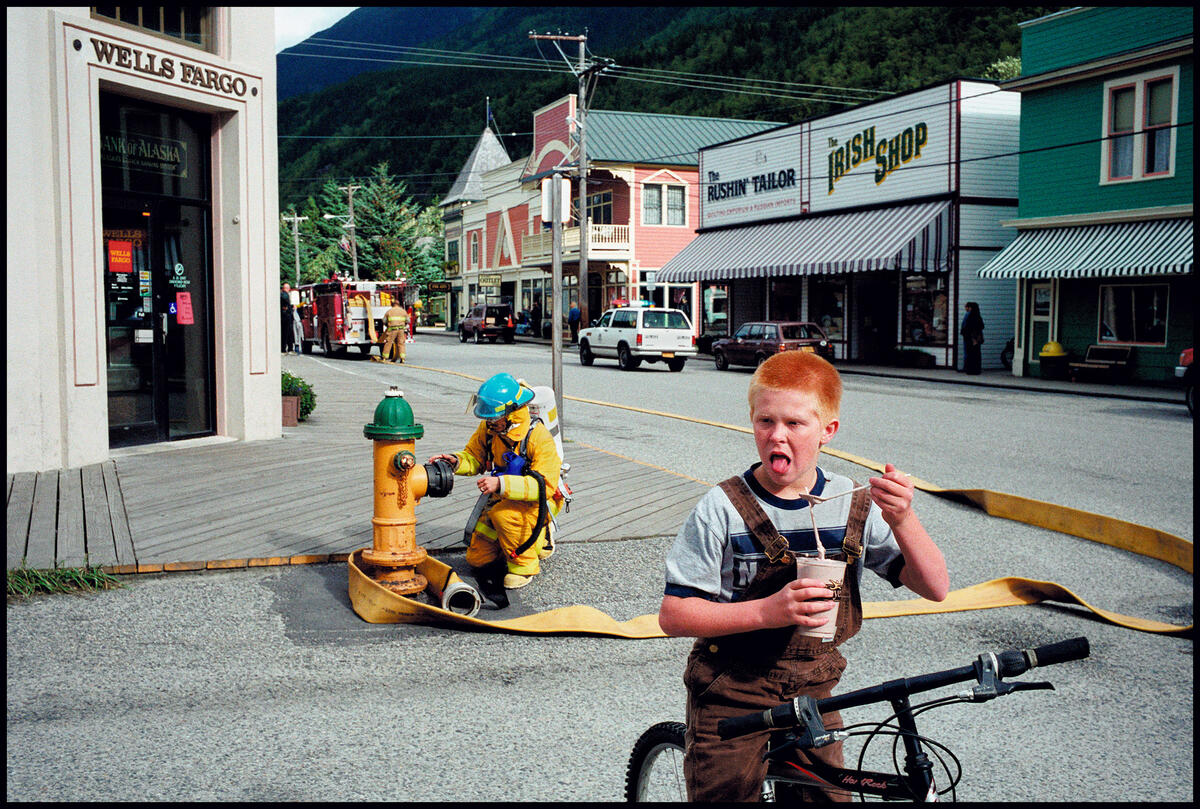
While much of his documentary photography investigated political and social tensions, Berry felt that it was extremely lucky to make change happen through the medium. Yet on a few occasions, including his evidence of the Sharpeville massacre, he was aware that he made a tangible impact. “I was in Central America photographing a famous writer who was running for presidency,” he said in his interview with Wex Photo, “and by accident I heard about this English woman living somewhere out of the city who was running an orphanage. […] But she had run out of money and was going to lose the house she was in. I shot some stuff on her and what she was doing, and the Telegraph ran a story on her in the magazine, and so much money came in donations that she was able to buy the house and continue running the orphanage.” Regardless of his awareness that his photographs might not influence political change, Berry was dedicated to illustrating our common humanity.
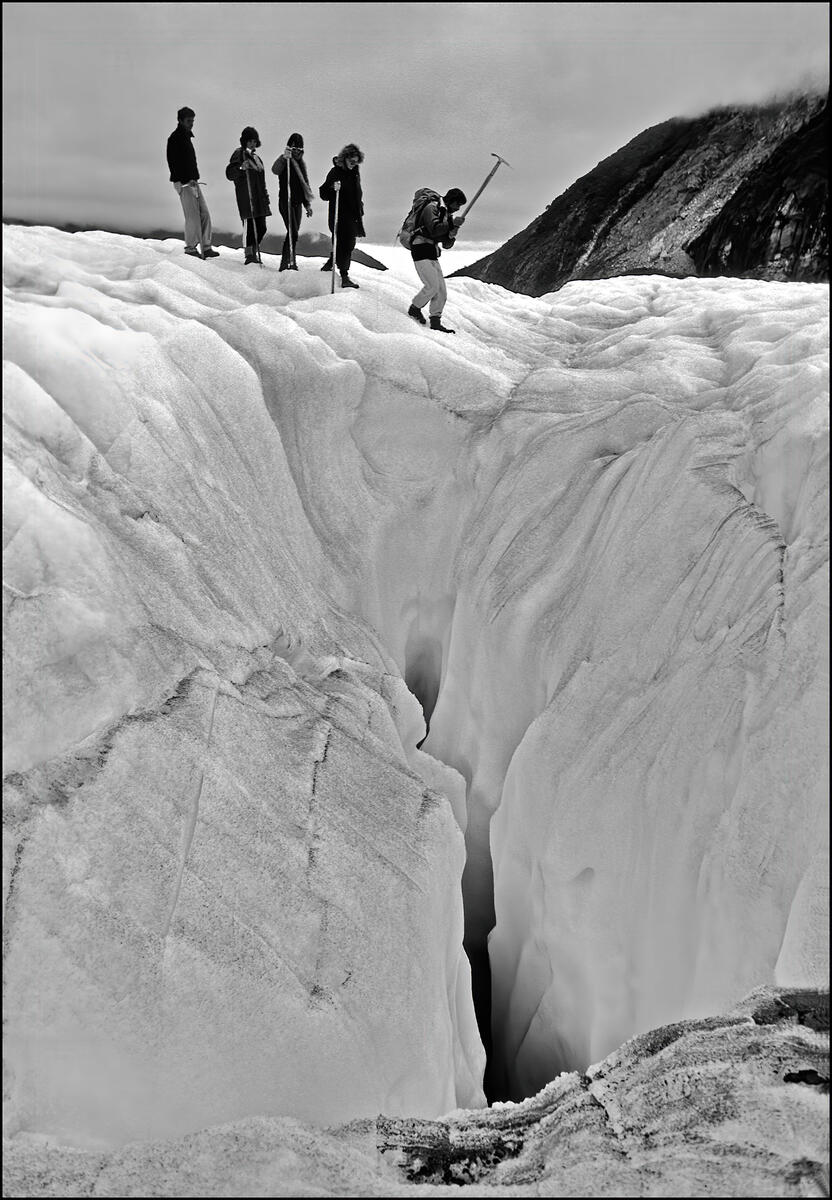
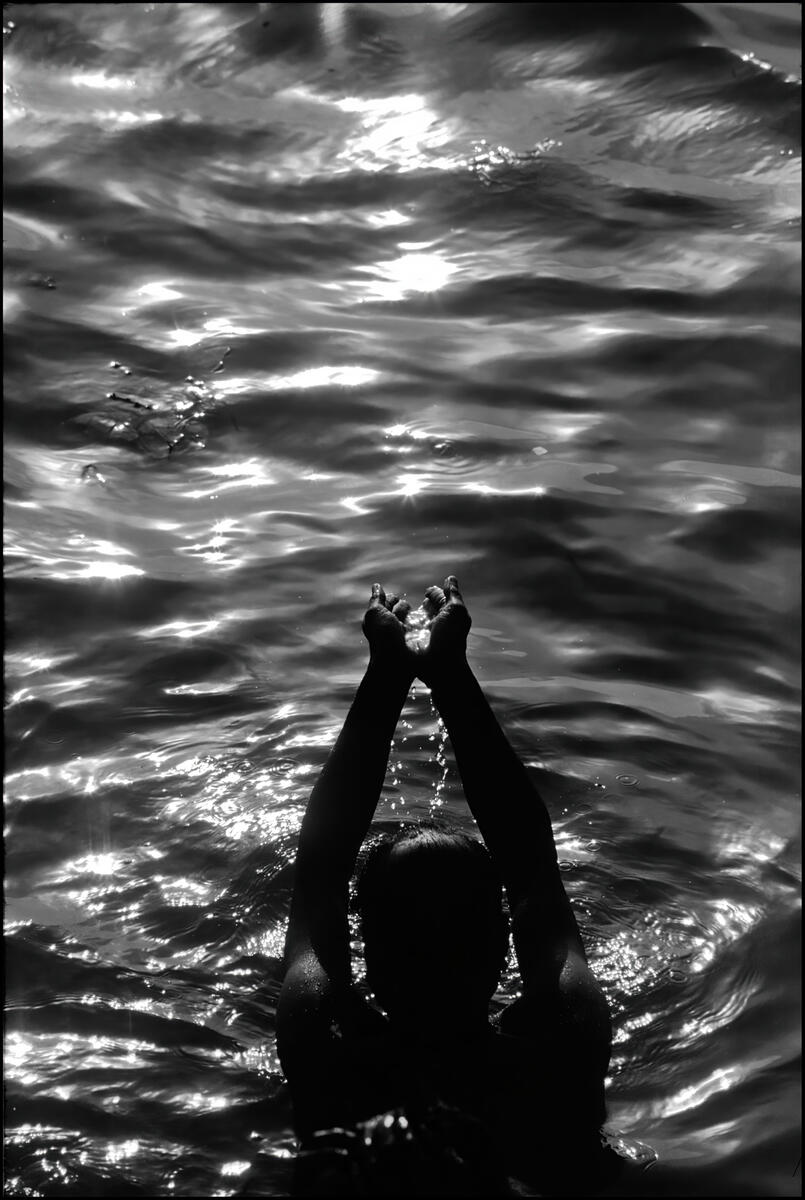
For many years, Berry worked on a long-term project, Water, inspired by his reportage on Greenland’s shrinking glaciers for The Climate Group. Published by GOST in 2023, and exhibited at Visa pour l’image Festival in Perpignan the same year, the project illustrates how water shapes, determines, and impacts our lives. Spanning over 15 years of photography around the world, Berry’s project aimed in part to spread an urgent awareness about climate change and the reckless destruction of the environment.
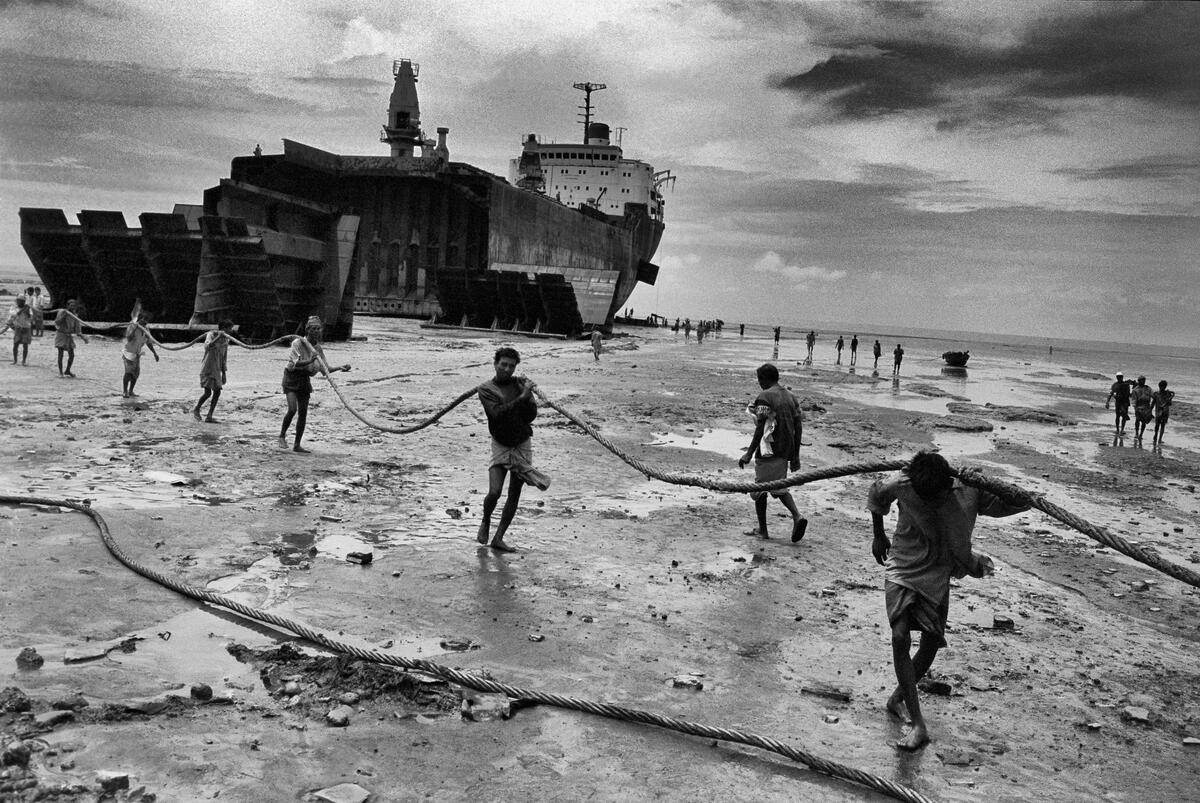
"I always wish my favorite image will be the one I shoot next week."
- Ian Berry
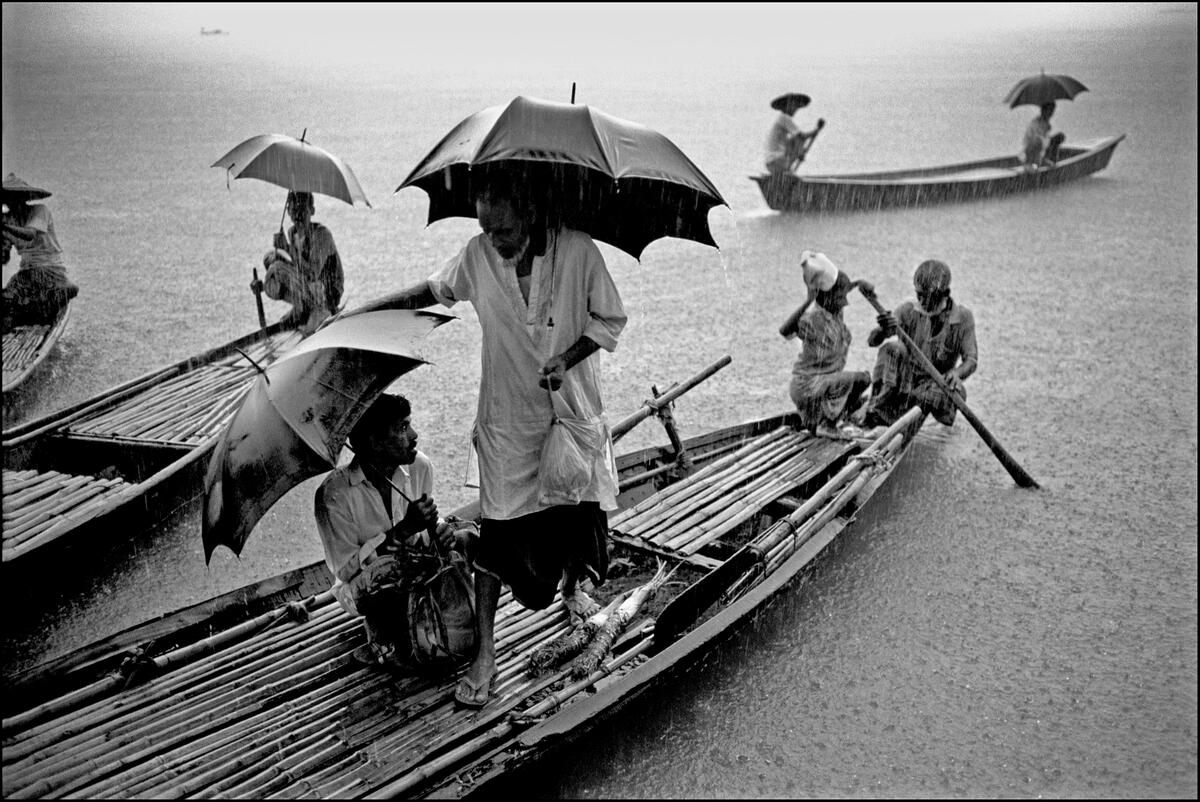
Water is also a celebration of water and its many forms, from Bangladesh to New Zealand: “It is not a gloomy book, full of mankind’s failures. Rather, it is full of pictures that show the role water has played since ancient times in religious rituals, images of the joy and camaraderie of women and children around standpipes put in place by our NGOs, and the graceful beauty of a windfarm in the misty distance of the sea or a typhoon raging in Hong Kong,” he said.
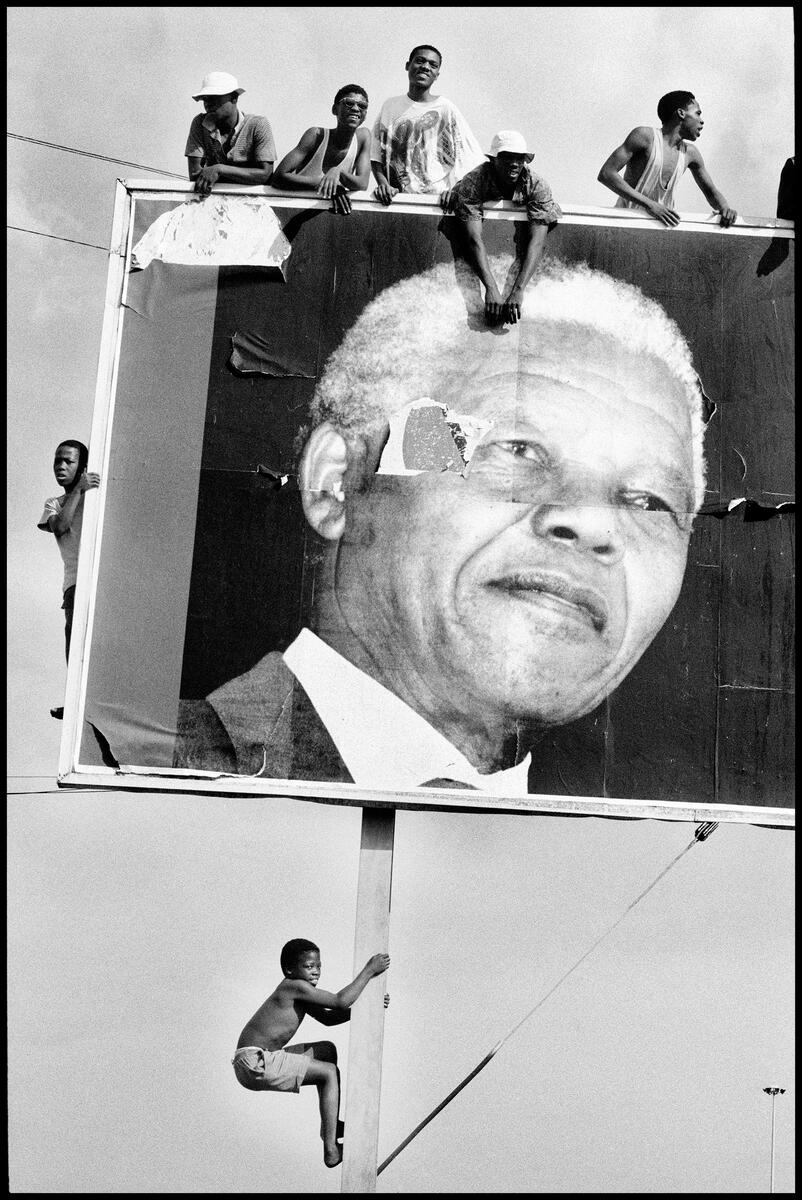
Berry’s forward-looking approach, even in his most mature years as a photographer, allowed him to envisage the projects that lay ahead. Five years ago, upon being asked if he had a favorite image, he answered, “I always wish my favorite image will be the one I shoot next week.” Photography, he told Wex Photo, is “a thousandth of a second of excitement and hours of boredom. But it’s worth it. I wouldn’t do anything else.”
In August 2024, John Cogan, a long-time friend, wrote Ian Berry: The Quiet Man of Magnum, a tribute to the photographer. “Ian Berry dislikes labels and categories,” Cogan writes. “He is not a war photographer, but has photographed war. He is not a specialist portrait photographer, but has photographed some of the most influential people of their day. […] Could we say Ian is a photojournalist? Well, he’s a journalist and has photographed just about everything.”
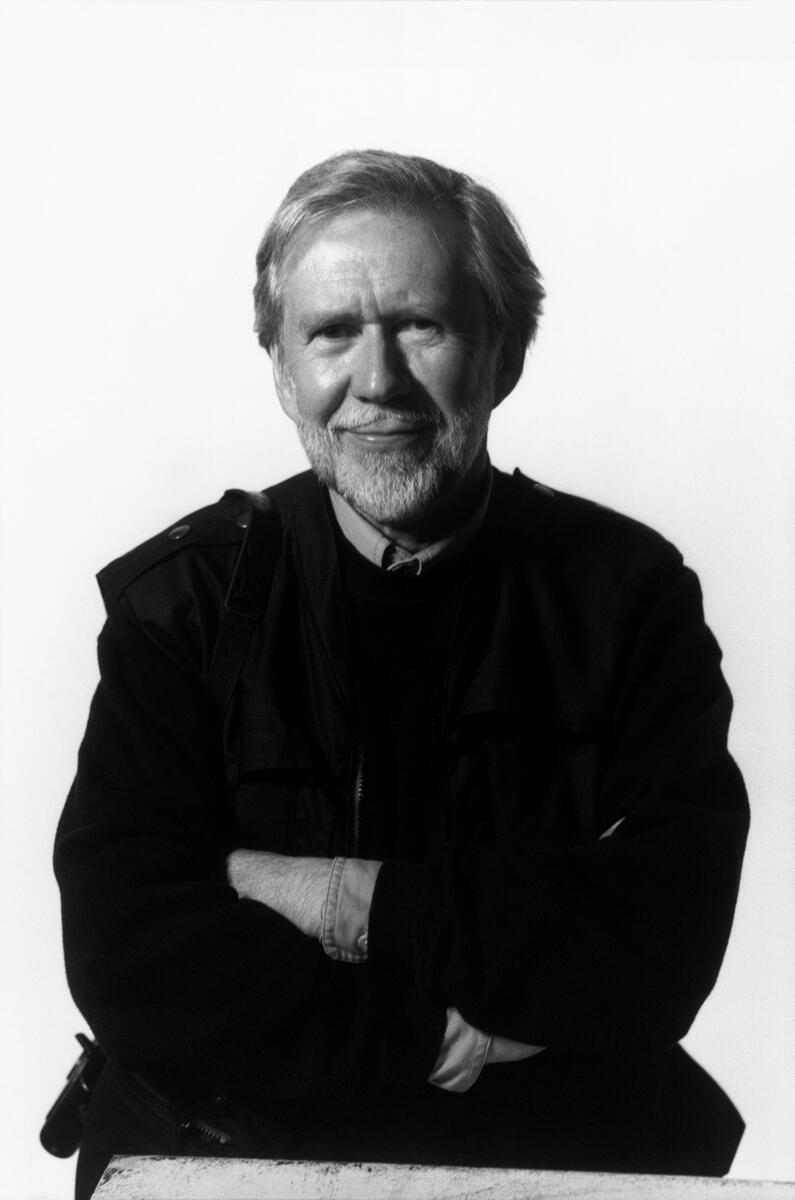
Magnum’s longest-serving member, Berry leaves behind an immense photographic legacy and will be greatly missed.
“We are very sad to hear of Ian Berry’s passing,” reads a statement from Magnum Co-Presidents Newsha Tavakolian, Gregory Halpern and Lorenzo Meloni. “Ian was part of Magnum for more than six decades, and his work showed the power and responsibility of photography. He documented difficult political events, but he never lost sight of the people living through them. His photographs mattered because he stayed close to people and did not look away. Ian gave so much to photography and to Magnum. We will miss him greatly, and we send our love and deepest condolences to his family, friends, and everyone who knew him.”