Antoine d’Agata: Méthode
Antoine d’Agata’s latest publication exposes the realities of political violence, fusing contemporary geopolitical brutality with historical documents

In the summer of 2025, following his residency at the Centre Pompidou from September 2024 to February 2025, Antoine d’Agata released Méthode, a three-volume collector’s edition that uncompromisingly exposes the realities of violence and risk in extreme political contexts.
Assembling decades of images and historical material into a total of 960 pages, Méthode intimates the deeply layered inner workings of what consumes d’Agata’s photography, and his desire to make visible that which is often silenced. Collated into three books — Axiomes, Dispositifs and Équations — the volume addresses the many modes of state-manufactured violence, from authoritarianism and fear-based tactics to organized brutality.
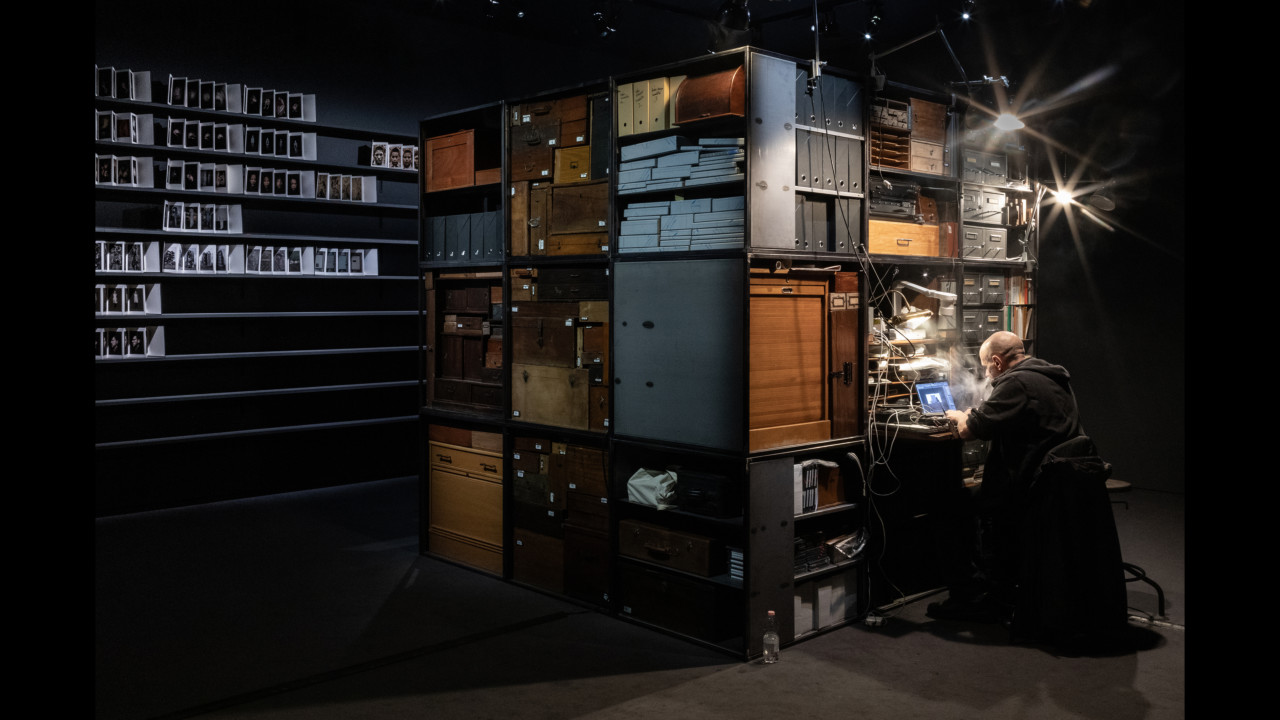
For six months, d’Agata — one of the three Magnum mentors of the Magnum Learn Lab, launching January 2027 — transformed room 21bis in the Parisian art museum into his personal studio, setting himself the task of revisiting and organizing 30 years of his archival material. Exposing this painstaking process to museum goers who wandered into the dimly lit room, the installation, also entitled Méthode, took shape as an assembly of shelves, boxes, and drawers, holding his entire photographic career to date, from books and contact sheets to leaflets and collected objects.
D’Agata himself couldn’t quite pin down its essence. “Sometimes I call it a machine, sometimes a cube, sometimes a thing. I don’t really know what it is. […] It became some kind of extension of myself,” he says in an interview made at the culmination of the residency. “In the end, it’s just like looking inside yourself.”
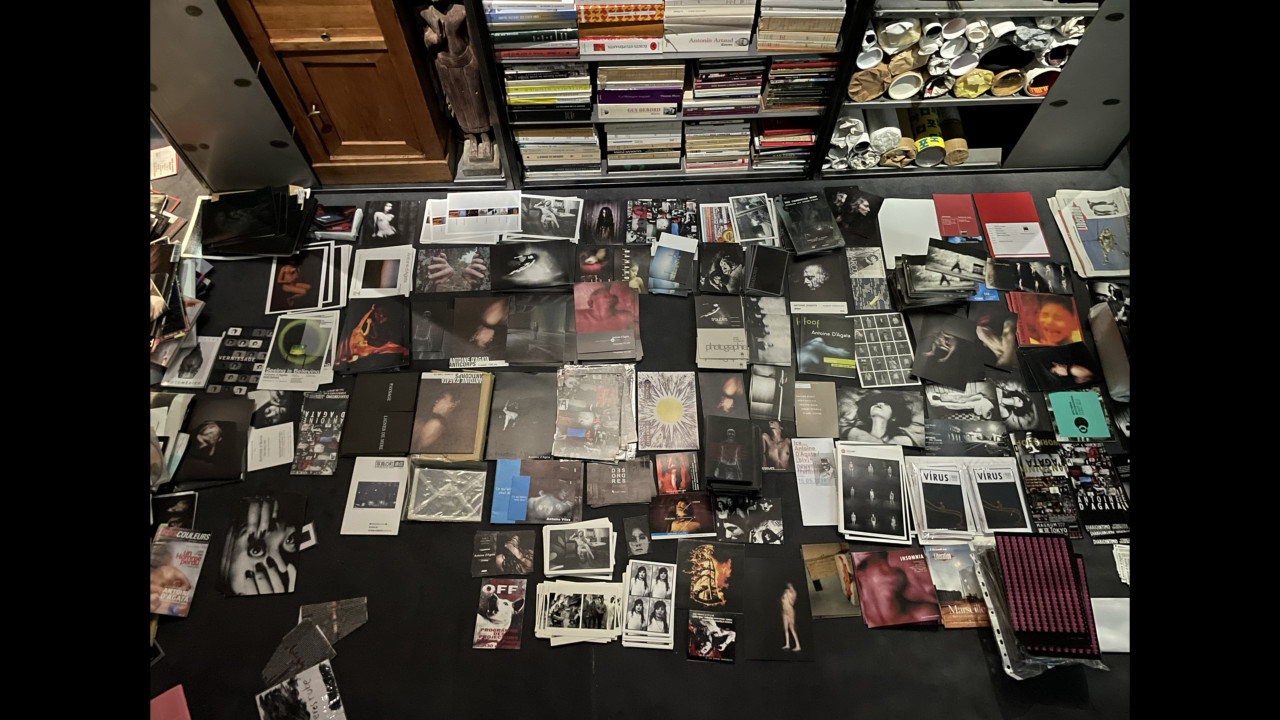
Much of his material was hidden from view; the installation was meant to be “hermetic,” in d’Agata’s words, “to resist the gaze of the public.” Yet, as a triptych volume, Méthode offers more accessibility to both his photographic approach and his perspective of geopolitical destruction. Art, for d’Agata, is experience. “I tend to model my life as my real art,” he said during his 2016 Magnum course in Tbilisi, Georgia, in partnership with Tbilisi Photography & Multimedia Museum.
If his residency was about “being, communicating and understanding,” he notes, rather than “showing,” the collector’s edition exposes, in a compact format, what was obscured in the installation.

Still, the photographs in Méthode do not hinge on looking, but rather present photography as a channel for perspective — a way of being instinctively involved in a given situation. “I think for me experience has always been at the heart of photography,” d’Agata says. “Not the gaze, not looking at things, but living things. Taking risks — making desire and fear the main principles of existence.”
One of the risks involved in d’Agata’s approach is being in places marked by severe tension, and in Méthode, this includes landscapes of war. “To understand the world, I have to go to where I am scared of going,” he said in his Tbilisi interview. In precarious situations, there is no room for holding back. “If you give everything to people, they give everything to you,” he added.
"“For me experience has always been at the heart of photography. Not the gaze, not looking at things, but living things. Taking risks — making desire and fear the main principles of existence."
- Antoine d'Agata
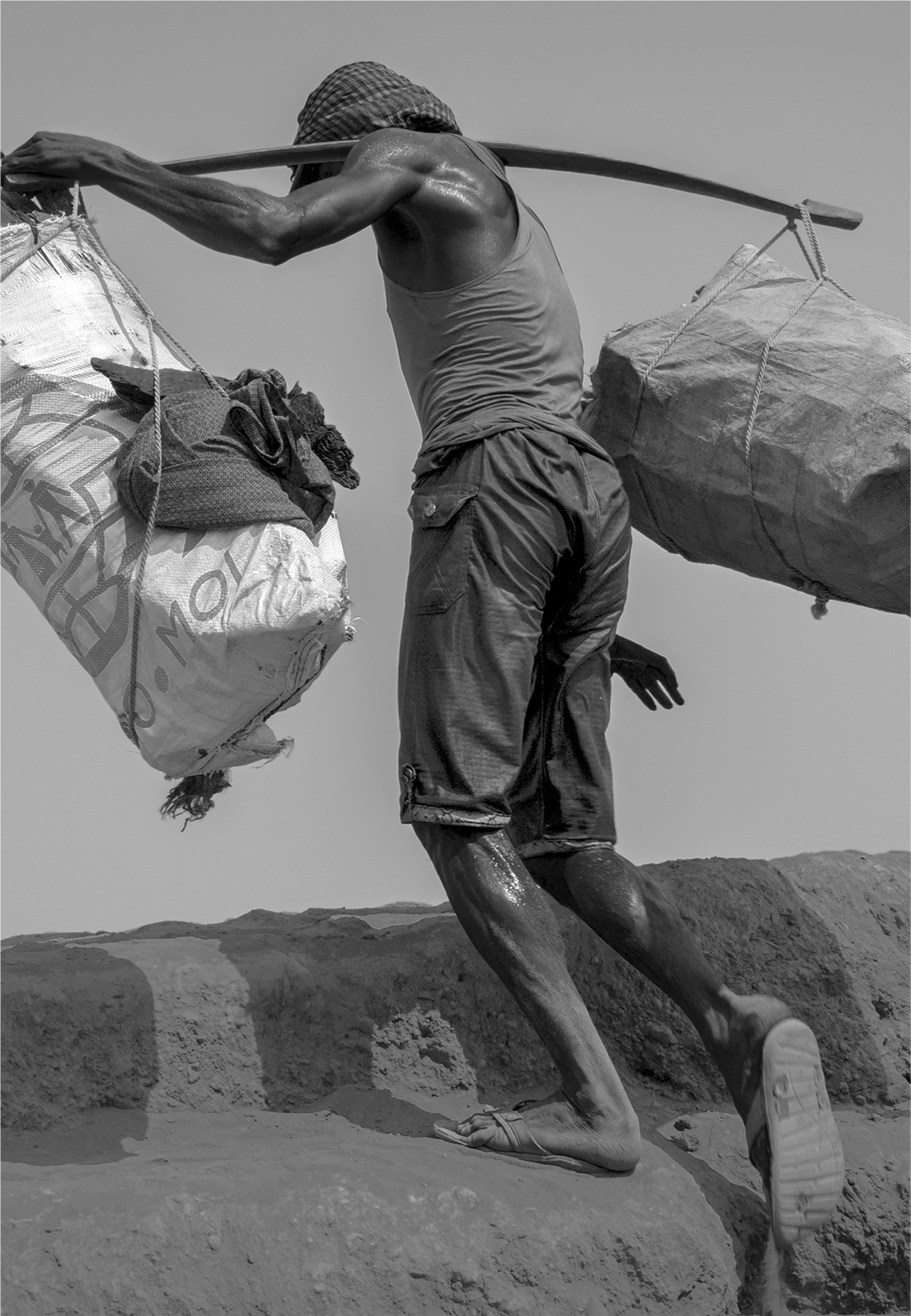
Accompanied by a series of texts from writer and journalist Bruno Le Dantec, the images in Méthode are political testimonies, exploring elements of violence and its dark mechanics, without context or description. “There are no explanations, but they give hints — they are clues as to why I did what I did and why I went where I went. To keep me remembering why I do things and the meanings I find in the situations I photograph,” he said of his archive.
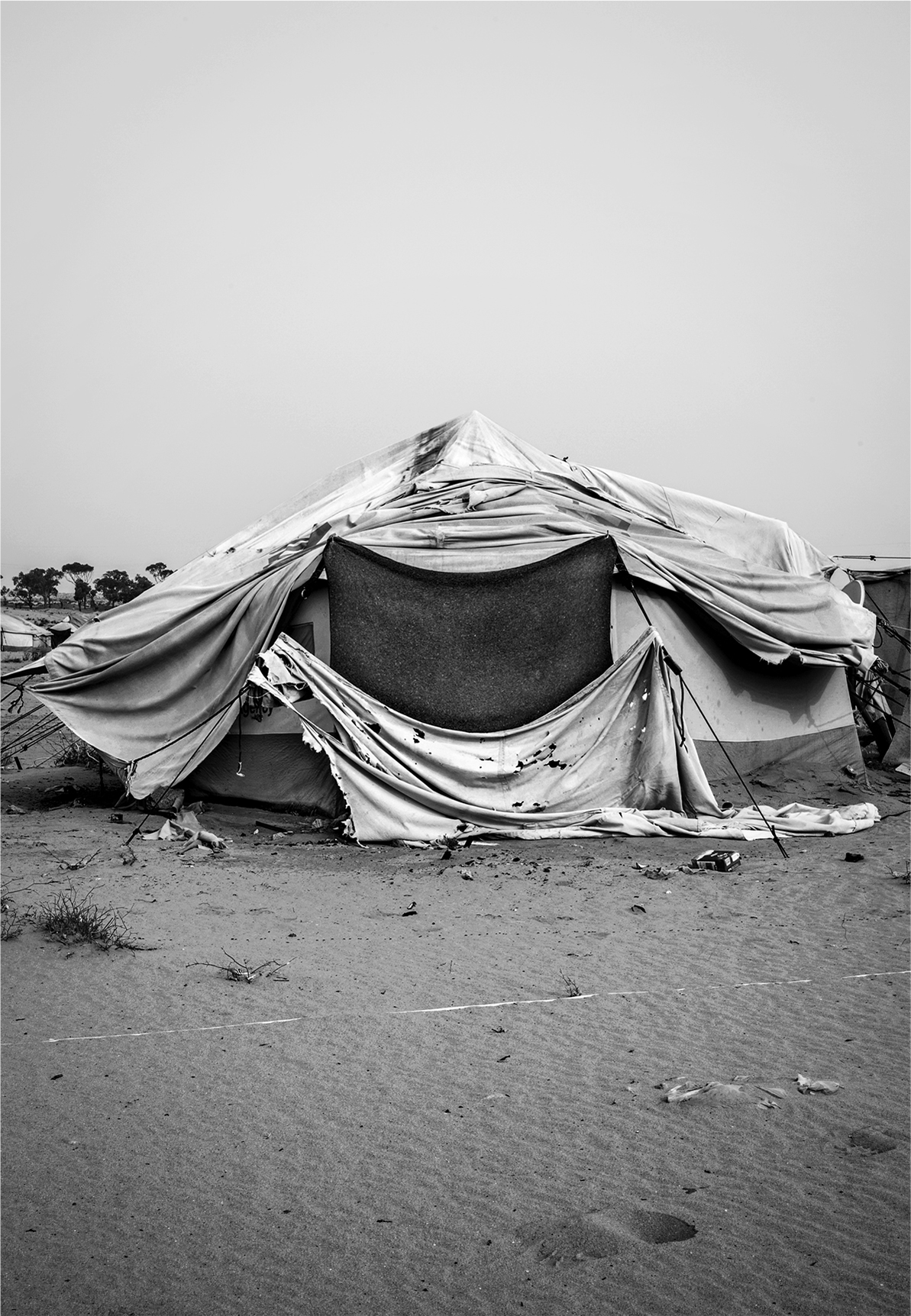
Embedded throughout the triptych is a mainstay of d’Agata’s work, his investigation of the manifestations of violence. Méthode primarily addresses economic and political violence, manifesting in war, poverty, and displacement.
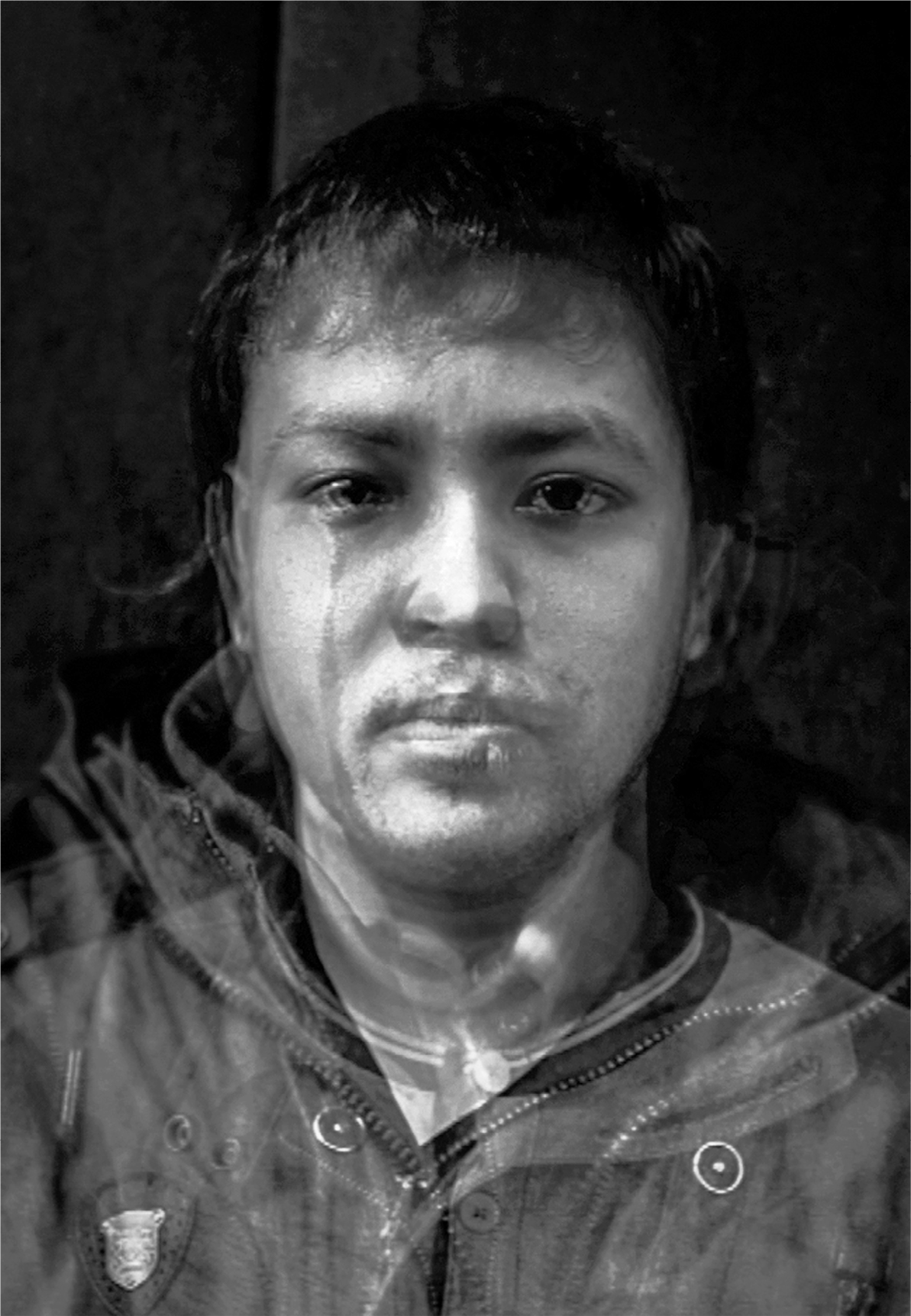
While popular media sources often assemble visual information specific to time and place, reflecting federal accounts, d’Agata’s Méthode challenges temporality, presenting his own visual identity of violence, free from any photojournalistic and documentary expectations. Offering a counterpoint to official narratives of contemporary events, he evokes our collective responsibility in the face of catastrophe.
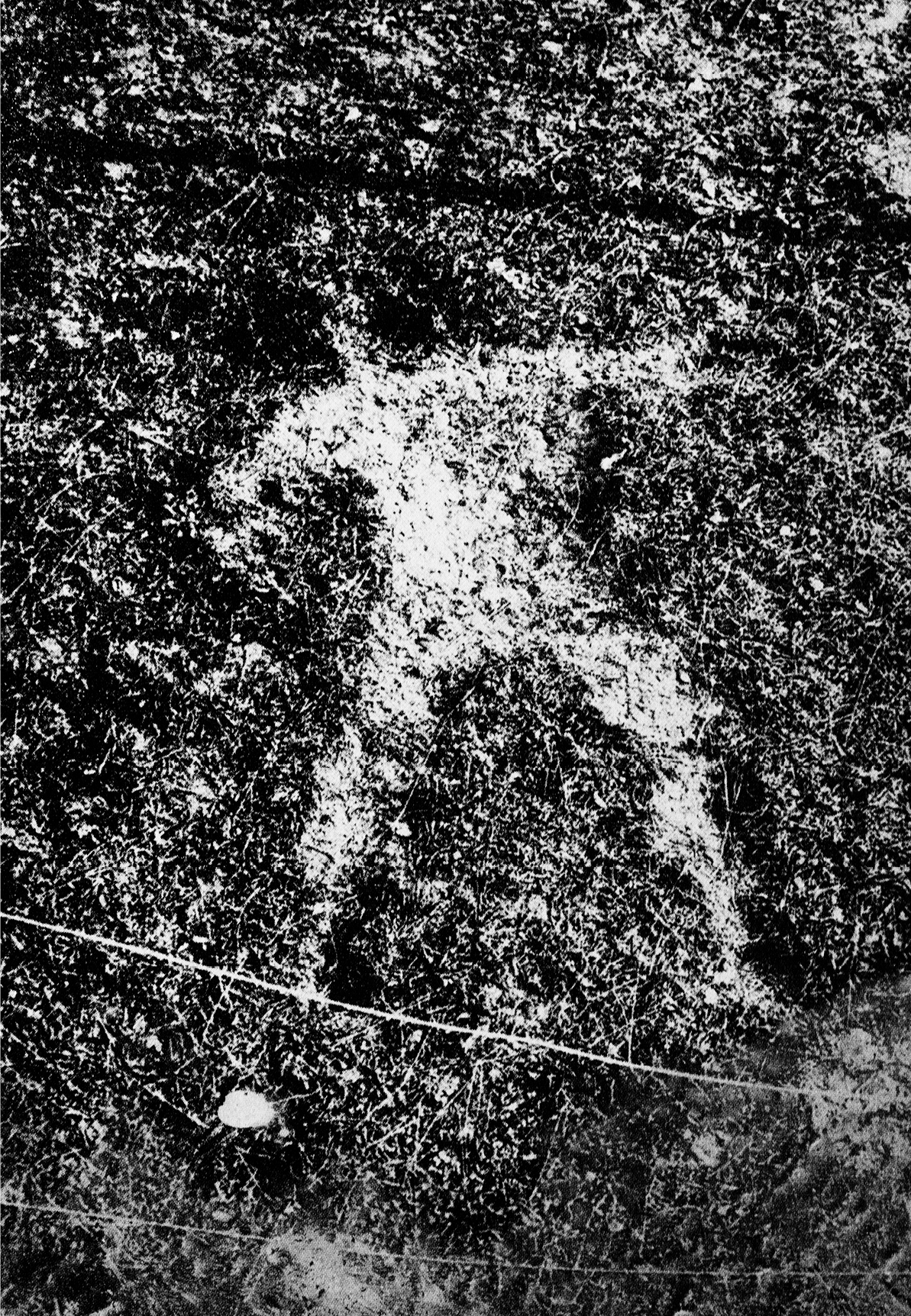
"If you give everything to people, they give everything to you."
- Antoine d'Agata
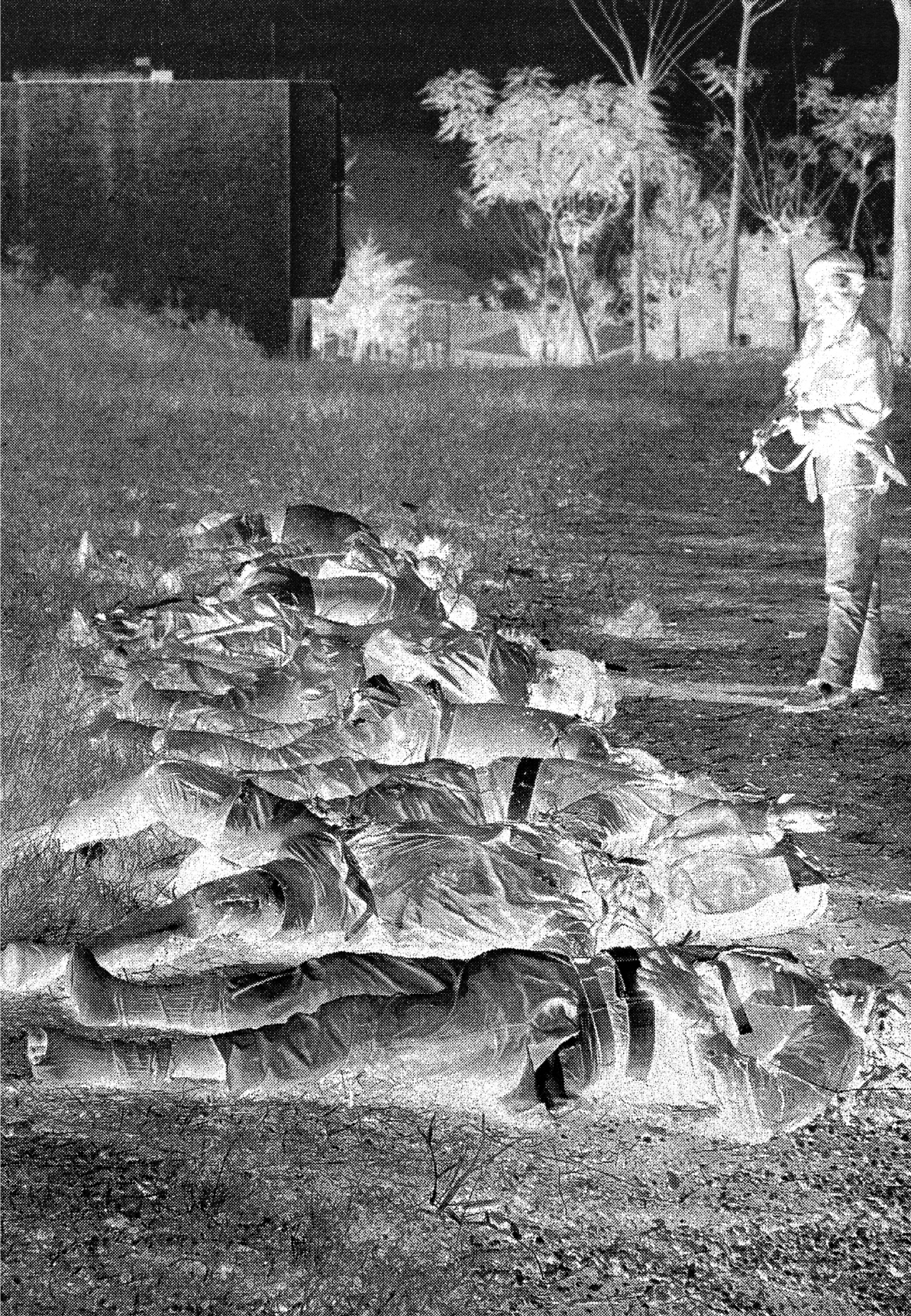
The first book in the volume, Axiomes, centers around combat, conflict and institutional violence, integrating historical evidence and illustrations. “Official history trivializes Hiroshima, napalmed Vietnam, the series of military coups orchestrated by Washington and, in the 21st century, the destruction of Iraq, Afghanistan, Libya — and the black holes of Guantanamo and Abu Ghraib,” writes Le Dantec.
“The arms industry remains a major American business, and when NATO forces its members to increase their military spending by up to 5%, it’s also because Uncle Sam needs saving. While it may seem inspired by Black Mirror, this geopolitical savagery is a chilling signal sent by pariah states, operating outside the bounds of international law. They wage total war on populations treated like ‘human animals’ and brandish vengeance as the ultimate expression of masculinity. A sense of omnipotence and impunity is staged by executioners posing as victims,” he adds.
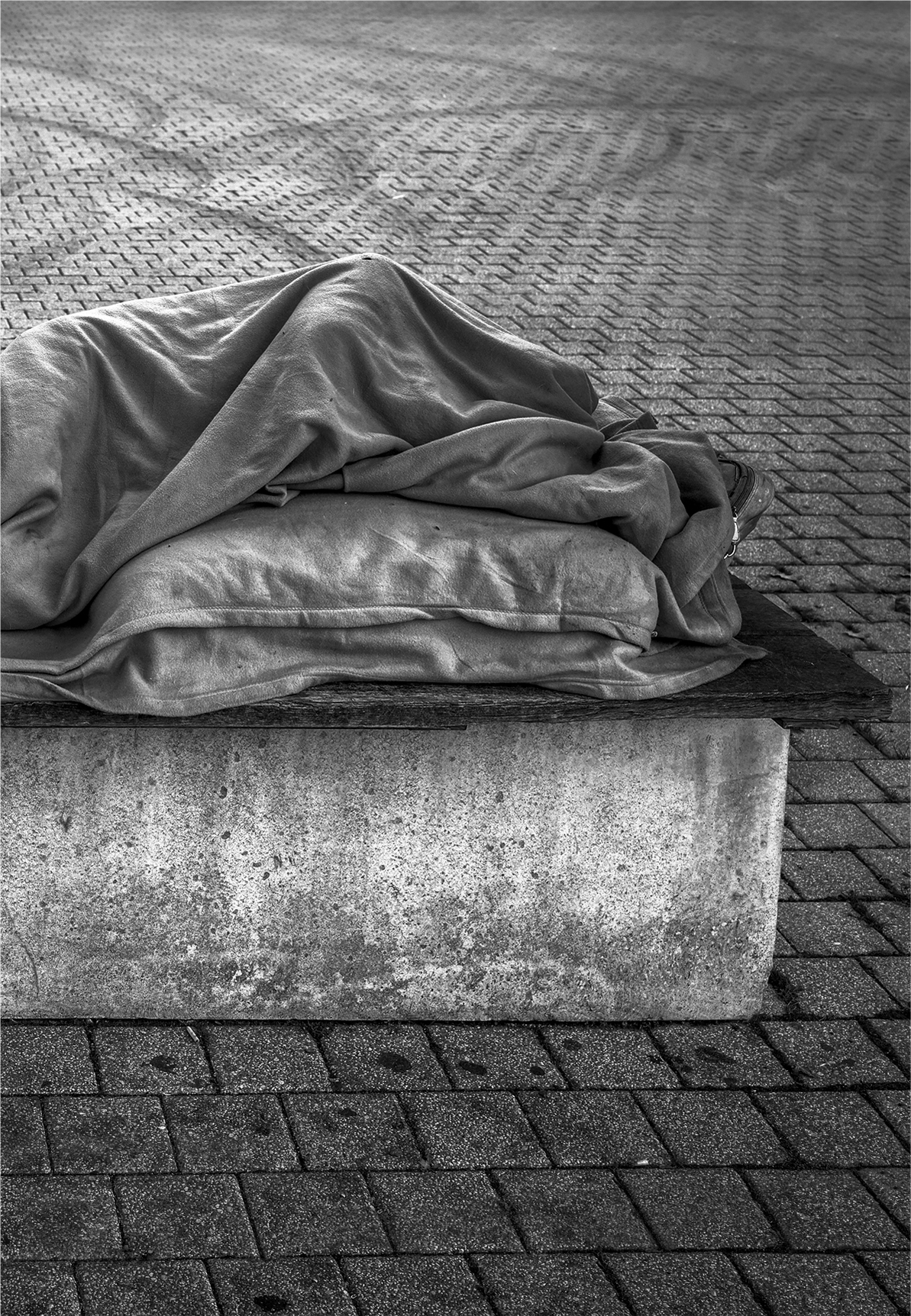
Dispositifs, the second, partly explores the tensions between isolation, homelessness, the fragility of survival, and the relationship between humans and the destructive frameworks they create.
“A whiff of apocalypse on the world stage: the Mediterranean is overheating (+5°C) and Israel is bombing Gaza daily. Words fail to describe it: ethnic cleansing, war crimes, crimes against humanity, urbicide, ecocide,” Le Dantec writes. He quotes Gilles Deleuze’s 1983 essay, The Grandeur of Yassar Arafat: “From beginning to end, it involved acting as if the Palestinian people not only must not exist, but have never existed.”

"A sense of omnipotence and impunity is staged by executioners posing as victims."
- Bruno Le Dantec

D’Agata’s third iteration, Équations, is a 320-page sequence confronting the viewer with the proximity to death through portraits of people, explosions, destroyed houses and victims of war, predominantly framed in repeated grids.
“Repetition, and the boringness of this repetition, is much more interesting than finding new or different ways,” he said in a 2017 Paris Photo interview. “Even in this repetition, in this stillness, you can understand much more of what I’m actually doing, what these bodies are going through. The single image, in a way, is much more of a lie, because it pretends to condensate, to possess in itself so many answers,” he adds.

"The single image, in a way, is much more of a lie, because it pretends to condensate, to possess in itself so many answers."
- Antoine d'Agata

Coupling historical material with his own photographs, d’Agata creates a visual dystopia, in which the politicized “other” is subject to mass killings, slavery, oppression and physical violence.
“The race toward the abyss of base instincts creates the ghettos of tomorrow, where surplus masses are herded before their livelihoods are cut off in the name of counterterrorism and border control. […] Take this gun, kid: it’s the jungle, you’ll have to defend yourself,” Le Dantec writes.
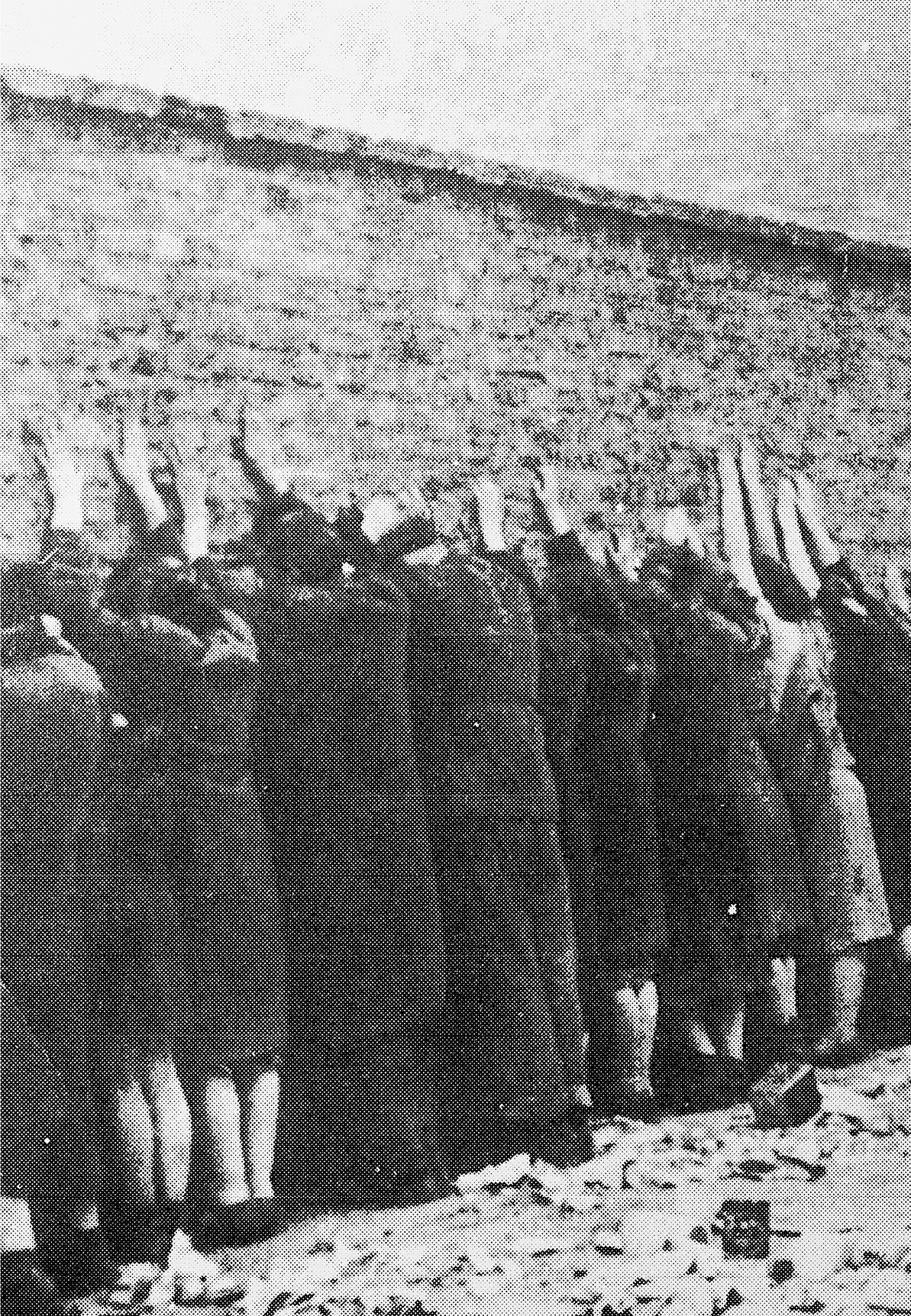

Méthode is exemplary of d’Agata’s constant search for the language of extremes, intensities, and discomfort, particularly through the aims of political and institutional violence. Using photography to continuously reinvent his perspective, d’Agata explores his impulse to push his capacities to the limits, fully engaging himself with the people, places and scenarios he encounters.
Join Antoine d’Agata on Thursday, May 28 at the Magnum Gallery in Paris for a discussion about Méthode and a book signing. Reserve a place here.
Add a special edition of Méthode, accompanied by a signed print from D’Agata, on the Magnum Store.