Gordon Parks: Truth in Life
In celebration of Black History Month 2026, Eli Reed honors the work of Gordon Parks, featuring portraits from the Magnum archive and insight from the Gordon Parks Foundation
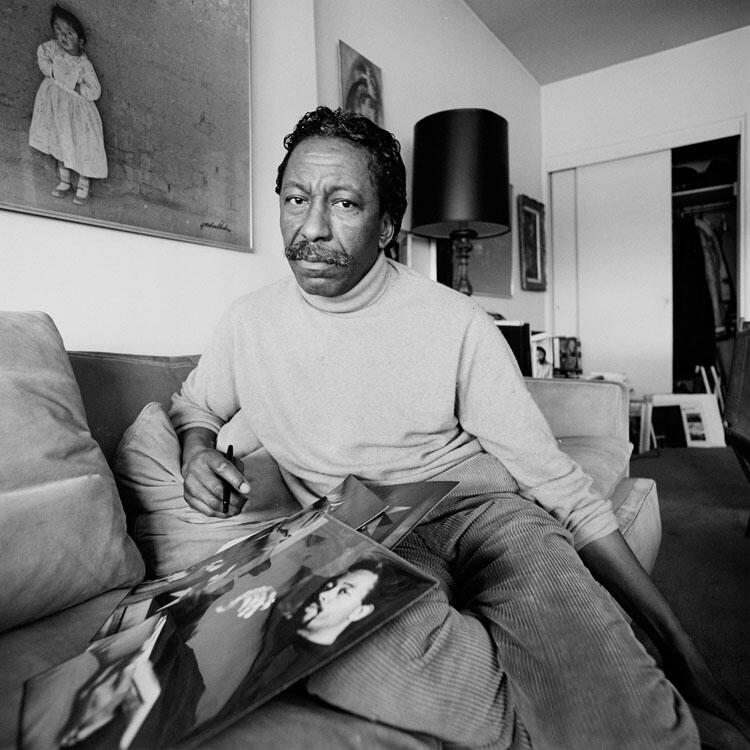
In celebration of Black History Month, we spotlight American photographer and multidisciplinary artist Gordon Parks. One of the most influential documentary photographers of the 20th century, Parks was photographed by Magnum photographers throughout his career, including Eli Reed, who was greatly influenced by his work. Insight from Michal Raz-Russo, Director of Programs at The Gordon Parks Foundation and Reed himself illustrate Parks’s impact both in his lifetime and today.
Almost 100 years ago, in 1937, Gordon Parks bought his first camera at a pawn shop when he was 25 years old. Born in Kansas in 1912 as the youngest of 15 children, Parks had experienced racism and daily inequalities in his youth. His parents, along with thousands of other Black families, followed the post-Reconstruction exodus from Tennessee to Kansas, where the government proposed more opportunities for Black people. In reality, Kansas was not exempt from pervasive racial discrimination and violence, as Parks fictionalized in his semi-autobiographical novel, and later film, The Learning Tree.
While working as a waiter on a Northern Pacific Railway train, Parks came across images of Dust Bowl migrants suffering from the Great Depression in magazines such as LIFE, which inspired him to document what he witnessed with his own lens. “I saw that the camera could be a weapon against poverty, against racism, against all sorts of social wrongs. I knew at that point I had to have a camera,” he said.
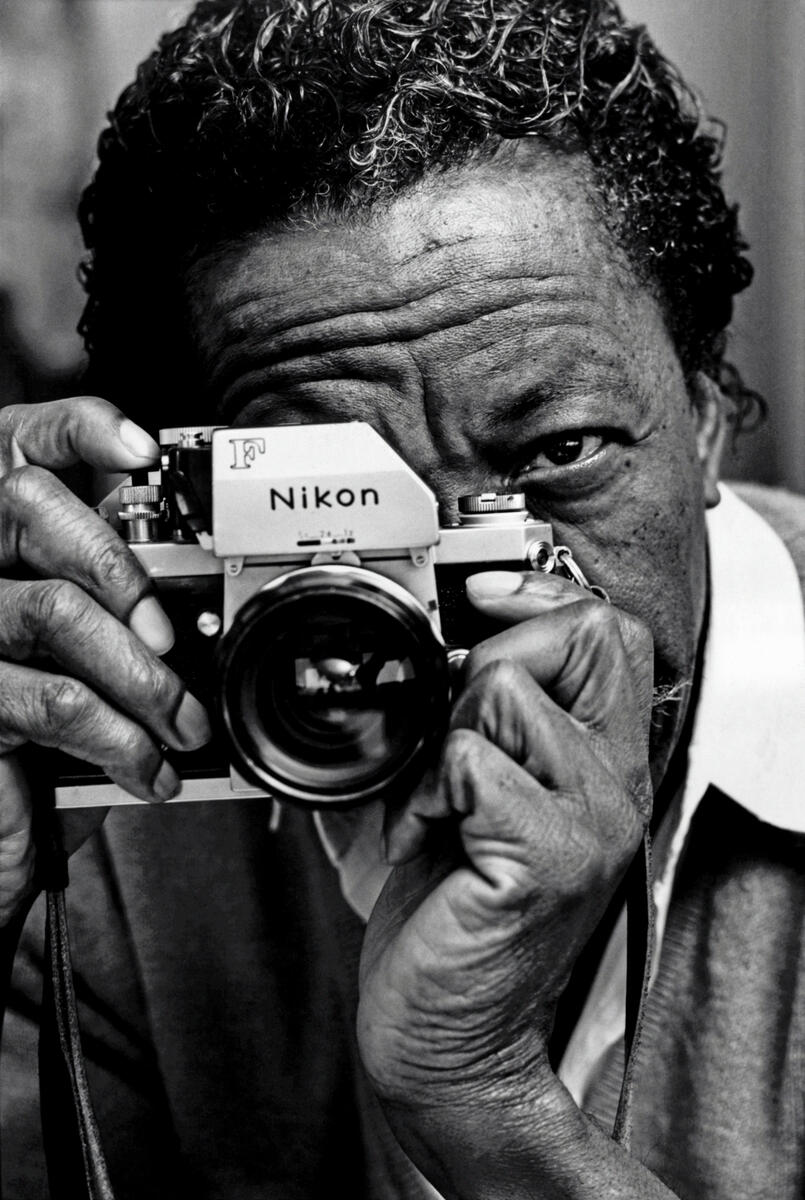
This was the beginning of a decades-long career documenting, as Magnum photographer Eli Reed describes today: “Truth in life. As graceful as it can get, and sometimes how terrible it can get.”
“After moving to Chicago in 1941, he operated a portrait studio at the South Side Community Art Center. In his spare time, he walked the surrounding neighborhoods, photographing communities and daily life,” says Michal Raz-Russo, Director of Programs at The Gordon Parks Foundation.
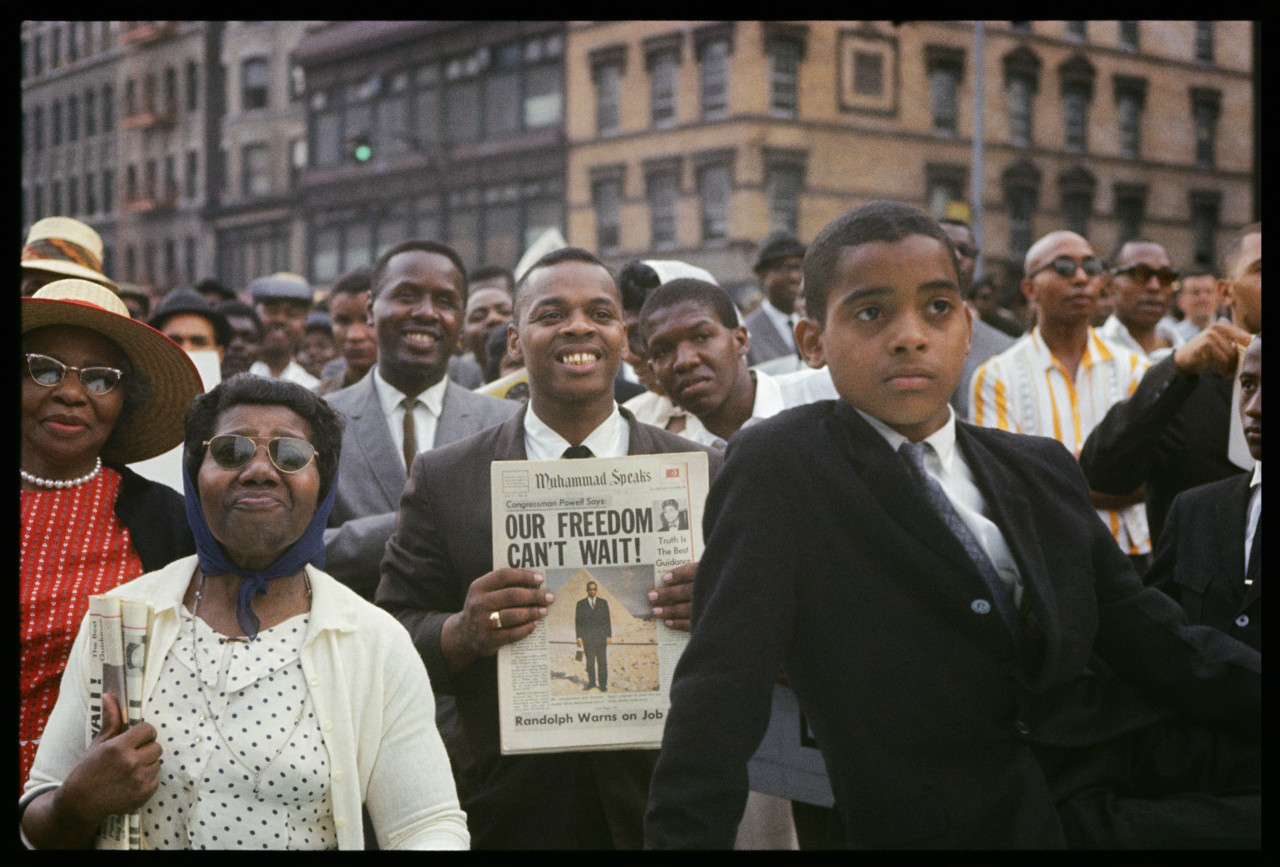
His nascent portfolio was the groundwork for applying to the Rosenwald Fund, awarded by the Julius Rosenwald Foundation, established for “the well-being of mankind” and offering grants to African-American artists, scientists, and scholars. Parks was selected in 1942, the first photographer ever awarded the fellowship. The foundation’s president, Edwin Rogers Embree, commissioned Parks to photograph 13 distinguished Black Americans, including Richard Wright, author of the acclaimed novel on systemic racism, Native Son.
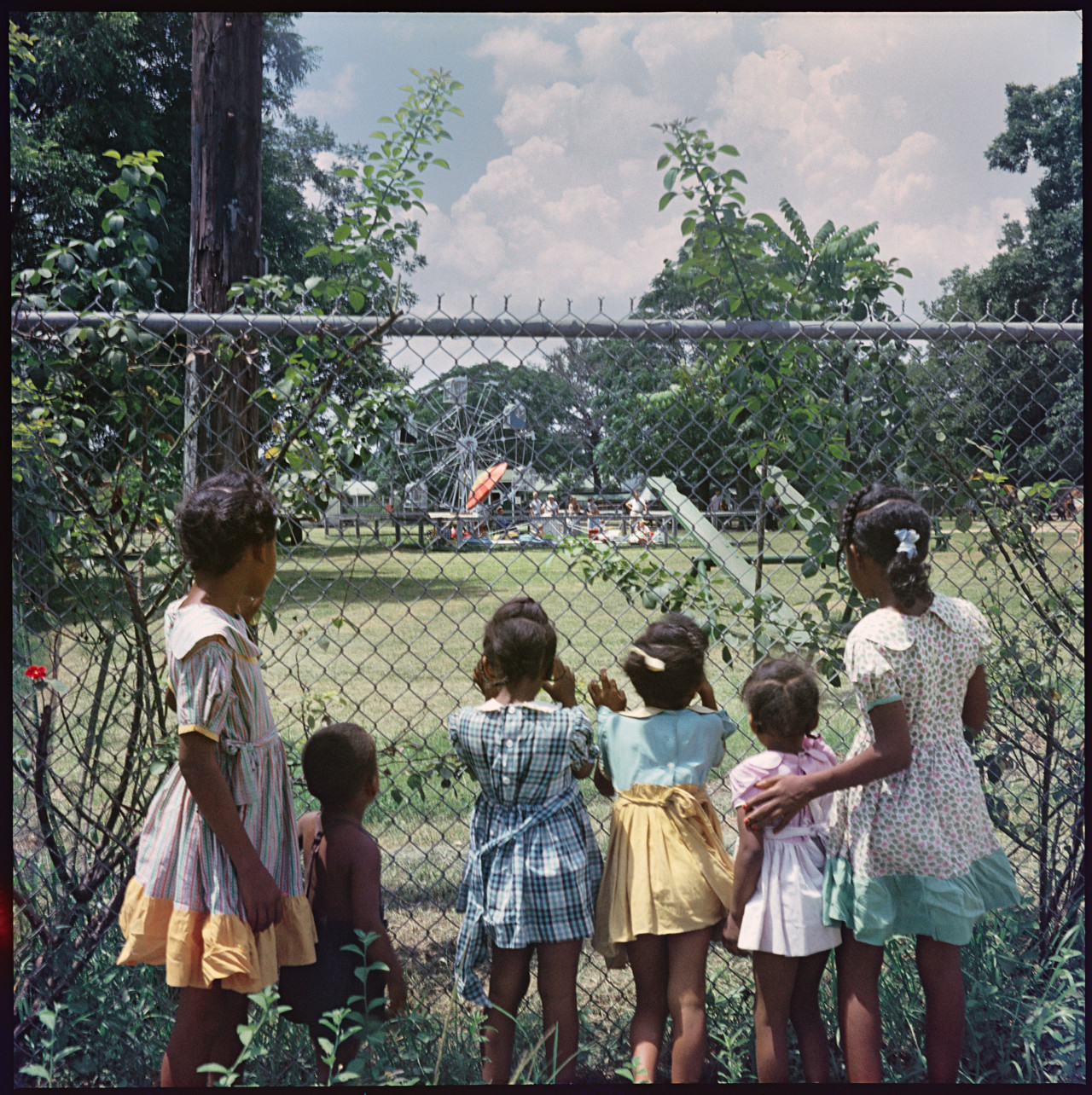
That same year, Parks had an opportunity that “shaped his entire career,” says Raz-Russo. Moving to Washington, D.C., a city on the cusp between north and south, he began an apprenticeship with Roy Stryker at the Farm Security Administration, which documented World War II mobilization efforts and the effects of the Depression on rural and urban Americans. Upon Styker’s suggestion, Parks walked the streets without a camera in hand. Racial discrimination met him at every turn. “In this radiant, historic place, racism was rampant,” he wrote in Half Past Autumn.
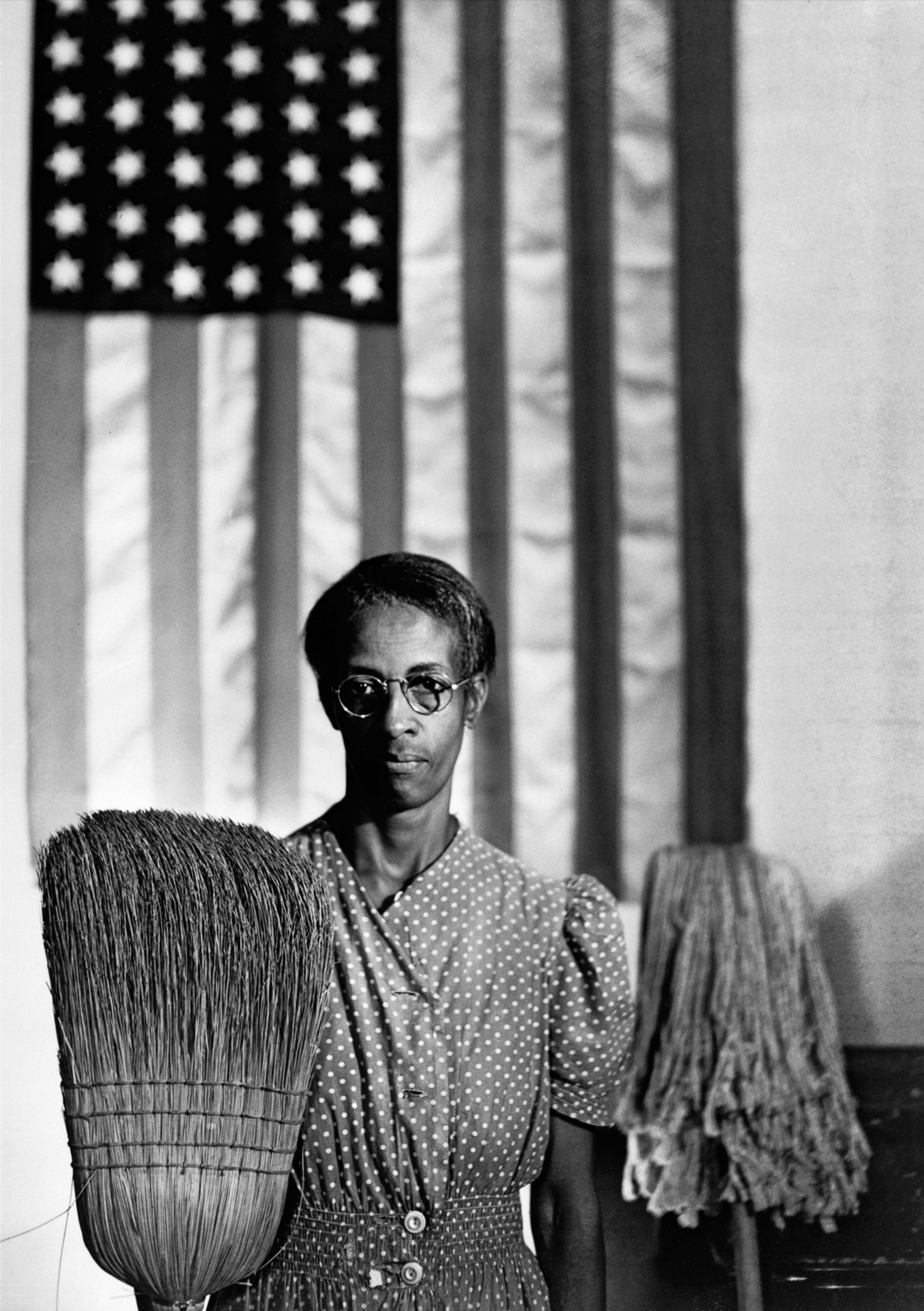
Parks then approached one of the custodial workers in the FSA office, a Black woman named Ms. Ella Watson, who became one of his most recognizable subjects, particularly in “American Gothic,” a reference to Grant Wood’s iconic painting of the same name. In its reframing of American symbolism, the image “resonates because of the multiple histories it contains: histories of labor and inequity, as well as personal narratives. It also tells the history of how America sees itself,” Raz-Russo notes.
“While at the FSA, Parks exemplified what it means to approach subjects collaboratively and with profound empathy. Regardless of who they were, getting to know his subjects was always front and center for Parks,” Raz-Russo adds.
“He was in touch with people,” says Reed. “[He went] with the realities. And the reality could be sympathetic to other human beings. They’re not just a subject to be used to show how cool you are. Some of the obvious things were things like the touch of a human being. The real touch of a human being, no matter what they were going through.”
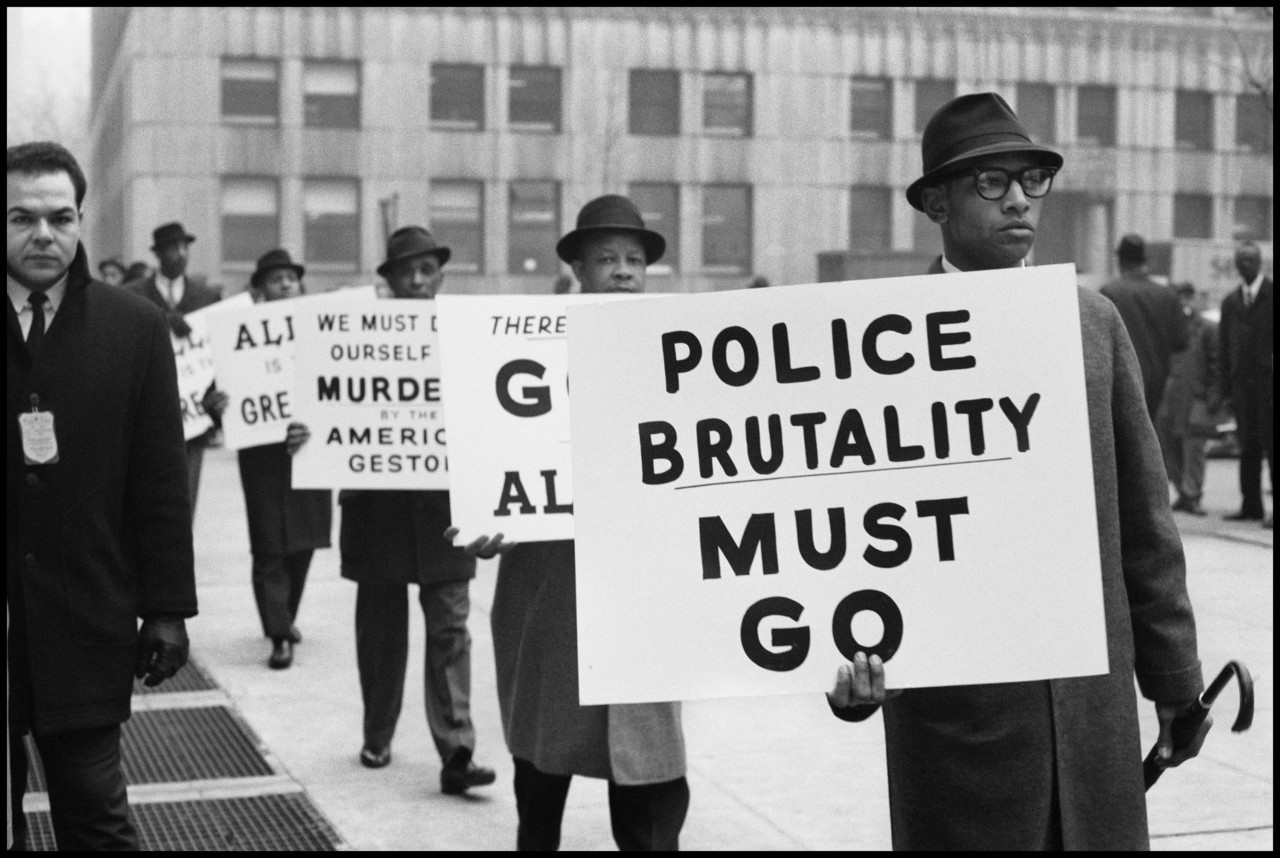
"There is something about both of us that goes deeper than blood or black and white. It is our common search for a better life, a better world."
- Gordon Parks
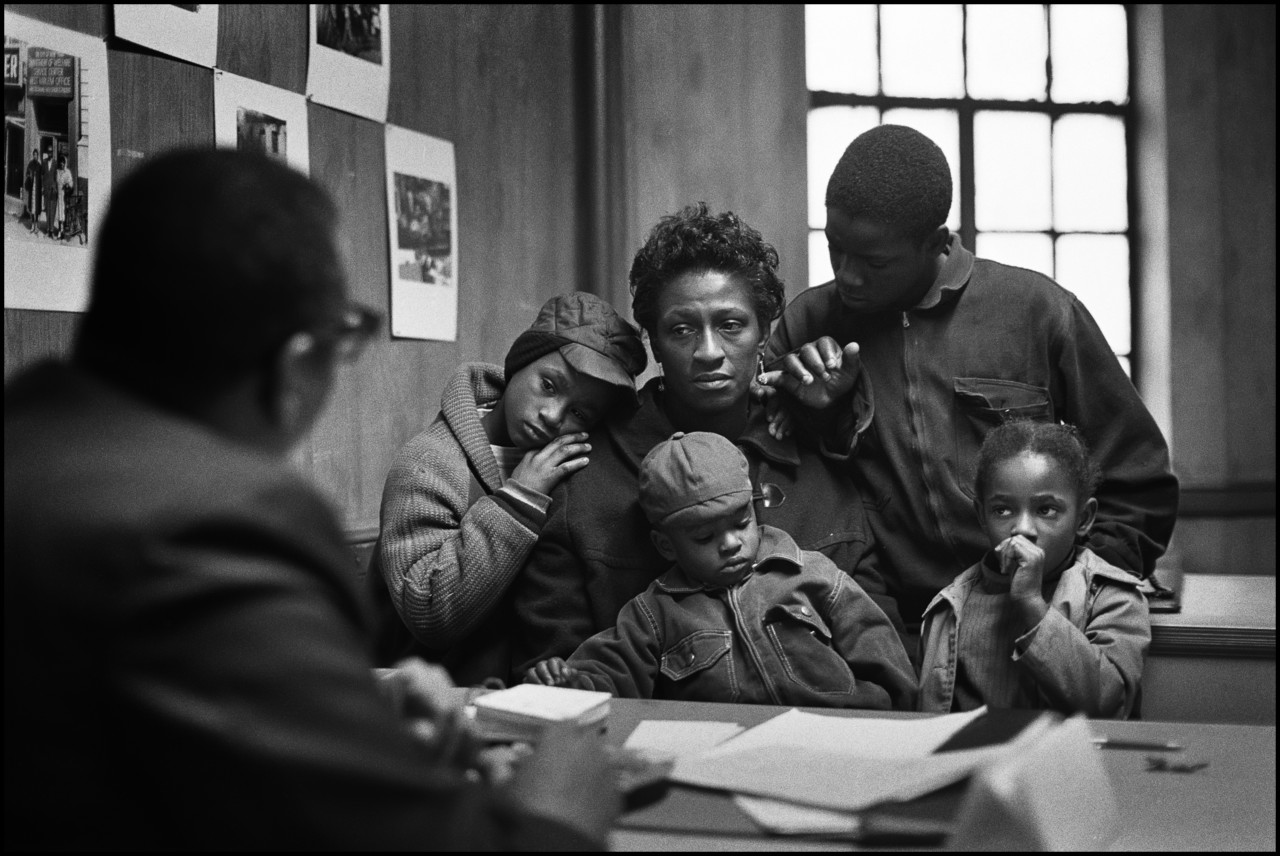
Parks continued to channel his creativity into film, music, art and writing as well as photography. He broke barriers for Black artists, becoming a crucial voice during the civil rights movement in America, dedicated to “illuminating racial and economic inequities in the United States,” says Raz-Russo. It was at this time, in the late 1960s, when Eli Reed would have first encountered Parks’s work more acutely, during his time in art school.
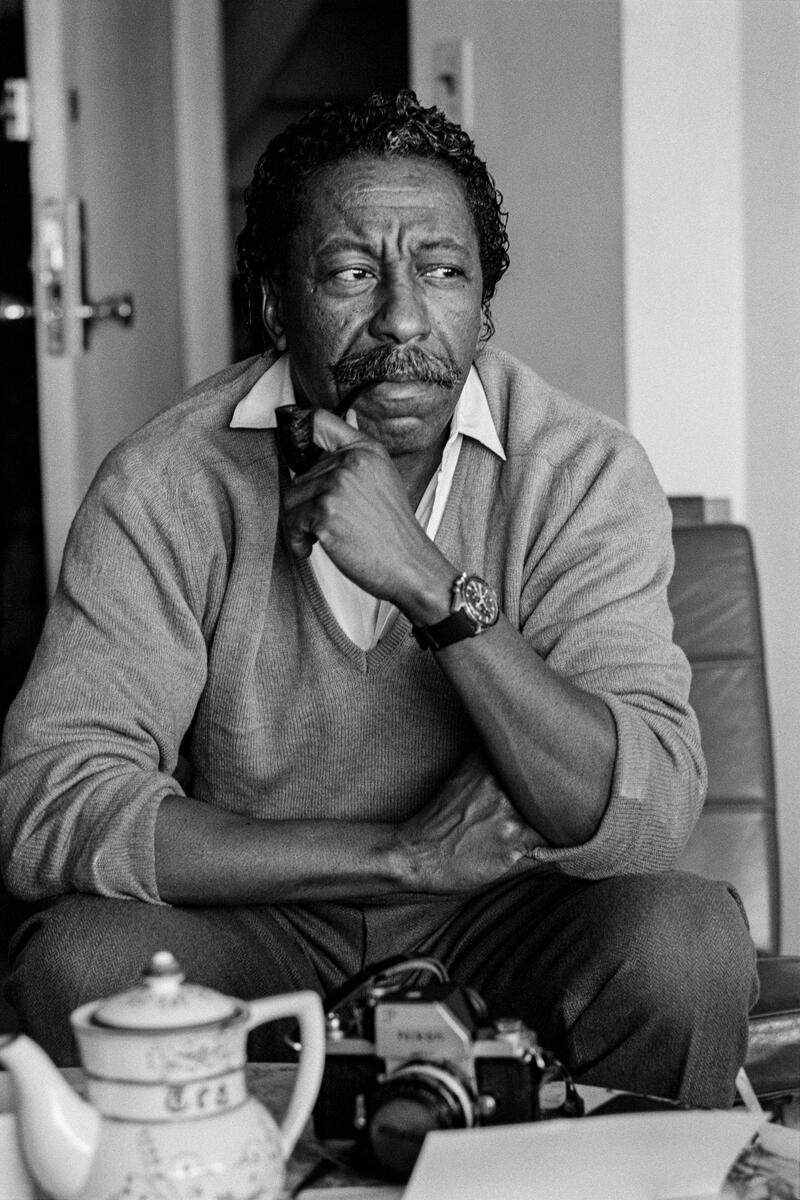
“I was really impressed,” says Reed. “He was the man, Gordon Parks. He worked for LIFE magazine and he was the coolest of the cool. He’s the person that was thoughtful and in his pictures, you could tell that, but there was nothing fake about them. And so I think if you were a Black photographer or wanted to be a Black photographer, that’s one of the things.”
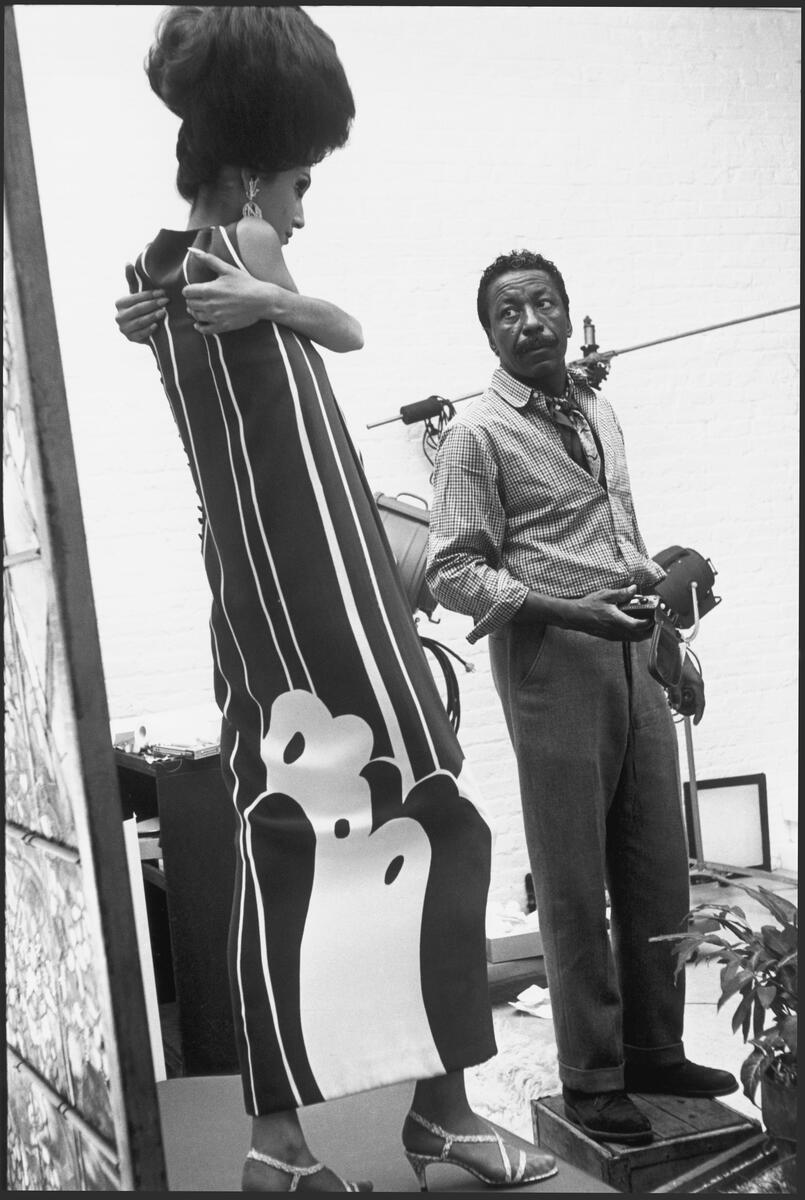
“I was doing artwork and drawings, paintings, and it was all in the same line,” continues Reed. “I was following a course of action that he had already done, which I didn’t realize, except because I was into the arts. Creating something and capturing the reality of something with grace — Gordon was the leader. He wasn’t just taking cliché pictures. You’re a Black photographer, so there’s some kind of expectation.”
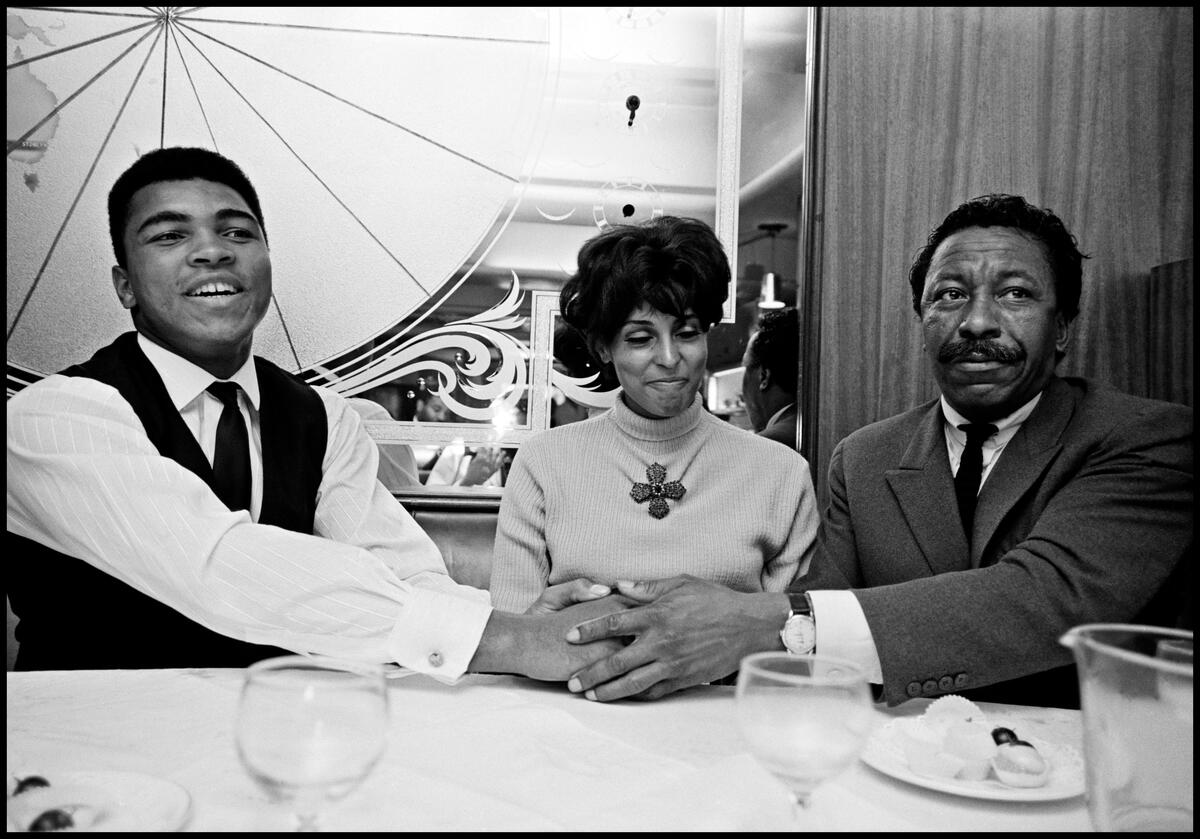
Offering an uncompromisingly candid and philosophical vision, Parks’s photographs are “rooted in empathy and a belief that his work can enact change by holding a mirror up to society,” says Raz-Russo.
In the 1968 photo essay in LIFE, where he worked for over two decades, Parks wrote, “What you force me to be is what you are. For I am you, staring back from a mirror of poverty and despair, of revolt and freedom. […] We are not so far apart as it might seem. There is something about both of us that goes deeper than blood or black and white. It is our common search for a better life, a better world.”
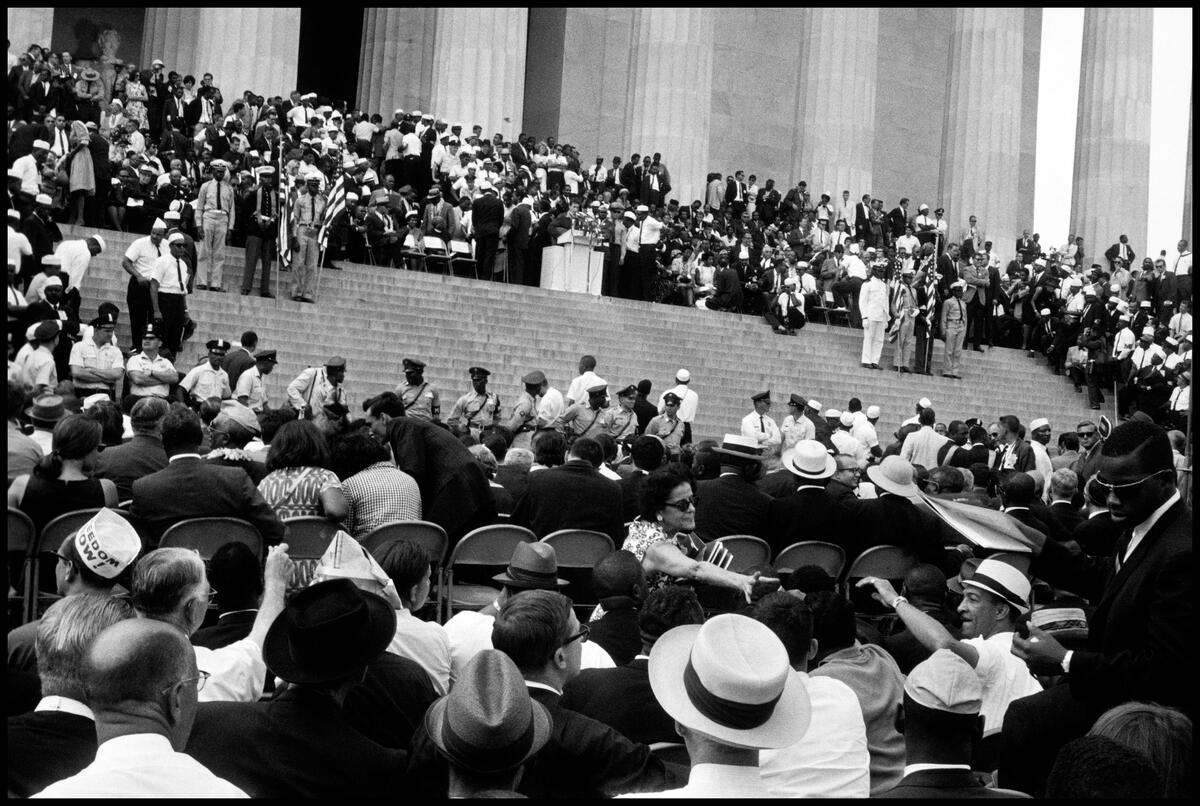
"Creating something and capturing the reality of something with grace — Gordon was the leader."
- Eli Reed
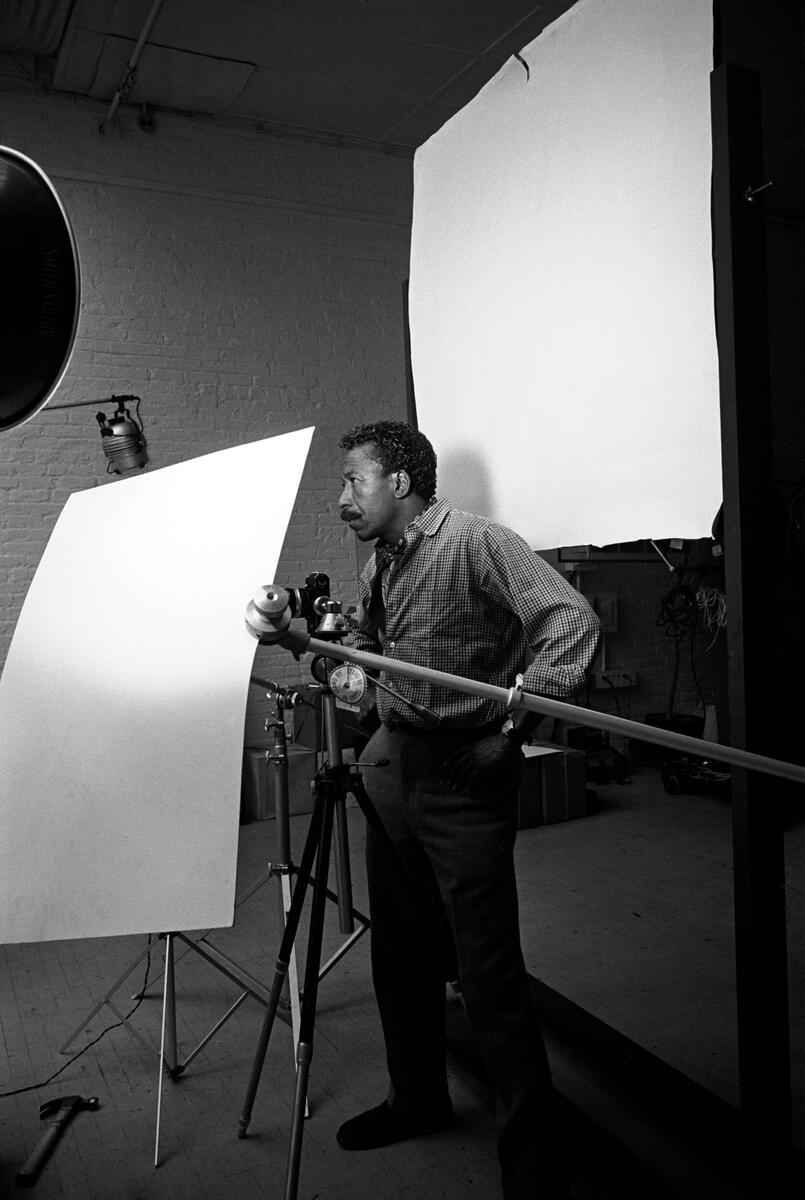
While he passed away in 2006 at the age of 93, Parks’s humanist images continue to demand a critical introspection of society and the self, attesting to his life of profound intellect and empathy.
“Seen today, Parks’s images invite us to reckon with histories that reverberate and shape our present,” says Raz-Russo. “His photographs continue to resonate because they ask us to consider who and what becomes visible, and make us aware of how we engage with that visibility.”
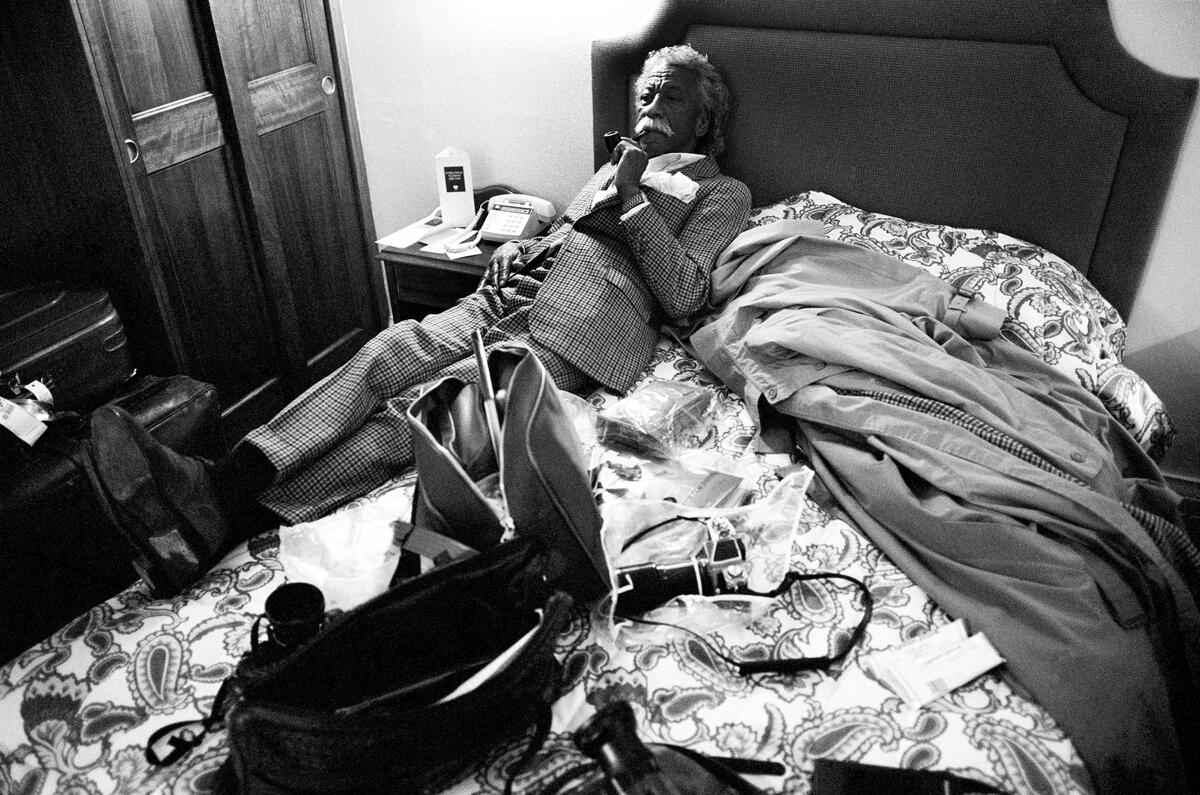
For Reed, now 79 years old, Parks’s work has been a long-term inspiration. What, if anything else, does Reed want to share about Parks? “He remained cool no matter what.”
Read about Eli Reed’s project Black in America here.