Voices From Gaza: Samaa Emad
Part one of four in the Voices From Gaza series sees visual artist Samaa Emad in dialogue with Jim Goldberg
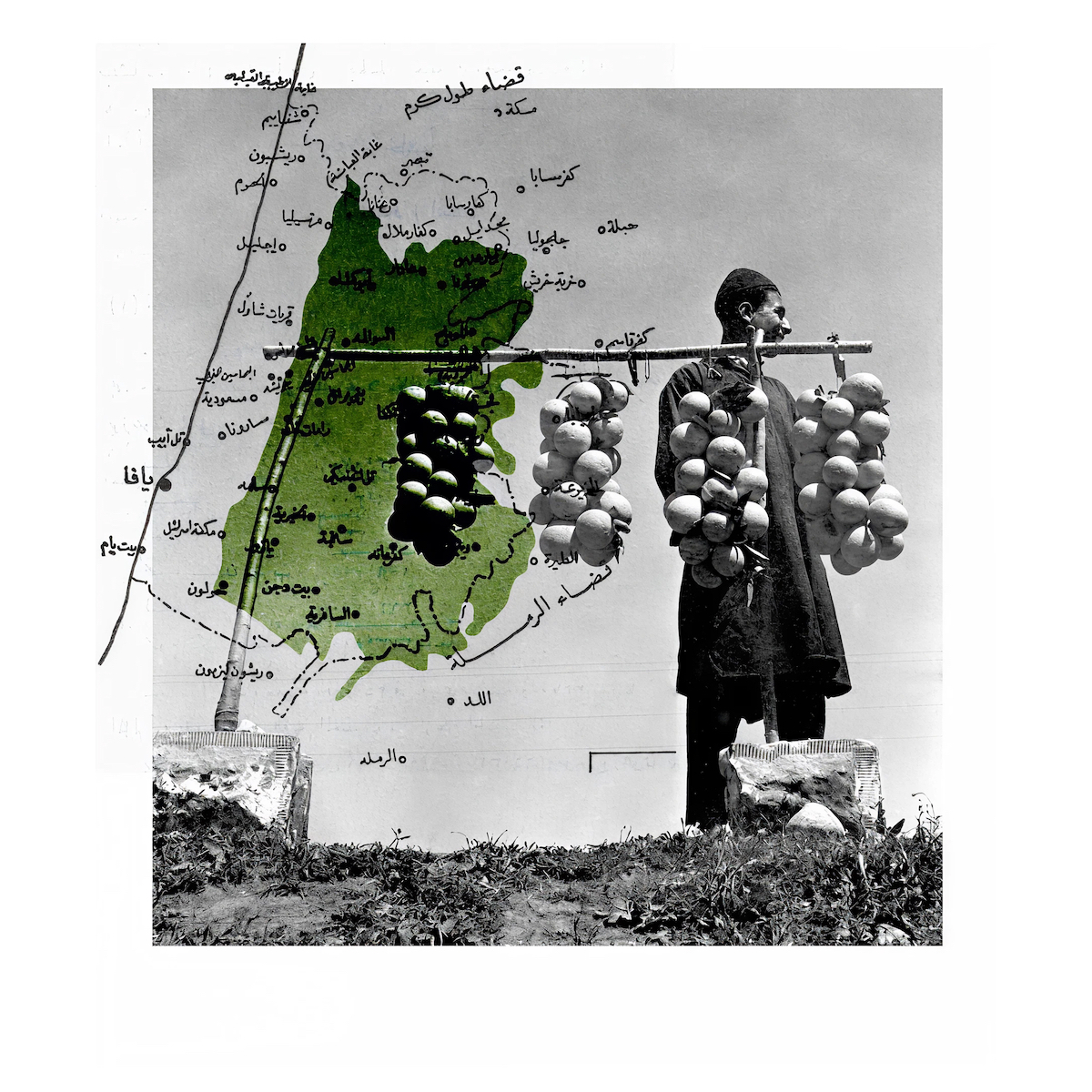
In the series Voices From Gaza, we are honored to present the work of four photographers from Gaza: Samaa Emad, Ali Jadallah, Mahmoud Abu Hamda and Fatma Hassona. Their images are accompanied by personal dialogues between three of the photographers and Magnum Members, and poetry from Hassona, written before she was killed by an Israeli airstrike in April 2025.
This feature is a direct line to artists on the ground, offering an intimate view of what it means to endure and create under unimaginable circumstances, which the United Nations commission of inquiry declares is genocide, committed by Israel.
These photographers have lived through blockade, displacement, bombardment, and the constant threat of starvation. They have watched over 270 of their colleagues being killed, and with the international press banned by Israel, they continue to document daily life in Gaza on their own while facing the same dangers themselves.
In partnership with Gulf Photo Plus, we have launched a Print Sale featuring work by Palestinian and Magnum photographers. All proceeds will go directly to the featured Palestinian photographers and their wider community, providing support for their crucial work.
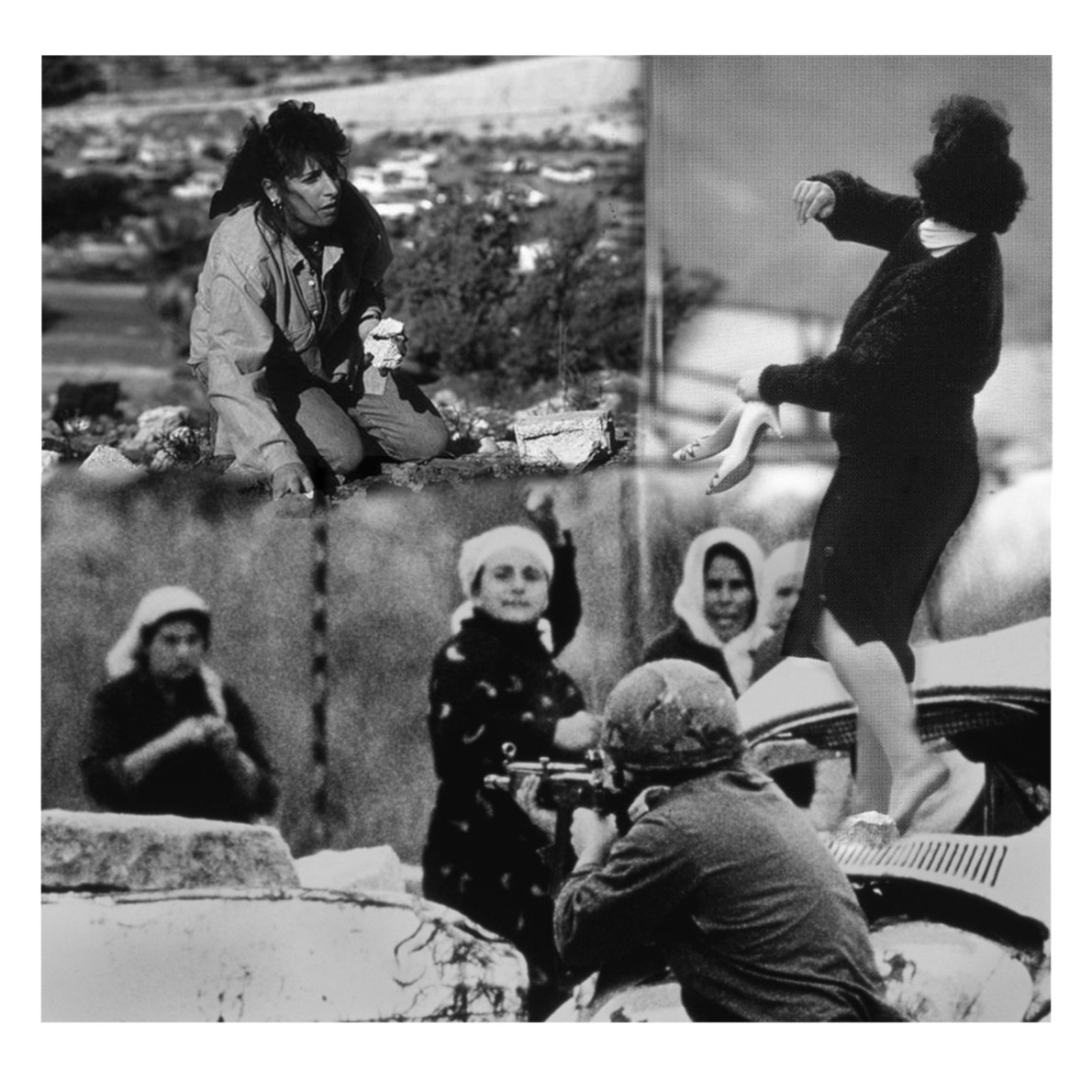
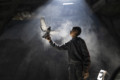
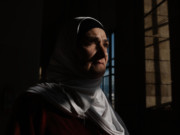
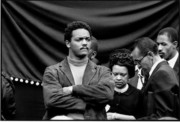
Samaa Abu Allaban (Samaa Emad) is a visual artist born and based in Gaza. She holds a degree in Graphic Design and uses mediums such as animation and digital collage to explore the depths of human experience, the complexities found at home, the resilience of humanity, and the transformative power of oral history.
Jim Goldberg: Dear Samaa, As a fellow collage artist, I find it incredibly powerful how you continue to create such beautiful art, especially given the horrors you’re facing. Your resilience and ability to find and share beauty in such a difficult time are something I deeply admire.
What was the art community like in Gaza before October 2023? How has it changed from before the war to now, and how are artists in Gaza supporting each other now? Are there any informal networks or groups?
Samaa Emad: Yes, there was a vibrant community of different groups, such as Shaababeek* or Eltiqa. The community of artists and creatives was a tight-knit community, and I met many of my friends through these groups. We would meet often and talk about art and life and share our work with each other.
Since October 7, there has been a major rupture in this togetherness — many have been dispersed; some have been evacuated, and even amongst those who are here, it is difficult to stay connected since we are all busy surviving and navigating living under a genocide.
*The Visual Arts Center Shaababeek, located a few meters away from Al-Shifa hospital, has been entirely destroyed by Israeli bombings since October 7, 2023.
Jim Goldberg: How do you continue to make art and not feel discouraged? How does the art-making process help you navigate the horrible reality of the genocide going on around you? What hope do you get from making your work when there is so much destruction all around you?
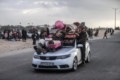
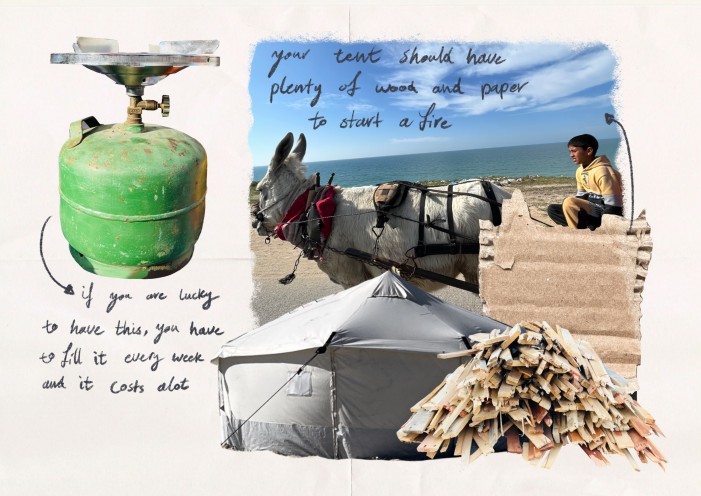
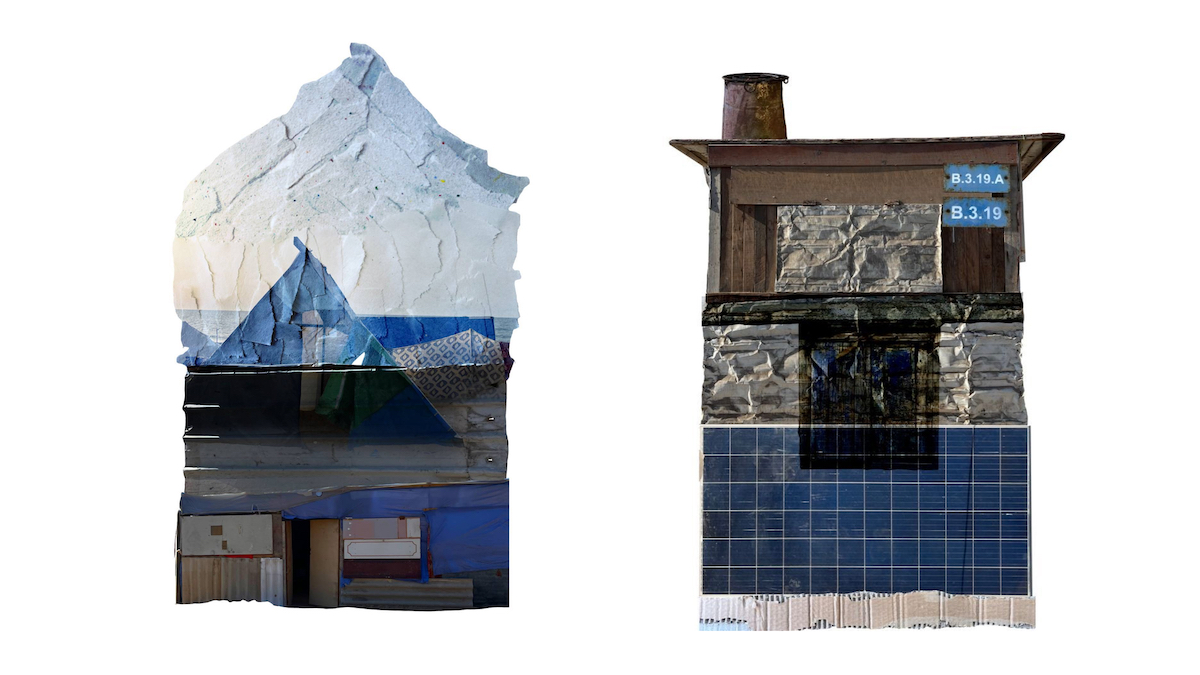
Samaa Emad: I guess my inspiration is Gaza. Everything in Gaza inspires me. Our way of life, our daily life, our survival is inspirational to me. And as the genocide unfolded, I noticed the resourcefulness and creative ways the tents were made, assembled, and how they housed the people and whatever was left of their belongings.
"I refuse to be a number, and instead I want to create, to represent my people."
-
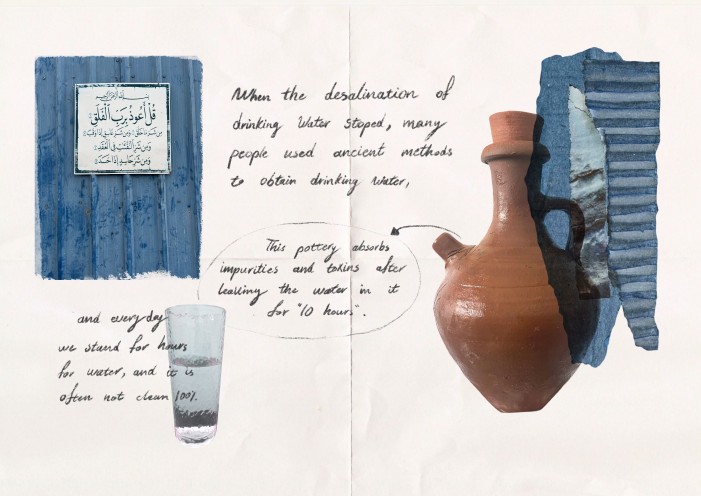
It has been difficult, especially in the early days of the genocide, as we came to terms with what was happening. A few months into the genocide, I started to be more motivated and would find quiet time when possible and head to the rooftop, where I started to write a journal, and it would help me to deal with what was happening.
I wanted to be heard and seen and didn’t want to feel like one of the people they were talking about in the news. I refuse to be a number, and instead I want to create, to represent my people.
"Gazan artists and photographers have been making work for a long time, but the dehumanization and suppression of our voices is a big reason why this genocide can take place while everyone watches in real time."
-
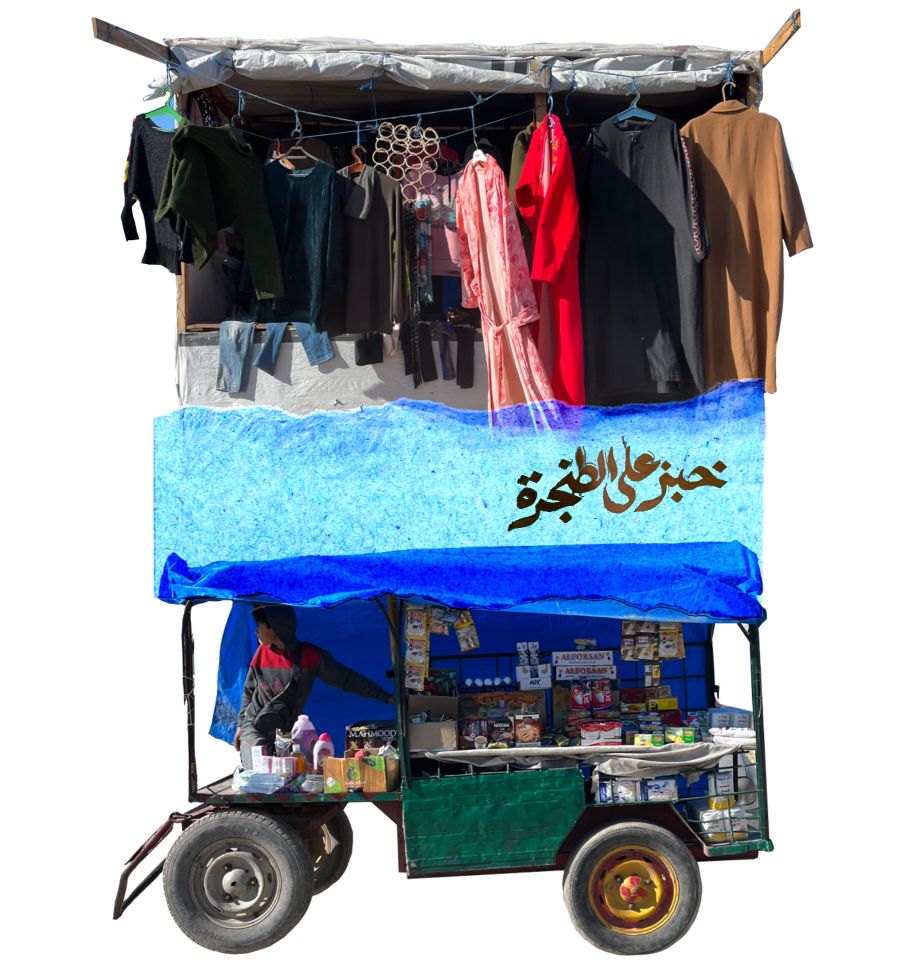
Jim Goldberg: What resources are you using to get these images from, and what and where do you draw your inspiration and strength from?
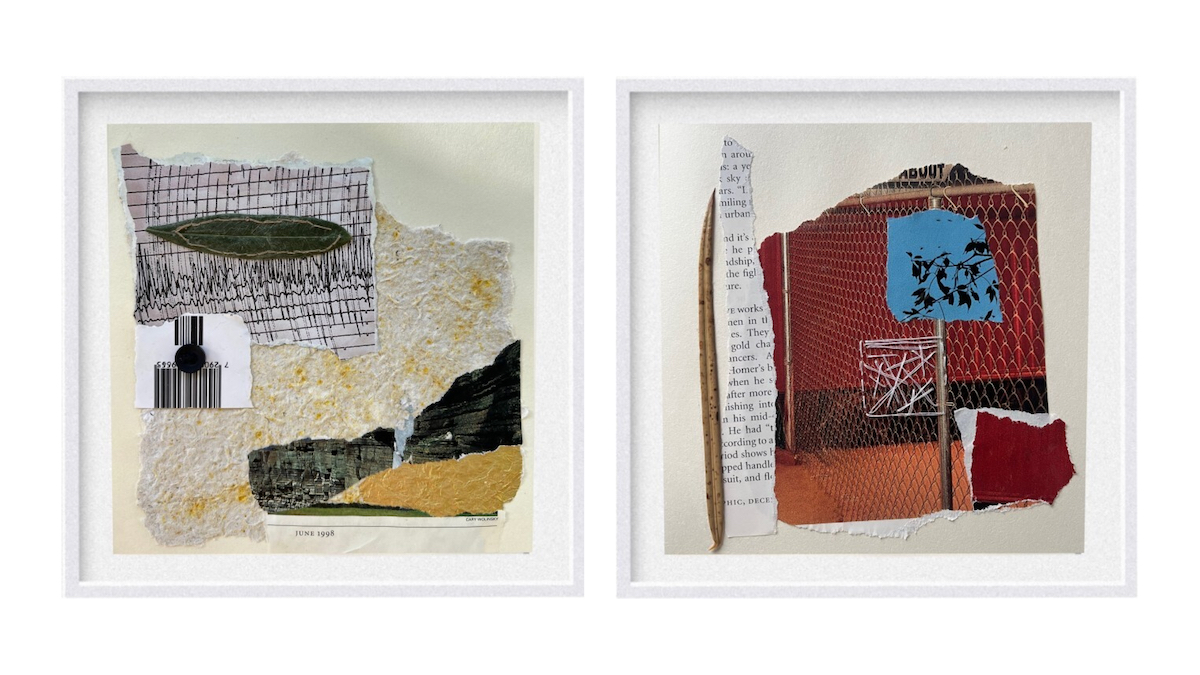
Samaa Emad: I have multiple different sources for the materials that end up in my work. It is mainly a large collection of images that I take while walking in the refugee camps and in the streets. I am a hoarder of images, and sometimes, among a hundred photos, I may find one good photo that ends up in my work.
I also source some imagery from online archives and from Palestinian forums dedicated to preserving archives of our visual history.
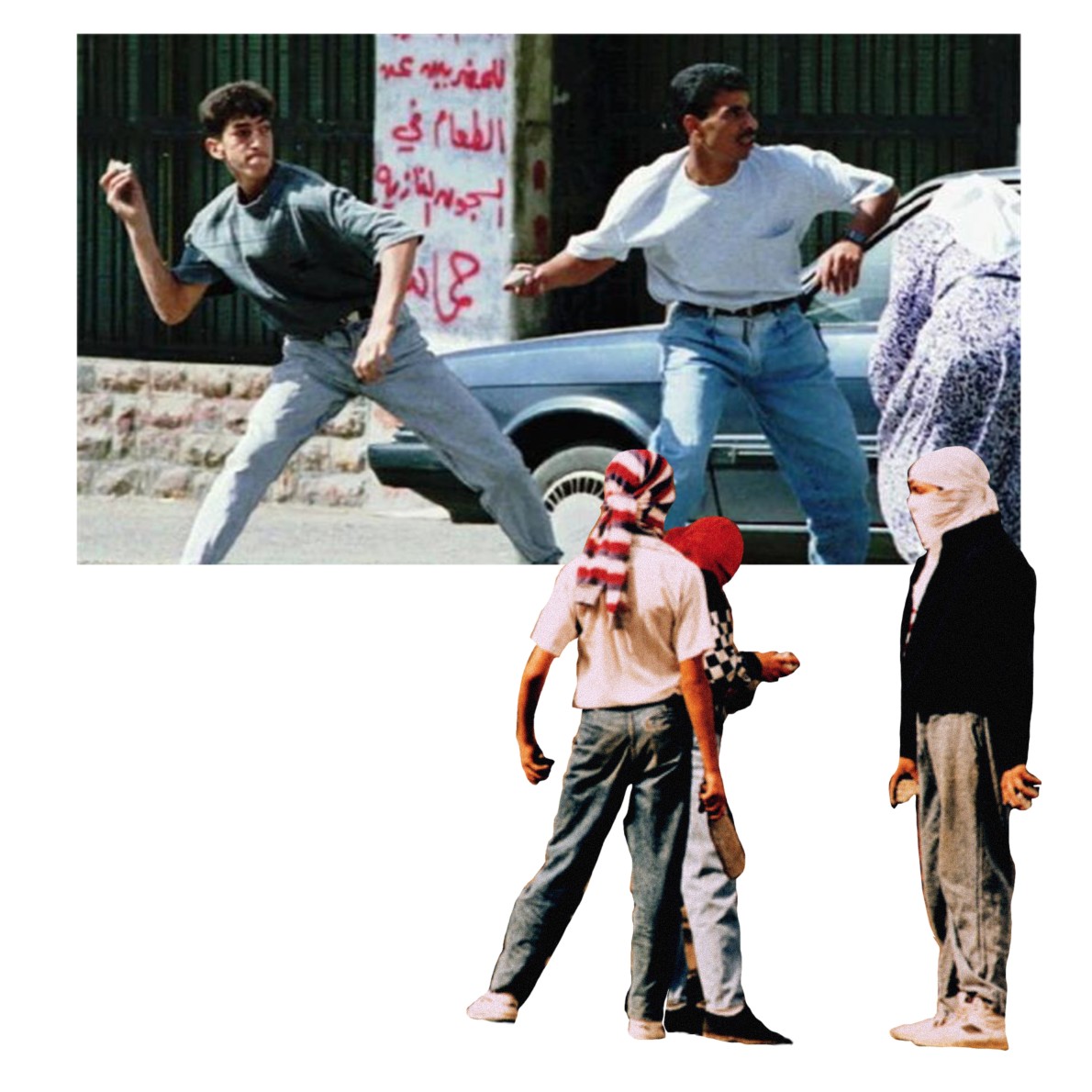
Jim Goldberg: So many of us want to help. What would you want us to do or say to advocate for you and the people you’re documenting? What is your hope for how artists and photographers outside of the region can use their platforms to support you and amplify your voice?
Samaa Emad: Gazan artists and photographers have been making work for a long time, but the dehumanization and suppression of our voices is a big reason why this genocide can take place while everyone watches in real time. I would love for the photography community to share and amplify our work and be mindful of the narratives that have been spun, and demand that the community doesn’t shy away from the courage to speak the truth and say what needs to be said — to be unequivocal in their condemnation of this evil and barbaric regime that has killed people around me in their hundreds of thousands, and no one is able to stop it.
We saw this for the Black Lives Matter movement and for Ukraine, but solidarity with the Palestinian cause is much more challenging, and we would love for the community to find their convictions and speak them out loud and with assertiveness.
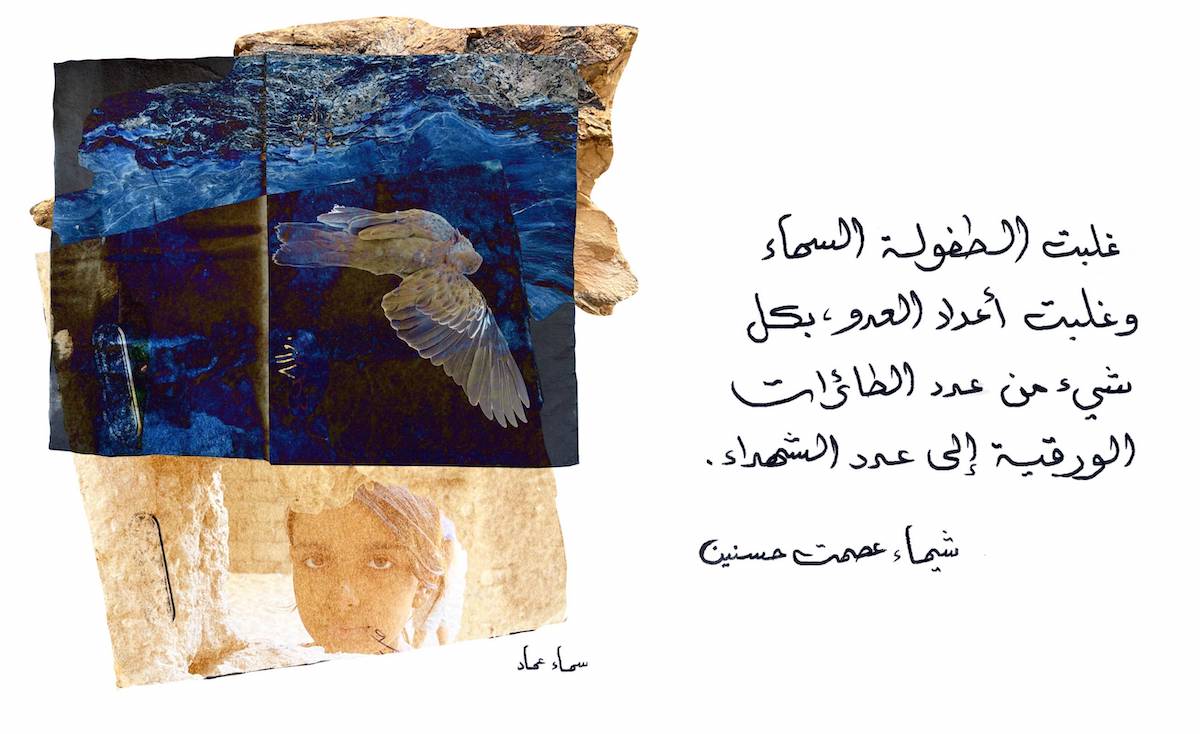
Follow Samaa Emad here
Contribute to Gulf Photo Plus Print Sale here