A World in Color: Nordic Edition
A selection of unseen images of life in the Nordic countries from the 1960s-90s feature in the final chapter of A World in Color
Earlier this year, Magnum’s Archive and Production team in Paris began digitizing thousands of archived color slides hidden away in Saint-Cyr Fort, “hoping to see and rediscover iconic moments of history that made Magnum what Magnum is known for around the world.” Now, after months of uncovering, digitizing and retouching images of Europe throughout the 20th century, A World in Color has reached its final chapter.
“In discovering an archive not by photographer but by region, you truly see this pure sense of exploration of a place through so many perspectives,” says Pierre Mohamed-Petit, Digital Production Manager in Paris. The project has seen a revolution in Czechia, pockets of tradition in Italy, carnivals in Belgium, monuments in France, a divided Germany, and a spectrum of life across the United Kingdom. These rediscovered moments from the past have revealed not only the photographers’ singular ways of observing and interpreting the world, but the inner workings of the agency’s color collection before the digital revolution.
For the final reveal of newly digitized, unseen images, we venture to the Nordic countries, where epiphanies of color catch our attention in frozen landscapes and darkening, winter afternoons. The late Swedish poet and Nobel Prize winner, Thomas Tranströmer, often wrote in somber, monochrome palettes, yet, an unexpected introduction of color transformed his scenes into meaningful, radiant discoveries. In the Nordic archives, notes of color similarly appear as impromptu inspirations: brushes of violet in Gueorgui Pinkhassov’s Danish sunset or Bruno Barbey’s cluster of balloons on a street in Uppsala. Translating a quiet simplicity under a northern slant of light, these images investigate the relationship between humans and wilderness, proximity and space.
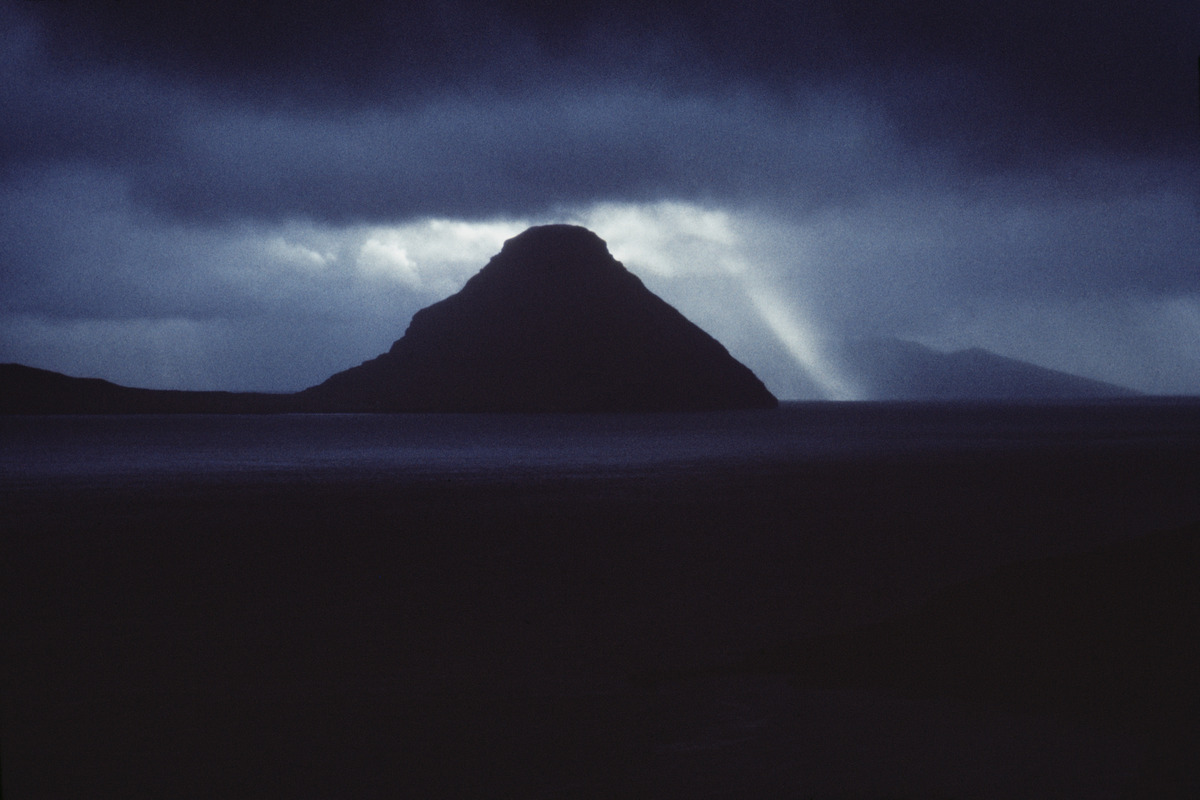
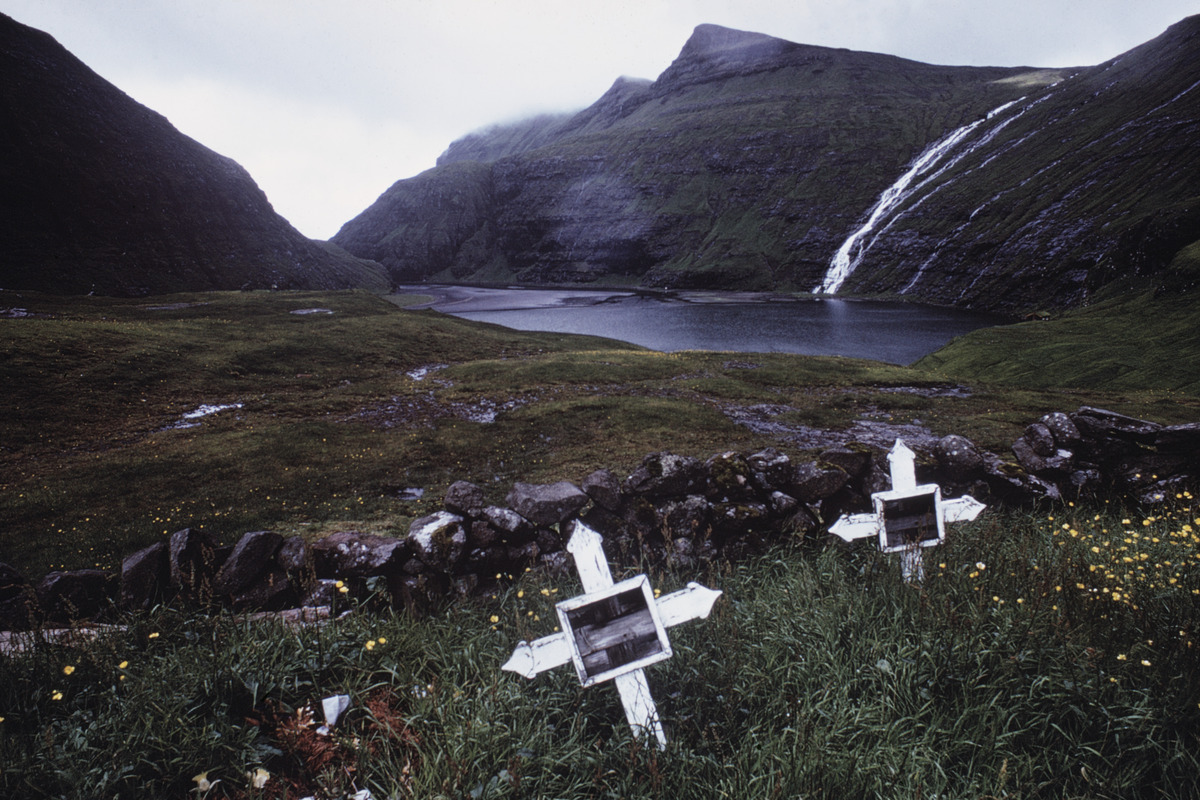
In 1966, Erich Hartmann visited the Faroe Islands with the then British Poet Laureate, Sir John Betjeman, who had previously written a series of photo essays for the Weekend Telegraph entitled “Styles of English Architecture,” alongside Hartmann’s photography. While there, Hartmann photographed Saksun, a secluded village near the northwest coast of Streymoy island with a population of about 10. Here, Hartmann stands in a modest graveyard behind an unadorned wooden church. Surrounded by waterfalls and mountain peaks, a few slanted crosses claim the sodden earth — silent symbols of life and death in one of the least populated villages in the world.
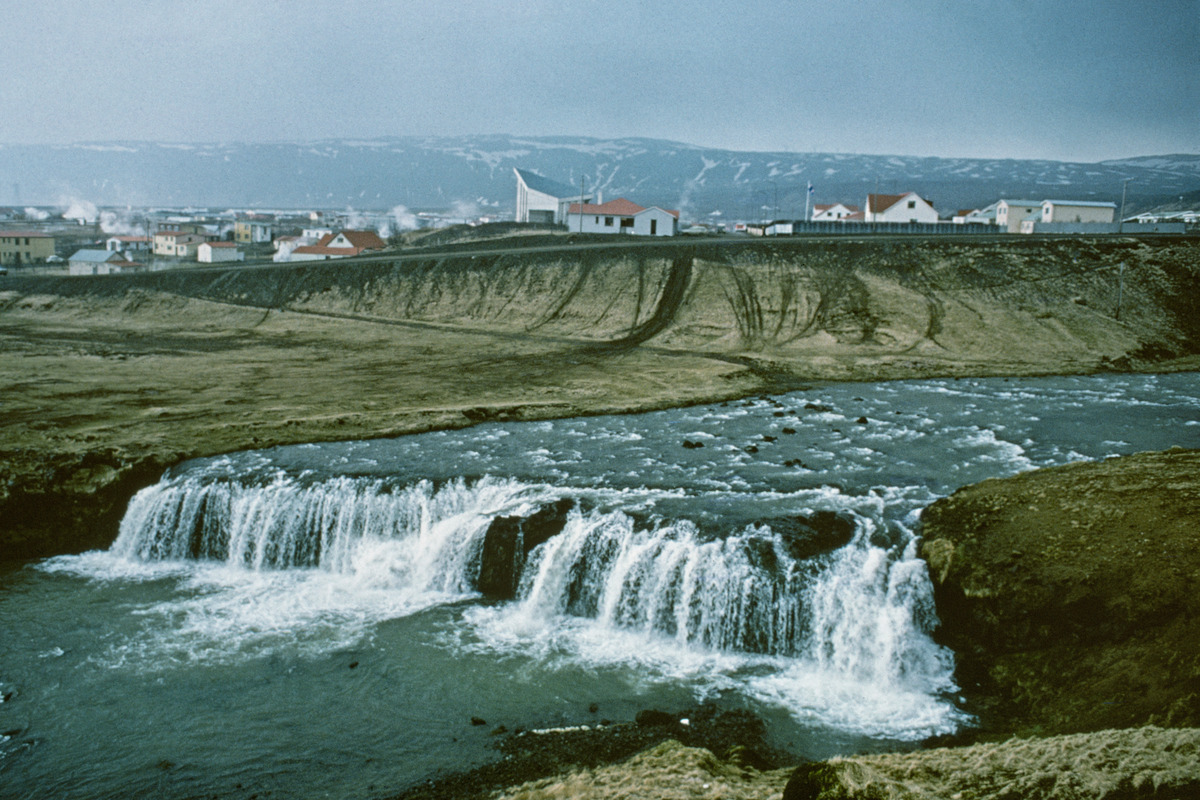
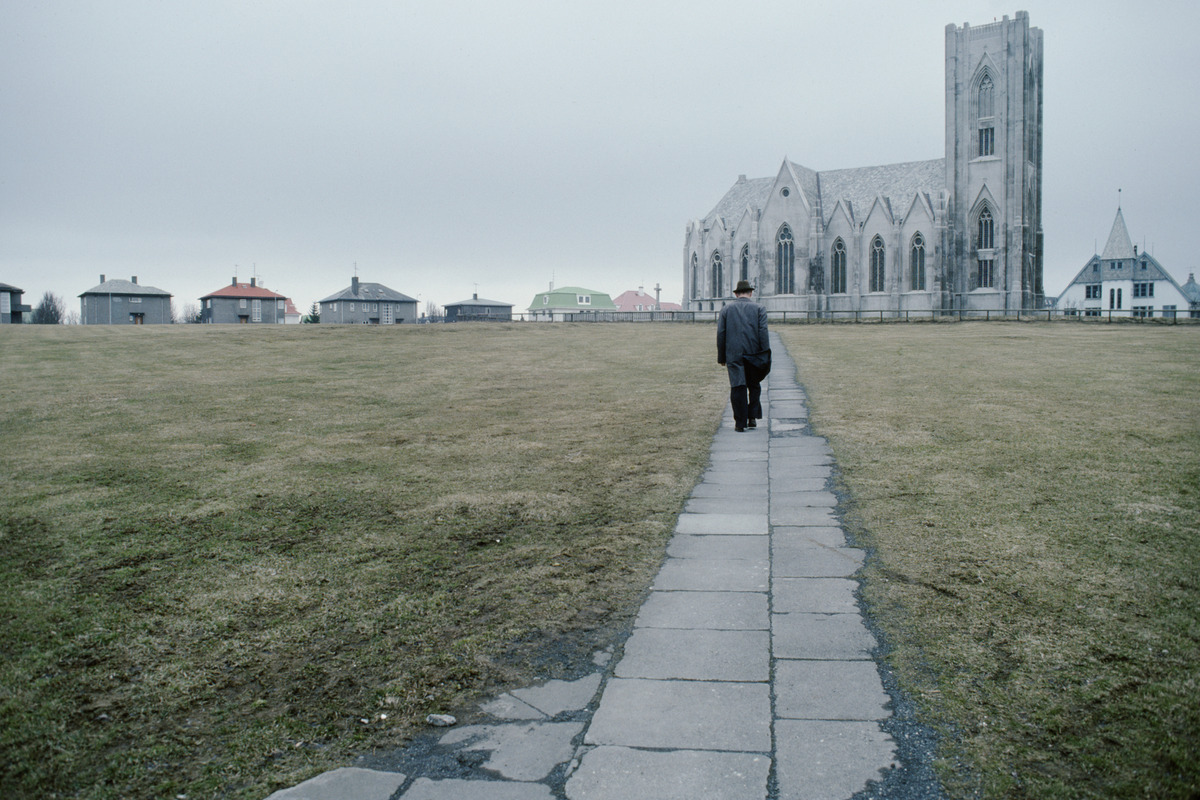
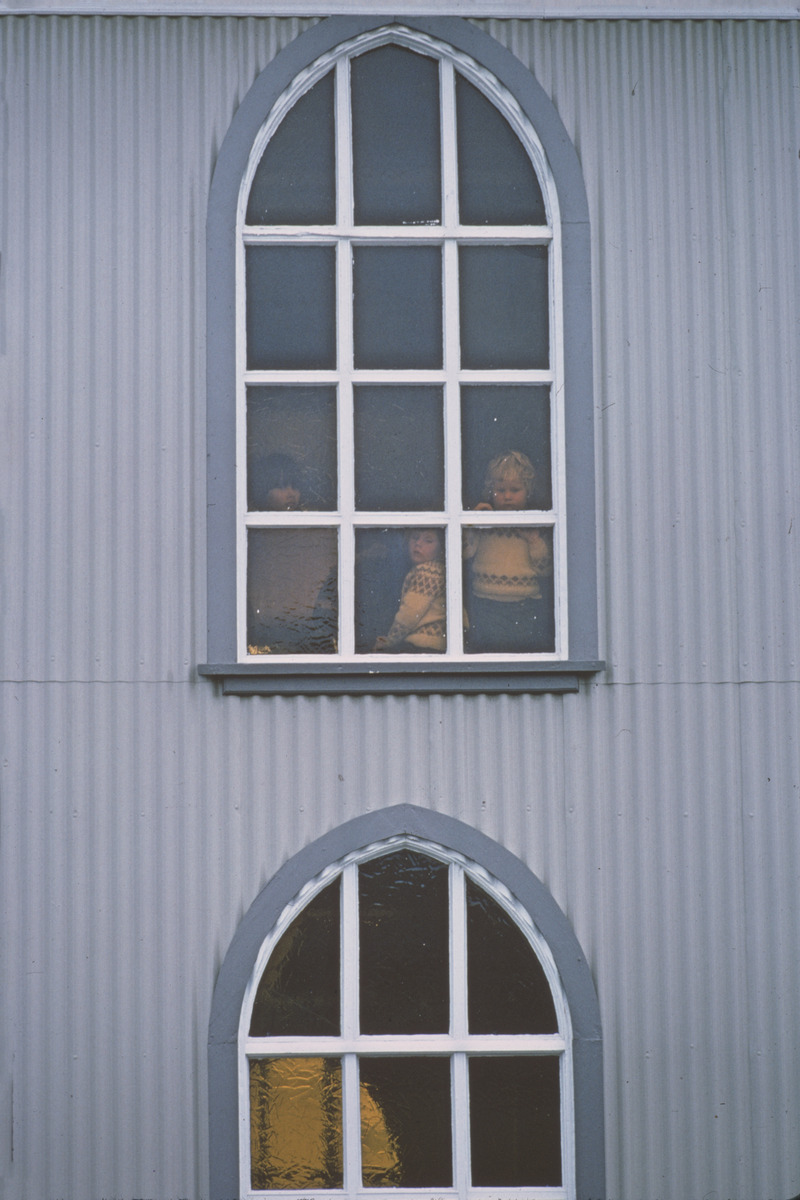
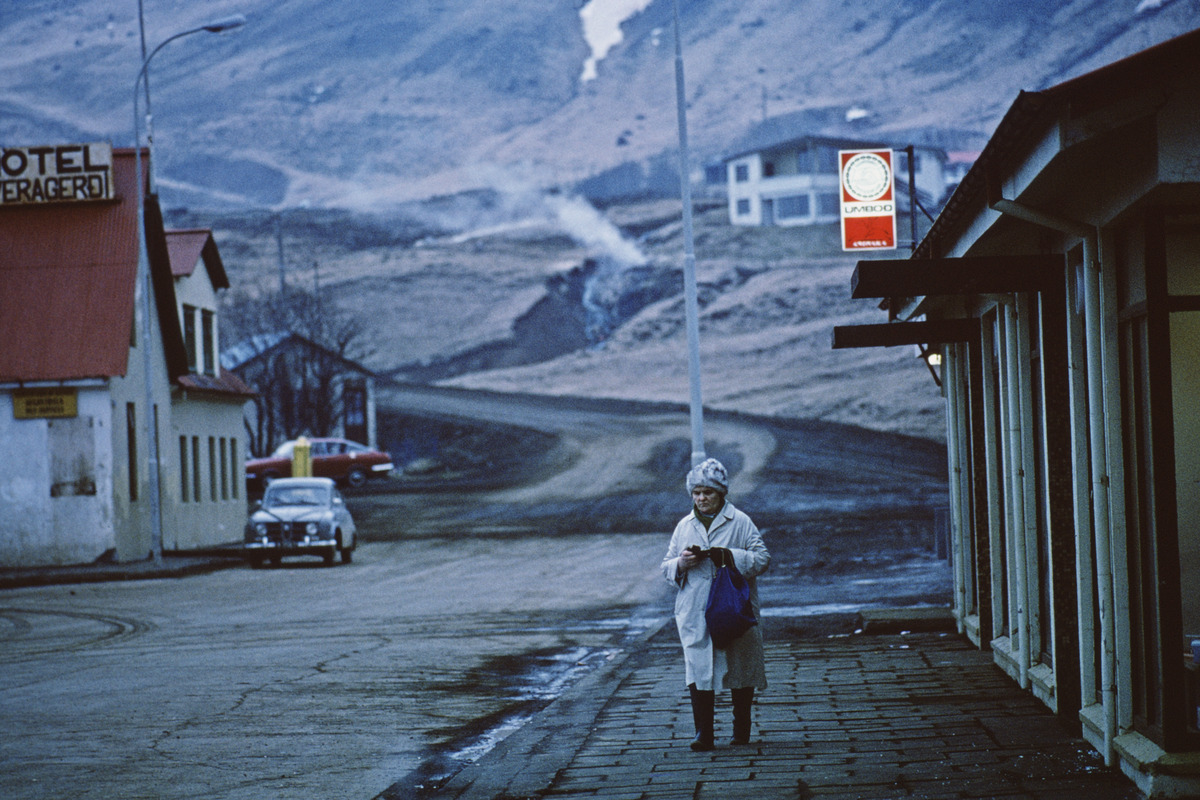
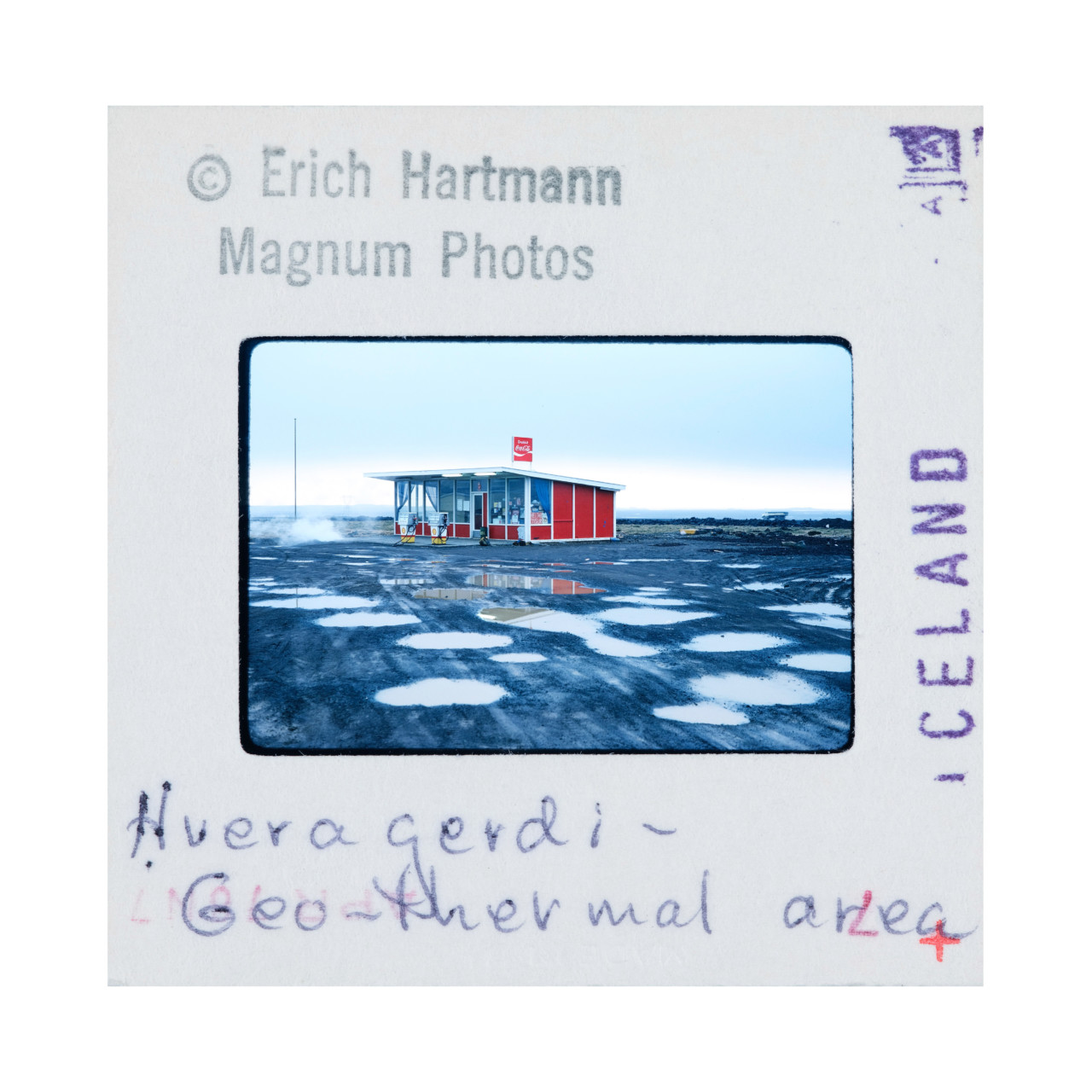
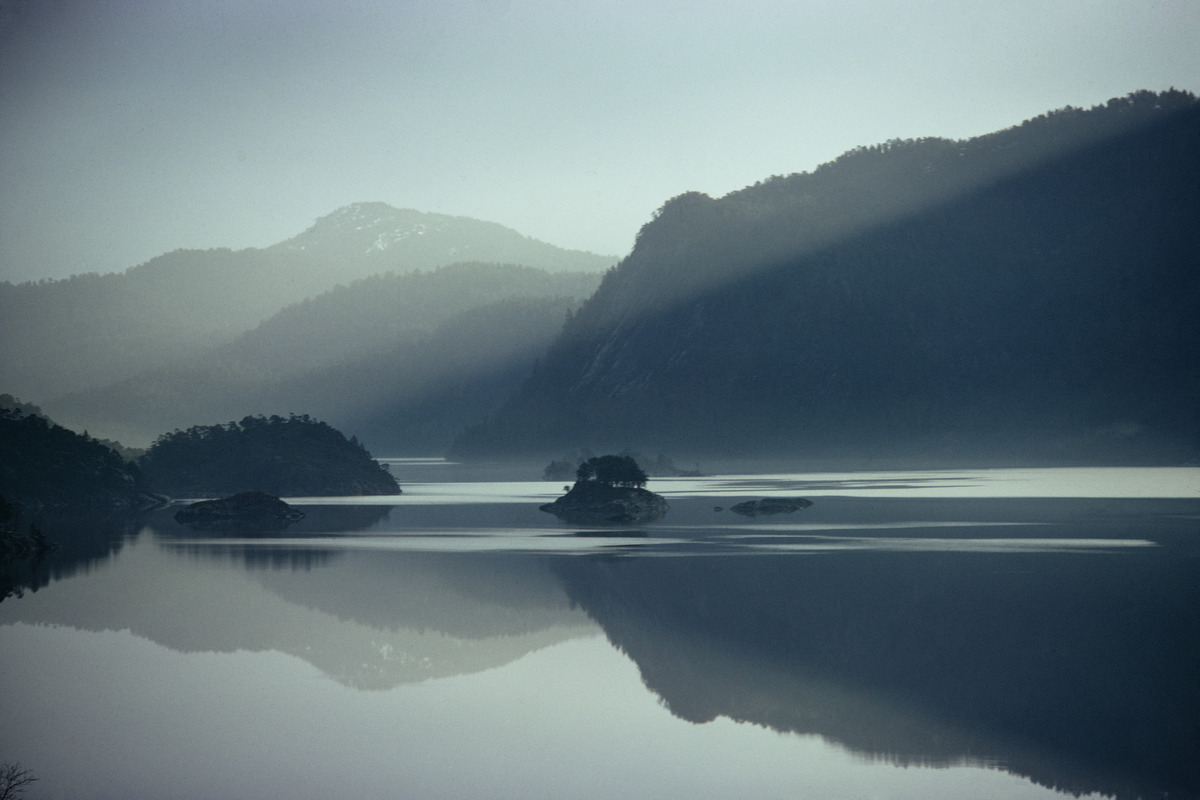
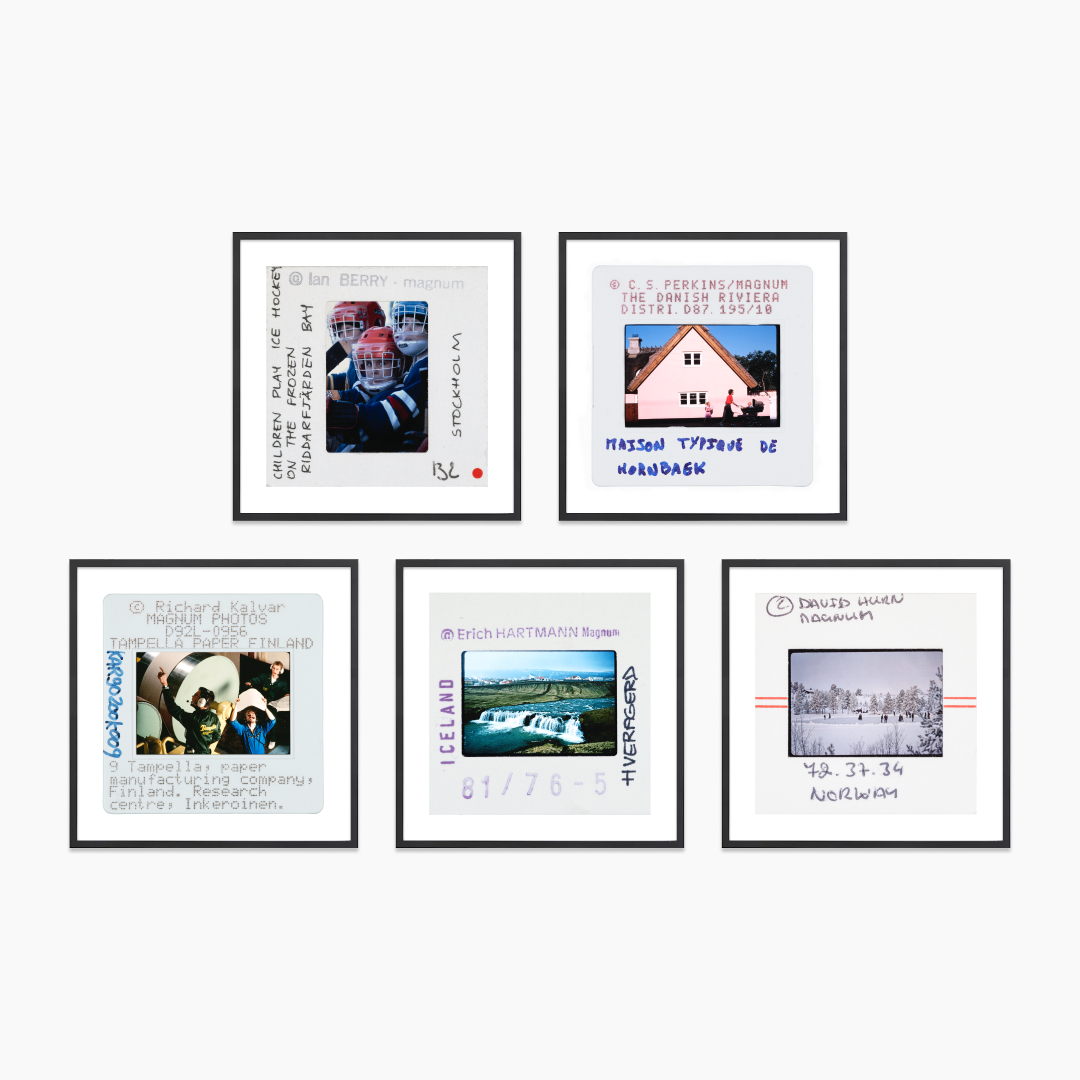
10 years later, his images of Iceland are imbued with deep blues and grays, and accented with surprising notes of color: the russet rooftops of Hveragerði, a geothermal area which sits across a 5000-year-old lava field, and its red gas station advertising hot dogs for sale, with no human in sight. In Akranes, children’s sweaters harmonize with the glowing glass as they peer down from a church’s lancet window. In these subtle tones, Hartmann interrogates the relationship between human existence and primeval landscapes, the unbridled wilderness and the structures of society.
In 1980, Ian Berry photographed Stockholm as part of a series on cities around the world for the German magazine GEO. One of his photographs from this assignment was featured in “Magnum: 50 years of Europe” in 2007, a selection of images from the Magnum archive projected onto the National Theatre in London, celebrating 50 years of the European Union.
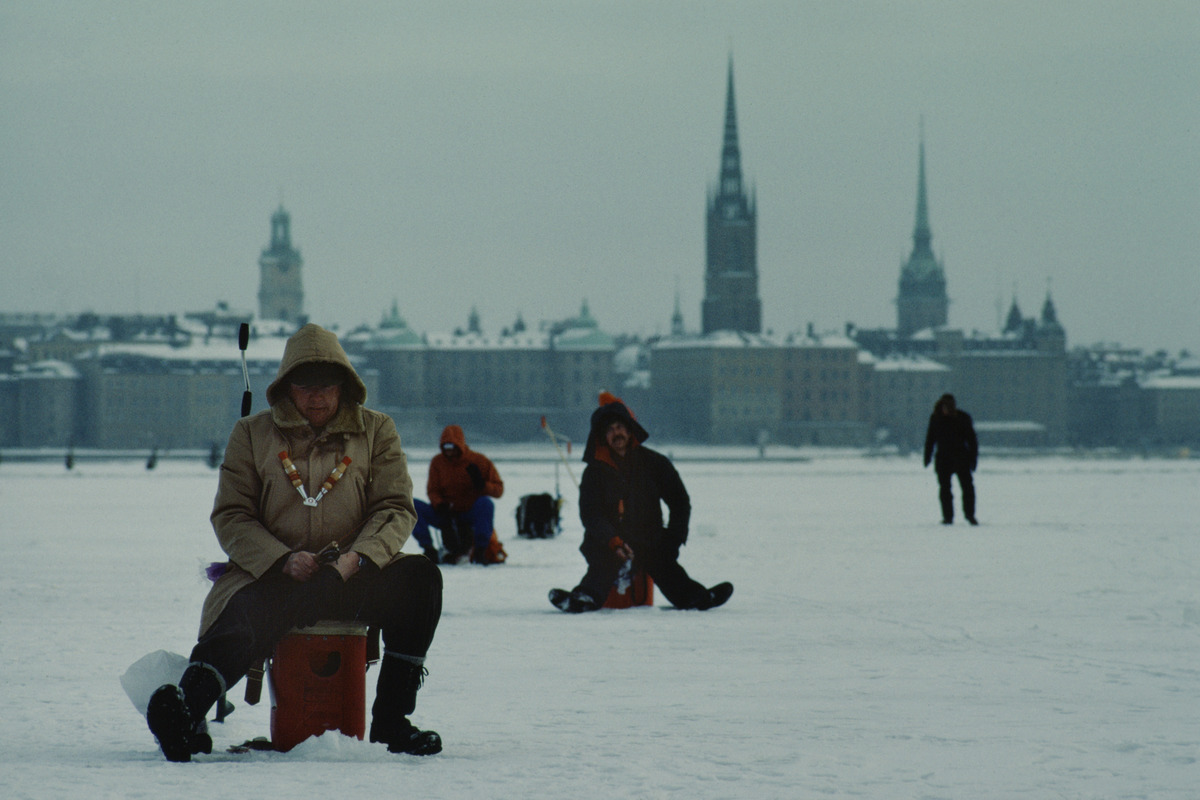
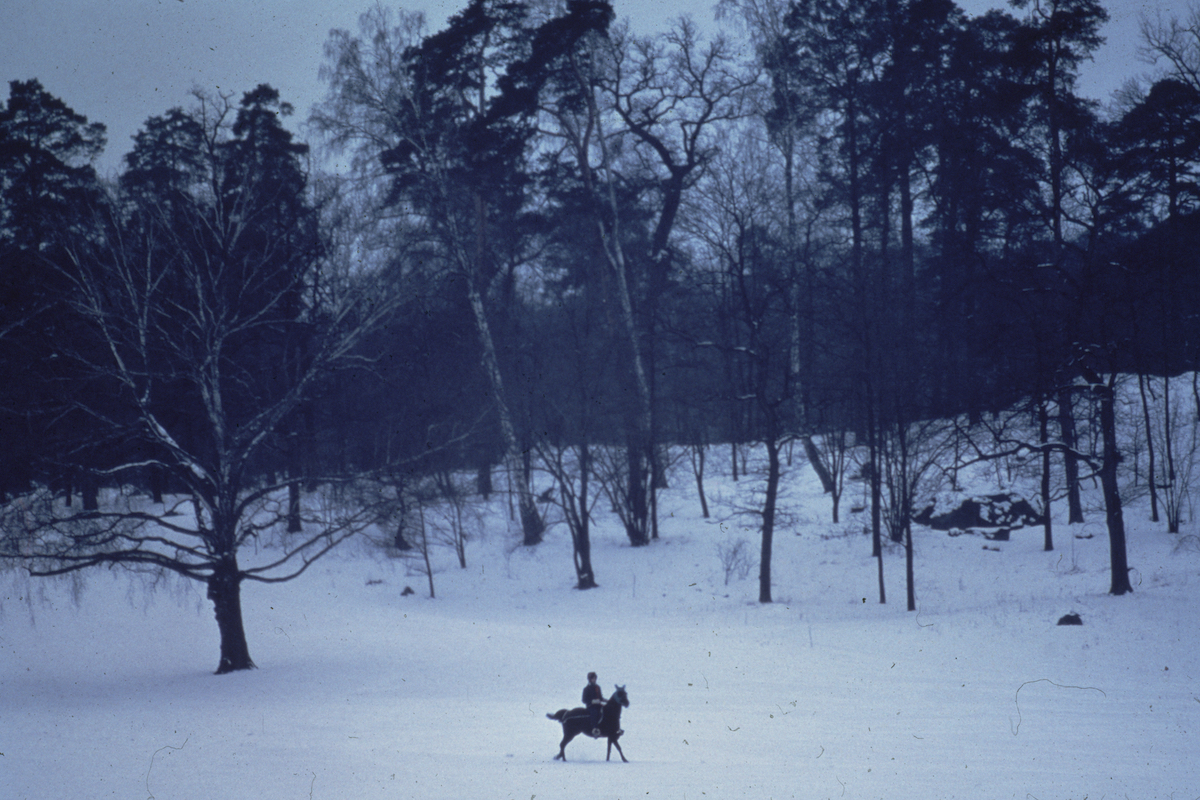
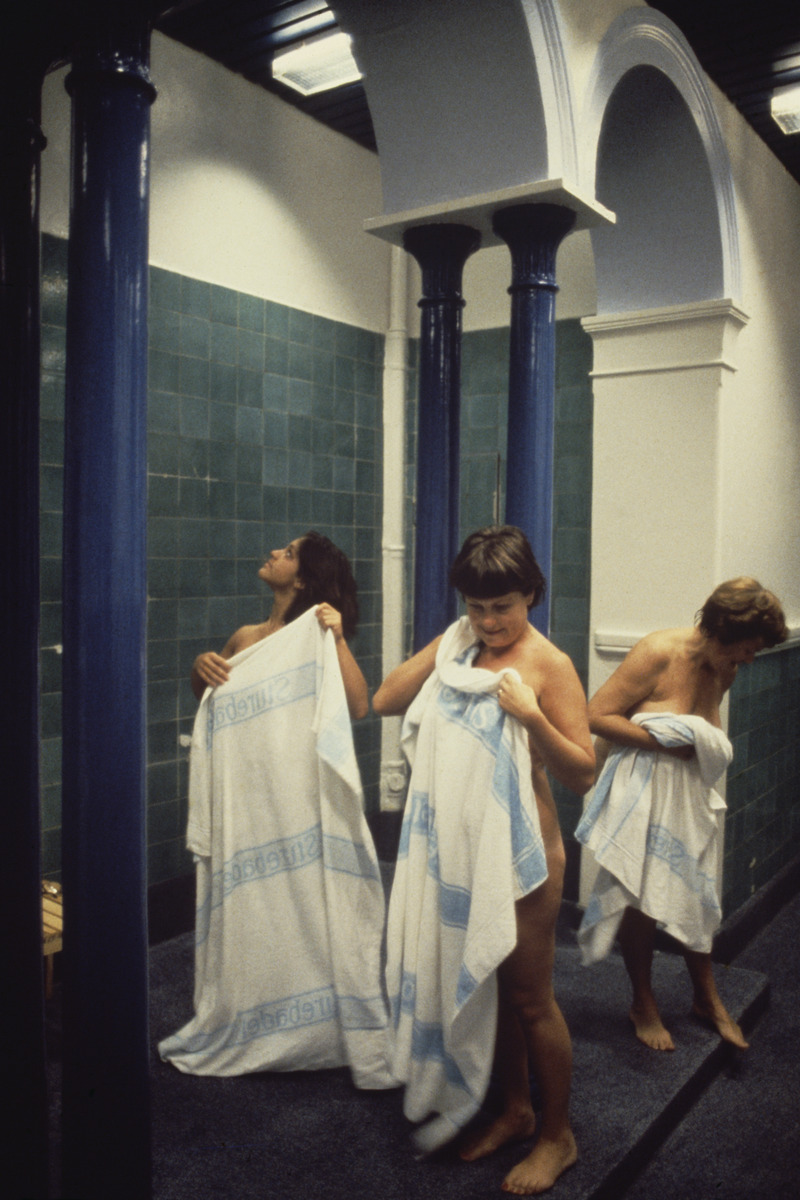
“The assignment had its moments,” Berry recalls, who at one point found himself accompanying the police on night patrol as they picked up drunken locals off the streets. On another occasion, he stumbled upon a sauna. “Thinking this might produce images, I asked the man at the entrance if I could go in and take photographs,” says Berry. “He looked at me rather oddly and said he’d better ask first. Five minutes later, he came back, said no problem, and showed me in, which was when I discovered it was ladies’ day in the sauna. Happily, they ignored me, but perhaps realizing my embarrassment, they got out and started covering themselves with their towels.”
Having worked as a professional photographer since the 1950s, Berry witnessed the media transition reflected in the cooperative’s color archives. “Color slides appeared in the Magnum archive around the 1940s and ‘50s,” says Mohamed-Petit, “however, it became a mass-use tool starting in the ‘60s, as soon as major publications like LIFE and National Geographic started publishing features in color. That’s when photographers also shifted, simply because the market was demanding it,” he adds.
“I’m principally a black and white reportage photographer,” says Berry, “which I think allows me to explore our common humanity more easily, but of course, when accepting to work for any geographic magazine, one has to shift one’s mindset. I also worked for National Geographic in New Zealand, among other places – again, it’s unthinkable to ignore the magnificence and extraordinary colors of the natural world. You have to work in color.”
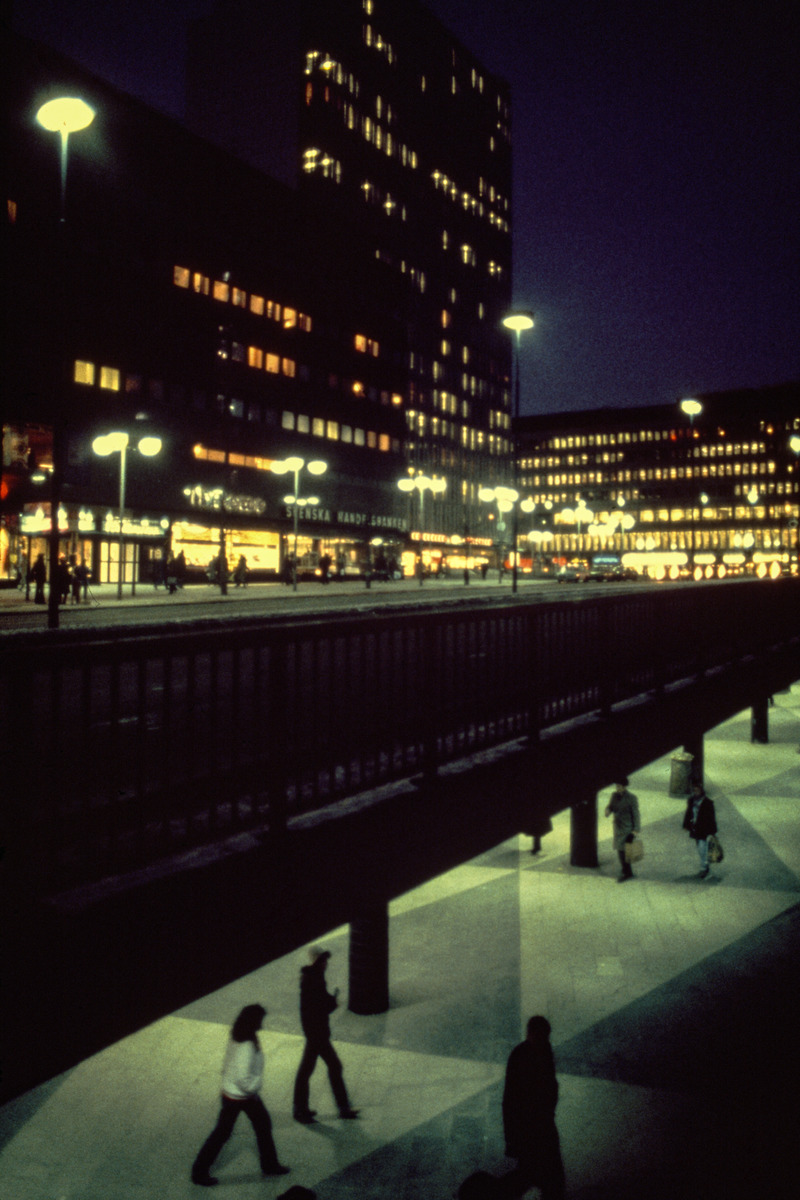
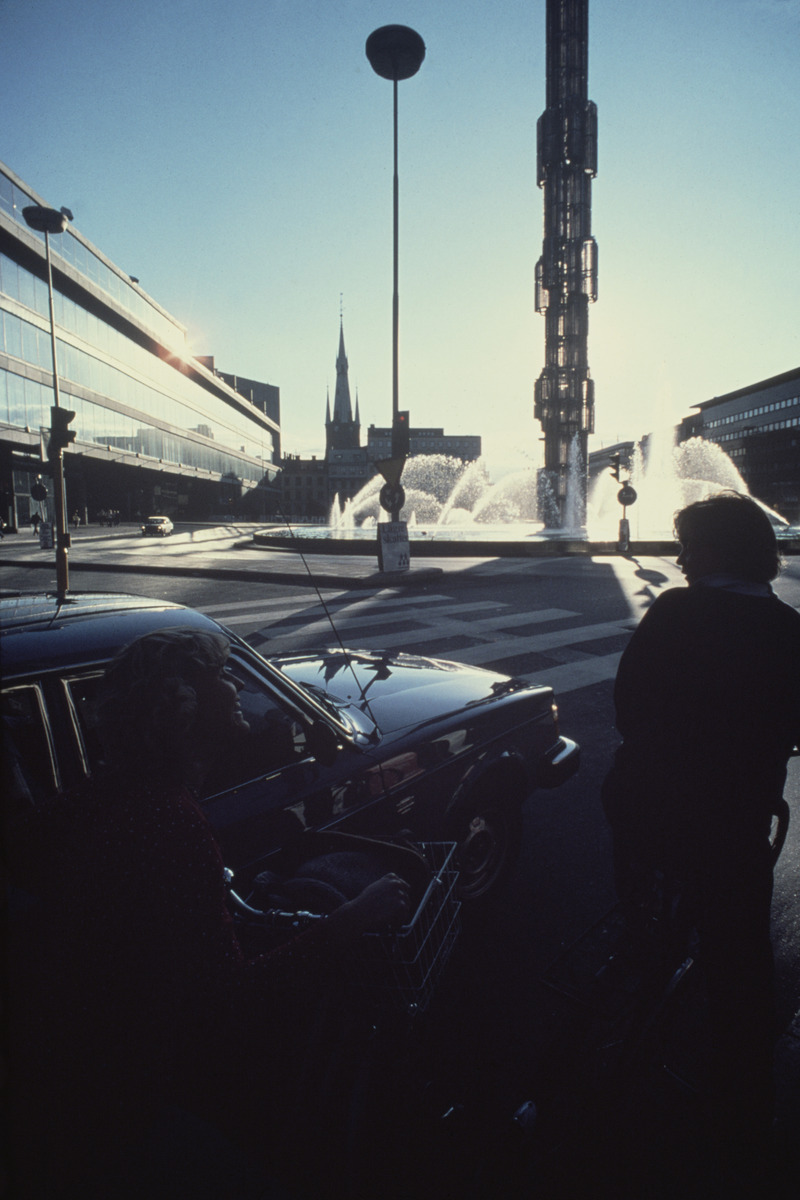
Berry notes that his Stockholm trip was “about the time Bruno Barbey began to use mainly color film. He was ahead of his time. Other Magnum photographers who primarily worked in black and white had to seriously re-think what we were doing,” he recalls.
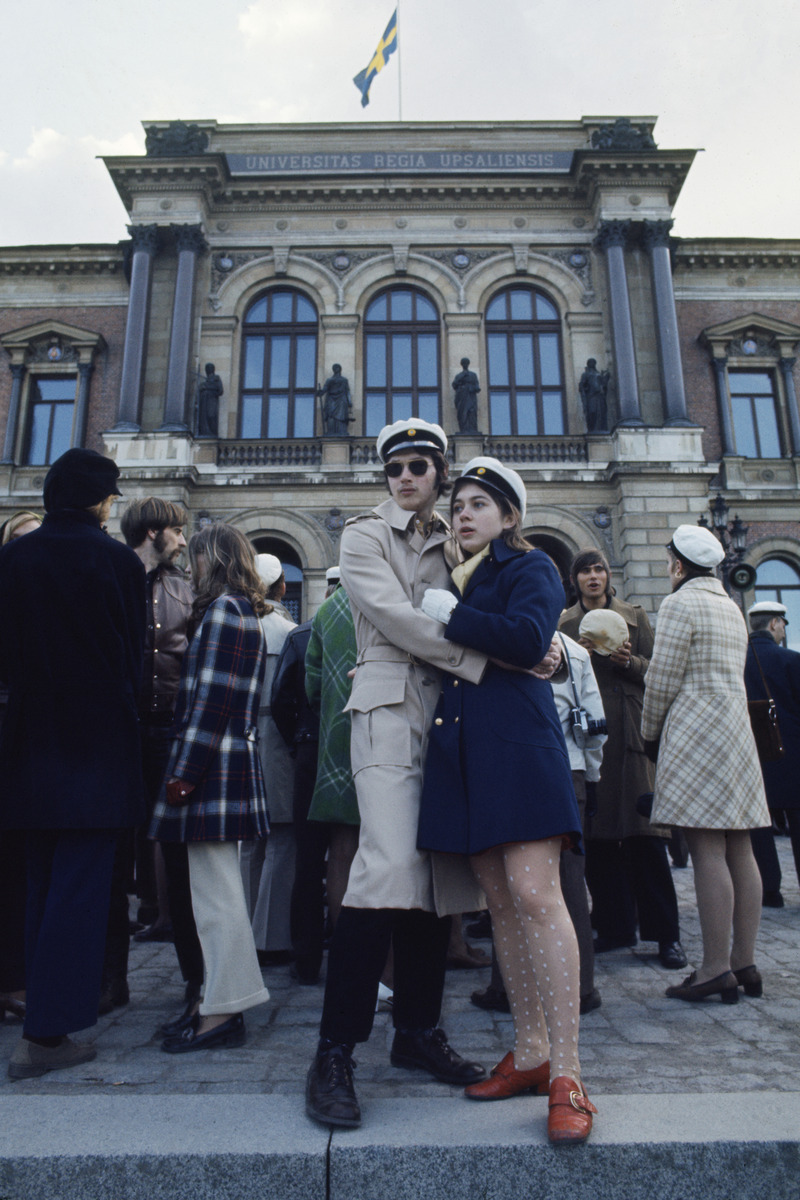
Rediscovered in the archives, almost a decade before Berry’s assignment, are Barbey’s color images of Swedish culture during an era of progressive youth-led movements. As in the Velvet Revolution in Czechia, the May 1968 demonstrations in France, and protests in the UK, the late 1960s and early ‘70s were an explosive period across the Nordic countries. Students, artists, and intellectuals shaped the currents that upheld civil rights, anti-war sentiments, gender equality, environmental causes, counterculture and workers’ rights.
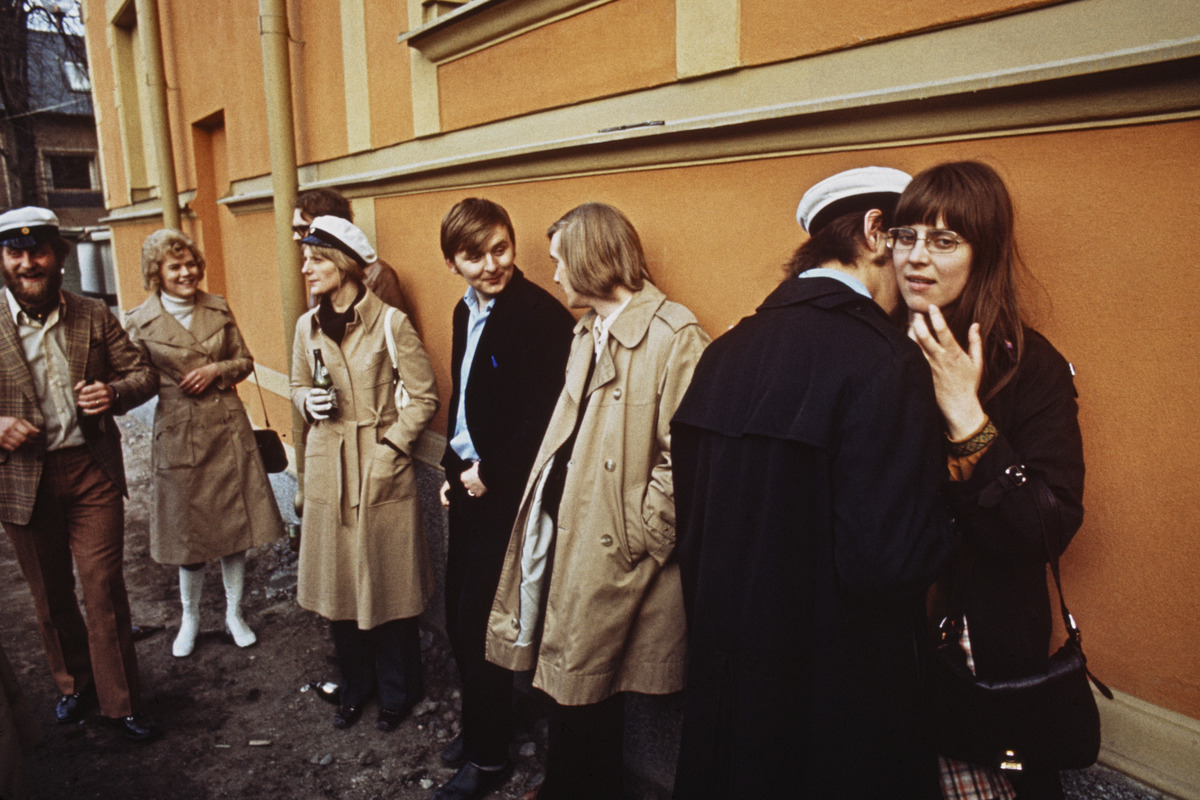
In 1971, Barbey photographed students at the University Hall of Uppsala University on their graduation day, wearing traditional hats and styles of the era as they spilled onto the streets to celebrate. A few months earlier, the Battle of the Elms had taken place in Stockholm, where protestors successfully demonstrated against the removal of a group of Scots elms for subway construction, showing the power of the country’s youth-lead activism.
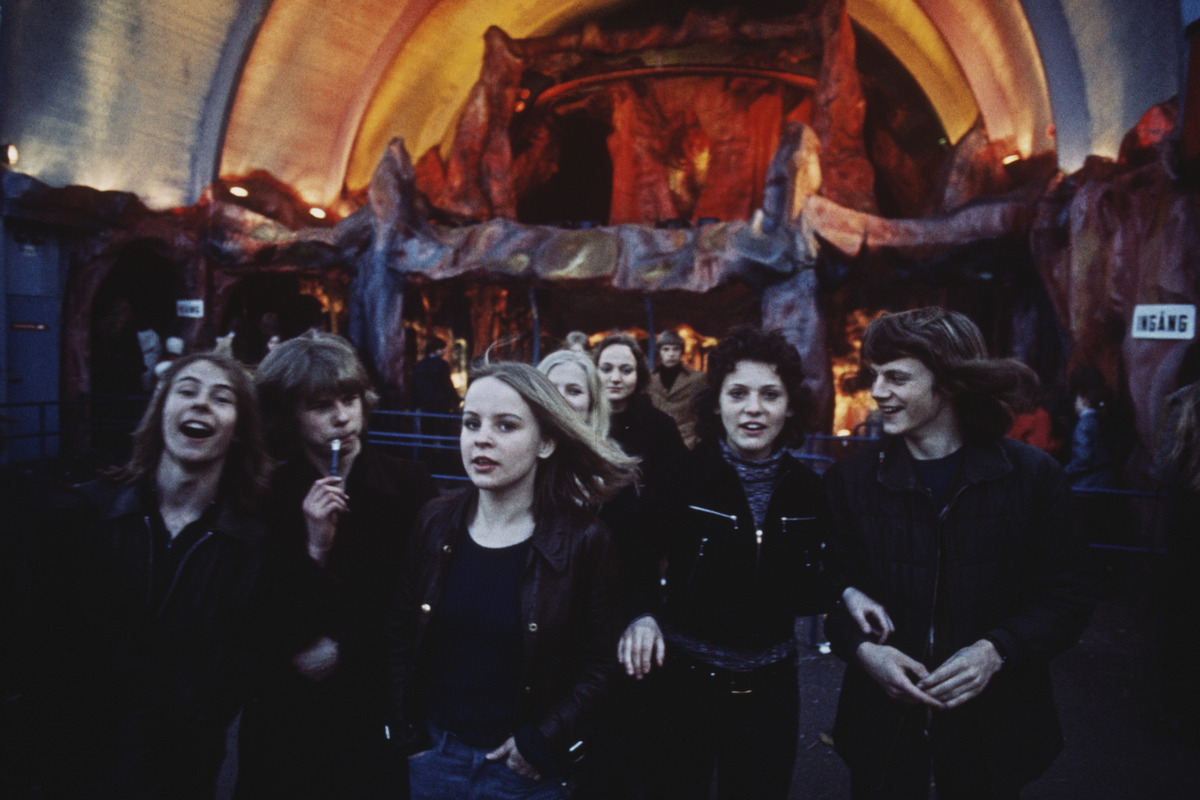
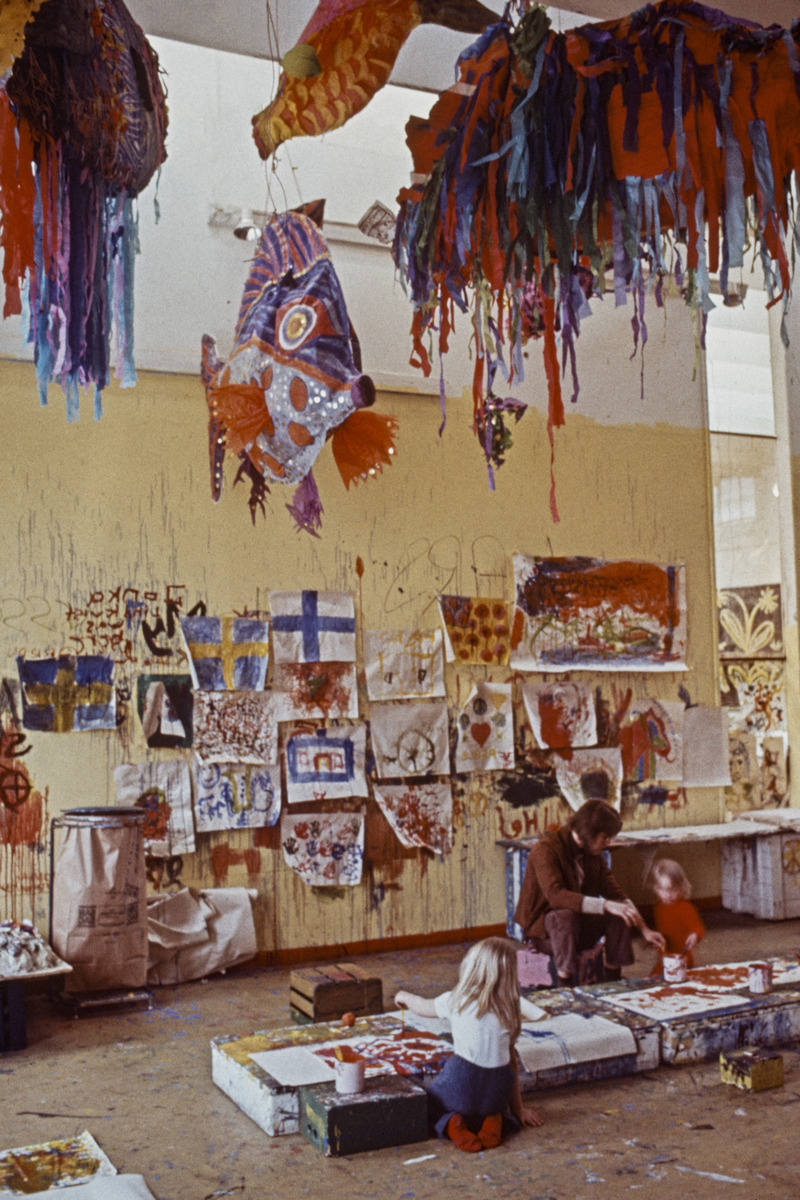
Barbey also captured local life, from a children’s art haven decorated with paint-splattered walls to an almost folkloric moment — a quiet street of clean lines and minimalist, ochre facades against a blue sky, perfectly complementing the vendor’s cluster of balloons.
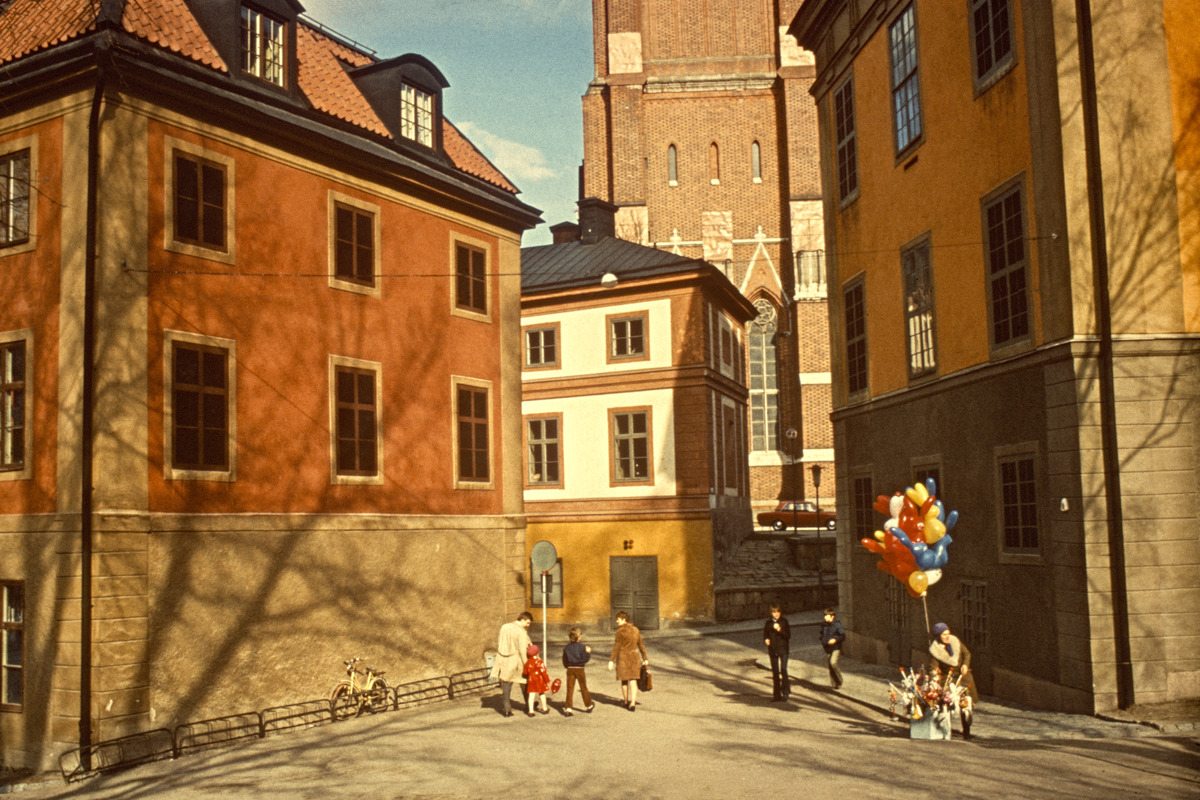
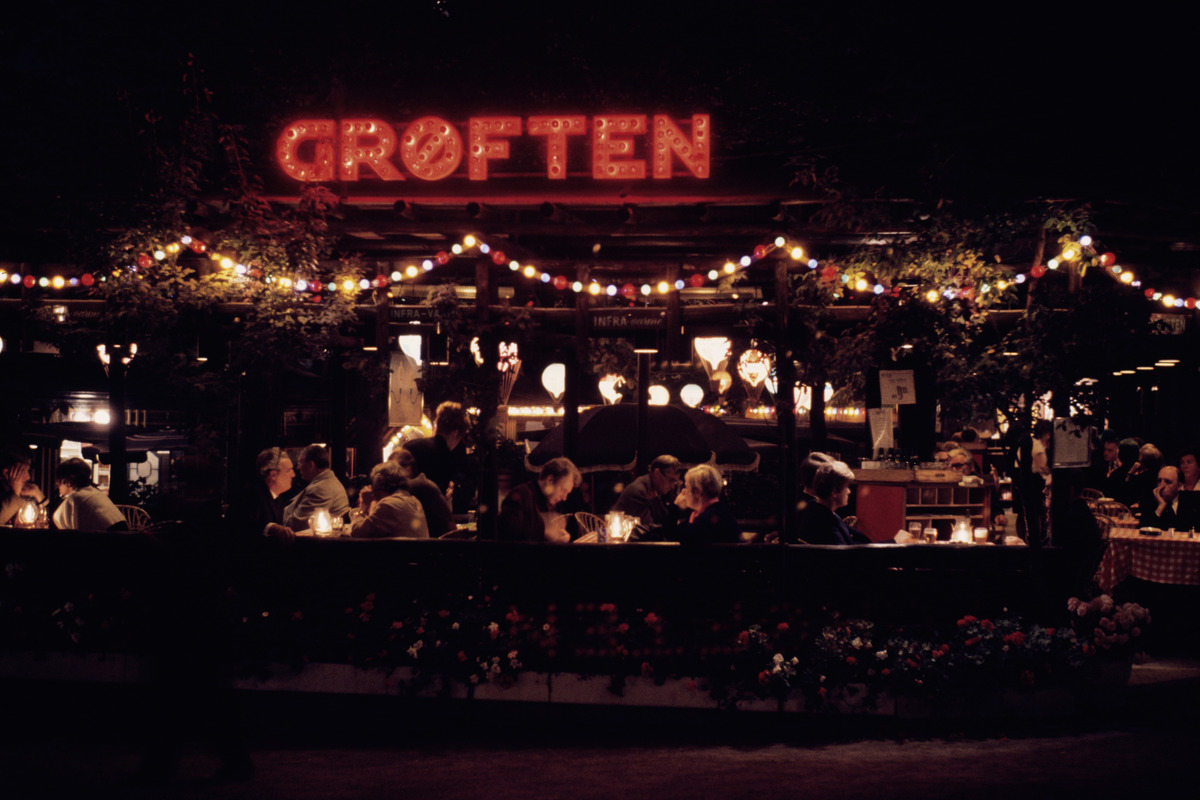
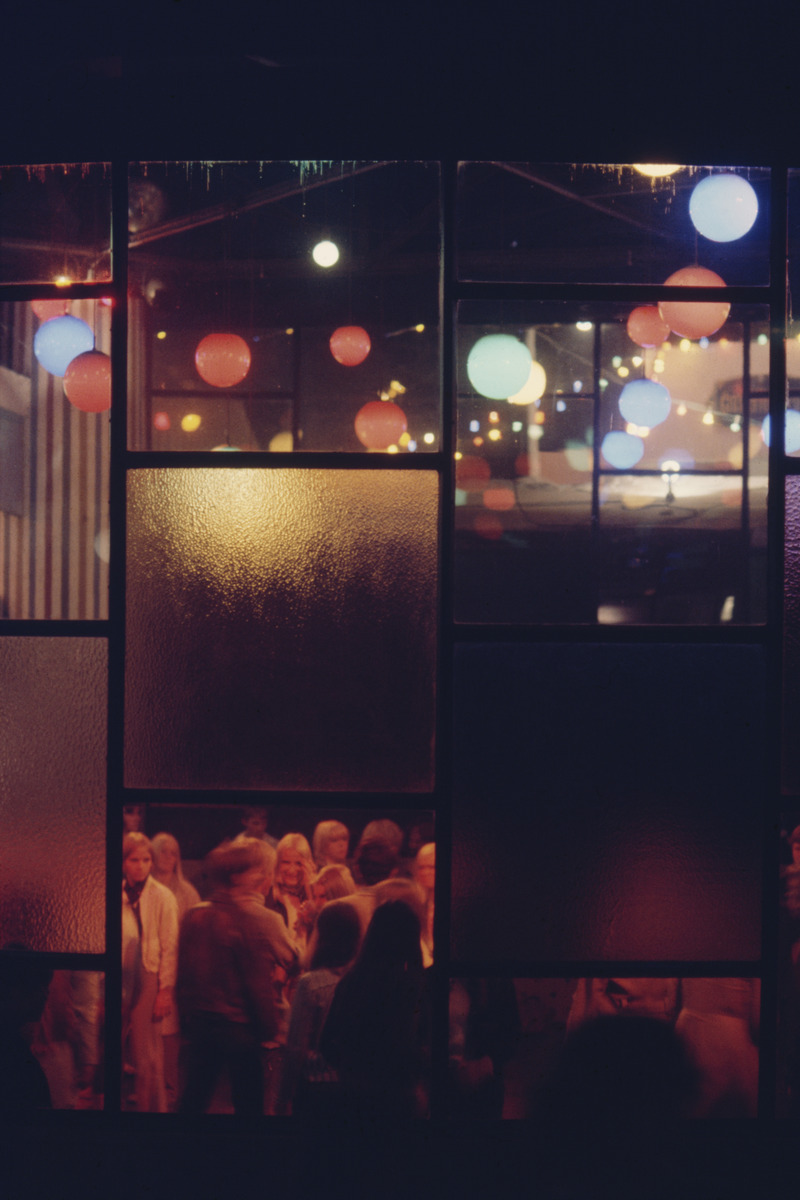
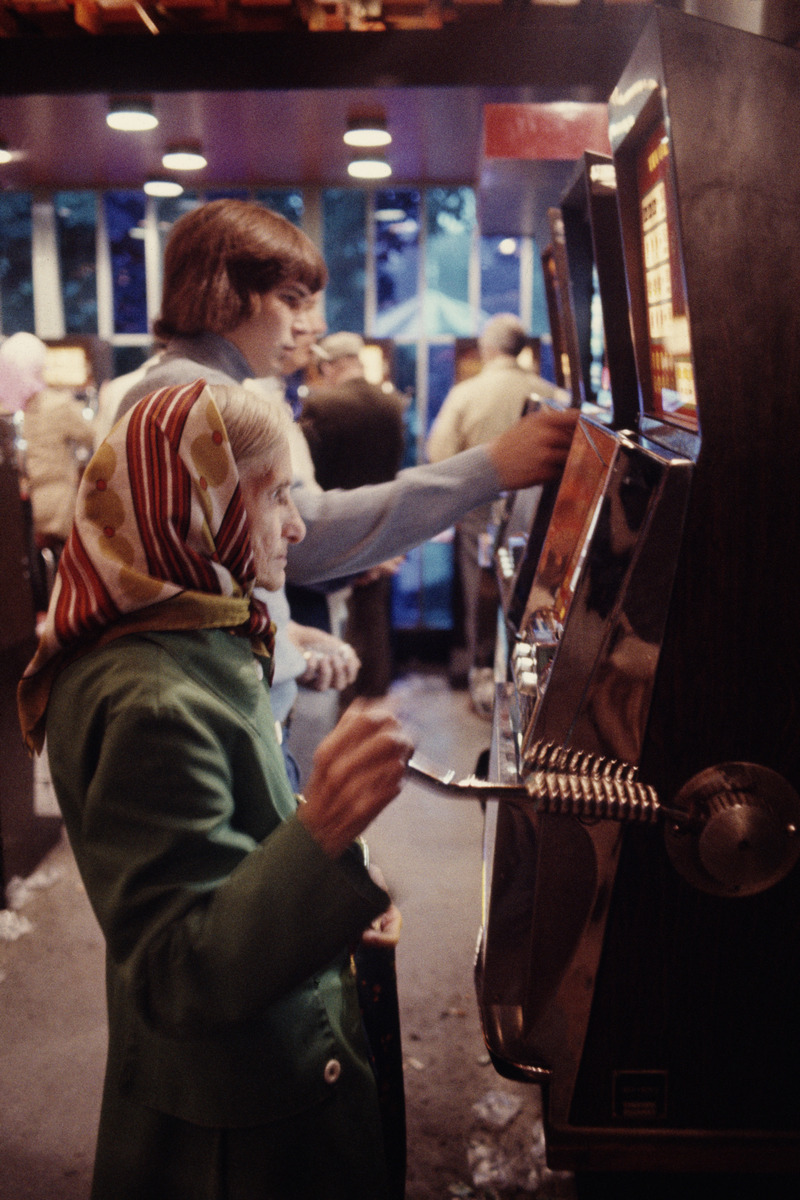
A few years earlier, in 1968, Elliott Erwitt traveled to Denmark, where he photographed the evening ambiance at Groften, one of the signature restaurants in Copenhagen’s Tivoli Gardens. An amusement park and pleasure garden in the center of the capital, Tivoli first opened in 1874, with Hans Christian Andersen among its first visitors. Two decades after Erwitt, Chris Steele-Perkins walked through the same scenes in his visit to Tivoli in 1986, capturing an elderly woman trying her hand at the slot machines.
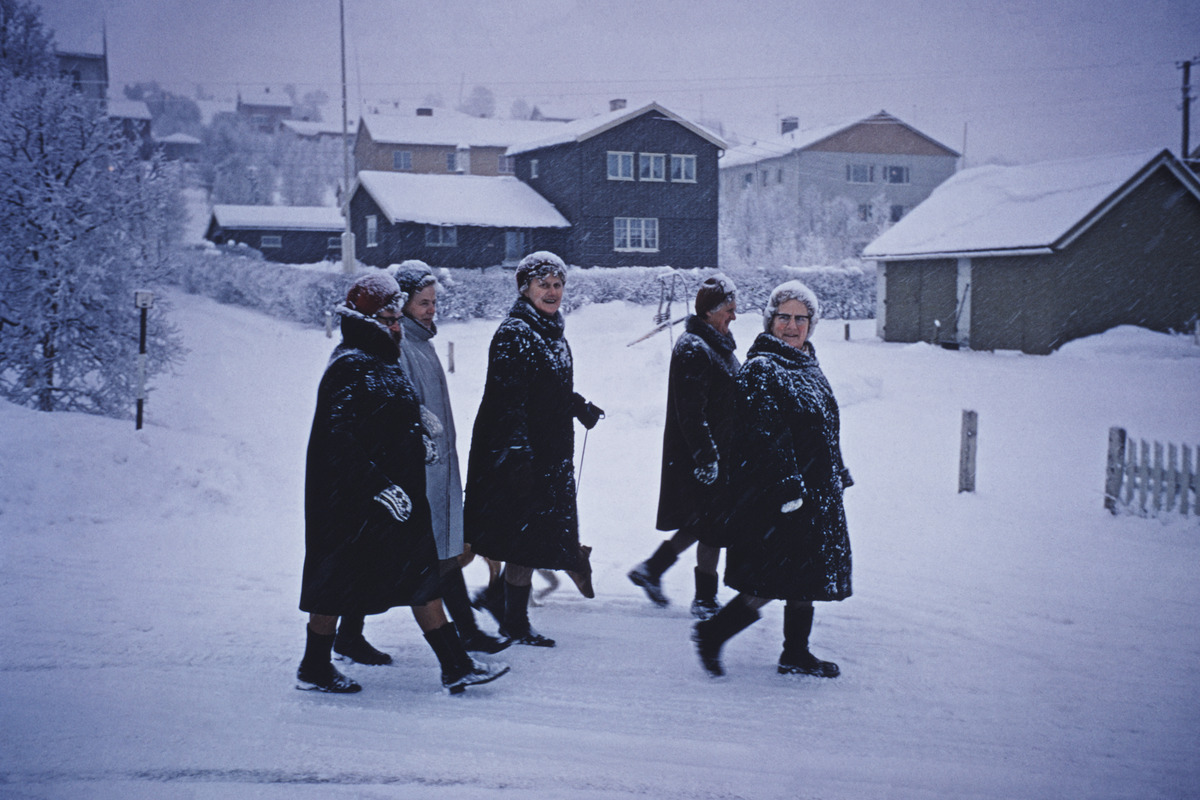
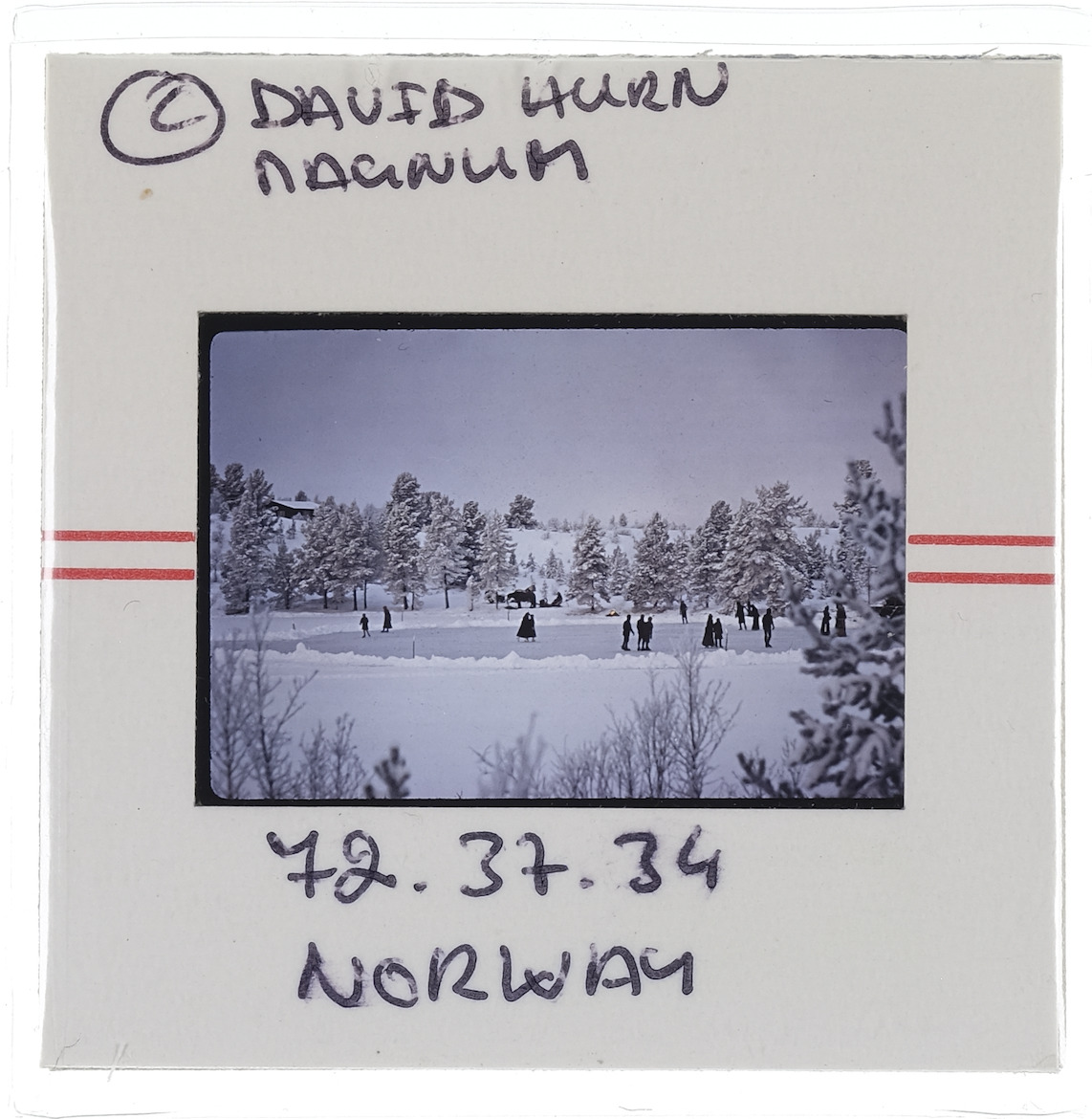
In 1972, David Hurn was in Røros, Norway, shooting on the set of Joseph Losey’s A Doll’s House, based on a play by Henrik Ibsen and starring Jane Fonda. Village locals — some of whom may have been extras on screen — walk under the flurries, while an image from the opening scene of the film, which takes place around Christmas, shows ice skaters on a fairy-tale-like pond, and a horse and sleigh under the snow-topped pines.
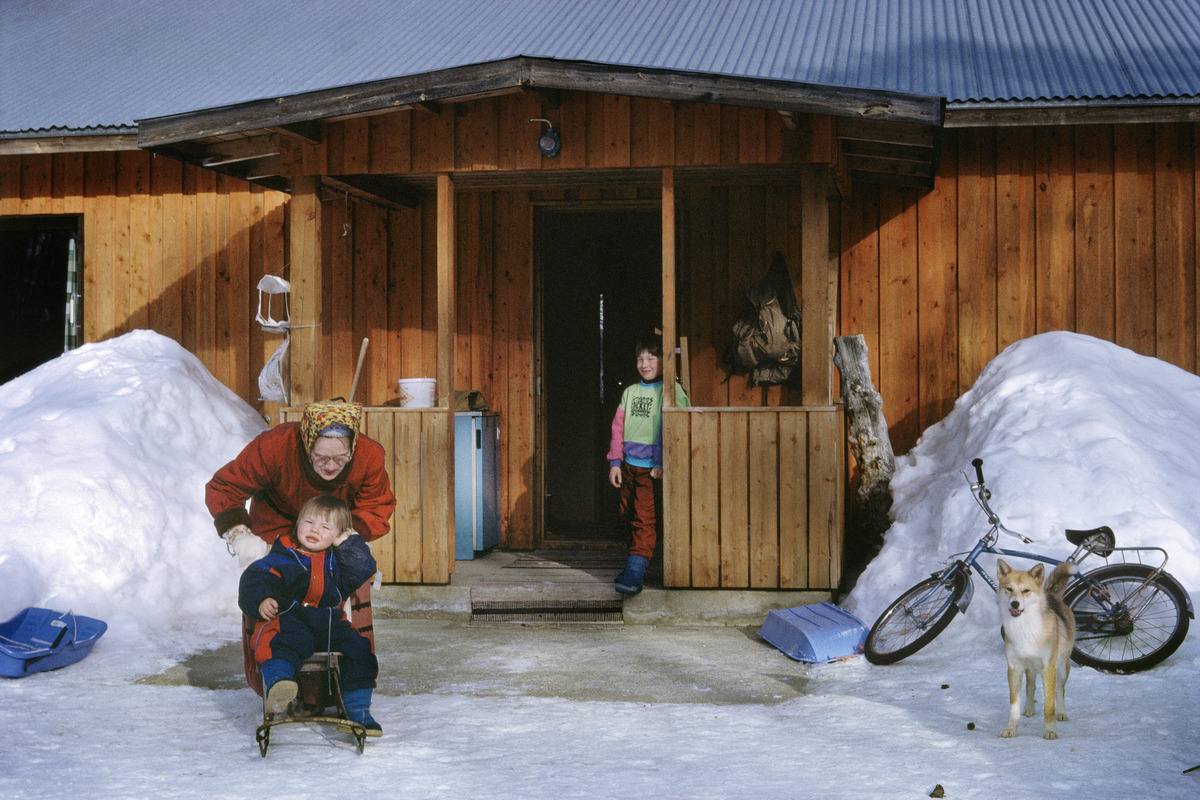
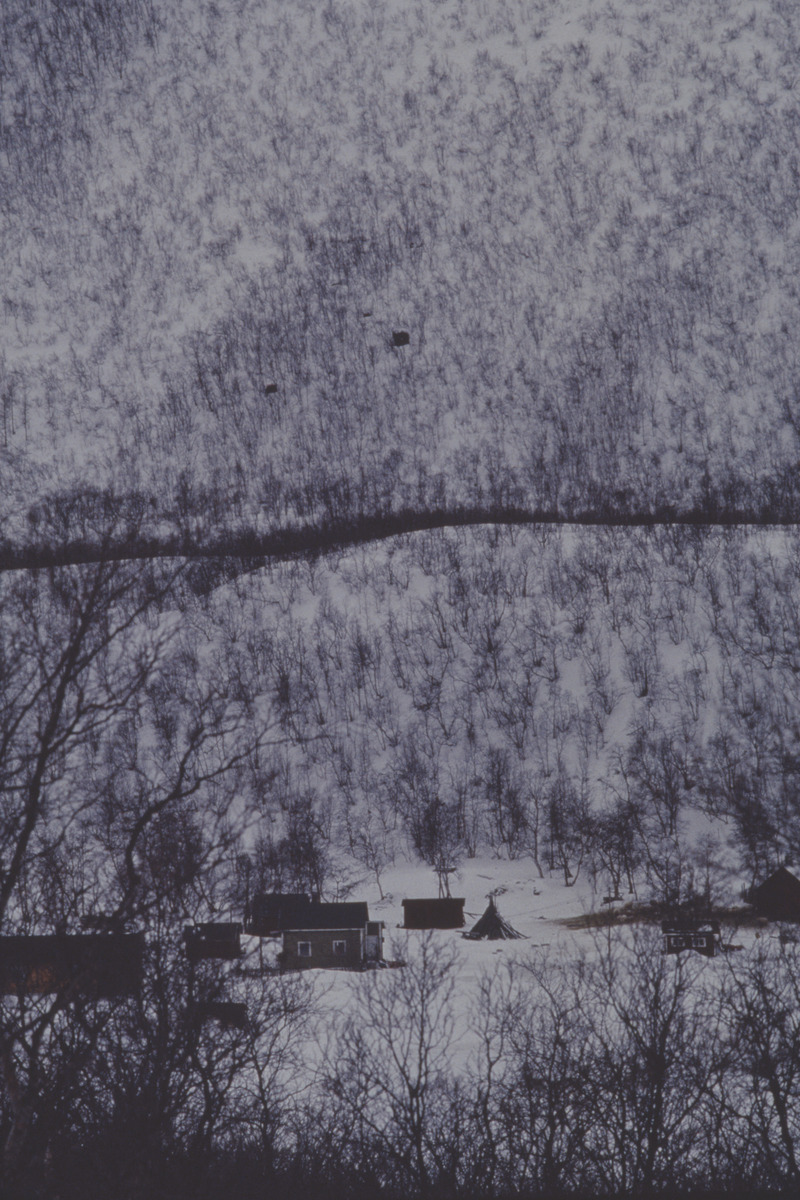
Skolt Sámi people are an indigenous ethnic group whose communities are spread across what is now Finland, Norway, and Russia. While about 1,000 people claim Skolt Sámi ancestry today, the language is now endangered: only about 300 still speak the language in Finland, and much fewer in Russia and Norway. Harry Gruyaert photographed Skolt Sámi villagers in Lapland, Finland in 1992, and the vertiginous snow-covered surroundings as the winter afternoon darkens.
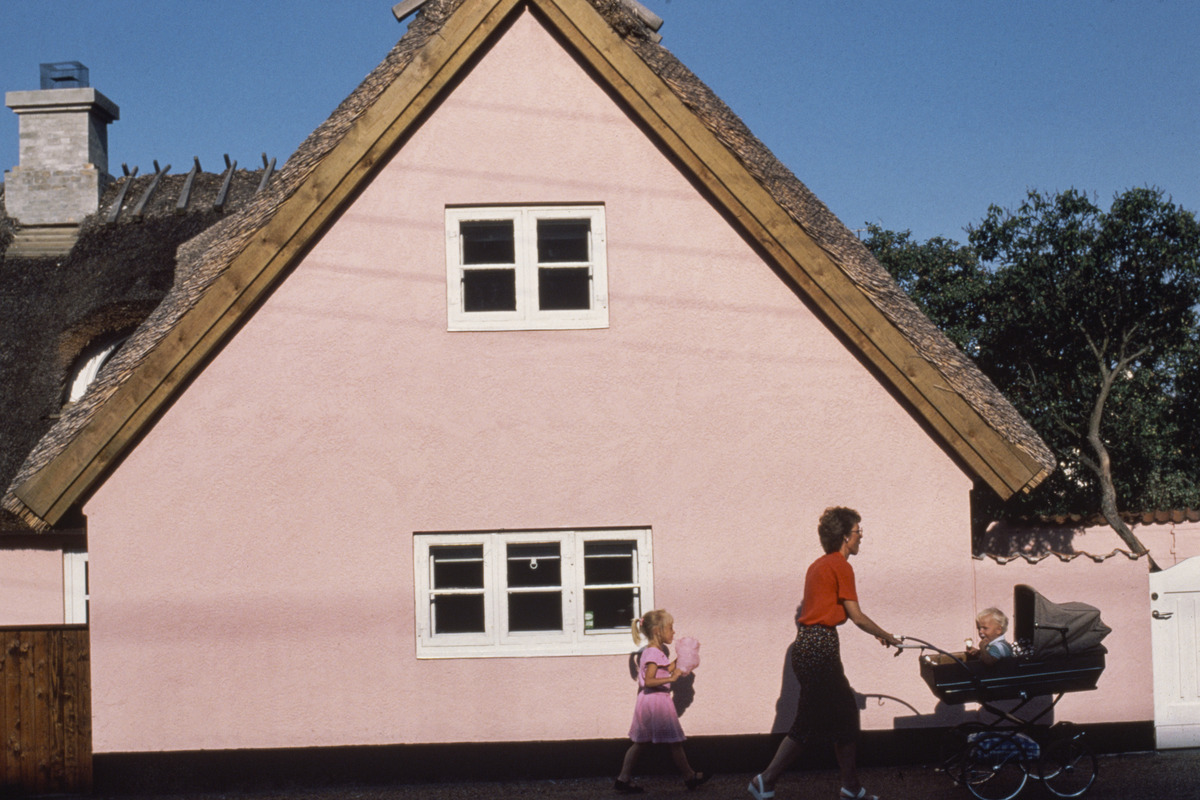
On a picturesque stretch along Denmark’s North Zealand coast, also known as the Danish Riviera, lies Hornbaek, a holiday beachfront town 45 minutes by train from Copenhagen. On his 1989 trip, Chris Steele-Perkins captured a passing moment — pictured above as the title image — saturated with layers of pink and accented by deep shadow, as a baby enjoys an ice cream cone and a girl proudly carries her cotton candy. A departure from icy settings, the image is a time capsule back to leisurely Danish holidays in the 1980s.
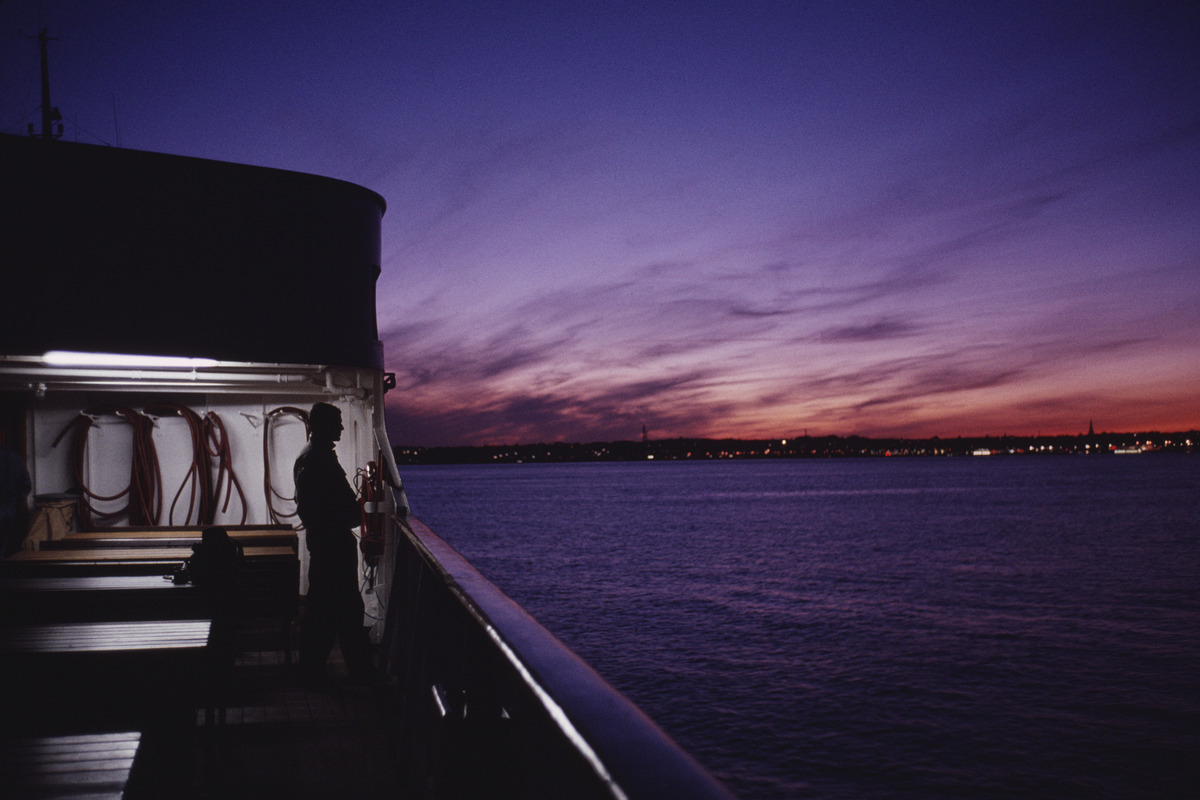
Elsewhere in the archive, a lone silhouette on a ferry in Denmark as crepuscular light sets in, photographed by Gueorgui Pinkhassov. In the early 2000s, his work took him much further north to the Arctic Ocean. Making eight trips there for the German magazine Mare, Pinkhassov captured a wide scope of life on the remote edges of Greenland, Norway, Russia, and Canada, published in his photobook Nordmeer.
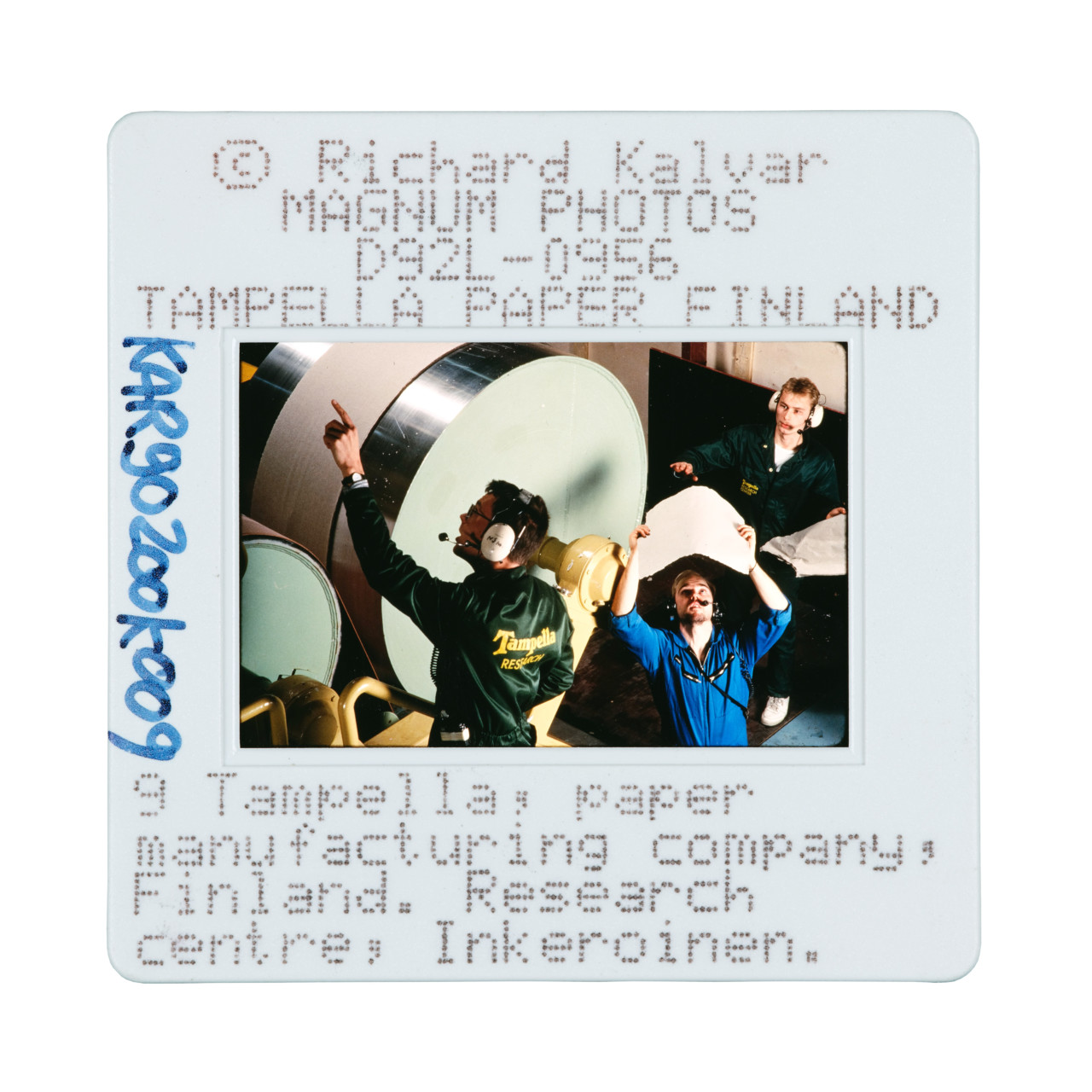
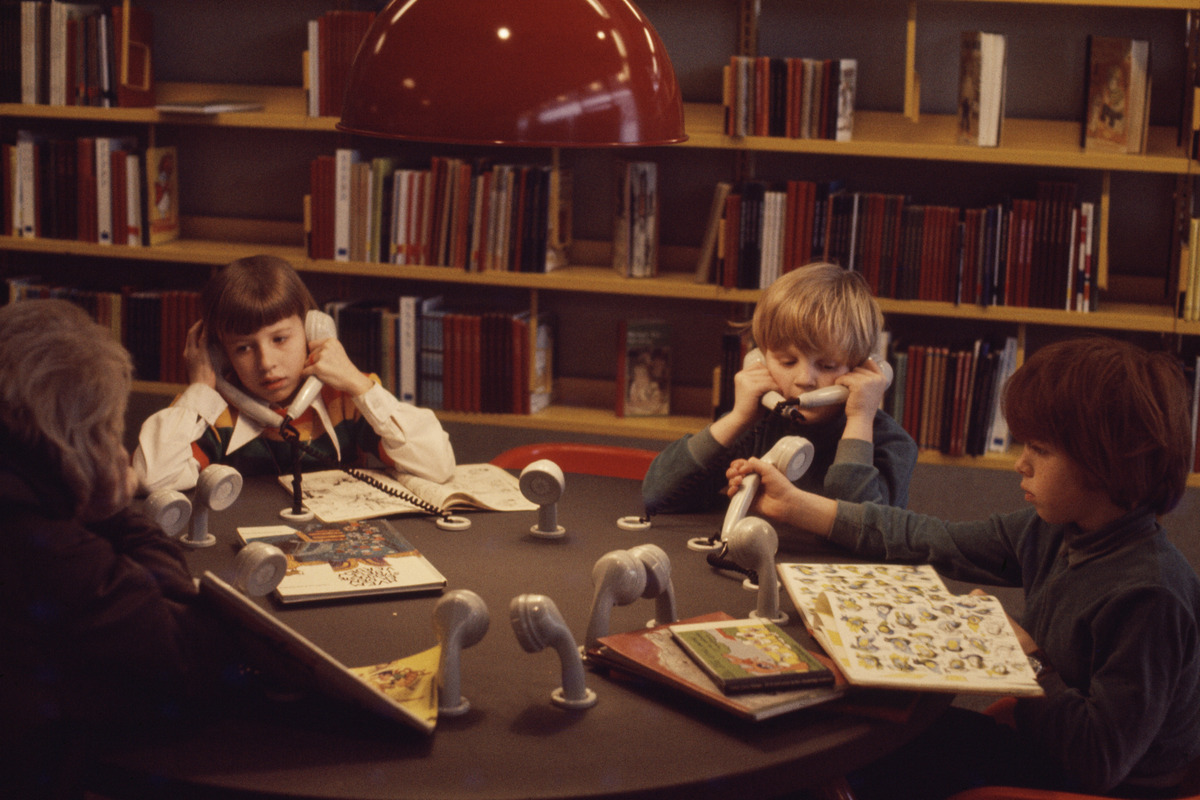
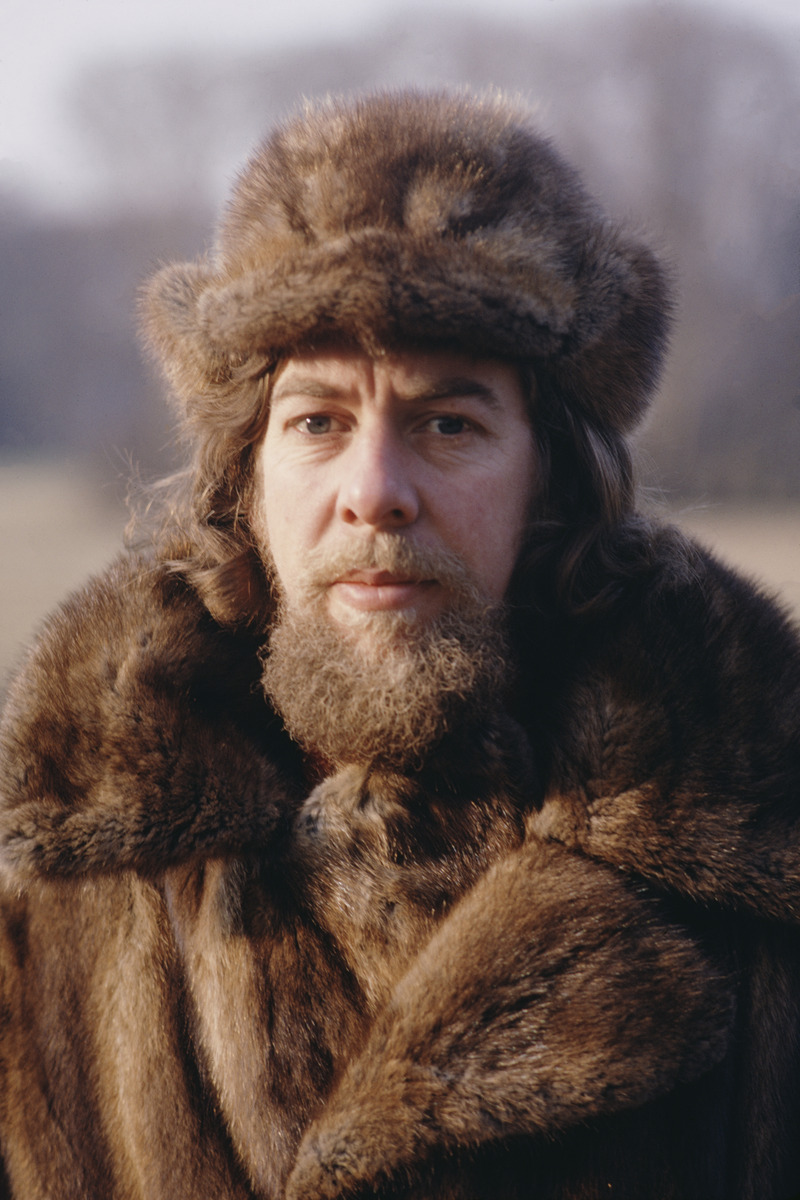
Also in Denmark, back in 1977, Leonard Freed photographed children listening to music in a library and a close-up portrait of a man adorned in furs. Richard Kalvar, using his signature timing and eye for ambiguity, captured an enigmatic moment at a research center in Inkeroinen, Finland for the former Tampella paper manufacturing company. In what could be a film set, Kalvar framed the researchers busy at work, holding up the paper to the light and communicating through headsets.
While the archives uncover traces of culture across the Nordic countries decades ago, the region continues to be explored by Magnum members, two of whom are Nordic: Jacob Aue Sobol from Denmark and Jonas Bendiksen from Norway.
“Home is a place of memories,” says Sobol on his personal website. “It is where I have my roots. It is a place I keep returning to. If I want to learn more about myself and the world I live in, this is where I look — in my own backyard. The place where my personality was shaped and dreams were built.” Sobol’s project Home features both color and black-and-white photography, a rare pairing for the predominantly monochrome artist.
“What I appreciate discovering is the quality of the slides,” says Naïma Kaddour, the Archive Director in Paris, who has worked at the agency for three decades. “It’s not necessarily a particular photographer or a country, but rediscovering an era through the slides. The most important aspect for me is to keep the spirit of the archive alive, because I think we’ll never see it again.” Making a rare mosaic of history accessible to the public, the digitized slides help piece together the evolution of color photography from the agency’s past, while revisiting each photographer’s own aesthetic vision. “I feel this project brought to light the idea of the togetherness of the collective — in this archive, everyone is at the same level. It shows the purpose of agency and how archives can come together to create a multidimensional view on a place or its people,” says Mohamed-Petit.

Shop time-limited prints from the Nordic archive by Ian Berry, Chris Steele-Perkins, Richard Kalvar, Erich Hartmann, and David Hurn on the Magnum Store.
Read the full “A World in Color” series here.