A World in Color: Across the United Kingdom
A new selection of unseen images spotlights the UK, tracing societal change from the 1950s to the 1990s
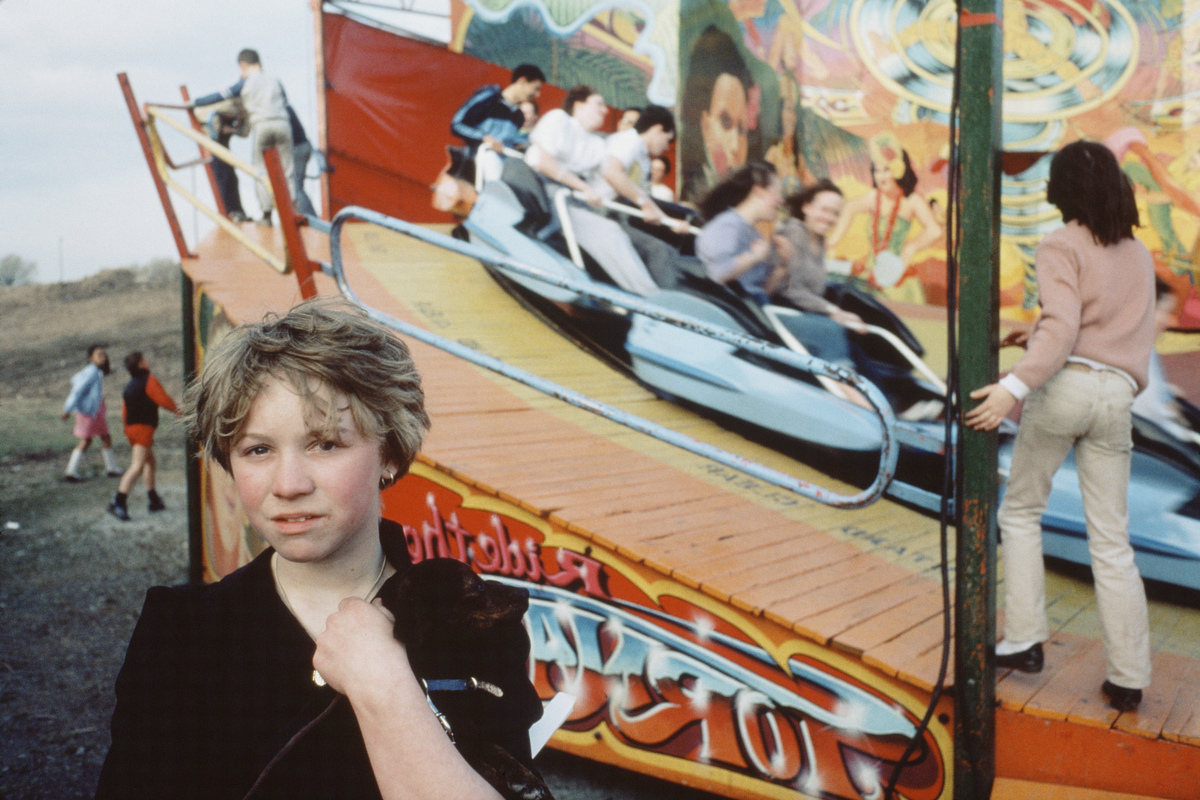
A World in Color reaches its penultimate chapter in digitizing and preserving unseen photographs from Magnum’s color archives, in partnership with Fujifilm and the Heritage and Photography Library of Paris (MPP). In this installment, we explore the archival cabinets containing five decades of the United Kingdom’s past.
“What is England?” Chris Steele-Perkins asks in his 2019 book The New Londoners, which celebrates the cultural diversity of contemporary London. “Not what it was, not something fixed in the rigor mortis of history,” he clarifies. In their work across the UK, Magnum photographers sought beyond the locked-in notions of what defines a country or culture — “not what it was,” but what it is continuously becoming.
In the postwar 1950s, cities in the UK were reconstructed and lives rebuilt, ushering in youth-led movements captured by Dennis Stock and anti-Vietnam War sentiments shown by Philip Jones Griffiths. Later, in the late ‘70s and ‘80s, Magnum’s British cohort — including Steele-Perkins, who sadly passed away in September, David Hurn, Ian Berry and Stuart Franklin — investigated the working-class experience and their struggles under Thatcherism. They documented Northern Ireland’s Troubles and the decline of the decades-long dependence on mining industries that shaped the UK’s cultural and economic transformation. Finally, hidden in the archives was another revelation: unseen images of Raymond Depardon’s now widely-known series in Glasgow, revealed here for the first time.
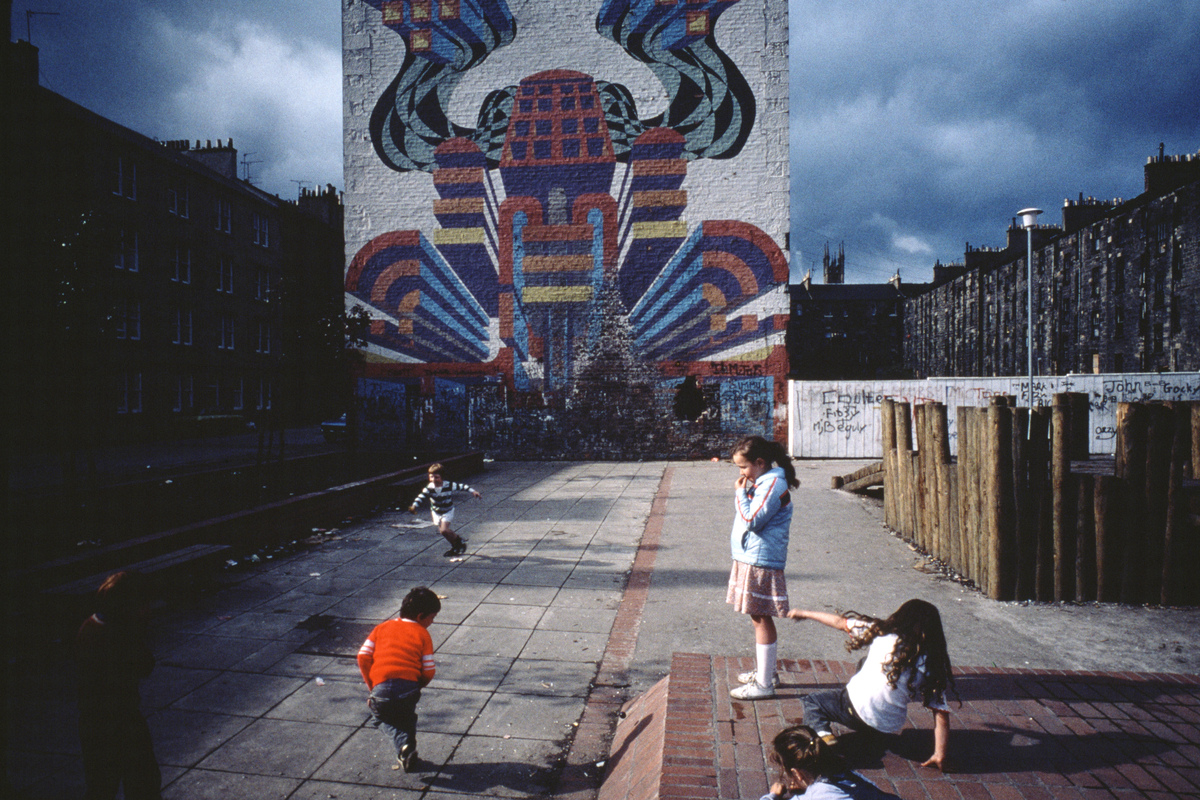
In 1980, Raymond Depardon arrived in Glasgow with no preconceptions. It was the antithesis of his most recent assignment — photographing the civil war in Chad, and documenting the abduction of French archaeologist Françoise Claustre, which earned him a Pulitzer Prize. The Sunday Times commissioned him to document Glasgow’s socio-economical juxtapositions. “They wanted to show contrast; seeing the way rich people in Glasgow lived on one page, and poor people on another,” he told Vice.
Instead, Depardon — a complete outsider with only faint intimations of English — found himself almost exclusively photographing the most disadvantaged neighborhoods of the city. The result was a series of cinematic “tracking shots”, mainly with a 28mm lens — and occasionally a 21mm lens — of working class people in their environment. As Harry Gruyaert notes, Depardon’s use of color isn’t “affective”, but rather presents “a very clear vision of reality with an emotive filter.”

"When I look at these photos today, I say to myself that I was like a Martian in Glasgow — and maybe that was a stroke of luck."
- Raymond Depardon
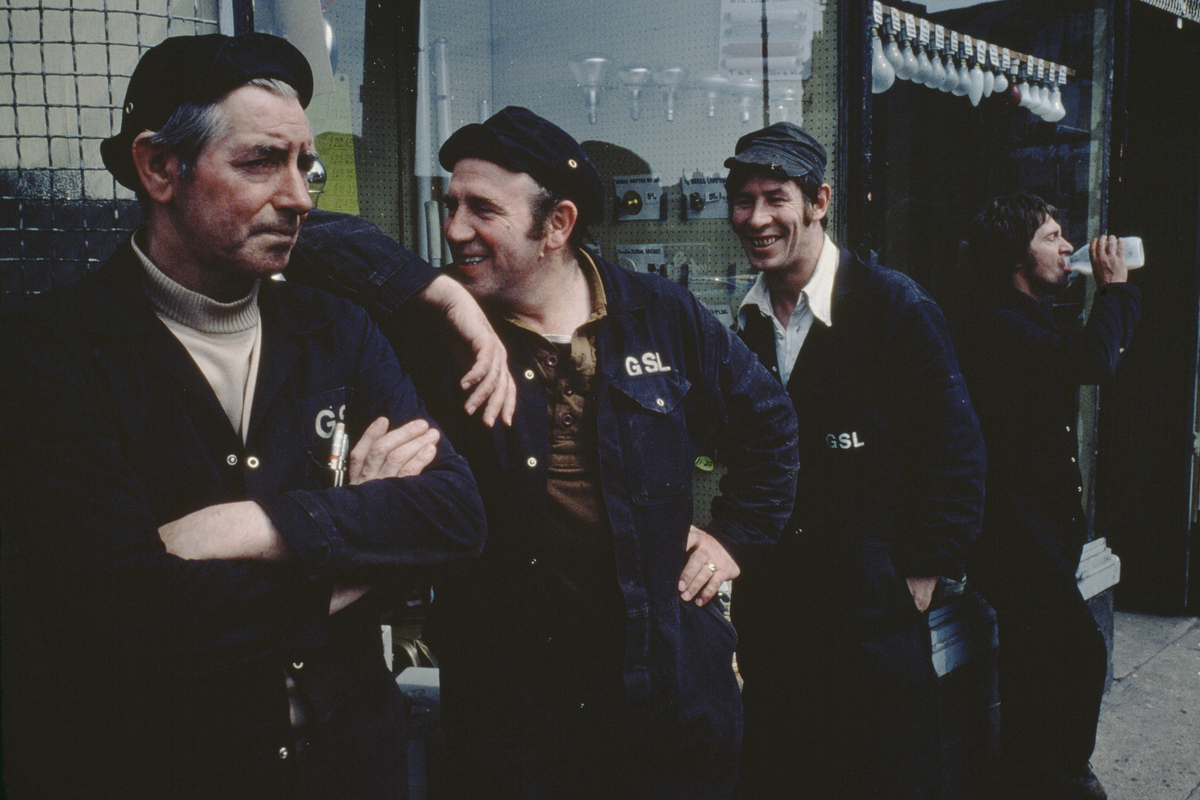
“When I look at these photos today, I say to myself that I was like a Martian in Glasgow — and maybe that was a stroke of luck,” Depardon said in a 2020 interview with the University of Glasgow, adding that it was the children on the street who brought him “onto their territory.”
Perhaps because of his “wide angles and head-to-toe shots,” he suggests, or because he “did not respect the rules of the assignment,” Depardon’s photographs went unpublished, and spent over 30 years in boxes. They were finally made public in a 2013 exhibition of his color work at the Grand Palais in Paris, before his book Glasgow was published in 2016.
“Basically, for a long time I had a complex that I wasn’t a good color photographer,” he said. “And indeed, it’s true that color doesn’t work well in the desert.”
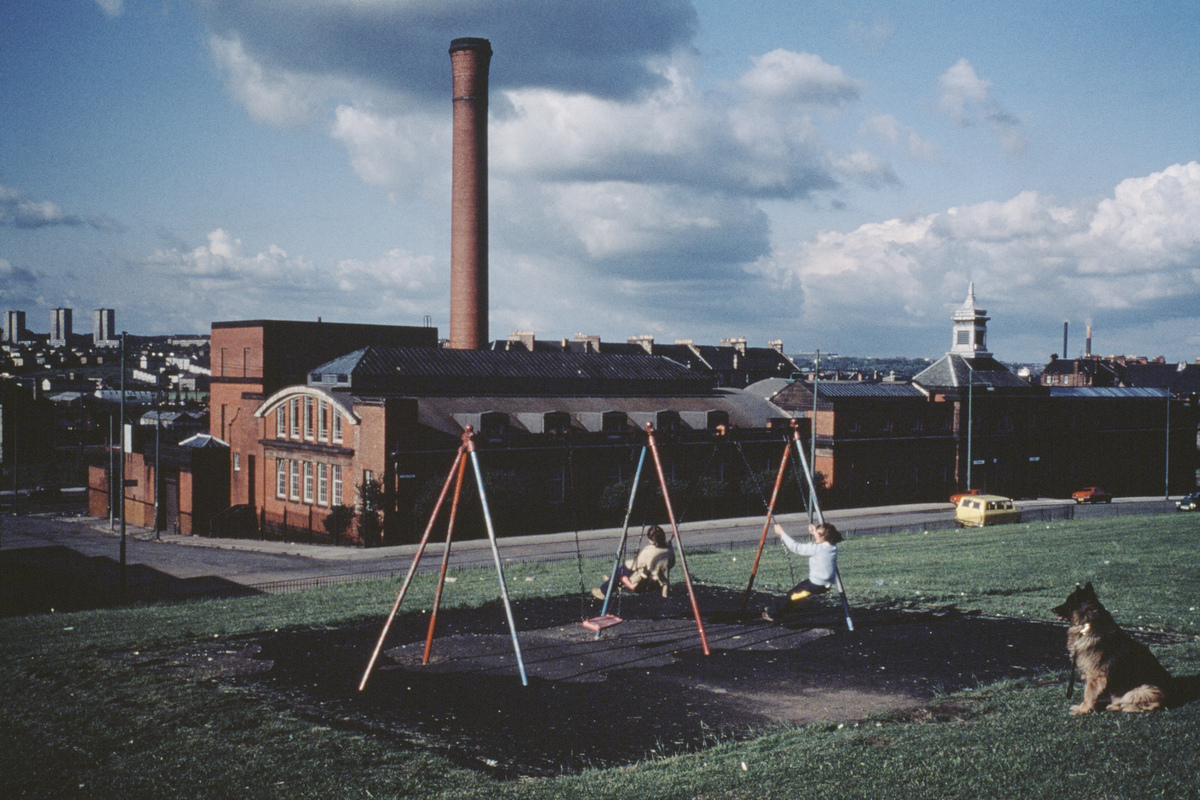
In these unseen images, vivid pockets of color detract from the book’s overall grisaille effect, as William Boyd points out in the introduction. Upon arriving in Glasgow, Depardon measured the city’s color temperature in Kelvin degrees.
“I saw immediately that there was something exceptional about the conditions in Glasgow that you can’t find in a town like Roubaix, but possibly in the USSR. Namely a very low or cool color temperature, one that is completely different from Chad or Beirut,” he said.
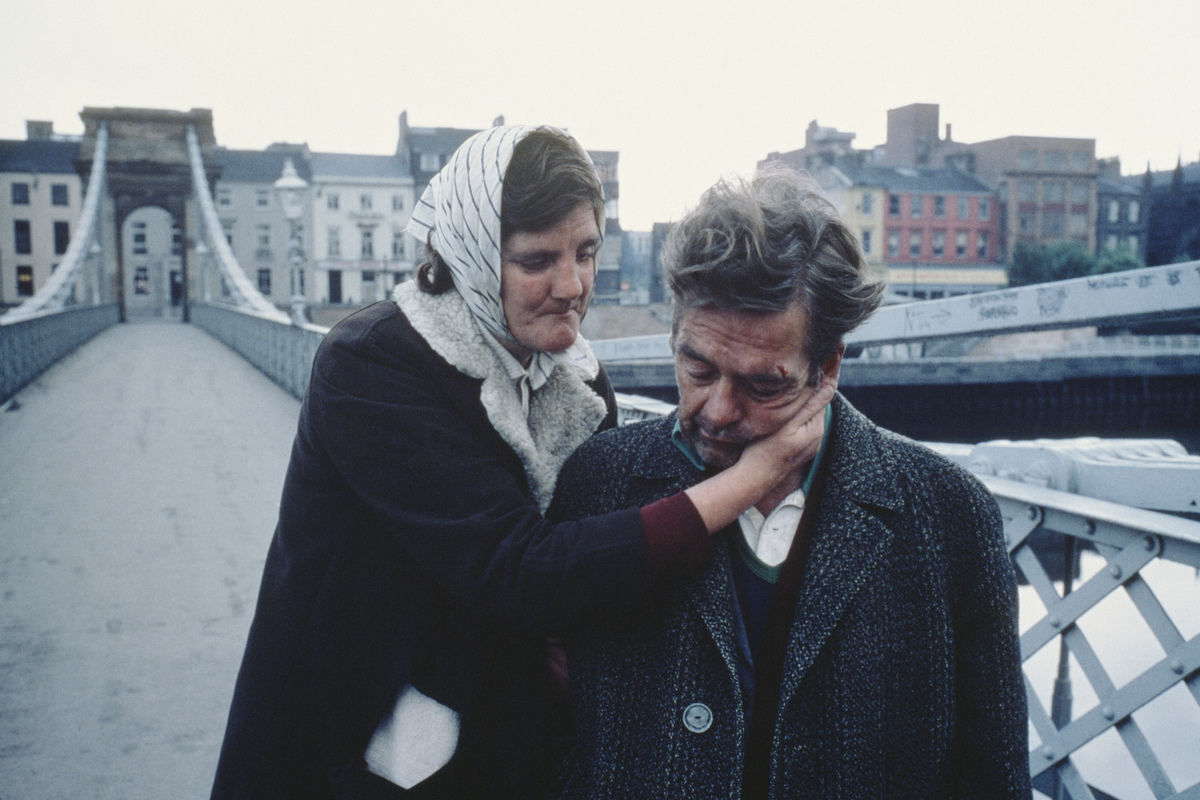
These rediscovered images show Depardon’s eye for everyday enigmas — a young band of ice cream eaters claiming their territory, or a weary couple caught in a moment of melancholic tenderness.
“Forty years on,” he said to the University of Glasgow, “people can find these photos interesting because they show a city that has disappeared.” And yet, his photographs help understand the past political realities that exacerbated poverty and low life expectancy which continue to affect the city today.
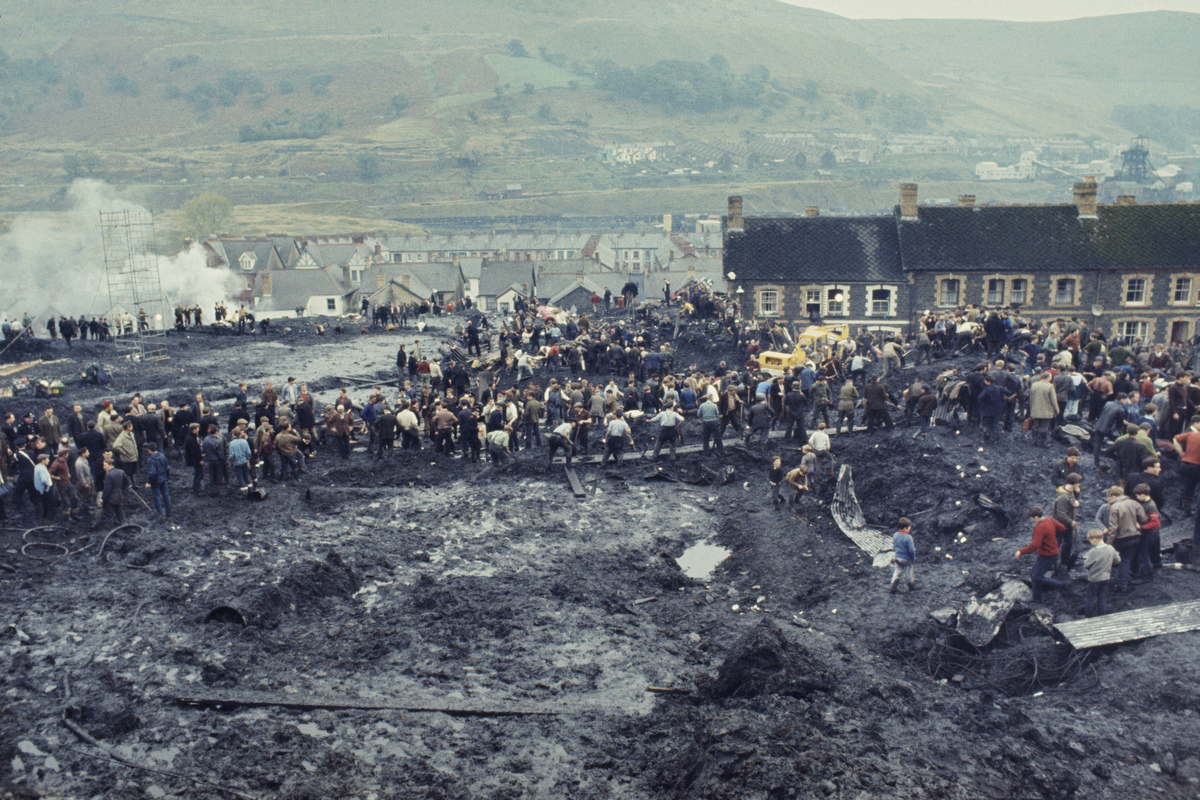
Over a decade earlier, on October 21, 1966, one of the worst mining disasters in the United Kingdom occurred in the small village of Aberfan, Wales. A colliery spoil tip collapsed, sending 140,000 cubic yards of waste down the hillside and burying the Pantglas primary school and nearby houses. The catastrophe killed 28 adults and 116 children, many as young as 6 years old.
Welsh photographer David Hurn was with Ian Berry in Bristol when they heard the news on the radio. “We both immediately said, ‘We need to be there.’ All the roads into the valley were closed, but I had enough local knowledge to find a way into the town from the north. We stayed there all day, through the night, and into the following morning, as these desperate efforts to rescue the buried children were going on. These were the most emotional few days of my life,” he wrote in The 1960s Photographed by David Hurn.
Both Hurn and Berry’s photographs that day were in black and white. In color, the haunting nuances in the moments after the spill come to the surface; the sea of black waste against the residents’ clothes and the backdrop of tranquil green hills emphasize the shock of the disaster.
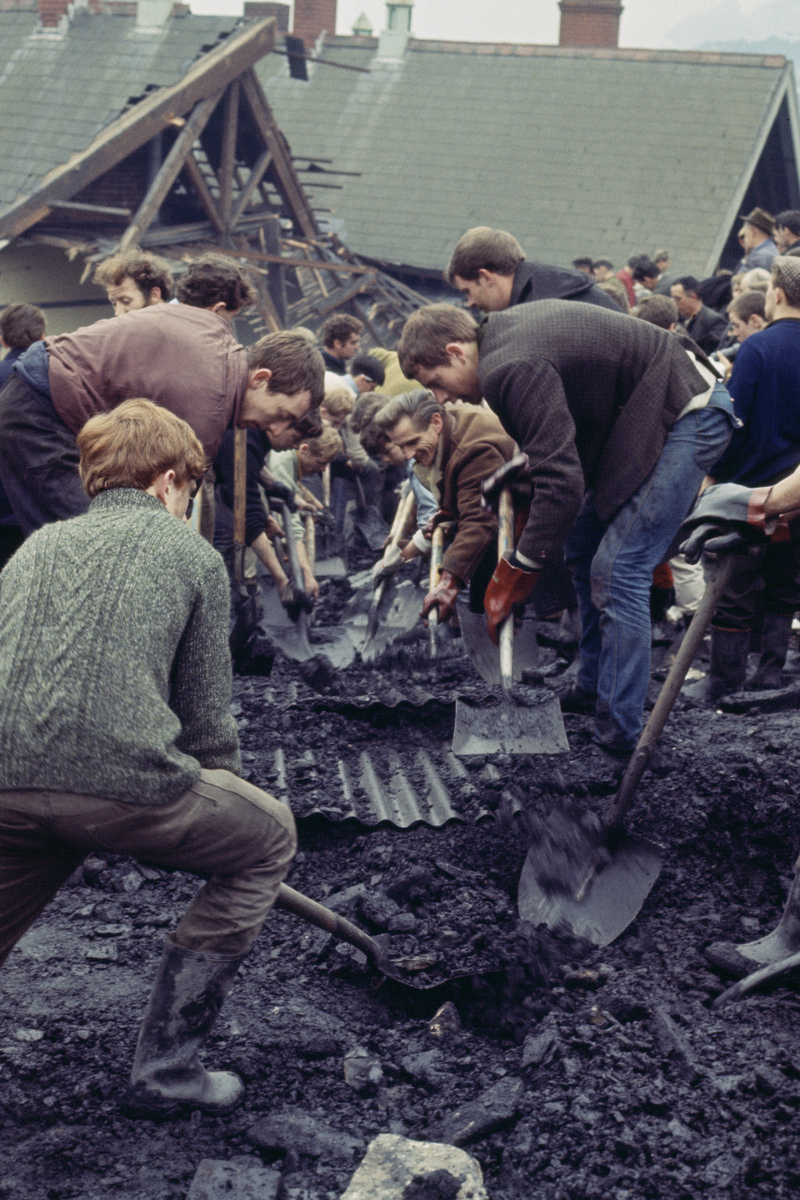
Directly after the tragedy, Hurn embarked on creating his most well-known work, Wales: Land of My Father, 1967-1999, documenting the country’s dramatic transformation, including the shift away from the coal and steel industries.
“What I really wanted to discover was what is my Welsh culture,” he wrote in Magnum Stories. “I went out and photographed things that interested me locally about Wales. […] This interest in my country has now become my core subject.”
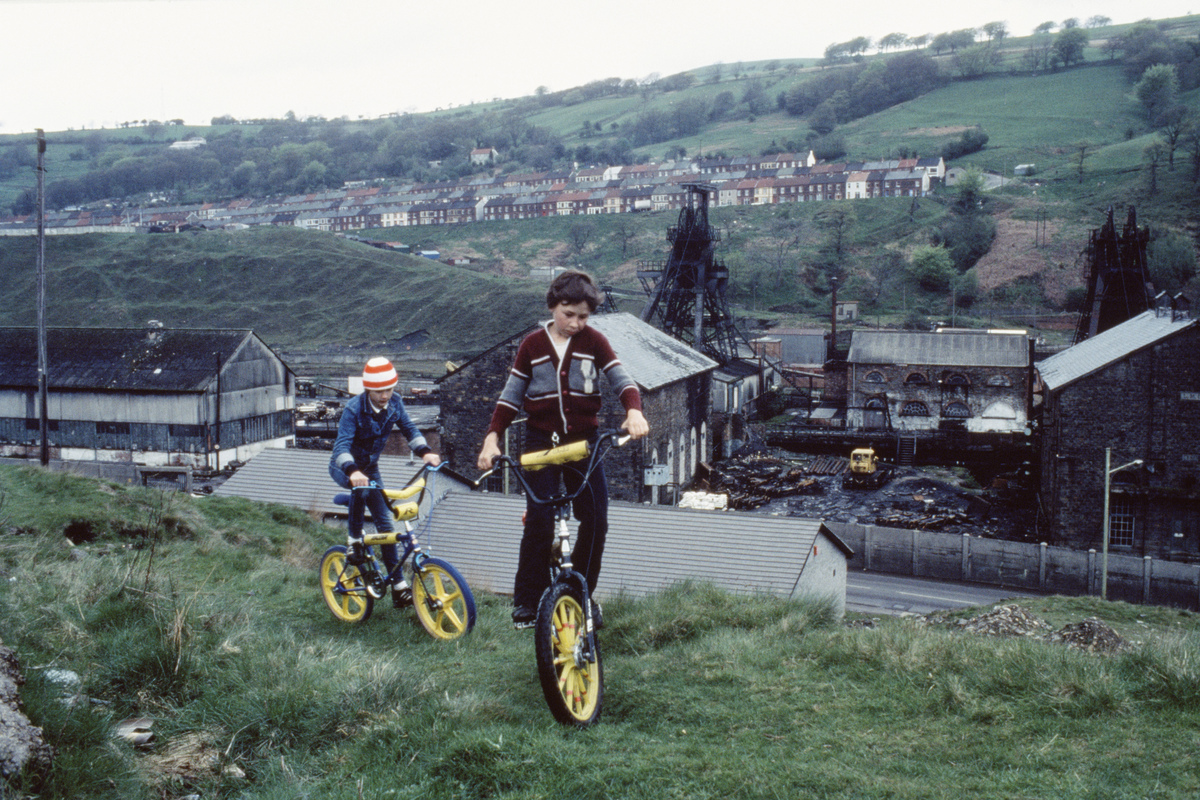
"What I really wanted to discover was what is my Welsh culture."
- David Hurn
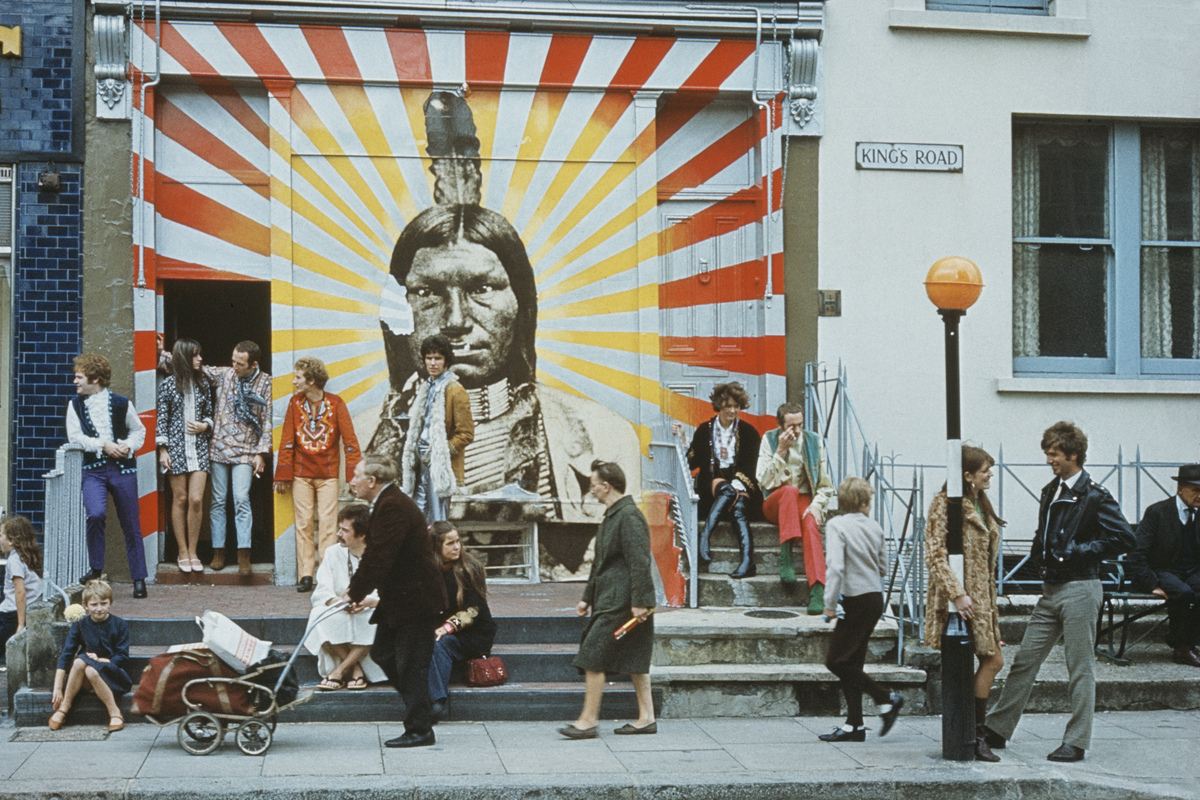
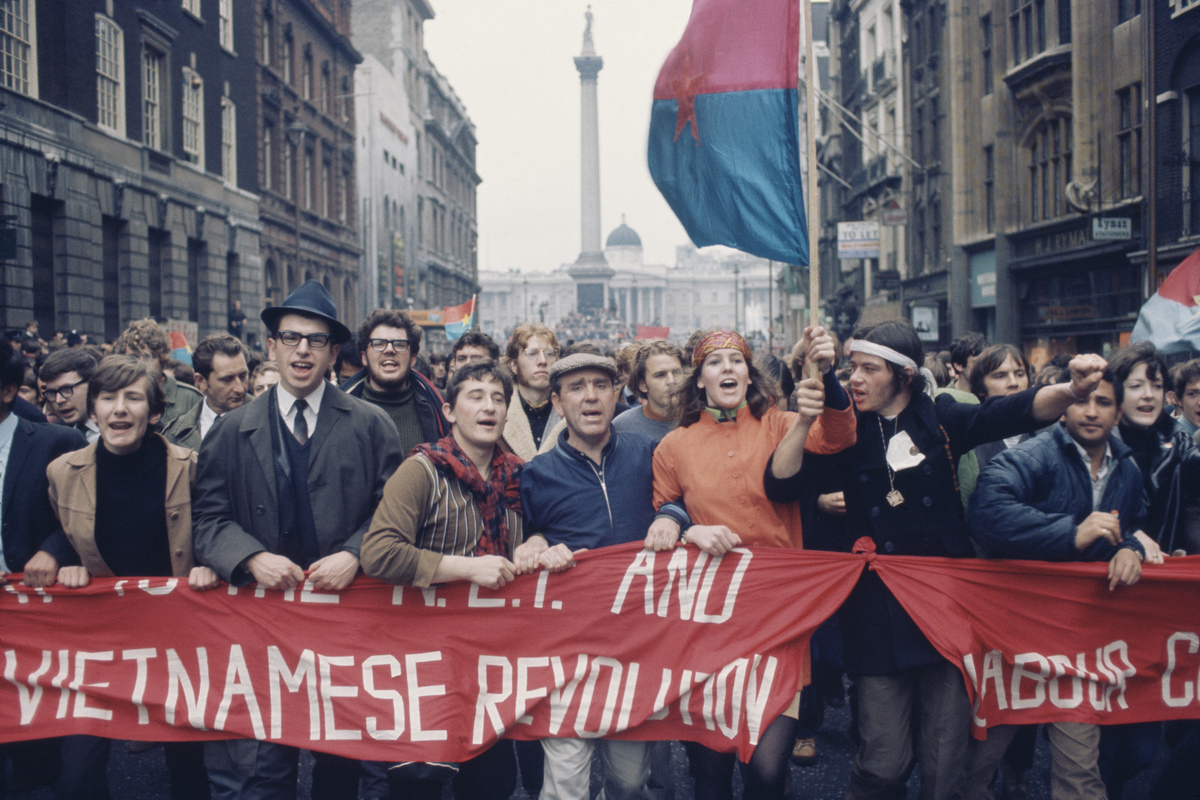
In the 1960s, the youth definitively took the stage as a distinct social group, leading psychedelic trends as seen above at Granny Takes a Trip, a former boutique on King’s Road. They embraced the surge of anti-establishment uprisings, protests, and rights movements that swept through Europe and the United States. Welsh photographer Philip Jones Griffiths’s image of a 1968 anti-Vietnam War protest in London, also captured by David Hurn in black and white, shows his interest in how the war was perceived in the UK. His seminal book Vietnam Inc. was pivotal in exposing the atrocities committed on the ground from 1967-70, swaying the public opinion about America’s involvement.
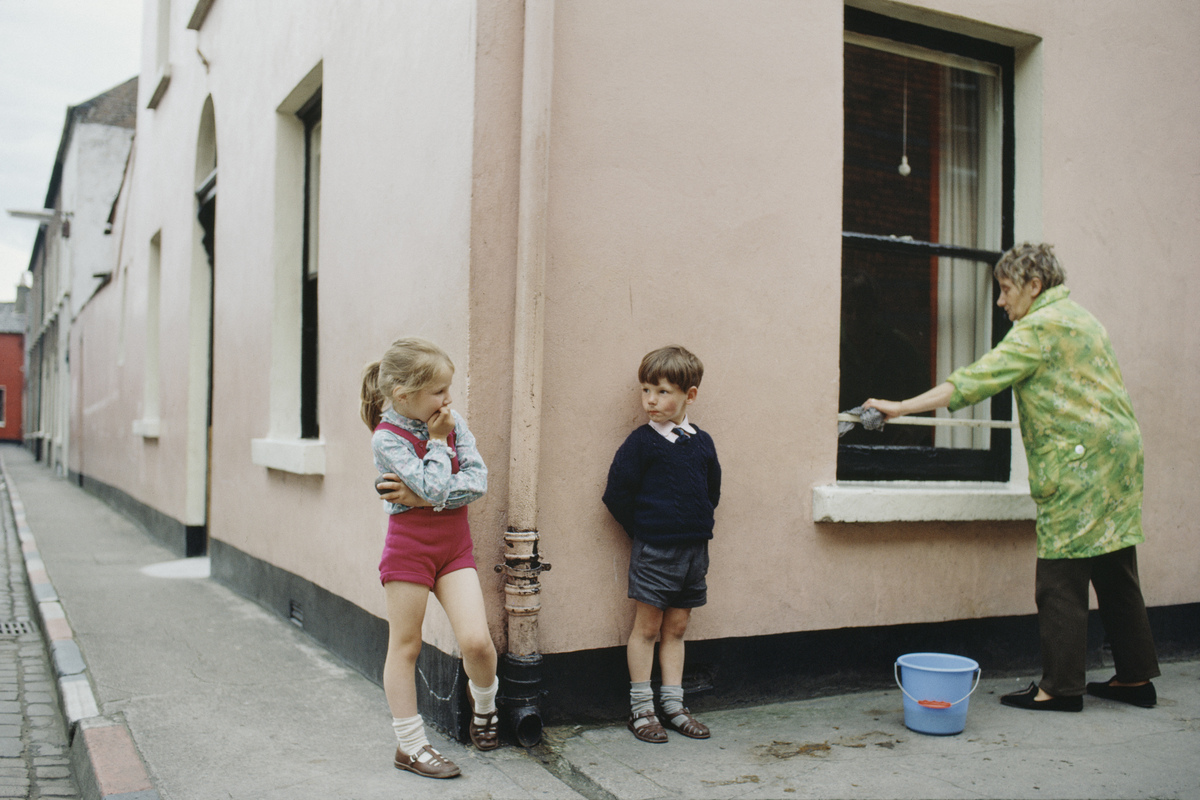
In 1979, Margaret Thatcher’s conservative government moved into Downing Street, and British politics veered towards neoliberalism and privatization. The privatization of social housing through the Right to Buy policy and restrictions on council housebuilding consequently increased unemployment and homelessness.
In the early 1980s, one in five people were unemployed in Northern Ireland, while the violence of the Troubles seeped into daily life. In Steele-Perkins’s image, locals in Belfast stand in front of a road blockaded with rubble, while a mural in the background reminds locals of Easter 1916, when Irish republicans led a historic insurrection against the British army.
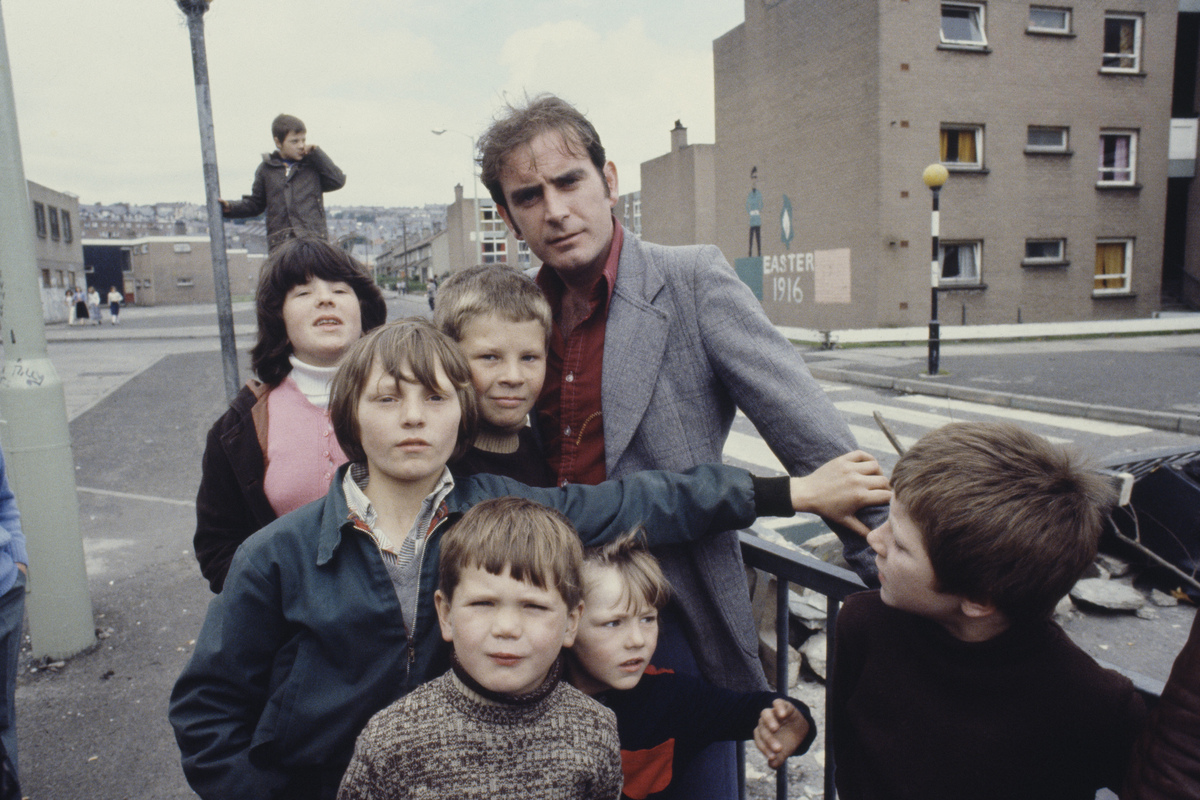
Born in Burma, Steele-Perkins was taken to England at an early age by his English father. He grew up feeling isolated, and yet, “in the heartland of Anglo Saxon England,” he said, “I forged the peculiar bonds that bind me to this country.”
Despite — or perhaps because of — his “ambiguous feelings” towards the country and the “anthropological attachment” he felt, Steele-Perkins never stopped photographing England and its shifting social patchwork, publishing eight books on English culture.
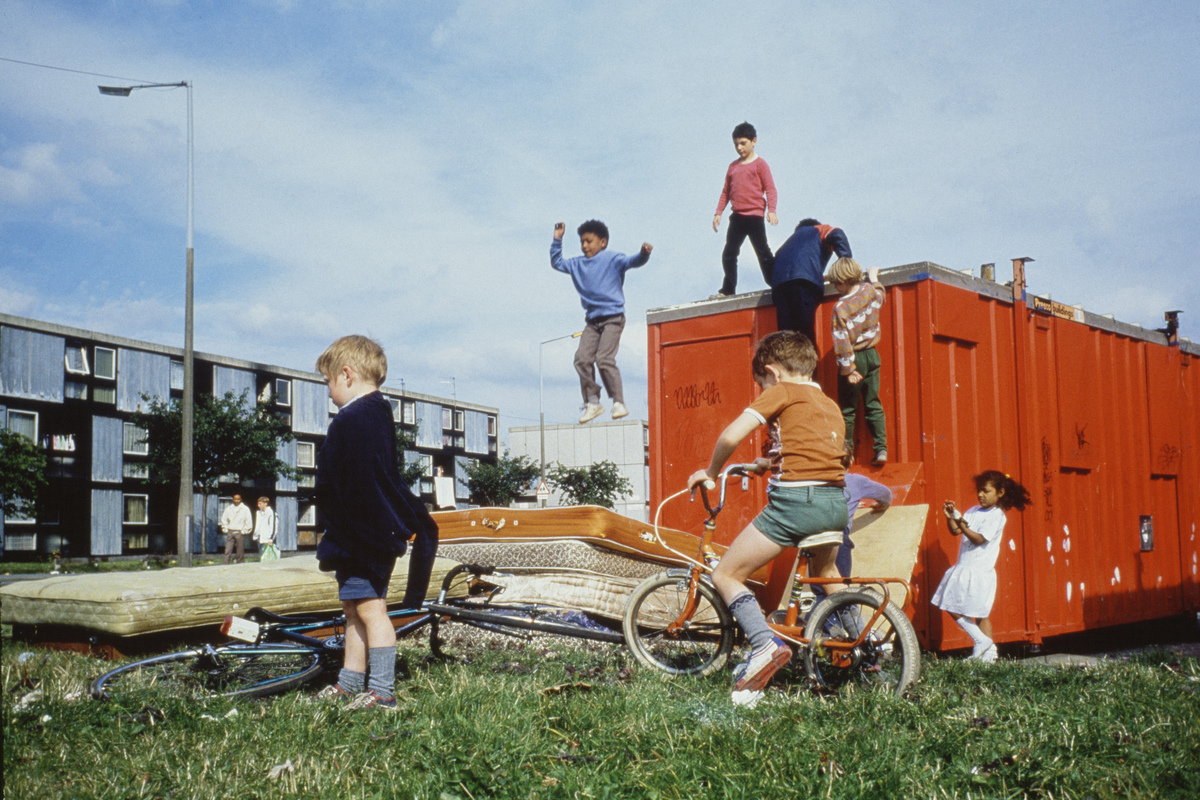
The years to follow would see a rise in Great Britain’s inner city poverty, unequal wealth distribution, racial tensions, unemployment, and neglected council flats. In 1981, riots ensued in inner city areas across Britain, including Moss Side in Manchester, where drugs, gang shootings, and turf rivalry were rampant. Stuart Franklin’s photograph shows children playing on discarded mattresses at the Hulme housing estate, considered at the time to be one of the deprived in Europe.
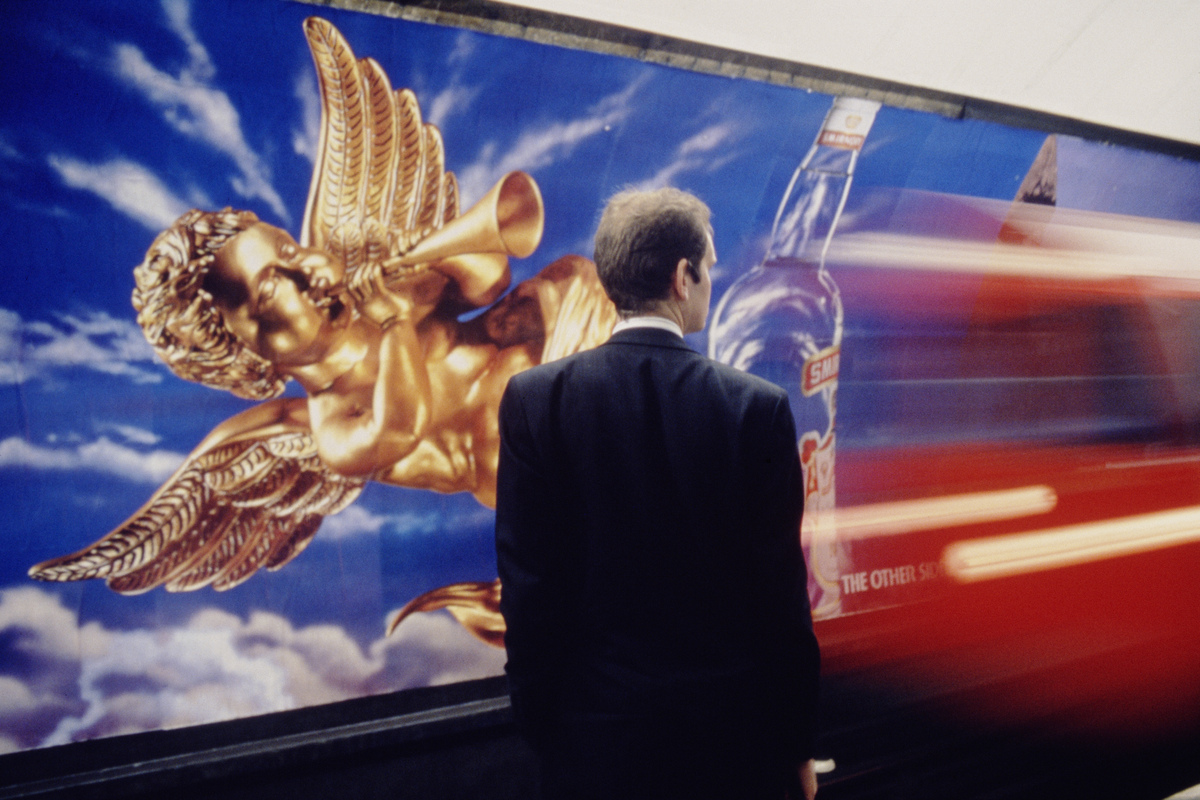
In 1953, two years after joining Magnum as an editor, Inge Morath had her first photography assignment for Holiday magazine. She captured London’s elegant window shoppers and postwar fashions in Soho and Mayfair, images which appear in the photobook Inge Morath: On Style. This early unseen image situates us at a time when color photographs were almost exclusively confined to popular magazines, and black and white was deemed the more artistic, legitimate face of medium.
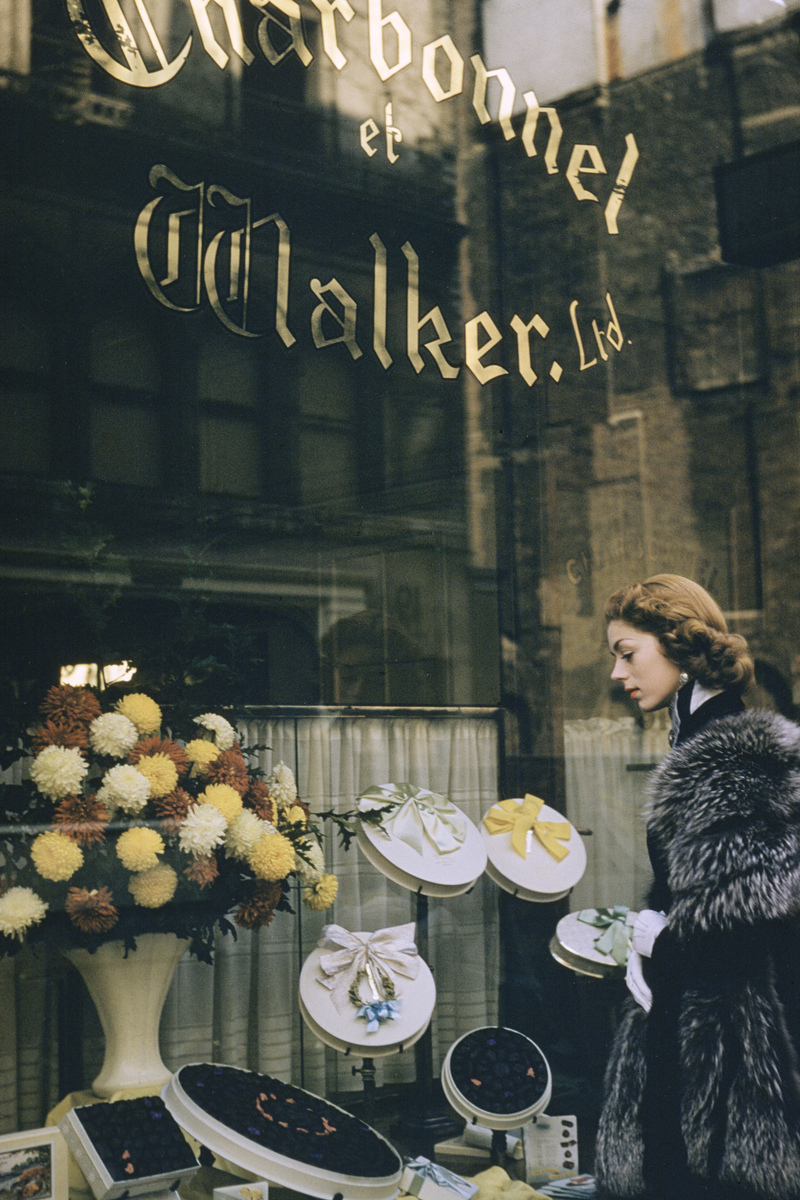
Yet Morath’s skillful compositions and attention to subtlety are as evident in color as in black and white. Here, a young woman in luxurious furs eyes a display of chocolate gift boxes at 31 Old Bond Street, a former location of Charbonnel et Walker, the esteemed women-founded chocolatier.
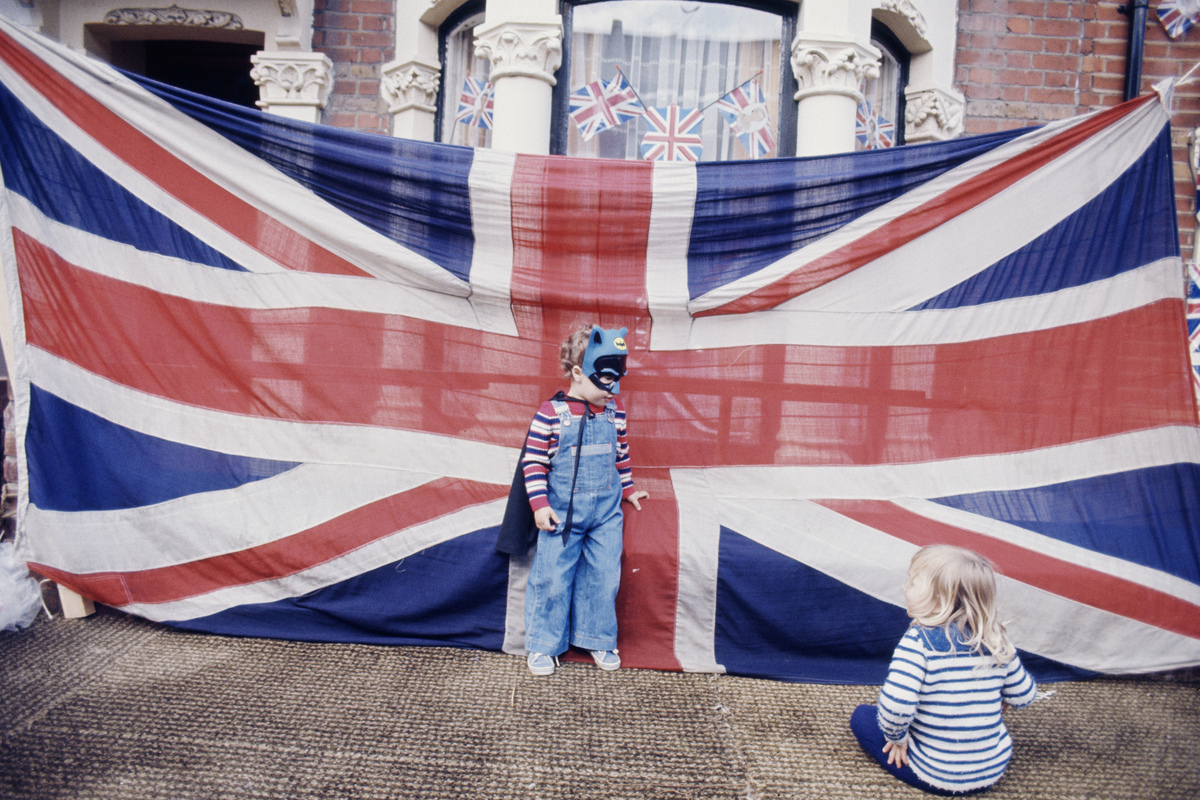
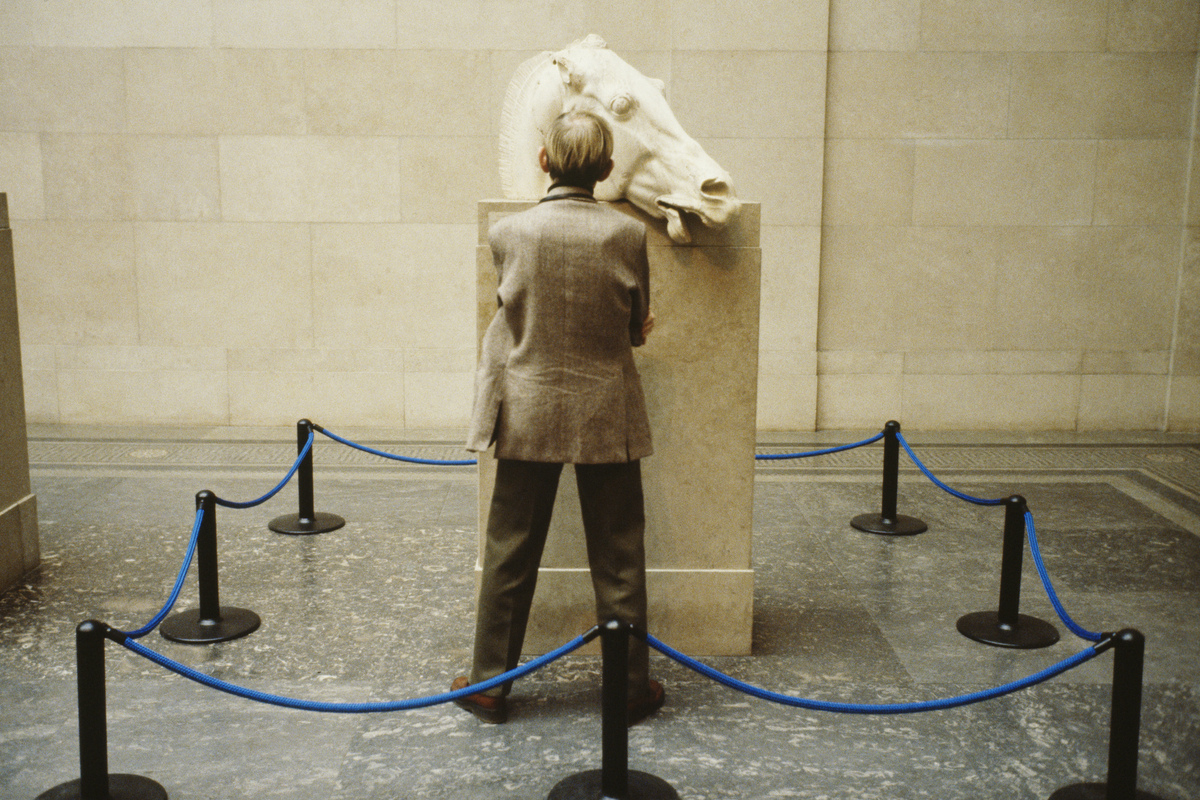
While Lancashire-born Ian Berry famously published his “personal exploration of English life” in black and white in The English (1975), he also captured the English in color throughout the decades, from the Queen’s Silver Jubilee to a rebellious museum-goer gazing at a Parthenon statue in the British Museum. Speaking of his work in relation to Robert Frank’s The Americans, Berry said, “I thought he had been a little bit unkind to the Americans…I didn’t want to be that unkind to the Brits.”
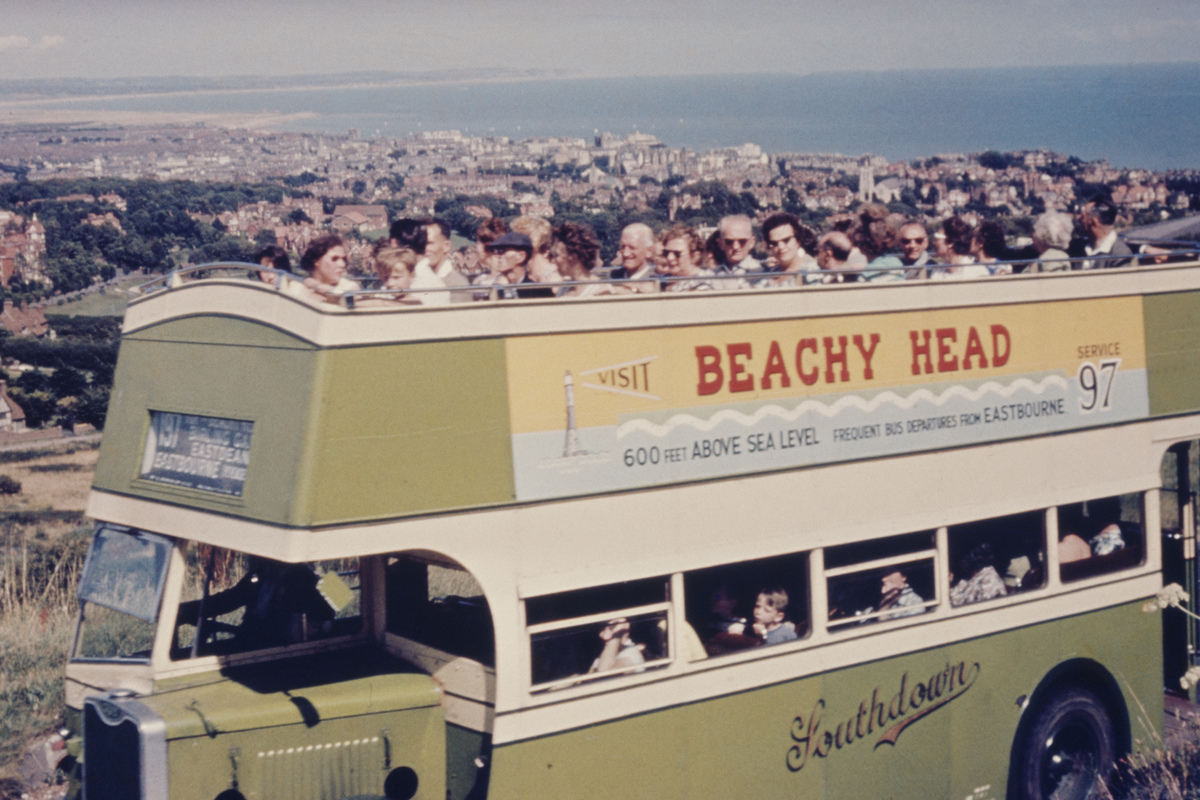
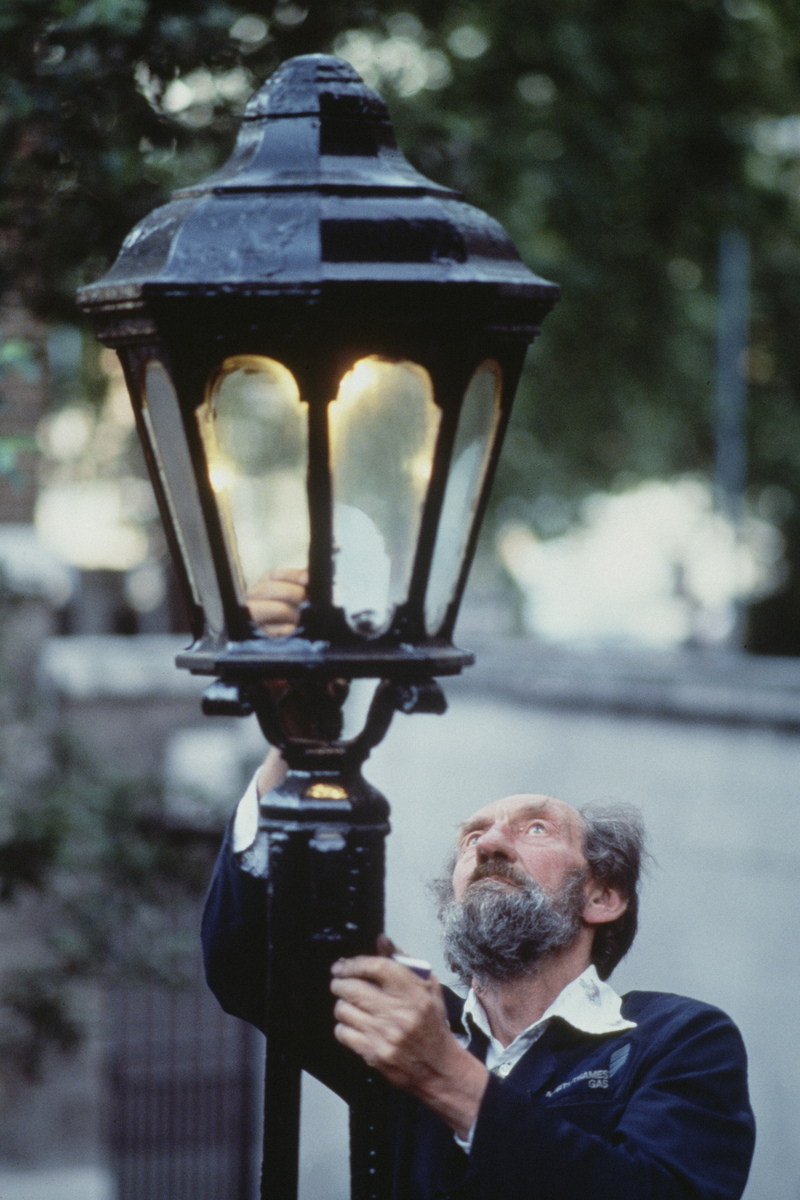
Elsewhere in the archives, Cornell Capa captures a 1950s tourist bus at Beachy Head on England’s south coast; Leonard Freed pictures a crowd at the changing of the guard ceremony at Buckingham Palace; and Philip Jones Griffiths portrays one of the 1,300 remaining gas-powered street lamps in London, illuminating the capital since the Regency period.
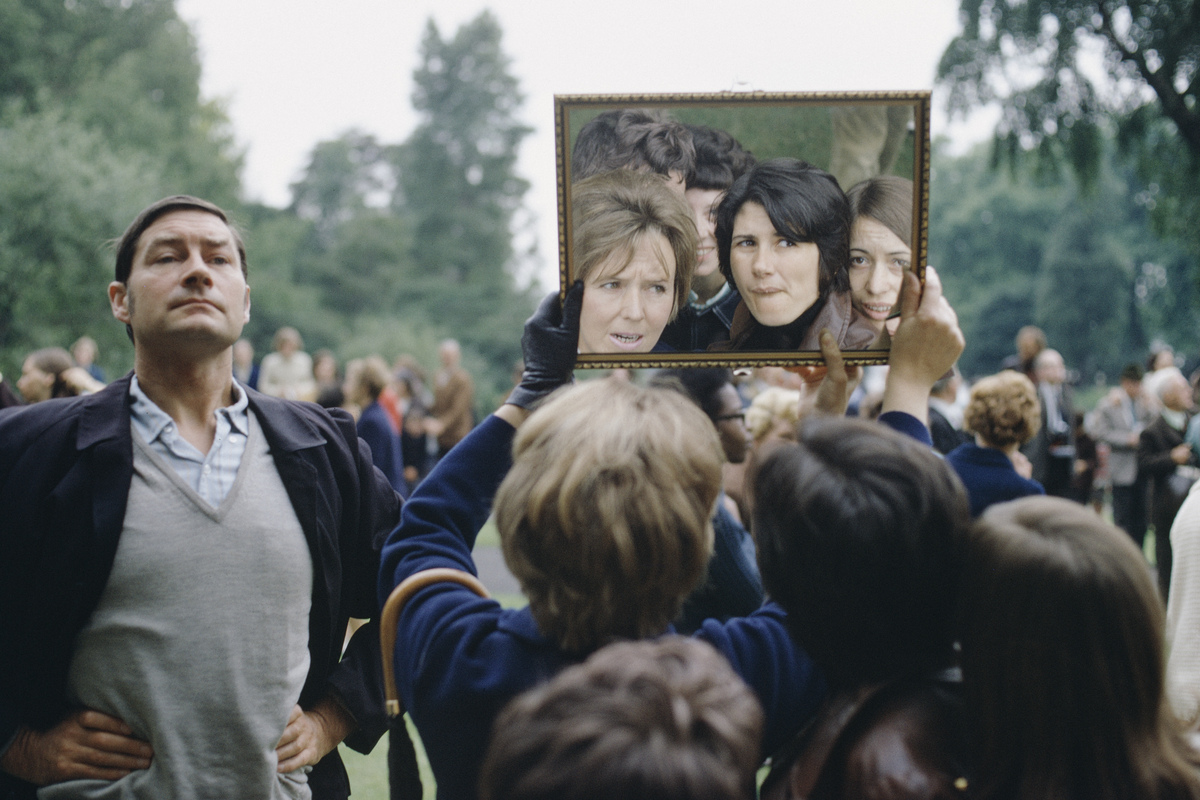
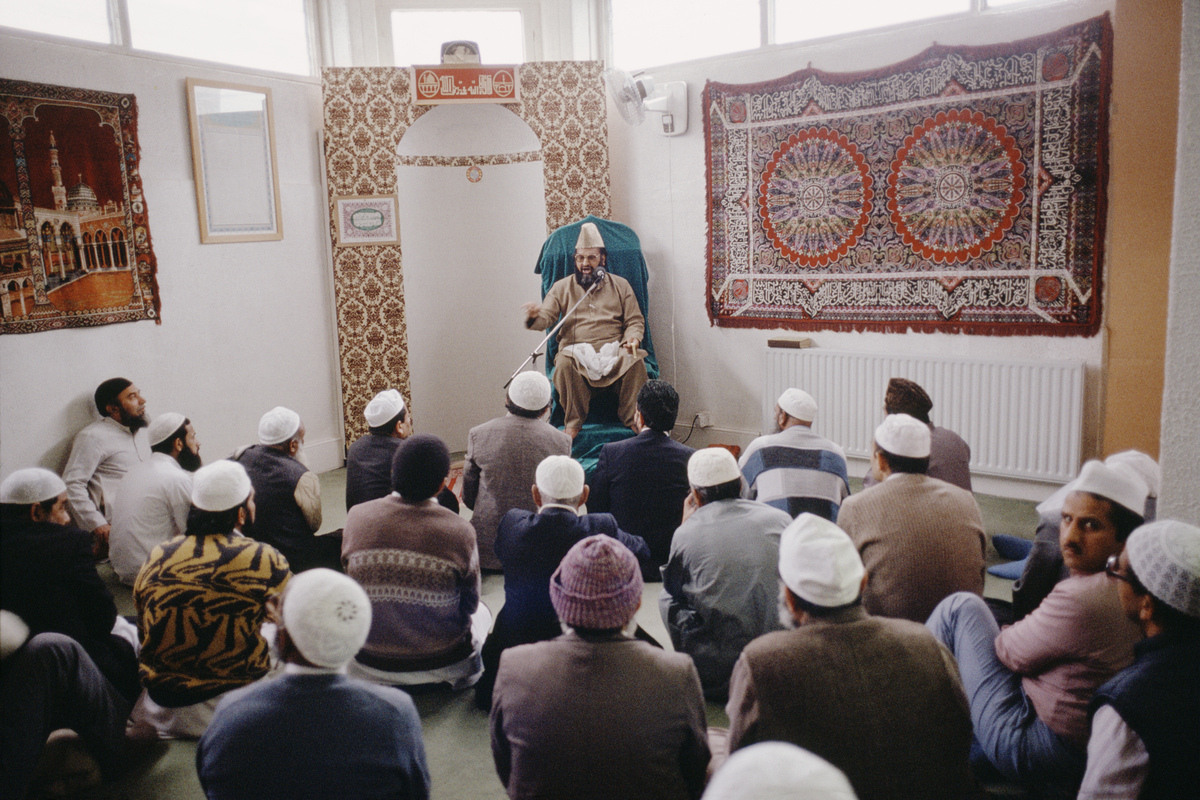
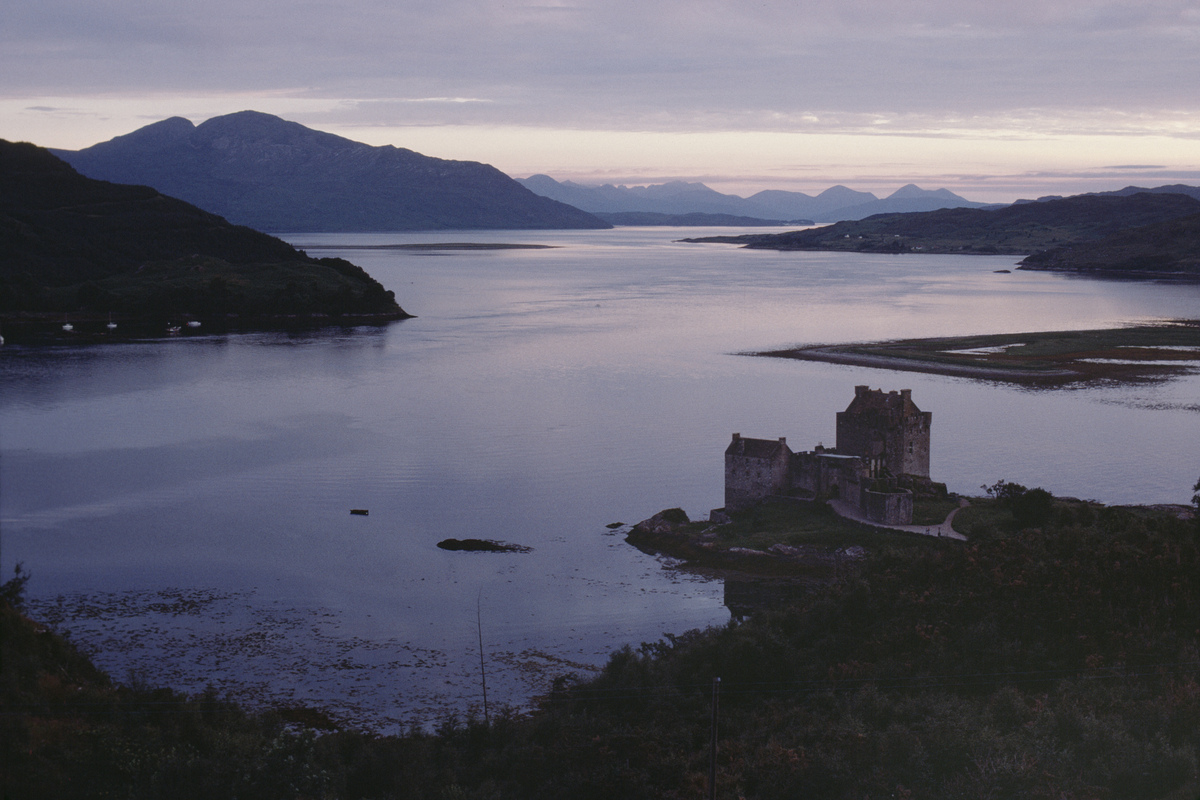
The color archives unravel the United Kingdom’s swiftly changing narrative over the past 75 years, illustrating the inclinations that inspired Magnum photographers — many of them with deep-rooted ties to the UK — in chronicling different moments, cultural landscapes, and eras across the sovereign state.

Live Events
Discover these images and more at the FUJIKINA event in London at the Fujifilm House of Photography, where additional unseen images from the UK color archives will be revealed, curated by Magnum photographers Olivia Arthur and Mark Power. Both photographers also present an exclusive new series of images inspired by the archives. Mark Power, using the latest Fujifilm GFX SII, explores his hometown of Brighton, veers away from clichéd visions of the city, and Olivia Arthur, using a Fujifilm GFX100II, reflects on British summers and festivities along the coast, a theme that surfaced repeatedly throughout the archives. Displayed alongside original slide sheets, these curations and commissions offer a richly layered portrait of the UK — both past and present.
FUJIKINA LONDON
FUJIFILM HOUSE OF PHOTOGRAPHY
8, 9 Long Acre, WC2E 9LH
Until October 12, 2025
With Olivia Arthur and Mark Power
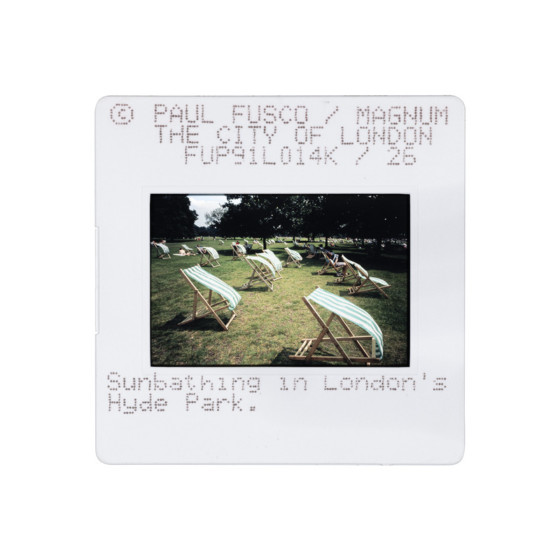
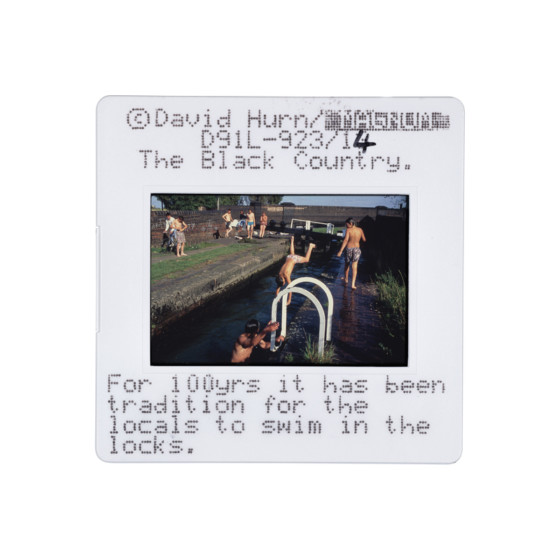
Shop time-limited prints from the UK archive by Paul Fusco and David Hurn on the Magnum Store.