Social Issues

Gypsies in Greece

Gypsies have long been marginalized in Greek society, often living in poverty; photographer Nikos Economopoulos captures their daily lives
Nikos Economopoulos

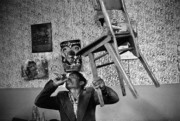
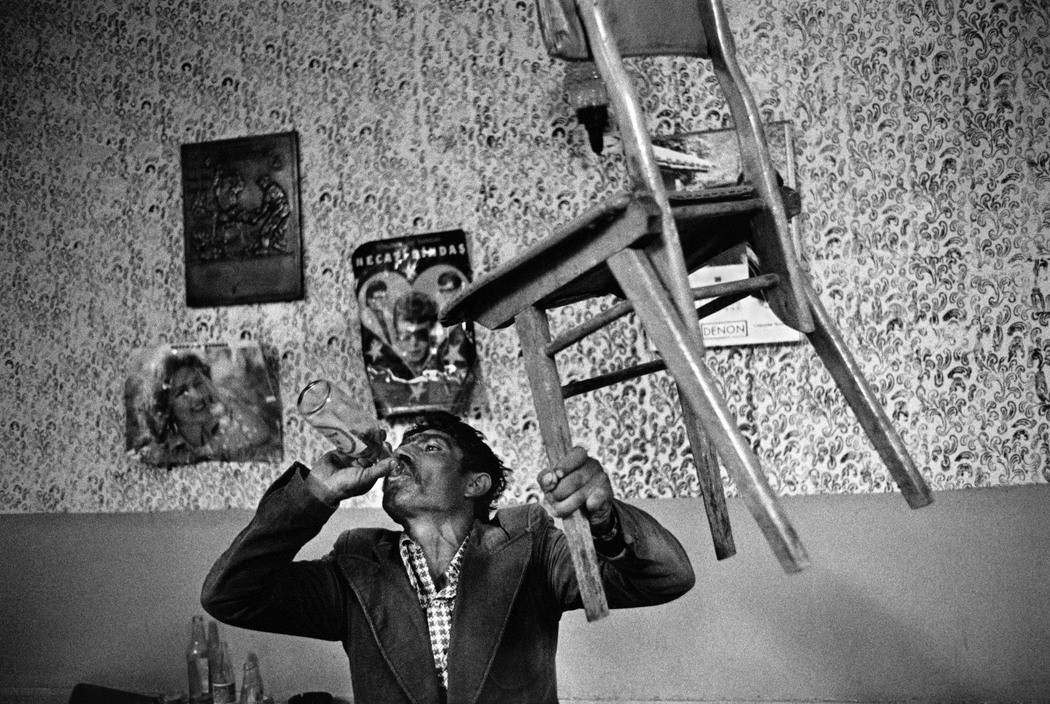
Nikos Economopoulos In a coffee shop named "the tavern of Ali". A Muslim gipsy holds up a chair without losing balance to prove his sobriety. Alexandroupolis, Greece. 1991. © Nikos Economopoulos | Magnum Photos
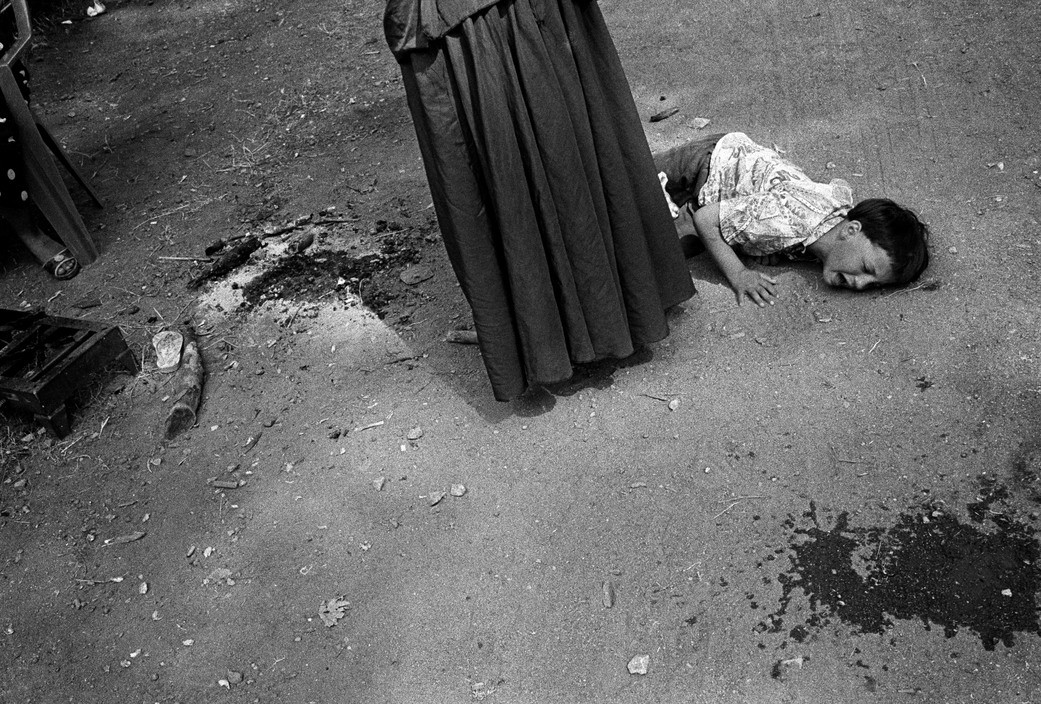
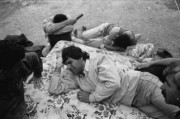
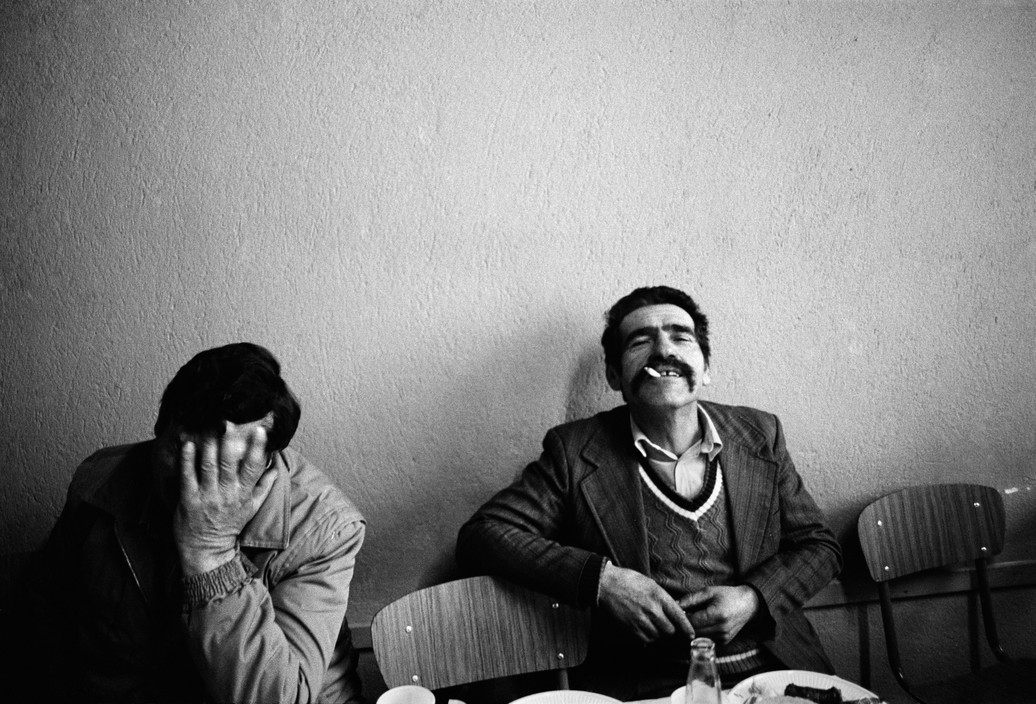
Nikos Economopoulos According to a local custom, every year, on January 8, women take command and replace men in all the traditional men activities. Gipsies. Monoklisa, Seres, Greece. 1988. © Nikos Economopoulos | Magnum Photos
Nikos Economopoulos Gipsy girls dressed up for the feast of St. John. Euboea island, Greece. 1997. © Nikos Economopoulos | Magnum Photos
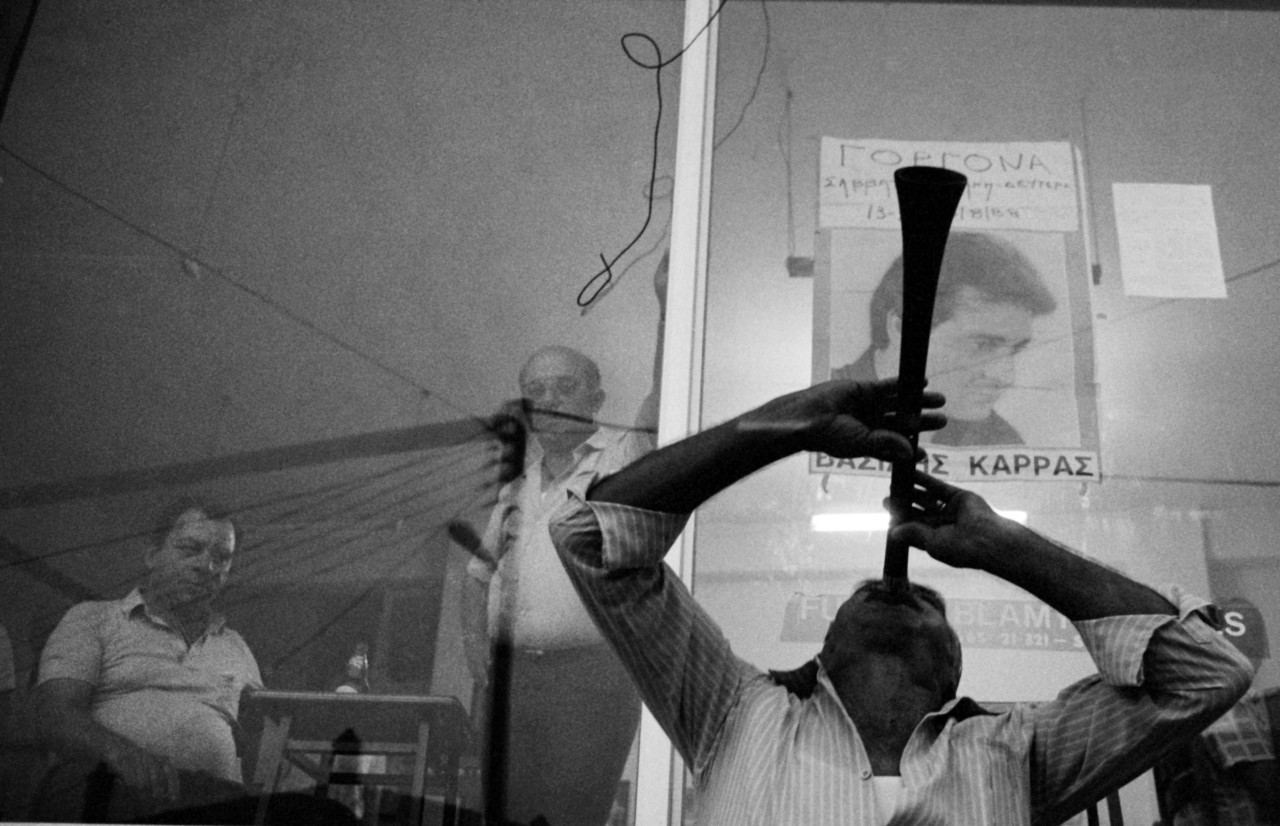
Nikos Economopoulos A gipsy musician playing at a feast. Siatista, Greece.August 15th, 1988. © Nikos Economopoulos | Magnum Photos
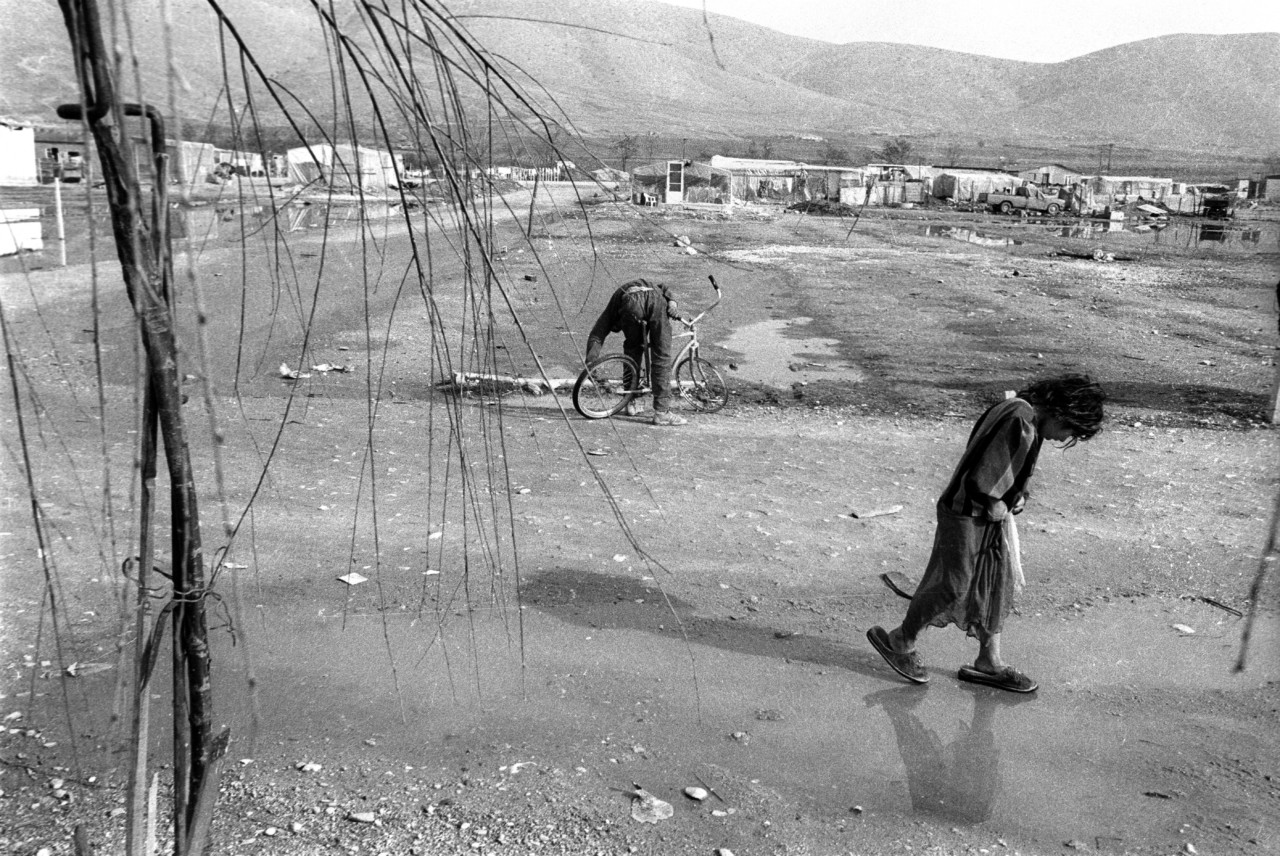
Nikos Economopoulos Gipsy camp. Euboea island, Greece. 1997. © Nikos Economopoulos | Magnum Photos
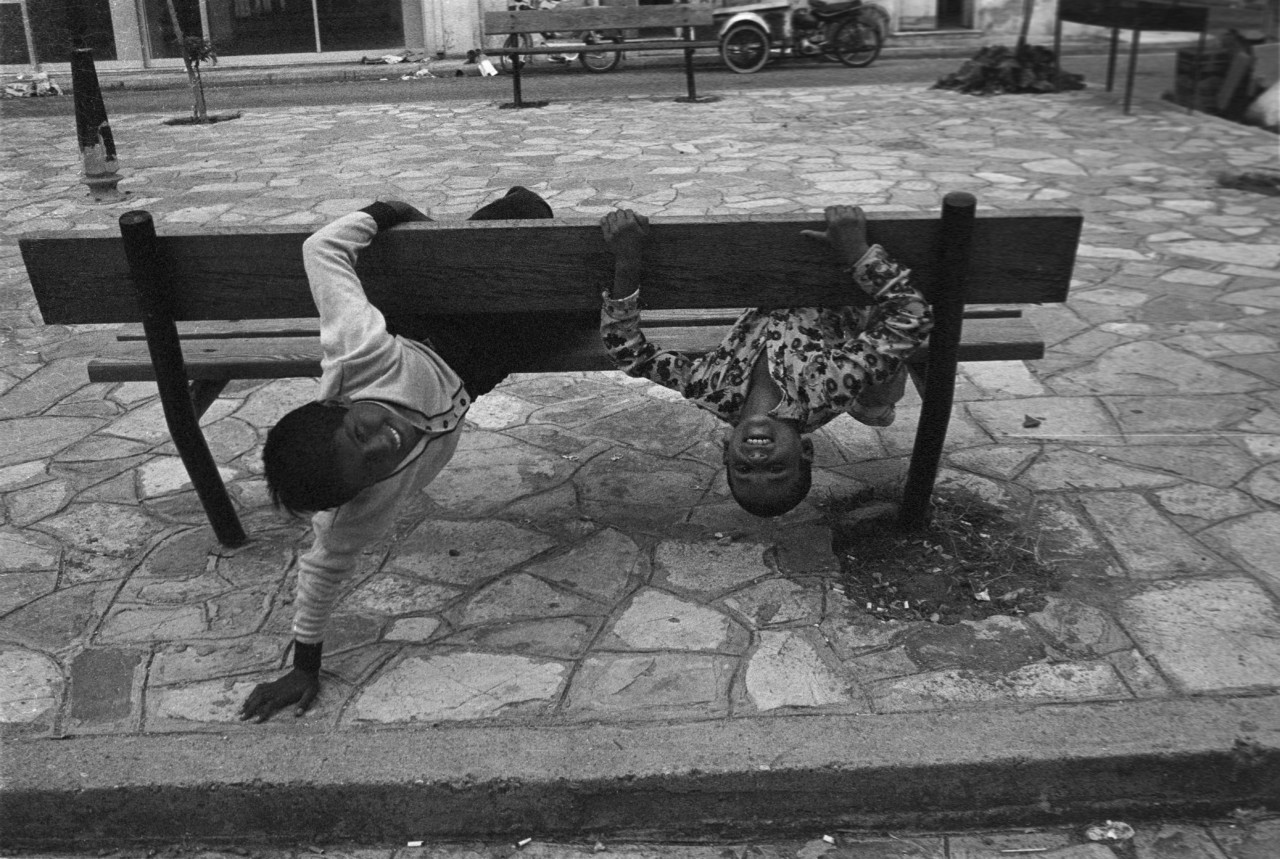
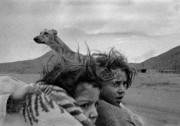
Nikos Economopoulos Kids playing on bench. Greece. © Nikos Economopoulos | Magnum Photos
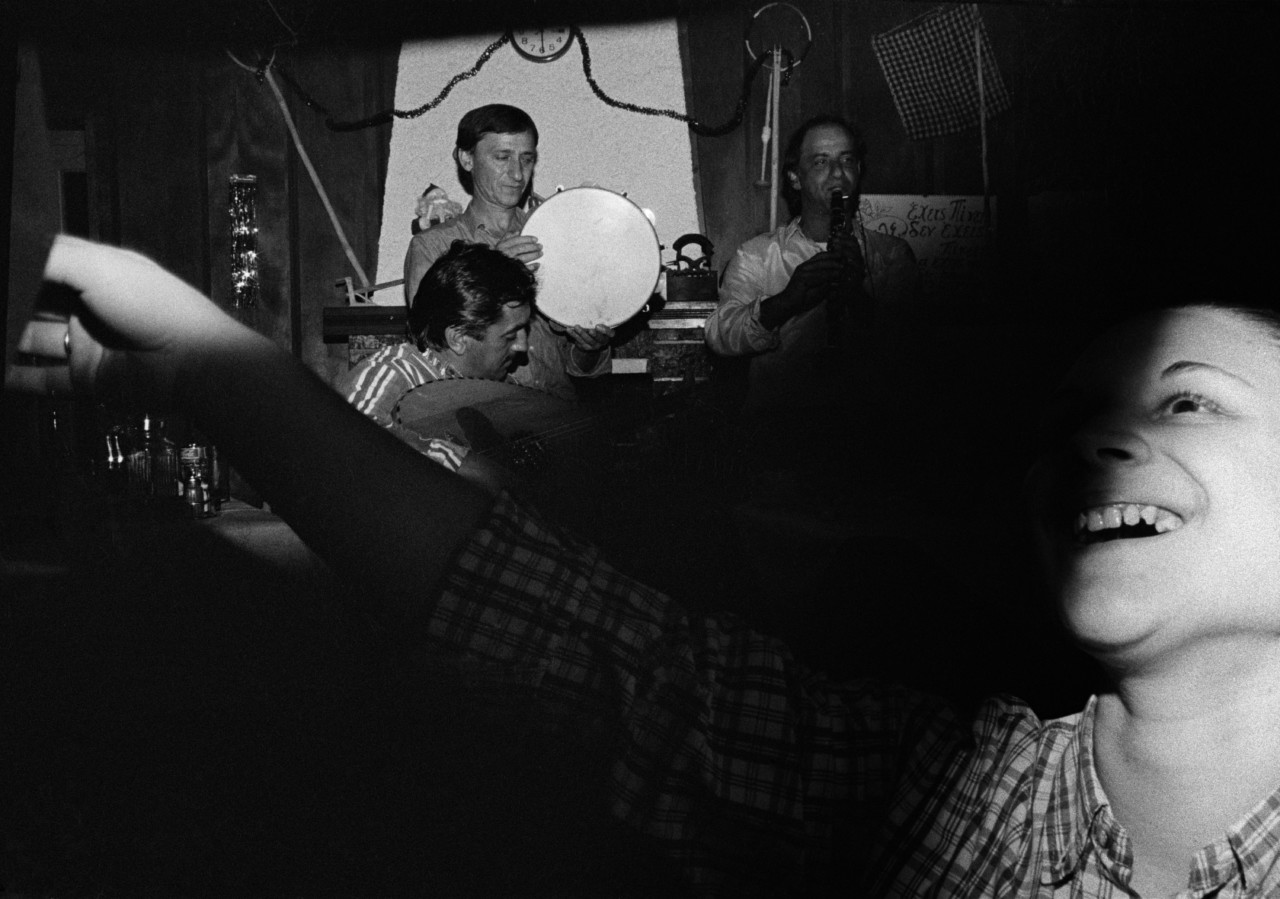
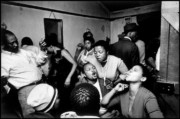
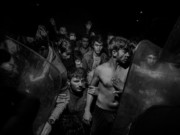
Nikos Economopoulos Improvised dance at local tavern. Ktismata, Epirus, Greece. © Nikos Economopoulos | Magnum Photos
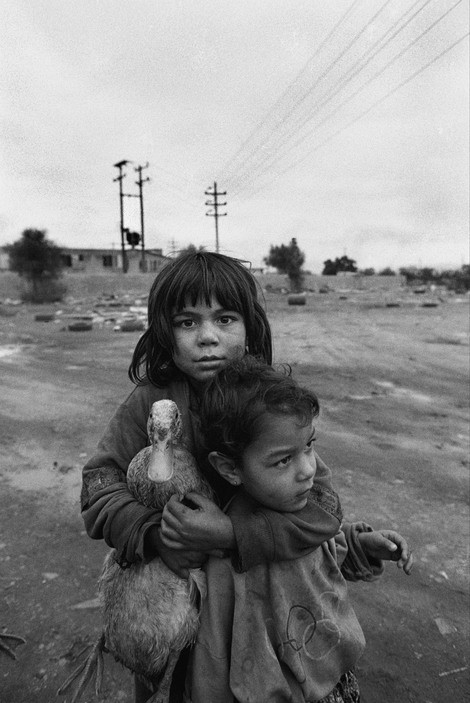
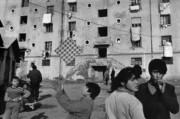
Nikos Economopoulos Gypsies. Shantytown of Aspropirgos, near Athens, Greece. 1993. © Nikos Economopoulos | Magnum Photos
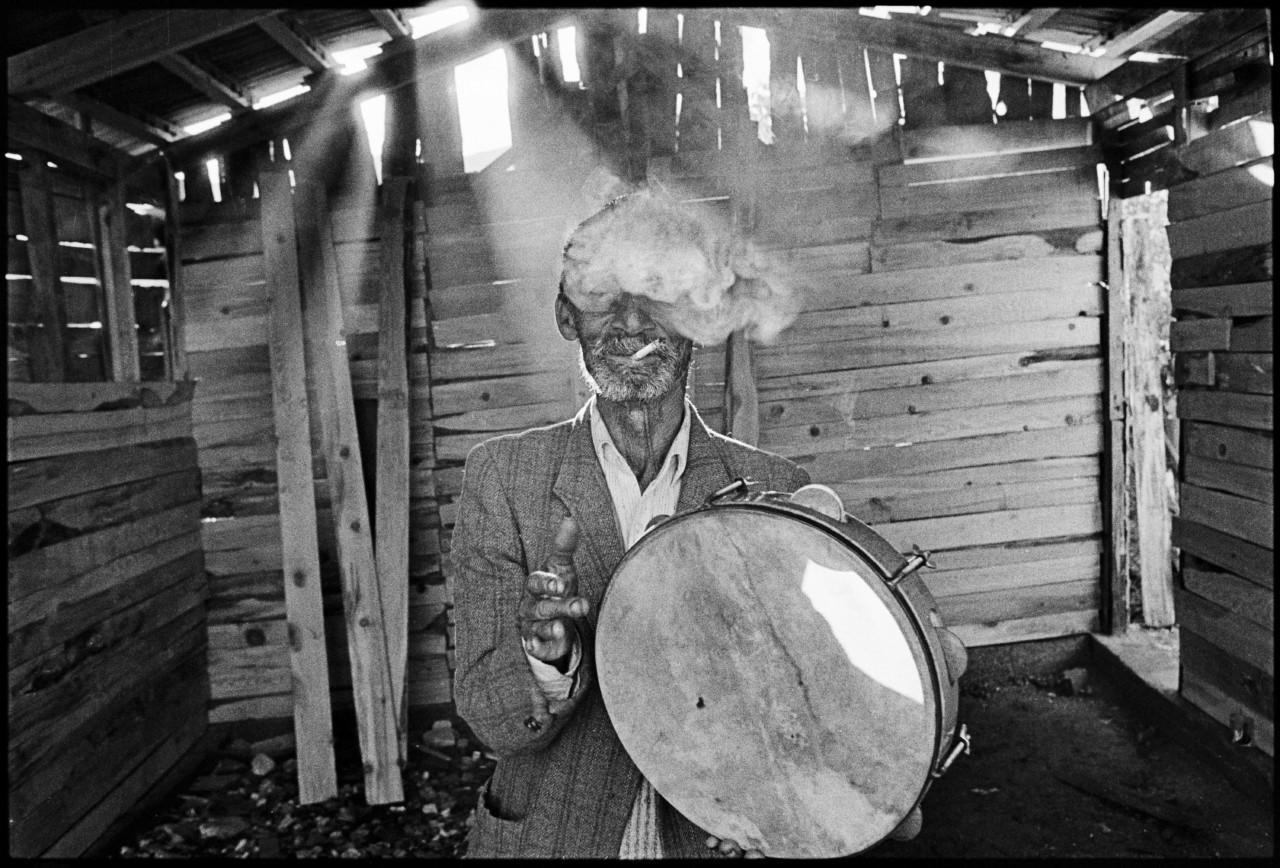
Nikos Economopoulos A gipsy musician. Parakalamos, Epirus, Greece. 1993. © Nikos Economopoulos | Magnum Photos
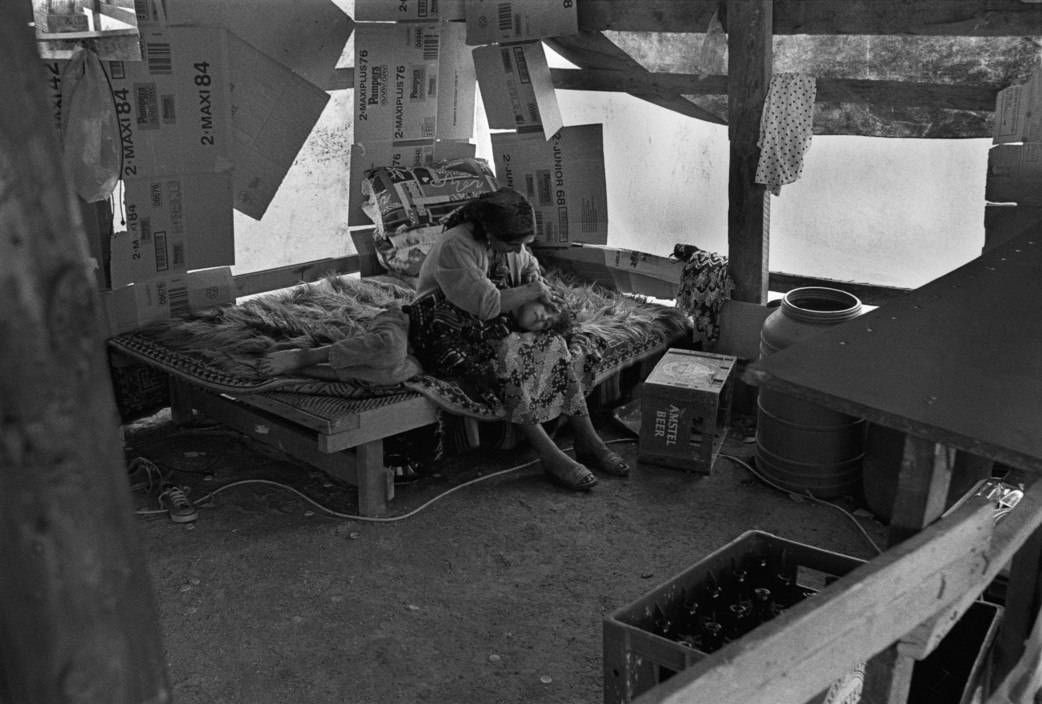
Nikos Economopoulos A Gipsy camp. Messini, Greece. 1994. © Nikos Economopoulos | Magnum Photos

Nikos Economopoulos is continuously working on a series of in-depth stories on Greece and the Balkans.

Poverty, Muslim communities and the orthodox church are some of his main themes. In his photographic panorama of contemporary Greece, the situation of the gypsies is symbolic.

With a population of 300,000, the gypsies are Greek citizens but victims of growing racism, while facing worsening poverty with the arrival of “new” immigrants from Albania and the ex-Soviet Union. Most Greek gypsy women and children live by begging, while the men are season workers or wandering musicians. The majority are Orthodox Christians, while approxiamately 25,000 are Muslim.

Though they have been present in Greece for centuries, they were only recognized as Greek citizens in 1979. Theoretically, they have equal rights to schooling and healthcare. In reality, they live on the edge of society and on the whole remain illiterate.

Stay in touch
A weekly round-up of the latest from Magnum, including interviews with Magnum photographers, exlusives from the archive, Cooperative news, and more
A weekly curation of photobooks, posters, prints and merchandise from Magnum photographers, plus be the first to know about any sales
For photography fine print collectors, learn about online and offline exhibitions, photography fairs, gallery events, plus fine print news and activities, on a monthly basis
For aspiring and practicing photographers, get weekly updates on the latest workshops, free online events and on-demand courses