Democracy on the Brink
Emin Özmen’s new series tracing a young generation of Venezuelans in exile is now on display at the Nobel Peace Center in Oslo, Norway
“Venezuela has turned into a nation in which the state applies terrorism […] towards innocent people. Anyone who dares to speak out to defend any of their basic rights takes a huge risk and probably ends in prison,” said Venezuelan opposition leader and 2025 Nobel Peace Prize laureate, María Corina Machado, in a BBC interview upon her arrival in Oslo for the Nobel Peace Ceremony on December 10.
Last week, after over a year in hiding, Machado risked a dangerous escape from a suburb of Caracas. After traveling in disguise, spending hours in a fishing boat in rough seas and eventually flying to Oslo, Machado was greeted by supporters just hours after her daughter accepted the Nobel Peace Prize on her behalf.
In 2023, Machado — who had gained support across the country — was barred from running for presidency against Nicolás Maduro. According to independently verified vote counts, Maduro lost the 2024 presidential election to Machado’s replacement, Edmundo González, yet Maduro was declared the winner. Since then, his government has reportedly carried out a campaign of kidnapping, torture, sexual violence and arrests on his opponents. Venezuela’s attorney general said Machado would be considered a fugitive if she left the country.
Since 2005, the Nobel Peace Center has commissioned a photographer for the Nobel Peace Prize exhibition. In 2024, Antoine D’Agata’s series A Message to Humanity was featured, and in 2021, Nanna Heitmann was on assignment for the Nobel laureate Dmitry Muratov.
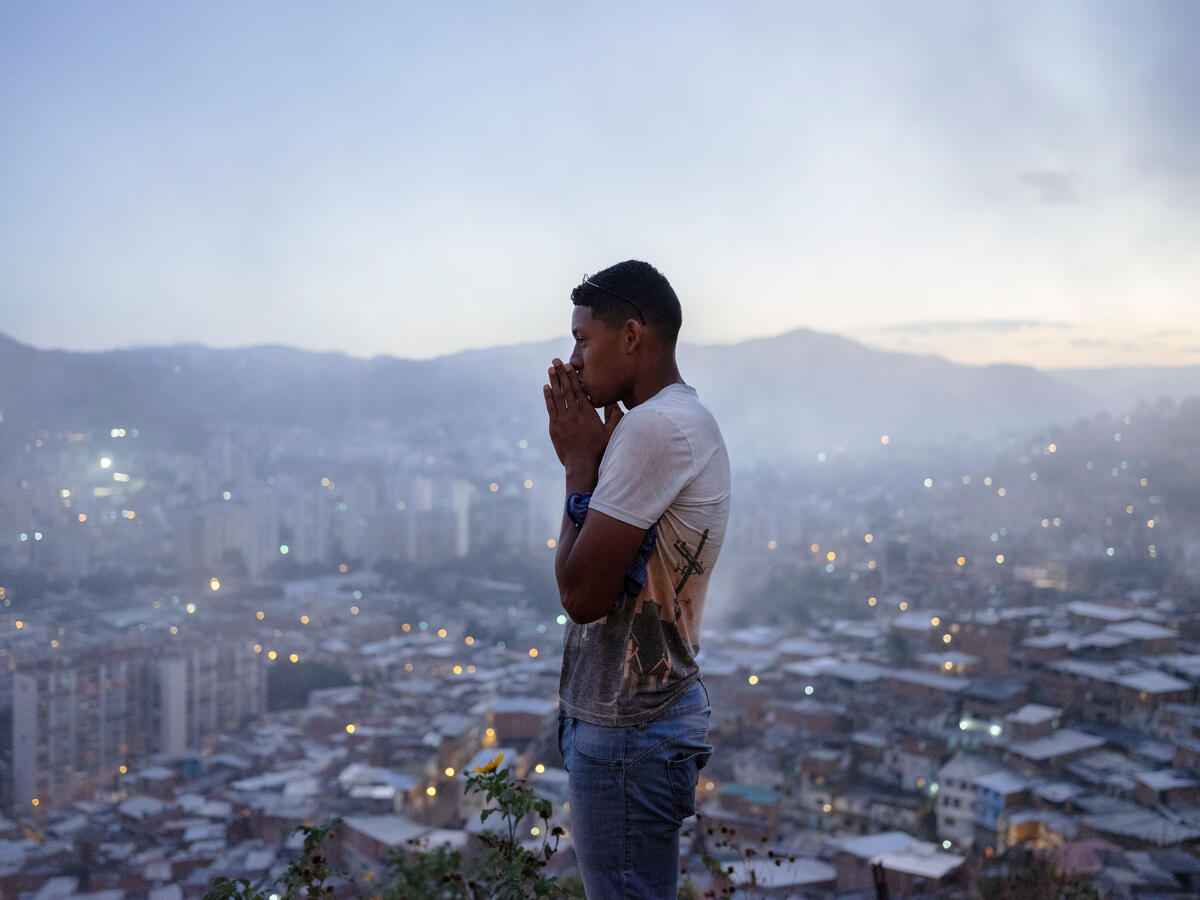
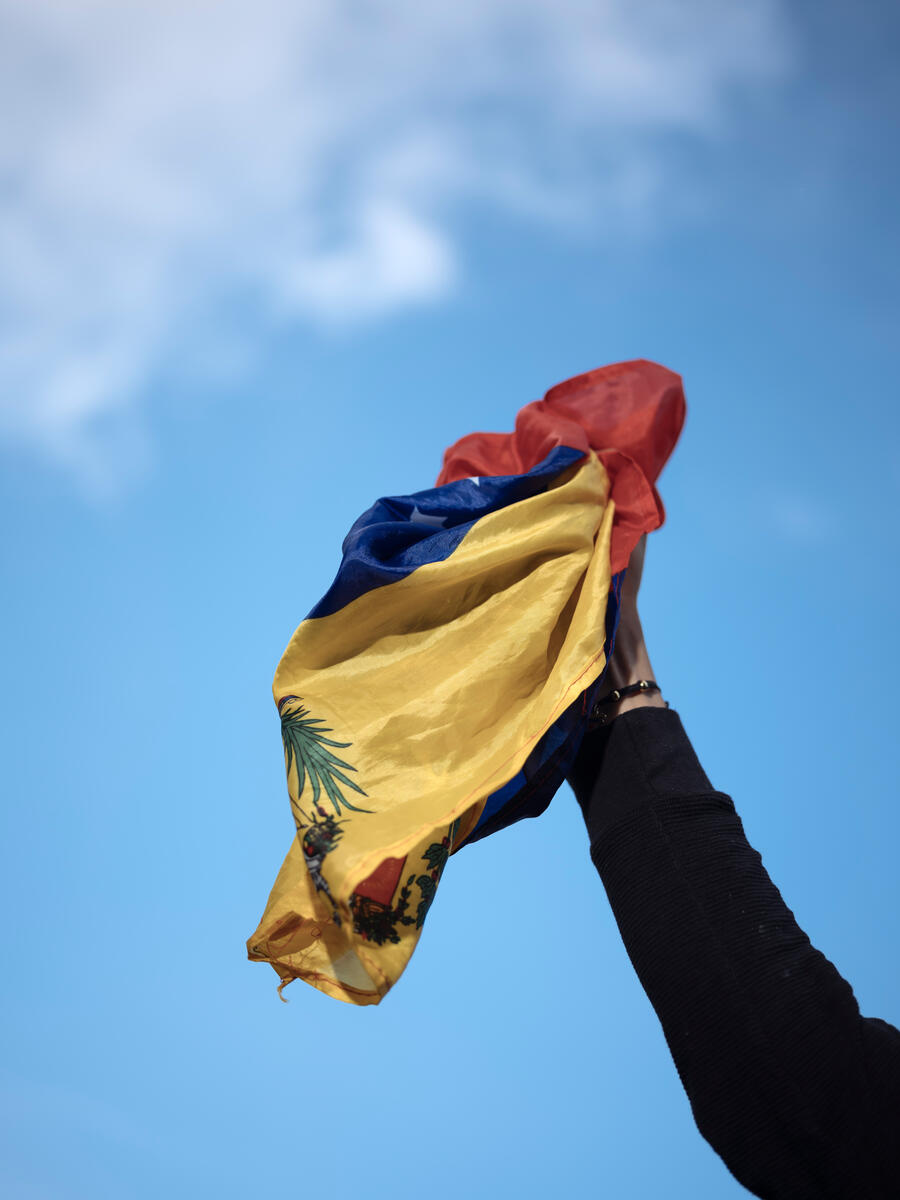
This year, the Center showcases the work of Emin Özmen, who traveled to Colombia in November 2025 to document the lives of exiled Venezuelan youth, depicting individual stories from behind the shadow of mass displacement. Since 2014, an estimated eight million people have fled Venezuela, according to a Human Rights Watch report last year. While those in Özmen’s portraits experienced violence, authoritarianism, food scarcity and poverty in their home country, they now face unknown futures.
“These young people don’t see a future for themselves in Venezuela. They have given up hope for their country, but they haven’t given up hope for themselves. That is why they leave,” Özmen says.
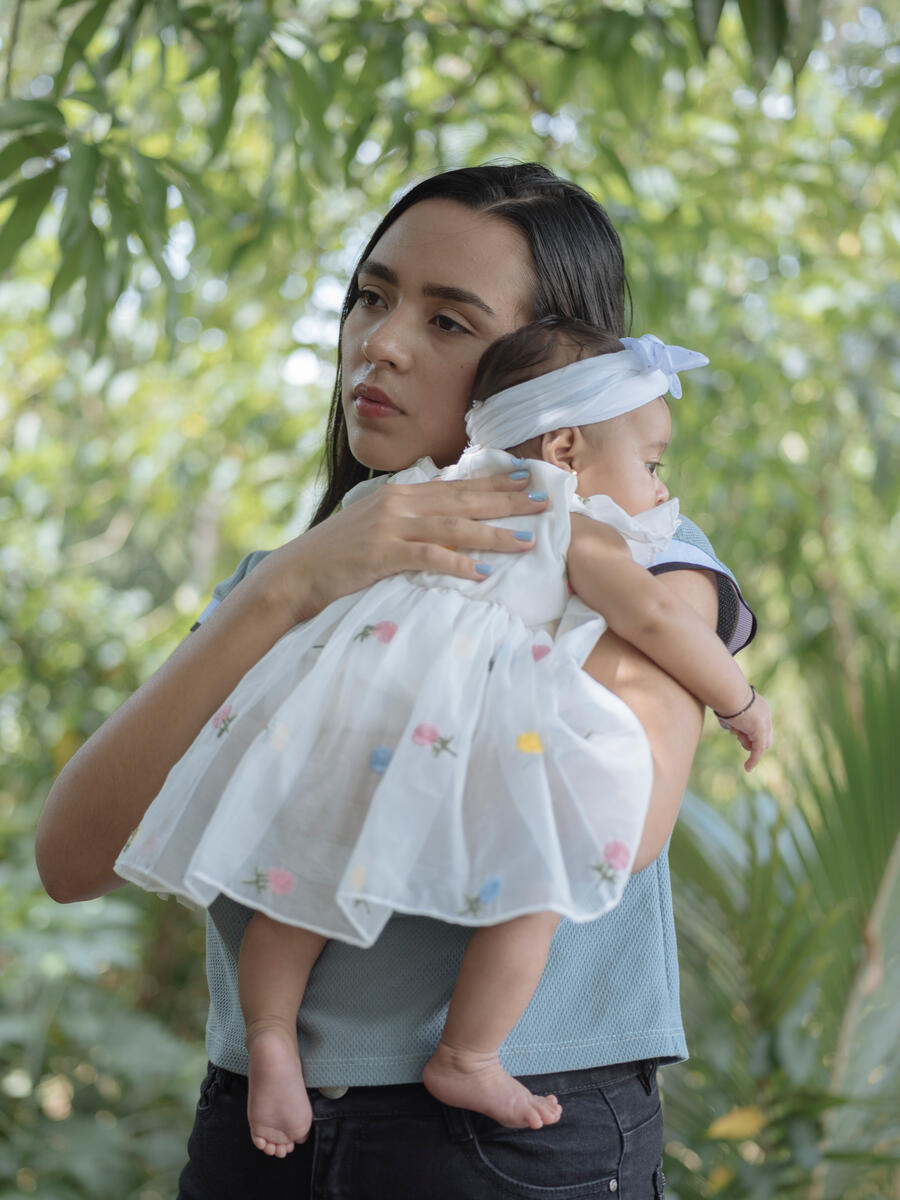
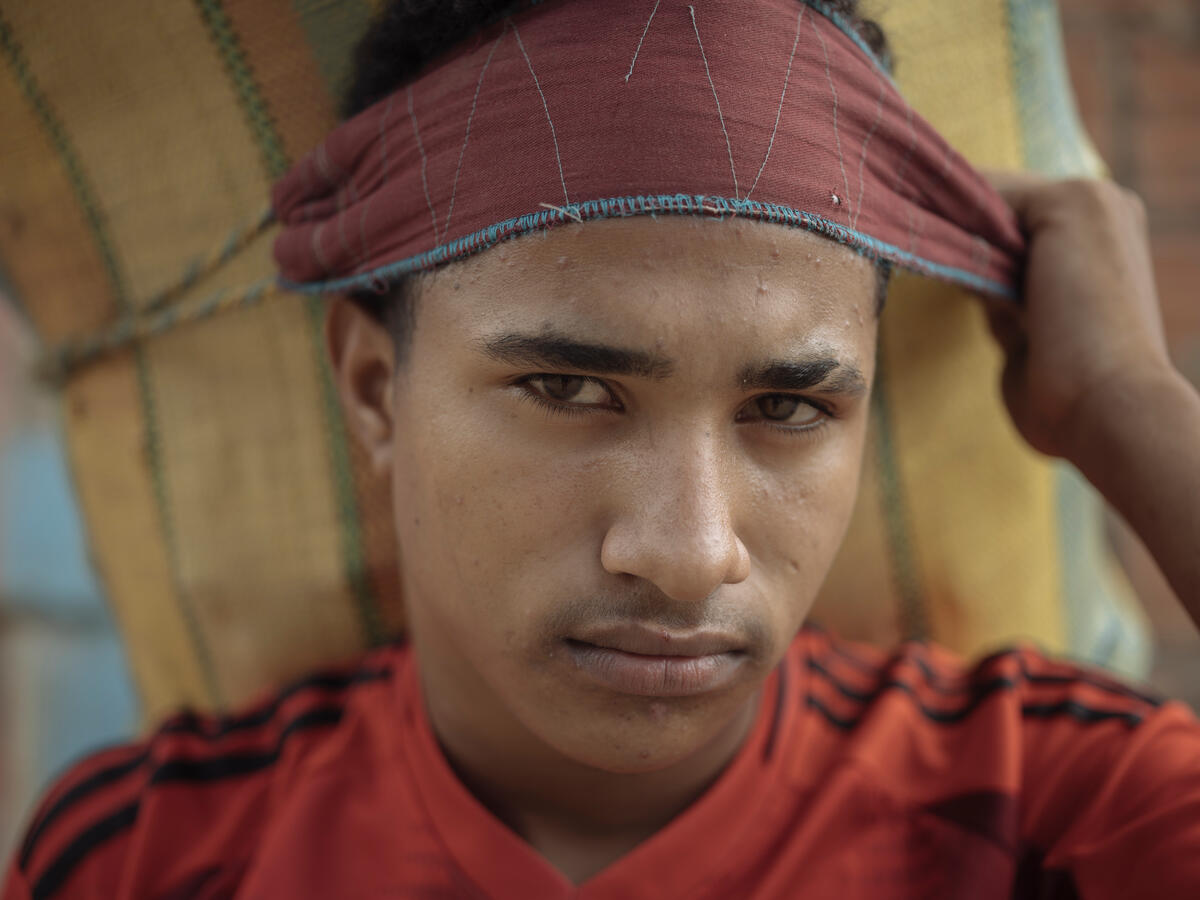
"The images were not meant to dramatize their stories, but to give space to what was already there — quietly visible in their eyes."
- Emin Özmen
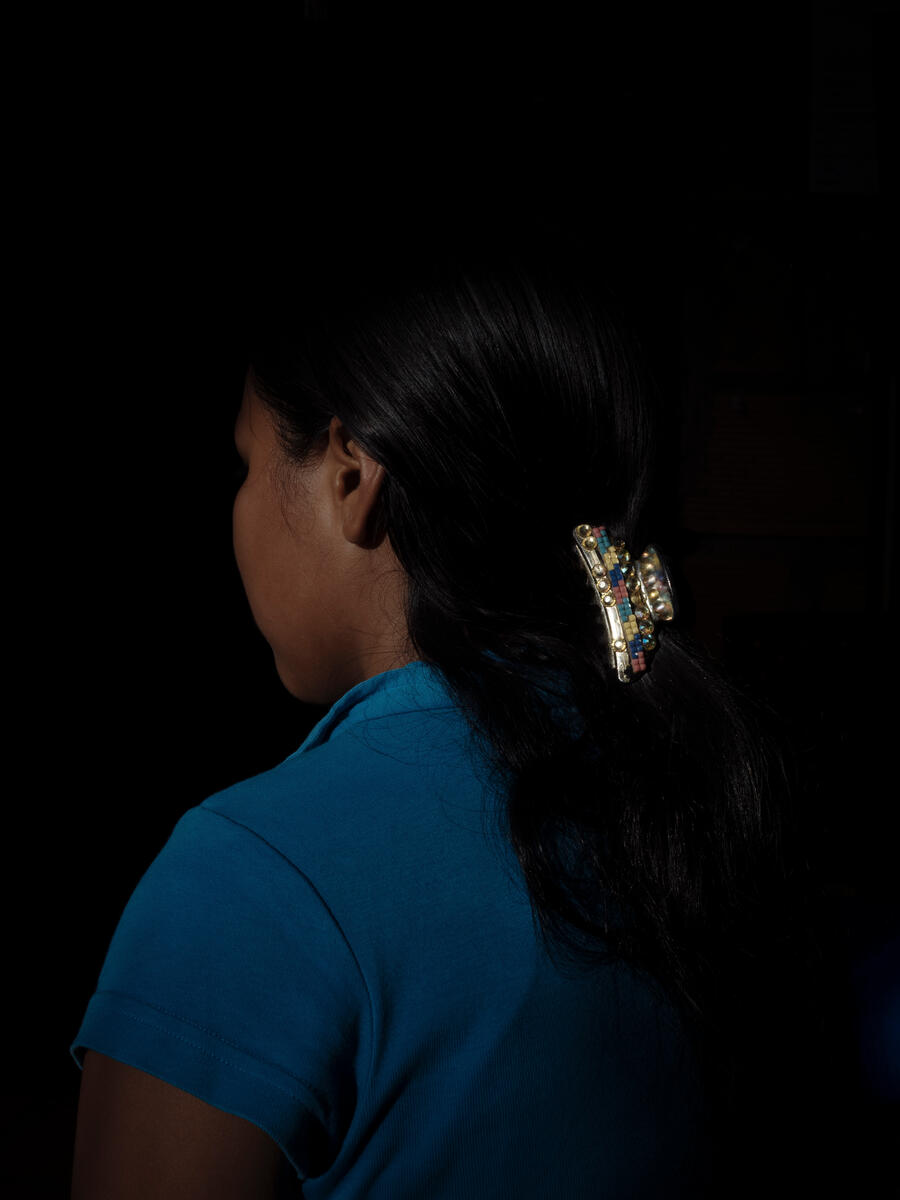
“I was especially interested in speaking with young people, often referred to as Generation Z, because they represent the future of Venezuela,” said Özmen.
“Many of them carried a look that said a great deal about their journeys and the suffering they had endured. For those who agreed to face the camera, I chose a very simple and restrained visual approach, allowing their expressions and their gaze to speak for themselves. The images were not meant to dramatize their stories, but to give space to what was already there — quietly visible in their eyes.”
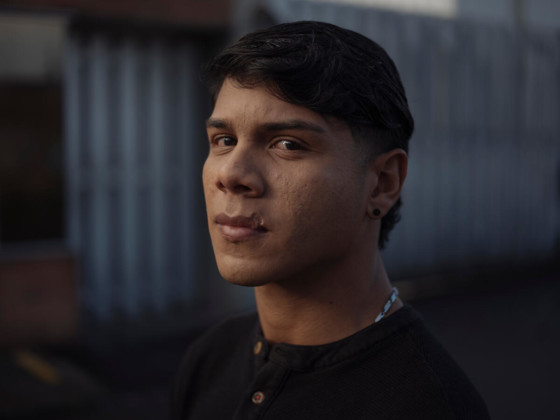
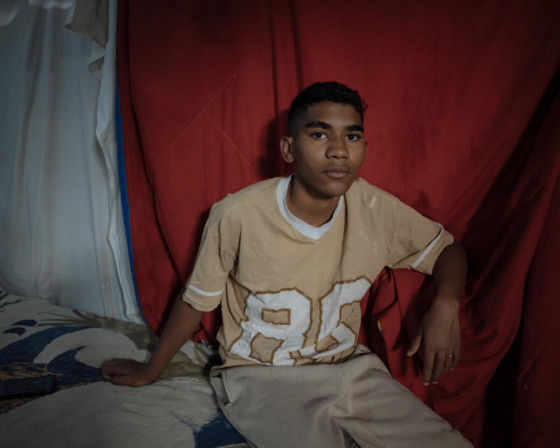
Some of the individuals he photographed spent days walking to the Colombian border, others are driven by activism. Josue, a 26-year-old activist who left Venezuela in 2019, told Özmen, “I want to live in a country where freedom of speech is respected. To have the freedom to choose who is going to rule the country. Today if you say anything against the government, it can cost you your life.”
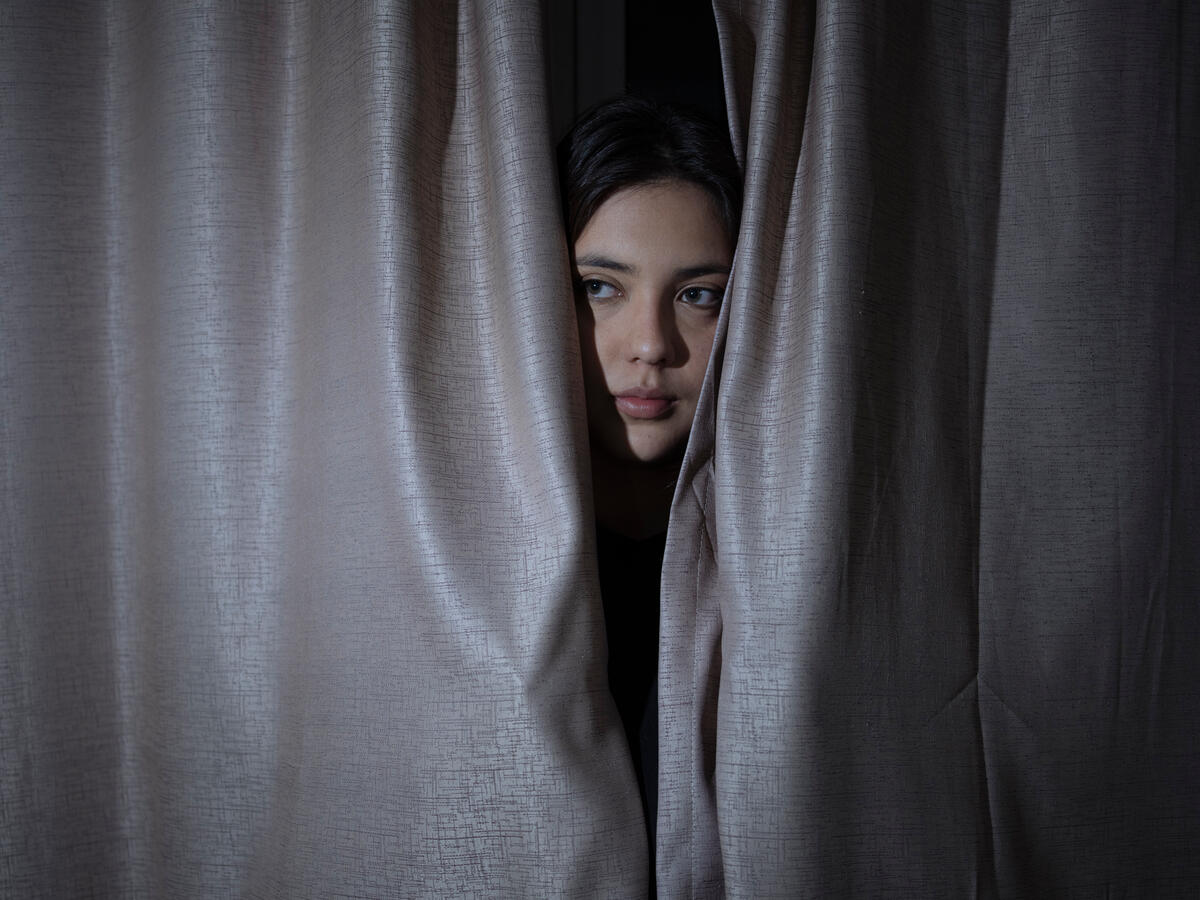
The exhibition also features Özmen’s 2019 project A Portrait of Unrest in Venezuela, which chronicled life in Venezuela at the height of the presidential crisis, when the nation split their support between Maduro — whose second inauguration was seen as illegitimate by the opposition-majority National Assembly — and Juan Guaidó, whom the National Assembly declared as acting president. Photographing Venezuela’s divided society, Özmen’s images touch on “daily life beyond the headlines,” he says, where the socio-economic gap is severely palpable.
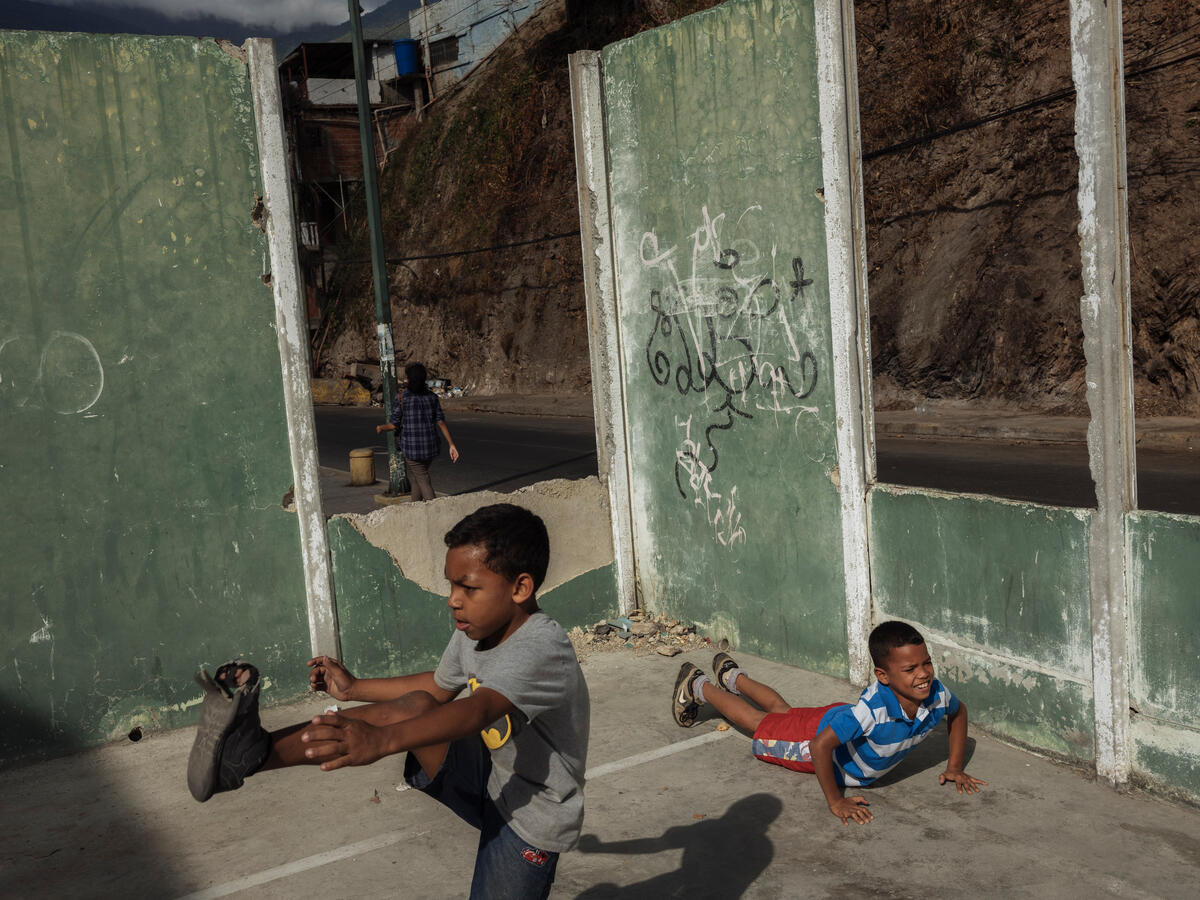
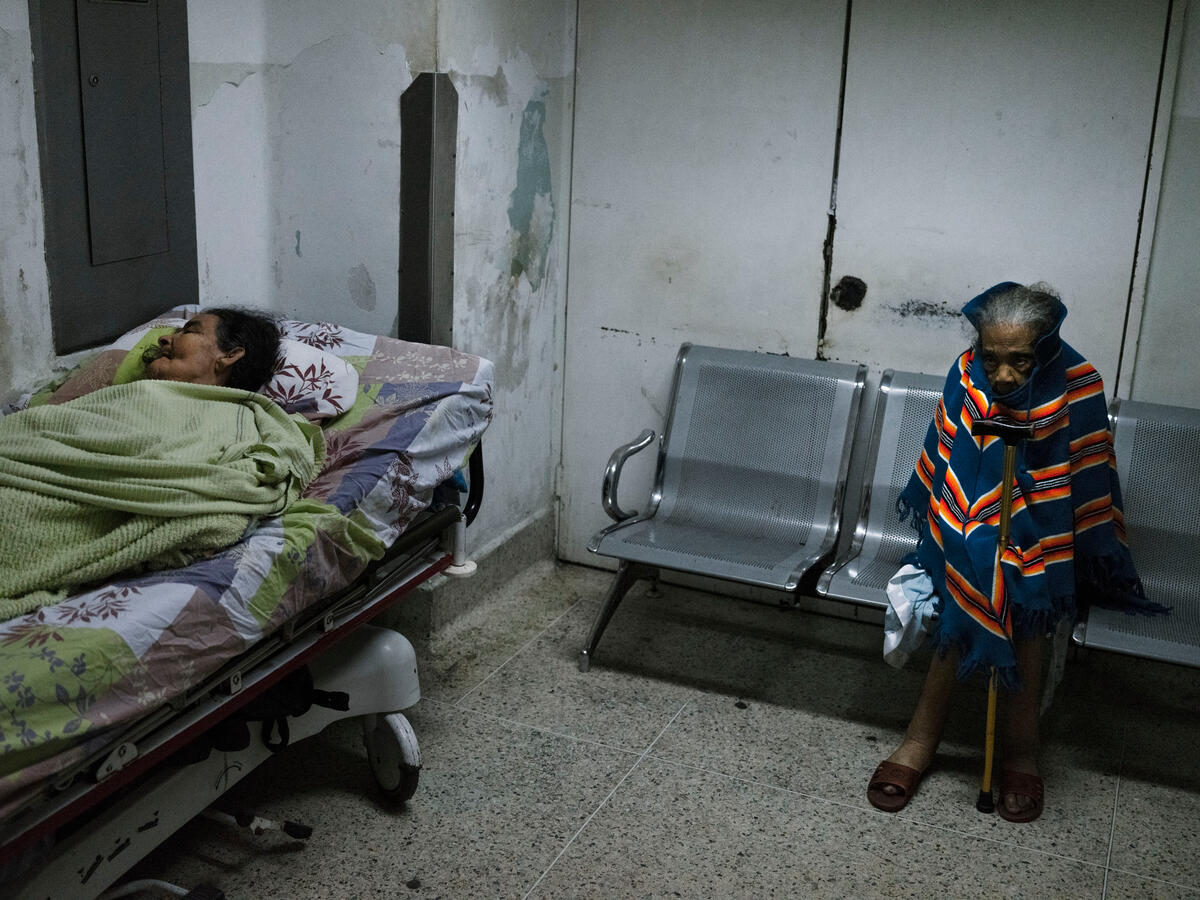
"I spent time in neighborhoods under extreme pressure, where inflation, shortages of food and medicine, and the collapse of basic services shaped every moment."
- Emin Özmen
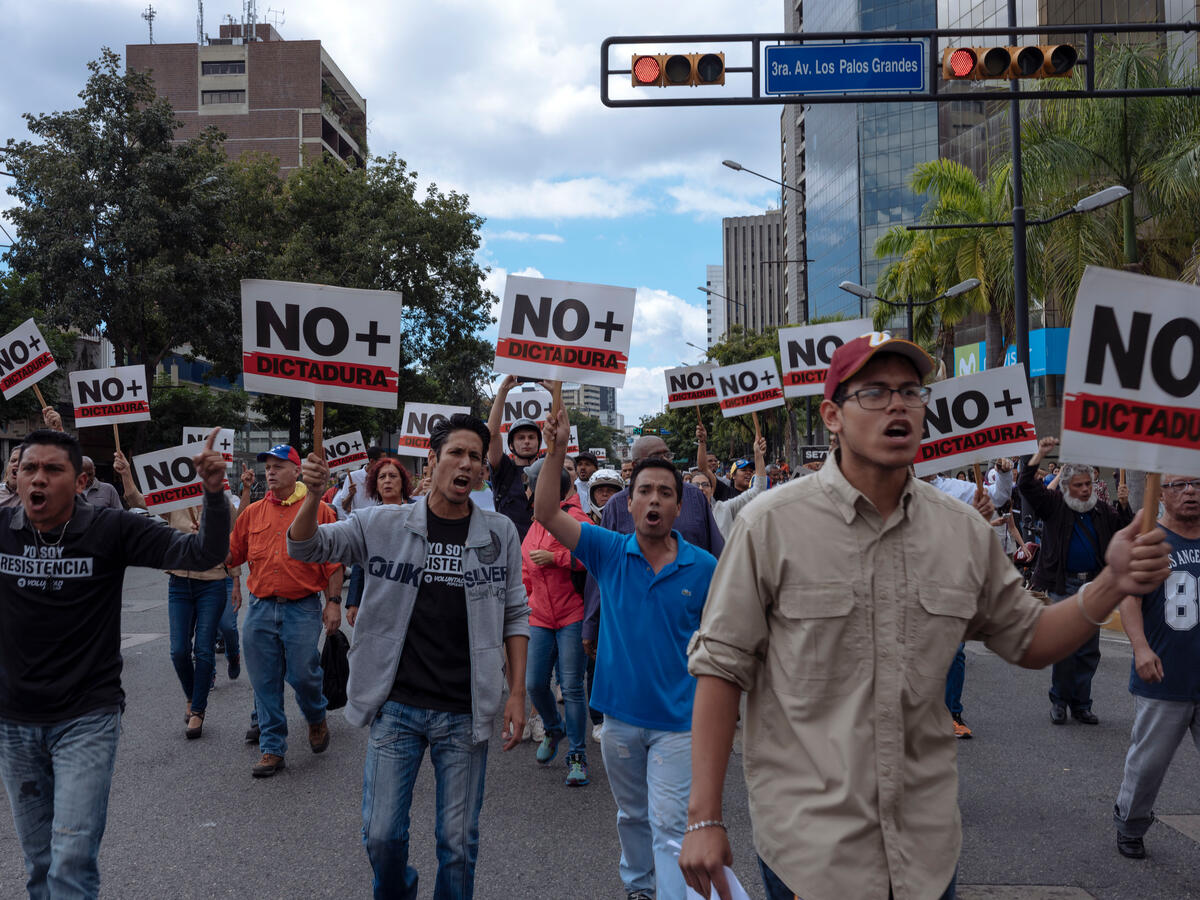
“I spent time in neighborhoods under extreme pressure, where inflation, shortages of food and medicine, and the collapse of basic services shaped every moment,” he says. “These realities are what have forced millions of people to leave the country.
“Many Venezuelans — especially young people — took enormous risks simply by going out to protest, facing arrest, violence, or even death. Being there offered a perspective that cannot be gained without witnessing these conditions firsthand,” Özmen adds.
One of the young women he interviewed recounted, “I was a leader of student groups. We took part during the demonstrations, I knew it was risky but I can’t stand injustice — that’s why I was involved in politics. My three close friends were kidnapped during the protests, one is still in jail. I thought, ‘I’m going to be next.’”
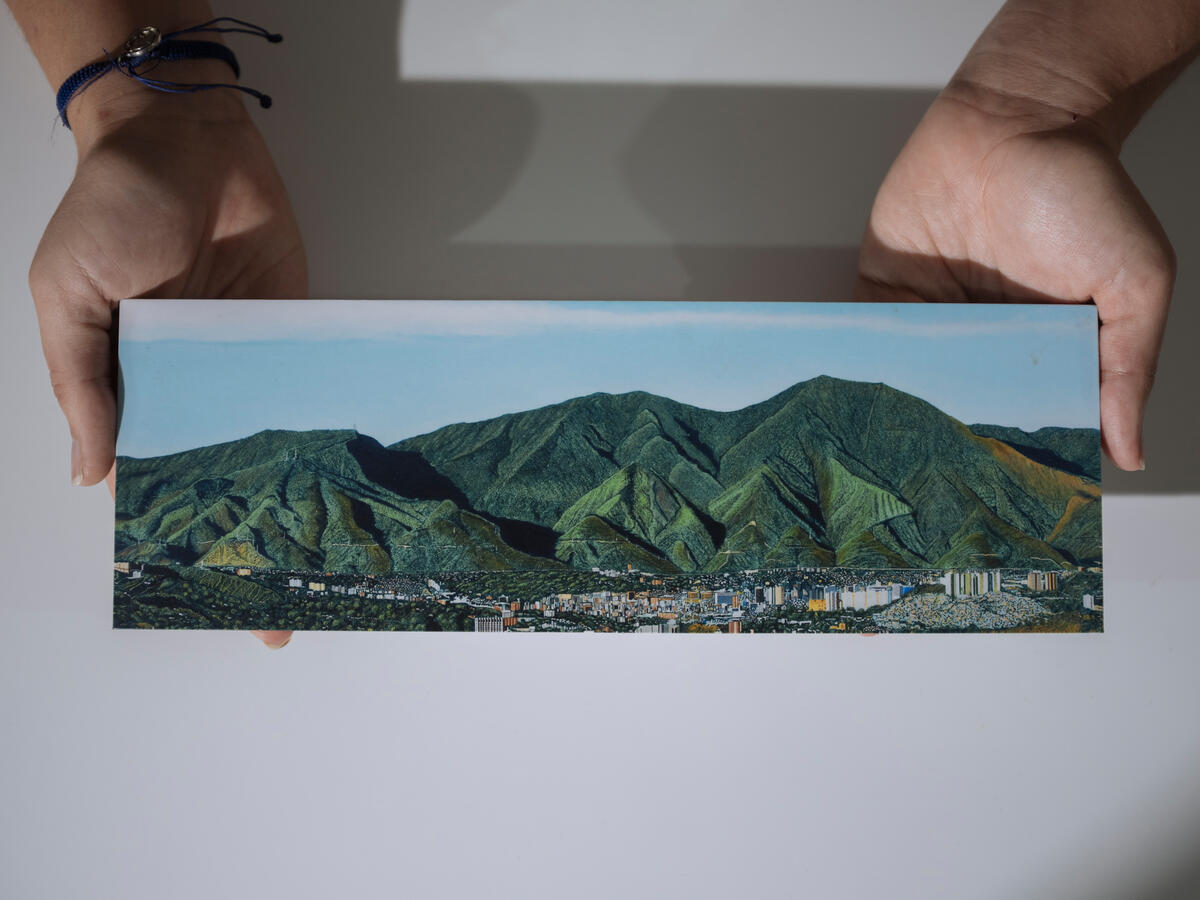
Reconnecting with this generation six years later, now exiled in Colombia, was “deeply distressing” for Özmen.
“Instead of speaking about studies or dreams, they spoke about survival and displacement. One young person told me, ‘When you finish high school in Venezuela, you don’t think about what you want to study — you think about which country you will live in.’ Hearing this made it clear how an entire generation has grown up marked by trauma, forced to become adults too early, and to build their lives far from home.”
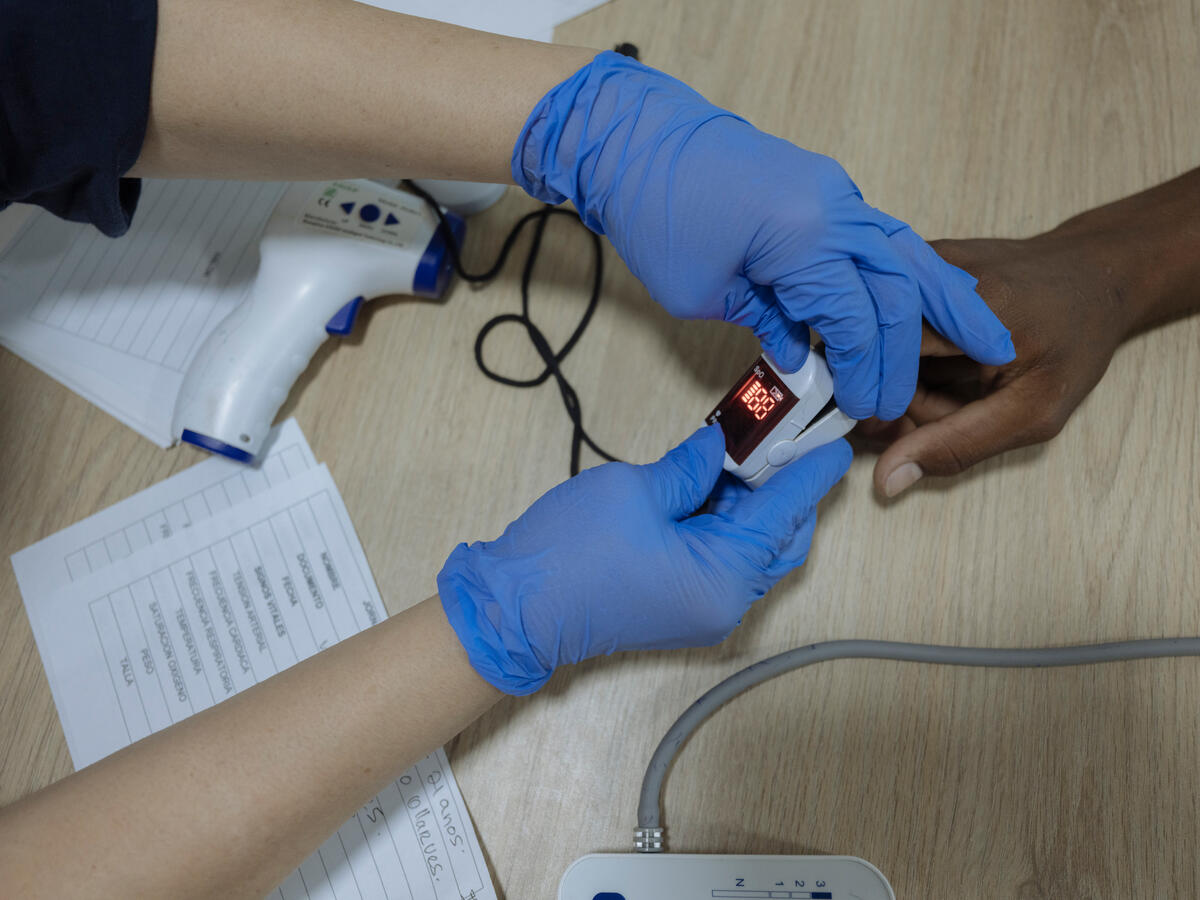
"If my work can contribute to a deeper understanding of these struggles, or simply preserve the memory of those who risked something to be seen and heard, then it has meaning."
- Emin Özmen
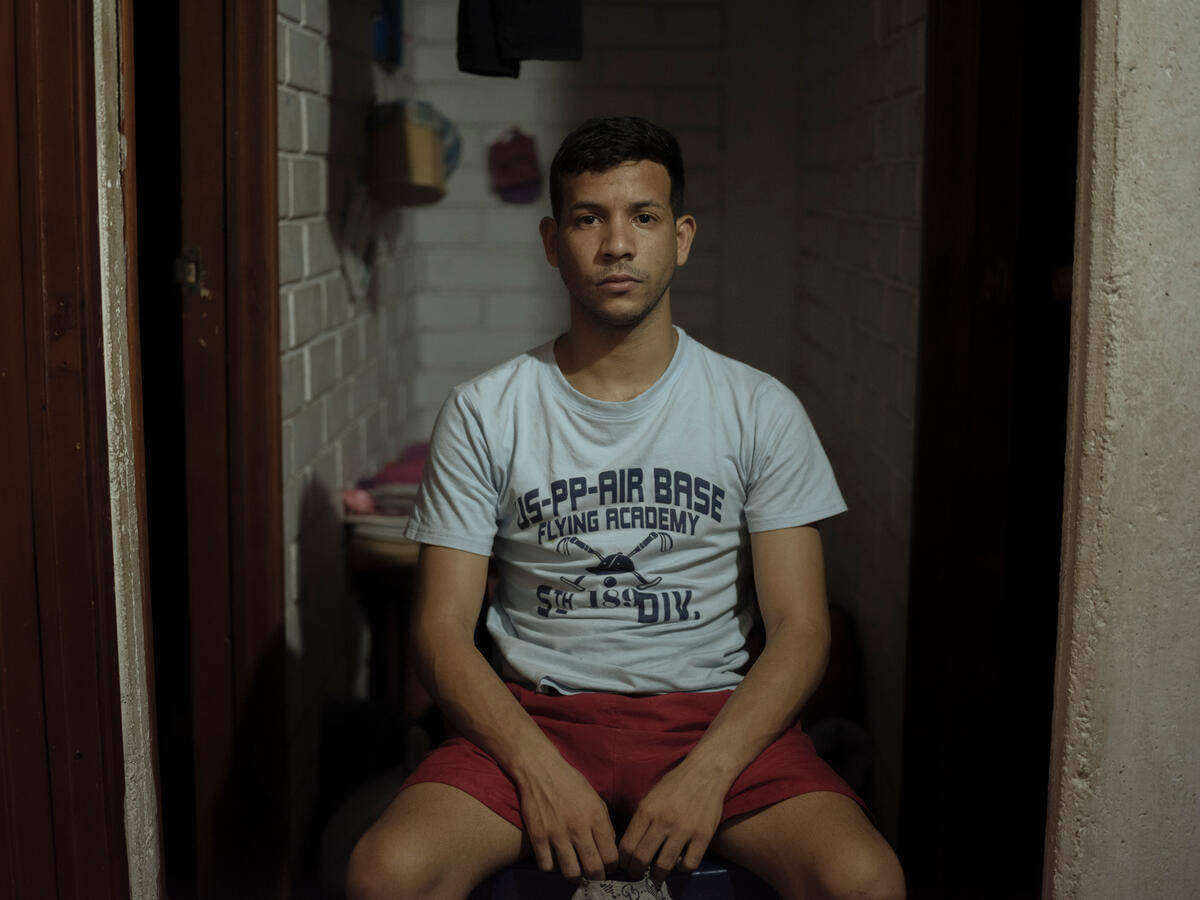
While the project looks deeply at Venezuelan lives today, for whom exile is sometimes the only recourse, Özmen’s intimate portraits also underpin the wider threats to democracy around the world, which he feels he has a responsibility to document.
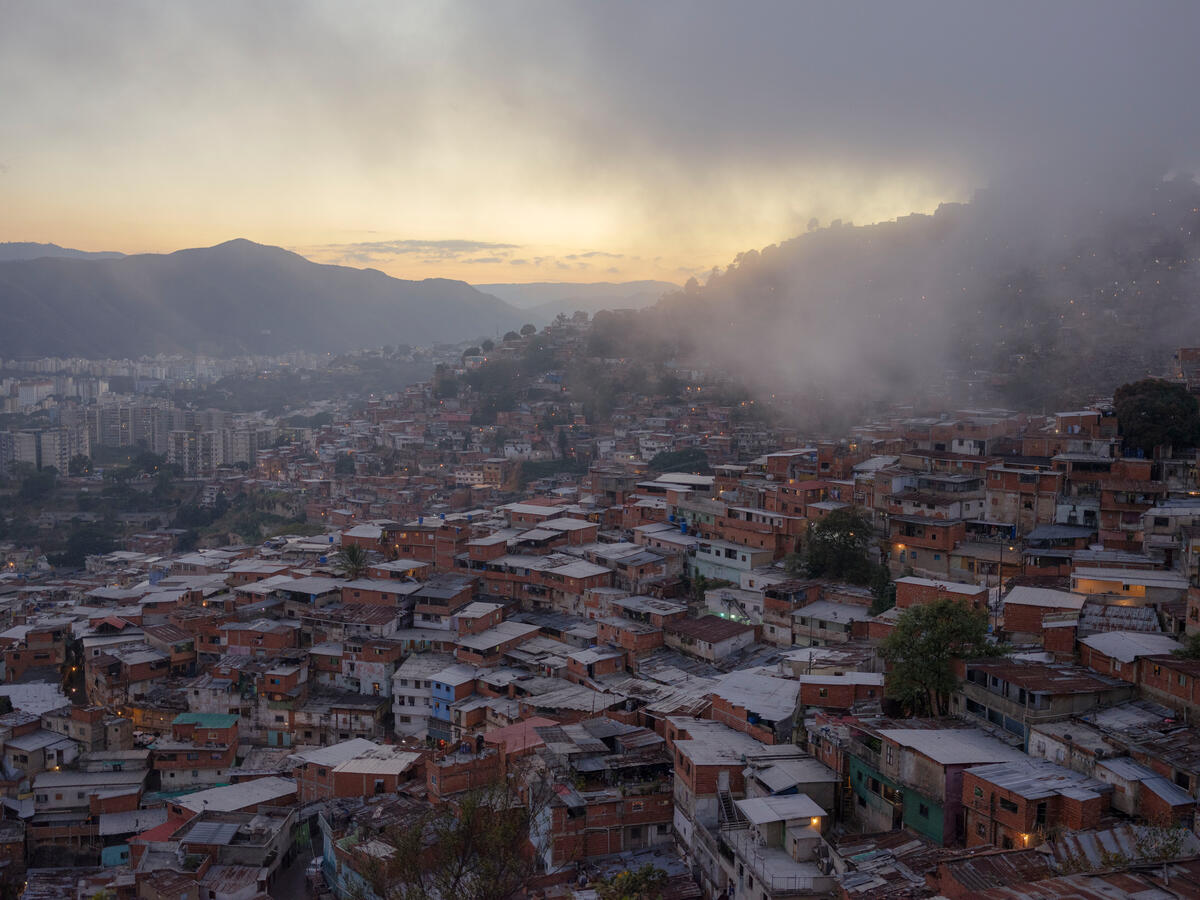
“Growing up and working in regions marked by political repression and instability, I have seen how quickly freedoms can disappear and how normalized authoritarianism can become,” says Özmen, who has extensively recorded Turkey’s political crises throughout the last decade. “Photography allows me to witness these moments and to create a record that resists forgetting.
“I am not there to provide answers or take sides in a simplistic way, but to create images that invite viewers to look carefully. If my work can contribute to a deeper understanding of these struggles, or simply preserve the memory of those who risked something to be seen and heard, then it has meaning.”


Democracy on the Brink is on view at the Nobel Peace Center in Oslo, Norway until September 30, 2026. Plan your visit here.
Explore Özmen’s collection of fine prints and posters at the Magnum Store.