
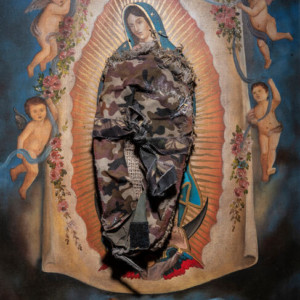
How do people define Heimat (“home”) in the 21st century? Can you still speak of home in the singular, when concepts of home have become increasingly plural in the present time? Has home as a geographical location had its day? How do people continually form new homes for themselves?
Even our globalized and digitized societies harbor a longing for home—despite, or perhaps precisely because they are shaped by migration and constant change. The spectrum of reasons for forced and voluntary migration are manifold, and ongoing processes of forming a sense of home have long become the social normality.
The central question is whether and how people find a sense of home within these turbulent social structures, with all their controversies.
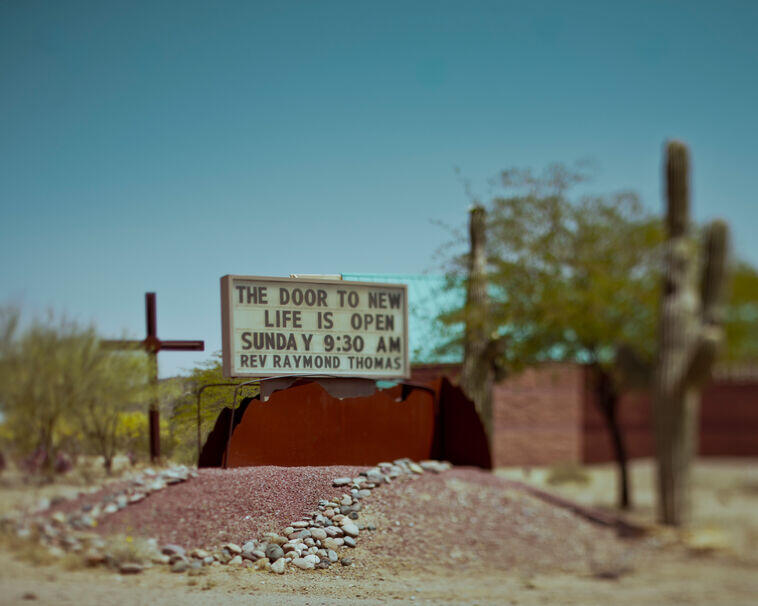
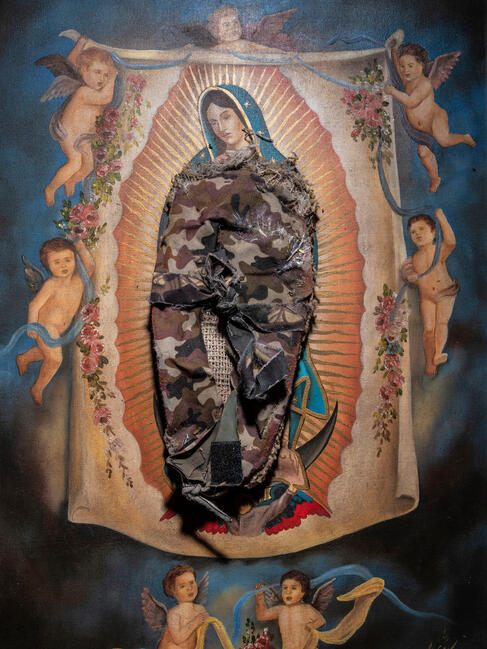
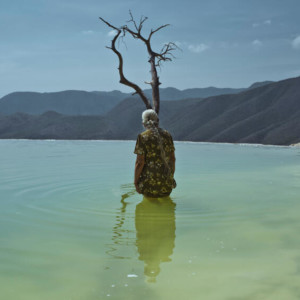
Houses and cities, countries and landscapes, family, friends and communities, religion, music and language, cultural practices, food, digital platforms, and social networks—in the area of tension between memory and the present, homes can take many different forms. Tell Me Where Home Is explores these developments through the global lens of 21st-century art, in which numerous artists—whether poetically, metaphorically, or directly—address pressing questions surrounding home, migration, and belonging.
With around 160 works of art and plenty of space to linger, Tell Me Where Home Is invites visitors to consider personal and collective concepts of home and to engage in transcultural encounters. The exhibition seeks to foster understanding of the traumas experienced by forcibly displaced people and to encourage the acceptance of diversity as an essential part in the formation of new communities: homes everywhere, for everyone.