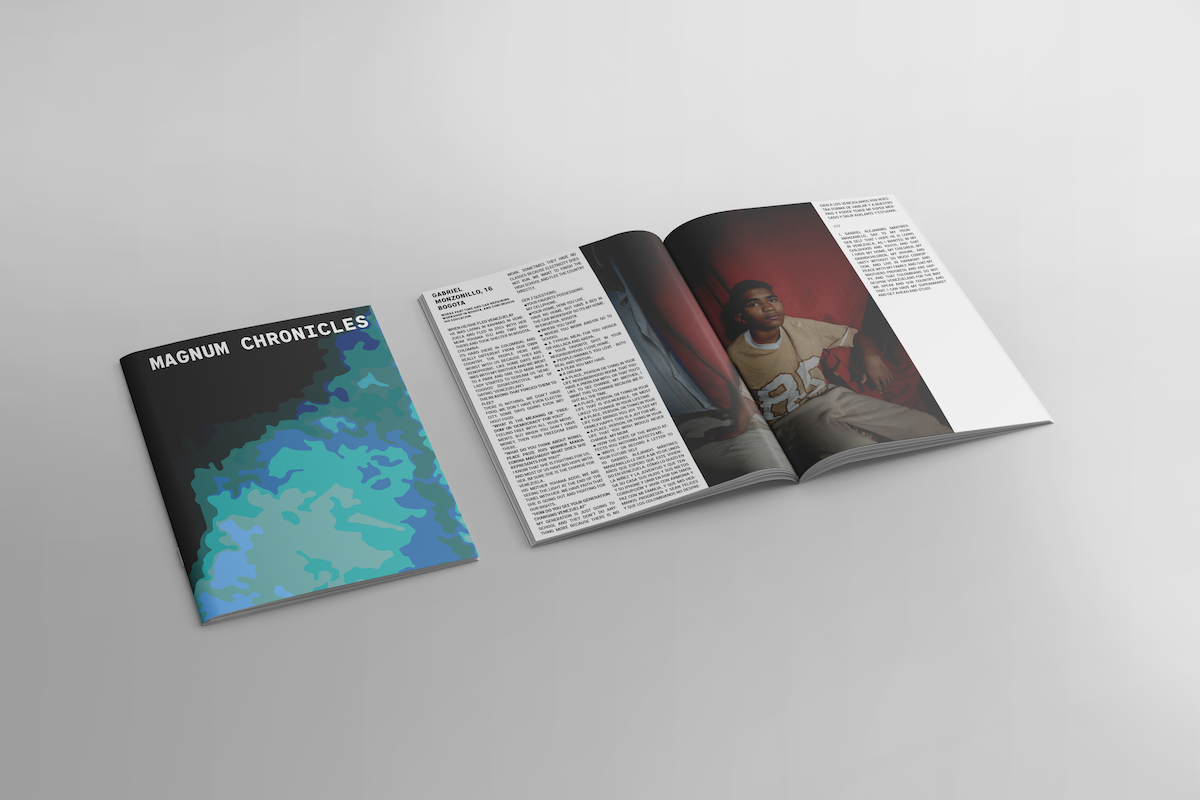
Magnum Chronicles: A Global Portrait of Generation Z
This year’s edition of Magnum Chronicles, an independent publication of collective storytelling, sees Magnum photographers working around the world to make a lasting portrait of the rising generation

75 years ago, Robert Capa embarked on Magnum’s most ambitious group project to date. Titled Generation X, after the “unknown generation,” it was one of the agency’s very first exercises in large-scale, collective visual storytelling, and the first to be coordinated internally. Capa’s objective was to send the cooperative’s photographers to the four corners of the world to portray the post-war generation. Asking them questions about their daily lives, upbringing, political leanings and aspirations for the future, the photographers aimed to highlight commonalities despite their disparate cultural contexts and living conditions.

The year was 1951, and the impact of the Second World War was still very much palpable. Tensions were rising with the Korean War raging and the omnipresent anxiety of the Cold War. Generation X was a chance to explore the zeitgeist among the younger generation in this post-war period, and in that sense, represented a glimpse into the future. Today, it presents a startling portal to the past, an intimate look at the thoughts and feelings of a previous generation — those who became our parents, grandparents, and great-grandparents.


Now, in 2026, Magnum embarks on a modern-day equivalent — a global portrait of Generation Z. Many of the cooperative’s photographers are working collaboratively with individuals between the ages of 14 and 29 in over 10 countries around the world, including Chien-Chi Chang in Taiwan, Myriam Boulos in Lebanon, Newsha Tavakolian in Iran, Cristina de Middel in Brazil, Emin Özmen in Colombia with Venezuelan refugees, Zied Ben Romdhane in Tunisia, Antonie d’Agata in Georgia, Sakir Khader in Palestine and Syria, and Salih Basheer with Sudanese refugees.

Their portraits and interviews will be published this summer in this year’s edition of Magnum Chronicles, an annual publication by Magnum photographers that explores and interrogates contemporary global issues through independent documentary photography.
Pre-orders are now available, which will support the creation and publication of future editions of Magnum Chronicles. Find out more here.
"Our goal, as it was 75 years ago, is to collect and document the points of view of those who will live with the consequences of today’s mistakes — to listen to this generation and spread its message as far as we can in our position."
- Giulietta Palumbo

“The same urgency that Capa felt in the 1950s feels present for us today,” explains Giulietta Palumbo, Global Head of Editorial at Magnum and the driving force behind the Magnum Chronicles publication. “After the release of Magnum Chronicles: US in 2025, in the wake of Trump’s inauguration, we had several internal discussions with the photographers around the theme for this year’s edition and how to respond to current events. The question around the youth of today quickly became a pressing topic for us to interrogate: how is this generation living and reading the current crises in the world?”
“We felt that it is essential at this point in time, when common trust and creative thinking are stifled by ongoing forms of violence, to open up a new dialogue about the future. Our goal, as it was 75 years ago, is to collect and document the points of view of those who will live with the consequences of today’s mistakes — to listen to this generation and spread its message as far as we can in our position.”

Generation Z, or those born between 1997 and 2012, according to the Pew Research Center, are perhaps best categorized as the first generation of “digital natives” — the internet, social media, and screens are a major part of their daily lives. “In Asia, GenZers spend six or more hours per day on their phones,” writes a report from McKinsey. Frequent exposure to global crises online, a monumental rise of visual imagery (AI-generated or other), and newsfeeds controlled by algorithms and fake news are defining the way that GenZ and GenAlpha consume media. Other key themes that arise frequently in the broad definitions of GenZ are climate anxieties, economic insecurity, and the Covid-19 pandemic, which drastically changed and restricted some of the most formative years of their lives. Mental health preoccupations and high self-awareness also emerge, as well as a deep mistrust of institutions.
"What worries me is the fact that people in the world have become so blinded by the desire for power that they can no longer see what truly matters."
-

Magnum Chronicles: GenZ seeks to break through the stereotypes and project the voices and feelings of the concerned generation themselves. “I feel powerless when I see unfair things happening, and I know I can’t fix it,” one interviewee stated from Georgia. “What worries me is the fact that people in the world have become so blinded by the desire for power that they can no longer see what truly matters,” wrote another.
The process began by diving into the archive and resurfacing the questionnaire used in the 1950s. “It carried some simple and factual questions, but also wider inquiries about values, dreams, and fears,” Palumbo explains. “Inspired by that work, we then adapted the questionnaire to give more freedom to the narrative and to the photographers. Each participating photographer adapts the questionnaire to their own approach, and their curiosity, but we left one mandatory section — to ask the young person to write a letter to their future self.”

The publication will combine archival work from the original Generation X project and the new work from Generation Z. As with many of the projects developed by Magnum today, it is both a preservation of the cooperative’s DNA and archive, and a step towards supporting the future of documentary photography.
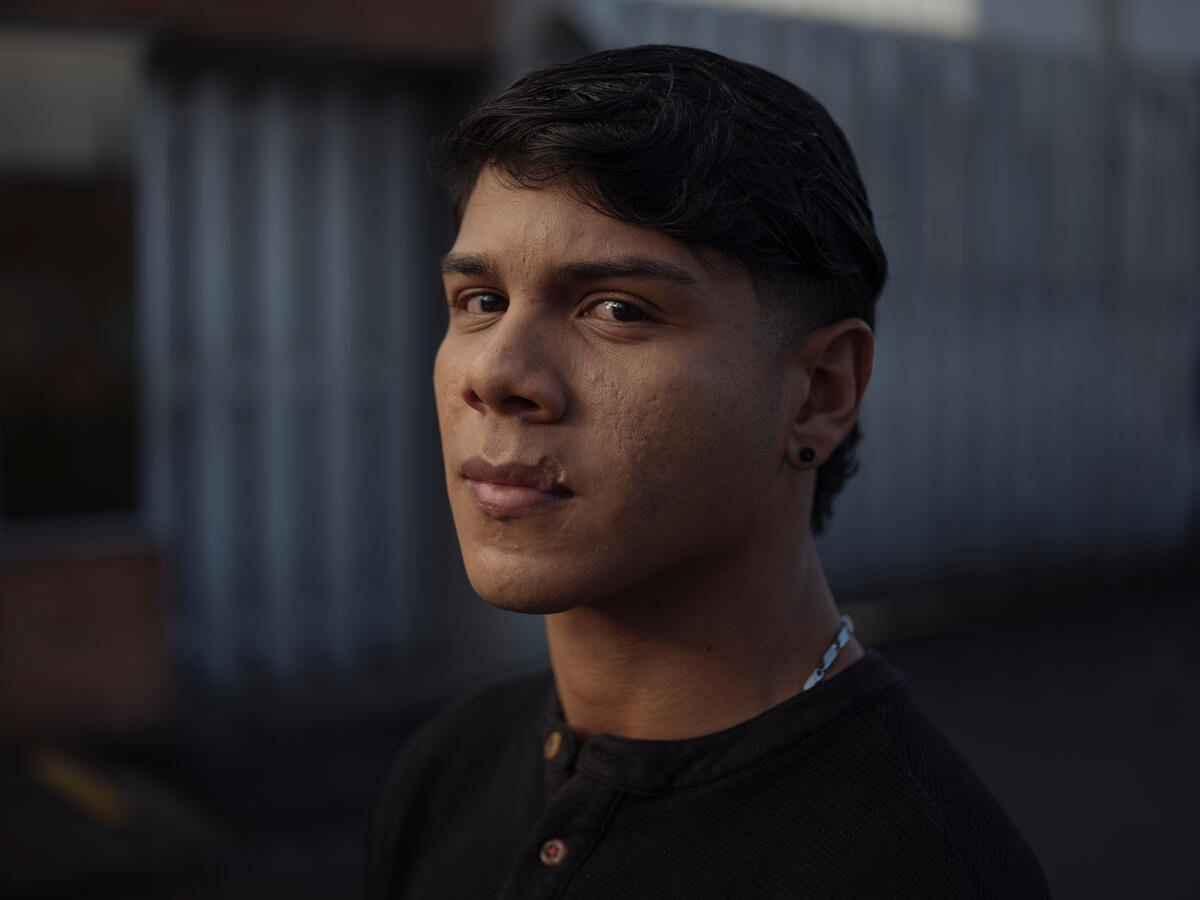
While several of the Magnum photographers were already focusing on the theme of Youth in their practice, such as Zied Ben Romdhane or Myriam Boulos, others are naturally closer to the younger generation, such as Sakir Khader or Salih Basheer. Chien-Chi Chang and Emin Özmen are approaching the theme while documenting current crises in Taiwan and Venezuela. And for Antoine d’Agata and Newsha Tavakolian, who were already in Georgia and Iran for personal or professional reasons, they expanded the brief to pass the camera itself to younger photographers and artists.

“Giving a voice to an entire generation is not an easy project for one single organization,” says Palumbo. “But it is one of our core focuses at Magnum today. Magnum Chronicles represents a starting point for a longer chapter in our goal to support the younger voices of this world to express themselves.”
While work for Magnum Chronicles: GenZ is well underway, and due to be published in summer 2026, Magnum calls on its audience to pre-order and explore offerings to support the independent publication, for this year and the future. With documentary photography losing crucial funding for long-term, in-depth, and independent bodies of work, maintaining Magnum Chronicles will help ensure that Magnum photographers can continue to pursue long-form collective journalism from trusted sources, to keep fueling the nearly 80-year-old archive and producing new bodies of independent visual storytelling.