A Certain Nature, After Giverny
Jean Gaumy’s latest photobook is an inventive exploration of Claude Monet’s gardens in Giverny, France
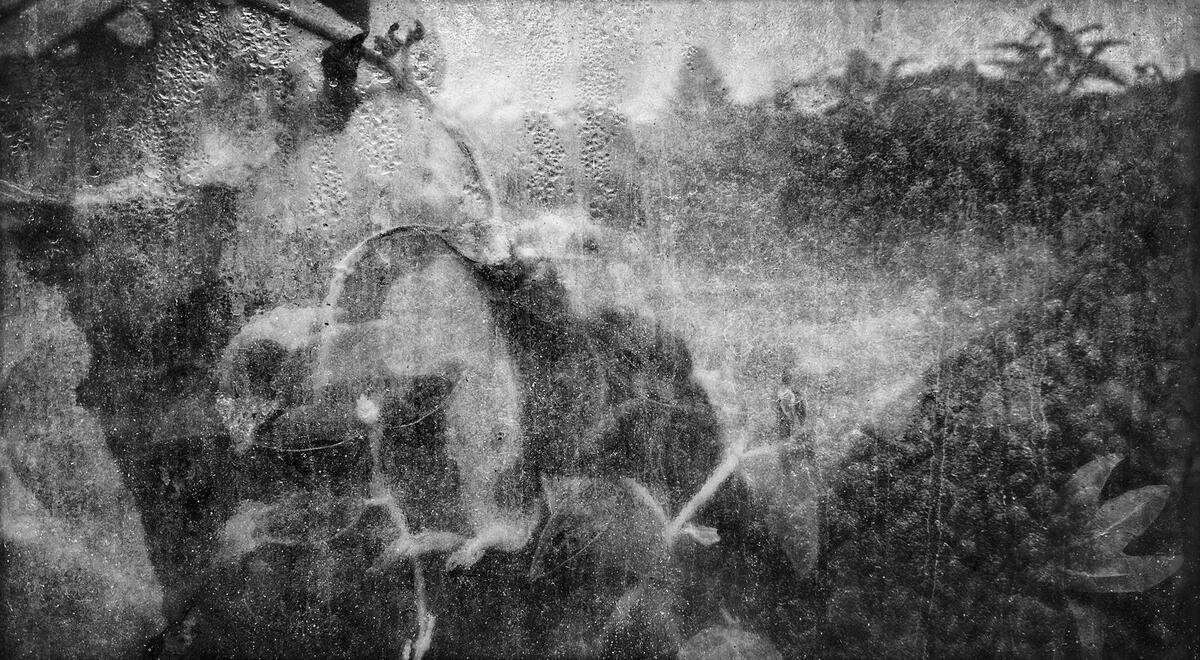
A decade ago, after being elected into the Académie des Beaux-Arts, Jean Gaumy stepped into the Impressionist painter Claude Monet’s (1840-1926) famous gardens — owned by the Académie — in Giverny, France.
“It’s more like magnetism,” he recalled about his first visit. “It illuminates things that are within you.” From 2016-2024, Gaumy photographed the gardens in black and white with his iPhone throughout the seasons, offering a novel portrait of Monet’s horticultural haven, home to his celebrated waterlilies and visited by 500,000 people a year.
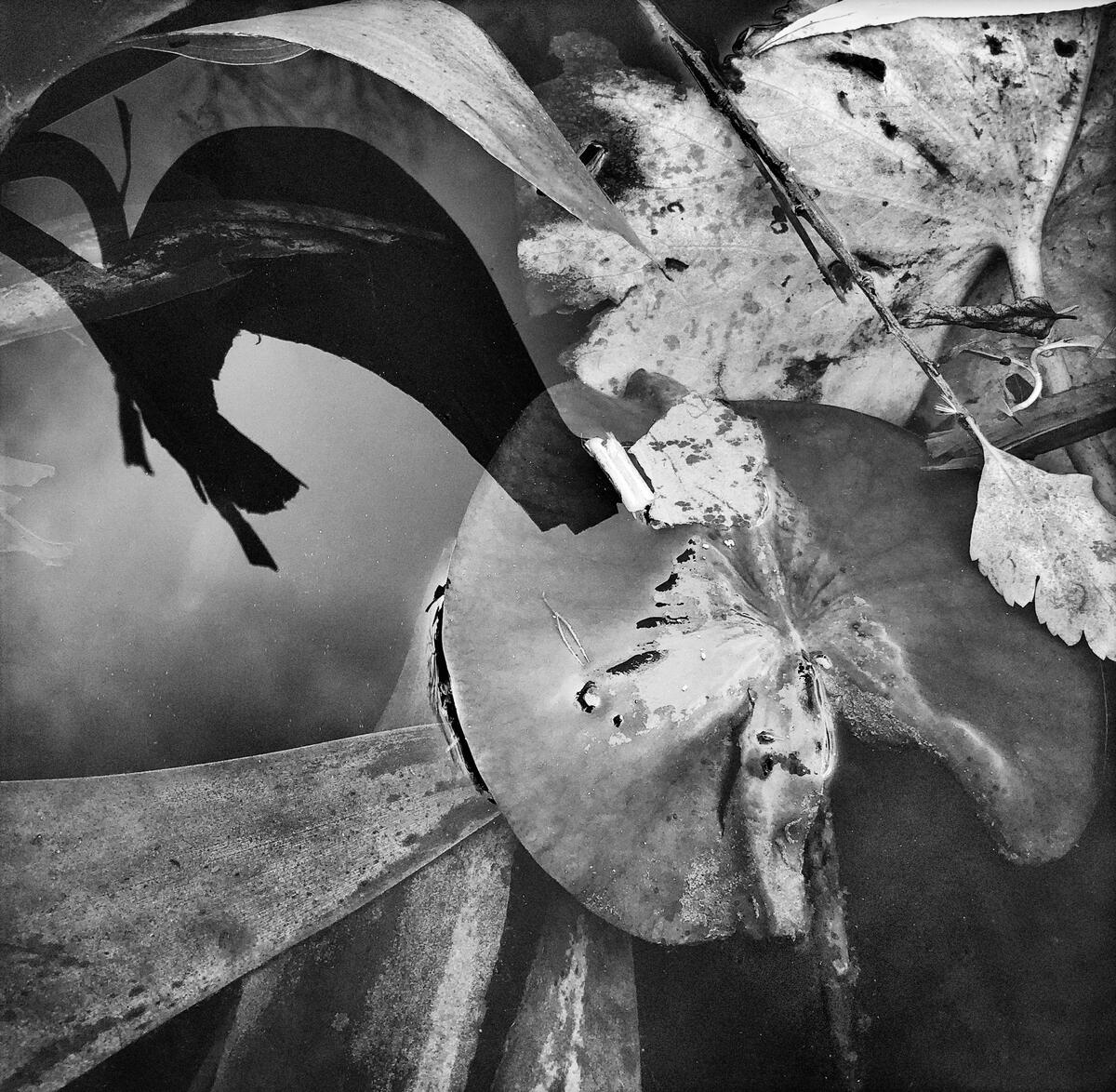
The book that emerged from the project, A Certain Nature, After Giverny, published by Xavier Barral Editions in May 2025, asks us to deeply observe the forms, shadows, and overlooked lives of plants. Removed from their well-known context, they take on a dreamlike aura through Gaumy’s lens.
In order to achieve the details of water droplets or plants frozen under the icy pond, Gaumy immersed himself in “Monet’s imaginary creation,” what Marcel Proust called a “color garden.” Yet, by photographing in black and white, he breaks free from the painter’s vibrant universe.


Nature is close to Gaumy’s heart and central to some of his past photographic projects. While Gaumy’s 2002 book Pleine Mer: Men at Sea captured the severe conditions fishermen face working on open-deck trawlers, his 2010 photobook D’après Nature was very much terrestrial, a study of the mountainous landscapes of the Piedmont region in Italy, also in black and white.
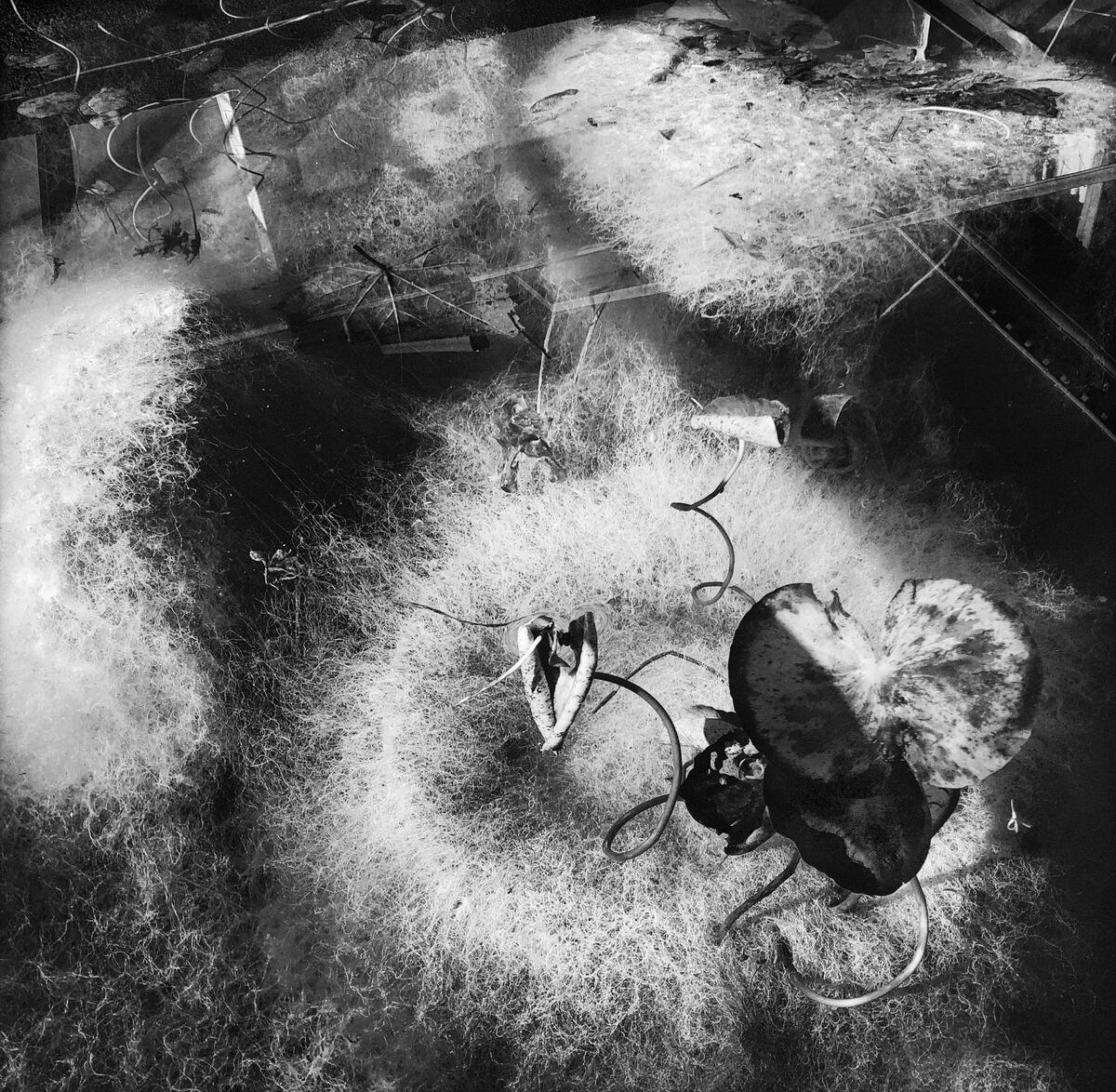
"It's like a surprise, a gift — a very childlike sense of wonder."
- Jean Gaumy
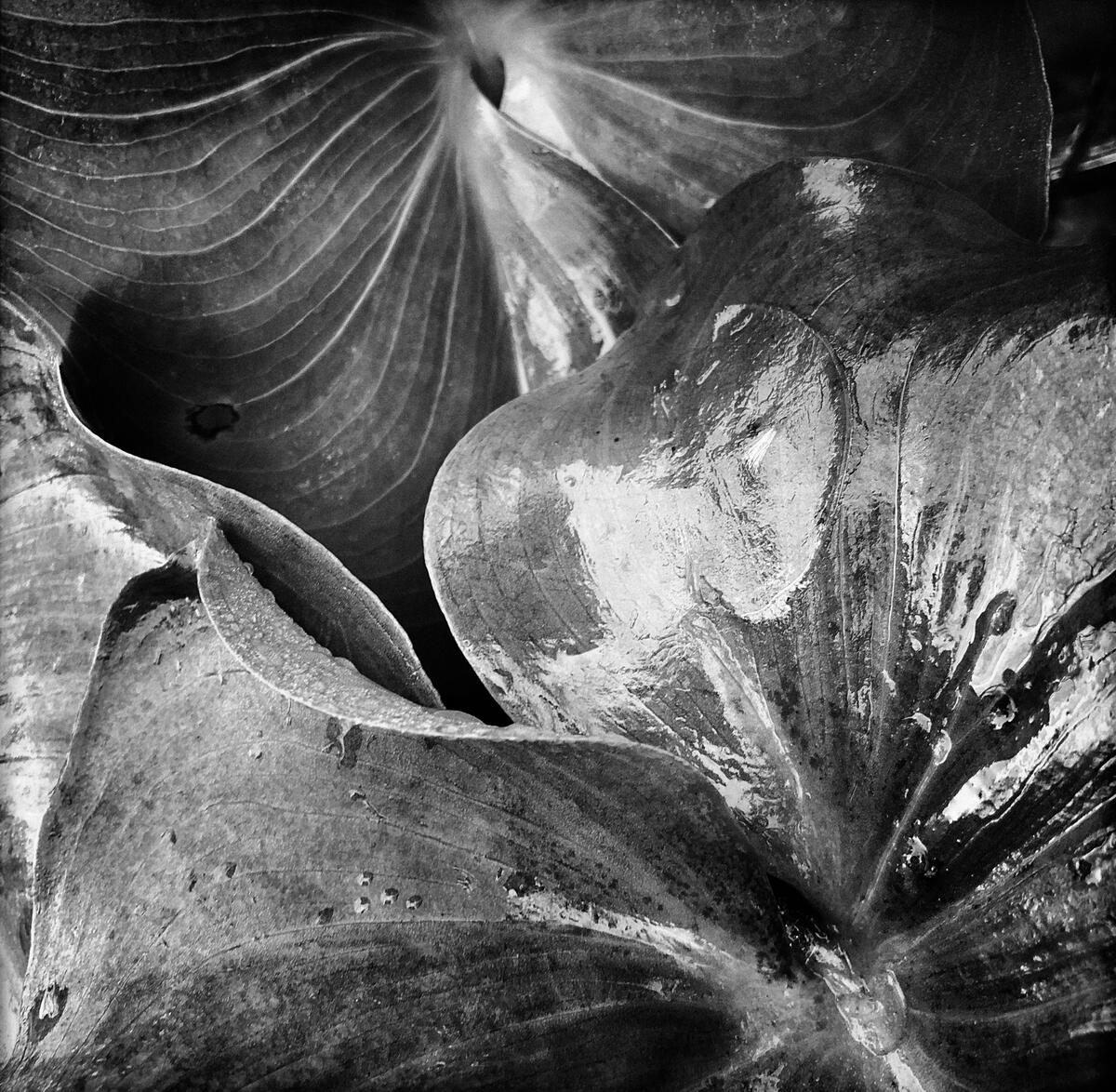
“I’m a river and stream fisherman. I’ve been observing nature closely for a long time. Being confronted by a river means looking at the water and its movements, but also the grass, the shadows, the light,” he says in an interview with his publisher.
Using the iPhone for a large-scale project, however, required a certain discipline. “It was important to resist being seduced by the immediate results and apparent ease of the instrument,” he writes in the book’s introduction. “This device […] propelled me into a world very close to the microcosms I had perceived in rivers as a child.” Interestingly, A Certain Nature evokes early botanist cyanotypes or even daguerreotype portraits, adapting a naturalist’s eye.
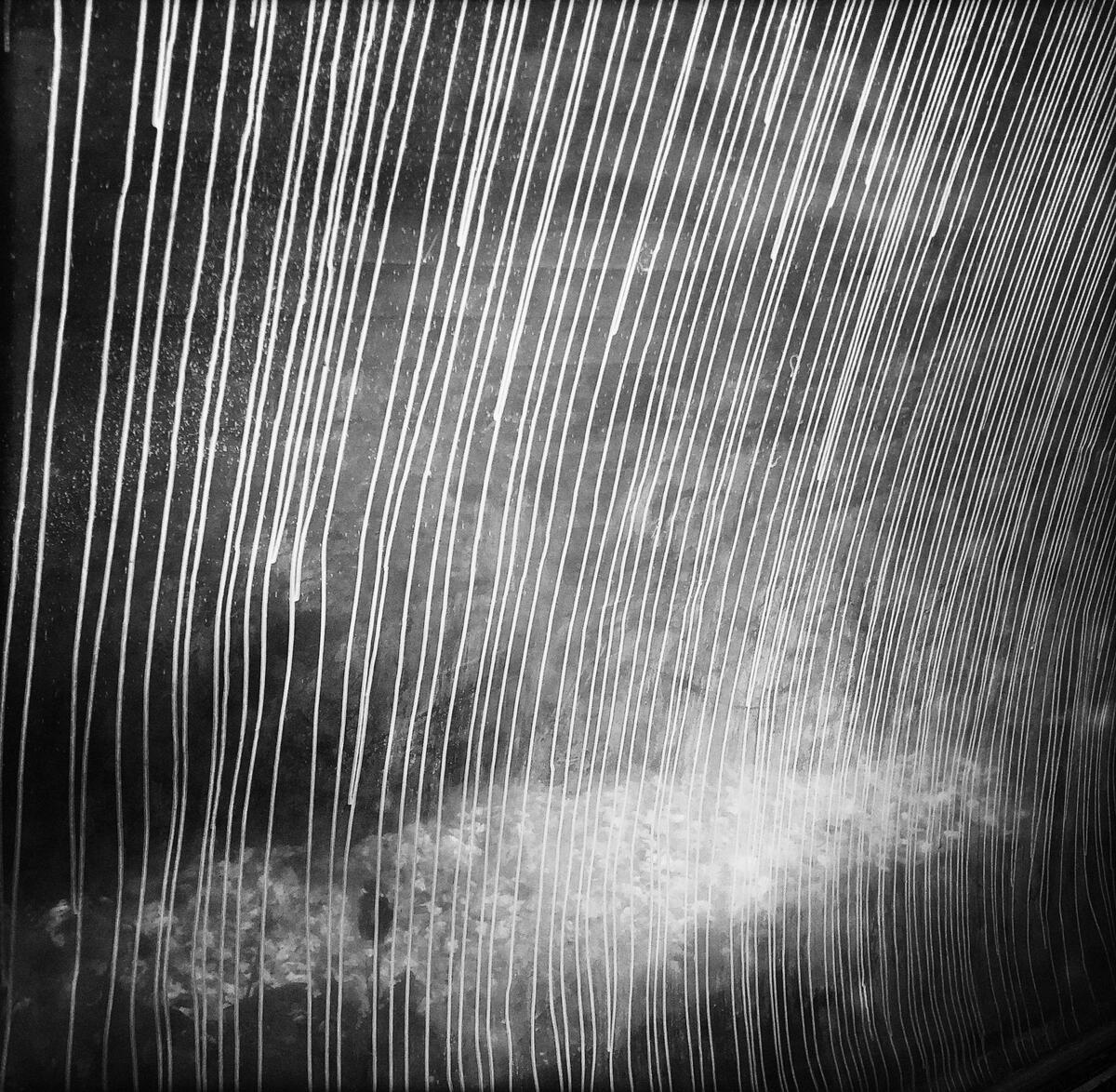
Gaumy’s immersion also involved researching Monet’s intimate network of garden enthusiasts.
“By delving a little into the letters Monet exchanged with his friends, I realized that they all had a beautiful, joyful energy. Horticulture was a trend. They were just tinkering at first, but they encouraged each other, and thanks to their natural inclinations and exchanges, they became much more skilled. […] I find that wonderful and quite inspiring.”
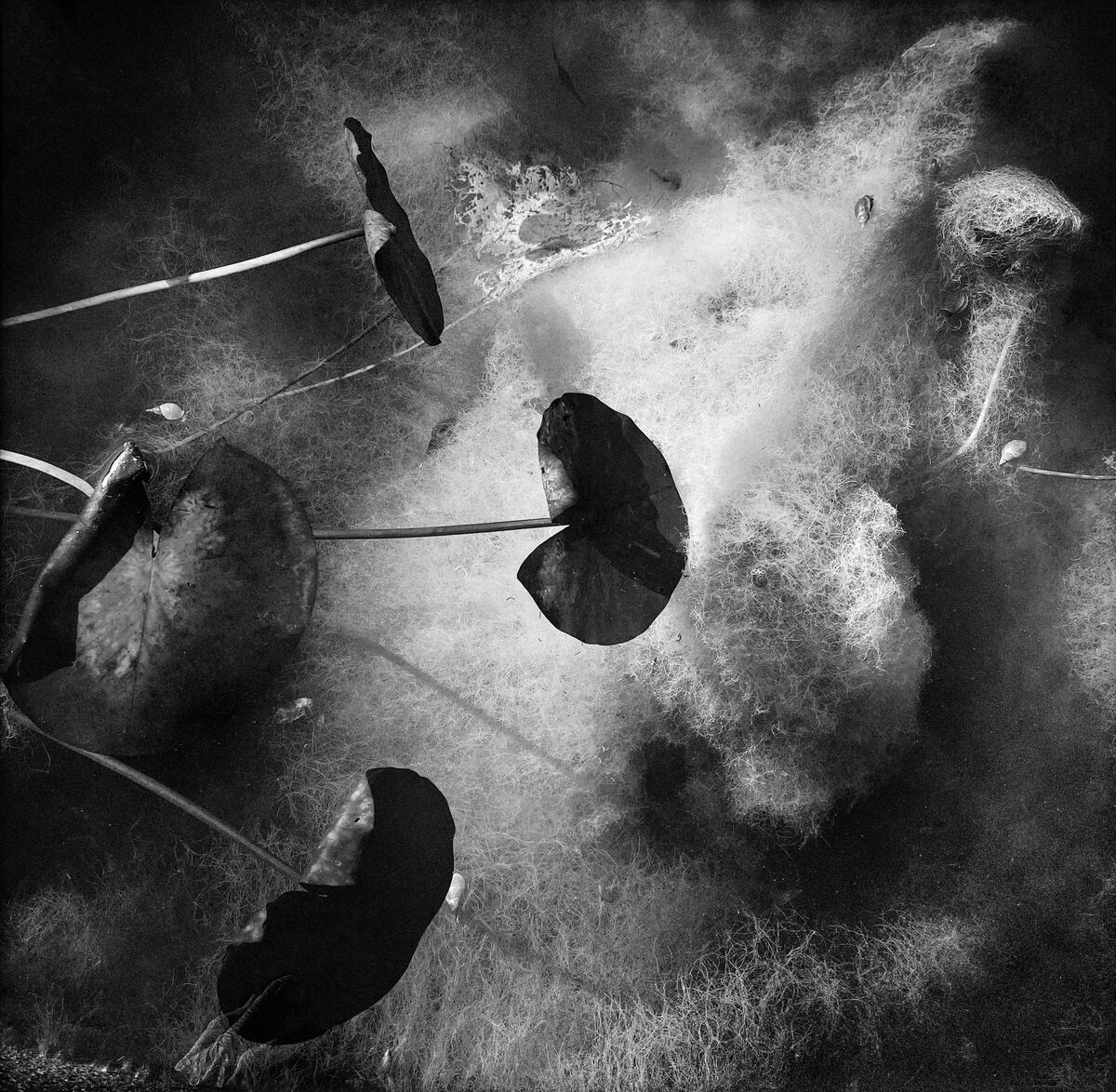
“It took some time — seven years — to gently grasp the garden, to free myself from the conventions of the place, the colors, the ‘codes’ — those of Monet or others. I didn’t want to confine myself solely in the ‘documentary’ sphere,” he says in the interview.
“I needed to break free from the trap of the postcard image and the tropes. To leave Monet his colors. It’s his garden, after all.”
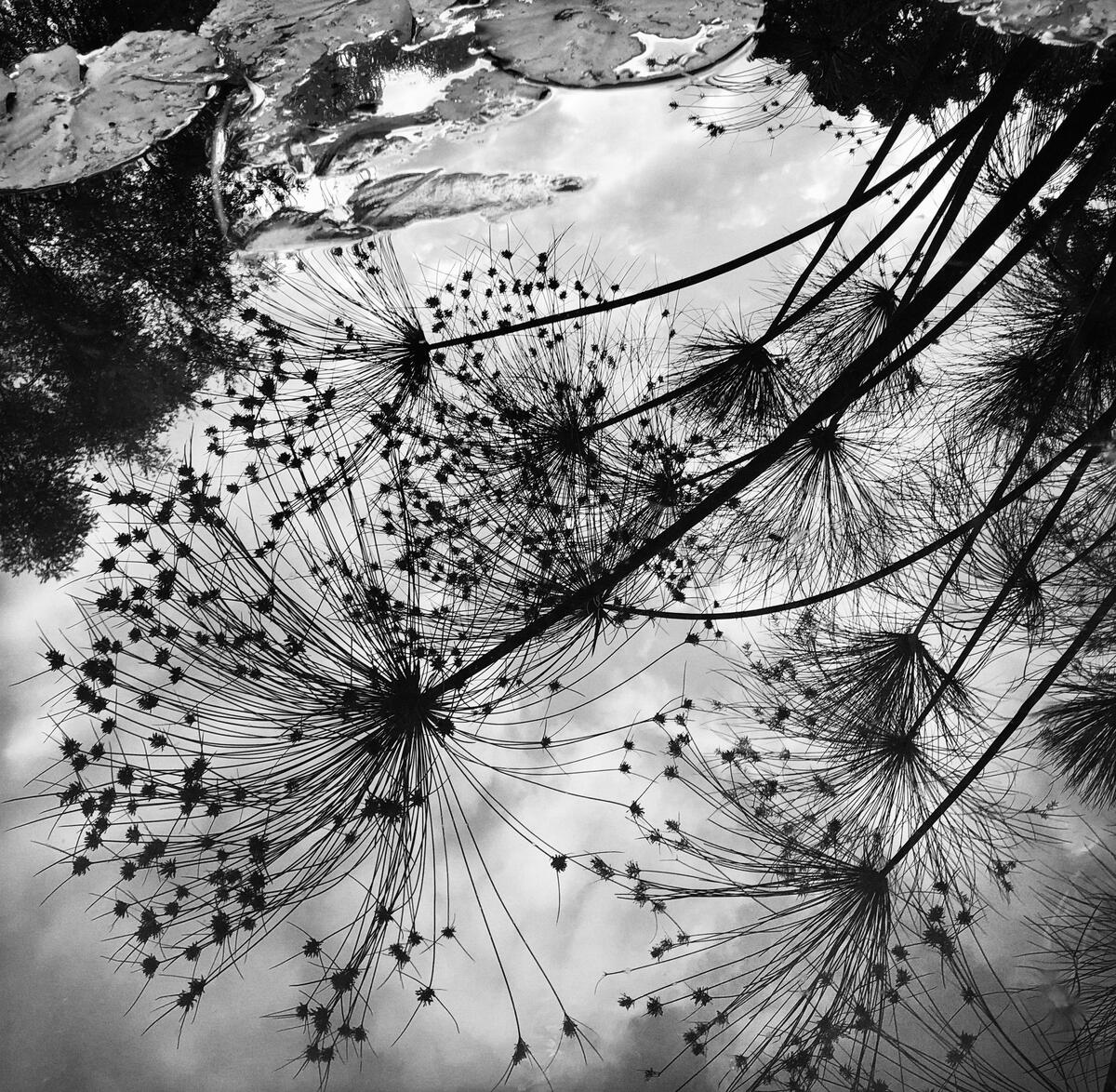
A Certain Nature invites us to slow down, and look carefully at the seemingly familiar. “There’s something very important — and rare — in this contemplative style for me,” Gaumy says. “It’s the fact that, sometimes, I don’t quite understand what I’m looking at on the screen for a few fractions of a second. It’s not abstract, it’s surreal. What am I seeing? Is this really what I’m photographing? It’s like a surprise, a gift — a very childlike sense of wonder.”
Discover A Certain Nature, After Giverny at the Magnum store here.