Displacement and Migration through the Magnum Archive
On the 75th anniversary of the United Nations High Commissioner for Refugees (UNHCR), we take a look at Magnum's coverage of refugee and displacement crises around the world, from the 1940s to the present day.
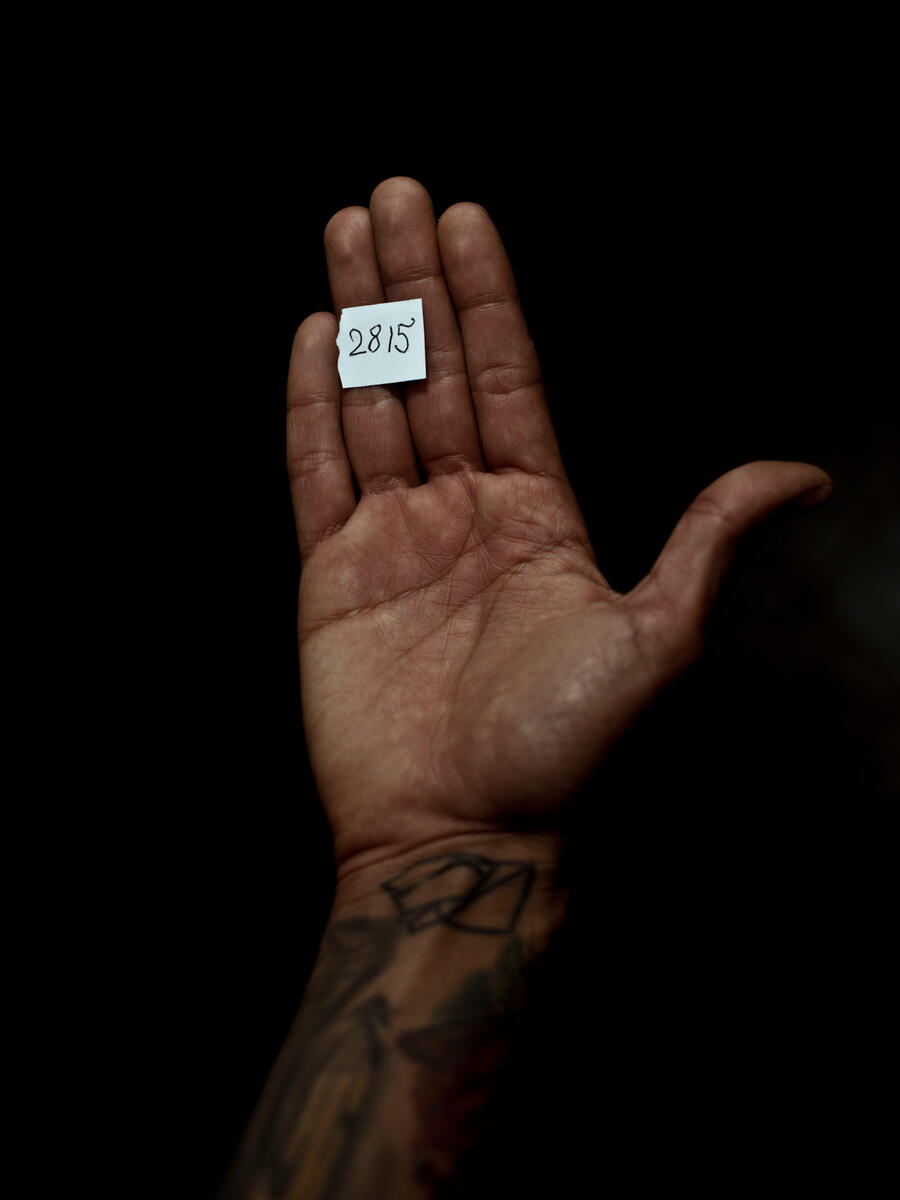
Magnum photographers began documenting displacement and migration very early on in the agency’s history — over 78 years ago. One of the earliest examples of a visual chronicle of human displacement in the archive was David “Chim” Seymour’s coverage of the millions of child survivors forced to flee their countries during World War II.
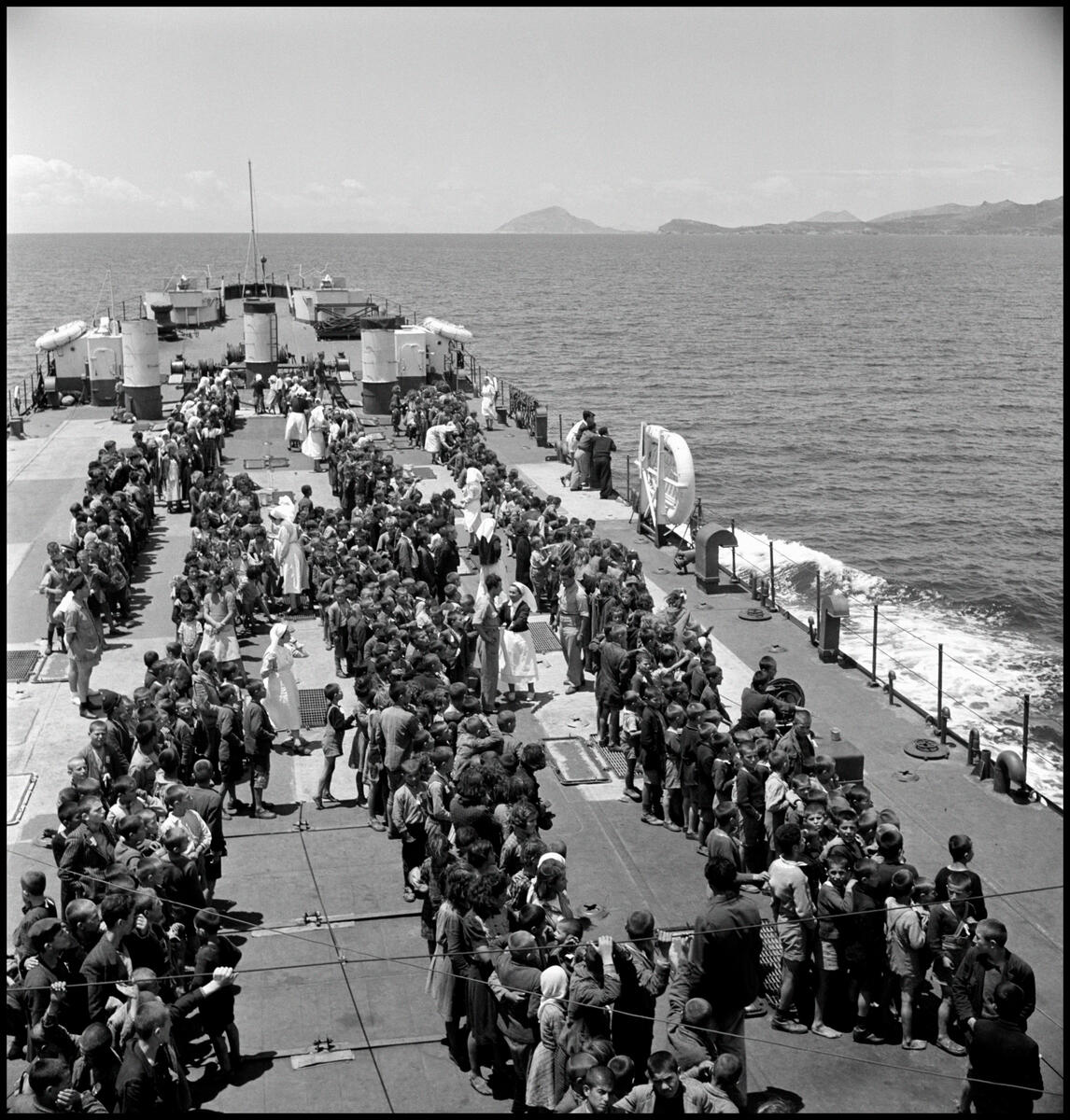
Mandated by UNESCO and UNICEF in 1948, Seymour drove through five European countries during the following year — Austria, Greece, Italy, Hungary and Poland — where he met children who had experienced severe mental and physical trauma. The series, titled Children of Europe, documented the lives and resilience of youth searching for stability in the aftermath of war.
"Magnum was created to allow us, and in fact to oblige us, to bring testimony on our world and contemporaries according to our own abilities and interpretations."
- Henri Cartier-Bresson, 1962
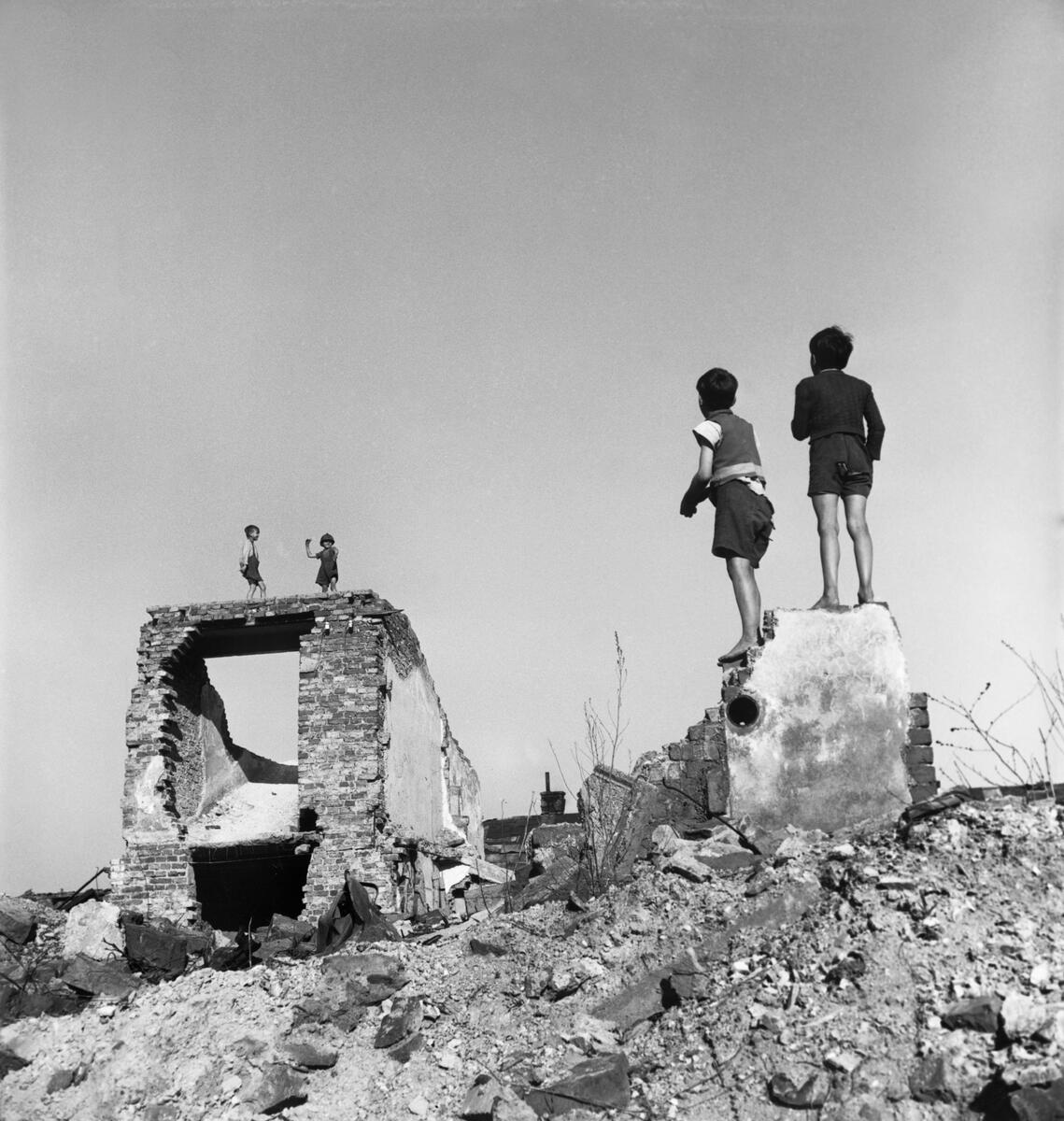
When the agency was founded in 1947, photojournalism was still in its early stages. Marked by the atrocities of World War II, Magnum’s founders believed that photography could support worldwide change, not as a tool of illustration or propaganda, but as a way to shape collective thinking around history, and render its actors accountable through free and independent documentation.
“I wish to remind everyone that Magnum was created to allow us, and in fact to oblige us, to bring testimony on our world and contemporaries according to our own abilities and interpretations,” stated Henri Cartier-Bresson in a 1962 memo addressed to all photographers.
Traveling around the world, they covered conflict zones to document the human side of history — the hope, strength, and fear experienced by those impacted by political upheaval and global events.
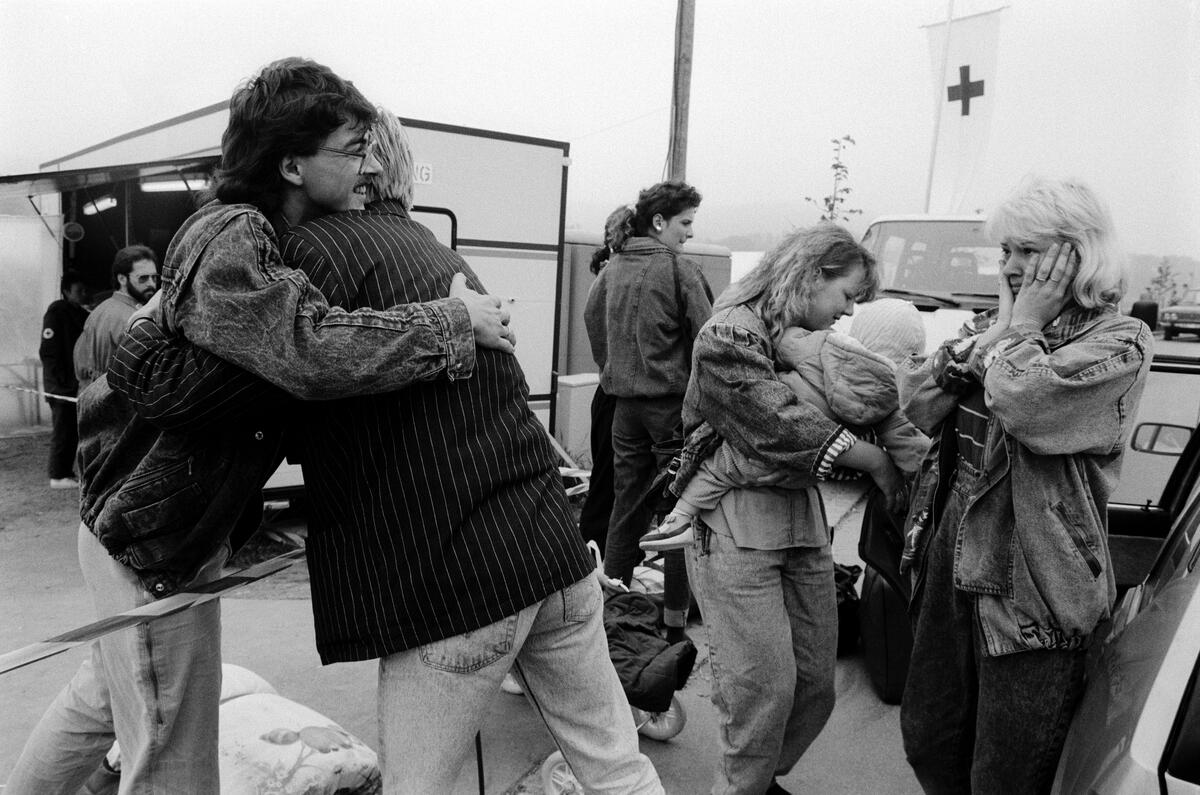
A year after Seymour began Children of Youth, the United Nations mandated the UNHCR to protect the rights of refugees in 1950. Shortly after, the 1951 Refugee Convention became a key legal document, setting out the work of the UNHCR in helping refugees access their rights around the world, a role it has fulfilled for the last 75 years.
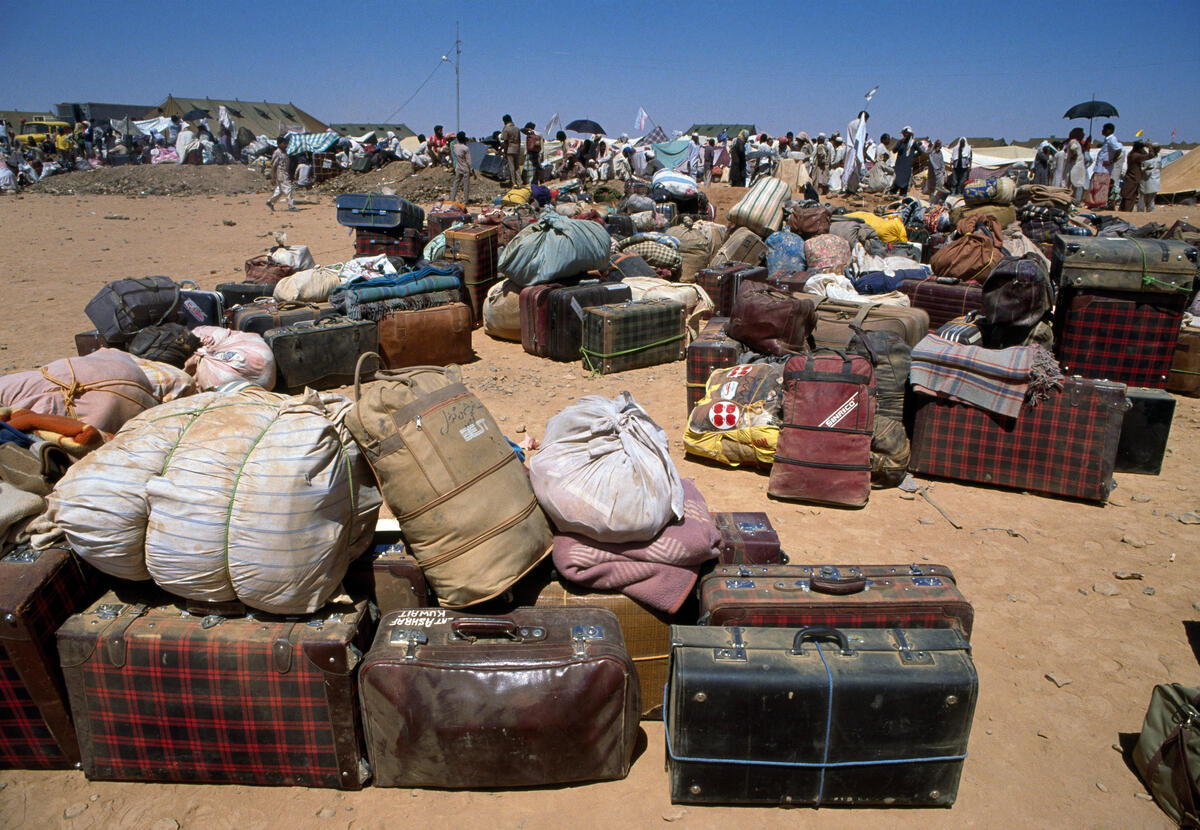
Magnum Photos and UNHCR have worked together over the decades to document crises around the world and reach those in the greatest need of being heard, in the hope that powerful images will help raise awareness of the systemic problem of human displacement.
Below, we share a selection of images and stories from Magnum photographers, from forced displacements and life in refugee camps, to periods of immense uncertainty and resettlement in new countries.
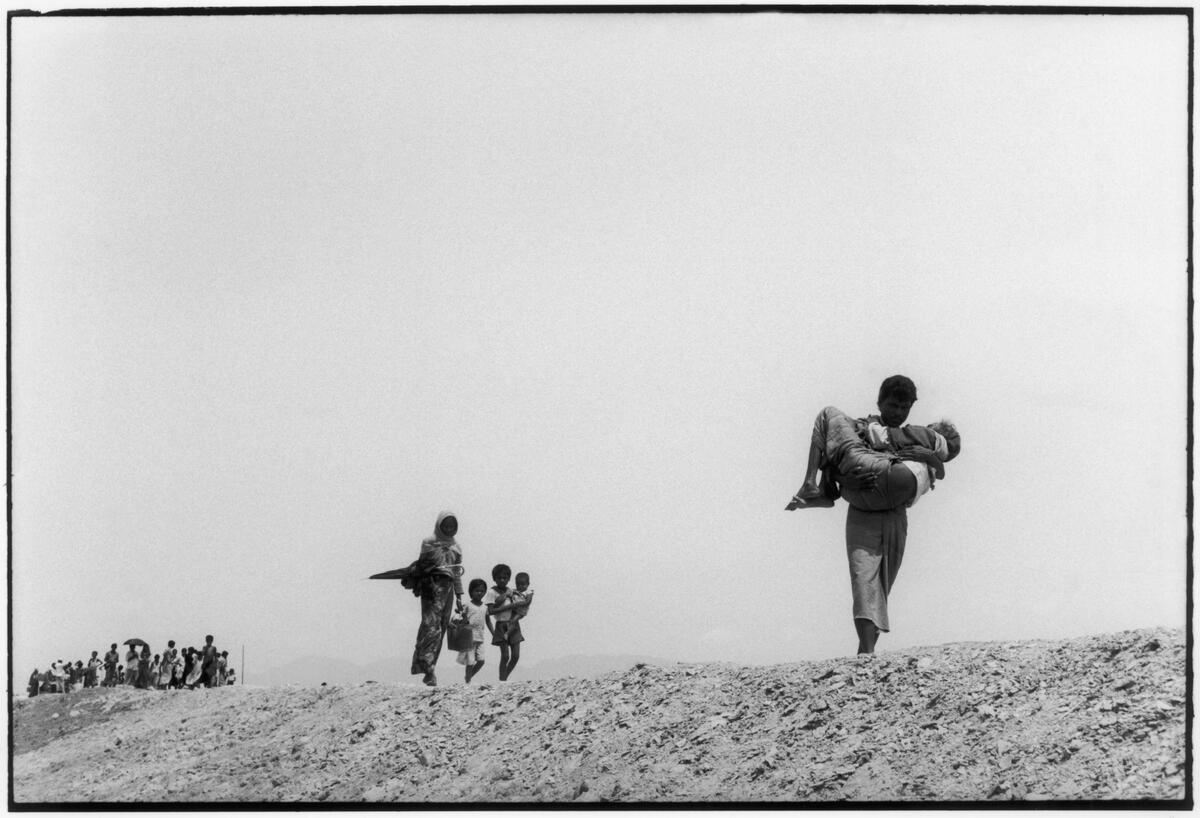
In 1991, Burma-born photographer Chris Steele-Perkins documented the plight of Rohingya refugees as they fled from Myanmar to Bangladesh on foot to escape the government’s crackdown on Muslim communities. The Burmese government has, for decades, declared Rohingya muslims to be “illegal immigrants.” In 1993, the UNHCR became involved in creating a durable solution for the refugees.
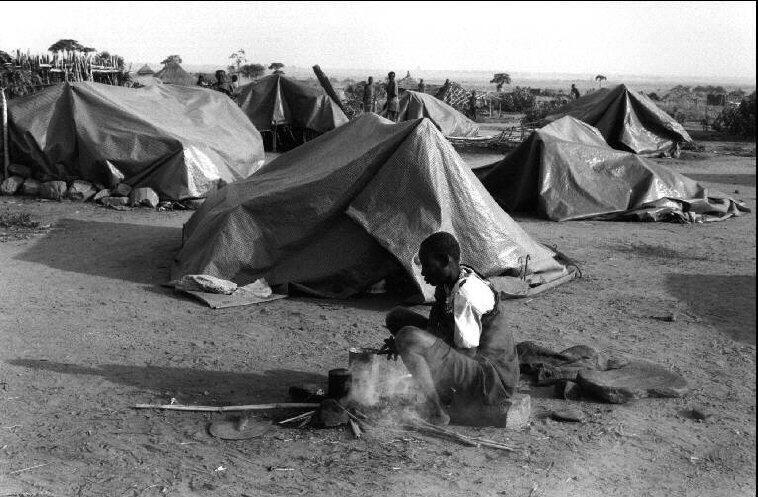
The same year, Abbas traveled to Sudan to document the beginning of Omar al-Bashir’s military presidency. The conflict between the Islamic military government and the Sudan People’s Liberation Army dated back to a decade before, in 1983, and was the cause behind numerous human rights abuses, arbitrary killings, civilian lootings, and the displacement of an estimated 100,000 people. According to a report from Human Rights Watch published at the time, the capital of now-South Sudan, Juba (pictured below) was considered one of the areas most affected by human rights abuses. Abbas recorded the hardships and starvation endured by the Sudanese people due to the repercussions of the 10-year war.
Al-Bashir’s military presidency, which would see him accused of genocide, war crimes and crimes against humanity in Darfur by the International Criminal Court in 2008, lasted until 2019.
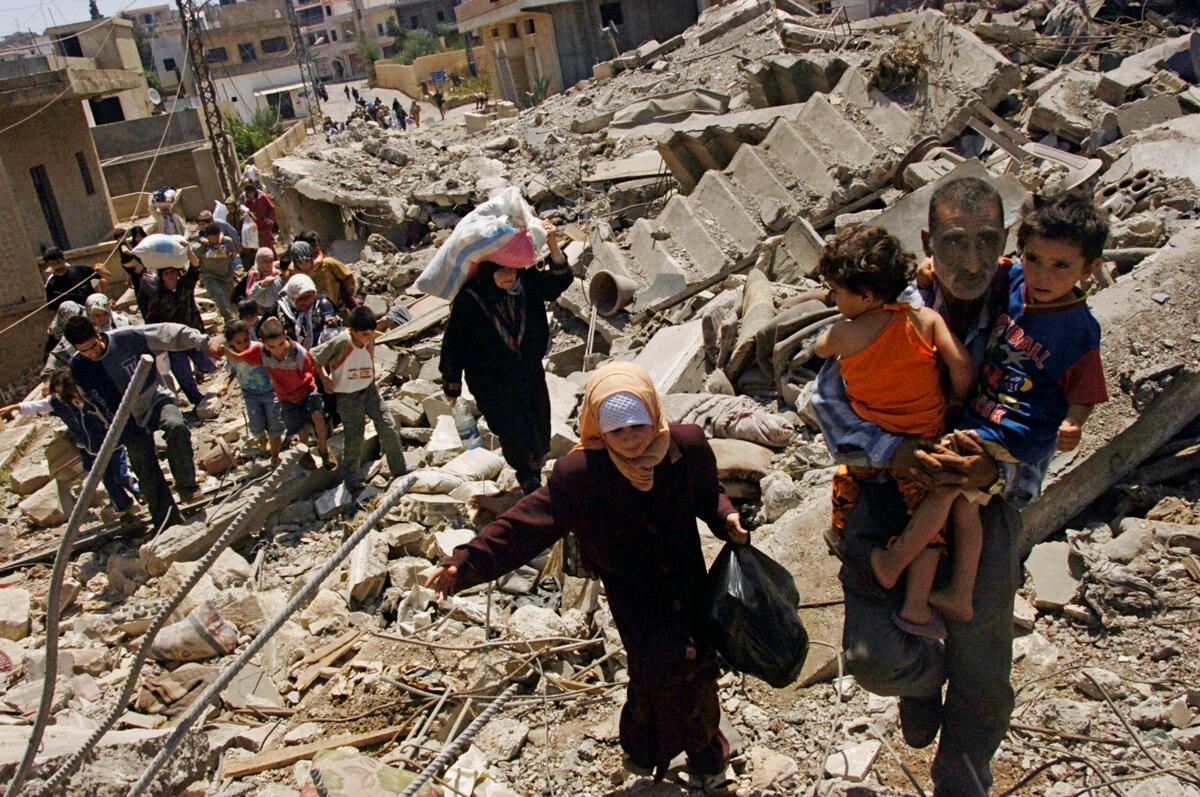
In 2006, Thomas Dworzak documented mass displacement in Lebanon due to fighting between Hezbollah and Israel. The UNHCR’s global report from 2006 states that the number of refugees in the Middle East rose by 12%, amounting to 10 million people that year, with 1 million impacted in Lebanon due to the 34-day conflict.
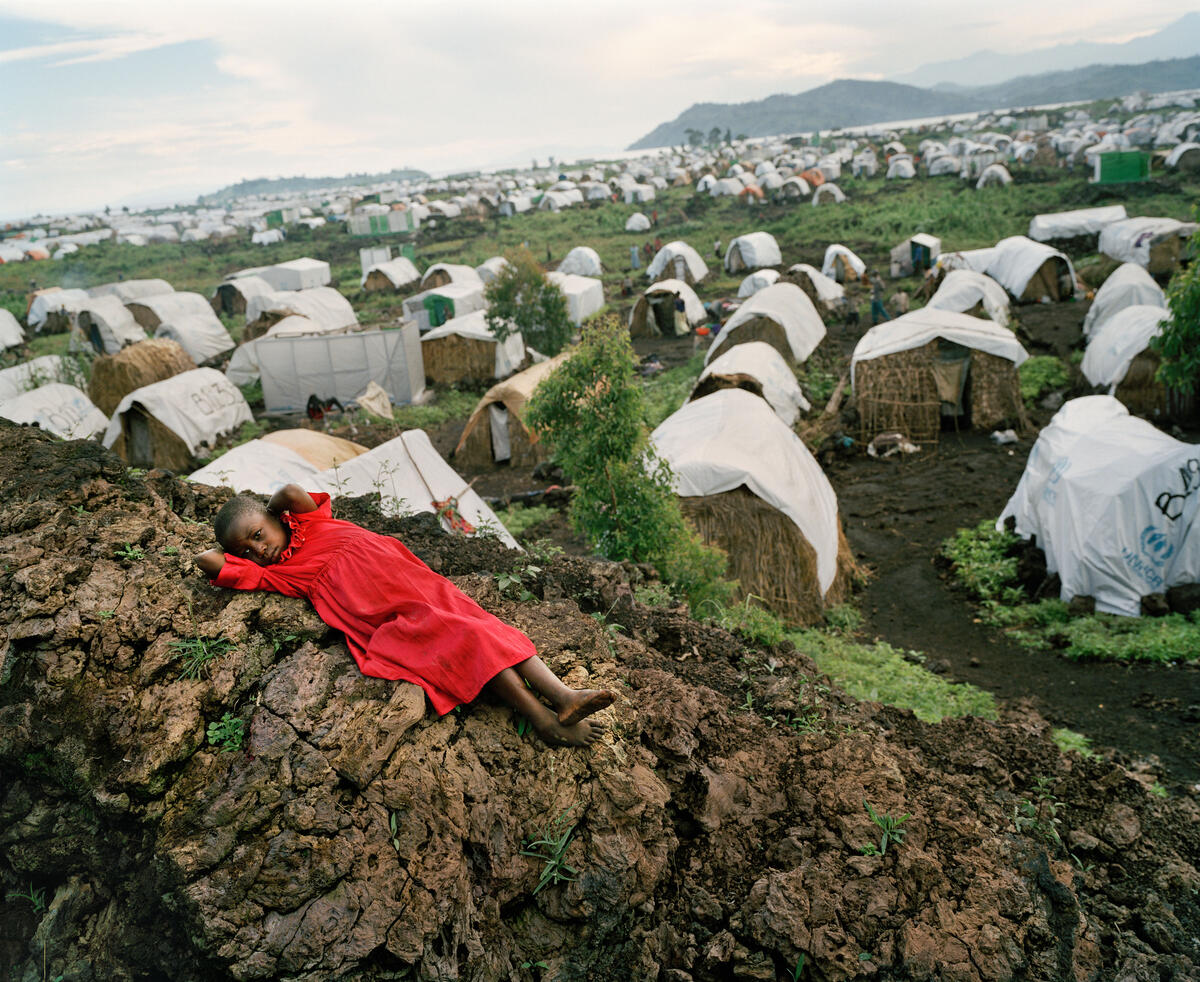
Two years later, in 2008, Jim Goldberg traveled to the Democratic Republic of Congo, documenting the Kivu province refugee camps where an estimated 90,000 people lived after being displaced by the Nord-Kivu armed conflict between the DRC’s army and the Tutsi militia that uprooted 250,000 civilians.
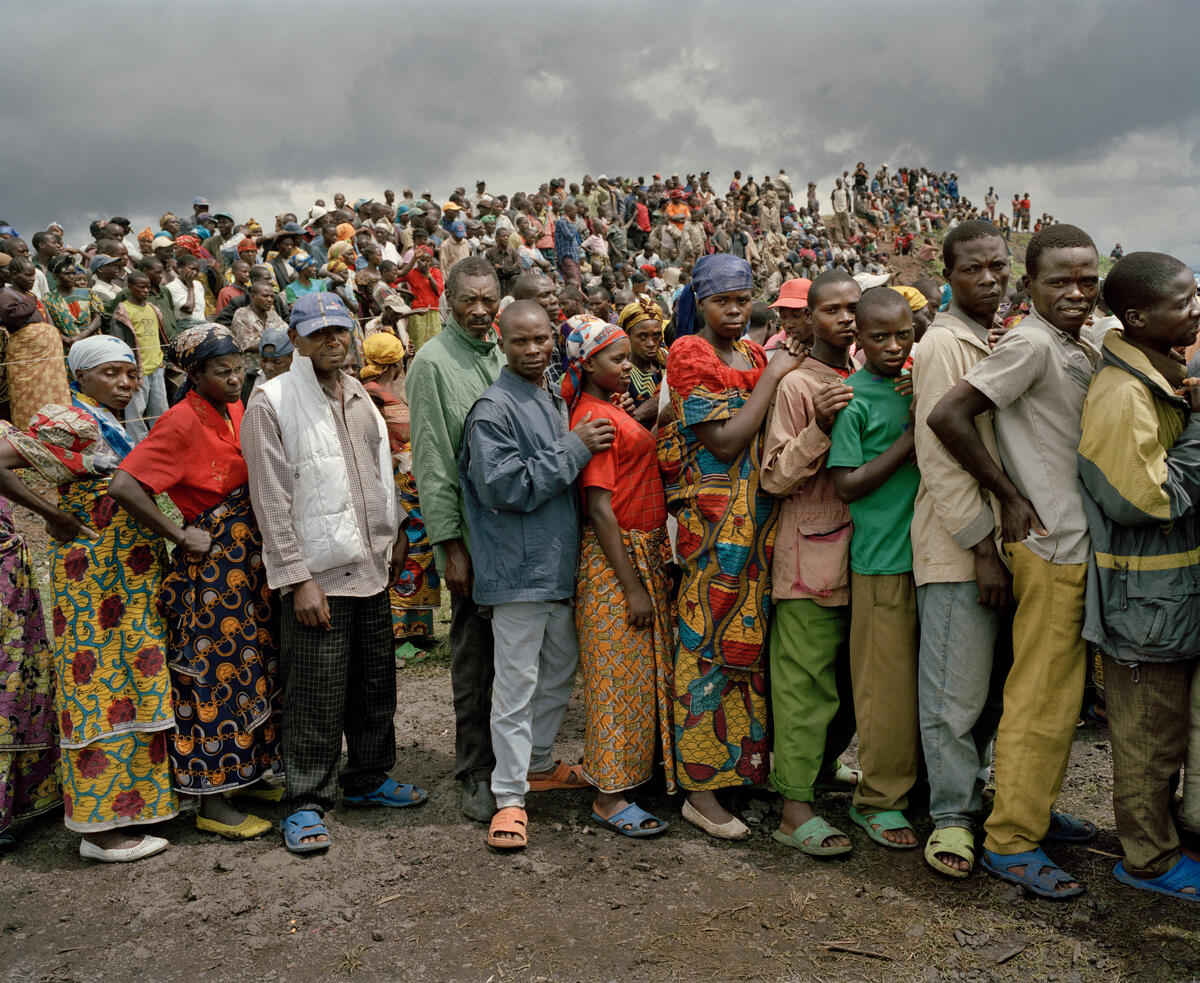
Goldberg’s work in the DCR tied into his wider series, Open See, in which he spent four years documenting the stories of refugees in over 18 countries, from Russia and the Middle East to Asia and Africa. “As more people are displaced, more doors are being closed to them than ever before,” he later wrote.
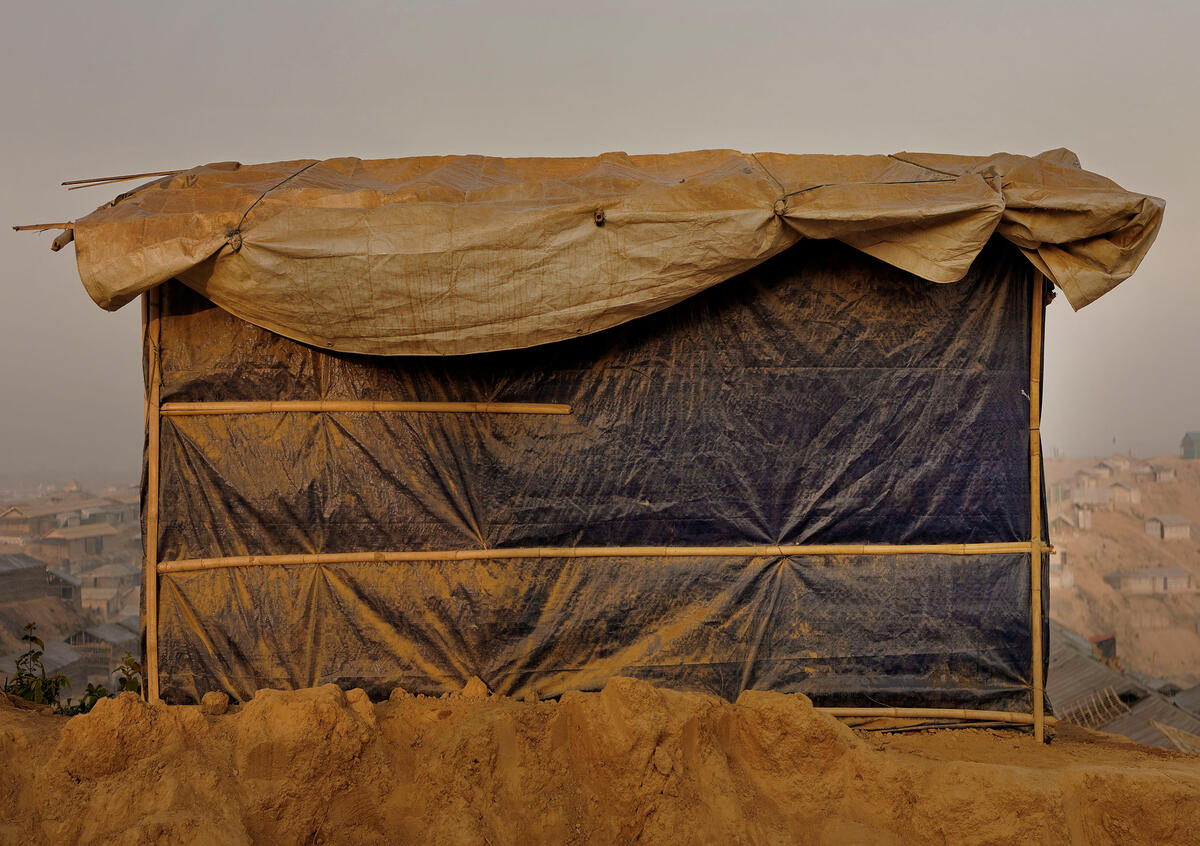
In 2018, 26 years after Steele-Perkins, Antoine d’Agata documented the Cox’s Bazar refugee camp in Bangladesh, home to more than one million Rohingya refugees — the “world’s largest refugee settlement,” according to the European Commission. That year, extreme monsoon rains pounded the camps, causing deadly mudslides in a complex consisting of 33 camps where people lived in makeshift tents. D’Agata photographed the landslides’ impact on the already harsh living conditions.
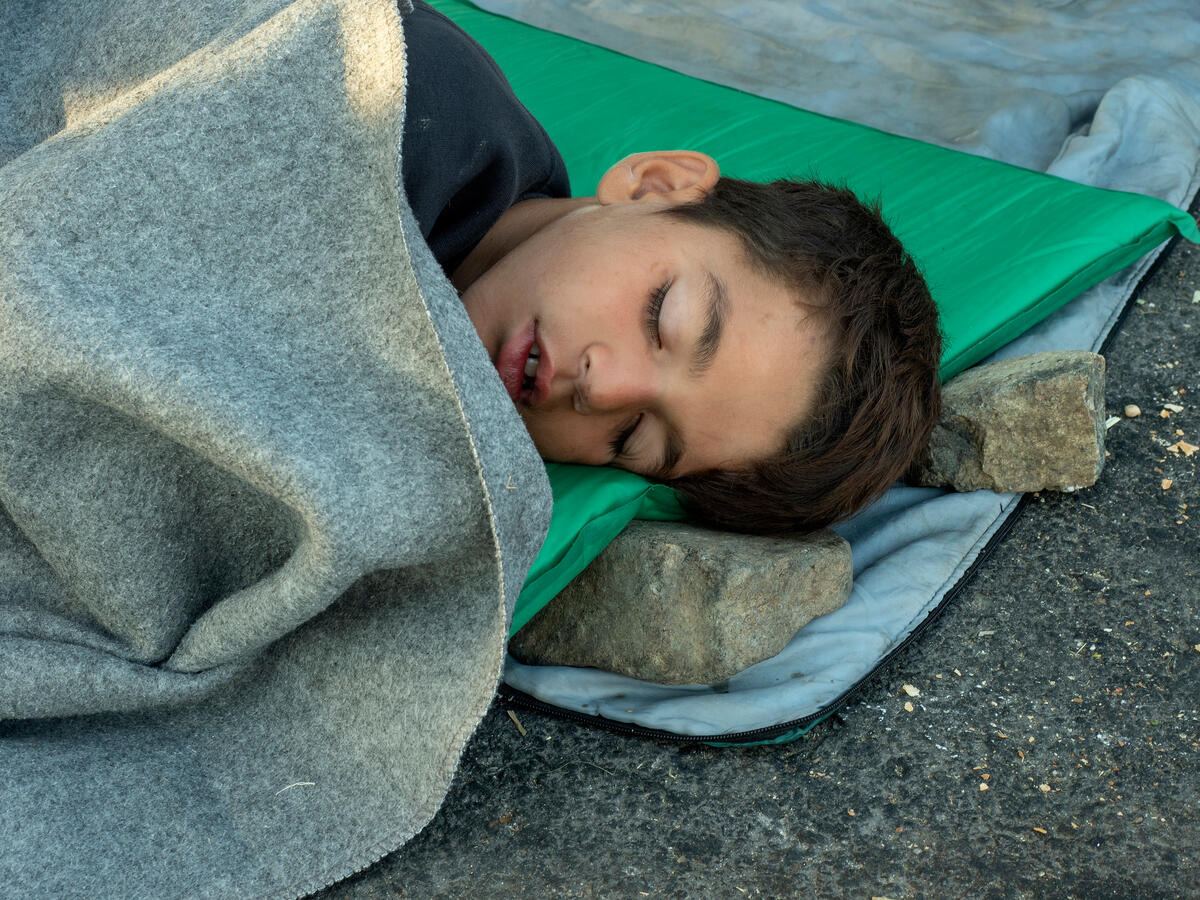
In 2020, as part of his series documenting the arrival of hundreds and thousands of people fleeing deadly conflict in the Middle East since 2015, Enri Canaj reported from Lesbos as small boats arrived from Turkey. That year, a deadly fire destroyed the Moria migrant camps on the island, leaving thousands without shelter. Canaj documented the adaptation of the displaced community shortly after the disaster.
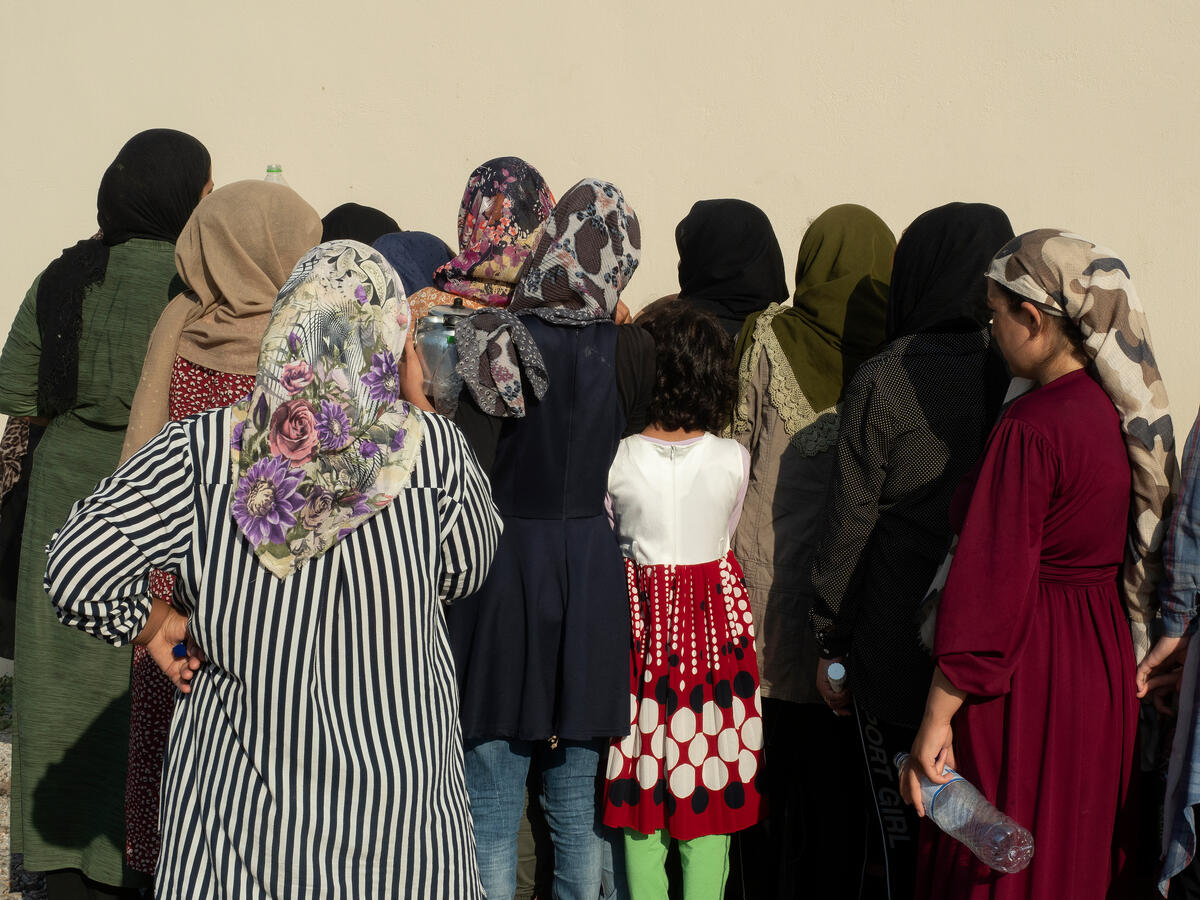
2024 was the deadliest year yet for migrants, according to the International Organization for Migration. In 2025, the UNHCR operated in 137 countries, providing assistance to 129.9 million forcibly displaced and stateless individuals worldwide.
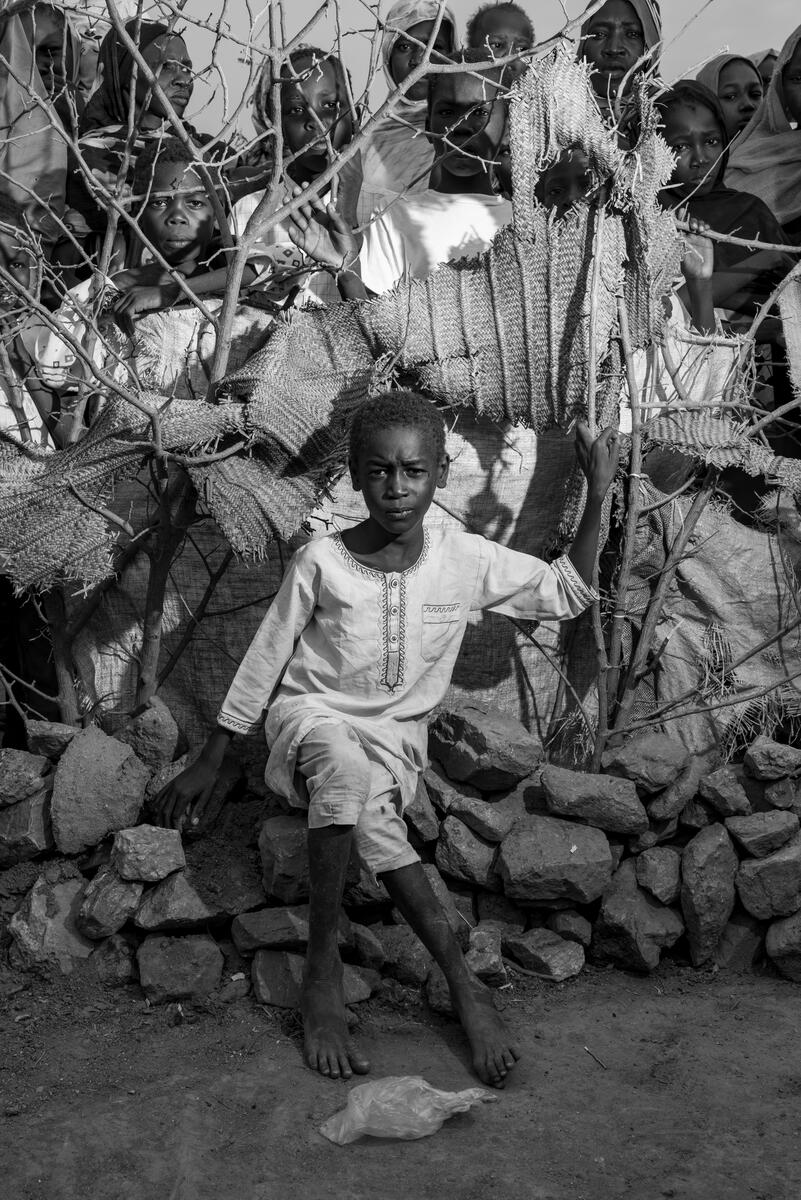
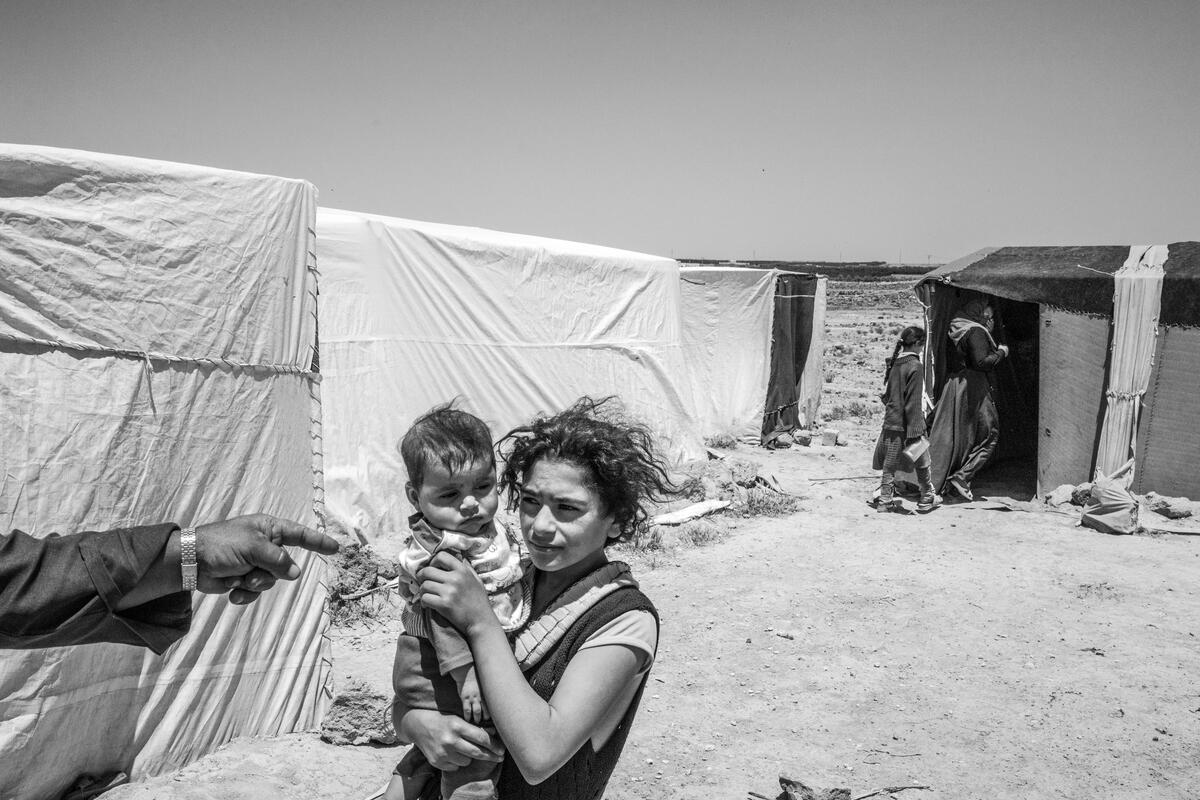
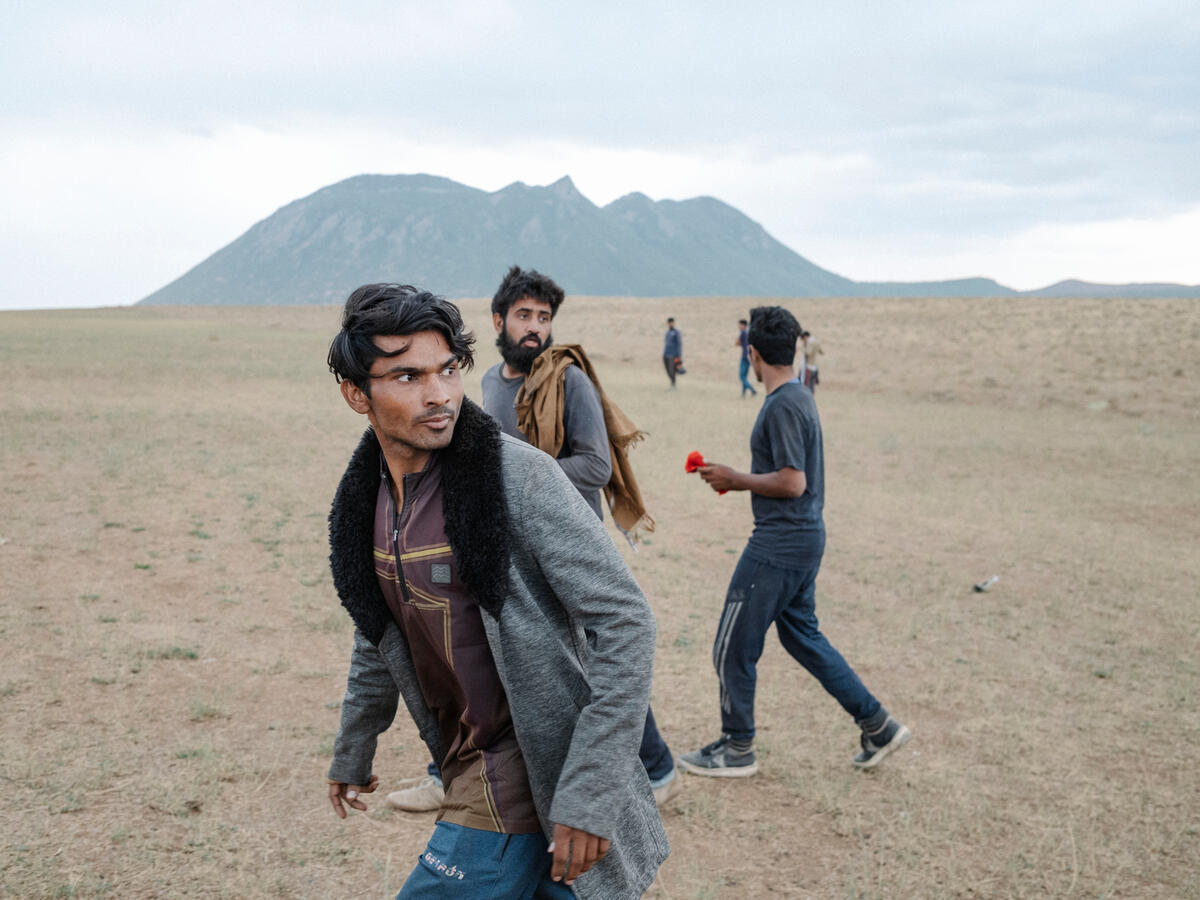
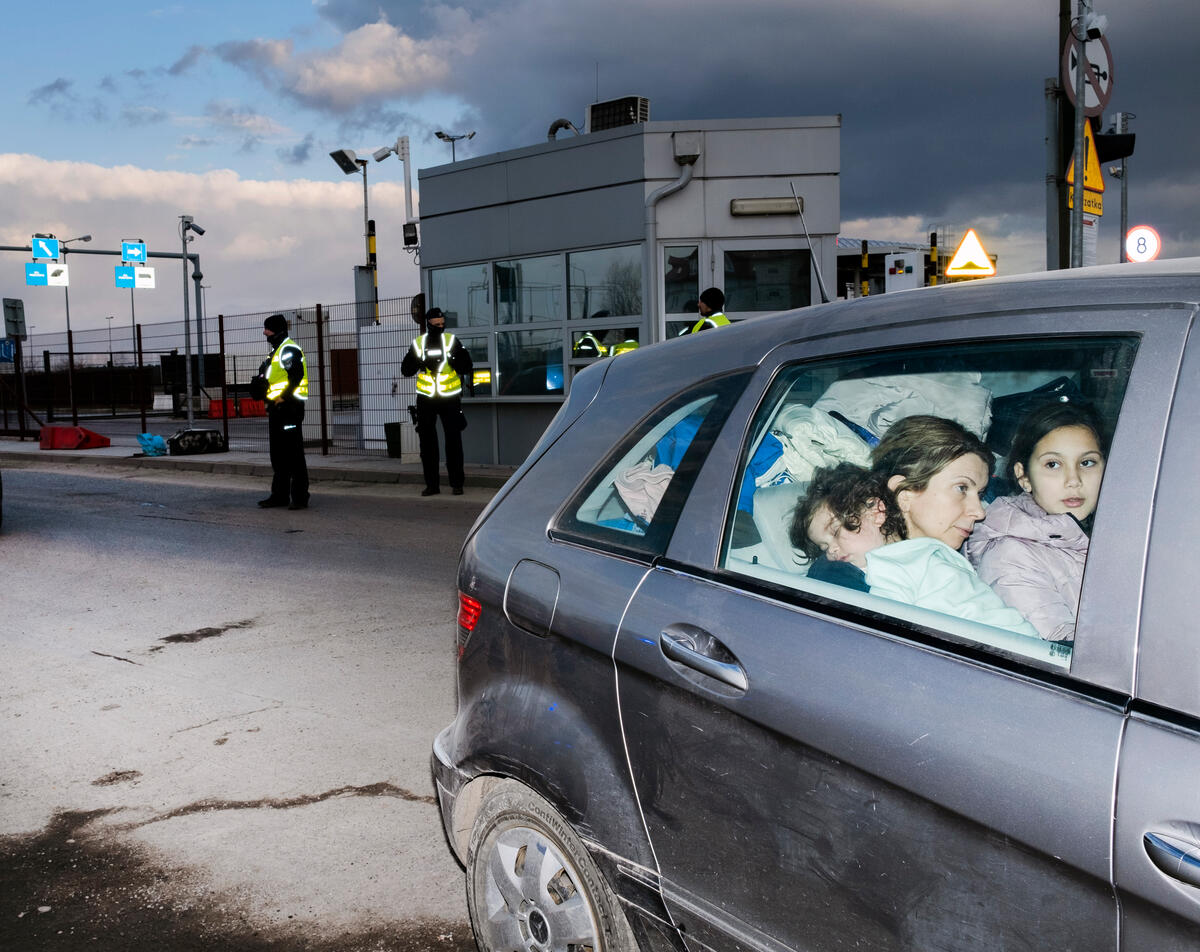
To this day, Magnum photographers continue to document stories of displacement and migration in the face of war, global crises, and environmental catastrophe. Below, we see examples from Moises Saman’s images of Syrian refugees in Jordan, Emin Özmen’s coverage in Turkey, and Rafał Milach in Poland as families flee the war in Ukraine.