Magnum Book Club: East 100th Street
Chilli Power, Product and Publications Manager at Magnum Photos, picks up the rare, expanded edition of Davidson’s documentation of a street in Harlem, New York City, in the early 1960s
Let’s take a closer look at East 100th Street by Bruce Davidson, a testament to the power of social documentary photography.
In the early 1960s, after gaining permission from the Metro North Citizens’ Committee, Bruce spent almost two years photographing a single block in East Harlem, New York City. He returned regularly to build up a portrait of East 100th Street, considered during this period to be the most deprived block in the city. At the time, the Americans were sending astronauts to the moon and waging war in Vietnam, but Bruce felt the need to explore America’s inner cities instead, documenting both their problems and their potential.
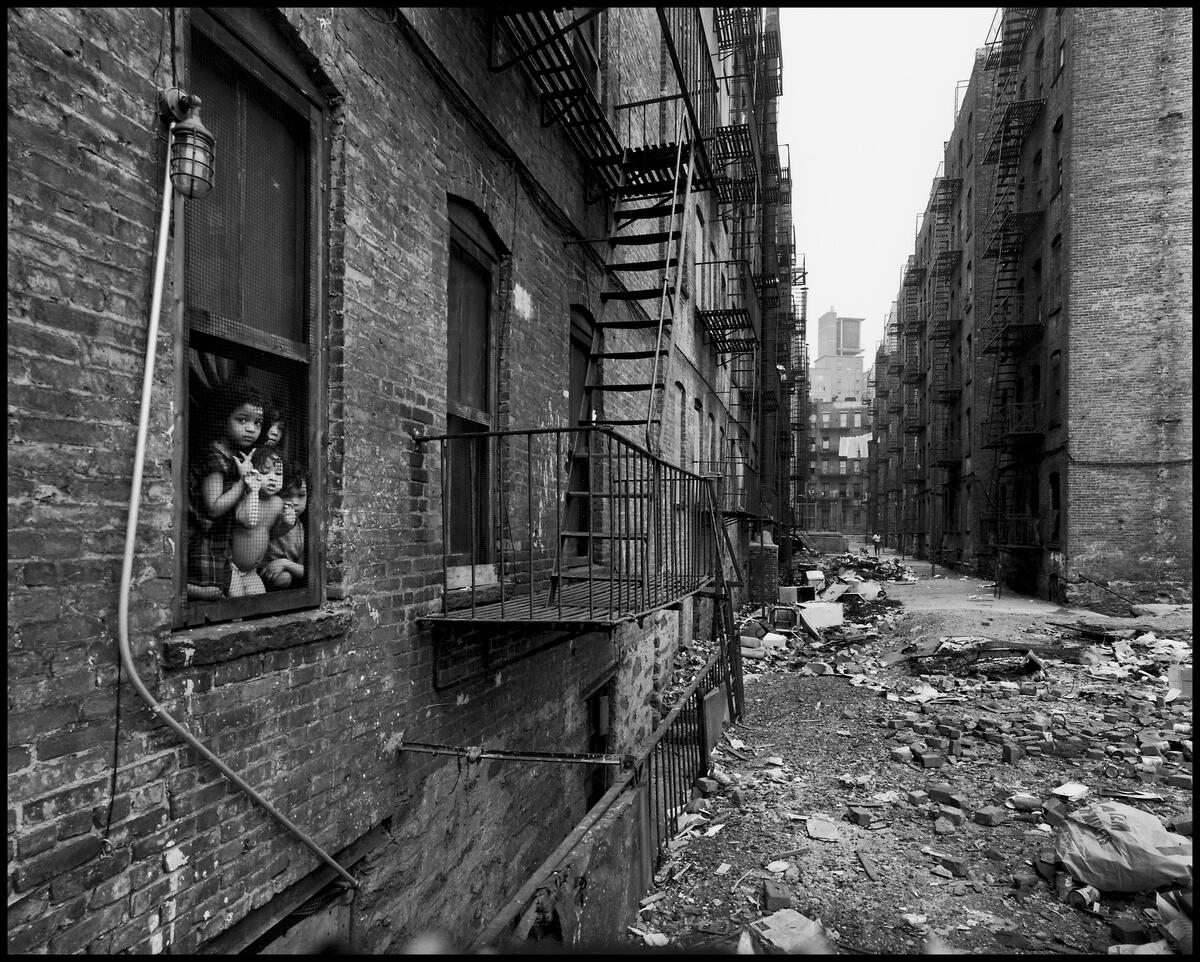
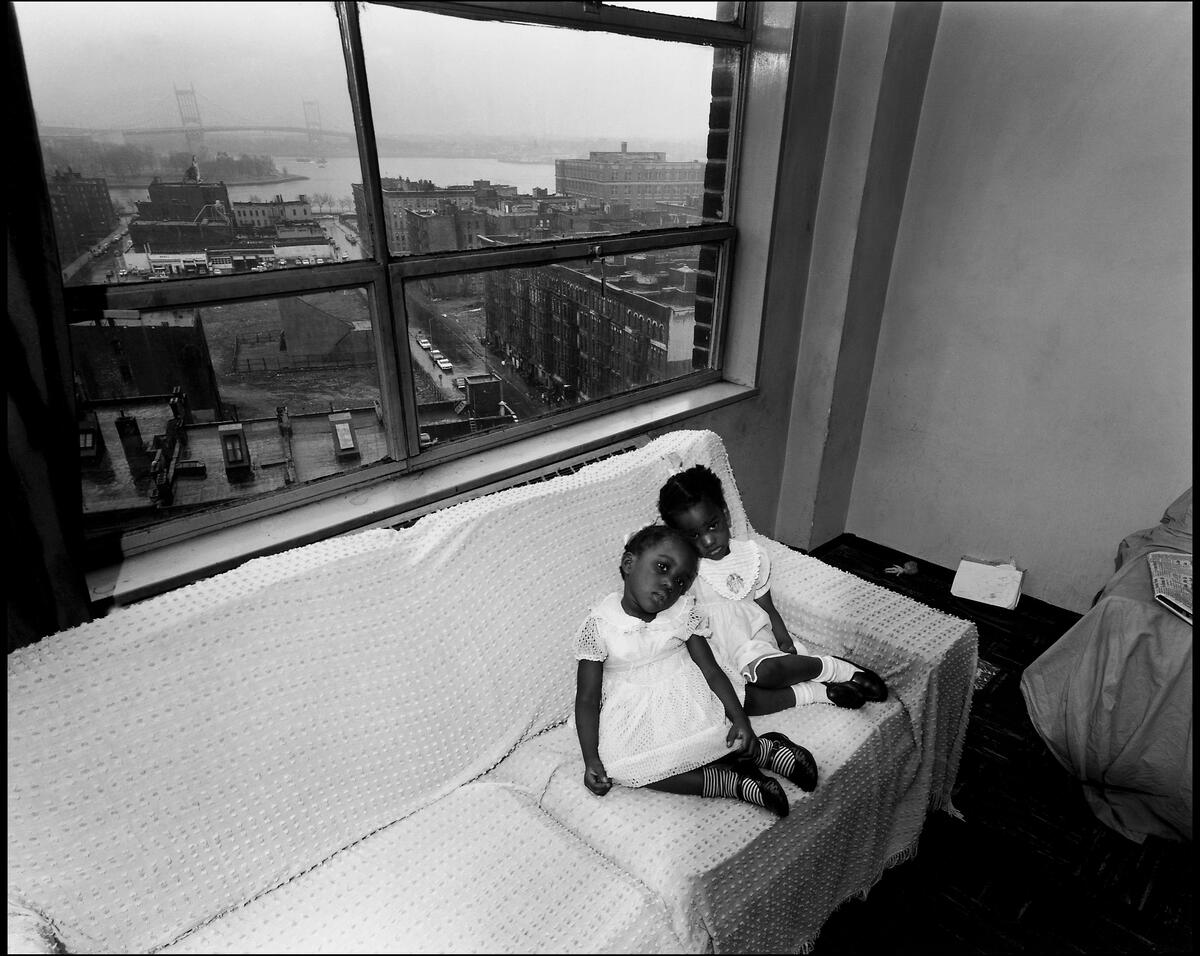
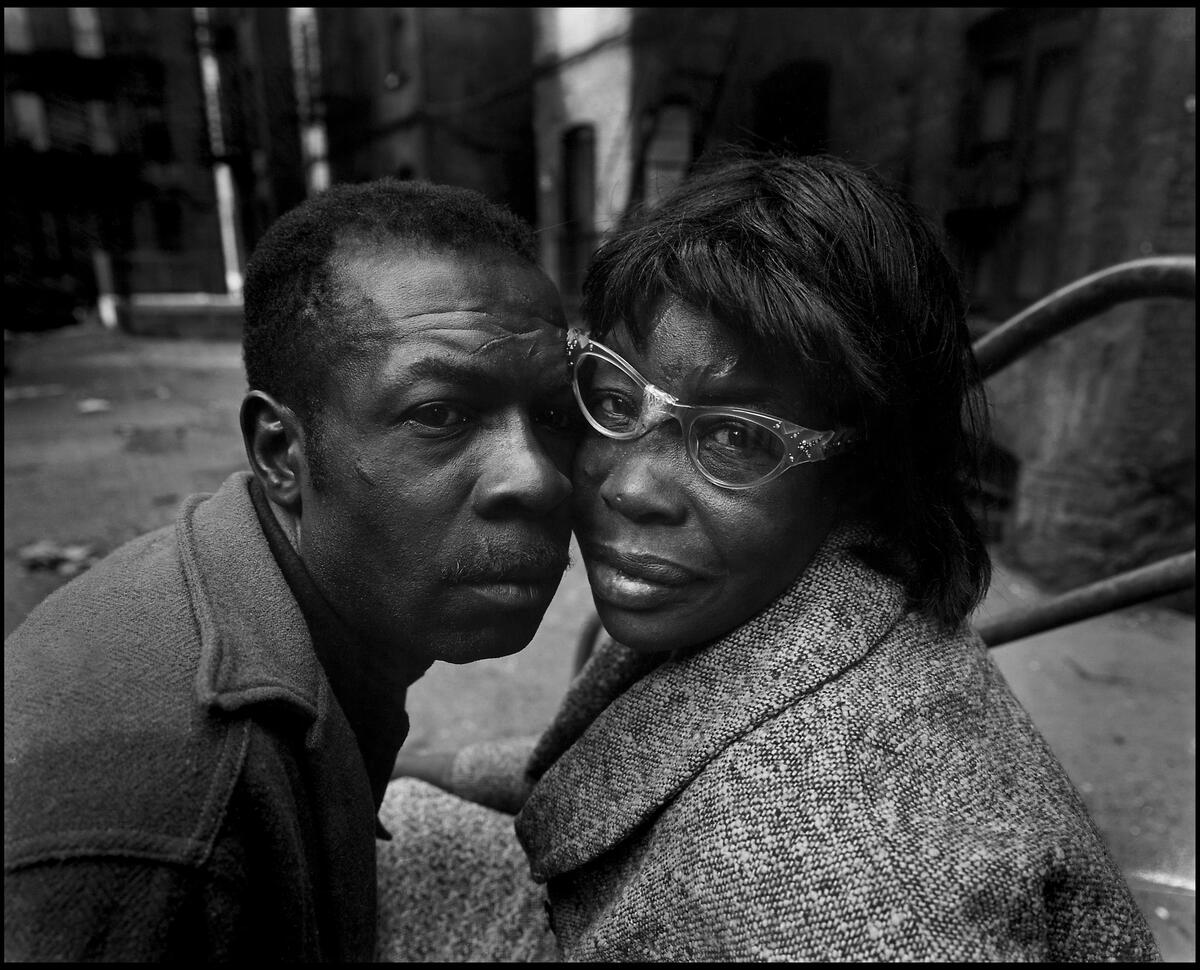
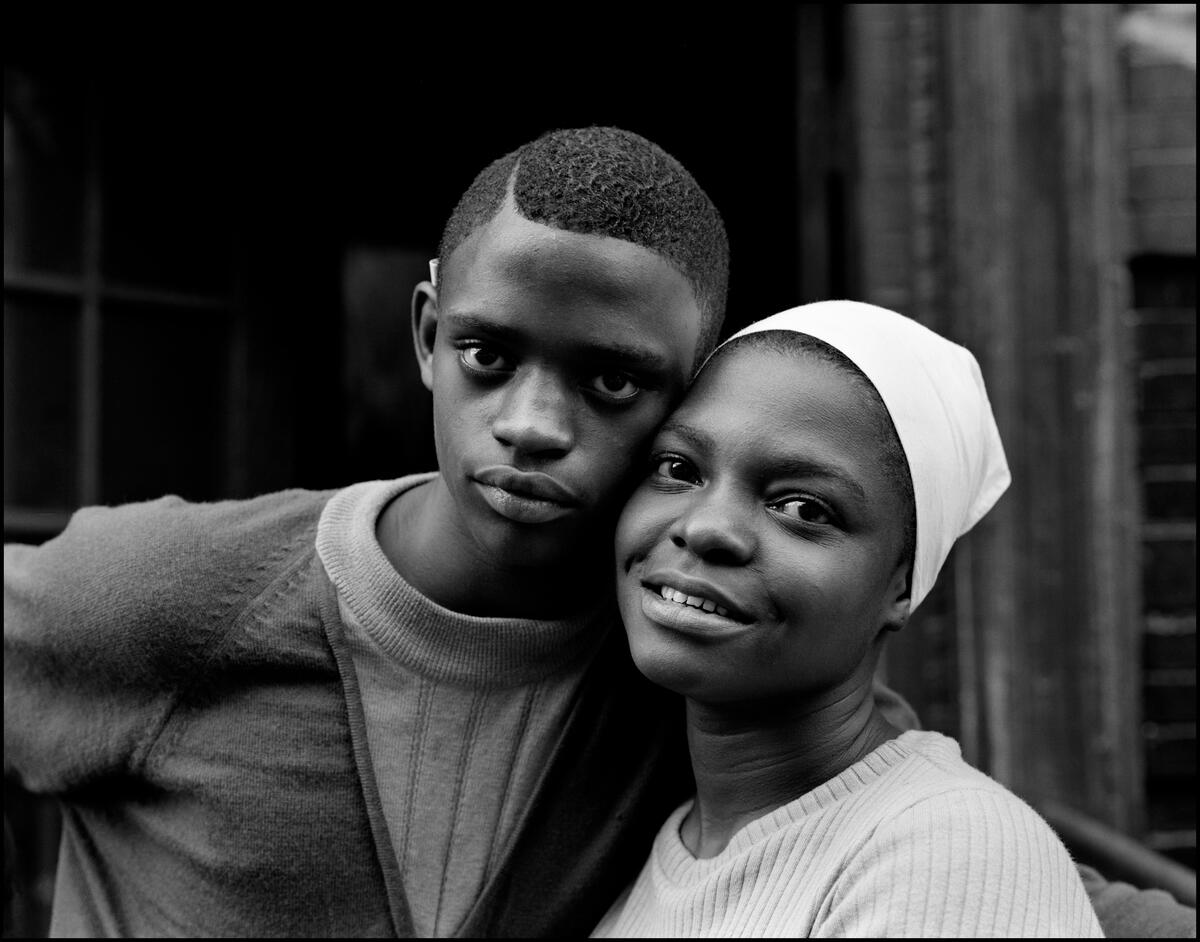
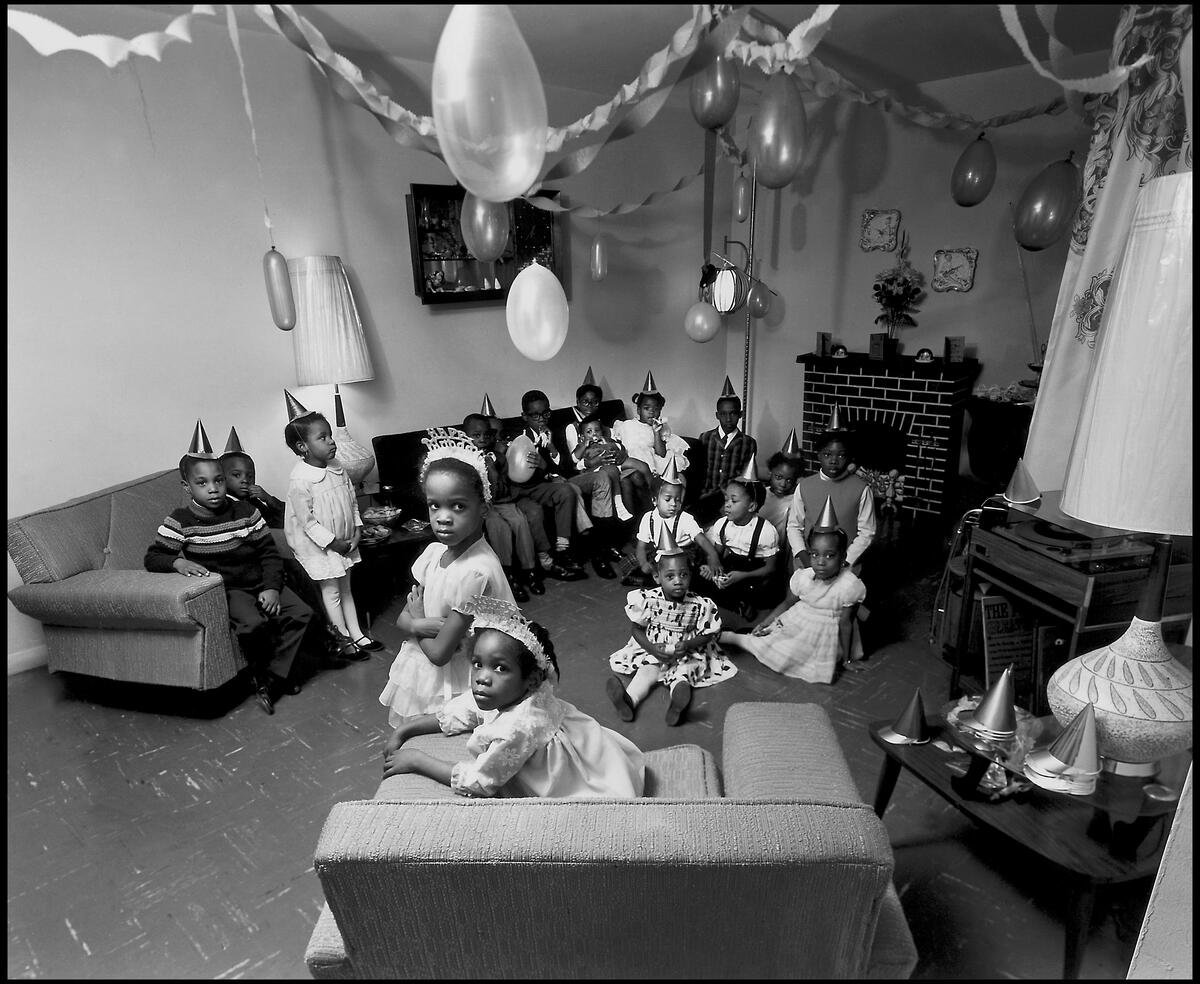
Through his photographs of the neighbourhood, Bruce conveys a combination of dignity and degradation. We see crumbling buildings, cramped rooms, and the material evidence of poverty. But we also see stately portraits: people in their Sunday best and families proudly showing off their homes and possessions.
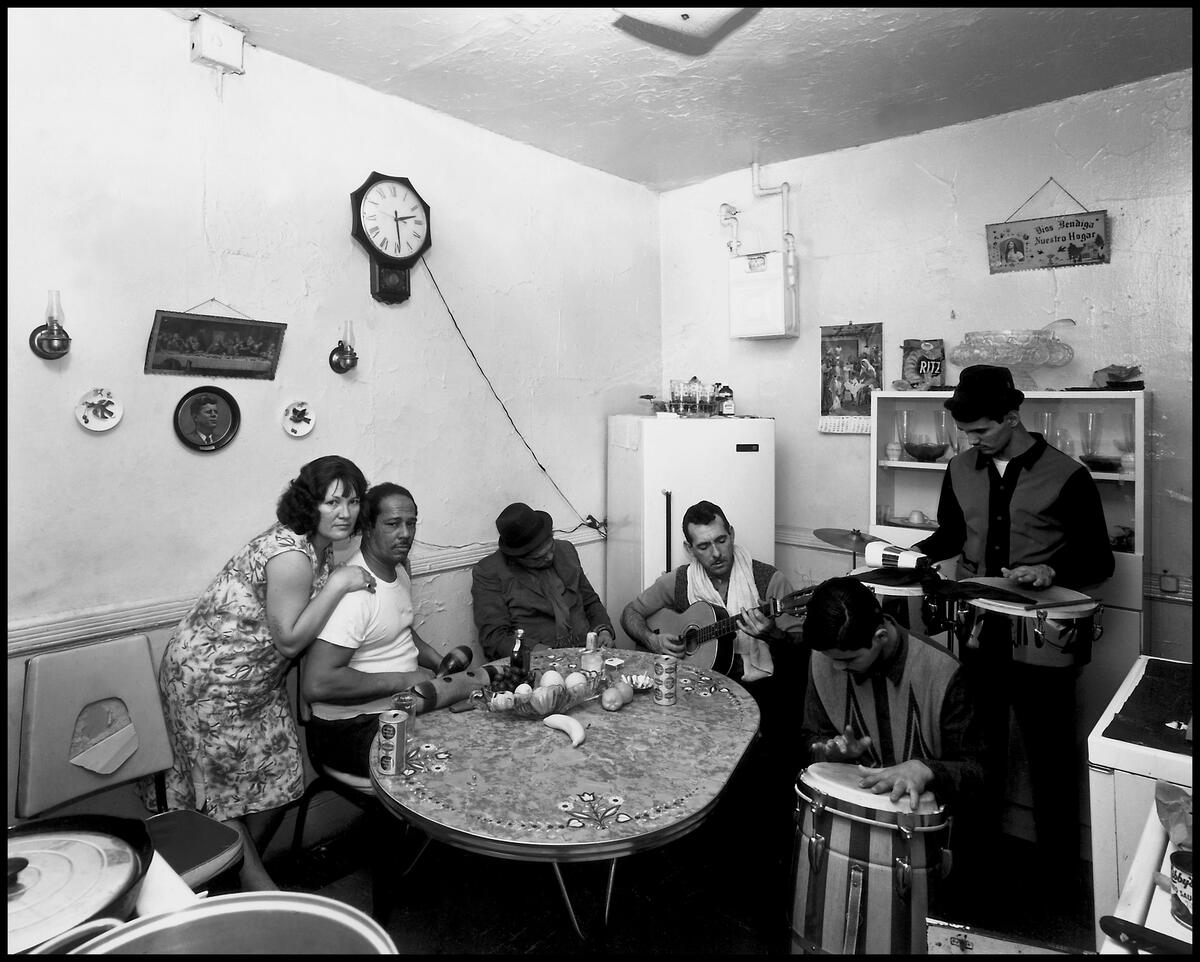
For this body of work, Bruce went against the predominant styles of the time. Instead of using a small handheld 35mm or medium format camera, he arrived in East Harlem carrying a cumbersome large-format 4×5 view camera, a tripod, a black cloth, and a powerful strobe. In the book’s afterword, Bruce explains that he chose this equipment because it “gave a sense of dignity to the act of taking pictures. I didn’t want to be the unobserved observer. I wanted to be with my subjects face to face and for them to collaborate in making the picture.”
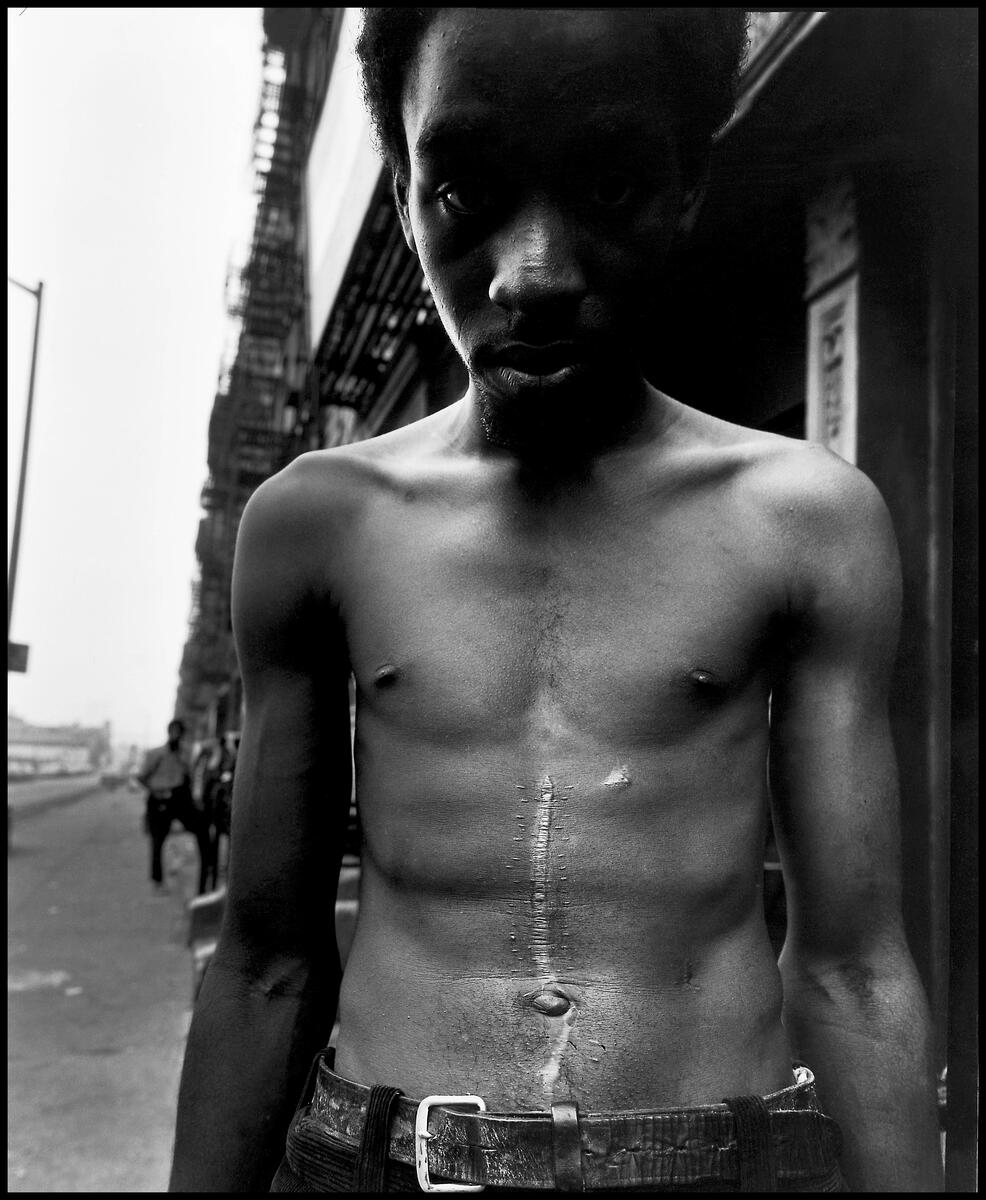
" I didn’t want to be the unobserved observer."
- Bruce Davidson
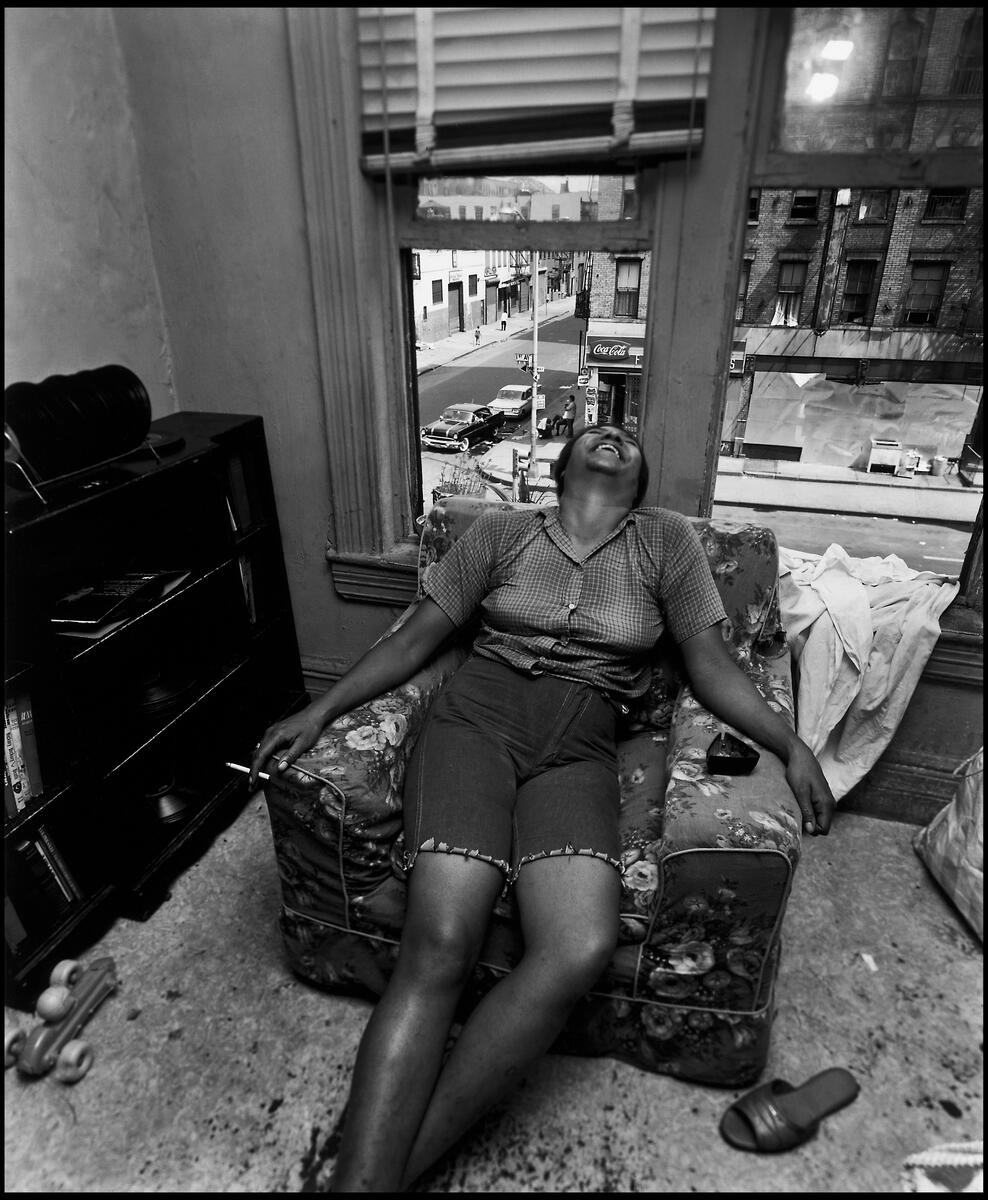
A sense of intimacy and mutual respect sits at the core of this project. The subjects are almost always looking at the camera, confronting the viewer, holding our gaze and asserting their presence, asking us to consider the reality of their circumstances.
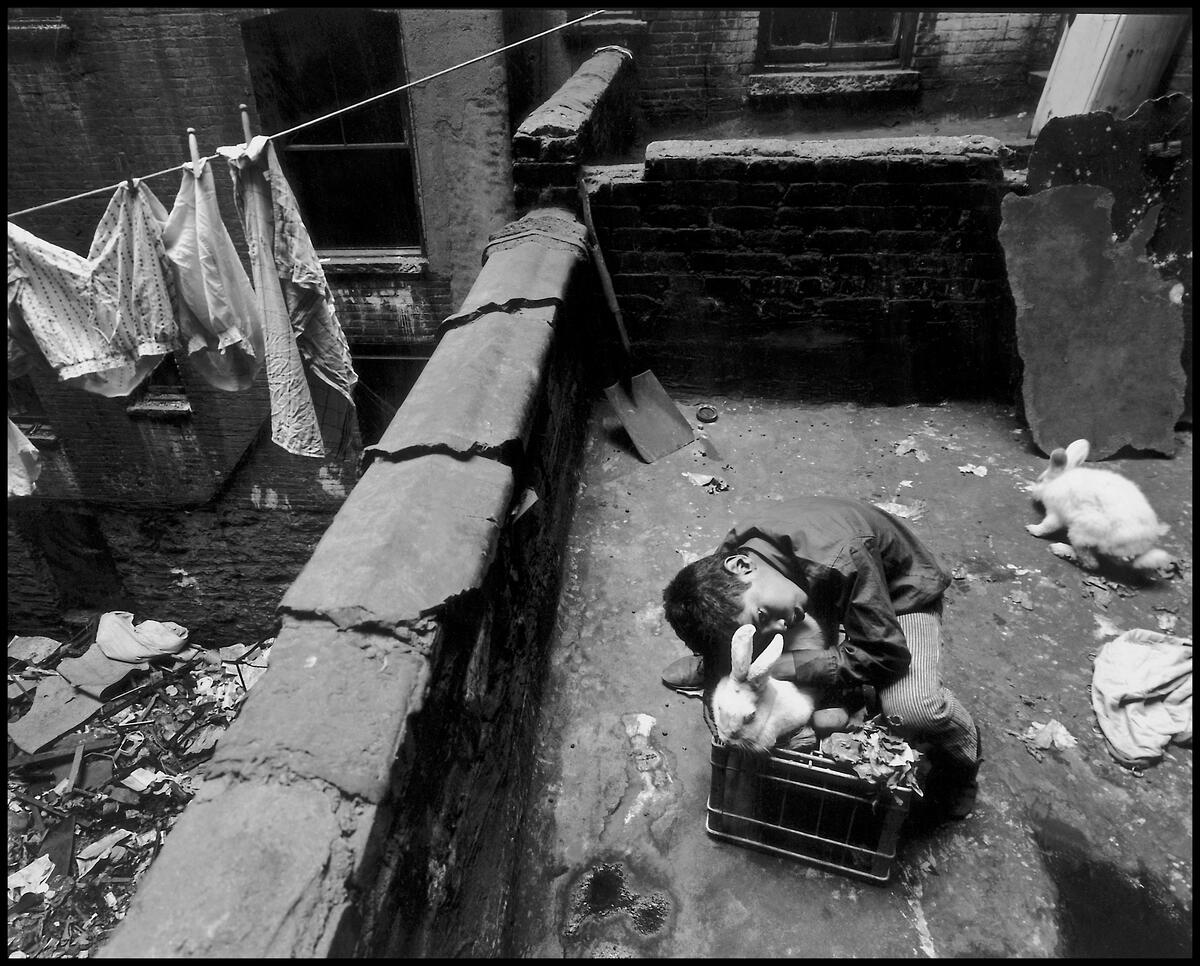
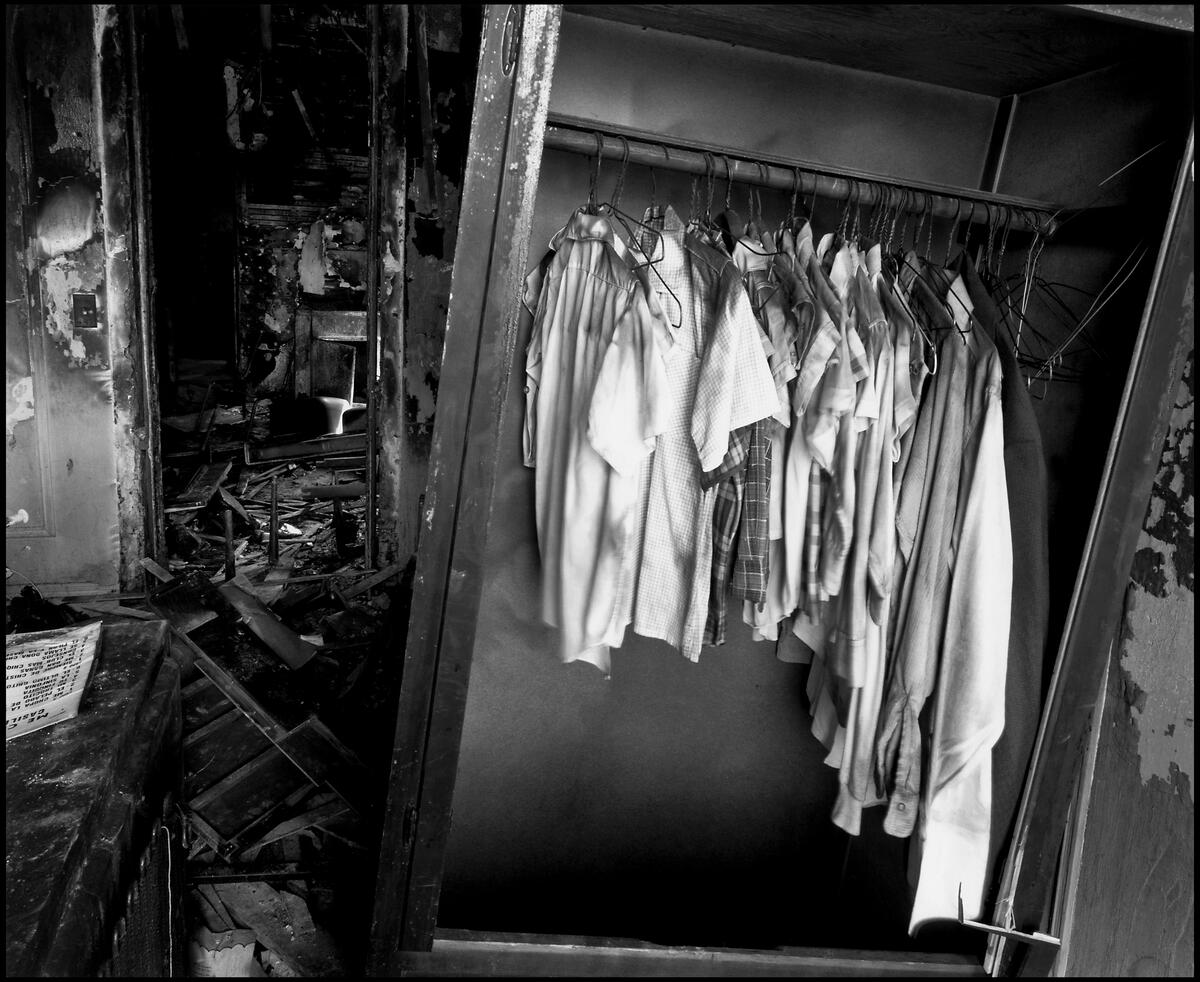
Like the original, published in 1970, this expanded edition, from St. Ann’s Press in 2003, is printed in large format with rich dark tones. Each photograph appears on a generous, matte background, allowing the images space to breathe. But this is more than just a photobook. As activist and East 100th Street resident Mildred Feliciano, who wrote the book’s foreword, notes, the photographs are not only a historical document. They were also used as evidence to help rebuild a community.
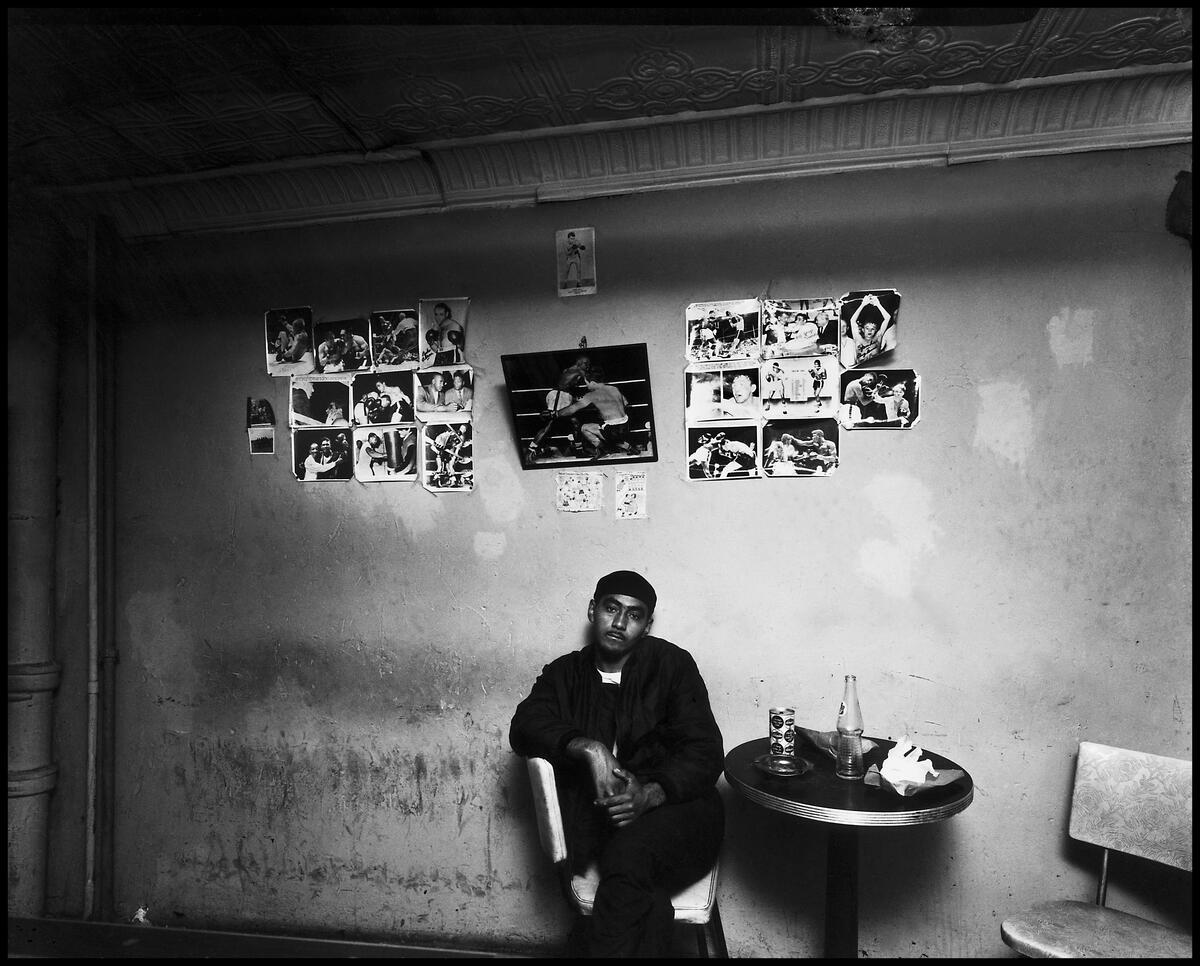
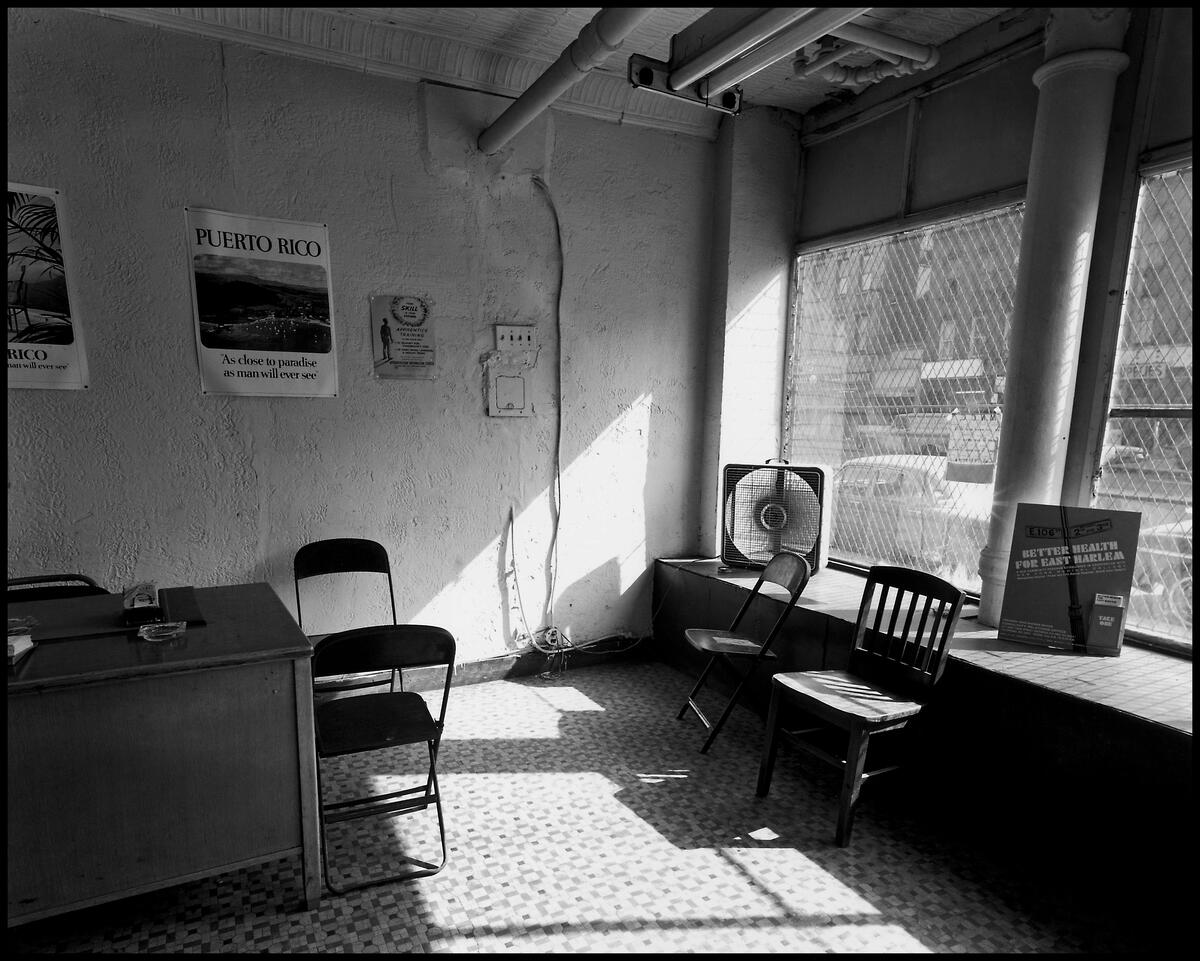
Feliciano took East 100th Street to city agencies, demonstrating to the government the conditions in which some people lived and the action that needed taking. In this way, the work stands as a powerful example of documentary photography as a tool for social change.
Subscribe to Magnum’s YouTube channel for more episodes of Book Club.
Add a first-edition of Davidson’s East 100th Street to your collection here.