Voices From Gaza: Ali Jadallah
Part two of four in the Voices From Gaza series sees photojournalist Ali Jadallah in dialogue with Jérôme Sessini
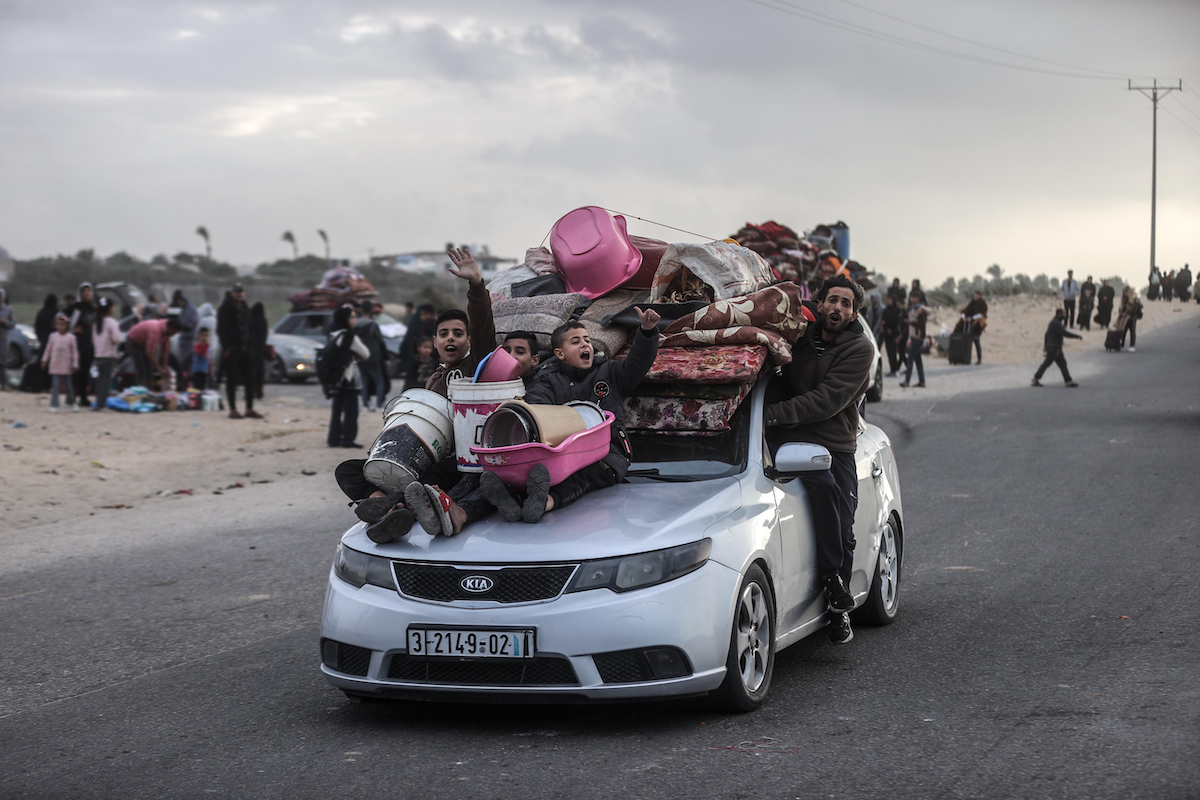
In the series Voices From Gaza, we are honored to present the work of four photographers from Gaza: Samaa Emad, Ali Jadallah, Mahmoud Abu Hamda and Fatma Hassona. Their images are accompanied by personal dialogues between three of the photographers and Magnum Members, and poetry from Hassona written before she was killed by an Israeli airstrike in April 2025.
This feature is a direct line to artists on the ground, offering an intimate view of what it means to endure and create under unimaginable circumstances, which the United Nations commission of inquiry declares is genocide, committed by Israel.
These photographers have lived through blockade, displacement, bombardment, and the constant threat of starvation. They have watched over 270 of their colleagues being killed, and with the international press banned by Israel, they continue to document daily life in Gaza on their own while facing the same dangers themselves.
In partnership with Gulf Photo Plus, we have launched a Print Sale featuring work by Palestinian and Magnum photographers. All proceeds will go directly to the featured Palestinian photographers and their wider community, providing support for their crucial work.
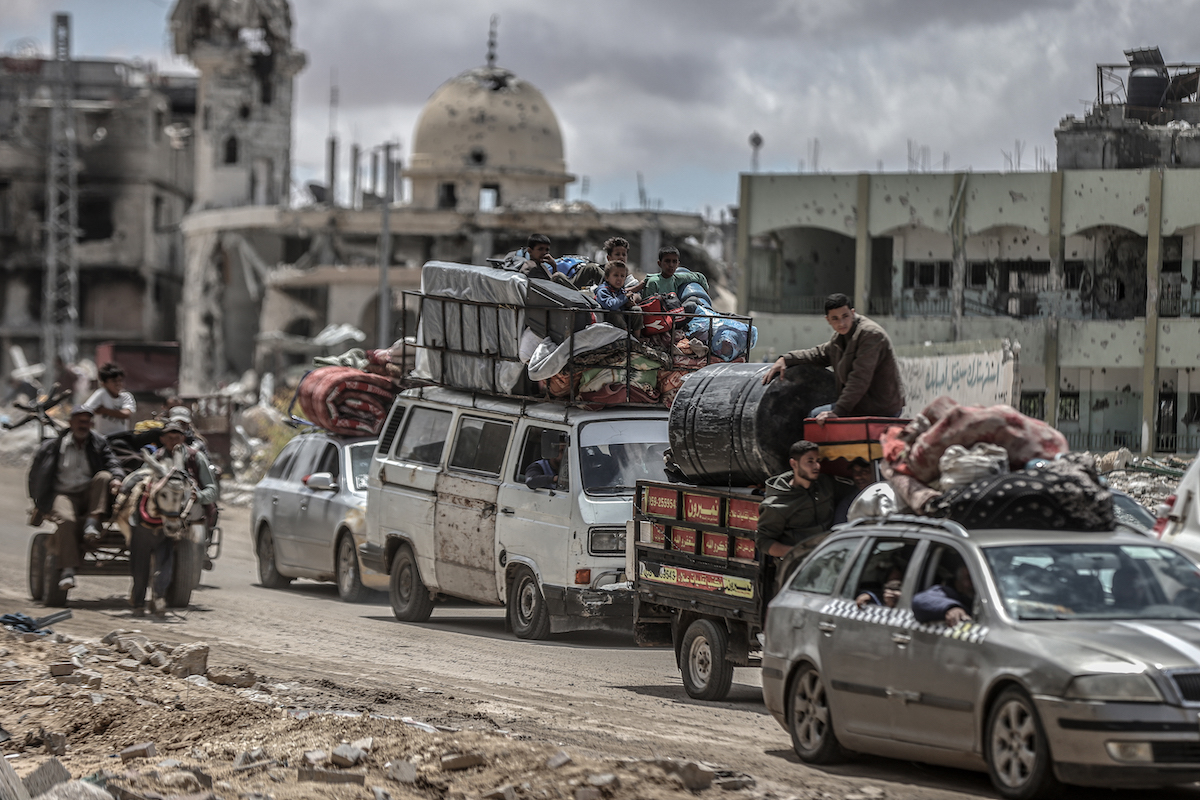
Ali Jadallah is a Palestinian photojournalist based in the Gaza Strip. He has documented life, conflict, and resilience in the Strip for over 13 years.
Jérôme Sessini: Dear Ali, first of all, thank you for agreeing to take the time for this conversation. I know from my own experience working in Gaza between 2001 and 2007 how intense and unpredictable life can become under constant attack. I can only imagine how much harder it has become today.
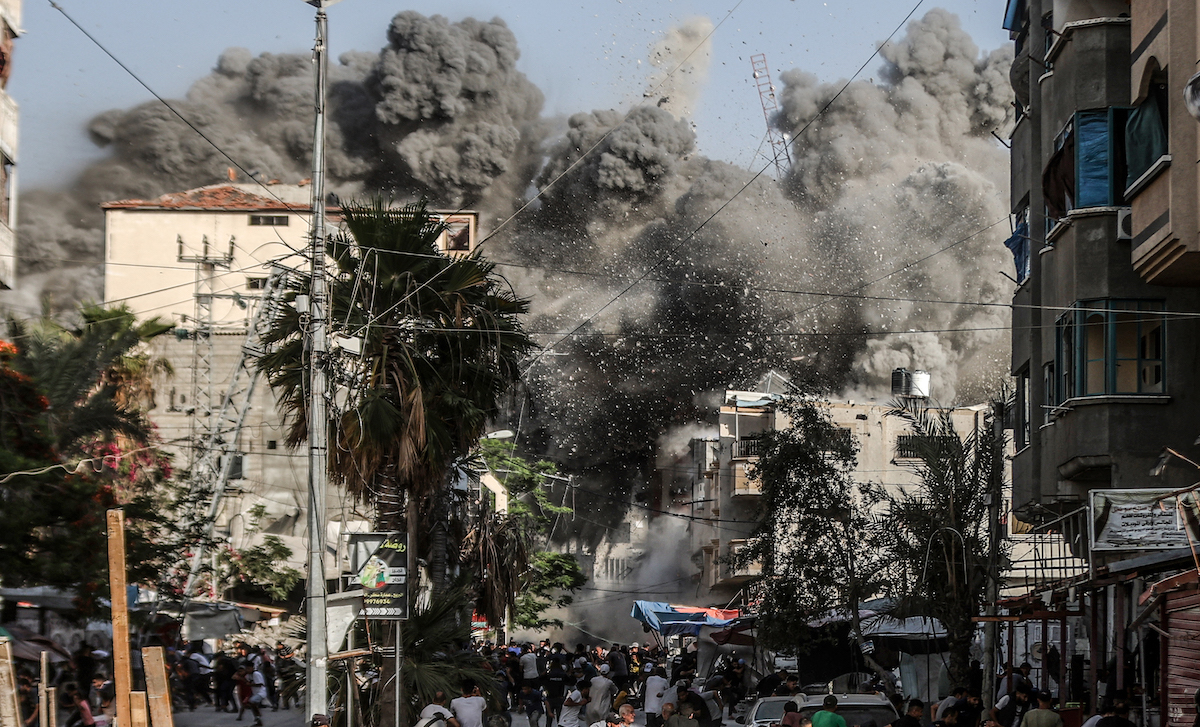
I would like to hear from you what a day looks like as a photographer under constant attack — how you move, how you find the way to reach a place that has just been bombed, how you decide where to go. Back then, I relied so much on local networks and on the solidarity of people in the streets. Has this changed for you today? When you hear that a school, a hospital, or a residential building has been bombed, how do you find the information and decide how to reach the place?
Ali Jadallah: A day for me as a photographer under constant attack is never predictable. The moment I hear that a strike has taken place, whether through the radio, phone calls, or the endless flow of messages on social media, I immediately start weighing the risks and rush to the location. Most of the time, I rely on local networks and people on the ground, such as my other colleagues.
The decision of where to go is always a heavy one. Sometimes there are several strikes happening at the same time in different parts of Gaza. You ask yourself: where will my presence matter most? Where can I document something that others cannot? And always in the back of my mind is the danger of moving. Every street, every junction, could be the next target. When I move, I do not feel like I am only carrying my camera — I feel like I am carrying the responsibility of the people I will meet, the responsibility to reach them alive and to return with their stories.
Compared to years ago, things have become even more complicated. The bombings are more intense, the destruction more widespread. People here understand that we are their eyes to the world, and they often guide us, warn us, or help us pass through dangerous routes. It is a fragile system of trust and survival, but without it, I could not do this work.
Jérôme Sessini: Since foreign journalists are not allowed to enter, the task of showing the world what is happening has fallen almost entirely on Palestinians like you. How do you carry this responsibility? How do you think this affects the way the war is perceived internationally, and how does it impact the daily life of Palestinians?
Ali Jadallah: It is heavy, unbearable. Carrying this responsibility is both an honor and a weight that is sometimes almost unbearable.
On one hand, I feel proud to be among those who can show the world what is happening in Gaza, to give faces and voices to people who are too often reduced to numbers in the news. On the other hand, the responsibility is crushing because we know that without us, much of this reality would remain unseen. The absence of foreign journalists makes our task even heavier — they failed us. In the past, we could share the burden, and international colleagues could amplify what we documented. Today, it feels as though the eyes of the world depend almost entirely on our cameras, our courage, and our survival. This influences not only how the war is perceived abroad, but also how much pressure we live with inside Gaza.
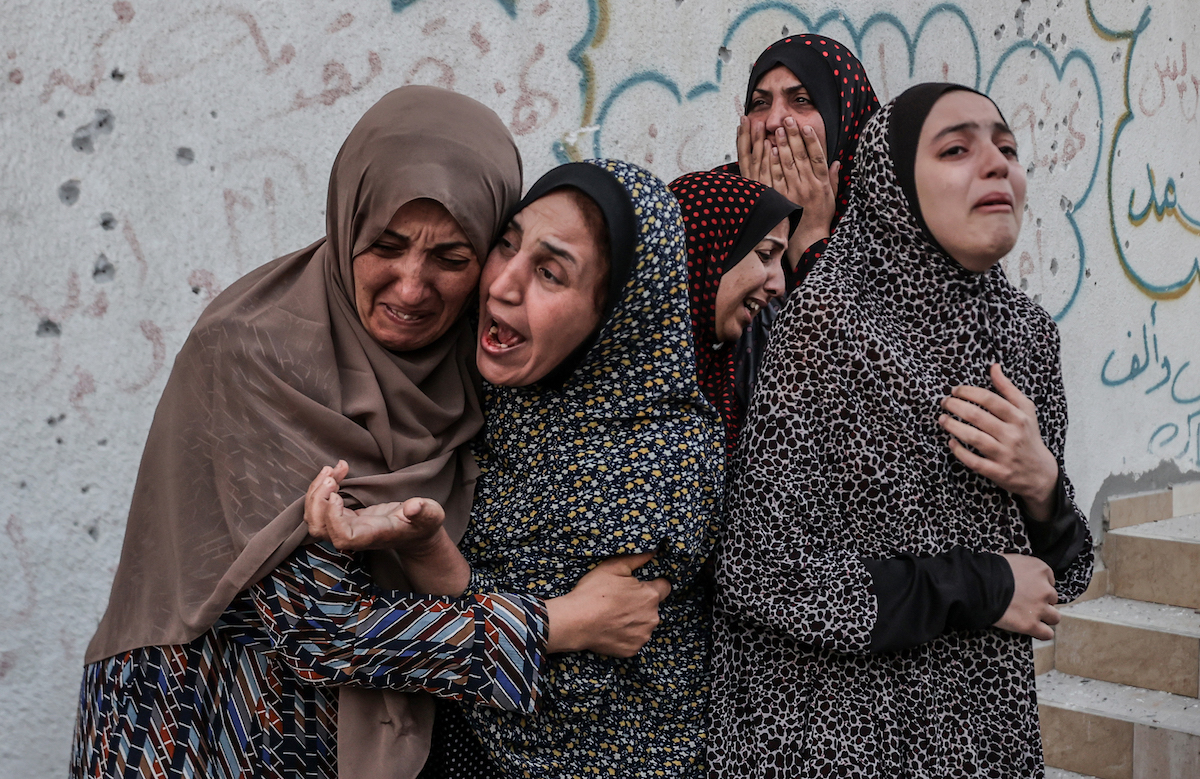
"Even in the midst of mourning, even when our families are killed, starved, displaced or injured, we cannot stop working."
-
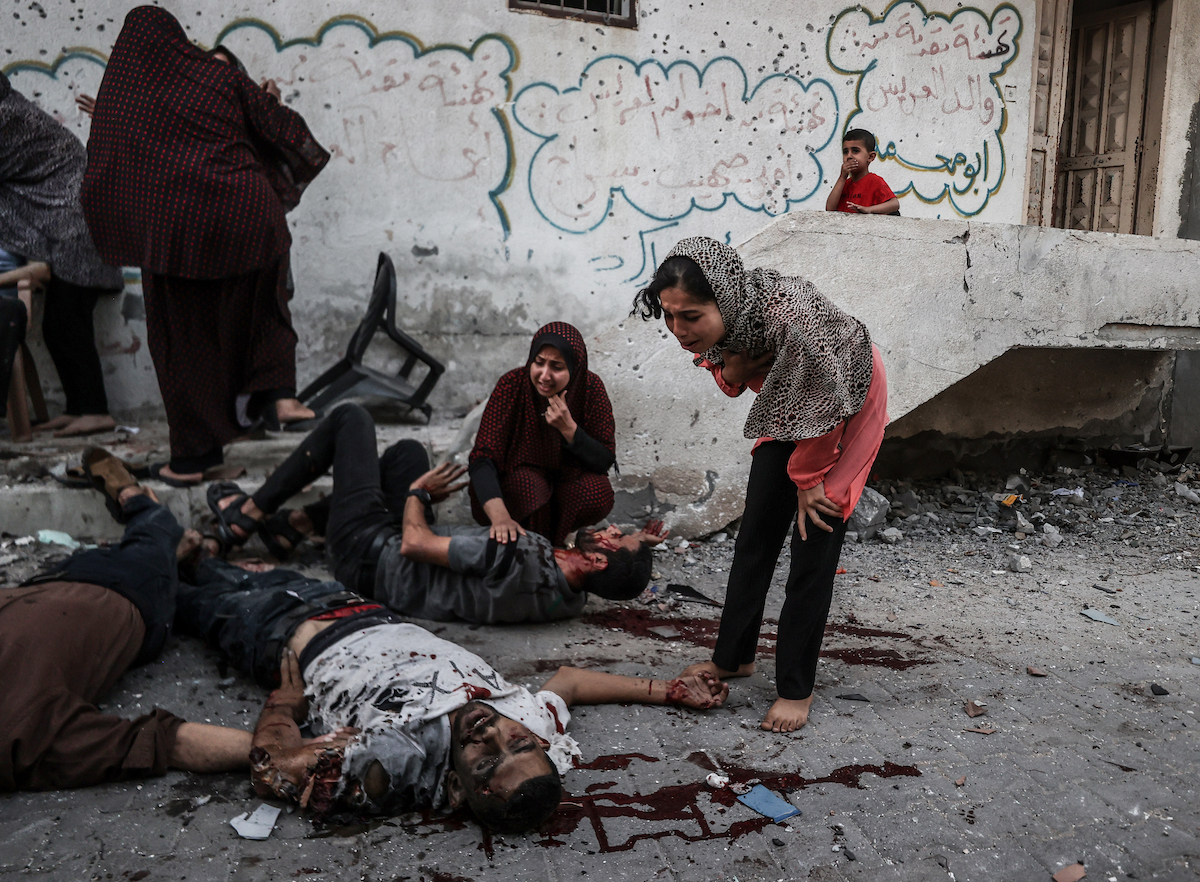
Internationally, I sometimes feel there is a gap between what we show and what is believed or understood. Our images travel far, but they are sometimes doubted, politicized, or even dismissed because we are Palestinians. At the same time, when our pictures do break through, they carry a power that no foreign lens could capture, because they are taken by people who are themselves part of the tragedy.
For our daily lives, this responsibility means that even in the midst of mourning, even when our families are killed, starved, displaced or injured, we cannot stop working. I have photographed mass funerals while knowing that among the bodies there might be people I once knew. I myself lost my family and my home. It blurs the line between professional duty and personal survival. We carry the weight of documenting not as outsiders, but as people whose own lives are on fire. I used to feature stories, but in this genocide, I am a story as well.
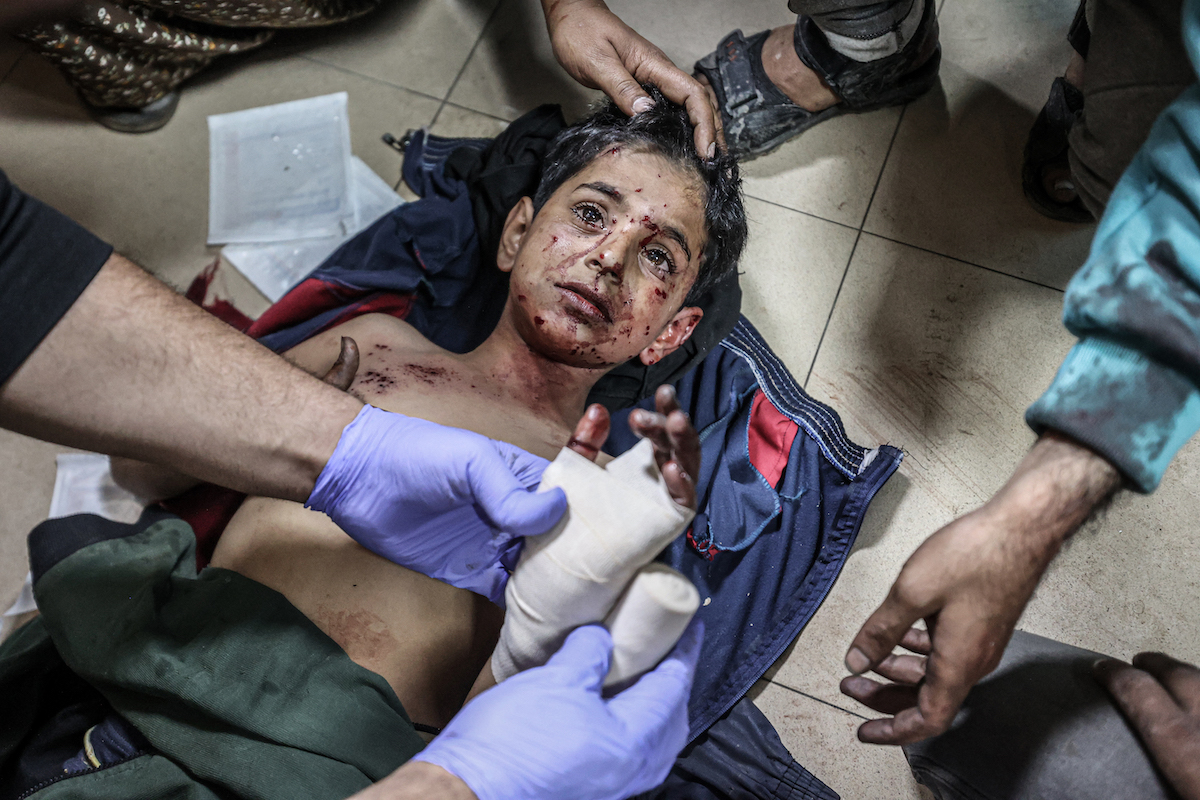
Jérôme Sessini: On a more personal note, how long have you been a photographer? What led you to choose photography as a path, and what gave you the strength to continue despite the risks?
Ali Jadallah: I have been working as a photographer for about a decade and a half now. We are living in a place full of death and life. I first picked up a camera as a young man, not because I thought of it as a career, but because I felt an urge to preserve memory, to hold on to the fleeting moments of joy and of pain that were constantly being erased by the occupation. Over time, photography became my way of resisting invisibility. It was not just about capturing images, but about saying: we exist, we are here, and our stories matter.
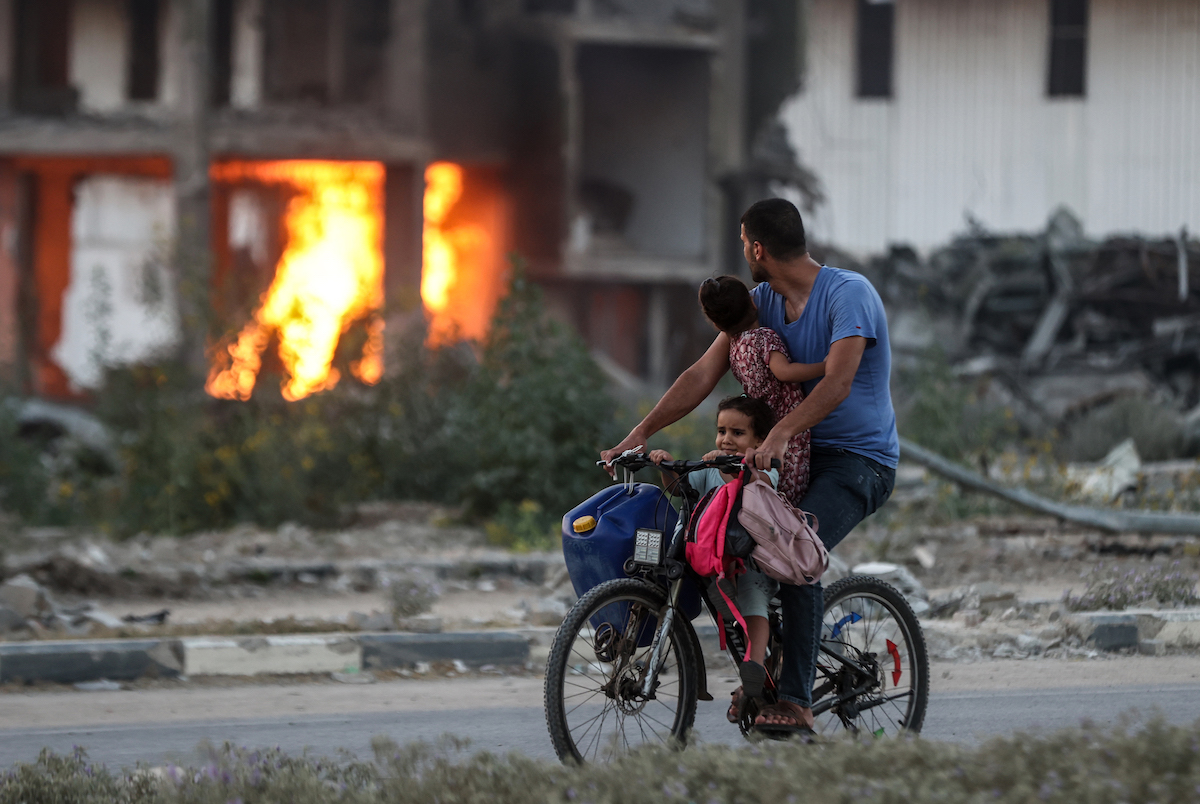
What gave me the strength to continue, despite the enormous risks, is the belief that photography can outlive bombs. A picture can travel further than I can; it can reach people who may never step foot in Gaza, and it can challenge the silence. Every time I see one of my images spark a reaction or move someone to ask a question, I feel that the risk was not in vain. I cannot accept how the media is showing us as numbers; my duty is to show the stories behind these numbers.
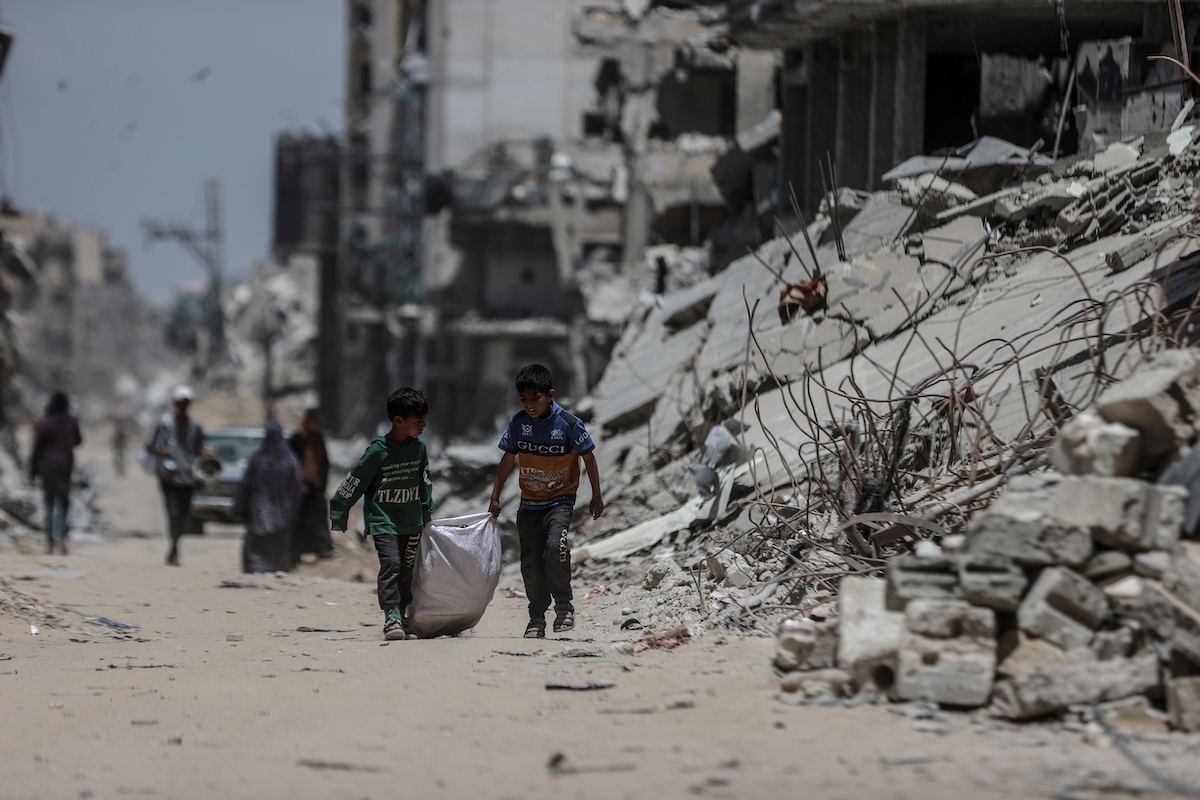
"I cannot accept how the media is showing us as numbers; my duty is to show the stories behind these numbers."
-
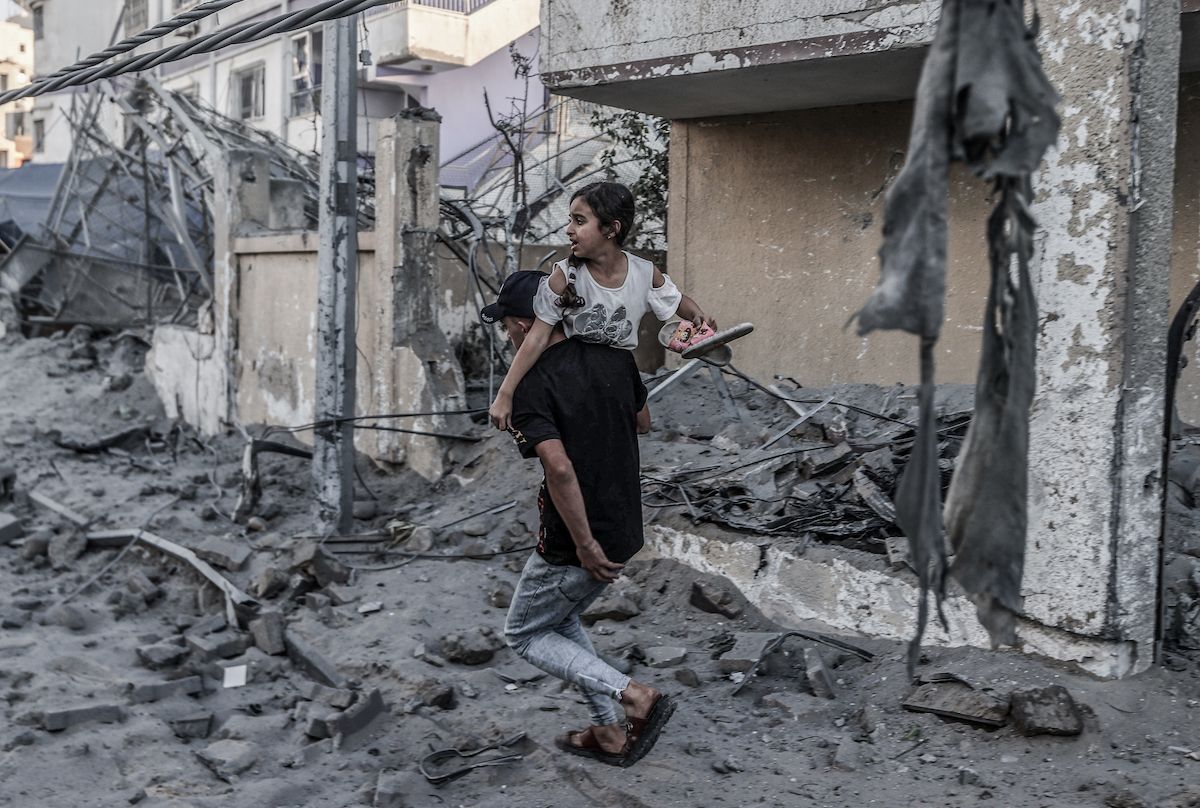
Jérôme Sessini: I know you have been through very difficult personal experiences. If you wish, could you share how those moments have changed your outlook on life or your commitments? Do you think that to better understand and document certain realities, one must have experienced them personally? Or, on the contrary, is it better to maintain some distance, some protection, in order to bear witness more effectively?
Ali Jadallah: I have gone through very difficult personal experiences. I was working when I received the news that my family’s house had been targeted. I rushed home, and I found it totally destroyed. My father, three brothers and my sisters were all gone. Only my mum survived, and she was injured.
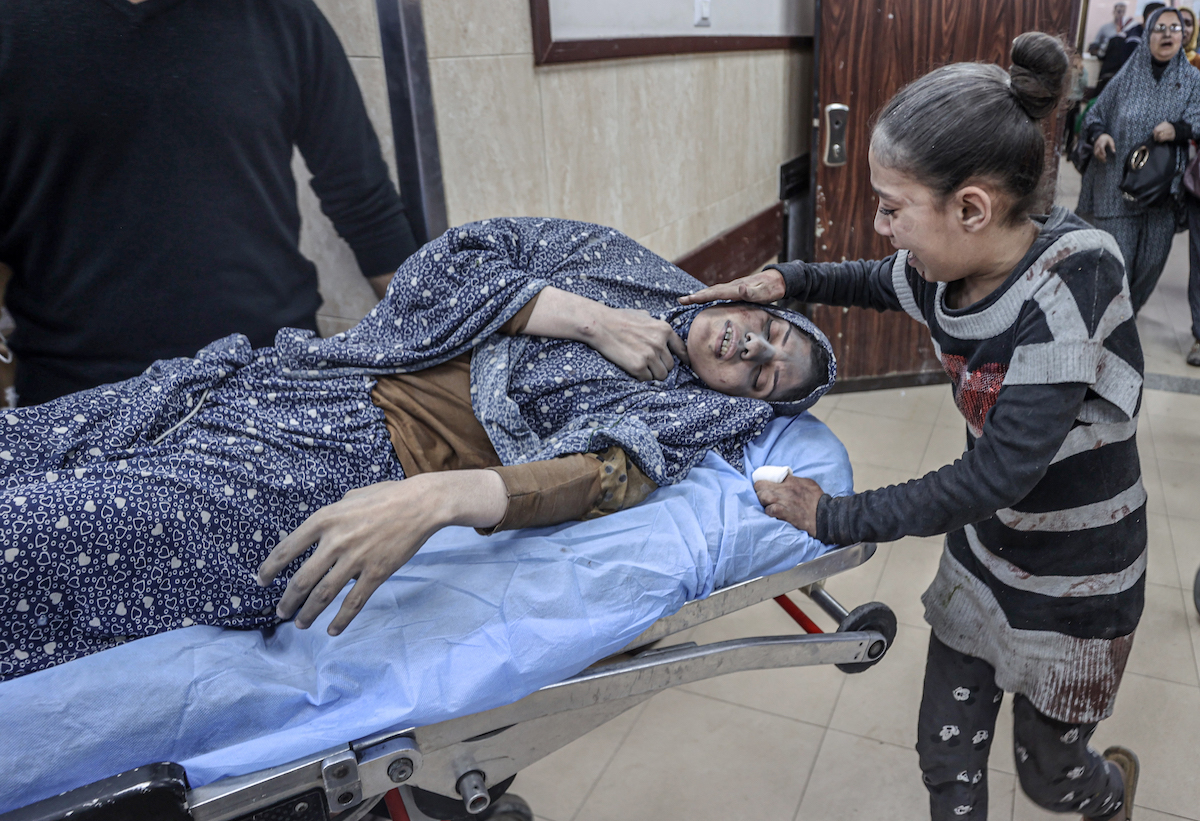
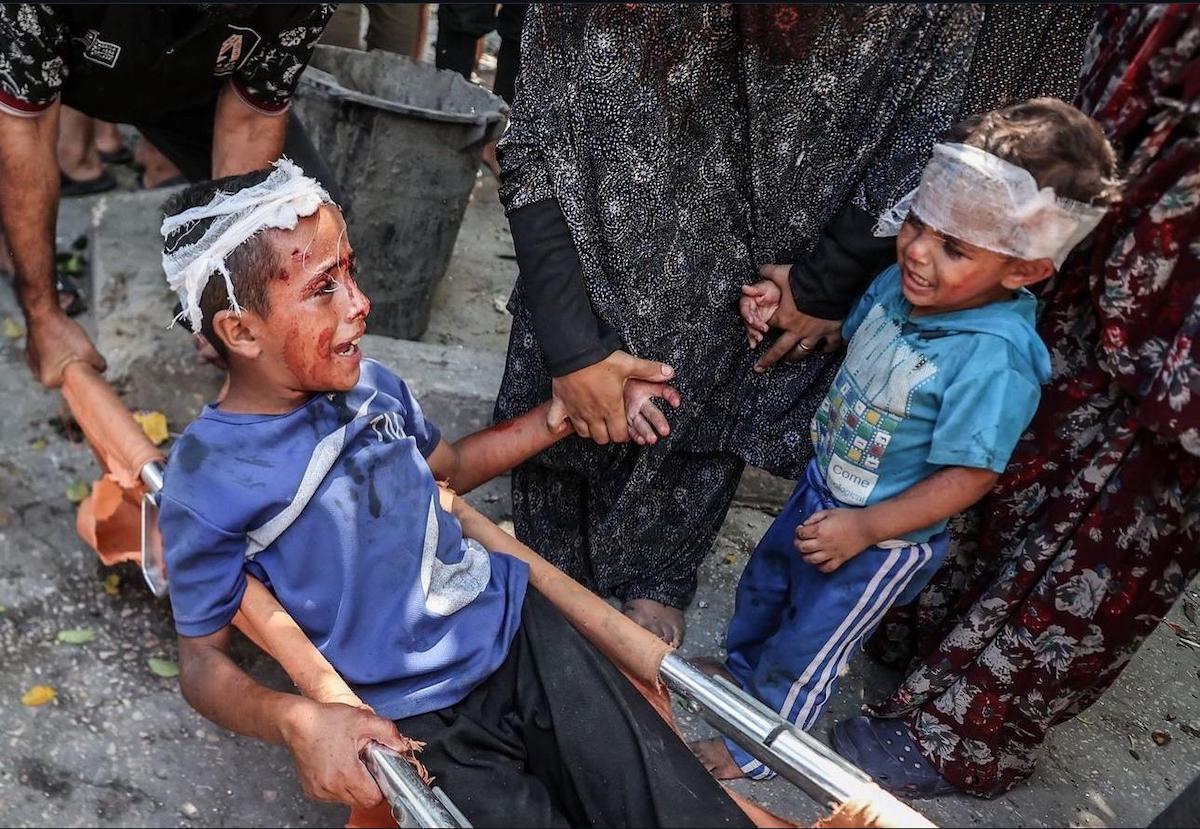
Time has stopped since that moment — I’ve lost many things inside me. No colors, only grey and blood— that is what’s left and rooted up in my mind. This stripped away the illusion of safety and made me realize how fragile life is here. When I photograph a grieving mother or a child walking barefoot through the rubble, I do not see them as distant subjects. I see my own family in them, I see myself. That connection makes my work more painful. The smell of dust mixed with blood is still stuck in my heart — I cannot escape it. Each time I film such attacks, I return to the home I was displaced from, with a heavy heart. There is no way to live the luxury of grief amongst the hell here.
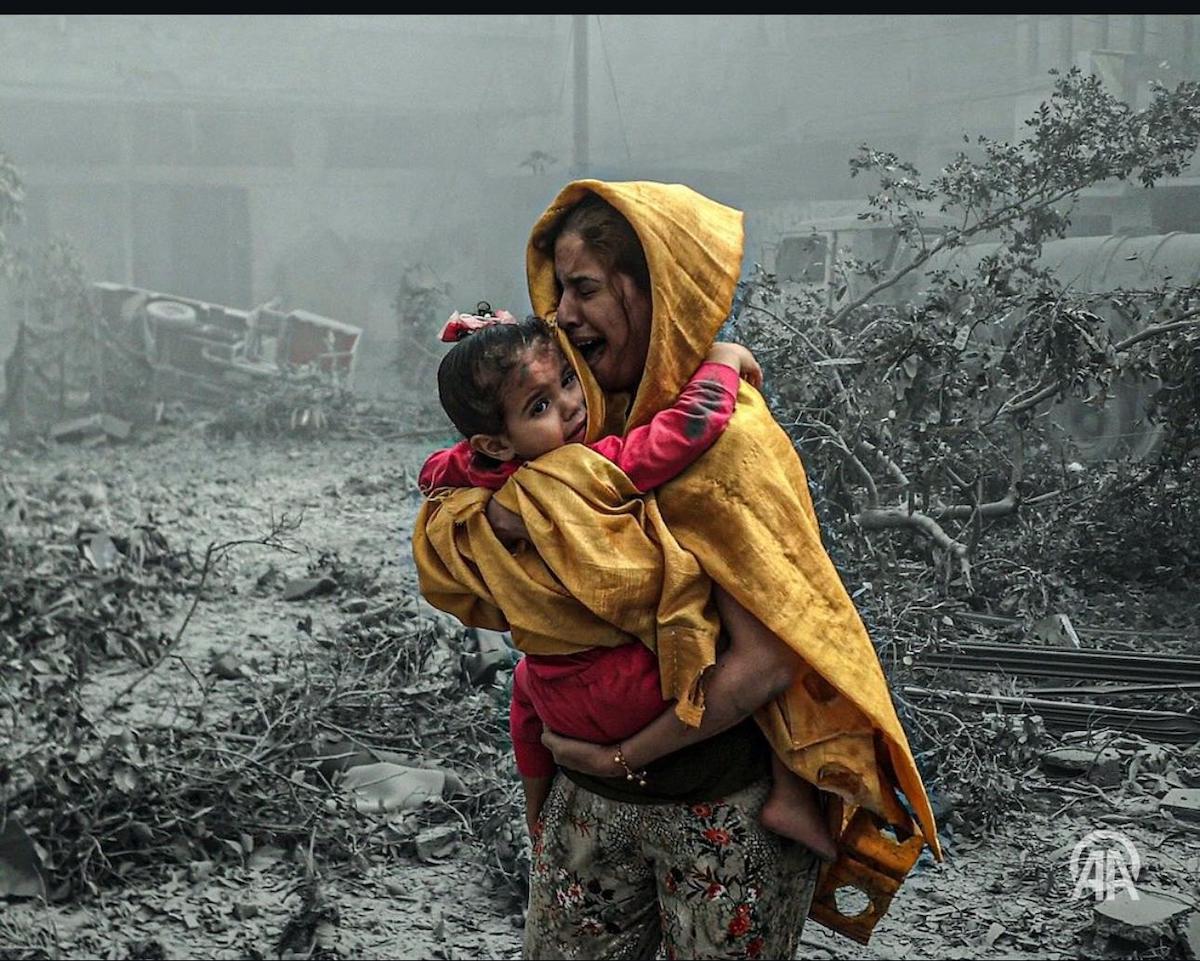
"The message I want to share is simple but urgent: do not look away. Gaza is not a distant tragedy; it is a place full of lives, dreams, and people who deserve dignity."
-
Jérôme Sessini: When you look toward the future, what would you like your images to convey, and what message would you like to share through your work?
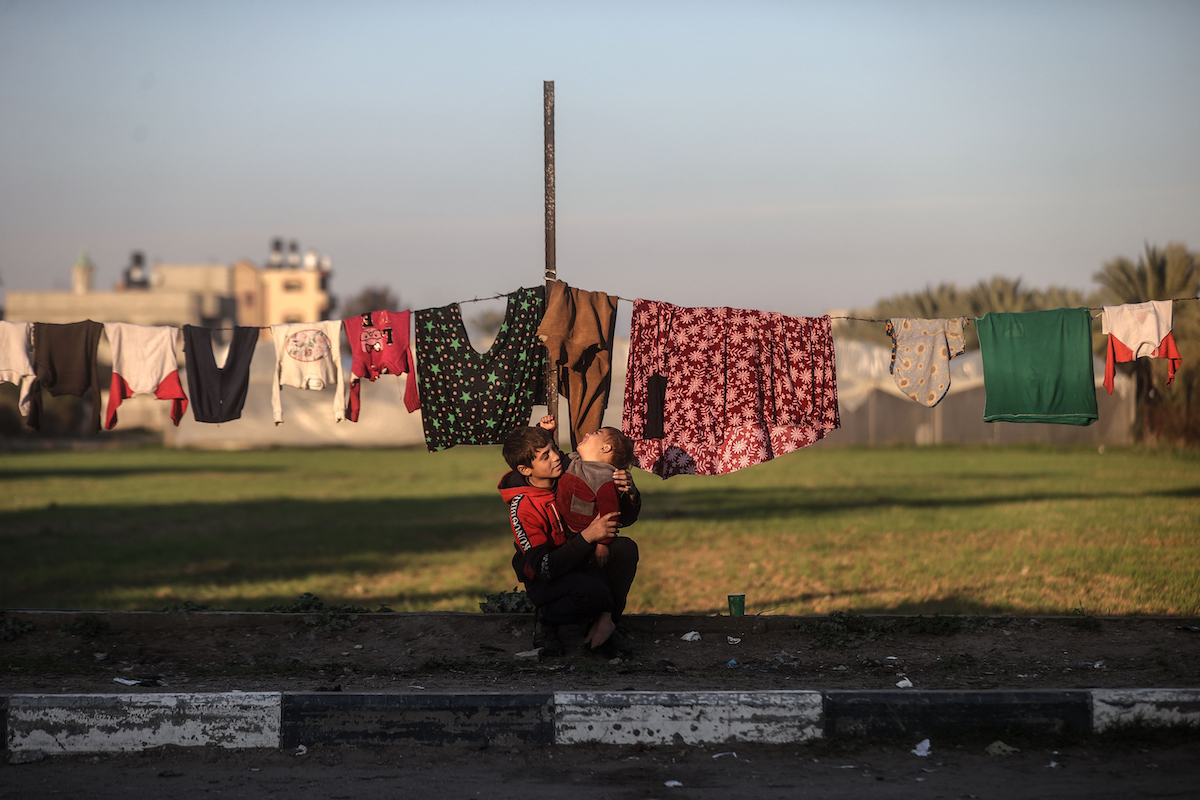
Ali Jadallah: When I look toward the future, I want my images to stand as both evidence and memory. Evidence that no one can deny what has happened here, and memory so that generations to come will know not only of destruction, but also of resilience. Too often, Palestine is reduced to statistics and breaking news flashes. My hope is that through my photographs, people will see faces, emotions, and the humanity that lies behind every headline.
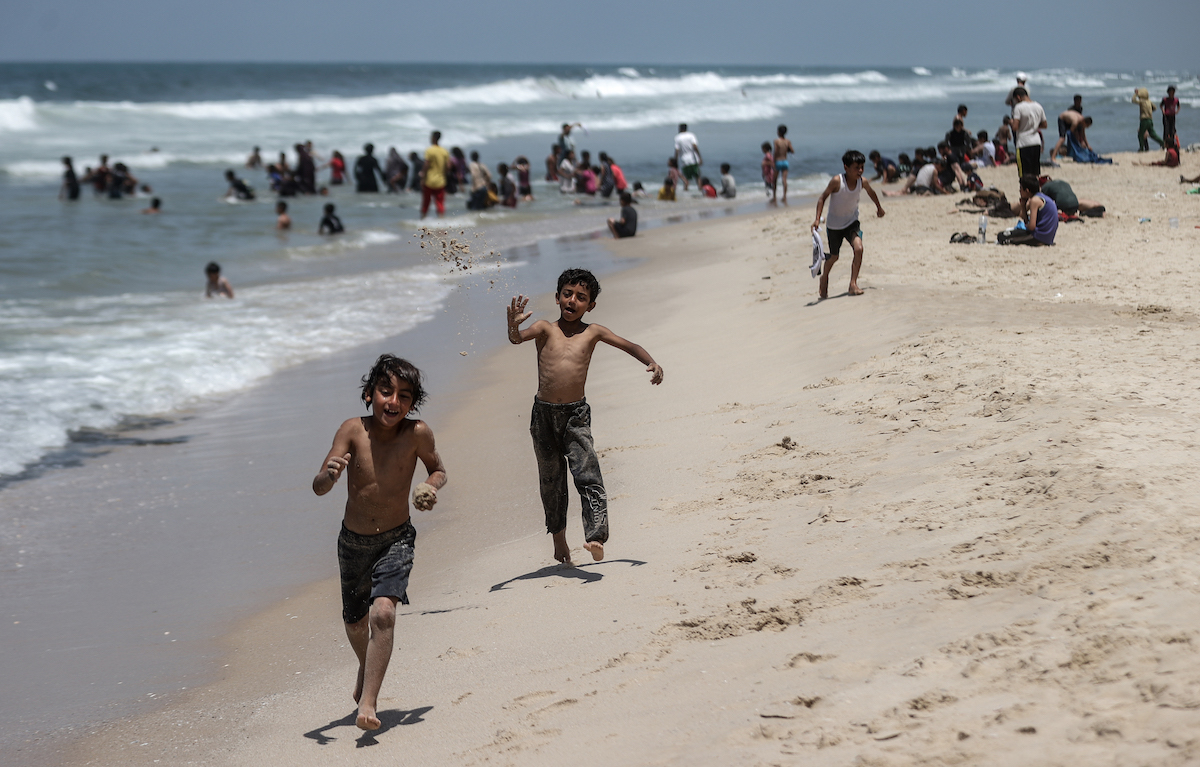
I want my work to speak of survival as much as of suffering. To show that even in the ruins, there are children playing, families clinging to each other, people rebuilding with their bare hands. These moments matter because they prove that the human spirit refuses to be erased. The message I want to share is simple but urgent: do not look away. Gaza is not a distant tragedy; it is a place full of lives, dreams, and people who deserve dignity. If my images can make someone stop for even a moment, reflect, and feel connected to a story here, then I believe I have done something meaningful.
Follow Ali Jadallah here
Contribute to Gulf Photo Plus Print Sale here