Behind the Strikes: Emin Özmen in Lebanon
Emin Özmen reports on recent developments in Beirut as conflict in the Middle East escalates. This article was published on March 13, 2026.
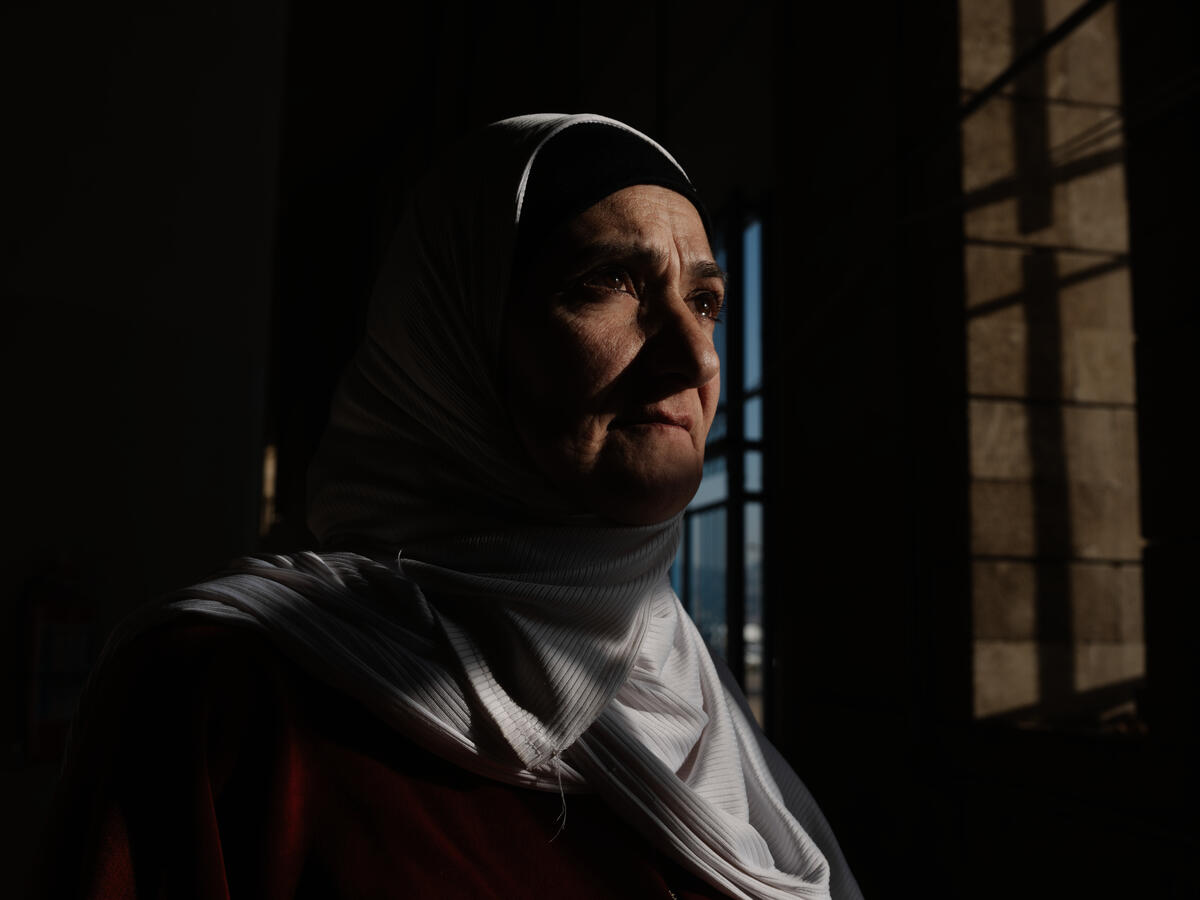
In the early hours of March 2, Sana fled from Dahiyeh, Beirut’s southern suburb. While preparing for suhur— Ramadan’s pre-dawn meal— she heard the sound of strikes hitting her neighborhood.
“I had no idea about what was happening, so I immediately woke up my boy and daughter and left home,” the 51-year-old told Emin Özmen.
After changing places where she and her family slept several times, she has now found refuge in a stadium that the Lebanese authorities opened and set up with tents to host displaced Lebanese affected by Israeli strikes.
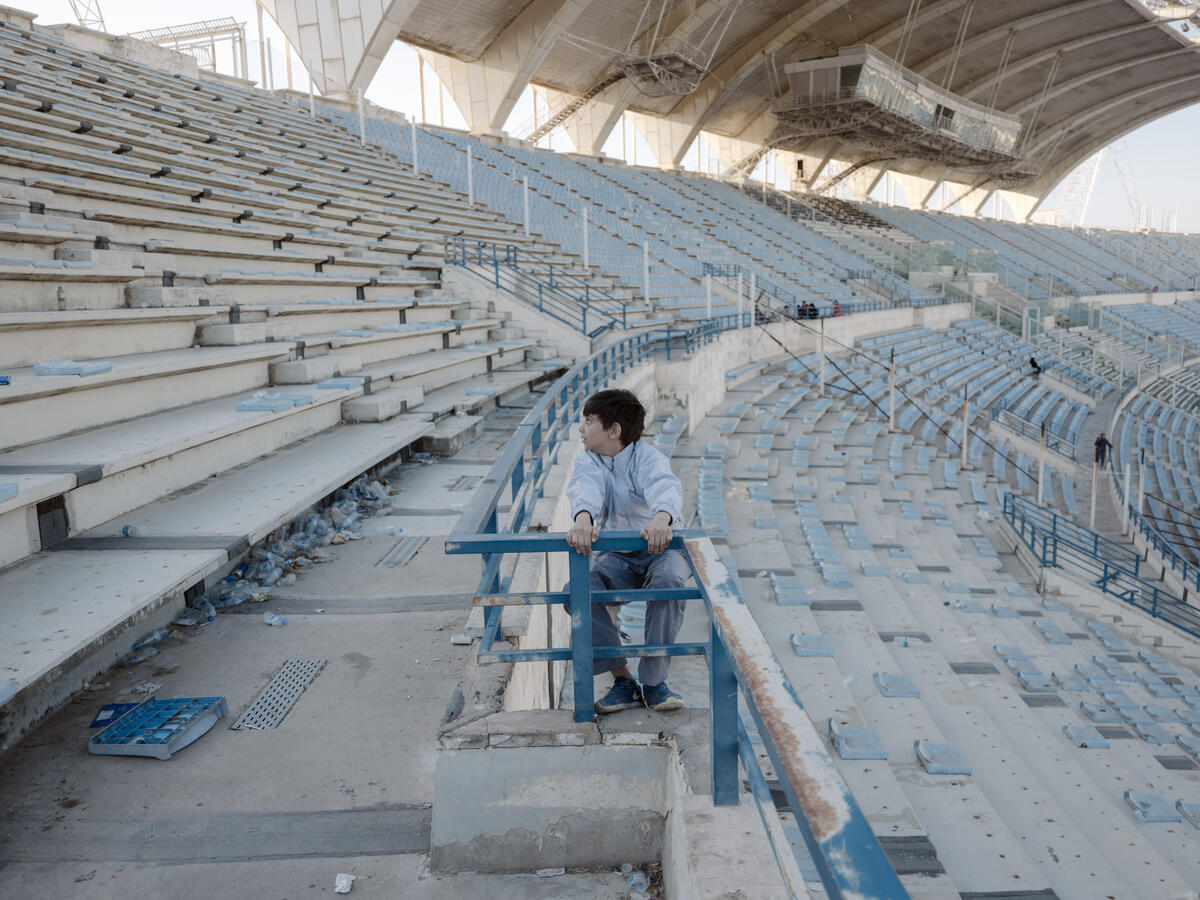
Since the United States and Israel killed Iran’s supreme leader Ayatollah Khamenei on February 28, 2026, fierce escalations have spread across the Middle East.
In Lebanon, violence erupted between armed group Hezbollah and Israel, after the militant group launched missiles and drones at their neighbor in retaliation for the assassination. Israel responded with continuous waves of airstrikes across the country, which, as of March 13, have killed approximately 690 people, including 98 children, and injured more than a thousand, according to the Lebanese Health Ministry.
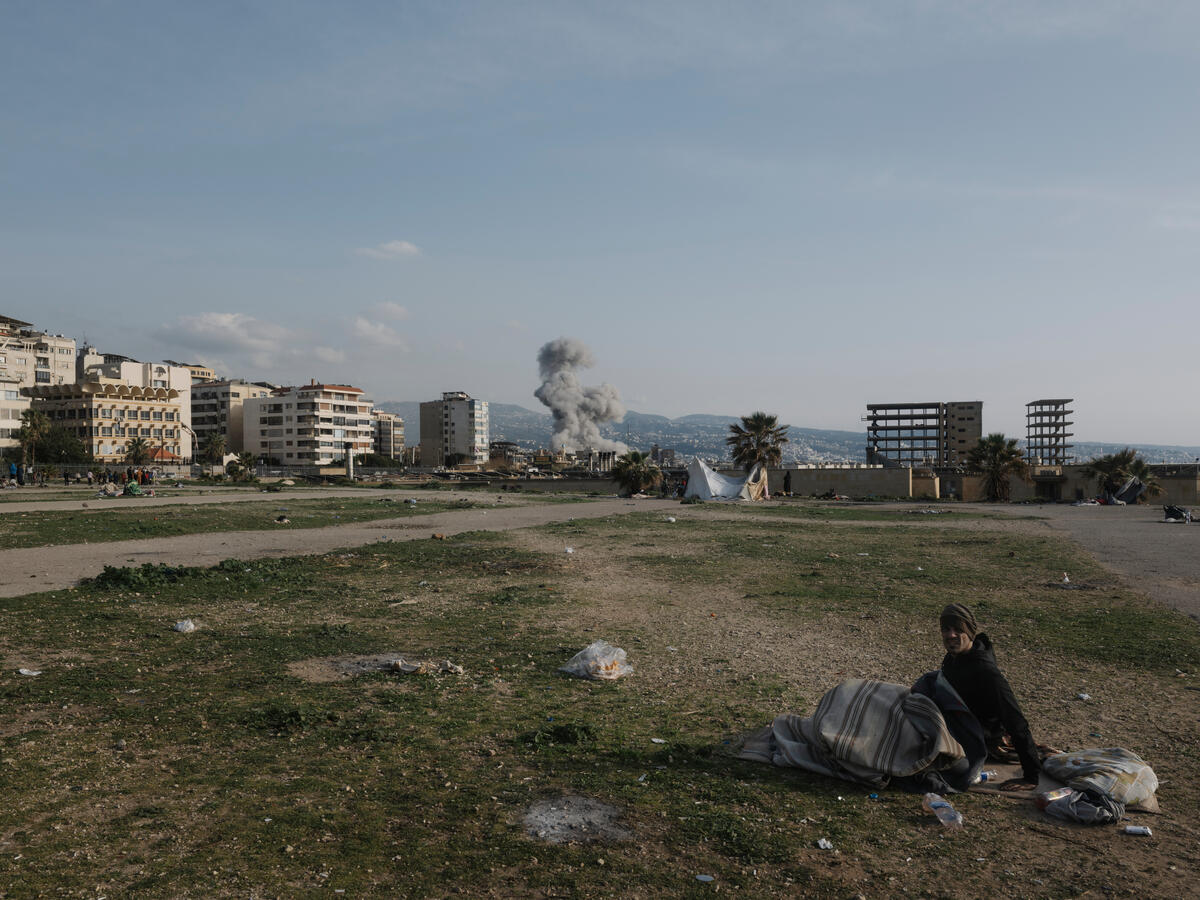
Emin Özmen is currently in Beirut, documenting the significant displacement caused by Israeli attacks on the country, as well as UNHCR’s local team, which delivers emergency aid and counseling daily through mobile teams and in government-run shelters.
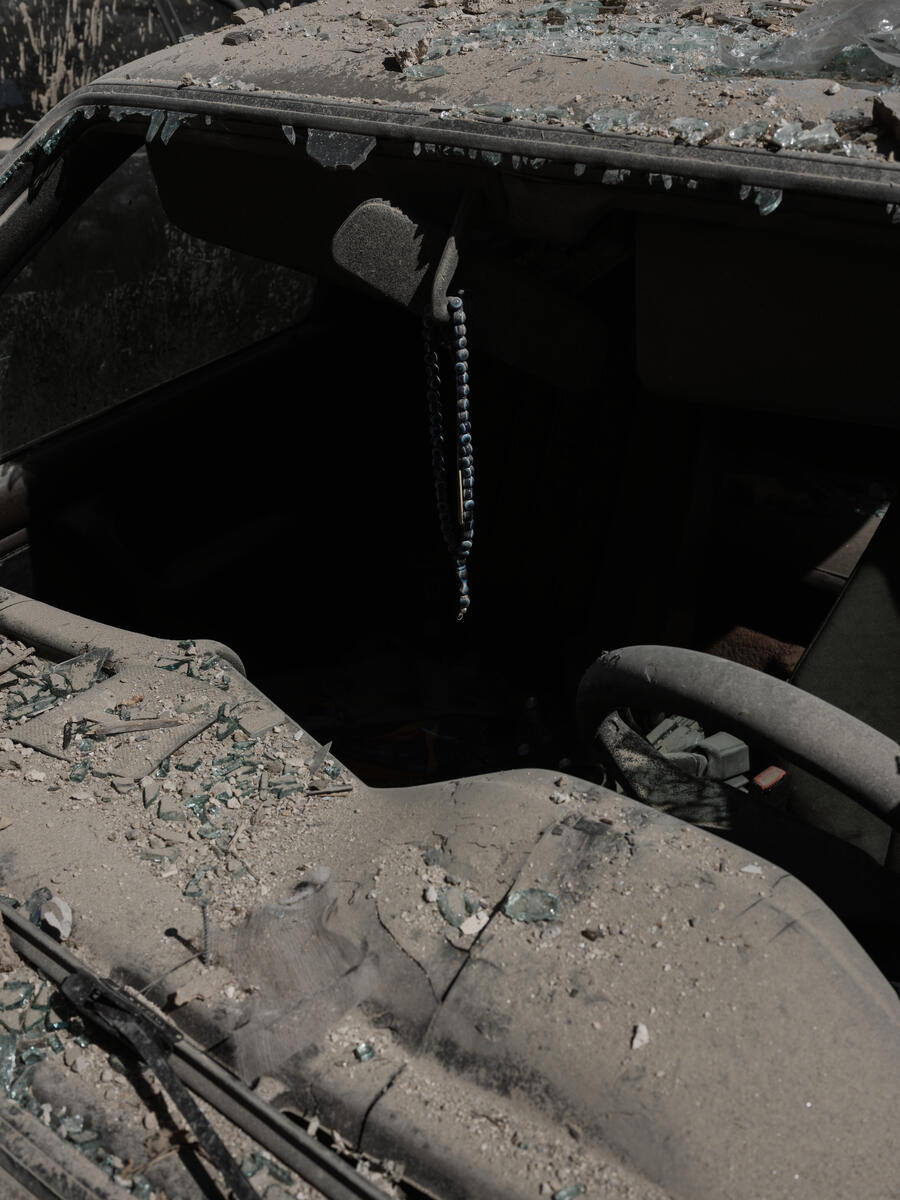
According to UNHCR, the UN Refugee Agency, in less than a week, Israel issued evacuation warnings to more than 53 villages and densely populated areas across Lebanon, prompting many to flee across the country and towards Beirut. The Lebanese authority registered more than 800,000 displaced as of March 12.
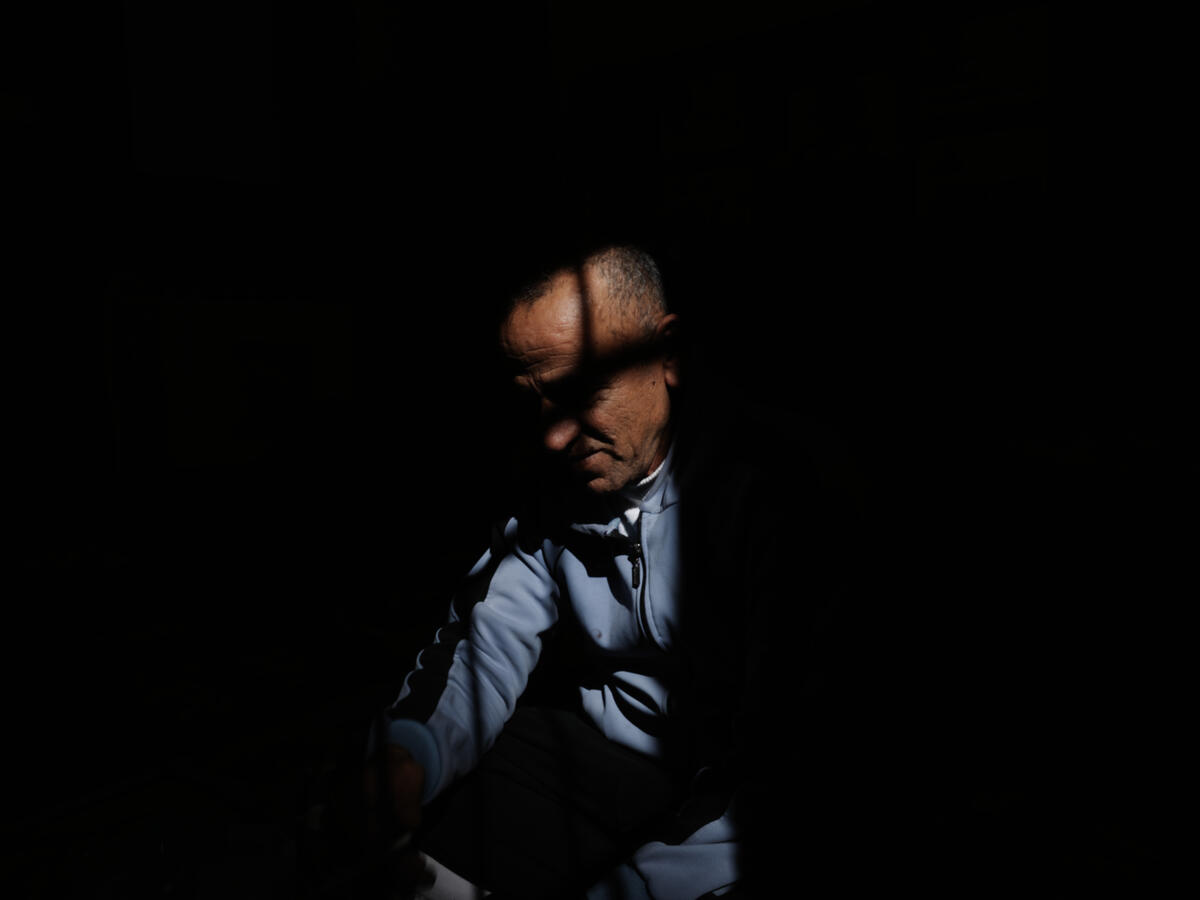
Haytham fled from Tyr in southern Lebanon with his family on March 4, taking shelter in a school in Beirut after finding no space in the closest city to the North of Tyr, Saïda.
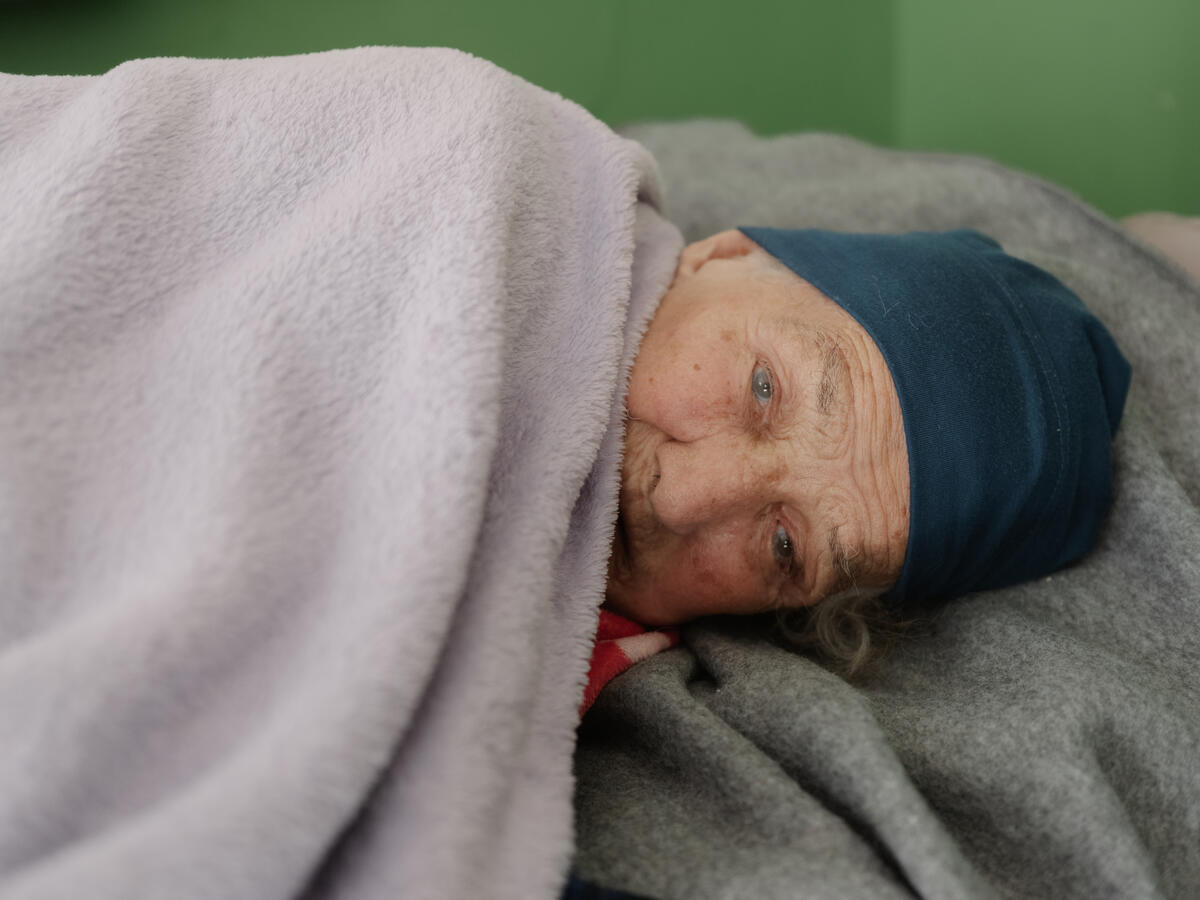
‘I waited until the last minute to make the decision to flee as my mum is old and she has Alzheimer’s,” the 58-year-old told the photographer, adding that the 95-year-old woman couldn’t move or walk.
The Lebanese government opened collective shelters in schools and other public spaces to address the needs of the population, with support from UNHCR and other organizations.
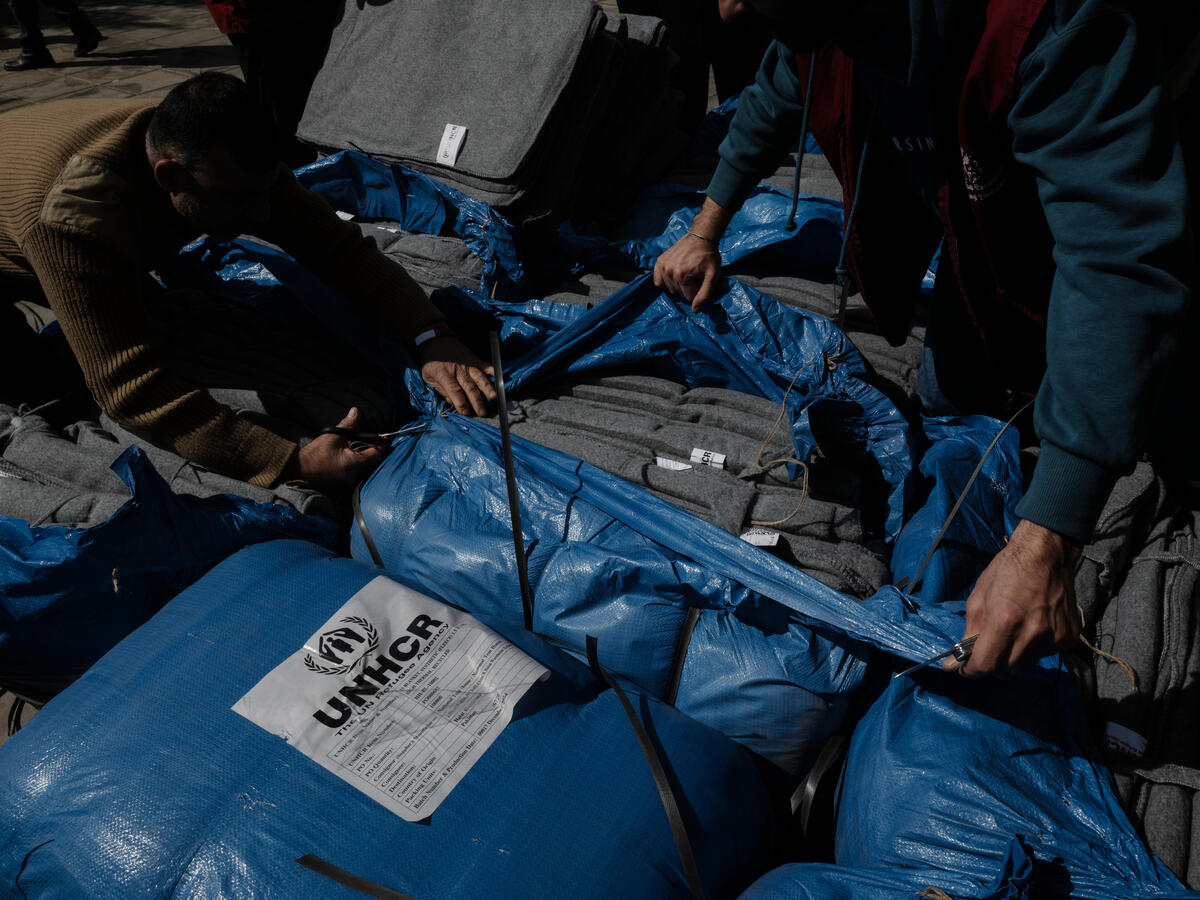
After bombing southern Lebanon and the Bekaa Valley for three consecutive days, Israel issued an unprecedented warning on Thursday, March 5, to the entire Dahiye suburb of Beirut, home to around 700,000 people.
Tens of thousands fled their homes in a panic, seeking shelters around Beirut. Some slept in the streets due to a lack of housing and overcrowded facilities.
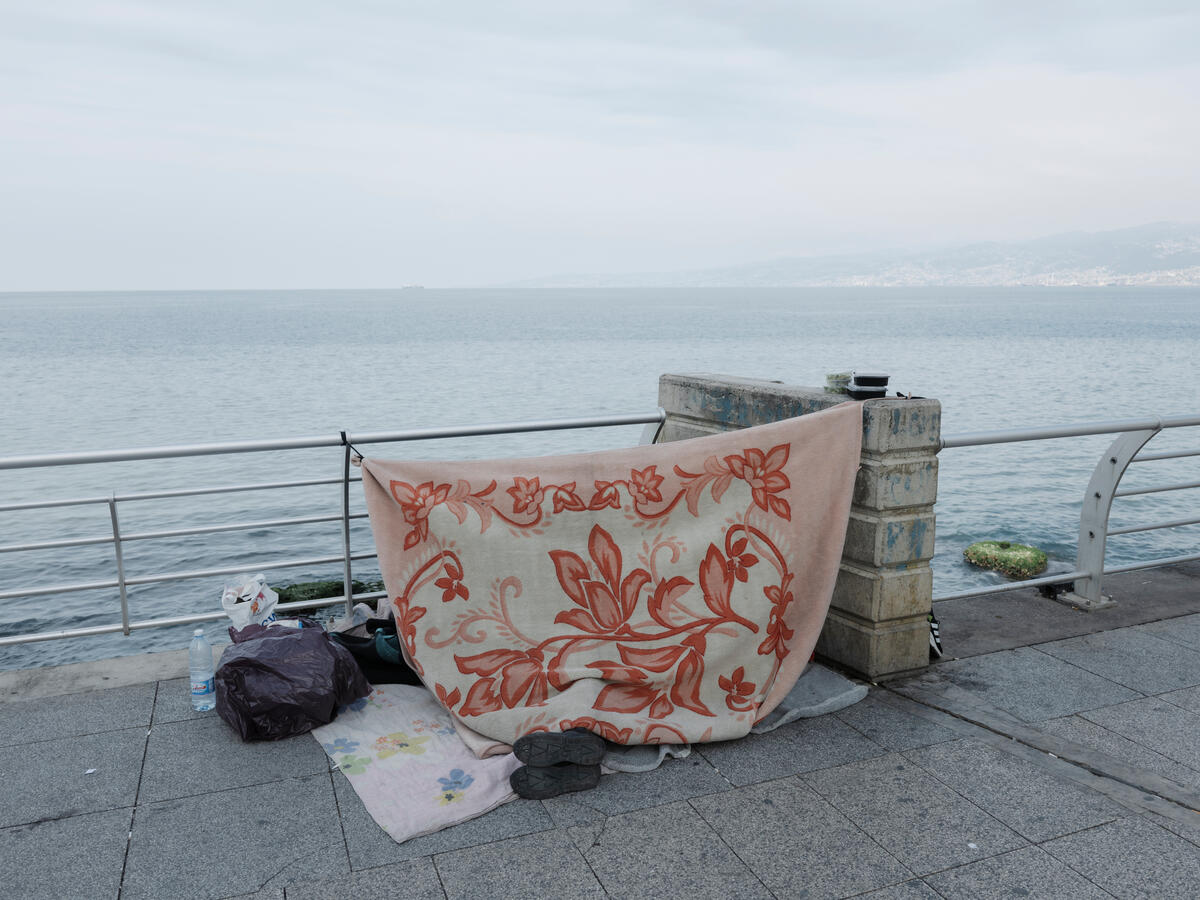

“I had nowhere to go,” Samira told the photographer. The 64-year-old eventually took shelter in a public school as Israeli strikes on her neighborhood intensified.
“I called my relatives living in central Beirut, but they told me (the shelters) were full as they already host so many people fleeing Dahiyeh,” Samira added.
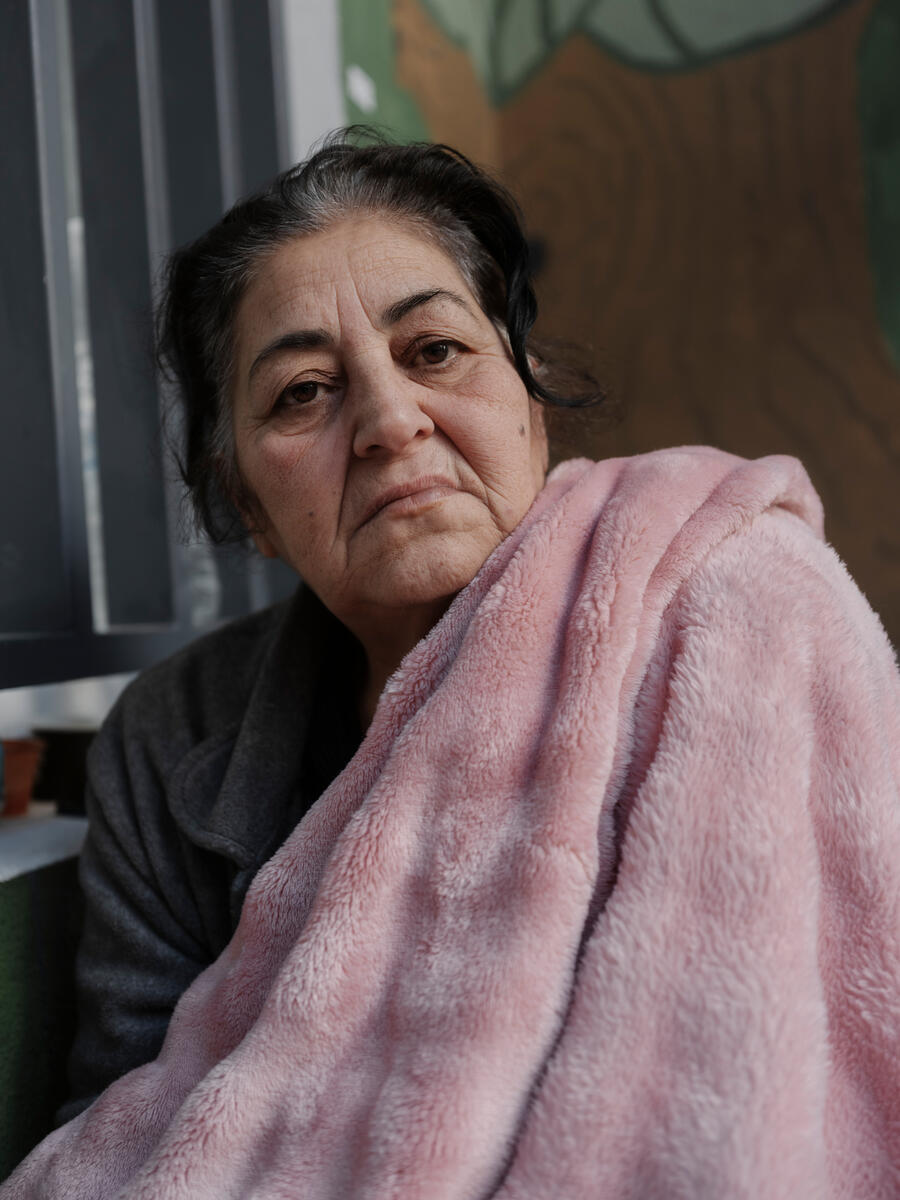
For the second time since 2025, Noha had to flee the neighborhood where she was born. Back then, she flew to Byblos, a coastal city in the north of the country, and took refuge in a mosque.
“I just can’t sleep here, I’m always awake as Israeli drones fly above and this makes me tense,” the woman in her 60s told the photographer. The situation bears reminders of 1982, when Israeli soldiers entered Beirut.

“I was too young, I saw the bodies of the people killed on the street. I saw people in pieces…I can’t forget it,” she added.
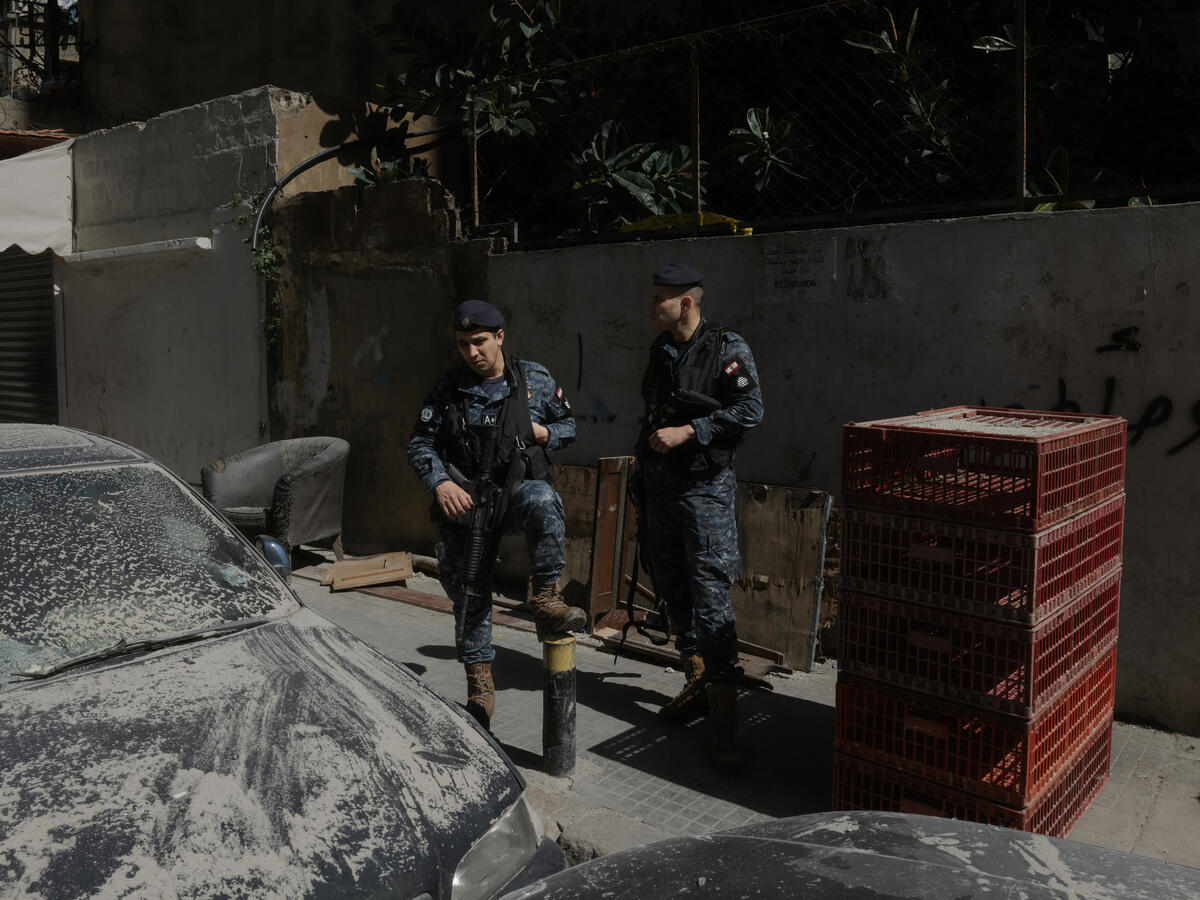
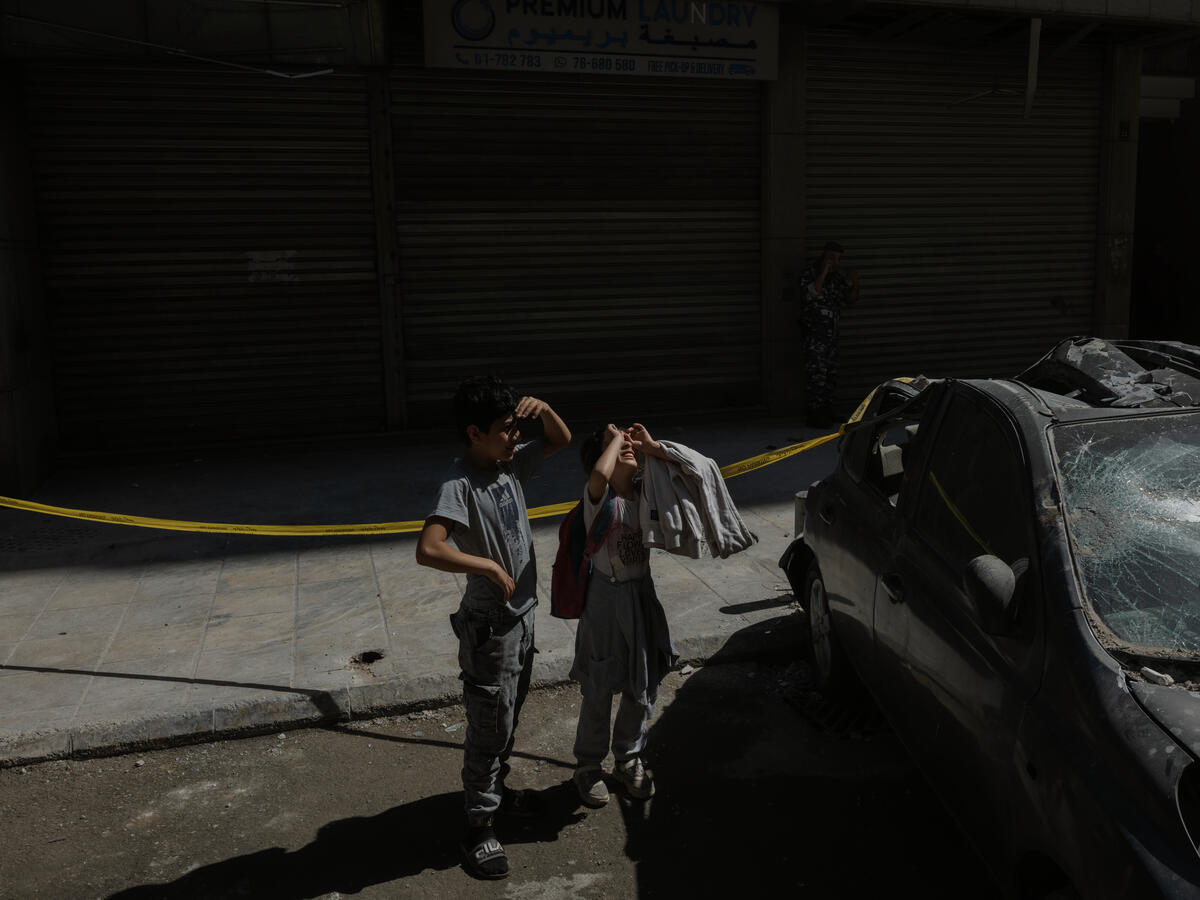
On March 11, Israel struck an apartment building in Central Beirut, leaving residents questioning whether anywhere in the city is secure.
Magnum photographers remain on the ground to cover the escalating regional conflict, as NGOs express concerns about a larger humanitarian and refugee crisis in Iran and across the Middle East.