
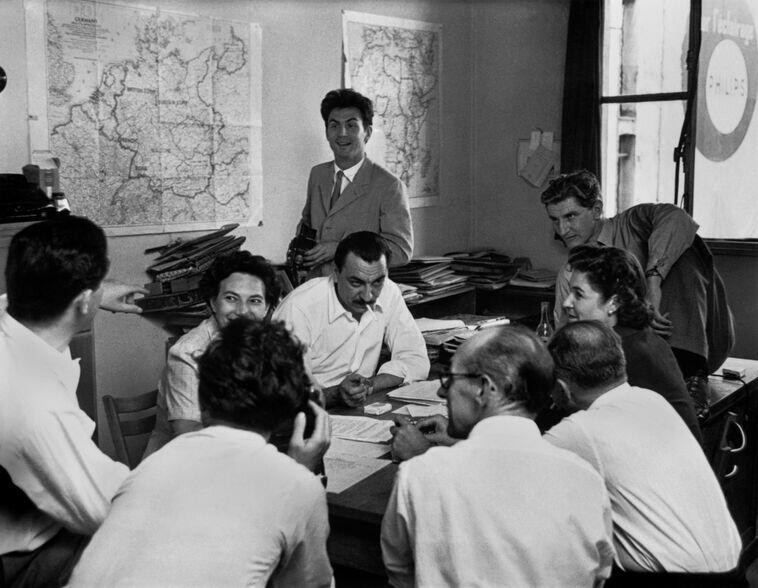
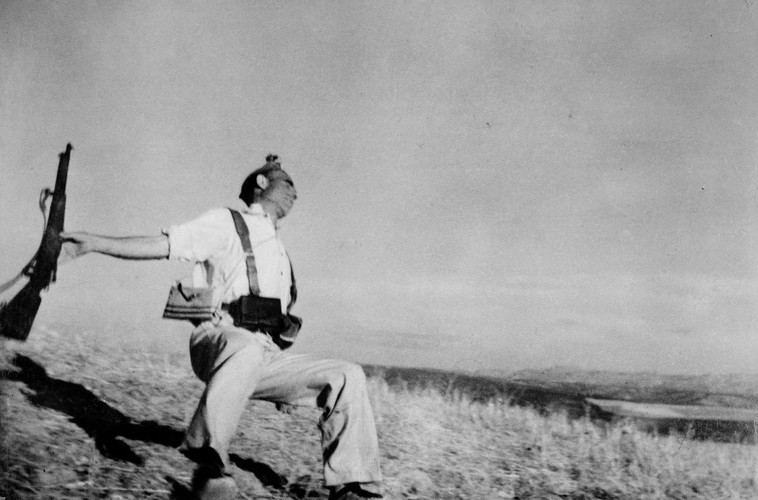
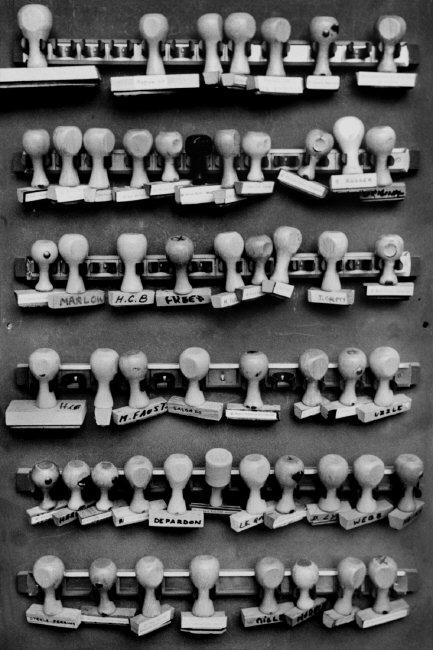
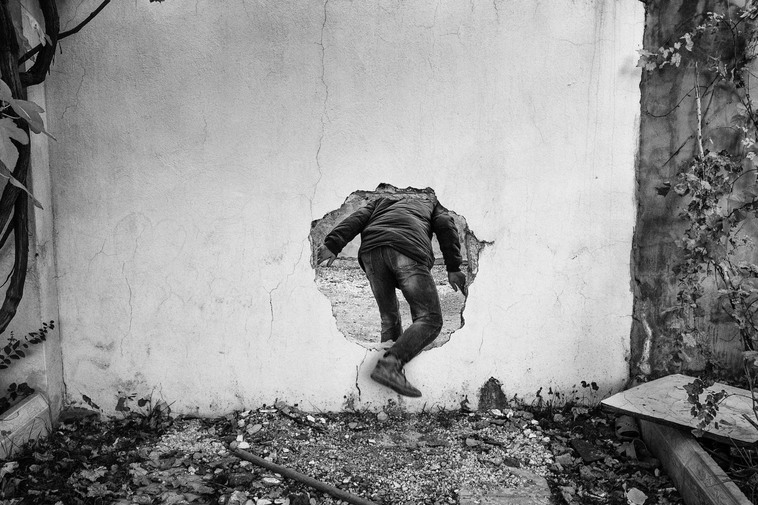
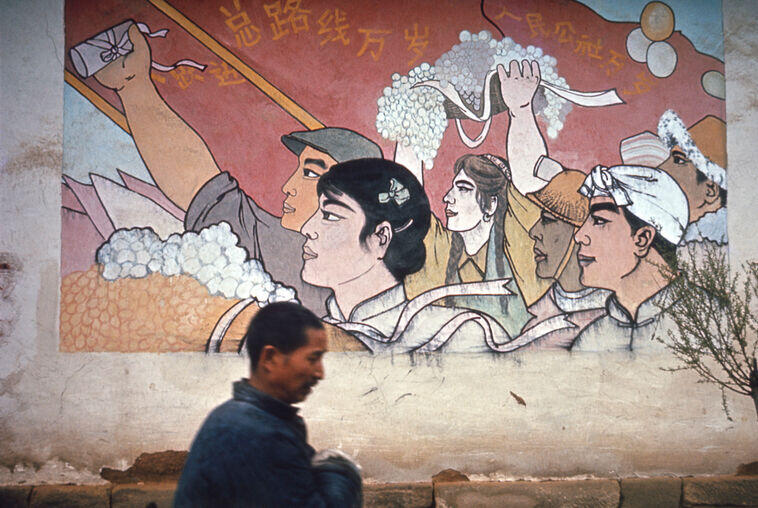


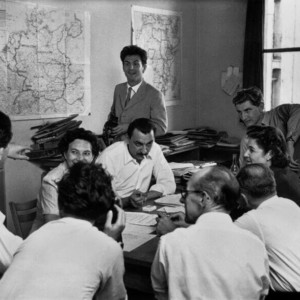
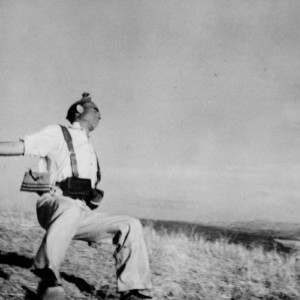
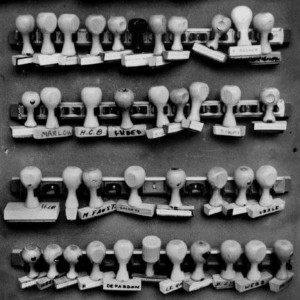
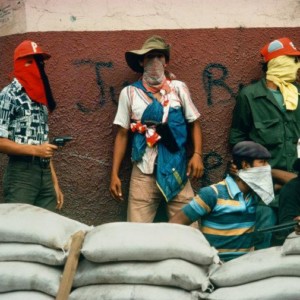


Magnum Photos is renowned for its image library. However, alongside its impressive collection of photographs spanning the years from the 1930s to the present day, Magnum also owns a large collection of photobooks created by its members. Each of the Magnum offices has its own physical photobook library which serves as a space where knowledge is preserved, accessed, and shared by photographers, staff members and researchers.
Magnum photographers have played a defining role in shaping the evolution of the photobook, using the medium to push the boundaries of documentary photography and visual storytelling.
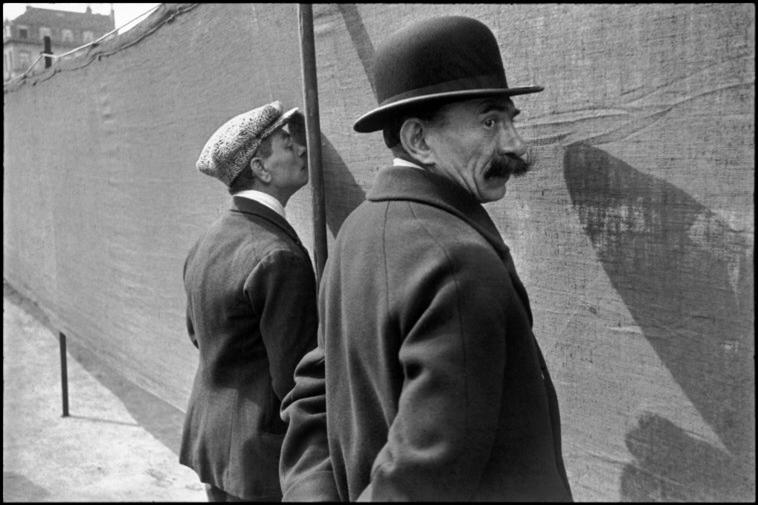
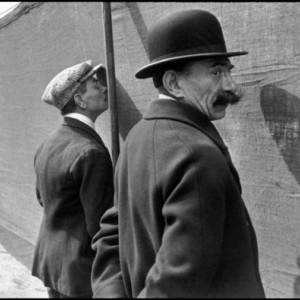
From the very beginning, Magnum photographers embraced the photobook as a means of controlling how their work was seen and understood. Henri Cartier-Bresson’s The Decisive Moment (1952) set a precedent for photographic storytelling, emphasizing composition and spontaneity in capturing life’s fleeting moments.
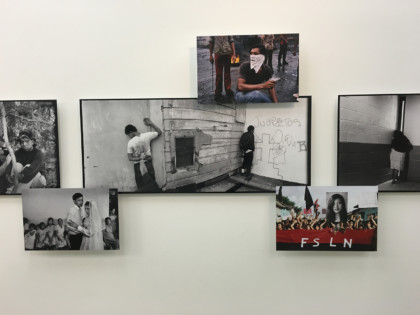
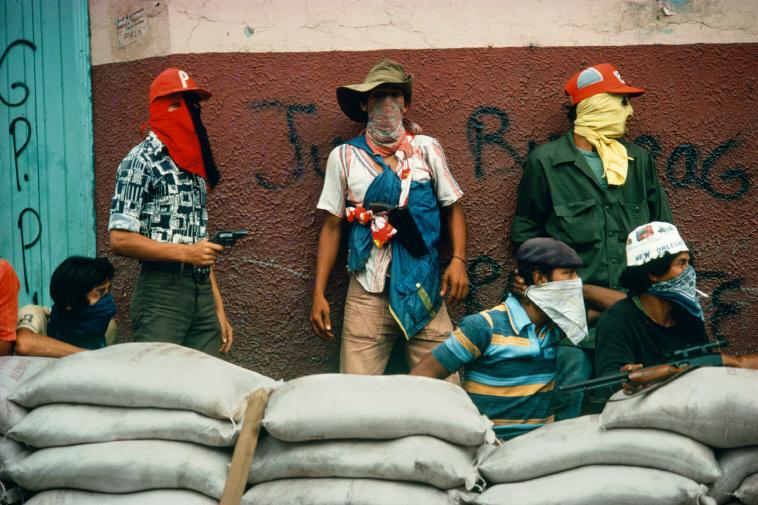
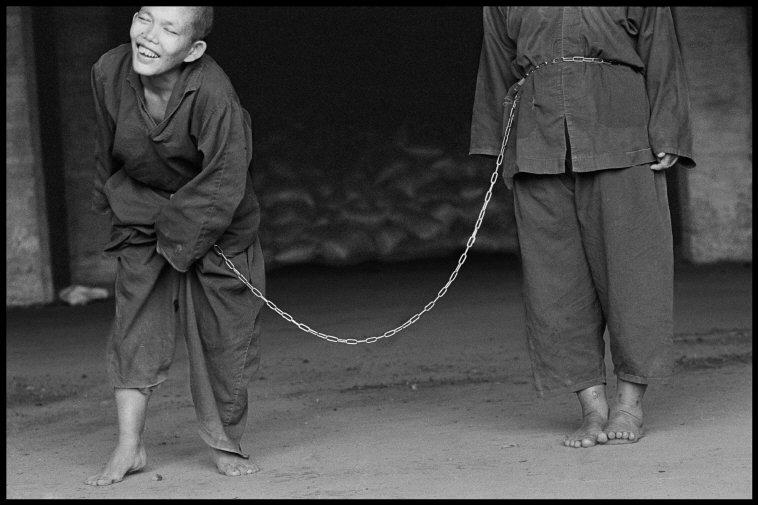
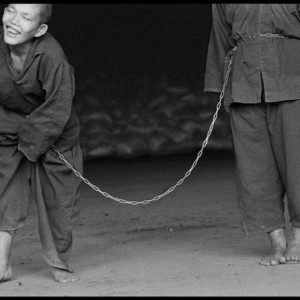
Magnum’s photobooks have not only documented world history but have also challenged the conventions of photography. Philip Jones Griffiths’ Vietnam Inc. (1971) offered a deeply personal critique of war, blending images and text in a way that transformed the photojournalistic narrative. Meanwhile, Susan Meiselas’ books Nicaragua (1981) and Kurdistan, In the Shadow of History (2008) combined archival materials, interviews, and photographs, expanding the photobook’s potential as a historical document.