The Work is Not Done
A new exhibition of photographs by Eve Arnold brings together portraits of Malcolm X and scenes of Black community, creativity, and resistance in 1950s-60s America
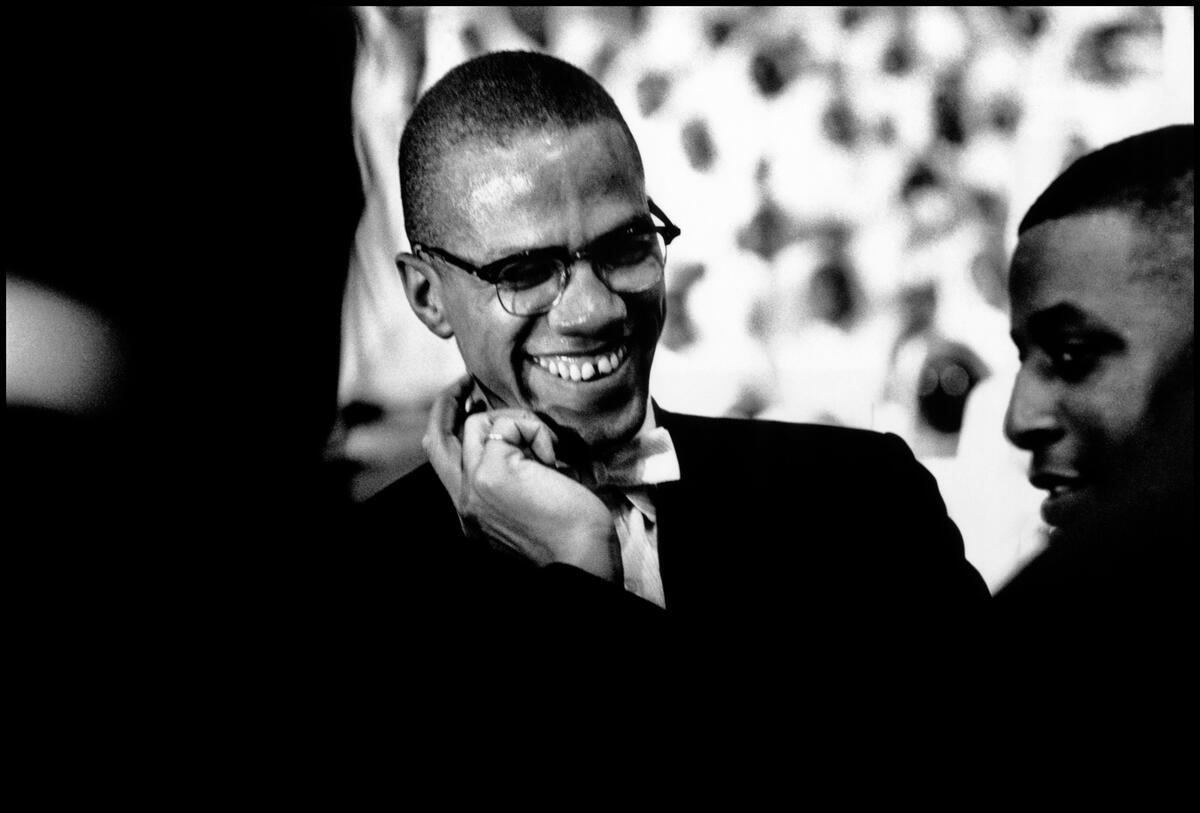
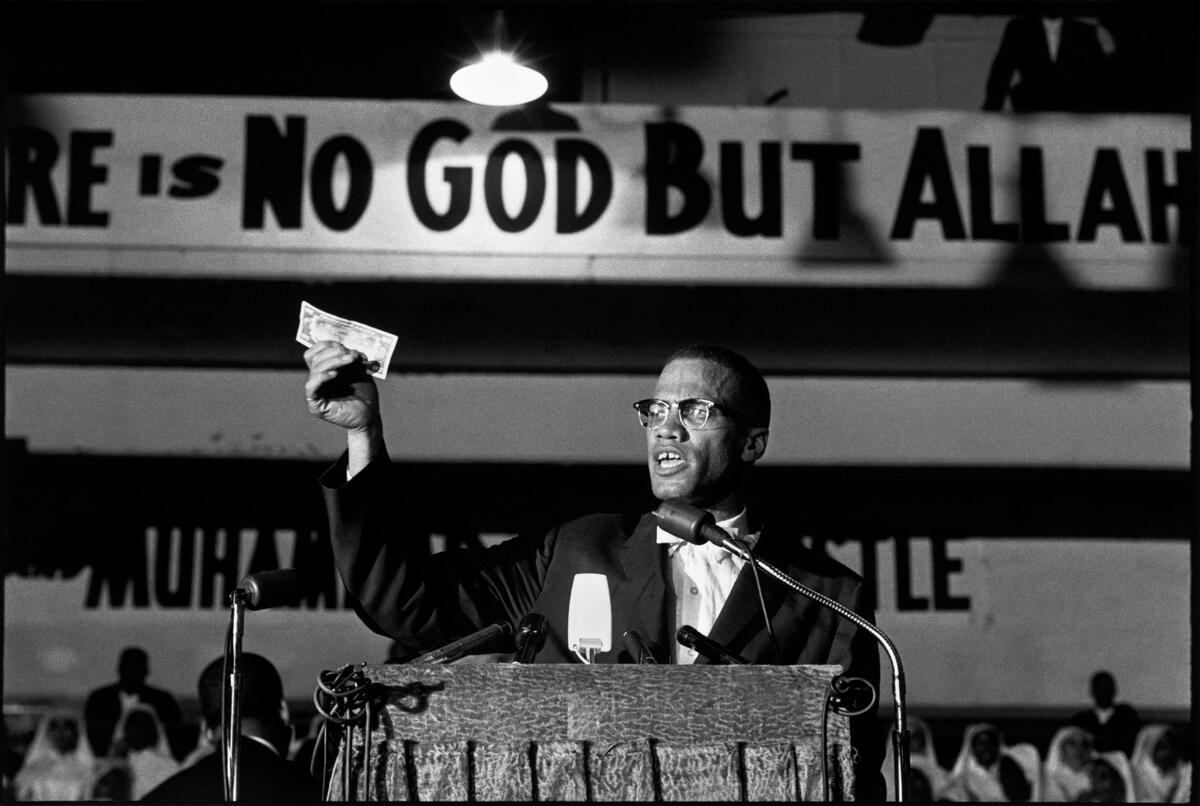
In the early 1960s, Eve Arnold was on assignment for LIFE magazine, documenting the rallies and meetings of the Nation of Islam, the Black nationalist movement founded in Detroit, Michigan. By then, the movement had attracted tens of thousands of followers. Years prior, its teachings had also caught the attention of a young man, who, while in prison from 1946 to 1952, embraced its ideological vision and adopted a new name: Malcolm X. He would become, in Arnold’s words, “one of the most dynamic leaders of the century.”
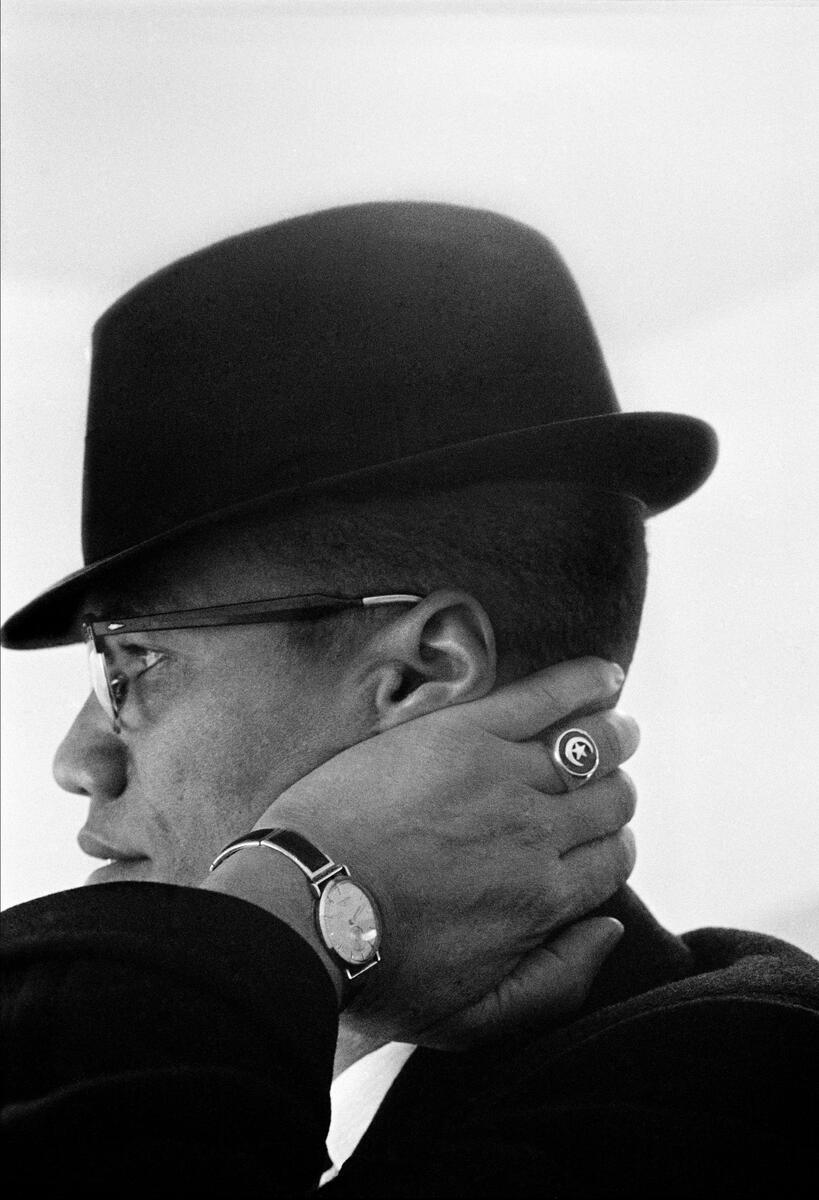
To coincide with the 61st anniversary of Malcolm X’s death on February 21, 1965, at the age of 39, a new curated selection of 32 images by Arnold is now being shown in the exhibition The Work is Not Done: Style, Struggle, and Freedom at the Malcolm X and Dr. Betty Shabazz Center in New York City, the site of the historic Audubon Ballroom where the activist was assassinated.
Alongside previously unseen portraits of Malcolm X — who adopted the name El-Hajj Malik El-Shabazz after splitting with the Nation of Islam in 1964 — Arnold’s attentive perspective of everyday Black life, resistance, and self-defined identity enriches our understanding of this crucial era in American history.
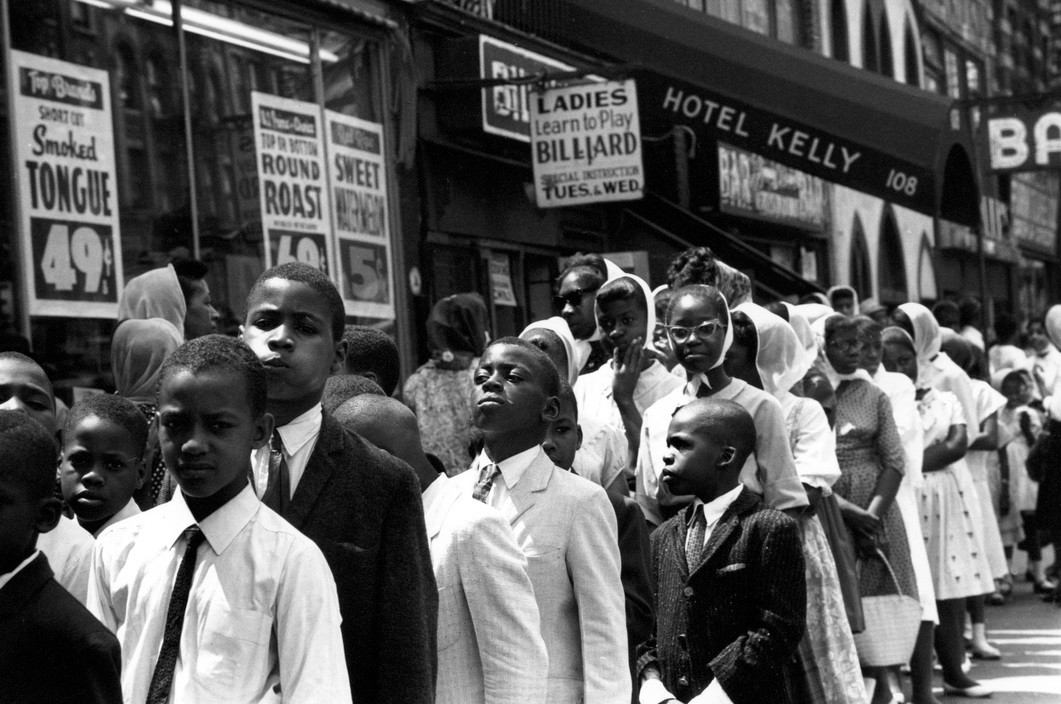
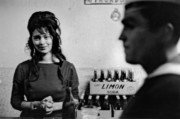
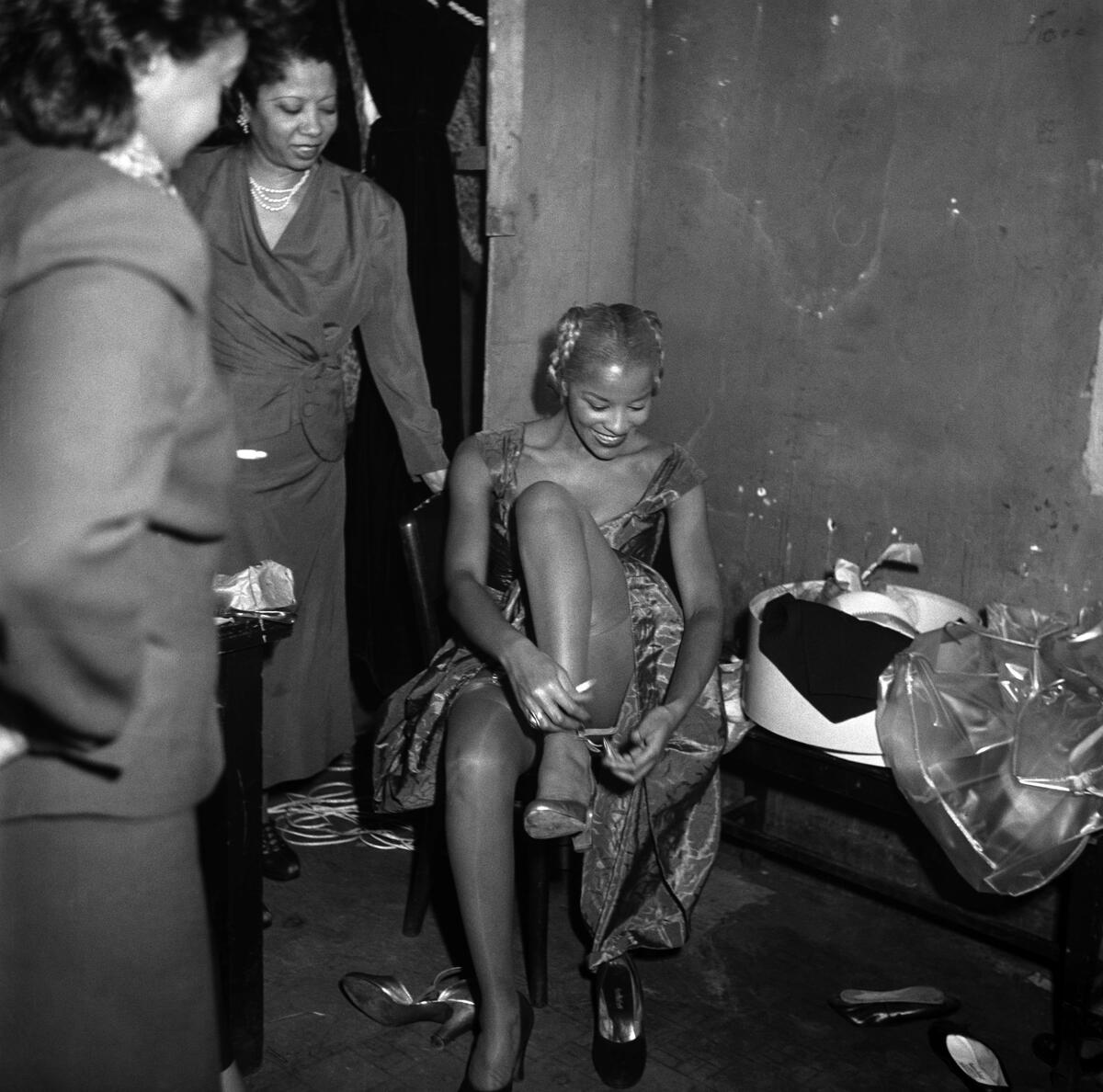
Images of Malcolm X addressing enthralled crowds in New York, Washington D.C. and Chicago in the early 1960s are paralleled with a fashion show in full swing at a deconsecrated Abyssinian Church in Harlem in 1950, showcasing Black designers and worn by Black models, notably Charlotte Stribling, aka “Fabulous.”
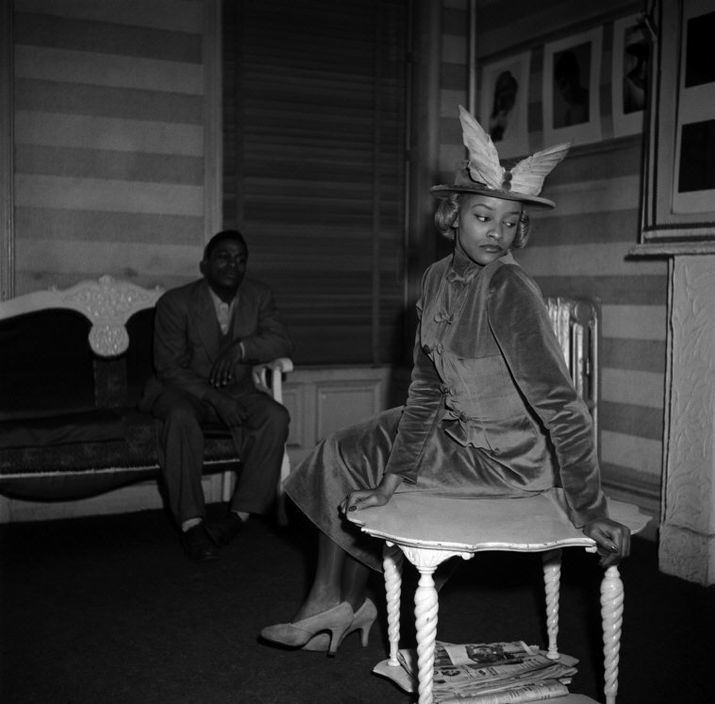
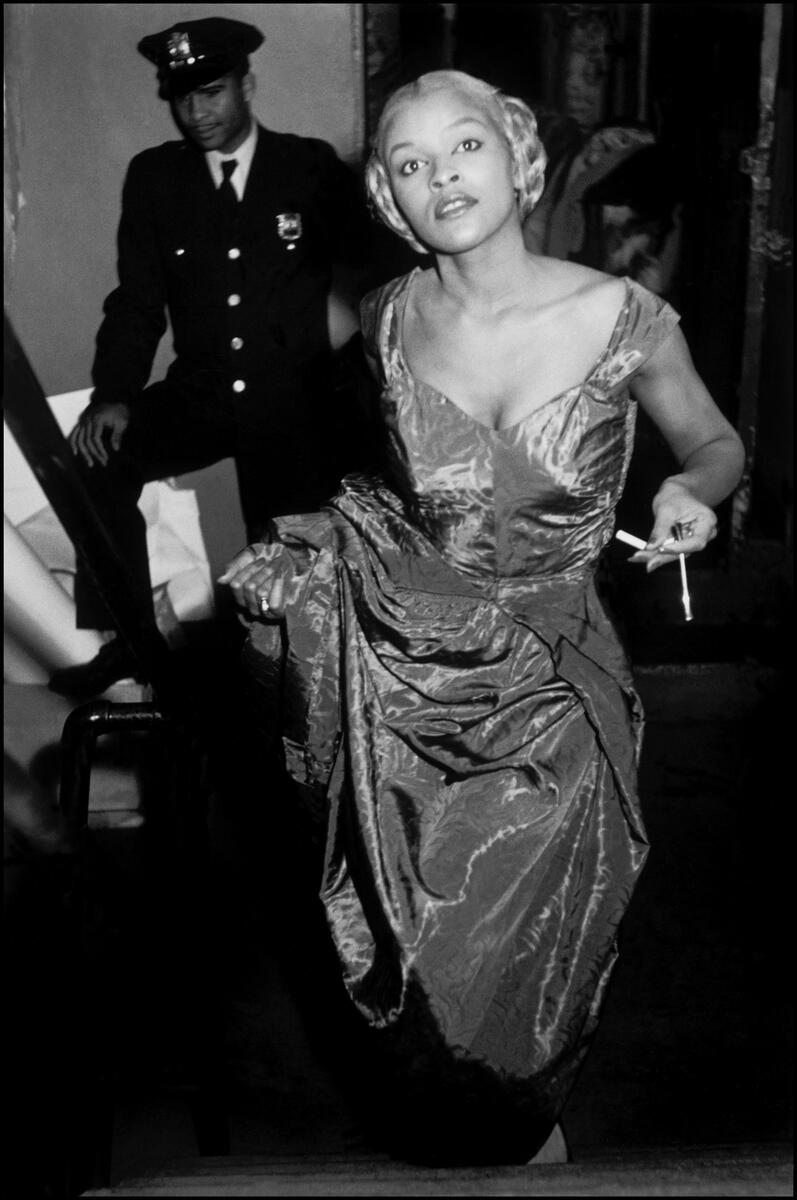
Arnold had a knack for making the women in the fashion show feel comfortable backstage, capturing a series of candid shots — something unheard of in fashion photography at the time. “I was not aware that you didn’t follow them,” she said, fascinated by the dynamic behind the scenes.
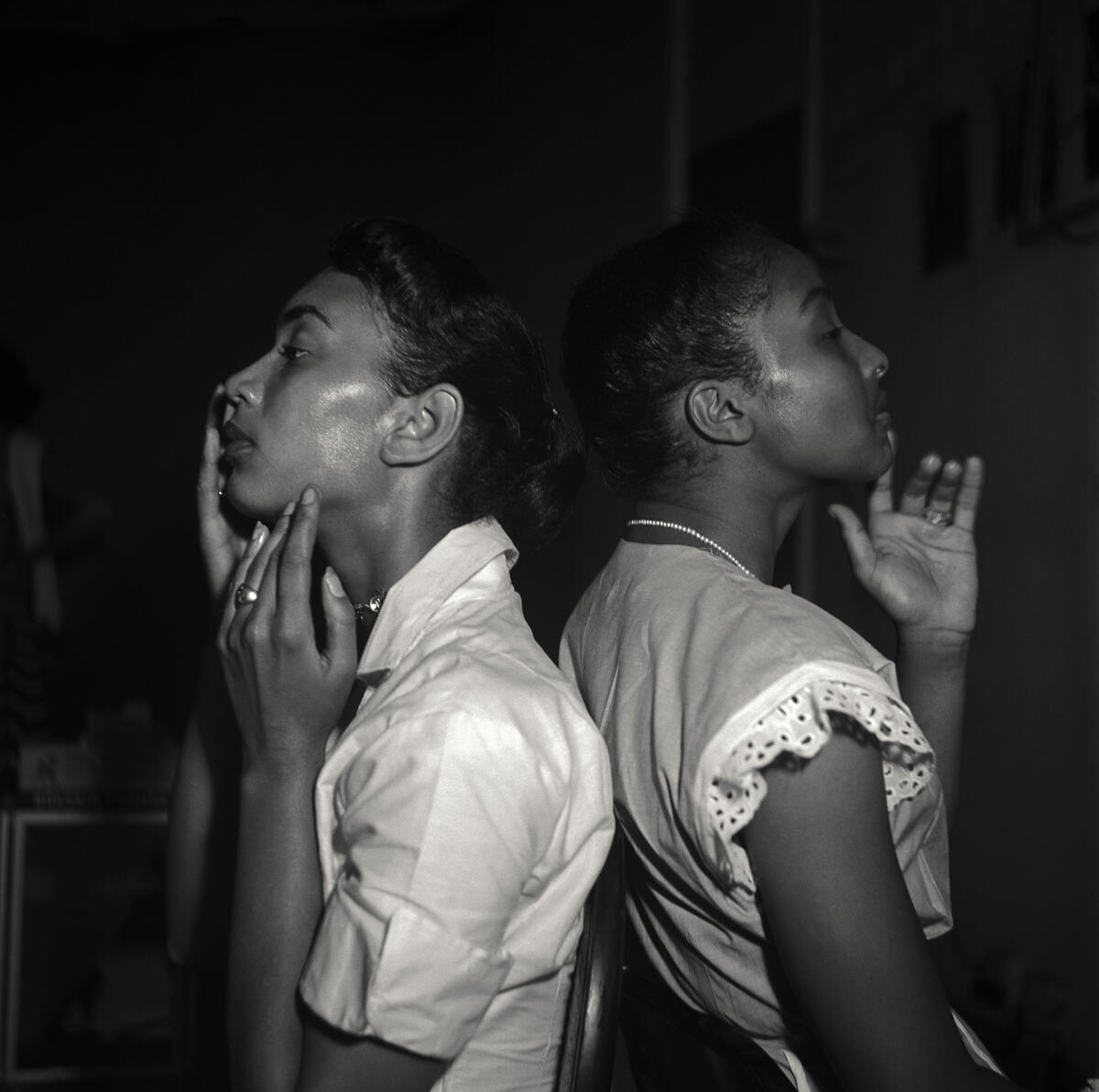
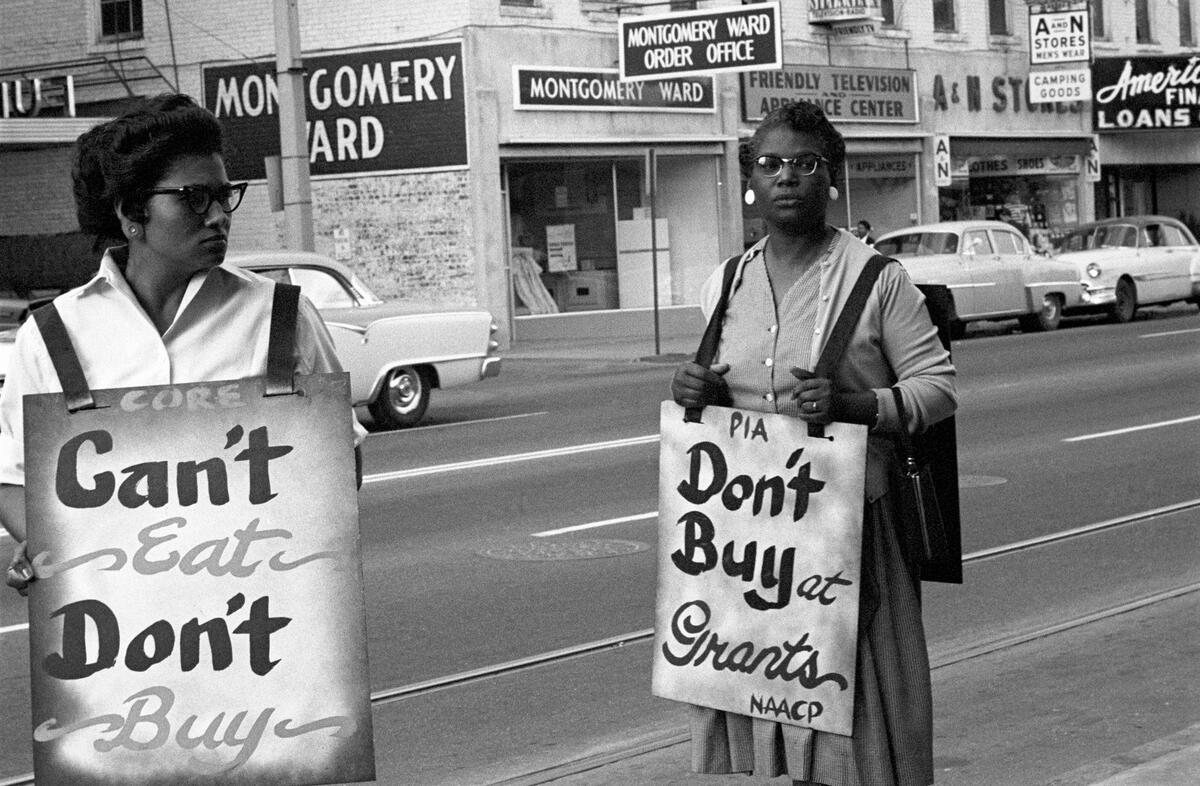
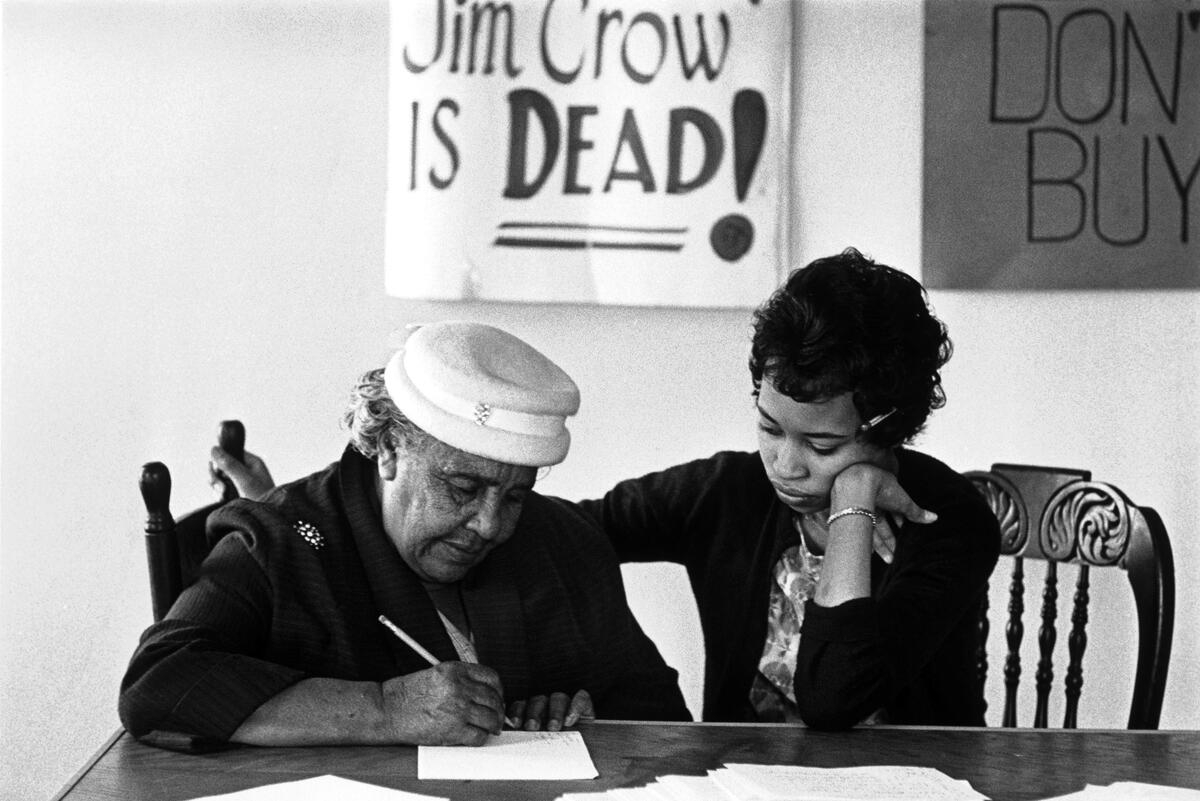
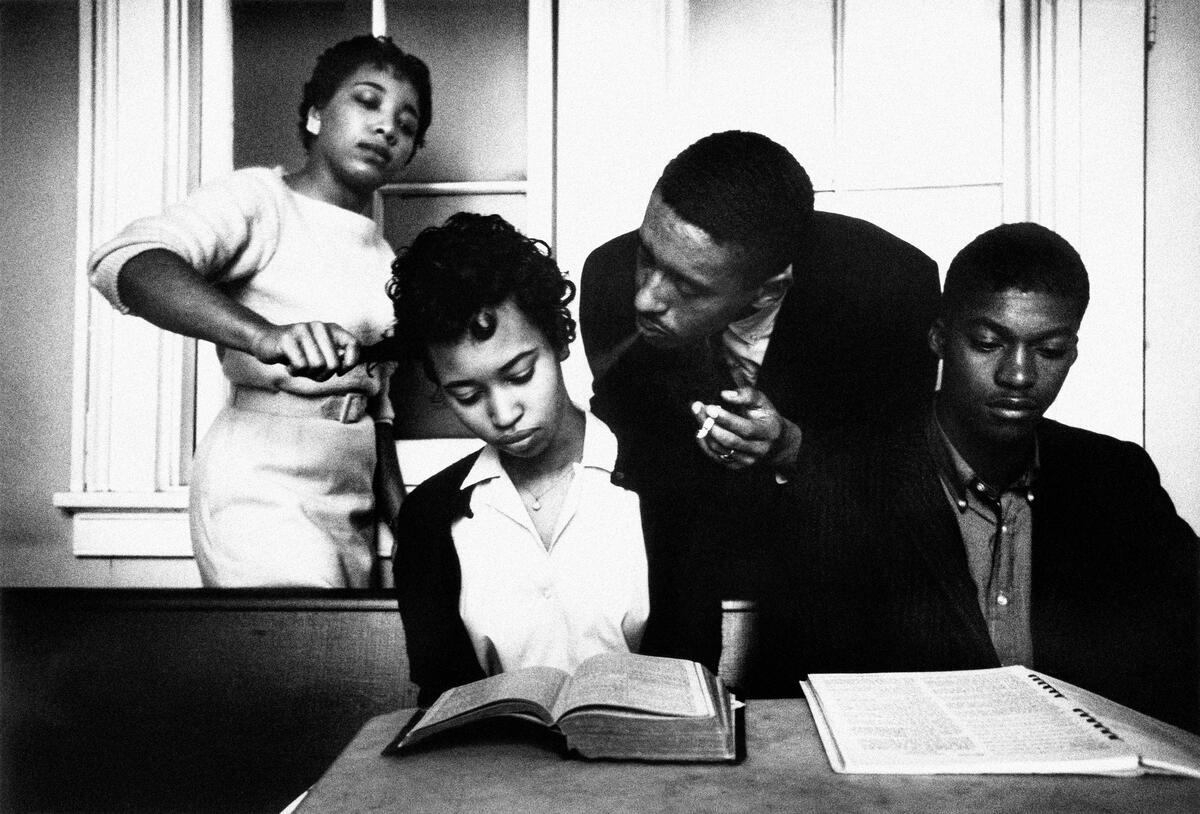
Arnold’s images were atypical at a time when depictions of vibrant Black communities supporting one another, carving out creative forms of resistance, joy, and presence were unfortunately uncommon in the mainstream media.
The curation also features previously unseen images of Malcolm X at the heart of the action, in conversation with Black-owned businesses and actively engaging in the communities around him, outlining a collective determination for liberation outside of closed rallies and meetings.
Arnold experienced disquieting moments during her time on the assignment, from having cigarette butts seared into her sweater at a rally on 125th Street in Harlem, to receiving threatening phone calls in Chicago. However, she believed “that Malcolm wouldn’t let anything happen” to her.

“I always believe when you’re photographing somebody it’s generally a collaboration,” Arnold noted. Yet with Malcolm, their collaboration went deeper. “He set up the shots while I clicked the camera,” Arnold wrote in her book In Retrospect. “With the photos of himself, he was professional and imaginative. He obviously had an idea of how he wanted the public to see him and he maneuvered me into showing him that way.”
The Work Is Not Done invites viewers to see Arnold’s work as a mindful account of Black activism, engaged presence, and collective resistance in 1950s and 60s America, while speaking to the ongoing political tensions, racism, and inequalities in American society today.
Plan your visit to the exhibition here.
Explore Arnold’s collection including prints of Malcolm X here.