Voices From Gaza: Mahmoud Abu Hamda
Part three of four in the Voices From Gaza series sees photojournalist Mahmoud Abu Hamda in dialogue with Bieke Depoorter
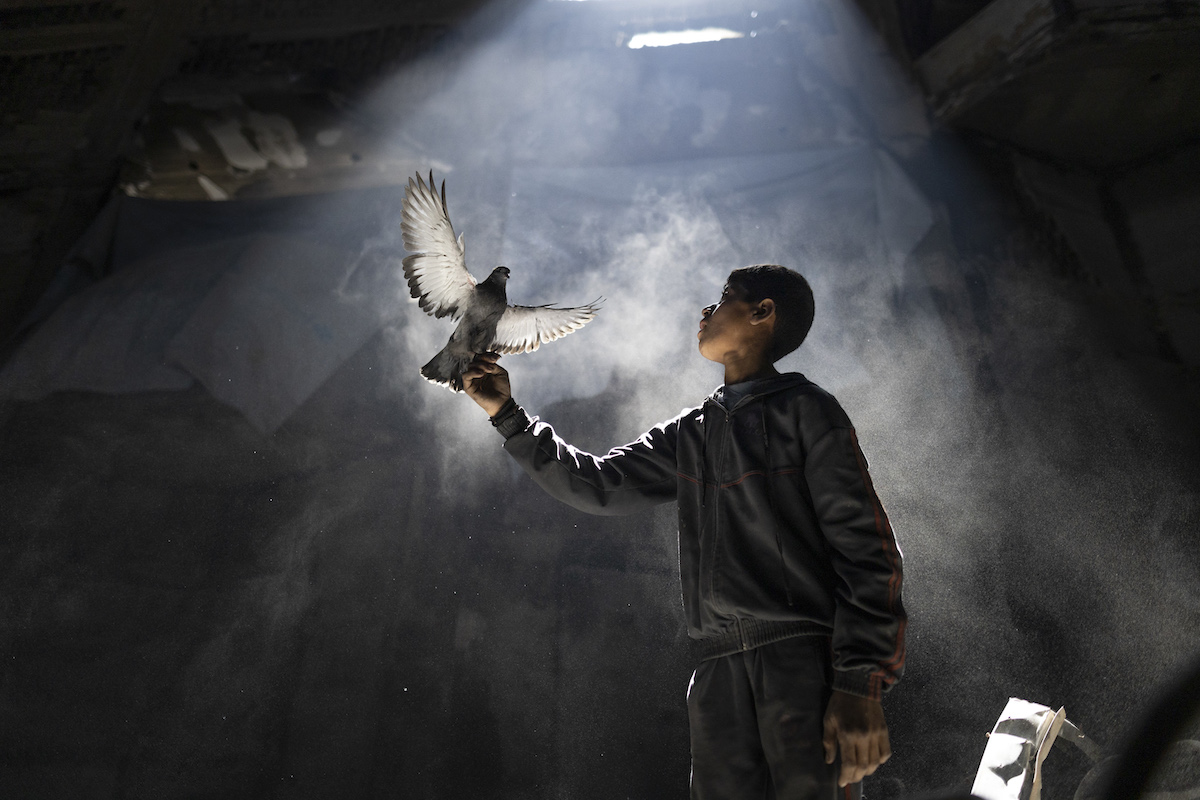
In the series Voices From Gaza, we are honored to present the work of four photographers from Gaza: Samaa Emad, Ali Jadallah, Mahmoud Abu Hamda and Fatma Hassona. Their images are accompanied by personal dialogues between three of the photographers and Magnum Members, and poetry from Hassona written before she was killed by an Israeli airstrike in April 2025.
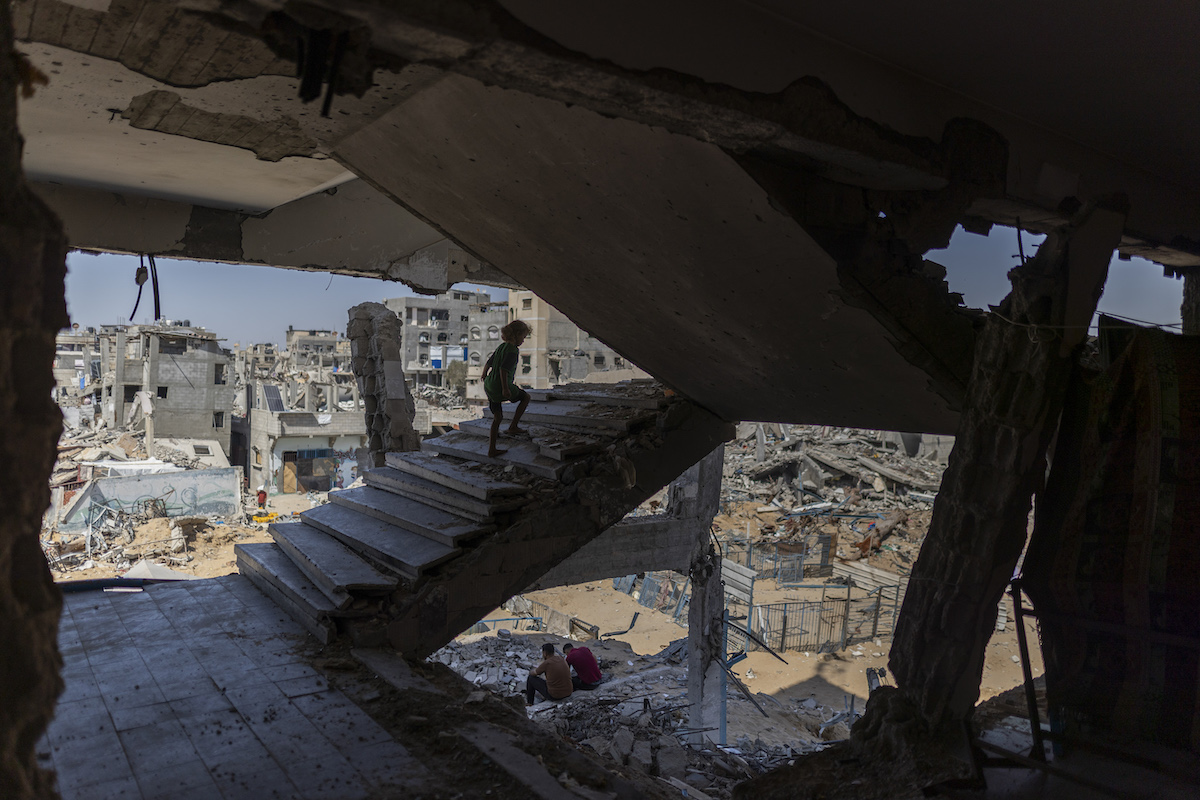
This feature is a direct line to artists on the ground, offering an intimate view of what it means to endure and create under unimaginable circumstances, which the United Nations commission of inquiry declares is genocide, committed by Israel.
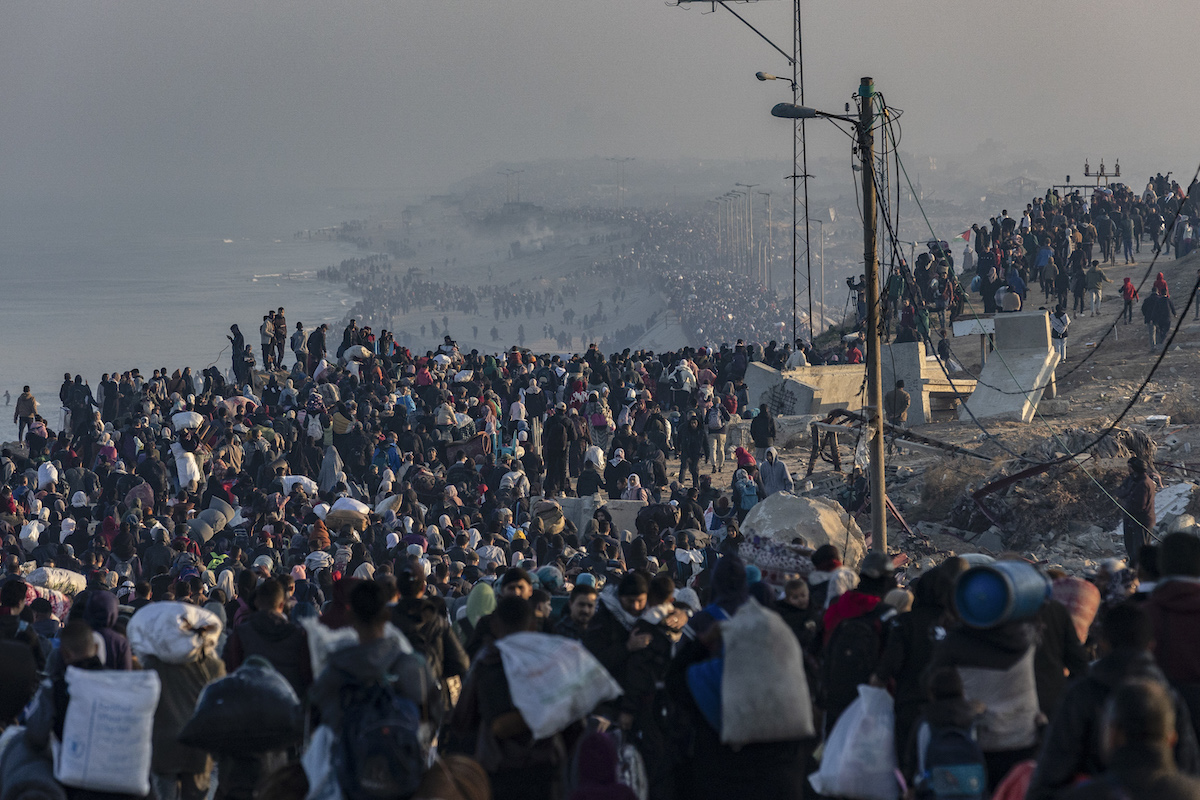
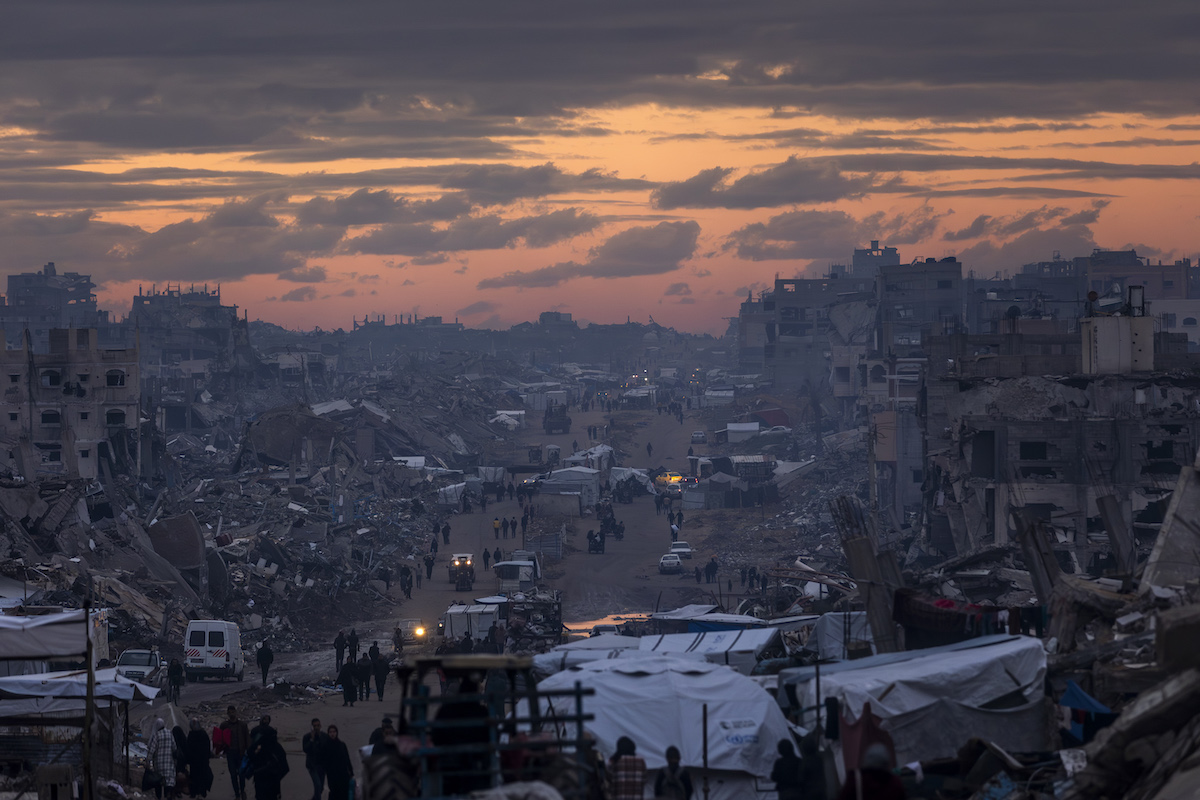
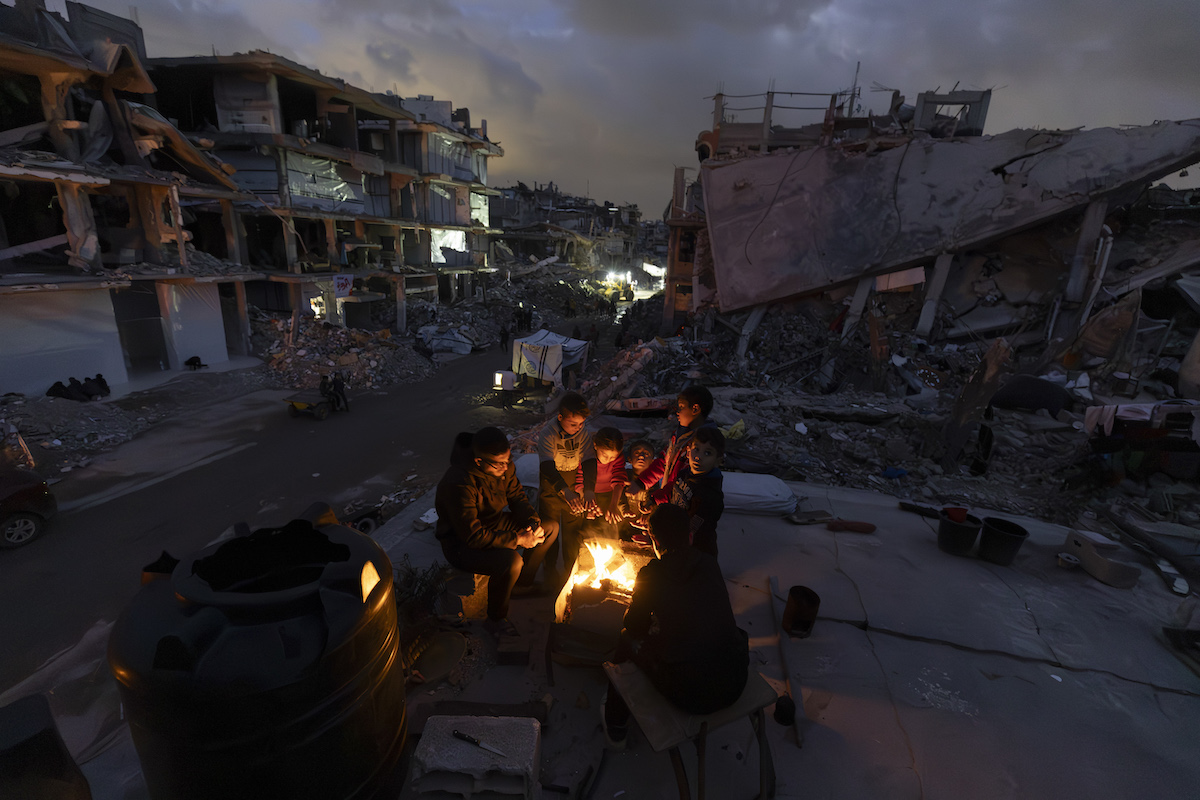
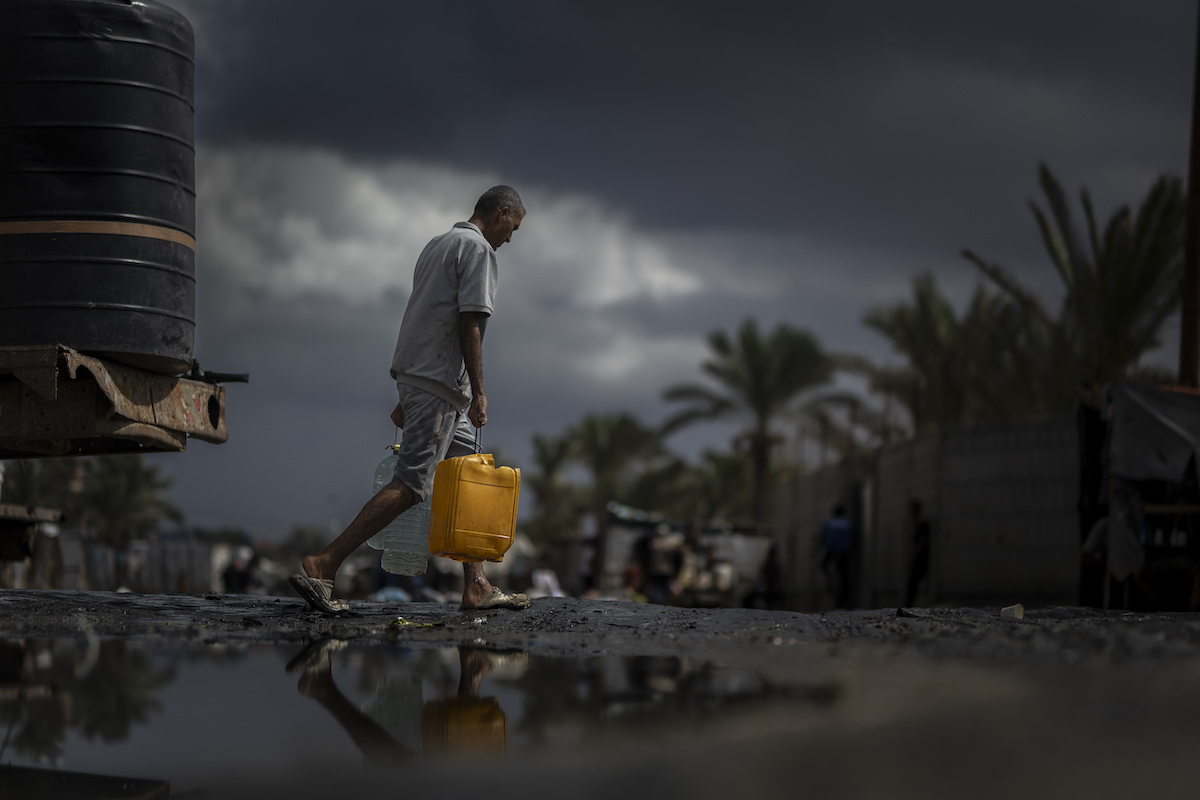
These photographers have lived through blockade, displacement, bombardment, and the constant threat of starvation. They have watched over 270 of their colleagues being killed, and with the international press banned by Israel, they continue to document daily life in Gaza on their own while facing the same dangers themselves.
In partnership with Gulf Photo Plus, we have launched a Print Sale featuring work by Palestinian and Magnum photographers. All proceeds will go directly to the featured Palestinian photographers and their wider community, providing support for their crucial work.
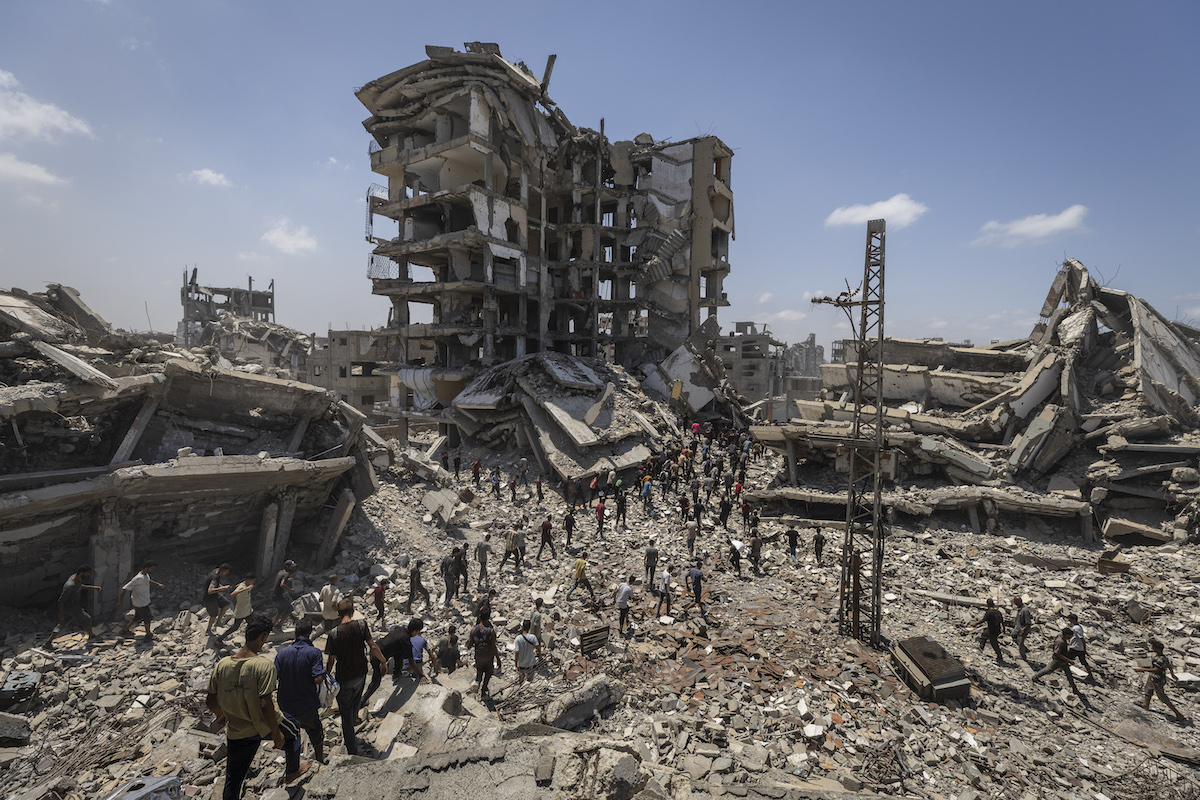
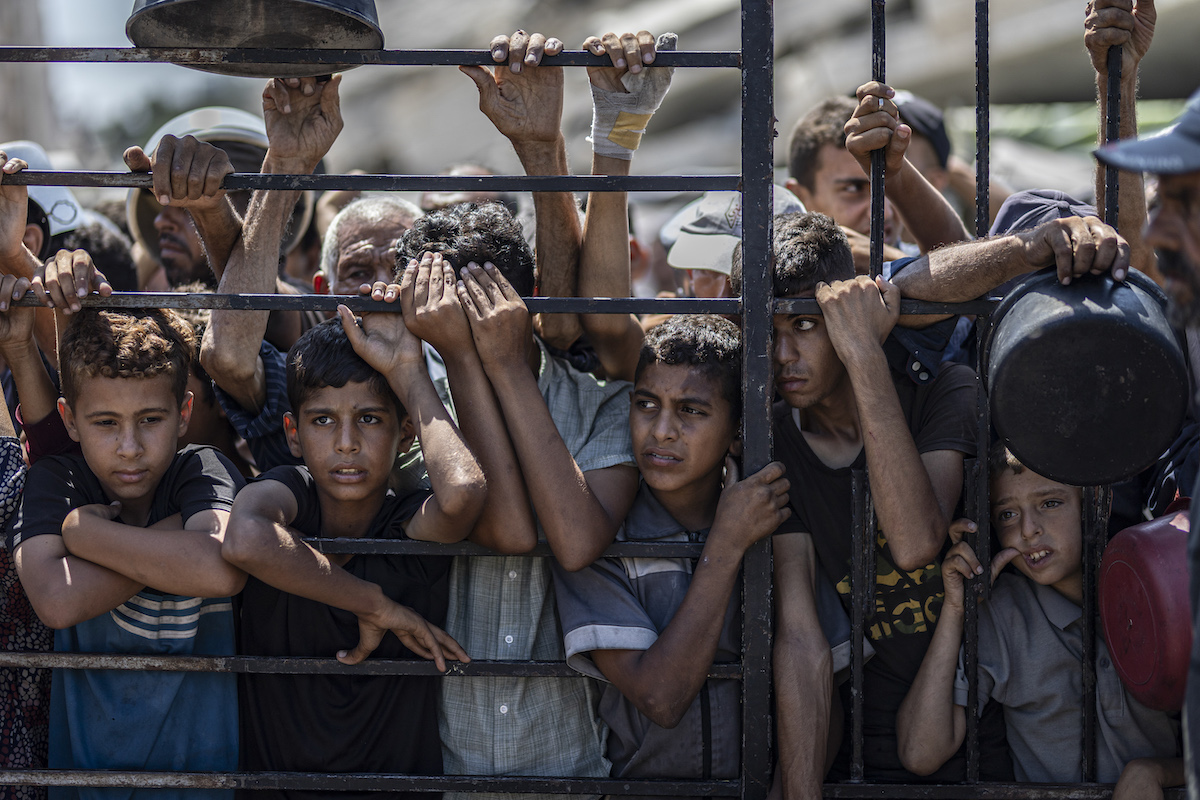
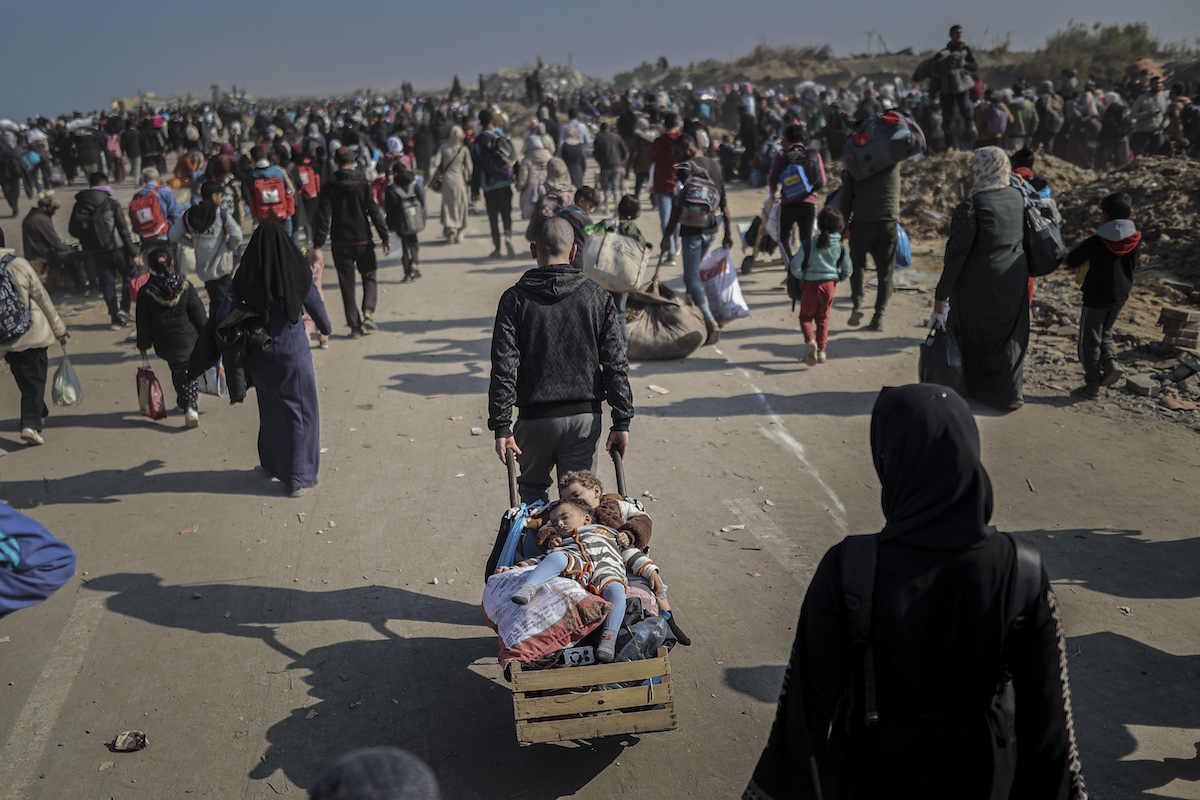
Mahmoud Abu Hamda has been working in photography since 2011, covering numerous aggressions, escalations, and bombings in Gaza over the past 14 years. In 2023, he was awarded the Lucie Awards Impact Awards Winner for his work in the Gaza Strip.
Bieke Depoorter: Dear Mahmoud, I cannot imagine how much pain, despair, and anger you must carry, and yet you still find the strength to document it all. I have often questioned the medium we both use, but when I look at the images you and your colleagues continue to make — and at your courage in continuing to document the massacres of your friends, family, and people — I feel an obligation to believe that images can still do their work.
Do you feel your images are being shared and used in the right way? Are you compensated for your work?
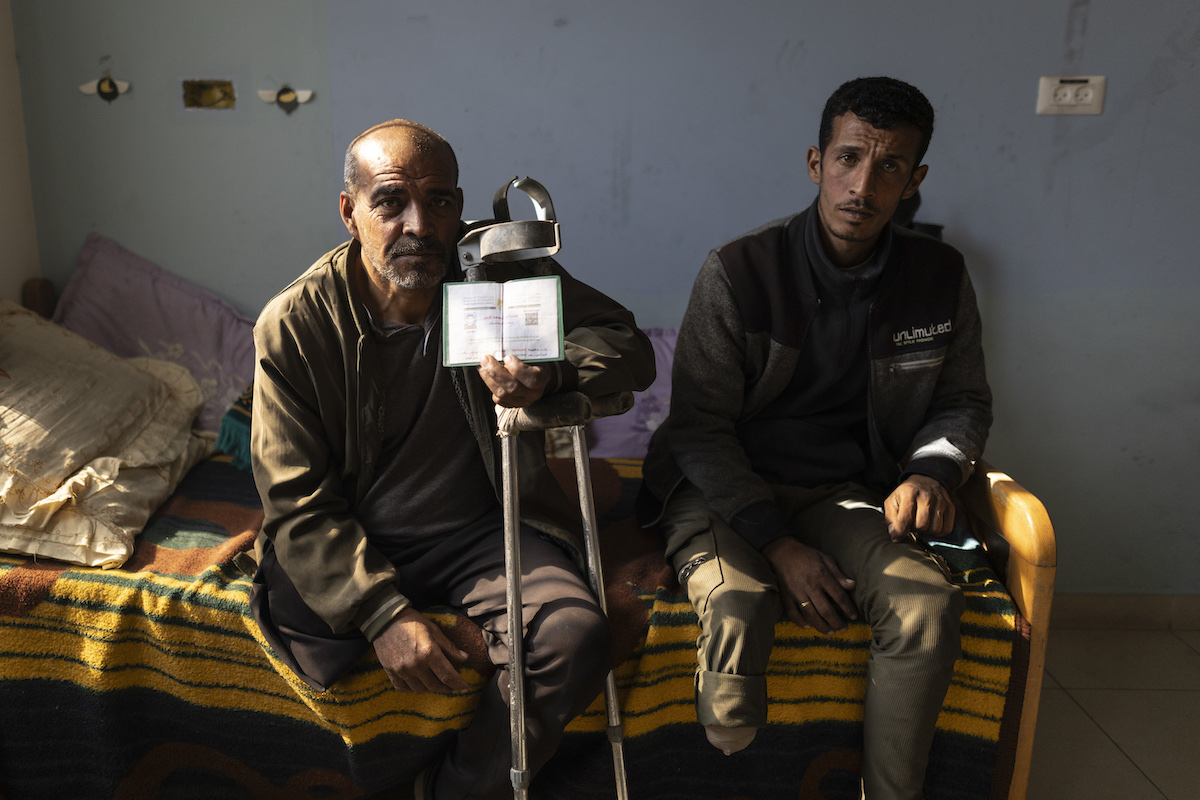
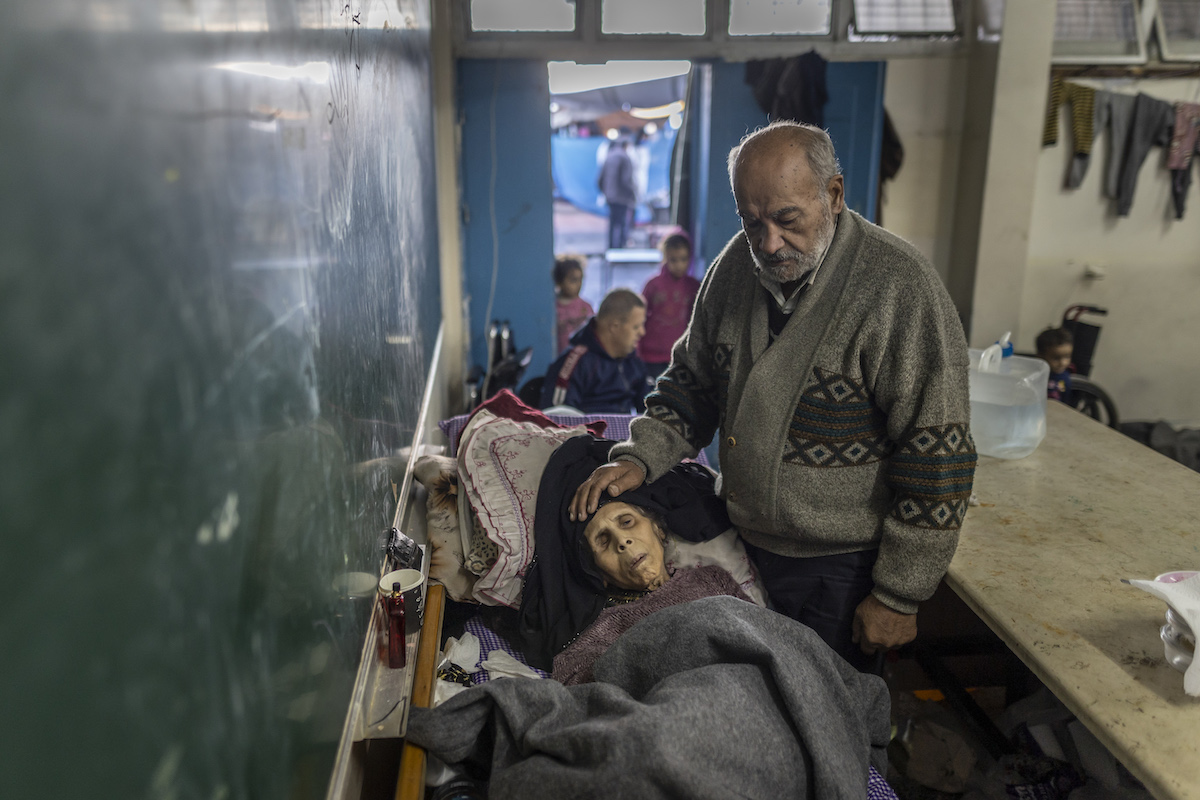
Mahmoud Abu Hamda: In general, I see that my images reach people and are shared widely, and this is very important to me because the main goal is for the truth to be seen. But very often, the scale of the effort and sacrifices we make under extremely dangerous conditions is not reflected in any financial compensation we receive. And although there are those who respect our rights and value our work, the material appreciation remains far below the level of risk we live through.
Bieke Depoorter: Are there stories you wish you could tell, but cannot right now because there are too few journalists left and not enough time?
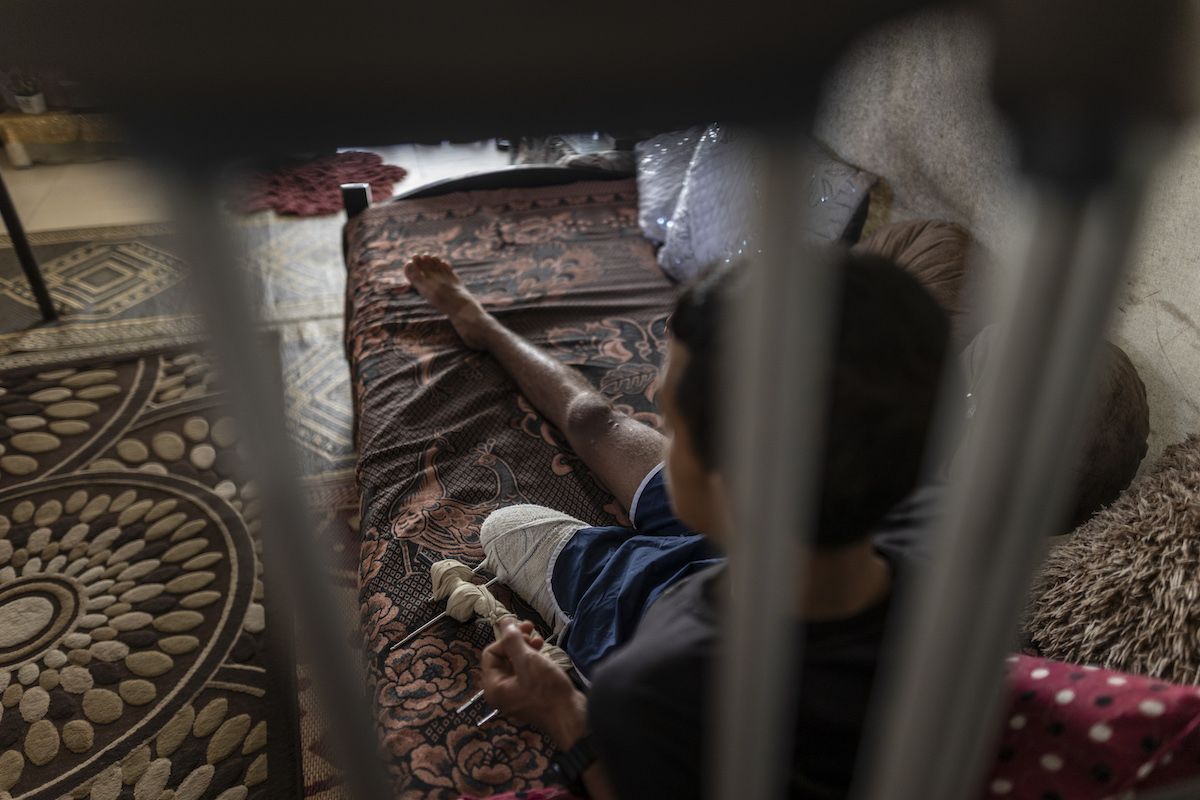
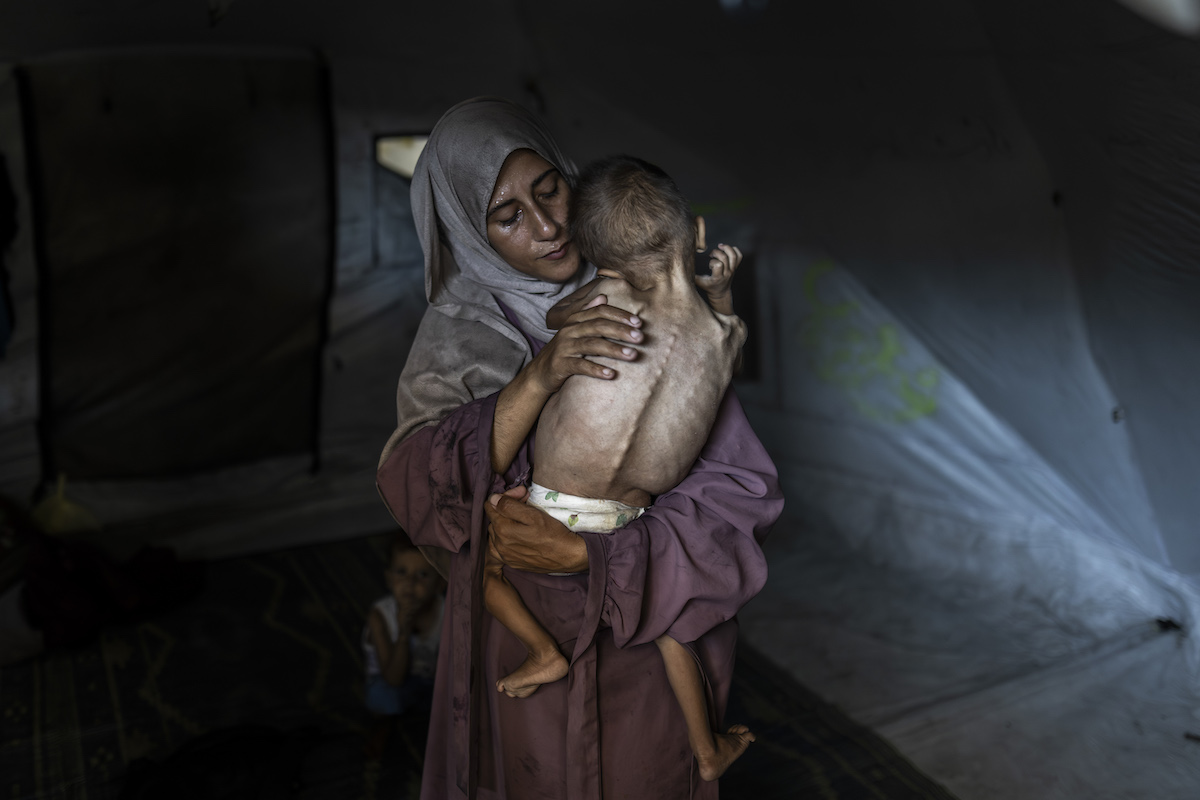
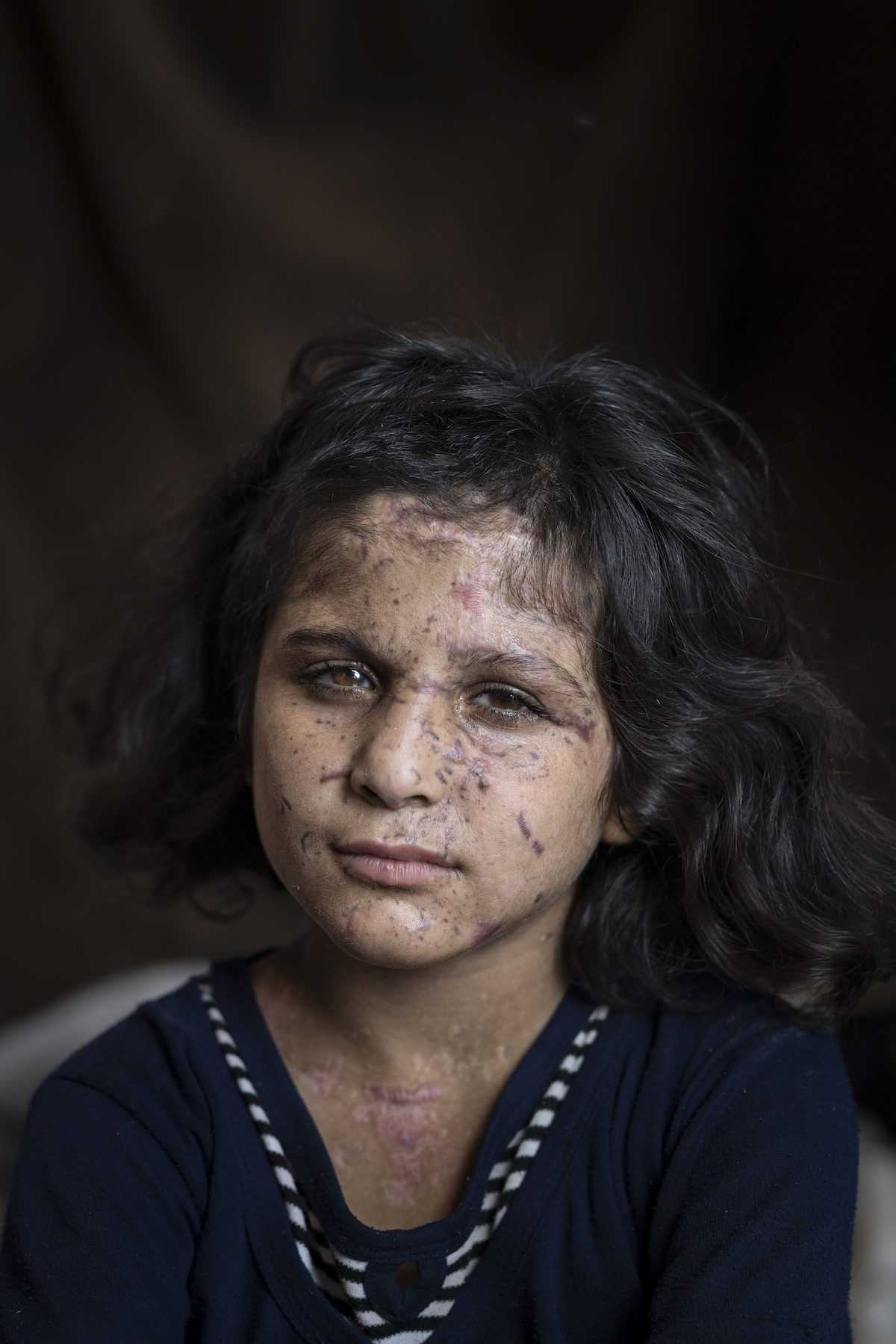
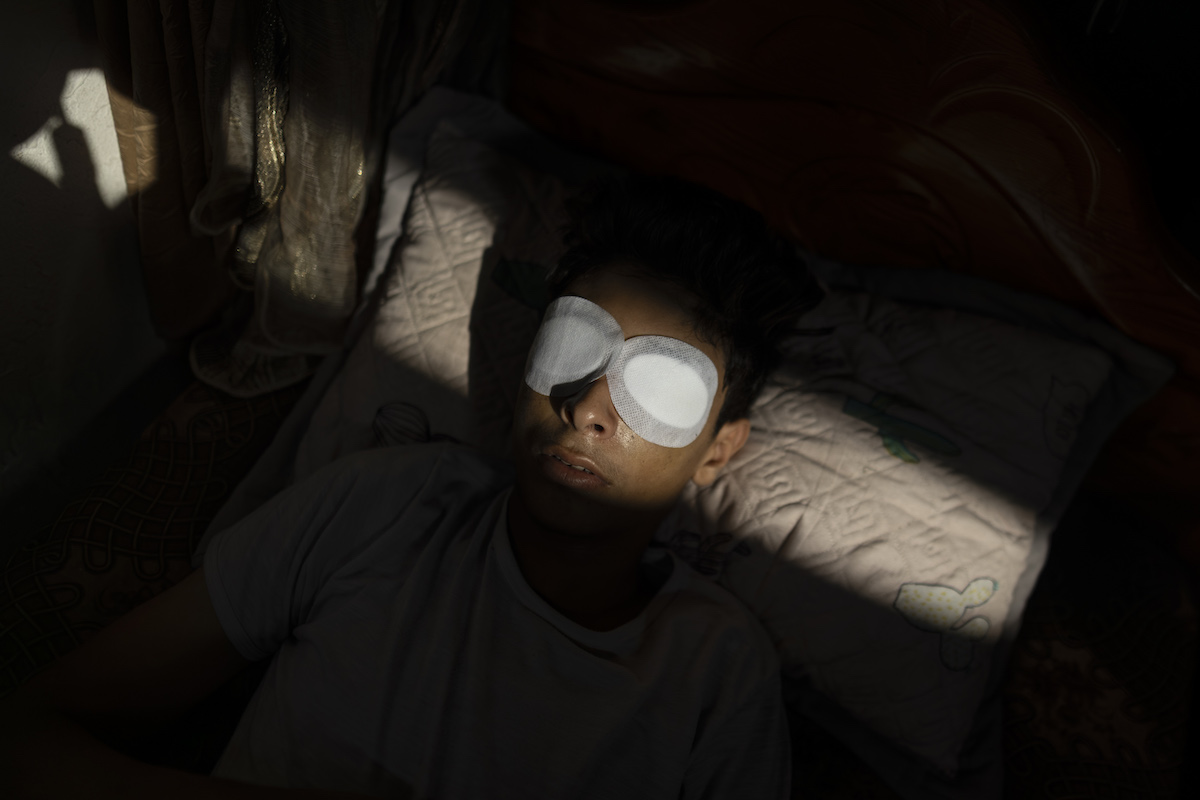
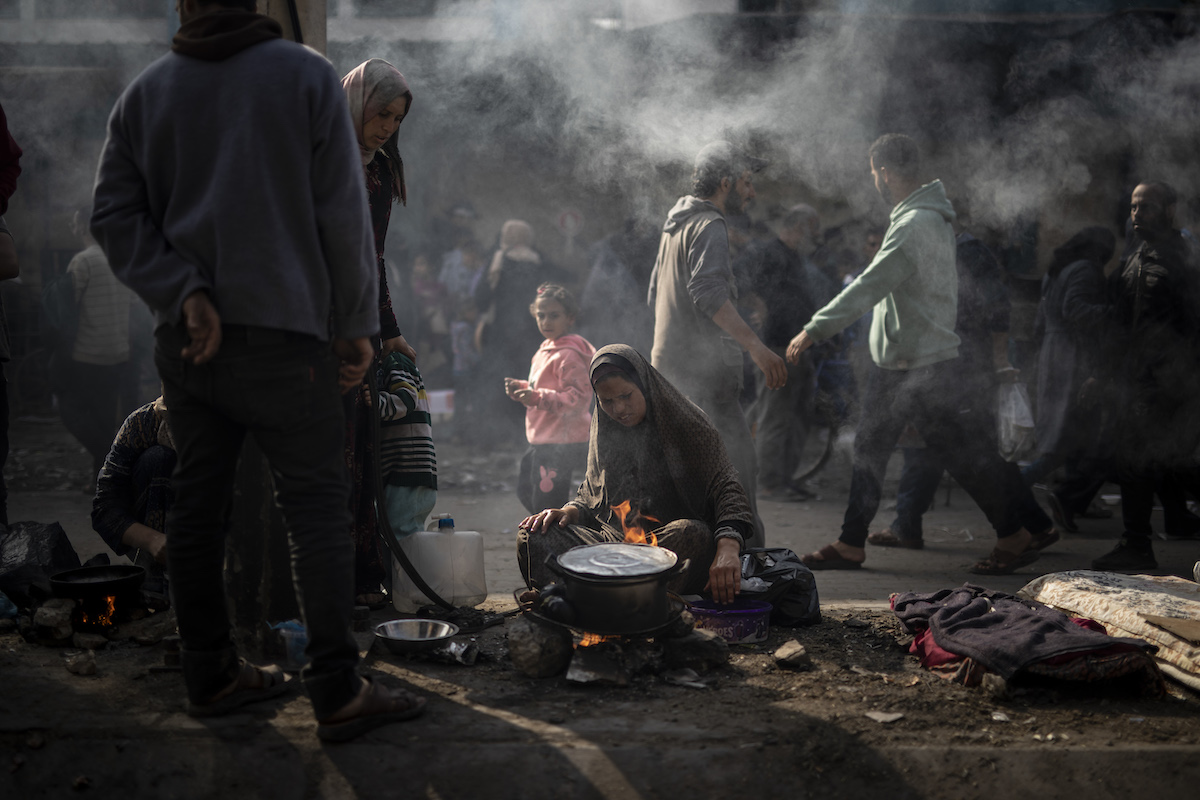
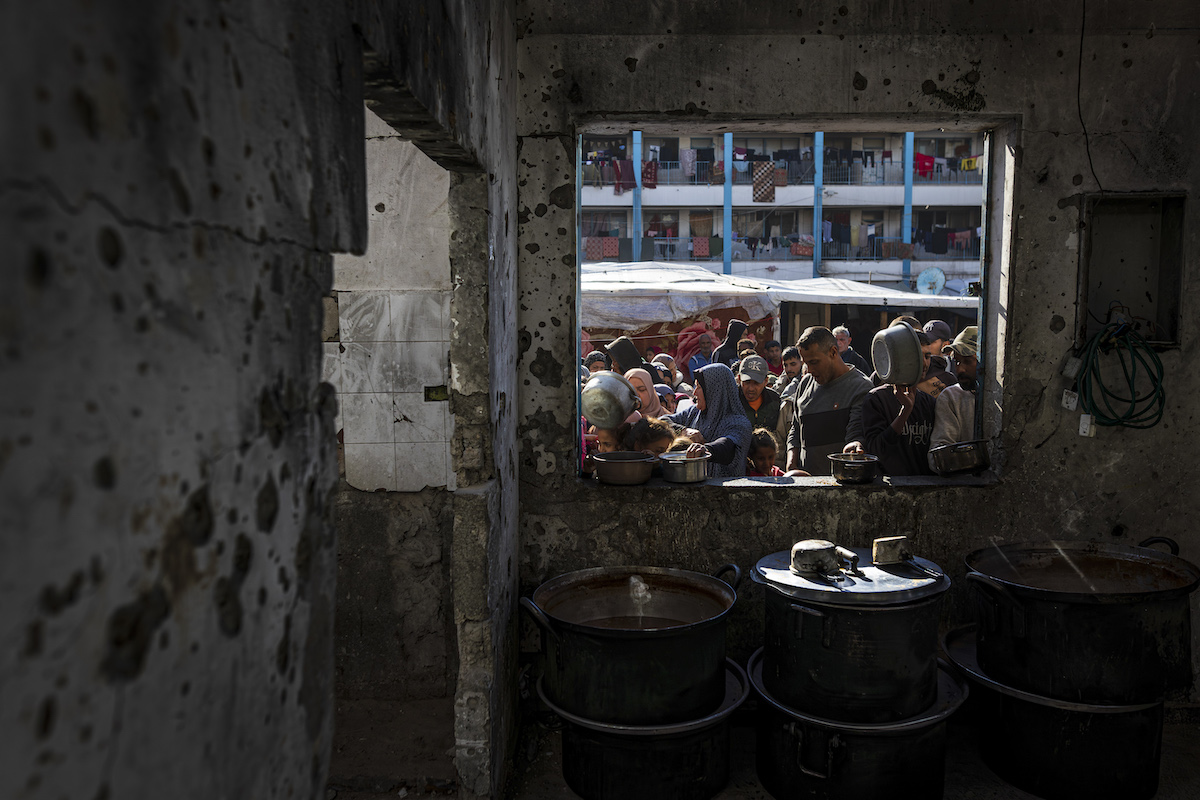
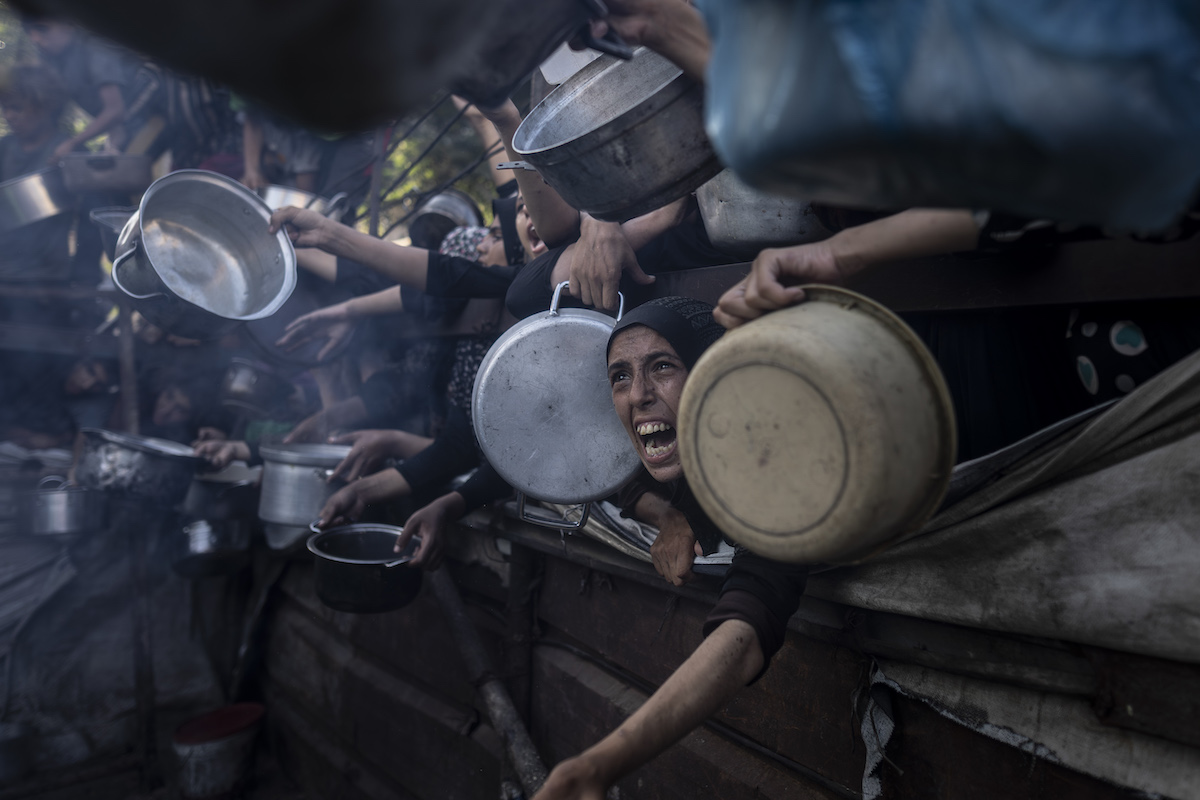
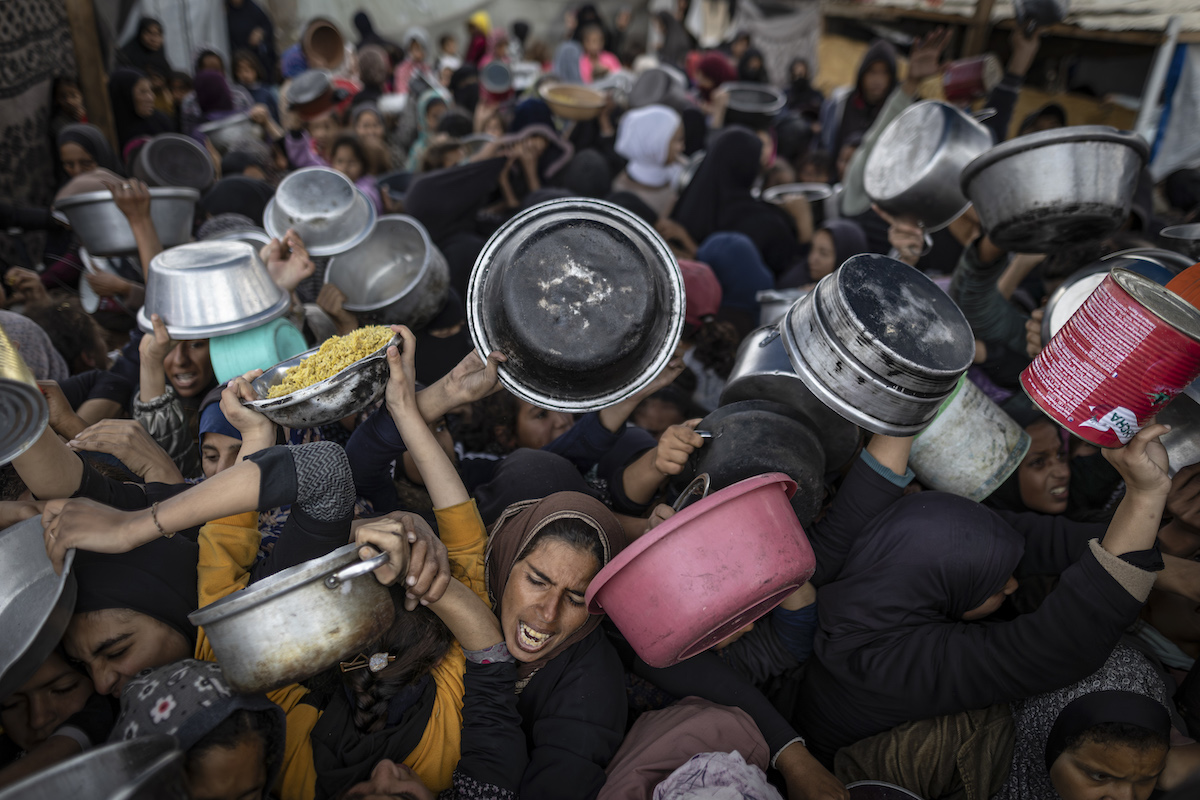
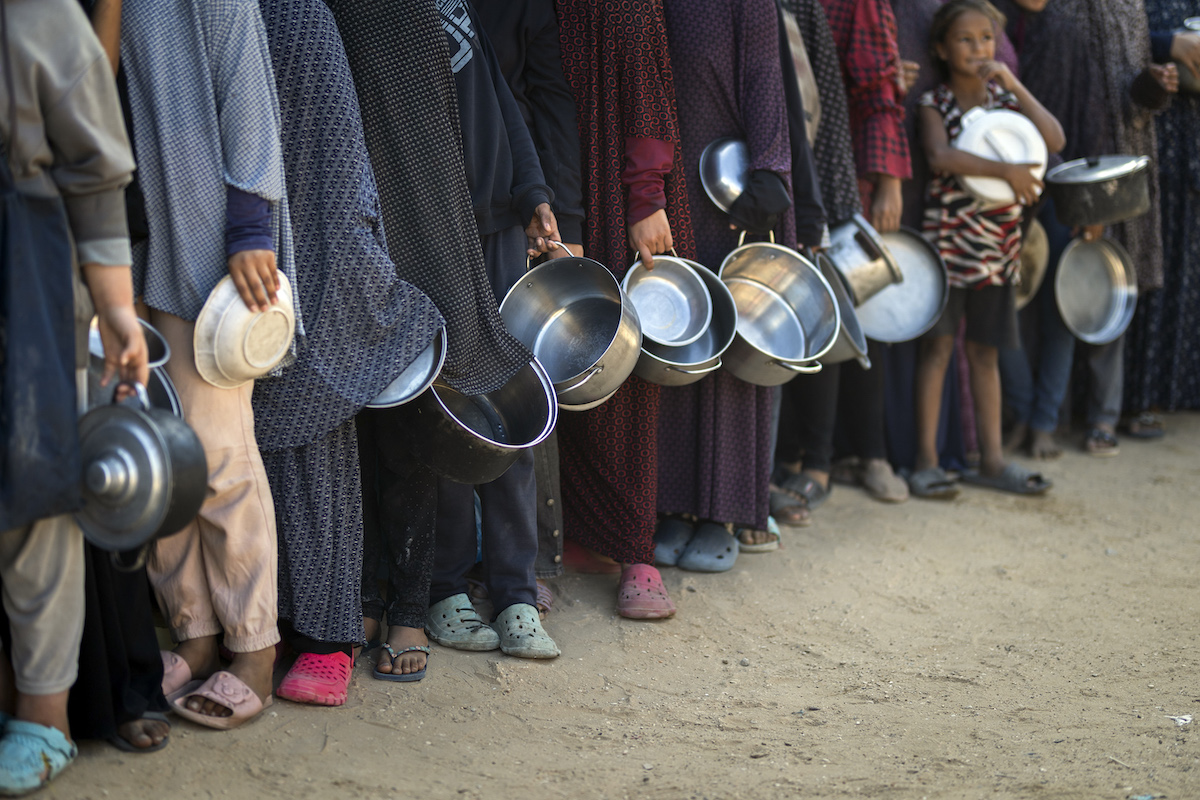
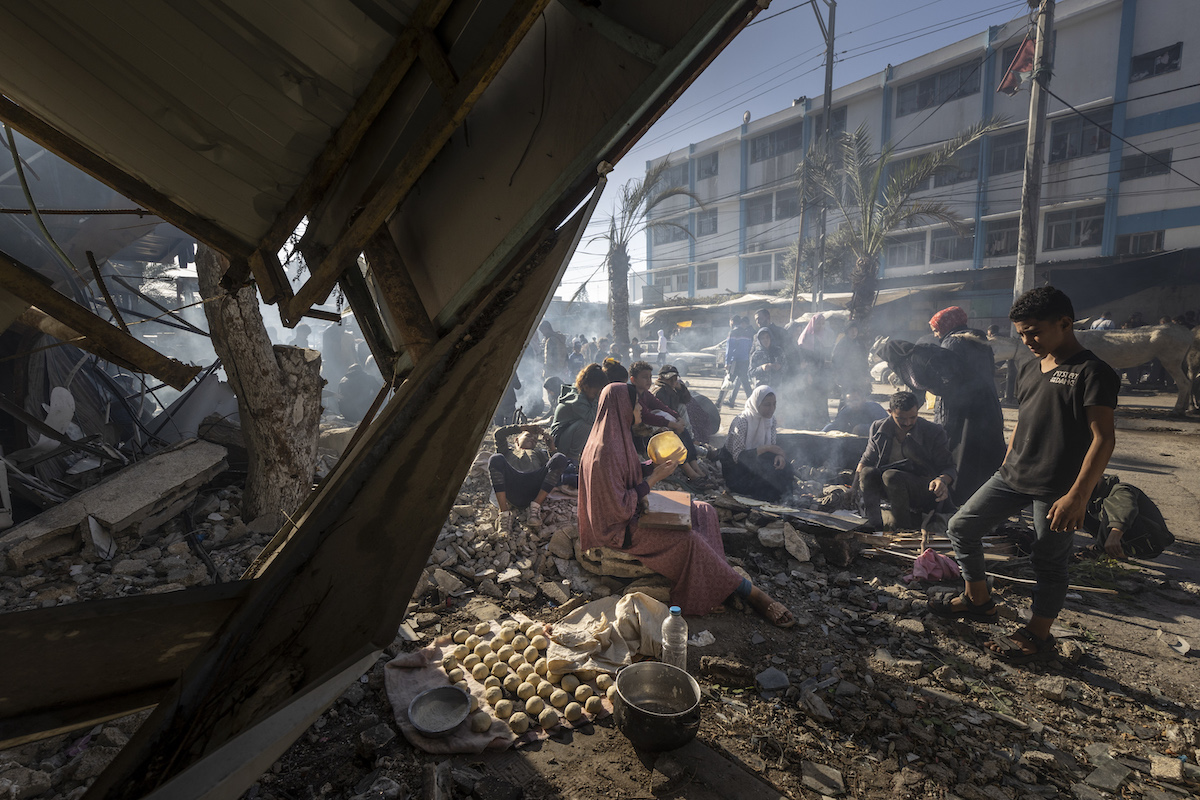
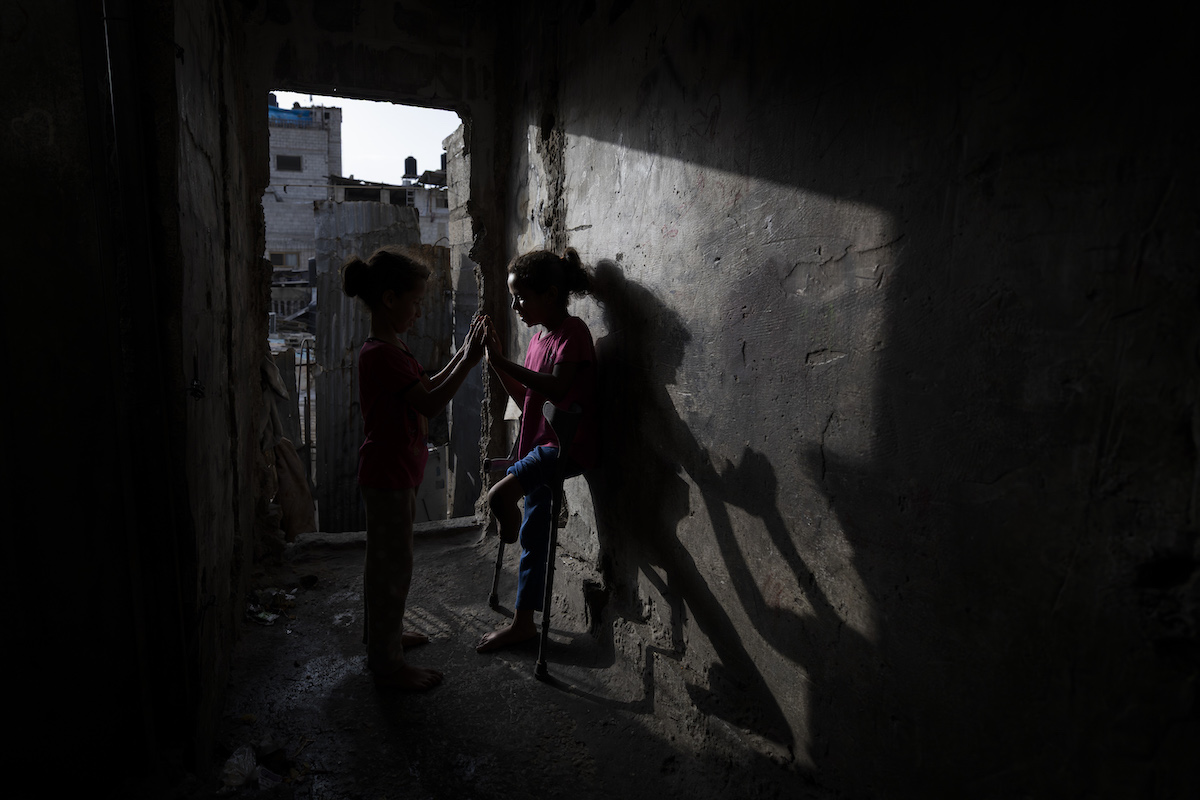
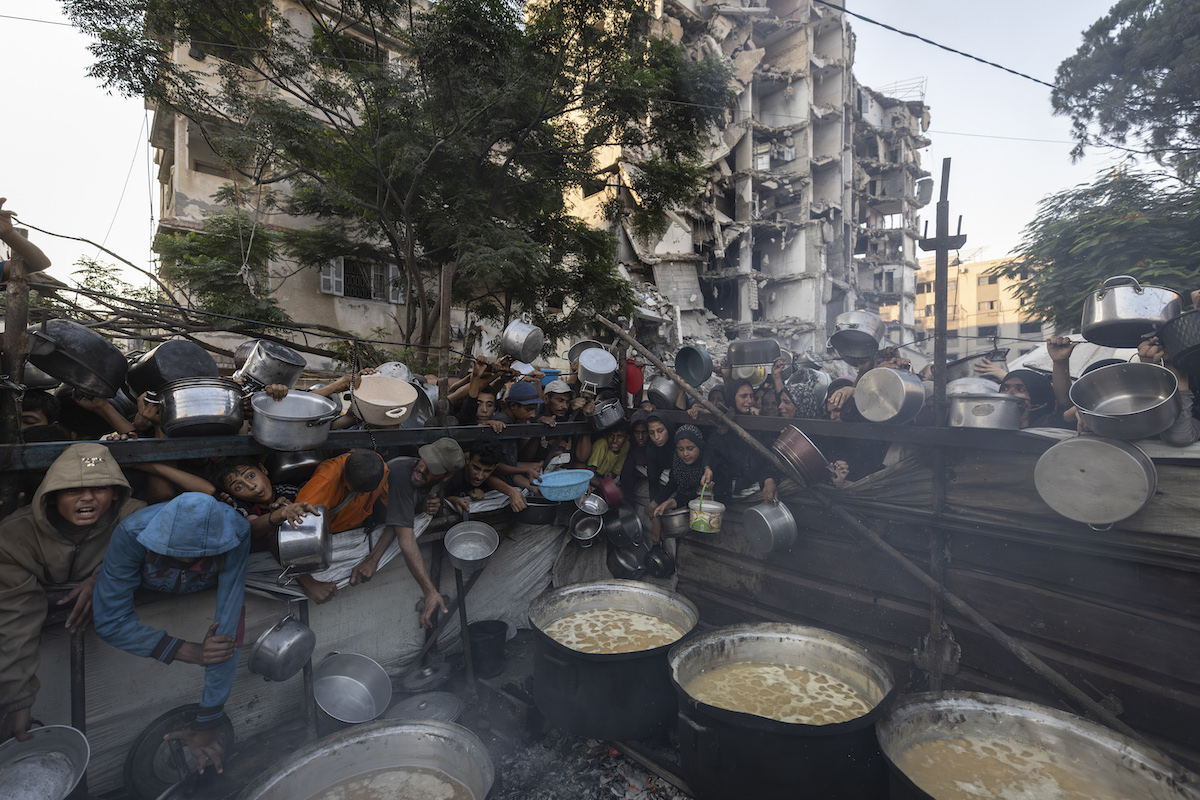
Mahmoud Abu Hamda: There are many stories that are difficult to document in a complete way, such as living alongside families suffering from hunger, severe injuries, or multiple injuries within the same family. These stories often require long-term follow-up and immersion that can last for days, and sometimes even months. But the main challenge with such stories, which we see as very necessary and important to tell, is the constant danger surrounding us from every side, at any place and time.
"I live the same suffering that I document, and this makes every image much heavier. "
-
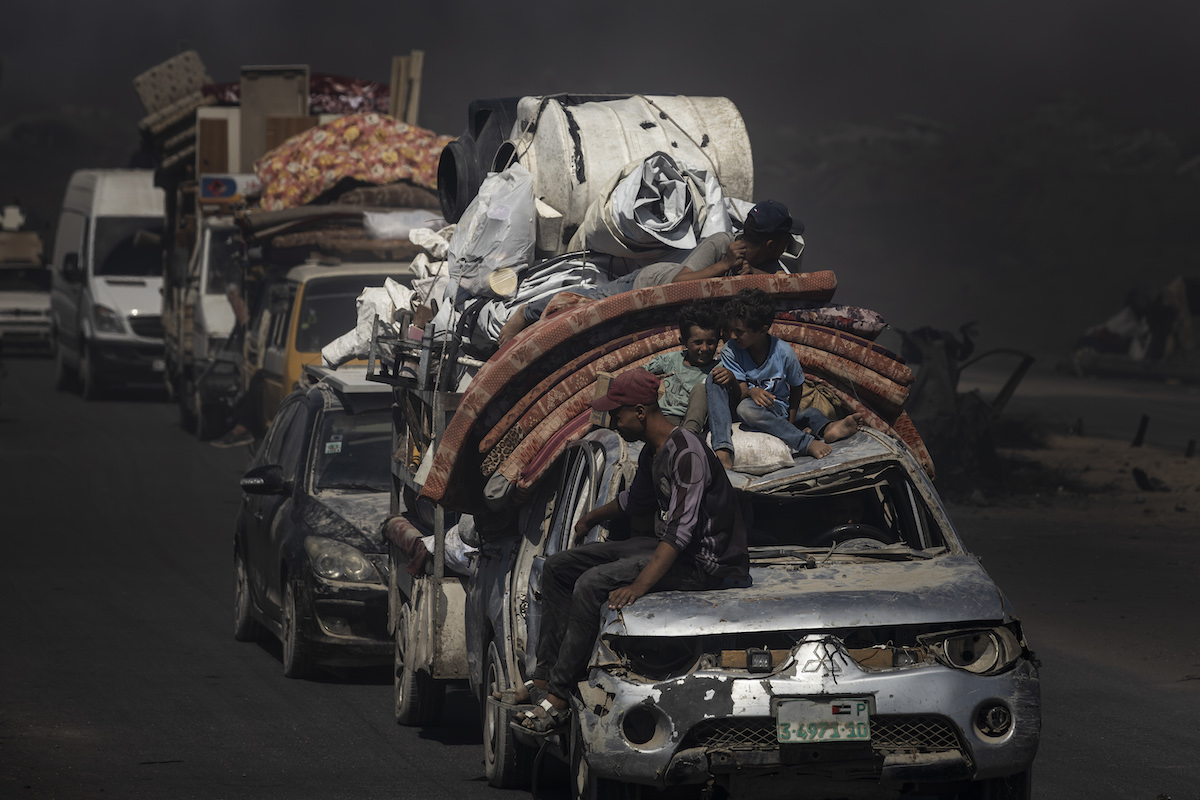
During the past period, I had been trying to work on a feature-length film about one of the international news agency photographers in Gaza who lost his entire family, yet continued reporting from the very first day without stopping. What made the filming impossible, however, were the repeated displacements, the continuous coverage, and many other difficult circumstances.
Bieke Depoorter: If international media were finally able to enter the strip, what would you want them to do?
Mahmoud Abu Hamda: Perhaps I can take some rest, but the priority now is to leave the Gaza Strip. This is my main goal in life at this time.
Bieke Depoorter: You are both a victim of this genocide and documenting it, among the only ones able to record the war crimes. How do you navigate this?
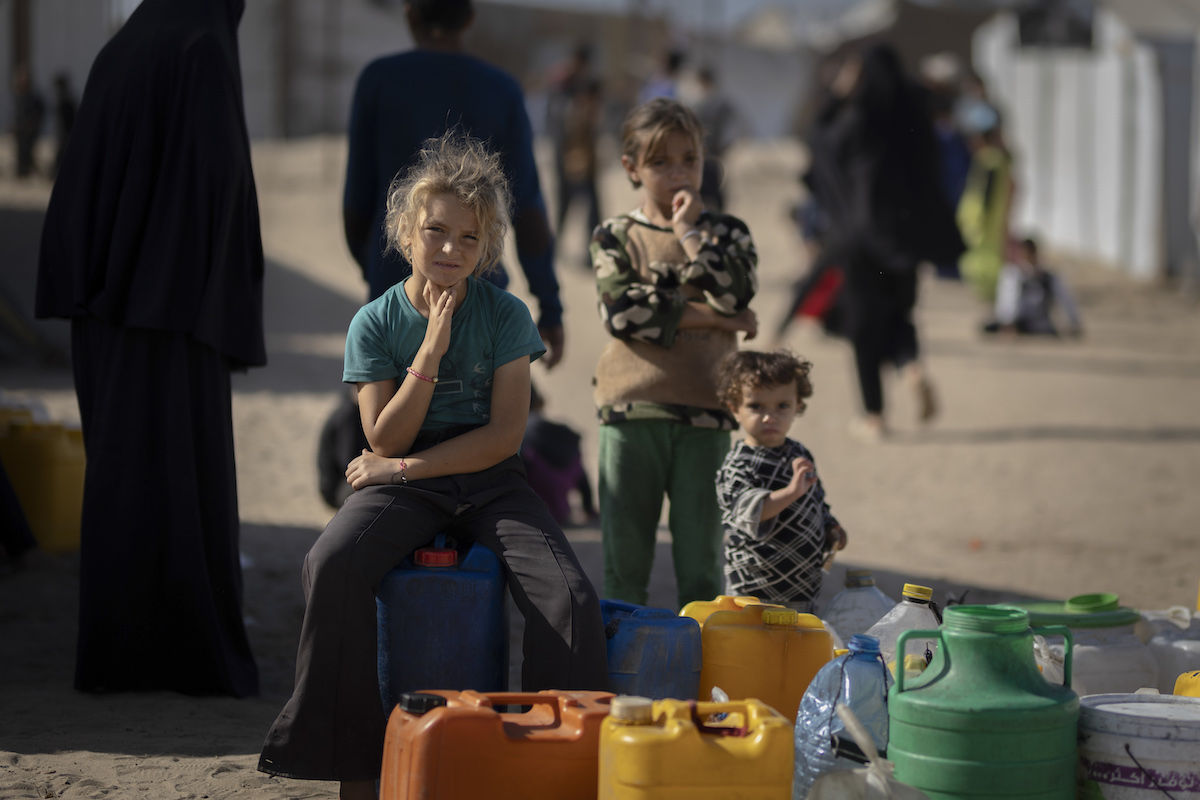
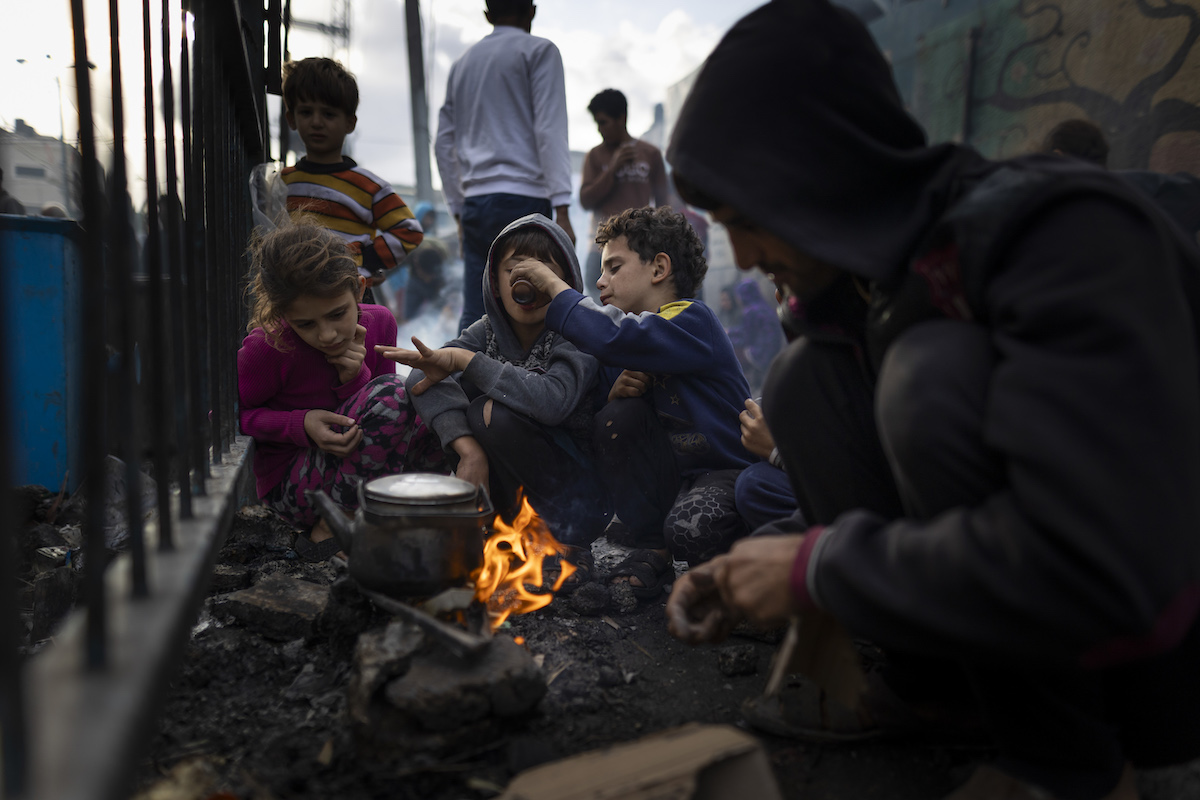
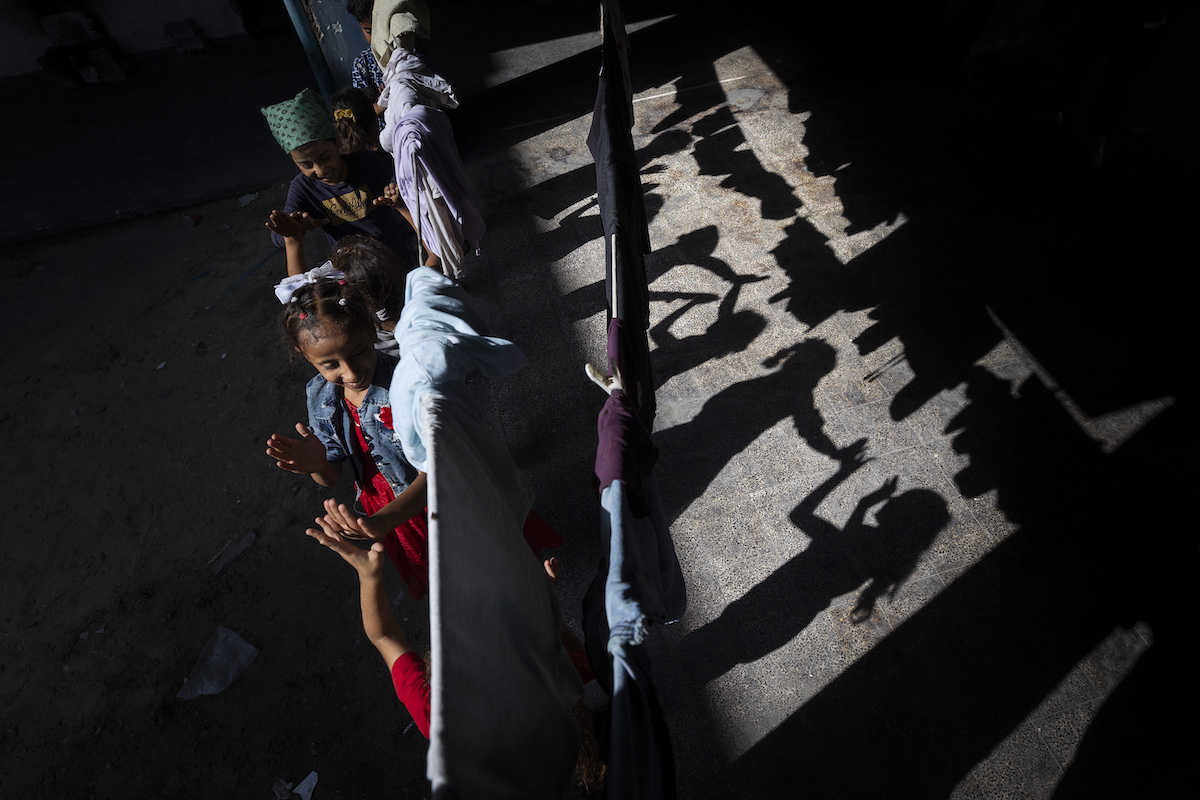
Mahmoud Abu Hamda: It is extremely difficult, as I have photographed people while constantly fearing for my own family, and I have photographed the hungry while being hungry myself. I live the same suffering that I document, and this makes every image much heavier.
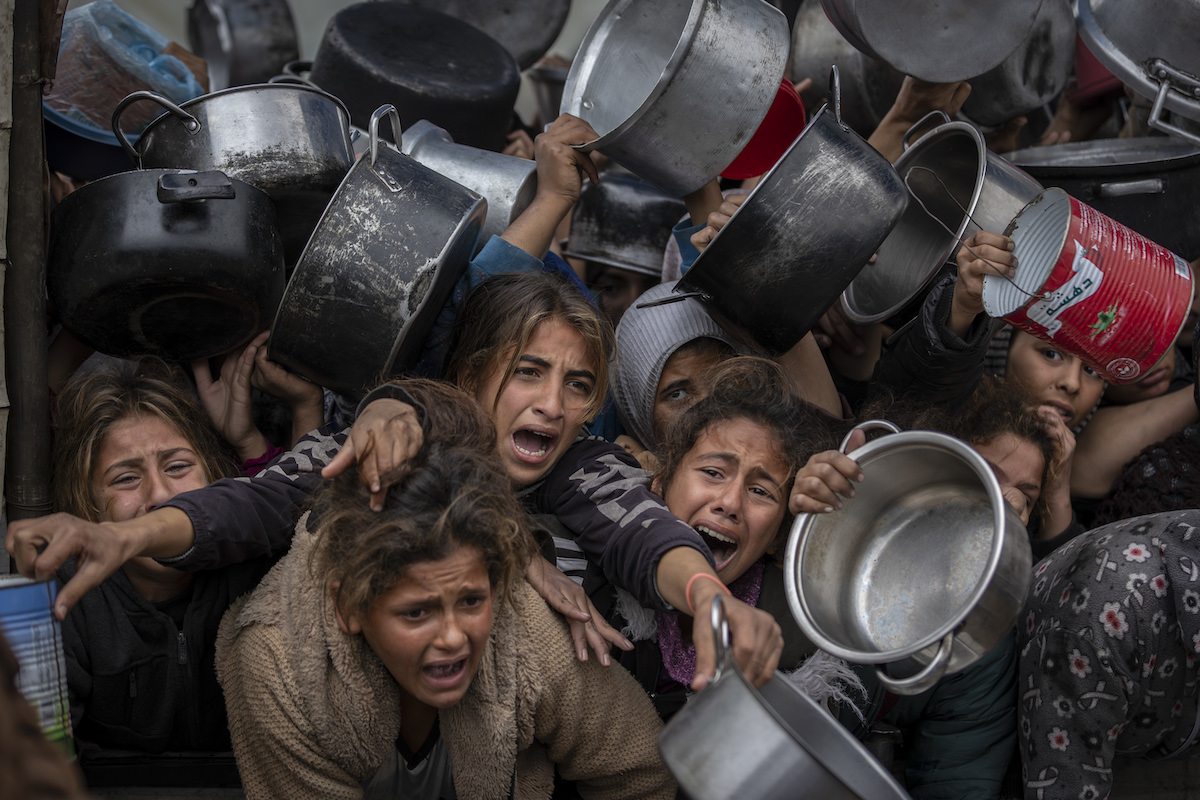
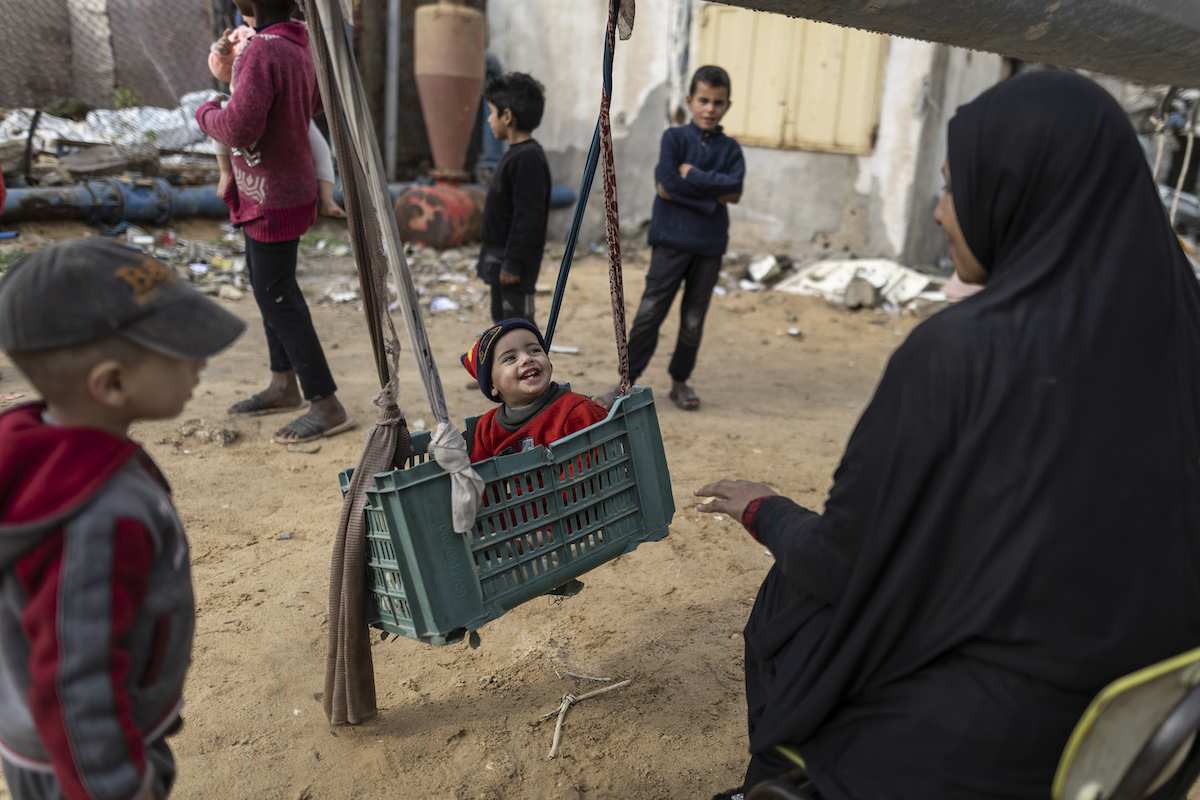
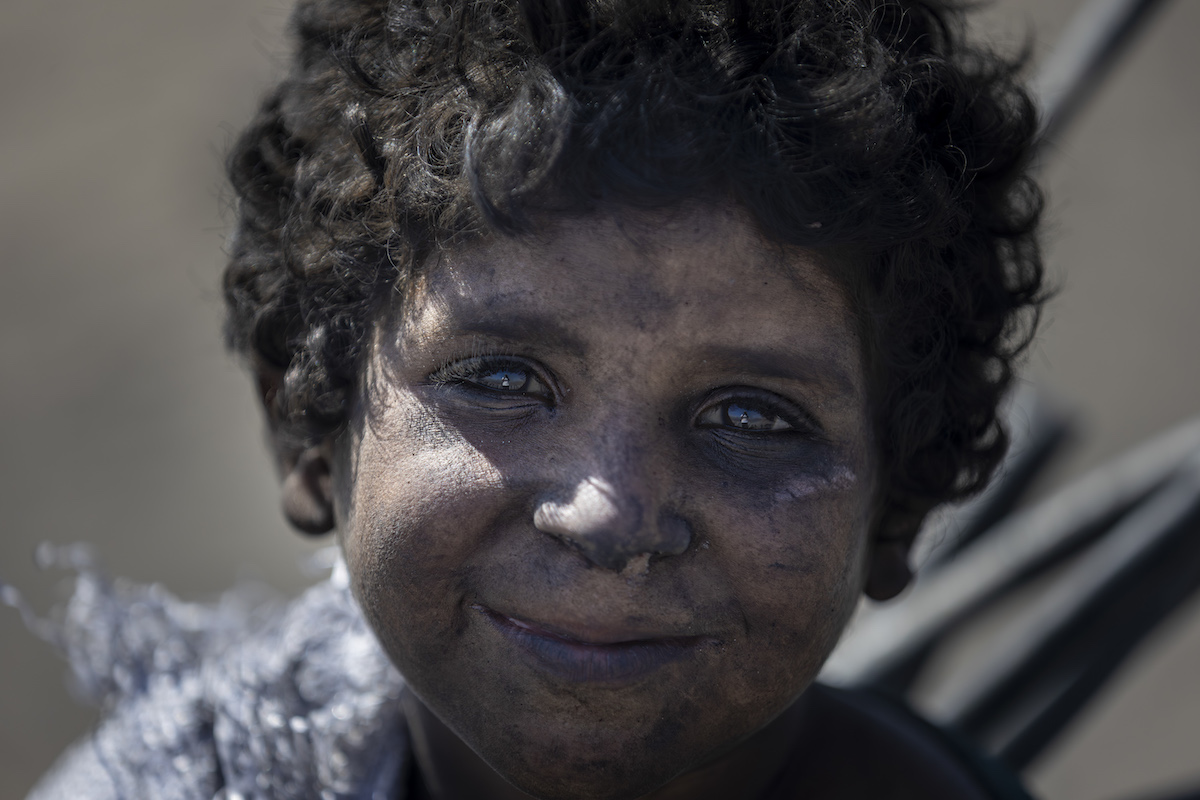
At times, emotions outweigh journalistic work, which greatly affects the documentation, and sometimes we are forced to postpone filming. Often, we spend long hours outside the frame of the camera, talking with people and sitting among them, until the barrier is broken so that they feel comfortable with us, and we also feel close to them.
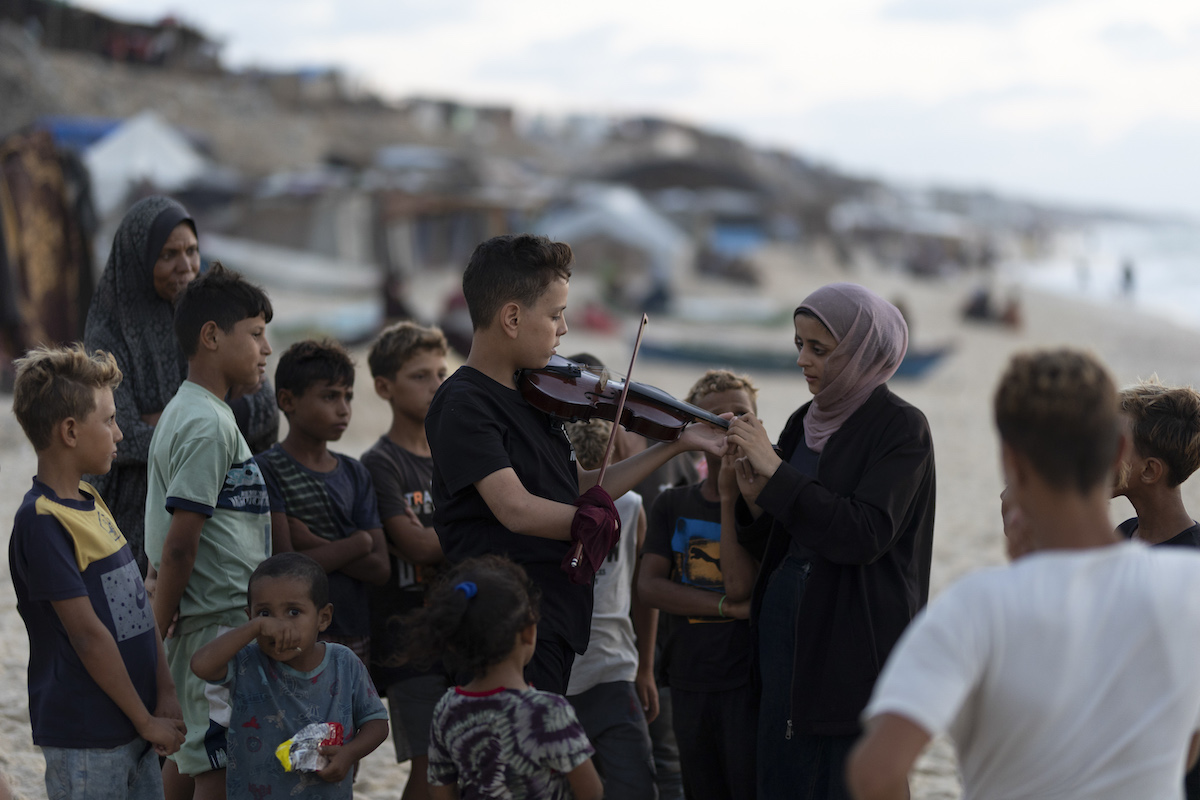
Bieke Depoorter: After making so many images, and seeing so little change, do you still believe in the power of the image?
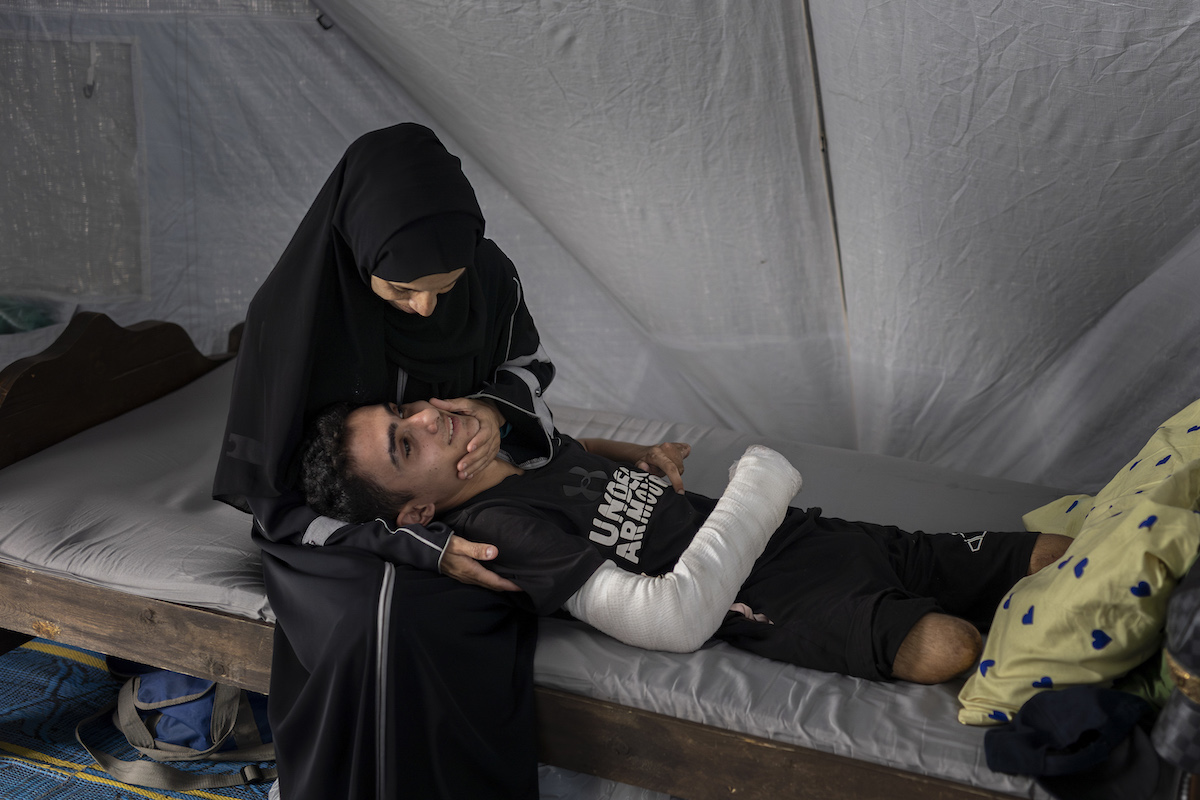
Mahmoud Abu Hamda: Yes, I still believe in the power of the image, even if change on the broader level seems limited. I have personally lived through many situations that proved an image can make a difference, even if small. For example, some of the wounded and amputees were able to travel and receive treatment thanks to increased media pressure after their photos were shared.
Many other humanitarian crises also found wider resonance and response because of the images we documented. That is why I believe in the image, no matter how small it may seem in the face of such tragedy…
Bieke Depoorter: What questions do you wish journalists would ask you? Feel free to answer that question.
Mahmoud Abu Hamda: One of the questions I wish journalists would ask me is: “What do you personally need in order to continue your work and your life?”
And my honest answer is that, in addition to documenting and sharing Gaza’s story, I also need space to rest, to breathe, and to leave Gaza, even if only temporarily.
Follow Mahmoud Abu Hamda here
Contribute to Gulf Photo Plus Print Sale here