Voices From Gaza: Fatma Hassona
Part four of four in the Voices From Gaza series presents the photography and poetry of Fatma Hassona.
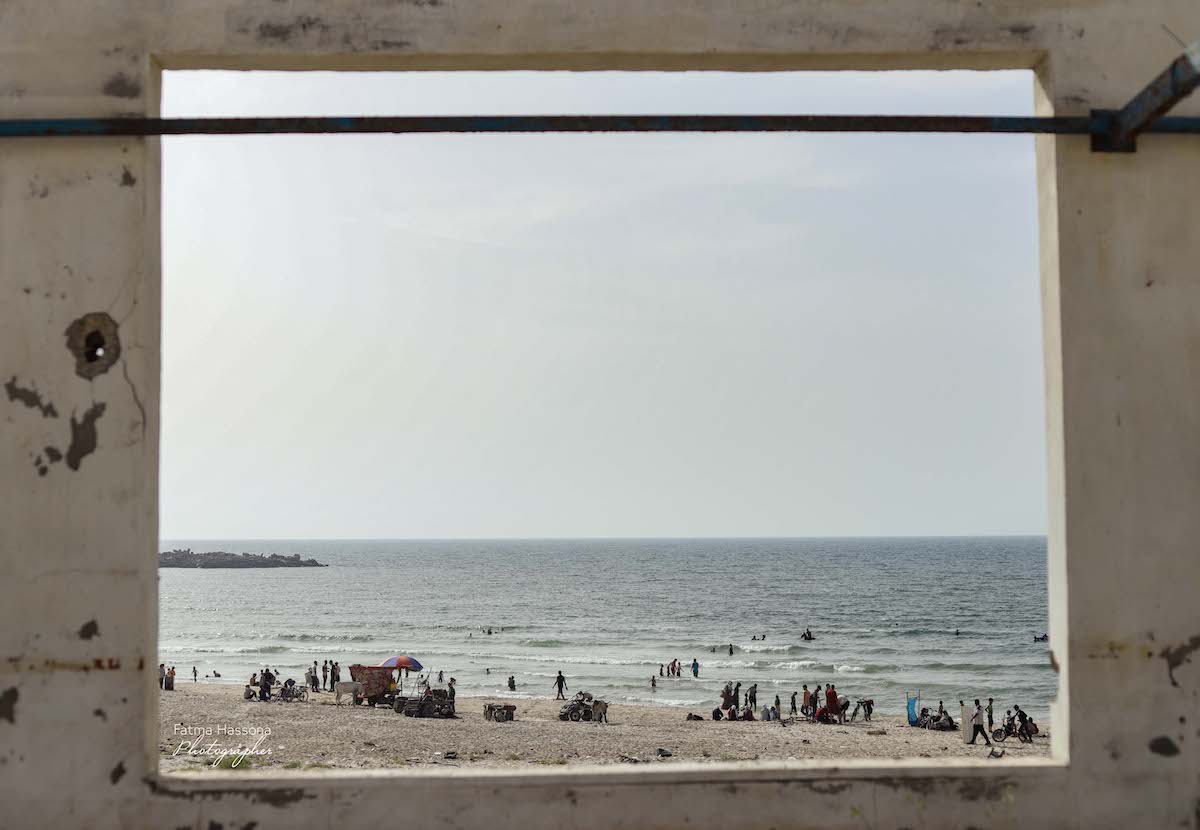
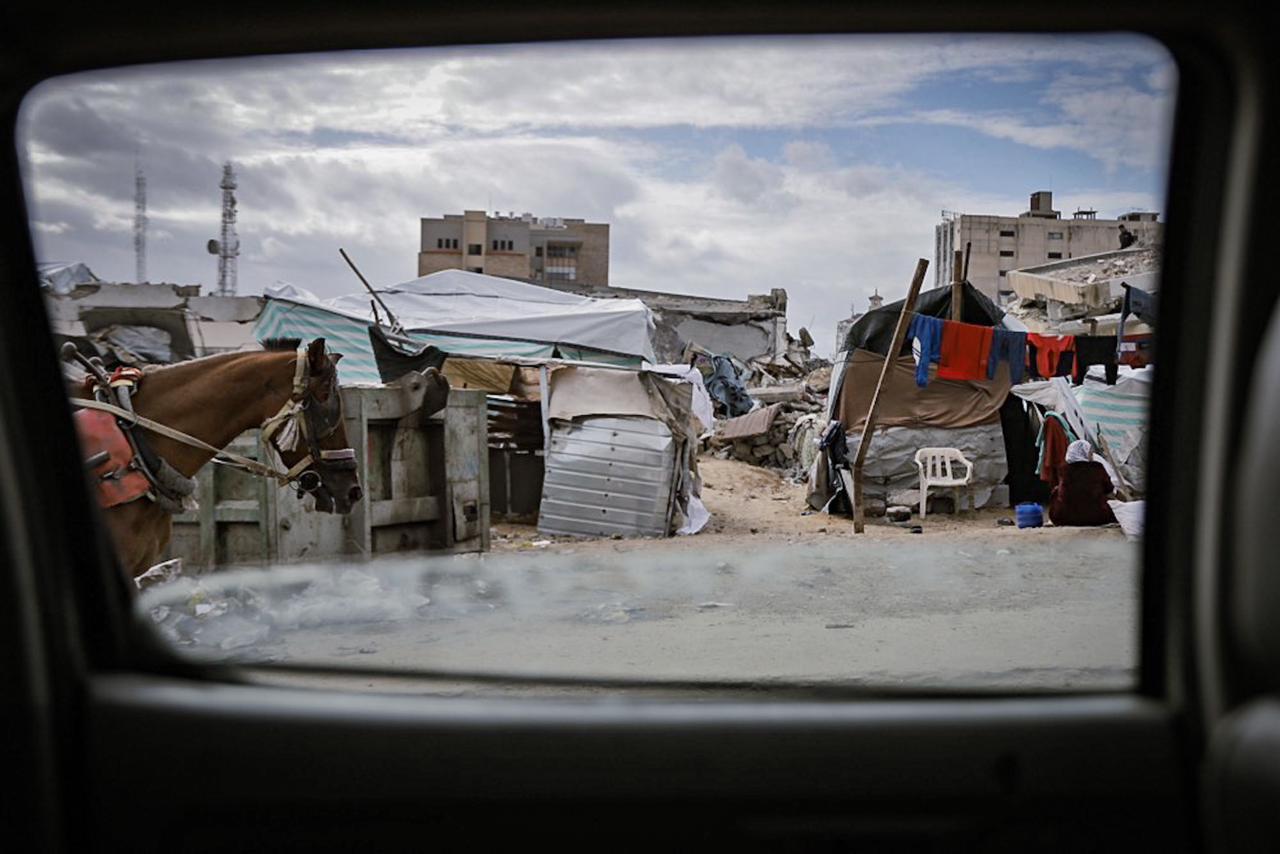
In the series Voices From Gaza, we are honored to present the work of four photographers from Gaza: Samaa Emad, Ali Jadallah, Mahmoud Abu Hamda and Fatma Hassona. Their images are accompanied by personal dialogues between three of the photographers and Magnum Members, and poetry from Hassona written before she was killed by an Israeli airstrike in April 2025.
This feature is a direct line to artists on the ground, offering an intimate view of what it means to endure and create under unimaginable circumstances, which the United Nations commission of inquiry declares is genocide, committed by Israel.
These photographers have lived through blockade, displacement, bombardment, and the constant threat of starvation. They have watched over 270 of their colleagues being killed, and with the international press banned by Israel, they continue to document daily life in Gaza on their own while facing the same dangers themselves.
In partnership with Gulf Photo Plus, we have launched a Print Sale featuring work by Palestinian and Magnum photographers. All proceeds will go directly to the featured Palestinian photographers and their wider community, providing support for their crucial work.
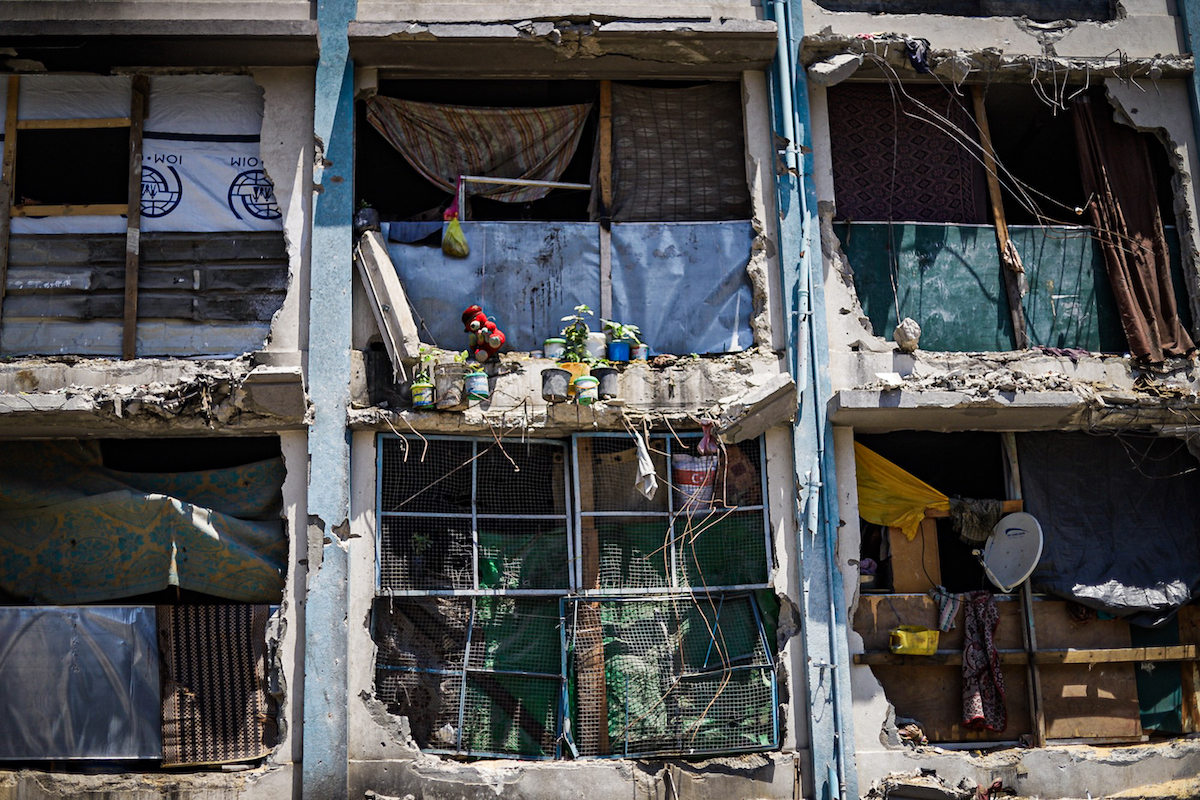
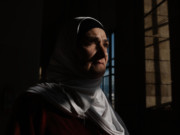
Fatma Hassouna was a Palestinian photojournalist and writer born and raised in Gaza. She was the subject of the documentary film Put Your Sould on Your Hand and Walk, selected for the ACID film program and shown at the 2025 Cannes Film Festival. In April 2025, she was killed alongside ten members of her family in an Israeli airstrike. She was 26 years old.
Before she was killed, she wrote the two following passages:
Fatma Hassona: For 300 days, I was accompanied by Anya — my camera, and my only good friend who knew how to catch things, how to take the photos I wanted. For 300 days, my brothers and I were being killed in this massacre. Blood has been flowing over the ground, and I’ve become afraid of the moment when my brothers’ blood will reach me, will stain me. For 300 days, we’ve been seeing only black and red, smelling the scent of death, eating bitter apples, touching only corpses.
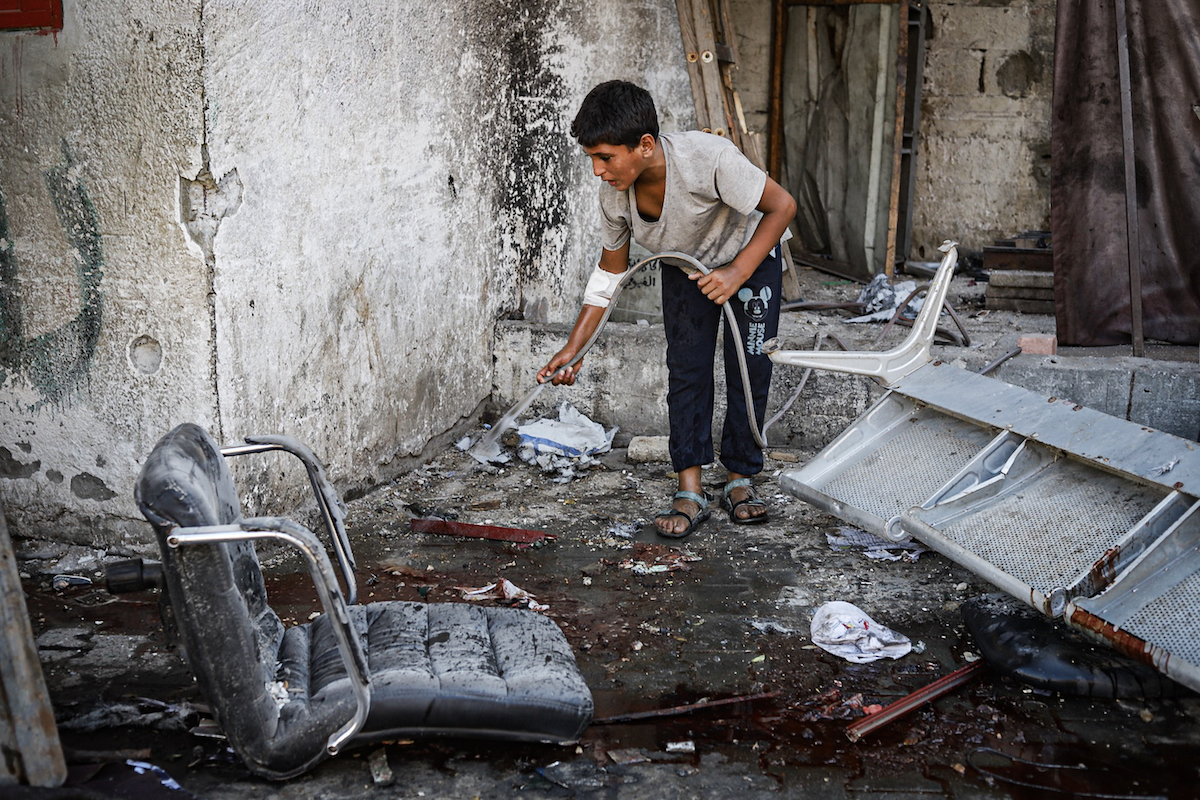
It’s the first time I have experienced such a massive loss. I have lost 11 members of my family, the dearest to my heart. Still, nothing can stop me. I roam the streets every day without any master plan. I just want the world to see what I see. I am taking photos to archive this period of my life. I am taking photos of this history which my sons might hear of, or might not.
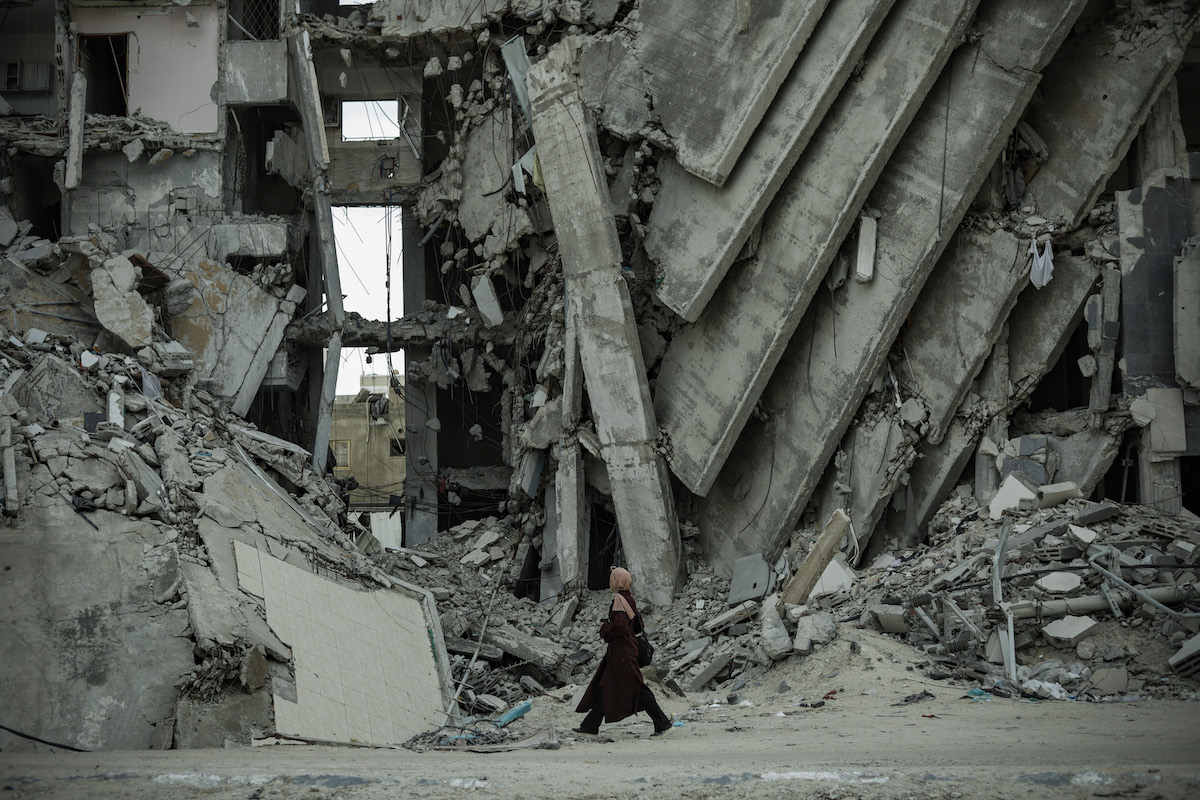
Gaza…the small room in the big world’s house.
I silently watch the scenes of life in my mind, life beyond the borders of this time, this place, and this small world called “Gaza.” I am astonished by the breadth of my memory and its mixing with each scene, and the events that are transmitted in time and form, with the different naming of the place. For example, I imagine the calm of Abu Mazen Junction at night, the orange street lights, and the sound of a speeding car coming from afar, interrupting the scene in seconds to give the place its soul. I imagine all these details from a balcony. In a country like Turkey, for example, “Abu Mazen Junction, Turkey Branch,” and I know that there is no place there called by that name, and it is possible or certain that the scenes are completely different, firstly because I only knew Gaza, the small room in the world’s big house, and secondly because my imagination did not. It goes beyond its borders, other than what I saw and imagined in other countries through books. Therefore, any scene I want to create to imagine another life in another place, broader, and with more possibilities, is repeated and immersed in memories from here and there in my current and past life, and any scene I want to obtain. Something new from him, the result is that there is nothing new, because something in my memory is very connected to everything that is here, something that cannot abandon its roots, or think about changing its soil, something that always feels that this small room is the whole world, the big house, and everything that… He knows of and about this universe, something that always tells me: You are attached to this country and this place, so wherever you turn your face, you will see it and feel that it is still permeating you.
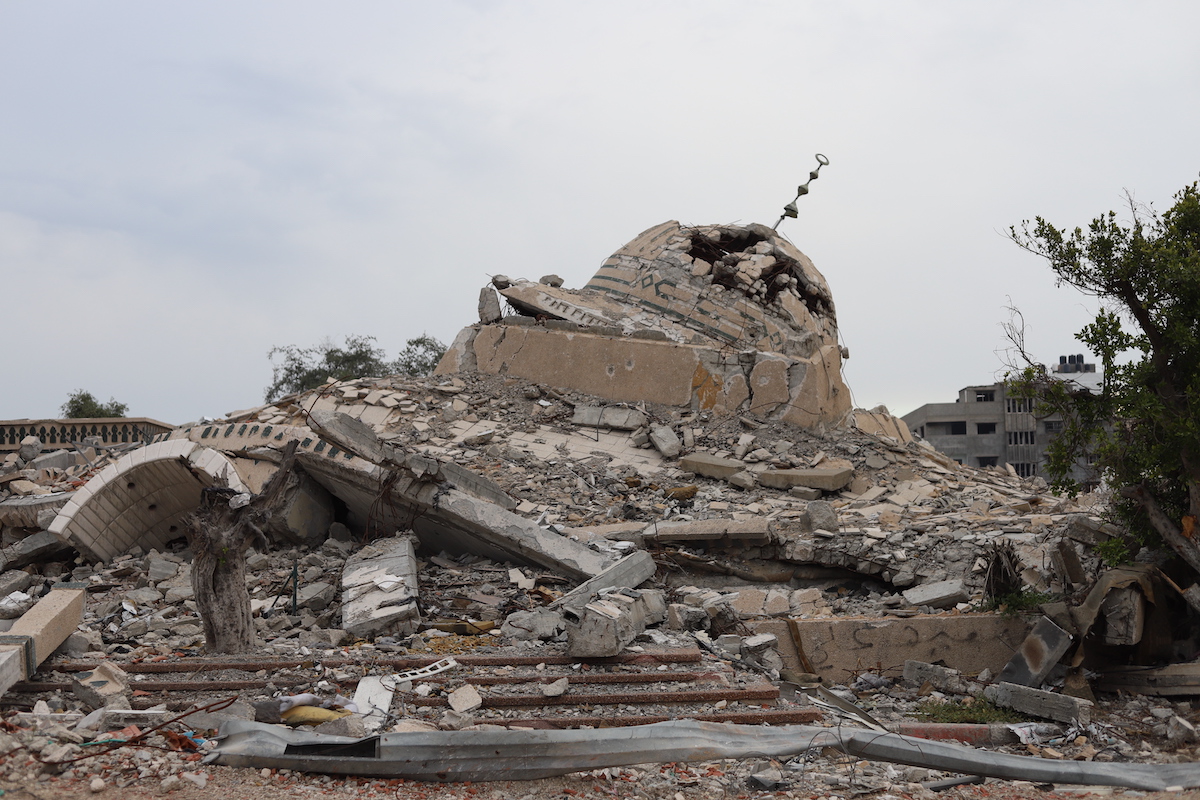
And I think, how can a person get rid of this syndrome? And I think, do I need another place and other borders to forget what this land and these borders did to me? Do I need another, greater suffering to forget this suffering? The question of the slap here is: Is there a greater suffering than what my brothers and I are experiencing in the country? And I think, would my brothers still be my brothers if I left seeking a better world and place and left them in this barren land, which was never barren?
Gaza, the big world for us, and the small room for the rest. Will someone one day be so kind as to give us an additional share of this big world? Will you?
See Fatma Hassona’s Instagram here
Contribute to Gulf Photo Plus Print Sale here