South Sudan’s Worsening Humanitarian Crisis
In September 2025, Alex Majoli travelled to South Sudan with the International Committee of the Red Cross (ICRC) to document one of the world’s longest humanitarian crises — often overlooked by the international community.
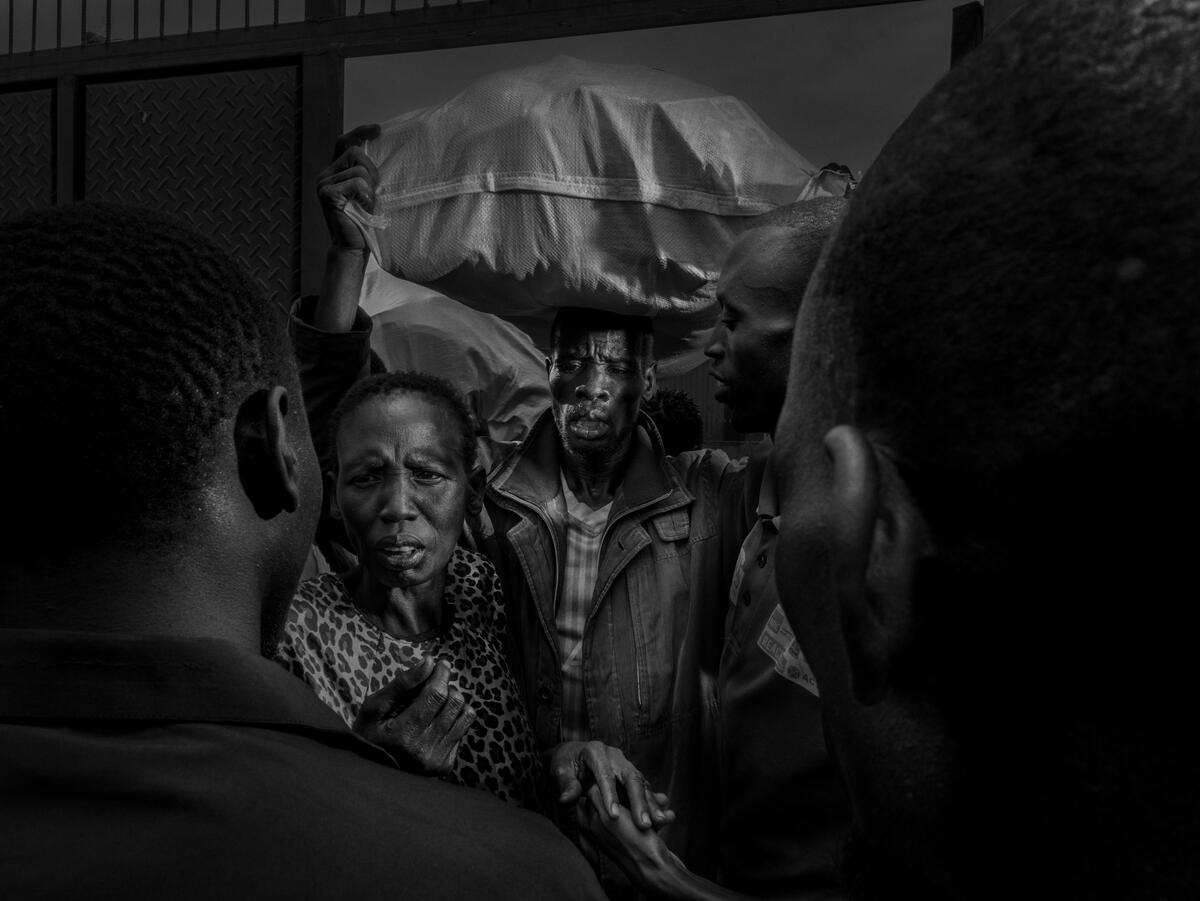
In September 2025, Alex Majoli embedded with the International Committee of the Red Cross (ICRC) in South Sudan. The ICRC continues to carry out vital work to assist vulnerable populations and promote respect for international humanitarian law in the country, which has an estimated population of 12.7 million people. Majoli documented the human impact of the deepening crisis, photographing families in need and people undergoing physical rehabilitation at hospitals and medical facilities supported by the ICRC.
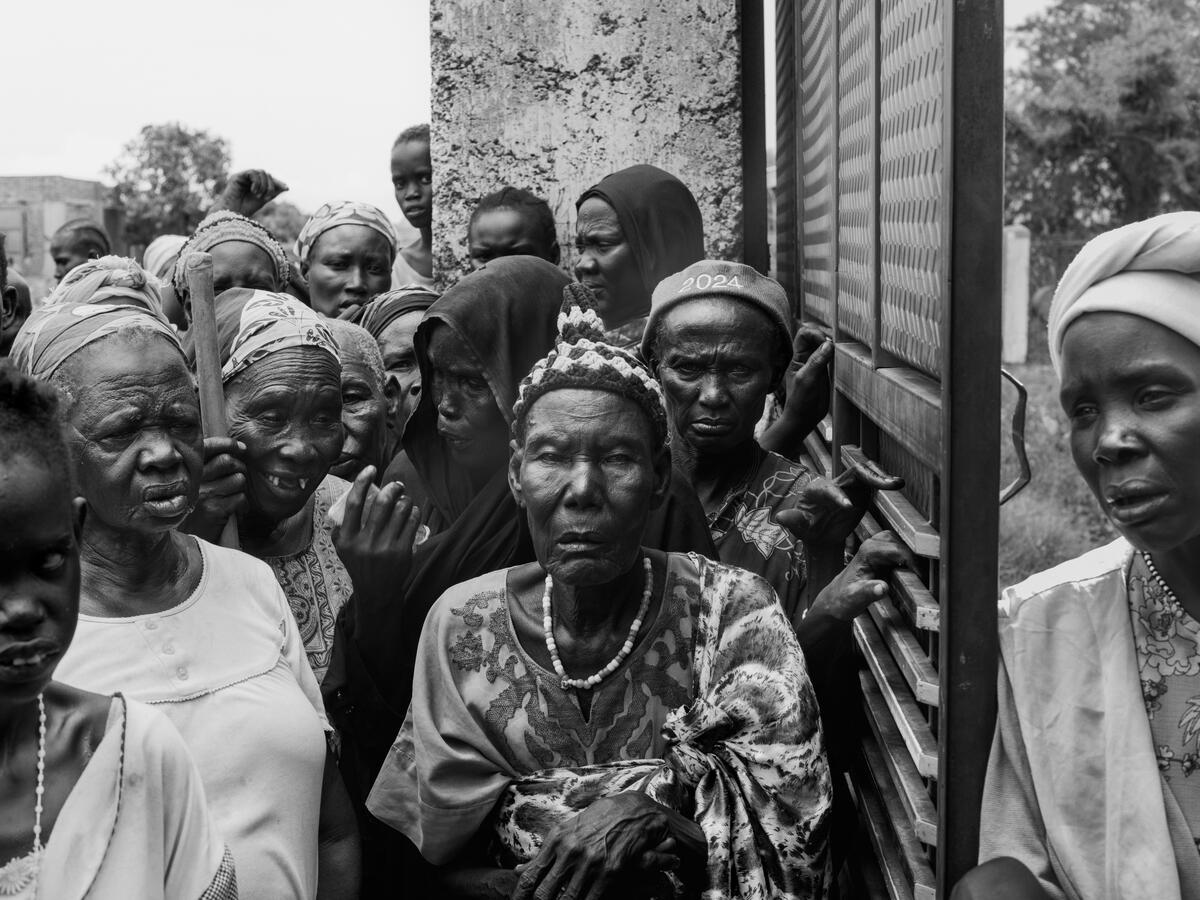
The people of South Sudan endure mounting hardship and uncertainty due to ongoing internal conflicts and the repercussions of the war in neighbouring Sudan, coupled with a recent decline in aid funding, with humanitarian support from international organizations, notably the U.S., faltering.
More than half of the population (7.7 million people) are severely malnourished, and 83,000 of them are experiencing “catastrophic levels of food insecurity,” the Integrated Food Security Phase Classification (IPC) reports. According to the World Health Organization’s 2024 report on South Sudan, 51% of the population lives below the poverty line, with the majority, almost 80%, living in rural areas with limited access to basic services. As the year draws to a close, the South Sudan Humanitarian Needs and Response Plan has only received 41% of the funding it requires — the lowest it has been since the country’s creation, according to data from the OCHA.
Some 800,000 people have returned to South Sudan due to the increasing danger of remaining in Sudan since the war broke out between the Sudanese Armed Forces and the Rapid Support Force on April 15, 2023. Upon arrival in South Sudan, however, they often find that they have nothing — no shelter, food, water, or access to healthcare.
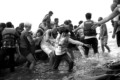
On September 10, Majoli was posted at an aid distribution site in Kuajok, Warrap State, where around 1,200 people waited for hours at an ICRC distribution centre to receive food and non-food rations; some of them then heading to makeshift shelters that lack basic necessities such as access to water, mosquito nets and bedding.
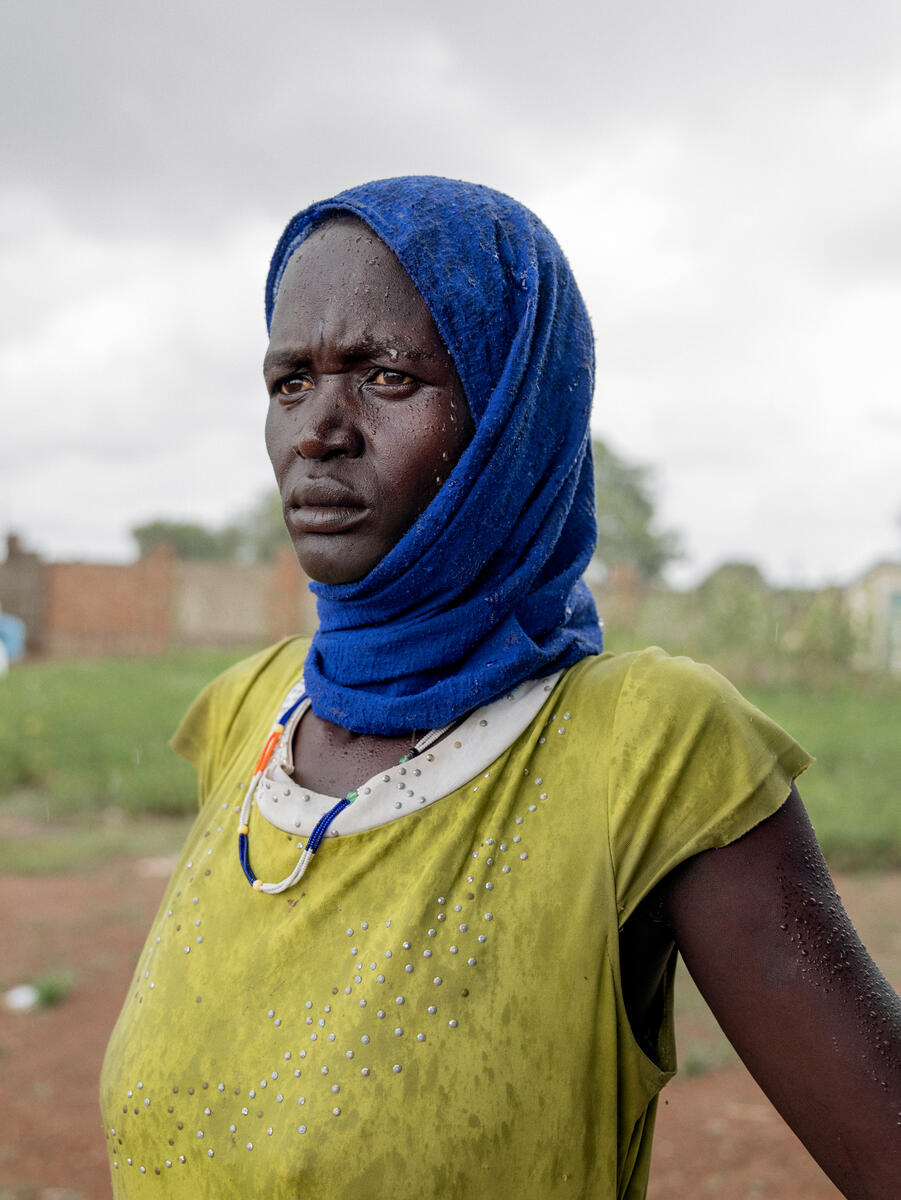
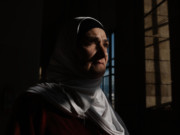
Adut Madut is a South Sudanese woman who left her country following the outbreak of civil war in 2013 and settled in Sudan’s Kordofan State. She remained there until earlier this year, but the dangers wrought by the Sudanese conflict forced her and her family to return to South Sudan. She came to the distribution site to get the essential items that she needs to feed her family.
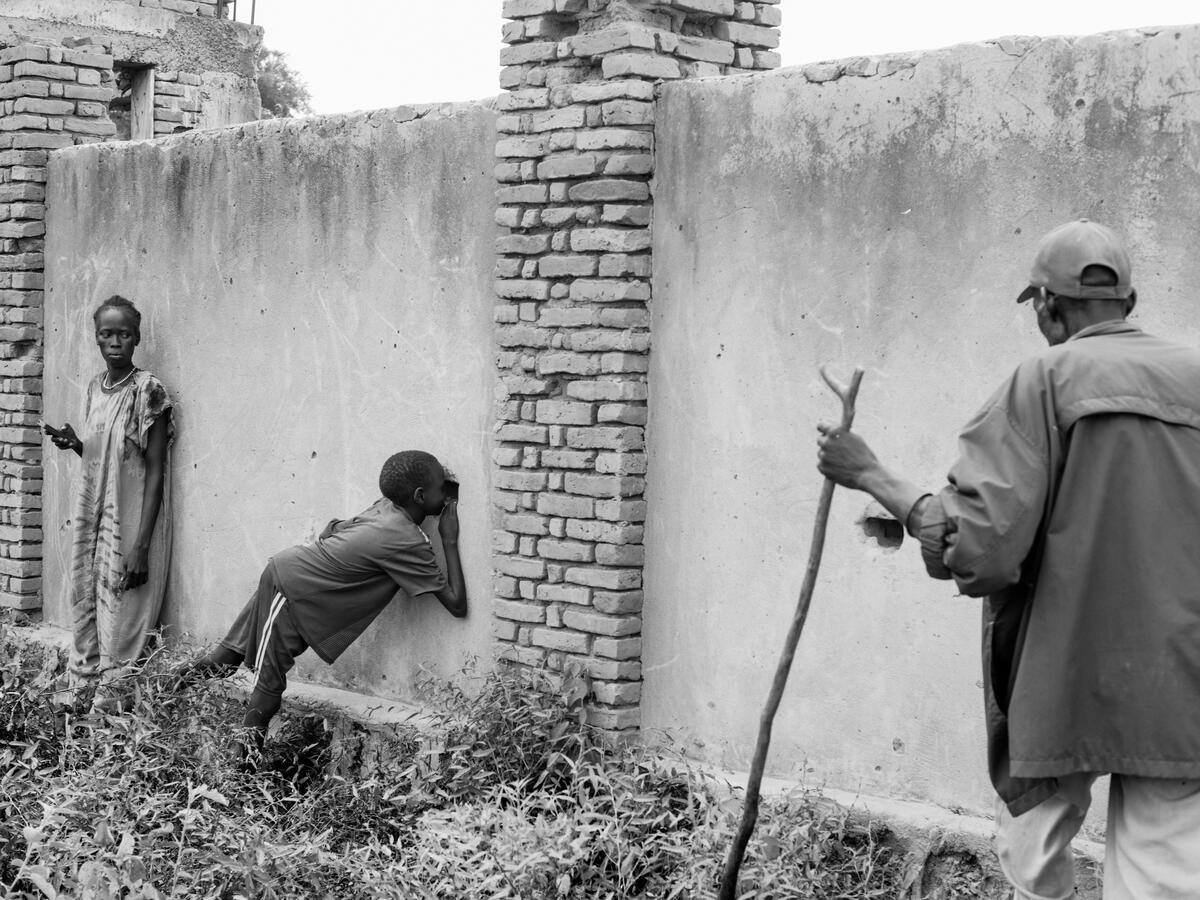
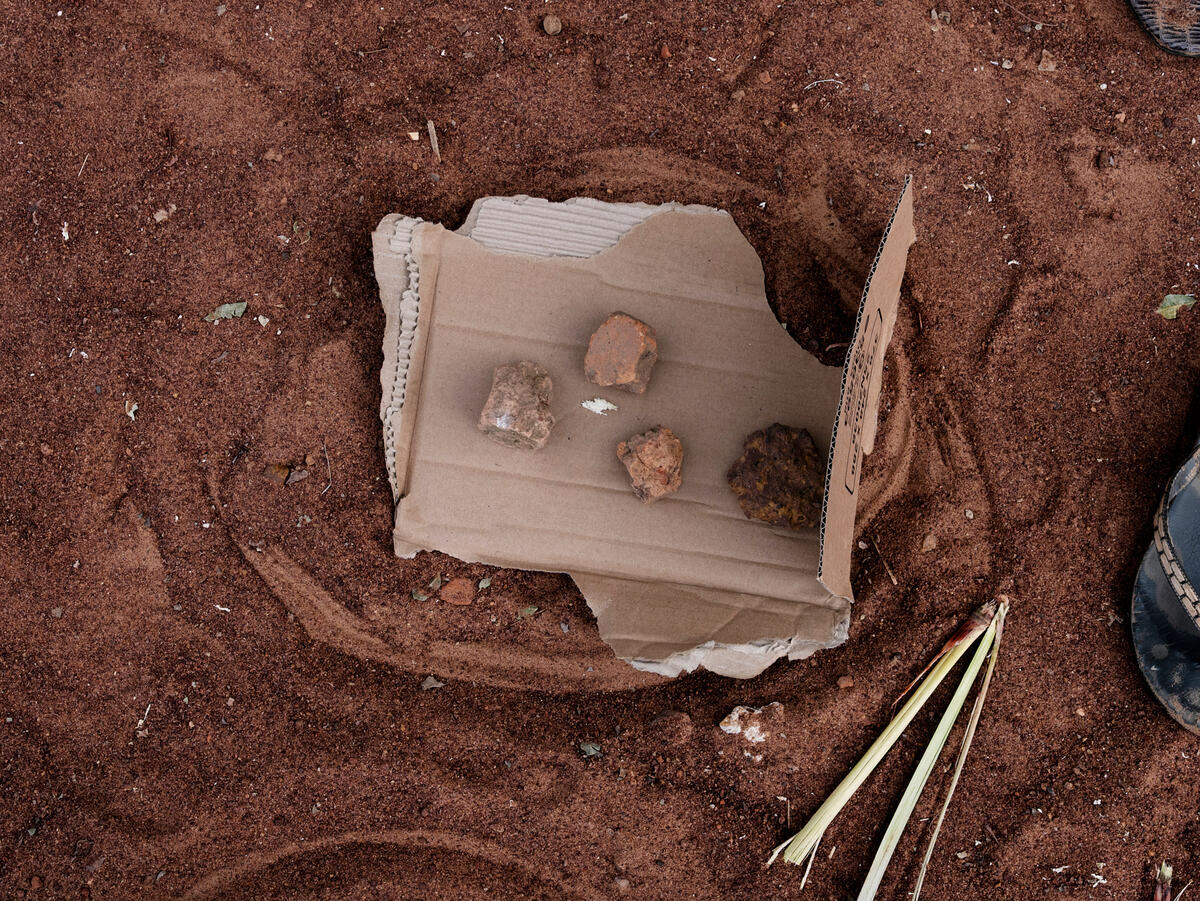
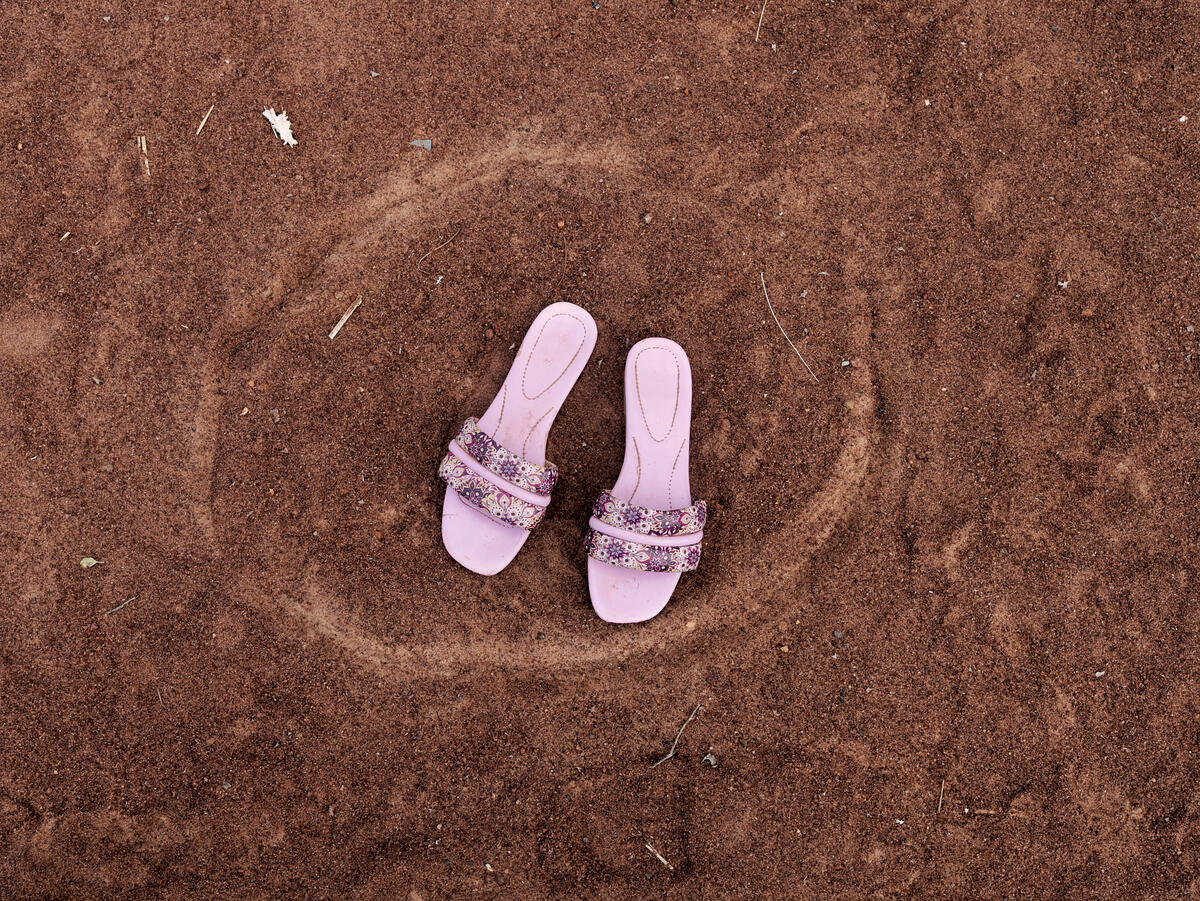
Majoli documented personal items left out in front of the distribution sites as a form of querying, allowing people to avoid the scorching heat.
Internal conflict, intercommunal violence and flooding have intensified the difficult living conditions in South Sudan. A surge in fighting across the country has forced more than 470,000 people to flee their homes in 2025, the worst-affected areas including Upper Nile, Jonglei, Unity, Western Equatoria, Central Equatoria, and Western Bahr el Ghazal, where communities have been displaced multiple times in search of safety.
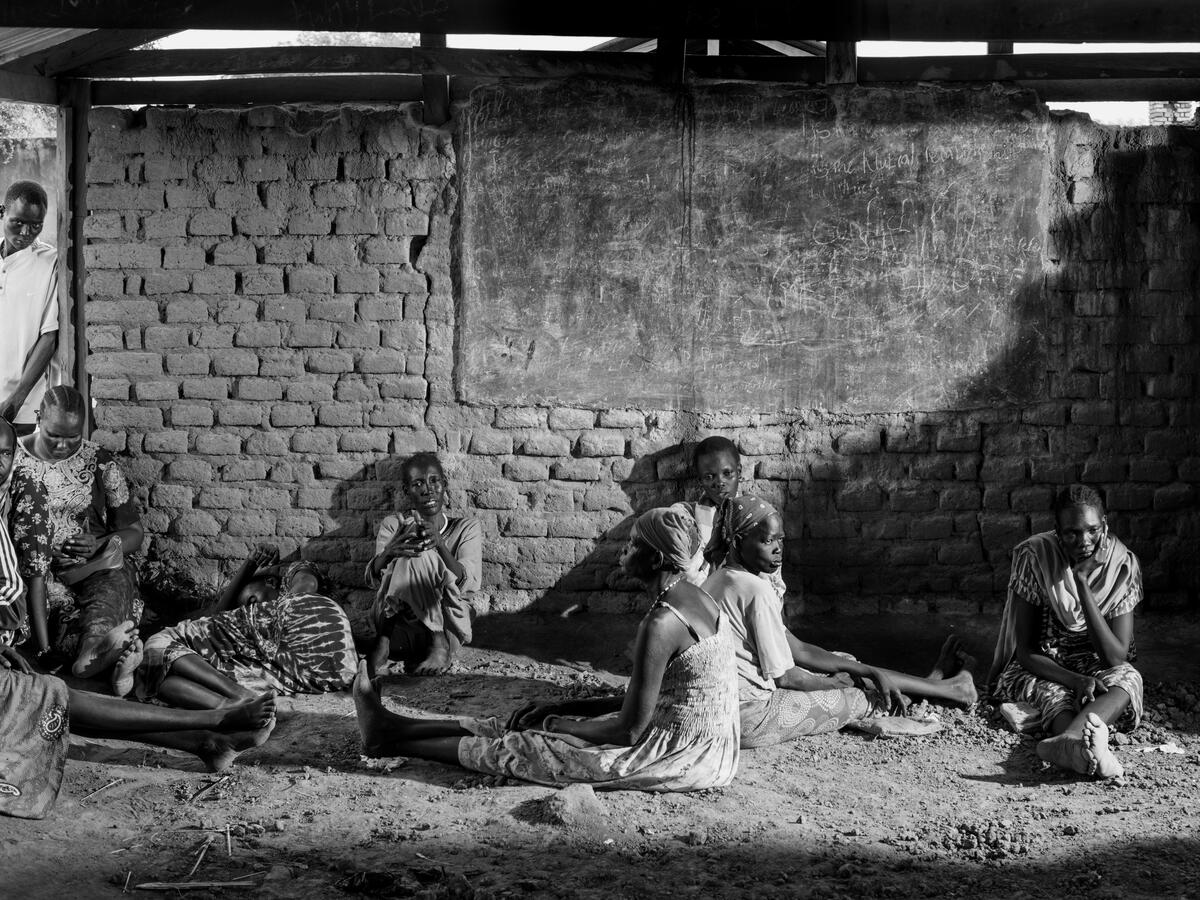
In September 2025, Volker Türk, the UN High Commissioner for Human Rights, expressed concern about the “rapid deterioration of human rights in South Sudan,” citing the deaths of a reported 2,000 civilians this year due to political tensions and hostilities.
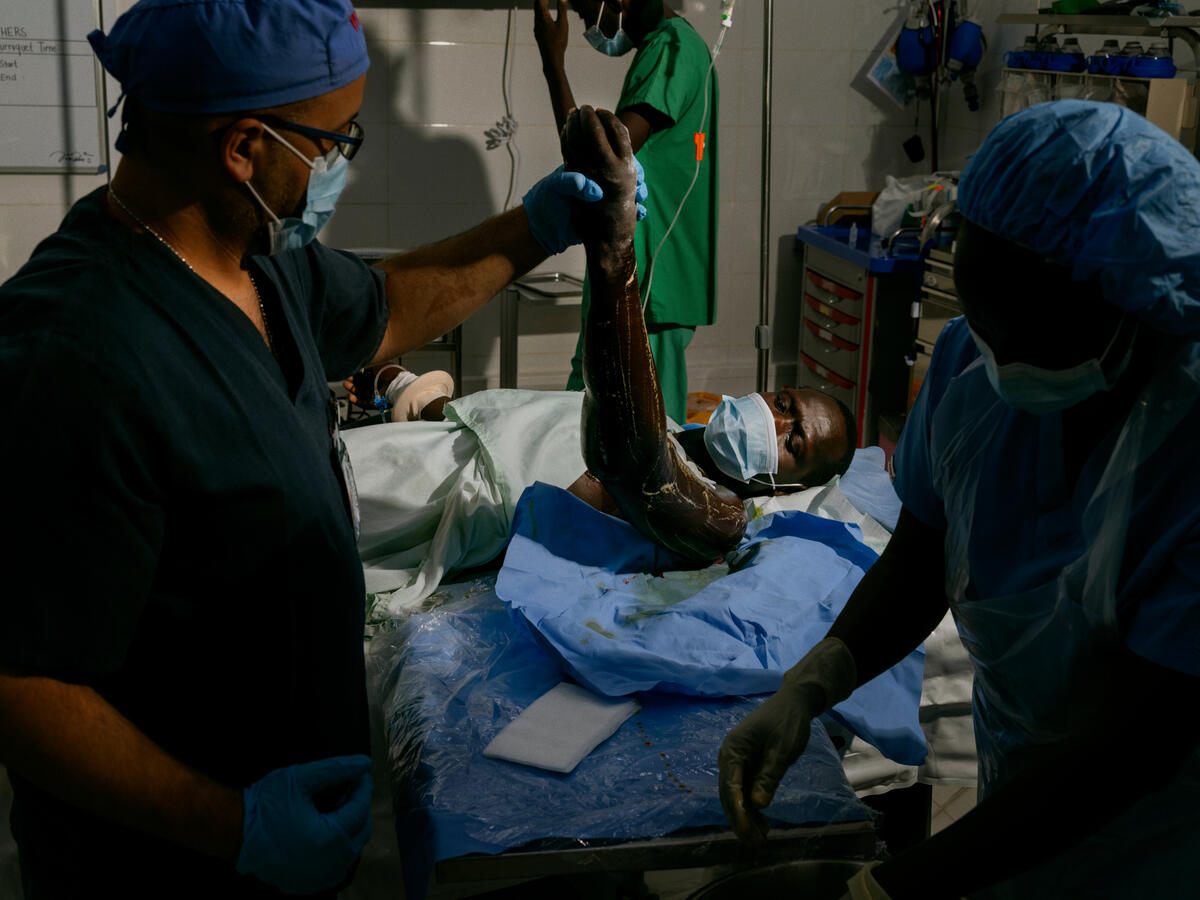
Majoli visited ICRC-supported hospitals in the country’s capital, Juba, where increasing communal violence has destroyed medical facilities, schools, and homes. Additional military operations launched by the South Sudanese army also hinder the stability of the region. The photographer documented doctors striving to provide the necessary help to a steady stream of patients, including Ayuel Madut, 46, from Lake State, pictured below.
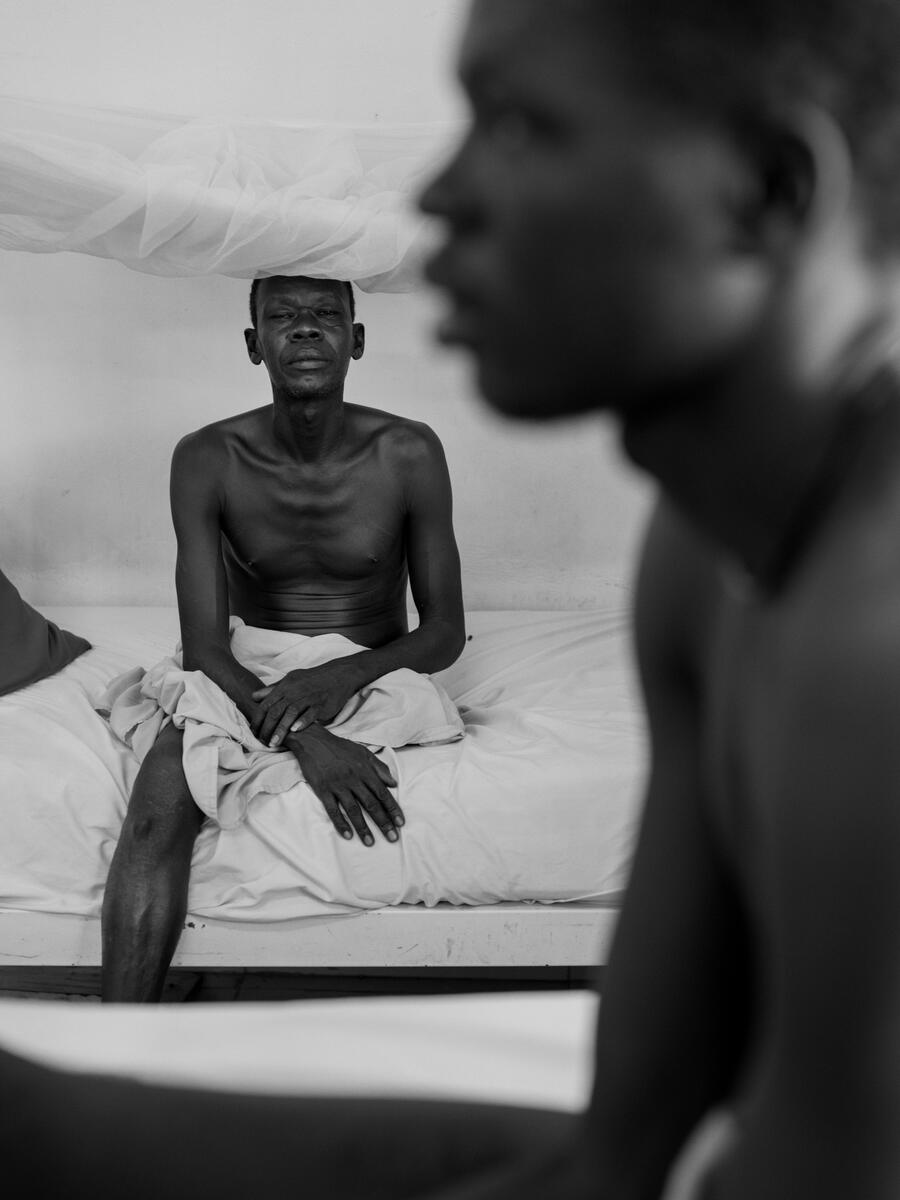
On July 16, 2025, when he and other men from his village went fishing as usual, they were rattled by a sudden burst of gunfire. The group was caught by surprise in the attack, and several people were killed or injured. Ayuel was shot in the leg and remained stranded for two days without medical attention, he said. By the time he reached the hospital, doctors had to amputate his leg. Now recovering in the Juba military hospital, he told the ICRC that he wonders if he will ever be able to go fishing in his village again.
The influx of patients is a direct consequence of the escalation of armed conflict and violence that South Sudan has experienced in recent months, and of the resulting humanitarian crisis. In June, President Salva Kiir declared a six-month state of emergency in Warrap State, granting security forces extensive powers to quell the increase in intercommunal clashes and armed violence in the region. Warrap was rated as one of the most restive states in the country in 2024, having failed several times to forcibly disarm civilians, with the UNMISS reporting the highest number of incidents impacting civilians so far.
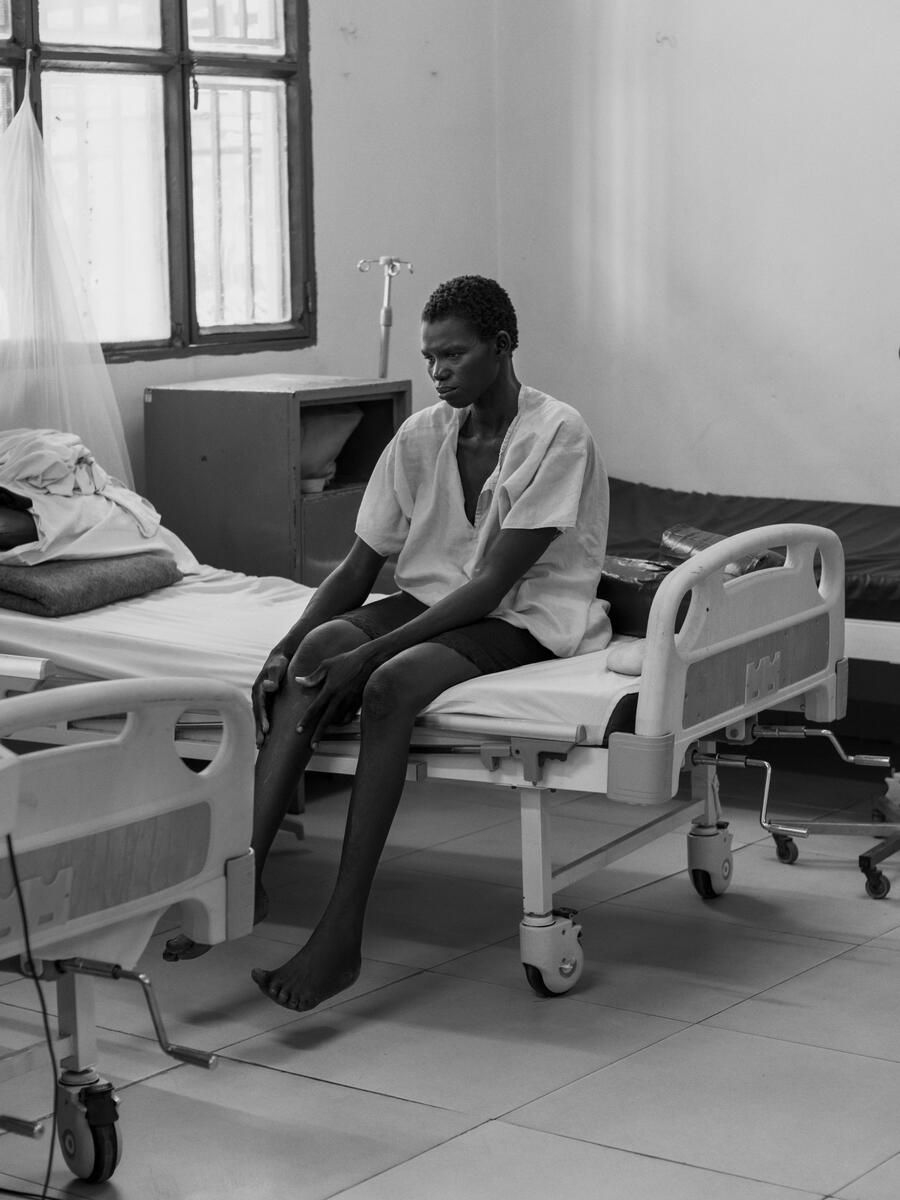
Achot Akol, a young woman from Tonj, a town in South Sudan, was seriously injured during an attack on a cattle camp. Without medical attention for several days, her wounds became septic and the surrounding tissue was severely damaged.
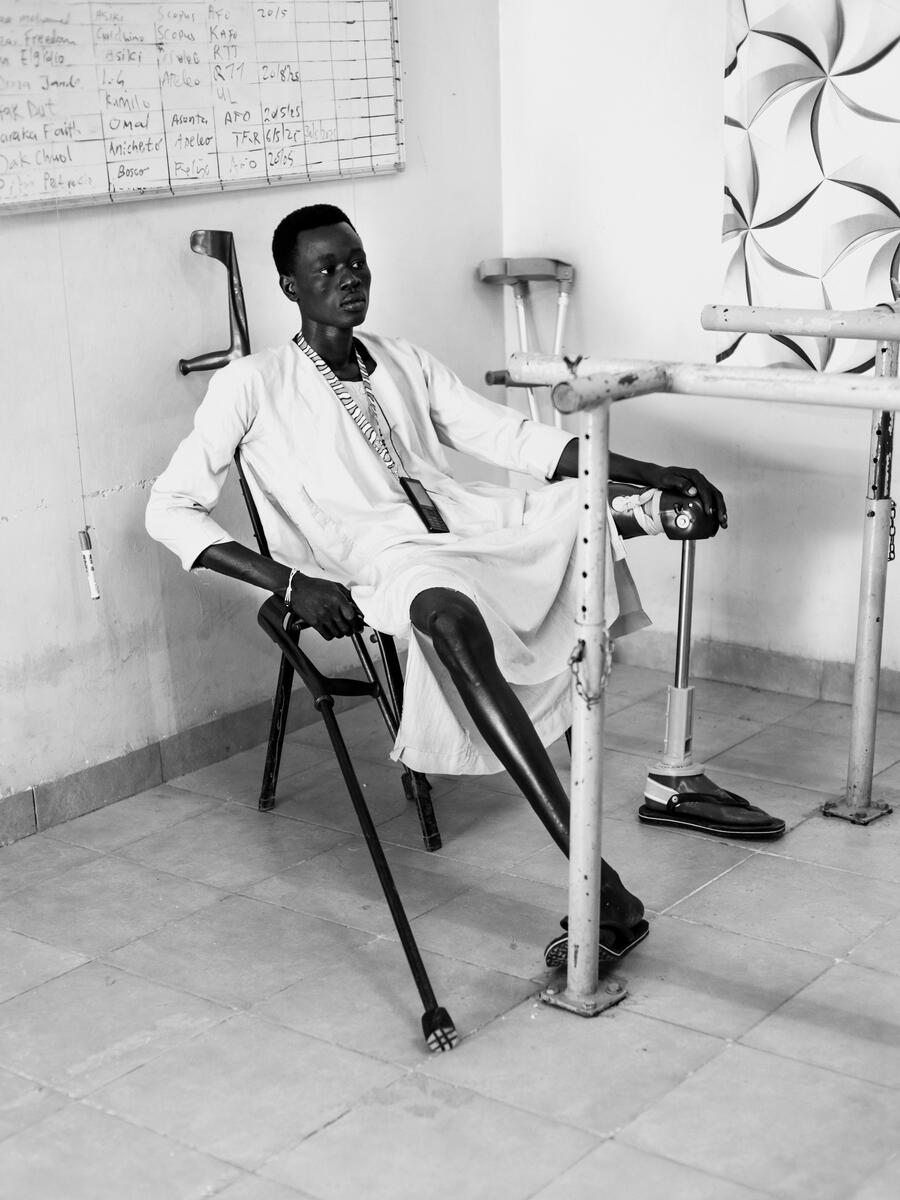
In Wau, a town 100 km from Tonj, 43-year-old Issa Idriss Hassan is undergoing resistance training at a Physical Rehabilitation Centre run by the ICRC. He sustained multiple gunshot wounds in Sudan, but the lack of medical facilities meant that he could not receive immediate medical care. His wounds became increasingly infected, resulting in his limbs having to be amputated. He does exercises to strengthen his muscles to prepare him to receive artificial limbs.
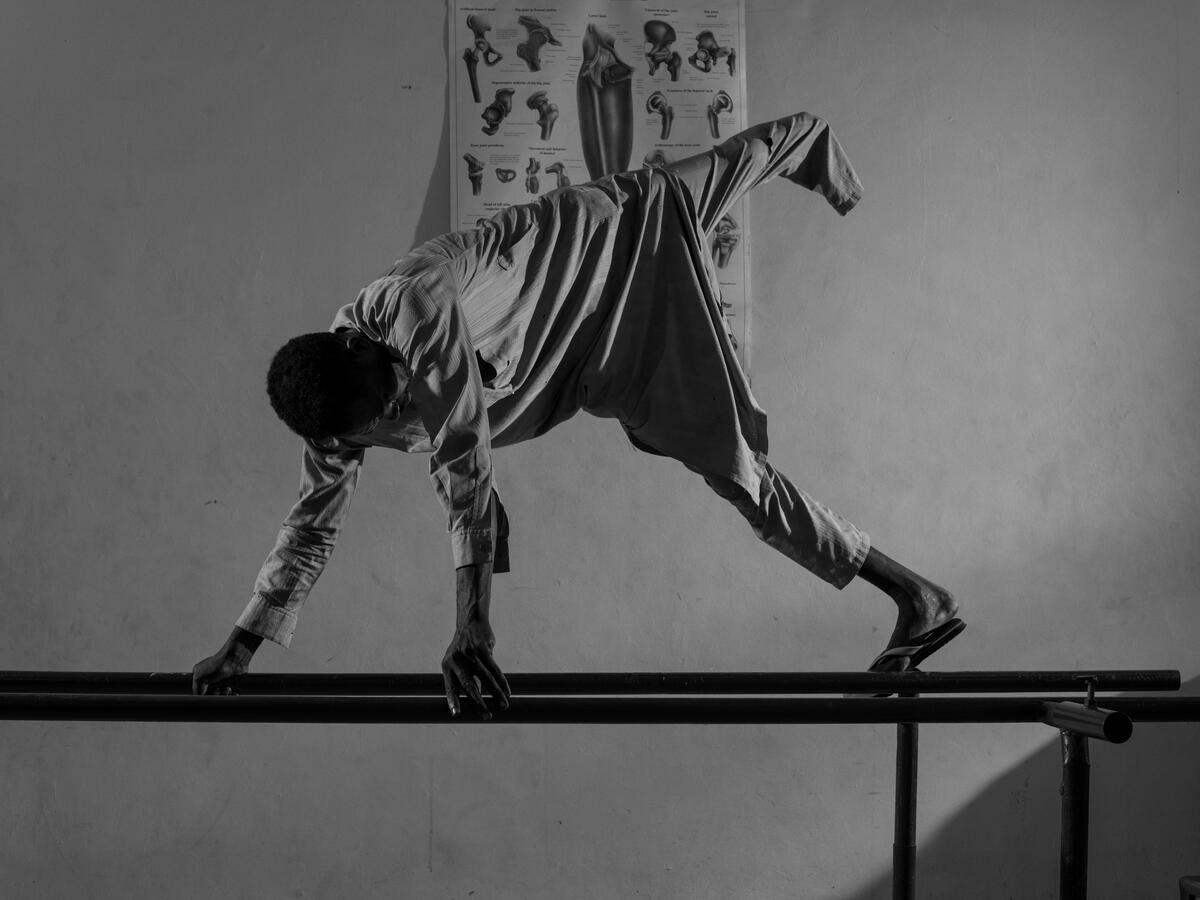
Hassan is one of the 3,700 people to receive ICRC-provided physical rehabilitation services in South Sudan in the last year.
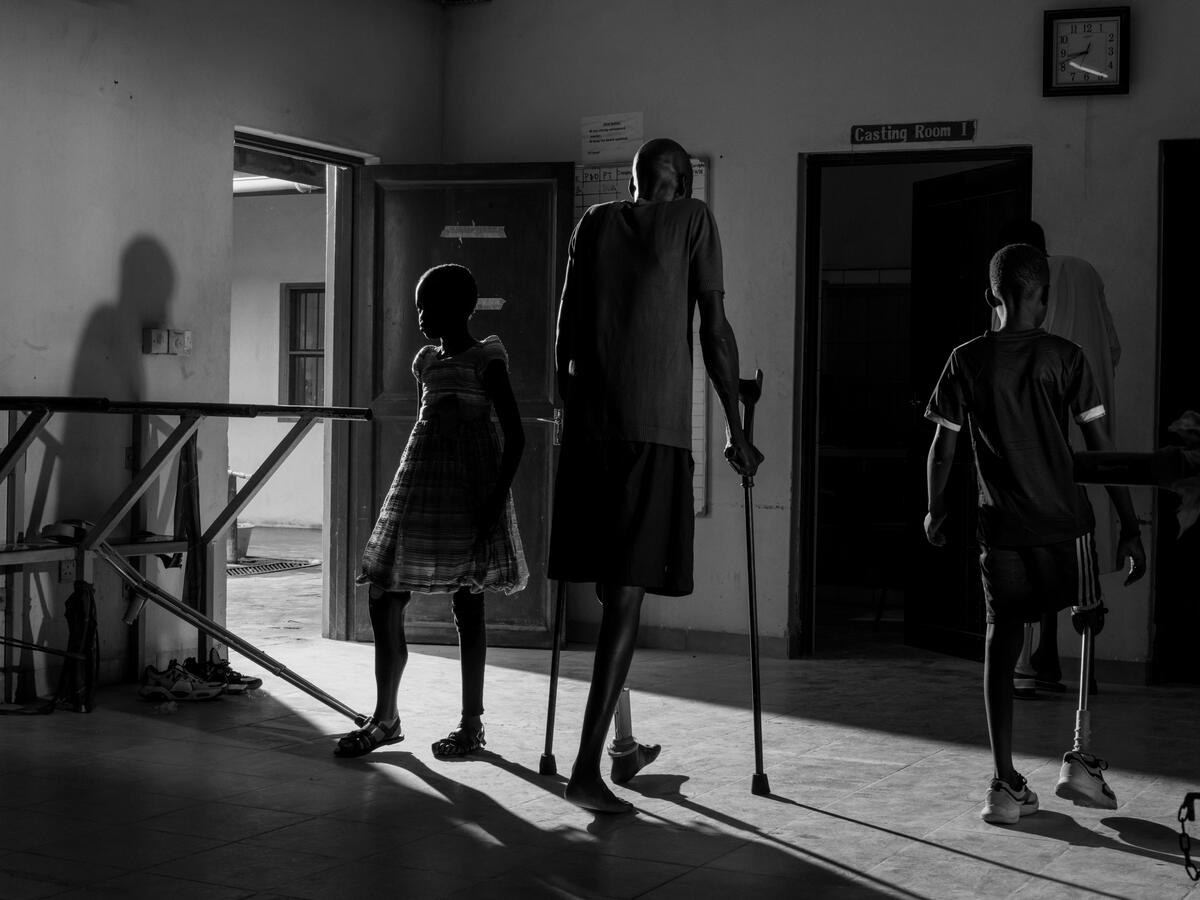
Decades of war in Sudan and South Sudan have left hundreds of thousands of people missing one or both limbs, and South Sudan lacks adequate orthotic and prosthetic services.
“Displaced people will continue to face unbearable conditions unless all parties do everything possible to protect civilians and civilian objects such as fields and other sources of livelihood, water installations, housing, healthcare facilities, markets, and schools,” Florence Gillette, ICRC Head of Delegation in South Sudan, writes.
View more stories on South Sudan and the ongoing humanitarian crisis on the ICRC website.