Sergio Larrain: Wanderings
An new exhibition at the International Center of Photography in New York shows the poetic world of Sergio Larrain in the 1950s and 60s
In 1969, Chilean photographer Sergio Larrain decided to give up his career at the age of 38. After producing celebrated bodies of work in the 1950s and ‘60s — documenting the abandoned children of Santiago, the villagers of Chiloé Island, the bars of Valparaíso, and the streets of Paris and London — his encounter with the Bolivian philosopher Óscar Ichazo led him to join his school in Arica, centered on mystical insight towards enlightenment. Three years later, he followed his spiritual quest on his own, eventually retreating to the isolated, mountainous village of Tulahuén, where he practiced writing, painting, and yoga.
During this period, Agnès Sire, former Director of the Fondation Henri Cartier-Bresson in Paris and former artistic director at Magnum, began a regular epistolary correspondence with Larrain. He agreed to publish books on Valparaiso in 1991 and London in 1998, but essentially refused exhibitions and retrospectives of his work. Although he continued to photograph occasionally throughout his life — still lifes, plants, or window panes in Valparaiso — his images remained personal.
An exhibition at the Institut Valencià d’Art Modern (IVAM) in 1999, organized by Sire, was the last significant display of Larrain’s work until Vagabondages (Wanderings), a retrospective at the Fondation Henri Cartier-Bresson in 2013.
Now, the International Center of Photography (ICP) in New York presents Sergio Larrain: Wanderings, an exhibition of prints exclusively from the Magnum Photos archive, on view until January 12, 2026. Larrain’s unconventional trajectory make this a unique posthumous perspective on his photographs — pensive meditations reflecting his inner creative landscape, and his interest in freedom and solitude.
Wanderings is a chronological journey through the photographer’s aesthetic evolution, which unfolds with the help of Larrain’s own writings, paintings and revelatory ideas. The title speaks to the photographer’s vagabond period, but also his wonderings — his spiritual and poetic attunement as a foundation for visual exploration, or even enlightenment. “Art is an approach to the state of Satori,” he wrote on a hand written note published in the extended version of Valparaiso by Editions Xavier Barral in 2016.
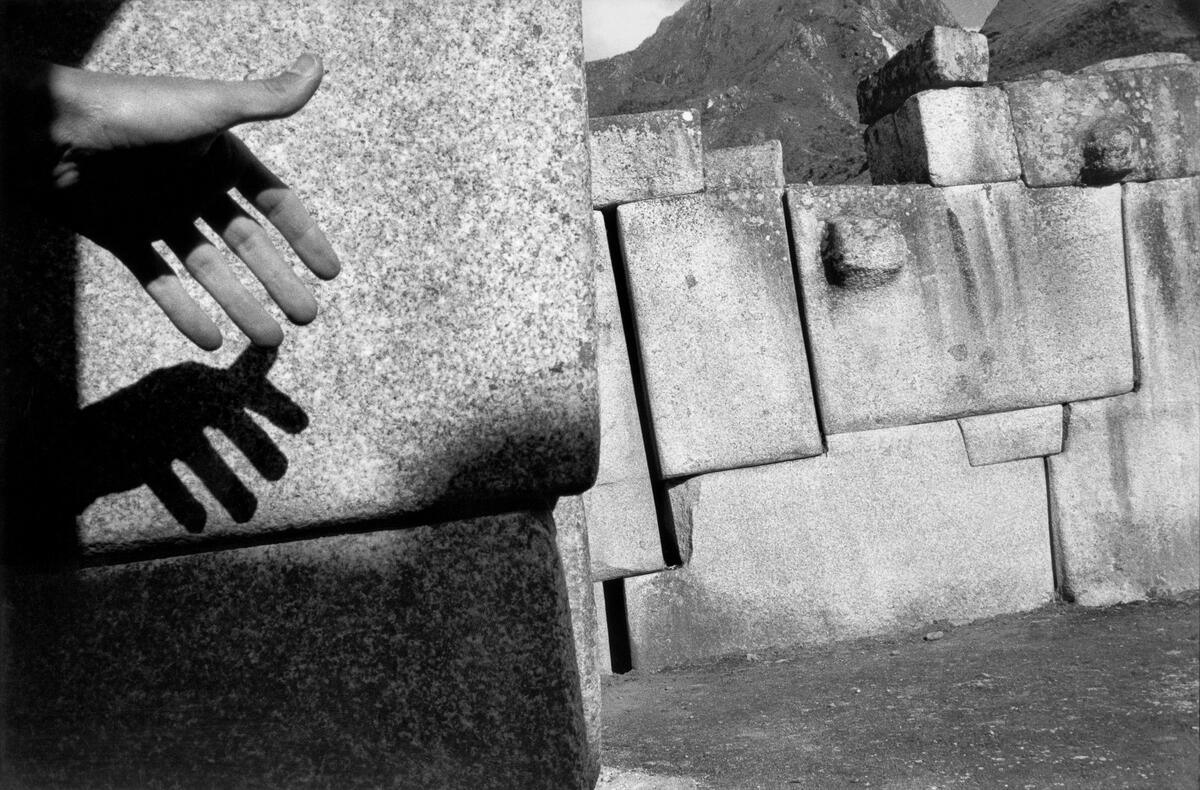
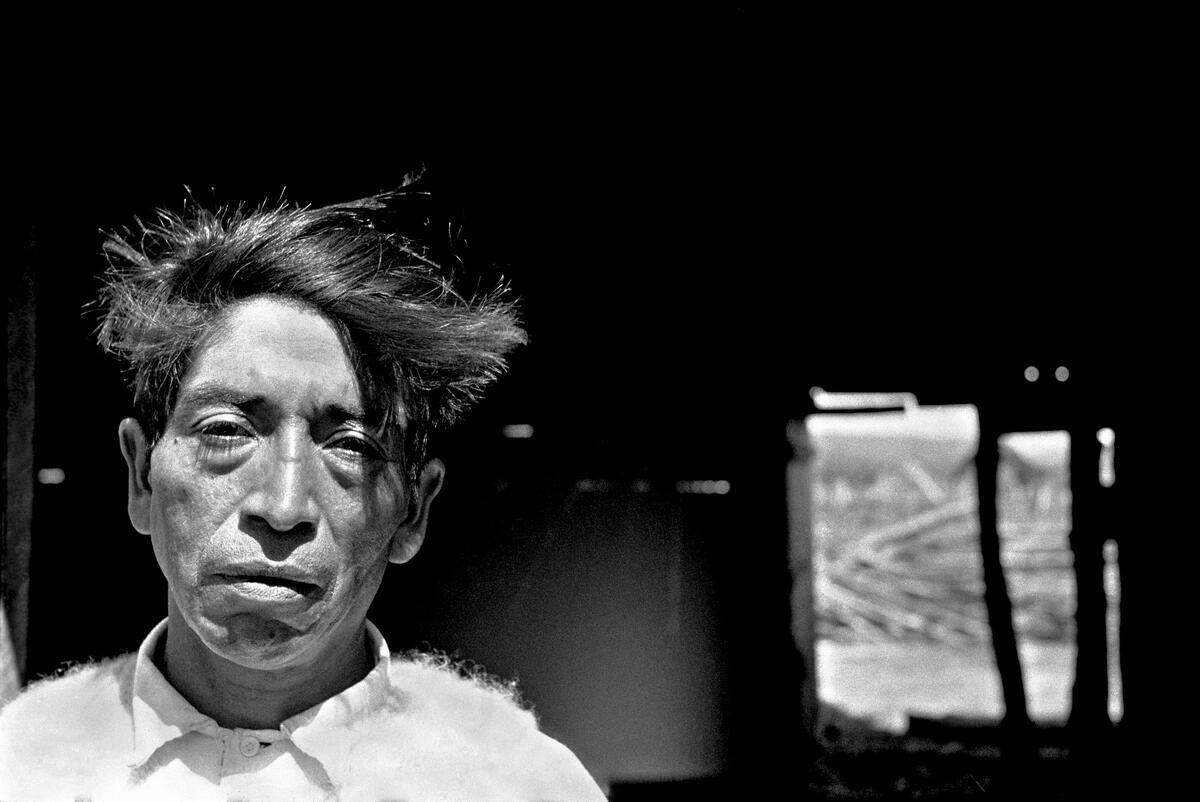
Larrain’s efforts to seize these moments of awakening is reflected in his surprising compositions: his subjects become symbolic, while ordinary settings take on a surreal edge. “A good image is created by a state of grace,” he wrote. “Grace expresses itself when it has been freed from conventions, free like a child in his early discovery of reality. The game is then to organize the rectangle.”
“The terms Sergio Larrain used to describe the ‘state of grace’ necessary for ‘receiving’ a good image are mystical, as if the images were already present in the cosmos and the photographer acted as a medium,” comments Sire.
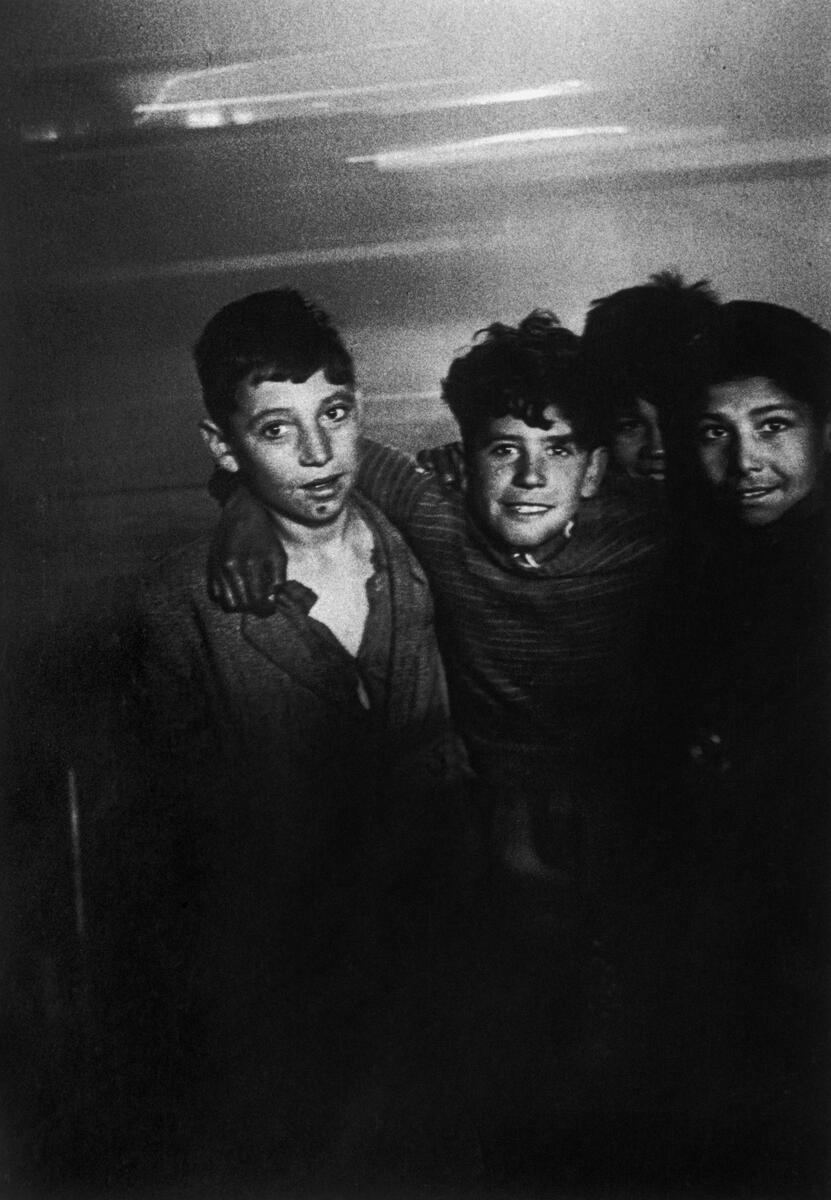
“He was at one with stone, just as he was at one with the children of the streets, who meandered like angels appearing out of nowhere. His magnetic eye carved out fragments of reality, with no fear of what was outside the frame, of the time to come, of bold diagonals, of direct sunlight or of darkness. Neither are his pictures closed: the figures often move out of the frame, as elusive and resistant to confinement as their author,” she adds.
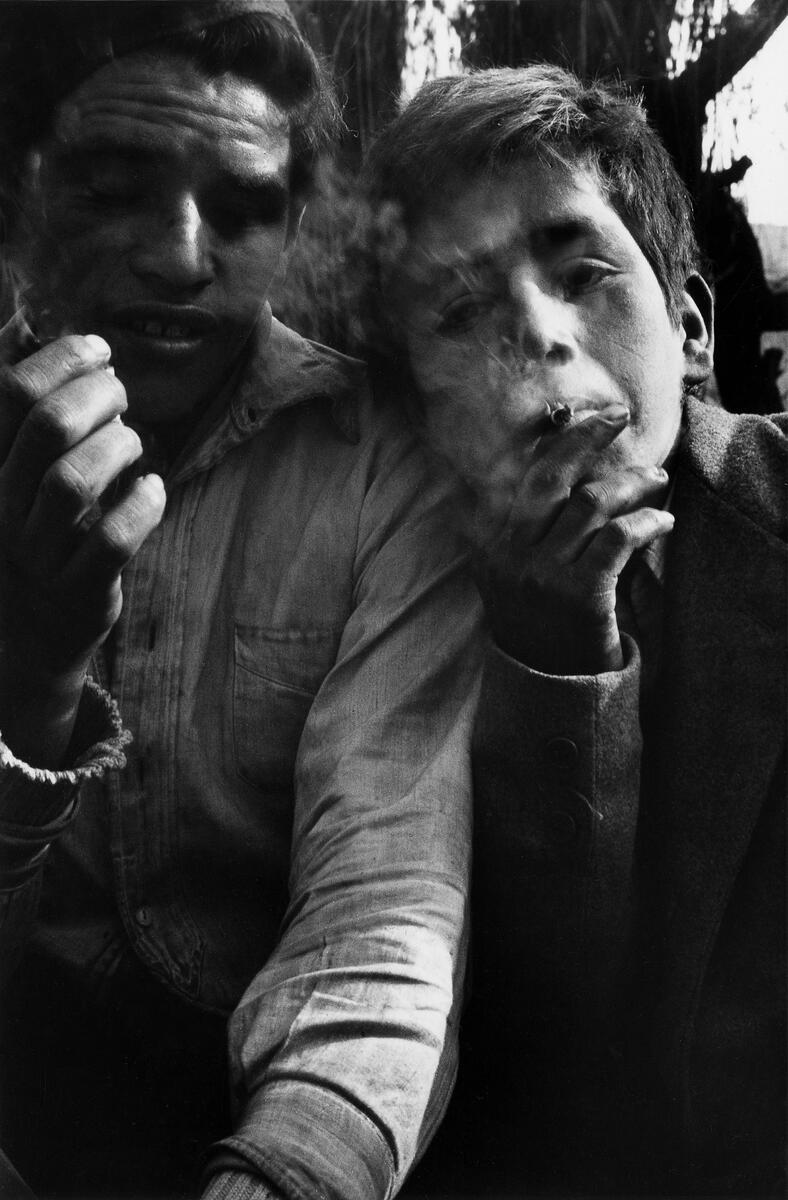
"I can only materialize that world of phantoms when I see something that resonates with me."
- Sergio Larrain
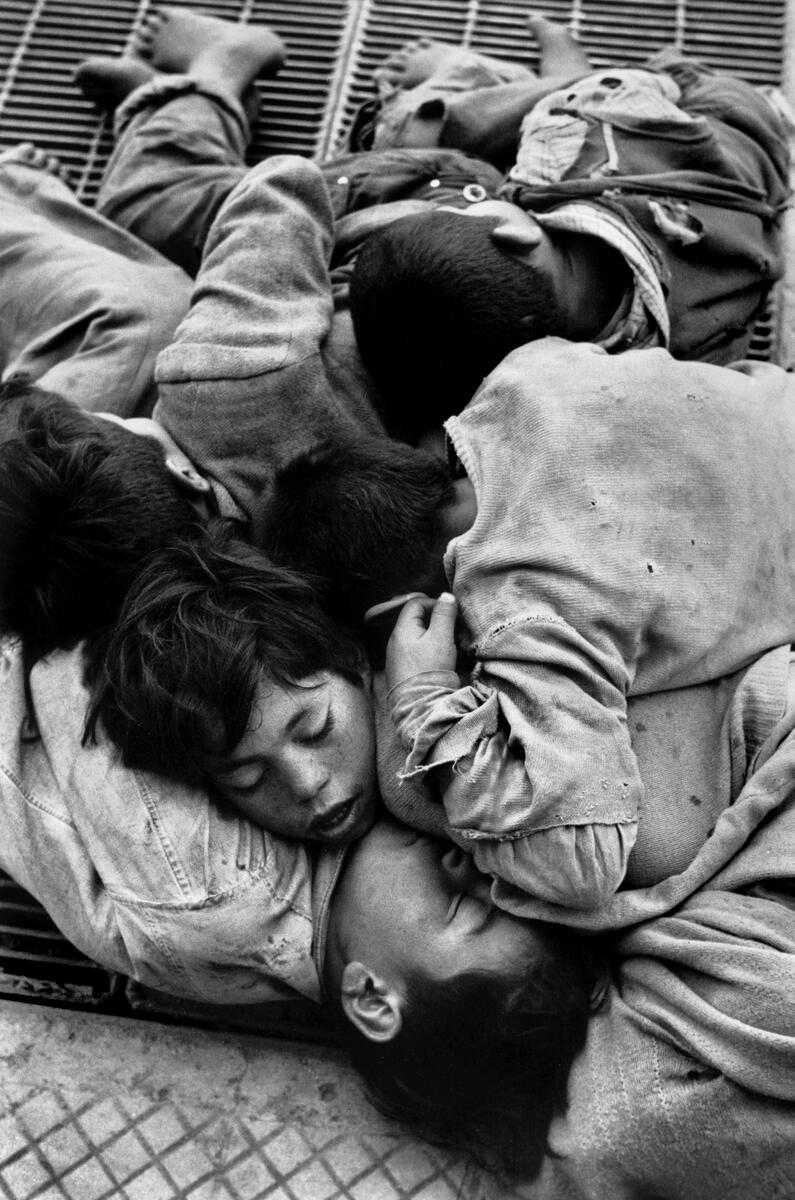
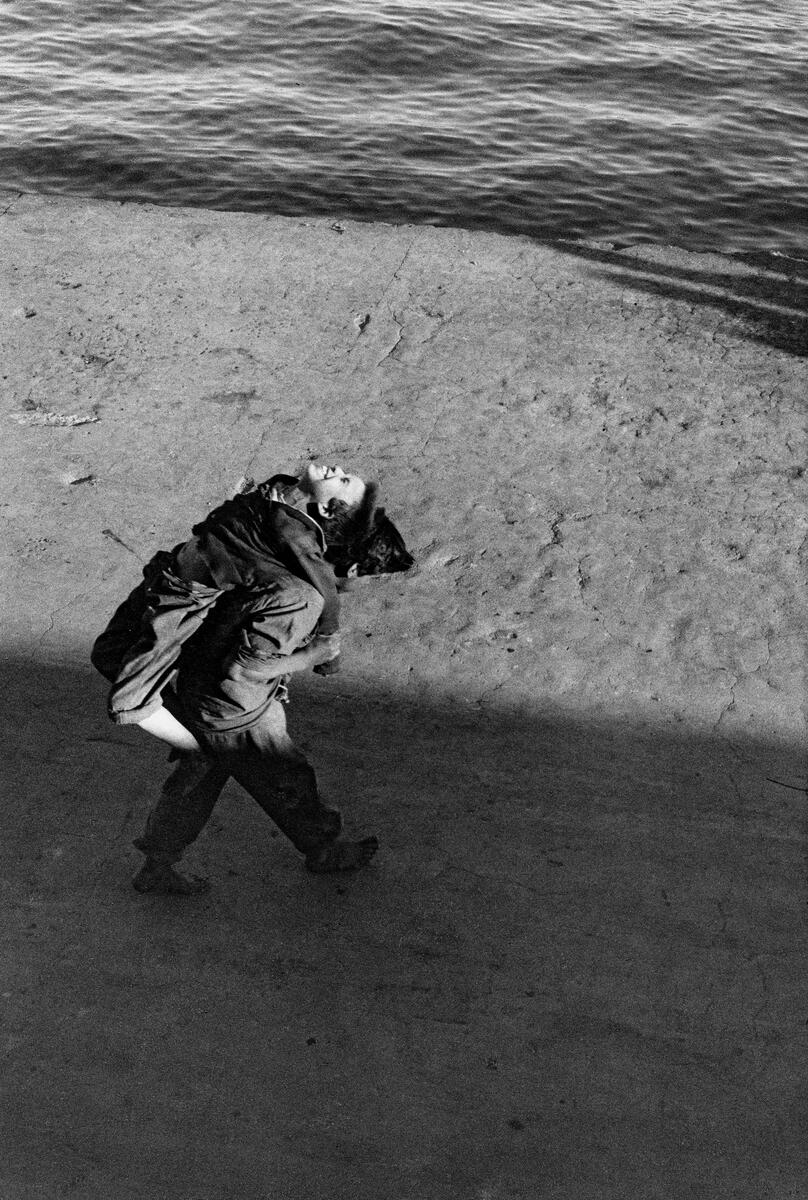
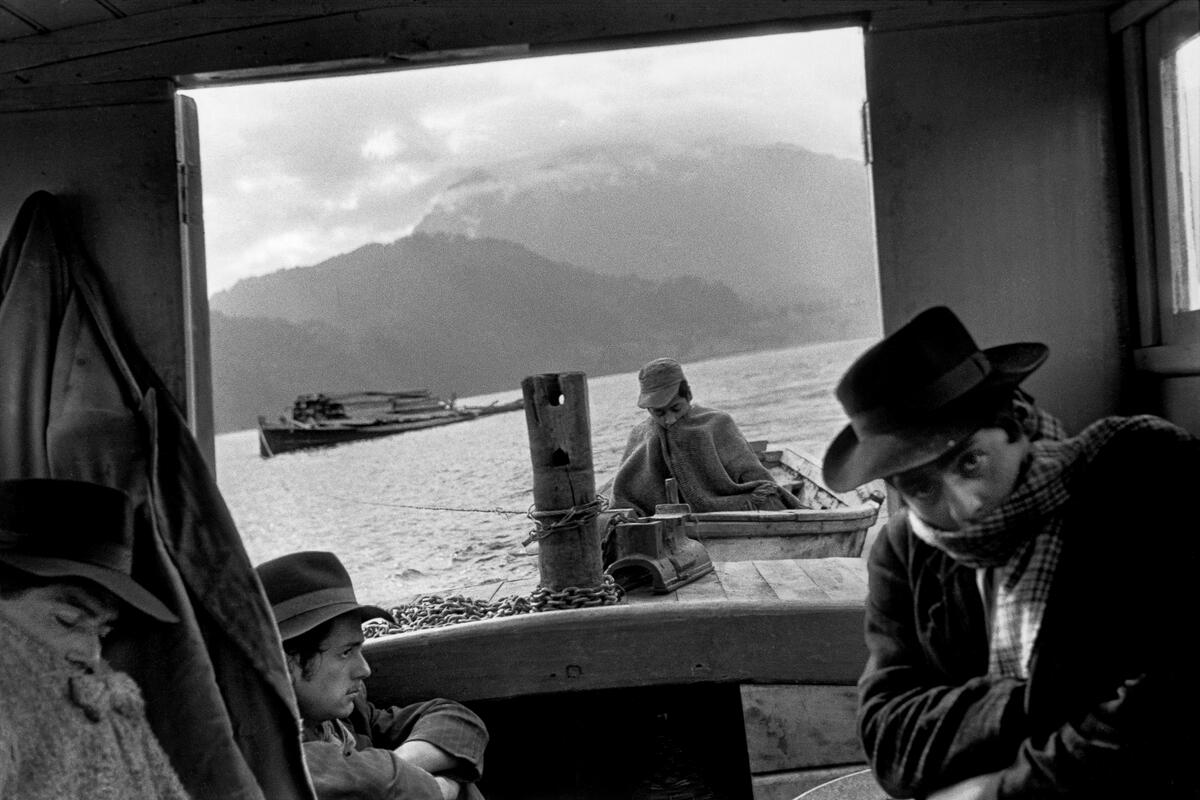
Larrain’s series Los Abandonados — his first substantial body of work — follows neglected children in Santiago who begged in parks, slept on the streets and under bridges, and formed their own social codes. Sadly, older men would exploit them, leading them to a life of crime. “On the whole the street is fun for them, and they prefer that to the safety of state institutions,” wrote Larrain. Similarly, his documentation of Chiloé Island off the coast of Chile quietly observes villagers with an attentive humanity, capturing their hardship as well as their liveliness and buoyancy.
“When I turn my gaze outward, camera in hand, I am actually looking inward for pictures; I can only materialize that world of phantoms when I see something that resonates with me,” he wrote.
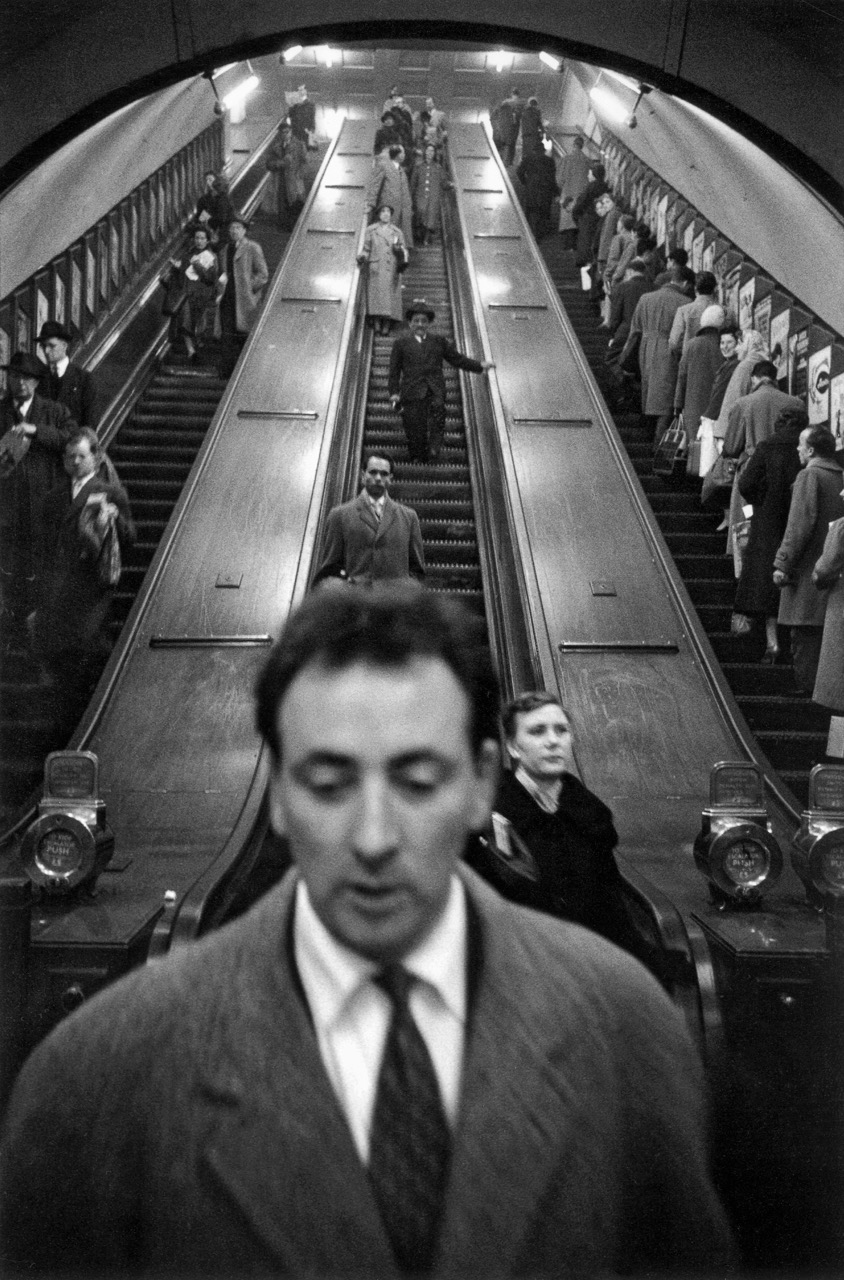
His trip to London in 1958, facilitated by a grant from the British Council, was followed by his time spent in Paris, where he joined Magnum Photos as a full member in 1961. This period shows his interest in fragmented silhouettes in immense, urban expanses. Each is an elegy to the intensity of unpredictable moments, a vignette into an otherwise invisible emotional reality. “For me,” said Sire, “he is interested in what you don’t see.”
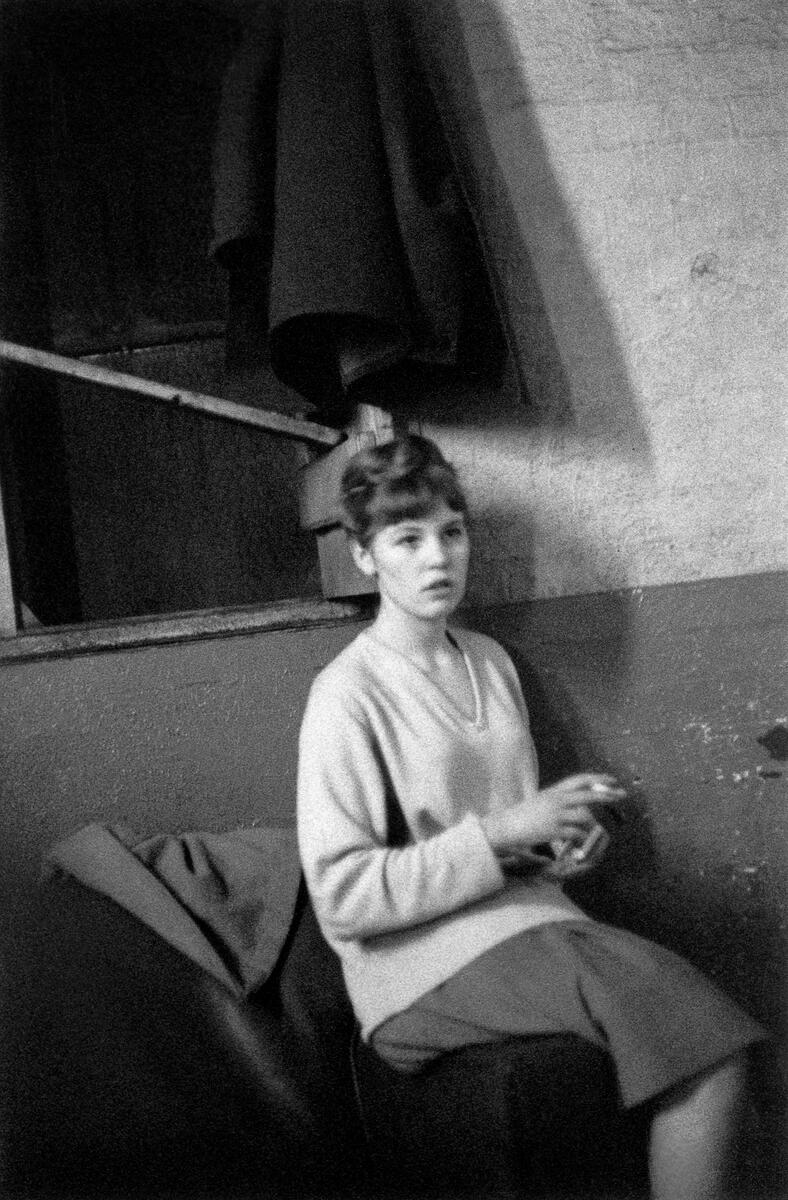
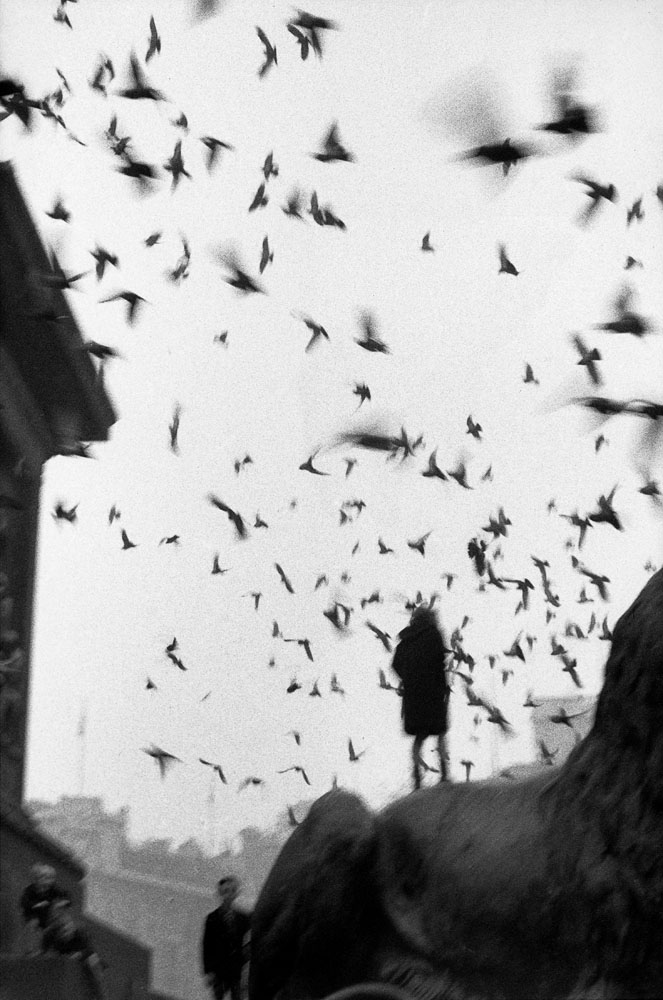
As press demands multiplied, Larrain’s doubts sank in. “I think that the pressure from the journalism world — to be ready to jump on any subject — is destroying my love and concentration for the work,” he wrote to Henri Cartier-Bresson in 1965.
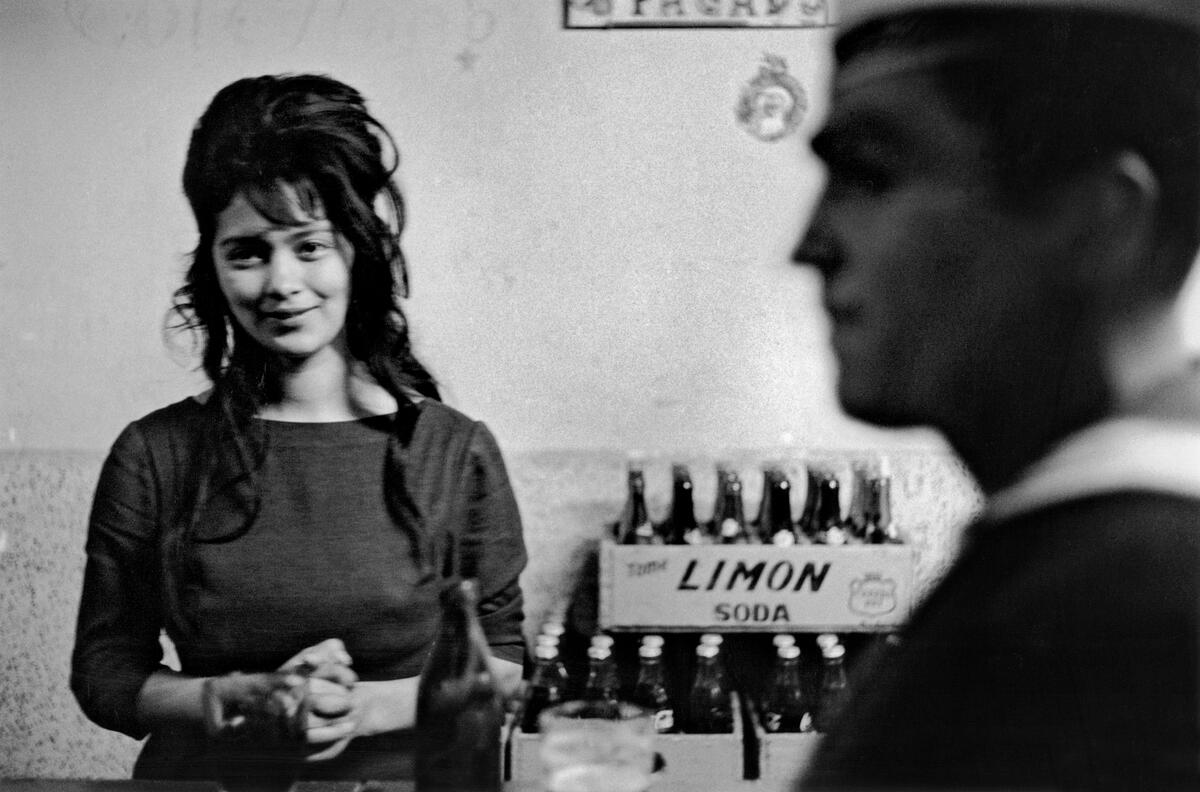
He soon returned to Chile, where he photographed the villagers of Valparaíso, a city which he began documenting in the 1950s. Some of these images were published and accompanied by a text by Chilean poet Pablo Neruda, whose house he also photographed. Here, juxtaposed couples and angular shadows hold a subtle discord between interior and exterior relationships. By distilling a tense dynamic between people and their surroundings, he heightens the subjects’ anonymity, something he himself sought out.
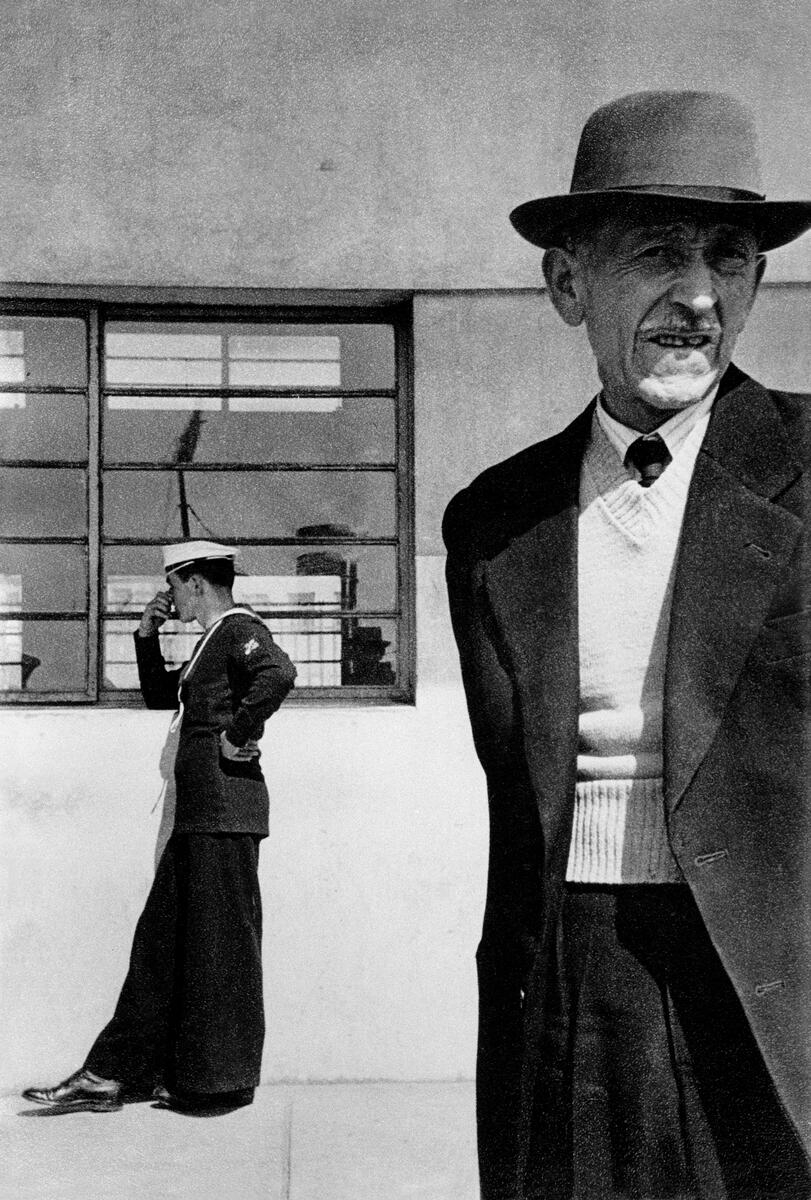
"The perfect photograph is a kind of miracle that appears in a blaze of light — subject, shapes and perfect mood; you press the button almost by chance and the miracle happens."
- Sergio Larrain
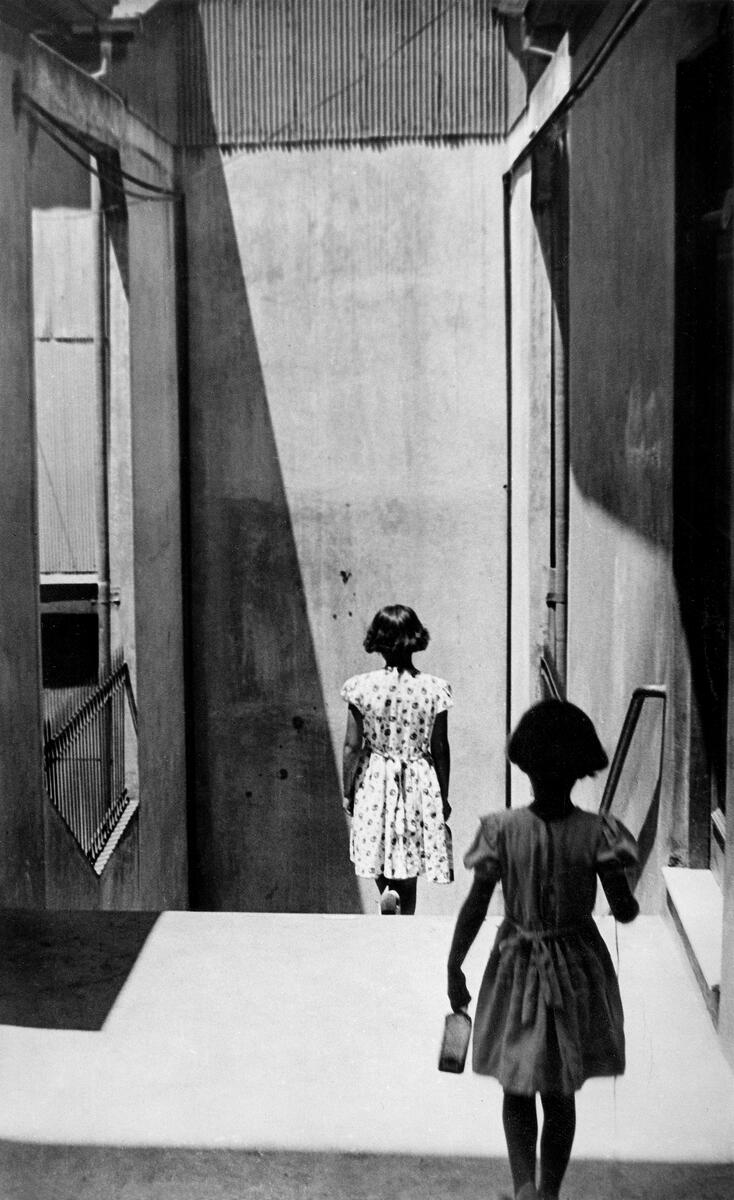
Writing about his relationship to photography, Larrain wrote: “I want the photographs I make to be an immediate experience and not one that is chewed over. I understood that photography, like every other form of artistic expression, is something that you have to seek deep inside yourself. The perfect photograph is a kind of miracle that appears in a blaze of light — subject, shapes and perfect mood; you press the button almost by chance and the miracle happens.”
Sire, reflecting on Larrain’s life and work, writes, “After a winding road and difficult ruptures, with fame just within reach, Larrain put down roots in a hospitable land to transmit what he had learned, to write, and to raise awareness about humanity’s destruction of the planet. May the creations of that serene vagabond generate in others the awareness he so desired to impart.”
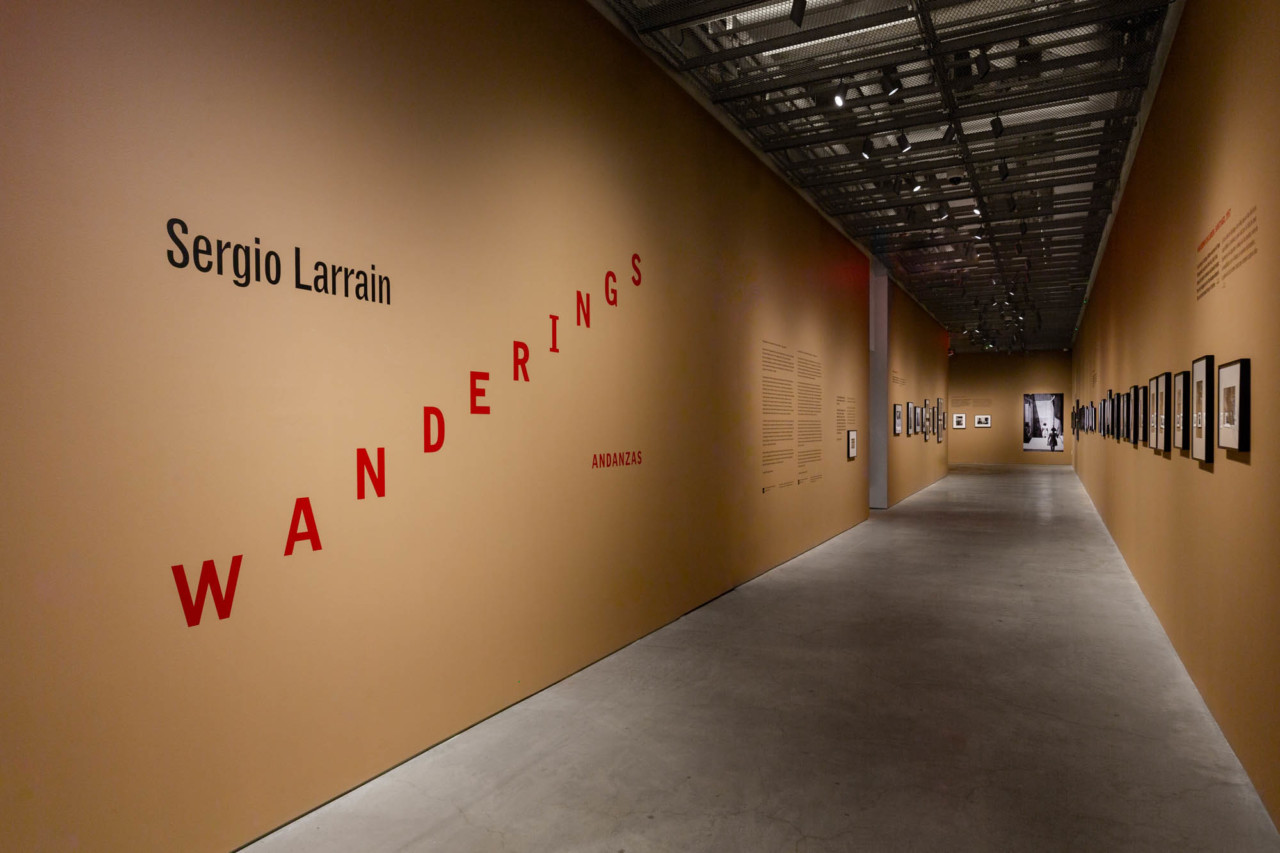
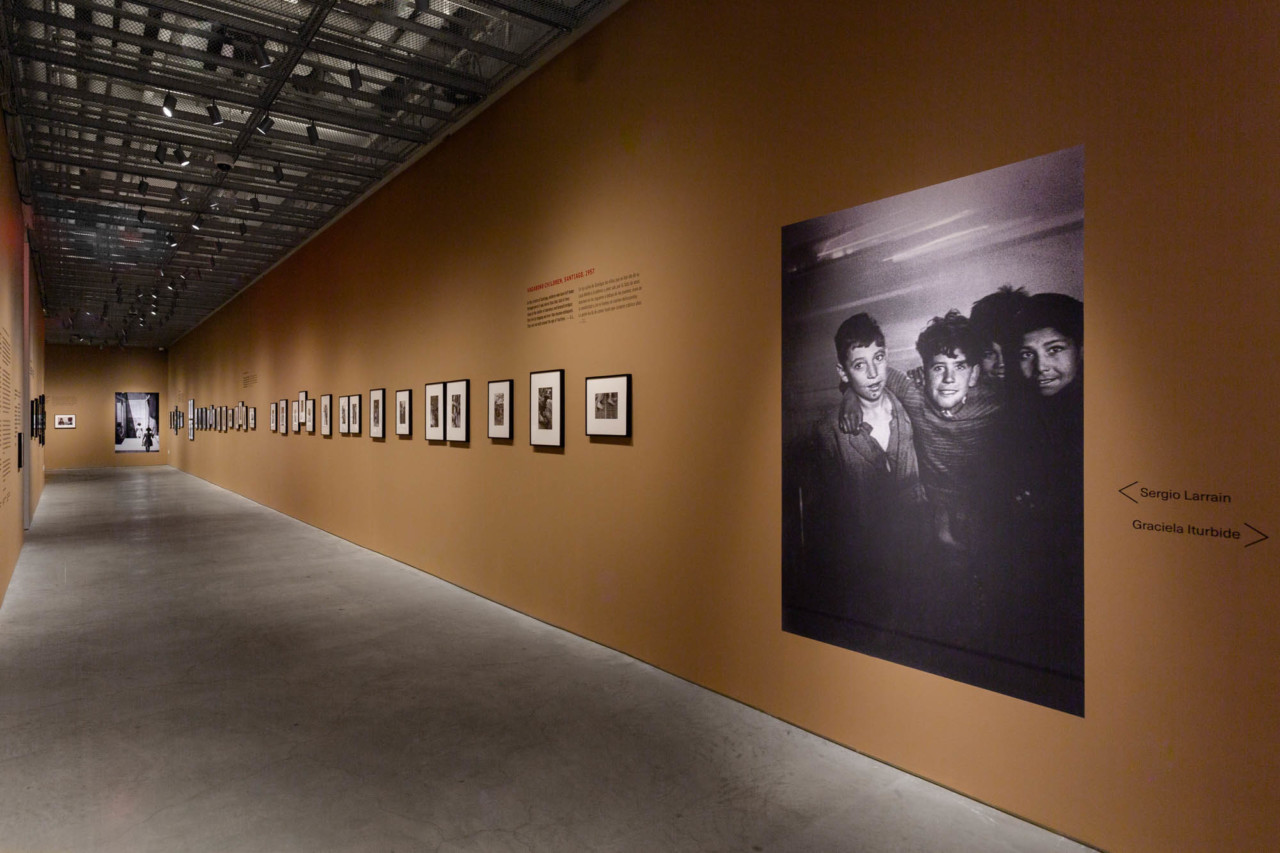
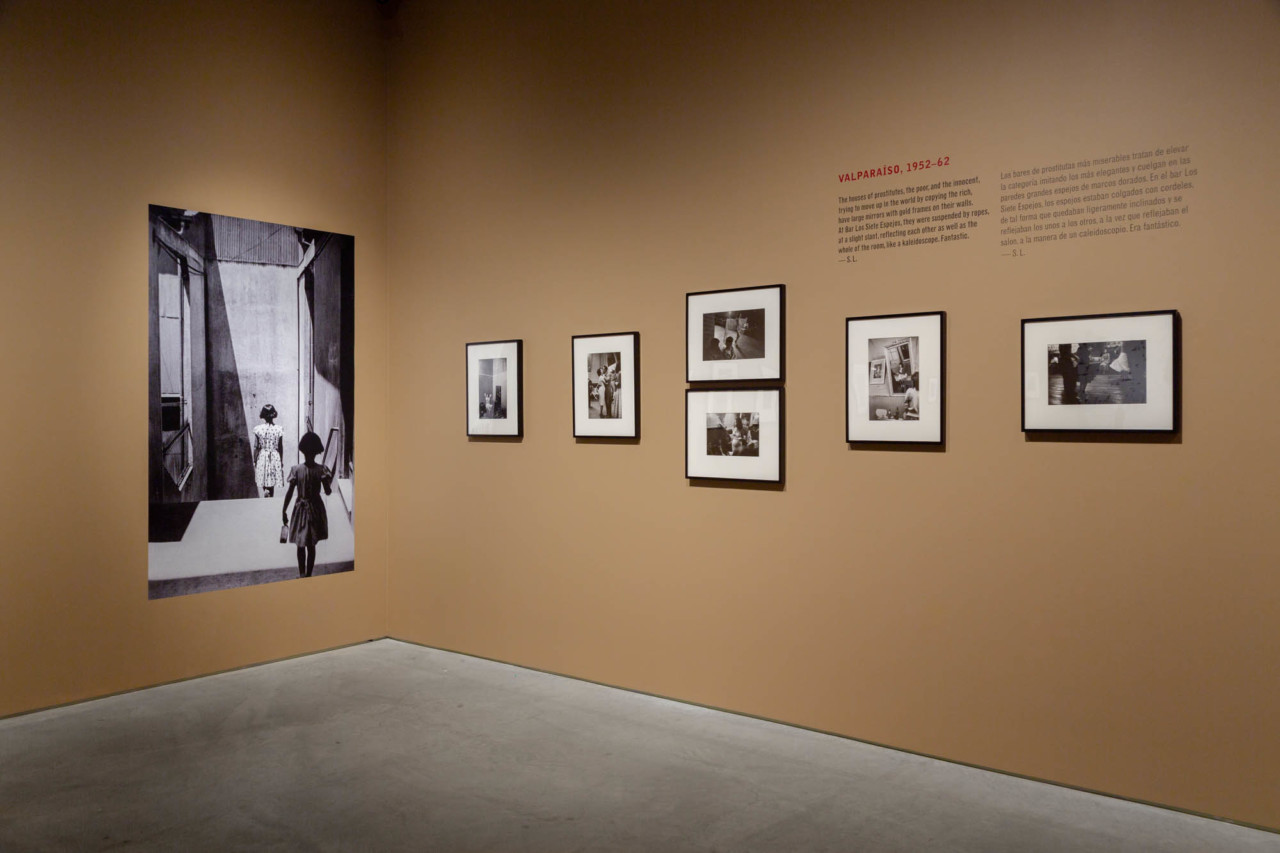
Sergio Larrain: Wanderings is on view at the ICP until January 12, 2026. Plan your visit here.