Behind the Image: Muhammad Ali in Chicago
In a series exploring the stories behind Magnum Editions prints, the late Thomas Hoepker reveals how he photographed the boxing champion at the height of his fame
In the summer of 1966, America’s most dynamic, provocative boxing star and World Heavyweight Champion, Muhammad Ali, was preparing to fight Brian London in England. “Go to London and photograph this interesting figure,” Stern magazine told Thomas Hoepker. The photographer had already captured Ali receiving the light-heavyweight gold medal at the 1960 Summer Olympics in Rome when the boxer was only 18. Yet after their encounter in London, Hoepker knew there was a bigger story to tell.
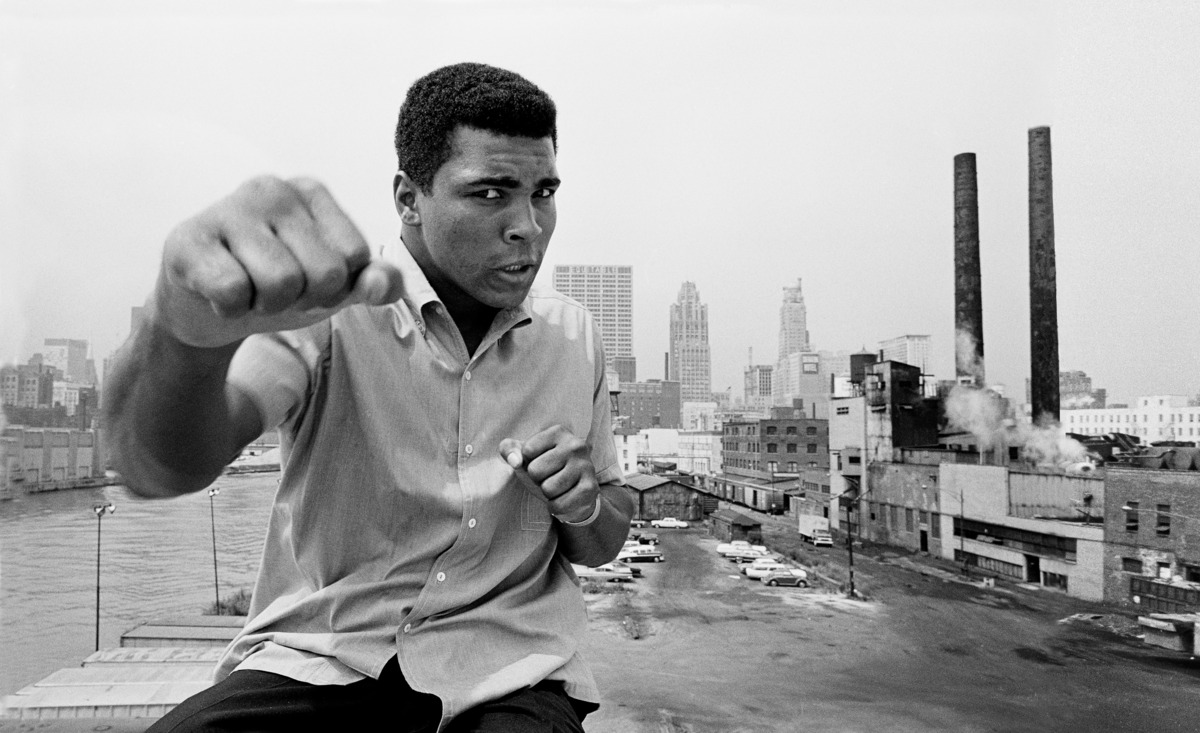
The featured image above by Hoepker is now available as part of the Magnum Editions collection, a series of 8×10″ archival pigment prints in limited editions of 100 each. Shop this limited-edition print and explore more Magnum Editions prints here.
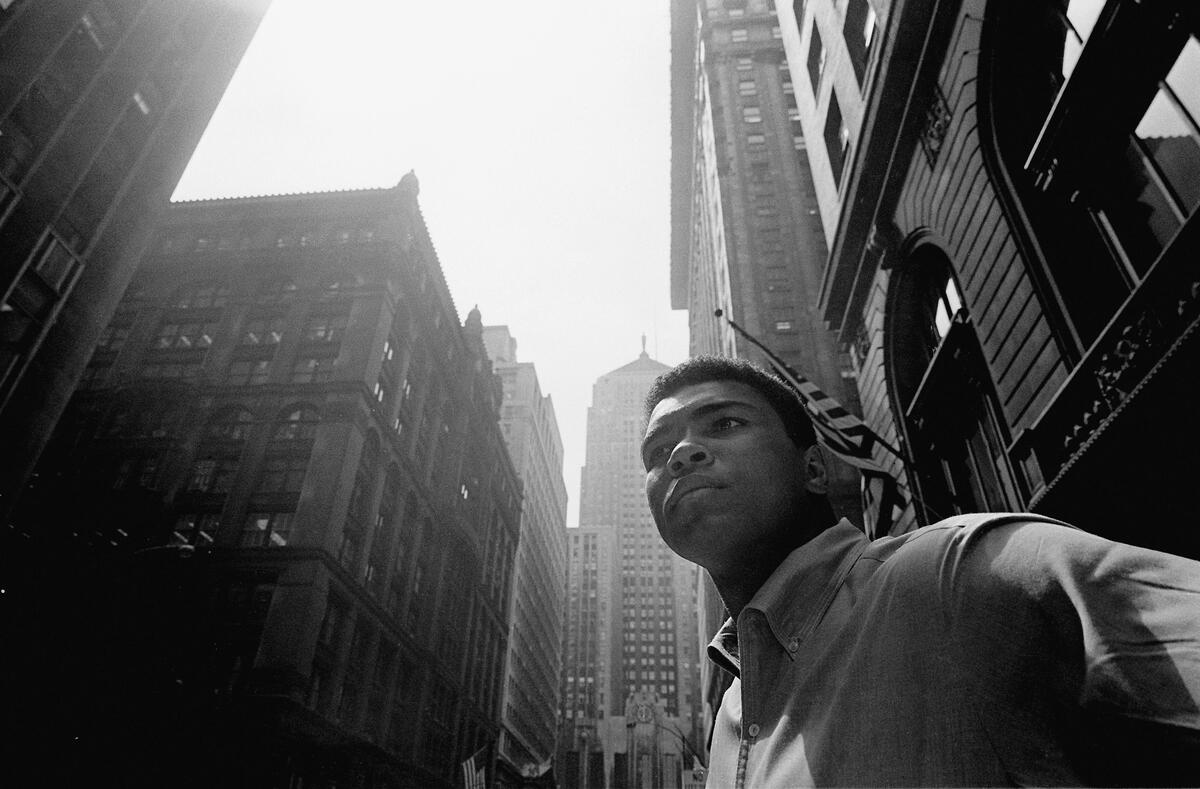
“My wife [journalist Eva Windmöller] and I went to Chicago to meet the Champ. I had no idea about boxing, I had never photographed a boxing match […]. But we were both fascinated by this personality,” Hoepker said in “Thomas Hoepker, Muhammad Ali” as part of the film Contact, a First Hand Films production in association with the agency. In Chicago, Hoepker got closer to Ali than any other photographer had as the boxer rose to international fame.
“We just followed him — when he went to the gym in the morning, or when he met friends, when he went to a deli for lunch,” said Hoepker. “After a while we became part of the furniture, and he didn’t notice us anymore. We were simply there. Impossible today.” Collected in his photobook Big Champ, Hoepker’s rare, intimate access to the boxer — which continued until 1997 — captured the sportsman’s life outside of the ring.
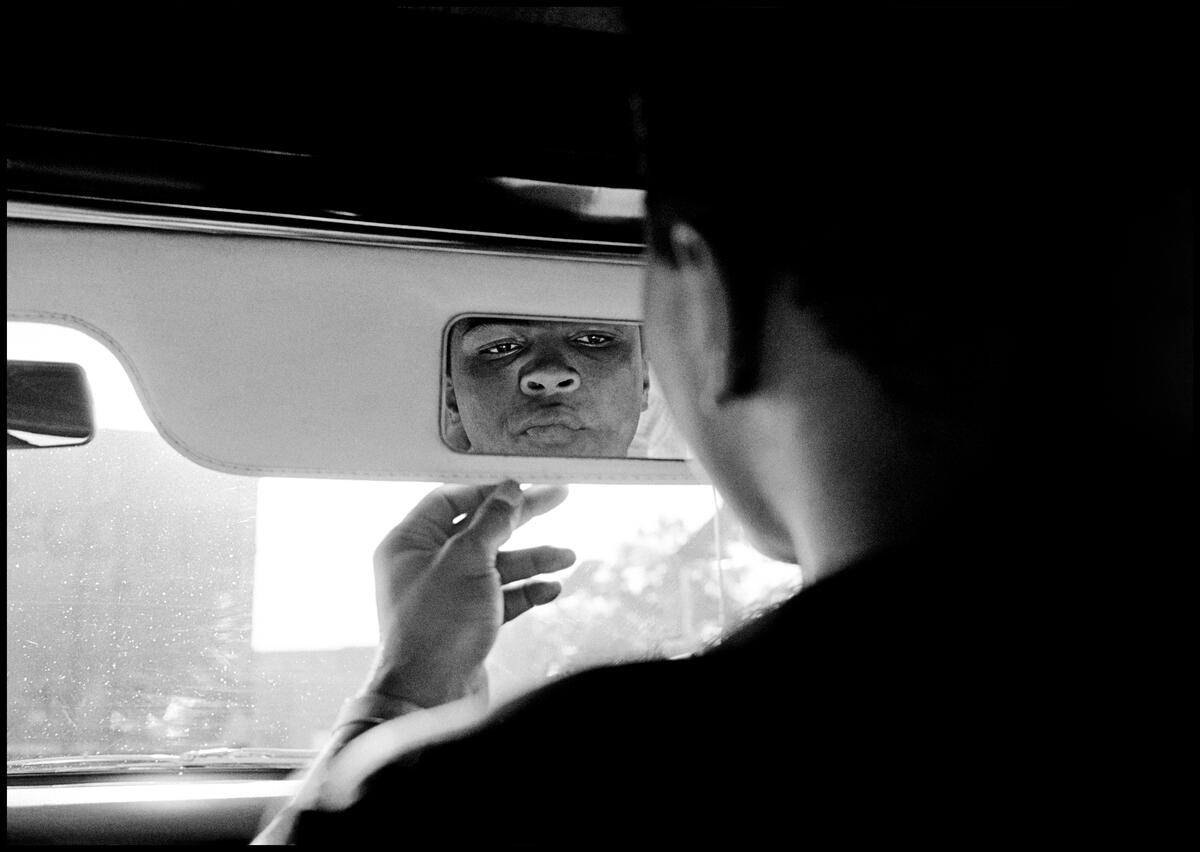
“He had mood swings, you know, he could come one morning and he was in a bad mood and didn’t want to talk, so we just stayed behind and we didn’t bother him. On other days, he was in a good mood and said, ‘Come along with me and I’ll show you Chicago.’”
One day, an impromptu ride with Ali produced one of the most recognizable images of Hoepker’s Chicago portraits. “We drove in his very nice limousine across the bridge over the Chicago River. And I said ‘Oh that’s a nice view, can we get out?’ There was a railing on the bridge, and I said, ‘could you get up on that railing so I can photograph you in front of the skyline?’” Hoepker photographed Ali in a fighting pose with clenched teeth, seizing a burst of charisma and confidence that would come to characterize the three-time heavyweight champion.
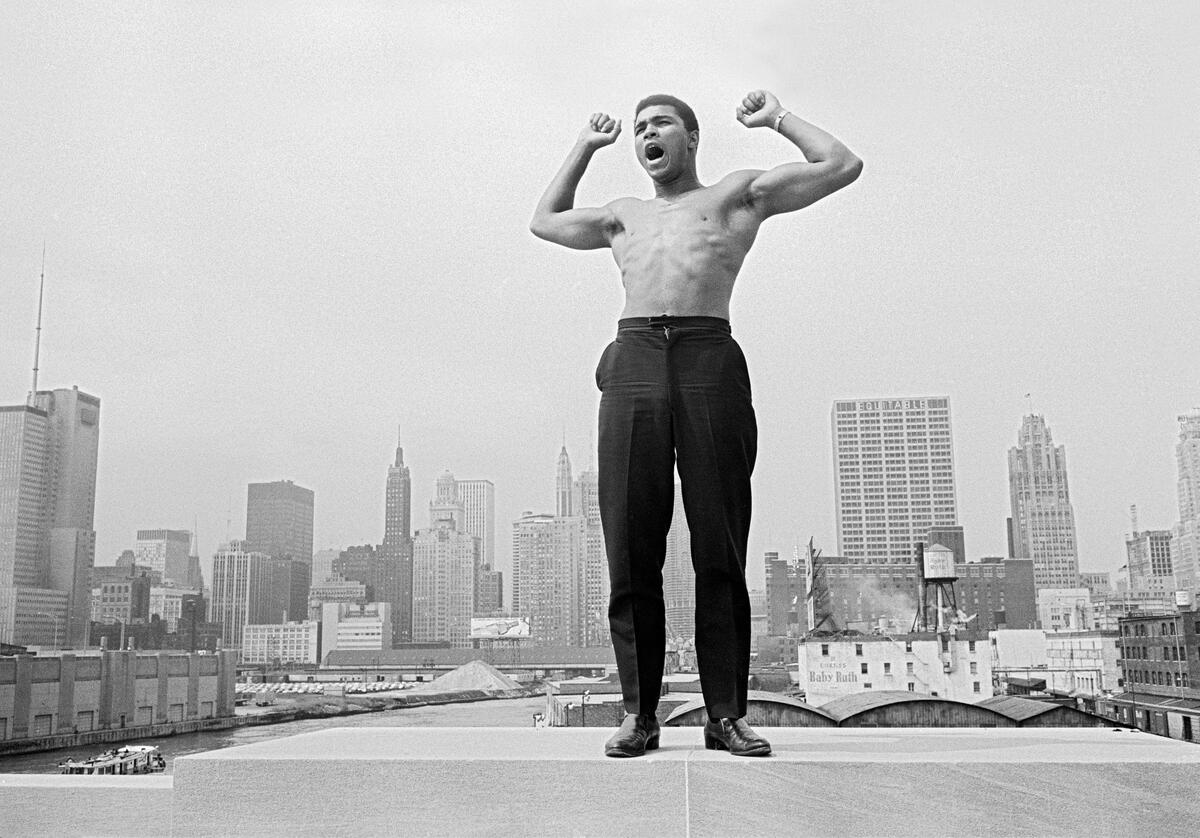
“He was a great manifestation of himself,” Hoepker said. “He made himself into somebody who wasn’t just an athlete, a boxer, but a political figure. That became a very important aspect of his career,” Hoepker noted.
Earlier that year, due to his adherence to the Nation of Islam, Ali famously refused to be drafted into the U.S. Army during the Vietnam War, costing him his boxing license for three years. His staunch decision, which went hand-in-hand with his outspoken advocacy of the Civil Rights movement, made him both a polarizing figure and a symbol of resistance and Black pride in America.
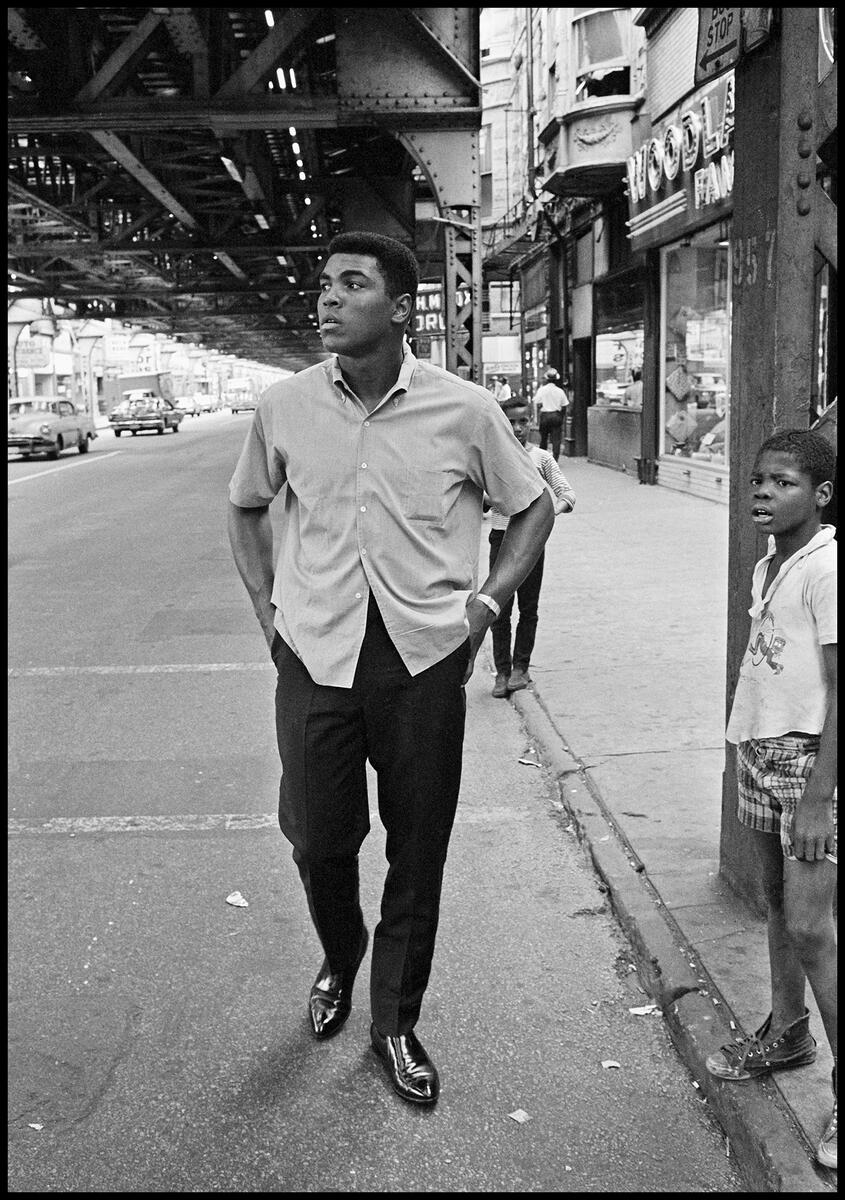
“I am America. I am the part you won’t recognize, but get used to me. Black, confident, cocky. My name, not yours. My religion, not yours. My goals, my own. Get used to me,” Ali once proclaimed.
Hoepker’s interpretation of the boxer resonates in this featured image, as the high-rises and smokestacks of Chicago mirror the magnitude of his persona and influence.
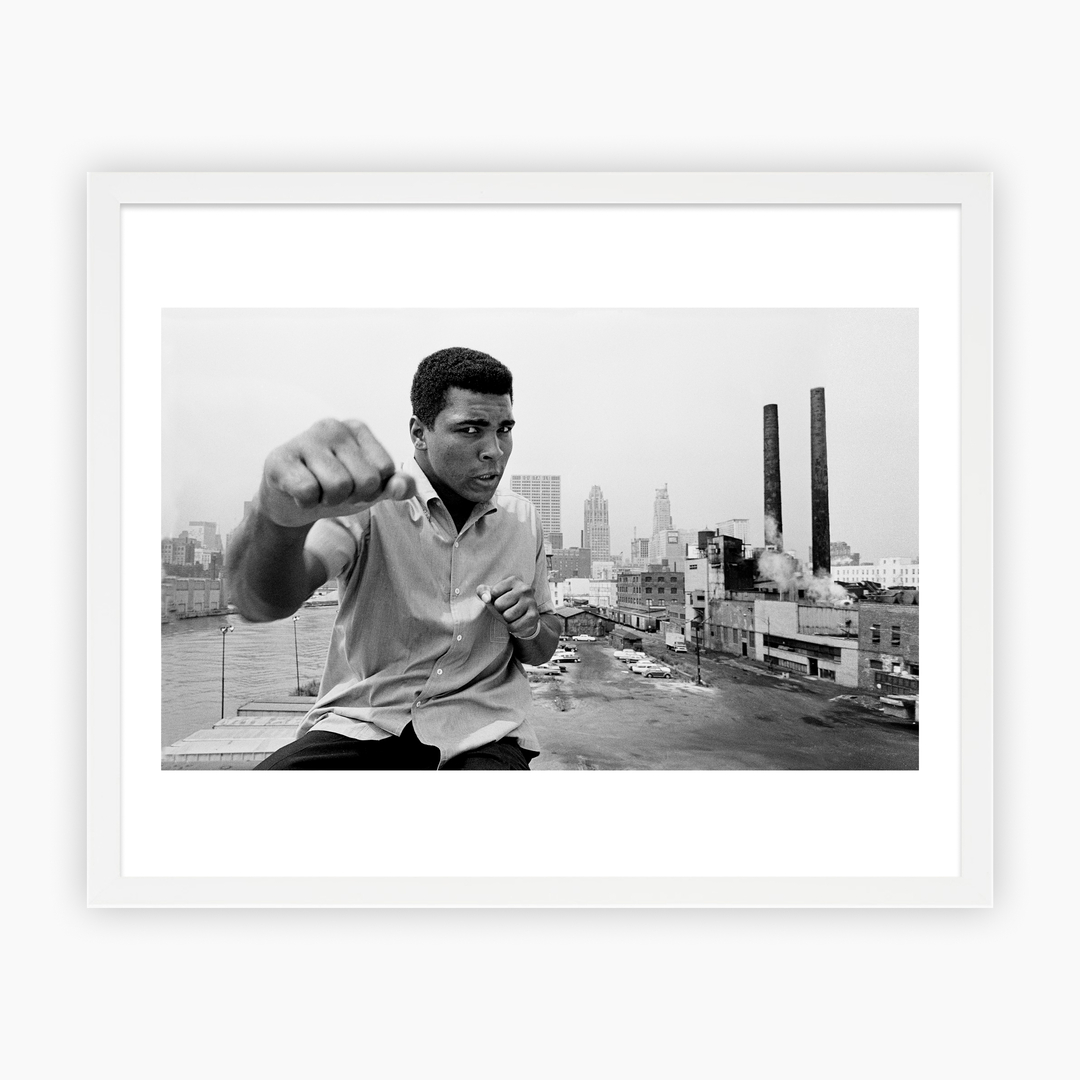
Shop this limited-edition 8×10 print at the Magnum Store.
Explore the Muhummad Ali collection here and Thomas Hoepker’s collection here.