
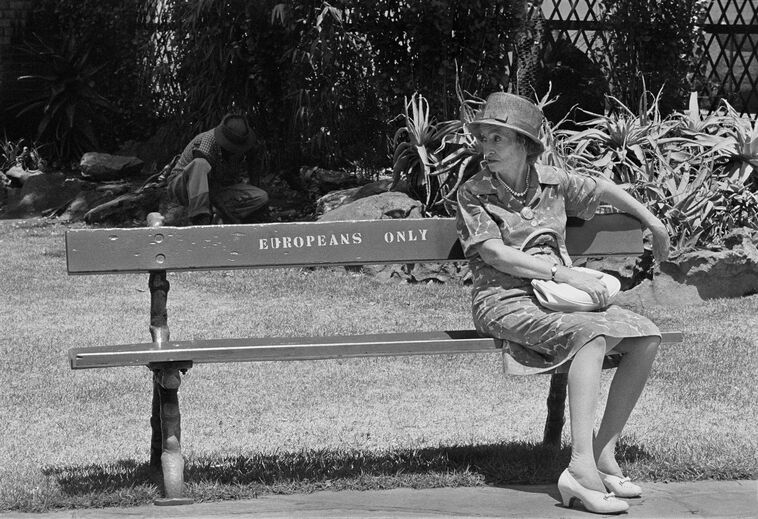
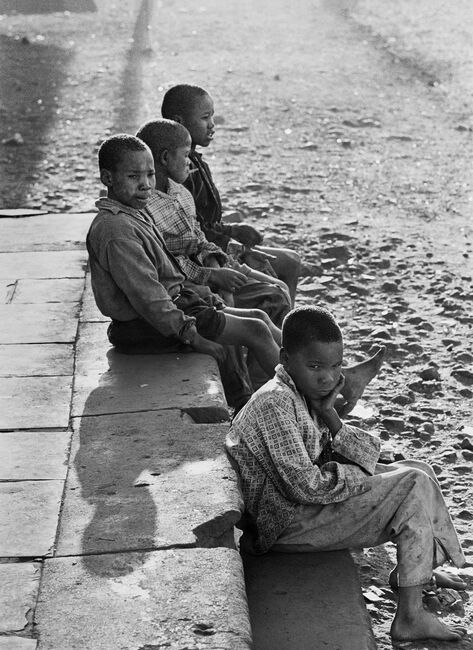
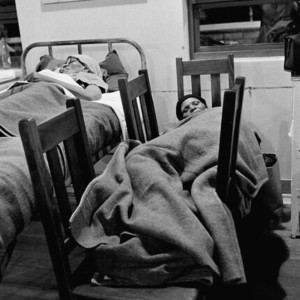
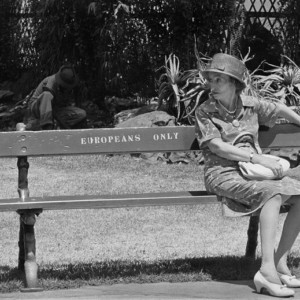
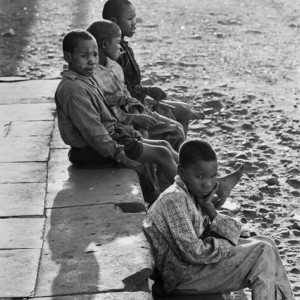
Ernest Cole is a paradoxical figure – smothered in mythology and submerged in meaning often imposed on him by others. Where the African subjects of apartheid were routinely forced by regulation and circumstance into either simplistic passivity or furious agency, Cole was a fluid, mercurial figure able to seemingly navigate and transcend the petty restrictions of apartheid bureaucracy. The surviving evidence of Cole’s life is profoundly contradictory.
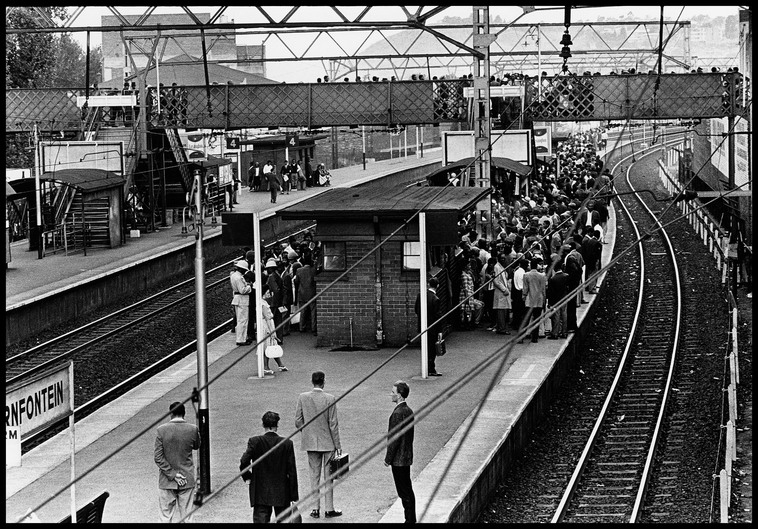
The narrative of Ernest Cole’s rise and fall is often described as tragedy – how racism in South Africa and the United States destroyed a great talent – he abandoned photography, experienced homelessness and died of cancer in 1990, in New York, just before his fiftieth birthday, having lost control of his photographic archive. But there was nothing tragic in Cole’s meteoric rise: by eighteen, employed by Drum; by twenty-one, one of South Africa’s first black freelance photographers; by twenty-seven, the author of the first internationally published anti-apartheid photography book.
Ernest Cole arrived in New York in September 1966 and quickly utilised the support of Magnum’s New York office. Bureau chief Lee Jones appears to have played a crucial role in assisting Cole to find a sympathetic publisher, Ridge Press, and guiding him towards the Ford Foundation who would provide the substantial funds for his on-going work.
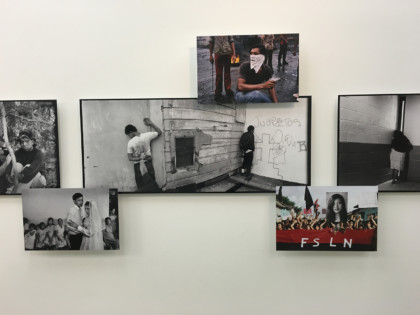
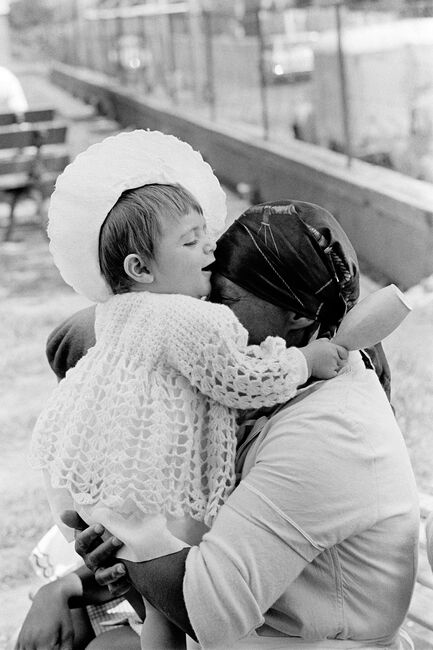
“House of Bondage” was published in the fall of 1967, and in 1968 Ernest Cole was banned in perpetuity by the South African state. He was now, like Nat Nakasa, a “native of nowhere.” Between 1968 and 1971, Ernest Cole divided his time between New York – where he worked on a project to investigate “the Negro Family in the Rural South” and “Negro life in the city” – and Sweden – where he collaborated with Rune Hassner and the Tiofoto collective of photographers. From 1972, Cole appears to have abandoned photography and his life seems to have disintegrated relatively swiftly. There is no simple explanation for Cole’s decline but within a few years he appears to have lost control of his archive – prints and negatives – and eventually didn’t even possess a camera.
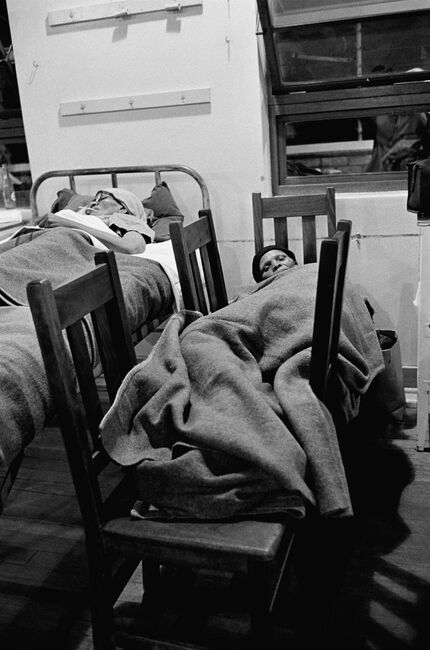
Despite Cole’s death more than thirty years ago, “House of Bondage” continues to exert an influence all over the world. The reasons go beyond the immediately political. In Cole’s focus on youth and education he presciently foreshadowed the significance of the children of Soweto in 1976, in his work on the mines he instinctively understood the role that the miners – in particular the unions – would play in the 1970s and ‘80s. And in his belief that the cultural battlefield was as significant as the political arena, Cole was leading where the ANC would later follow. Cole was both a hero of the struggle against apartheid and the progenitor of post-apartheid South African photography.