
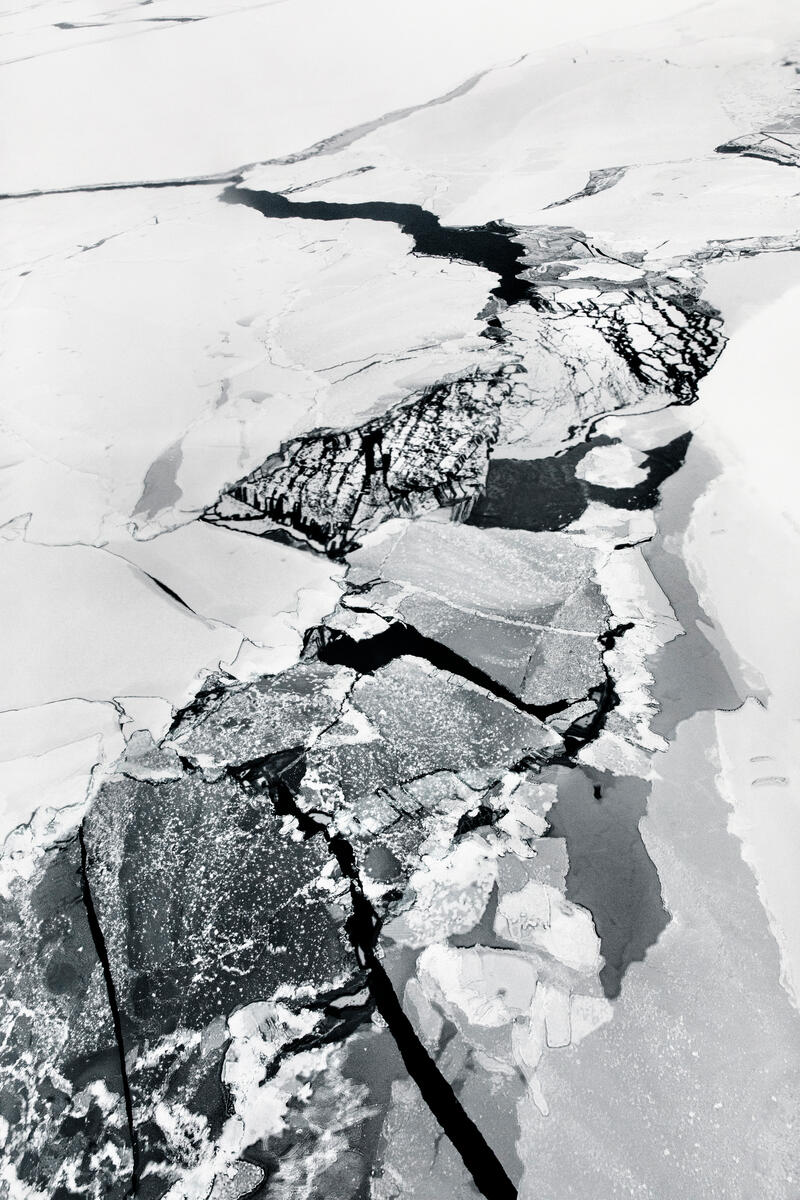
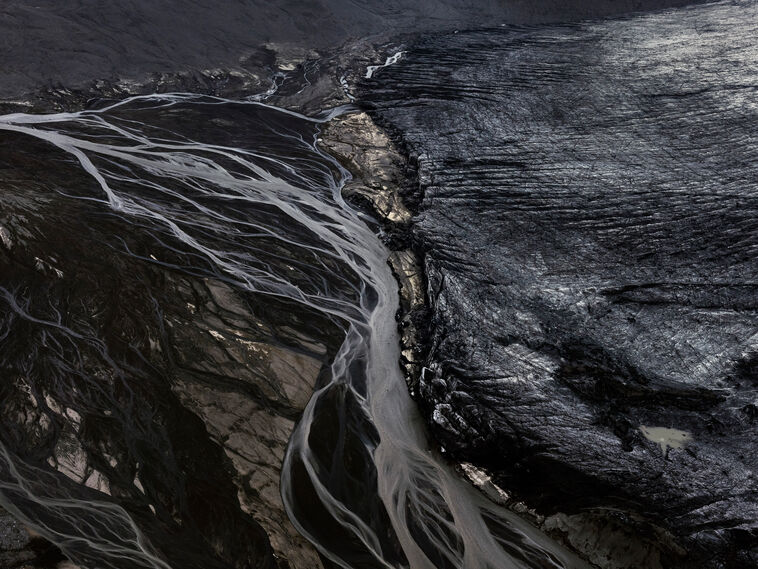
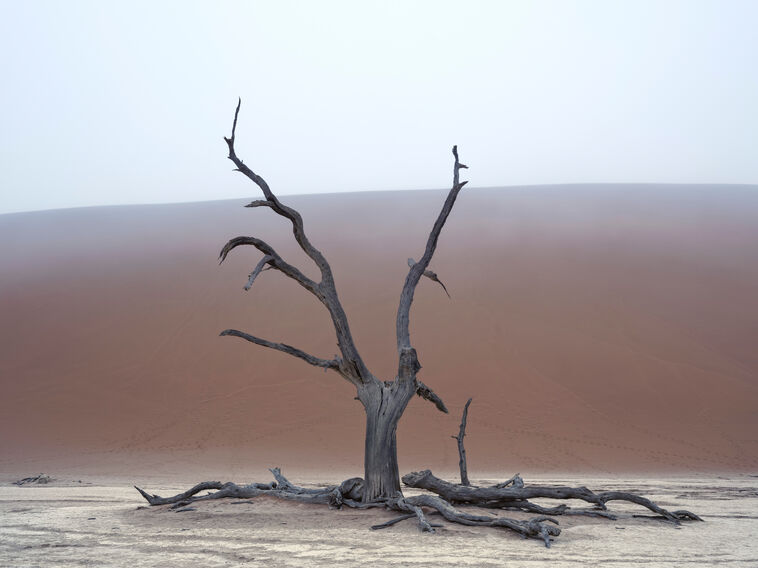
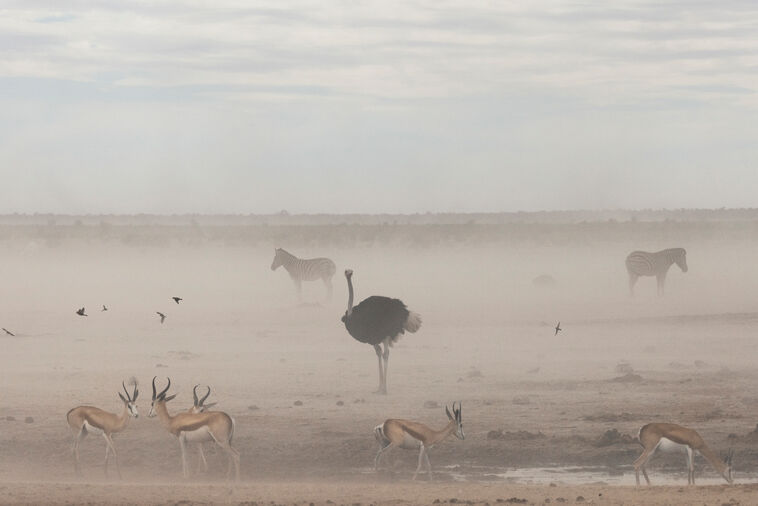
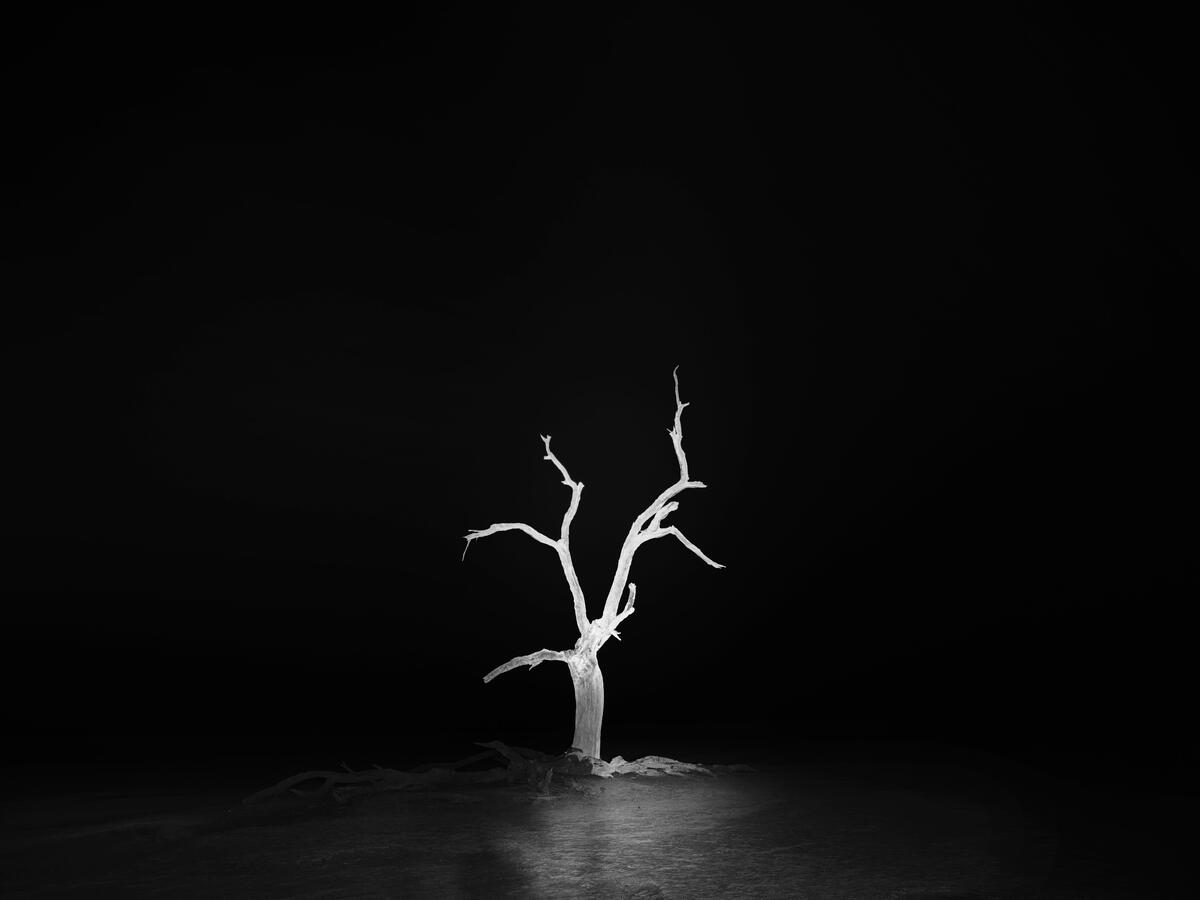
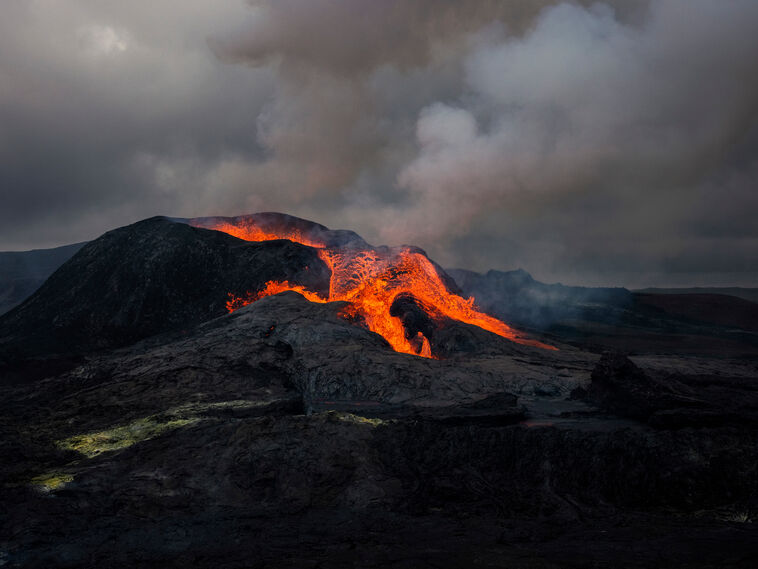
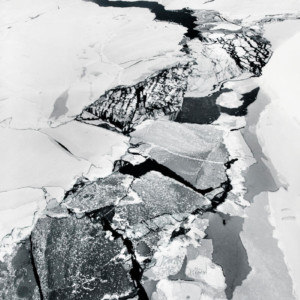
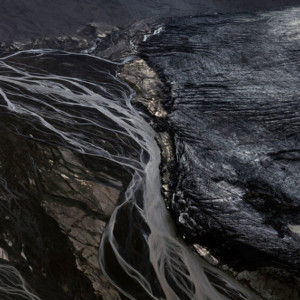
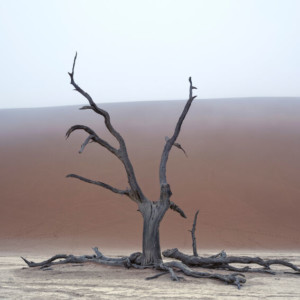
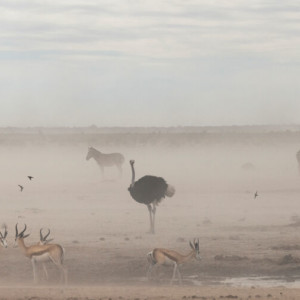
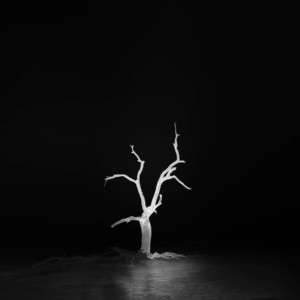
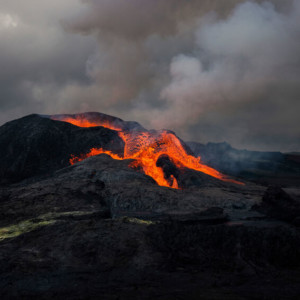
During a multi-year expedition project, Paolo Pellegrin traveled across various countries, capturing the marvelous and fragile spectacle of nature. Between 2011 and 2022, he photographed a tsunami in Japan, the Vaia storm over Mount Etna, the glaciers of Greenland, the fires in Australia, the forests of Costa Rica, the volcanoes of Iceland, the wildlife of Namibia, and the migration of starlings in the skies of Denmark.
His photographs are deeply poetic, and through them, “we feel a sense of beauty, of the sublime, and of sacredness—paired with dismay at the devastating consequences of climate change.” For this project—and for the first time in his long career—Pellegrin removes the human figure entirely. It is a physical absence only; we, the viewers, become silent witnesses to the Earth’s magnificence and, simultaneously, to the irreversible effects of our actions upon it.
The moving beauty of Pellegrin’s images, while stirring deep emotion, also conveys a serious and universal message. They urge us to reconsider the relationship between humans and the environment—and to make choices that leave a less harmful impact on our planet.
Throughout his career, Pellegrin has documented conflicts in Lebanon, Iraq, Palestine, Kosovo, and, more recently, Ukraine. In an interview from the frontlines, he explained the motivation behind his work:
“I no longer ask myself the question: will one more photograph change the world? Maybe it will, maybe it won’t. But the sense of duty that moves me to take that picture stems from another conviction: that we must hand over records and document history.”
Pellegrin’s photographs are both chronicle and testimony, cry and warning. They are not answers to the world’s tragedies, but rather an invitation—an urgent call—for each of us to confront our conscience.