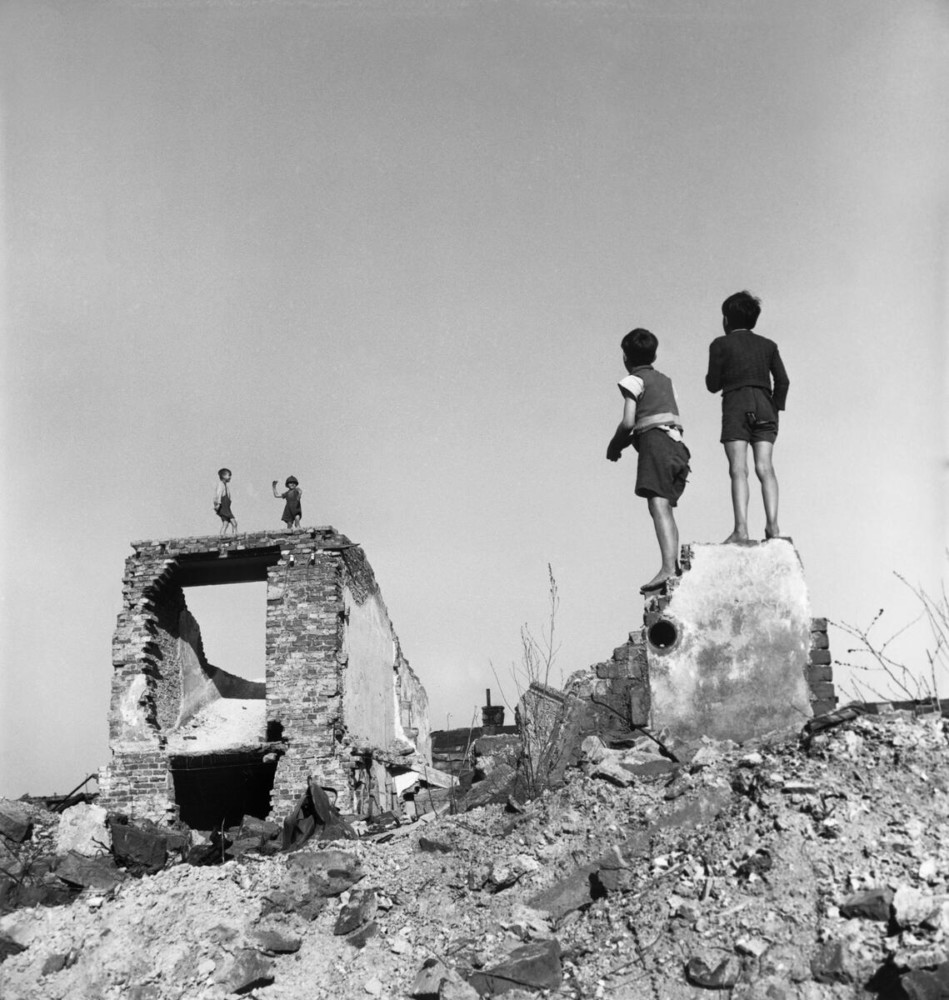
Boys play in bombed-out buildings in the working-class district of Favoriten. Austria. 1948 © David Chim Seymour / Magnum Photos
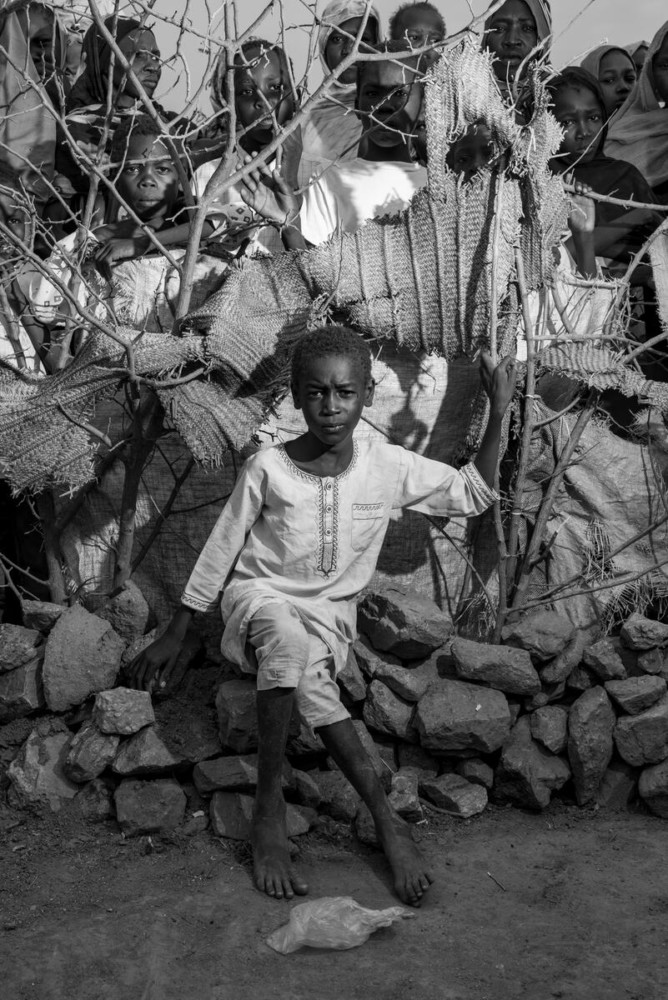
Displaced villagers from the village of Tukma living in the Hajar Jawad IDP camp on the outskirts of the Sudanese government-controlled city of Dilling, in Sudan’s Nuba Mountains.
Sudan’s war has (...)
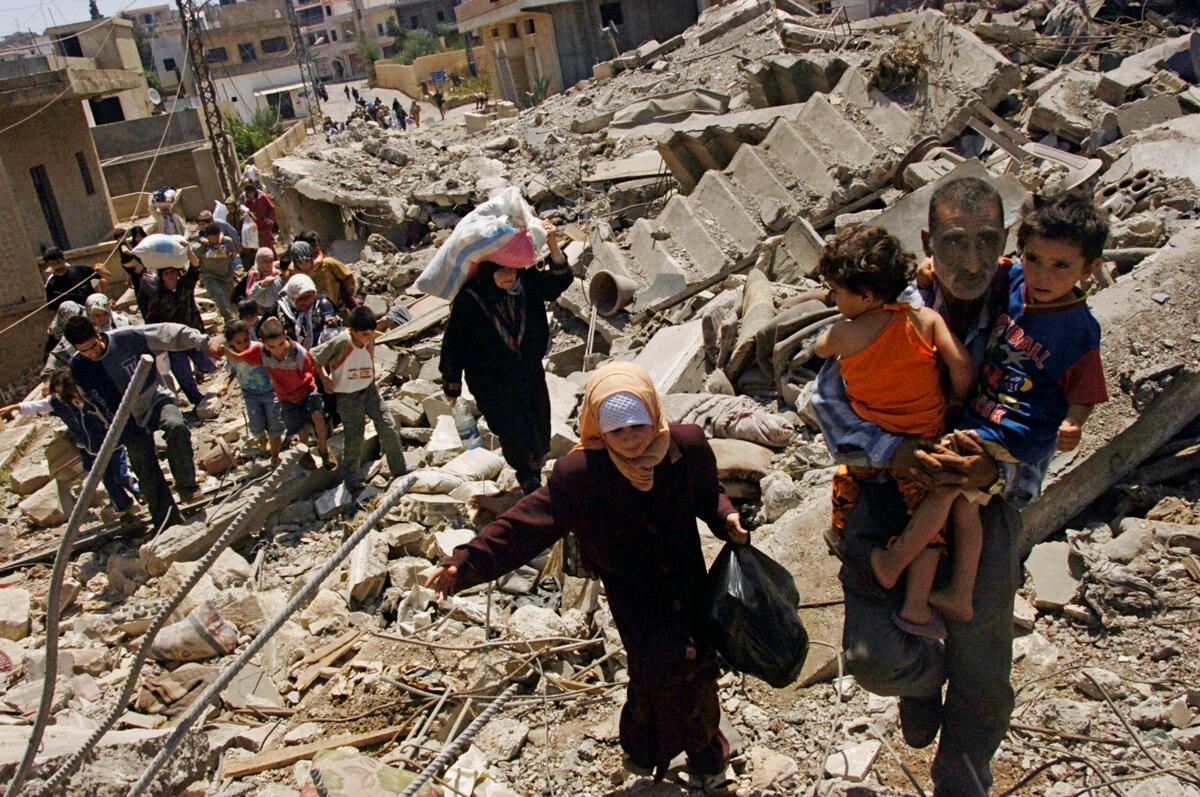
Civilians who have been trapped in their houses and cellars during several weeks of fighting between Hezbollah and Israeli forces, are being rescued and flee during a 48h partial ceasefire. Aitarou (...)
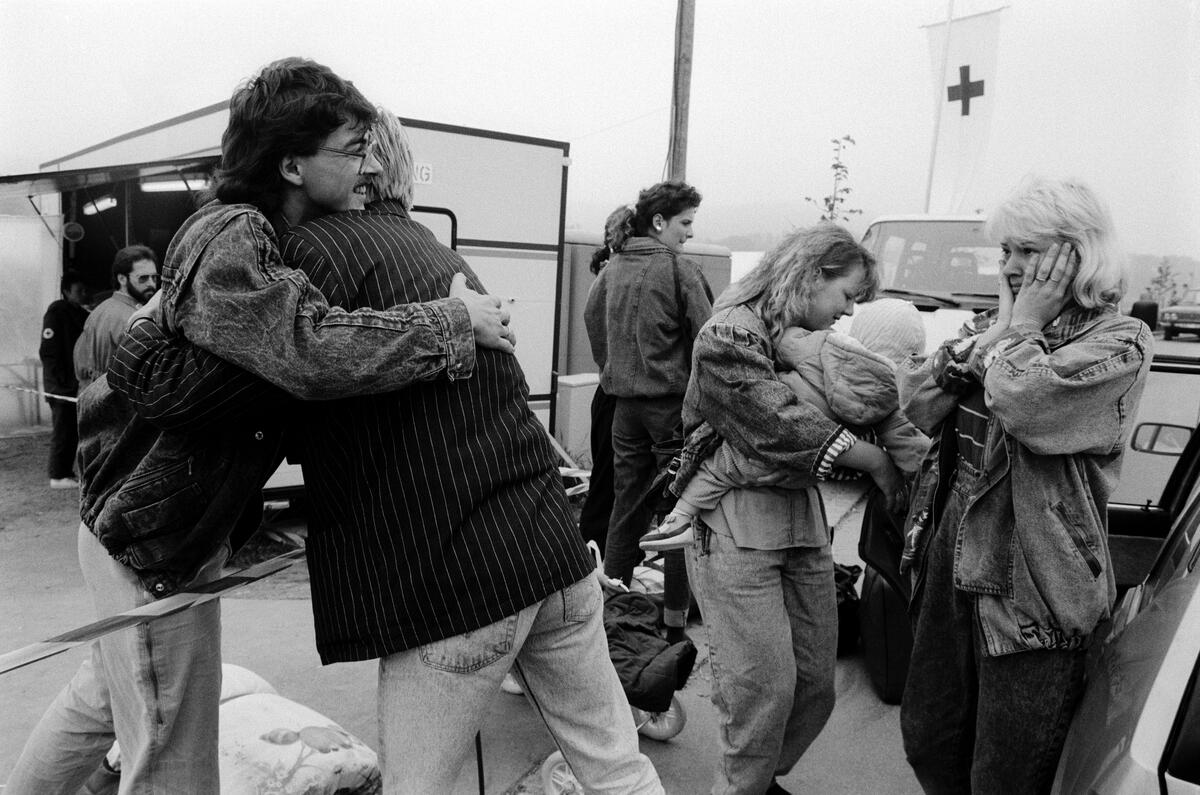
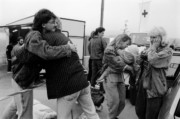
Friends and families are united. Camp of Hengersberg, Bayer region, Germany. 1989 © Jean Gaumy / Magnum Photos

Children fleeing civil war. Greece. 1949 © David Chim Seymour / Magnum Photos
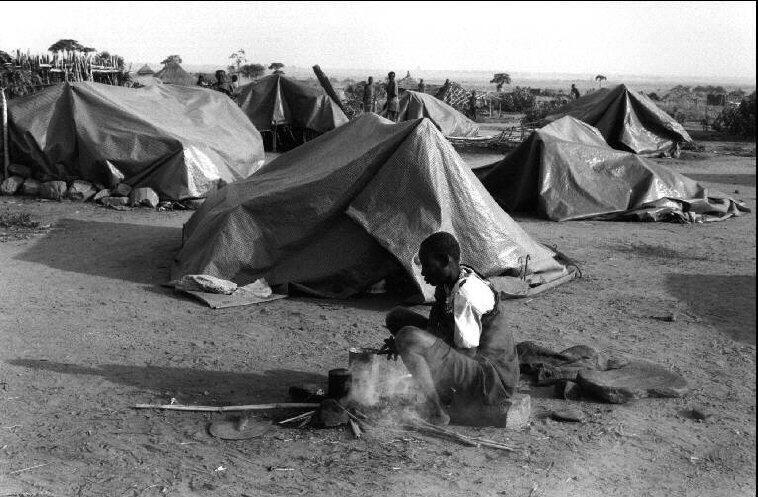
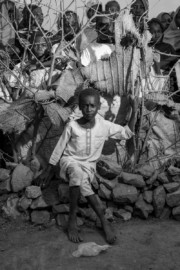
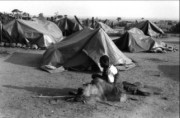
The refugee camp of the Mandari tribespeople, who are displaced from the Terkaka region. Near Juba, Sudan. 1993 © Abbas / Magnum Photos
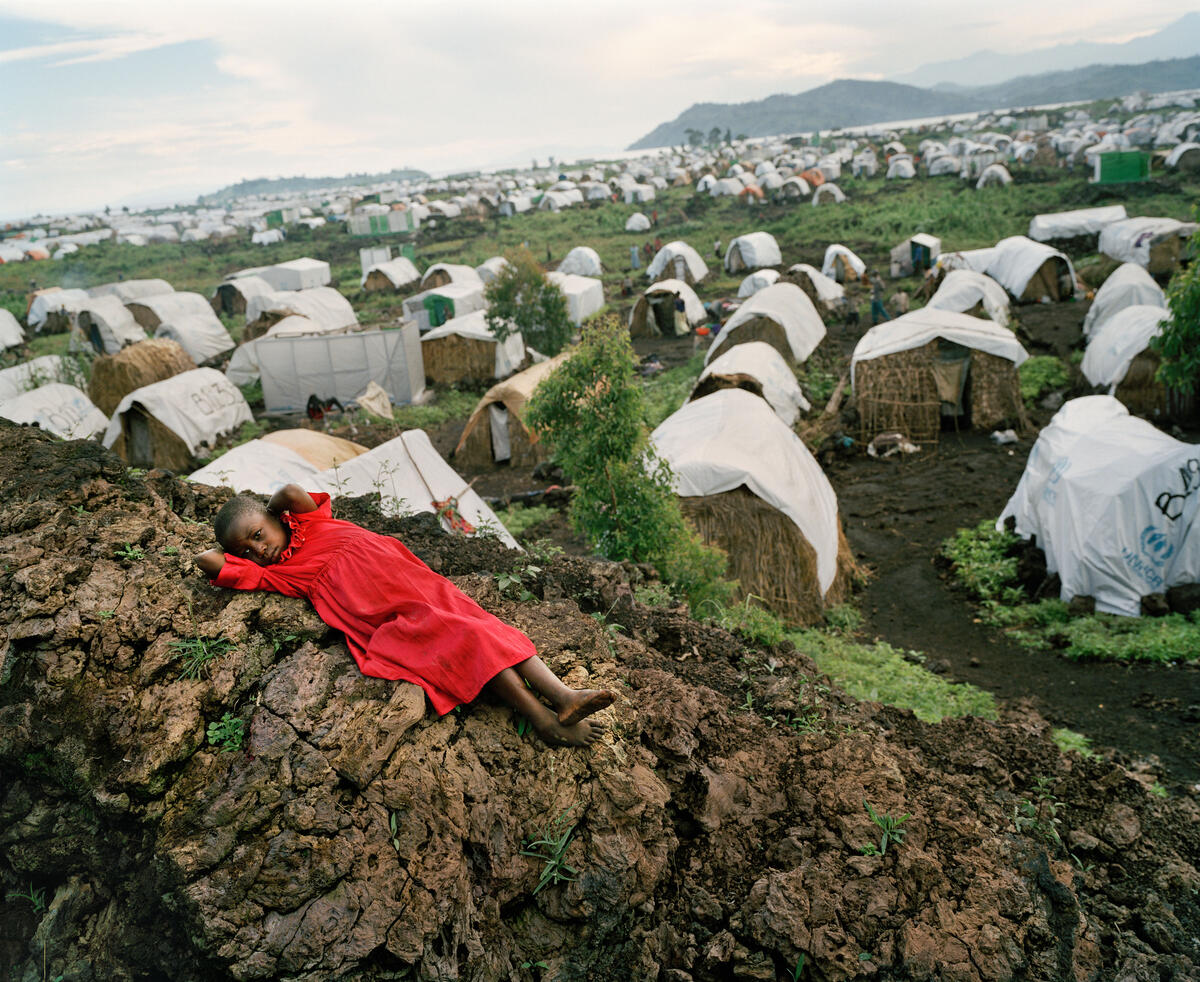
A girl rests on a rock on a hill above the camp. Kivu province, Democratic Republic of Congo. 2008. © Jim Goldberg / Magnum Photos
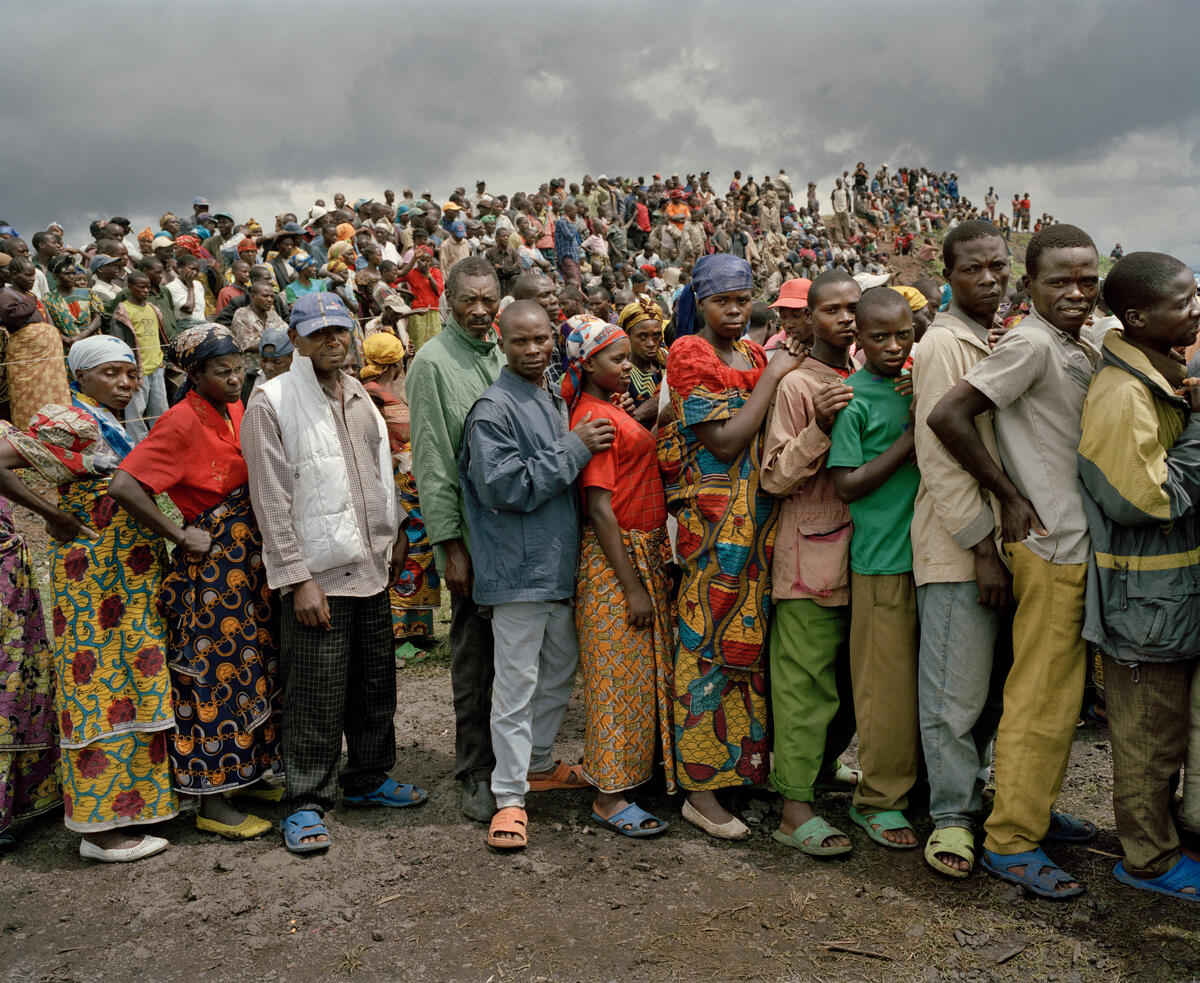
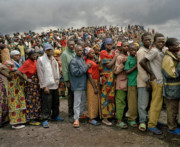
People wait in line to get mosquito nets and biscuits in a refugee camp where it is estimated that 90,000 people live. Diseases such as Malaria and Cholera ramp in the camp. Kivu province, Democrat (...)
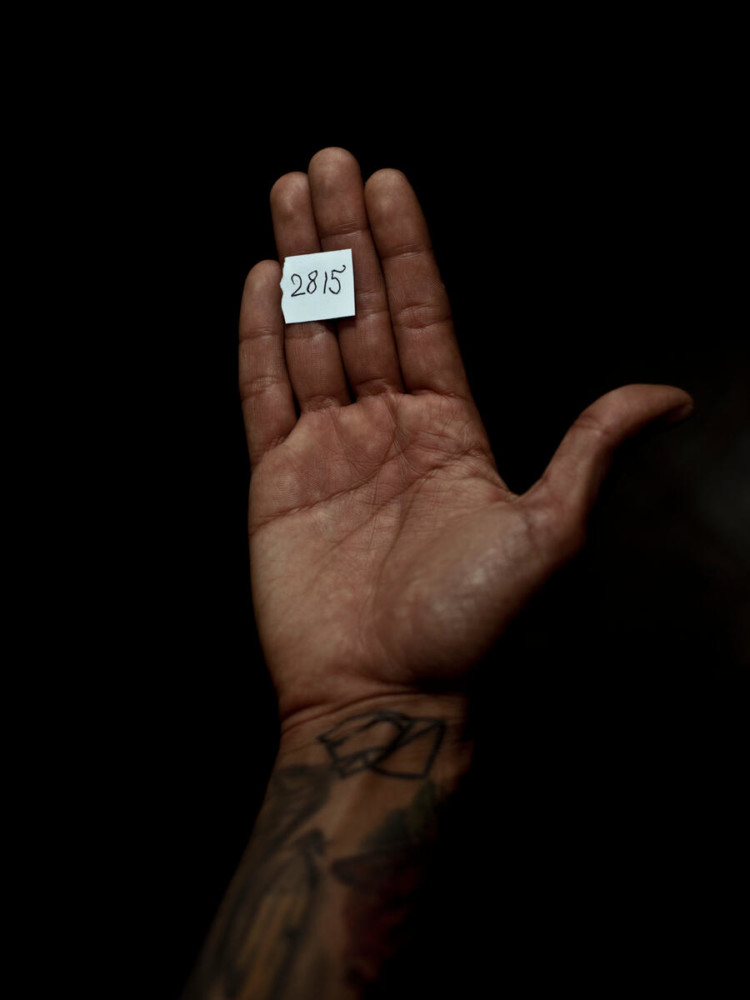
Migrants are given a number to wait in line in order to have their documents processed as asylum seekers. Tijuana, Mexico. 2019 © Cristina De Middel / Magnum Photos
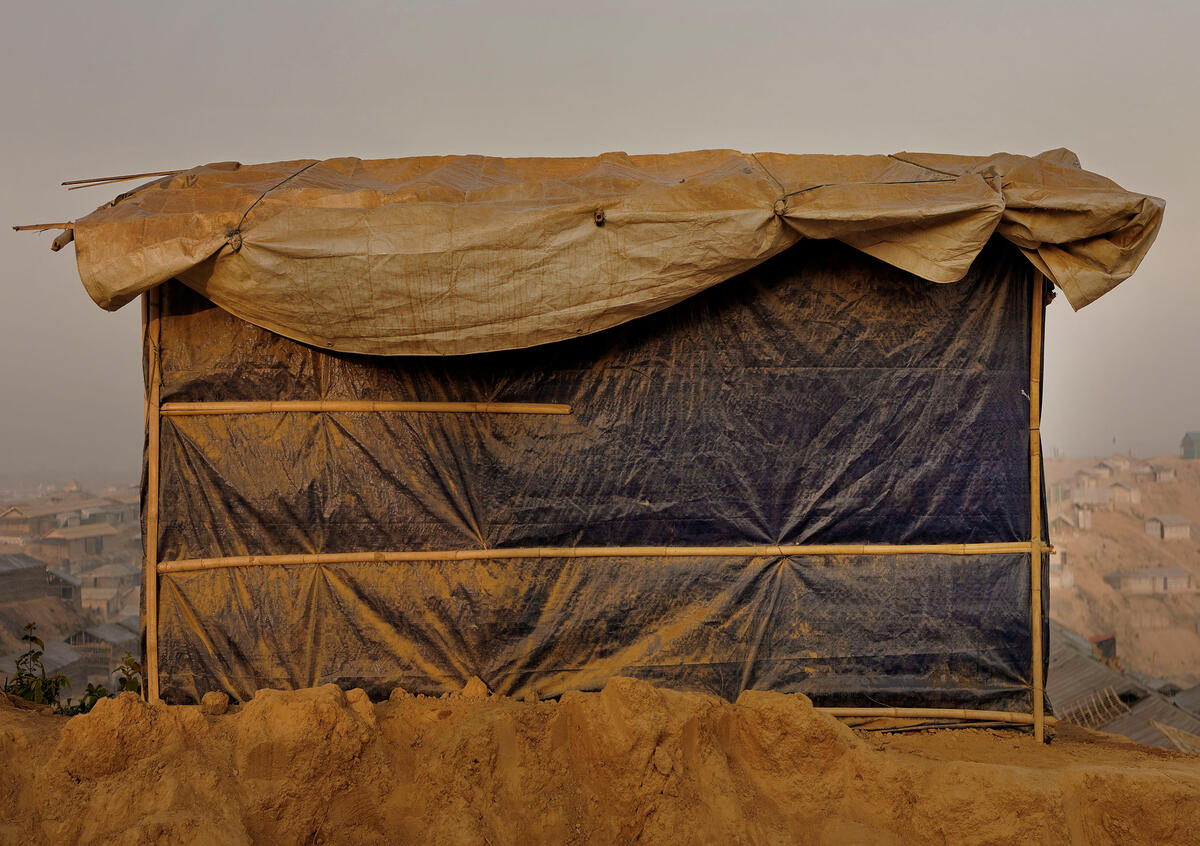
Cox's Bazar, Rohungya Refugee Camp, Bangladesh. April 2018. © Antoine d'Agata / Magnum Photos
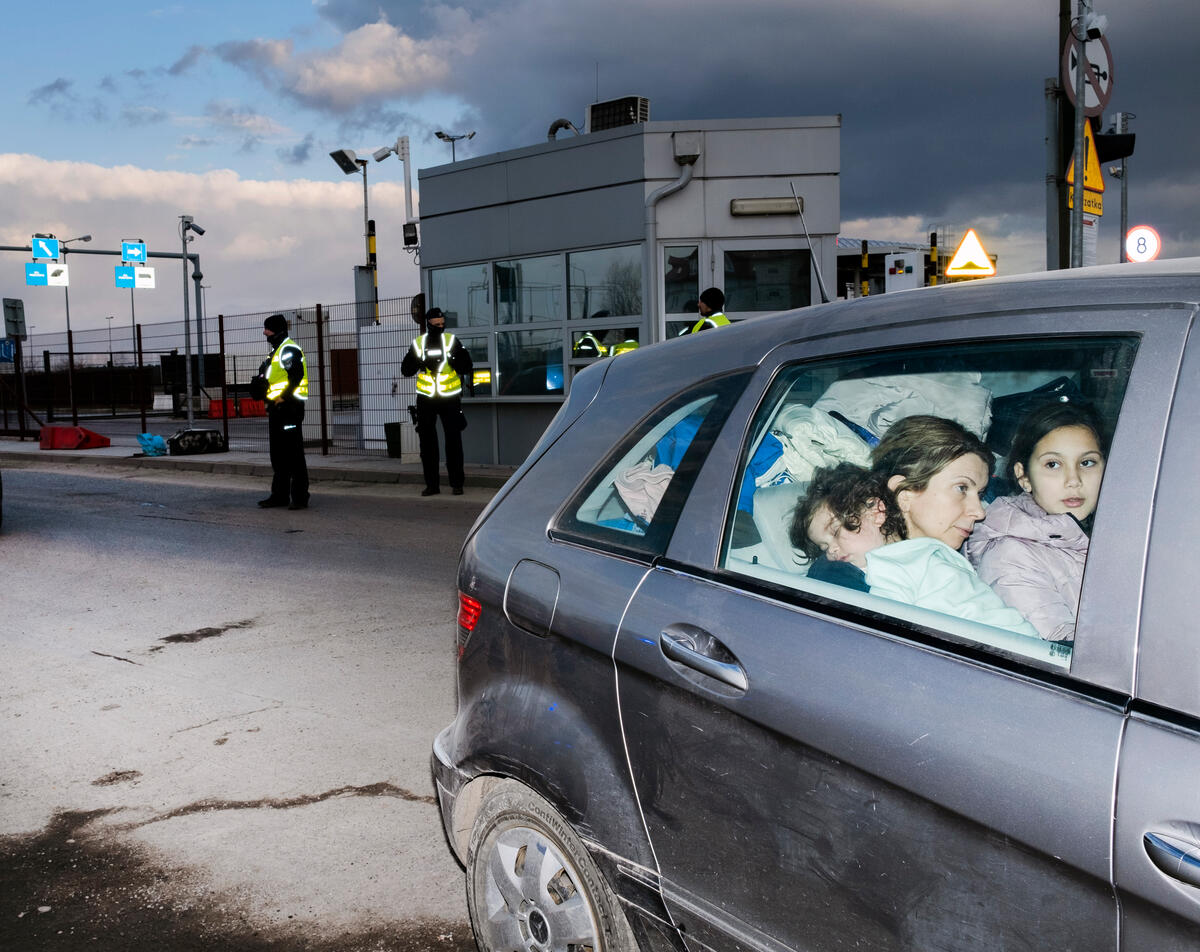
A Ukrainian family fleeing the war in Ukraine. Dorohusk-Jagodzin border crossing, Poland. 2022 © Rafal Milach / Magnum Photos
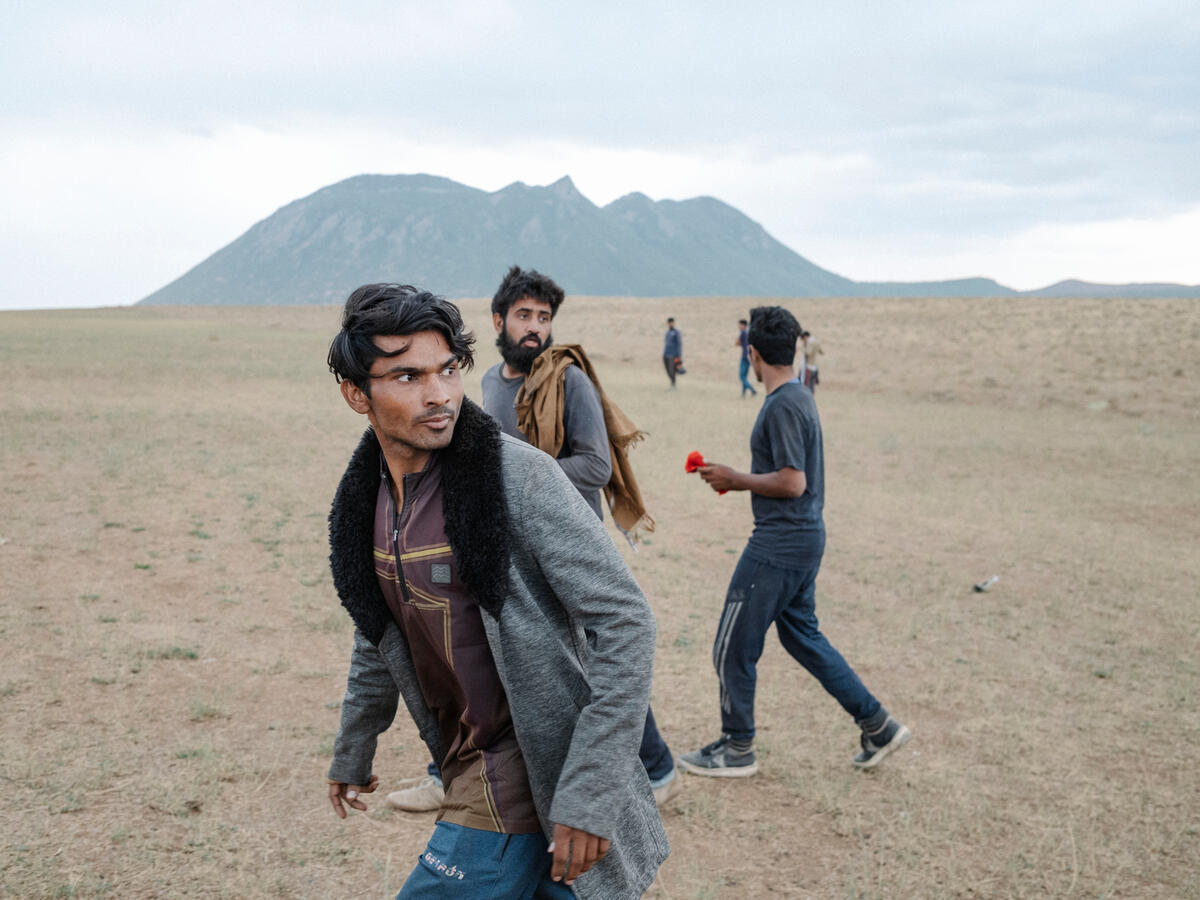
After having spotted a Turkish gendarmerie car with all lights on and sirens wailing driving towards them, migrants run away to avoid being caught. Van, Turkey. 2021 © Emin Özmen / Magnum Photos
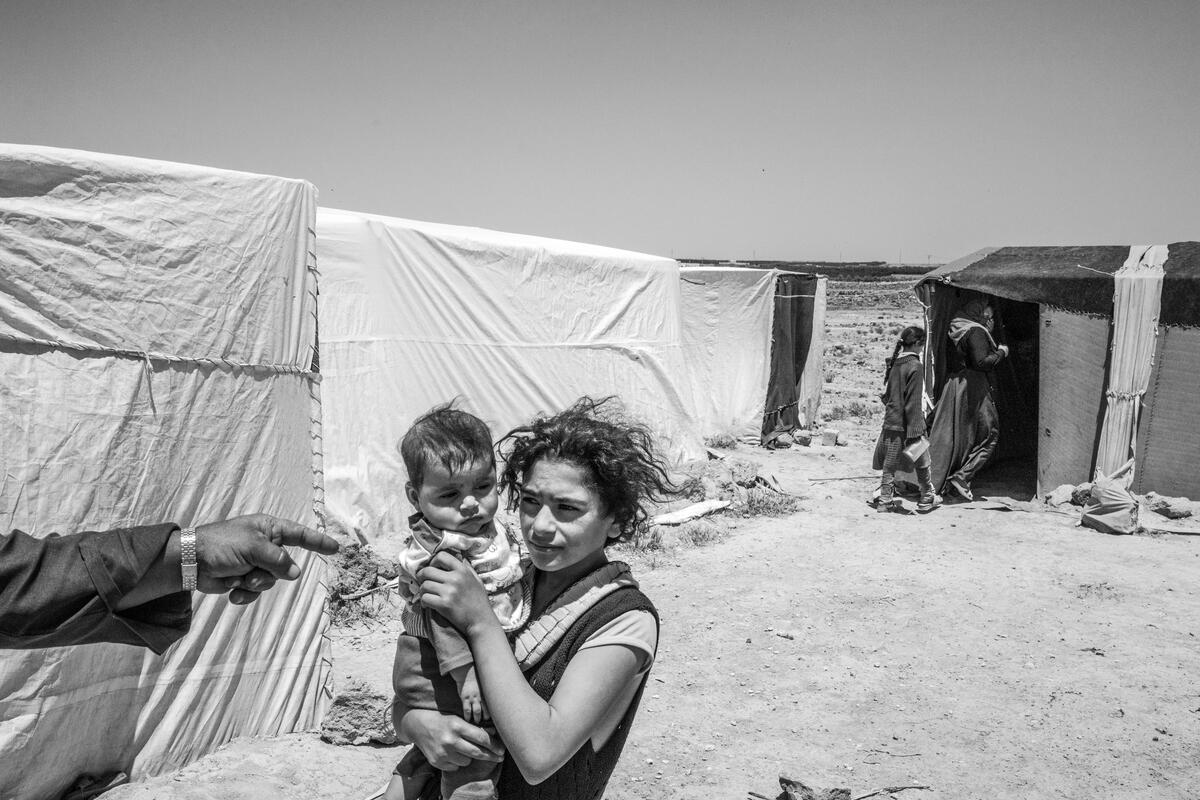
Syrian refugees emerge from their tents to take part in a distribution of COVID-19 hygiene kits and other supplies donated by UNICEF to assist the tens of thousands of refugees living outside refug (...)
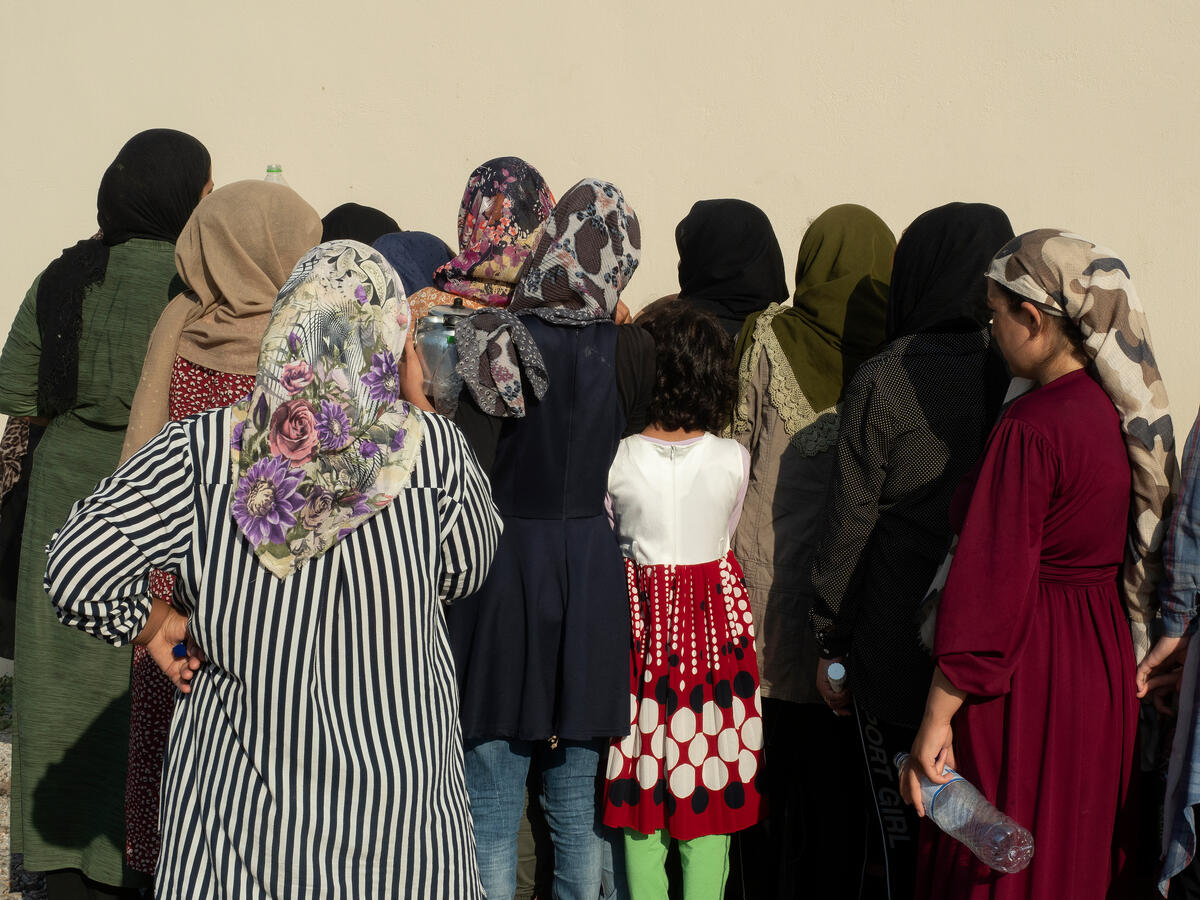
Women wait in line for water. Lesbos, Greece. 2020 © Enri Canaj / Magnum Photos
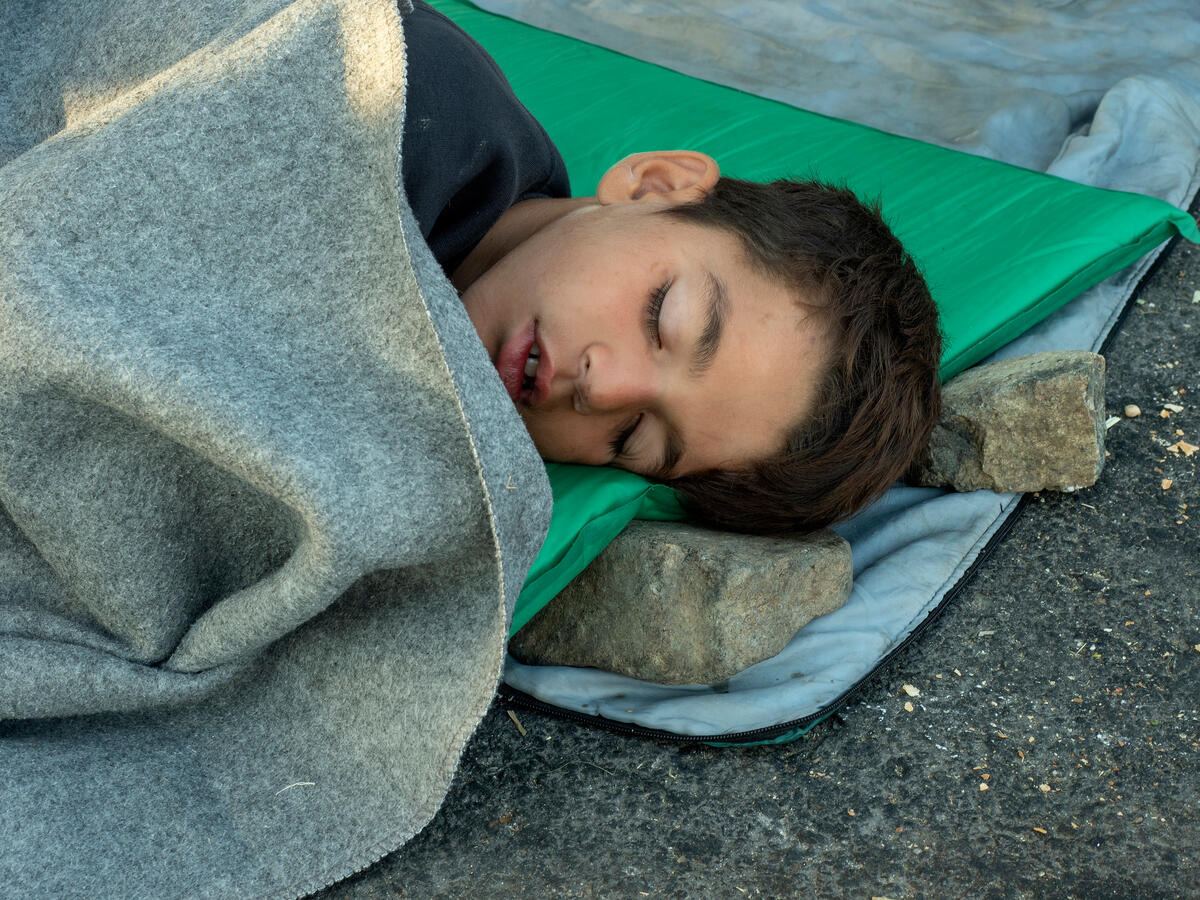
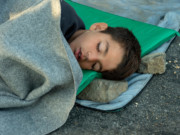
After the fire, a young homeless boy rests on the street. Lesbos, Greece. 2020 © Enri Canaj / Magnum Photos
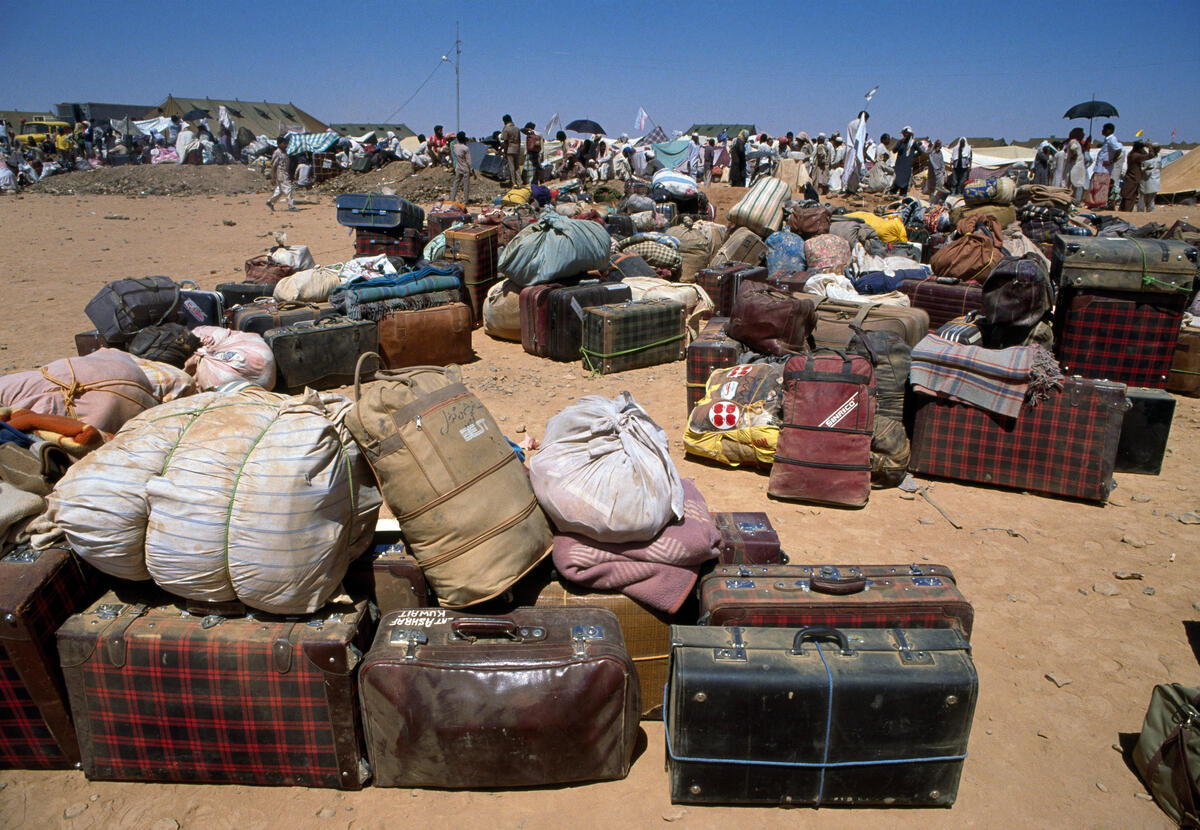
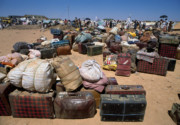
Refugees in the desert. Jordan. 1990 © Chris Steel-Perkins / Magnum Photos
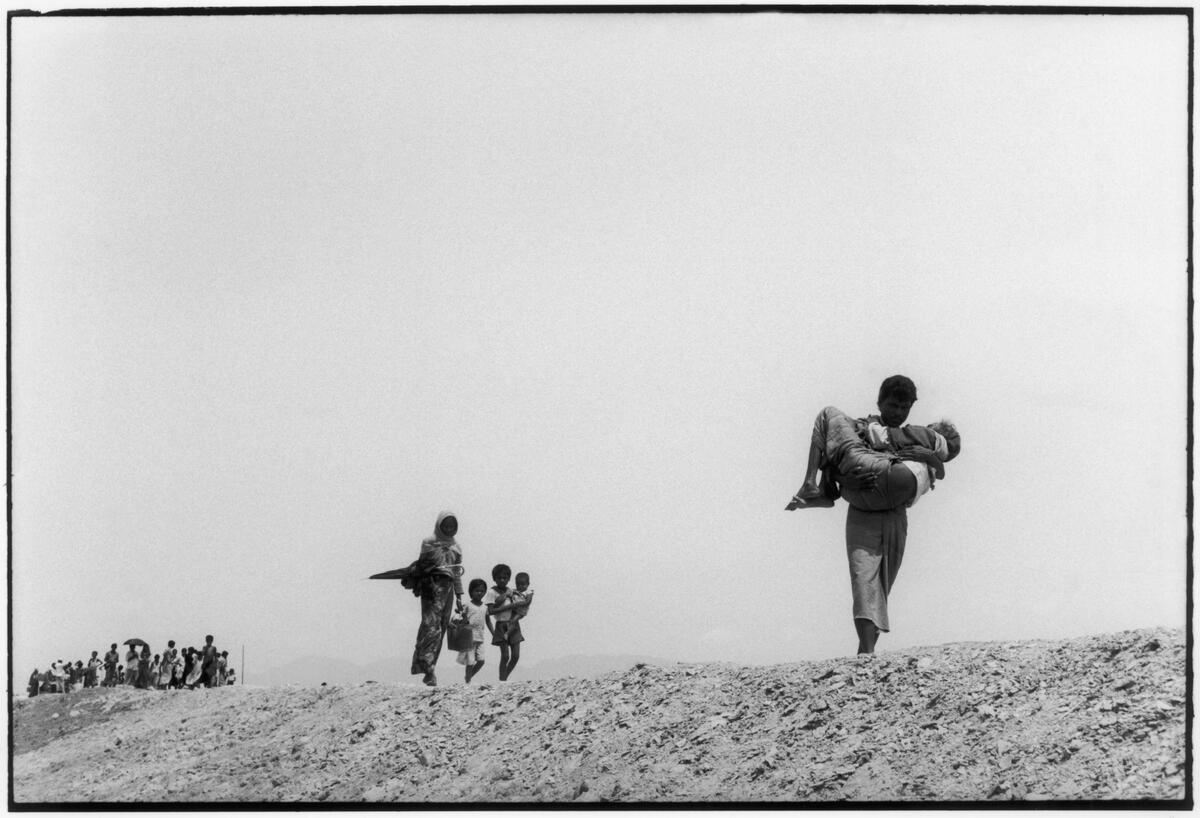
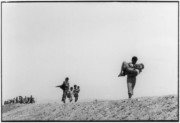
Young and old Rohingya refugees from Myanmar (Burma) are carried ashore in Bangladesh after fleeing from Burmese persecution. Bangladesh. 1992. © Chris Steel-Perkins / Magnum Photos