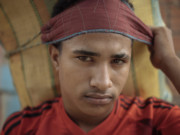
Micaela, 15, Indigenous Wayuu from Northwestern Venezuela. “We left Paraguaipoa (Northwest Venezuela) in 2020 with my seven brothers and sisters and my father and mother. We walked for three days b (...)
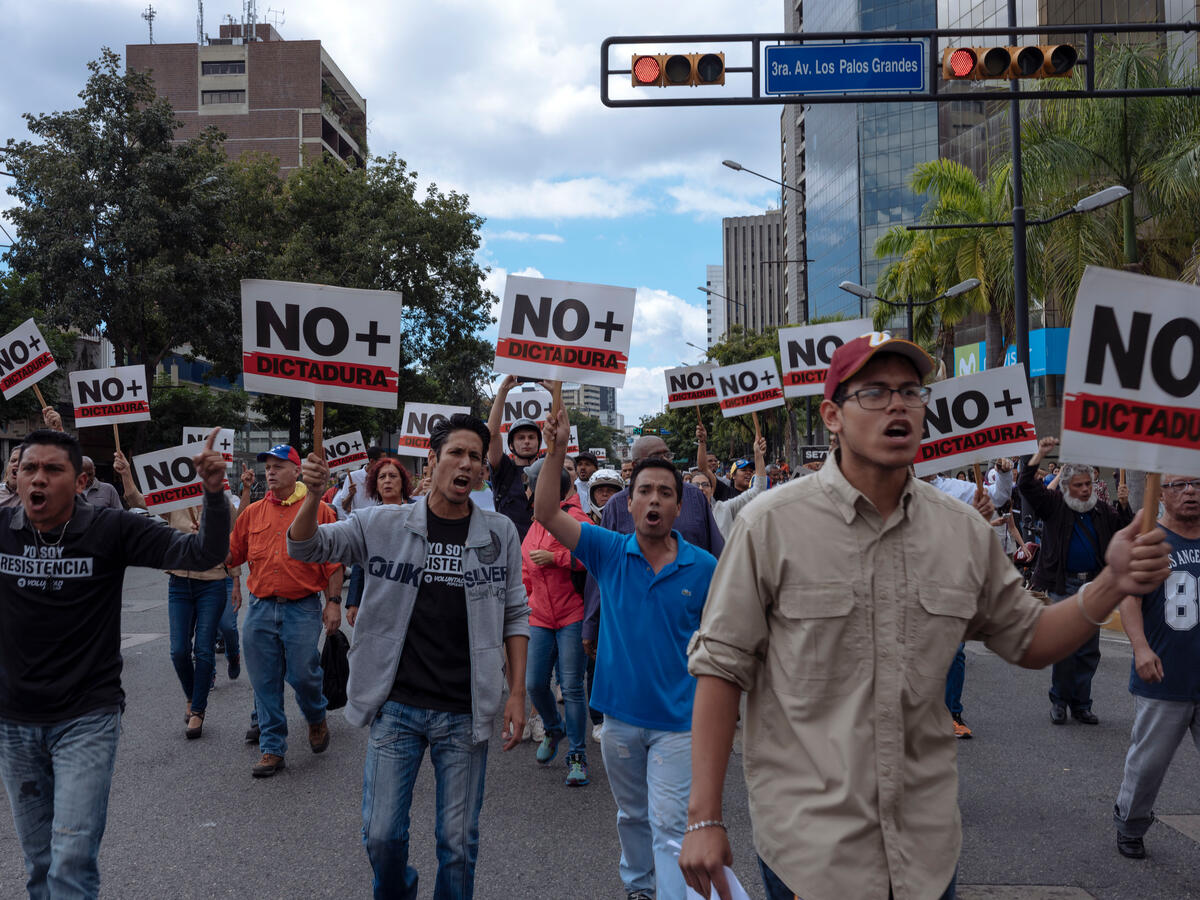
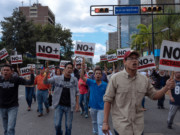
People protest against the poverty, violence and authoritarianism under the Maduro government since he became president in 2013. Los Palos Grandes Avenue, Caracas, Venezuela. 2019. © Emin Ozmen/Mag (...)
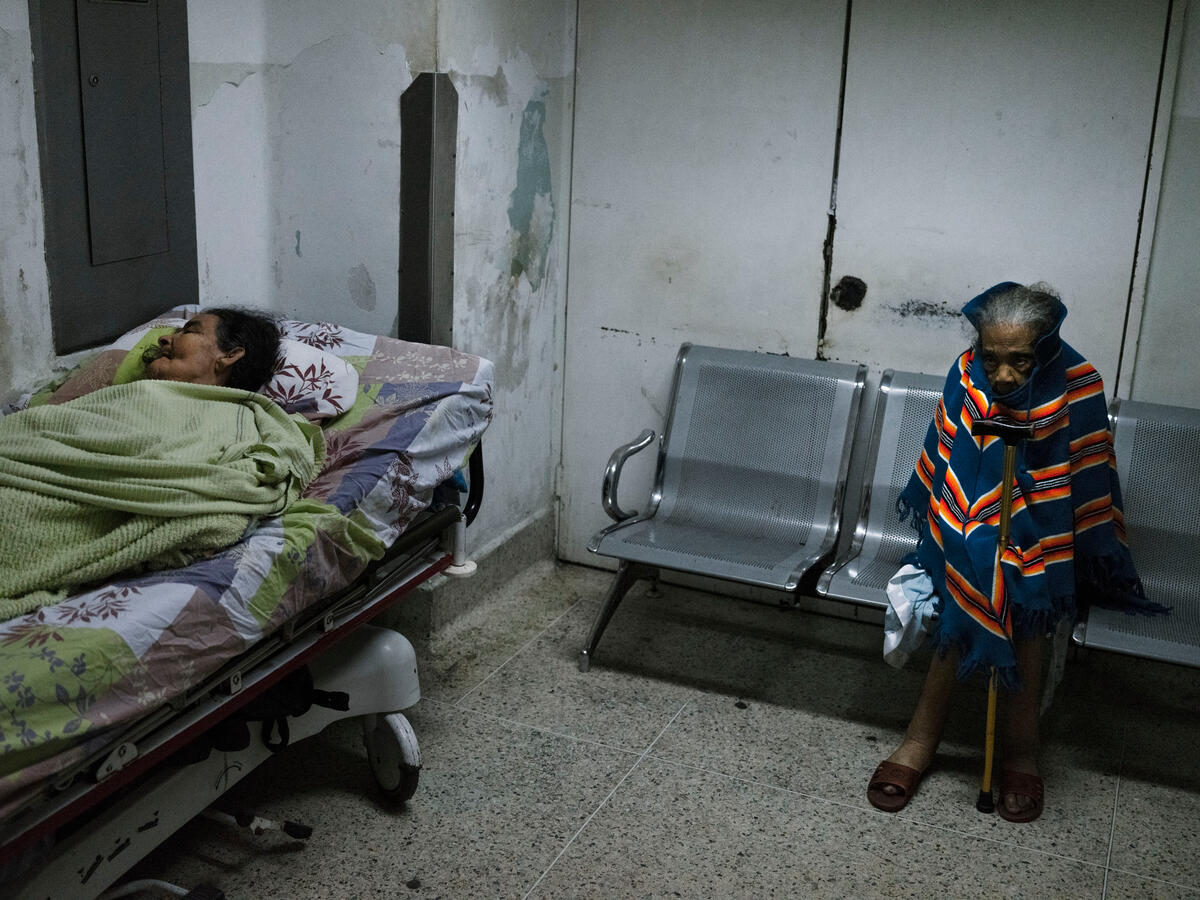
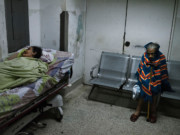
Patients wait for a doctor in a corridor of the Central University Hospital emergency service. In November 2018, Human Rights Watch warned of Venezuela’s “devastating health crisis,” pointing to in (...)
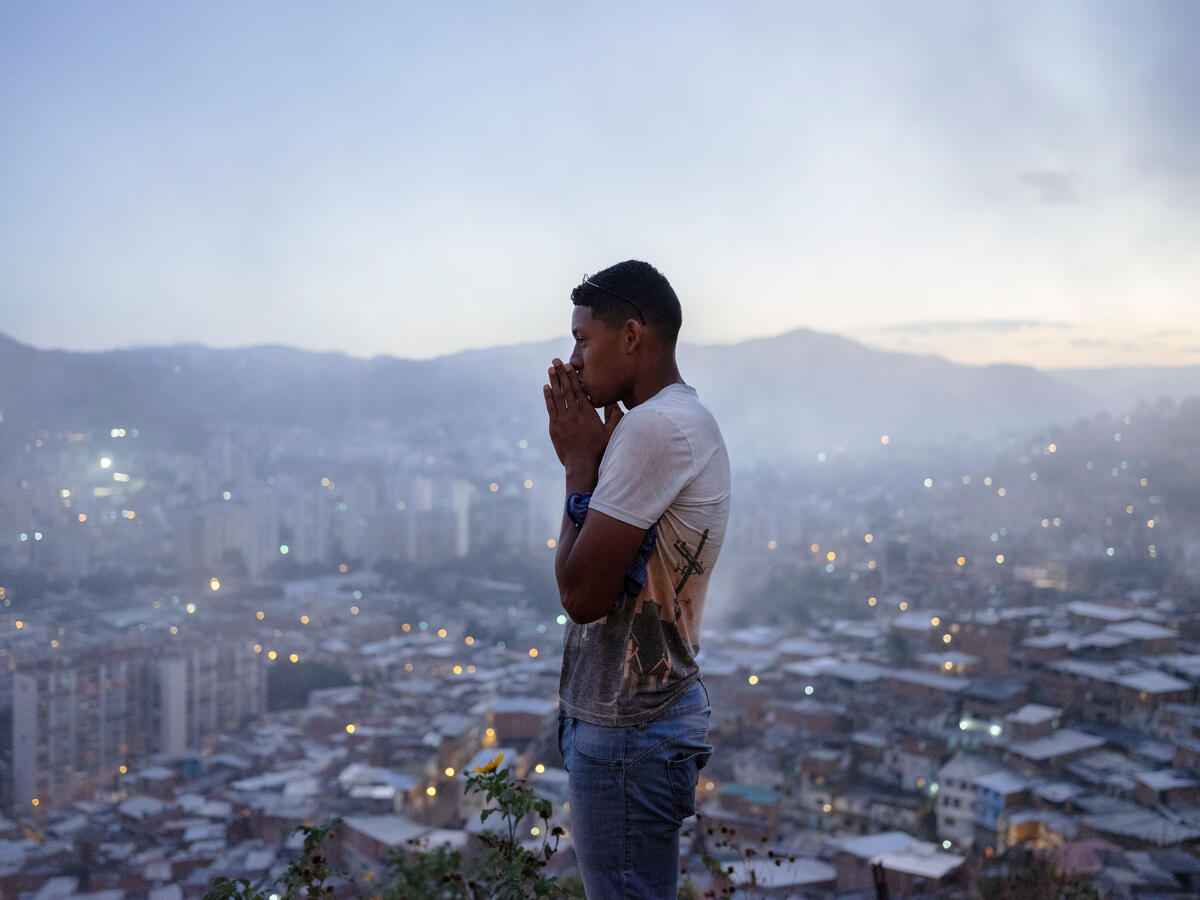
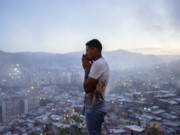
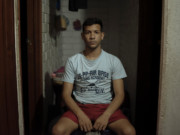
A young man stands on a hill at El 23 de enero, a ghetto which has a long history with political transitions of Venezuela. In the 1980s, it produced the powerful Revolutionary Tupamaros Movement, a (...)
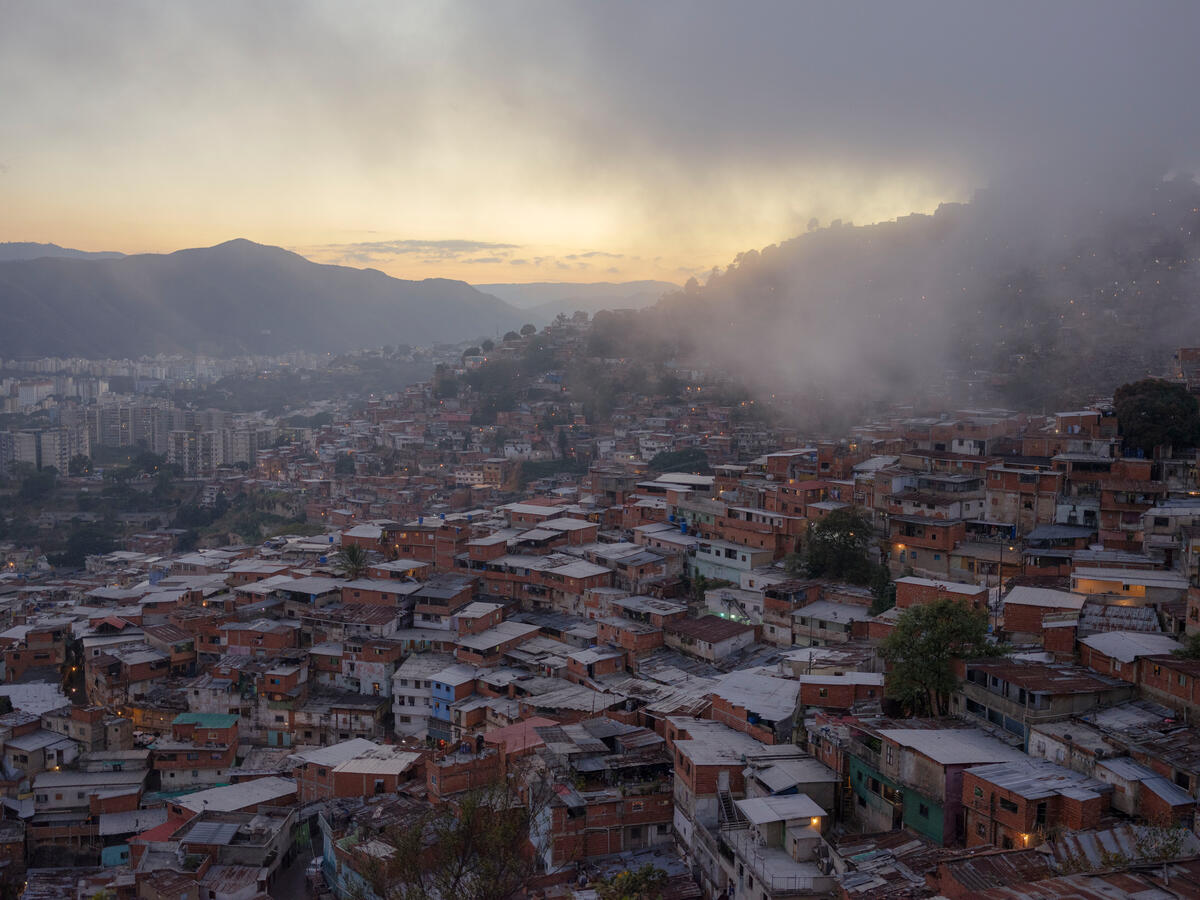
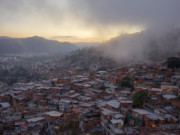
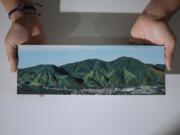
General view of Caracas from El 23 de enero, a ghetto which has a long history with political transitions of Venezuela. Caracas, Venezuela. 2019. © Emin Ozmen/Magnum Photos
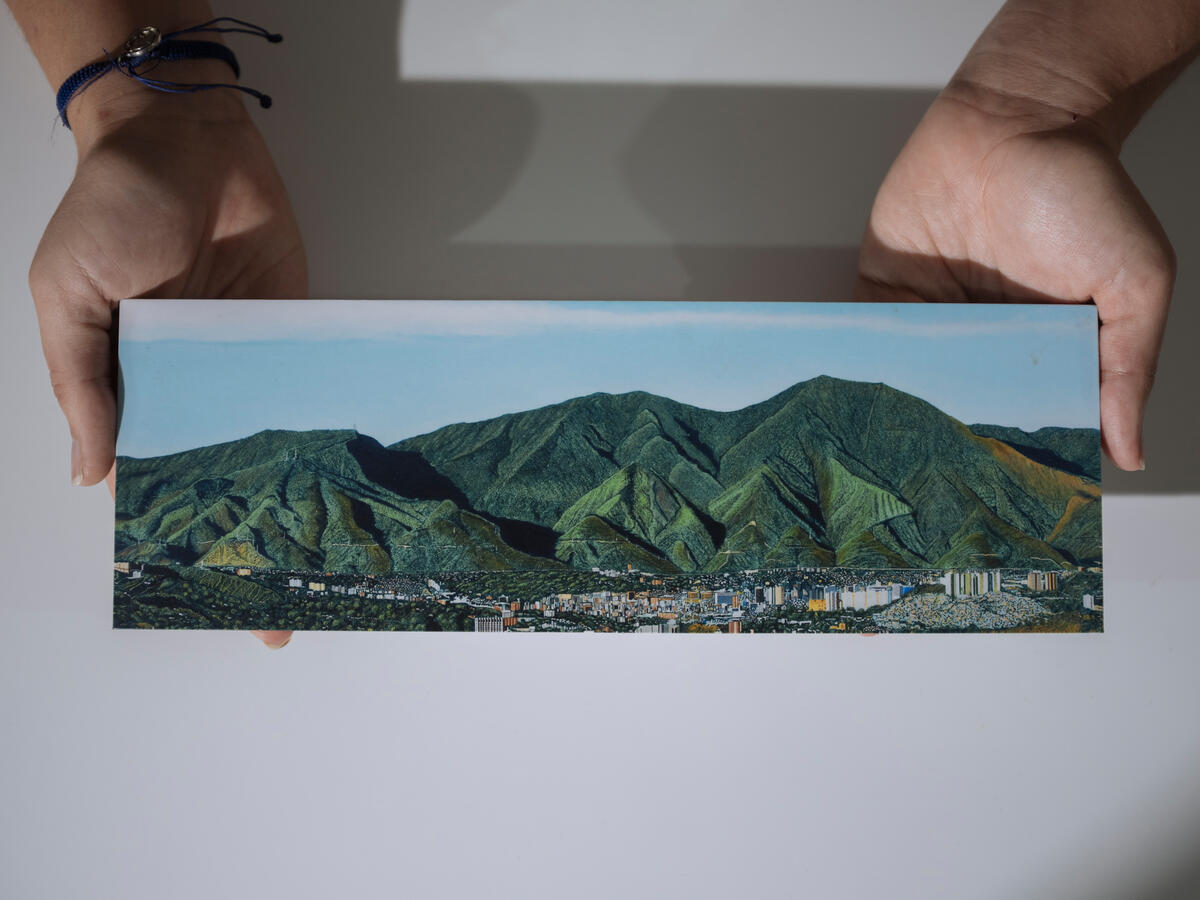
Sofia, a 24-year-old sociologist and activist, shows the picture she took with her when she was leaving Venezuela. She fled Venezuela in 2024. Zipaquirá, Colombia. 2025. © Emin Ozmen/Magnum Photos
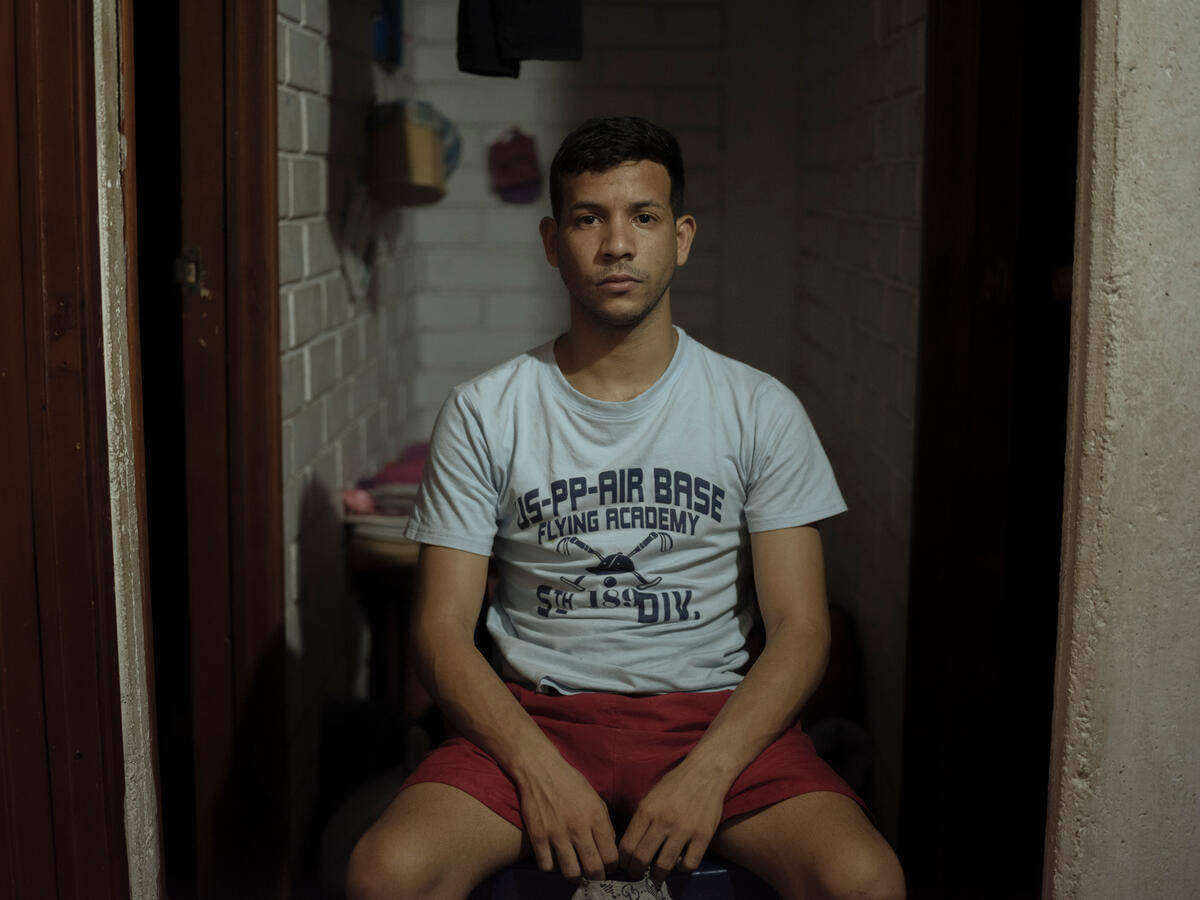
Wilder, 18, was a police officer in Venezuela but left the country last week. “It’s because of the economic situation there. It's really hard — you cannot do anything with the money that you earn. (...)

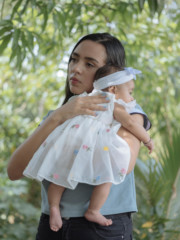
Marcela, 21, with her daughter, 3. “Six years ago, it was 2019. First my father left the country and then my whole family, as the economic situation was getting worse. In the beginning, we thought (...)
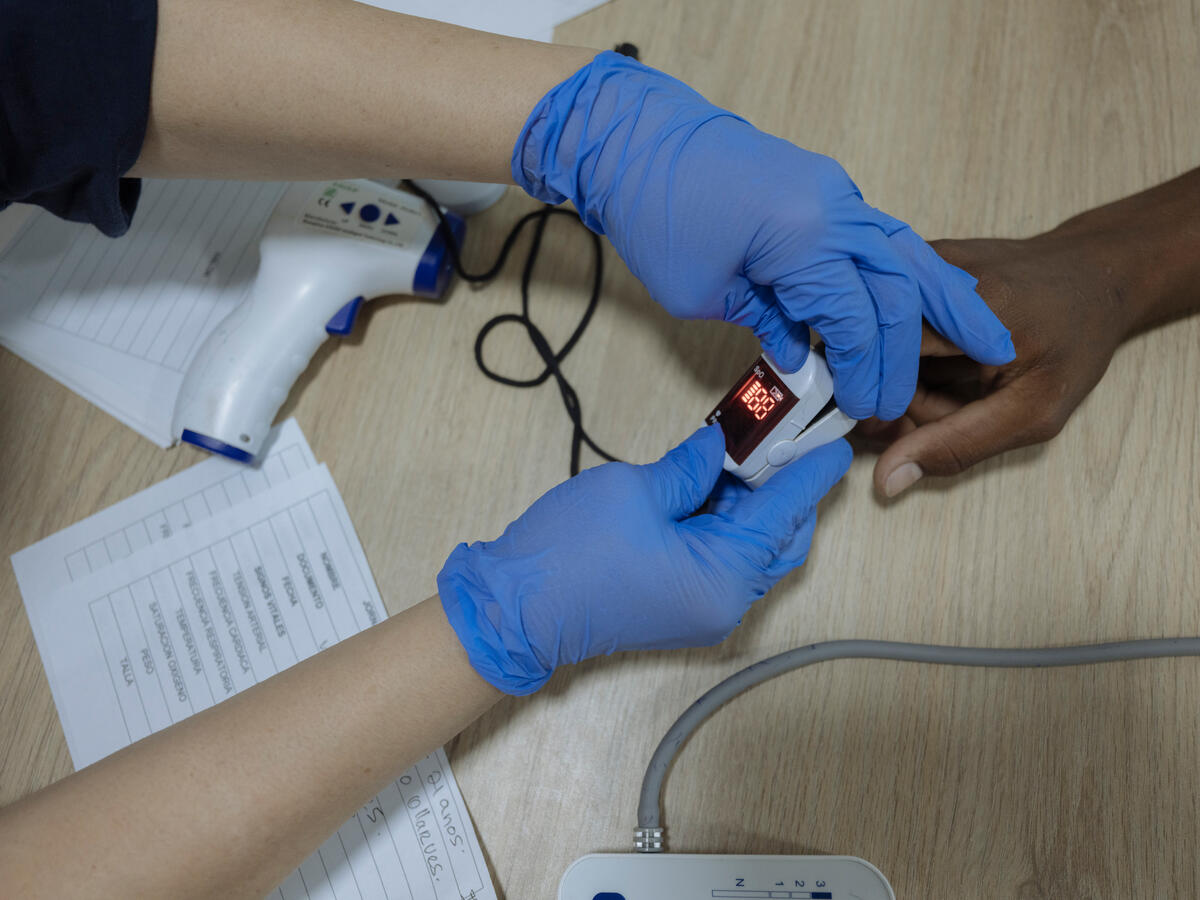
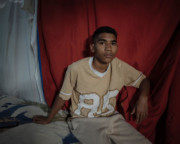
Jose, 17, walked for three days fleeing from Portuguessa. Here, he is getting a health check at an NGO upon their arrival in Cúcuta. As a result of one of the largest displacement crises in the wor (...)
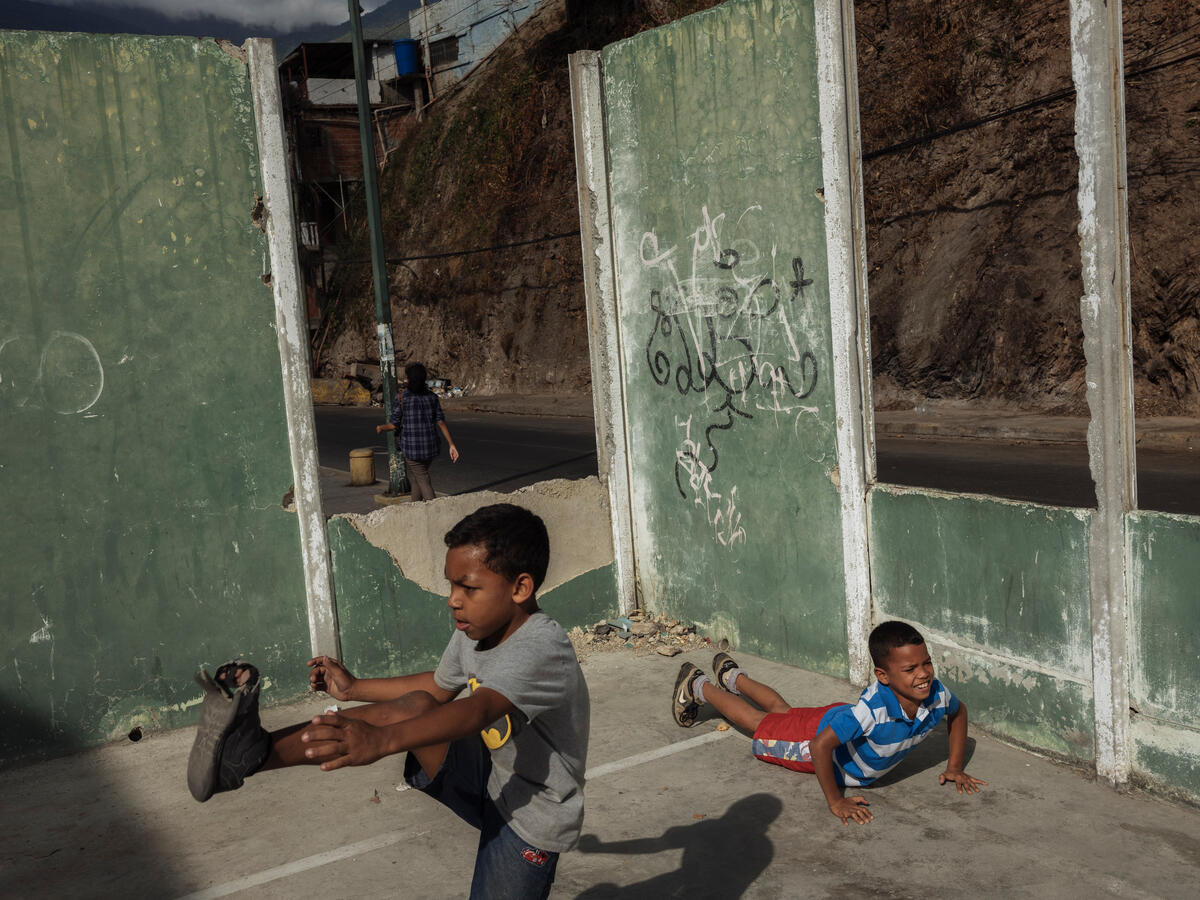
Children play in a playground in Petare in eastern Caracas. Petare is the largest slum in South America, which is also known as one of Venezuela's most violent areas. Caracas, Venezuela. 2019. © Em (...)
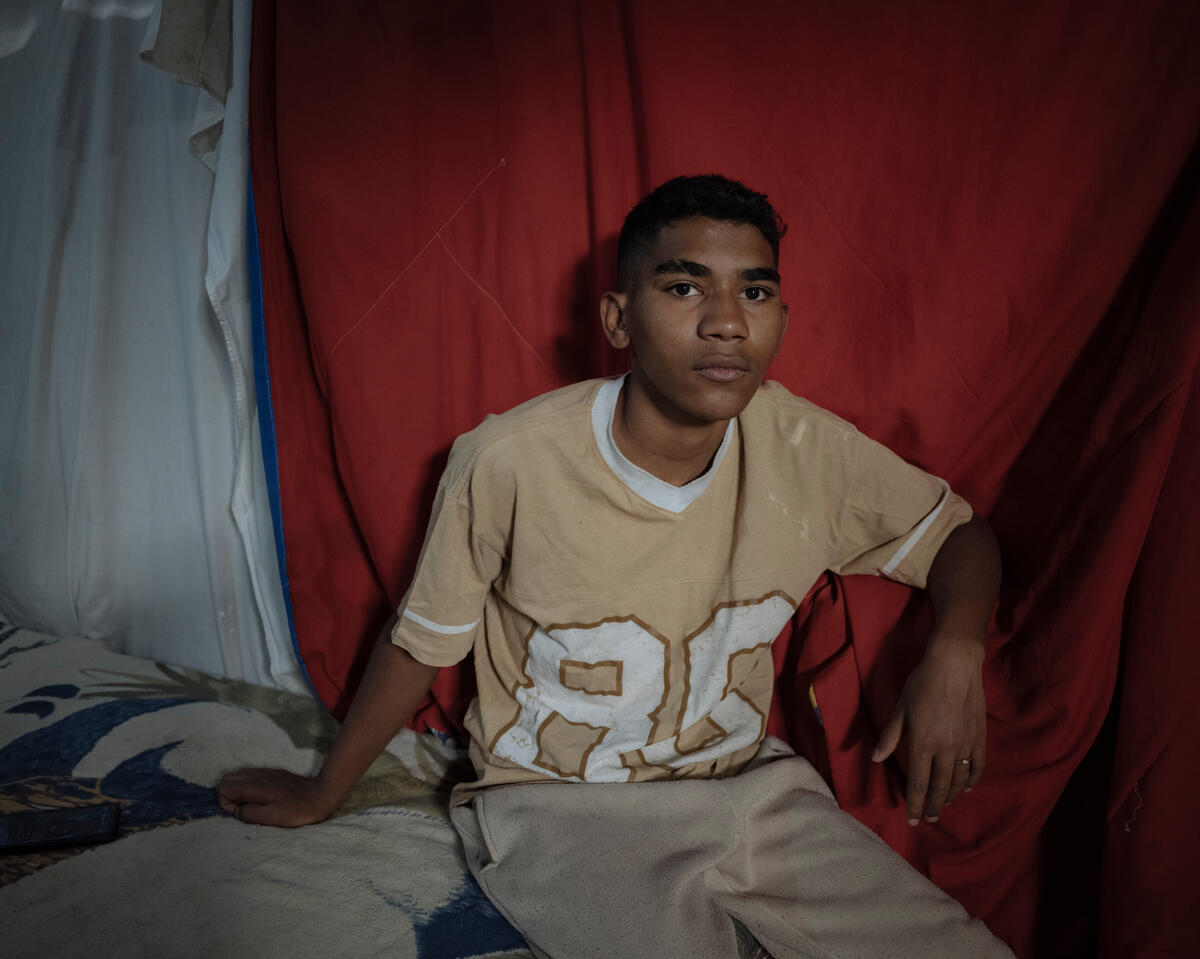
Gabriel, 16 years old. He fled Venezuela in 2015 with his mother and two brothers, taking shelter in Bogotá. He currently works part time in a car repair workshop, living in a room in the shop with (...)
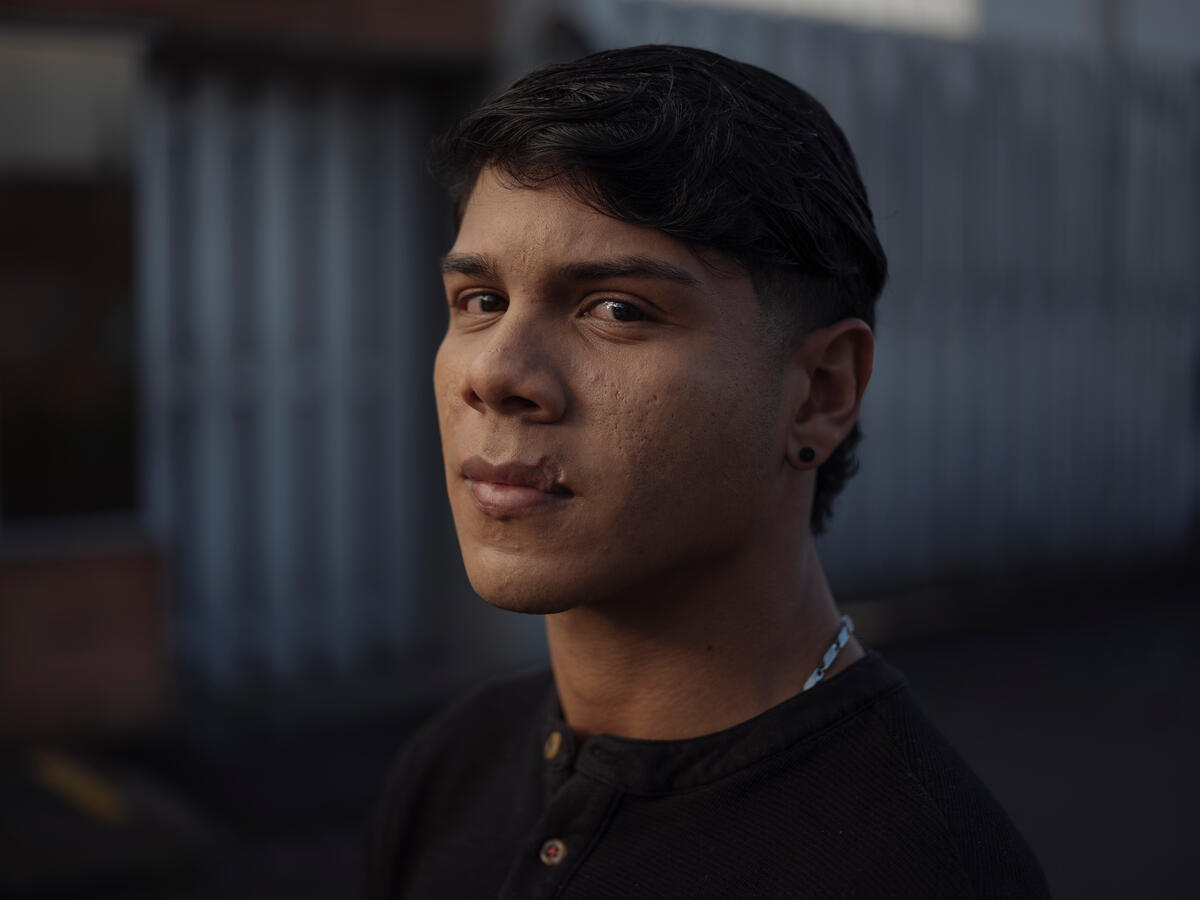
Josue, 26 years old, political activist. He fled Venezuela in 2019 and came to Colombia to ‘look for a future’. Bogotá, Colombia. 2025. © Emin Ozmen/Magnum Photos
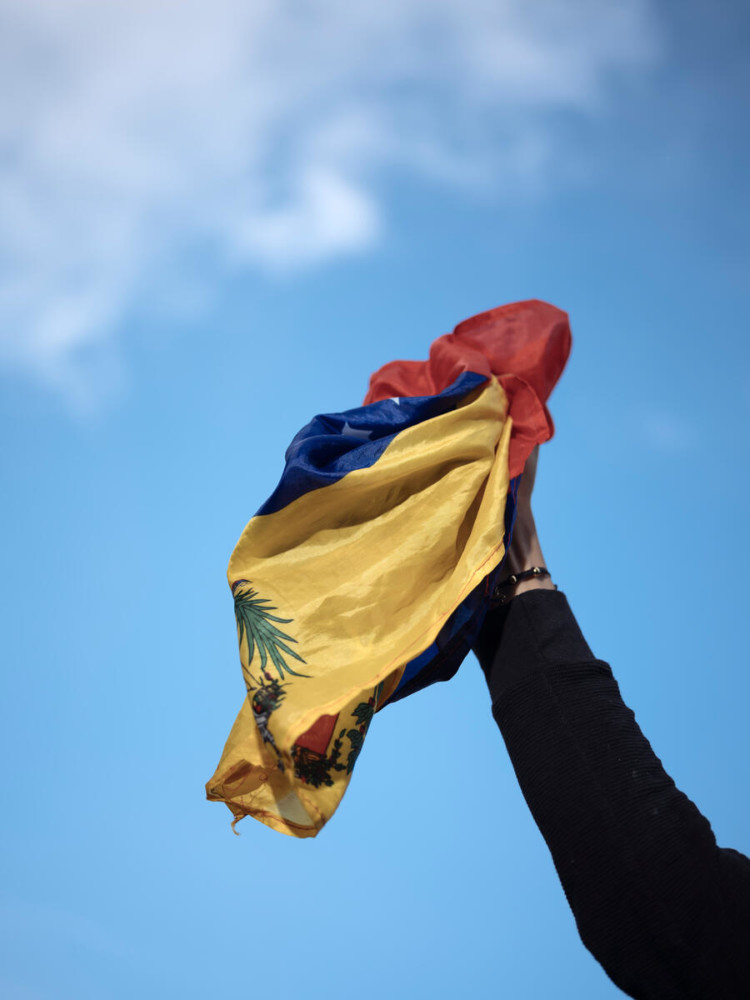
Josue, 26 years old, political activist, shows the Venezuelan flag that he has carried with him since he left his country. © Emin Ozmen/Magnum Photos
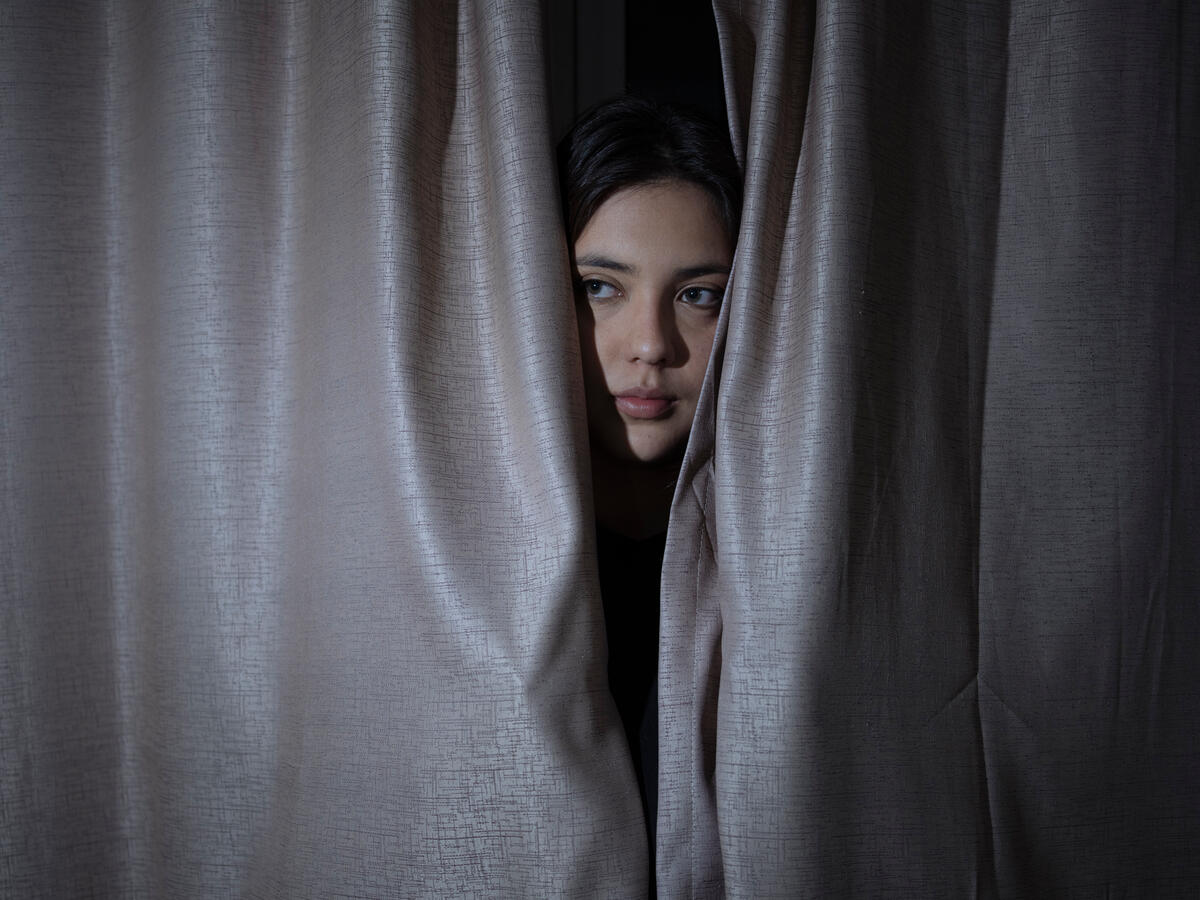
Sofia, 24-year-old sociologist and activist. She fled Venezuela and took shelter in Colombia in 2024. “I was a leader of student groups. We took part during the demonstrations. I knew it was risky (...)
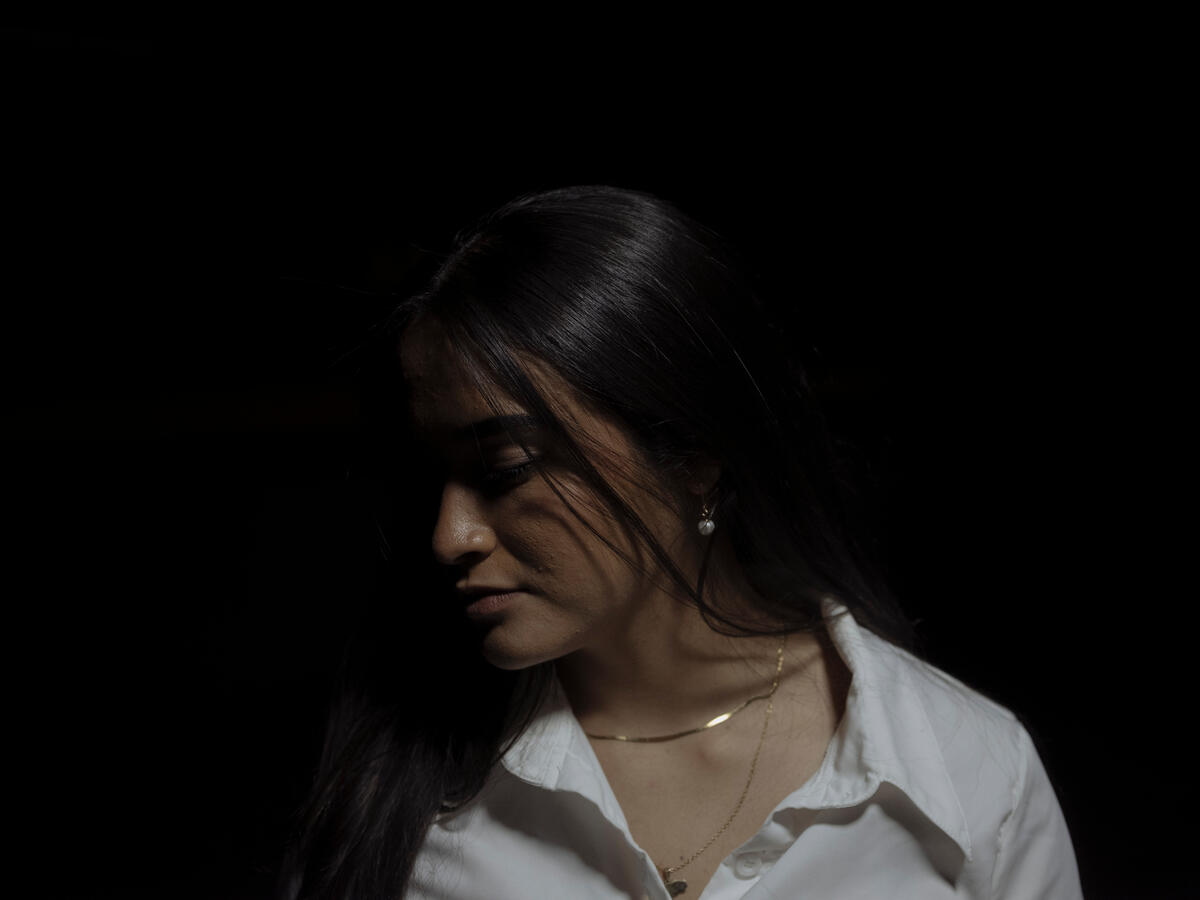
Angélica, 24, fled Venezuela and has lived in Bogotá since 2024. She describes a protest in which “everyone was running, but I stayed, and the police came and put the gun to my head. I was 15 and (...)
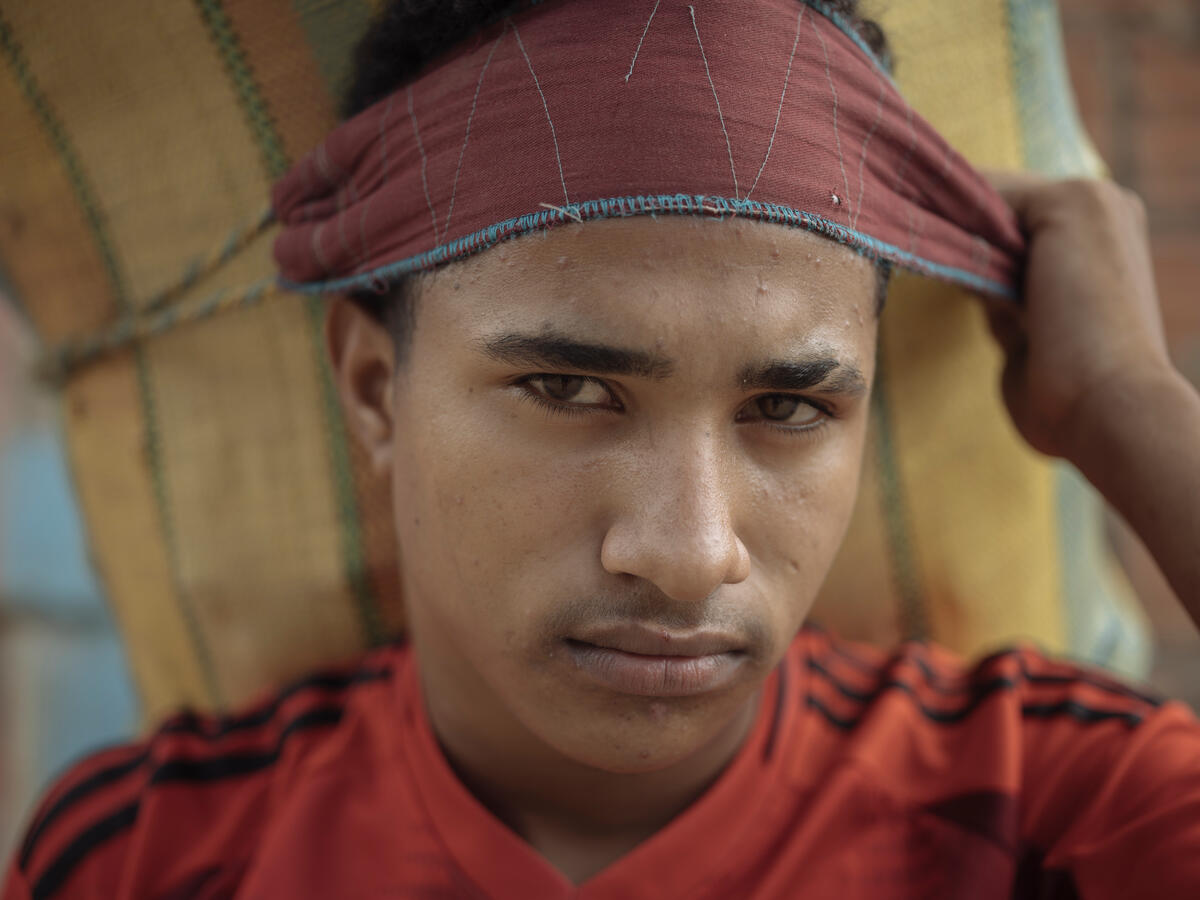
Cristofer, 17, left Venezuela with his two sisters and mother in July 2025. He is doing daily jobs near the border to help his family survive. Colombia, Cúcuta, 2025.