
A Hindu man prays at dawn in the holy river Ganges. Varanasi, India. 1971. © Ian Berry / Magnum Photos
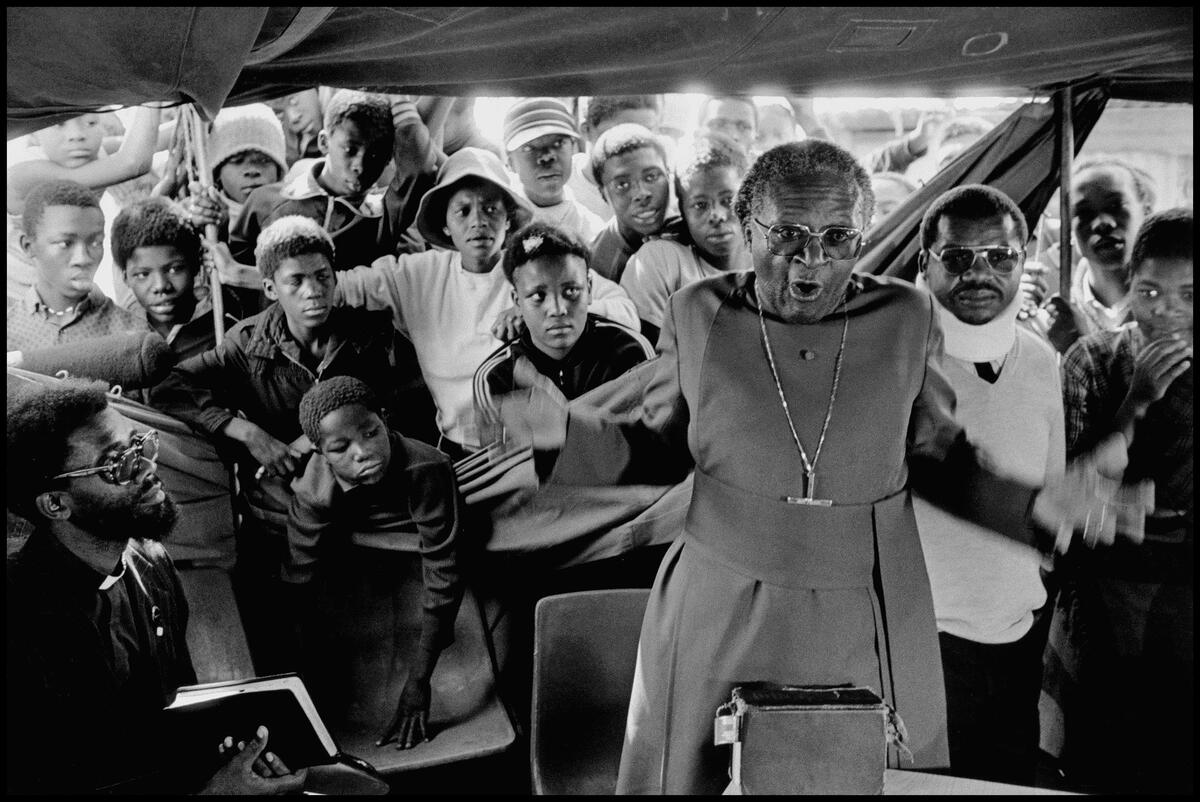
Archbishop Desmond Tutu conducts a funeral service in a makeshift tent for a schoolgirl shot by the police. East Rand. Transvaal (Gauteng). South Africa. 1985. © Ian Berry / Magnum Photos

Ian Berry. © René Burri / Magnum Photos
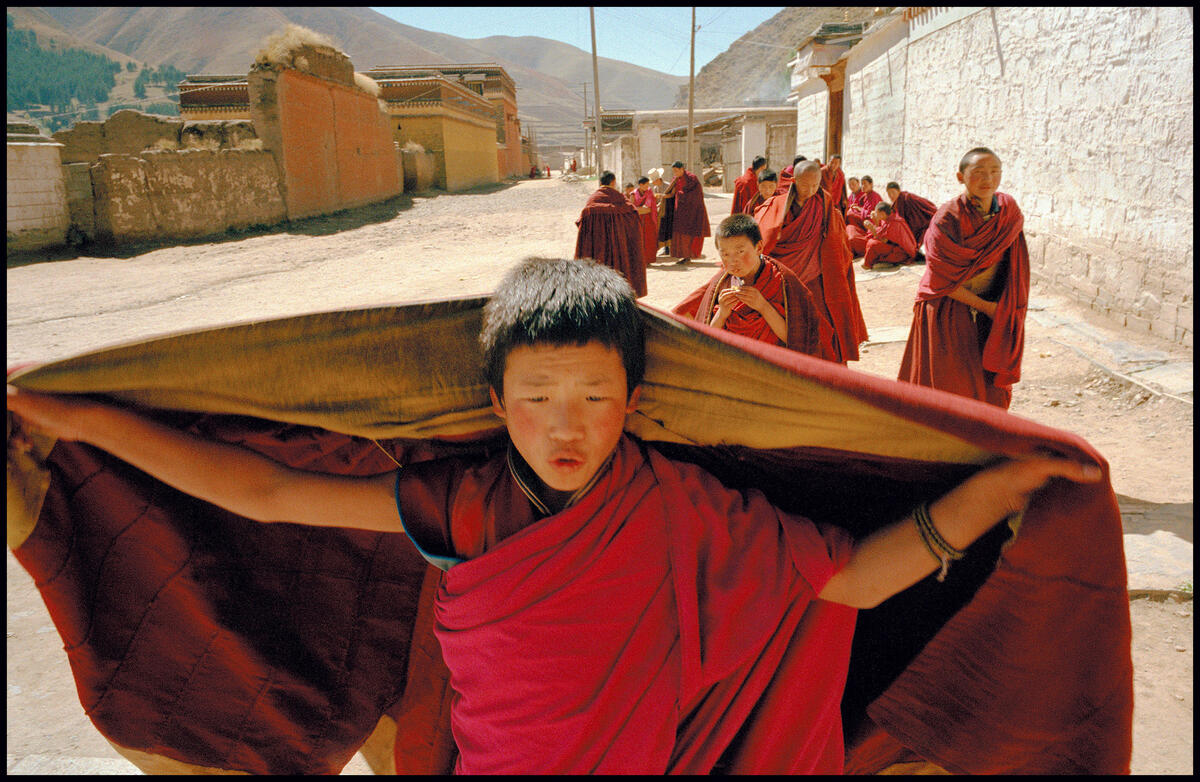
Novice Tibetan monks on their way to prayer. Xiahe. Gansu Province. China. 1996. © Ian Berry / Magnum Photos

White child with black nanny at National Party meeting. Harrismith. Orange Free State. South Africa. 1994. © Ian Berry / Magnum Photos
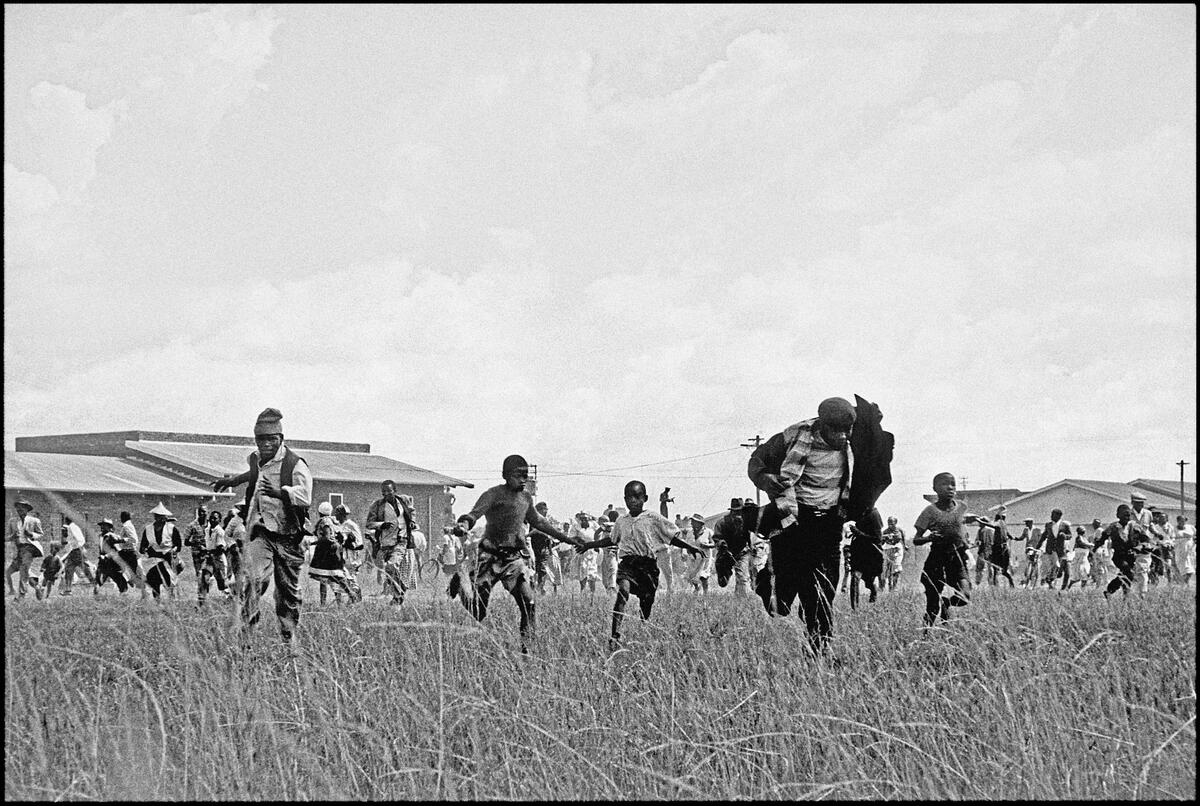
Protesters flee for their lives after police opened fire on a peaceful crowd at the Sharpeville Massacre on 21st March 1960. After a day of demonstrations, a crowd gathered around the fence securi (...)
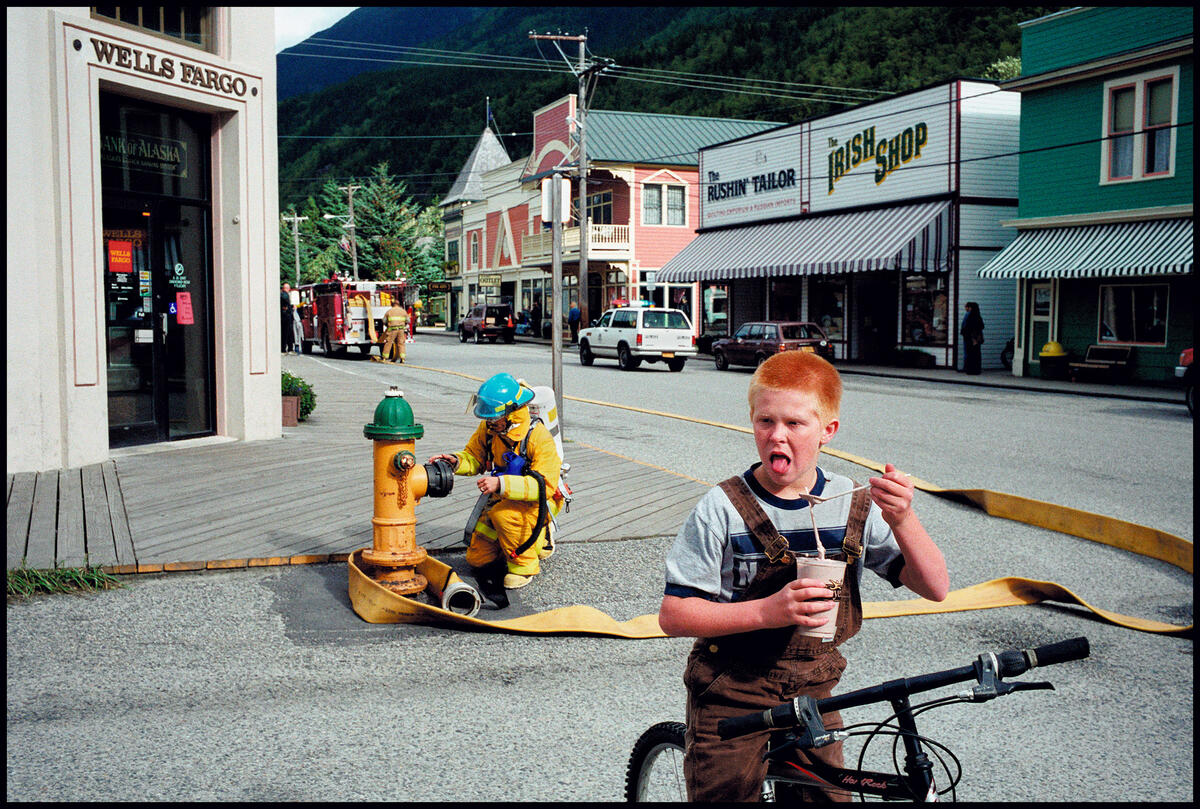
A fire fighter couples his hose to a fire hydrant during an emergency while a youngster with his bike ignores the excitement and continues eating his smoothie snack. Skagway, Alaska. © Ian Berry / (...)
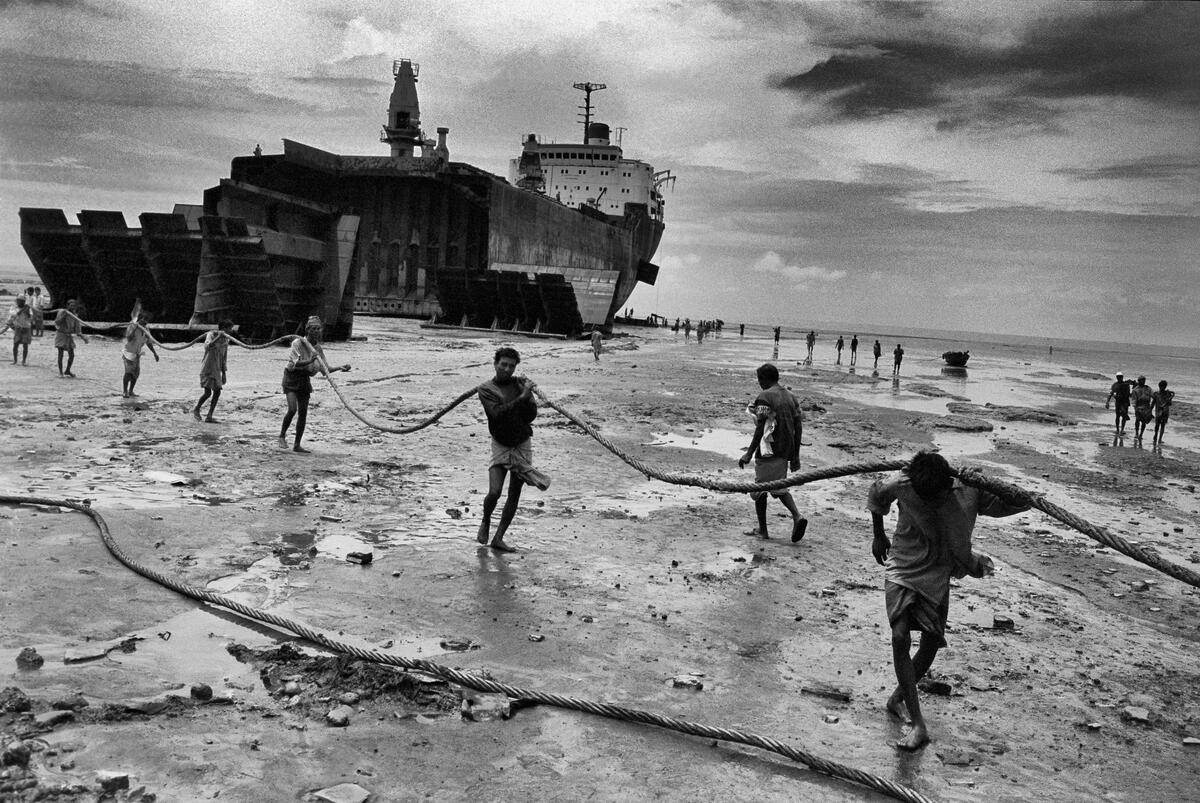
Bare-handed men and boys prepare to drag a huge load by hawser in the ship-breaking yard. Huge tankers are driven at full throttle and high tide on to the beach where they are broken up. Dhakin Sha (...)
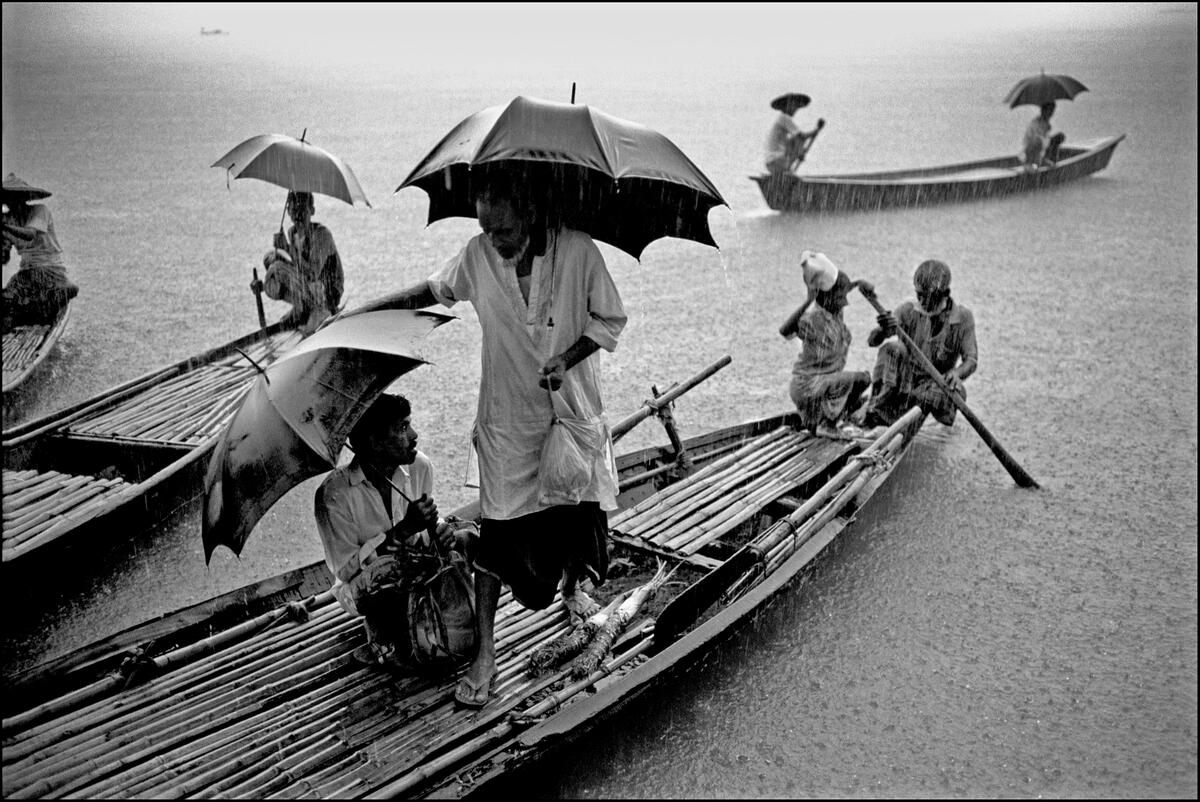
Wooden boats ferry people from one part of the village to another when flooded each year. Here, in the monsoon rains, a man returns from the bazaar with the family's shopping. Itna village. Sylhet (...)

South Africa. © Ian Berry / Magnum Photos
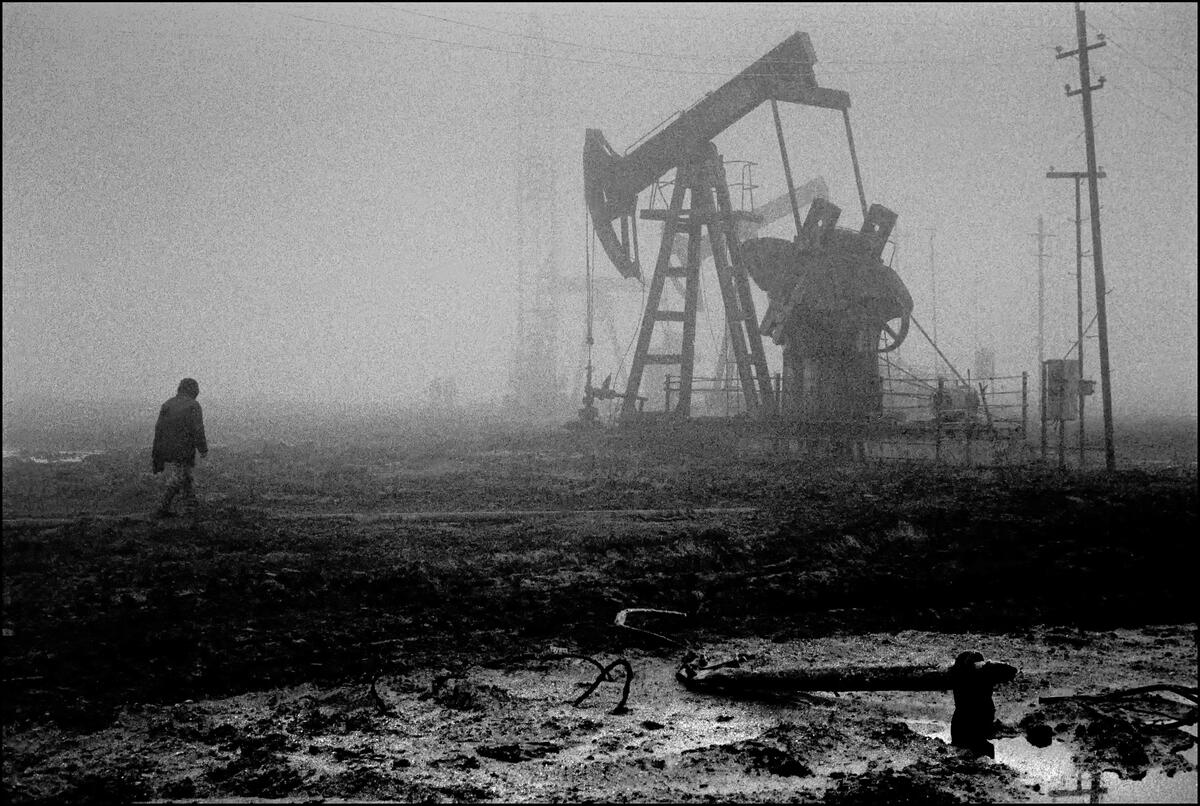
© Ian Berry / Magnum Photos

Supporters climb to every vantage point whilst awaiting the arrival of Nelson Mandela. Lamontville. Natal. South Africa. 1994. © Ian Berry / Magnum Photos
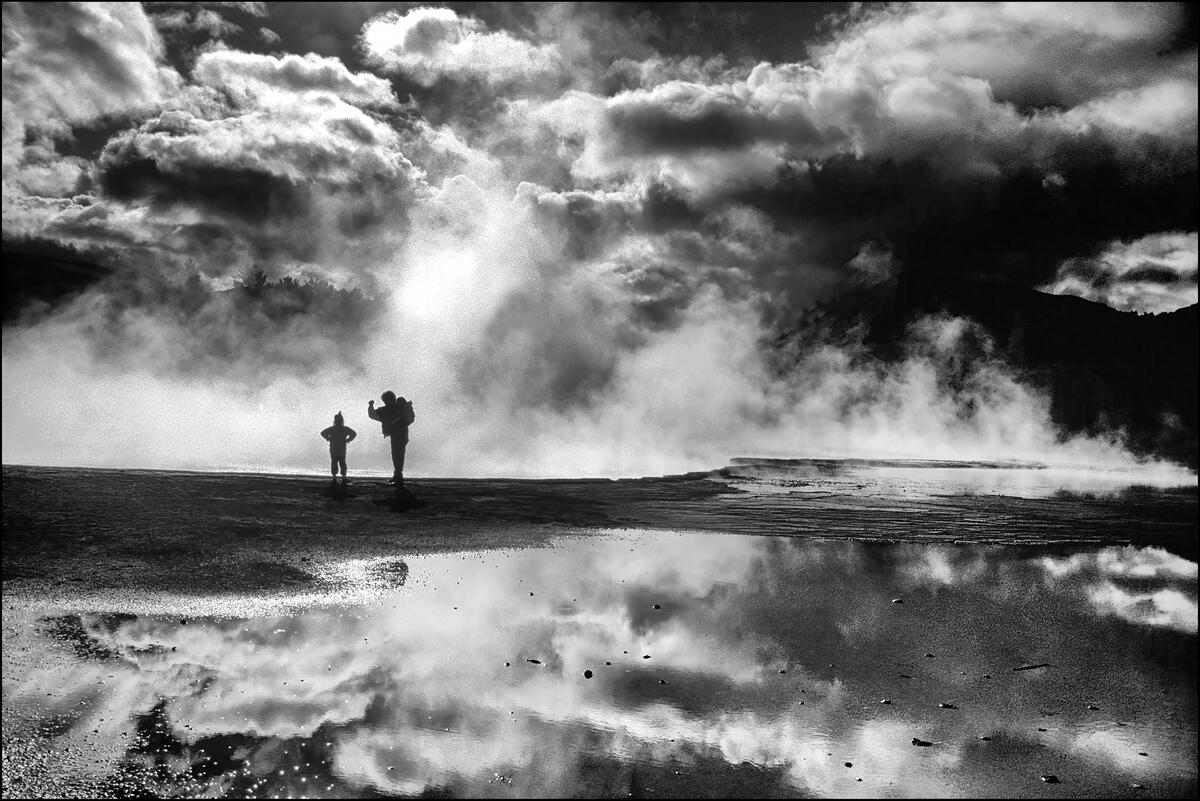
Walkers on a pathway between two lakes in the Tongariro National Park. North Island. New Zealand. 1988. © Ian Berry / Magnum Photos

Walkers explore the glacier having been flown to the top by helicopter. Fox Glacier. South Island. New Zealand. 1988. © Ian Berry / Magnum Photos
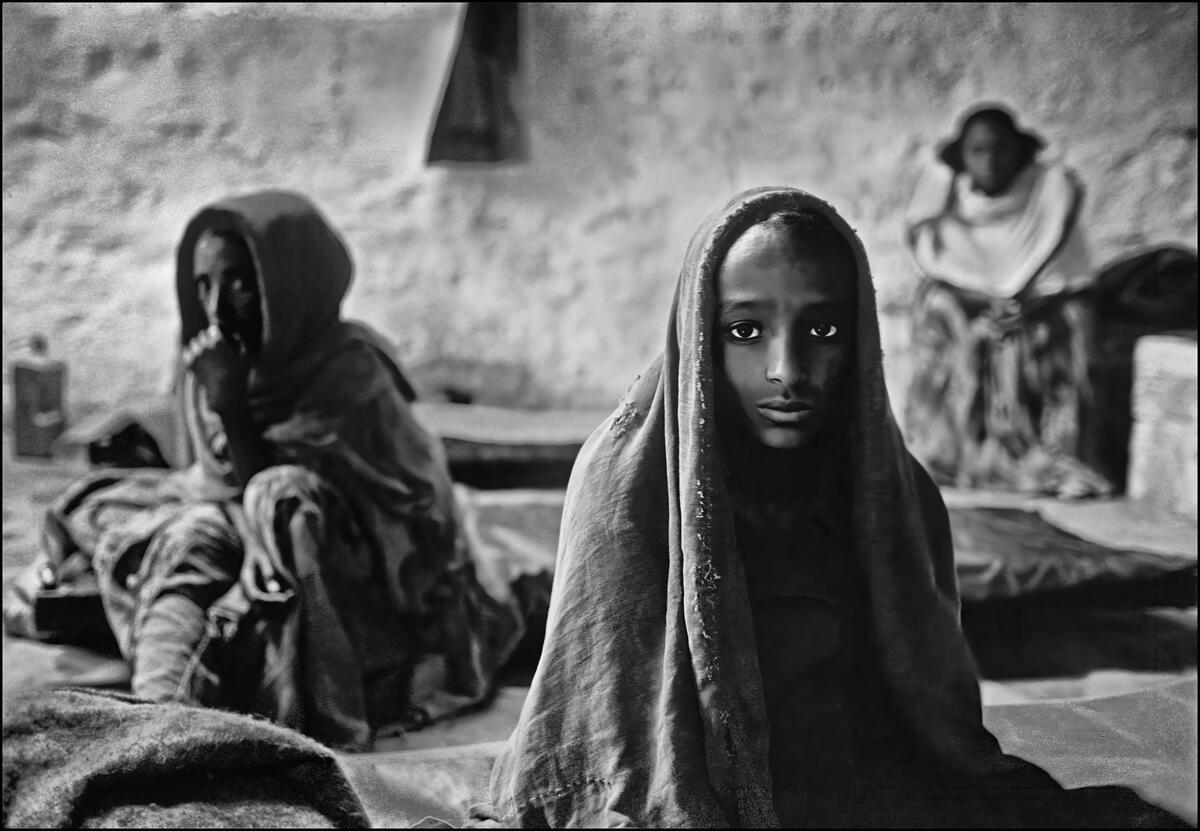
Refugees from the famine await aid from NGOs. Ethiopia, Africa. 1987. © Ian Berry / Magnum Photos
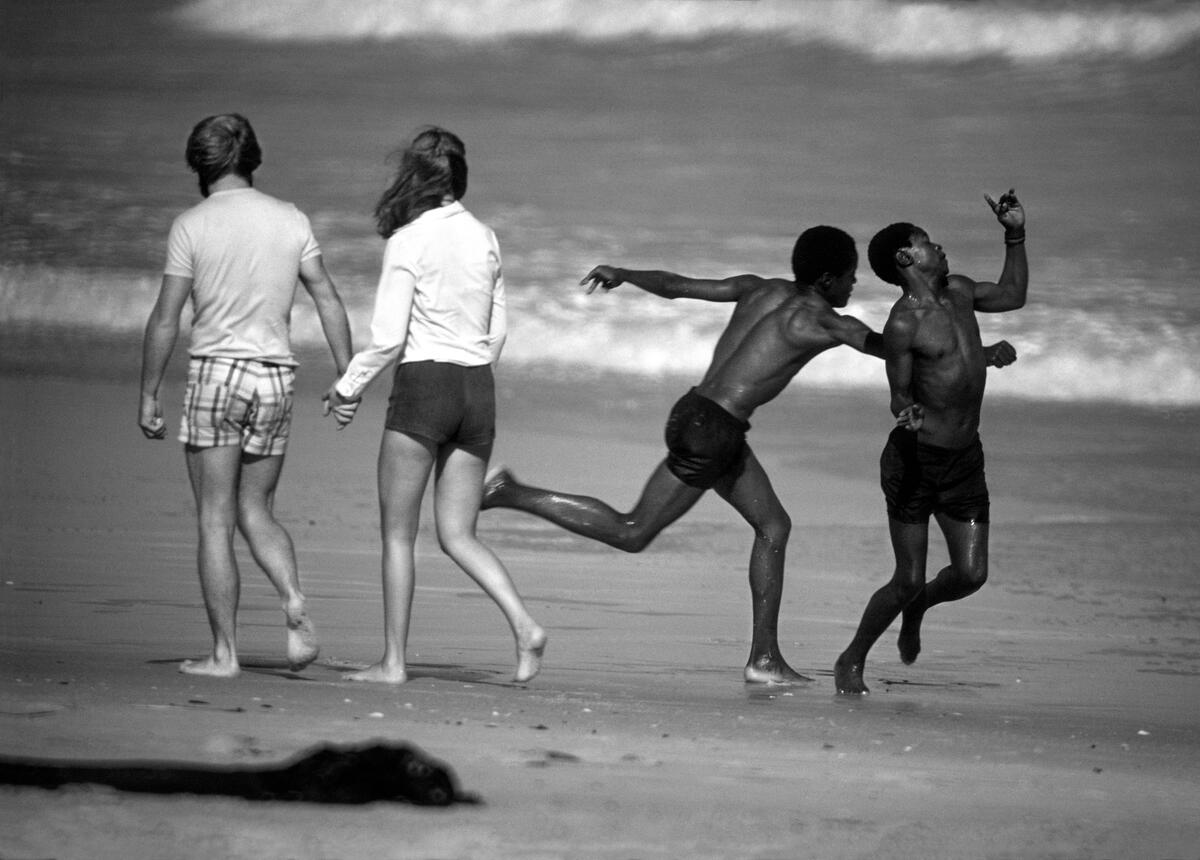
Black Africans on a legally whites-only beach. Muizenberg. Cape Province. South Africa. 1984. © Ian Berry / Magnum Photos
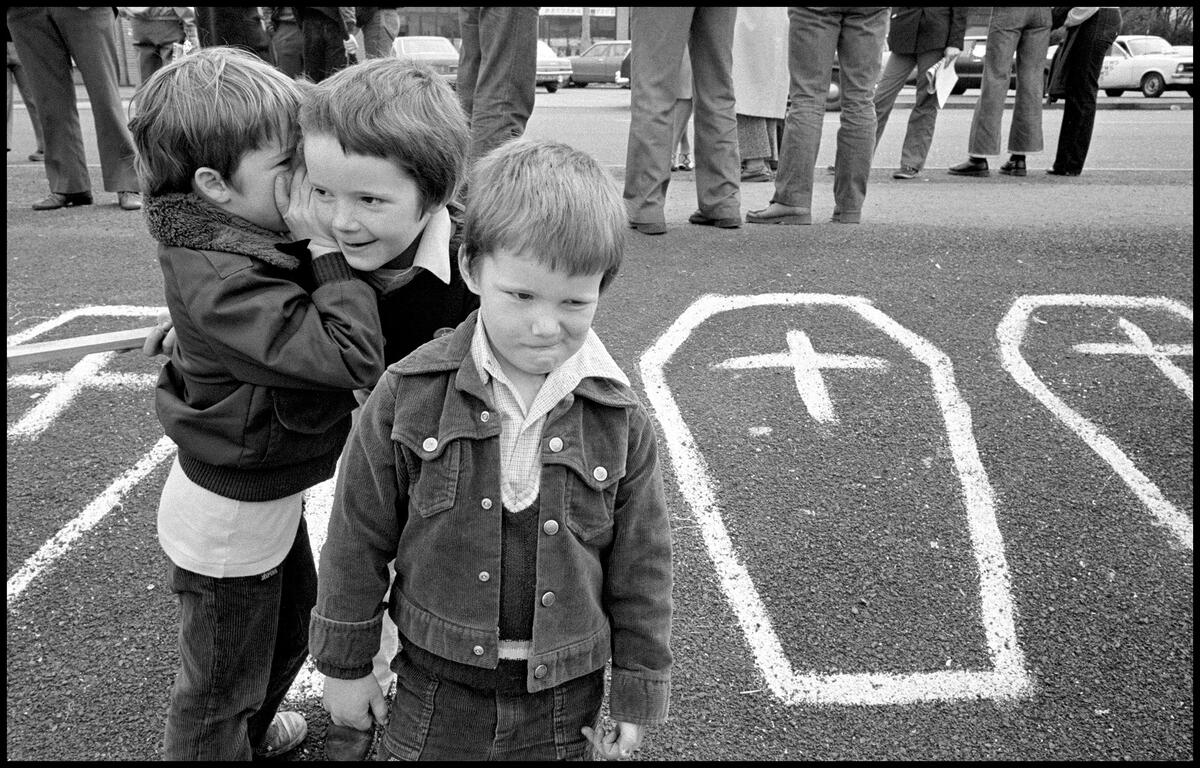
Small boys at a demonstration in support of H-Block hunger strikers with coffins painted on the pavement. Belfast, Northern Ireland. 1981. © Ian Berry / Magnum Photos

Top hatted gentry with their Rolls Royces and drivers before the races. Ascot, Berkshire. England. 1975. © Ian Berry / Magnum Photos
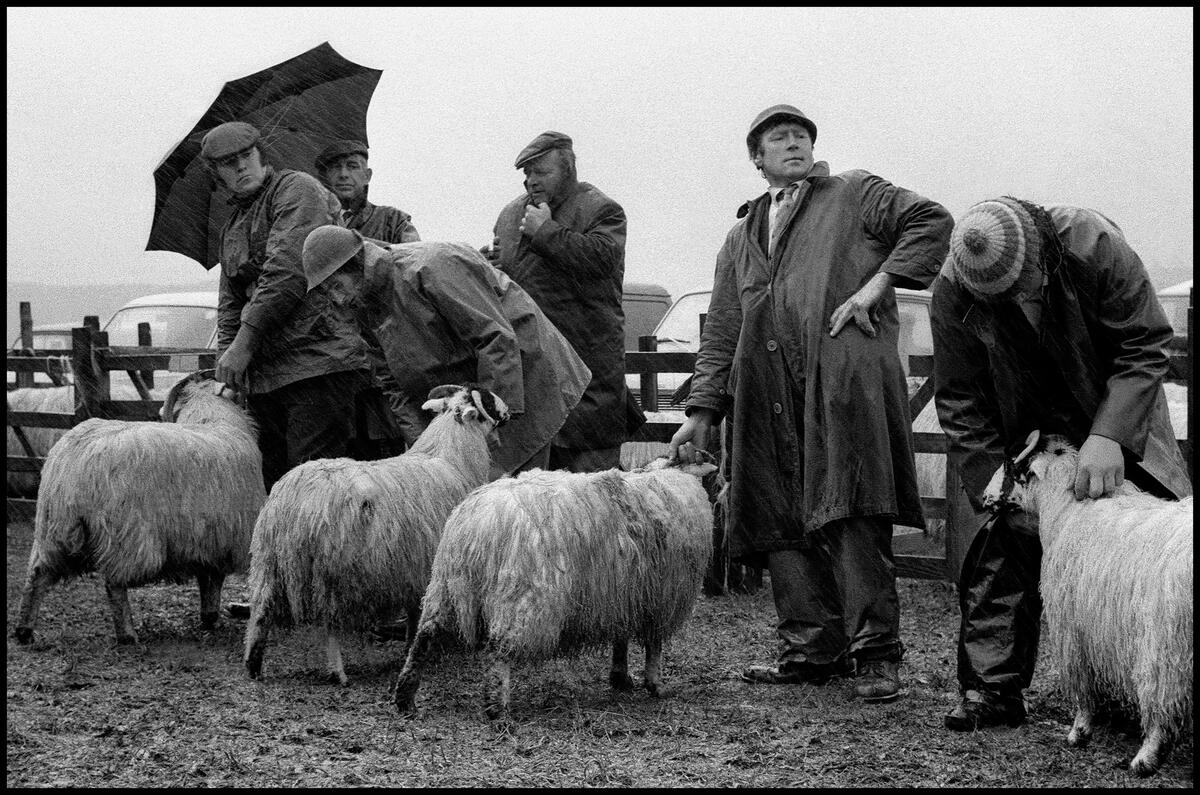
Farmers with their prize winning sheep in torrential rain at the Sedbergh agricultural show. Sedbergh. Cumbria. England. 1974. © Ian Berry / Magnum Photos
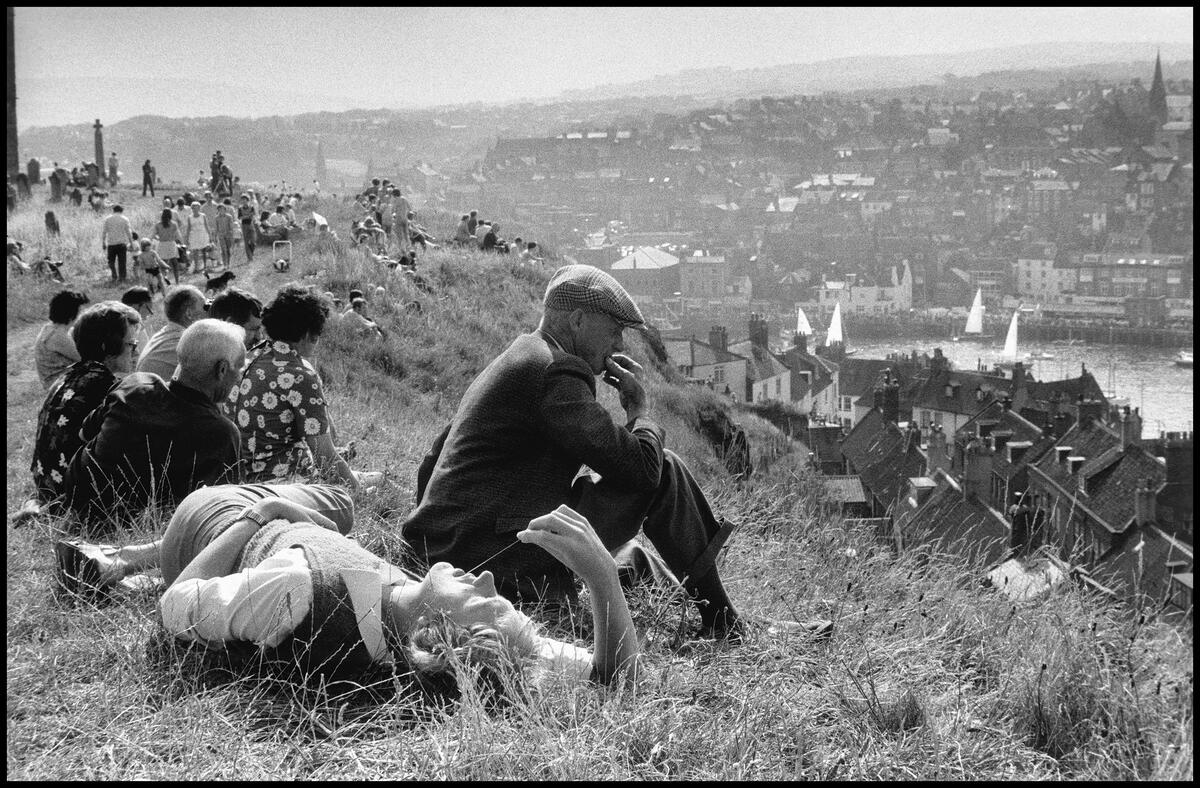
A sunny Sunday afternoon brings tourists and residents on to the hill overlooking Whitby harbour to relax and dream. Whitby, England. 1974. © Ian Berry / Magnum Photos
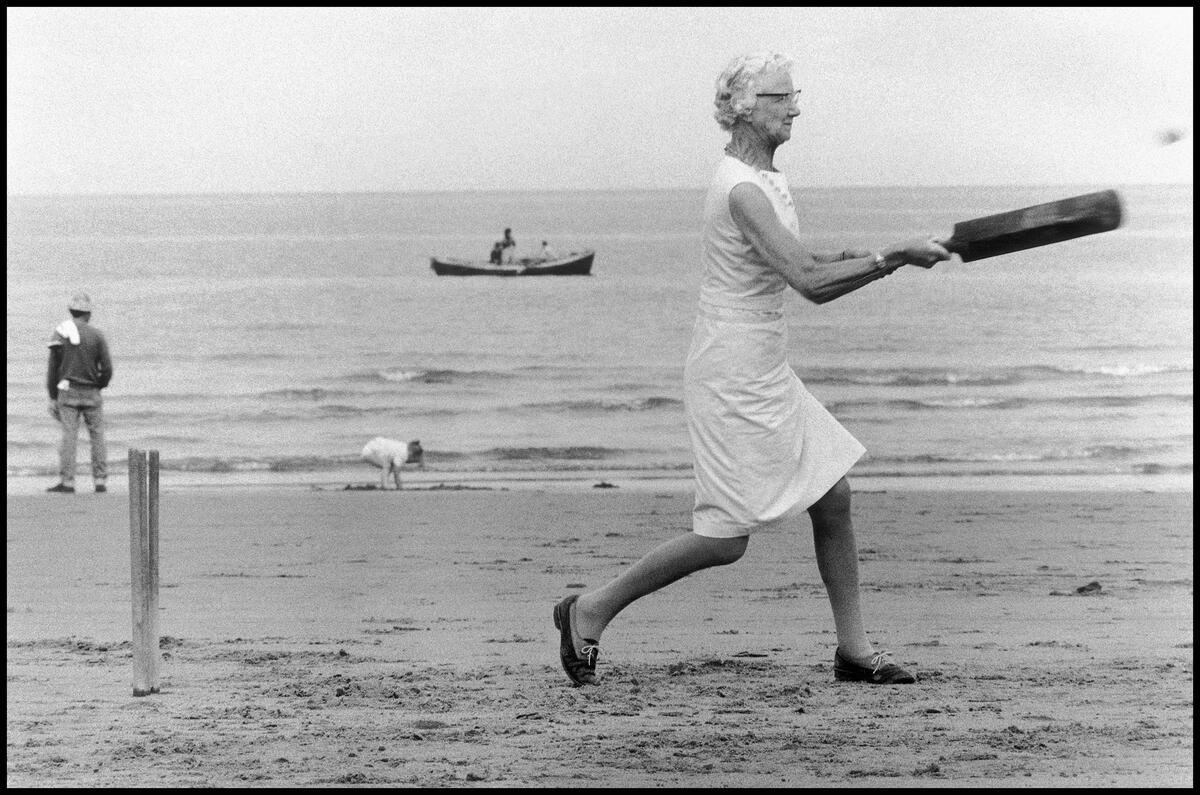
Elderly English woman playing cricket with her family on the beach. Whitby, Yorkshire. England. 1974. © Ian Berry / Magnum Photos
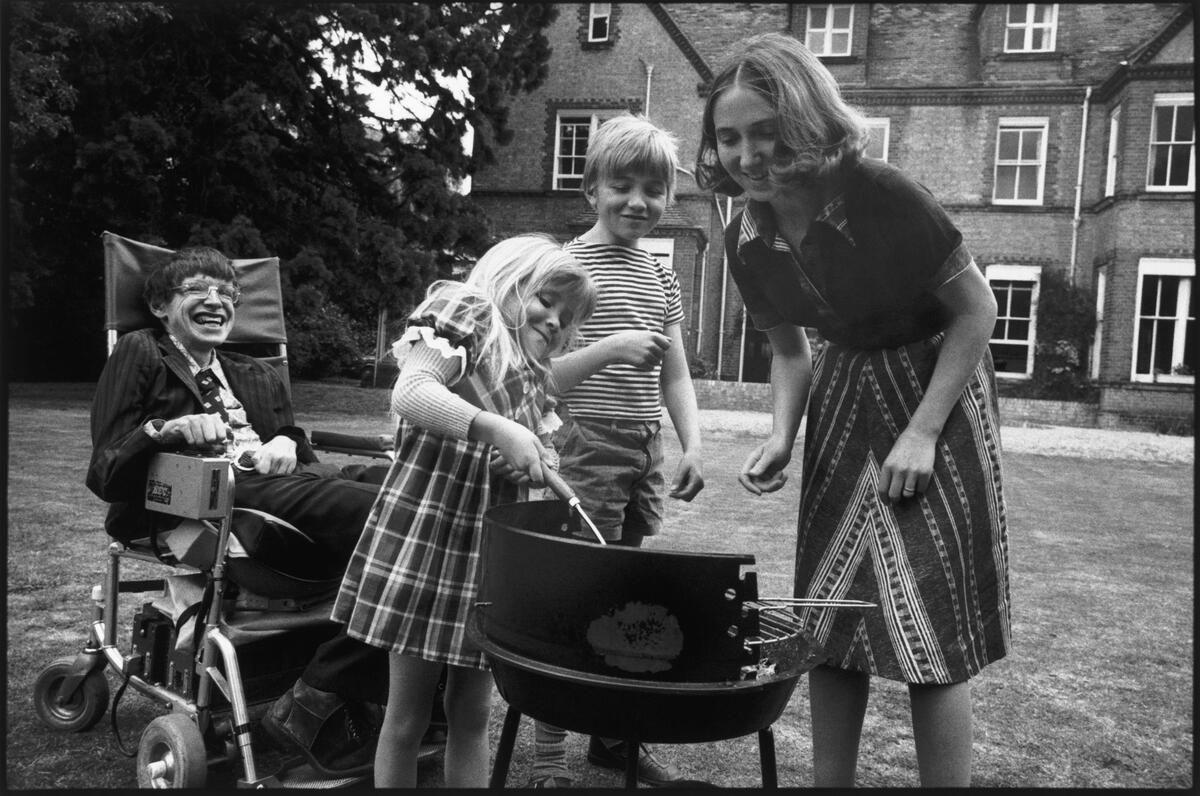
Professor Stephen Hawking, his wife Jane and daughter Lucy at home. Cambridge, England. 1977. © Ian Berry / Magnum Photos

A Czech man plays his violin from the car widow in Wenceslas square in defiance of the Russian tanks on the street. Prague, Czechoslovakia. 1968. © Ian Berry / Magnum Photos
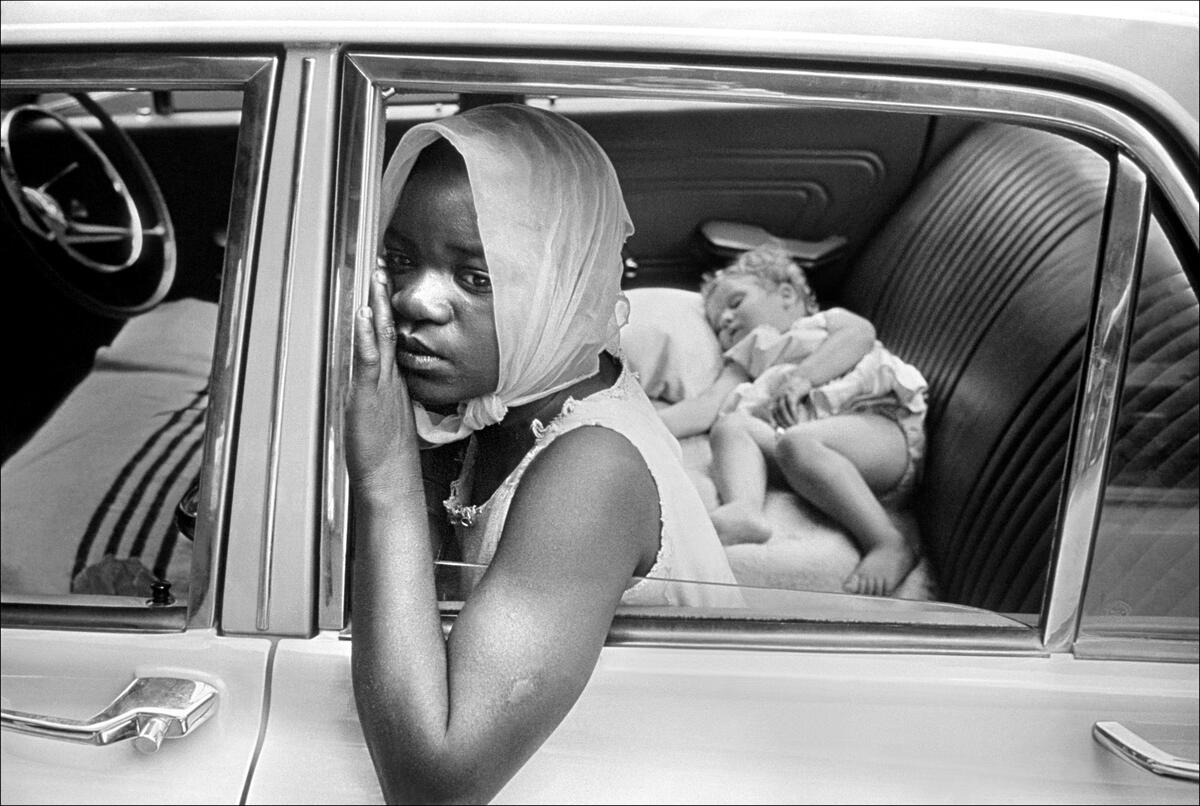
A young black girl, scarcely more than a child herself, looks after a baby girl for a white family. South Africa. 1969. © Ian Berry / Magnum Photos
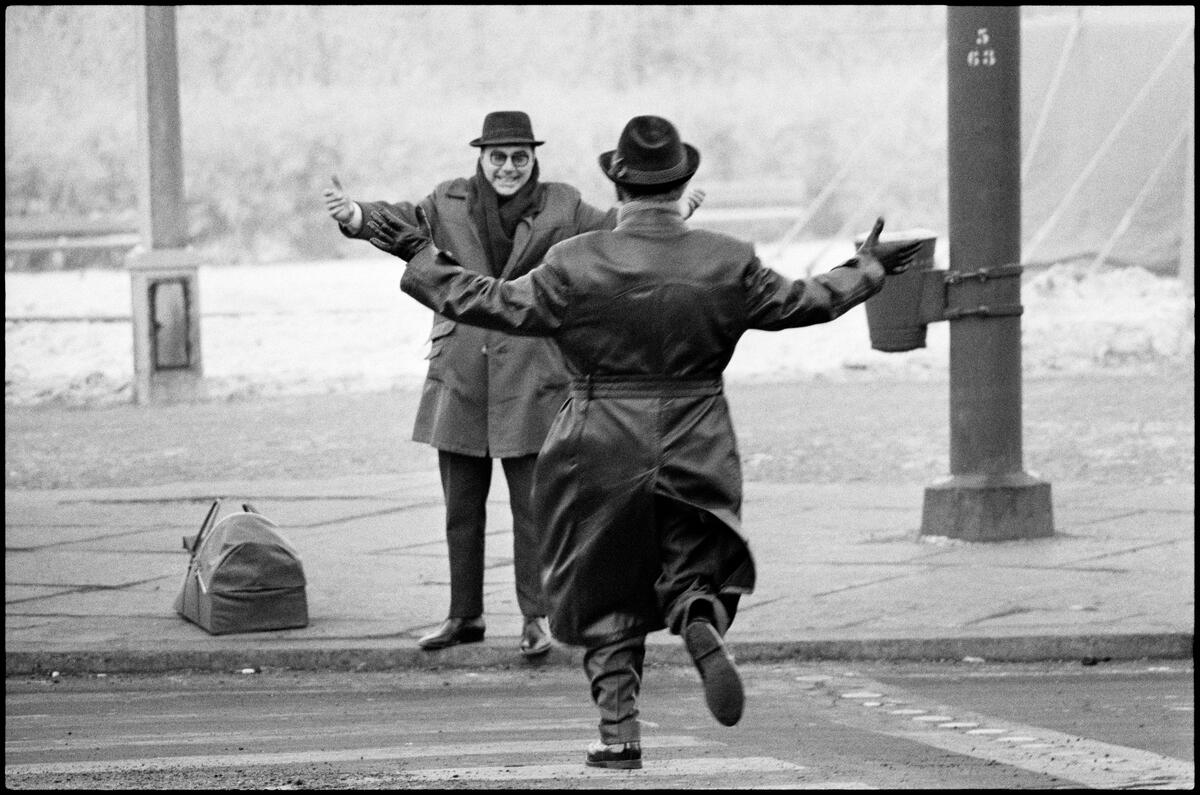
Christmas time. Two brothers meet after being separated by the wall. Berlin. West Germany. 1963. © Ian Berry / Magnum Photos
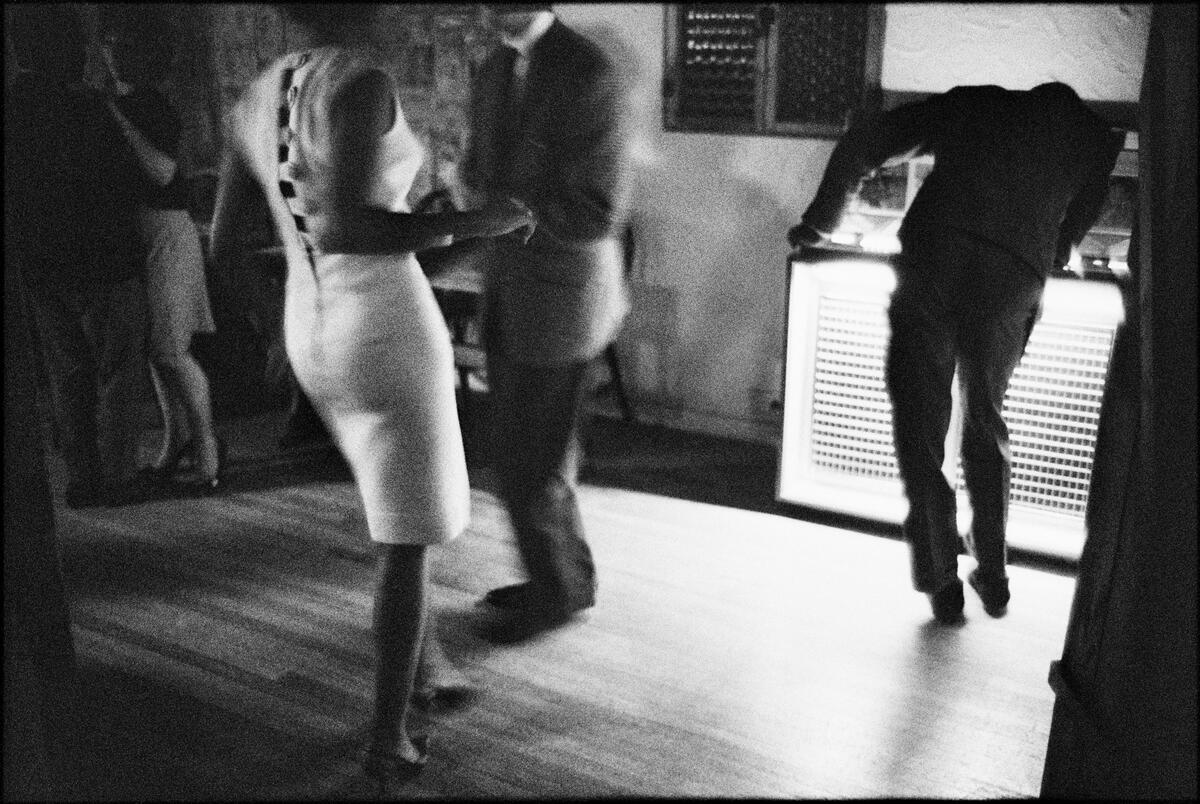
Underground nightclub principally for black people in Cable Street, East London. (Cable Street no longer exists). England. 1964. © Ian Berry / Magnum Photos

Ian Berry. Magnum annual AGM 2019 in London at Barbican Center. London. United Kingdom. June 27, 2019. © Jérôme Sessini / Magnum Photos
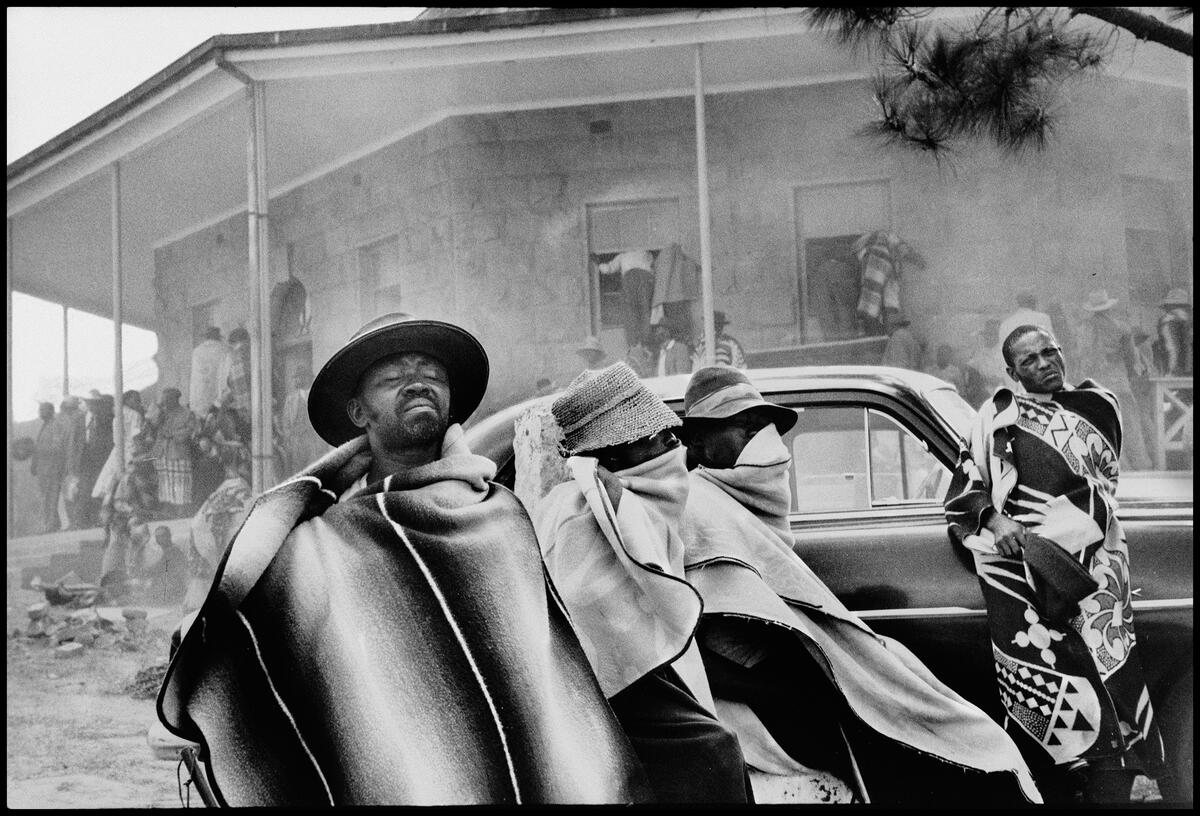
A dust storm outside the legislative building prompts the local people to use any means at their disposal to get out of it. Here the men use their blankets to mask their faces. 1960. Maseru. Lesot (...)

A boy plays an oil can guitar in the burned out ruins of his home during political violence. Maseru. Basutoland (now Lesotho). South Africa. 1961. © Ian Berry / Magnum Photos

Czechs gather under the gun barrel of a Russian tank to protest the invasion. Prague, Czechoslovakia. 1968. © Ian Berry / Magnum Photos
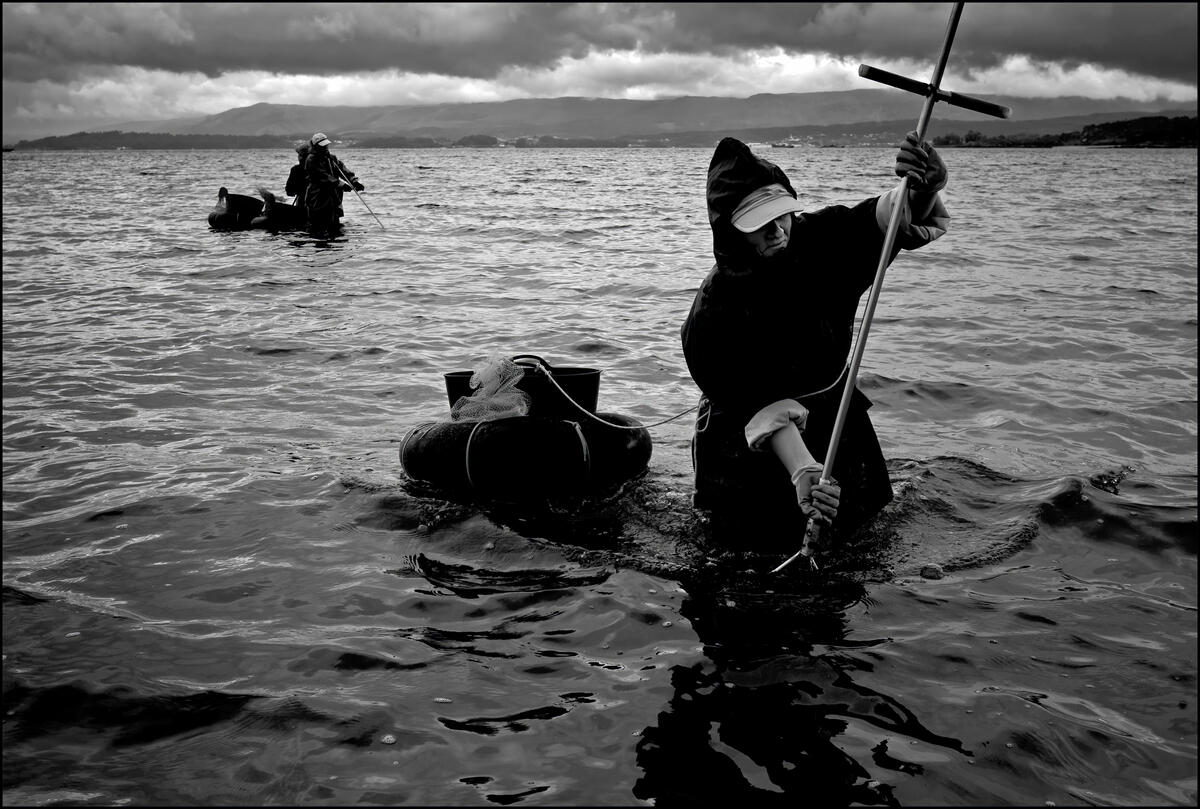
Galician mariscaderos (shellfish-gatherers) wade out each day at the right tide time through chest-high water, sometimes in atrocious weather, with their equipment (long-handled scoop) and hauling (...)
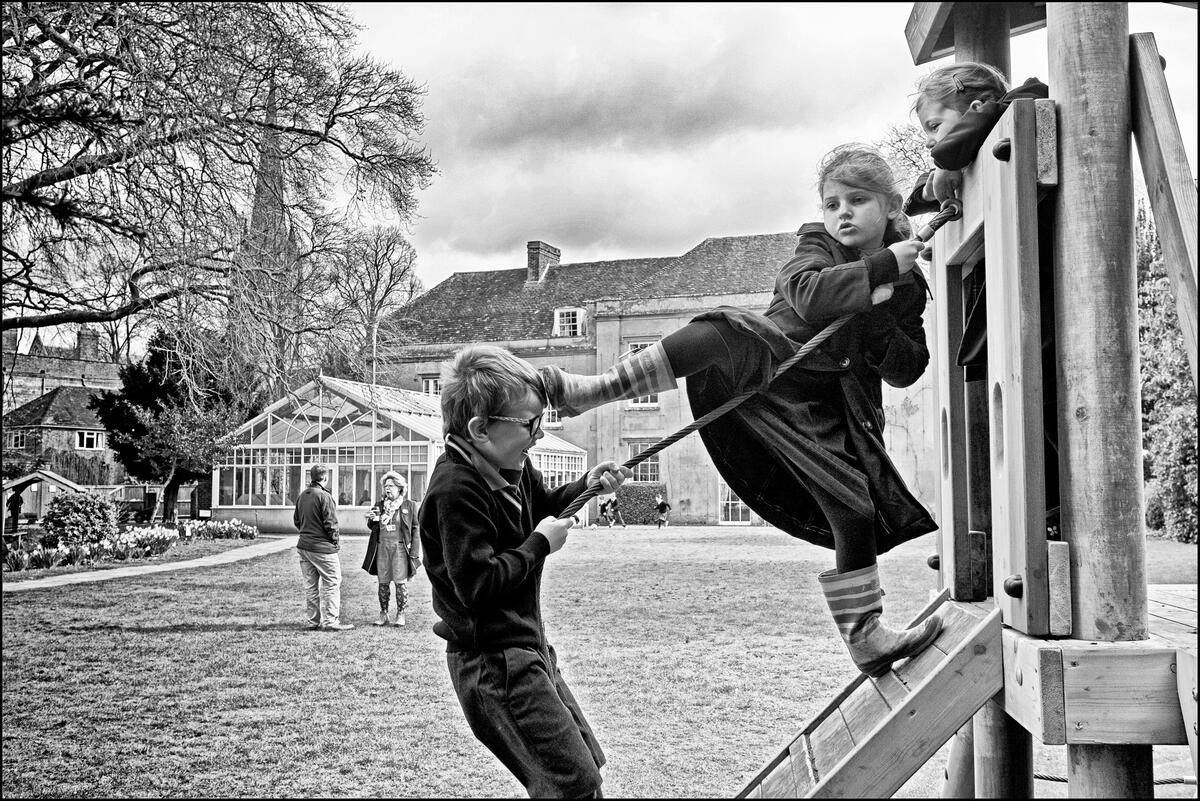
Salisbury Cathedral. Salisbury. Wiltshire, England. 2017. © Ian Berry / Magnum Photos


